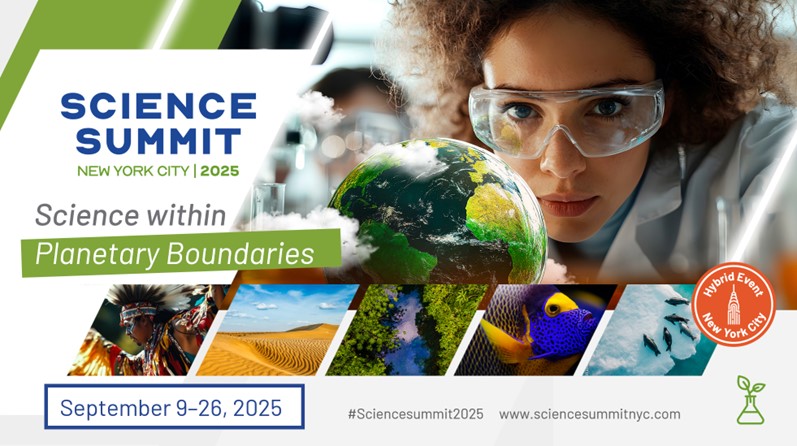
9 to 26 September 2025. The Science Summit featured a mix of virtual and hybrid sessions hosted in New York.
the Science Summit at UNGA80 brought together researchers, policymakers, civil society, and private sector leaders from across the globe for more than 400 sessions highlighting how science and innovation can drive progress toward the SDGs. The Summit featured high-level panels on African scientific leadership, Indigenous peoples’ contributions to biodiversity and food security, climate-resilient agriculture, soil health, financing food systems, and mobilising capital for research and innovation, alongside the launch of major global assessments such as the IPBES Nexus Report. Spanning diverse themes—from pesticide management frameworks in Africa and the Middle East to strengthening Africa–Europe partnerships and showcasing community-driven solutions—the event emphasized collaboration, equity, and investment as critical levers for global resilience and sustainable development.
This session presented the Sustainable Pesticide Management Framework (SPMF), a multi-year initiative by CropLife Africa Middle East and partners to phase out highly hazardous pesticides, improve farmer training, and strengthen regulatory systems to protect health and the environment while boosting productivity. Speakers from CropLife, FAO, and African regulatory agencies outlined progress and challenges in implementation. While no direct recording has been posted publicly, background videos and the SPMF Annual Report are available online, providing visuals and documentation of ongoing work.
In this technical session, researchers shared modelling studies of the Raya Valley, Ethiopia, analyzing how land use change and climate variability impact crop productivity and resilience. The work combined climate projections with land suitability and water availability models, offering insights into policy measures for sustainable agricultural planning. The specific speakers and a session recording have not been made public, though related academic work on the Raya Valley provides supporting materials.
This dialogue emphasized Africa’s growing role in global science through leadership, innovation, and collaboration, with speakers from African academies of science, universities, and international research organizations. It highlighted success stories of African-led partnerships in health, agriculture, and climate, stressing the importance of investment in homegrown talent. While the session is listed in the Science Summit NYC program, a recording has not yet been located.
This session focused on inclusive approaches to Nature-based Solutions (NbS), highlighting how Indigenous Peoples and local communities can be engaged from planning through implementation to ensure equitable and effective outcomes. Speakers from environmental NGOs, Indigenous networks, and policy institutions shared case studies from Latin America, Africa, and Asia. Although the direct recording has not been found, related webinars on Indigenous knowledge in NbS are available and provide context.
This Brazil-focused session examined the intersection of food security, cultural rights, and biodiversity, emphasizing the contributions of Indigenous Peoples, Quilombolas, and traditional communities to conserving native species and ensuring sustainable diets. Brazilian researchers and community representatives shared perspectives on policy frameworks and grassroots innovations. No official recording has been identified, though related background publications on Quilombola food systems can be consulted.
Held during the UN General Assembly Science Summit, this high-profile event positioned African science as central to solving global challenges, from climate change to health. Keynote speakers included leaders from the Science for Africa Foundation, government representatives, and international organizations, who underscored the need to scale African research leadership and funding. Event pages confirm the session, though a public recording has not yet been released.
Building on earlier discussions, this session showcased collaborative projects and policy dialogues between African and European research institutions, with a focus on building resilience to food system shocks and climate change. It highlighted examples of co-created research agendas and joint capacity-building programs. While detailed listings exist in the Science Summit schedule, no direct online recording is available.
This event stressed the importance of healthy soils as the foundation of resilient food systems, with experts from soil science, agriculture ministries, and international organizations sharing evidence of how soil degradation undermines productivity and climate goals. Speakers advocated for soil health restoration initiatives and greater investment in soil monitoring. The session is listed in UNGA Guide, but no public video recording has been located.
This panel highlighted African-led solutions across multiple sectors, with scientists and innovators sharing case studies of technologies and policies designed within the continent to address local challenges. The session stressed knowledge sovereignty and the importance of international recognition of African expertise. While the program entry is available, a recording has not been posted.
Speakers in this discussion examined how financial innovation and investment can drive inclusive and sustainable food systems, highlighting models for channeling capital to smallholder farmers, women entrepreneurs, and local agri-food enterprises. Development finance institutions and philanthropic foundations shared lessons on mobilizing resources effectively. Social media posts confirm the session, but no official recording is publicly available.
This session explored how regional research ecosystems can act as catalysts for agri-food innovation, featuring contributions from networks of agricultural research institutions and policymakers. It emphasized creating enabling environments for technology adoption, resilience, and regional collaboration. While listed in the UNGA Guide, no open recording has been found.
This session presented findings from the IPBES Nexus Assessment, emphasizing the complex interdependencies between biodiversity, water, food, and health, and offering integrated policy options. IPBES experts and authors highlighted case studies and recommendations from the assessment, which was published in 2024. While the session recording itself is not public, IPBES has released webinars, videos, and the full report online, which serve as comprehensive references.
This session examined how to increase investment flows for science and innovation, with speakers from multilateral banks, governments, and the private sector. They explored mechanisms for reducing risk, improving governance, and incentivizing long-term research funding. While included in the Science Summit program, no session recording or visuals have yet surfaced publicly.

No comments:
Post a Comment