
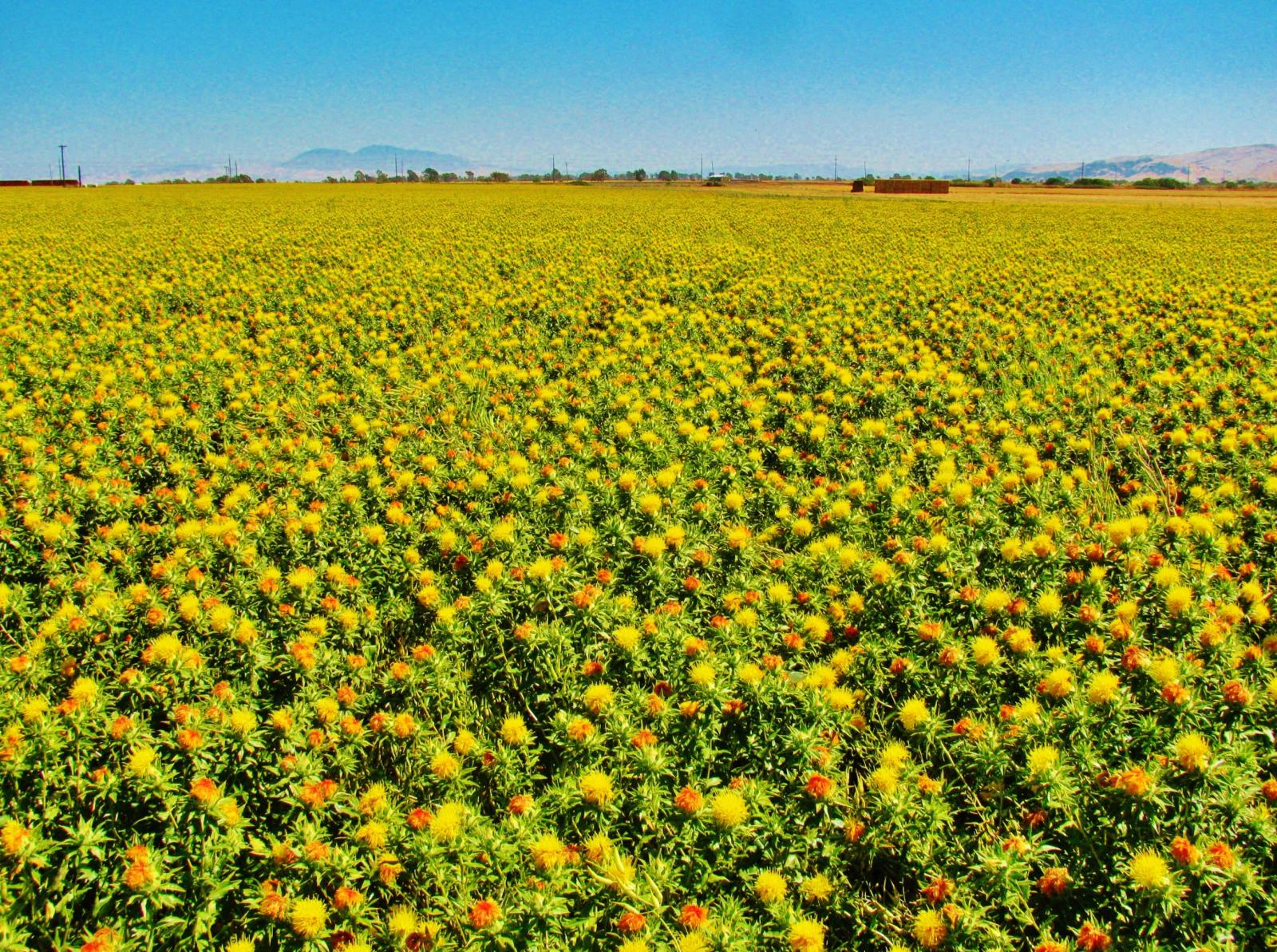
The Regional University Forum for Capacity Building in Agriculture (RUFORUM) under the TAGDev program in partnership with the Botswana University of Agriculture and Natural Resources (BUAN) , launched the Community Action Research Project (CARP) focused on Safflower.
Led by Professor, Vallantino Emongor, Principal Investigator, Crop and Soil Sciences Department, at BUAN, the project aimed to build a comprehensive value chain for Safflower by enhancing production, develop marketable products, and train the local farming community – particularly women who were affected by gender-based violence during the COVID-19 lockdown.
 BUAN’s research confirms that safflower
is a resilient, multi-purpose, and drought-tolerant
crop suitable for Botswana’s semi-arid climate, with
potential uses for cooking oil, animal feed, and other
high-value products. The university is supporting
efforts to develop quality seed, provide farmer training,
and strengthen safflower value chains (such as tea).
BUAN’s research confirms that safflower
is a resilient, multi-purpose, and drought-tolerant
crop suitable for Botswana’s semi-arid climate, with
potential uses for cooking oil, animal feed, and other
high-value products. The university is supporting
efforts to develop quality seed, provide farmer training,
and strengthen safflower value chains (such as tea).
 Here is a list of the main value-chains (value-adding pathways) for Safflower production in Botswana — from farm production to final products and potential markets. The list draws on recent studies of safflower in Botswana and general global safflower value-chain literature. The combination of Botswana’s arid/semi-arid climate and safflower’s drought and heat tolerance makes it well suited as a climate-resilient crop for smallholders — supporting food security and income diversification
Seed → Edible Oil (cooking oil, salad oil, margarine)
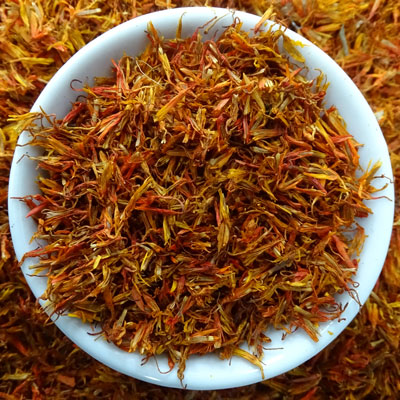 Flowers / Petals → Natural Dyes / Colourants / Herbal Products / Cosmetics / Medicinal Uses
 The “From Seeds to Foods” global exhibition, part of WFF 2025 at FAO headquarters in Rome, took place 10–13 October 2025. The “Africa Pavilion” at that exhibition showcased a range of African agrifood products and processed goods — including many traditional/indigenous and underutilized crops.
Enhancing safflower production and product development for food security and improving incomes of small-scale farmers in Botswana
BUAN’s safflower work uses five genotypes: Kiama composite (local), Sina-PI 537598, Gila-PI 537692, PI 537636 and PI 527710. 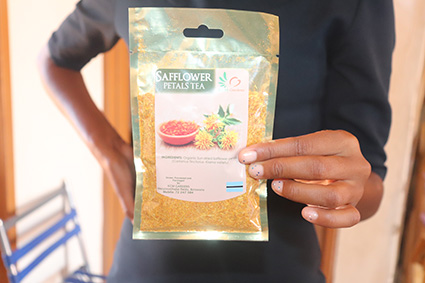
- Kiama composite is a local cultivar, which was obtained through crossbreeding of varieties imported from China, Afghanistan and more countries, which were part of a lot of 40 varieties sent by the Washington based genebank at the request of the (Kenyan) breeder based in Botswana Nelson Kiama Mwaniki - for testing
- Sina (PI 537598) is a variety developed and released for drylands in Iran; Iranian and international trials consistently describe PI-537598/Sina as an Iranian line.
- Gila (PI 537692) is a named U.S. cultivar, listed in multiple studies as “Gila, PI 537692, USA cultivar.”
- PI 537636 is recorded in the U.S. safflower core collection as a U.S. breeding/core line.
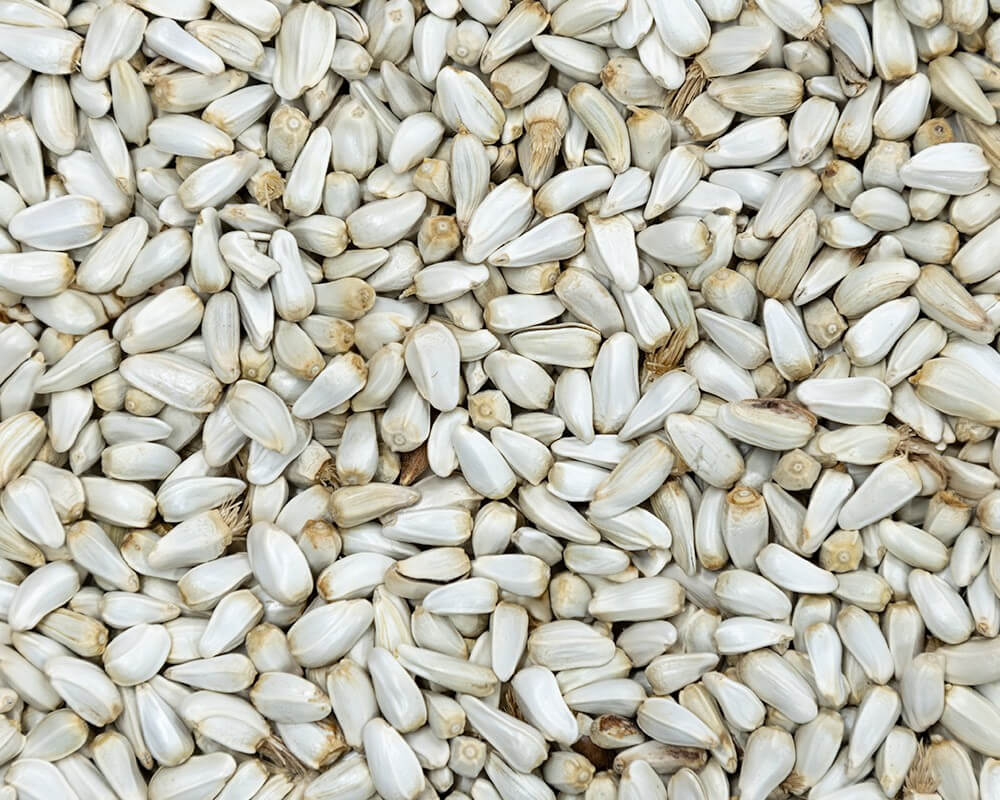
- PI 527710 appears in the USDA Plant Inventory as a Carthamus tinctorius accession in the U.S. National Plant Germplasm System (origin “unknown”) but held in the U.S. collection.
Interview with the breeder
Dr. Nelson Kiama Mwaniki.
He explains how he found - through a Google search - USDA Western Regional Plant Introduction Station, located in Pullman, Washington. This facility is part of the USDA Agricultural Research Service and is responsible for maintaining and distributing safflower genetic resources globally
The safflower kiama variety vegetable has more protein content than meat: 39.2% Protein. It has more vitamin B1,B2, B3, B5, B6 than cabbage, rape and spinach. It does not need any agrochemicals to grow and it has the much needed antioxidant flavonoids (catechins, lutein, and quercetin) necessary for boosting immunity and fighting diseases. It can be grown easily in the backyard garden.
Field visit
Here are the links for the short videos recorded during the field visit: presentation by Onkgolotse Moatshe Mashiqa Senior Research Fellow Crops and Soil Science with the Botswana University of Agriculture and Natural Resources (BUAN).
In this video, BUAN is harvesting the vegetable for solar dehydration for the export market.
Value-adding pathways) for Safflower production in Botswana
Seed → Edible Oil (cooking oil, salad oil, margarine)
- Safflower seeds are harvested, cleaned and processed (pressed or solvent-extracted) to produce cooking/edible oil. This is widely considered the primary value-chain for safflower in Botswana.
- Given Botswana’s large edible-oil import bill, local safflower-oil production has potential to substitute oil imports.
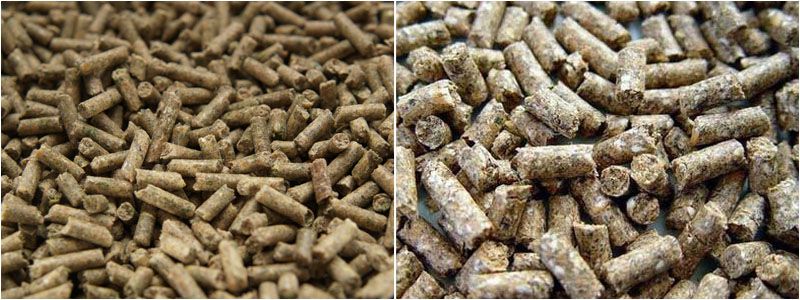
- The by-product (seed cake) left after oil extraction can be used as animal feed or livestock supplement.
- This adds value and creates a secondary market for livestock producers, improving resource use efficiency.
- On-farm, safflower can be integrated in crop rotations due to its drought tolerance, deep roots, and ability to improve soil structure — thereby increasing the value of land and improving sustainability of cropping systems.
- This “ecosystem-service” value chain can support other crops (soil amelioration, weed control, salinity/waterlogging mitigation, etc.) while providing yield returns.
- The petals of safflower can be harvested and processed to produce natural dyes (e.g. carthamin), used in food colouring, textile dyeing, cosmetics, herbal teas and medicinal products.
- This value-chain captures high-value niche markets (textiles, natural dyes, cosmetics, herbal medicines) — offering significant income potential beyond bulk seed/oil markets.
- Safflower seeds may be sold whole (non-processed) as bird seed or pet food, or to seed traders/exporters — offering a lower-entry barrier value-chain that avoids processing infrastructure.
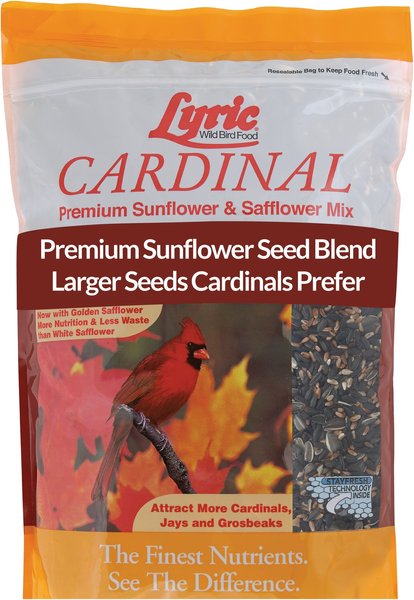
- This chain can be especially relevant for small-scale or backyard producers, as has been suggested in Botswana by local advocates.
- Safflower oil is valued for its high content of unsaturated fatty acids (linoleic and oleic), making it suitable for use in cosmetics, personal care, and in industrial applications (e.g. as a base oil).

- There is also potential for bio-industrial products — for example, biodiesel or bio-based oils — though uptake may depend on investment in processing infrastructure.
- Because safflower is multipurpose, many value-chains can be combined: e.g. seed for oil, cake for feed, petals for dyes, biomass for soil health — creating a diversified “portfolio” value-chain for producers.
- This diversified value-chain model enhances resilience for smallholder farmers — especially in semi-arid contexts like Botswana — and supports agroecological and circular-economy principles.
The core BUAN-affiliated safflower team
- Prof. Vallantino (Valentino) Emongor – Crop & Soil Sciences, BUAN. Long-standing lead on safflower agronomy in Botswana (field trials, oil content, value-chain work).
- Dr Onkgolotse G. Moatshe-Mashiqa – Senior Researcher, Crop & Soil Sciences, BUAN
- Dr Bamphitlhi Tiroesele – Co-author on “Enhancing safflower production and product development…” focusing on smallholder farmers in Botswana.
- Researchers involved in growth/yield and phenology trials, including Mosupiemang (first author on growth and yield work) and Otsoseng TRIGO Oagile
- Dr Nelson Kiama Mwaniki is a Kenyan scientist and lead farmer based in Botswana who collaborates closely with BUAN and RUFORUM on safflower outreach and farmer training
Safflower production in the Kweneng North region of Botswana
This is an emerging agricultural initiative led by the Kweneng North Horticultural Farmers’ Cooperative. The crop is promoted as a resilient and profitable “cash-crop” perfectly suited for the country’s semi-arid climate.
Botswana in Rome
Botswana presented national favourites such as preserved wild watermelon and dried sweet reeds, as well as segwapa dried meat.
Articles
V. Emongor (2010) Safflower (Carthamus tinctorius L.) the underutilized and neglected crop: a review. Asian Journal of Plant Sciences, 2010, Vol. 9, No. 6, 299-306. Full article here
- Through this initiative, over 160 women have been trained and organized into cooperatives such as the Saff Energy Initiative Multipurpose Co-operative Society. These groups now actively produce safflower-based goods, including cooking oil, herbal teas, natural dyes, cosmetics and livestock feed. The project didn’t just provide agricultural training, it also created an economic value chain.
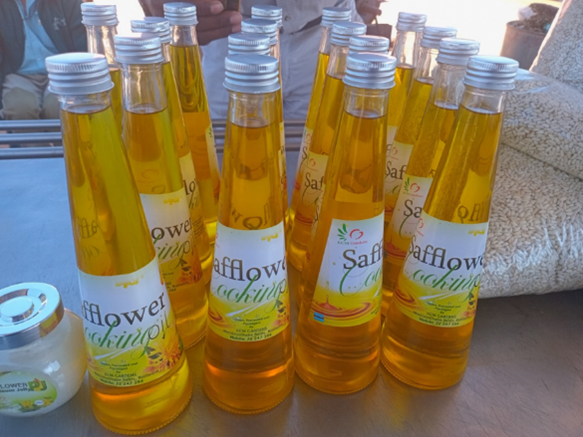
- One of the project’s key successes was the integration of universities, Technical Vocational Institutions (TVETs), government agencies, and private sector into the safflower ecosystem. Students were trained in practical research and outreach, farmers received hands-on instruction, and cooperatives gained the skills to process and market safflower products. This collaborative approach extended from seed multiplication to final product packaging and branding.
No comments:
Post a Comment