
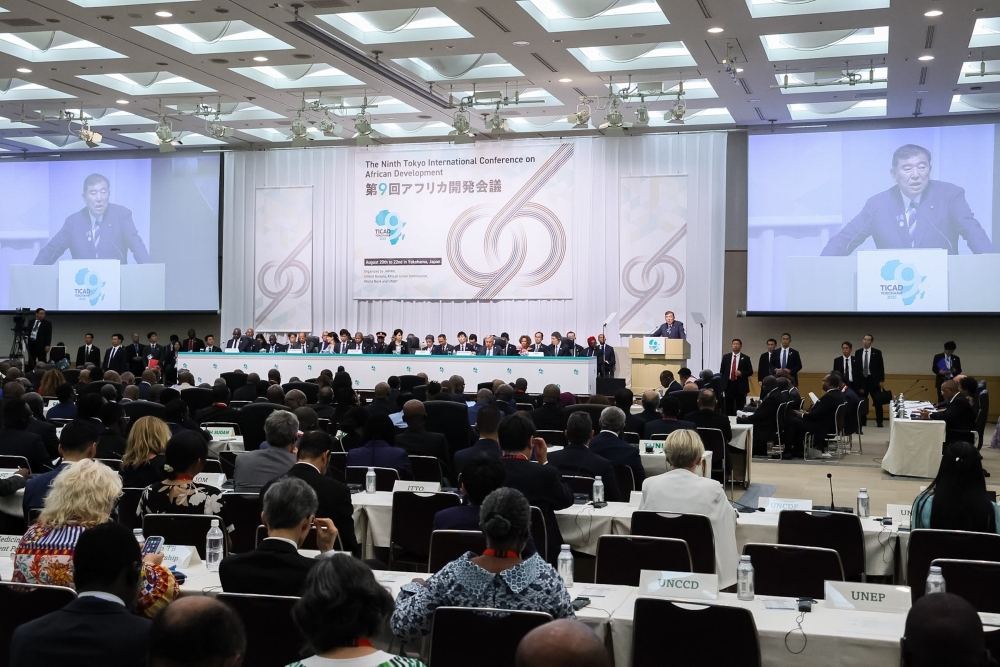
TICAD 9 concluded with Japan and African leaders reaffirming their commitment to co-creation for sustainable growth, peace, and human development, anchored in African ownership and international partnership.
See: TICAD 9 Yokohama Declaration “Co-create innovative solutions with Africa”
Leaders endorsed initiatives on peace and stability, including support for African-led conflict prevention and UN Security Council reform; on economic transformation, highlighting industrialization, AfCFTA, green/blue economy, and digital/AI-driven innovation; and on human capital, with Japan pledging large-scale training programs for youth and women. The conference also launched the Economic Region Initiative of Indian Ocean–Africa to deepen connectivity, and a commitment to train 300,000 Africans in AI and digital skills. Across plenaries and thematic sessions, participants emphasized that achieving Africa’s aspirations will require inclusive partnerships, private sector investment, and resilient governance frameworks, with TICAD remaining a trusted platform for Africa–Japan collaboration.
JICA Thematic Events on nutrition and agriculture
20/08 Promotion of International Brain Circulation between Africa and Japan
- Ms. Sachiko Imoto, Senior Vice President, Japan International Cooperation Agency (JICA)
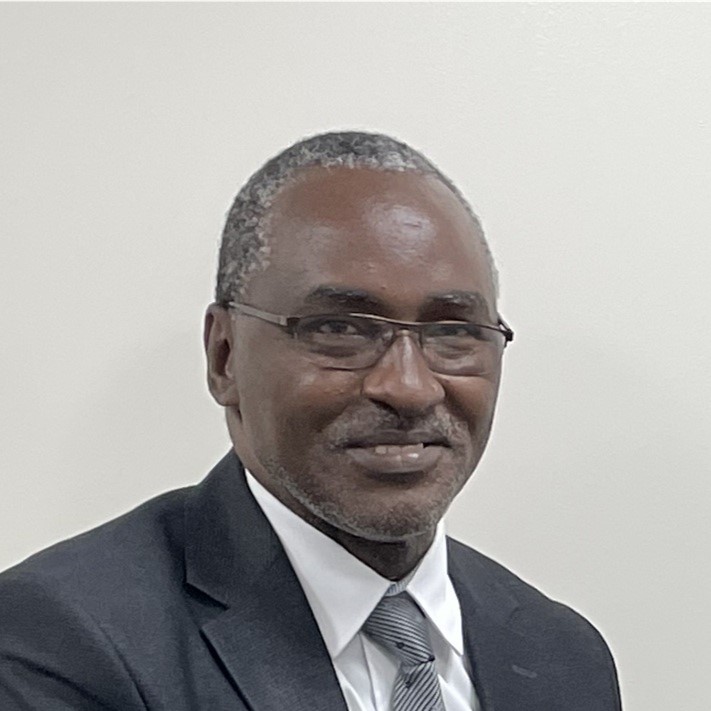
- Ousmane Diagana, Vice President, Western and Central Africa
- Prof. Amr ADLY, President, Egypt-Japan University of Science and Technology (E-JUST)
- Prof. Robert Kinyua, Deputy Vice Chancellor for Academic Affairs, Jomo Kenyatta University of Agriculture and Technology (JKUAT) see picture
- Prof Deresh Ramjugernath, Rector and Vice-Chancellor, Stellenbosch University (SU) see picture
- Dr. Roberta Malee Bassett, Global Lead for Tertiary Education and Senior Education Specialist,World Bank
- Mme. Hendrina C. DOROBA, Division manager, Education and Skills Development Division, Human Development Department, African Development Bank (AfDB)
- Dr. Keiko Takei, Chief Education Analyst, African Development Bank (AfDB)
- Mr. Shinsuke OKADA, Director for international cooperation, International Science and Technology Policy Division, Ministry of Education, Culture, Sports, Science and Technology (MEXT)
- Prof. Shuji Shimizu, Executive Vice President, Kyushu University
- Mr. Kohei Okada, Executive Officer Deputy CSO, Toyota Tsusho Corporation
- Dr. Takasei Okano, Senior Advisor, Japan International Cooperation Agency (JICA)
- Mr. Daisuke Ueda, Deputy Director General, and Group Director for Higher Education and Social Security, Human Development Department, Japan International Cooperation Agency (JICA)
20/08 Enhancing Continental Food Self-sufficiency and Job Creation through Resilient Food System and Private Sector Development in Africa”

- Dr. TANAKA Akihiko JICA, President
- Dr. Ibarahim Hssane Mayaki AU, Special Envoy for Food Systems
- Dr. Andrew Dabalen World Bank, Chief Economist for African Region
- Mr. Fahari Gilbert Marwa EAC, Principal Agricultural Economist
- Mr. NOMOTO TAKAAKI Ministry of Finance, JAPAN, Director of Multilateral Development Banks Division
- Mr. AMAMEISHI Shinjiro CARD Secretariat, General Coordinator
- Dr. JOHO Yukiko NIPPON KOEI CO.,LTD., Deputy Team Leader, A Data Collection Survey to Build a Resilient Food System based on the Food Basket Concept
- Mr. Prosper Komla Bissi AfCFTA Secretariat, Senior Advisor, Agriculture Trade & Value Chains, Cabinet of the Secretary-General
- Mr. Samuel Munguti Shamba Pride, CEO, Founder
- Thomas Damian Mkangara Natural Extracts Industries Ltd, KAIZEN Coordinator
- H.E. Nardos Bekele Thomas AUDA-NEPAD, CEO
- Mr. Hitoshi Fujiie JICA, Deputy Director General of Economic Development Department
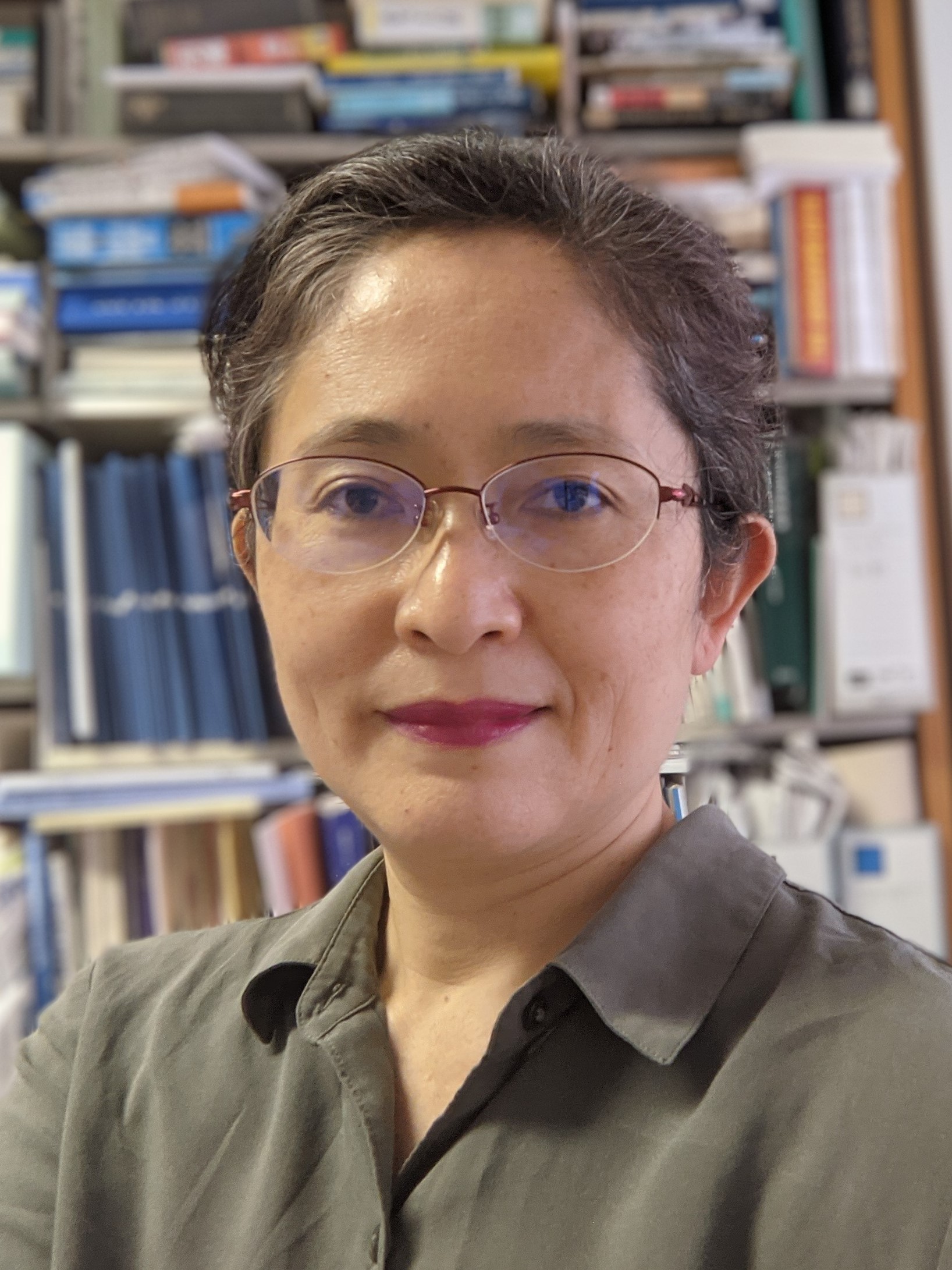
- Dr. YAMANA Mika Director, Center for Regional Collaboration, Kansai University, Professor, Faculty of Law, Kansai University. see picture Since 2015, she has been supervising international students from seven African countries at the Graduate School of Law, Kansai University, under JICA’s ABE Initiative (African Business Education Initiative for Youth). In connection with AUDA-NEPAD, she has also conducted joint research on the Southern Africa Network for Biosciences (SANBio), in collaboration with the SANBio Hub Manager of the Council for Scientific and Industrial Research (CSIR) in South Africa.
Highlight: Africa’s rich agricultural products and biological resources can also benefit from the effective use of intellectual property systems to drive industrial growth. Since the 2015 academic year, the Graduate School of Law at Kansai University has accepted African students from seven countries: the Democratic Republic of the Congo, Egypt, South Africa, Kenya, Ethiopia, Burundi, and Mozambique. Many African students have shown interest in exploring ways to add value through the utilization of IPR in agriculture and biological resources, and have chosen this as their research theme.
20/08 “Ultra Low-cost Community-based Smallholder Irrigation (COBSI)” Addressing Climate Change in Africa- Japan’s Traditional Technologies and Ultra Low-cost Smallholder Irrigation (COBSI: Community-based Smallholder Irrigation Development)

- Mr. YAMAGUCHI Hiroyuki, Vice President, JICA
- DR. W.K. Mutale Nalumango, MP Vice President of The Republic of Zambia
- Ms. INOUE Miyoko, Deputy Director, Agricultural and Rural Development Group 2, Economic Development Department, JICA
- Mr. Delfim Julio Vilissa, Director General, National Institute of Irrigation, Mozambique see picture
- Ms. Margot van der Velden, Regional Director for West and Central Africa, WFP
- Mr. SAITO Mikiya, Director General, Economic Development Department, JICA
20/08 Building Sustainable, Resilient and Inclusive Food Systems and Local Economies in Africa anchored in the Blue Economy and Agriculture

- H.E. Dr. William Ruto, President of the Republic of Kenya
- H.E. Dr. José Ulisses CORREIA E SILVA, Prime Minister of the Republic of Cabo Verde
- The Rt. Hon. Elijah Ngurare, Prime Minister of the Republic of Namibia
- H.E. Mr. Soares SAMBU, Minister of Economy, Planning and Regional Integration of the Republic of Guinea-Bissau
- Mr. Matsumoto Hisashi, Parliamentary Vice-Minister for Foreign Affairs, Japan
- Moderator: Dr. Masanori Kobayashi, Senior Research Fellow, Sasakawa Peace Foundation
21/08 A Brighter Future for Small-scale Farmers – The Journey and Impact of the SHEP Approach in Africa and Beyond
Organizers: JICA and IFAD
- A recounting of SHEP’s success in doubling incomes for 2,500 smallholders in Kenya within two years.
- A reaffirmation of the joint declaration to improve the livelihood of one million smallholder farmers through the SHEP model.
- Sharing of implementation experiences across Africa and the Caribbean.
- Presentation of impact evaluation findings using the World Bank’s SWIFT methodology.
- Mr. Álvaro Lario (President, IFAD) see picture
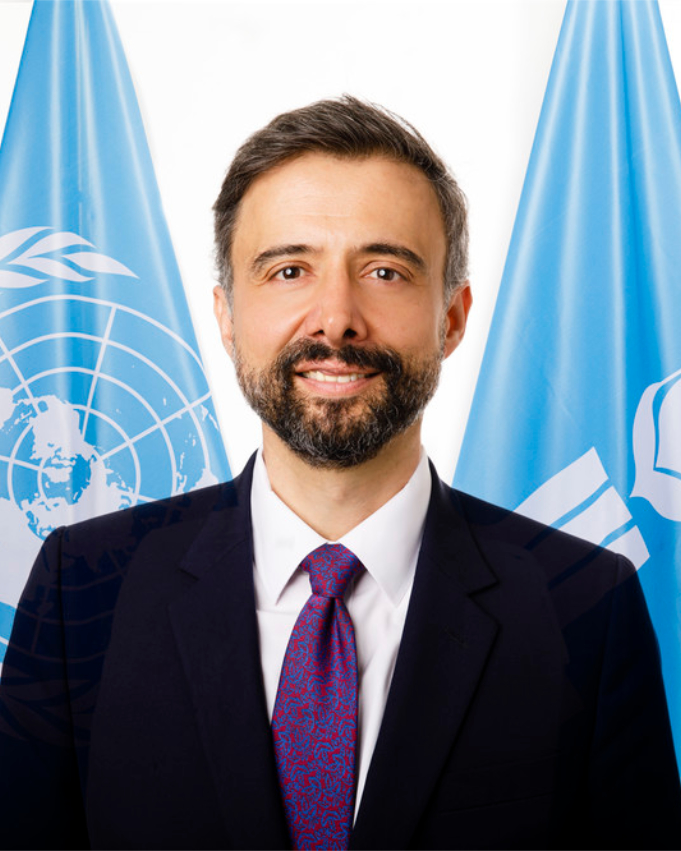
- Ms. Sachiko Imoto (Vice‑President, JICA)
- Ms. Harue Kitajima (Senior Advisor, JICA)
- Ms. Bernadette Mukonyora (IFAD Country Director, Marawi) see picture
- Mr. Masahito Ishii (Toyota Mobility Foundation)
- Mr. Leonard Munamati (Zimbabwe’s Ministry of Lands, Agriculture, Fisheries, Water & Rural Development)
- Dr. Cheikh Amet Bassirou Sane (Senegal’s Ministry of Agriculture, Food Sovereignty & Livestock)

- Mr. Servulo Baeza (CEO, Ministry of Agriculture, Food Security & Enterprise, Belize)
- Mrs. Arunee Hiam (Deputy Director‑General, Thailand International Development Cooperation Agency)
- Dr. Nobuo Yoshida (Lead Economist, World Bank)
- Mr. Mikiya Saito (Director General, Economic Development Department, JICA)
 21/08 Fostering the Future Through International Collaborative Research: Young Researchers
Engaging with Africa
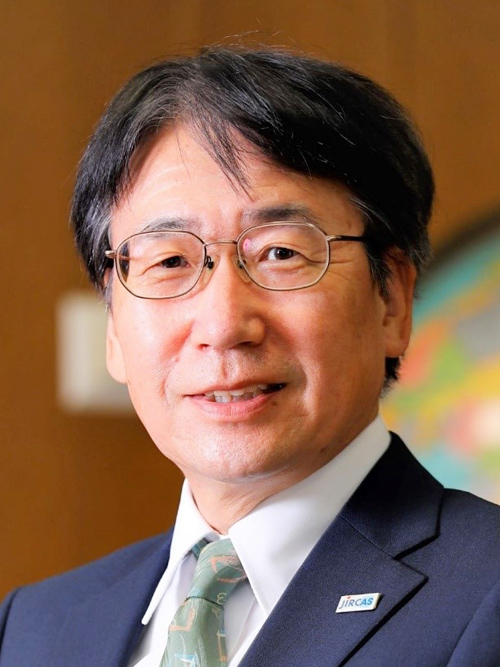
- Dr. Zoniaina Ramahaimandimby, JIRCAS Fellow, JIRCAS
- Dr. Yoshie Yageta, Researcher, JIRCAS
- Ms. Maryiano Keziah, PhD Student, Faculty of International Agriculture and Food Studies, Tokyo University of Agriculture
- Closing Remarks: Dr. Hiroshi Ehara, Executive Secretary, JISNAS
22/08 Transforming African Food Systems through Regenerative Agriculture — Strategies, Policies, and Alliances to Empower Youth and Farmers
Organizers: Sasakawa Africa Association (SAA), with JIRCAS, Forum for Agricultural Research in Africa (FARA), and The Nippon Foundation- Shinjiro Koizumi, Minister of Agriculture, Forestry and Fisheries - Special Address - Japan’s Contribution to the Future of Youth and Agriculture
- Dr. Ishmahane Elouafi, Executive Managing Director, CGAIR - "Science-Based Regenerative Agriculture: Enhancing Resilience and Productivity in Agriculture in Africa"
- Dr. David Nielson, Senior Advisor, North America Agriculture Advisory Network, and Former Lead Agriculture Economist at World Bank Group - “Human Capital Development and Capacity Building to Support Soil Health in Africa”
- Dr. Wole Fatunbi, Director of Research and Innovation, FARA - “The Soil Initiative for Africa (SIA): A Continental Strategy for Sustainable Agriculture ”
- Ms. Elizabeth Nsimadala, President, Eastern Africa Farmers Federation - “Empowering Youth and Women for Farmer-Led Sustainable Agriculture”

- Moderator: Dr. Mel Oluoch
- Dr. Lilian Lihasi, Executive Director, AFAAS
- Dr. Papa Saliou SARR, Senior Researcher, JIRCAS. He is actively involved in collaborative, multi-country projects with universities and research institutes across Africa and Japan, including partnerships in Ghana, Madagascar, Burkina Faso, and Cameroon. Through these efforts, he contributes to both scientific advancement and capacity building for African agricultural systems. Beyond his research, Dr. Sarr is deeply engaged in academic and cultural communities. He served as President of the Fukuoka Overseas Student Association (FOSA) from 2008 to 2009 and was a founding member of the African Society of Kyushu University (ASKU) and the African
Diaspora Network Japan (ADNJ).
- Dr. Stella Kabiri, RA Lead, SAA
- Dr. Osamu Koyama Chair, JIRCAS (picture)
- Dr. Aggrey Agumya, Executive Director, FARA (picture with
Yohei Sasakawa, Nippon Foundation)
22/08 Transforming Society toward Nature positive and Land Degradation Neutrality through an Ecosystem Augmentation Approach
- In response to the biodiversity crisis, is it possible to change to a Nature positive society through “agriculture”?
- What kind of “resilient agriculture” is required in Africa
- What kind of “agriculture that energizes rural areas” is needed in Africa as the gap between urban and rural areas widens?
- Mr. Gilles Amadou Ouédraogo (Opening Remarks), Programme Management Officer, Green Wall Accelerator (GGW) | Global Mechanism, United Nations Convention to Combat Desertification (UNCCD) (picture)

- Dr. Masatoshi Funabashi, President, SynecO/Research Director, Sony CSL
- Mr. Mamadou Ndiaye, President, Intermondes, Senegalese NGO
- Mr. Raymond Epp, Co-Founder, Menno Village Naganuma/President, Maoi Cover Seed
- Ms. Akiko Aratani, Co-Founder, Menno Village Naganuma
- Ms. Ruth LANGSI YELOMA, President, Terre Des Jeunes-Cameroon/ Coordinator of Cameroonian Association for the Promotion of Synecoculture (ACPS)
- Mr. Kenichi Kawamura (Closing Remarks), Senior Vice President, JICA
- Mr. Masaru Kurimoto (Moderator), Director, Forest and Nature Conservation Group, Global Environment Department, JICA
Funding highlights
- 22/08 Japan Launches $20 Million Fund to Back African Startups Two Japanese venture capital firms, Uncovered Fund and Monex Ventures, have jointly launched a new $20 million fund targeting early-stage startups in Africa and the Middle East. The fund, named the Uncovered Monex Africa Investment Partnership, is designed to back ventures in high-growth sectors such as fintech, logistics, mobility, agri-tech, and sustainability. With investment tickets reaching up to $2 million, the initiative seeks to accelerate innovation while bridging African startups with Japanese corporates.
- The Private Sector Development Group of JICA’ s Economic Development Department launched activities in 2020 under the name Project NINJA (Next Innovation with Japan) to support start-ups in developing countries as part of its efforts to promote private sector development in developing countries. In April 2023, the Group formulated a cluster business strategy, “Support for Building a Startup Ecosystem for Innovation Creation (NINJA).” Project NINJA participated in the African Startup Conference 2024 in Algeria in collaboration with AUDA-NEPAD.
25 July 2025. Africa–Japan Collaboration: Towards enhancing food security
- FUJII Hisayuki, State Minister for Foreign Affairs of Japan, delivered remarks framing Africa–Japan cooperation—especially around ocean conservation, sustainable use, and inputs to TICAD 9.
- Yohei Sasakawa, Nippon Foundation
Japan has provided various forms of assistance to Africa. In Africa and Asia as well, Japan has cooperated with the policy of laughing, crying, and sweating together with the local people, and I hope to continue to do so in the future. We must realize that realizing the happiness of the people of Africa brings happiness to the Japanese people as well. We are not based on financial capitalism or state capitalism, but on a policy of truly laughing together, crying together, and sweating together. Based on this policy, we are determined to continue carving out a new future for the world together with Africa. - H.E. Olusegun Obasanjo — Former President of Nigeria
- H.E. Dr. Jakaya Mrisho Kikwete — Former President of Tanzania
- H.E. Jorge Carlos Fonseca — Former President of Cabo Verde
- H.E. Dr. Ibrahim Hassane Mayaki — Former Prime Minister of Niger
- Dr. Geraldine Fraser-Moloketi — Former Minister of Public Service and Administration
- Dr. Donald Kaberuka — Former President of the African Development Bank


No comments:
Post a Comment