
29–30 October 2026 | Western Cape, South Africa.
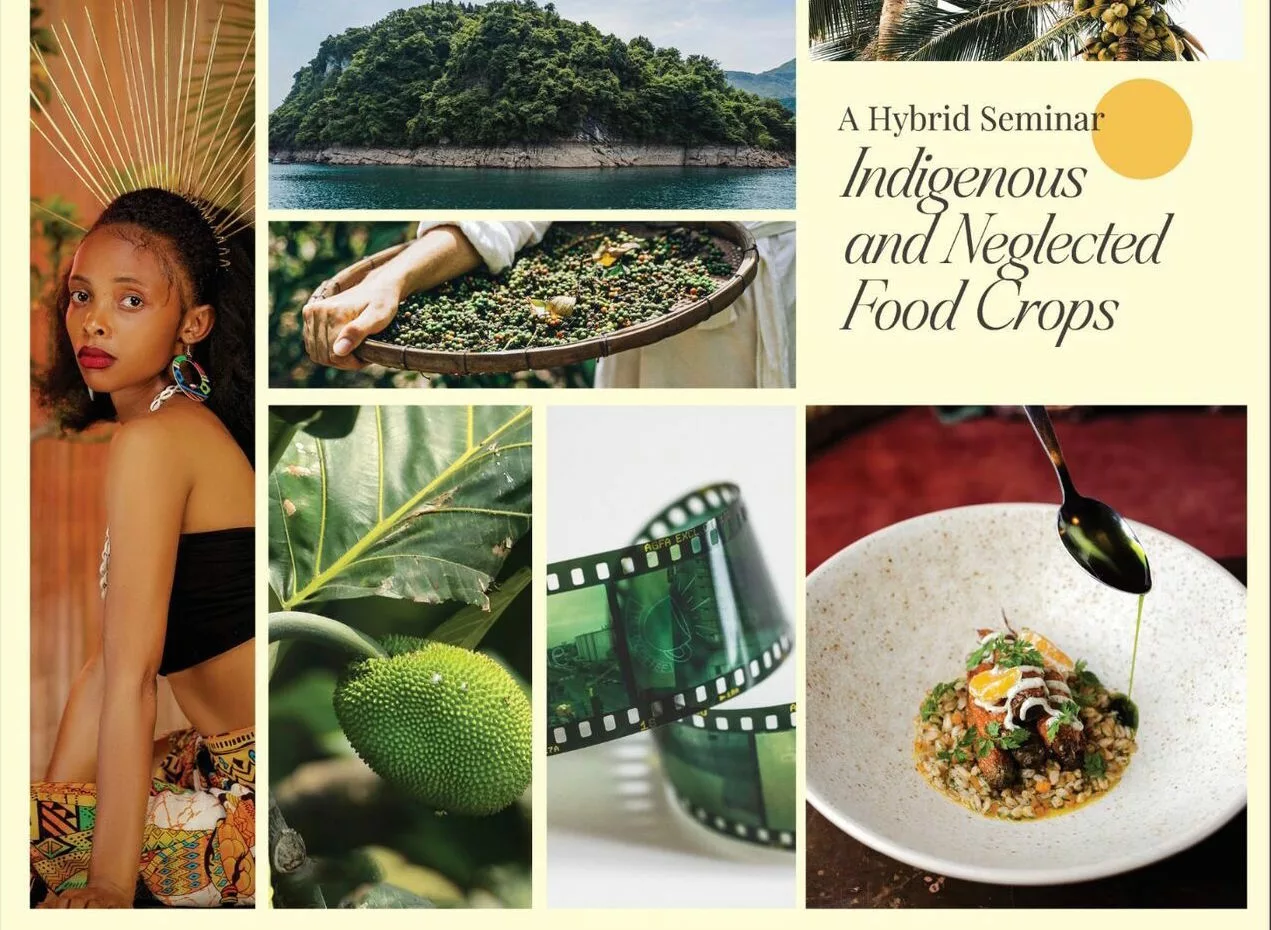
Indigenous and underutilised crops provided the focus for The WILD Exchange 2026, hosted at Vergenoegd Löw Wine Estate in South Africa’s Western Cape. Organised by AgriLuxe Marketing, the forum connected agriculture with tourism, hospitality, culinary innovation, investment and trade to explore new commercial opportunities for indigenous foods. WILD stands for Wholesome, Indigenous, Local and Diverse—four qualities underpinning the initiative’s approach to food, enterprise and cultural heritage.
The Exchange formed the dialogue and partnership component of the wider WILD Initiative, an Africa–Caribbean platform linking indigenous food systems with contemporary products and experiences. Its focus offered a practical perspective on a persistent challenge: how to translate the value of neglected crops into demand, investment and opportunities for local enterprises.
The programme moved through three stages.
- The opening session examined indigenous crops as cultural and economic assets, with a particular focus on tourism, hospitality and destination branding.
- A second session considered the business case through hospitality examples, product innovation and small-enterprise experiences, followed by perspectives from investors and development institutions.
- The afternoon turned to testing potential projects and their readiness for markets.
FANRPAN’s perspective on indigenous foods and sustainable tourism
The Food, Agriculture and Natural Resources Policy Analysis Network (FANRPAN) brings a relevant
policy and research perspective to this agenda. Its collaboration with AgriLuxe predates the Exchange. In 2025, the two organisations co-hosted a dialogue with the University of Johannesburg and the University of the West Indies on indigenous and neglected crops as a pathway to sustainable tourism and growth in Africa and the Caribbean.
 That dialogue attracted more than 160 participants. FANRPAN’s CEO and Head of Mission, Dr Tshilidzi Madzivhandila, presented the case for placing indigenous crops at the centre of food-system transformation, connecting their nutritional importance with cultural identity, environmental sustainability and economic development. This documented contribution provides useful background to FANRPAN’s engagement with the WILD agenda; the specific content of its 2026 Exchange presentation remains to be confirmed.
Creating demand for Forgotten Foods
The conceptual approach behind WILD was outlined in “Growing Backwards,” a presentation by AgriLuxe founder Jeanette M. Sutherland, shared on the event website. It proposed starting with consumer interests and experiences, then working backwards towards products, crops and production systems. Examples included Bambara groundnut, sorghum, millet, cowpea, amadumbe and marula.
The presentation also raised an essential question about inclusion: how can farmers and communities share fairly in the value created around their food heritage? For initiatives promoting Forgotten Foods, this makes the WILD approach particularly relevant. Research, processing, gastronomy and tourism can help create demand, but lasting benefits depend on connecting those opportunities with producers and local enterprises.
Event information and programme


No comments:
Post a Comment