Platform for African – European Partnership in Agricultural Research for Development

Thursday, May 21, 2026

What Dutch exports mean for African food systems

20 May 2026Research into the possible structural impacts of Dutch agrifood exports to Africa

Do subsidised, highly efficient Dutch farmers push African farmers out of their markets? ECDPM and Wageningen University researched this question for the Dutch Foreign Ministry and the Dutch Parliament (Tweede Kamer)

ECDPM analysed the trade data, selected two in-depth cases with the highest probability of structural negative impacts – and, based on econometric analysis and interviews, found that there were no such harmful impacts in these cases. This also indicates that impacts in other cases would likely be very limited.


No impact is surprising – why is that?

Why no impacts, then? Trade data shows that Dutch food exports to ‘vulnerable countries’ are declining, and there are few instances where they have a substantial market share and attribution of impact is possible. 

Two cases were selected: onion exports to Senegal and potato exports to Côte d'Ivoire ($ 33.3 million volume and 71% market share for onions to Senegal; $ 10.0 million and 84% for potatoes to Côte d'Ivoire).

Wednesday, May 20, 2026

Food Accelerator Programme of Greenwich University

18 May 2026. The presentation of the report “A Research on the African Diaspora Food Market in the United Kingdom: Understanding Market Dynamics, Opportunities and Indigenous Food Systems” was followed by a visit to the Food Accelerator Programme at the University of Greenwich, 

The Food Accelerator Programme at the University of Greenwich is an innovation and business support initiative led through the Medway Food Innovation Centre and the university’s Natural Resources Institute. The programme is designed to help food and agri-food startups scale their businesses through technical assistance, mentorship, product development support, business coaching, and access to research facilities. 

Participants receive tailored guidance over several months, including workshops, one-to-one advisory sessions, investor connections, and support in accessing grants and funding opportunities. The programme places a strong emphasis on sustainable food systems, plant-based innovation, food technology, and commercial readiness.

For African SMEs, particularly those operating in agriculture, food processing, agritech, and nutrition sectors, the programme offers important opportunities to strengthen innovation capacity and improve competitiveness. African SMEs often face challenges such as limited access to research infrastructure, weak product development systems, and difficulties attracting investment. 

Through accelerator-style support, businesses can refine products, improve quality standards, adopt new technologies, and develop stronger business models that are attractive to regional and international markets. The programme’s mentorship and networking components also expose African entrepreneurs to industry experts, academic researchers, and potential investors, helping them overcome barriers to growth and commercialization.

In addition, the programme aligns well with broader efforts to strengthen food security, sustainability, and entrepreneurship across Africa. By helping SMEs become market- and investment-ready, initiatives like the Greenwich Food Accelerator contribute to job creation, value addition in agricultural supply chains, and the development of climate-smart food innovations. 

African SMEs that participate in such programmes can gain international visibility, access to collaborative research, and partnerships that support expansion into new markets. These benefits are particularly valuable for women-led enterprises, youth innovators, and startups developing solutions for nutrition, sustainable agriculture, and resilient food systems across the continent.

The Growing Kent & Medway website shows examples of businesses it has supported: 
  1. West african food festival in Faversham 
  2. Innovating the recipe box market with a taste of Nigeria: Meet Konero
  3. Stabilising African Superfoods for the Plant-Based Market with Root Mylk  
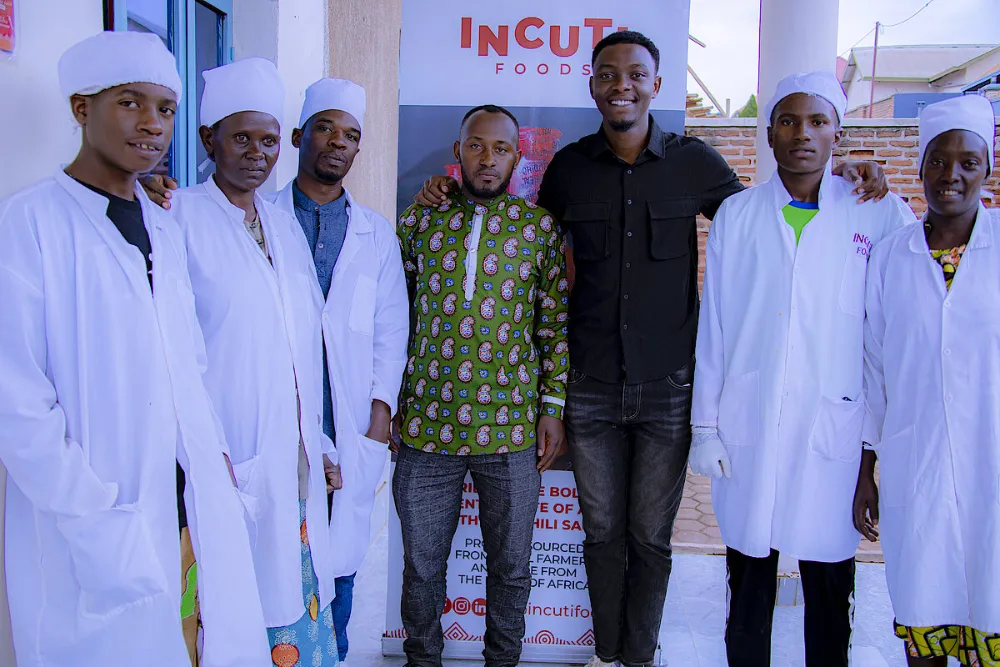
  4. How NRI is supporting a Rwandan start-up’s global vision - Natural Resources Institute

    Incuti is reshaping Rwanda’s chilli value chain, by adding value to chillies that were once sold fresh or went to waste. Farmers now have a more reliable buyer in Incuti, local communities benefit from job creation, and Rwanda earns valuable foreign exchange from exports.

A minimum food technology machinery

In a low-resource African context, the minimum food technology machinery required to support SMEs through a food accelerator programme should focus on affordable, multipurpose, energy-efficient equipment that improves food safety, shelf life, and value addition. The priority is not high-end industrial automation, but practical technologies that allow small enterprises to process local crops into marketable products. Core machinery would typically include cleaning and sorting equipment, solar or hybrid dryers, small hammer mills or grinders, oil presses, mixers, sealers, and basic packaging machines. For enterprises working with fruits, vegetables, grains, legumes, or neglected crops, these technologies can significantly reduce post-harvest losses while increasing product quality and income generation.

Basic food safety and preservation infrastructure is equally important. Minimum investments should include stainless steel processing tables, water filtration systems, weighing scales, moisture meters, refrigeration or cold storage units where feasible, and simple pasteurization or sterilization equipment. In many rural African settings, unreliable electricity makes solar-powered dryers, biomass-powered processing systems, and low-energy cooling technologies particularly valuable. Small laboratory tools for quality testing — such as pH meters, thermometers, and microbial testing kits — can also help SMEs meet national and export standards without requiring expensive industrial laboratories.

The most effective approach in poorer contexts is often shared processing infrastructure rather than individual ownership of machinery. Community food innovation hubs, cooperative processing centres, or university-linked incubation facilities can provide SMEs with access to machinery they could not afford independently. This reduces costs while encouraging skills transfer, entrepreneurship, and product innovation. For African SMEs working on forgotten foods, indigenous crops, or agroecological products, the emphasis should therefore be on scalable, repairable, locally maintainable technologies that support food safety, nutrition, and market access rather than sophisticated industrial systems that are difficult to sustain.

  • The webinar will explore the relationship between food safety and sustainability in food manufacturing, highlighting both the challenges and opportunities associated with current industrial practices. While food safety remains the highest priority across the sector, many processes used to ensure safe production, such as pasteurization, sterilization, cleaning in place, and sterilization in place, require significant amounts of energy, water, and chemical inputs.
  • The session will examine how these practices can create sustainability trade-offs, while also addressing how climate change is introducing new microbial hazards that need to be controlled throughout the food system.
  • Participants will gain an overview of the current landscape of food safety and sustainability, including opportunities to improve resource efficiency while maintaining high safety standards. Topics will include innovative hygienic design approaches, modernisation of traditional preservation methods, strategies to reduce spoilage and waste, and solutions to address emerging microbial risks linked to climate change.
  • If you are interested in joining this webinar, please register through this link: https://bokuvienna.zoom.us/webinar/register/WN_5iai5_fwSzO1WN_p-Hqsxg#/registration 

Tuesday, May 19, 2026

New research reveals £1.5 billion African diaspora food market in the UK

London, UK May 18, 2026 – A groundbreaking new study has uncovered the significant scale and strategic importance of the African diaspora food market in the United Kingdom.

The research commissioned by the Global Forum on Agricultural Research and Innovation (GFAiR) and conducted by The Food Bridge vzw and funded by the European Commission, surveyed 1,507 African diaspora consumers across the UK and found that 97% include African food in their regular diet, with 35% consuming African food daily and 39% at least once a week. 

According to the study titled “A Research on the African Diaspora Food Market in the United Kingdom: Understanding Market Dynamics, Opportunities and Indigenous Food Systems”  the estimated annual
market value is £1.5 billion in the UK alone, with a projected €11.5 billion market across Europe.

The research – conducted between January and April 2026 – highlights that African food is not a niche or occasional choice, but a core component of daily diets – comparable to staple foods in national consumption patterns. This positions the African diaspora food market as a mature, stable, and scalable agro food sector.

Market Opportunities

The study maps a dynamic ecosystem of importers, wholesalers, retailers, restaurants, and online platforms, with major hubs in London, Birmingham, Manchester, and Leeds. While demand is strong, the research also identified key challenges including high prices, inconsistent quality, limited availability outside major cities, and regulatory barriers affecting imports.

The report redefines African diaspora food markets not as niche ethnic enclaves but as a strategic trade corridor—one that directly links smallholder producers across Africa with discerning consumers in European cities. 

These markets, it argues, function as living pipelines for Neglected and Underutilised Species (NUS), resurrecting indigenous and forgotten crops that have been marginalised by industrial agriculture. In doing so, they become powerful engines for diaspora entrepreneurship and SME development, offering low-barrier entry points for women and youth-led ventures into formal food systems. 

Crucially, the report aligns this dynamism with core European Commission priorities: biodiversity conservation through crop diversification, supply chain sustainability by shortening distances and reducing waste, and inclusive growth that channels value back to migrant communities and their countries of origin. 

Call to Action

In response to the report’s findings, the research issues a clear call to action for policymakers across Europe and beyond. First, it urges them to formally recognise diaspora food markets not as peripheral or informal trading spaces, but as strategic agri-food subsectors in their own right—deserving of the same policy attention, data collection, and infrastructure investment afforded to conventional supply chains. Second, it asks for concrete support for indigenous and forgotten crops, framing their rehabilitation not as heritage preservation alone but as a vital lever in the transition toward sustainable, climate-resilient food systems. 

Third, the research advocates for targeted, systemic support for diaspora agri-food entrepreneurs—opening pathways to affordable finance, technical incubation, and streamlined certification processes that reward rather than penalise small-scale, cross-border actors. Finally, it calls for the full integration of diaspora stakeholders into European development cooperation with Africa, shifting from a donor-recipient model to one of genuine partnership, where diaspora networks become co-designers of trade, agricultural development, and food security policy. 

Together, these measures, the research argues, would unlock a more inclusive, biodiverse, and economically dynamic Europe-Africa relationship.

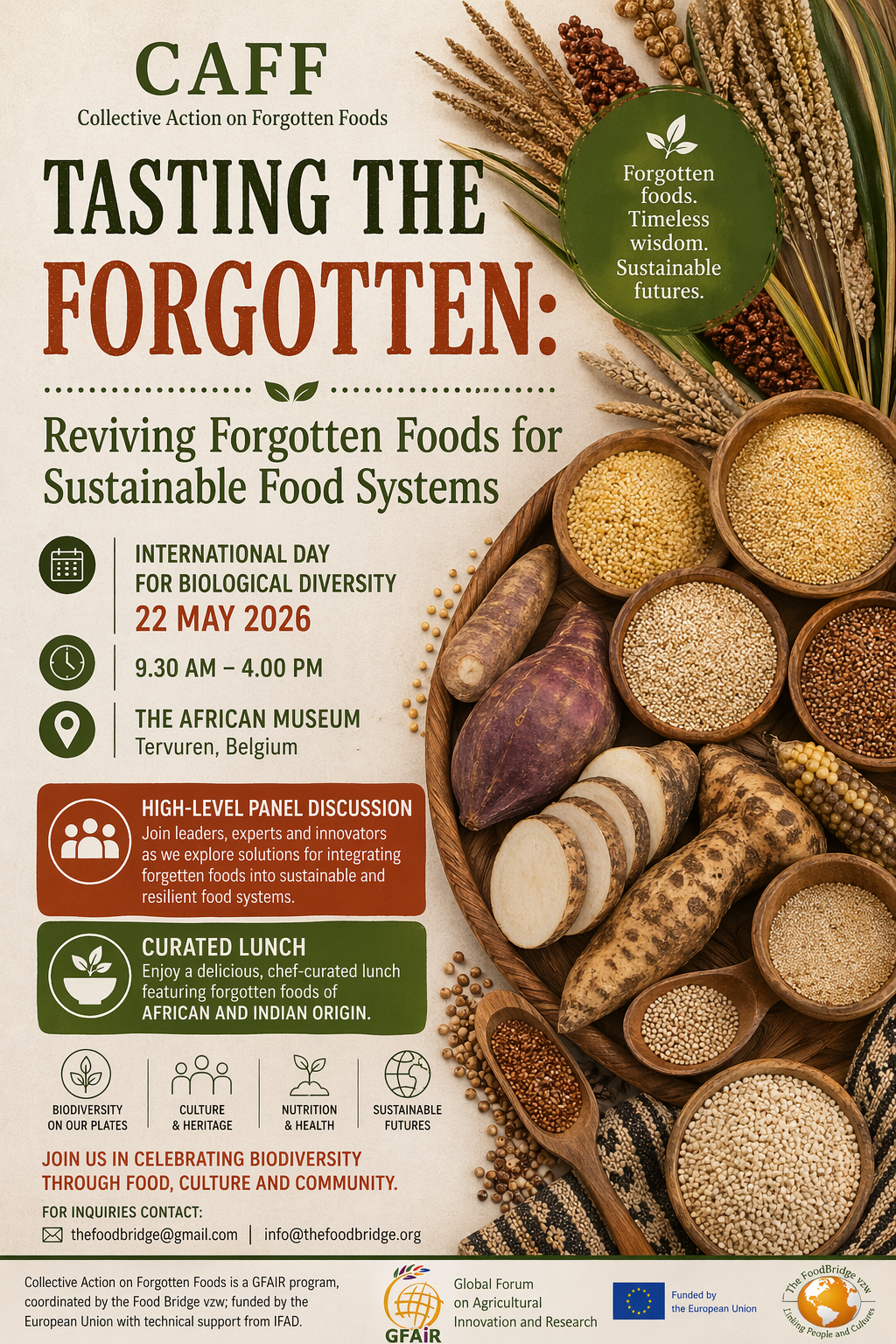
"This research confirms what we have long observed – the African diaspora food market is not a niche sector. It is a multi billion pound ecosystem with the power to transform Europe Africa trade, promote indigenous crops, and support sustainable food systems," said Dr. Maureen Duru, founder The Food Bridge vzw, ahead of the report launch on the 22 May, during the Tasting the Forgotten event in Brussels, Belgium.

18 May Greenwich. The report was presented at the Research Culture Week of the Greenwich University, more specifically at the Natural Resources Institute.

PPT forthcoming

Presentation by:
  • Dr. Maureen Duru
  • Mr. Ndubuisi Adinnu
The study was conducted by The Food Bridge vzw under the GFAiR Collective Action on Forgotten Foods, with technical support from IFAD and funding from the European Commission. The survey collected 1,507 valid responses from African diaspora households across the UK, with additional fieldwork support from GFAiR. 

Related:

22 May 2026. 14:00 to 15:30 CET. Belgium. Tasting the Forgotten event in Brussels


11 June 2026. 14:00 to 15:30 CET. Webinar “Food Safety vs. Sustainability – two sides of the same coin?” 
  • The webinar will explore the relationship between food safety and sustainability in food manufacturing, highlighting both the challenges and opportunities associated with current industrial practices. While food safety remains the highest priority across the sector, many processes used to ensure safe production, such as pasteurization, sterilization, cleaning in place, and sterilization in place, require significant amounts of energy, water, and chemical inputs.
  • The session will examine how these practices can create sustainability trade-offs, while also addressing how climate change is introducing new microbial hazards that need to be controlled throughout the food system.
  • Participants will gain an overview of the current landscape of food safety and sustainability, including opportunities to improve resource efficiency while maintaining high safety standards. Topics will include innovative hygienic design approaches, modernisation of traditional preservation methods, strategies to reduce spoilage and waste, and solutions to address emerging microbial risks linked to climate change.
  • If you are interested in joining this webinar, please register through this link: https://bokuvienna.zoom.us/webinar/register/WN_5iai5_fwSzO1WN_p-Hqsxg#/registration 

Selection of other events at the Research Culture Week of the Greenwich University


Horizon Europe — thematic priorities, funding opportunities and call analysis, An overview of Horizon Europe themes and how to read calls strategically.


Online (no booking required)
50 mins
Tuesday 19th May 10:00–11:30 GMT
Barbara De Angelis, Lucia Collischonn (Greenwich Research & Innovation)
  • This session provides an overview of Horizon Europe, focusing on its thematic priorities and forthcoming funding opportunities across the remainder of the current year and into 2027. Designed to support strategic understanding rather than detailed proposal writing, the
  • session explores how Horizon Europe is structured and what current calls reveal about evolving priorities.
  • A central part of the session will be a guided, hands-on exercise analysing a specific Horizon Europe call topic. Through this practical activity, participants will work through how to read and interpret call texts, identify key expectations and understand how impacts are framed.
  • The session offers space to build confidence in navigating Horizon Europe calls and to reflect on how researchers might engage with them strategically within their wider research planning.

What do funders really care about – and how does impact fit in?

Thursday 21th May Online, 15:00 – 15:50: No booking needed - join directly via Teams
James Rannard-Lambert and Hanlu Zhang, Greenwich Research & Innovation
  • Impact is now central to many funding decisions yet understanding what different funders actually value can feel unclear or inconsistent.
  • This conversational session opens up discussion about how researchers make sense of funder priorities, how impact expectations shape bids, and how impact thinking can be woven into project design from the outset. Using practical examples, we’ll explore where
  • researchers find information, how tools like Grant Nav, the Charity Commission and AI are being used, and what helps build impact narratives that feel credible rather than performative.

African Futures Conversations: reimagining entrepreneurship and innovation, Reimagines entrepreneurship and innovation from African perspectives.

Thursday 22nd May 14:00 GMT
Sterling Rauseo
  • Entrepreneurship and innovation are often framed through dominant global models — but what happens when we shift perspective to focus on African contexts, realities and ways of creating value?
  • This panel explores how entrepreneurs, researchers and practitioners are creating value across diverse African ecosystems. Speakers reflect on what is already happening but not always recognised, what is actively being developed, where greater focus, support and
  • resources are still needed, and what it means to decolonise entrepreneurship in African contexts.

Knowledge Exchange Community of Practice: What makes a partnership truly equal?

Friday 22 May Online, 11:00 – 12:30: No booking needed - join directly via Teams
  • Partnerships are central to knowledge exchange but creating relationships that feel genuinely equal can be challenging in practice. How do expectations get set? What helps build trust from the outset? And where do imbalances tend to creep in?
  • In this CoP session, Sophie Cloutterbuck (Director of London Engagement and the London Met Lab) draws on extensive experience working with civic and community partners to reflect on what makes partnerships work well — and what can undermine them. The
  • conversation then turns inward, with colleagues from GRI sharing emerging thinking behind the University of Greenwich’s Equitable Partnerships Toolkit and opening up discussion about how we support fair, respectful and transparent collaboration in our own work.


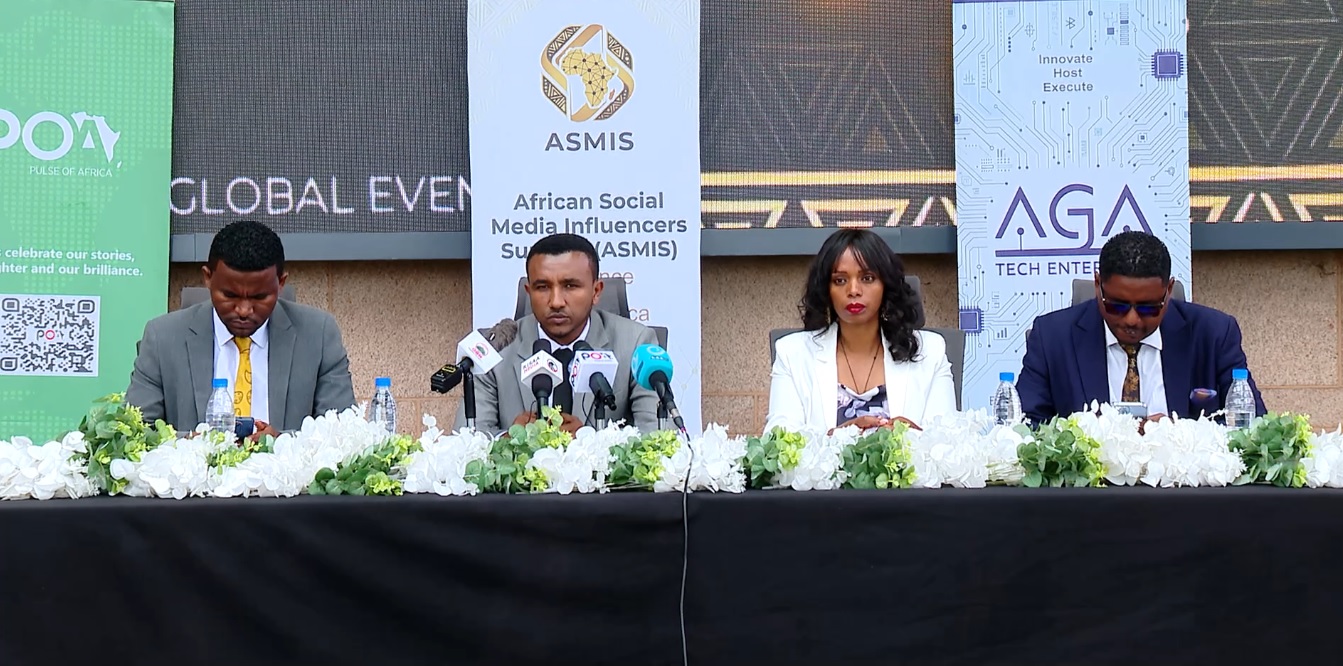
First African Social Media Influencers Summit


7 - 8 May 2026
. Ethiopia hosted the first African Social Media Influencers Summit in Addis Ababa,
bringing together 181 influencers with a combined following of 471 million people to promote African tourism, culture and storytelling.

The summit attracted 61 top influencers from 30 African countries, who joined 120 Ethiopian influencers in a major digital campaign aimed at showcasing Ethiopia and Africa through African voices.

Organized under the theme “Influence for a Better Africa,” the summit focused on how digital platforms and social media could be used to promote African development, innovation, entrepreneurship, and Pan-African cooperation. Organizers described the event as a platform for collaboration, networking, and knowledge-sharing among Africa’s leading digital voices.

A major focus of the conference was reshaping global perceptions of Africa by promoting authentic African narratives and countering stereotypes, misinformation, and negative portrayals of the continent. Speakers and participants emphasized the role of influencers as digital ambassadors who could use storytelling and online engagement to highlight Africa’s culture, achievements, tourism, innovation, and economic opportunities. 

The summit also explored topics such as digital diplomacy, emerging technologies, content creation, and the growing creator economy, while encouraging influencers to use their platforms to contribute to Africa’s transformation and prosperity.

"ASMIS2026 is the Birth of a New Storytelling Era" CEO of AGA Tech Enterprise, Gemeda Olana.

Saturday, May 16, 2026

EMBRAPA’s scientific and research expertise and ManejeBem’s digital innovation capabilities

ManejeBem is a Brazilian agri-tech company that devel
ops digital advisory and management solutions for livestock producers, focusing on sustainable pig and poultry farming through mobile, AI-enabled, and remote extension technologies.

EMBRAPA and ManejeBem are collaborating in Brazil to advance sustainable livestock production through digital agriculture and technical assistance tools for family farmers. Their partnership, led through EMBRAPA’s Swine and Poultry Unit, focuses on developing digital platforms such as “ManejeChat” and the “EcoPiggy” application to support pig and poultry producers with real-time technical guidance, environmental management, animal welfare practices, and production monitoring. 

The initiative aims to improve sustainability and compliance in livestock systems while reducing environmental risks linked to waste management in pig farming.

The collaboration combines EMBRAPA’s scientific and research expertise with ManejeBem’s digital innovation capabilities to strengthen remote agricultural extension services and climate-smart farming solutions. Through mobile and WhatsApp-integrated tools, farmers can access advisory services on animal health, nutrition, bio-inputs, waste utilization, and sustainable production practices, even in low-connectivity rural areas. 

The partnership has also expanded into broader discussions on precision agriculture, ESG innovation (Environmental, Social, and Governance principles),
and international cooperation involving Brazil, the UK, Ghana, and Nigeria, positioning the initiative as a model for inclusive digital agriculture and sustainable rural development. - see: Digital Agri-Tech Africa- Brazil Ecosystem Engagement (DATA-BEE) (2025, 23 p.)

  • DATA-BEE is one of 12 scoping projects in the Innovate UK Climate-Smart Agriculture Partnership, within the theme of Digital Agriculture and Precision Farming. These projects aim to building knowledge, networks and collaboration ideas between the UK, Brazil and Africa. 
  • DATA-BEE focuses on identifying opportunities for collaboration and understanding the specific challenges in adopting digital agriculture and precision farming technologies in Ghana and Nigeria. The project aims to bridge agricultural systems between Africa and Brazil, leveraging the latter’s advanced precision farming techniques to address climate-related challenges and improve food security in West Africa. 
The ecosystem networks built by DATA-BEE directly paved the way for larger innovation phases:
  • Climate-Smart Maize Initiative: A collaborative project funded as a direct output of DATA-BEE's cross-border missions, deploying advanced crop inputs like R-Leaf to lower chemical fertilizer requirements.
  • Dissemination Hubs: Operating continuous on-the-ground training, forums, and market access workshops alongside entities like the British High Commission to scale tech distribution.
Successful adoption of agri-tech requires strong farmer engagement through training programs, extension services, and digital literacy initiatives. Localised knowledge transfer, delivered through both digital platforms and community-based extension officers, will help farmers maximise the benefits of new technologies. Strengthening cooperatives and farmer networks can also enhance collective bargaining power and market access. (page 21)


Possible synergies

Collaboration between EMBRAPA, ManejeBem, and Access Agriculture could expand the reach of sustainable livestock and climate-smart agriculture knowledge to smallholder farmers through multilingual farmer-to-farmer training videos and digital extension platforms.

  • The partnership could combine EMBRAPA’s scientific research, ManejeBem’s digital advisory technologies, and Access Agriculture’s grassroots extension methodologies to create inclusive digital learning ecosystems for farmers with limited connectivity and literacy levels.
  • Joint collaboration could support capacity building for extension agents, youth agripreneurs, and farmer organizations by integrating interactive advisory tools, mobile applications, and practical training content tailored to local production systems.
  • The partnership could strengthen South–South cooperation by facilitating knowledge exchange between Brazil, Africa, and other regions on sustainable livestock production, agroecology, digital agriculture, and resilient food systems.
  • Access Agriculture’s extensive experience in rural communication and local-language video dissemination could help EMBRAPA and ManejeBem scale adoption of good practices in pig and poultry management, animal health, waste management, and biosecurity across Africa and Latin America.

International Agricultural research at the Africa-France Partnerships for Innovation and Growth Summit

11 - 12 May 2026. Nairobi, Kenya. Africa-France Partnerships for Innovation and Growth Summit. The summit programme was organized around seven major themes,

  1. Energy Transition & Green Industrialisation A joint plenary structured around facilitating trade and investment, promoting bankable projects, and strengthening skills and talent development. 
  2. Reform of the International Financial Architecture Reforming the financial architecture to better mobilize private capital (both local and international) for the development of the African continent. 
  3. Blue Economy Three axes: strategic priorities in maritime governance and environmental security; creation of blue jobs; and decarbonisation of maritime transport. 
  4. Sustainable Agriculture Strengthen multi-stakeholder partnerships to support the transition toward productive, sustainable, and resilient food systems in Africa. 
  5. AI & Digital Technologies Investment in digital infrastructure, partnerships for open AI, growth of start-ups and talent training, and financing the high-tech sector. 
  6. Resilient Health Systems Health cooperation through partnership and co-construction, strengthened local production of vaccines and medicines, and continental capacity in health. 
  7. Peace & Security Plenary session on peace and security issues in support of African mediation efforts and the actions of the African Union.

Side events on agricultural research


East Africa Workshop on Bridging Science and Entrepreneurship 


8 May 2026. The East Africa Workshop on “Bridging Science and Entrepreneurship” was held on Friday, May 8, 2026, as part of the Africa Forward: Africa–France Partnerships for Innovation and Growth Summit in Nairobi, Kenya. The workshop brought together academic, research, innovation, and entrepreneurship stakeholders from across East Africa to discuss strengthening collaboration between science, innovation, and market-ready agricultural solutions.

It was organized by International Innovation Hub (IIH) within the framework of Africa Forward Summit, bringing together academic and innovation stakeholders from across the region and with the partners Ministère des Affaires étrangères français , and Agropolis International , CIRAD , L'Institut Agro Montpellier and the Faculty of Agriculture at the University of Nairobi.

The event laid the foundations for stronger regional collaboration on sustainable food systems and explored how to strengthen the continuum between research, training, innovation, and entrepreneurship. 

Building on the successful establishment of IIH West Africa, the initiative is now exploring the creation
of an East Africa Hub to help bridge the gap between academic excellence and market-ready solutions

During the session, Nekesah T. Wafullah presented CGIAR Accelerate for Impact Platform (A4IP) structured approach to scaling science-based technologies — from proof of concept to commercialization — while also sharing lessons and insights from the #AgriTech4Tanzania consultation workshop and the #AgriTech4Kenya Innovation Challenge. 

These experiences continue to reinforce our commitment to strengthening innovation ecosystems, entrepreneurship, and research-to-market pathways across East Africa. 

FAO High-level Agriculture Roundtable


12 May 2026. This roundtable was led by Abebe Haile-Gabriel Farayi Zimudzi  Hamisi Williams  participated in the high-level Agriculture Roundtable discussions focused on food security, innovation, and sustainable agricultural transformation.

The discussions centered on:

  • food security,
  • agricultural innovation,
  • policy reforms,
  • and sustainable agricultural transformation.

GFAiR sparking renewed interest in traditional foods


15 May 2026. At the sideline of the Africa Forward: Africa–France Partnerships for Innovation and Growth Summit in Nairobi, Kenya, KBCchannel1 News interviewed Joanna Kane-Potaka, Executive Secretary of GFAiR.

Traditional food crops are being sidelined by households. GFAiR is sparking renewed interest in traditional foods. GFAiR is supporting research on traditional foods and dissemination of research to smallholder farmers is key.

Extracts of the sessions

Main Stage Inspire

Agro Business leaders Jean-Louis Billon and Hassanein Hiridjee emphasized that Africa is the next global economic frontier, provided that governments and the private sector form strong partnerships to overcome infrastructure and regulatory hurdles. They argued that the continent must shift from discussing potential to executing bold, large-scale investments in energy, technology, and industrialization. Ultimately, they call for a more business-oriented political environment to support local champions and accelerate Africa's development.

Main Stage Inspire

Antoine de Saint-Affrique, CEO of Danone, and Senegalese entrepreneur Bagore Bathily discussed their long-term partnership, which bridges the gap between smallholder farmers and growing urban markets through science, technology, and sustainable practices. By fostering horizontal collaborations, they demonstrate that local value chains can be both socially impactful and commercially successful. Ultimately, they argue that Africa has the potential to become a food superpower if stakeholders prioritize immediate action and inclusive, long-term partnerships.

Friday, May 15, 2026

Food4Education: affordable, nutritious school meals to children in public schools

21-24 April 2026. Oxford, UK. 2026 Skoll World Forum.

The 2026 Skoll World Forum featured a strong presence of African social innovation projects, organizations, and leaders focused on education, food systems, peacebuilding, conservation, digital inclusion, and entrepreneurship.

Some notable African-linked initiatives and leaders highlighted during the 2026 forum included:

  • SmartStart South Africa — winner of the 2026 Skoll Award for Social Innovation for expanding access to early childhood development through community-based franchise models.
  • Trevor Noah Foundation and Food4Education (F4E) , focus on equitable education access for African youth.
  • Elman Peace and Human Rights Centre — represented by Ilwad Elman, working on peacebuilding, youth empowerment, and post-conflict recovery.
  • Amini — founded by Kate Kallot, using AI and environmental data systems to improve climate resilience and agricultural decision-making in Africa.
  • Education innovation organizations from Rwanda, Sierra Leone, and Kenya participated in side events focused on scaling education systems and government adoption. These included EducAid, Inspire, Educate and Empower Rwanda, and Elimu-Soko.
  • Conservation and community-led environmental initiatives from Africa also featured prominently in discussions around climate resilience and biodiversity protection, including sessions co-hosted by Maliasili.

Social entrepreneur Wawira Njiru of Food4Education (F4E)  and comedian and philanthropist Trevor Noah explored what it takes to unlock opportunity for young people across Africa and beyond. United by a shared belief that investing in young people is the most powerful lever for change, they dig into the role of homegrown innovation in tackling the continent’s biggest challenges.

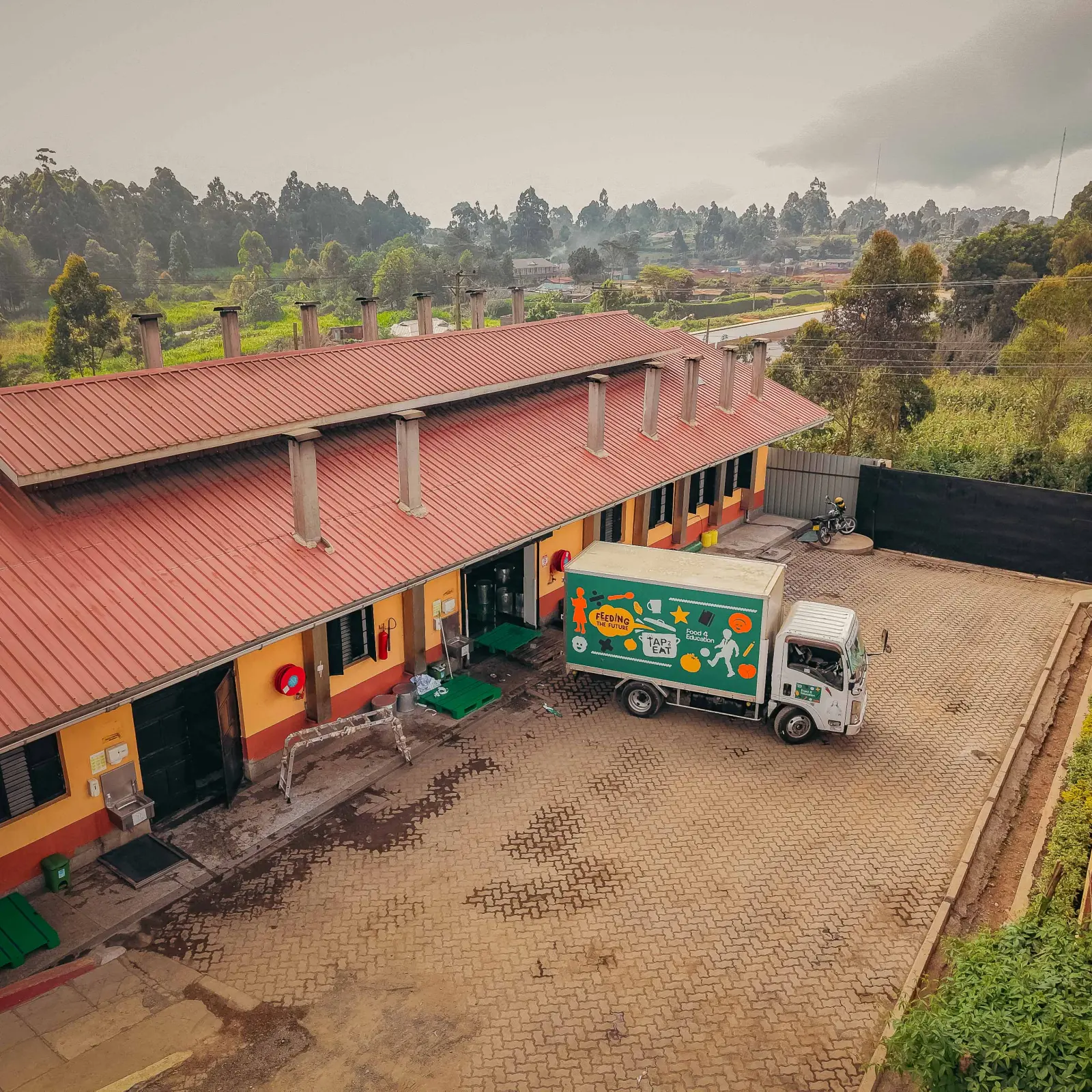
Food4Education (F4E) is a Kenyan nonprofit organization that provides affordable, nutritious school meals to children in public schools. Founded in 2012 by Wawira Njiru, the initiative began by feeding just 25 children near Nairobi and has since grown into one of Africa’s largest locally led school feeding programs. The organization’s mission is based on the idea that hungry children cannot learn effectively, and that school meals can improve education, nutrition, and long-term economic outcomes.

Food4Education operates a highly innovative and scalable feeding model in Kenya using centralized “giga kitchens,” digital payment systems such as Tap2Eat wristbands, and partnerships with county governments, parents, and local farmers. The meals are designed to provide essential nutrients including iron, zinc, calcium, and protein while remaining affordable for low-income families. The organization also sources much of its food locally from smallholder farmers, helping strengthen rural livelihoods and local food systems. By 2025–2026, the program was serving more than 500,000 children daily across over 1,300 schools in multiple Kenyan counties.

Beyond feeding children, Food4Education aims to create a scalable African model for sustainable school feeding that can be replicated across the continent. The organization works closely with governments and development partners to influence school feeding policies and demonstrate how investment in nutrition improves attendance, enrollment, academic performance, and community resilience. Food4Education has gained international recognition for combining nutrition, technology, climate-conscious operations, and local ownership into a cost-effective system that could transform school feeding across Africa.

Report: Agroecological Entrepreneurship Starts Here


This is a new report exploring how grassroots organisations across Africa are building enterprises that restore ecosystems while strengthening local economies.

Drawing on AEF’s Business Planning Grants, the report highlights how 15 organisations are advancing agroecological food systems through locally rooted, economically viable models.

Key insights include the persistent “missing middle” in agroecology finance:
  • Most enterprises require $10,000–$250,000 to grow
  • Microfinance is too limited, while larger investments exceed their scale
  • Commercial lending remains inaccessible due to high costs and collateral requirement

Wednesday, May 13, 2026

Embrapa's Technical Cooperation Office in Addis Ababa, Ethiopia


Researchers from Embrapa and the Gates Foundation (GF) participated in a workshop held on March 17 and 18 in Brasília to coordinate activities regarding the South-South Cooperation Agreement for Agricultural Sustainability. The initiative, the first stage of bilateral cooperation following COP30, identified areas that will serve as a starting point to bring Embrapa’s research in line with the priorities of the U.S. institution.

The initiative is part of an agreement between the Gates Foundation and Embrapa, which sets targets to strengthen the South’s presence in global forums by 2027, and provides for South-South exchange activities, technical events, communication activities concerning regional cooperation, and the identification of opportunities to develop joint Brazil-Africa research, technology and training projects. 

The goals of the meeting, which was coordinated by the Advisory Service for International Relations (Arin), include the identification of opportunities for South-South cooperation to strengthen ties between Embrapa and organizations in African countries, the integration of research networks, and strategic alignment through the establishment of shared schedules for global forums and events.

The following topics were identified as priorities for discussion: 
  • rice and cassava; 
  • dairy farming; 
  • soil biofertilizers, 
  • bio-inputs and bio-products; 
  • food security; 
  • and cross-cutting issues, particularly technology transfer and licensing. 
Representatives from Embrapa Embrapa Dairy Cattle, Embrapa Semiarid, Embrapa Maize and Sorghum, Embrapa Agrobiology, Embrapa Cassava and Fruits, Embrapa Rice and Beans, Embrapa Cerrados and Embrapa Maranhão, centers whose research relates to the initial agenda, had an in-person participation, as well as José Ednilson Miranda, Embrapa’s representative at the Office of Technical Cooperation for Africa in Addis Ababa, Ethiopia.

José Ednilson Miranda highlighted the interest in technologies concerning digital agriculture, Agricultural Climate Risk Zoning (ZARC), digital platforms, Ater+Digital, and the e-Campo learning platform. “They are resources that can benefit several African countries whose needs resemble those Embrapa has been addressing; therefore, the proposal is to develop infrastructure projects in which Embrapa is the technical implementer and the Gates Foundation the aid agency and facilitator in the African continent,”

The participants from the CGIAR, were Namukolo Covic, head of International Relations for Africa, Gatachew Feye, representing Ethiopia's general director, and Million Gebreyes, from CGIAR's Scaling for Impact program.

Related:


6 February 2026. The Brazilian Agricultural Research Corporation (Embrapa) officially inaugurated a Technical Cooperation Office in Addis Ababa, Ethiopia. 

This initiative marks Embrapa's return to the African continent and is part of a broader strategy by the Brazilian government to enhance agricultural collaboration, technology transfer, and South-South cooperation, particularly with the African Union, which is headquartered in Addis Ababa.

The Brazilian government sees in the agricultural sector the greatest opportunities to more easily reach the 54 African countries. 
“Ethiopia is now the diplomatic hub of African countries. We chose Addis Ababa for a reason. Here we have the headquarters of the African Union, as well as offices of the World Bank and the African Development Bank. It is the right place for us to connect with potential partners,”  “Addis Ababa is a hub, and we intend to reach other African countries from here. The demand is huge,” José Ednilson Miranda, head of Embrapa’s local office.
  • Inauguration: The office was inaugurated by Embrapa President Silvia Massruhá and the Director of the Brazilian Cooperation Agency (ABC), Ambassador Ruy Pereira.
  • Location & Purpose: Located in Ethiopia’s capital—a major diplomatic hub—the office aims to facilitate the exchange of tropical agriculture technology, covering areas such as genetics, animal nutrition, and sustainable low-carbon livestock production.
  • Partnerships: The office works with local partners such as the Ethiopian Agricultural Research Institute (EIAR) and private entities like the Kerchanshe Group, with whom they signed a landmark agreement for coffee technology development.
  • Strategic Role: Jose Ednilson Miranda, an experienced Embrapa researcher, was appointed to lead the office, which will also support preparations for technical collaboration in upcoming international forums, including COP-32.
This move follows a push to strengthen Brazil-Africa ties and focus on sustainable, climate-smart agriculture in regions with similar climate conditions to Brazil. 

Monday, May 11, 2026

Announcement: 1st Eastern Africa Indigenous Seed Conference

1st Eastern Africa Indigenous Seed Conference, taking place from 17th–20th November 2026 at the Catholic University of Eastern Africa (CUEA), Nairobi, Kenya. This conference is envisioned as a farmer-centred platform to strengthen Farmer-Managed Seed Systems (FMSS) and advance seed sovereignty in the region. It will bring together farmers, pastoralists, community seed banks, policymakers, researchers, and practitioners to share experiences, exchange knowledge, and collectively shape solutions around indigenous seeds, indigenous livestock diversity, policies, and the right to food.


Tuesday, May 5, 2026

Financing towards agrifood systems transformation for food security and improved nutrition.

FAO, ECA, WFP and AU. 2026. Africa Regional Overview of Food Security and Nutrition 2025 – Financing towards agrifood systems transformation for food security and improved nutrition. Accra. 187 p.

This report highlights the latest data on undernourishment, food insecurity and malnutrition, as well as the cost and affordability of a healthy diet, reflecting people's economic access to nutritious food. The worsening food security and slow progress towards global nutrition targets demand increased efforts to achieve a world without hunger and malnutrition by 2030. Given the projected lower economic growth, high inflation, and rising borrowing costs since 2022, greater action is necessary.

Despite an increasing interest in impact investments, investors predominately pursue investments that focus on a single objective within a landscape, such as agricultural production or reforestation. The effects of these kinds of investments can be undone through the actions of other actors in the same landscape. Landscape financing takes a holistic approach to natural capital, in which all stakeholders agree, and investments are interlinked and strengthen each other. (page 123)