
25 - 28 March 2025. The 2nd Eastern Africa Agroecology Conference (EAAC25) Transforming Food Systems for Responsible Production, Consumption and Social Wellbeing
 27/03 Parallel Session 5: Special Session on Pesticides in Agriculture
- Alice Blondel, SwedWatch CEO: Corporate responsibility in the context of hazardous pesticides
- Eustace Kiarii, CEO KOAN: Pesticides advocacy in Kenya and the gains achieved
- Dr. Ngaruiya, Pest Control Produce Board (PCPB): Initiatives by PCPB to remove HHPS from the market
- Christine Gatwiri, Project Coordinator Route to Food Initiative (RTFI) HBS
- Dr. Monica Nderitu, Agroforestry Network: Agroforestry and Agroecology – sustainable and safe alternatives to pesticides for increased biodiversity and human health Brief on Agroforestry and Agroecology as sustainable – Launch of the Agroforestry Policy Brief
Resource:

This brief outlines how agroforestry and agroecology can serve as sustainable alternatives to synthetic pesticides, and simultaneously build resilient agri-ecosystems, combat climate change, and empower smallholder farmers and vulnerable communities to adapt to the challenges of a changing climate.
Example:
A tree normally grown as a wind breaker or planted as a fence by Kenyan farmers now offers a new opportunity for biopesticide production.
- Croton megalocarpus, a tree native to East Africa, holds potential as a source of natural pesticides and organic fertilizers, with its nuts and husks containing compounds that can be used for pest control and soil enrichment.
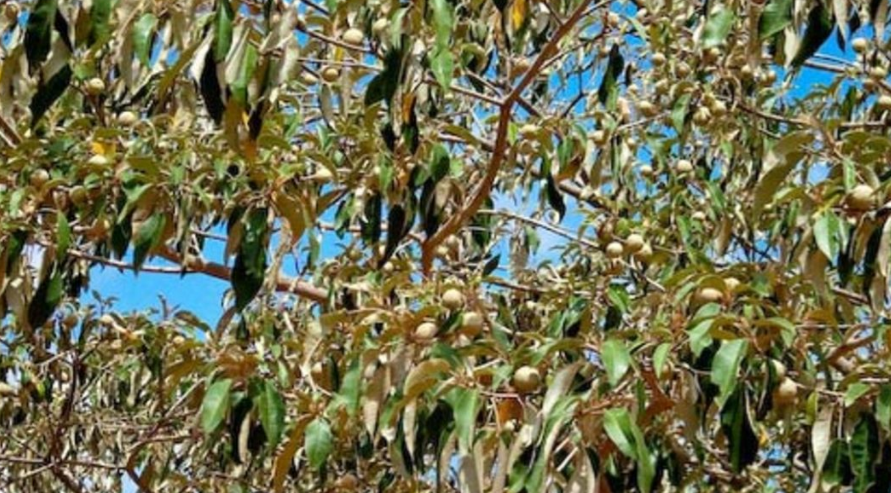
- The croton tree, a non-food crop known as Msenefu in Kiswahili, Omkinduli in Luhya, Mukinduri in Gikuyu , Kelelwet in Kipsigis and Lemaruguet, Masineitel, Mkigara, Mlalai, Muhande and Musine in various other parts of Kenya, is promising equal opportunities in the quantity and quality of biofuel, according to biofuel experts.
- Croton megalocarpus grows naturally in various ecological zones- from the Coast to the highlands of central Kenya and the dry lands of the North Rift. In these regions, the annual rainfall ranges between 400mm and 1,400mm.
IBMA-Kenya is a non-profit brainchild of the four leading producers of biological control products in Kenya (The Real IPM (K) Ltd, Koppert Biologicals, Dudutech Integrated Pest Management Ltd, and Elephant Vert Kenya, KAPI Limited) primarily to promote and advocate the use of biologicals in integrated crop protection, organic farming, and public hygiene.
- Born from the larger IBMA Global (head office in Brussels), IBMA-Kenya endeavors to provide localized awareness and advocacy on the importance of Integrated Pest Management as well as increased adoption of Biocontrol products in the horticultural space.
- It represents manufacturers, distributors, and growers of Biocontrol solutions and products that are environmentally safe, and harnessed, or harvested from nature.
- Green biocontrol tools protect the crops and environment presently and most importantly in the future, and should be the first measure considered for preventative and curative control of pests and diseases sustainably.

The biopesticide from Croton megalocarpus (a widespread tree in East Africa) was fast-tracked by the Kenyan government as part of efforts to reduce reliance on synthetic pesticides, particularly in the horticulture sector where exports to the EU face strict controls on chemical residues. The product was developed through research partnerships that demonstrated its effectiveness against common pests while being safer for people and the environment. By accelerating its approval, the government aimed to both protect market access for Kenyan fruits, vegetables, and flowers in Europe and promote sustainable alternatives that align with global trends toward residue-free and environmentally friendly crop protection.
Kapi Limited developed the biopesticide—commercially known as Agripest Organic 75EC (or EcoPest 75EC)—using oil extracted from the seeds of Croton megalocarpus as the active ingredient. It was formulated and manufactured locally in Nakuru County, Kenya. Farmers appreciated its 24-hour pre-harvest interval and zero residue characteristics, making it a safer alternative for horticultural produce headed to export markets.
The development of this bio-based pesticide followed eight years of research, during which Kapi collaborated with partners such as the Natural Resources Institute (NRI), Egerton University, and EcoFix. These collaborations advanced the understanding and utilization of bioactive principles in Croton seed oil, which led to the commercial creation of the product.
Contact: Pepe SHAW, Marketing KAPI Limited
Related resource:
Darshika Senadheera, Ravi Khetarpal (2025) Highlights from ABCoP 2024 Setting the Stage for 2025 18 pp.APAARI launched the Asia-Pacific Biopesticide Community of Practice (ABCoP) in May 2024, with the support of FAO, STDF, government agencies, private sector and international organizations such as AARINENA and FARA, to bring together stakeholders from the biopesticide sector, including industry leaders, researchers, policymakers, national representatives and other key actors.
The biopesticides industry's future is promising, with over 300 global companies developing products for pests, diseases, weeds, and nematodes. While bioinsecticides lead the market, bionematicides are gaining momentum. Growing interest from investors, manufacturers, and consumers signals strong
growth potential, driving innovation and expansion in coming years.
The ABCoP program highlights the transformative potential of biopesticides in agriculture while emphasizing the importance of continued collaboration, innovation, regulatory reform, and education. These efforts are essential to fully realizing the potential of biopesticides in ensuring sustainable food production and trade in the region.
Webinars:
- 31 October 2024. Asia-Pacific Biopesticides Community of Practice.
- 27 November 2024. 7th Asia-Pacific Biopesticides Community of Practice event
- 29 January 2025. 1st Asia-Pacific Biopesticides Community of Practice (ABCOP) - For the Promotion of Biopesticides and Enhancement of Trade Opportunities
- 28 February 2025. 2nd Asia Pacific Biopesticides Community of Practice Discussions on Role of Biopesticides in Agriculture
- 26 March 2025. 3rd Asia Pacific Biopesticides Community of Practice. Searching for microbial solutions to enhance rice disease resistance


No comments:
Post a Comment