Platform for African – European Partnership in Agricultural Research for Development
Showing posts with label bio control agents. Show all posts

Wednesday, October 14, 2026

Farmers' Organisation-led Bio-inputs Systems: From Farmer Innovation to Sustainable Markets and Policies

14–15 October 2026. The Collectif Stratégies Alimentaires (CSA), the Fédération Wallonne de l'Agriculture–Union des Agricultrices Wallonnes (FWA-UAW), and AgriCord are organising an international workshop and field visits in Belgium under the theme "Farmers' Organisation-led Bio-inputs Systems." 

Bringing together farmers' organisations from


Africa, Europe and the Pacific, researchers, bio-input companies, policymakers and development partners, the event explores how farmer-led initiatives can develop into credible, accessible and economically sustainable bio-input systems. The programme combines practical visits to bio-input production and research facilities in Wallonia on 14 October with policy discussions, institutional perspectives and collaborative workshops in Brussels on 15 October. 

Bio-inputs—including biofungicides, bioinsecticides, bioherbicides, biostimulants and compost—offer opportunities to restore soil fertility, improve crop health, reduce dependence on synthetic inputs and strengthen farmers' autonomy. However, their wider adoption requires reliable scientific evidence, appropriate regulatory frameworks, quality assurance, affordable production systems and effective agricultural advisory services. 

Farmers' organisations can play a central role by connecting experimentation and innovation with production, market development, farmer training and policy dialogue.


14 October – Field visits in Wallonia: From local production to research and innovation

Walhain and Gembloux. The first day, entitled "Bio-inputs: A Solution Gaining Momentum?", provides participants with practical examples of how farmers, researchers and enterprises are developing biological alternatives to conventional agricultural inputs.


Visit to La Biofabrique, Walhain: 

Participants visit a cooperative of Walloon farmers producing bio-inputs locally. The initiative illustrates how collective production can make biological alternatives more accessible, respond to local farming conditions and strengthen farmers' autonomy.

Meeting at Fédération Wallonne de l'Agriculture – Union des Agricultrices Wallonnes, (FWA-UAW), Gembloux

Presentations introduce four complementary initiatives:

  1. Agricells: microbial technologies and innovative biological products.
  2. Regenacterre: farmer–agronomist collaboration on regenerative agriculture.
  3. CRA-W: the Walloon Agricultural Research Centre, supporting agricultural research and innovation.
  4. Bioferm'Tech: a French enterprise developing on-farm bio-input production systems, including its On-Farm™ model for farm use and commercialisation.

Visit to TERRA Research Centre

Professor Philippe Jacques, Director of TERRA, introduces the interdisciplinary research and teaching centre working across biotechnology, agriculture, agrifood systems, environment and forestry. The visit highlights the role of scientific research in developing and validating bio-input innovations.

Introduction to AgriBioTech Park

Participants discover the concept of a scientific business park under development in Gembloux, intended to support innovative enterprises from the start-up phase through to commercialisation of bio-inputs.

15 October – International Workshop in Brussels

Farmers' organisations driving bio-input adoption: Challenges and keys to success

The opening session shares practical
experiences from farmer-led initiatives across Africa and Europe, examining production, adoption, collective organisation and lessons for scaling.
  • Annick Sezibera — CAPAD, Burundi
  • Innocent Nsengimana K. — APDIK, Democratic Republic of the Congo
  • David Verstraete — Greenotec/Biofabrique, Belgium
  • Peter Fröhlich — Farmer; AgriPurpose, AgriCircle and European Alliance for Regenerative Agriculture, Switzerland

State of the art, opportunities and challenges

  • Dr Frédéric Goulet — Sociologist and Senior Researcher, Environment & Society Department, CIRAD, France
    This presentation examines the scientific, technological and institutional opportunities and challenges associated with the development of bio-input systems.


Panel 1: Building an enabling environment for bio-input systems

The panel explores how regulation, standards, quality control, agricultural advisory systems and market conditions can strengthen the credibility and accessibility of bio-inputs.
  • Olivier Guelton — Head of Unit, Authorisations of Plant Protection Products, Belgian Federal Public Service Health, Food Chain Safety and Environment
  • Representatives — Public Health and Safety Authorities, Burundi
  • Pieter Jan Debauw — COLEAD
  • Dr Toralf Richter — Research Institute of Organic Agriculture (FiBL)


Panel 2: Institutional perspectives on scaling bio-input systems

This discussion brings together European and international development institutions to consider public investment, agricultural transformation, institutional partnerships and opportunities for scaling.
  • Christophe Larose — Head of Sector, Sustainable Agriculture, DG INTPA, European Commission
  • Representative — DG AGRI, European Commission
  • Ivan Cucco — Senior Agricultural and Food Systems Economist and Technical Expert, GP-SAEP, International Fund for Agricultural Development (IFAD)
  • Dr Jean Jacques M. Muhinda — Director General, East Africa, AGRA

Monday, August 3, 2026

Biosolutions in Afro-Eurasian Agricultural Innovation Systems

 21 July 2026. The EFARD/GFAiR/CAAE webinar examined the institutional conditions required to scale biopesticides and biofertilizers across Africa, Asia, and Europe. Drawing on evidence from thirteen countries, the presentation demonstrated that successful adoption of biological agricultural inputs depends not only on their biological effectiveness but also on the strength of agricultural innovation systems.

The comparative analysis showed that countries possessing abundant biodiversity do not necessarily achieve successful commercialization. Instead, adoption is determined by coordinated investments in research, regulation, manufacturing, commercialization, extension services, and quality assurance.

The webinar emphasized that effective regulatory systems, functioning markets, strong public-private partnerships, and farmer confidence are essential prerequisites for scaling biological solutions. Experiences from Kenya, South Africa, Spain, the Netherlands, India, China, and other countries illustrate different pathways toward successful adoption as well as persistent institutional bottlenecks.

The webinar reinforced that the transition toward sustainable agriculture is fundamentally an institutional challenge rather than solely a technological one. While biological products have demonstrated considerable potential to improve agricultural sustainability, widespread adoption requires coordinated investments across research, regulation, commercialization, manufacturing, extension, and governance. The comparative evidence from Africa, Asia, and Europe shows that countries are unlikely to achieve successful scaling through isolated interventions. Instead, integrated agricultural innovation systems that align scientific research with policy, markets, and farmer needs provide the strongest foundation for sustainable adoption.

The discussion concluded that scaling biological inputs requires systemic institutional transformation rather than isolated technological innovation. Strengthening agricultural innovation systems is therefore central to achieving sustainable food systems while reducing dependence on synthetic agricultural inputs.

  • Moderator Darshika Senadheera, Asia-Pacific Association of Agricultural Research Institutions (APAARI)
  • Keynote Speaker Emmanuel Tetteh Jumpah, Executive Secretary, European Forum on Agricultural Research for Development (EFARD), Project Coordinator, Beyond BioPest Project, Weihenstephan-Triesdorf University of Applied Sciences (HSWT), Germany

Wednesday, July 1, 2026

Asia-Pacific Biopesticides Community of Practice (ABCoP) session


1 July 2026
. Asia-Pacific Biopesticides Community of Practice (ABCoP) session

This webinar focused on how nature-based pest management and biopesticides can strengthen climate-resilient agriculture across Asia and Africa, with particular attention to dryland farming systems and fragile mountain ecosystems. 

 participated in this online webinar.

As part of APAARI's monthly ABCoP series, the webinar brought together some 40 persons: researchers and development practitioners to share scientific advances, practical experiences, and regional partnerships that can accelerate the transition from synthetic pesticides towards biological alternatives. The session aligned with ABCoP's broader objective of promoting knowledge exchange, regulatory harmonization, innovation, and the wider adoption of biopesticides for sustainable agriculture and safe trade.
  • Jagdisha Jaba, Scientist & Lead- Entomology International Crops Research Institute for the Semi-Arid Tropics(ICRISAT) India - “Advancing biopesticides for Dryland Crops: Present insights and future pathways in Asia & Africa”
  • Rajendra Dhakal Climate Resilient Analyst Livelihood International Centre for Integrated Mountain Development (ICIMOD) Nepal - Nature-based Solutions for Sustainable Pest Management: Lessons from the Hindu Kush Himalaya (HKH) Region.

The first presentation, "Advancing Biopesticides for Dryland Crops: Present Insights and Future Pathways in Asia & Africa," by Jagdisha Jaba (ICRISAT, India), examined the opportunities and challenges of deploying biopesticides in semi-arid and dryland cropping systems. The presentation highlighted recent research on biological crop protection for drought-prone agriculture, discussed constraints such as product efficacy, farmer adoption, regulatory frameworks, and commercialization, and explored future research priorities and cross-regional collaboration between Asia and Africa. Particular emphasis was placed on integrating biopesticides into broader integrated pest management (IPM) systems to improve resilience while reducing dependence on synthetic pesticides.

The second presentation, "Nature-based Solutions for Sustainable Pest Management: Lessons from the Hindu Kush Himalaya (HKH) Region," by Rajendra Dhakal (ICIMOD, Nepal), demonstrated how ecosystem-based approaches—including biodiversity conservation, ecological pest regulation, climate adaptation, and community-based natural resource management—can improve pest management in fragile mountain landscapes. Drawing on experiences from the HKH region, the session illustrated how nature-based solutions contribute simultaneously to climate resilience, sustainable livelihoods, and environmental protection while strengthening local agricultural systems. It also highlighted the value of regional cooperation and knowledge-sharing across mountain countries facing similar climate and pest challenges.


Tuesday, June 16, 2026

Advancing Biological Control in Asia, the Middle East and Africa: Knowledge, Practice and Partnership

11 June 2026. Promoting the awareness and use of biological control in Asia, the Middle East and Africa

As concerns grow over pesticide resistance, biodiversity loss, environmental degradation, and food safety, experts from more than 75 countries gathered for a regional webinar organized by CABI and the International Tropical Fruits Network (TFNET). The event highlighted the growing recognition of biological control as a key component of sustainable agriculture and resilient food systems. Participants explored how biological control approaches, when integrated within broader Integrated Pest Management (IPM) strategies, can reduce dependence on synthetic pesticides while improving environmental outcomes, farmer livelihoods, and market access.

A major focus of the webinar was the role of innovation, science, and digital tools in accelerating the adoption of biological control. 

  • CABI showcased its PlantWise Plus programme and demonstrated the CABI BioProtection Portal, an open-access platform operating in 54 countries and 18 languages that provides information on more than 7,000 registered bioprotection products. 
  • Participants also learned from a successful case study in Malaysia, where classical biological control of diamondback moth significantly reduced pesticide use in brassica production while strengthening export opportunities through lower pesticide residues: Diamondback Moth Management in Malaysia
  • Country perspectives from Egypt, Sudan, and Saudi Arabia further illustrated how biological control is increasingly being incorporated into climate-smart agriculture programmes, extension services, and national sustainable agriculture strategies.

Throughout the discussions, participants emphasized that biological control is not a stand-alone solution but rather part of a broader systems approach to sustainable crop protection. Successful adoption depends on strong regulatory frameworks, quality assurance systems, effective extension services, farmer engagement, institutional support, and access to affordable biocontrol products. Digital advisory tools were identified as particularly important for helping farmers and advisers make informed decisions, while capacity development and policy harmonization were seen as critical for scaling adoption across regions. The webinar also underscored the importance of placing farmers at the centre of innovation and ensuring that solutions are adapted to local ecological and socio-economic contexts.

Looking ahead, participants identified significant opportunities for regional collaboration through joint research initiatives, regulatory harmonization, public-private partnerships, digital agriculture platforms, and South-South cooperation. There was broad agreement that scaling biological control will require coordinated action across research institutions, governments, extension systems, private companies, and farmer organizations. By fostering partnerships and sharing practical experiences, the webinar demonstrated how biological control can contribute to healthier ecosystems, safer food production, improved market access, and more resilient agricultural systems across Asia, the Middle East, and Africa.

From Pesticide Reduction to Agricultural Transformation

10 June 2026. Responsible Pesticide Use and Agricultural Transition in Tropical Agriculture

Agrinatura brought together researchers, development practitioners, and agricultural experts from across Europe and beyond for a timely discussion on responsible pesticide use and the future of agricultural transitions in tropical farming systems. The webinar highlighted growing international interest in reducing dependency on hazardous pesticides while simultaneously addressing broader challenges related to food security, farmer livelihoods, biodiversity conservation, public health, and agricultural competitiveness. Rather than viewing pesticide reduction as a stand-alone objective, participants emphasized the need for integrated approaches that strengthen the resilience and sustainability of entire farming systems.

A central focus of the discussion was the PRETAG initiative, led by CIRAD, which is working with partners across Africa, Asia, Latin America, and Europe to identify practical pathways towards safer crop protection systems. The initiative combines research, innovation, stakeholder engagement, and policy analysis to better understand how farmers can reduce reliance on hazardous pesticides. Evidence presented during the webinar showed that many commonly used pesticide substances raise significant environmental and health concerns, reinforcing the need for diversified solutions such as integrated pest management, biological control, agroecological practices, and biodiversity-based farming systems. Participants agreed that successful transitions require action at multiple levels—from farm management and value chains to national policies and institutional frameworks.

One of the strongest messages emerging from the consultation was that farmers must remain at the centre of agricultural transformation efforts. Speakers stressed the importance of recognizing local knowledge, addressing gender and labour dimensions, and ensuring that innovations respond to the realities faced by smallholder producers. Participants also highlighted the untapped potential of biocontrol and bioprotection solutions, while cautioning that technological substitutions alone will not deliver lasting change. Instead, sustainable agricultural transitions require coordinated investments in knowledge systems, farmer empowerment, policy support, and ecosystem-based approaches that build resilience over time.

Looking ahead, the webinar generated strong support for creating an Agrinatura platform or task force to coordinate expertise, strengthen collaboration, and position the network within emerging Team Europe initiatives. Participants identified opportunities to mobilize funding through Horizon Europe, Global Gateway, DG INTPA programmes, and public-private partnerships, while also calling for stronger coordination among existing projects to avoid duplication and amplify impact. As pressure grows to transform food systems in ways that are environmentally sustainable, economically viable, and socially inclusive, the Agrinatura community sees an important opportunity to contribute knowledge, innovation, and partnerships that can support agricultural transitions across the Global South.


Resource: 

CIRAD (2026) Reducing pesticide use in tropical agriculture for human and ecosystem health 8 p.

Five multi-stakeholder dialogue platforms associated with the five value chains studied in PRETAG
(banana, cocoa, coffee, vegetables, rice) have provided insights into the role of collective action in
reducing pesticide use. 

Four major steps appear to characterise the progression of these platforms towards agricultural systems with reduced reliance on pesticides:
  1. Sharing knowledge on pesticide use and possible pathways for reduction, as well as identifying lockins and potential incentives to stimulate pesticide reduction at the stakeholder level;
  2. Co-constructing a common vision of the transition and an action plan based on theory of change and impact pathway methodologies (using for example the ImpresS approach);
  3. Fostering co-innovation and scaling up based on genuine knowledge sharing;
  4. Developing market strategies that can valorise the transition through process-based certification or company-level standards

Monday, June 1, 2026

Biological Control, Biopesticides and Sustainable Food Systems in Afro-Eurasia

1 June 2026. Biological Control, Biopesticides and Sustainable Food Systems in Afro-Eurasia

Biological control and biopesticides are increasingly recognized as important tools for reducing dependence on synthetic pesticides, improving integrated pest management (IPM), supporting agroecological approaches, and enhancing compliance with residue-sensitive export markets. At the same time, adoption of bio-solutions remains uneven due to regulatory fragmentation, quality-control challenges, commercialization barriers, limited farmer awareness, and weak extension systems.

In response to these issues, regional and international organizations have intensified efforts to strengthen collaboration on biological control, sustainable pest management, regulatory harmonization, and knowledge exchange. One important initiative is the Asia-Pacific Biopesticide Community of Practice (ABCoP), established by the Asia-Pacific Association of Agricultural Research Institutions (APAARI) in 2024 following the STDF-funded regional project on pesticide residue mitigation through promotion of biopesticides.

This webinar provide a platform for researchers, regulators, development organizations, private-sector actors, students, and policymakers to discuss emerging developments in biological control and bio-solutions in Africa and Asia. The webinar will also contribute to broader discussions on sustainable agriculture, regulatory systems, trade opportunities, innovation platforms, and farmer adoption pathways.

Speaker 1: Darshik Prasadani Senadheera, Dr. Ravi Khetarpal - Asia-Pacific Association of Agricultural Research Institutions (APAARI)

Advancing Biological Control and Adoption in the Asia-Pacific Region: Insights from the Asia-Pacific Biopesticide Community of Practice (ABCoP)

The presentation discussed regional efforts to strengthen biological control and biopesticide adoption in the Asia-Pacific region through the Asia-Pacific Biopesticide Community of Practice (ABCoP). It will examine experiences related to biological control, microbial biopesticides, integrated pest management, regulatory harmonization, commercialization, digital knowledge platforms, and sustainable pest management under tropical and subtropical agricultural systems.


The Asia-Pacific region faces increasing pressure to reduce pesticide residues, strengthen sustainable agricultural practices, and comply with evolving international trade standards, highlighting the growing importance of biological control and biopesticides. In response to these challenges, the Asia-Pacific Biopesticide Community of Practice (ABCoP) was launched by APAARI in May 2024 as a sustainability initiative emerging from the successful STDF-funded project, Asia Pesticide Residue Mitigation Through the Promotion of Biopesticides and Enhancement of Trade Opportunities, implemented by APAARI in partnership with AgAligned Global, USA, during 2020–2023.

The project established important foundations for promoting biopesticides in the Asia-Pacific region through the development of best practices and standardized protocols, while strengthening technical and functional capacities in maximum residue limit (MRL) data generation, biopesticide production, and regulatory harmonization among participating National Plant Protection Organizations (NPPOs). To sustain and expand these achievements, ABCoP was established as a regional knowledge-sharing and networking platform bringing together researchers, policymakers, industry leaders, government agencies, academia, private-sector stakeholders, and development partners. Supported by NPPOs, FAO, STDF, AARINENA, FARA, and other collaborators, the platform promotes regional cooperation, knowledge exchange, and sustainable pest management in the Asia-Pacific region.

The ABCoP 2024 and 2025 discussions primarily focused on biological control and biopesticide-related practices relevant to Asia-Pacific agroecosystems, including rice, horticultural, and diversified cropping systems. Key themes included classical biological control, microbial biological control, entomopathogenic biological control, integrated pest management (IPM), regulatory and policy aspects of biological control, commercialization and private-sector engagement, and digital knowledge platforms supporting biopesticide adoption. Discussions also addressed invasive pests, residue mitigation strategies, regulatory harmonization, and practical implementation challenges under tropical and subtropical agricultural conditions.

Emerging themes such as microbiome-based disease management, AI-supported biocontrol research, and digital bioprotection platforms further highlighted the evolving role of biological control in sustainable agriculture. ABCoP continues to serve as an inclusive regional platform supporting innovation, policy dialogue, capacity development, and multi-stakeholder collaboration for advancing environmentally responsible pest management and safe agricultural trade across the Asia-Pacific region.

Speaker 2: Stella Simiyu Wafukho - CropLife Africa & Middle East Region

Accelerating Registration Processes for Biopesticides & Biocontrol agents in Africa and the Middle East Region and BioCOPPA Index Process

The presentation addressed regulatory perspectives, private-sector engagement, and policy considerations shaping the development and adoption of biological crop-protection solutions in Africa and the Middle East. It will also include the BioCOPPA Index Process.

Background documents:


BioCOPPA Index Pilot Report.pdf (4 p)
The BioCOPPA Kenya pilot workshop successfully validated the relevance and applicability of the BioCOPPA Index in the Kenyan context.

ABCOP-2024-The-Rewind.pdf (18 p)
APAARI launched the Asia-Pacific Biopesticide Community of Practice (ABCoP) in May 2024, with the support of FAO, STDF, government agencies, private sector and international organizations such as AARINENA and FARA, to bring together stakeholders from the biopesticide sector, including industry leaders, researchers, policymakers, national representatives and other key actors.

ABCOP-2025-The-Rewinds.pdf (23 p)
The Asia-Pacific Biopesticide Community of Practice (ABCoP) builds on the momentum of 2024–25 as it moves into 2026, focusing on strengthening regulatory systems, accelerating adoption, and fostering an enabling innovation ecosystem for biologicals.

11 June 2026. Promoting the awareness and use of biological control in Asia, the Middle East and Africa


10-11 June 2026. Biopesticides Europe 2026
Biopesticides Europe 2026 brings together the full biological crop protection value chain to focus on turning regulatory change, climate pressure and market demand into real, scalable opportunities for biologicals.

Wednesday, November 12, 2025

Innovative Approaches to Sustainable Pesticide Residue Mitigation


11 - 13 November 2025
. Johannesburg, South Africa Arturo Falaschi Conference “Innovative Approaches to Sustainable Pesticide Residue Mitigation”

Organizer: International Centre for Genetic Engineering and Biotechnology (ICGEB) – Cape Town & partner institutions

As Africa strengthens its position in global agricultural trade, the need to align food safety with sustainable farming has never been greater. This high-level international conference brings together researchers, policymakers, industry leaders, and technology providers to explore science-based solutions for managing pesticide residues, with a strong focus on biological solutions, regulatory innovation, and precision agriculture.

Extracts of the programma


Day 1 (11 Nov) — Regulatory Frameworks & Policy Development


  • Chair: Dennis Ndolo (Group Leader, Biopesticides, International Centre for Genetic Engineering
    and Biotechnology (ICGEB))
  • Opening remarks by: Dennis Ndolo
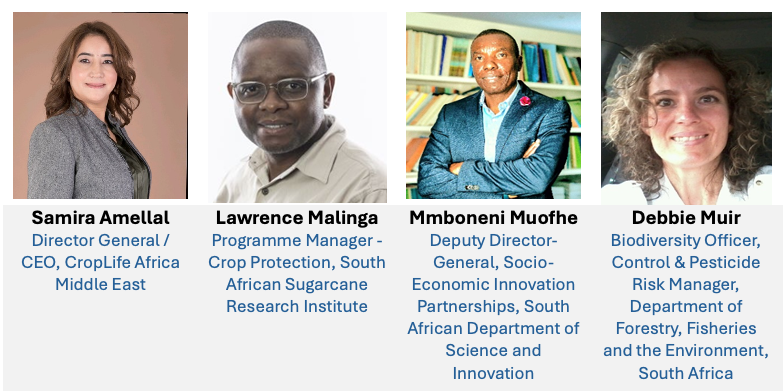
  • Samira Amellal (Director General, CropLife Africa Middle East)
  • Minshad Ansari (Chair, World Bioprotection Forum & CEO, Bionema Group Ltd)
  • Keynote: Luis Suguiyama (Consultant, Ag Aligned Global) — Biopesticide solutions for facilitative trade
  • Michelle Lesur (CEO, Andermatt Madumbi Pty Ltd) — Regulatory challenges to biopesticide registration & commercialisation
  • Stella Simiyu (Director, Regulatory Affairs & Stakeholder Relations, CropLife Africa Middle East) — Are biopesticides’ harmonisation efforts paying off?
  • Travis Bui (Administrative Chair, UAPASTF) — UAV pesticide applications: Industry efforts to enable global regulatory frameworks (virtual)
Afternoon session included:
  • Murenga Mwimali (Chief Research Scientist, Kenya Agricultural & Livestock Research Org) — Challenges & opportunities in Kenya’s residue compliance.
  • Debbie Muir (Biodiversity Officer – Control & Pesticide Risk Manager, DFFE South Africa) — Key provisions of harmonised guidelines for registration of biopesticides in Southern Africa.
  • Mellon Kabole (Africa Regional Manager, Minor Use Foundation) — Minor Use Foundation priority setting results for Africa.

Day 2 (12 Nov) — Innovations in Biological Pest Control

  • Chair: Stephen Njoka (Former Director, DLCO-EA)
  • Keynote: Yrielle Roets‑Dlamini (Senior Researcher – Bioprocess Technology Dev., CSIR) — Scaling & commercialisation pathways: addressing barriers to the growth of biological solutions
  • Peter Kamuti (Deputy Director, Kenya Plant Health Inspectorate Service) — Rethinking the last spray: Biopesticides for residue mitigation
  • Fernando Cantão (Fundraising/Tech Transfer & Innovation, ICGEB) — The role of biostimulants & biofertilisers in mitigating pesticide residues
  • Kahsay Mawcha (Research Fellow – Biopesticides, ICGEB) — Microbes as pesticide clean-up agents: evidence from the literature
Panel: 
  • Moderator: Debbie Matteucci (Chair, South Africa Bioproducts Organisation) 
  • Cornelius Oosthuizen (GM, Koppert South Africa), Kenneth Chipere (Principal Research Officer, Pesticides Registration, Zimbabwe), 
  • Maurice Barasa (Head, Registration of Pesticides, Kenya) & Michelle Lesur (CEO, Andermatt Madumbi)

Day 3 (13 Nov) — Precision Agriculture & Data-Driven Solutions


  • Chair: Ramadhan Kilewa (Research Officer, Tanzania Plant Health & Pesticides Authority)
  • Keynote: Mmboneni Muofhe (Deputy Director-General, Socio-Economic Innovation Partnership, South Africa Dept. of Science & Innovation) — From data to action: scaling digital tools for farm-level biocontrol
  • Tom Murray (Technical Manager, Fruits & Horticulture, Woolworths, South Africa) — From farm to shelf: A retailer’s perspective on pesticide residues
  • Stella Simiyu (Director, Regulatory Affairs & Stakeholder Relations, CropLife Africa Middle East) — Regulatory readiness for the use of drones in Africa
  • Closing remarks by Minshad Ansari (Chair, World Bioprotection Forum) + Stella Simiyu + Dennis Ndolo

Activity: Launch of the African Bioproducts Community of Practice – led by Dennis Ndolo (ICGEB)


The Biopesticides Community of Practice (CoP) was established under the Collective Action on Agroecology (CA-AE) to accelerate the adoption of safe, effective biopesticides and promote agroecological pest management. It bridges research, industry, policy, and farmer practice to harmonize regulatory frameworks, coordinate innovation, and support evidence-based scaling of biological pest control solutions.

Objectives
  • Improve access to and farmer uptake of biopesticides through evidence, policy guidance, and market linkages.
  • Harmonize regulatory and Access and Benefit Sharing (ABS) approaches across regions.
  • Coordinate fragmented research and innovation across Africa, Asia, and Europe.
  • Support evidence-based scaling of biopesticides within Integrated Pest Management (IPM) systems.
  • Build a global network for continuous knowledge sharing and policy dialogue on biocontrol solutions.

Linking up with Asian Biopesticide experts:

The Asia‑Pacific Biopesticide Community of Practice (ABCoP), launched by APAARI in May 2024, is a vibrant cross‑sectoral platform that unites researchers, industry stakeholders, policymakers, regulators, NGOs and government agencies across the Asia‑Pacific region. Its primary mission is to promote knowledge exchange, foster collaboration, and accelerate the development, regulation, and trade of biopesticides—a sustainable alternative to conventional chemical pest control.


Related:

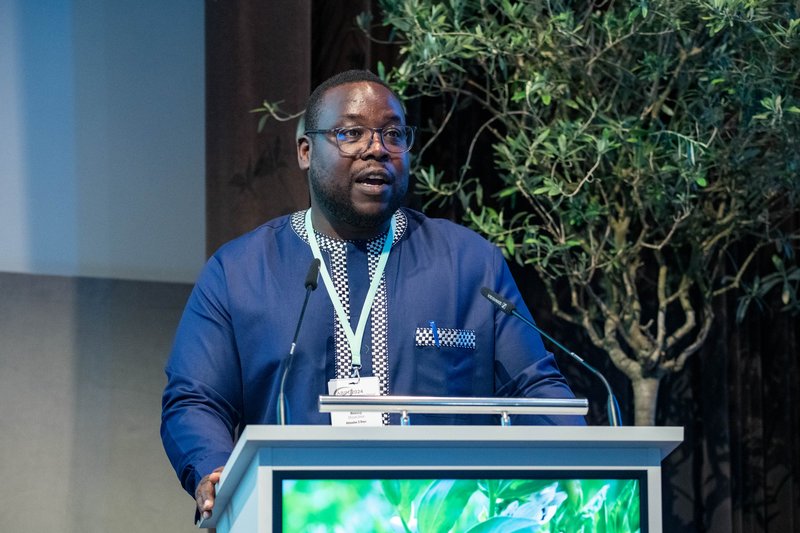
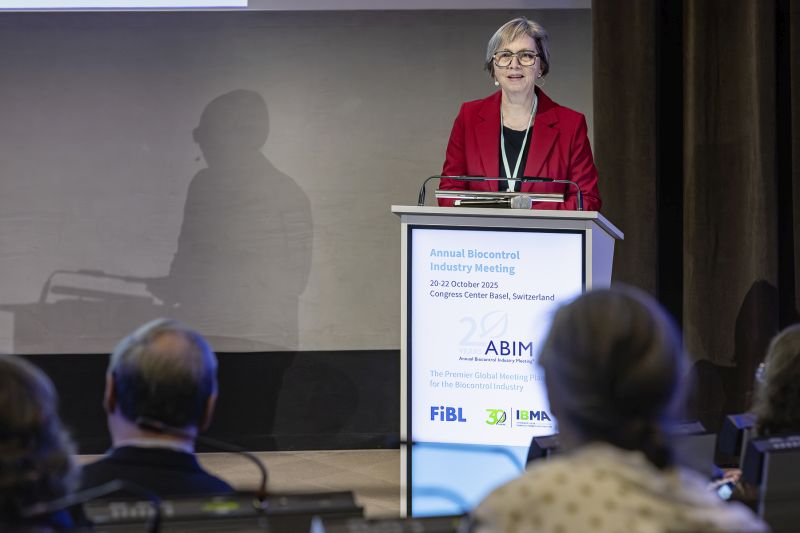
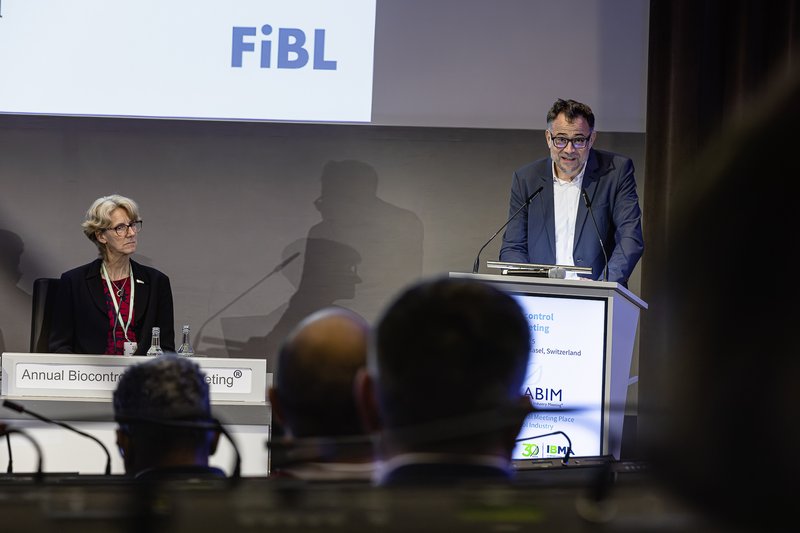
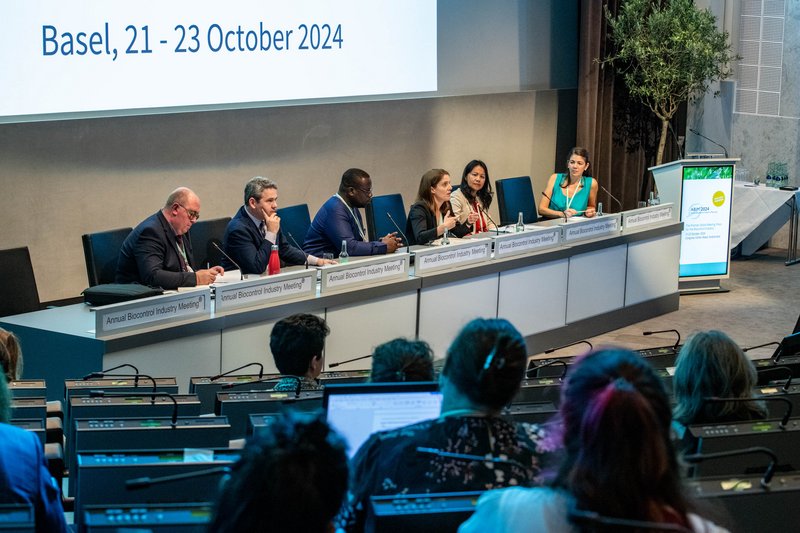
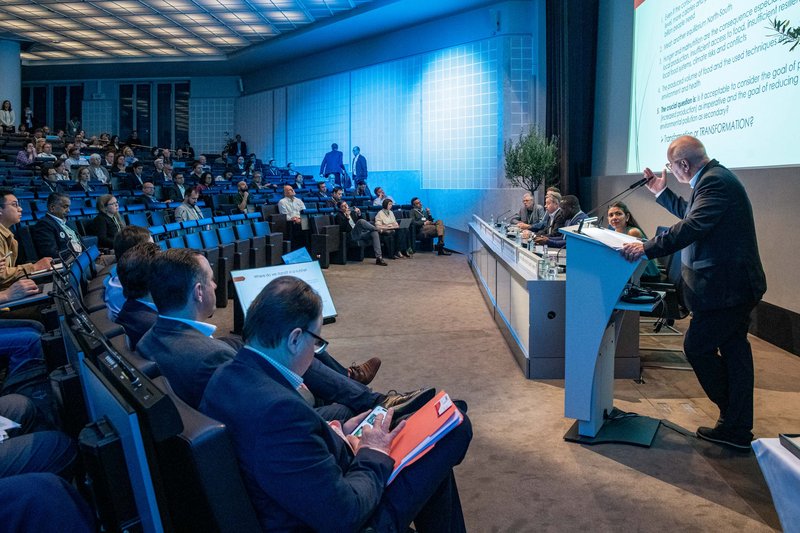
GFAIR's Collective Action on Agroecology (CA AE)–Biopesticides initiative took part in the Annual Biocontrol Industry Meeting (ABIM) 2025, held in Basel, Switzerland from 20-22 October 2025, as part of its commitment to advancing sustainable agricultural innovation. ABIM, recognized as the world’s leading biocontrol industry conference, brought together over a thousand experts, researchers, regulators, and industry leaders to exchange insights and foster collaboration on the future of biological crop protection. For CA AE–Biopesticides, this engagement marked an important step toward deepening its involvement in global dialogues that align with Africa’s agroecological transformation agenda.


Friday, October 31, 2025

Annual Biocontrol Industry Meeting

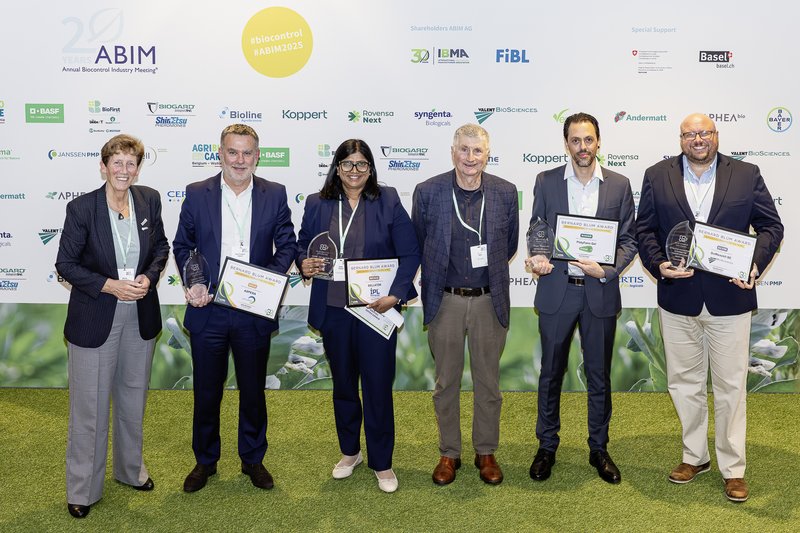
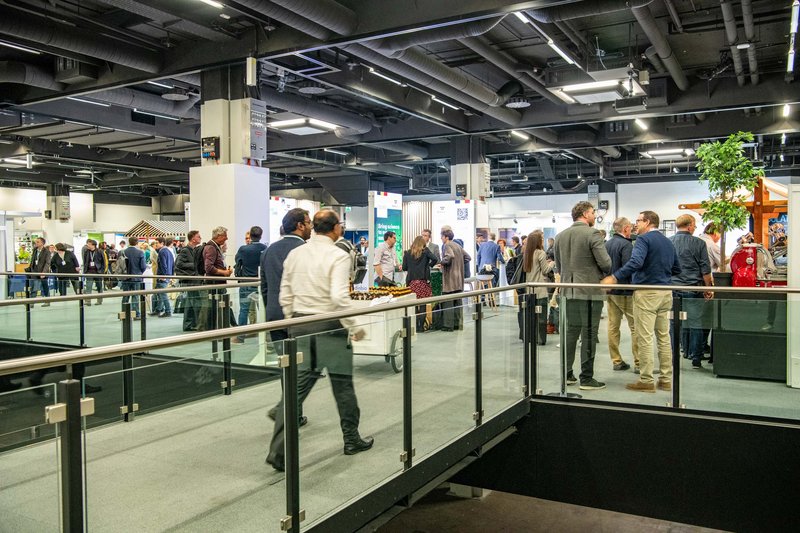
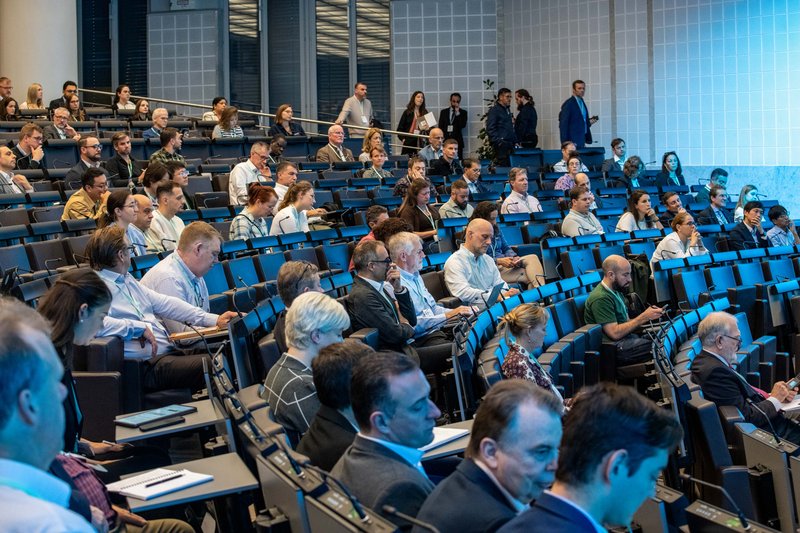
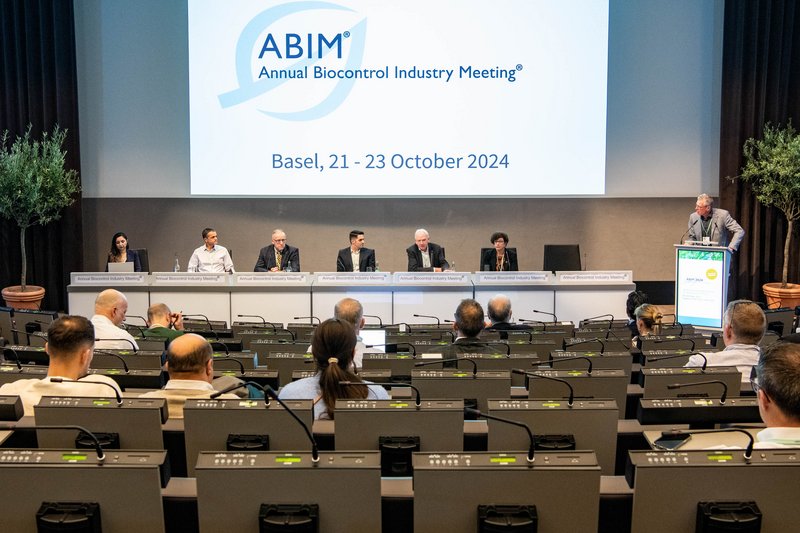
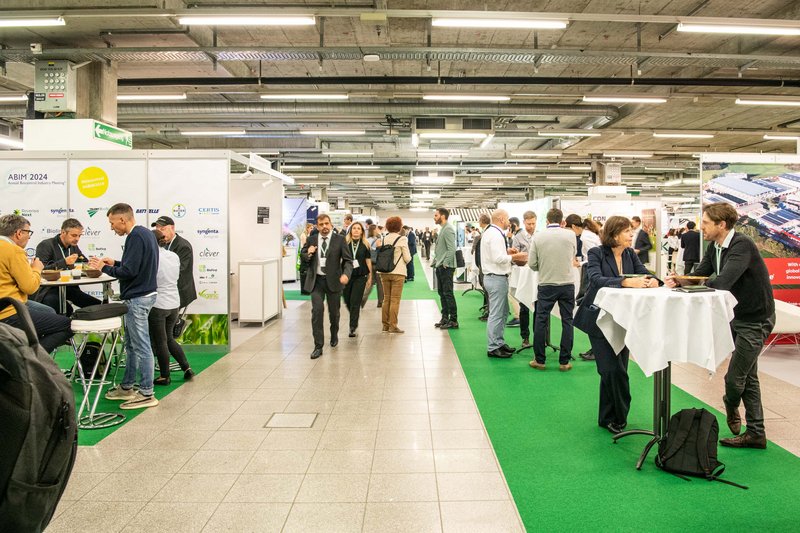
20 - 22 October 2025. ABIM 2025 - the Annual Biocontrol Industry Meeting.

The year 2025 marked significant anniversaries for the biocontrol industry: 30 years of IBMA, 20 years of ABIM, and 10 years of the Bernard Blum Award. 

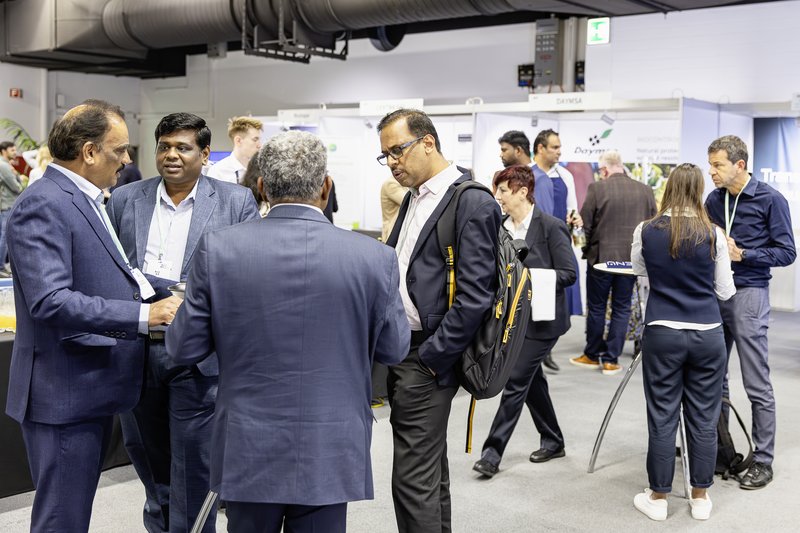
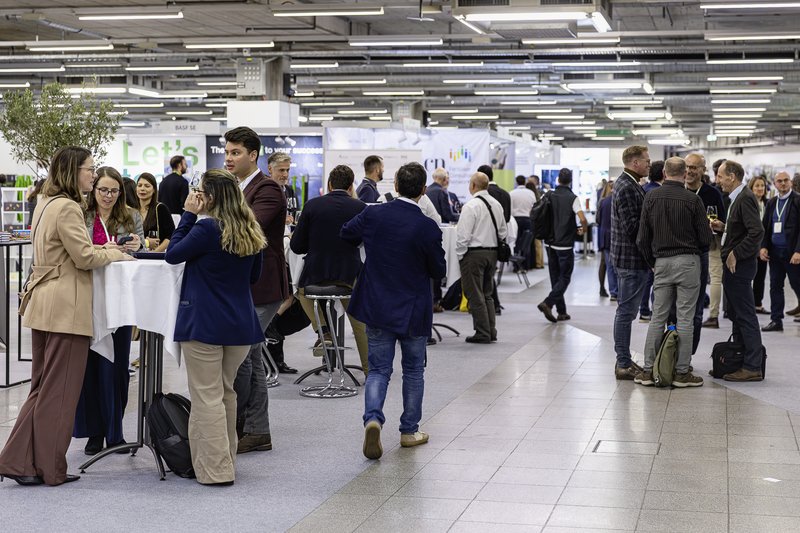
It served as the world’s leading event for the biological crop protection industry, bringing together researchers, companies, regulators, and investors to showcase innovations in microbials, semiochemicals, natural substances, and invertebrate macrobials, discuss regulatory and market developments, and explore new business and research partnerships. With over 150 exhibitors, thematic sessions, and one-to-one networking opportunities, ABIM 2025 provided a key global platform to advance sustainable, science-based alternatives to chemical pesticides and strengthen the role of biologicals in transforming agri-food systems.

For pictures see this page

Extract of the programme


20/10 “Showcasing Innovations” session (microbials, semiochemicals, natural substances and
invertebrate macrobials)

The session on “Showcasing Innovations” highlighted the need to accelerate the integration of biological solutions—microbials, semiochemicals, natural substances, and invertebrate macrobials—into sustainable agricultural systems through stronger research–industry–policy collaboration. 

Participants recommended enhancing regulatory harmonization and data-sharing frameworks to reduce barriers to market entry, investing in regionally adapted research to validate efficacy under local conditions, and supporting farmer awareness and capacity building for effective adoption. 

The session also underscored the importance of multi-actor innovation platforms to connect startups, researchers, and investors, ensuring that biological innovations are not only scientifically sound but also commercially viable and environmentally responsible.

Biocontrol is scaling fast, but the system still lacks regulatory clarity, aligned policies and farmer-oriented advisory tools. Opportunities:

  • launch a policy dialogue on biopesticides with EFSA, DG SANTE, CABI and the Regional Fora; 
  • establish a Digital Agroecology Working Group to develop an AI-based advisory prototype for farmers; 
  • prepare an evidence-based advocacy position on biologicals; 
  • explore opportunities to anchor a Basel Innovation Hub on agroecology and biologicals.
Speakers
  • Lucius Tamm (ABIM and Agroscope), there is a concrete opening for evidence-based advocacy and policy alignment. 
  • Ulrich Kuhlmann (CABI) confirmed interest in collaborating with all Regional Fora and presented a regulatory-use data tool 
  • EFSA representatives confirmed that the new EU biopesticide regulation is in its final phase
  • Domenico Deserio (DG SANTE) presented risk assessment, agroecology, digital systems and new genomic techniques. 
  • FiBL is ready to support joint innovation and science-based advocacy, 
  • Ghent University and BCCM (Belgium) contribute microbial data and digital cataloguing for future advisory tools. 
  • Industry actors such as Syngenta, Rovensa, Micropep and Moveo provide field data to strengthen adoption pathways and digital advisory models. 
  • Canton of Basel announced a 500 million CHF research investment plan for 2026 and signalled openness to an initiative on agroecology or biologicals, offering a potential foothold for a Swiss-based innovation hub.


21/10 ABIM high-level panel

The 2025 ABIM high-level panel gathered policymakers, scientists, NGOs and industry leaders to address how to scale biocontrol for sustainable crop protection. The panel explored how regulatory innovation, behaviour change and multi-stakeholder collaboration can bridge the gap between potential and practice, with a shared sense of urgency and pragmatic optimism.

  • Biocontrol is now essential for resilient, sustainable production, but regulatory and behavioural bottlenecks still prevent scale 
  • Farmers adopt when risk and cost are manageable and results are visible in their own fields
  • Policy alignment, fast-track pathways and advisory capacity are the foundations for growth 
  • Regenerative agriculture and certification markets offer a unique window for mainstreaming. “Biocontrol has moved from alternative to essential. 
  • The next step is making it accessible, scalable and trusted.
Speakers

  • Klaus Berend (DG SANTE) outlined EU progress toward a faster, clearer and innovation-friendly framework. Key initiatives: • Simplified dossiers for pheromones • Revised microorganism data requirements based on “need to know” • Species reviews and targeted AMR/sensitisation studies • Problem-formulation approaches enabling data waivers • Funding and training for EFSA and Member States. “We have legal deadlines — three years — but capacity and alignment remain the bottleneck.” Planned December 2025 amendments will include: biocontrol definition, provisional authorisations, unlimited approvals for low-risk substances, priority handling and more EFSA resources to ensure faster access at lower cost while maintaining safety.
  • Gabriele Huwiler (FOAG) presented Switzerland’s National Strategy for Sustainable Crop Protection and its target to reduce pesticide risks 60% by 2027. Core measures: • National Observation Platform • Competence Network linking public and private R&D • Demonstration Network of pilot farms • Target Agreements in value chains (e.g., 25% resistant potato varieties by 2028). “Data exist everywhere but are not connected.” Structural constraint: dependence on EU authorisation pace. “Unless we join the system, we will remain slower.”
  • Lydia O’Donnell (New Zealand) showed a coordinated national shift across 13 sector groups and 30+ crops. Three drivers of adoption: 1) Demonstration — “Seeing is believing” 2) Collaboration — overcoming crop silos 3) Extension — trained advisors and grower-champions. “You can have the best products and rules; without growers on board, biocontrol will not scale.”
  • Juliana Jaramillo (Rainforest Alliance) highlighted biocontrol as either the bottleneck or the unlock for regeneration. Strategy: strict pesticide rules + field-level IPM. Barriers: regulation, misinformation, trust gaps, fear of yield loss. “Changing a product may mean not eating for two months.” Regenerative finance offers unprecedented opportunity: “There is finally money for regeneration. Biocontrol must tap into it.”
  • Karel Bolckmans (Biofirst group) stressed economic reality: “Farmers change only through pain or profit.” The Almeria case showed that crisis + retail pressure triggered mass adoption: 35,000 ha shifted in one season. “If it’s twice the price or half as effective, it will never scale.”

21/10 Session 2: Biocontrol in Action

The Biocontrol in Action session at the ABIM 2025 conference showcased international perspectives on
scaling biological pest management and advancing the regulatory, behavioral, and market conditions needed for wider adoption. Presentations and panel discussions featured experts from Africa, New Zealand, the Rainforest Alliance, BioFirst (Belgium), and the European Commission, among others.
  • Sylvia Kuria (picture) is a Kenyan organic farmer and entrepreneur on a mission to make organic produce accessible. She connects 30+ small-scale farmers to markets, aggregating and selling over 5 tonnes of organic produce monthly to bulk buyers. Passionate about training and empowering farmers, she champions safe, sustainable farming. When she’s not in the fields, she’s documenting her journey through writing.
Farmer Behavior and Demonstration-Based Adoption:
  • New Zealand’s A Lighter Touch program emphasized that effective biocontrol scaling depends on changing farmer behavior through demonstration, collaboration, and extension. 
  • Demonstration farms showing successfulpesticide-free production significantly increased grower trust and adoption. 
  • Collaboration across 13 agricultural sectors fostered knowledge sharing and coordinated resistance management, while structured grower-to-grower extension proved vital for uptake.
Certification and Regenerative Agriculture:
  • The Rainforest Alliance highlighted the role of biocontrol and IPM as enablers of regenerative agriculture. 
  • Its new regenerative certification standard integrates stricter pesticide management and promotes biocontrol solutions to replace highly hazardous pesticides (HHPs). 
  • Biocontrol was identified as a “bottleneck or a solution” in the transition to sustainable farming, with a call for increased visibility, demonstration, and investment to build producer confidence and access new funding streams for regenerative agriculture.
Economic and Market Drivers for Change:
  • BioFirst illustrated that economic incentives and supply-chain pressure are often stronger catalysts for transition than awareness alone. 
  • The Spanish greenhouse sector’s rapid conversion to IPM followed retailer pressure linked to chemical residue concerns, demonstrating that farmer adoption occurs when biocontrol is both cost-effective andmarket-demanded.
Policy and Regulatory Advances:
  • The European Commission outlined ongoing reforms to streamline regulatory pathways for
    biocontrol, including simplified data requirements, faster approvals, enhanced training for national authorities, and proposals for a unified EU definition of biocontrol. 
  • Upcoming reforms will prioritize low-risk biocontrol applications and provide financial and technical support to member states to reduce approval delays.

Cross-Cutting Needs:
  • Panelists underscored the importance of communication, farmer training, advisory service reform, andregulatory harmonization across regions. 
  • Stronger stakeholder collaboration and societal awareness wererecognized as critical to achieving large-scale transition from chemical to biological crop protection.

21/10 Session 3: The Latest on Policies to Accelerate Biocontrol

  • This high-level policy session brought together regulators, industry leaders, and research
    organizations from the EU, Latin America, and global institutions to discuss current and forthcoming policy measures to accelerate the approval,commercialization, and adoption of biocontrol and bio-input technologies. 
  • Panelists included representatives fromthe European Commission (DG SANTE), the Netherlands Ministry of Agriculture, Danish Industry,CABI/FAO, and INPI-Bio Brazil.

European Union Policy Reforms and Regulatory Acceleration
  • The European Commission outlined its ongoing efforts to unlock the potential of biocontrol within the framework ofRegulation 1107/2009. Key reforms include:
  • Faster authorization processes through “tacit recognition” (mutual recognition by default among EUzones).
  • Implementation of a “need-to-know” data approach and problem formulation framework to reduceunnecessary studies and focus assessments on relevant risk parameters.
  • Expanded application of low-risk provisions and the creation of a database for species-specificmicroorganisms to accelerate evaluation.
  • Forthcoming Omnibus Simplification Package (expected December 2025) to align low-risk
    classification,extend approval periods, and simplify data requirements for biocontrol active substances.

National and Regional Initiatives in Europe
  • The Netherlands presented its Plant Protection Action Plan 2030, which targets resilient cropping systems, near-zero emissions, and integration of biocontrol as a central pillar of national pest management. 
  • The country emphasized cooperation among EU member states, greater assessor capacity at EFSA, and knowledge exchange to accelerate product evaluation and access to markets.
  • The Danish Industry of Biosolutions stressed the need for regulatory certainty and predictability to attract investment and ensure startups can bring products to market. Industry called for a common European single market for biocontrol approvals and warned that farmers risk losing effective tools without new alternatives.

Global Perspectives and Lessons
  • CABI and FAO shared results from a global evidence-mapping study identifying key barriers
    and enablers to biopesticide uptake: knowledge gaps, variable efficacy perception, complex regulation, and limited extension services. 
  • They emphasized that success requires coherent interaction between regulation, extension, and market demand.
  • Brazil showcased a successful policy model, where proactive regulation and emergency registration during pestcrises (2013) led to rapid market growth. The country’s 2024 Bio-Input Law now enables biotechnology-based products, unified registration, tax incentives, and regulated on-farm production, positioning Brazil as a global leader in biocontrol adoption.
Overarching Takeaways
  • Speakers agreed that accelerating biocontrol requires a fit-for-purpose regulatory environment, better communication between assessors and industry, investment in capacity building, and strong political and societal support. 
  • The EU’s upcoming legislative reforms and international cooperation were viewed as pivotal toachieving sustainable crop protection transitions globally

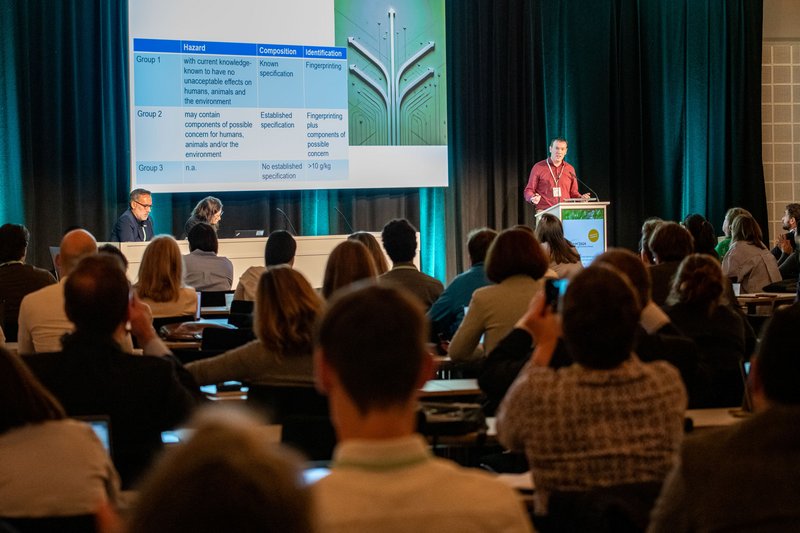
21/10 Workshop: Peptide Regulation

The Peptide Regulation session examined the emerging role of peptide-based biocontrols in sustainable agricultureand the evolving regulatory frameworks governing their development and commercialization. The session featured key presentations, one focusing on innovation platforms and the other on regulatory and safety considerations.
  • Kevin Leiner (picture), Chief Project Officer & VP of Regulatory, Micropep Technologies, introduced a shift from single-product development to a platform-based approach, enabling solutions across
    multiple insect species. Fieldtrials demonstrated over 85% equivalence to chemical standards at low application rates, confirming both efficacy and sustainability. These peptides, derived from insect-specific compounds, showed no expected toxicity to humans or beneficial organisms. 
  • Regulatory progress includes a biochemical-like classification by the U.S.EPA, with initial registration underway. The peptides feature novel, non-protein modes of action that reduce the likelihood of resistance development and are rationally designed for safety and specificity.He discussed the broader need for harmonized regulations, predictability, and societal acceptance to advance peptide adoption. Citing lessons from GMOs, the speaker emphasized the importance of transparent communication to build public trust. MicroPep’s Chrysalis Discovery Platform was showcased as a model for targeted peptide design, integrating biological efficacy, field stability, cost efficiency, IP protection, and regulatory compliance.
  • MicroPep’s first candidate, MPD01, is an antimicrobial peptide validated in over 200 field trials across three continents, demonstrating broad-spectrum efficacy, low dose requirements, and an excellent safety profile. The company applies a problem formulation approach to risk assessment, streamlining data needs and avoiding unnecessary testing. 
  • Across jurisdictions, the U.S., Brazil, and EU, regulatory systems are adapting, though at varying speeds. The session concluded that fit-for-purpose, harmonized regulatory frameworks and sustained stakeholder engagement are essential for realizing the full potential of peptide-based biocontrols in global sustainable agriculture

22/10 Session 5 – How AI is Shaping the Future of Biocontrol


The session explored how AI is transforming biological crop protection—from microbial discovery to regulatory intelligence and real-time field application. Johannes Jehle emphasized that AI is now a practical catalyst reshaping research, regulation, and decision-making.

22/10 Session 6 – Actions to Accelerate Biocontrol

  • Moderator: José Carvalho, EMEA Regulatory Lead, Certis Biologicals
  • Helena Rey de Assis (UNEP / GEF – FARM), 
  • Juliana Jaramillo (Rainforest Alliance), 
  • Geoffrey Ongoya (IBMA Kenya), 
  • Peter Wren-Hilton (Wharf42), 
  • Rajendra Thapar (HIL India Limited)
The closing session focused on turning ambition into action, identifying concrete measures to mainstream biologicals in global crop protection. Speakers agreed that efficacy is proven; the challenge lies in regulation, finance, standards, and capacity building evolving together.

Highlights:
  • Integration, not isolation: Biocontrol must be embedded in certification and sourcing frameworks.
  • Finance as an enabler: Blended finance and partnerships can de-risk innovation.
  • Knowledge and equity: Regional manufacturing, open data, and inclusion are vital for accessibility.
  • Notable contributions:
  • UNEP/GEF FARM: $37 million programme reducing hazardous pesticide use across 40+ countries, protecting 3.8 million people and 3 million hectares.
  • Rainforest Alliance: Integrating biocontrol into certification for commodities like coffee and cocoa—“real regenerative agriculture will not be achieved without biocontrol at scale.”
  • IBMA Kenya: Called for regional registration harmonisation and local production.
  • Wharf42: Showed how innovation ecosystems attract investment to scalable biologicals.
  • HIL India: Demonstrated government-backed production of non-POP alternatives to DDT through UN programmes.

Monday, May 5, 2025

4th Asia-Pacific Biopesticide Community of Practice, 29th April 2025

29 April 2025. 4th Asia-Pacific Biopesticide Community of Practice. 

Africa and the Middle East are facing urgent agricultural challenges—population growth, poverty, food insecurity, and climate change. These require innovative, sustainable solutions. Biopesticides offer such potential, but adoption remains limited.

See the presentation, abstract, and recording 

Ms. Stella Simiy Wafukho, Director, Regulatory Affairs and Stakeholder Relations, CropLife Africa Middle East Biopesticides in Africa and Middle East: Market and Regulatory Perspective.

Respondents:

  • Dr. Malvika Chaudhary, Global Team Leader – Digital Tool Promotion, CAB International, India
  • Mr. Mizanur Rahman, Senior Risk Evaluator – Efficacy and Safety, Risk Assessment Capability, Australian Pesticides and Veterinary Medicines Authority, Australia


Ms. Wafukho is encouraging key stakeholders—including policymakers, regulatory authorities, private sector actors, researchers, and farmers' associations—to participate in the co-design process. This collaborative effort will help validate the selection of domains and indicators, refine the scoring methodology, and ensure the tool is simple, effective, and user-friendly.

Please visit the following link to provide your feedback:

Stakeholder Review and Validation of the BioCOPPA Index


Summary of the transcript of Ms. Wafukho's presentation

What are Biopesticides?

Biopesticides are natural or biologically-derived pest control agents. They fall into four main categories:
  1. Semiochemicals
  2. Plant-derived substances (e.g., botanicals)
  3. Microorganisms (e.g., bacteria, fungi, viruses)
  4. Macroorganisms (e.g., beneficial insects)
They are environmentally friendly, support residue and resistance management, and are aligned with consumer demand for safer food and export requirements.

Regional Agricultural Context

Africa Comprises around 52 countries, many of which:
  • Rely heavily on agriculture (up to 80% employment)
  • Have aging rural populations and low youth engagement
  • Are highly vulnerable to climate-induced pests and diseases
  • Face market access pressure due to pesticide residues and sustainability demands

Market Perspective

Biopesticide market penetration is very low:
  • Only 4–5% of global biopesticide market share
  • Average market value is ~$0.12 billion, far below other regions
  • Growth is happening, but slowly and unevenly

Regulatory Perspective

Regulatory systems are the main bottleneck. Key challenges include:
  • No dedicated biopesticide frameworks in most countries
  • No harmonized definitions across the region (though some sub-regional guidelines now exist: West, East, and Southern Africa)
  • Conventional pesticide data requirements used for biopesticides, causing long registration delays
  • Lack of regulatory expertise specific to biopesticides
  • Weak post-registration monitoring and extension services
  • Fragmented responsibilities across ministries or agencies
  • Limited infrastructure to support innovation and quality control

Conclusion

While biopesticides can play a transformative role in sustainable agriculture for Africa and the Middle East, especially in ensuring food safety, export competitiveness, and resilience to pests and diseases, the market remains underdeveloped and regulatory reform is urgently needed. Regional cooperation, capacity building, and enabling policies are key to unlocking their potential.

Related: 

Tuesday, April 8, 2025

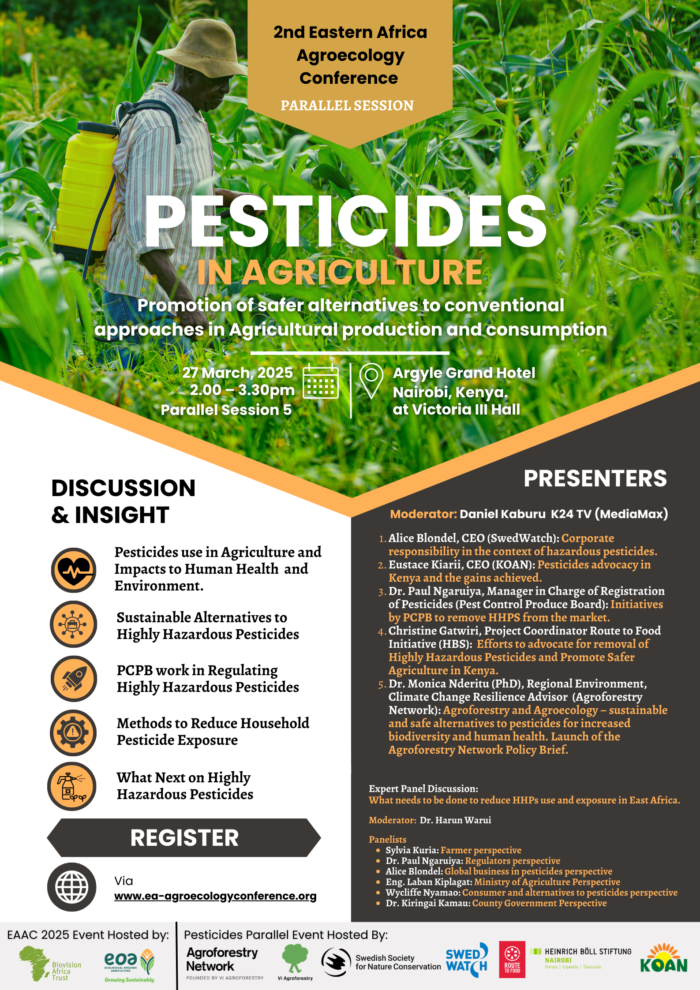
Special Session on Pesticides in Agriculture at the Eastern Africa Agroecology Conference

25 - 28 March 2025. The 2nd Eastern Africa Agroecology Conference (EAAC25) Transforming Food Systems for Responsible Production, Consumption and Social Wellbeing

27/03 Parallel Session 5: Special Session on Pesticides in Agriculture

  1. Alice Blondel, SwedWatch CEO: Corporate responsibility in the context of hazardous pesticides
  2. Eustace Kiarii, CEO KOAN: Pesticides advocacy in Kenya and the gains achieved
  3. Dr. Ngaruiya, Pest Control Produce Board (PCPB): Initiatives by PCPB to remove HHPS from the market
  4. Christine Gatwiri, Project Coordinator Route to Food Initiative (RTFI) HBS
  5. Dr. Monica Nderitu, Agroforestry Network: Agroforestry and Agroecology – sustainable and safe alternatives to pesticides for increased biodiversity and human health Brief on Agroforestry and Agroecology as sustainable – Launch of the Agroforestry Policy Brief
Resource:


This brief outlines how agroforestry and agroecology can serve as sustainable alternatives to synthetic pesticides, and simultaneously build resilient agri-ecosystems, combat climate change, and empower smallholder farmers and vulnerable communities to adapt to the challenges of a changing climate.

Example:
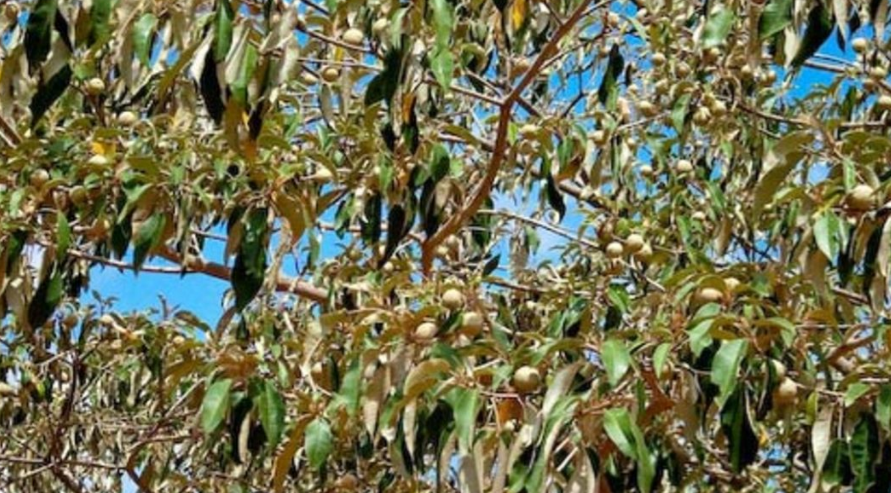
A tree normally grown as a wind breaker or planted as a fence by Kenyan farmers now offers a new opportunity for biopesticide production.
  • Croton megalocarpus, a tree native to East Africa, holds potential as a source of natural pesticides and organic fertilizers, with its nuts and husks containing compounds that can be used for pest control and soil enrichment. 
  • The croton tree, a non-food crop known as Msenefu in Kiswahili, Omkinduli in Luhya, Mukinduri in Gikuyu , Kelelwet in Kipsigis and Lemaruguet, Masineitel, Mkigara, Mlalai, Muhande and Musine in various other parts of Kenya, is promising equal opportunities in the quantity and quality of biofuel, according to biofuel experts. 
  • Croton megalocarpus grows naturally in various ecological zones- from the Coast to the highlands of central Kenya and the dry lands of the North Rift. In these regions, the annual rainfall ranges between 400mm and 1,400mm.


IBMA-Kenya is a non-profit brainchild of the four leading producers of biological control products in Kenya (The Real IPM (K) Ltd, Koppert Biologicals, Dudutech Integrated Pest Management Ltd, and Elephant Vert Kenya, KAPI Limited) primarily to promote and advocate the use of biologicals in integrated crop protection, organic farming, and public hygiene.
  • Born from the larger IBMA Global (head office in Brussels), IBMA-Kenya endeavors to provide localized awareness and advocacy on the importance of Integrated Pest Management as well as increased adoption of Biocontrol products in the horticultural space.
  • It represents manufacturers, distributors, and growers of Biocontrol solutions and products that are environmentally safe, and harnessed, or harvested from nature.
  • Green biocontrol tools protect the crops and environment presently and most importantly in the future, and should be the first measure considered for preventative and curative control of pests and diseases sustainably.

KAPI Limited is primarily a formulator and manufacturer of insecticidal products for the home, for agriculture, for livestock and for public health. Founded in 1964 and based in Nakuru Kenya, KAPI Limited employs over 200 people both at the factory and out in the field.

The biopesticide from Croton megalocarpus (a widespread tree in East Africa) was fast-tracked by the Kenyan government as part of efforts to reduce reliance on synthetic pesticides, particularly in the horticulture sector where exports to the EU face strict controls on chemical residues. The product was developed through research partnerships that demonstrated its effectiveness against common pests while being safer for people and the environment. By accelerating its approval, the government aimed to both protect market access for Kenyan fruits, vegetables, and flowers in Europe and promote sustainable alternatives that align with global trends toward residue-free and environmentally friendly crop protection.

Kapi Limited developed the biopesticide—commercially known as Agripest Organic 75EC (or EcoPest 75EC)—using oil extracted from the seeds of Croton megalocarpus as the active ingredient. It was formulated and manufactured locally in Nakuru County, Kenya. Farmers appreciated its 24-hour pre-harvest interval and zero residue characteristics, making it a safer alternative for horticultural produce headed to export markets.

The development of this bio-based pesticide followed eight years of research, during which Kapi collaborated with partners such as the Natural Resources Institute (NRI), Egerton University, and EcoFix. These collaborations advanced the understanding and utilization of bioactive principles in Croton seed oil, which led to the commercial creation of the product.


Contact: Pepe SHAW, Marketing KAPI Limited

Related resource: 

Darshika Senadheera, Ravi Khetarpal (2025) Highlights from ABCoP 2024 Setting the Stage for 2025 18 pp.

APAARI launched the Asia-Pacific Biopesticide Community of Practice (ABCoP) in May 2024, with the support of FAO, STDF, government agencies, private sector and international organizations such as AARINENA and FARA, to bring together stakeholders from the biopesticide sector, including industry leaders, researchers, policymakers, national representatives and other key actors.

The biopesticides industry's future is promising, with over 300 global companies developing products for pests, diseases, weeds, and nematodes. While bioinsecticides lead the market, bionematicides are gaining momentum. Growing interest from investors, manufacturers, and consumers signals strong
growth potential, driving innovation and expansion in coming years.

The ABCoP program highlights the transformative potential of biopesticides in agriculture while emphasizing the importance of continued collaboration, innovation, regulatory reform, and education. These efforts are essential to fully realizing the potential of biopesticides in ensuring sustainable food production and trade in the region.

Webinars: