Platform for African – European Partnership in Agricultural Research for Development
Showing posts with label agrinatura. Show all posts

Tuesday, June 16, 2026

From Pesticide Reduction to Agricultural Transformation

10 June 2026. Responsible Pesticide Use and Agricultural Transition in Tropical Agriculture

Agrinatura brought together researchers, development practitioners, and agricultural experts from across Europe and beyond for a timely discussion on responsible pesticide use and the future of agricultural transitions in tropical farming systems. The webinar highlighted growing international interest in reducing dependency on hazardous pesticides while simultaneously addressing broader challenges related to food security, farmer livelihoods, biodiversity conservation, public health, and agricultural competitiveness. Rather than viewing pesticide reduction as a stand-alone objective, participants emphasized the need for integrated approaches that strengthen the resilience and sustainability of entire farming systems.
A central focus of the discussion was the PRETAG initiative, led by CIRAD, which is working with partners across Africa, Asia, Latin America, and Europe to identify practical pathways towards safer crop protection systems. The initiative combines research, innovation, stakeholder engagement, and policy analysis to better understand how farmers can reduce reliance on hazardous pesticides. Evidence presented during the webinar showed that many commonly used pesticide substances raise significant environmental and health concerns, reinforcing the need for diversified solutions such as integrated pest management, biological control, agroecological practices, and biodiversity-based farming systems. Participants agreed that successful transitions require action at multiple levels—from farm management and value chains to national policies and institutional frameworks.

One of the strongest messages emerging from the consultation was that farmers must remain at the centre of agricultural transformation efforts. Speakers stressed the importance of recognizing local knowledge, addressing gender and labour dimensions, and ensuring that innovations respond to the realities faced by smallholder producers. Participants also highlighted the untapped potential of biocontrol and bioprotection solutions, while cautioning that technological substitutions alone will not deliver lasting change. Instead, sustainable agricultural transitions require coordinated investments in knowledge systems, farmer empowerment, policy support, and ecosystem-based approaches that build resilience over time.

Looking ahead, the webinar generated strong support for creating an Agrinatura platform or task force to coordinate expertise, strengthen collaboration, and position the network within emerging Team Europe initiatives. Participants identified opportunities to mobilize funding through Horizon Europe, Global Gateway, DG INTPA programmes, and public-private partnerships, while also calling for stronger coordination among existing projects to avoid duplication and amplify impact. As pressure grows to transform food systems in ways that are environmentally sustainable, economically viable, and socially inclusive, the Agrinatura community sees an important opportunity to contribute knowledge, innovation, and partnerships that can support agricultural transitions across the Global South.


Resource: 

CIRAD (2026) Reducing pesticide use in tropical agriculture for human and ecosystem health 8 p.

Five multi-stakeholder dialogue platforms associated with the five value chains studied in PRETAG
(banana, cocoa, coffee, vegetables, rice) have provided insights into the role of collective action in
reducing pesticide use. 

Four major steps appear to characterise the progression of these platforms towards agricultural systems with reduced reliance on pesticides:
  1. Sharing knowledge on pesticide use and possible pathways for reduction, as well as identifying lockins and potential incentives to stimulate pesticide reduction at the stakeholder level;
  2. Co-constructing a common vision of the transition and an action plan based on theory of change and impact pathway methodologies (using for example the ImpresS approach);
  3. Fostering co-innovation and scaling up based on genuine knowledge sharing;
  4. Developing market strategies that can valorise the transition through process-based certification or company-level standards

Monday, June 1, 2026

Agrinatura Conference 2026


26–27 
May , 2026. University of Reading, UK. Agrinatura Conference 2026 and its General Assembly. Conference Theme: "Shaping Future Food Systems through Research & Innovation" / "Anticipating Change and the Role of Research in Shaping Future Food Systems".
 
Key Discussions:
  • Identifying key signals already reshaping global food systems.
  • Plausible futures and transformation pathways heading toward 2035–2050.
  • Cross-cutting themes of equity, inclusion, and the valorisation of local knowledge.
  • Strategic choices for research institutions, partnerships, and networks.
The 2026 Agrinatura Conference and General Assembly brought together universities, research organizations, development partners, and agricultural innovation networks to discuss how research and innovation can help shape future food systems. Under the theme “Shaping Future Food Systems through Research & Innovation” and the subtitle “Anticipating Change and the Role of Research in Shaping Future Food Systems,” the event focused on identifying major drivers of change affecting agriculture and food systems, including climate change, technological transformation, shifting trade patterns, and evolving societal expectations.

The conference emphasized foresight and long-term thinking, exploring possible food system futures between 2035 and 2050. Discussions examined how research institutions, universities, and development organizations can better anticipate emerging challenges and opportunities. Key themes included multi-actor innovation, climate resilience, digital food systems, research–policy interfaces, and the role of partnerships in accelerating sustainable transformation. Participants also highlighted the importance of equity, inclusion, and the recognition of local and indigenous knowledge as essential components of future food system innovation.

Alongside the conference, Agrinatura’s General Assembly addressed the network’s institutional agenda, including future activities, collaborative projects, working groups, partnerships, and organizational development. The meeting served as a platform for members and partners to reflect on strategic priorities and strengthen cooperation across research and development networks working on sustainable agriculture and food systems. The event also attracted representatives from international organizations and regional agricultural research networks, including partners associated with GFAiR, reinforcing the importance of global collaboration in addressing food security, sustainability, and innovation challenges.

For more information on the conference outcomes, presentations, and related documents, you can visit the SIANI Event Page or the Agrinatura Annual Meetings Portal.

Selection of speakers:

  • Dr Leonard Mizzi of the European Commission gave a keynote presentation on global food systems transformations  and providing the geopolitical perspective, while highlighting the importance of scaling innovations, building new alliances with the private sector, developing #investment pitches, and generating robust evidence to inform policy.
  • Patrick CARON 
  • Patrick Okori 
  • Katja Vuori 
  • Petronella Chaminuka emphasised the need to connect local and global innovators, strengthen science–policy interfaces, engage in more dialogue to reduce polarisation, eengage in equitable partnerships and reinforce the role of science in imagining and shaping possible futures. 
  • Eugenia Saini 
  • Shenggen Fan 
  • Aggrey Agumya 
  • Ravi Khetarpal & Romano De Vivo : global and regional perspectives from Latin America, Africa, Asia on the importance of interdisciplinary approaches, leveraging finance and investment, and equipping the next generation of scientists with new skills for a rapidly changing world shaped by AI and emerging #technologies. 
  • Jim Woodhill strategic insights
  • Paul Lindley OBE offered a compelling example of impact at scale through the story of Ella's Kitchen company — connecting innovation, nutrition, and consumer behaviour while demonstrating how research, constant innovation and entrepreneurship can drive meaningful societal change.
  • Jelle Maas Wageningen University & Research facilitated the "Multi-actor innovation and private sector engagement" thematic track

Key takeaways were:

  • genuine equitable partnerships are the key 
  • we need different stakeholders and different knowledge systems if we want to find solutions that are locally relevant but also have potential to scale
  • systemic challenges require systemic solutions, research for development needs to be demand driven and address several issues at the same time - climate adaptation, value chain structuration, access to markets and finance, nutrition 
  • not every project can solve everything but more holistic thinking and new types of skills and competencies are needed
  • there is nothing wrong with transactional cooperation - provided it is not extractive  but based on genuine partnerships 

Highlight: How can Africa–Europe partnerships become more anticipatory, coordinated and implementation-oriented in addressing the food systems poly crisis?

At the Agrinatura Conference 2026, the session on “Navigating the Food Systems Polycrisis” combined provocations, panel reflections and a participatory exercise where participants drew future food systems and reflected on what to change and how to change it. 

Key reflections: 
🌱 stronger coordination across stakeholders
🌱 linking producers and consumers
🌱 strengthening bottom-up processes through the IRC anchor institutions
🌱 involving local actors in co-creation and policy ownership
🌱 foresight and scenario analysis to anticipate climate shocks and future risks
🌱 mechanisms that better connect evidence, policy and implementation

Participants identified several practical pathways for change: • integrating health approaches into agri-food policy
  • changing consumer mindsets through awareness and alternatives
  • incentives and PPP finance mechanisms for producers
  • collaboration between governments, universities, farmers, banks and the private sector
  • self-sustaining “green fertiliser” systems
  • addressing ecological and social sustainability together, including biodiversity and climate issues
  • strengthening local leadership, education, co-creation and CSOs

A strong takeaway from the discussion: fragmented efforts are no longer enough. Anticipatory research, stronger coordination, local ownership and continuous monitoring of changing contexts are essential to support scalable food systems transformation across Africa and Europe.

Background:

The International Research Consortium (IRC) on Food, Nutrition Security and Sustainable Agriculture (FNSSA) is a bi-continental, AU–EU co-owned platform under the HLPD on STI. It operationalizes the FNSSA 2027–2036 Roadmap through six interdependent Functional Working Groups (FWGs) that act as a “network of networks,” co-led by African and European institutions and anchored by regional implementing partners. The FWGs are the IRC’s operational engine to translate priorities into measurable outcomes, investment alignment, and policy uptake.

The IRC Functional Working Groups Research – knowledge generation and scientific advancement
  1. Education – human capital development and skills transfer
  2. Advisory Services – knowledge translation and community engagement
  3. Policy Think Tank – evidence-informed policy support and foresight
  4. Agrofood Enterprises (Industry) – innovation uptake, commercialization, SME growth
  5. Funding – resource mobilization and financial sustainability
Who Can Apply

Eligible entities are “networks of actors” across the AU–EU R&I space that are signatories to the AU–EU IRC on FNSSA or part of the CEA-FIRST/IRC community.

Thursday, April 30, 2026

AGRINATURA and the Global Gateway

27 April 2026. Brussels. Global Gateway Strategy: Insights from Agrinatura

The Global Gateway Strategy is the European Union’s flagship framework for investment in infrastructure and connectivity. It aims to catalyze private sector competitiveness while upholding rigorous environmental and labor standards, strengthening human capital, reinforcing knowledge systems, and protecting global commons. Education, research, and innovation (ER&I) are not merely peripheral components; they are central pillars that drive sustainable, inclusive, and values-based global partnerships.

A position paper (8 pages) + summary (3 pages) explores how the ER&I sphere—with a specific focus on the agrifood sector—contributes to the Global Gateway. It reflects the perspectives of Agrinatura, the European Alliance on Agricultural Knowledge for Development.

Examples: ER&I Projects as Global Gateway Strategy Enablers 

  1. VCA4D (Value Chain Analysis for Development): Provides standardized, evidence-based sustainability analyses for over 65 value chains (to date), informing EU investment decisions. 
  2. SASI-SPI: Delivers sectoral studies focusing onto investments needs towards agrifood systems’ sustainable transformations. 
  3. DeSIRA LIFT & LIFT+: Supports 70+ projects in co-designing climate-smart innovations and fostering policy dialogue for scaling agroecological transitions. 
  4. GENE-LINK (2026–2029): Strengthens the link between African research labs and the private sector to valorize nature-derived products (bioeconomy). 
  5. Coffee Value Chain Support: A holistic model integrating vocational training for agroforestry, participatory research on bio-solutions, and innovation hubs to support SMEs in meeting EU deforestation and safety standards.

Rationale

The Global Gateway responds to a rising demand for trusted, sustainable investments. Recent strategic frameworks, such as the Draghi Competitiveness Report and the Niinistö Report, underscore that Research and Innovation (R&I) must sit at the heart of Europe’s international partnerships. This aligns with the "360-degree" and "triptych" approaches adopted by DG INTPA, which integrate Higher Education, R&I, and vocational skills to power the Green and Digital transitions.

In the agrifood sector, the Global Gateway prioritizes private sector investments to build productive, sustainable value chains connecting farmers and processors to global markets. While the initiative is global, Africa remains a primary priority due to its rapid demographic growth, the central role of small-scale family farming, and existing gaps in connectivity and processing infrastructure.

The African Union, through the Comprehensive African Agriculture Development Programme (CAADP) and the Kampala Declaration, shares this vision. The 2022 EU-AU Summit further solidified this by acknowledging equitable ER&I collaboration as a vital vehicle for transformation. Similar synergies are emerging globally, such as the EU-CELAC Strategic Roadmap (2025) and the ASEAN-EU Strategic Partnership (2023–2027).

To optimize ER&I investments, Agrinatura draws on lessons from the 2025 "Boosting Agrifood Research and Innovation" conference, recommending four priority actions:

  1. Strengthen international dialogue to align agendas (e.g., the AU-EU FNSSA Roadmap) with long-term frameworks like the Global Gateway.
  2. Foster innovation ecosystems (Living Labs, incubators, and accelerators) to scale interventions.
  3. Improve governance and coordination between EU instruments (e.g., Horizon Europe and NDICI).
  4. Build coherent funding mechanisms that blend public, private, and partner-country resources across all stages of innovation

Aggrey Agumya - Executive Secretary of the Forum for Agricultural Research in Africa on value addition and the reasons of poor food processing in Africa

Patrick Okori Executive Secretary of Regional Universities Forum for Capacity Building in Agriculture (RUFORUM)


Guy Faure (CIRAD) on the Innovation eco-system


Leonard Mizzi Adviser Food Systems, Directorate-General for International Partnerships (DG INTPA), European Commission

Thérèse Gohin - Technical & Regulatory Officer at IBMA - International Biocontrol Manufacturers Association: Why research and innovation in biopesticides is important


Saturday, July 26, 2025

UNFSS+4 (2) Side events 27/07

27–29 July, 2025. Addis Ababa. 2nd UN Food Systems Summit Stocktake (UNFSS+4)

Extracts of the side events

27/07. Potentialities of South-South Cooperation in the Nurture the Future Project

14:00 – 15:30 (EAT). Room: CR-3 Concept note 2 pp.

Organizers and partners: Ministry of Health of Brazil; WFP Centre of Excellence against Hunger Brazil; Ministry of Health of Peru; Ministry of Health of Colombia; Brazilian Cooperation Agency of the Ministry of Foreign Affairs.

The Nurture the Future project aims to strengthen responses to the multiple burden of malnutrition among school-aged populations by promoting regional cooperation and the exchange of best practices. Based on the lessons learned from Nurture the Future, experiences from the three cooperating countries will be presented, focusing on double duty actions aimed at promoting healthy and sustainable food systems for school-aged populations.  The Nurture the Future project, is implemented since 2019 within the partnership between Brazil, WFP, in collaboration with Peru and Colombia.

27/07. Showcasing Nigeria's Innovations and Collaborations in Food Systems Transformation

14:00 – 15:30 (EAT). Room: CR-6. READ THE FLYER | PROGRAMME

Organizers and partners: Federal Ministry of Budget and Economic Planning (FMBEP); Federal Ministry of Agriculture and Food Security; FAO, WFP, IFAD, GIZ, GAIN, GFAiR.

This event highlighted innovative, locally driven initiatives and policy advancements, showcasing Nigeria’s leadership in building resilient, equitable, and sustainable food systems. Through integrating grassroots actions with national and global goals, Nigeria is generating scalable, evidence-based solutions that advance gender equity, youth empowerment, and climate resilience. The event aims to share successes, foster collaboration, mobilize resources, and amplify underrepresented voices, positioning Nigeria as a model for inclusive food systems reform and inspiring similar efforts globally.
  • Opening Remark - among others: 
    Ms. Jeanine Cooper, Board Chair & Director, Alliance for Local Food and Nutrition Supply Chain in Africa (Alliance Africa) and Former Minister of Agriculture, Liberia, was represented by Ms. Samira Hotobah-During, Director, Coordinator and Focal Point Alliance Africa.
    Ms. Dede Ekoue IFAD Nigeria Country Director (UN Nigeria Rep)
  • Keynote Address and Official Opening of the Session: Senator Abubakar Kyari, CON, Honorable Minister of Agriculture & Food Security, Nigeria

14:00 – 15:30 (EAT). Room CR-5. READ THE FLYER | CONCEPT NOTE

Organizers and partners: European Union, DG INTPA, with Agrinatura through SASI SPI project; Cameroon; Madagascar; The Netherlands; Somalia; Zambia; GIZ (AgSys programme in Cameroon); UNFSS Zero Hunger Coalition; WFP, Crop Trust, IFAD, the Resilient Local Food Supply Chain Alliance and the Zero Hunger Coalition. 

This event highlighted how policy alignment and blended finance support local food chains in Cameroon, Zambia, Madagascar, and Somalia. It also explored how African and European partners are collaborating to strengthen the vital links between food, climate, biodiversity, transport and energy.

Panel 2: Public investments leveraging private investments in thriving economies
  • Grace Mbong Food Systems National Convenor, Secretary General, Ministry of Agriculture and Rural Development of Cameroon - “Public support to leverage private investments in local value chains”
  • Andreas Schaumayer (see picture) Head of Division for Food Security and Fisheries, BMZ, Germany “A BMZ success story combining climate and food security”
  • Sara Mbago-Bhunu (see picture) - Regional Director for East and Southern Africa, IFAD, Nairobi, Kenya - “The impact of international finance on value chain development and adaptation”
  • Conrad Rein Secretary General, Global Flagship Initiative for Food Security, Bonn, Germany - “Reshaping the landscape of investors in resilient food systems”

27/07. Lessons from Multi-Country, Cross-Sectoral Approaches to Agri-Food Systems Transformation

14:00 – 15:30 (EAT). Room: CR- 4. Flyer (English) + Flyer with Photos (English)

Organizers and partners: Japan International Research Center for Agricultural Sciences (JIRCAS); Ethiopia Institute of Agricultural Research (EIAR); Japan’s Ministry of Agriculture, Forestry and Fisheries (MAFF); World Agriculture Forum; FAO Forestry Division, Halting Deforestation, Degradation, Emissions Team; Ajinomoto Co., Inc.; Greein Inc.; The Vietnam Gardening Association (VGA); Uganda’s Ministry of Water and Environment (MWE).

Nations such as, Japan, Ethiopia, Uganda and Vietnam, have emphasized the
critical role of Science, Technology, and Innovation, while acknowledging that there are “no-one-size-fits-all” approaches.
  • Dr. Kaori Ono (picture) - Executive Officer in charge of Sustainability, Ajinomoto. The Ajinomoto Group leverages its strengths and work with scientists, policy makers, business leaders, and stakeholders globally and locally to achieve more impactful results. In 2024, it joined the World Business Council for Sustainable Development (WBCSD). The Ajinomoto Group will continue leveraging its tangible and intangible assets developed through "AminoScience."
 

27/07. Country Experiences on Mainstreaming Agroecology as Food System Transformation Pathway

14:00 – 15:30 (EAT). Room: Caucus Room 11 READ THE CONCEPT NOTE

Organizers and partners: Ministry of Agriculture and Environment - Vietnam; Ministry of Agrarian Development - Brazil; Ministry of Agriculture and Livestock Development - Nepal; Ministry of Agriculture - Zambia; Agroecology Coalition; Biovision Foundation; World Future Council Foundation; Fundación Alpina; European Commission - Joint Research Centre; ICEI; IFOAM - Organics International; Instituto Regenera; United Nations Foundation; University of Coimbra - Centre for Functional Ecology; Alliance Bioversity - CIAT India office; Local Initiatives for Biodiversity, Research and Development (LI-BIRD); Tarayana Foundation.

This event highlighted implementation and finance mobilization efforts to operationalize strategies and scale transitions. It emphasized the role of transdisciplinary research, local knowledge systems, and participatory evidence generation in strengthening science-policy-society interface in the design, implementation, and evaluation of policies enabling agroecological food systems. 


Monday, May 26, 2025

Agrinatura General Assembly and Conference 2025

21 - 22 May 2025
. University of Ghent, Belgium. Agrinatura General Assembly and Conference 2025
  • Agrinatura organizes every year it’s General Assembly hosted by the member of each institution to discuss further activities, new projects, further initiatives, incorporation of new members, presentation of working groups in a way to continue working in the achievement of Agrinatura goals for sustainable agriculture.
  • The first and second day were a workshop on topics related to research in agriculture development under the theme: Advancing biobased economy: building sustainable value chains for agri-food systems in the global south
  • The third day was as closed meeting and related to organizational matters.

Extracts of the agenda:

  1. Keynote 1: Evaluating policies to reverse tropical deforestation - Eric Lambin (Stanford University and UCLouvain)
  2. Keynote 2: EU support to biodiversity in Central Africa: lessons from the field in building the current Landscape Programme in DR Congo in the framework of the “Global Gateway” Filippo Saracco (EU delegation DR Congo)
  3. Keynote 3: Leveraging Corporate Social Responsibility: Private Sector Strategies, Regulatory Impact, and Building Sustainable Agri-Food Value Chains in the Global South - Raphael Audoin Rouzeau (Puratos)
  4. Keynote 4: Breaking barriers for resilient agrifood systems through transformative education. - Dr Florence Nakayiwa (RUFORUM)
Picture: PhD researcher Mulubrhan Bayissa Tullu presented a poster at the 4th Agrinatura Conference 2025


Sylvain Perret appointed Agrinatura Director

After 10 years as Director of CIRAD's Environments and Societies Department, Sylvain Perret has just
been appointed Director of the European Agrinatura consortium. He joins Inese Rozensteine, Head of CIRAD's Europe Office, on the network's Board of Directors. This clearly recognizes CIRAD's determining role in the European research ecosystem.
Agrinatura recently drafted its strategy for 2030, it will be up to me to roll it out, starting with continuing the already highly efficient management of the major projects administered by the association. One other major aspect will be building and organizing spaces for dialogue with European Commission policymaking and decision-making bodies. First of all, with the Directorate general for International Partnerships (INTPA), a historic, solid partner with high expectations in this respect, but also with other directorates such as that for research and innovation. This role in interfacing science and policy will feed the way we conduct our projects. The idea is to encourage the policy sphere to become involved in research activities as early as possible, to help promote their results in terms of recommendations to support policy decisions and action. Sylvain Perret


Monday, August 12, 2024

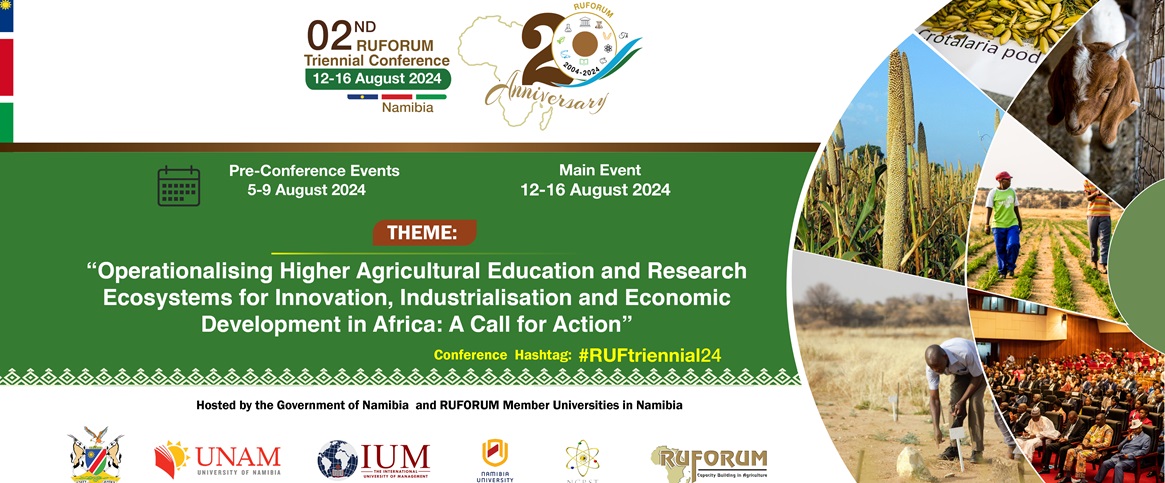
Operationalising Higher Agricultural Education and Research Ecosystems for Innovation, Industrialisation and Economic Development in Africa


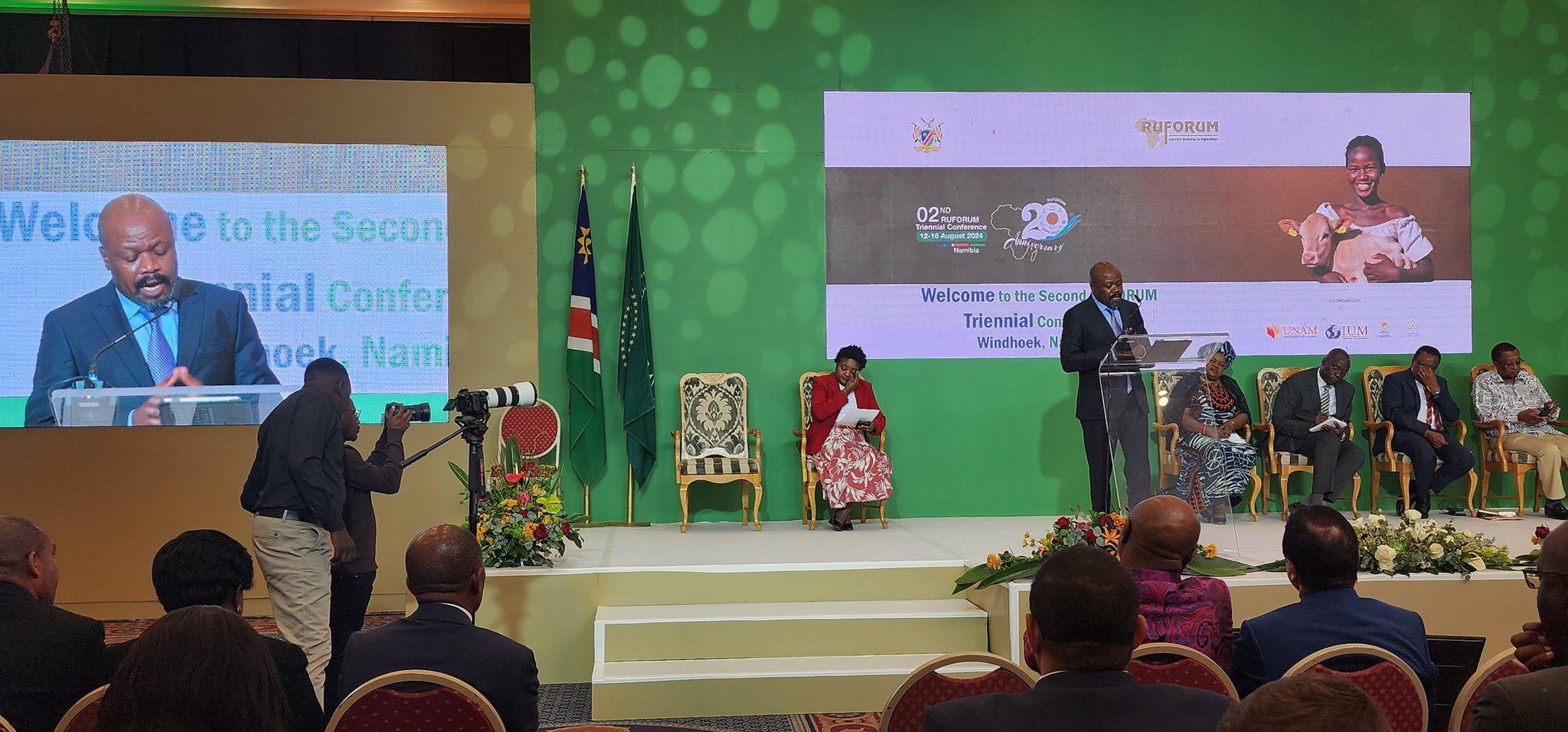
12 - 16 August 2024. 2nd RUFORUM Triennial Conference Windhoek, Namibia

The theme for the second Triennial Conference is “Operationalising Higher Agricultural Education and Research Ecosystems for Innovation, Industrialisation and Economic Development in Africa: A Call for Action”.

The conference will enable education, research and agricultural ecosystem actors to showcase and present their key findings, lesson-share and inform each other on key actions required to harness science, technology and innovation for Africa’s development. Accordingly, the second Triennial Conference will involve scientific sessions that bring together a wide range of stakeholders and partners. The scientific sessions will include oral and poster presentations as well as exhibitions.

Extracts of the programme # 26 pp.


12/08 @ Educating Africa for the 21st century, lessons leaned over the years, implications for Africa’s Higher Education sector


This symposium was held in three sub-themes listed below. 
  1. Supplying Africa’s 2nd decade (2024-2034) work force: i. Transforming Graduate Training and Research: The gaps, experiences, and lessons learnt. ii. Entrepreneurial education: The practice, and scalable lessons. iii. Rebalancing the human resource pyramid: The gaps, and linkage between Technical and Vocational Education and Training (TVETs) and university education. iv. Closing the gender and diversity gap in agricultural education: The gaps, lessons learnt and opportunities. v. Leaving no one behind: Out of school skilling and education programmes: Practice and lessons learnt. 
  2. Emergent Issues-Digitizing education: i. Leveraging digital tool to increase access to education while maintaining quality and relevance. ii. Machine learning and Artificial Intelligence and its impact on education.
  3. Emergent issues: Building human capital for Africa’s climate change and resilience
    programmes.
    i. Climate risks and mitigation: The gaps, experiences, and lessons learnt in training programmes. ii. Low carbon services and renewables: The gaps, experiences, and lessons learnt in training and research programmes. iii. Climate and carbon finance, and resilience investments: The gaps, experiences and lessons learnt.
  • Prof. Patrick Okori, RUFORUM
  • Dr. Beatrice Muganda Inyangala, Principal Secretary, State Department of Higher Education, Kenya
  • Dr. Molapo Qhobela, Deputy Vice-Chancellor - Institutional Change, Strategic Partnerships and Societal Impact (TBC)
  • Prof. Olusola Bandele Oyewole, Secretary General, AAU
  • Dr. Agnes Kalibata, President, AGRA
  • Dr. Aggrey Agumya, Executive Director, FARA
  • Dr. Silim Nahdy, Executive Director, AFAAS
  • Dr. Simeon Ehui, Regional Director, Continental Africa CGIAR and DG IITA

13/08 @ 8:30 CET Sustainably Growing the economy and Feeding Africa


Download Concept Note + Registration link for virtual participation 
Plenary Session, Thematic Area 2: Sustainably Growing the Economy and Feeding Africa 

The event will start with a policy address on “Africa’s strategic and policy aspirations for sustainably feeding and growing its agrifood system to be delivered by Special Advisor to the Commissioner for Agriculture, Rural Development, Blue Economy, and Sustainable Environment (ARBE), African Union Commission. This will be followed by a keynote address on “Sustainably growing the economy and feeding Africa” to be made by the CGIAR.” Discussants from academia, national and continental agricultural research organizations, and the extension service providers, private sector, and farmers will respond to the key issues raised in the keynote address.
  • Prof. Jerome Theo Afeikhena, Special Advisor to the Commissioner, Agriculture, Rural Development, Blue Economy and Sustainable Environment, African Union Commission (Representing Commissioner ARBE) - Policy address on “Africa’s strategic and policy aspirations for sustainably feeding and growing its agrifood system”
  • Dr. Ephraim Nkonya, Nonresident Research Fellow, IFPRI - Economics of land degradation in sub-Saharan Africa

    His paper was shared among the participants:

    Ephraim Nkonya, Timothy Johnson, Ho Young Kwon, and Edward Kato Background Paper_Economics of land degradation in SSA.pdf # 47 pp.

    Efforts to increase adoption of integrated soil fertility management will require improvement of access to markets, advisory services and retraining of agricultural extension services. There is also need to find practical and amenable strategies for incentivizing farmers to use ISFM. For example, conditional fertilizer subsidy could provide incentives for farmers to adopt nitrogen fixing agroforestry trees and improve significantly the current subsidy programs in several SSA countries.

  • Prof. Agnes Mwangombe, Former Principal of the College of Agriculture and Veterinary Sciences, University of Nairobi
  • Dr. Job Kihara, Initiative Co-Lead, Excellence in Agronomy, CGIAR
  • Prof. Umezuruike Linus Opara, Distinguished Professor and Research Chair, Stellenbosch, South Africa
  • Prof. Cliff Dlamini, Executive Director and Head of Mission, CCARDESA
  • Dr. Moumini Savadogo, Executive Director, CORAF
  • Dr. Robert Zougmoré, AICCRA Cluster Lead for West Africa, Alliance of Alliance of Bioversity International and CIAT


13/08 @ 10:30 Unlocking Inclusive and Broad-Based Economic Opportunity


Thematic Area 3: Plenary Session

To unlock inclusive and broad-based economic opportunity for Africa, new knowledge on models, pathways, and drivers of Africa’s economic growth, successes, and lessons for scaling these across the continent be identified and widely disseminated. A symposium will discuss how to unlock inclusive economic growth in Africa in two sub-themes:
  1. Inclusive resourcing for equitable economic growth: i. Inclusive access to financial resources: Microfinance, Fintechs and supporting excluded communities and populations. ii. Access to agricultural input subsidies: Lessons learnt and options for the future iii. Access to technologies: Lessons learnt and options for the future in formal and informal seed and technology supply systems, post stress seed systems (emergency seed) iv. Closing the gender gap in agriculture practice and enterprise. v. Inclusive access to land, water, and other physical resources for production (land tenure systems -access, usage, control) for all. 
  2. Wealth and Youth Employment: i. Agri-entrepreneurship and agriculture de-revived jobs: Initiatives, opportunities, prospects, and lessons learnt from past and ongoing actions. ii. Feeding Africa’s urbanising population: The changing peri-urban and urban food systems and their opportunities for young people through service provision, value addedprocessing and new foods. iii. Unlocking entrepreneurship in innovation: Digitization, and emerging technologies to facilitate best environment for entrepreneurship.
  • Dr. David Nielson, RUFORUM IAP, and former WB - "Is an inclusive and diverse growth possible for Africa? Lessons learnt over the past decades of the continental renaissance."
  • Dr. Pascal Sanginga, Regional Sector Manager for Agriculture and Agro-Industries, African Development Bank
  • Dr. Enock Warinda, Executive Director, ASARECA.
  • Dr Tshilidzi Madzivhandila, Chief Executive Officer (CEO), FARNPAN

13/08 @ 8:30 CET Economic Trends, Best -Practices, Policy-Practice and Futures

Thematic Area 4: Plenary Session
  1. Innovations for growing Africa’s agriculture and related sectors: a) Improving Africa’s low agricultural total factor productivity: The status, trends and opportunities; b) Technological Leapfrogging: Digitization, renewables and manufacture transition ; c) Production at scale for a growing population and markets: Can smallholder agriculture grow and feed Africa: Evidence, roles and opportunity?
  2. Foresight and trend studies: a) Reaping Africa’s demographic dividend: Implications for education planning and investments; b) Making agriculture work for African economies: lessons learnt from CAADP and other frameworks; c) Policy and economic implications of climate risks and natural disasters.
  3. Policies, planning and its implementation (underpinnings for the second decade of Africa’s agenda 2063- (2024-2034): a) People centred development; b) Economic resilience:

14/08 @ 2:00 pm CET AU - EU high level policy dialogue on higher agricultural education


The meeting is designed to have three sessions that will include an official opening, and two technical sessions that will focus on; (a) Policy frameworks for strengthening Africa-Europe Research and Science capacity; (b) Dialogues on experiences and lessons learnt from implementing intra-Africa, Africa-European partnerships as well as global collaboration for building human and science capacity for Africa.

Session 1: Dialogue Opening : Call for Action to Strengthen Africa’s Human & Science Capacity
  • Prof. Kenneth K. Matengu, Vice Chancellor
  • Dr. Stephen Onakuse, President, AGRINATURA 
  • Mr. Mukulia Kennedy Ayason, Department of Agriculture, Rural Development, Blue Economy, and Sustainable Environment, African Union Commission 
  • H.E. Ana Beatriz Martins, EU Ambassador to Namibia 
  • Hon. Carl Schlettwein, MP, Minister, Ministry of Agriculture, Water and Land Reform 
Session 2: Policy frameworks and agendas for strengthening Africa’s Research and Science capacity

Lead Paper 1: Imperatives for strengthening Africa- European Union higher education and research agendas: Lessons learnt and new opportunities. Prof. Ylva Hillbur, Pro Vice-Chancellor, international relations, Swedish University of Agricultural Sciences, Sweden.

Panel Discussion: Making the partnership work for African and European Universities
  • Prof. Ioannis Dimitriou moderator 
  • Prof. Peter Mageto, Vice Chancellor of Africa University 
  • Prof. Georgewill Owunari, University of Port Harcourt 
  • Jelle Maas, Wageningen University 
  • Prof. Rachid Serraj Director of Strategy & Africa Initiative at UM6P 
  • Prof. Barnabas Nawangwe, Vice Chancellor, Makerere University
Session 3: Convergence and way-forward planning for strengthening Africa-European strategic partnerships for higher agricultural education, research for development and policy

Lead Paper 2: The AU-EU International Research Consortium on Research and Innovation on Food, Nutrition Security and Sustainable Agriculture as a coordination mechanism for a coherent AU-EU partnership Dr. Aggrey Agumya, Executive Director, FARA

Panel Discussion: Experiences from Africa and Europe for making the IRC relevant and effective 
  • Moderator: Dr. Petronella Chaminuka
  • AGRINATURA 
  • Dr. Patrice Grimaud Director for East Africa, CIRAD 
  • National Research Foundation, South Africa 
  • National Council for Research, Science and Technology, Namibia.
Panel Discussion: Strengthening regional coordination of the partnership in Africa
  • Moderator: Dr. Petronella Chaminuka
  • Dr. Enock Warinda, Executive Director, ASARECA 
  • Dr Moumini Savadogo, Executive Director, CORAF 
  • Executive Director and Head of Mission, CCARDESA


Triennial Conference side events


13/08 CGIAR, African Agricultural Research, Innovation and Education Institutions


13/08 @ 2:00 pm CET High Level Partnership Roundtable for Last Mile Delivery


Given the diversity and complexities of SSA farming systems , coupled with increased internet band width, and telephony penetration across the continent; as well as the presence of financial technologies (FINTECs) and other digital information innovations, the potential for the continent to increase access to knowledge to the s majority of farmers, is a realistic optimism. Leveraging all these opportunities requires new ways of doing business, including among others shifting to market-driven, business oriented and integrated systems. This is necessary, among other things, to reengage Africa's women and young population in agriculture.

This meeting brings together different actors to create shared vision for increasing last mile delivery of science and technology products and services as well as other allied requisites for transforming Africa’s agrifood systems. A major objective being the intensification of young people in Africa’s emerging USD 1 trillion agrifood systems market.

  • Dr. Paul Fatch 
  • Dr Aggrey Agumya, Executive Director, FARA. 
  • Dr Simeon Ehui, Director General the International Institute of Tropical Agriculture and Regional Director for Africa, CGIAR
  • Dr Silim M Nahdy Executive Director, AFAAS - Last mile delivery: What we have learnt and the transformations needed to engage unlock opportunity for agrifood systems transformation 
  • Prof. Anthony Egeru, Skilling and Engagement Manager, RUFORUM Secretariat. - Engaging young people into the monetized economy: What we have learnt. 
  • Experiences from the sub-regional organisation CCARDESA, ASARECA and CORAF
  • Development partner perspectives: What is the agenda and what have we learnt?
  • Roundtable discussions: Other opportunities for agrifood systems transformation 

Concept Note + Registration link for virtual participation


The transition towards agroecological food systems and the development of both productive andresilient farming systems and value chains are complex processes. It requires new knowledge, competencies and policies to co-create solutions based on agroecological principles and the integration of scientific and local knowledge.

Therefore the Regional Multi-Actors Research Network (RMRN) projects is being implemented onregional scale to strengthen the capacity of the Regional Centers of Excellence (RCoE) and other actors which are to be selected by the subregional organizations (SROs), namely CORAF, ASARECA, and CCARDESA, to conduct agroecology research within their respective sub-regions . These RCoEs rely on stakeholder engagement to bridge the gap between the research, policy, and practice and provide a better understanding of Co-: the duties and responsibilities of researchers and policy makers and practitioners in promoting the green transition trough agroecology practices.

  • Welcome Remarks from the Chair: Aggrey Agumya
  • Welcome by DG INTPA
  • Prof. Alex Awiti (CIFOR-ICRAF) - Title: Focus on research and capacity on agroecology in Africa
  • Welcome Remarks from the Chair: Aggrey Agumya 
  • Welcome by DG INTPA
  • Prof. Alex Awiti (CIFOR-ICRAF) - Title: Focus on research and capacity on agroecology in Africa 

    Shared Resource: Evaluating the Integration of Agroecological Principles into Kenya's Legal and Policy Framework. Alex O. Awiti Aurillia M. Ndiwa June 2024, # 33 pp 

  • Presentation of Discussion Paper: How can agroecology contribute to improving food security in Africa? Prof. Majaliwa JG / Dr. Kwaku A./Dr. Felix Rembold 

Panel Discussion


Agroecology RMRN Webinar I


Agroecology RMRN Webinar II


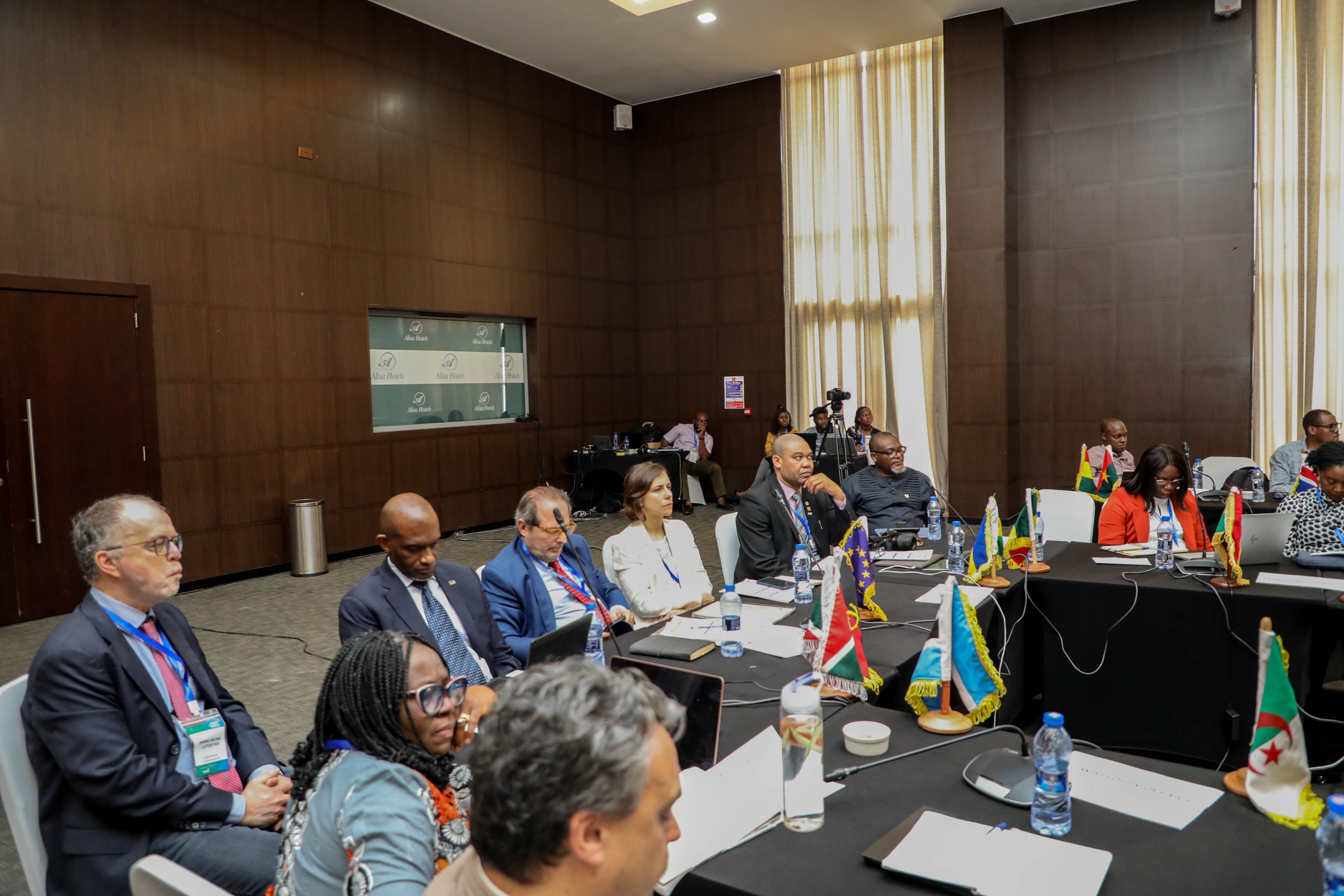
Approximately 40 participants are expected at the CEA-FIRST side event in Windhoek, Namibia. They include representatives of FNSAA stakeholders from AU/EU member countries; CEA FIRST project beneficiaries; HLPD FNSSA working group; Directorate-General for Research and Innovation (RTD); the Directorate-General for International Partnerships (INTPA); the Directorate-General for Agriculture and Rural Development (DG-Agri); the Standing Committee on Agricultural Research (SCAR); regional economic communities (ECOWAS, CEMAC, SADC, EAEC); sub regional organizations (CORAF/WECARD, ASARECA, CCARDESA); and the specialized Technical Committees (i) on Education, Science and Technology, (ii) on Agriculture, Rural Development, Water and Environment, on (iii) Social Development, Labour and Employment or on (iv) Gender and Women’s Empowerment of the African Union, etc.
  1. Overview of the International Research Consortium
  2. Presentation of the Results of the desk review and online surveys
  3. Setting up Breakout sessions (two – four groups) TORs: (i) What are the levels of implementation, key achievements, challenges, and areas of improvements of the four thematic areas of the 2016 -2026 AU-EU FNSSA roadmap? (ii) What are the emerging trends and future priorities of the new AU-EU FNSSA R&I roadmap?  
  4. Breakout sessions – Inputs to the MEL Frameworks


16/08 @ 14:00 – 16:30 AU-EU Working Group on FNSSA (CLOSED MEETING)

Friday, June 21, 2024

SASi-SPi: Sustainable Agri-Food Systems Intelligence

18-19 June 2024. The first in-person Science Policy Lab event of the Initiative Sustainable Agri-FoodSystems Intelligence – Science-Policy Interface took place in Malmö Hyllie, Sweden. The SASi-SPi Science Policy Lab is a collaborative approach to foster dialogue and knowledge sharing among researchers, policymakers, and key stakeholders engaged in aquatic and agrifood systems. 

The objective of the event was to present and reflect with participants on the conceptual framework developed by the team of Agrinatura, and how it can guide transitions towards more sustainable aquatic and agrifood systems. The event will be an opportunity for participants to share their insights on the framework and how to shift from a traditional to a systemic approach to address challenges faced in aquatic and agrifood systems and achieve positive economic, social and environmental outcomes.

The two-days event combined presentations, panel discussions, breakout sessions with practical case studies, and networking opportunities. Collaborative and participatory methods were used to facilitate dialogue, peer learning, knowledge sharing, and co-creation. See agenda below.

11June 2024. An online pre-engagement session was organized on Tuesday June 11 to introduce the Science Policy Lab approach and the main components of the conceptual framework.

About 40 experts from around the globe gathered online for a pre-engagement session, paving the wayfor the first SASi-SPi Science Policy Lab event scheduled for June 18-19, 2024 in Malmö. The session presented the objectives for the upcoming Science Policy Lab (S-PoL), which featured a role-playing game designed to simulate stakeholder interactions and policy interventions for food systems transitions. Participants called for the sharing of meeting materials and continued collaboration, reflecting a strong commitment to advancing towards sustainable agrifood systems.

Key Discussions
  • Transition models drivers and challenges and stakeholder roles: Participants debated about transition models for agrifood systems, its drivers and challenges, emphasizing the need to understand diverse stakeholder interests and perspectives for their engagement.
  • Leverage Points: Discussions highlighted the complexity of leverage points within the transition and the need of unpackaging them for the application across different contexts.
  • The insights gained shaped the S-PoL event, which focused on refining and operationalizing the SASi-SPi conceptual framework.
See the presentation from the pre-engagement meeting:
SPOL pre_engagement_1106.pdf

Background SASi-SPi


Sustainable Agri-Food Systems Intelligence – Science-Policy Interface (SASi-SPi) is a 5-year € 11.5 million project with the overall objective to contribute to the economic, social, and environmental sustainability of Aquatic and Agri-Food Systems in Africa, Asia, Latin America and the Caribbean.

SASi-SPi is a social-sciences, economics in particular, driven project and is primarily open to each of the 35 AGRINATURA member organisations, of which SLU is one. The project management unit is responsible for the coordination and implementation and is led by SLU.

A "sister" project, named SASi (€ 10 m) is coordinated by the Food and Agriculture Organization of the United Nations (FAO). The two teams, AGRINATURA and FAO, will work in close collaboration and coordination on the overall project and each work stream.

Thursday, April 25, 2024

Fertilizers, soil health and food security in Sub-Saharan Africa

25 April 2024.
14:00- 15:00 (CEST). InfoPoint Hybrid Conference: "Fertilizers, soil health and food security in Sub-Saharan Africa"

Recording available in the link above

Funded by the European commission, the "Sustainable Agrifood System Intelligence – Science-Policy Interface Initiative (SASi-SPi)" will present a food system perspective on the debate surrounding the use of fertilizers, soil health, and food security in Sub-Saharan Africa. This InfoPoint Conference aims to contribute to the discussions planned in the African Union Summit on Fertilizers and Soil Health (Nairobi, May 7- 9, 2024).

Sustainable Agri-Food Systems Intelligence – Science-Policy Interface (SASi-SPi) is a 5-year € 11.5 million project with the overall objective to contribute to the economic, social, and environmental sustainability of Aquatic and Agri-Food Systems in Africa, Asia, Latin America and the Caribbean.

The Agrinatura-led SASi-SPi will share preliminary findings of an ongoing study that uses a systemic approach to look at the fertilizers and soil health topics, with a focus on the following issues:
  • While integrating agroecological approaches with synthetic inputs is essential, the optimal combination of fertilizer use and agroecological practices depends on local soil conditions. Agroecological practices are all the more necessary as the soil is degraded.
  • The average productivity of fertilizer is greater in Africa than in the rest of the world. Some rebalancing would probably also yield aggregate environmental benefits.
  • The key driver for increased and sustained productivity is the effective demand for food and its impact on crop profitability which ensures the incentives for farmers to invest in soil health and fertilizer. 

This InfoPoint Conference will gather researchers, policy-makers, agri-food systems actors and look from a new perspective at the role of fertilizers in increasing agricultural productivity in sub-Saharan Africa: 
  • Why is their role in food security such a pressing and debated issue? 
  • What are the relevant agronomic, socio-economic, and policy challenges at stake? 
  • How do we deal with such challenges from a policy-making perspective? 
  • How evidence can be helpful to inform decision-making?

The challenges assessed in SASi-SPi research are prompting Africa to envision its own pathway for sustainable agri-food system development. African policymakers are undeniably grappling with these immense challenges as they determine the types of intensification suited to each context and explore diverse strategies to feed a growing population better. African policymakers also weigh the short and long-term trade-offs of agri-food systems while addressing their impacts on sustainability. 

In this regard, SASi-SPi is developing an agri-food system approach where the often conflicting objectives, key sustainability issues and interactions of agri-food system components are considered.
Speakers
  • Leonard MIZZI, Head of Unit, INTPA F3, Sustainable agri-food systems and Fisheries
  • Dr Tristan LE COTTY, Economist, CIRAD
  • Christophe LAROSE, Head of Sector, INTPA F3, Sustainable agri-food systems and Fisheries
  • Nuno Santos, Deputy Director (Business Development), FAO Investment Centre
  • Dr Godfrey BAHIIGWA, Director of Agriculture and Rural Development, African Union Commission
  • Marie-Claire KALIHANGABO, Coordinator, African Fertilizers Financing Mechanism, African Development Bank AFDB
  • Dr Million BELAY, General Coordinator, African Food Sovereignty Alliance

Resource:


Article: 04/10/2023
In sub-Saharan Africa, mineral fertilization and agroecology are not incompatible


The article highlights five reasons why more mineral fertilizer is needed in sub-Saharan Africa:
  1. Farming systems are characterized by very low mineral fertilizer use, widespread mixed crop-livestock systems, and significant crop diversity, including legumes. Inputs of mineral elements to crops by farmers are insufficient, resulting in a widespread decline in soil fertility due to soil nutrient mining.
  2. The nitrogen requirements of crops cannot be met solely through biological nitrogen fixation by legumes and manure recycling. Legumes can only fix atmospheric nitrogen if symbiosis with soil bacteria functions correctly, which requires absorption of different mineral elements by the plant. Ken Giller of Wageningen University, highlights that the ability of legumes to capture nitrogen from the air through their symbiosis with rhizobium bacteria is a fantastic opportunity for smallholder farmers, “but the amounts on nitrogen fixed are very small unless other nutrients such as phosphorus are supplied through fertilizers”.
  3. Phosphorus and potassium are often the main limiting factors of the functioning of plants and living organisms, including symbiotic bacteria: if there is not enough phosphorus and potassium in soils, then there is no nitrogen fixation. These nutrient elements, phosphorus, potassium and micro-elements, need to be provided by fertilizers, since they cannot be provided by legumes, which draw these elements directly from the soil. In the case of manure, this is simply a transfer from grazing areas to cultivated areas, which gradually reduces fertility in grazing areas.
  4. If used appropriately, mineral fertilizers have little impact on the environment. The greenhouse gas emissions linked to nitrogen fertilizer use can be controlled through a balanced and efficient application. In addition, mineral fertilizers can be produced more efficiently in order to reduce the impact of their production on greenhouse gas emissions, keeping in mind that this impact is low, at around 1% of total anthropogenic emissions.
  5. Further reducing mineral fertilizer use in SSA would hamper productivity gains and would contribute directly to increasing food insecurity and indirectly to agricultural expansion and deforestation. Producing for a population that will double by 2050 is likely to require the use of more agricultural land. An extensive strategy thus harms biodiversity and contributes to increasing greenhouse gas emissions, contrary to an agroecological intensification strategy combined with efficient and moderate mineral fertilizer use.

Friday, February 16, 2024

Strengthening Evidence-Based Policy Practice for Sustainable Food Systems

15 February 2024. Alisa Hotel, Tema-Ghana. 

The African Union & the European Commission launched the "Strengthening Evidence-Based Policy Practice for Sustainable Food Systems under the AU-EU Partnership" StEPPFoS, (HORIZON-CL6-2023-FARM2FORK-01) project which is designed to promote policy coherence and alignment across #PANAP and #FNSSA to contribute towards minimizing fragmentation of policy initiatives in the agri-food sector at national and regional levels.

This follows the launch on 14/02 of the CEA-FIRST, the Consortium Europe Africa on Research and Innovation for Food Systems Transformation to operationalize the International Research Consortium IRC

Food and nutrition security and sustainable agriculture (FNSSA) are among the critical development concerns in Africa. FNSSA is among the policy priorities in many African countries and at the center of the AU/EU international development agenda. FNSSA was the priority R&I area in the AU-EU High Level Policy Dialogue on Science, Technology, and Innovation. This was further substantiated by the establishment of the Pan-African Network for Economic Analysis of Policies (PANAP). 


StEPPFoS thus, aims contribute to the FNSSA 10-year roadmap and the global transition towards sustainable food systems through the implementation of activities that link PANAP to the FNSSA partnership. Specific objectives are:
  1. to improve capacities of stakeholders 
  2. to enhance science-policy interface 
  3. to improve strategies that promote scientific support within policy development 
  4. to expand and strengthen the PANAP Network. 
StEPPFoS will be implemented through its 8 work-packages (WPs) over a period of 48 months. Capacity building, stakeholder engagements, participatory monitoring, evaluation, and learning are the main methods to be used to deliver StEPPFoS objectives whiles adhering to open science principles and effective data management practices. 


The consortium is well positioned to deliver these objectives as it draws on the expertise and experiences of its partners drawn from both Europe and Africa credible academic, research, and policy institutions.

  1. Forum For Agricultural Research In Africa, Ghana – FARA Coordinator
  2. The Registered Trustees Of The Association For Strengthening Agricultural Research In Eastern And Central Africa – ASARECA  
  3. Conf. Respons. Recher. Agronom.Afriq. De L'ouest & Du Centre - CORAF/WECARD  
  4. Council For Scientific And Industrial Research - CSIR-GH   
  5. European Centre for Development Policy Management – ECDPM  
  6. Food Agriculture And Natural Resources Policy Analysis Network – FANRPAN  
  7. Regional Universities Forum For Capacity Building In Agriculture – RUFORUM  
  8. Universitaet Hohenheim
  9. European Alliance on Agricultural Knowledge for Development Agrinatura
  10. Kenya Institute for Public Policy Research and Analysis KIPPRA, Kenya
  11. Stichting Wageningen Research – WR  
  12. African Forum For Agricultural Advisory Services AFAAS
  13. Universita Ca' Foscari Venezia – UNIVE  
  14. Universite Felix Houphouet Boigny, Benin
  15. E-Science European Infrastructure For Biodiversity And Ecosystem Research - LifeWatch 
  16. Eastern Africa Farmers' Federation Society – EAFF
  17. The Association of Commonwealth Universities - UK 
  18. The Joint Research Centre of the European Commission - EC-JRC