Platform for African – European Partnership in Agricultural Research for Development
Showing posts with label Madagascar. Show all posts

Monday, July 1, 2024

Agroecological transition - the role of research in co-design and support of innovations

1 July 2024
. InfoPoint Hybrid Conference: "Agroecological Transition: The Role of Research in Co-Design and Support of Innovations

The DeSIRA initiative aims to support research and innovation projects in Africa, Asia and Latin America, while strengthening research capacities and governance by involving key actors at national, regional, continental and global levels. This initiative represents a major commitment to promoting agroecological innovation worldwide.

This InfoPoint shared research approaches and positions, as well as the changes they enable, through the testimony of three DeSIRA projects: 

Dinaamicc
  • Co-construction with local actors: Dinaamicc emphasizes co-construction with local actors to ensure the response to the real needs of communities.
  • Open innovation: the project integrates open innovation, accelerating the process of innovation and adoption (scaling). The DeSIRA program has enabled a scaling-up in the appropriation of solutions identified a few years ago.
  • Scaling process: by focusing on accelerating and expanding innovations, Dinaamicc aims to maximize the impact of agroecological practices within local communities.
Sustenta & Inova Brazil
  • Project setup and impact path: these projects emphasize the design and implementation of projects with deep reflection on the impact path. They allow the definition of clear objectives in line with the needs of local actors.
  • Rural Forums: the establishment of rural forums facilitates the appropriation of new agroecological practices among local communities. Research support allows innovators to gain scientific legitimacy, promoting the dissemination of solutions.
  • Training of leaders: the project includes training programs for local leaders, thereby strengthening their capacities to adopt and promote innovative practices.
  • Articulation with local policies: they work closely with local decision-makers to integrate innovations into municipal strategies, ensuring effective adoption, implementation and relay.
Asset
  • Technical innovation and policy dialogue: this project introduces technical innovations and facilitates their approval at the local policy level by integrating them into territorial strategies.
  • Role of scientific "broker": acting as a neutral mediator, Asset ensures scientific legitimacy and facilitates informed decision-making. Farmers, relying on scientific bases, strengthen their legitimacy with decision-makers.
  • Multi-scale collaboration: from local policies, the work extends to international bodies, including the UN, to foster a legal framework conducive to scaling up. In this context, Asset participates in the development of ASEAN guidelines on agroecology.
These experiences illustrate the importance of the research-development continuum, the continuity of research, and its central role in the co-design of agroecological innovations. They also highlight the importance of key mechanisms (participatory approaches, capacity building, science-policy interface) that foster the use and impact of these innovations.

Speakers
  • Leonard Mizzi, Head of Unit, INTPA F3- Sustainable Agri-Food systems and Fisheries
  • Philippe Petithuguenin, Director General for Research and Strategy, CIRAD France
  • Andry Rasamimanana, Head of Ceffel Center – Madagascar, Partner in Dinaamicc project (presentation in French)
  • Emilie Coudel, Researcher, CIRAD France, Sustenta & Inova project (Brazil)
  • Sayvisene Boulom, Head of Food Lab at National University of Laos, Partner in Asset project

Thursday, June 20, 2024

Local Private Sector and Nutrition for Women and Children

20 June 2024.
InfoPoint conference: Local Private Sector and Nutrition for Women and Children

Recording available on above link

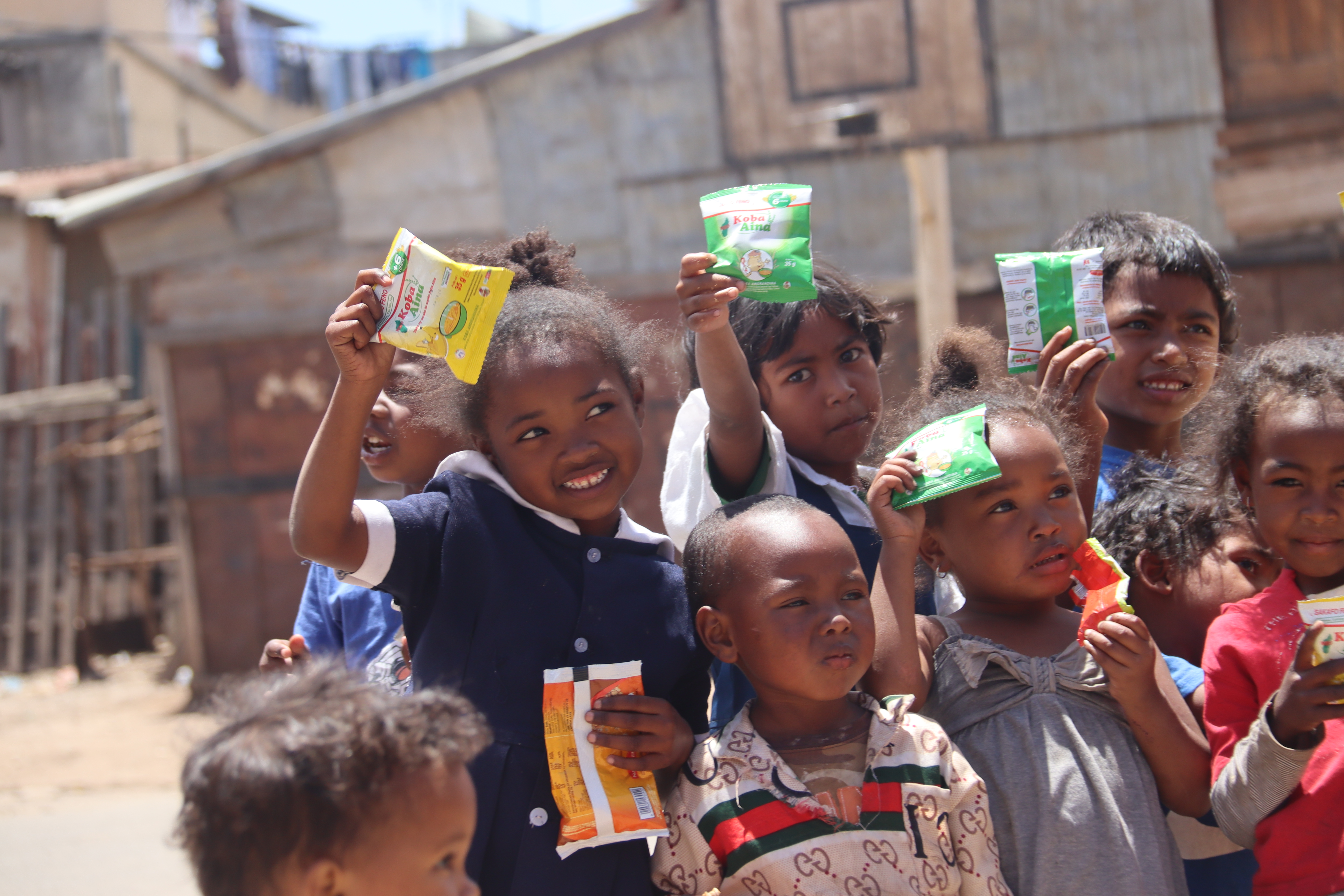
Representatives of local companies such as Nutri’zaza and Le Lionceau shared their business models, which are based on creating decent jobs, developing economically viable distribution networks and market safe nutritious and affordable products that appeal to as many people as possible. 

EU representatives presented how best to support this type of initiative and upcoming opportunities to develop value chains related to the nutritional products and share ideas for building pilot Global Gateway projects in the field of nutrition.

Speakers
  • Helena Guarin, Head of section Nutrition, INTPA F3- Sustainable Agri-Food systems and Fisheries unit (F3)
  • Auxane Gennetais, Health and Nutrition Project Manager, GRET
  • Quentin Moreau-Hamel, Policy officer, INTPA E2- Trade, Investment Climate, Entrepreneurship & Value Chains
  • Mandresy Randriamiharisoa, Director General, Nutrizaza, Madagascar
  • Siny Samba, Director General, Le Lionceau, Senegal
  • Tharcisse Nkunzimana, Programme Manager – EU Delegation, Niger
Background
  • GRET, (France) a partner of EU, has a twofold objective: to help develop and make available
    quality local foods adapted to the nutritional needs and expectations of the 1000 days window, and to support a market-led approach to disseminate targeted quality fortified foods in a sustainable way, to as many people as possible, at lower cost.
  • Nutri'zaza is a Malagasy social enterprise, created in 2013, whose main objective is to combat child malnutrition by improving the nutrition of Malagasy children and families. To achieve this, it distributes quality fortified products, adapted to those most affected by chronic malnutrition and micronutrient deficiencies, and available everywhere at an affordable price, even to the most vulnerable. Working in urban areas, the company distributes its products, made in Madagascar from essentially local ingredients, through 3 distribution networks.
  • Le Lionceau is a Senegalese company that offers a range of products for feeding babies mainly small jars and biscuits made on the basis of recipes and local products. The company has found its market at the national level, mainly in urban areas and now wants to take a new dimension by opening up to a wider market in West Africa. Her director will share her experience as a pioneer in the region in the early childhood food market and the challenges she faces to give a new dimension to her business.
  • The representative of the EU Delegation, Niger shared his experience on supporting local flour production initiatives and partnership with the private sector in the field of nutrition. In particular, it will address regulatory aspects, support through political dialogue and challenges and opportunities to promote the business environment of companies with both a social and economic vocation.
Preliminary findings of the International Trade Centre (ITC) study mandated by DG INTPA on a Regional Value Chain related to Formulated Complementary Food (including RUTF, Fortified Blended food (including flours), High energy biscuits, infant formulas.) was shared. Previously identified as a high potential area, the second phase of the study now identify concrete ideas in the shape of operational roadmaps for building pilot Global Gateway projects.

Resources


 Overreliance on a few main crops, as well as poor soil health, reduce yields, hinder achievement of food security and nutrition objectives, and increase agricultural vulnerability to climate change. To address this, the Vision for Adapted Crops and Soils (VACS), launched by the United States in partnership with FAO and the African Union, and as part of the whole-of-government Feed the Future initiative, seeks to support soil health as well as breeding of traditional and indigenous crops in Africa. Building on U.S. government food security efforts, VACS’ goal is to accelerate development of improved crop varieties that could lead to increases in both yield and nutrition, to tackle the challenges of food insecurity in the context of climate change

GAIN (2020) FOOD SYSTEM PPPS: CAN THEY ADVANCE PUBLIC HEALTH AND BUSINESS GOALS AT THE SAME TIME? ANALYSIS AND IDEAS FOR MOVING FORWARD #64 pp.

This paper considers whether Public-Private Partnerships (PPPs) focused on improving diets andnutrition can simultaneously advance public health nutrition goals and business goals. Discussion around the efficiency of PPPs is polarised in the field of nutrition: they are seen to have considerable potential to improve diet and nutrition outcomes by harnessing resources, reach, relationships and knowledge, but there is also some mistrust of private-sector actors and their motives. 

This paper explores the following questions: What is it about food and diets that makes it especially challenging for the public sector to engage and work with the private sector and, in turn, formulate PPPs? Why is there a lack of evidence and documentation about what has and has not worked with PPPs in the food systems domain? How do we address impediments and incentivise the creation of more PPPs that have potential to advance diet and nutrition outcomes whilst remaining commercially sustainable? How do we negotiate the complex nutrition terrain to make progress? The paper offers a range of insights, solutions and guidelines on how to increase the likelihood of PPPs being impactful and accountable.

Tuesday, January 8, 2019

Sustainably develop vanilla cultivation in Madagascar


© Dariusz Misztal, Federal Minister of the Environment Svenja Schulze presented Dr. Ing. Heinz-Jürgen Bertram, CEO of Symrise AG, the award in the category Germany’s most sustainable large-scale enterprise8 December 2018. Symrise has won this year's German Sustainability Award 2019 in the category “large-scale enterprise". Every year, Europe's largest award ceremony for ecological and social commitment honors exemplary sustainability achievements in business, municipalities and research. This year, Symrise convinced the jury in addition to its commitment to climate protection with its commitment to conserving biodiversity and promoting the living conditions of smallholders along the supply chain. As one of the three largest fragrance and flavor manufacturers worldwide, Symrise sources its raw materials from different ecosystems in various countries.

Including from Madagascar (see factsheet). Four-fifths of the vanilla produced for the food industry is sourced there. In order to sustainably develop vanilla cultivation in Madagascar in the long term, Symrise has been cooperating with the Deutsche Gesellschaft für Internationale Zusammenarbeit (GIZ) GmbH since 2010. 


  • The German Federal Ministry for Economic Cooperation and Development (BMZ) promotes the development partnership as part of the develoPPP.de programme. 
  • The work on sustainable vanilla production by the project partners enables around 10,000 families to improve their livelihoods. 
  • Since 2013, more than 5,000 farmers have successfully received vocational training in cropping methods, farm management and product diversification.
  • The low-yielding period was reduced, productivity in vanilla cultivation has risen by an average of 20 percent and Symrise receives sustainably cultivated vanilla of the highest quality.
Related:
The development partnership is supported by the develoPPP.de programme, which was set up by the German Federal Ministry for Economic Cooperation and Development (BMZ) to foster the involvement of the private sector in areas where business opportunities and development policy initiatives overlap.

BMZ supports your company with innovative projects and commercial investments in developing and emerging countries that have long-term benefits for the local population:
Agricultural Success stories

Monday, July 13, 2015

IFAD Wins 'Best Sustainable Development Practice' Award at Expo Milano 2015

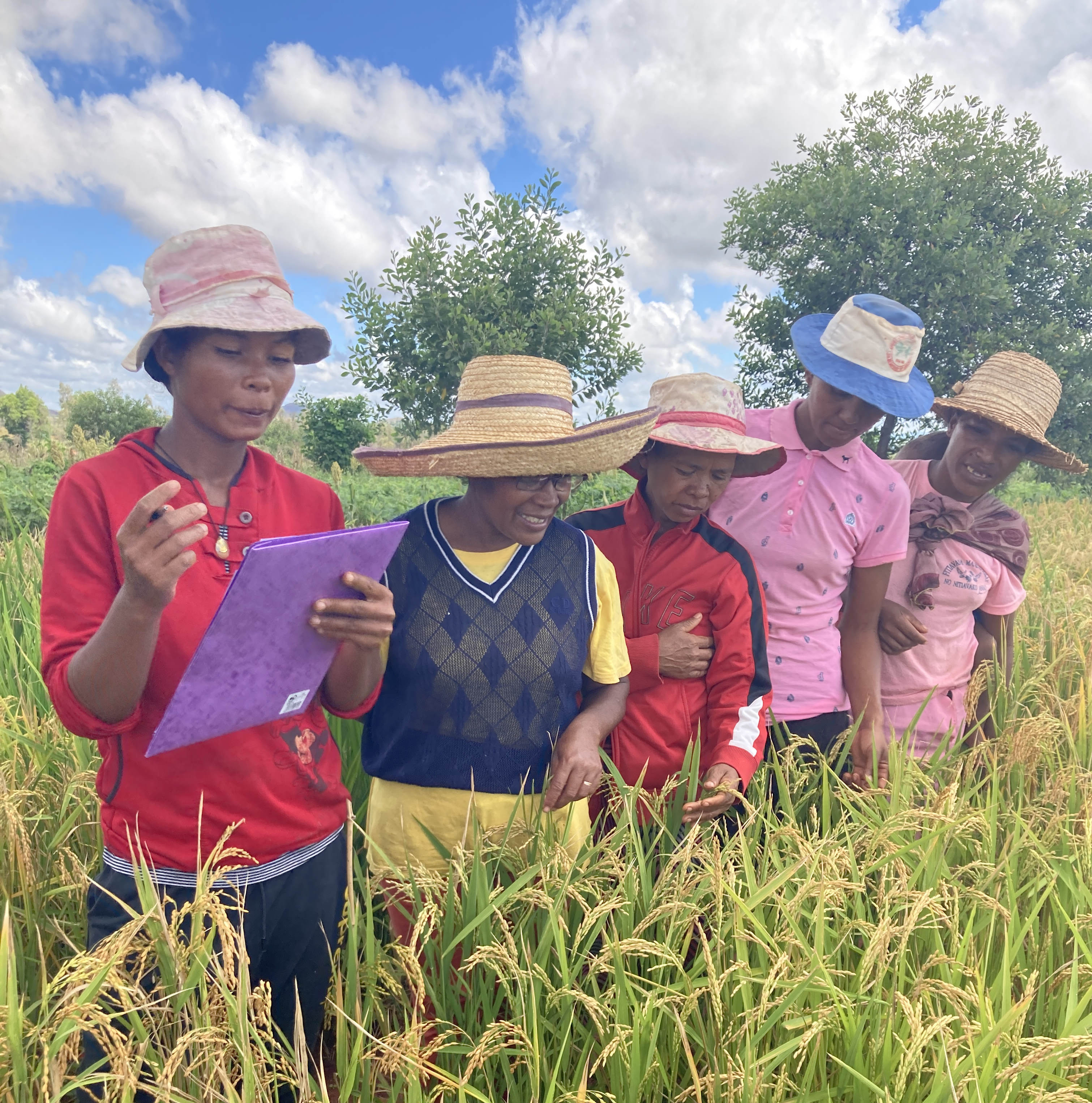
6 July 2015. Milan. The International Fund for Agricultural Development (IFAD) won a 'best sustainable development practise in food security' award for its work promoting the System of Rice Intensification (SRI) in Madagascar. This unique approach allows smallholder farmers to maximise rice yields while reducing the amount of seeds, water and land used.

The awards ceremony took place at the EXPO Milano 2015 world fair and was hosted by the Feeding Knowledge Program - an international network for research and innovation in food security. The competition was implemented by the Mediterranean Agronomic Institute of Bari.

Together with Cornell University and the Ministry of Agriculture, Livestock and Fisheries, IFAD began applying the SRI method in the Upper Mandraré Basin Development Project in Madagascar in 1997. The success of the project, which ran in two phases until 2007, has lead to the adaptation of the SRI method in at least 50 countries around the world and by as many as five million smallholder farmers.

Monday, June 2, 2014

First outcome of the selection of Swiss Innovation in Agricultural and Food Systems for Food Security Programme

21 May 2014. Last year, funding decisions for three out of six research modules of the "Swiss Programme for Research on Global Issues for Development" (r4d programme) were taken. With a budget of CHF 97.6 million for the duration of the entire programme from 2012 to 2022, the r4d programme aims to foster sustainable global development.The six modules are Thematically Open Research ; Social Conflicts ; Employment ; Food Security ; Ecosystems ; Public Health

The programme "Innovation in Agricultural and Food Systems for Food Security" investigates how the production of agricultural goods could be improved and food security increased within the context of sustainable development. The call for proposals was launched on 28 May 2013.
  • Food Security: From a total of 37 submitted pre-proposals, nine project teams consisting of Swiss researchers and their research partners coming from the global south received an invitation to submit a full proposal. The total funding requested in the nine pre-proposals amounts to CHF 27.6 million, whereas the thematic module has a budget of approximately 14 million for six years of research.
  • Ecosystems: From a total of 25 submitted pre-proposals, six project teams received an invitation to submit a full proposal. The total funding requested in the six pre-proposals amounts to CHF 18.7 million, whereas the thematic module has a budget of approximately 14 million for six years of research.
  • Final decision on full proposals July 2014. Start of research August 2014 
Under the Thematically Open Research program, the first 17 transnational research partnerships have initiated their work, addressing a wide range of issues. The module for thematically open research involves funding of high-quality research that contributes to the solution of global problems in poor countries and is not covered in the thematic programmes. The topics in this programme are not pre-defined. It is up to the research groups themselves to determine the areas to be studied. The first call for proposals has been issued on 6 June, 2012. The next call is planned for October 2014. Hereunder are the 4 projects related to agriculture in Africa under the Thematically Open Research. The projects are co-financed by the Swiss Agency for Development and Cooperation (SDC) (75%)  and the Swiss National Science Foundation (SNSF) (25%).

AGRIFEU
The research seeks to increase household outcomes and preserve at the same time the primary forest in the 
Menabe region, Madagascar. In the medium and long-term, it seeks to lower the impact of slash and burn practices on biodiversity as well as to develop means for facing the impacts of climate change on ecosystems.
Funding: CHF 297'450
Project Duration: 36 months
Project Start: November 2013
Geographic scope
  • Menabe region, Madagascar
Swiss Applicants and coordinators
  • Alexandre Buttler, Professeur associé EPFL/Directeur WSL Lausanne
  • Claude Garcia, Scientifique du CIRAD et leader du groupe ForDEV, EPFZ
Applicants Partner Country
  • Jean Chrysotôme Randriamboavonjy, Professeur et responsable de la Diversion de Formation et Recherche en "Gestion Conservatoire des Eaux et des Sols (GCES)", ESSA-Forêts
  • Samuel Razanaka, Directeur de recherche, Centre National de Recherche sur l'Environnement, IRD Madagascar
  • Dominique Hervé, Chargé de recherche, IRD Madagascar
  • Bruno Ramamonjisoa, Chef du Département Eaux et Forêt ESSA, Université d'Antananarivo Madagascar
Strengthening adaptive capacity of the Socio-Ecological System of Alaotra-Mangoro in Madagascar to better cope with change and future shocks allowing local communities and decision makers to better balance conservation and development.
Funding: CHF 475'812Project duration: 36 monthsProject Start: November 2013
Geographic Scope
  • Alaotra, Madagascar
Swiss Applicants and coordinators
  • Dr. Claude Garcia, Ökosystemmanagement, ETH Zürich
  • Prof. Jaboury Ghazoul, Institut für Terrestrische Ökosysteme, ETH Zürich
  • Dr. Patrick Olivier Waeber, Ökosystemmanagement, ETH Zürich
Applicants Partner Country
  • Prof. Bruno Ramamonjisoa, Département des Eaux et Forêts de l'Ecole Supérieure des Sciences Agronomiques, Madagascar
Biomass energy value chains
Identify, promote, and scale out improved biomass energy technologies and promising value chains, and to identify sustainable regional potentials for biomass fuels. Research will be conducted in two case study sites in Kenya and Tanzania.
Funding: CHF 493'450
Project duration: 36 months
Project Start: December 2013
Geographic Scope
  • East Africa (two case study sites: one in Tanzania and one in Kenya)
Swiss Applicants and coordinators
  • Albrecht Ehrensperger, Centre for Development and Environment University of Bern
  • Rainer Zah, Quantis Switzerland/Germany, Dübendorf
Applicants Partner Country
  • Boniface Kiteme, Centre for Training and Integrated Research for ASAL Development (CETRAD), Nanyuki, Kenya
  • Paul Gacheru Chege, Practical Action Eastern Africa, Nairobi, Kenya
  • Estomih N. Sawe, Tanzania Traditional Energy Development and Environment Organization (TaTEDO), Dar es Salaam, Tanzania
To develop economically viable and socio-culturally accepted composting technology and practices that will transform organic fractions of municipal solid waste into high quality hygienically safe fertilizers and nutritionally rich feed components by using larvae of the Black Soldier Fly (BSF) species Hermetia illucens. To achieve the above objective four sub projects will be conducted in Accra, Ghana.

Sub project 1 aims at technological development, production and designing of guidelines for BSF-biochar composting of MSW, at coincidental development of insect larvae meal for use in fish feeds. Sub project 2 aims at assessing the impact of the use of BSF-biochar based compost on crop productivity and the environment. Sub project 3 aims at assessing the effect of the use of BSF-meal on fish productivity and quality. Sub project 4 aims at determining the economic feasibility, farmers perception and willingness to use BSF-composting and insect-meal production technologies.
Funding: CHF 464'937
Project duration: 36 months
Project Start: December 2013

Geographic Scope
  • Greater Accra Region of Ghana
Swiss Applicants and coordinators
  • Dr. Andreas Fliessbach, Research Institute of Organic Agriculture (FiBL)
  • Dr. Noah Adamtey, Research Institute of Organic Agriculture (FiBL)
  • Dr. Andreas Stamer, Research Institute of Organic Agriculture (FiBL)
Applicants Partner Country
  • Ato Ewusie Ebenezer, Biotechnology and Nuclear Agriculture Research Institute, Accra, Ghana
  • Agyakwah Seth Koranteng, CSIR-Water Research Institute, Akosombo, Ghana
  • Prof. Dr. Kwabena Godfred Ofosu-Budu, Forest and Horticultural Crops Research Centre, University of Ghana, Accra, Ghana 
Related: 

2 - 6 June 2014. Thun, Switzerland FACE-2-FACE Event of the Agriculture & Food Security Network 
Smallholder family farms - What is their future?