Platform for African – European Partnership in Agricultural Research for Development
Showing posts with label Tanzania. Show all posts

Thursday, September 3, 2026

East-West Seed and the importance of community seed banks

2 September 2026. AFS Kigali. Interview with Epaphras Milambwe KT Manager Tanzania. 

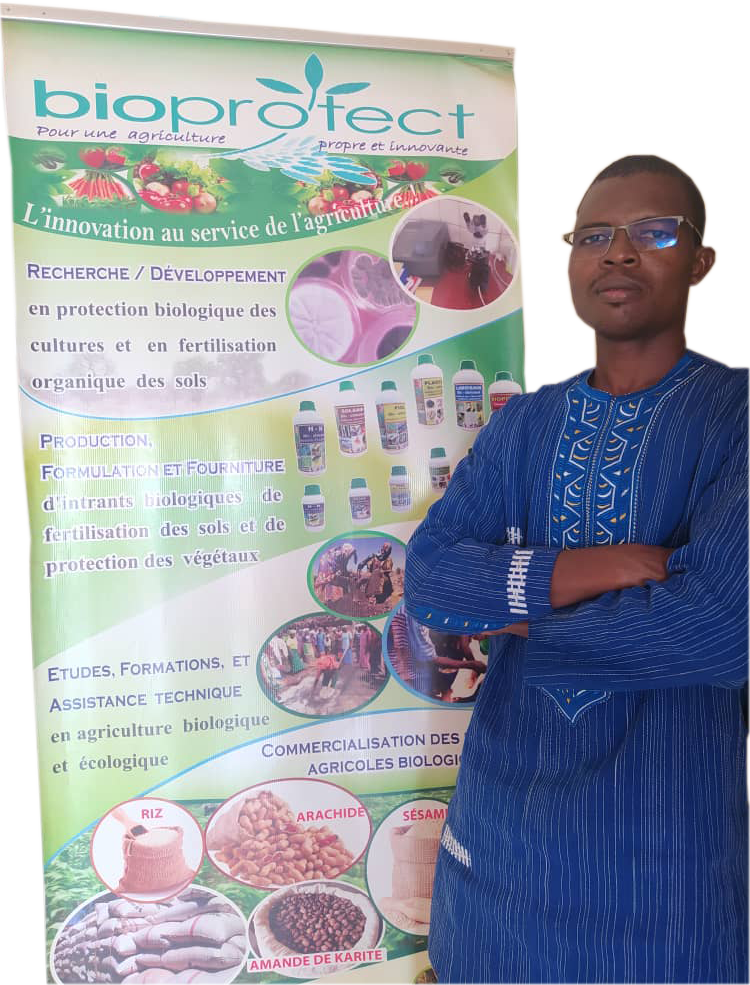
East-West Seed has built its work around helping smallholder farmers access quality vegetable seeds alongside the knowledge and skills needed to use them effectively. In Tanzania, the company and its Knowledge Transfer Foundation support farmers through training, demonstrations and improved access to agricultural technologies. East-West Seed also recognizes the important role of informal seed systems, particularly in reaching smallholder farmers in remote communities.

East-West Seed's focus on quality seeds and farmer knowledge, alongside community seed banks' role in conserving local diversity, demonstrates how different parts of the seed system can complement one another. Together, these approaches can help farmers access appropriate planting material while protecting the genetic diversity needed to build more productive, sustainable and climate-resilient food systems. 

 Is there a resistance towards indigenous seed banks?

Tuesday, August 12, 2025

Evolving Farm and Off-Farm Income Sources and Jobs in Rural Africa


28 July 2025. Livelihood sources in rural Africa are diverse and dynamic. Using recent primary survey data from four African countries—Kenya, Namibia, Tanzania and Zambia—the authors consider regions with different conditions related to climate, agroecology, infrastructure and nature conservation to analyse the role of various income sources for households and individuals. 

Although most rural households are involved in small-scale farming, the authors challenge the conventional notion that own agricultural activities still constitute the main source of income. On average, off-farm sources—including wage employment, self-employment, remittances, and transfers—account for 60% of total household income. 

The off-farm income share increases with total income, meaning that the poorest households are the ones most dependent on agriculture. These patterns are similar across all four countries. Most off-farm employment involves self-employed activities in small informal businesses. More lucrative formal employment opportunities are rare and mostly pursued by individuals with post-secondary education and training. Men are more likely to be involved in wage employment than women. 

Furthermore, individual social networks and access to road and market infrastructure are positively associated with off-farm employment. The important role of off-farm jobs for rural development should receive more policy attention. Larger investments into generating inclusive non-agricultural employment opportunities are needed.

Wednesday, July 23, 2025

Forgotten Foods: A GFAR/GFAiR Collective Action Success Story

The Collective Action on Forgotten Foods represents one of the most impactful and forward-looking partnerships under GFAR (now GFAiR)—reviving neglected and underutilized crops (NUS) to transform food systems, improve nutrition, and empower marginalized communities. Its story spans over two decades, beginning with the early recognition of "forgotten foods" as a global agri-innovation frontier.
 

Origins: A Global Innovation Priority (1999–2000)


The term “forgotten foods” began gaining traction in 1999–2000, when GFAR convened dialogues on rethinking agricultural innovation to serve smallholders, especially in marginal environments. At the GFAR2000 Global Conference in Dresden, neglected and underutilized species (NUS) were formally acknowledged as a global priority for research and innovation. These species—locally adapted, nutrient-dense, and often resilient to climate stress—had long been marginalized by mainstream agricultural R&D. GFAR partnered with actors like Bioversity International and the CGIAR NGO Committee to elevate the status of NUS in policy, research, and funding agendas.

Rising Momentum: From Advocacy to Collective Action


Through the 2000s and 2010s, GFAR supported global awareness-raising on the role of forgotten foods in combating hunger, biodiversity loss, and the erosion of traditional knowledge. These efforts laid the groundwork for the formal establishment of the Collective Action on Forgotten Foods, launched as part of GFAR’s restructured Collective Action mechanism in the late 2010s.

Key milestones included:
  • Formation of a multi-stakeholder partnership, including farmer organizations, public research institutes, NGOs, UN agencies, private sector, and youth;
  • A 2021–2022 global dialogue series on forgotten foods, led by GFAR and partners, identifying barriers and opportunities across regions;
  • The “Forgotten Foods Manifesto” (2022), calling for co-research, policy support, and investment in neglected crops;
  • Country-level engagement, such as support to India’s Odisha Millet Mission and integration of forgotten foods in school feeding, biodiversity policy, and climate resilience programs.

A Paradigm Shift in Food Innovation


Today, the Forgotten Foods Collective Action is:
  • Restoring indigenous food systems, valuing women's and communities’ knowledge;
  • Stimulating demand and markets for climate-resilient local crops;
  • Rebalancing agri-research priorities toward diversity, equity, and sustainability;
  • Driving policy shifts at national and global levels.
In September 2024, 3 consortia were selected among 21 applications for the GFAiR call for "Letters of Intention (LoI) on Forgotten Foods”: Swaminathan Foundation (India) the University of Ghana (Ghana) and The Food Bridge (Belgium). The 3 selected consortia focus on farmer-led conservation practices which are central to reviving forgotten foods. The Food Bridge (Belgium) manages a Food Heritage Project in Nigeria and Ghana with the intention of leveraging the access to the African diaspora food market, to promote consumption of indigenous African food, support rural farmers to start growing these food crops and access to premium market - see: 8th African Diaspora Agrofood Forum on Forgotten Foods. 

Food Bridge coordinates the Collective Action on Forgotten Foods. 


The Food Bridge (Belgium) coordinates the Collective Action on Forgotten Foods because of its leadership in bridging African diaspora markets with rural African farmers, its proven experience in food heritage projects in Ghana and Nigeria, and its ability to connect traditional knowledge, entrepreneurship, and policy advocacy—making it uniquely positioned to lead a global movement to revive and scale indigenous foods across continents. 

It identified two specific pathways to promote the consumption - and hence the demand for - forgotten foods: 
  1. the increased demand by the diaspora of nutritious forgotten foods of their country of origin and 
  2. the role of African Diaspora Food SMEs which offer new market niches for farmers’ organizations and agri-food SME’s. 

Between January and June 2025, the Collective Action on Forgotten Foods mobilized a diverse and dynamic set of activities—including proposal writeshops in Ghana and Nigeria, intercontinental consortium building, pilot deployments of the GAMAAL app, and high-level advocacy campaigns—that demonstrated how traditional knowledge, digital tools, and inclusive partnerships can converge to elevate opportunity crops. By centering women-led enterprises, diaspora engagement, and regional research capacity, these efforts serve as a scalable model for integrating biodiversity, nutrition, and cultural heritage into food systems transformation—offering a compelling blueprint for global action on neglected and underutilized crops.

The market study conducted in London was a pivotal step in understanding the demand, cultural relevance, and commercial potential of forgotten foods within the African and Caribbean diaspora communities. By analyzing consumer preferences, purchasing behavior, and existing supply chains, the study will provide critical insights into how opportunity crops—such as fonio, bambara groundnut, and African leafy vegetables—can be positioned in diaspora markets as both culturally resonant and nutritionally superior alternatives. 

These findings cannot only inform product development and branding strategies but can also strengthen the case for policy support and investment in transcontinental value chains that reconnect African smallholder producers with diaspora consumers seeking to reclaim food heritage.

See for further information on this market study following blog posts:

Multi-donor funded initiative to promote the use of so-called opportunity crops


Crop Trust has launched (19/03/2025) the Power of Diversity Funding Facility (PDFF). This  transformative multi-donor funded initiative will promote the use of so-called opportunity crops across Africa, Asia, the Pacific, and Latin America and the Caribbean. 

Initially, the PDFF will focus on 14 high-potential opportunity crops in seven countries,: Colombia, Kenya, India, Nigeria, Tanzania, Uganda and Zambia. Additional funding can extend the project’s reach to more countries, driving a shift towards resilient and sustainable agrifood systems worldwide.

Backed by an initial investment of €10 million from Germany (the German Federal Ministry for Economic Cooperation and Development (BMZ) through KfW Development Bank) and €2 million from Ireland, the PDFF will empower farmers to diversify their agricultural systems with resilient and nutritious alternatives to mainstream crops. The German funding will come via KfW, the German Development Bank, and Ireland is providing funding through its Department of Foreign Affairs.

To provide a foundation of knowledge, the Crop Trust has launched an Opportunity Crop Knowledge Base with key information on the crops prioritized by BOLDER partners.
  • The BOLDER (Building Opportunities for Lesser‑known Diversity in Edible Resources) initiative—funded by the Government of Norway under the broader BOLD program—aims to conserve underutilised, nutritious crops and make them accessible to smallholder farmers. Funded by the Government of Norway, BOLDER works to secure the diversity of these crops, and make it available to smallholder farmers in four African countries.
  • Budget: USD 22.4 million.
  • Project period: 2024 to 2030.
  • Target countries: Benin, Ghana, Tanzania, and Uganda.
BOLD (Biodiversity for Opportunities, Livelihoods and Development) is a 10-year global initiative funded by the Government of Norway, coordinated by the Crop Trust to protect and utilize crop diversity for food and nutrition security. 
  • Budget: now carries a total budget of ≈ USD 80 million (up from the initial USD 58 million committed at launch).
  • Project Period: 2021 to 2030—a full decade-long initiative.
  • Partner Countries: The core implementation, centers on 15 national genebanks spread across Africa, Asia, Latin America and the Near East. Allied work centres on crop improvement, seed systems and “opportunity crops” in four pilot countries: Uganda, Tanzania, Ecuador, and Bhutan.

The Power of Diversity Funding Facility selection workshop took place in Bogotá, Colombia, on 15-16 July, co-hosted by Agrosavia, the Alliance of Bioversity International and CIAT and the Crop Trust. The Funding Facility is financially supported by the German Federal Ministry for Economic Cooperation and Development (BMZ) through the KfW Development Bank, and the Department of Foreign Affairs of Ireland.

Tuesday, October 22, 2024

CBD COP 16 Food and Agriculture Pavilion


21 October - 1 November  2024
  Cali, Colombia,  CBD COP 16 Food and Agriculture Pavilion.

Biodiversity is critical to building climate-resilient, sustainable food, land, and water systems. The Conference of the Parties (COP) is the governing body of the Convention on Biological Diversity (CBD), an international treaty adopted at the Rio de Janeiro Earth Summit in 1992. Its objective is to establish agendas, commitments and frameworks for action to conserve biological diversity and use it sustainably, as well as to guarantee the fair and equitable sharing of benefits derived from the use of genetic resources.

Extracts of the programme

22/10 From commitments to actions: Making agroecosystem living labs work for the Kunming-Montreal global biodiversity framework

This side event showcased the experience of ALLs in contrasting environments, including developed and developing countries, for the co-creation of site-specific scientific evidence in support of mainstreaming biodiversity in food, land and water systems. Using examples from North America, Europe, Asia, Africa, and Latin America, speakers showed how participatory agriculture and agri-food research offers a strong foundation for the operationalization of the K-M GBF. In addition to researchers, the side event also involves speakers from various sectors including business, policy, financing institutions, farmer organizations, indigenous people and local communities, women and youth, and the civil society among others.


  • Rhiannon Crichton - coordinator of the CGIAR Environmental Health and Biodiversity Impact Platform. 
  • Patrick Caron - Director of the Montpellier Advanced Knowledge Institute on Transitions, Chair of Agropolis International, Vice-Chair of the CGIAR System Board. 
  • Marcela Quintero - Marcela Quintero is the Associate Director General, Research Strategy, and Innovation at the Alliance of Bioversity International and the International Center for Tropical Agriculture (CIAT). 
  • Wei Zhang Senior Research Fellow and Research Lead on Ecosystem Health and Biodiversity in the Natural Resources and Resilience Unit, IFPRI. She co-leads the CGIAR Research Initiative “Low-Emission Food Systems (Mitigate+) and directs the “Living Labs for People” Work Package. 
  • Sélim Louafi - Deputy Director for Research and Strategy at the Centre International de Recherche Agronomique pour le Développement (Cirad, Montpellier, France). 
  • Karen Clark - Senior Policy Analyst in the Resilient Agriculture Policy Division at Agriculture and Agri-Food Canada, 
  • Chaturangi Wickramaratne - Researcher in Freshwater Ecology at the International Water Management Institute at its Headquarters in Sri Lanka. 
  • Cargele Masso Karina Gonçalves David - co-founder of ProNobis Agroflorestal. At the local level, she is a part of the Participatory Guarantee System of the Ecovida Network. 
  • Luis Jerónimo Pulido Arredondo - agronomist in Colombia. Peter Goodman - Senior Agriculture Economist in the Global Engagement Unit of the World Bank Global Department for Agriculture and Food. He is currently leading the preparation of the World Bank 2025 Biodiversity in Agriculture Flagship Report, in close collaboration with CGIAR. 
  • Frédéric Castell - Senior Natural Resources Officer at the Office of Climate, Biodiversity and Environment (OCB) at FAO.

25/10 Harnessing agroecology, agrobiodiversity and family farming to transform food systems and halt biodiversity loss

This session will explore policies and financing to promote agrobiodiversity through agroecology and family farming, crucial for achieving GBF Targets, NBSAPs, and integrating agrobiodiversity into Rio Conventions. It will highlight local and national practices in both the North (e.g. Switzerland) and South (e.g., Tanzania) that protect agrobiodiversity and ensure sustainable use and benefit-sharing. The event will gather international organizations, governments, family farmers, and Indigenous Peoples to discuss next steps for implementing the GBF and Rio Conventions.

  • Oliver Oliveros - Coordinator of the Agroecology Coalition and head of the Coalition Secretariat as from 01 February 2023. 
  • Elena Aguayo Rico leads strategies for and with family farmers on the climate and biodiversity agenda within the World Rural Forum. 
  • Jonathan Mockshell - co-leads Work Package 3 of the CGIAR initiative on National Policies and Strategies (NPS) and contributes to the CGIAR initiative on Agroecology (AE-I) in Africa, Asia, and Latin America. 
  • Luiz Vicente Facco - National Confederation of Agricultural Workers (CONTAG) in Brasília. 
  • Yiching Song - member of the IPES-Food panel, a senior researcher in the Center for Chinese Agricultural Policy of the Chinese Academy of Sciences (CAS), and since 2016 is program leader of the United Nations Environment Programme – International Ecosystem Management Partnership in the Chinese Academy of Science. She is also founder and adviser of the China’s Farmers’ Seed Network. 
  • Anna Augustine Moshi - Agroecology Focal Person at the Ministry of Agriculture Tanzania under Environment Management Unit. 
  • Alejandro Argumedo - Director of the Association ANDES, a Cusco-based indigenous people’s non-governmental organization working to protect and develop Andean biological and cultural diversity and the rights of indigenous peoples of Peru. 
  • Vincent Peyraud - young Swiss student who joined the Swiss Federal Office for Agriculture as an academic trainee

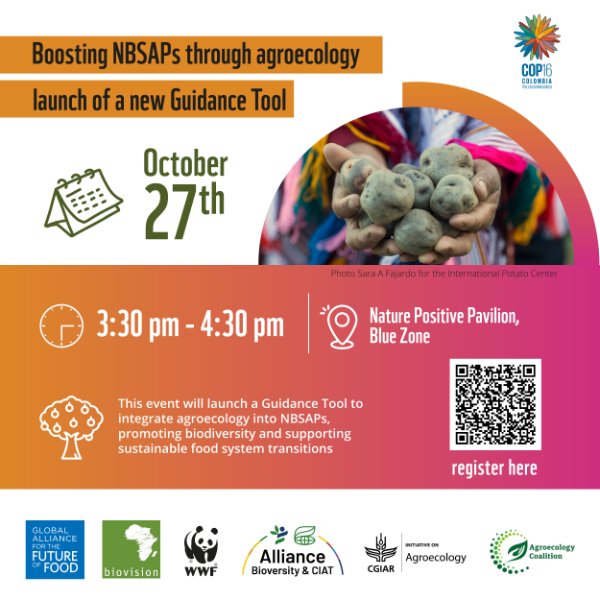
27/10 Launch of Guidance tool "Boosting NBSAPs through Agroecology"

  • This practical tool supports countries in integrating agroecological principles and practices into their respective National Biodiversity Strategies and Actions Plans (NBSAPs). 

30/10 Biodiversity for nutrition and health through Agroecology

This side event will tackle how, through agroecology, agrobiodiversity can be sustainably managed and used while promoting nutrition and health. At the country-level, it will showcase how agroecology is as a crucial pathway for countries like Colombia and Brazil which are striving to meet their National Biodiversity Strategies and Action Plans.

Resources:


Global Alliance for the Future of Food, Biovision Foundation, WWF International, Alliance of Bioversity International and the International Center for Tropical Agriculture, and the Agroecology Coalition. BoostingBiodiversity Through Agroecology: Guidance for Developing and Updating NationalBiodiversity Strategies and Action Plans. n.p.: Global Alliance for the Future of Food, 2024. # 76 pp.
  • This document provides guidance for integrating agroecology and food systems into the development and implementation of National Biodiversity Strategies and Actions Plans (NBSAPs) in alignment with the KunmingMontreal Global Biodiversity Framework (GBF). 
  • The goal of this Guidance is to support implementation of the GBF at the national level while strengthening policy coherence between the GBF and international goals and targets on food systems, including Sustainable Development Goal (SDG) 2 (End hunger, achieve food security and improved nutrition and promote sustainable agriculture), and United Nations Food Systems Summit (UNFSS) national pathways to sustainable food systems. 
  • In addition, this Guidance sheds light on the opportunities and challenges of coordinated national-level policy planning and implementation. Integrating agroecology into NBSAPs is an opportunity to address biodiversity while simultaneously advancing other international targets, including those related to climate change, desertification, disaster risk reduction, health, nutrition, combating hunger, and reducing poverty.

IPES-Food released two new briefings for decision-makers and key actors attending international negotiations on biodiversity – the Convention on Biological Diversity (CBD) COP16 in Cali, Colombia – to highlight the dangers of green grabs and the urgent need for community-led and agroecological solutions.

DeSIRA-LIFT (2024) 
Stories of Change: Activating Agricultural Transitions to Sustainability through
Participatory Research and Co-Innovation, pp. 40

The DeSIRA Initiative is a portfolio of 80 research and innovation (R&I) projects run in over 65 countries across three continents between 2019 and 2026, supported by a European Union contribution of €340,000,000. DeSIRA aims to enhance the contribution of R&I in addressing complex issues relating to sustainability transitions and agrifood system transformation, towards achieving the Sustainable Development Goals, in low- and middleincome countries.

One featured example is the ABRIGUE project in Meta, Caquetá, and Chocó (Colombia) regions, rich in biodiversity yet vulnerable to deforestation and socio-environmental challenges. Through agroecology and circular bioeconomy approaches, ABRIGUE is helping local communities adopt sustainable practices that promote both environmental protection and peace.


Related:


During the Convention on Biological Diversity’s sixteenth Conference of the Parties (COP16), representatives from Austria, Denmark, France, Germany, New Zealand, Norway, the United Kingdom, and Québec announced new financing for the fund that supports implementation of the Kunming-Montreal Global Biodiversity Framework.

They were joined by representatives of the GBFF’s other early contributors including Canada, Japan, Luxembourg, and Spain, and from countries that have received support to date from the Global Environment Facility-hosted fund, among them Brazil, Gabon, Mexico, and Fiji, plus representatives of Indigenous Peoples and local communities, major philanthropies, and implementing agency partners such as the World Bank.

Please see the donor governments’ joint statement for amounts pledged by country.
  • The Global Biodiversity Framework Fund (GBFF) was established by the GEF at the request of parties to the Convention on Biological Diversity’s COP15 to support implementation of the Kunming-Montreal Global Biodiversity Framework. Launched at the Seventh GEF Assembly in 2023, the fund aims to help countries strengthen national-level biodiversity management, policy, governance, and resource mobilization, including blended finance to leverage private sector financing. 
  • The GBFF can receive contributions from public, private, and philanthropic sources. 
  • It has streamlined procedures to provide efficient and impactful support for developing countries towards biodiversity goals, with a target of having 20 percent of its funding to support biodiversity action led by Indigenous Peoples and local communities.

Wednesday, May 8, 2024

Training on the Implementation of Upcycling and Waste Management

8 May 2024
. Arusha, Tanzania. Implementation of upcycling and waste management programs Training

The Agriculture Sector Network (ASNET) from Kenya, in partnership with the East African Business Council (EABC) and with support from GIZ Program Agency for Business and Economic Development, organized a training on the Implementation of Upcycling and Waste Management.

The Agriculture Sector Network (ASNET) is the umbrella body of the agriculture sector in Kenya formed through a partnership of KEPSA, KNCCI, SDG partnership.

Through the Agency for Business and Economic Development (AWE), BMZ intends to improve the structural foundations for interaction between development cooperation and the German and European private sector.

AWE addresses key topics of development cooperation: food and agriculture, energy, trade, education, construction, tourism, health care, international organisations, mobility, textiles, social entrepreneurship, environmental and social standards, finance, information and communications technology, mechanical and plant engineering, water and waste management, and municipal companies.

The Deutsche Gesellschaft für Internationale Zusammenarbeit (GIZ) GmbH and the Deutsche Investitions- und Entwicklungsgesellschaft (DEG) implement AWE as an equal partner.  


Monday, April 8, 2024

International Conference on Agrobiodiversity 2024


9 - 12 April 2024.
Pokhara, Nepal, International Conference on Agrobiodiversity 2024

The conference is facilitated by the Forest and Farm Facility, a partnership between the Food and Agriculture Organization of the United Nations (FAO), the International Institute for Environment and Development, the International Union for Conservation of Nature and AgriCord.

With agriculture covering the largest portion (46%) of the global land surface area, its ecological health and resilience is critical to human survival. Of 7000 plants historically cultivated for food, today just three crops – rice, wheat and maize – make up over half of global plant-based calories. This poses a significant risk for biodiversity and a major challenge for smallholder farmers, Indigenous Peoples and local rural communities who maintain most of the world’s remaining agrobiodiversity.

Increased land degradation and escalating climate risks also pose significant challenges for frontline forest and farm producers. Small farms of less than 2 acres account for some 84 percent of all farms worldwide, producing roughly 35 percent of the world’s food on 12 percent of its agricultural land. These small producers face strong competition for resource rights, technical support and cost-competitiveness from large-scale industrial monocultures.

09/04 @7:30 am CET Session 1: Agrobiodiversity – What it is and why it matters


Agrobiodiversity is what feeds, fuels and furnishes humanity with natural products and ecosystem services (where agriculture is now the largest land use). The session will involve five speakers who presented the importance of agrobiodiversity from an Indigenous perspective. The speakers include:
  • Damian Sulumo, CEO, Mviwaarusha, Tanzania: Key constraints to agrobiodiversity conservation from a smallholder perspective – and how to address them.

09/04 @10 am CET ­Session 2: How policies shape agroecology approaches that help to protect and manage agrobiodiversity for better or worse

 
This session will tackle how policies shape agroecology approaches that help to protect and manage agrobiodiversity (for better or for worse) and for meeting people’s needs with sustainable use and benefit-sharing. The speakers include:
  • Moderator: Ms Katja Vouri, Agricord
  • Keynote Speaker: Oliver Oliveros, Executive Coordinator, Agroecology coalition: Principles and element of Agroecology
  • Keynote Speaker: Mario Marino, FAO Technical Officer, International Treaty on Plant Genetic Resources for Food and Agriculture – Agrobiodiversity, landraces, seed laws

11/04 @5:00 am  Session 3: Traditional knowledge of agroforestry systems and knowledge exchange practices that maintain agrobiodiversity

This session will explore the vital role of traditional knowledge in maintaining and improving agrobiodiversity and agroforestry systems; and the practices, values and principles that underpin vibrant traditional knowledge systems, including exchange and transmission. The speakers include:
  • Aii Shatu, Gender and Women Coordinator Mboscuda Cameroon – Traditional knowledge of agrobiodiversity & agroforestry and knowledge exchange practices in Cameroon

Thursday, April 4, 2024

Indigenous Peoples' Knowledge and the Sciences


14-15 March 2024
. Indigenous Peoples' Knowledge and the Sciences. Combining knowledge and science on vulnerabilities and solutions for resilience

Nature-based solutions (NBS) are increasingly considered as having lower costs and delivering more co-benefits than other alternatives. Nature-based solutions now play an important role in the agenda of UNFCCC, but the concept has not yet been adequately incorporated in the CBD process. Combining Indigenous knowledge and NBS can lead to innovative solutions that address social and environmental challenges, including climate change impact and biodiversity loss while respecting cultural values and promoting social equity.

This Joint Pontifical Academy of Sciences (PAS) and The Pontifical Academy of Social Sciences (PASS) Workshop explored NBS and many of the effective medical and food systems innovations, and related indigenous knowledge.

The conference created opportunities for dialogue among Indigenous Peoples and science community on how ethnoecological knowledge can play an important role in developing local solutions that can have global consequences for climate and biodiversity agendas.

Extracts of the programme:


14/03 Welcome and General Introduction to the Workshop 

15/03 FOOD SYSTEMS 

  • Chair: Johan Swinnen Managing Director of Systems Transformation, CGIAR, and Director General, International Food Policy Research Institute (IFPRI) 
  • Maximo Torero Chief economist of FAO Food System and Indigenous knowledge and science (Video) 
  • Tania Eulalia Martinez-Cruz Director of food sovereignty at Land is Life and Research Associate at Universidad Intercultural Maya de Quintana Roo Indigenous Youth leading the future: Sustainable food systems & a sustainable future 
  • Mehrdad Ehsani Vice President, The Rockefeller Foundation. Food Initiative, Nairobi, Kenya Regenerative agriculture and indigenous knowledge 
  • Justice Tambo Senior Socio-Economist CABI, Switzerland Recognizing farmers’ indigenous innovations in Africa 
  • Hanieh Moghani Senior Legal Counsel and Indigenous Advocate - Centre for Sustainable Development and Environment (CENESTA), Tehran Indigenous Knowledge in Participatory Plant Breeding 
  • Xananine Calvillo Ramirez Ambassador - Stop Financing Factory Farming Coalition The food of the future is also ancestral: Mesoamerican plant-based food traditions as climate solutions

PERSPECTIVES FROM AFRICA 

  • Elifuraha Laltaika Tumaini University Makumira, Tanzania, Faculty of Law -Senior Lecturer of Human Rights Law & Policy Climate Change & Energy Transition: Safeguarding Africa’s Indigenous Peoples’ Spiritual and Cultural attachment to Lands 
  • Stanley Kimaren ole Riamit Indigenous Livelihoods Enhancement Partners (ILEPA) Kenya Team Leader Indigenous knowledge and Climate change Adaptation strategies: Lessons from Maasai Pastoralists of East Africa
  • Hindou Oumarou Ibrahim AFPAT President, Chad Bringing science and traditional knowledge to build resilience and adaptation and mitigate conflict over resources
  • Ester Innocent Associate Research Professor, Institute of Traditional Medicine-Muhimbili University of Health and Allied Sciences, Tanzania Bridging Indigenous Knowledge and the Science: The Role of Indigenous Peoples in Health and Pharmaceutical Products Development 
  • H.E. Archbishop Samuel Kléda Metropolitan Bishop of Douala, Tanzania Indigenous Healthcare and Pharmaceutical Science: an African Example
  • Agnes Leina Il’laramatak Community Concerns Executive Director Traditional Indigenous Knowledge Vs Scientific Knowledge in addressing climate change

Related:

15-17 May 2024. From Climate Crisis to Climate Resilience. 
  • A 3-day Joint Pontifical Academy of Sciences (PAS) and Pontifical Academy of Social Sciences (PASS) Workshop Summit for bending the curve and bouncing back

Wednesday, March 20, 2024

Opportunities & challenges of green transition for pastoralism & indigenous people in Africa

19 March 2024
. European Parliament. Opportunities & challenges of green transition for pastoralism & indigenous people in Africa 

The EU has committed itself to the green transition and is supporting its partners in their paths to sustainable economies through development cooperation. However, large renewable energy projects as well as new land-use plans that are considered and labelled as part of the green transition, may be at odds with traditional forms of land-use. Pastoralist people have traditionally grazed their herds on more than half of Africa's land and have already lost access to some of these lands through green energy, new sustainable land-use plans and tourism projects, including hunting reserves.

The workshop will provide an overview of the challenges and opportunities pastoralists face through green transition projects in Africa. Based on the analysis of cases from Kenya and Tanzania, the workshop will be an opportunity to discuss how the EU can ensure that green transition projects under its purview create more opportunities than challenges for pastoralists and other indigenous people in Africa.

Dr Jonathan Davies, Expert in Sustainable Land Management, Pastoralism, Rangelands, and Sustainable Agriculture.

He made a presentation based on his commissioned report “Opportunities and challenges of the green transition for pastoralism and indigenous people in Africa”. 
  • Jon’s report to the European Parliament will be finalised after Easter.
  • The focus was on the situation in Kenya and Tanzania. 
  • This was followed by a debate in the Parliament, including an input from the European Commission, and some responses by Jon at the end.
You can find the debate webstreamed here: https://multimedia.europarl.europa.eu/en/webstreaming - select “Committee on Development” - starting time was a couple of minutes after 10:30 CET.


Sunday, February 25, 2024

Tanzania leverages AI to speed up development of climate-proof bean varieties


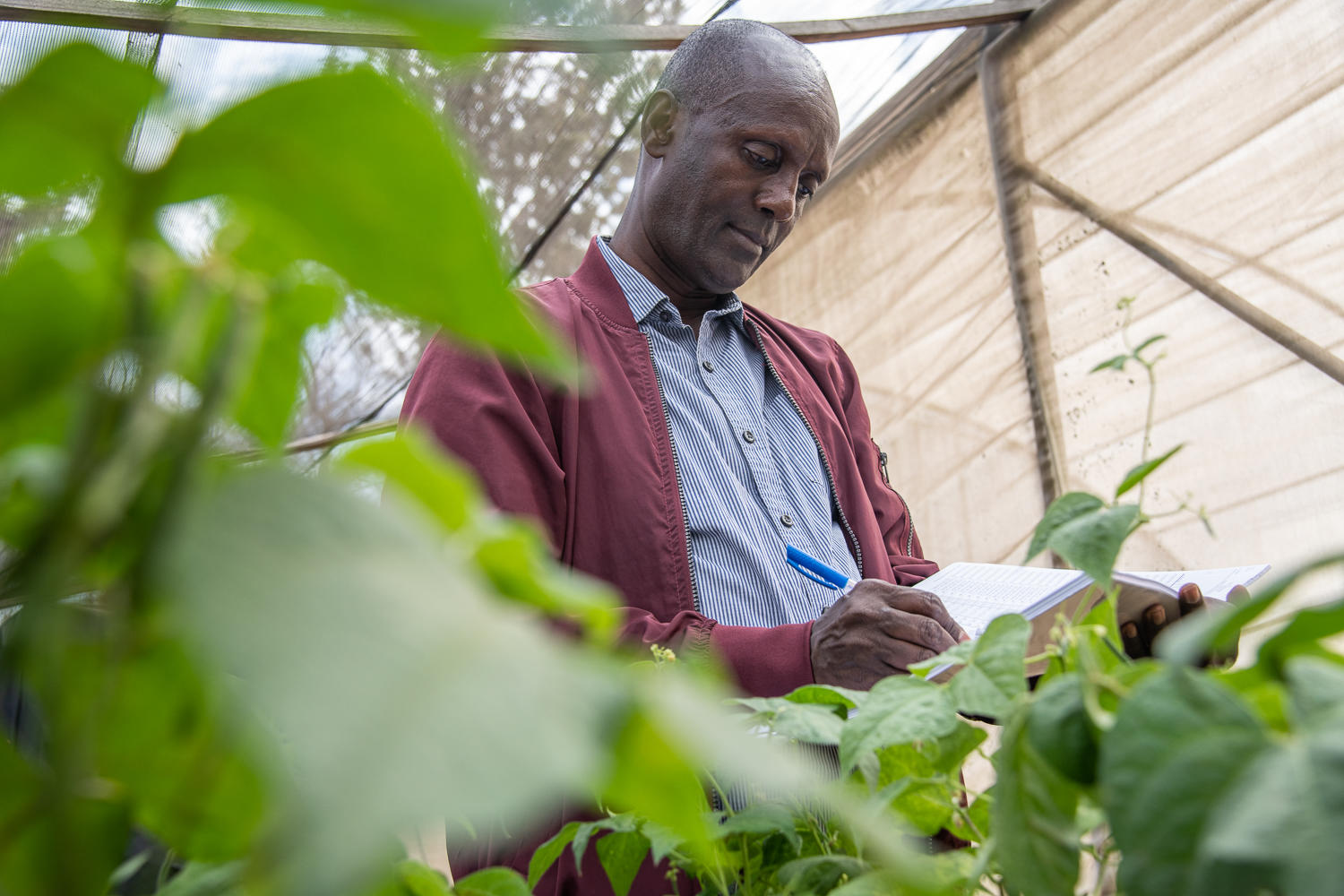
In the trial farm of the Tanzania Agriculture Research Institute (TARI) in partnership with the Alliance of Bioversity International and the International Center for Tropical Agriculture (CIAT), researchers are working on a project called Artemis, which is using Artificial Intelligence (AI) to speed up breeding.

For the last three years, CGIAR researcher Dr. Teshale Mamo has been cross-breeding the popular yellow beans with higher yielding, disease-tolerant varieties from Colombia – where the Alliance of Bioversity International and CIAT operates the largest genebank for beans. The new varieties will be tested in different locations and made available to National Research Stations across Africa.

The cross-breeding process took three years because “phenotyping,” identifying traits like how many flowers plants have, was done manually. Generally, to collect enough data to understand how plants respond to the environment, breeding takes five years or more.

Artificial Intelligence-based phenotyping can speed-up the breeding cycle by 50%. “With food security pressures, speeding up the breeding processes will help us get new varieties to increase productivity on farms,” says Dr. Mamo.

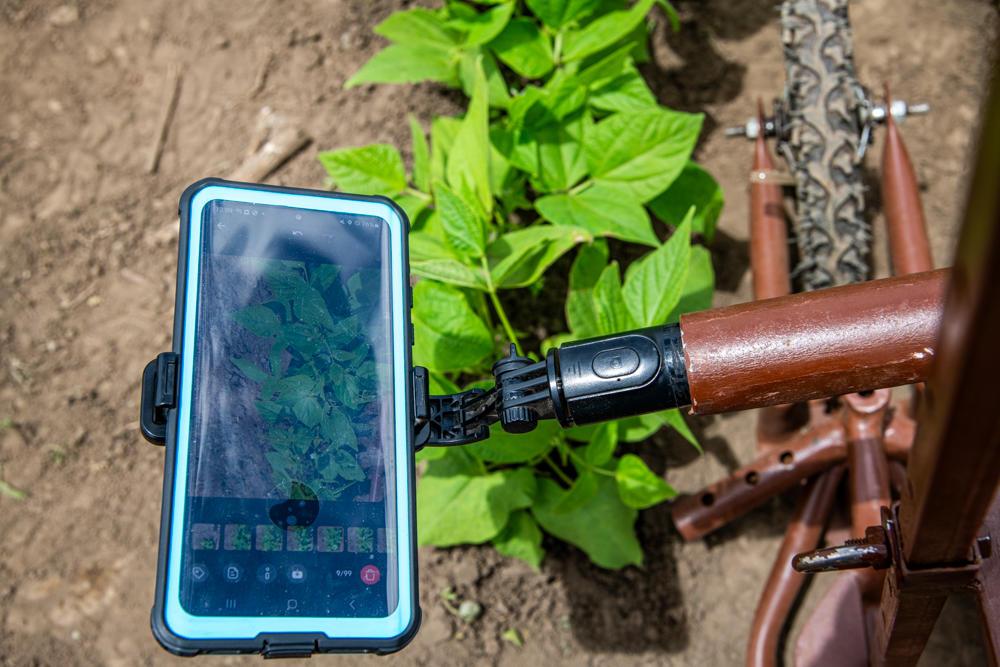
Meet Bruno: a digital tool made from bicycle parts and selfie sticks, and other easily accessible local materials that could fix a bike, microwave or radio. With two android phones strapped to its sides, it can quickly capture data like number of pods in seconds.

Thursday, February 22, 2024

The Potential of African regional markets: Successes from SMEs and Smallholders

21 February2024. Colead, Innovation Series -Session 17.  The Potential of African regional markets: Successes from SMEs and Smallholders

  • Program Links: English + French + Portuguese
  • Biodata Links: English + French 
  • More information is available on Agrinnovators.org, the website recently created by PAFO and COLEAD, brings together all the information relating to the Innovations Sessions, including company profiles and impact stories. The site also includes a forum for exchange and networking.

One of the key drivers of food systems transformation in Africa lies in the potential of African regional markets, where Small and Medium-sized Enterprises (SMEs) and smallholders can play an important role.

While there have been notable successes, challenges persist in unlocking the full potential of African
regional markets. A greater emphasis on deeper intraregional trade, cross-border investments in infrastructure and fostering “made in Africa” trade and industrialisation policies is key to the continent’s future prosperity and resilience to global financial, food-related, climatic and pandemic-related shocks.

Infrastructure deficits, regulatory complexities, and access to finance remain significant obstacles for SMEs and smallholders. Addressing these challenges requires a collaborative effort from governments, international organisations, and the private sector. Transformation can be achieved through improvements in farm-level productivity, inputs, mechanisation and post-harvest management driven by investment, innovation and technology within a coordinated and effectively executed policy framework.

  • Andrew Ahiaku, Director and Head of Financial Sector, Aceli Africa

    Aceli Africa envisions SMEs leading the transformation towards a thriving, inclusive, and sustainable agriculture sector. Aceli's mission is to unlock the growth and impact of agricultural SMEs by bridging the gap between capital supply and demand. Building the market for agricultural SME finance in Africa will contribute to several of the UN's Sustainable Development Goals through improved livelihoods for farmers and workers, climate-smart and resilient agriculture, gender inclusion, and food security and nutrition. Agricultural SMEs need reliable access to finance to realize their growth and impact potential. However, Aceli’s original data confirms that risk in agri-SME lending is twice as high as other sectors while returns are 4-5% lower, limiting capital flows to  agricultural SMEs today.

Recording forthcoming


Thursday, January 25, 2024

East African Business Council Webinar on Sustainable Agriculture Practices

25 January 2024
. Webinar series on Sustainable Agriculture Practices

The East African Business Council (EABC), in collaboration with the Agency for Business and Economic Development(AWE) funded by the German Federal Ministry for Economic Cooperation and Development (BMZ), is organizing a webinar series on Sustainable Agriculture Practices, in a bid to strengthen agricultural value chains and bolster the food security of Agri-actors in the East African Community (EAC) Region.

Speakers:

  • John Bosco Kalisa CEO EABC

  • Lydia Koch (picture), Business Scout for Development, GIZ Tanzania
    In behalf of Agency for Business and Economic Development (AWE)
    In her remarks, Lydia Koch, Private Sector Advisor at the Agency for Business and Economic Development (AWE), reiterated the commitment of Germany to work with the government and private sector to fight hunger and ensure food security across the globe amidst global crises and shocks.

  • Yarama Dakwa Ndirpaya Director, Plant Resources Department at Agricultural Research Council of Nigeria, Abuja; Technologies for African Agricultural transformation TAAT-IITA: Eastern Africa representative - Climate smart agricultural technologies

    "We had 24/01/24 a big meeting between the Islamic Development Bank, AFDB and TAAT"

    Resource: https://taat-africa.org/e-catalogs/
    To scale agricultural technology across Africa, TAAT connects technology holders with decision-makers who can adopt and deliver technologies to the farmers and processors who need them.

  • Mr. Vishnu Reddy - IDH India Improving the income resilience of coffee farmers through blended service delivery, diversified farming systems

    IDH, The Sustainable Trade Initiative has been working in India since 2009 to promote sustainable value chains across sectors including cotton, tea, spices, grapes, palm and apparel, by bringing together government, companies and CSOs in action-driven coalitions to jointly set ambitious targets and formulate co-investment plans that unlock scaling of sustainable production & trade to deliver large scale impact on the Sustainable Development Goals.

  • Ms. Marianne Walpart Simusolar, Tanzania - Adaptation to climate change 

    Solar Irrigation Systems . Simusolar makes irrigation simple and effective with customized systems that require no fuel, with payment plans for affordability. We have been providing the services and equipment farmers need to be more productive and to be independent of rain patterns and rising fuel prices, since 2016.


  • Ms. Nandi Mkwanazi Nanloy organic farm South Africa - Transitioning to sustainable agriculture: Opportunities and challenges

    Nanloy organic farm is an Agri-start up that aims to combine innovation and indigenous African knowledge to produce high value organic fresh produce. By using regenerative farming techniques, Nanloy organic farm is creating social impact through sustainable food security solutions for our customers and clients.


Agriculture plays a pivotal role in the East African Community (EAC), providing livelihoods to millions and serving as a key contributor to the regional economy. The East African Business Council is pleased to invite companies and agri-value chain players to register and profile their products and services on the online Business-to-Business directory of the East Africa Agro Investment Profiles & Directory enabling access to agro market & investment opportunities in East Africa. Visit: https://agro.smesoko.com/

The East Africa Agro Investment Profiles & Directory is developed by EABC in partnership with the Agency for Business and Economic Development (AWE), funded by the German Federal Ministry for Economic Cooperation and Development (BMZ), in a bid to strengthen trade and investment ties in agricultural value chains and bolster food security in the East African Community (EAC) Region.

Register and profile your company, business, organization, products, and services in the B2B directory.

Once registered you can hold B2B chat with other agri-value chain players registered in the B2B Directory. Registration is free of any charge.

Related:

  • Jan 29, 2024 Time 3pm WAT - West Africa Building Sustainable Agribusiness Models: Balancing Profitability and Environmental Impact.  
  • Jan 30, 2024 Time 5pm EAT - East Africa Building and Scaling Successful and Sustainable Agribusiness in East Africa. 
  • Jan 31, 2024 Time 4pm SAST - Southern Africa The Future of Food in Southern Africa: Unlocking Opportunities for Global Impact  
  • Feb 1, 2024 Time 4pm CAT - Central Africa Market Trends and Agri-Food Opportunities: Identifying Profitable Pathways for Growth. 
  • Feb 2, 2024 Time 4pm CAT - North Africa Driving Green Growth, Innovation and Sustainability in the North African Agribusiness Landscape. 

Related:


Thursday, September 14, 2023

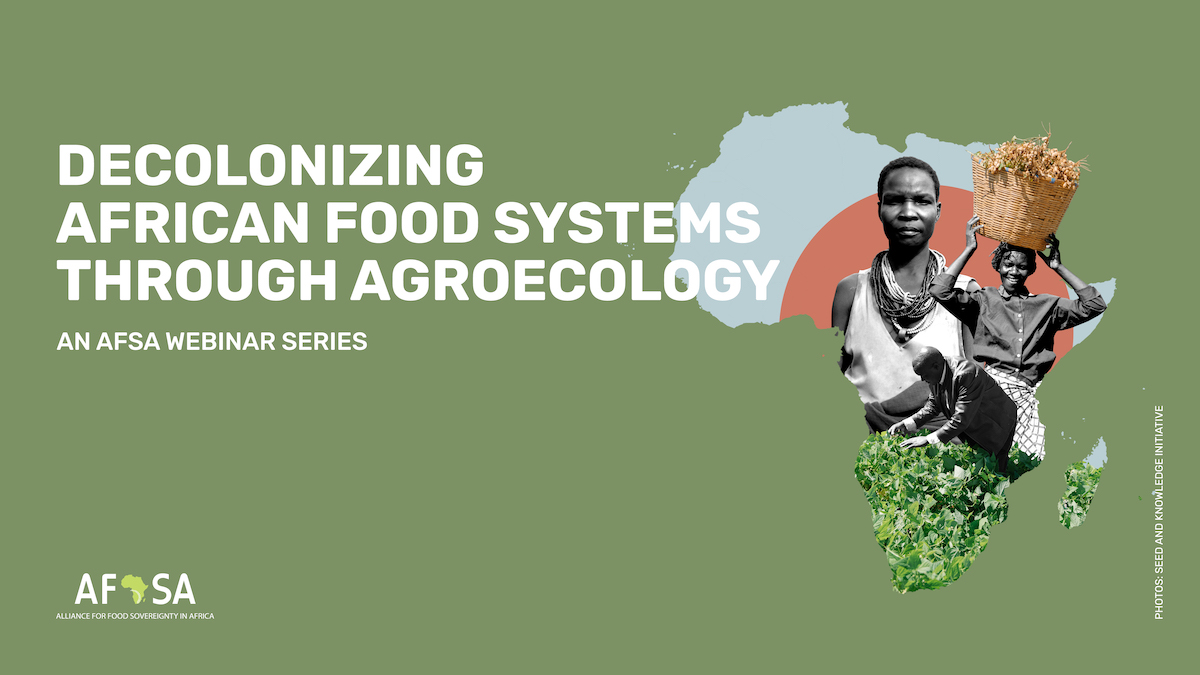
Decolonizing African Food Systems Through Agroecology

14 September 2023. The AFSA webinar explored agroecology as a solution and hear from experts developing African-based soil management models. It discussed the contrast between agroecology and industrial agriculture, and their impacts on the environment, society, and food systems.

Thursday, September 7, 2023

AGRF Summit Side events day 4: Journey towards COP28

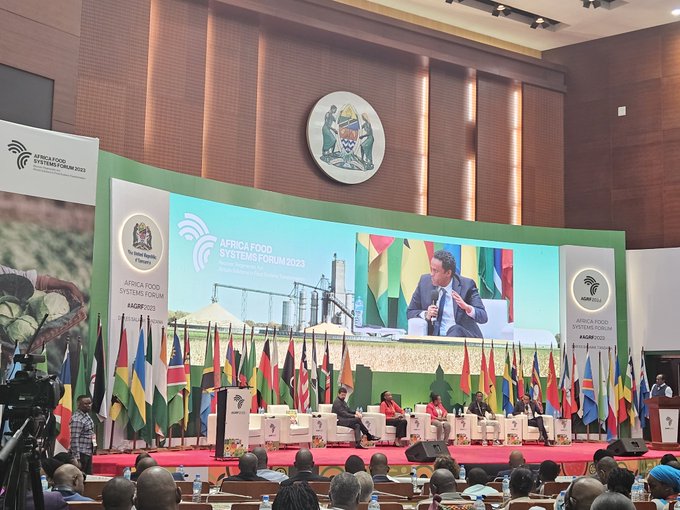
5 - 8 September 2023. Africa's Food Systems Forum 2023 Summit’s theme, “Recover, Regenerate, Act: Africa’s Solutions to Food Systems Transformation

The AGRF Summit, which takes place from September 5th-8th, is an annual gathering that brings together heads of states and governments, agriculture ministers, members of the civil society, private sector leaders, scientists and farmers in discussions meant to define the future of Africa’s.


08/09 7:00-9:00 : Side event The CAADP Biennial Review Process: Promoting Data Use, Diversity, and Inclusion

The CAADP Biennial Review (BR) has highlighted the enormous demand for timely high-quality data to
guide performance monitoring and decision-making. It has also underscored challenges related to data availability and quality as well as the inadequate utilization of BR data and results
  • Dr. Godfrey Bahiigwa, Director, African Union Commission, Department of Agriculture, Rural Development, Blue Economy and Sustainable Environment (AUC- DARBE) 
  • Dr. Ousmane Badiane (see picture), Executive Chairperson, AKADEMIYA2063 
  • Ms. Constance Okeke, Project Manager, ActionAid International and CAADP Non State Actor Group (CNG) 
  • Prof. Joao Mutondo, Faculty of Agronomy and Forest Engineering, Eduardo Mondlane University, Mozambique 
  • Ms. Josephine Love, Principal Agriculture Officer, Ministry of Agriculture, Livestock, Fisheries and Cooperatives, Kenya 
  • Dr. Boaz Keizire, Head of Policy, Advocacy and Food Systems, AGRA
  • Dr. Samuel Benin, Deputy Director, Africa Office, IFPRI
  • Ms. Tsitsi Makombe, Director, External Relations, AKADEMIYA2063 
  • Dr. Augustin Wambo Yamdjeu, Director, Knowledge Systems, AKADEMIYA2063

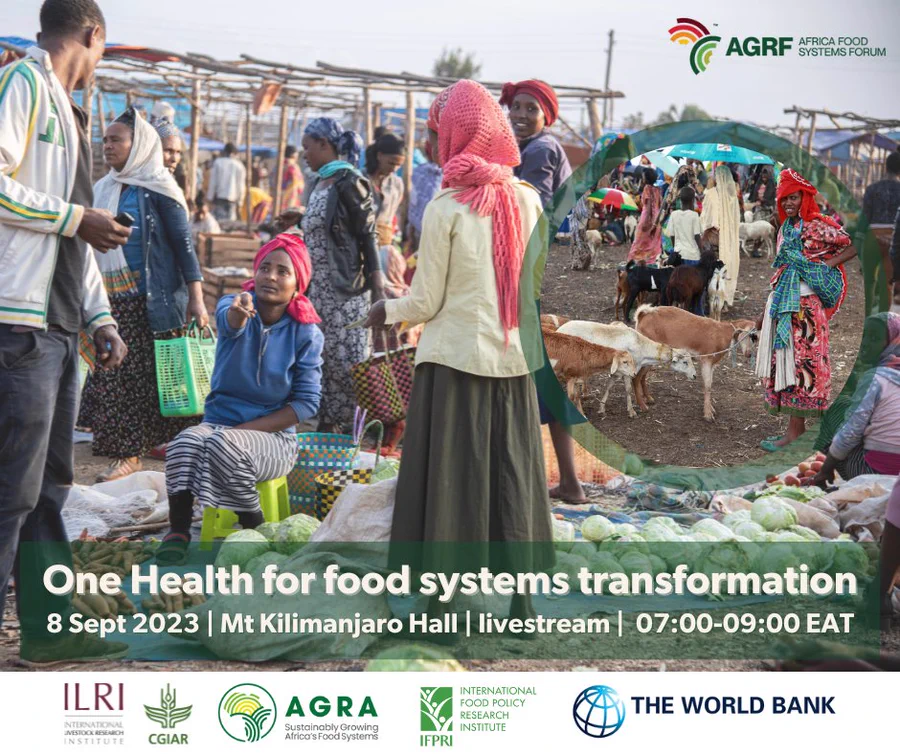
08/09 7:00-9:00 : Side event to discuss 'OneHealth for Food Systems Transformation

Food systems are often described as the single biggest contributor to complex global health challenges for people, animals, plants, and the environment through pollution, ecosystem degradation, greenhouse gas emissions, land and water use, chemical use, unhealthy and unsafe diets, animal welfare concerns, infectious disease risks, and biodiversity loss. 

The collaborative, multisectoral, transdisciplinary and systems focused nature of One Health allows it to make important contributions to the functioning of food systems and health through infectious disease prevention, surveillance and control, ensuring

food safety along food value chains in both formal and informal settings, and animal welfare in food production systems. 
  • Moderator – Dr. Namukolo Covic (see picture), Director General's Representative to Ethiopia, ILRI 
I. Keynote presentations on One Health for Food Systems Transformation
  • Dr. Johan Swinnen,  (see picture), DG, IFPRI/CGIAR [Food Systems] 
  • Mr. Martien Van Nieuwkoop, Global Director, Agriculture and Food Global Practice, World Bank [One Health]
  • Government of Tanzania [Tanzania’s One Health Platform] 
II. Panel Discussion 
  • Dr. Johan Swinnen, DG, IFPRI/CGIAR [Food Systems] 
  • Mr. Martien Van Nieuwkoop, Global Director, Agriculture and Food Global Practice, World Bank 
  • Dr. Godfrey Bahiigwa,  (see picture), Director of Agriculture and Rural Development,  (AUC- DARBE)
  • Mr. Vine Mutyasira, Program Officer, Policy Quantitative Modelling and Data Analytics, AGRA 
  • Dr. Iain Wright, Deputy Director General, ILRI 
Summary/conclusion: 
  • Dipti Thapa or Francisco Obreque, World Bank 
  • Michael Victor, ILRI

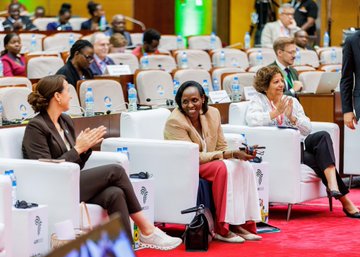
08/09 09:00 - 11:30 : Plenary Session title: Journey towards COP28: Adapting Africa’s Food System to Climate Change

This plenary session explored the impact of climate change on food systems in Africa, the policy responses needed to ensure food security and action required for resilient food systems in the face of these challenges. 
This session builds on the Climate Action Summit and provides key recommendations as well as Africa’s position on food systems and climate nexus for COP 28.
  • Moderator Mr. Jeff Koinange, Anchor/Talk Show Host
  • Framing remarks Dr. Agnes Kalibata, President, AGRA and Special Envoy for the 2021 Food Systems Summit
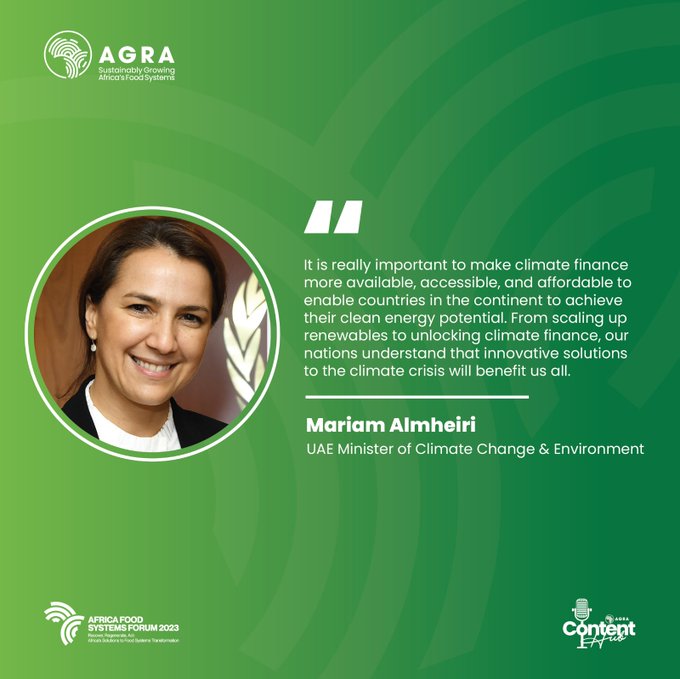
  • Keynote Speech H.E. Mariam Almheiri, Minister of Climate Change and Environment, UAE
Roundtable 1: Food Systems into National Plans and Implementation Mechanisms
The first roundtable discussed the importance of incorporating Food Systems into National Adaptation and mitigation plans, Nationally Determined Contributions (NDCs), and other national strategies. 
  • Dr. Johan Swinnen, Director General, Managing Director of Systems Transformation, CGIAR and Director General, International Food Policy Research Institute (IFPRI)
  • Hon. Lee White, Minister of Water, Forest, Sea and Environment, Gabon
  • Ms. Cristina Duarte, UN USG, Special Advisor on Africa
  • Hon. Selemani Saidi Jafo, Minister of State, Office of the Vice President Union and Environment, United Republic of Tanzania
  • Dr. Mithika Mwenda, Executive Director, Pan African Climate Justice Alliance
  • Moderator Mr. Daouda Sembene, CEO, AfriCatalyst (former Executive Director, IMF)
Roundtable 2: Future Proofing and Financing Food Systems
The  second roundtable focused on solutions to improve the resilience of food systems, including sustainable agriculture practices, innovative technologies, and improved supply chains.
  • Mr. Abdulmajid Musa Nsekela, CEO, Cooperative and Rural Development Bank (CRDB), Green Finance, Tanzania
  • Mr. Martien Van Nieuwkoop, Global Director for Agriculture and Food, World Bank
  • Ms. Ann Vaughan, Senior Advisor for Climate Change, Bureau for Resilience and Food Security, USAID
  • Mr. Tabi Joda, Lead, One Billion Trees for Africa Great Green Wall
  • Closing remarks Ms. Nadine Gbossa, Director, Food Systems Coordination, International Fund for Agricultural Development (IFAD)
Roundtable 3: Finance
Lastly, the third roundtable, explored the financing needed to support these solutions, including public and private sector investment, and access to climate finance. 

08/09 09:00 - 11:30 : Sustainable Livestock and Pastoralism Transformation


This session provided a forum for governments, producer organizations, research and academic institutions, development agencies, civil society organizations and private sector to engage in dialogues on innovations and food systems pathways to efficiently produce more nutritious, safe and accessible animal source foods with a reduced environmental footprint, and contribute to vibrant local and diversified livestock systems that are more resilient to shocks and disruptions in Africa.
  • Moderator Ms. Zuhura Yunus, Director of Presidential Communications, Tanzania State House
  • Hon. Abdallah Ulega, Minister of Livestock and Fisheries, United Republic of Tanzania
  • Dr. Shirley Tarawali, Chair, Global Agenda for Sustainable Livestock & DDG, ILRI
Roundtable 1 Sustainable Livestock Transformation
  • Dr. Babafemi Oyewole, Chief Executive Officer, PAFO
  • Hon. Fred Bwino Kyakulaga, Minister of State for Agriculture, Animal Industry & Fisheries, Republic of Uganda
  • Mr. Jean Baptiste HATEGEKIMANA, President of Continental Executive Committee, African Youth in Livestock, Fisheries and Aquaculture Incubation Network (AYL-FAIN)
  • Dr. Nyabenyi Tipo, Representative to Tanzania, Food and Agriculture Organization (FAO)
Roundtable 2 Supply and Demand of Animal Sourced Food
  • Dr. Anthony Whitbread, Director of the Sustainable Livestock System program, ILRI
  • Mrs. Margaret Munene, CEO, Palmhouse Dairy, Kenya
  • Dr. Juliana Kantengwa, Founder, Wood Valley Organics
  • Ms. Emmastella Gakuo, COO, Savannah Circuit, Kenya
  • Mr. Jay Waldvogel, Senior Vice President Strategy and International Development, Dairy Farmers of America, and Chair, Dairy Nourishes Africa for Global Dairy Platform
  • Ms. Prudence Masako, Country Director, CARE Tanzania

08/09 09:00 - 11:30 :Food Systems in a time of Crisis: Youth Refugees, Migrants and displaced people as part of the solutions


This session shared impactful stories on how the inclusion of young the refugees, migrants and displaced in Agri-Food Systems have helped to address urgent food demand and long-term recovery process and development in a humanitarian and post conflicts and climate crisis context.
  • Moderator Ms. Vanessa Adams, Vice President Strategic Partnership and CoP for Inclusive Agricultural Transformation in Africa, AGRA
Panel Discussion 1
  • Mr. Stanlake Samkange, Senior Director for Strategic Partnerships, WFP
  • Ms. Ada Osakwe, Managing Partner, Agrolay Ventures, AGRA Board Member, & Youth Ambassador Generation Africa
  • Ms. Alice Nzamukosha, Vice President of Zone 2, CODIGA Cooperative
  • Mr. Bernard Hien, Regional Director, West and Central Africa Division, IFAD
  • Mr. Ahmed Madobe Nunow, Minister of Agriculture and Irrigation of the Federal Republic of Somalia
  • Ms. Lian Biar Kuoirot Deng, NextGen Ag Impact Network, South Sudan (VIDEO)
Panel Discussion 2
  • Hon. Ms Josephine Joseph Lagu, Minister, Ministry of Agriculture and Food Security in South Sudan
  • Mr. Kayitare Shema, Vice President of the Cooperative, CODIGA Cooperative
  • Mr. Mahadi Hasan TUSHAR, NGIN Ambassador and Regional External Relations Coordinator, IAAS Asia Pacific
  • Mr Anthony Mhagama, Programme Manager, IUCNClosing RemarksMr. Zlatan Milisic, UN Resident Coordinator, Tanzania

08/09 09:00 - 11:30 : Green Financing Framework for Food Systems Transformation


In the wake of the Paris agreement, green financing mechanisms were heralded as a crucial pathway to support climate change mitigation and safeguard global food systems. To effectively protect food systems and build resilience, there is an urgent call for governments, international organizations, and private sectors to reinvigorate their commitments, channeling substantial resources into green financing initiatives that promote sustainable agriculture, biodiversity conservation, and equitable access to nutritious food.
  • Moderator Dr. Geeta Sethi, Advisor, Global Agriculture Practice, World Bank
Panel 1 Discussion
  • Mr. Ibrahima Cheikh Diong, United Nations Assistant Secretary General (UN-ASG) and Director General (GDG), African Risk Capacity Group
  • Hon. El Sayed el Quseir, Minister of Agriculture and Land Reclamation, Egypt
  • Hon. Mudrick Ramadani Soraga, Minister, Ministry of Labour, Economy and Investment Zanzibar, United Republic of Tanzania
  • H.E. Mohamed Beavogui, Former Prime Minister of Guinea and Special Envoy for the 13th Replenishment of IFAD
  • Mr. Bhupen Dubey, CEO, Advanta Seeds
  • Mr. Maurits Waardenburg, Co-Leader of McKinsey partnership with the Hydrogen Council, McKinsey & Company
  • Ms. Hope Murera, CEO, COMESA Insurance
Panel 2 Discussion: Green Banking
  • Mr. Kenneth Davis Kasigila, Head of Policy Advisory and Climate Finance, CRDB Bank
  • Dr. Peter Umunay, Senior Environmental Specialist, Global Environment Facility (GEF)
  • Mr. Juan Lucas Restrepo, Director General, Alliance of Biodiversity International and the International Centre for Tropical Agriculture (CIAT)
  • Dr. Conrad Rein, Director of Policy Outreach, Innovation Commission, Development Innovation Lab (DIL)
  • Hon. Emmanuel Mpawe Tutuba, Governor of the Bank of Tanzania
  • Mr. Boleslaw Stawicki, Country Director, Tanzania, IFAD, Tanzania