Platform for African – European Partnership in Agricultural Research for Development
Showing posts with label ICRA. Show all posts

Wednesday, March 13, 2019

Making Agribusiness Work

Making Agribusiness Work' course, which will help you to contribute to local entrepreneurial development and food security. Over the years, iCRA experienced that many business support services (BSS) find it hard to attract new clients and projects. They need to invest a lot of time in search for new funding, while they rather use that time to support small-scale producers and processors - and doing the work they love and do best.

Making Agribusiness Work is offered in English and in French. For more information about the French course go here


Where-When/Europe: Wageningen, the Netherlands and online
4 - 15 November 2019, (7 Oct - 20 Dec full programme incl online learning)

Where-When/Africa:  
15 - 26 April 2019, Benin (in French)
17 - 28 June 2019, Nigeria
18 - 29 Nov 2019, Kenya

Who can attend this course? The course is specially designed for professionals who...
  • Are practitioners and field staff from private business support services, produrer or trade based organizations, small and medium entreprises and government extension services
  • Work in a business context in agri-sector and want to contribute to local entrepreneurial development and food security.
  • Are ambitious and want to make a change
  • Are proficient in English Course locations
Course costs: Tuition fee: 2497 euros
  • Scholarship information incl the application form can be found HERE
  • Scholarship application deadline is 21 March 2019.
  • MENA Scholarship Programme (MSP). The MSP is open to professionals who are nationals of - and living and working in - one of following countries listed:  Algeria, Egypt, Iran, Iraq, Jordan , Lebanon, Libya, Morocco, Syria, Tunisia

Tuesday, August 28, 2018

Pan African Conference for the African Youth in Livestock, Fisheries and Aquaculture Incubators Network (AYL-FAIN)

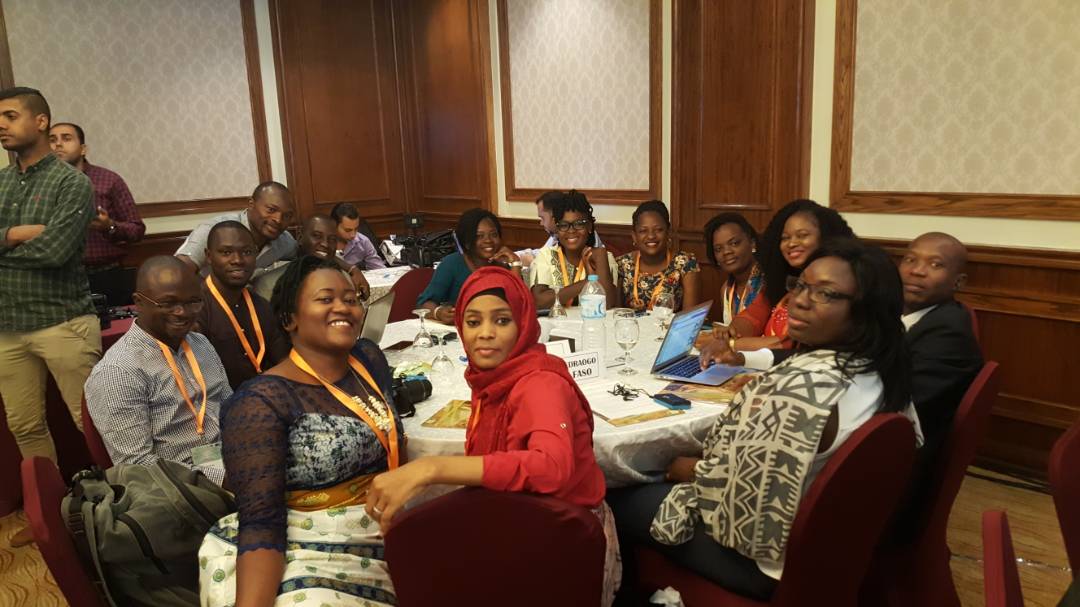
25 to 27 July 2018. Cairo, Arab Republic of Egypt. The African Union Inter-African Bureau for Animal Resources organized the Pan African Conference for the African Youth in Livestock, Fisheries and Aquaculture Incubators Network (AYL-FAIN).

The Conference was attended by 70 youth from 44 African Union member states from Eastern, Central, Southern, Western and Northern Africa. The countries present at the conference were (Benin, Botswana, Burkina Faso, Burundi, Cameroon, Central Africa Republic, Chad, Cote d’ivoire, Democratic Republic of Congo, Egypt, Ethiopia, Equatorial Guinea, Gabon, The Gambia, Ghana, Guinea, Guinea Bissau, Kenya, Lesotho, Liberia, Mali, Malawi, Mauritius, Mozambique, Namibia, Niger, Nigeria, Rwanda, Sao Tome, Senegal, Sierra Leone, Somalia, South Africa, South Sudan, Sudan, Swaziland, Tanzania, Togo, Tunisia, Uganda, Zambia and Zimbabwe). There were also representatives from The Food and Agriculture Organization (FAO), Trust Africa, International Business Driving Licence (IBDL).
Prior to the conference, an incubation management Training of Trainers programme was facilitated by the African Agribusiness Incubators Network (AAIN) from 23rd to 24th July 2018 as part of the partnership arrangement between AU-IBAR and AAIN.

The objectives of the conference were to adopt operating procedures including statutes of AYL-FAIN, develop regional business plans and elect regional, continental executives and to launch AYL-FAIN.

His Excellency Prof Dr. Ezz El Din Abostate, Minister of Agriculture and Land Reclamation for
Egypt opened the conference and also launched the following networks/associations:
  • Association of Veterinary Education Establishments (2A2E-V)
  • Association of African Veterinary Statutory Bodies (2AVSB)
  • African youth in livestock, fisheries and aquaculture incubation network (AYL-FAIN)
  • African women in animal resources farming and agribusiness network (AWARFA-N)
The Director of AU-IBAR, Prof Ahmed Elsawalhy (see picture) also read a statement on behalf of the Commissioner of Rural Economy and Agriculture, Her Excellency Josefa Sacko.


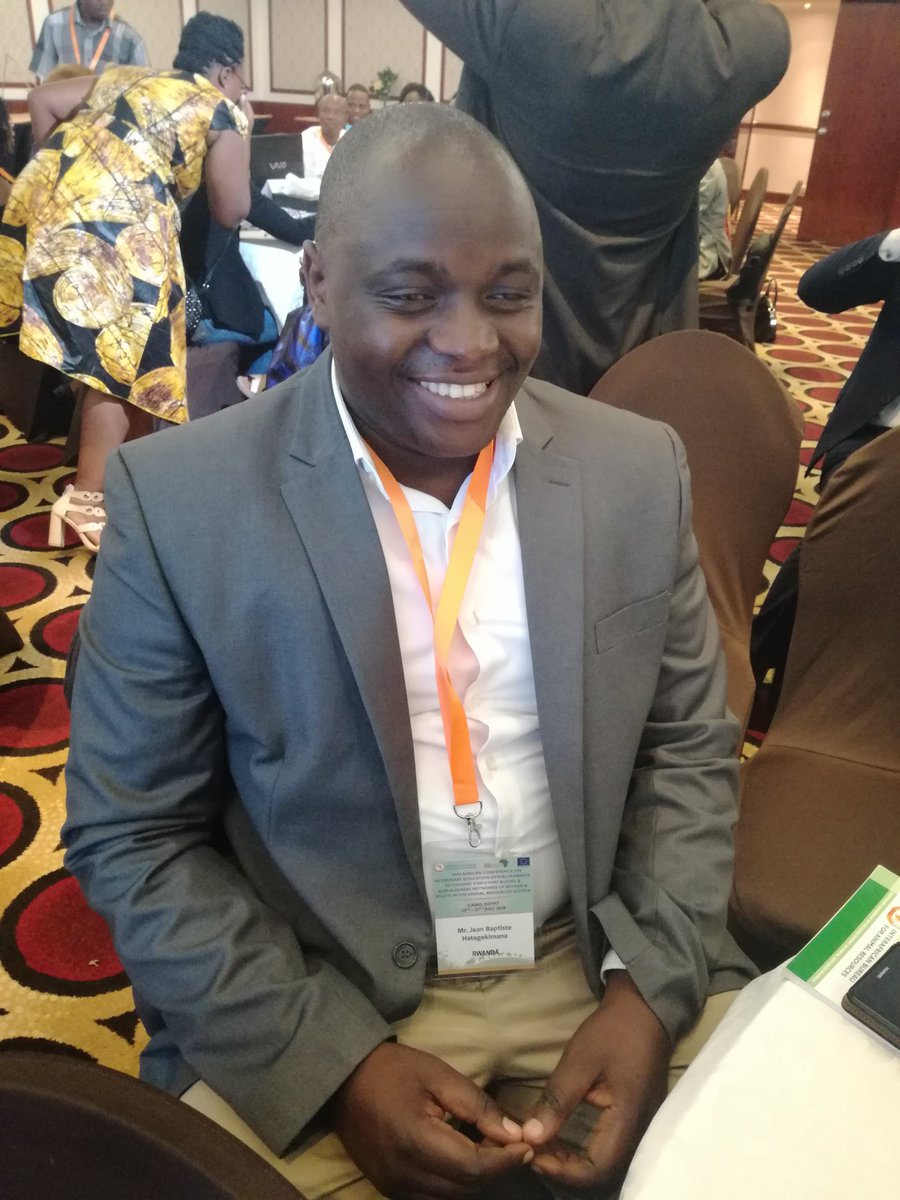
The Conference Elected 13 Continental AYL-FAIN Executive Board Members of 8 elected executive members [President, Mr. Jean Baptiste Hategimana (see picture) (Rwanda), Vice President, Mr. Divine Ntiokam (see video) (Cameroon).

It developed 5 business plans that will be finalized and used as the blue print for incubation activities in the respective regions and agreed to profile and establish a database for Youth agribusinesses in animal resources to support incubation activities across the continent.


Related:
STRENGTHENING BUSINESSSUPPORT SERVICES FORAGRIBUSINESS PARTNERSHIPS (2017, 47 pages)

  • “Strengthening Business Support Services for Agribusiness Partnerships” is the second in a series of 2SCALE thematic papers.
  • The Netherlands-funded 2SCALE program is an incubator for inclusive agribusiness that aims to improve rural livelihoods and food and nutrition security across nine sub-Saharan countries. 2SCALE offers a range of support services to private partners – companies and farmer groups – enabling them to produce, transform, and supply quality food products to local, national, and regional end-user markets, including base-of-thepyramid (low-income) consumers. 

Tuesday, November 21, 2017

Building agribusiness relations for sustainable profit

13 - 24 November. Ibadan, Nigeria. ICRA course: Building agribusiness relations for sustainable profit – Learning key skills for inclusive business brokerage.

Over the years, ICRA experienced that many business support services (BSS) face difficulties in offering services that have long-lasting impact. Most training events seem to have limited results and do not lead to the desired sustainable income increases and profitable businesses for their clients. As a result, BSS find it hard to attract new clients and projects. They need to invest a lot of time in search for new funding rather than in supporting small-scale producers and processors and doing the work they love and do best.

Successful business support services not only assure that smallholder farmers and agri-entrepreneurs make substantial and sustainable profit, they also assist them in doing it more efficiently. Donors, business and governmental organizations line up to work with such successful serice provides. Don’t you want to be a highly valued professional, earning a decent living and being able to pick the most exciting projects? The secret of successful service providers is that they go beyond a one-of-training and invest in sustainable and financially viable relations.
Course content
Week 1 Business skills and concepts
  • Setting up local business networks
  • Building business relationships
  • Developing a business plan
  • Field visit and real life case: learning about public-private partnerships aiming at local processing enterprises, sourcing from farmers in the region
Week 2 Brokering and facilitation skills
  • Main topics:
  • Negotiation and conflict handling
  • Coaching skills
  • Durable contracting
  • Brokering in value chain partnerships

Monday, October 2, 2017

The Importance of Functional Capacity Strengthening in Agribusiness Partnerships

2SCALE Thematic Papers. Not By Technology and Money Alone, The Importance of Functional Capacity Strengthening in Agribusiness Partnerships - Insights from the 2SCALE project.
Published on 10 August 2017 in “Science”, language — English. 39 pages.

2SCALE is implemented by a consortium of partners comprised of IFDC, ICRA, and BOPinc. For more information, visit ifdc.org/2scale.

This collection of case studies (PDF) by ICRA and gives insight into the 2SCALE project, through 15 stories in four countries (Benin, Ghana, Mali and Nigeria). The main themes that emerge are: 
  • how building relationships and strengthening functional capacities (or soft skills) are necessary pre-requisites to technical improvements; 
  • the importance of organisations becoming more empowered; how to sustain support services beyond the project life; 
  • and a focus on gender and youth issues. 
One case focuses on Nigerian cereal farmers’ organisations. Getting better organized and linking up with aggregators from Nestlé, the farmers now get a better deal in supplying sorghum for the company’s products. Soft skills coaching also helped women farmers to add their voice to ongoing negotiations.

Another story relates how strengthening business linkages at the cluster level constitutes an alternative to “hard” guarantees for young female vegetable growers to get credit. Strengthening organisational skills and business relationships led to farmers being able to repay their loans on time. This in turn built the confidence of the credit service to further expand their credit scheme, giving farmers more options. 

From these stories, it can be concluded that in addition to access to better technologies and money smallholder farmers and related business actors need a deeper understanding of how value chains and markets work, as well as strong networks and business relationships. For this, they need to develop functional capacities that give them the needed skills, confidence, mind-set and attitude to achieve lasting improvements.

Monday, July 31, 2017

Capacity Needs Assessment in an agricultural innovation niche partnership

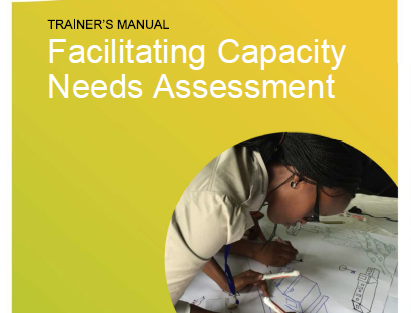
Trainer’s Manual on Facilitating Capacity Needs Assessment
2017, 114 pages

Building on CDAIS training experience, this manual has been developed to support the activities of the CDAIS project.

This manual is a resource for the training of National Innovation Facilitators (NIFs) across all 8 countries. The objective of the training is to strengthen the NIFs’ facilitation skills and their ability to carry out Capacity Needs Assessments (CNAs) in agricultural innovation niche partnerships.
  • The materials were prepared in English by a CDAIS working group comprising staff of the various CDAIS implementing partners from Agrinatura and FAO, piloted in one English-speaking country (with valuable input from the CDAIS country team), then made available to the other seven countries. 
  • The manual is not a blueprint for use in precisely the same way across all countries, rather it is a general framework and approach around a series of concepts, tools and techniques. 
  • The manual was reviewed, modified and adapted to the national context of each country and translated where necessary to an appropriate language before delivery e.g. European languages such as French, Portuguese, Spanish and national languages in the 8 pilot countries.
  • Elements of the manual such as the facilitation tools may also be useful in other contexts and the modular design allows for parts of it to be extracted and adapted for use as necessary.
Here you can see the manual: http://cdais.net/2017/07/24/discover-the-trainers-manual/
In the current global overview of CDAIS report, CDAIS is sharing the approaches used and lessons learnt from these pilot countries. We are excited to experience seeds of change not just with our national partners but also within institutions and organizations at Global and European level.
Background:
The European Commission is financially supporting a project to strengthen capacities to innovate in Africa, Asia and Central America. The project is officially called the capacity development for agricultural innovation systems (CDAIS). It is being implemented jointly by Agrinatura, FAO and national partners in the 8 pilot countries (Angola, Bangladesh, Burkina Faso, Ethiopia, Guatemala, Honduras, Laos and Rwanda). CDAIS has supported the development of the common framework on agricultural innovation systems through the Tropical Agricultural Platform. The common framework advocates on the importance of the functional capacities in agriculture innovations.


Tuesday, December 13, 2016

International Conference on Agri-Chains and Sustainable Development

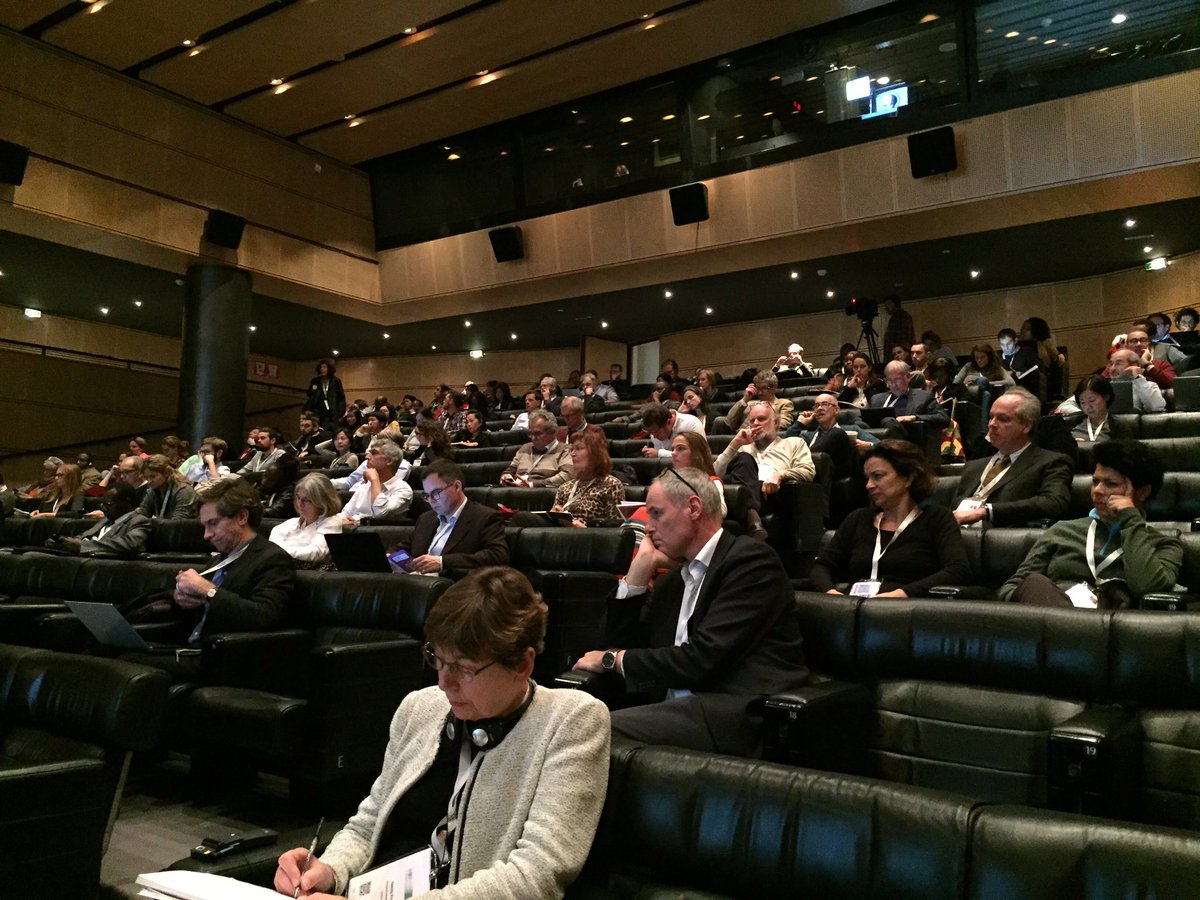
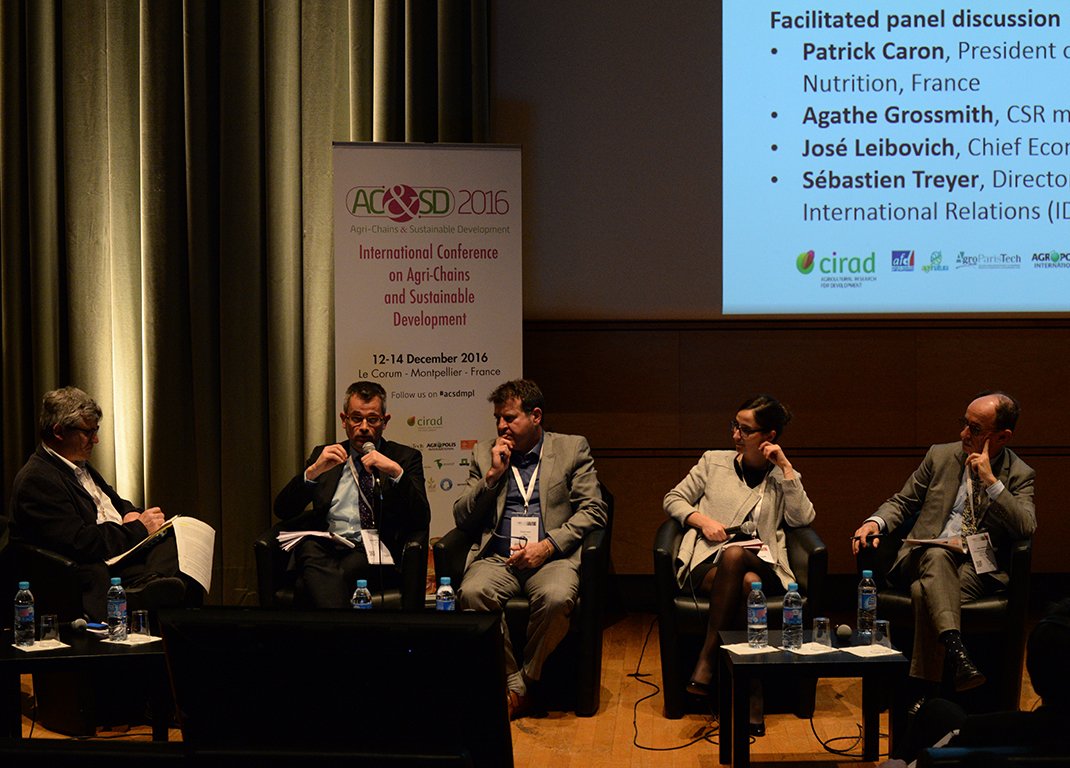
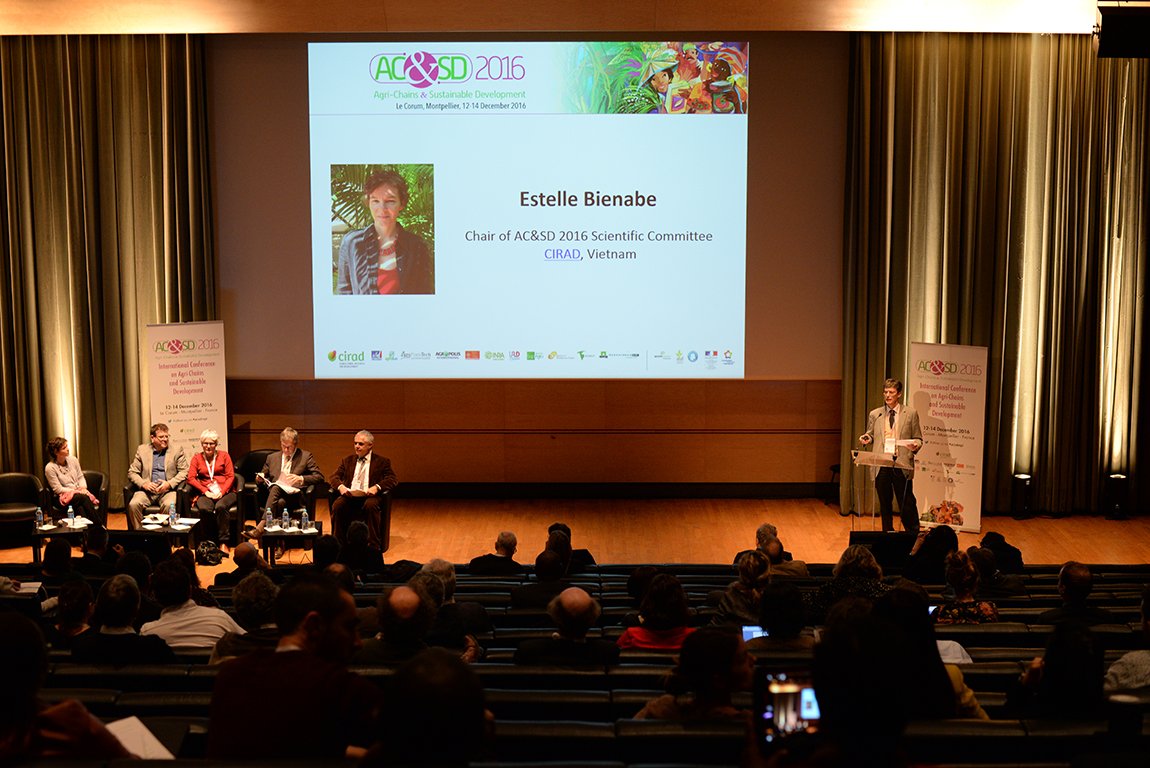
12-14 December 2016. Montpellier, France. The International Conference on Agri-Chains and Sustainable Development 2016 brought together up to 200 delegates from 40 countries, including key actors from developing countries and innovators from the field from all world regions, to debate about the role of agricultural value chains in the pursuit of the Sustainable Development Goals.

The conference aimed at strengthening the science and policy interface for the implementation of the 2030 Agenda, considering that agricultural value chains form spaces where local and global challenges to sustainabilityconnect and within which local and global actors experiment and negotiate innovative solutions.

Objectives:
  • Nourishing the dialogue with decision makers for enriching policy and strategy formulation towards sustainable development, using agricultural value chains as effective levers for action;
  • Engaging further scientists and experts into innovative experiences for an inclusive and sustainable economy and in imagining new models of development;
  • Richard Hawkins: Putting value chains
    in the context of innovation
    and development approaches
  • Shedding light on new patterns of public/private partnerships and investments and on multistakeholders’ alliances for sustainable value chains.
Debates focus on 3 themes:
  1. Performance and evaluation of agri-chains with respect to the SDGs;
  2. Public policies and agri-chain governance mechanisms at different scales in support of the SDGs;
  3. Concrete innovations and partnerships for building and transforming agri-chains towards sustainable development.
Speakers:
  • Dr Roberto Ridolfi, Director for Sustainable Growth and Development at DG DEVCO (EU)
  • Alexander Müller, German Council for Sustainable Development
  • Pr. Lawrence Busch, Michigan State University
  • Teresa Ribera, Director of IDDRI
  • Pr. Nora McKeon, Roma 3 University
  • Emmanuelle Cheyns, CIRAD
  • Steven Muchiri, CEO Eastern Africa Farmers Federation (EAFF)
  • Anna Swaithes, Director of Sustainable Development SABMiller
  • Pr. Harriet Friedmann, University of Toronto
  • Pr. Gilles Trystram, Director of AgroParisTech
  • Presenting the TAP framework
    for CD for AIS
    by Christian Hoste
  • Jean Pierre Imelé, CEO Biotropical SA
“Public policies and agri-chain governance mechanisms at different scales in support of the SDGs”
  • Nora McKeon, University of Rome, Italy - "Interrogating the narratives: multistakeholder governance, PPPs, and agri-value chains"
  • Emmanuelle Cheyns, CIRAD, France - "Transnational voluntary standards for sustainability: do they deliver on their promises ?" 
  • Clément Chenost, Investment and Technical Director, Moringa Fund, France
  • Ibrahima Coulibaly, Chair CNOP, vicechair, Réseau des organisations Paysannes et des Producteurs Agricoles de l'Afrique de l'Ouest (ROPPA), Mali
  • Kristell Guizouarn, Director of Sustainable Development, Avril, France
  • How major impact for PPP
    Cassava in Nigeria is
    achieved through
    functional changes
    Toon Defoer 2scale
  • Bernard Rey, Deputy Head of food security, rural development, nutrition - EuropeAid, Belgium
“Strengthening the capacities needed to make multi-stakeholder partnerships for innovation in agri-chains work in practice”

Chair: Myra Wopereis-Pura, ICRA, France and Aurélie Toillier, CIRAD, Burkina Faso
Bernard Hubert, Agropolis international, France & Richard Hawkins, ICRA, The Netherlands
  • Organic agriculture & food security in Cameroon - Bayiha Gerard De La Paix, Université de Yaoundé II, Cameroon
  • The case of Myanmar: after 50 years of dictatorship, making the leapfrogging possible in agriculture - Ei Khin Khin, Green Lotus, Myanmar
  • Agriculture innovation partnerships in Angola: successful stories - Paulo Clemente de Oliveira, African Innovation Foundation, Angola
  • Transition in agricultural innovation and development: A Case Study of Bt Cotton System in Burkina Faso - Eveline Compaore, CNRST, Burkina Faso
  • Exploring capacity to innovate concepts and its assessment in Cameroon - Sophie Allebone-Webb, CIRAD, Montpellier
  • Government versus private sector led innovation partnerships in Ethiopia: challenges and opportunities for capacity development - Amanuel Assefa Ezezew, World Bank Grop, Ethiopia
  • Roots to empowerment - Toon Defoer, ICRA, France
  • Theories and Frameworks that help to shape and support actions - Richard Hawkins, ICRA, The Netherlands 
  • Innovation platforms and value chains: technological innovations and sustainability in the Ivorian plantain value chains - Euphrasie Angbo-Kouakou, CIRAD, France
  • Capacity For Change: The Common Framework on Capacity Development for Agricultural Innovation Systems - Christian Hoste, Agreenium, France 
  • Scaling inclusive development: assessing the outreach and leverage of agri-chain partnerships in sub-Saharan Africa - Sietze Vellema, WUR, The Netherlands
  • Aurelie Tollier
  • How to support innovation processes in agricultural sector? Diversity and complexity of situations of innovation in Burkina - Aurélie Toillier, CIRAD, Burkina Faso
“Multi-stakeholder partnerships towards food security and sustainable value chains”
  • Institutional Food Procurement Programmes: key aspects for programing and policy design - Florence Tartanac, FAO, Italy
  • Development of the rice value chain in Guinea though support for female rice parboilers and a collective interprofessional trademark - Floriane Thouillot, GRET, France
  • Local products for urban market's supply: Experiments in the region of Seam Reap (Cambodia) - Martine François, GRET, France
  • Explaining new approach
    for AIS in Angola
  • BiomassNet: a stakeholder network for promoting innovation in food and non-food biomass-based value webs in Africa - Nikoas Böehlke, University of Bonn, Germany

Tuesday, January 5, 2016

From Cassava to Beer: Roots to Empowerment

Published on 4 January 2016. This is a 8 minutes summary of the most recent 40 minutes 2SCALE video, that will come out soonest.

This film is about a typical Publc-Private Partnership (PPP), combining a so-called lead firm (Psaltry in Nigeria in this case, an enterprise sourcing cassava from farmers to produce starch for Nigeria breweries/Heineken), and local-level agri-business networks. 

The film makes clear that technical innovations are needed to reduce the costs of production and cassava productivity, but that technical innovations are not enough; there is need for relationship and organisational innovations; the relationship between farmers and transporters is crucial but also farmers are getting organised and become stronger. 

This summary comes with an off-voice and some interviewed key actors; the 40 minutes on the other hand is exclusively constructed around the diverse perceptions and opions of the key actors involved in this PPP.


Published on 6 Jan 2016 This is the 40 minutes educational film based on the Public-Private Partnership set-up between the 2SCALE project, Nigerian Breweries/Heineken and Psaltry, a Nigerian company making starch from cassava roots. The film is an example of inclusive business set-up, and public and private work going hand in hand for the benefit and empowerment of thousands of farmers and other local business actors.

Thursday, December 10, 2015

AAIN/UniBRAIN - PAEPARD support to milk processing from soya beans in Benin

8-9 December 2015. Zogbodomey. AAIN/UniBRAIN and PAEPARD jointly organised a training session in Benin to support milk processing from soya beans in Benin and to create a  «Benin Agribusiness Incubator Hub».

SOJAGNON-NGO is the coordination organization for the implementation of the project: Re-engineered Soybean “Afitin” and Soybean Milk processing technologies in South and Central Benin (ProSAM), a Research and Development project of PAEPARD led by the Forum for Agricultural Research in Africa (FARA) under a grant contract of the Commission of the European (DCI FOOD/2013/308-657).

The training discussed how to transform the association of women to a Small and Medium Enterprise (SME) informed by the UniBrain business model and the Business plan of Association.

The objective of this PAEPARD supported consortium is to increase the food security ( quality and productivity of products) and the food security (quality and and household income through improved
food chain of soybean derived products (milk and afitin). It has 4 main activities:
  • to draft an inventory of existing soybean processing technologies
  • to assess and document the nutritional value, safety and microbial composition , consumer preference of Soya Milk and Soya Afitin
  • develop and adapt Soya Milk and Soya Afitin processing technologies
  • improve the technologies, skills and knowledge and disseminate it to the consortium members and stakeholders
Background: 
The Universities, Business and Research in Agricultural Innovation (UniBRAIN) programme was
launched in 2010 as a follow up to the Africa Commission. It supports the setup of innovation centres in a joint undertaking between universities, research institutions and the private sector in order to foster innovative solutions and products. The programme strengthens the role of the research community and of universities in agriculture and agro-industry. UniBrain
is closing on 31st March 2016. PAEPARD will accompany the process after this period.

UniBRAIN is based on partnerships (consortia) involving universities, agricultural research institutions and stakeholders from the private sector. The activities of the programme fall within the following three areas related to agriculture, agribusiness and agroindustry:
  • Development of innovation and incubation centres.
  • Strengthening of related tertiary education.
  • Dissemination of experiences and best practices regarding incubation and innovation.
The programme has enabled the creation and establishment of incubator consortia in the following five countries: Ghana, Mali, Zambia, Uganda and Kenya. The consortia have developed and established the following six incubators:
  • Creating Competitive Livestock Entrepreneurs in Agribusiness (CCLEAr), Ghana. This incubator is dedicated to promote commercialization of smallholder livestock (poultry, small ruminants and grass cutter).
  • West African Agribusiness Resource Incubator (WAARI), Mali. The focus is on non-timber agro-forestry products, cereals and fruits.
  • The Agribusiness Incubation Trust (AgBIT), Zambia. The incubator is concerned with value-chains related to tropical fruit and vegetables.
  • Afri Banana Products Limited (ABP Ltd), Uganda. The focus is on staple food and cash crops - initially within the specific value chain of banana.
  • Consortium for Enhancing University Responsiveness to Agribusiness Development (CURAD), Uganda. The incubator’s value proposition is on plantation and cash crop value-chain enhancement with an initial focus on coffee.
  • Sorghum Value-Chain Development Consortium (SVCDC), Kenya. The incubator works with smallholder dry land food grains focusing on sorghum.
UniBRAIN is executed by the Forum for Agricultural Research in Africa (FARA). A UniBRAIN
Facility has been set-up within FARA’s premises in Ghana, Accra. The Facility is tasked with the responsibilities of programme implementation and liaisons with partners and stakeholders of the programme. FARA is promoting the longer-term sustainability of the UniBRAIN-model through the establishment and development of an African Agribusiness Incubator Network (AAIN). The programme was supported by Denmark with a total budget of 129 million DKK (2010-2015).

Related:
Already Beginning 2000, farmers of Zogbodomey - a commune in the Zou Department of southern Benin -, who were looking for an alternative to cotton, have started growing soybean. The initiative was supported by the local producers’ organisation, the UCP (L’Union communale des producteurs de Zogbodomè au Bénin). The UCP not only supported the farmers technically, they also arranged for proper seed and engaged in finding market outlets for the produce.

The initial experience with Fludor, a national oil seed processing company, met with many problems. The UCP did not give up, however, and in its search for alternatives, the women of the commune, who are locally processing soybean at small scale, were considered a potential market to explore. Therefore, the UCP organised an initial training on soybean processing techniques to diversify soybean products and make milk, cheese, brochettes, and biscuits. The UCP also supported the set-up of a women soybean processors association.

Together with the UCP and soybean processor village groups, GVPS, they now form the heart of the agribusiness cluster that is supported by 2SCALE.
  • The step-wise construction of a stable partnership, facilitated by a coach who is staff member of UCP, and supported by ICRA trainers, has resulted into several successes for both men and women: the men, soybean producers, have now secured access to quality seed and inoculum, and the women processors have extended their knowledge to others and have been able to buy simple processing equipment. 
  • More women actors have joined the cluster, including wholesalers, so less soybeans leave the zone. 
The partnership aims at win-win solutions for all actors involved,
  • for example, an inventory credit system was established that allows women processors and wholesalers to buy soybean from the UCP when market prices rise, without disfavouring the producers.
  • Cotton, once a men’s occupation, was turned into a profitable soybean business to the benefit of thousands of men and women. With support of the president of the federal farmer organisation FUPRO, the fire is spreading to other zones as well.

Wednesday, August 19, 2015

2SCALE learning modules for agribusiness Support Services

The 2SCALE learning modules have been developed by ICRA for coaches from Business Support Services (BBS) who are to support agribusiness clusters within the 2SCALE project. Each module is a package containing:
  1. Facilitators’ Guide on how to conduct a training session/workshop 
  2. Reference sheets, commonly referred to as hand-outs, and excerpts from educational films 
  3. Exercises. 
Business Support Services (BBS) will most likely be institutions/organizations/firms that include consultants, governmental and non-governmental organisations (NGOs), research departments and enterprises that support producers, processors and other affiliated enterprises. The BSS will also likely single out an individual from within the group to oversee the activities of the cluster through coaching; this individual is called a coach. It is worth noting here that the BSS is an important actor of the ABC, a group of “local” actors interacting in a given area around an agricultural product (commodity) and “servicing” a segment of the market (through a common or shared vision). Trainers will be responsible for strengthening the capacities of the BSS/coaches. Facilitators will be encouraged to take note of any lessons learnt in the capacity strengthening sessions and to give feedback so that their input can be used for further improvement of the module.

The roles and responsibilities of the BSS/coaches can be grouped into three main domains: 

  • Brokering services and networking; Information and advice, i.e. market analysis, strategies of competitors; 
  • Training and support in technical and entrepreneurial issues; 
  • Design and set-up of capacity strengthening and action research programmes that include the facilitation of interactive learning processes to support the formation of ABCs, value chain development and creativity and innovativeness. This is for instance strengthening of confidence, collective analysis, collective monitoring of concerted actions, etc.
The publication of these manuals was supported by the Dutch Ministry of Foreign Affairs. The manuals were developed by technical experts of ICRA, partner within the 2SCALE Project. 
  1. Module 1 Introduction to the CASE Approach (166 pages) 
  2. Module 2 Financial Education, 2SCALE Module 2 (54 pages)
  3. Module 3 Building Business Relationships (35 pages)
  4. Module 4 Introduction to Marketing for Agricultural Products (81 pages)
  5. Module 5 Economics Analysis and Crop Budgeting (90 pages)
  6. Module 6 Developing a Business Plan (39 pages)
  7. Module 7 Warrantage of agricultural products (47 pages)
  8. Module 8 Negotiation and contracting (43 pages)
  9. Module 9 Supporting rural organisations (72 pages)
  10. Module 10 Brokering in value chain partnerships (42 pages)
Related PAEPARD blogposts 

Thursday, July 9, 2015

Coaching and collaboration on soybean processing in Benin

2 July 2015. This video produced for the ICRA/IFDC 2Scale programme demonstrates the coordination and coaching of cluster actors of the soy cluster in Zogbodomey, Benin.


Beginning 2000, farmers of Zogbodomey - a commune in the Zou Department of southern Benin -, who were looking for an alternative to cotton, have started growing soybean. The initiative was supported by the local producers’ organisation, the UCP (L’Union communale des producteurs de Zogbodomè au Bénin). The UCP not only supported the farmers technically, they also arranged for proper seed and engaged in finding market outlets for the produce.

The initial experience with Fludor, a national oil seed processing company, met with many problems. The UCP did not give up, however, and in its search for alternatives, the women of the commune, who are locally processing soybean at small scale, were considered a potential market to explore. Therefore, the UCP organised an initial training on soybean processing techniques to diversify soybean products and make milk, cheese, brochettes, and biscuits. 

The UCP also supported the set-up of a women soybean processors association.
  • Together with the UCP and soybean processor village groups, GVPS, they now form the heart of the agribusiness cluster that is supported by 2SCALE. 
  • The  step-wise construction of a stable partnership, facilitated by a coach who is staff member of UCP, and supported by ICRA trainers, has resulted into several successes for both men and women: the men, soybean producers, have now secured access to quality seed and inoculum, and the women processors have extended their knowledge to others and have been able to buy simple processing equipment. 
  • More women actors have joined the cluster, including wholesalers, so less soybeans leave the zone. 
The partnership aims at win-win solutions for all actors involved,
  • for example, an inventory credit system was established that allows women processors and wholesalers to buy soybean from the UCP when market prices rise, without disfavouring the producers.
  • Cotton, once a men’s occupation, was turned into a profitable soybean business to the benefit of thousands of men and women. With support of the president of the federal farmer organisation FUPRO, the fire is spreading to other zones as well.
Published on 4 Aug 2015
Film of 2SCALE project (40 minutes) shot in Benin on local Soya business promoted through coaching and collaboration at various levels of the value chain.

Friday, February 27, 2015

International Conference on agricultural innovation systems in West and Central Africa


25-27 February 2015. Saly Senegal, Keur Halim, Mbour, Senegal. This conference provided an opportunity to bring the institutions involved in the implementation of a number of projects and other stakeholders together around agricultural innovation systems in West and Central Africa. the purpose was to assess the successes and weaknesses of the IAR4D approach and to explore together the perspectives and solutions for improvements.

One of the expected results is that the major findings facilitate the implementation of the second Operational Plan (2014-2018) of CORAF/WECARD in West and Central Africa.

Background:
In the late 1990s FARA proposed the Integrated Agricultural Research for Development (IAR4D) approach. The distinctive aspect of this approach is the integration of the value chain and the grouping the representatives of its key stakeholders within a platform. So the innovation is the result of the stakeholders’ activities and interactions within an Innovation Platform. In this new paradigm the researcher no longer occupies the central place.
  • In the sub-region IAR4D was demonstrated for the first time by the Kano – Katsina- Maradi (Sub-Saharan Africa Challenge Program) and DONATA projects. CORAF/WECARD adopted it as the basis of its strategic and operational plans. Thus since 2011, as part of a partnership with CSIRO and with the financial support of the Australian Government under the African food Security initiative –AFSI, CORAF/WECARD coordinates and facilitates the implementation of six (06) projects on sustainable intensification of integrated crop-livestock production systems, strengthening seed system and animal health in West and Central Africa. These projects cover 10 countries in the sub-region and have been implemented in conformity with IAR4D principles. Therefore, these projects- are one of the first wide experiences of the application of IAR4D paradigm in the sub-region. 
  • In the same period, another innovation system similar but not identical to IAR4D was promoted in the
    sub-region by the Convergence of Science Initiative (Cos- SIS). The Convergences of Science Strengthening Innovation Systems Programme (COS-SIS) was a 6 year initiative (2008 -2013) funded by DGIS. It is an action research programme involving 9 PhD students and a collaboration between Wageningen UR, The Royal Tropical Institute and Universities in Ghana, Benin and Mali. It is the second phase of similar programme that ran from 2001 to 2005.
  • CSIRO- DFAT Africa Food Security Initiative (2010-2015) – In 2010, CORAF/WECARD issued a competitive call for research projects to be supported by the Australian Government on sustainable intensification of integrated crop-livestock in West and Central Africa. The call was based on the assertion that integration of crops and livestock at the farm and landscape scales can be used for stimulating higher productivity that is also environmentally sustainable. It also recognised the importance of innovation across the value chain based on the principles of IAR4D.

Processing Soya goussi in Benin

17 February 2015. ICRA/BoPInnovation Center/2Scale.  the Coopérative de Transformation, d’Approvisionnement et d’Écoulement de Soja (CTAE) is a cooperative of farmers in Benin that produce soya goussi, a by-product of soya that can be consumed in sauce and that people like.

Goussi made from soybean. It tastes almost identical to traditional goussi and is more nutritious, more profitable and far less labor-intensive to produce.

It’s easy to produce, cheap, and full of proteins, but hardly anybody knows about it. Together with the farmers, 2Scale is developing marketing activities to increase the sales. This means creating attractive packaging, promotion messages for radio and print and organizing sessions where people can test the food. 2Scale closely monitors the results of all marketing efforts so that the project can quickly adapt and scale up.

In less than 2 years, soy goussi has become the main source of protein for at least 11,000 families in southern Benin. 2SCALE is supporting a new CTAE pilot program that aims to increase this number to 15,000. Read more on soya goussi in the 2SCALE newsletter (Jan-March 2014).

Another product from a group of farmers is soy cheese. Again, the product is affordable and nutritious, but it doesn’t sell. Talking to the farmers, they all had a different view on the reason why too few cheeses are sold. Some said the taste was bad, others said distribution was the issue, others said the product looked unattractive. To find out the actual reason and increase sales, 2Scale will initiate a market research. 2Scale will interview retailers and consumers to find out which priority to address first. From there we will start educating the farmers on hygiene, create larger distribution networks and what else is needed to improve the production and marketing of the cheese, based on the research outcomes.

Related
Related:To know more about Agri-business clusters (ABCs), you can have a look at the video United through markets: Building capacity for competitive agricultural systems and enterprises in W. Africa: 4 examples of Agri-Business Clusters in Ghana and Togo.

Friday, January 30, 2015

Inception workshop Capacity Development for Agricultural Innovation Systems (CDAIS)

29-30 January 2105. Paris, France. An inception workshop was organised to start up a newly EC funded project on Capacity Development for Agricultural Innovation Systems (CDAIS). This project will run for a period of 48 months. It involves 44 International and National Agricultural Research and Innovation Organisations that comprise the Partners of the Tropical Agriculture Platform.

The Tropical Agriculture Platform (TAP) has been initiated by the G20 to promote agricultural innovation in tropical countries. To achieve this goal, TAP acts as a multilateral and dynamic facilitation mechanism that enables more effective and streamlined capacity development interventions in agricultural innovation systems.

The objective of this initiative is to establish a global partnership on Capacity Development in Agricultural Innovation Systems. The main activities will be:
  • Coordinate and harmonize global efforts on CD for AIS through TAP mechanisms. 
  • Analyse, synthesise and document the diversity of CD for AIS definitions, approaches and methodologies 
  • Develop a Common Framework on CD for AIS 
  • Develop a shared vision of CD for AIS among partners in 8 countries 
  • Assess and develop country-led AIS-CD action plans in 8 pilot countries 
  • Establish/strengthen mechanisms/ platforms for advocacy, dialogue and action on AIS CD in 8 countries 
  • Improve capacity for strengthening capacity in AIS 
  • Improve capacity for joint innovation by local/national value chain partnerships 
  • Improve the organisational culture, practices and procedures of key stakeholder organisations 3.4 Review, analyze, document, synthesize and compare lessons learned across 8 pilot countries and share them at global level
The partners are AGRINATURA-EEIG, the FAO, and the National Research and Development Agencies in Ethiopia, Rwanda, Niger, Angola, Bangladesh, Laos, Guatemala, Honduras and regional organisations in the regions of these countries. 

Tuesday, July 1, 2014

2SCALE: one of the largest agribusiness incubator in Africa

30 June 2014. IFDC developed an innovative and scalable solution to agricultural market selfsufficiency.

The evolution of this approach to farm-to market linkages began in 2006  with IFDC’s 1000s+ project in West Africa. This project introduced the Competitive Agricultural Systems and Enterprises (CASE)
methodology, a revolution in agricultural development.

Under CASE, farmers are grouped into clusters and trained in the production of a common crop. The groups then connect with fertilizer and seed suppliers. They link to their value chain – networks that include banks, agro-dealers, storage facilities, processors and other agribusiness partners. Most importantly, the farmer groups connect with private sector buyers in regional and global food markets.

In a recent interview, Arno Maatman, coordinator of IFDC’s pan-Africa 2SCALE project, reflected on the evolution of the approach.
 “When we started 1000s+ using CASE, the whole concept of agribusiness clusters to support sustainable farmer-market linkages was new. Today, the concept is spreading in Africa. 2SCALE is a descendant of that project, only we’re scaling up our efforts substantially.”
 The 2SCALE project is the largest agribusiness incubator in Africa. It spans 12 countries and affects more than 1 million farmers. According to Maatman, the farmer cluster concept is key. It focuses on the networks that need to evolve around farmer production. In the past, farmers were at the mercy of unanticipated market conditions and not always fairminded produce buyers. 2SCALE strengthens the ability of farmers and local entrepreneurs to identify the most profitable channel options.

In 2SCALE’s first 18 months, more than 190 agribusiness clusters began operating in 10 countries. Farmer groups now link to more than 1,000 private sector firms. Clusters include food crops, cash crops and dairy and poultry production, among others. Large private food companies and bank partnerships have emerged. Additional cooperatives are being negotiated.

Yet, the question of equitable access to these opportunities by the poorest of Africa remains. With this new form of agricultural development, we have more power than ever to create income equity. Providing farmers the right tools and training, linking them to one another, to market services and to buyers, provides them with unprecedented social and economic opportunities.

Monday, June 23, 2014

5th Edition of the Salon Des Solidarités


12 - 14 June 2014.
Paris. 5th Edition of the Salon Des Solidarités. Family farming was in the spotlight in this second edtion. The association Salon Des Solidarités is born thanks to the partnership between two organizations : ASAH (Association au Service de l’Action Humanitaire) and HUMANIS. Born in 2007, this association aims to organize the exhibition « Salon Des Solidarités » every 2 years. Her vocation is to gather together numerous players in the international solidarity (NGO, associations, local authorities, institutions, companies...) and citizens ( an increase is noticed durgin every exhibition, +27% between 2010 and 2012).

Conférence : « L’agriculture familiale face aux défis sociaux et environnementaux du 21e siècle » par Marc Dufumier et Henri Rouillé d’Orfeuil.

Table ronde 1 : « L’agriculture familiale, une source d’innovations pour les exploitations agricoles»

L’agriculture familiale est source de nombreuses innovations au niveau des exploitations : conçues pour
permettre aux petits agriculteurs de s’adapter à un environnement changeant et pour améliorer les rendements, ces innovations constituent souvent une réponse de facto aux enjeux sociaux et environnementaux.
  • Ces innovations peuvent être techniques, mais également d’ordre organisationnel, institutionnel ou financier : comment ces différentes dimensions sont-elles prises en compte ?
  • Ces innovations sont souvent développées par les agriculteurs eux-mêmes. Est-il possible de les dupliquer, de les transférer ? Comment les promouvoir ? A quels coûts, et avec quel impact pour les paysans ?
  • La recherche et développement (RetD) est elle aussi source d’innovation. Les agriculteurs en bénéficient-ils ? Les impacts de ces innovations auprès des petites agricultures familiales sont-ils connus ?
Atelier participatif 1.1 « Quels liens entre la recherche et la petite agriculture familiale ? »

En 2014, la recherche s’intéresse encore peu à la petite agriculture familiale. La transmission des résultats de la recherche et son appropriation sont pourtant essentiels pour contribuer à développer l’agriculture familiale et ses pratiques. A quels coûts (humains, financiers) se fait le transfert des résultats de la recherche vers la petite agriculture familiale?
  • Bilan des relations entre Recherche et Développement des petites agricultures familiales. Présentation de quelques programmes et interventions destinés à assurer la transmission les travaux et résultats de la R&D à la petite agriculture familiale: le cas du Bénin
Atelier participatif 1.2 « L'agro-écologie : un nouveau modèle pour l’agriculture familiale? »
  • Quelles innovations agro-écologiques pour garantir une durabilité sociale, économique et environnementale pour l'agriculture familiale?
  • Quels enjeux? Produire plus et mieux?
  • Quels changements possibles? Comment construire et transmettre les connaissances?
Table ronde 2 : « "Innovations organisationnelles, économiques et, institutionnelles pour une agriculture familiale mieux inscrite dans son environnement" » / Vendredi 13 juin de 16h30 à 17h30

L’agriculture emploie plus de 1,3 milliard de personnes dans le monde, soit près de 40% de la population active mondiale. Toutefois, cette proportion a considérablement baissé au cours du 20e siècle. La petite agriculture familiale est la première concernée, ce qui pose des risques importants pour la sécurité alimentaire mondiale et la préservation de l’environnement.

Dans ce contexte, l’environnement économique, institutionnel et territorial joue un rôle déterminant pour assurer le maintien et le développement de l’agriculture familiale. Dans les pays du Sud comme du Nord, les orientations stratégiques nationales ou locales tiennent-elles compte de l’agriculture familiale ? Quels débouchés économiques pour la petite agriculture familiale ?
  • Comment la petite agriculture familiale est-elle incluse dans les orientations stratégiques nationales et locales
  • Quels sont les réseaux de distribution des produits issus de la petite agriculture familiale à l’échelle locale, régionale, nationale (Des exemples, la place de l’innovation dans ces dynamiques (cf. commerce équitable)
  • Apprentissage et innovation à travers l’expérience de pôles d’entreprises agricoles en Afrique sub-saharienne (Projet 2SCALE / ICRA)
Atelier participatif 2.1 « Spécialisation ou diversification des territoires agricoles : quels choix et quels solutions innovantes pour maintenir une agriculture familiale ?

Faut-il spécialiser ou diversifier des territoires agricoles ? La question fait débat et peut orienter fortement des stratégiques politiques nationales et locales. Au-delà de cette question se pose celle du maintien de l’agriculture familiale sur un territoire : face aux défis de l’accès au foncier ou de l’accaparement des terres, quelles solutions politiques et quelles innovations peuvent être trouvées ??

Atelier participatif 2.2 « L'agriculture familiale face au marché : comment assurer une répartition juste des richesses et de la valeur ajoutée »

L’un des enjeux pour le maintien de l’agriculture familiale est de trouver un marché qui assure aux petits agriculteurs une rémunération stable et juste. Du producteur au consommateur, comment améliorer la création et la répartition des richesses à tous les niveaux de la chaîne et particulièrement de la petite agriculture familiale ? Les acteurs économiques, les acteurs solidaires et les acteurs politiques sont sources d’innovations pour répondre à cet enjeu.
  • Présentation des principaux modes de mise en marché des produits issus de la petite agriculture familiale : analyse des forces et limites. Quels rôles pour les acteurs solidaires ?
Table ronde 3 : « "Bilan et grand témoin»  Henri Rouillé d’Orfeuil

Friday, May 23, 2014

IFDC Agribusiness Clusters

22 May 2014. IFDC released it 2013 Annual Report. IFDC commemorates its 40th anniversary in 2014. Five new projects were launched during 2013, including the Walmart Foundation component of the U.S. Agency for International Development (USAID).

IFDC training in business management is helping farmers reshape their small farms into profitable businesses. Projects like AIMS III in Mozambique, AVCMP in Ghana, USAID KAED in Kyrgyzstan and 2SCALE, among others, are connecting farmers with one another as well as financial institutions, dealers and markets. As a result, farmers have a stronger collective voice in the market.

To foster farm competitiveness, 2SCALE, for example, is developing a portfolio of 500 agribusiness groups and product value chains in 12 African countries. The project will ultimately link 1.15 million farms and double their productivity. Similarly, the CFC-KIT project in Mali is improving sesame production and processing.

Extracts: 
Toward Sustainable Clusters in Agribusiness through Learning in Entrepreneurship (2SCALE)
2012-2017 (page 17 of the annual report)

Overview – 2SCALE is improving rural livelihoods, nutrition and food security in 12 countries across Africa, aiming to help 1.15 million smallholder families ultimately increase their productivity by 100 percent and their net incomes by 30 percent.
A key component is the development of a portfolio of 500 robust and viable agribusiness clusters and value chains targeting regional, national and local markets, including commodity and food product markets for base-of-the-pyramid consumers. 2SCALE focuses on the development of competitive rural agricultural systems, viable agro-enterprises and PPPs to meet its goals.
Implementing Partners – Base of the Pyramid Innovation Center (BoP) Inc. and International
Centre for development oriented Research in Agriculture (ICRA)
Donors – DGIS (50 percent) and private sector enterprises (50 percent)
Locations – Benin, Burkina Faso, Ethiopia, Ghana, Kenya, Mali, Mozambique, Niger, Nigeria, South
Sudan, Togo and Uganda

Grassroots Development of Agribusiness Clusters in Mali (DEBPEA) 2009-2014
Overview – An extension of the completed From Thousands to Millions (1000s+) project, DEBPEA is reinforcing and expanding agricultural development in Mali. The project is increasing the number of agribusiness clusters in Mali and making agribusinesses sustainable and accessible – economically, organizationally and environmentally. DEBPEA is achieving this goal by designing and testing innovative instruments in rural finance such as contract financing, the inventory credit system and harvest insurance. To improve agribusiness clusters’ competitiveness and sustainability, DEBPEA is prompting agribusiness cluster participants to determine effective strategies to promote their product value chains by creating synergies and developing multi-participant action plans.
Donor – Embassy of the Kingdom of the Netherlands in Mali
Location – Mali

FARA Multi-Stakeholder Approach to Linking Technical Options, Policy and Market Access for Improved Land Productivity in the Northern Guinea Savanna Zone 2012-2014
Overview – The project implements the Integrated Agricultural Research for Development (IAR4D)
approach using four innovation platforms for rice, vegetables, livestock and maize-legume. IFDC is leading the project’s work in the Northern Guinea Savannah Zone of Nigeria.
Collaborator – Sub-Saharan Africa Challenge Program
Donor – Forum for Agricultural Research in Africa (FARA)
Location – Nigeria

Tuesday, April 29, 2014

Choosing for agricultural studies starts at secondary school level

19 April 2014. Release of the educational movie, called "Going for Agric, Harvesting Magic".The film was made for the Faculty of Agriculture and Environment of Gulu University, Northern Uganda, within the framework of a NUFFIC-funded project supported by ICRA.

 This educational movie is part of a promotional package program for classes or any group of secondary school students that are the crossroads of choices to be made for school subjects and future studies.


Going for Agric, Harvesting Magic (full version) door moovon

The percentage of women students being very low, the Dean of the Faculty of Agriculture and Environment wants to change this situation. To reach this objective there is a need for girls:
  1. to become more interested in agriculture by seeing that you have good career perspectives with agriculture and 
  2. to be in well prepared for choosing agricultural studies at the University.
The film aims at encouraging girls to do sciences in high schools, as this is the precondition to enter the Faculty. To address the first challenge, secondary level students of Central High School in Gulu have been proposed to make a tour in the University bus to encounter women role models, most of them alumni of the University, to have a better idea of what one can do having done agricultural studies.

The film follows these students while they visit different women:
  • Dorah' at her farm; 
  • Juliet in her agricultural inputs shop, 
  • another Juliet as extension worker, 
  • Moreen, a loan processing officer in the Centenary bank, 
  • Gloria and Pauline researchers at Ngetta, 
  • Lilian an information officer and 
  • Harriet who is a lecturer at Gulu University. 
While exchanging with the women role models and expressing their worries, the students gradually change their perceptions and opinions, which will allow them to make well informed decisions about their future.

Related:
22/04/2014. SciDev A three-step strategy for African education. 
Africa needs a better strategy for fashioning its education system to steer development. It should adopt a three-tiered model to achieve this. Since low enrolment and high dropout rates are common in the formal basic education system in many African countries, the key first layer should focus on giving students the skills they need to provide generic solutions and services to help reduce absolute poverty. It would also involve lessons on hygiene, water issues, environmental management and food production.

Friday, November 8, 2013

Dairy Development: Public-Private partnership: Peak and 2Scale collaborate

The dairy development program was set up based on a public private partnership PPP implementing the company and 2SCALE and government agencies. The main objective of the partnership is to produce 10% of the companies raw milk from local sources. This requires the engagement of Fulani communities in the transition of the traditional pastoralists into market oriented milk producers.


Dairy Development: Public-Private partnership 

Tuesday, March 1, 2011

Announcement: Professional Capacity Strengthening Programme - Agricultural Research for Development and Rural Innovation

Anglophone Programme 2012

Professional Capacity Strengthening Programme -
Agricultural Research for Development and Rural Innovation

This programme will be run from 23 Jan to 27 April 2012, for a period of 14 weeks, in Wageningen, the Netherlands. The programme comprises a resedential phase in the Netherlands (23 Jan-9 March and 21-27 April 2012) and a 6-week professional experience in the South (10 March-20 April).

Target group: Professionals working in rural innovation

Objectives: The programme will enhance participants' teamwork and leadership skills to facilitate multi-stakeholder partnerships in knowledge-based rural innovation. Participants will also learn to assist their institutions to create an enabling environment for collective innovation.
Subjects: Stakeholder Processes in Rural Innovation; Working in Partnerships & Inter-institutional Teams; Participatory Approaches & Interactive Learning; Soft Systems Thinking; Analysing Complex Issues; Planning & Implementing Collective Innovation Strategies; Institutional Change; INRM; Value Chains; Livelihoods Systems; Facilitation of Experiential Learning.
Modes of instruction: Experiential learning through fieldwork in NL - 6 weeks of teamwork in the South - to initiate a rural innovation process engaging the collaboration of stakeholders. This is supported by interactive workshops based on self-guided reading, group work on case studies and exchange of experiences.

Educational requirements: Professional involvement and experience in rural innovation, analytical and problem-solving capabilities equivalent to MSc, PhD or MBA.

The course brochure and the ICRA application form can be downloaded below:

Wednesday, February 2, 2011

MAKING RURAL INNOVATION WORK: Strengthening dynamic learning network

Farewell Seminar Jon Daane, January 2011, Wageningen

MAKING RURAL INNOVATION WORK:
Strengthening dynamic learning networks

On 26 January 2011, a farewell seminar was organised on the retirement of ICRA's former director Jon Daane.
Key Speakers were: Dr Monty Jones (FARA), Philippe Petithuguenin (EIARD), Prof Agnes Mwang’ombe (University of Nairobi), and Prof Rigobert Tossou (Université Abomey-Calavi). The key speakers were introduced by Dr Christine Onyango (ICRA Board, Jomo Kenyatta University of Agriculture and Technology), who also led the discussion, and Dr Nour Sellamna (ICRA).
The seminar was visited by well over 90 people.

Presentations of key speakers

Presentation Dr Monty Jones (pdf, 570K) - Executive Director, FARA; Chair, GFAR:
Innovation systems & learning networks: Linking global & local challenges; Need for capacity strengthening.
Presentation Philippe Petithuguenin (pdf, 291K) - EIARD Executitve Secretary:
The European ARD Area: EIARD point of view on present state and trends.
Presentation Prof. Agnes Mwang'ombe (pdf, 157K) - Principal College of Agriculture and Veterinary Sciences, University of Nairobi:
Embracing new ways of improving the developmental impact of agricultural research: An African perspective.
Presentation Prof. C. R. Tossou (pdf, 1130K) - FSA, Université Abomey-Calavi, Benin:
Enhancing Sustainable Innovation Systems through dynamic Multi-Stakeholders Platforms in Benin

Farewell lecture and address presented by Jon Daane

Strengthening the “invisible hand” in rural innovation (pdf, 353K)


Seminar Invitation card (pdf, 809K)

Seminar programme (pdf, 429K)

Dr Monty Jones, FARAPhilippe Petithuguenin, EIARDProf Agnes Mwang'ombe, University of NairobiProf. C. Rigobert Tossou, Université Abomey-Calavi
Dr Jon Daane, departing director ICRA
Dr Christine A. Onyango, Jomo Kenyatta University