The event brought together parliamentarians, parliamentary advisers and legislative staff to examine how school-meal nutrition guidelines and standards could be incorporated into national policy and legal frameworks. The discussion placed school meals within the broader right to adequate food, highlighting the role of legislation in ensuring that children have access to nutritious, safe and adequate food at school.
The event also explored how stronger legal and policy frameworks could help translate nutrition standards into sustainable national school-meal programmes. By bringing together perspectives from the food, nutrition, education and legislative sectors, FAO and WFP aimed to support parliamentarians and policymakers in understanding the practical links between nutrition standards, legislation and children’s rights. The session provided an opportunity to exchange experiences and consider how legal frameworks could strengthen accountability and help ensure that school food policies contribute to healthier and more equitable food systems.
A doctoral thesis completed by Omoniyi Françoise Agbodjo, entitled Comprendre les mouvements paysans pour la reconnaissance des semences paysannes en Afrique de l’Ouest (“Understanding farmers’ movements for the recognition of farmers’ seeds in West Africa”), provides a detailed socio-anthropological analysis of the struggle for recognition of farmers’ seed systems in Benin, Burkina Faso, Mali, Niger and Senegal.
The thesis, submitted for the doctorate in Socio-Anthropology at Université Paul-Valéry Montpellier, examines how farmers’ organizations have progressively transformed seeds from what is often treated simply as an agricultural input into an issue of rights, heritage, food sovereignty and political representation. The research focuses particularly on the Comité Ouest Africain des Semences Paysannes (COASP) and its relationships with other West African farmer movements, civil-society organizations and political institutions.
From farmers’ organizations to a regional seed movement
The thesis places today's seed movement within the much longer history of West African farmers’ organizations. Successive droughts, structural adjustment, agricultural liberalization and regional integration contributed to the emergence and strengthening of farmer organizations and regional platforms. These organizations progressively acquired roles not only in agricultural production and services but also in negotiating prices, defending farmers’ interests and participating in agricultural policy processes. At the same time, new networks emerged around biodiversity, agroecology and food sovereignty, emphasizing farmers’ knowledge and locally managed crop diversity.
The farmers’ seed movement began taking shape before biodiversity became a central element of the agroecological transition debate. From around 2004, local farmers’ organizations and international associations were already advocating political recognition of farmers’ seeds as a strategic component of sustainable agriculture. These efforts eventually contributed to the establishment of the COASP in 2011. Since 2014, climate-change adaptation and growing interest in agricultural biodiversity have brought scientists, NGOs, policymakers and farmers into the debate, considerably expanding the network of actors concerned with farmers’ seed systems.
An important milestone identified in the thesis was the
Djimini farmers’ seed fair in Senegal. The fairs became more than places for exchanging seeds: they helped connect farmers and organizations across national borders and stimulated the creation of national networks. Following the 2009 fair, participants were encouraged to organize in their respective countries and report back on the situation of farmers’ seeds. These connections also generated farmer-led research initiatives and political mobilization, illustrating how a seed fair could evolve into an instrument for regional collective action.
Seeds are more than agricultural inputs
One of the central messages emerging from the thesis is that farmers’ seeds occupy a fundamentally different position in the discourse of the movement than conventional agricultural inputs. COASP was established partly to defend farmers' freedom to produce, conserve and circulate their own seeds. Its founders associated farmers’ seeds with autonomy, food sovereignty and agricultural heritage. The emergence of COASP therefore represented a shift in the political framing of seeds: farmers’ seeds became simultaneously an agricultural resource, a heritage asset and an object around which rights could be claimed.
Yet the thesis highlights a striking paradox. Farmers’ seeds are considered crucial to West African food production, but they largely remain within what policy and legislation classify as the informal seed system, without the same legal status accorded to certified seed. This “legal invisibility” has important consequences, including reduced access to public support, and has itself become a major driver of farmer mobilization. The struggle therefore concerns not only conserving crop diversity but also who has the right to produce, reproduce, exchange and govern seed.
Many organizations, one cause—but different strategies
Since 2014, the political landscape around farmers’ seeds has become increasingly crowded. The thesis examines a network that includes
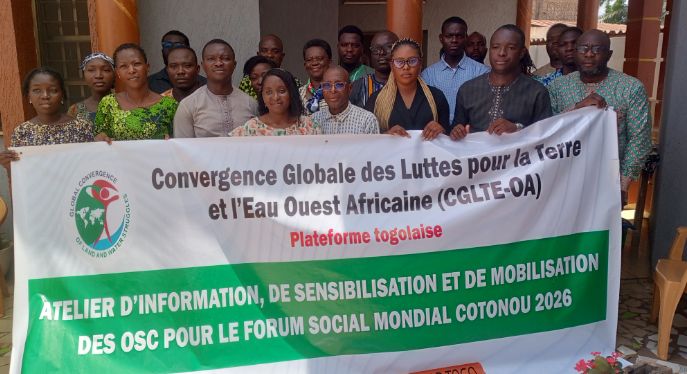
COASP, the Coalition for the Protection of African Genetic Heritage (COPAGEN), the Alliance for Food Sovereignty in Africa (AFSA), the Network of Farmers' and Agricultural Producers' Organisations of West Africa (ROPPA), La Via Campesina West Africa (LVC-AO), and the Global Convergence of Land and Water Struggles – West Africa (CGLTE-AO).
These organizations do not play identical roles. COASP is particularly rooted in farmers’ practices and the promotion and preservation of farmers’ seeds but has limited direct access to formal political arenas. COPAGEN and AFSA bring legal, scientific and policy expertise to advocacy. ROPPA has developed substantial institutional recognition and access to regional and international policymaking, while LVC-AO and CGLTE-AO mobilize farmers across borders and connect seeds to wider struggles over food sovereignty, land and natural resources.
This diversity is simultaneously a strength and a weakness. It creates an unusually rich combination of farmer knowledge, mobilization capacity, scientific expertise, legal advocacy and political connections. But organizations use different terminology, methods and approaches to in-situ seed management and sometimes pursue different political strategies. Consequently, alliances can strengthen the movement while disagreements and fragmented advocacy can slow collective progress towards formal recognition.
The thesis identifies an additional challenge: when farmers’ demands move from local movements into institutional policy arenas, they are frequently translated into broader policy languages such as biodiversity, agroecological transition or food security. This translation can facilitate access to policymakers, but it can also dilute the explicit demand for recognition of farmers’ seed systems and farmers’ rights over seeds.
The unresolved question: how should COASP organize its political voice?
The research therefore moves beyond documenting the movement and asks a practical question: how can COASP consolidate its leadership while obtaining greater political and institutional recognition? Within COASP itself, the thesis identifies tension between a more radical position that prioritizes local legitimacy and independence from institutions and a more pragmatic position that considers engagement and negotiation with research organizations and political institutions essential. The latter approach appears to be gaining ground, reflected in growing cooperation with research organizations, participation in agroecology platforms and engagement with other farmer organizations.
Rather than prescribing a single institutional solution, Agbodjo develops three scenarios for stronger collective action.
The first scenario would establish a coalition between COASP, COPAGEN, CGLTE-AO, AFSA and LVC-AO, with COASP recognized as the principal voice on farmers’ seeds. Such a coalition could combine COASP's farmer-based technical expertise with AFSA's international advocacy, COPAGEN's legal and scientific expertise and the mobilizing capacity of LVC-AO and CGLTE-AO. It could also allow participating organizations to pool technical and financial resources for advocacy.
The second scenario would build a more formal relationship between COASP and ROPPA, using ROPPA's established institutional position while allowing COASP to lead specialized advocacy on farmers’ seeds. The thesis stresses, however, that COASP would need to retain its identity and freedom of expression. Otherwise, institutional integration could result in co-optation or dilution of its farmer-based position. At its most ambitious, however, such cooperation could constitute an institutional innovation capable of advancing recognition of farmers’ seeds alongside conventional seed systems.
The third scenario explores COASP seeking direct official recognition within West African political institutions, rather than relying primarily on another farmer platform to carry its voice. Together, the scenarios illustrate the central dilemma identified throughout the research: how can a farmer movement acquire greater institutional influence without losing the grassroots legitimacy that made it influential in the first place?
From seed diversity to the governance of food systems
The significance of this thesis extends beyond seed policy. The author connects farmers’ access to locally adapted seeds with food autonomy, resilience to international market disruption and climate change, and the rehabilitation of local resources, knowledge and foods. This makes the debate particularly relevant to current efforts to promote agroecology, indigenous and neglected crops, local food value chains and more diverse and resilient food systems.
The study ultimately shows that conserving agricultural biodiversity cannot be separated from the institutions and people who maintain that diversity. Seed diversity survives not simply because varieties are conserved, but because farmers continue to select, reproduce, exchange, experiment with and attach cultural and economic value to them. Recognition of farmers’ seeds is therefore also recognition of farmers as knowledge holders, innovators and actors in the governance of agricultural biodiversity.
The challenge ahead is consequently not merely to demonstrate the agronomic value of farmers’ varieties. It is to create governance arrangements through which farmer organizations, researchers, civil society and regional institutions can translate the considerable diversity of existing initiatives into a stronger collective political voice. As Agbodjo's thesis demonstrates, the future of farmers’ seeds in West Africa will depend as much on the governance of alliances as on the conservation of the seeds themselves.
Note Q & A session @34:22
OR4FOOD was a research project funded by the African Union Commission for the period 2018-2021 under the African Union Research Grant Programme (AURG II - 2). It involved agronomists from CIRAD, IRD and ISRA, as well as experts in food and nutritional science from ITA and UCAD in Senegal and Addis Ababa University in Ethiopia. These teams have taken up the challenge of micronutrient biofortification of commonly consumed local food products in Africa, working with farmers to implement agro-ecological selection of varieties that are naturally high in micronutrients along with organic fertilisation.
Organizers: Switzerland SWISSAID European Union (European Commission – DG INTPA) International Fund for Agricultural Development (IFAD) Italian Agency for Development Cooperation (AICS) Alliance for Food Sovereignty in Africa (AFSA) Research Institute of Organic Agriculture (FiBL) Mediterranean Agronomic Institute of Bari (CIHEAM-Bari)
For more than 250 years, Black women have grown, harvested, cooked, researched, taught, organized, and nourished a nation often without recognition. "We Belong at the Table" is a cinematic musical tribute honoring the women whose hands shaped America's food system and whose legacy continues to inspire future generations.
Created by WANDA (Women Advancing Nutrition, Dietetics and Agriculture) during its 10th anniversary and in recognition of America's 250th anniversary, this song celebrates the food sheroes who transformed recipes into resistance, gardens into freedom, and meals into movements.
From Harriet Tubman and Georgia Gilmore to Edna Lewis, Jessica B. Harris, Flemmie Kittrell, Leah Chase, Karen Washington, Toni Tipton Martin, Psyche Williams-Forson, Carla Hall, Lena Richard, Vertamae Smart-Grosvenor, Evelyn Crayton, Fannie Lou Hamer, and **Tambra Raye Stevenson, this film reminds us that food is more than nourishment; it is heritage, leadership, community, and democracy.
At WANDA, we believe:
🌱 Food is a human right. 🤝 Belonging is the foundation of democracy. 🍽️ Every table has the power to build healthier communities.
This is more than a song. It is an invitation to remember those who came before us—and to become the next generation of Food Citizens. Because we belong. And so does our food.
Join the Movement ❤️ Support the WANDA Scholars Fund and help prepare the next generation of food leaders. 🌍 Learn more about WANDA: https://www.iamwanda.org
Honoring the enduring contributions of Black women who have nourished families, strengthened communities, advanced science, preserved culture, and shaped democracy through food.
In 2025, South Africa hosted the first-ever G20 and B20 Presidency led from Africa. Guided by the theme “Inclusive Growth and Shared Prosperity through Global Cooperation,” B20 South Africa is committed to driving collaboration between advanced economies and emerging markets, ensuring that growth benefits people everywhere.
The B20 South Africa 2025 Summit in Johannesburg (18–20 November 2025) was the culmination of this historic year, a global platform to amplify the B20 Recommendations and connect international perspectives with Africa’s leadership moment.
Extract of the G20 Leaders’ Summit, South Africa 2025 Programme
24/11 G20 Flagship Initiative on Food Security Meeting
Recording forthcoming
The 2025 G20 Presidency, designated Food Security as its second high-level priority (Priority 2) under its overall theme of “Solidarity, Equality, Sustainability”. The leaders’ Declaration of the Summit further emphasised the challenge: up to 720 million people hungry in 2024, and 2.6 billion unable to afford healthy diets.
Programme Director: Dr Petronella Chaminuka: Executive Manager: Research Support and Coordination.
Dr. Litha Magingxa, CEO and President of the Agricultural Research Council
H.E. Amina J. Mohammed, Deputy Secretary-General of the United Nations (Video)
Dr. Stefan Schmitz, Co-Chair Global Flagship Initiative for Food Security and Executive Director Crop Trust (Video)
H.E. Dr. Osama Faqeeha, Chair, UN Convention to Combat Desertification (UNCCD) COP16 Presidency (Video)
Dr. Martin Fregene, Acting Vice President, Agriculture, Human & Social Development, African
Development Bank (Video)
Dr. Conrad Rein, Secretary-General of the Global Flagship Initiative for Food Security - Framing Presentation – The Global Flagship Initiative for Food Security in the G20 Context:
H.E. Mr. John Steenhuisen, Minister of Agriculture, South Africa - G20 Outcomes
Panel Discussion
Moderator: Mr. Declan Kirrane, Africa-Europe Science Collaboration Platform (AERAP) and Managing Director, UN Science Summit
H.E. Ms. Alice Ruhweza, President of AGRA
Mr. Mooketsa Ramasodi, Director-General: Department of Agriculture, South Africa
Dr. Linda Mtwisha, Group Executive, Research and Innovation, Agricultural Research Council
Professor Appolinaire Djikeng, Director-General, International Livestock Research Institute
Mr. Gideon Hefer, Executive Council Member, CropLife South Africa
Mr. Brian Weaving, Head of Business Development, SASA Finance
The event stressed that time is tight — Africa must utilise the coming growing seasons to seize food-system gains. Three “levers” for transformation included:
Building resilient regional supply chains (processing, cold-chains, logistics, infrastructure).
Scaling sustainable agriculture for smallholder-based systems (supporting 70 %+ of food production on the continent).
Smallholder farmers central: The narrative emphasised that while commercial agriculture exists, change hinges on supporting smallholder (often female-led) producers with better finance, inputs, market access.
Business & private-sector role: The Task Force work was business-driven, with private-sector insights feeding into policy recommendations. “We handed our insights to policy makers with a sense of partnership and urgency.
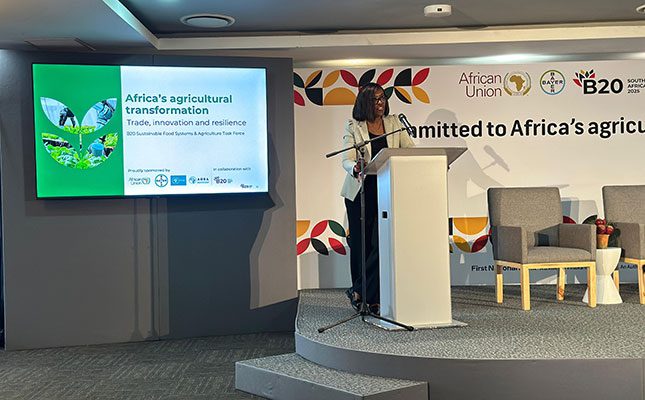
Debra Mallowah, Bayer Africa Head for Crop Science and chairperson of the B20 Task Force on Sustainable Food Systems and Agriculture, delivered a message that urgently called for action.
Agriculture remains the backbone of many economies – powering livelihoods, nourishing communities, and fuelling trade. But this sector now stands at a crossroads, threatened by environmental change, rising input costs, and supply chain volatility. At the same time, it holds immense potential to drive sustainable development, particularly across Africa. This Task Force is focused on four priority areas:
Enhancing Labour and Capital Productivity:
Unlocking innovation and investment to improve yields, integrate value chains, and create jobs, particularly for Africa’s growing workforce.
Ensuring Climate Resilience and Improving Livelihoods:
Promoting climate-smart practices, inclusive financing, and technologies that reduce risk and increase food security for small-scale farmers.
Accelerating and Enabling Trade: Strengthening regional trade and agro-processing infrastructure to reduce costs, cut losses, and link farmers to new markets.
Promoting Sustainable Agricultural Practices: Scaling regenerative approaches, digital tools, and context-specific sustainability standards that work for producers and the planet.
19/11 Global South and Global North Conversation: Getting Global Cooperation Right in the Next Era of Global Change
Charles R. Johnston – Managing Director, Citi Global Government Affairs; Chair, Business & Industry Advisory Committee (BIAC) to the Organisation for Economic Co‑operation and Development (OECD).
Alexia Latortue – Distinguished Non-Resident Fellow, Centre for Global Development.
Trevor Manuel – Chairperson & Independent Non-executive Director, Board for Old Mutual; Chair, G20 Africa Expert Panel.
Jacqueline Mugo – Executive Director & CEO, Federation of Kenya Employers (FKE); President, International Organisation of Employers (IOE).
9 to 26 September 2025. The Science Summit featured a mix of virtual and hybrid sessions hosted in New York.
the Science Summit at UNGA80 brought together researchers, policymakers, civil society, and private sector leaders from across the globe for more than 400 sessions highlighting how science and innovation can drive progress toward the SDGs. The Summit featured high-level panels on African scientific leadership, Indigenous peoples’ contributions to biodiversity and food security, climate-resilient agriculture, soil health, financing food systems, and mobilising capital for research and innovation, alongside the launch of major global assessments such as the IPBES Nexus Report. Spanning diverse themes—from pesticide management frameworks in Africa and the Middle East to strengthening Africa–Europe partnerships and showcasing community-driven solutions—the event emphasized collaboration, equity, and investment as critical levers for global resilience and sustainable development.
This session presented the Sustainable Pesticide Management Framework (SPMF), a multi-year initiative by CropLife Africa Middle East and partners to phase out highly hazardous pesticides, improve farmer training, and strengthen regulatory systems to protect health and the environment while boosting productivity. Speakers from CropLife, FAO, and African regulatory agencies outlined progress and challenges in implementation. While no direct recording has been posted publicly, background videos and the SPMF Annual Report are available online, providing visuals and documentation of ongoing work.
In this technical session, researchers shared modelling studies of the Raya Valley, Ethiopia, analyzing how land use change and climate variability impact crop productivity and resilience. The work combined climate projections with land suitability and water availability models, offering insights into policy measures for sustainable agricultural planning. The specific speakers and a session recording have not been made public, though related academic work on the Raya Valley provides supporting materials.
This dialogue emphasized Africa’s growing role in global science through leadership, innovation, and collaboration, with speakers from African academies of science, universities, and international research organizations. It highlighted success stories of African-led partnerships in health, agriculture, and climate, stressing the importance of investment in homegrown talent. While the session is listed in the Science Summit NYC program, a recording has not yet been located.
This session focused on inclusive approaches to Nature-based Solutions (NbS), highlighting how Indigenous Peoples and local communities can be engaged from planning through implementation to ensure equitable and effective outcomes. Speakers from environmental NGOs, Indigenous networks, and policy institutions shared case studies from Latin America, Africa, and Asia. Although the direct recording has not been found, related webinars on Indigenous knowledge in NbS are available and provide context.
This Brazil-focused session examined the intersection of food security, cultural rights, and biodiversity, emphasizing the contributions of Indigenous Peoples, Quilombolas, and traditional communities to conserving native species and ensuring sustainable diets. Brazilian researchers and community representatives shared perspectives on policy frameworks and grassroots innovations. No official recording has been identified, though related background publications on Quilombola food systems can be consulted.
Held during the UN General Assembly Science Summit, this high-profile event positioned African science as central to solving global challenges, from climate change to health. Keynote speakers included leaders from the Science for Africa Foundation, government representatives, and international organizations, who underscored the need to scale African research leadership and funding. Event pages confirm the session, though a public recording has not yet been released.
Building on earlier discussions, this session showcased collaborative projects and policy dialogues between African and European research institutions, with a focus on building resilience to food system shocks and climate change. It highlighted examples of co-created research agendas and joint capacity-building programs. While detailed listings exist in the Science Summit schedule, no direct online recording is available.
This event stressed the importance of healthy soils as the foundation of resilient food systems, with experts from soil science, agriculture ministries, and international organizations sharing evidence of how soil degradation undermines productivity and climate goals. Speakers advocated for soil health restoration initiatives and greater investment in soil monitoring. The session is listed in UNGA Guide, but no public video recording has been located.
This panel highlighted African-led solutions across multiple sectors, with scientists and innovators sharing case studies of technologies and policies designed within the continent to address local challenges. The session stressed knowledge sovereignty and the importance of international recognition of African expertise. While the program entry is available, a recording has not been posted.
Speakers in this discussion examined how financial innovation and investment can drive inclusive and sustainable food systems, highlighting models for channeling capital to smallholder farmers, women entrepreneurs, and local agri-food enterprises. Development finance institutions and philanthropic foundations shared lessons on mobilizing resources effectively. Social media posts confirm the session, but no official recording is publicly available.
This session explored how regional research ecosystems can act as catalysts for agri-food innovation, featuring contributions from networks of agricultural research institutions and policymakers. It emphasized creating enabling environments for technology adoption, resilience, and regional collaboration. While listed in the UNGA Guide, no open recording has been found.
This session presented findings from the IPBES Nexus Assessment, emphasizing the complex interdependencies between biodiversity, water, food, and health, and offering integrated policy options. IPBES experts and authors highlighted case studies and recommendations from the assessment, which was published in 2024. While the session recording itself is not public, IPBES has released webinars, videos, and the full report online, which serve as comprehensive references.
This session examined how to increase investment flows for science and innovation, with speakers from multilateral banks, governments, and the private sector. They explored mechanisms for reducing risk, improving governance, and incentivizing long-term research funding. While included in the Science Summit program, no session recording or visuals have yet surfaced publicly.
CABI, in collaboration with Kenya Plant Health Inspectorate Service (KEPHIS), AU InterAfrican Phytosanitary Council (AU IAPSC), EUPHRESCO Network Office organized a consultation workshop on Phytosanitary Research in Africa to share information on successes and best practices on phytosanitary research.
Euphresco III is a global network of organizations
involved in plant health research funding, research implementation, and policy-
making, seeking to develop, coordinate, fund, and conduct phytosanitary research to
inform policy. The network aims to strengthen the coordination of national and regional
phytosanitary research programs, primarily focusing on statutory plant health
(emerging and regulated pests). Globally, phytosanitary research coordination has
been identified as a key strategic activity within the IPPC Strategic Plan 2030 (Agenda
7) and within the AU-IAPSC Plant Health Strategy for Africa (2022-2036).
Workshop objectives
Map the current status of phytosanitary research in Africa
Validate phytosanitary research priorities
Identify challenges and opportunities for funding phytosanitary research
Co-create a roadmap for phytosanitary research collaboration in Africa
22/08 Mapping Phytosanitary Research Needs for Africa
CABI, acting as the regional champion for Africa under the EUPHRESCO III project, is spearheading efforts to map phytosanitary research needs across the continent, with the goal of establishing a coherent and strategic regional research agenda.
This entails conducting surveys among National Plant Protection Organizations (NPPOs) and research institutions to identify current and emerging phytosanitary research priorities. The collected insights will inform the design of a regional phytosanitary strategic plan, which will align with and contribute to the development of a global research framework.
CABI will also leverage its Global Agricultural Research Archive (GARA) to disseminate vital information—including journal articles, workshop proceedings, success stories, and research reports—to enhance coordination and knowledge sharing among stakeholders.
22/08 Africa Phytosanitary Programme (APP)
The Africa Phytosanitary Programme (APP), led by the IPPC Secretariat in collaboration with the FAO and the African Union, is a strategic initiative aimed at strengthening plant health systems across Africa through modern scientific and digital tools.
Launched in September 2023, the pilot phase engaged 11 countries—Cameroon, the Democratic Republic of Congo, Egypt, Guinea-Bissau, Kenya, Mali, Morocco, Sierra Leone, Uganda, Zambia, and Zimbabwe—and provided tailored training, tablet-based geospatial surveillance tools, and pest survey protocols to enhance early detection and rapid response to phytosanitary threats
By 2025, APP entered its second phase, expanding to eight additional countries and conducting Train-the-Trainer workshops—most recently held in South Africa—to build a broader continental network of skilled phytosanitary officers equipped to monitor pests, support food security, and facilitate compliant trade
22/08 Recent Initiatives from APAARI in Plant Health Research and Innovations in Asia
Prof. Paul Taylor, Technical Coordinator, APAARI highlighted (Virtually) APAARI’s ongoing efforts to address phytosanitary challenges.
The Asia-Pacific Association of Agricultural Research Institutions (APAARI) has recently advanced several initiatives in plant health research and innovations to strengthen regional biosecurity, sustainable agriculture, and food system resilience.
These efforts include promoting the use of biological control agents and agroecological practices to reduce reliance on chemical pesticides, enhancing early warning and surveillance systems for invasive pests, and fostering digital innovations such as ICT-enabled pest diagnostics and knowledge platforms.
The GRI examined Egypt, the Democratic Republic of Congo, Kenya, Uganda, Zambia, Nigeria, Tanzania, and Sub-Saharan Africa to understand the practical applications needed to enhance security in food and nutrition.
Egypt’s food industry is characterised by a high reliance on imports, which, for example, account for more than 60% of the country’s wheat consumption. Due to its non-domestic dependence, Egypt is vulnerable to shocks and crises relating to climate change and weather disruption throughout global supply chains.
The Democratic Republic of Congo, Kenya, Uganda, and Zambia are also facing the triple burden of malnutrition, which includes overnutrition, undernutrition, and micronutrient deficiencies.
In Kenya, Nigeria, and Tanzania, the lab is conducting research to combat nutrition-specific and nutrition-sensitive interventions among adolescent girls and young mothers. The project is developing scientific approaches and strategies designed to enhance dietary diversity and micronutrient intake using fortified foods, supplements, and nutrition education. It also aims to improve resilience and lower intergenerational cycles of malnutrition.
In Sub-Saharan Africa, the GRI is undertaking a project geared at generating private-sector engagement for nutrition via investment and innovation. It seeks to help businesses develop and scale affordable and nutritious food items.
This event gathered key policymakers, researchers, and industry leaders to discuss EU policy priorities, innovation gaps, and the future of sustainable food systems. Engaging plenary panels and breakout sessions explored solutions for strengthening resilience, sustainability, and competitiveness in the sector.
The goal of this event was to lay the groundwork for a new vision for Food2040 and tackle the challenges ahead.
One of the discussion tables, explored key topics:
how to make the sector more competitive and resilient,
how to maximize the impact of research and innovation,
and which areas of innovation to prioritize for the future.
The participants to this workshop included:
Joanna Drake, Deputy Director General, DG Research & Innovation, European Commission
John Bell Director Healthy Planet, DG Research & Innovation at European Commission
Rosalinda Scalia Deputy Head of Unit Bioeconomy and Food Systems at European Commission
Klaus Berend, Director for Food Safety, Sustainability and Innovation at European Commission
Ricard Ramon Deputy Head of Unit at European Commission
Silvia Scaramuzzi Associate Professor at Università degli Studi di Firenze
Christopher Brewster Professor at Maastricht University/ Senior Scientist at TNO
Laura García Herrero Research fellow on sustainability - Corporate social responsibility expert
Maroun El Moujabber Professor at CIHEAM-IAMB, Bari, Università degli studi di Bologna
Nikos Zampoukas, policy officer in the European Commission developing research and innovation policy for aquaculture, fisheries and marine biotechnology.
Minna Huttunen, Seconded National Expert, Policy Officer, DG RTD, Directorate General for Research and Innovation European Commission
Marin Lysák Ph.D., CLEVERFOOD | Food2030 Networks | Assistant Professor Faculty of Science, University of Copenhagen
George Beers, Programme manager Wageningen University & Research
Dr Emmanuel Olatunbosun Benjamin - Co-coordinator of the INCiTiS-FOOD project and Research Fellow at the University of the Bundeswehr Munich, Germany. He is also the Technical Advisor for Aglobe Development Center, Nigeria. His research focus encompasses agribusinesses financial inclusion, climate change mitigation and adaptation, climate-smart agriculture and aquaculture, energy economics as well as gender analysis. During the webinar, he introduced the INCiTiS-FOOD project and its objectives.
Dr Oyebola Oyediran Olusegun - Senior Lecturer at the University of Ibadan, Nigeria, and Co-PI for the INCiTiS-FOOD project. With over a decade of experience in food systems, aquaculture, and fisheries management, he leads the University of Ibadan Living Lab, which has developed food system innovations and held trainings for numerous farmers, and practitioners. In the webinar, he shared insights on the innovative technologies used in the Incitis Living Labs, with a focus on the University of Ibadan Living Lab.
Maja Radišić - Head of Operations at Foodscale Hub, with 15+ years of experience in business acceleration and international project management. During her career, she has been involved in numerous large-scale international projects, with a project portfolio of over 100M EUR (involved in project implementation and/or proposal preparation). As the Open Call Manager, she guided participants through the application process and give key details to help them apply successfully.
Join an interactive one-hour session exploring the power of mapping in food systems. Learn how to identify key stakeholders, assess vulnerabilities, and uncover critical management points that shape the way food flows within a system.
Using a real-world example from the Amsterdam Metropolitan Area, we’ll demonstrate how mapping can drive transformation—and discuss the barriers that come with it.
You’ll also gain hands-on insights into practical tools for system and stakeholder mapping, helping you navigate the complexities of food systems in your own context.
Africa is on the rise and by 2050, the continent will be home to a quarter of the world’s population. The analysis presented in this book clearly shows that the African food system needs to transform at a much faster pace to ensure that the people it serves are food secure. This book begins with four contrasting case studies that focus on country-specific challenges in Egypt, Ethiopia, Senegal and Zimbabwe. This is followed by 15 thematic chapters organised in three sections on challenges, threats and opportunities. Individual chapters address a wide range of topics including climate change, water security, farm sizes, crop yields, conservation trade-offs, food prices, trade, conflict and structural change. The book concludes by discussing key pathways to improve Africa's food system and food security for the decades ahead.
This book is essential reading for students, scholars and practitioners who work on global food security, sustainable food systems, food, health and nutrition and African development.
In the present report, the Special Rapporteur on the right to food, Michael Fakhri, provides a way to develop national right-to-food action plans within existing budgets that can transform food systems and progressively realize the right to food.
In the light of the global debt crisis, high inflation and high food prices, many countries are faced with the impossible choice of either feeding people or servicing debt. Using public funds to ensure that people have access to adequate food can cause a Government to fall into arrears, worsening financial shocks; servicing debt instead leads to more hunger and malnutrition.
This means that the current international system of finance resolutely impedes the ability of Governments to meet their obligations with regard to the right to food. In the report, the Special Rapporteur suggests how significant improvements in food systems – and the conditions for transformation – could be achieved by redesigning public budgets.
This book examines Africa’s current food system and future challenges for food security over the next 25 years.
Africa is on the rise and by 2050, the continent will be home to a quarter of the world’s population. The analysis presented in this book clearly shows that the African food system needs to transform at a much faster pace to ensure that the people it serves are food secure. This book begins with four contrasting case studies that focus on country-specific challenges in Egypt, Ethiopia, Senegal and Zimbabwe. This is followed by 15 thematic chapters organised in three sections on challenges, threats and opportunities. Individual chapters address a wide range of topics including climate change, water security, farm sizes, crop yields, conservation trade-offs, food prices, trade, conflict and structural change. The book concludes by discussing key pathways to improve Africa's food system and food security for the decades ahead.
This book is essential reading for students, scholars and practitioners who work on global food security, sustainable food systems, food, health and nutrition and African development.
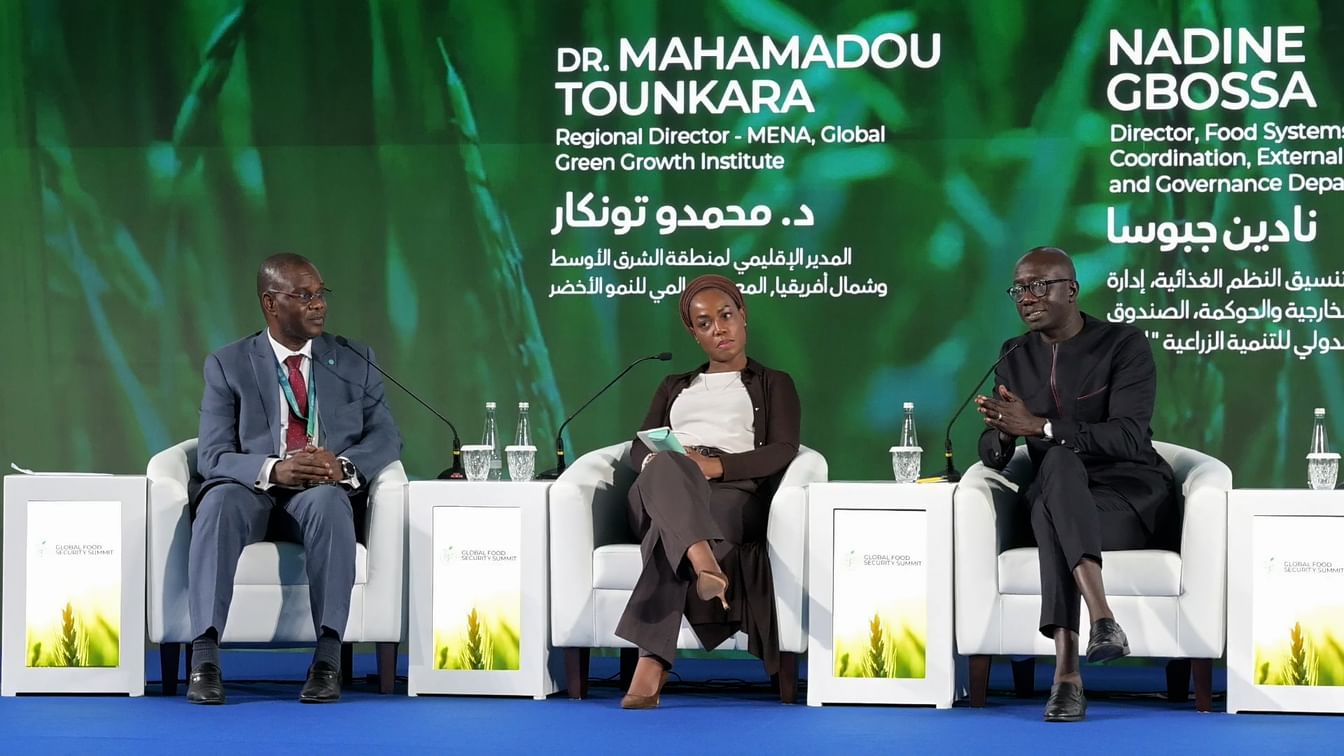
26-27 November 2024. Abu Dhabi. The Global Food Security Summit (GFSS) is one of the largest scientific gatherings in the MENA region. It explored innovative, sustainable, and profitable approaches, including the use of Artificial Intelligence in agriculture.
Held under the theme “Together, for Humanity,” GFSS is part of the 3rd Global Food Week (GFW) and promotes global collaboration and innovation to create sustainable solutions for food security. The Summit brought together high-ranking officials, experts and scientists from around the world, and representatives from more than 70 countries, including 21 ministers.
Africa, where one in five people is affected by hunger, remains particularly vulnerable and requires intensified efforts to combat food insecurity. The inaugural Global Food Security Summit in Abu Dhabi provides a platform for the international community to discuss these challenges and identify opportunities to enhance food security.Kayan Akram Jaff, Head of Mission of the FAO Subregional Office for GCC states and Yemen
The Global Food Security Summit in Abu Dhabi is an important platform for all Member States to coordinate their efforts to develop plans and pathways for sustainable food production that will benefit not only Africa, but the entire world. Berik Aryn, Director General of the Islamic Organization for Food Security
Adj. Prof. Dr. Hildegard Lingnau, Executive Secretary of GFAR, emphasized the vital role of global cooperation in addressing agricultural challenges at the Global Food Security Summit. Her insights on fostering cross-sector collaboration, learning from diverse experiences, and drawing inspiration from innovative food producers underscore the importance of shared efforts in building sustainable and resilient food systems.
Global Hunger: Over 733 million people suffer from hunger worldwide, posing a threat to peace, stability, and human dignity.
Islamic World’s Progress: The Islamic Organisation for Food Security highlighted governance, sustainability, and resource mobilisation initiatives across its 41 member countries, emphasising the significance of a dedicated Food Security Day for the Organisation of Islamic Cooperation (OIC).
Focus on Africa: The summit discussed sustainable agri-food systems and highlighted progress in West Africa, where 73 percent of farming households improved their resilience to climate shocks.
Key Themes and Recommendations:
Sustainability as a Cornerstone: Participants emphasised sustainability as essential for achieving food security, advocating for efficient resource use, renewable energy in agriculture, and fostering value-added food production.
Women's Empowerment: The importance of enhancing women's roles in agriculture was highlighted, recognising their contributions to economic growth and sustainability.
Clean Energy Transition: Despite the challenges posed by greenhouse gas emissions, the summit called for adopting clean energy solutions, proposing a six-pillar framework encompassing inclusivity, incentives, data, investments, institutions, and innovation.
Innovative Solutions for a Growing Population: The summit stressed the need to invest in advanced agricultural technologies and sustainable practices to ensure reliable food supplies and a better future for coming generations. It called for enhanced cooperation along food value chains to address global crises effectively.
Global Call to Action: The summit urged immediate and unified international efforts to create a resilient, equitable global food system, ensuring access to healthy and sustainable food for all.
Spotlight on the UAE: The UAE National Food Security Strategy 2051 was praised for its alignment with global goals, supported by initiatives like the "Nema" platform, which combats food waste and promotes sustainable consumption practices. The summit also acknowledged the UAE’s leadership role at COP28, where the nation advanced its vision of eliminating food waste and transforming traditional food systems.
26/11 Panel Discussion: UAE’s High-Impact Projects for a Resilient Food System
Fatima Al Dhaheri, Head of the AGWA Cluster - Abu Dhabi Investment Office (ADIO)
Seifallah Rabie, Partner and UAE Managing Partner - LOGIC Consulting
Suresh Vaidyanathan, CEO Special Projects - Ghassan Aboud Group & CEO -Abu Dhabi Food Hub
Hassan Halawy, General Manager - Elite Agro Projects
Mohamed Al Breiki, Executive Director, Sustainable Development - Masdar City
The Abu Dhabi International Food Exhibition
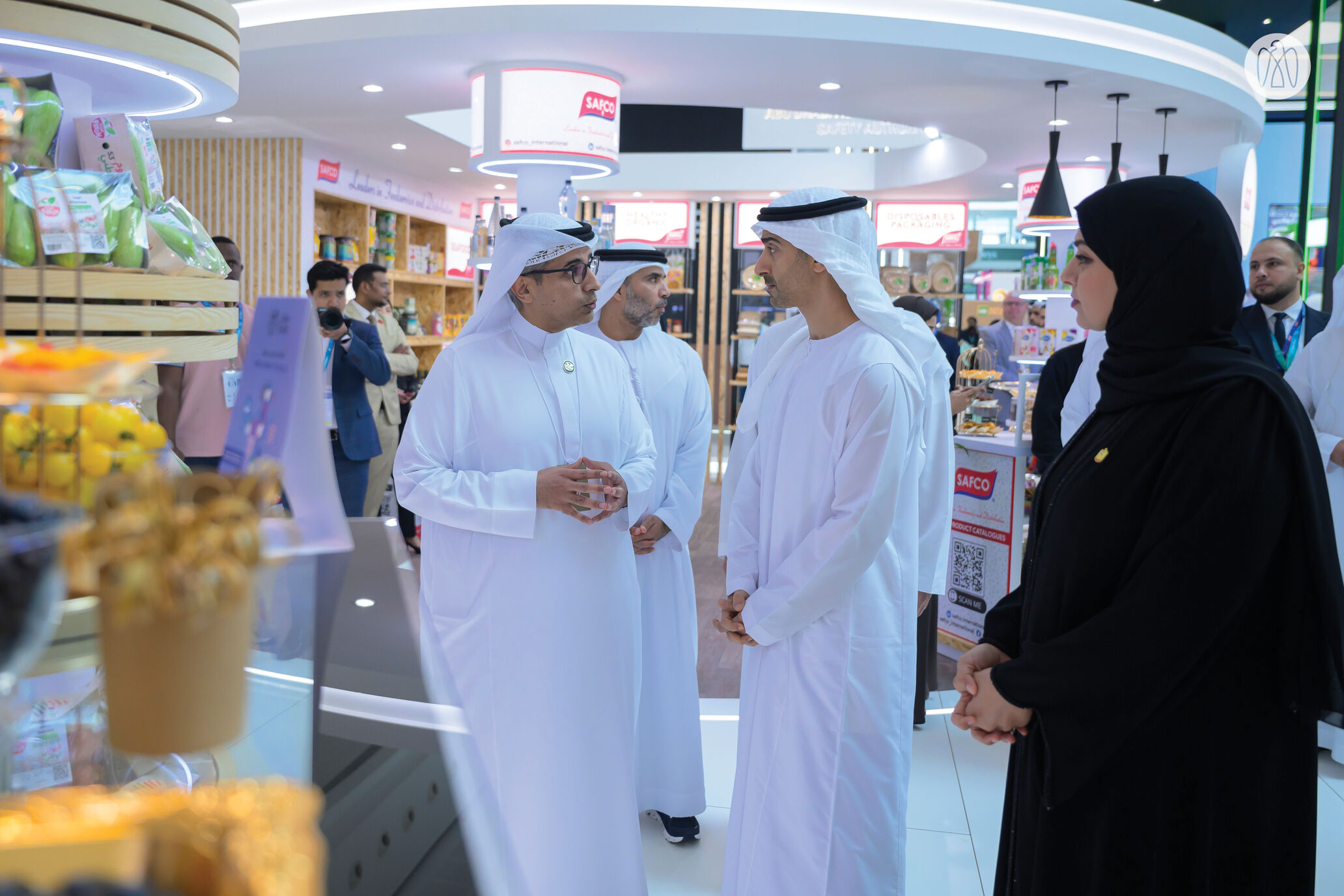
In addition to the Global Food Security Summit, Global Food Week features various internationalevents and exhibitions highlighting the latest innovations and technologies. The Abu Dhabi International Food Exhibition (ADIFE) marked a 49 per cent growth in its 3rd edition compared to the previous year, attracting over 660 exhibitors and 1,900 companies and brands from 70 countries. The event also hosted around 270 key hosted buyers from local and international markets. The event also included the launch of the Abu Dhabi Coffee Hub, a signature feature of Global Food Week. The platform brings together specialists, traders, and coffee enthusiasts from around the world, reflecting the growing global interest in food security and sustainability.
Vyakulani Africa Project (June 2024 – January 2025) The aim of the project is to document African diaspora foodways in Belgium.
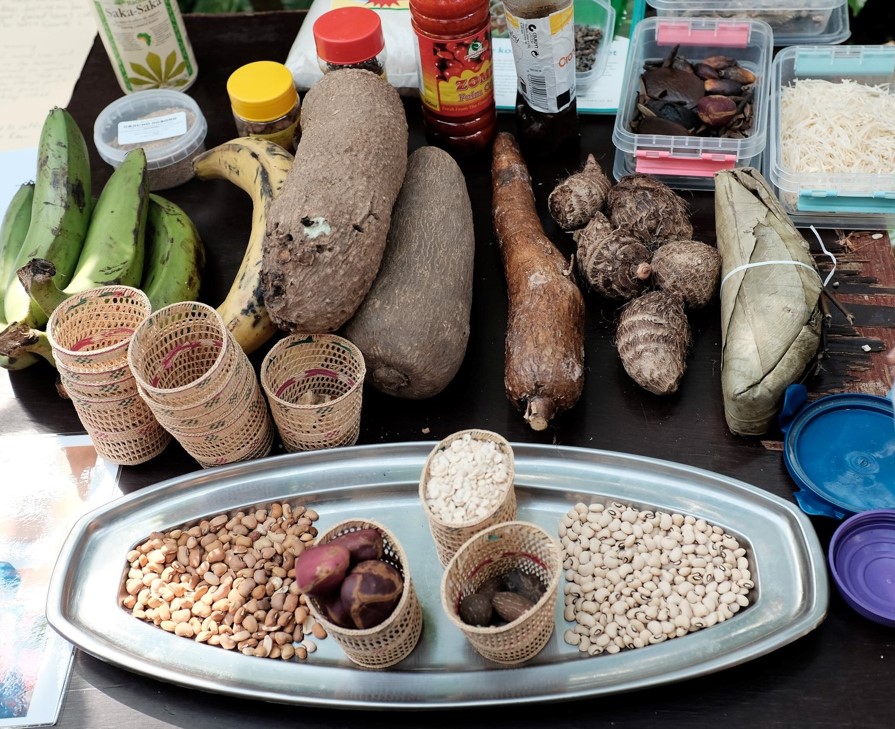
Vyakulani is Swahili for “in the foods” or “which foods”, which embodies our intention to explore and celebrate the rich and diverse food traditions of the African diasporas.
There is increasing interest in consuming nutritious plant-based diets in Europe. However, the consumption and trade of nutritious African foods, has not gained as much acceptance as it should in the public domain, in view of the historical link between both continents.
Interest in nutritious plant-based diets is on the rise, yet African foods have not gained the recognition they deserve in Europe despite efforts to promote fair-trade food systems. For African diasporas in Europe, cooking with traditional ingredients remains a key part of their identity and heritage. However, the influence of Western lifestyles and biases against African food often echo colonial attitudes, limiting the acceptance and awareness of nutritious African foods like millet, fonio, and sorghum.
While other exotic dishes like kimchi, lemongrass, and quinoa are widely accepted, African superfoods and the role of African agrofood entrepreneurship in biodiversity conservation are not well-known. The project aims to:
Highlight the importance and potential of African food systems.
Encourage Africans in Europe to reconnect with their culinary traditions.
Promote healthy African foods to the wider public.
Among the African diasporas in Europe the desire to cook home foods with indigenous ingredients persists. Within families, food is one of the strong identity markers. Thus, the sustainability of home recipes and diets, including their transmission across generations and potential benefits for larger society (European citizens) need further exploration.
Vyakulani Citizen Scientists guide# 9 pp. : This document explains all you need to know, to effectively participate as a citizen scientist in the Vyakulani Africa Project
In April 2023, Sudan descended into a violent civil war that has displaced more than 8 million people, destroyed critical infrastructure, and left half the country’s population in need of humanitarian assistance. More than one year later, the unresolved conflict threatens agricultural production, agroprocessing, and trade, exacerbating Sudan’s status as a failed state. Sudan’s trajectory is therefore relevant for the broader community of scholars and practitioners working to enhance food systems and food security in fragile states facing complex humanitarian emergencies.
This IFPRI policy seminar will reflect on urgent data, analytical, and policy needs to mitigate food insecurity and revitalize food systems in Sudan. Several interrelated issues will be addressed, including options for policy engagement in the absence of a legitimate government, the viability of balancing immediate humanitarian needs with longer-term investments in agricultural development, and possible post-conflict scenarios that might affect priority-setting for the food system. The event will bring together researchers from IFPRI’s Sudan country program, conflict analysts, humanitarian donors, and country experts in a hybrid format.
Danielle Resnick, Senior Research Fellow, Development Strategies and Governance Unit (DSG), IFPRI
Overview Remarks from USAID Tyler Beckelman, Deputy Assistant Administrator, United States Agency for International Development (USAID) Africa Bureau
Sudan’s Conflict and Complex Emergencies Alex de Waal, Professor and Executive Director, World Peace Foundation, Fletcher School of Law and Diplomacy at Tufts University
Food Security Before and During the War: Evidence from National Rural Household Survey Khalid Siddig, Senior Research Fellow, Development Strategies and Governance (DSG) Unit and Sudan Country Strategy Support Program Leader, IFPRI
Shocks, Coping, and Livelihood Strategies due to the War Oliver Kiptoo Kirui, Research Fellow, Development Strategies and Governance (DSG) Unit, Sudan Country Strategy Support Program, IFPRI
Economic Costs of the War and Recovery Options Karl Pauw, Senior Research Fellow, Foresight, Policy, and Modeling (FPM) Unit, IFPRI
Local and External Competencies for Peacebuilding in Sudan Ibrahim Elbadawi, Managing Director of the Economic Research Forum and former Sudan Minister of Finance
Closing Remarks Johan Swinnen, Director General, IFPRI; Managing Director, Systems Transformation, CGIAR
The Royal African Society and Edinburgh University looked at the Prospects and Forecasts for Africa in 2024. An expert panel examined the political, economic, climatic and cultural outlook for Africa in the year ahead
2024: Africa’s electoral landscape in a global year of elections.
Doing business with countries in Africa in 2024: what’s new? Is the African Continental Free Trade Area a reality?
What’s it like being an entrepreneur in Africa in 2024? Who are they? Why do they struggle to finance their businesses? Will the African Continental Free Trade Area help?
COP28: the first dedicated Health Day at a climate conference. What is the connection between climate impact and health?
Global Public Healthcare: What will the upcoming Global State of the World’s Nursing Report mean for Africa? Why is primary healthcare the key to community resilience?
Post-pandemic: What has the pandemic response in Africa revealed about both communicable and non-communicable diseases across the continent? How are countries in Africa building their healthcare resilience and self-sufficiency through the pharmaceuticals and research?
Joyce Onuonga | Director/General Manager of John White & Son
Dr Tom Molony | Senior Lecturer in African Studies, University of Edinburgh
Dr Samuel Mwaura | Lecturer in Entrepreneurship & Innovation, University of Edinburgh
Professor Aisha Holloway | Professor of Nursing Studies and Co-Director of Edinburgh Global Nursing Initiative
Professor Liz Grant | Assistant Principal (Global Health) and Director of the Global Health Academy at the University of Edinburgh
Dr Geoffrey Banda | Senior Lecturer in the Science, Technology and Innovation Studies department in the School of Social and Political Sciences at The University of Edinburgh
30 January 2024. Africa 2024: Prospects and Forecasts (London)
An expert panel examined Africa's political, economic, climatic, and cultural outlook in the year ahead.
A global year of elections: Impact of elections on the continent
Debt and the return of IMF austerity: Impact of continued high inflation, food insecurity, and high fuel prices across the continent.
Resilience: are global processes like COP28 able to reach people and businesses on the continent to strengthen their capacity not only to withstand climate and economic shocks but also to grow? How are young populations in African countries leading change?
Justice: How does community-level activism feed into and influence concepts of justice in energy transition? Can grassroots engagement and a greater understanding of these complex issues really power political change in 2024 – the global year of elections?
Creative narratives: Africa’s creative industries have fabulous filmmakers, musicians, artists, writers, and fashion designers. How will their artistry influence 2024?
MODERATOR: Janet Rogan |Director and Chief Executive Officer, Royal African Society
Razia Khan | Head of Research, Africa and Middle East, Standard Chartered Bank
Patrick Smith | Editor, Africa Confidential
Moky Makura | Executive Director, Africa No Filter
Omnia El Omrani | Youth Envoy for the President of the 27th UN Climate Change Conference (COP27) and the Egyptian Minister of Foreign Affairs
Samia Dumbuya | Climate Justice Advocate
26 January 2024. Foresight Africa 2024 launch
The Brookings Africa Growth Initiative will launch its flagship report, “Foresight Africa 2024,” covering issues such as development financing, climate change, digital economy, entrepreneurship, trade and regional integration, gender, and governance. The report compiles essays and viewpoints from finance ministers, central bank governors, senior policymakers, private sector leaders, heads of foundations, youths, and scholars.
Please join us in person or online for the launch of this year’s edition of Foresight followed by a high-level panel discussion of the challenges and opportunities facing the continent.
This year’s cover emphasizes the
existential threat of climate change
as a dominant theme. The artwork
exemplifies Africa’s position at the
epicenter of the climate challenge:
A continent that contributes the
least to the crisis, serves as both the
“lungs” of the world (the Congo, the
Okavango, and other river basins),
and as a repository of critical
minerals vital for the global energy
transition. Yet, Africa bears the brunt
of devastating climate impacts as
evidenced by the havoc wreaked
by drought in the Horn of Africa,
cyclones in northern Mozambique,
and floods in parts of the continent.
In Chapter 1, development
financing for recovery and
growth, the authors share policy
options to address the economic
challenges facing the continent.
The authors tackle the existential
climate change crisis in Chapter 2,
highlighting the inequities and the
urgent need for increased financial
commitments to address the
climate crisis.
Chapter 3 is dedicated
to the entrepreneurs and small
businesses that are responsible for
most job creation on the continent.
The authors focus on the inclusive
and supportive policies needed
to foster these ventures and to
sustain the high-growth potential
of African entrepreneurship.
In Chapter 4,
the authors explore the status of
economic integration and trade,
and the policy actions which
member states, entrepreneurs,
and other stakeholders can take
to accelerate the implementation
of this landmark agreement. Also
explored here are the prospects
for US-Africa trade and investment
relations in view of AGOA’s
imminent expiration in 2025.
In
Chapter 5, the authors examine
policy options to unlock the digital
economy potential necessary for
competitiveness and inclusive
growth. Fostering an inclusive
ecosystem means creating the
opportunities and the infrastructure
to support all workers and
entrepreneurs.
Chapter 6 is dedicated to the women
and girls across the continent
who, despite setbacks, continue
to create and transform the
landscape.
Chapter 7, on governance, is focusing on those trends and how
African leaders can regain the trust
of their citizens and encourage a
shift back toward democratization.