Climate risk is going to be a very critical risk in terms of our banking activities or financing activities.
This Toolkit combines key resources, emerging trends, and lessons from SBFN members into a practical and comprehensive guide to help policymakers in emerging markets develop and operationalize sustainable finance roadmaps.
It consists of a Guide and Excel-based Mapping and Benchmarking Tool.
As evidenced by SBFN member experiences, roadmaps are often a first step in the systematic development of markets for sustainable finance, and can serve as a powerful tool to accelerate progress at country and regional levels.
The Mapping and Benchmarking Tool compares existing sustainable finance roadmaps of 16 SBFN member and non-member countries, networks, and intergovernmental forums.
The Toolkit also builds on the SBFN Measurement Framework Methodology, a comprehensive assessment to benchmark sustainable finance progress in line with international good practices.
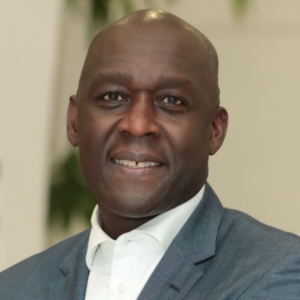
Climate risk is going to be a very critical risk in terms of our banking activities or financing activities and by the regulator moving that step and trying to bring it to the level where banks need to put at the forefront of their credit analysis so that climate risk is taken as part of the risk that needs to be assessed mitigated and reported. This was a very critical step. The Kenya Bankers Association (KBA) is supporting its member banks to be able to comply with the guidelines that have been put in by the Central Bank (...) One of the key risks that we face is the transition risk. A major challenge is that the landscape is evolving quite rapidly.Habil OLOKA Kenya Bankers Association
A public webinar for members and other interested users will be organized in the summer 2023.
Click here to subscribe to receive information on SBFN events.
About SBFN
Established in 2012, the Sustainable Banking and Finance Network (SBFN) is a voluntary community of financial sector regulators, central banks, ministries of finance, ministries of environment, and industry associations from emerging markets committed to advancing sustainable finance for national development priorities, financial market deepening, and stability.
SBFN members are committed to moving their financial sectors toward sustainability, with the twin goals of improved environmental and social risk management (including disclosure of climate risks) and increased capital flows to activities with positive climate, environmental, and social impact.
As of April 2023, SBFN comprises 77 member institutions representing 63 countries and US$ 43 trillion (86 percent) of the total banking assets in emerging markets.
IFC is SBFN’s Secretariat and knowledge partner, assisting members to share knowledge and access capacity building to support the design and implementation of national sustainable finance initiatives.
The war in Ukraine began in February 2022, and much uncertainty remains around its effects on agri-SMEs and the institutions that finance them. Agri-SMEs, local financial service providers and global development actors discussed the key challenges and opportunities on the ground emerging from recent economic shocks.
The Smallholder and Agri-SME Finance and Investment Network (SAFIN) is a partnership of actors that are committed to aligning their efforts to scale up access to financial services for agri-SMEs and for small commercial farms. The network consists of financial institutions, philanthropic foundations, social lenders, technical assistance providers, farmers' organizations, and development finance organizations. From different vantage points, with different tools and entry points, each one of us works to bridge the investment gap in agriculture and food systems by financially empowering agri-SME and smallholder investors.
Introduction : Event overview, structure and expectations - Francisco “Frank” Rubio, Interim Senior Coordinator of SAFIN and Senior Technical Advisor for ABC Fund, International Fund for Agricultural Development (IFAD). Frank is a development expert with 25 years of experience in agricultural finance, microfinance, technical assistance, training, and project management. He currently provides technical support to the ABC Fund and leadership in the growth of IFAD’s private sector portfolio. He recently took on the role of interim Senior Coordinator of SAFIN. Before this, he held progressively senior positions at the Inter-American Development Bank, Catholic Relief Services, CARE USA, and Oikocredit.
The big picture: Global trends, challenges and opportunities -Madhur Gautam, Lead Economist, Agriculture Global Practice, World Bank Group. Mashrur is an electronics engineer by profession, an agricultural development enthusiast by passion, and a second-time founder. He also has 5 years of experience working in social development, chiefly for the youths and the rural population.
Madhur mentioned the report: IFPRI (2021) Repurposing agricultural policy support for climate change mitigation and adaptation TASK FORCE 2 CLIMATE CHANGE, SUSTAINABLE ENERGY & ENVIRONMENT POLICY BRIEF, # 15 p. The brief recommends that the G20: (i) supports the international AgIncentives Consortium to serve as an enhanced platform to monitor the environmental, as well as the economic and social impacts of agricultural support measures; (ii) prepares a guidance note for the international coordination of smart repurposing of agricultural support measures to align these with common objectives of sustainability and efficiency of food systems, poverty reduction, food security and affordability of healthy diets for all; (iii) organises joint sessions of Agriculture, Finance and Development Track Ministers to engage in policy dialogue leading to concerted action for the repurposing of agricultural support measures.
Agri-SME voices: Impacts of the crisis on the ground
Patience Bature, Chief Executive Officer, Parkea Ventures, Nigeria. Patience is the Founder and CEO of Parkea Ventures, which sources, processes and distributes more nutritious food for Nigerian consumers. They promote the West African wonder-grain fonio as an alternative to wheat and maize for making bread, baby food, flour and more. As imported wheat flour doubles in cost, fonio offers a rapidly scalable, nutritious, climate-resilient, staple crop that is grown domestically by women smallholder farmers.
Nouran El Said, Co-Founder, Plug'n'Grow, Egypt. Nouran is a Co-Founder of Plug’n’Grow, an Egyptian technology company that develops advanced and economic solutions in agriculture, based on proven Hydroponic and Aquaculture technology. They provide growers with highly efficient “Food Factories” that produce premium quality vegetables and fish at competitive and affordable costs.
"I think we need the studies to decide, which is more suitable and effective to be applied where. This requires very tight coordination with the governments to implement the right policies and incentives to facilitate the uptake"
"Technology development is very fast and my concern is that the financial sector is not necessarily aware of what’s out there - for example technologies that can produce at the same cost of traditional agriculture, while saving 90% of water and 40-60% of fertilizers - so it is understandable how they evaluate risk. Which is why I recommended feasibility studies that study each case properly with all its inputs. In that light, I know that risk is actually lower and not higher"
Ruchi Jain, Chief Executive Officer, Taru Naturals, India. Ruchi is the CEO and Founder of TARU Naturals & Organics, a grassroots movement of 10,000 tribal &small-scale farmers across India. It is a fair trade network connecting farmers with healthy, pure and organic produce to markets. They strive to build self-sufficiency across agricultural value chains through climate-resilient agriculture, clean post-harvest technology, value added products and market linkages.
MODERATOR: Ian Randall, Director and Principal Consultant, Good Food Hub. Ian is Director of the Good Food Hub, a global community of small businesses making food more nourishing, sustainable, equitable, and resilient. Ian established the hub after managing global SME engagement for the UN Food Systems Summit. Previously Ian has played a strategic role in founding and strengthening Generation Africa and Grow Africa, and through his consulting firm, Wasafiri, he has worked on food issues for the World Economic Forum, Mars, Yara, IMAGINE, and most G7 governments.
Views from local Financial Service Providers: Agri-SME risk assessment and lending in the current context
Prasun Das, Secretary General, Asia-Pacific Rural and Agricultural Credit Association (APRACA). Prasun currently leads the Asia-Pacific Rural and Agricultural Credit Association (APRACA) as its Secretary General. Prasun has previously held positions at IFAD, FAO and DFID in various capacities focusing on rural finance. He also held senior positions in a commercial bank and advised the Government of India on rural and agricultural development. Prasun holds a Doctoral Degree in Agricultural Sciences and MBA with specialization in Financial Management and is a certified professional in banking and finance.
George Macharia, General Manager, Food & Agriculture Banking, Equity Bank. George is a career banker with over 20 years of experience. In recent years, he has worked in rural and agricultural banking, including agricultural value chain mapping, development of financing products, and building human and other resources to deliver agricultural value chain finance. George is a trained accountant, enterprise development expert and certified Agricultural Finance professional.
Hussein Abou Bakr, Founder & CEO, Mozare3. Hussein has over 18 years of hands-on commercial and operational experience in agribusiness. He co-founded Mozare3, a leading agri-fintech platform that partners with small farmers, offering contract farming, input financing and digital agronomy support. Hussein holds a Bachelor’s degree in International Marketing from The American University in Cairo.
MODERATOR: Liliana Pozzo, Sustainable Finance Advisory Services Manager, Latin Amercia & Europe, International Finance Corporation (IFC).
Global development community perspectives: Adapting existing and new investments in response to the war in Ukraine
Thouraya Triki, Director, Sustainable Production, Markets and Institutions Division, IFAD.Thouraya directs IFAD’s Sustainable Production, Markets and Institutions Division. Before joining IFAD, she worked at the African Development Bank (AfDB) as a Manager in the Microeconomics, Institutions and Development Impact Division and as a Chief Country Economist at AfDB's North Africa Regional Department. Before joining AfDB, Throuraya spent about 10 years in various positions in academia, and managing and consulting with private sector businesses. She holds a PhD in finance from HEC Montréal.
She referred to the fact that only 1.7 per cent of climate finance – a fraction of what is needed - goes to small-scale farmers in developing countries despite their disproportionate vulnerability to the impacts of climate change.
Nabil Ghalleb, Director, Economic Empowerment Department, Islamic Development Bank (IsDB). Dr. Ghalleb leads IsDB’s initiatives to institutionalize, mainstream and implement economic empowerment models and tools in the OIC Member Countries. Before this, he was the Chairman and founding CEO of “Zitouna Tamkeen”, an Islamic microfinance/economic empowerment institution in Tunisia. He also founded the International Center of Economic Empowerment and “Tamkeen for Development”, an NGO specialized in the economic inclusion of vulnerable populations. Previously, he held various senior positions at IsDB and served on the Boards of several financial institutions. Dr. Ghalleb holds a PhD in Finance from HEC Montreal.
Dr. Leonard Mizzi, Head of Unit, Sustainable Agri-Food systems and Fisheries, Directorate-General (DG) for International Partnerships, European Commission. Dr. Mizzi has been in his current role since 2017. Prior to this, he was the Head of Unit in the DG for Agriculture and Rural Development. Dr. Mizzi has broad working experience in the Maltese public administration and private sector, including the Office of the Prime Minister, Office of the Malta Chamber of Commerce and Enterprise, Malta Business Bureau in Brussels, and the Malta Hotels and Restaurants Association. He has authored a number of articles and publications on agri-food issues and nutrition in the Mediterranean region. He holds a PhD in Agricultural Economics from the University of Reading.
MODERATOR: Songbae Lee, Agriculture Finance Team lead, Bureau for Resilience and Food Security, U.S. Agency for International Development (USAID). Songbae leads efforts at the USAID to mobilize private capital for agricultural finance. Most recently, he spent eight years at Calvert Impact Capital, a non-profit impact investing debt fund, where he was responsible for end-to-end deal origination, credit assessment, and ongoing portfolio monitoring. Previously, he worked for Dresdner Kleinwort Wasserstein, Banc of America Securities, and Mercy Corps in Kyrgyzstan. He holds an M.B.A. from the University of Chicago and a B.S. from the University of Vermont.
Moving forward, together: Generating collaborative action for inclusive agri-SME finance in times of crisis
MODERATOR: Bettina Prato, Lead Policy and Technical Advisor, Programme Management Department, IFAD. Bettina is currently a Lead Policy and Technical Advisor at IFAD and the former Senior Coordinator of SAFIN. In her previous roles, she served IFAD in several capacities, including as a Senior Global Engagement Specialist, as a co-author of the IFAD Rural Poverty Report 2011 and contributor to a number of IFAD corporate strategies and policies. Bettina has twenty years of experience in international development, with particular focus on global development governance, development finance, food security and rural development. She holds a PhD in Political Science from the University of California at Berkeley.
Addressing climate change in food and
agriculture, both in terms of mitigation
and of adaptation, requires large-scale
investments of both public and private
resources. Blended finance can be an
important part of the financial toolbox
used to mobilize and align a variety of
private financial flows towards such
investments, not only by de-risking
financial flows but also by expanding
pipeline and facilitating ecosystem
alignment around what constitutes
green business models for small and
medium-sized enterprises active
in food and agriculture (agri-SMEs).
Related
The European Investment Bank (EIB) TA Financial Sector Programme for West and Central Africa and Making Finance work for Africa (MFW4A-AFDB) hosted webinars on “How banks assess climate risks and integrate them into credit risk assessments”. Practice should inform if Agri SME's benefit from such initiatives.
18 May 2022. IFC’s global virtual Sustainability Exchange explored how sustainable finance can help drive the environmental and justice agenda by prioritizing climate and social targets.
Extracts of the programme:
WELCOME
Morgan Landy, Senior Director Global Infrastructure, IFC
Denise Odaro, Head of Investor Relations & Sustainable Finance Coordinator, IFC
Katherine Koh, Climate Lead Infrastructure, IFC
Veronica Nyhan Jones, Global Manager, Sustainable Infrastructure Advisory, IFC
COMMUNITIES STRONG: FINANCING RESILIENCE ON THE FRONT LINES @11:24
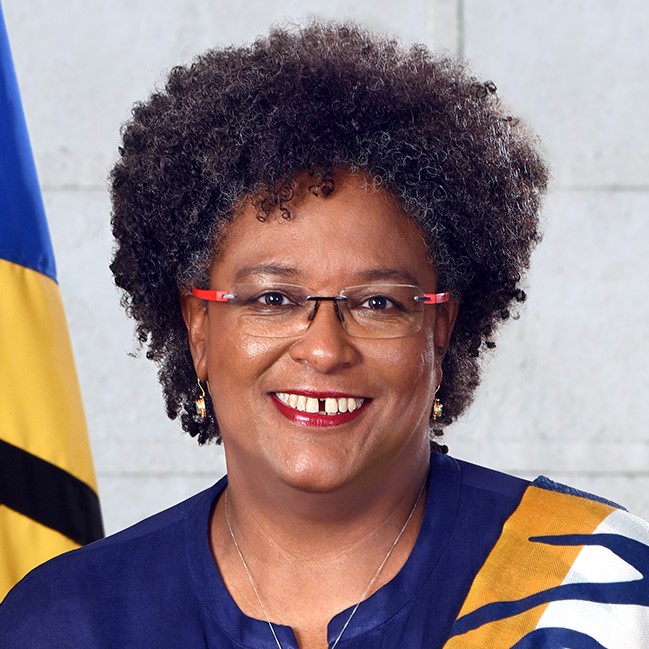
Honorable Mia Mottley, Prime Minister of Barbados See picture
Idris Elba, Actor, Producer, Humanitarian & UN Goodwill Ambassador, IFAD
Sabrina Dhowre Elba, Model, Activist & UN Goodwill Ambassador, IFAD
Gilbert Houngbo, President, IFAD
VAST HORIZONS: ECO-ENGINEERING
Kadija Simboro, General Director, Farafina Eco-Engineering, Burkina Faso
BRIDGING THE DIGITAL DIVIDE: DATA & VOICE @39:43
Hassanein Hiridjee, CEO, Axian Group
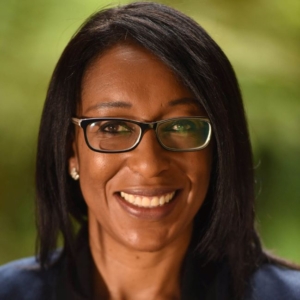
Linda Munyengeterwa, Director, Middle East & Africa Infrastructure, IFC See picture
HUMANIZING FINANCE
Audrey Choi, Senior Advisor & CEO, Institute for Sustainable Investing, Morgan Stanley See picture
Denise Odaro, Head of Investor Relations & Sustainable Finance Coordinator, IFC
SUSTAINABILITY-LINKED PARTNERSHIPS
Froydis Cameron-Johansson, Group Head, International Government & Sustainability Relations, Anglo American
Ignacio de Calonje, Sustainable Finance Lead, Infrastructure, IFC
LEARNING TOGETHER: FINANCING AMBITIOUS GREEN ENERGY IN ASIA
Eugene Cheng, Group Chief Financial Officer, Sembcorp Industries
Jing Li, Thoh, Head, Group Corporate and Treasury, Sembcorp Industries
Gwendolyn Loh, Vice President, Group Sustainability, Sembcorp Industries
Isabel Chatterton, Director, Asia Infrastructure, IFC
FRESH PERSPECTIVES: FINANCE IS FOR EVERYONE
Aisling McCaffrey, Assoc. Director Financial Services Advisory, Grant Thornton Ireland
Maya Burney, Founder, Womvest South Africa
Nomindari Enkhtur, CEO, Mongolian Sustainable Finance Association
GREENING TRANSPORT & MANAGING WATER IN CENTRAL AMERICA
Victor Vial, Chief Financial Officer, Panama Canal
Sanaa Abouzaid, Regional Manager, Central America, IFC
Powerful words from inspiring speakers
“Living sustainably is not only a matter of moral principle, but a matter of survival.” –Mia Motley, Prime Minister of Barbados
“The arts are an instrument of change.” - Idris Elba, Actor, Producer, Humanitarian & UN Goodwill Ambassador, IFAD
“Farmers are the custodians of the earth.” - Sabrina Dhowre Elba, Model, Activist & UN Goodwill Ambassador, IFAD
“We must be sure that every corner of Africa has the proper coverage. We have to give the best quality of data to everyone.” - Hassanein Hiridjee, CEO, Axian Group
“We think social indicators are a huge opportunity for sustainably-linked finance. They are what will really uplift communities.” - Froydis Cameron-Johansson, Anglo American
“We don’t feel it’s fair that somebody who made a significant investment in a carbon-efficient fleet should pay the same as somebody who has made no investment. Our pricing strategy reflects that. It’s part of our responsibility in the industry to incentivize our customers to do everything they can to meet this [climate] challenge.” - Victor Vial, CFO, Panama Canal
“We believe having women employed in various job segments, especially in male-dominated positions, is very important. Through this, women will have more career opportunities, with increased power in society.” - Aysel Özkan, IZSU General Manager
“Fusion companies are working at a pace now where we can see commercialization starting within 10 years….with the potential to generate endless clean energy.” - Katie Rae, CEO and Managing Partner, The Engine
“We really believe in the idea of edutainment, which is education and entertainment.” - Alex Rendell, Actor & Producer, UNEP National Goodwill Ambassador for Thailand
“With dance we can express our emotions. When people are dancing and doing moves together they feel united.” - Olena Shptenko, Ukrainian dancer and choreographer
The IFC food safety team organizes regular learning sessions via webinar with professionals and industry experts to share practical solutions that have been applied in emerging markets.
World Food Safety Regulations, Chapter 2 of the Food Safety Handbook.
what you need to know to enter new markets,
how knowledge of Codex Alimentarius tools can ease your communication with trade partners. Y
basics of food safety regulations in the European Union and the United States,
Successful stories from food exporters and first-hand tips from national policymakers on the importance of knowing the rules that guide international food trade, and how harmonization of national legislation with best world standards can help your food business to grow internationally and in the national market.
In Africa, the exponential growth rate of internet penetration and the availability of smartphones at an affordable price has resulted in youngsters becoming more digitally literate and well-connected at a global level. The digital revolution in agriculture has undoubtedly increased engagement, productivity, and income for youth in the sector.
“Key to most of these roles is the use of technology which often aligns to the youth’s perception of quality work being technology-driven or technology-supported,” Sieka Gatabaki, the Deputy Program Director of Mercy Corps’s AgriFin Program
Mercy Corps’s AgriFin Program is a multi-partner program launched in 2012 with the support of Swiss Agency for Development and Cooperation (SDC) and then further supported by the Mastercard Foundation and Gates Foundation. The objective is to identify the needs of the smallholder farmers and provide an effective platform for global partners to design, test, and scale high-impact digital solutions.
Thus far, the program has benefited 5.5 million smallholder farmers across Ethiopia, Indonesia, Kenya, Nigeria, Tanzania, Uganda, Zambia, and Zimbabwe. The key areas of innovation that AgriFin focuses on are:
💡 Product and Service Development for Smallholders
3 December 2019. In a “by-invitation-only” launch, AMEA members unveiled the Last Mile Retailer, a new product aimed professionalizing agro-input retailers using a standardized system to measure and train retailers. Hosted by AMEA, the launch was co-organized by the program’s developers: International Finance Corporation (IFC), Cultivating New Frontiers in Agriculture (CNFA), and SCOPEInsight; and included panel members from USAID and the IFC.
The Last Mile Retailer is a set of interlinked approaches that combine to form a coherent and effective “package” to build agro-input retailer’s professionalism. The package consists of (a) assessment, (b) training, (c) coaching, and (d) improved market participation. Three AMEA members have jointly developed the LMR package (along with Bayer and Syngenta): SCOPEinsight, Cultivating New Frontiers in Agriculture (CNFA), and the International Finance Corporation (IFC).
SCOPEinsight CEO, Lucas Simons, explained that the Last Mile Retailer (LMR) “is a new way to measurably improve the professionalism of agro-input dealers; It has the potential to address the gap in smallholder farmers’ access to critical modern inputs.”
The Last Mile Retailer has benefits for all stakeholders:
For agro-input companies: a more stable and professional distribution network for their products. A more professional LMR network could lead to greater retailer loyalty, higher sales volume, a better understanding of market needs, higher levels of product knowledge and awareness in the marketplace, and more oversight of product storage and disposal practices.
For agro-input retailers: higher levels of business management capability, business growth, appropriate managerial systems (accounting, inventory management, leadership), improved product knowledge, new contract opportunities, and access to finance.
For farmers: improved access to quality inputs can have a meaningful impact on farm productivity, food security, sustainability, and income.
For development professionals: a cost-effective way to improve agro-input retailers.
Related:
This webinar is for: 1. agro-businesses wishing to reach the last mile, in a commercially attractive way, in emerging markets, and 2. development practitioners wishing to strengthen input retailers as a means of getting smallholder farmers the input the need.
The event brought together the private sector, donors, civil society, and financial institutions to discuss how to support smallholder farmers and address climate change in Africa. Food security was also one of the main themes discussed at the conference, which included panels on how to invest in sustainable supply chains in Africa.
There was a presentation on IFC Investment and Advisory Innovations
Business Brief for Sustainable Agribusiness in Africa
IFC also presented This is Africa, a publication of the Financial Times, its media partner at the event.
Growing interest in African agriculture bodes well for the continent's development and attention is turning to consolidation and growth.
How can multinational companies forge close relations to Africa's smallholder farmers?
What role can technology play in boosting productivity? How can financing be unleashed to support growth?
With comment and insight from leading agriculture and food retail companies, including Unilever, Starbucks and General Mills, This Is Africa - in association with IFC - explores the new era in agricultural development.
Interview and comments from:
Jeffrey Sachs, Director of the Earth Institute, Columbia University
Ken Powell, Chief Executive Office, General Mills
Mohit Arora, Director of Agriculture, Standard Bank Africa
James Mwai, Acting Executive Director, Fairtrade Africa
At the launch of the African agribusiness special report,
This Is Africa's senior reporter, Adam Green, discusses the report's central themes.
For the launch of This Is Africa's agribusiness special report this June, Adam Green speaks
to Usha Rao-Monari, director of the Sustainable Business Advisory department
Background:
IFC works with small businesses, micro- and smallholder farmers, banks, large companies, and others to provide business management training that can help enable small businesses to grow, find markets, and access bank financing. Our work enables farmers to employ sustainable farming methods, and helps small businesses become bankable and contribute to economic growth, key IFC development goals.
IFC uses two different platforms to reach farmers, small businesses, and entrepreneurs who could benefit from business management training: Business Edge, classroom-based business workshops, and SME Toolkit, free online tools, templates, how-to articles, and training to help small businesses grow. Related:
On December 4-5, 2012, IFC’s Farmer and SME Training team (FAST) hosted a roundtable event to discuss private sector strategies to expand supply chains by engaging with smallholder farmers. The event drew participation from global corporations and service providers, including ABN-Amro, Bayer, ECOM, Geotraceability, Grow Cocoa, Standard Bank, Starbucks, Syngenta, UTZ, and Walmart. The discussions highlighted solutions for conveying training, finance, and inputs to smallholder farmers. A diverse gathering of experienced practitioners, supply chain managers, and donor representatives identified three emerging themes at the forefront of the sector’s development.
The event confirmed the private sector’s commitment to strengthening sustainable supply chains of smallholder farmers, and it produced enthusiastic interest in developing partnerships among attendees. FAST has incorporated the insights from this event into a handbook of good practices for firms working with smallholder farmers. IFC expects to launch the handbook in May 2013.
This handbook endeavors to provide a comprehensive overview of good practice in stakeholder engagement, with a dedicated focus on stakeholder groups that are "external" to the core operation of the business, such as affected communities, local government authorities, non-governmental and other civil society organizations, local institutions and other interested or affected parties.
The handbook is divided into two parts: Part One contains they key concepts and principles of stakeholder engagement, the practices that are known to work, and the tools to support the delivery of effective stakeholder engagement. Part Two shows how these principles, practices and tools fit with the different phases of the project cycle, from initial concept, through construction and operations, to divestment and/or decommissioning.
Agribusiness Finance Program Credit Bureau Program IFC’s Africa Credit Bureau Program provides advisory services to central banks, public and private banks, bankers associations, other lenders and credit providers, and consumers to help build efficient and effective credit information sharing or reporting systems. The program is currently active in Ghana, Mozambique, and Tanzania. To read a feature story about the program, click here
Global Index Insurance Facility (GIIF) Program
The GIIF Program is helping expand access to weather insurance for farmers and livestock herders, who often struggle to obtain coverage for their crops or animals. Backed by the European Union and Netherlands, the facility will work in a number of emerging markets, with an initial focus on Sub-Saharan Africa. To read a feature story on GIIF, click here


Climate risk is going to be a very critical risk in terms of our banking activities or financing activities and by the regulator moving that step and trying to bring it to the level where banks need to put at the forefront of their credit analysis so that climate risk is taken as part of the risk that needs to be assessed mitigated and reported. This was a very critical step. The Kenya Bankers Association (KBA) is supporting its member banks to be able to comply with the guidelines that have been put in by the Central Bank (...) One of the key risks that we face is the transition risk. A major challenge is that the landscape is evolving quite rapidly. Habil OLOKA Kenya Bankers Association