Platform for African – European Partnership in Agricultural Research for Development
Showing posts with label Finland. Show all posts

Tuesday, December 2, 2025

Book launch Baobab & Marula: new solutions to global warming and Food security

1 - 5 December 2025
. RUFORUM 21ST ANNUAL GENERAL MEETING 2025

1 December. Book launch.

A. Adefila, A. Cheikhyoussef, A. Saarto, Joyce Lepetu, K.F. Egbadzor & R. Isomäki Baobab & Marula: new solutions to global warming and Food security 333 pp.

While global warming is accelerating, the green transition is being replaced by a new armament race in Europe and the US. At the same time, Amazonian rain forests and the boreal forest zone are turning from carbon sinks to new sources of carbon dioxide.

Luckily, two incredible African trees might still save us from a climate chaos.

Baobab (Adansonia digitata) and marula (Sclerocarya spp) can become large trees even in arid conditions where nothing else grows well. Baobab and marula cannot burn in forest fires, and they are extremely resistant to insect pests and plant diseases.

Both trees produce large amounts of nutritious and popular food and could be planted sparsely on vast areas of land without changing local land-use patterns.

The largest baobabs measured by the French and British during the colonial period were 18 or 20 meters in diameter. Baobabs and marulas could, within half a century, absorb a huge amount of carbon dioxide from the atmosphere.

This would also benefit food security. The nutritious value of one baobab fruit is twice the amount of an avocado, and a middle-sized marula typically produces half a ton of fruit in a year. One half of the fruit is edible and the other half consists of stones whose energy value is close to that of coal.

11 December 2025. Presentation of the book at the Residential Workshop on Transformative Teaching of Neglected and Underutilized Species (NUS): Linking Education, Innovation, and Enterprise Development.

The Baorula Network

The Baorula Network is an informal coalition of African and European universities, research centers, non-governmental organizations and environmental activists interested in promoting the large-scale planting of baobab and marula – and other neglected African tree species – as an important partial solution to the world’s pressing problems.

The members of the steering group are: 

  • Prof. Arinola Adefila (Buckinghamshire New University, UK), 
  • Prof. Ahmad Cheikhyoussef (University of Namibia), 
  • Prof. Kenneth Egbadzor (Ho Technical University, Ghana), 
  • Mr. Risto Isomäki (Into Publishing, Finland), 
  • Prof. Joyce Lepetu (Botswana University of Agriculture and Natural Resources) jlepetu@buan.ac.bw 
  • Doc. Annika Saarto (University of Turku, Finland).

Tuesday, May 28, 2024

Bond Investments for Sustainable Development: Can Profit and Impact go together?

28 May 2024. Bond Investments for Sustainable Development: Can Profit and Impact go together?

Event Proceedings Page available here https://www.ifad.org/en/web/latest/-/bond-investments-for-sustainable-development with a list of resources including the recording of the event, concept note, and agenda.

This talk explored how environmental, social, and governance (ESG) issues create opportunities for international cooperation between the public and private sectors to fund the multi-trillion-dollar investments needed to achieve ESG goals. The event answered the following questions: 
  • What are the differences in terms of risk and performance between ESG and conventional bonds? 
  • What are the pros and cons of current ESG investment strategies such as negative screening and sustainability themed investing? 
  • What are the biggest challenges the ESG bond industry faces today? 
  • How do responsible investors reconcile financial performance and ESG considerations in managing investments?
To learn more about the talk, please visit the event page
Speakers
  • Event moderator: Gladys H. Morales, Global Head of Innovation, IFAD 
  • Keynote Speech  Gulnara Yunusova, Director & Treasurer, Treasury, IFAD 
Panel Discussion
  • Moderator: Sheila Codamus-Platel, Head - Investment Management, Treasury, IFAD 
  • Anna Hyrske, Senior Financial Officer, Asset Management and Advisory Department, Reserve Advisory and Management Partnership (RAMP), World Bank 
  • Sébastien Lévy, Head of Investment and Treasury, European Stability Mechanism (ESM)
  • Zach Dhruve, Head of Portfolio Management, Nordic Investment Bank (NIB) 
  • Emmi Oikari, Director, Unit for Development Financing and Private Sector Cooperation, Ministry for Foreign Affairs of Finland

Thursday, February 15, 2024

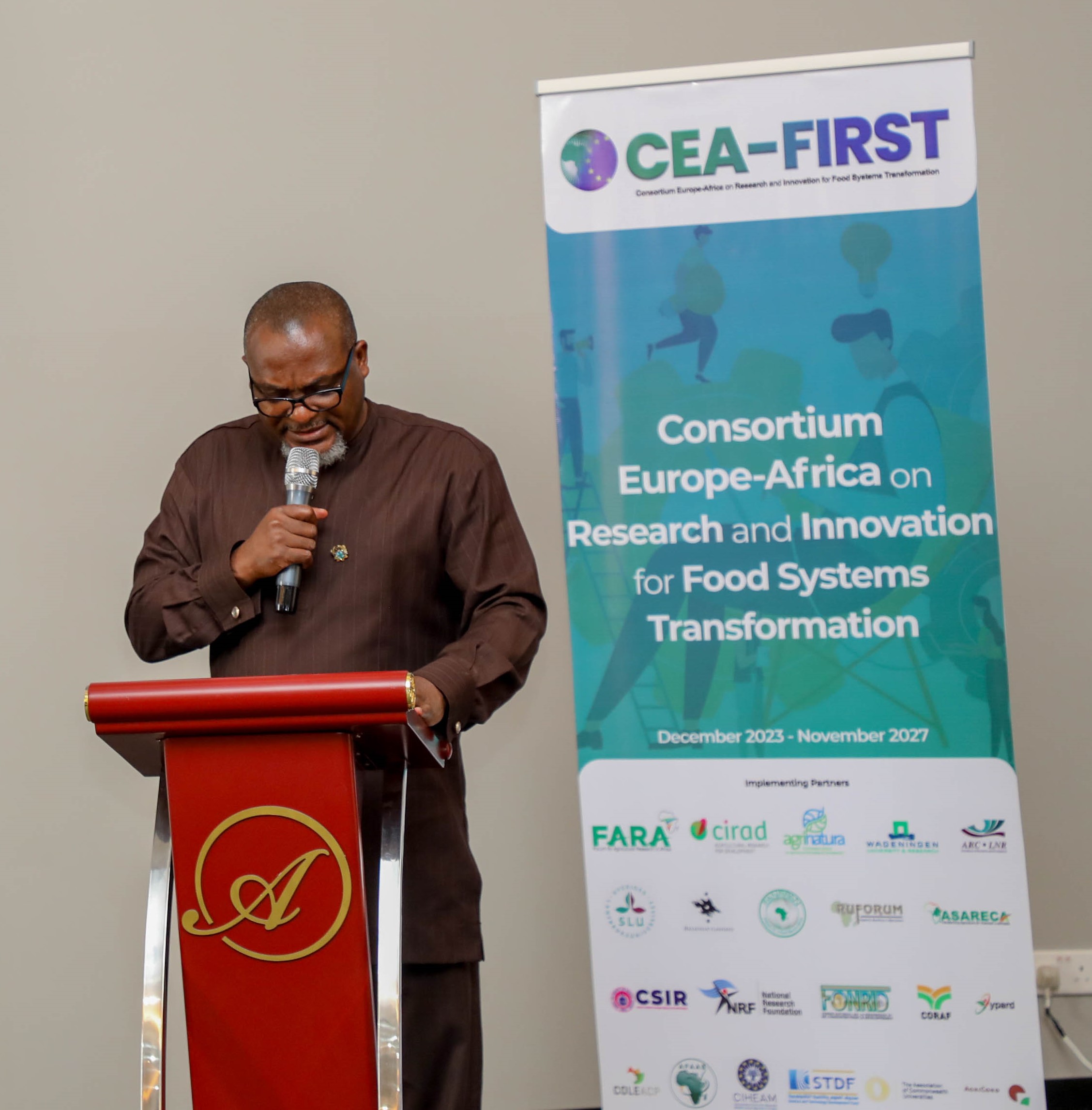
CEA-FIRST, the Consortium Europe Africa on Research and Innovation for Food Systems Transformation

12 - 14 February 2024.
 Accra, Ghana. 

The African Union and the European Union alongside a number of implementing partners have launched the Consortium Europe-Africa on Research and Innovation for Food Systems Transformation #CEA_FIRST Project.

  • CEA FIRST is funded by the European Union as part of the Green Deal’s “From Farm to Fork” strategy (Horizon Europe budget envelope). It forms a crucial part of the EU’s “Global Gateway” strategic vision, which aims to establish sustainable and reliable connections serving citizens and the planet. This vision addresses pressing global challenges, from combating climate change to enhancing the competitiveness and security of global supply chains, particularly in Africa.
  • The project brings together 22 partners from Europe and Africa covering a wide range of expertise and stakeholders (research, NGOs, donors, extension workers, etc.) involved in the field of food and nutritional security and sustainable agriculture. It consists partly from the former LEAP4FNSSA and PAEPARD, extended with new public and private network partners.

The main objectives of CEA-FIRST are as follows: 
  1. Providing public access to an extensive platform of knowledge in food and nutrition security and sustainable agriculture.
  2. Developing a robust methodology for analyzing Research and Innovation (R&I) activities and priorities.
  3. Supporting the update of the AU-EU R&I partnership roadmap.
  4. Establishing operational and thematic research working groups.

    * COLEAD leads the CEA-FIRST working group which focuses on fostering linkages and multi-stakeholder engagement in programmes and initiatives related to food and nutrition security and sustainable agriculture. Concurrently, COLEAD will co-lead efforts to strengthen the link between research, innovation, and their practical application
    .

  5. CEA-FIRST will facilitate connections between the IRC and the AU-EU high-level political dialogue.
  6. It will create a learning environment, including communication channels, to support multi stakeholder networks and to strengthen R&I coordination.
CEA-FIRST will operationalise the International Research Consortium (IRC) as a long-term platform on food and nutrition security and sustainable agriculture (FNSSA) in line with the FNSSA Roadmap of the AU-EU High-Level Policy Dialogue (HLPD).
  • The IRC is a member-based, multi-actor platform and will work towards increasing synergies andcoherence while reducing fragmentation and duplication of research efforts. Its aim is to promote higher returns on investments and impact on business development in Africa and Europe, by linking actors, research and innovation projects, initiatives, and funding programmes.
  • The final output will be a fully functional IRC. In the context of an essential transition in agri-food systems, compounded by the challenges of climate change and demographic shifts,
    the IRC is positioning itself as a vital tool for fostering an equitable and sustainable research and innovation partnership between Africa and Europe. This partnership focuses on bolstering agriculture as a key driver of economic development. 
  • The IRC will also serve related AU-EU policy priorities, such as the Climate Change and Sustainable Energy and the Innovation Agenda of the HLPD, as well as the European Green Deal priorities (and farm to fork strategy) and the AU priorities like the African Free Trade Area.

In his opening remarks to kick-off the International Research Consortium and the #CEA_FIRST Project, the Executive Director of FARA, Dr. Aggrey Agumya  recognized: "CEA-First represents a larger and far-reaching formation that promises to revolutionize the partnership and working arrangements between African and European institutions."


Participants

  1. Forum For Agricultural Research In Africa (FARA), Ghana (Coordinator)
  2. Centre For International Cooperation In Agronomic Research For DEVELOPMENT (CIRAD), France
  3. European Alliance On Agricultural Knowledge For Development (Agrinatura), France
  4. Stichting Wageningen Research (WUR), the Netherlands
  5. Agricultural Research Council Institute For Soil Climate And Water (ARC), South Africa
  6. Sveriges Lantbruksuniversitet (SLU), Sweden
  7. Helsingin Yliopisto (UH), Finland
  8. Food Agriculture And Natural Resources Policy Analysis Network (FANRPAN), South Africa
  9. Regional Universities Forum For Capacity Building In Agriculture (RUFORUM), Uganda
  10. Association Of Commonwealth Universities (ACU), United Kingdom
  11. The Registered Trustees of The Association for Strengthening Agricultural Research In Eastern
    And Central Africa (ASARECA), Uganda
  12. Council For Scientific And Industrial Research (CSIR), Ghana
  13. National Research Agency (ANR), France
  14. National Research Foundation (NRF), South Africa
  15. National Fund For Research And Innovation For Development (FONRID), Burkina Faso
  16. West And Central Africa Council For Agricultural Research And Development (CORAF), Senegal
  17. Young Professionals For Agricultural Development (YPARD), Germany
  18. Entrepreneurship-Agriculture-Development Liaison Committee (COLEAD), Switzerland
  19. African Forum For Agricultural Advisory Services (AFAAS), Uganda
  20. Agricord, Brussels Belgium
  21. Ciheam, Bari Italy
  22. Science, Technology And Innovation Funding Authority (STDF) Egypt

See also:

13/02 CNR Citinewsroom/Ghana Consortium Europe Africa on Research and Innovation for Food Systems Transformation project launched

The project brings together 22 partners from Europe and Africa covering a wide range of expertise and stakeholders (research, NGOs, donors, extension workers, etc.) involved in the field of food and nutritional security and sustainable agriculture. It consists partly on lessons from the former #PAEPARD initiative, to the LEAP4FNSSA and now extended with new public and private network partners.

Thursday, October 5, 2023

Food Systems Solutions Webinar Series 2023 | Applying Systems Thinking

5 October 2023. Applying Systems Thinking for Food Systems Transformation

Concept Note: English

Panelists focused on the nexus approach, highlighting the interconnectedness of different systems and emphasized the need for integrated solutions by sharing insights from their experiences and offered practical examples. They will specifically examined in a systemic way the transformation of food systems and how they can be leveraged to accelerate progress on various critical interconnected issues. 
  • Ismahane Elouafi, FAO Chief Scientist
  • Livia Bizikova, Lead II, Monitoring and Governance Tracking Progress Program, IISD •
  • Tom Arnold, Ireland’s Special Envoy for Food Systems, 2021-2022 
  • Kwesi Atta-Krah, Senior Advisor/Consultant, Country and Regional Engagement, One CGIAR-Continental Africa Directorate, IITA


Background

Since its inception in April 2022, the UN Food Systems Coordination Hub has been convening multiple virtual dialogues dedicated to peer-learning on food systems transformation. National Convenors and the broad ecosystem of support have been highly engaged in these dialogues, calling for the expansion of topics and thematic areas discussed. To scale knowledge diffusion and enhance science-policy-society interfaces, the Hub will host a series of Food Systems Solutions Webinars (FSS Webinars). These FSS Webinars are open to the public and will act as a platform for peer-exchange, capacity-development and strategic communication among Hub partners and engaged citizens.

The webinars are open meetings addressing government organizations, non-state actors, the UN system and other international organizations, non-for-profit organizations, private sector and other actors working on food system issues.

Future webinars

23 November 2023. 15:00 – 16:00. Innovating for Sustainable Food Systems Transformations: Scaling Success Stories Beyond Technology

  • Innovation goes beyond technology. It must incorporate social, economic, institutional, behavioral and organizational processes that facilitate integrative policies, business models and sustainable financing. 
  • This webinar will present success stories to illustrate how a broader definition of innovation must be used to advance equitable and sustainable food systems transformation.

Past webinars

15 JUNE 2023: Transforming Food Systems for Planetary Health

Concept note: English

This webinar explored the value of food systems transformation for public and environmental health, focusing on the areas of conflict and pandemic prevention, nature conservation, food security, and social equity. It included a focus on country-led examples of One Health plans and planetary health applications, from Finland and Malaysia, while expanding the importance of food systems for healthier people and the planet.
  • Dr Nicole de Paula, Senior SDG Expert, UN Food Systems Coordination Hub 
  • Dr Jeremy Farrar, Chief Scientist, WHO 
  • Dr Keith Sumption, Chief Veterinary Officer, FAO 
  • Dr Minna Huttunen, Ministerial Adviser, Food Safety Unit, Ministry of Agriculture and Forestry, Finland
  • Dr. Jemilah Mahmood, Professor and Director, Sunway Centre for Planetary Health and Former Special Advisor to the Prime Minister of Malaysia


11 MAY 2023: Standards and Labels for Sustainable Food Systems Transformation

Concept Note: English

Food labelling is an effective tool to protect consumer health, as it enhances food safety, nutrition, and environmental protection. With growing global trade, there is an increasing need for trusted methods to ensure that food labels serve their purpose. In this webinar, participants will learn about how countries and international organizations collaborate to ensure that food labels are enablers for sustainable food systems.
  • Ms. Nicole de Paula, Senior SDGs Expert, UN Food Systems Coordination Hub
  • Vittorio Fattorio, Food Safety and Quality Officer, Food Systems and Food Safety Division (ESF), FAO 
  • Pilar Santacoloma, Nutrition and Food Systems Officer, The Food and Nutrition Division (ESN), FAO 
  • Katrin Engelhardt, Scientist (Healthy Diet Policies), Department of Nutrition and Food Safety at WHO 
  • Renate Künast, Member of the German Bundestag and former Minister of Consumer Protection, Food and Agriculture from 2001 to 2005

Thursday, November 25, 2021

Indigenous foods with indigenous knowledge

Global Foodnet brings together food innovators in Kenya, southern Africa, Peru and Finland to develop foods from indigenous foods with indigenous knowledge.

See also: https://www.facebook.com/globalfoodnet/

Global Foodnet is formed by:
  1. the University of Eastern Finland, 
  2. the Centre of Innovation for Andean
    Grains
     at the Universidad Nacional Agraria La Molina
  3. Tshwane University of Technology
  4. Jomo Kenyatta University of Agriculture and Technology
  5. UI Global 
  6. Southern Africa Network for Biosciences.
Food innovators told their stories on food innovation and share their experiences south-south.

Bring Your Own Food Product: 18th November 2021
Innovative Gastronomy: 24th November 2021
  • Harnessing the Potential of Baobab
  • Nutritive Noodles with Andean grains
  • Cowpeas as a Future Global food
Bon Appétit, Intellectual Property for Food Start-Ups: 2nd December 2021

Related:
Indigenous Peoples have voiced concerns over using western IPRs that are designed to protect private ownership rights to protect Indigenous knowledge and foods, as this goes against their culture and values and is likely to accelerate the erosion of this heritage. 

In some cases, ‘soft’ IPRs such as collective trademarks, may be useful/appropriate for protecting the collective heritage of Indigenous peoples.

Indigenous peoples have called for the development of alternative ‘sui generis’ IPRs that are tailored to the unique character of their knowledge and food systems, and protect these holistically, including their connections with biodiversity, land and culture. They have also called for branding and labelling schemes that are specifically designed for Indigenous biocultural heritage-based products.

For more information, see:

Dutfield, G. (2011) Intellectual property tools for products based on biocultural heritage IIED #44 pp.

Products developed by indigenous peoples and traditional societies, such as food crops and medicines, can protect biodiversity and provide an important source of income. This review explores the intellectual property (IP) tools of geographical indications, trademarks and rules of unfair competition for promoting these products, and protecting them from misappropriation, misuses and imitation, and assesses their potential to contribute to sustainable development.


The indigenous farmers of the Potato Park in Cusco, Peru, produce goods drawn from their collective traditional knowledge, biodiversity and fundamental ties to the land: their ‘biocultural heritage’. How can they promote these products, while also protecting their collective intellectual property?

Swiderska, K., Argumedo, A. and Dutfield, G. (2019) Building a global biocultural brand to support indigenous landscapes IIED #4 pp.
Brief to develop a global brand for biocultural products and services, supported by indigenous labelling and certification. The labelling system should be designed and managed by indigenous peoples and easily accessible to them, with some independent verification to provide a guarantee of quality and authenticity for consumers.

Dutfield, G., Argumedo, A. and Swiderska, K. (2015). Designing an effective biocultural heritage indication labelling system. Consultation document IIED #26 pp.

Biocultural heritage is crucial to many indigenous peoples’ livelihoods, identities and self-esteem. Products and services based on biocultural heritage – such as traditional foods and drinks, personal care products, crafts and guided tours – can provide a source of income for indigenous people, while promoting incentives to sustain biocultural heritage. 
  • Tourists and local people with disposal income are often willing to pay a premium for high quality local products provided they carry a guarantee of origin and authenticity. 
  • But such guarantees are often lacking. While labelling and certification schemes exist for ecological and fair trade products, it seems that there is no such scheme that specifically seeks to protect biological and cultural diversity. 
  • Some existing intellectual property tools such as collective trademarks and geographical indications could be used to protect collective rights over biocultural products, but they are largely inaccessible to indigenous peoples as registration procedures are bureaucratic, designed for businesses, and they can be costly and difficult to enforce. Furthermore, they focus strongly on promoting trade, rather than protecting biocultural diversity.

Monday, May 17, 2021

Research boosts the trans­ition to cli­mate-smart live­stock man­age­ment in East Africa

17 May 2021. The project's kick-off webinar.

The University of Helsinki’s Taita Research Station in Kenya and researchers from the Department of Geosciences and Geography led by professor Petri Pellikka are coordinating a four-year (2021–2024) project called ‘Earth observation and environmental sensing for climate-smart sustainable agropastoral ecosystem transformation in East Africa’ (ESSA) funded by the Development of Smart Innovation through Research in Agriculture (DeSIRA) development cooperation instrument of the European Union. 

The project aims to increase understanding of the interlinkages between tropical upland forest cover and semi-arid lowland landscapes as well as the dynamics of their multifunctional agricultural ecosystems, particularly in terms of water resources in Ethiopia and Kenya. In addition to water balance, ESSA investigates drivers of vegetation change, determines the carbon footprint of livestock management processes and develops remote sensing techniques for estimating cattle numbers and monitoring environmental change. 

As study subjects, the project focuses on people practising livestock management and aims to diversify their livelihood, on the basis of research-based knowledge, into, for example, beekeeping and the manufacture of plant-based products (e.g., baobab, Aloe vera and Prosopis juliflora). Beekeeping requires the maintenance of a nectar and pollen source, or acacia trees. Prosopis juliflora, an invasive species, is being developed as a source of fuel briquettes to avoid using indigenous woody vegetation in the production of charcoal, which is already prohibited by law in Kenya. These livelihoods pursued alongside livestock management can generate income opportunities especially for women and young people, consequently improving their status in nomadic communities.

The project surveys the socioeconomic effects and application potential of these parallel livelihoods to investigate a broad-based transformation of the livestock management system in East Africa. 

The goal is to develop environmentally sustainable solutions that promote the maintenance of woody and grassy vegetation cover as well as support the adaptation of livestock management operators to the effects of climate change and changed land use.

The ESSA project is being carried out in Ethiopia and Kenya in cooperation with eight research institutions: the International Livestock Research Institute (ILRI), the International Center of Insect Physiology and Ecology (icipe), the University of Nairobi, Addis Ababa University, the Kenya Agricultural and Livestock Research Organization (KALRO), the Ethiopian Agricultural Research Council Secretariat (EARCS) and the Regional Center for Mapping the Resources for Development (RCMRD). In addition to the University of Helsinki’s Earth Change Observation Laboratory, the other contributor from Europe is the IHE Delft Institute for Water Education from the Netherlands.
"This programme will bring multiple benefits to the people of Kenya and Ethiopia. Firstly,the partnership between the University of Helsinki and various research institutes in Kenya and Ethiopia will enhance knowledge transfer and research capacity. ESSA project is especially important for Kenya, where arid and semi-arid landscapes with main income in pastoralism make almost 90% of the country and involve almost 40% of the population. Diversification of livelihoods and sustainable agro-pastoral ecosystems are important tasks especially with climate change" 
 Katrin Hagemann, EU acting Ambassador to Kenya
Further information about the project:

Tuesday, November 28, 2017

NEPAD SANBio / BioFISA II Study Tour to Finland

27 November-5 December 2017.  Since 2009, the BioFISA partnership, established between the Department of Science and Technology (DST) in South Africa and the Finnish Ministry for Foreign Affairs (MFA), has supported the Southern African Partnership programme to strengthen the NEPAD/SANBio Network. The first Phase of the programme was launched in the beginning of 2009 and lasted until the end of September 2012. The second phase, BioFISA II, is a four year programme from 2015 to 2019 with a total budget of EUR 7.82 million, contributed from Finland, South Africa and participating member states.

BioFISA II aims to support the mission of SANBio which includes the facilitation of innovation in support of the development of the regional economy in Southern Africa by:
  • supporting an effective and dynamic regional research network, including the establishment of sustainable funding structures for collaboration;
  • enhancing human and infrastructure capacity in the region; and
  • supporting the development of innovative products within the priority focus areas of health and nutrition, including the development of entrepreneurial skills.
A NEPAD SANBio / BioFISA II Study Tour was organised to Finland in which following companies are participating:

  • Elvema Nutrition (Pty) Ltd (www.elvema.co.za) is the manufacturer and distributor of Elvema Instant Nutritional products. Elvema manufactures a variety of teas, nutritious bars, Nutri-Veg shakes and instant porridges in various flavours. Elvema’s nutritional food products contain Moringa Oleifera and the products are at the cutting edge of cellular dysfunction repair, providing a wealth of natural ingredients to help nourish bodies. Elvema was established in 2011 and manufactures its products through Nutritional Food, a facility that is ISO 22000 and HACCP accredited. Some Elvema products are licensed under CSIR Biosciences.
  • University of Pretoria, South Africa: Biscuits from sorghum flour • Fermented or acidified drinks from sorghum flour • Bogobe jwa lerotse – extruded, instant sorghum-melon porridge To develop, manufacture and market healthy SMA 2RT food products with traditional values that meet the needs and aspirations of urban-living African Millennials with the aim of creating viable business enterprises
  • NEPAD Fish Node - LUANAR, Malawi: Insects for Feed and Food in collaboration with Scaled Impact NPO (South Africa) and Department of Research and Specialist Services (Zimbabwe)
  • Chinhoyi University of Technology, Zimbabwe: Ash-based Vitamin Mineral Block Lick for Beef Cattle Ash-based Vitamin Mineral Block Lick for Goats In collaboration with RAEIN Africa (South Africa). Commercial partner: Capital Foods (Zimbabwe)
  • The University of Swaziland (UNISWA), Swaziland: 1) Nutritious and medicinal pellets for livestock 2) Goat yoghurt In collaboration with Chinhoyi University of Technology (Zimbabwe) and Arrowfeeds (Pty) Ltd and Parmalat (Swaziland)
  • Sleek Foods (Pty) Ltd was borne out of the founder’s passion for cooking and fine foods. In 2014, Mrs Nkata Seleka, founder and owner who is a seasoned ICT Specialist, took a giant leap of faith to pursue her interest in the food industry. The result is a range of original and unique sauces, pastes and condiments made with recipes which have been tested and refined over time until perfection. Sleek Foods original line of Ready-to-Eat and versatile pastes are made using Olive Oil and no preservatives (and a shelf life of over 2 years), which come in Onion and Tomato flavour (Hot, Mild and Lemon & Herb). These are sold in major Supermarkets around Botswana. This product line has, amongst other accolades, won the First prize at the prestigious Botswana Beef Festival in Botswana in 2014. Sleek Foods is also the 2017 Botswana winner of the FemBioBiz competition and came 3rd at the final round of the same competition in Cape Town at the South African Innovation Summit which was held from the 6th to the 8th September 2017. 
  • Kiyomisandz Beauty Products is a two-time INNOVATION AWARD winning cosmetic manufacturing company based in Windhoek, Namibia. It was started up by owner and cosmetic chemist, Sandra Mwiihangele, whose passion and expertise lies in cosmetic development. She was also listed on Forbes Africa 30 under 30 Class of 2017. Kiyomisandz offers 3rd party cosmetic manufacturing services to clients, hotels, etc. such as R&D, Stability Testing & Manufacturing.


Wednesday, October 26, 2016

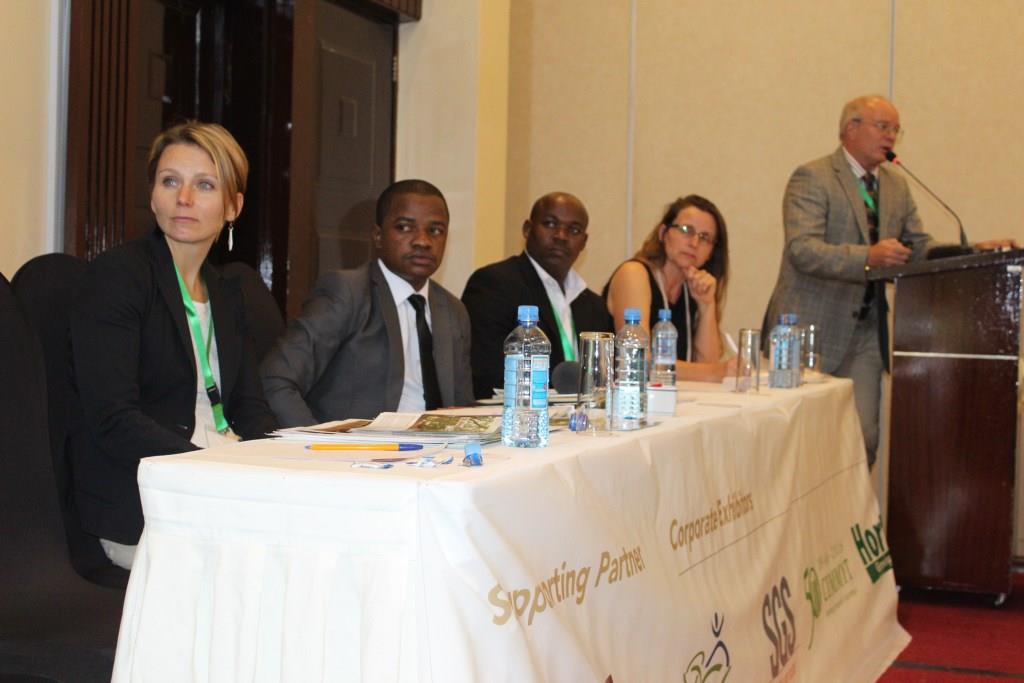
Africa Food Security Conference

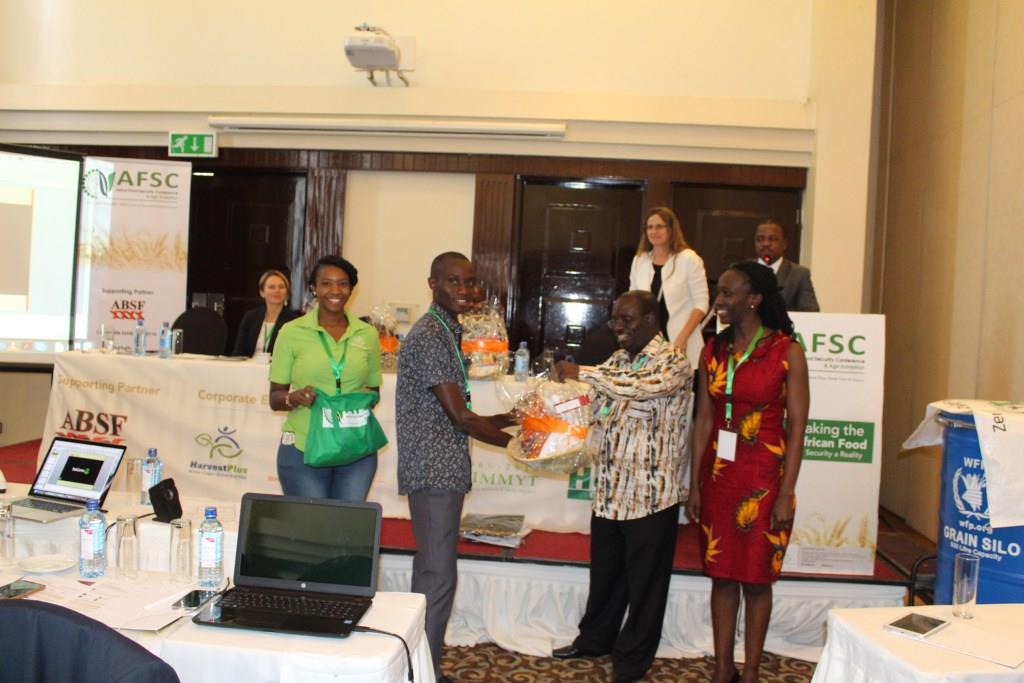
12-13 October 2016. Nairobi, Kenya. This 2 day conference aimed at building a refocused program and establishing monitoring mechanisms to address the needs of a dynamic food security program.

Poverty, climate change, food price hikes, water scarcity, land rights, fairer agricultural policies - all of these issues and more were addressed to ensure that infinitely better management of natural and financial resources and more strategic investment are implemented. The Exhibition which ran alongside the event showcased latest technologies and other innovative products and solutions

Extracts of the programme:
The Role of Corporate and Private Sector: 
  • Dr. Moses Makayoto, Head Kirdi Enterprises/Chief Research Scientist, Kenya Industrial Research and Development Institute: Drivers of innovation, investment and growth for in this industry
  • Lois Ndiba, Chief Executive Officer, Food Safety International: Food wastage management- corporate responsibilities
  • James Mwangi Ndiritu, Area Manager Food Security, Vestergaard Frandsen EA: PPP opportunities for domestic agriculture
  • Nickly Kipkorir, Head Technical, LAGRAN Group: Organic Farming? A fad or a business reality
Innovative Financing - Promoting access to finance in agriculture
This session focused on government, private sector and third sector / development assistance
interventions relevant to the BCI Enabling Mechanism which seeks to promote equitable access to responsible finance for farmers.
  • Zak Syengo, Head of Marketing & Corporate Affairs, Rafiki Microfinance Bank
  • Elizabeth Obanda, Senior Regional Programme Officer, Rural Development, Aga Khan Foundation (East Africa)
  • John Ndung’u, Chief Operations Officer, Hand in Hand Eastern Africa
  • Geoffrey Musyoki Kioko, Agricultural Loans Specialist, Oiko Credit Kenya
Agricultural Extension and Sustaining Practices
This session accessed application of scientific research and new knowledge to agricultural practices through farmer's education and rural development programs on environmental health, economic profitability, and social and economic equity.
  • Lawrence Kiguro, Associate Director, Livelihoods & Resilience, World Vision Kenya
  • Anja Weber, Country Manager, Soil Care Limited
  • James Mwololo, Head of Agriculture, Farm Africa
  • Mila Sell, Programme Coordinator, Natural Resources Institute Finland (Luke)

Monday, March 21, 2016

Forests for the Future – New Forests for Africa

16 - 17 March 2016. Accra, Ghana. This conference was part of the initiative ‘Forests for the Future – New Forests for Africa’ which aims at large scale reforestation in Africa. As finance is a key enabler the conference had a strong focus on the financial aspects of reforestation.

The conference was an initiative of the Dutch forestry consultation company, Form International, the sustainable forestry plantation company, Form Ghana, Nyenrode Business University, based in The Netherlands with a research focus area on biodiversity and business, and in close cooperation with The Forestry Commission, Ghana and the World Resources Institute.

Extract of the programme: Presentations would be made available on Friday 18 March 2016.‘Boosting investment in sustainable plantation forestry, afforestation and reforestation initiatives’
  • Mr. Abdoulaye Dagamaissa African Development Bank
  • Mrs. Pauliina Halonen Finnfund
  • Mr. Kyösti Pietola European Investment Bank
  • Mr. Tobias Dorenkamp DEG

Africa-EU Symposium on Renewable Energy Research and Innovation

8 - 10 March 2016. Tlemcen. Algeria. The Africa-EU Renewable Energy Cooperation Programme held an international research symposium.
(RECP) in cooperation with the Pan African University Institute for Water and Energy Sciences (PAUWES), University Abou Bekr Belkaid jointly

Participants included a mix of African and European experts from universities and private research institutions, complemented by representatives from: public sector, centres of excellence, international companies, business associations, NGOs and development partners involved in renewable energy research. Together, the contributors presented high-quality research on pertinent and relatable renewable energy developments on both continents. Participants outlined vital aspects for the continued success of renewable energy in Africa. For example,
  • The identification of the importance of academia in advancing renewable energy market, policies, and strategies. This included the need for more joint research projects for African and EU institutions, and increased awareness and knowledge of cooperation platforms and support instruments.
  • The recognition of the necessity for a people-centred approach in every research project on renewable energy in Africa. This incorporates the need to focus on cost-effective, household level off-grid solutions and the acknowledgment of the role of women role in: energy use, entrepreneurship, policy making and research.
  • The acknowledgement of the need for greater awareness regarding financing opportunities for renewable energy research and application.
Africa-EU Symposium_Programme
Africa-EU Symposium_Book of Short Abstracts
Africa-EU Symposium_Speakers Brochure
Extract of the programme:
Feedback by Private Sector Representatives

  • Ms Eva Kagiri, Senior Planning Officer, FinCEAL Africa » 
  • Mr Anthony Ighodaro, Steering Committee Chair, African Renewable Energy Alliance (AREA) » Eng. 
  • Matthew Matimbwi, Executive Secretary, Tanzania Renewable Energy Association (TAREA)
Support Mechanisms and Funds for Renewable Energy Research and Cooperation in Africa 
  • Overview on Africa-EU renewable energy research cooperation: Mr Jean-Paul Delattre, Managing Director, Resources and Logistics (RaL) 
  • Experience with Horizon 2020: Prof. Ancha Venkata Ramayya, Jimma University, Ethiopia
  • CAAST-Net Plus: Dr Eric Mwangi, Africa region coordinator, CAAST-Net Plus 
  • German Academic Exchange Service (DAAD): Mr Sherif Abdelrazek, Senior Advisor, DAAD

Tuesday, November 3, 2015

African Investment and Energy Forum

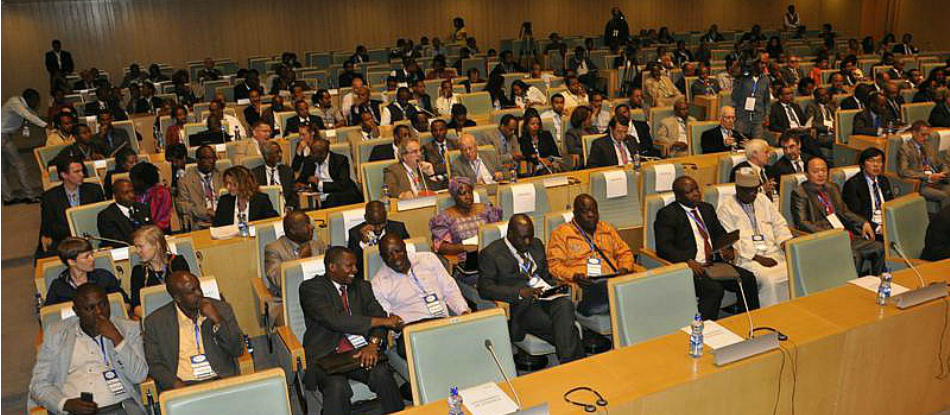
27 - 29 October 2015. African Investment and Energy Forum. The Africa`s leading B2G and B2B Exhibition and Conference adressses Africa's most important business topics by international experts and well known personalities. The AIF is the only one of its kind to take place in the AFRICAN UNION Conference Center.

Extract of the program

  • Private Sector and Development Cooperation in practice (Judith Helfmann-Hundack, Foreign Trade and Development Policy, AfrikaVerein der deutschen Wirtschaft e.V. 
  • The dual approach - the German experience in vocational training in Subshara Africa (Ingo Badoreck - Country Director – Delegation of German Industry and Commerce in Kenya) 
  • Investment opportunities in Agribusiness: The East Africa experience (Kanini Mutooni – USAID East Africa Trade and Investment Hub Director, Investment, ICT) 
  • Agricultural Wastes as Source of Energy and Income: Making Agriculture More Attractive and Rewarding (Abdulkadir Hassan - ZHE Africa)


Panel Discussion International Investment in Agriculture – along the value chain

  • Lutz Hartmann - General Manager, FruitBox Africa GmbH and Partner Belmont Legal. 
  • Dr. Ferdinand Schmitz, Managing Director, German Seed Alliance 
  • Henk-Jan Voskuil, General Manager Dümmen Orange   
  • Asmau Nitardy – Manager East Africa & Agribusiness, Afrika-Verein der deutschen Wirtschaft e.V.) 
“AFRICA FINLAND INVESTMENT RELATION” 
  • Business partners from Finland – government supported Matchmaking - program of Finnpartnership (Birgit Nevala - MA, Business Partnership Coordinator, Finnpartnership) 
  • Financing and investments from Finland to Africa (Jussi Ahonen – Investment Manager – Manufacturing and Services Finnish Fund for Industrial Cooperation Ltd (FINNFUND)
“AFRICA TURKEY INVESTMENT RELATION” 
  • M. Rizanur Meral – President of TUSKON 

The German-Africa Business Association, which comprises 600 German companies with an interest in Africa, offers a platform for establishing contacts and exchanging information and opinions.
  • Association Foreign Trade and Development Policy Head Judith Helfmann-Hundack said that they have come with the business delegation for the first time following Prime Minister Hailemariam Dessalegn's visit to Germany last December.
  • She indicated that there are good opportunities in Ethiopia especially in the agriculture sector. Anything to do with manufacturing and processing agricultural products, packaging them to transport is an important and interesting points to consider, she said. "It's a right time to be here."
  • The visiting delegation, which all hailed from agribusiness sector, participated in the African Investment and Energy Forum and many more German companies outside of the delegation 

Thursday, October 15, 2015

ANAFE-FoodAfrica Programme


13-16 October 2015. Nairobi, Kenya. ANAFE in partnership with the Finish supported FoodAfrica programme implemented by various CGIAR Center including ICRAF, conducted a training workshop for educators and researchers on “Effective communication with users of knowledge”. This training workshop was geared towards sustaining impact from interventions in agriculture. There is a great wealth of indigenous knowledge that would be studied more closely and appreciated if there is effective communication between educators, researchers and users of knowledge.

The objectives of the training were to:
  • Share experiences and lessons on best practices in communicating research outputs;
  • Equip educators and researchers with skills for effective communication with users of knowledge;
  • Provide participants with a manual on effective communication with users of knowledge.
Background:
The African Network for Agriculture, Agroforestry and Natural Resources Education (ANAFE), is composed of 136 member institutions (universities and colleges) in 35 African countries. The mission of ANAFE is to improve the quality, relevance and application of agricultural and natural resources education and research in Africa.

The FoodAfrica Programme is implemented in six Western and Eastern African countries: Benin, Ghana, Cameroon, Kenya, Senegal, and Uganda. The Programme consists of three thematic components: sustainable food production, food safety and nutrition, and market access and extension.

Saturday, March 14, 2015

3rd UNCCD scientific conference

9-12 March 2015. Cancun, Mexico. 3rd United Nations Convention to Combat Desertification (UNCCD) Scientific Conference. The contribution of science, technology, traditional knowledge and practices.

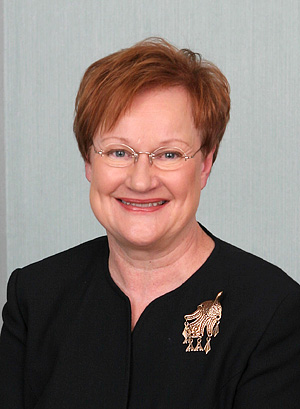
During the opening session of the 3rd United Nations Convention to Combat Desertification (UNCCD) Scientific Conference in Cancun, Mexico, this week (9-12 March), Tarja Halonen, UNCCD’s drylands ambassador and former president of Finland, said poverty, climate change and desertification are closely linked in their causes, impacts and solutions.
Increased population growth will set new demands for productive land capacity, and that in 15 years’ time people will need 45 per cent more food, 30 per cent more water and 50 per cent more energy, with almost half of the world’s poorest people inhabiting degraded lands.
SESSION 1: DIAGNOSIS OF CONSTRAINTS
How can key vulnerabilities of ecosystems and populations with regard to climate change in the various situations in the world be identified? How can they be characterized?
  • Workshop 1.1: Climate change
  • Workshop 1.2: Environmental and ecological set up
  • Workshop 1.3: Food security, agriculture, pastoralism
  • Workshop 1.4: Socio-economics
  • Workshop 1.5: Integrated methodology and policy making 

SESSION 2: RESPONSES
How can adaptive capacities be developed or maximized at short, medium and long term? What are the major contributions from traditional and local practices and scientific research? How are they related to specific settings? How can they be generalized so that they can be adapted and applied to broader settings? What are the obstacles to more widespread use?
  • Workshop 2.1: Crops, livestock, genetics and seed systems
  • Workshop 2.2: Agro-ecosystems
  • Workshop 2.3: Soil and water issues
  • Workshop 2.4: Knowledge and knowledge transfer
  • Workshop 2.5: Desertification, land degradation and restoration

SESSION 3: MONITORING AND ASSESSMENT
How can we best measure the performance of actions to combat land degradation and desertification? How can we cost-effectively evaluate the efficiency of drought-mitigation strategies?
  • Workshop 3.1: Indicators
  • Workshop 3.2: Remote-sensing and mapping
  • Workshop 3.3: Drought, water, hydrology
  • Workshop 3.4: Sustainable land management / Land degradation neutrality
  • Workshop 3.5: Processes of degradation 


Sunday, October 5, 2014

The importance of research on aflatoxin binders for the dairy sector in East Africa

1-2 October 2014. Berlin, Germany. German Federal Mininstry of Economic Development and Cooperation. Expert meeting Food Safety Nutrition Security, discussing aflatoxin.

Interview with Erastus Kangethe (Univ. Nairobi). He answers the question about the importance of research on aflatoxin binders for the dairy sector in East Africa.


Related PAEPARD blogpost:
Hannu Korhonen (MTT Agrifood Research Finland)

Vivian Hoffmann (IFPRI) ;
Erastus Kangethe (Univ. Nairobi); Johanna Lindahl (ILRI, Nbo); 

Vesa Joutsjoki (MTT Agrifood Research Finland) at the
The FoodAfrica research for development programme aims for improved food security by providing tools and information to local smallholders, experts and authorities in West and East Africa.

The programme involves several Finnish and African research institutions. FoodAfrica is coordinated by MTT Agrifood Research Finland and its main funding agency is the Ministry for Foreign Affairs of Finland.

Quite a lot of research has been conducted on aflatoxins but FoodAfrica is the first project that is focusing on putting economic figures on the effects of aflatoxin on livestock and potential health risks caused by contaminated milk.

Many of the farmers who don’t understand the risk would feed moldy or spoilt maize to animals as feed, and drink the milk from these animals, which is the problem we are focusing on within the FoodAfrica programme, says Professor Erastus Kangethe from the University of Nairobi.

Saturday, August 9, 2014

Safe food saves life: Dealing with aflatoxin

Milk is a major food in Kenya. Understanding how, and to what extent, these toxins affect dairy products in this country is under investigation by scientists at the International Livestock Research Institute (ILRI).

‘We don’t know enough about the specifics of milk consumption in Kenya’, says Johanna Lindahl, a food safety researcher at ILRI. ‘We know that some groups, such as young children, pregnant and nursing women, as well as livestock herders, consume more milk than others.’
"Aflatoxins in milk has had quite some research interests, but it might be important to note that the public health importance of this has not been shown. We know the AFM1 is there, but we don't really know what it does to you (apart from being less carcinogenic than AFB1), and we know people consume it. I think there is a lot of research that still needs to be done on this issues, and this also needs to be conveyed to donors. There are knowledge gaps still in the basic pathology and the actual total impact on human and animal health. There is a lack of knowledge in binders and their efficiency, and we have very little means of actually mitigating the problem in a cost efficient manner."
ILRI is determining the risks posed to such different groups of people by exposure to aflatoxin-contaminated milk in a ‘My-Dairy’ project in Kenya funded by Finland’s Ministry of Foreign Affairs. In a series of studies, this project, which is under the CGIAR Research Programs on Agriculture for Nutrition and Health (A4NH) and Policies, Institutions and Markets, is also assessing the economic impacts of contaminated dairy feeds and the most appropriate ways of reducing aflatoxins along Kenya’s dairy feed chain.

Related:
How can the presence of aflatoxins in food be controlled?
This virtual briefing of the Global Donor Platform for Rural Development looks at two Kenyan studies on the effects of fungi, mycotxins and aflatoxins. Caused naturally, common fungus has been isolated in soils, maize, millet and sorghum in both regions. They are even found in infants' food.

Prof. Erastus K. Kang'ethe of the University of Nairobi speaks about the reasons for high contaminations – both on the natural, agricultural side as well as a result of cultural practice and societal problems. Erastus K. Kang'ethe is member of the PAEPARD supported consortium "Aflatoxin contamination management along the maize value chain in Kenya".

Published on 7 Jul 2014


Related:
Interview with Pierre-Marie Borne Public Affairs Director of the Public Health Zoonoses and Food Safety at CEVA SANTE ANIMALE (Bordeaux, France) on the state of meat production and dairy development projects. 

Published on 31 Jul 2014 When different organisations -donors, funders, governments, private sector agencies, project managers, farmers- all enter a local developing market they each have different objectives and intentions. However if their goals differ then so would the strategies employed to achieve them.
"In order to help the emergence of a profitable, sustainable dairy sector -that includes small farmers- you need at the origin good public private partnerships. So you need to have all these ingredients -the prerequisites- but also you have to get the most suitable collaborations in order to produce and to push the development of the dairy sector," explains Pierre-Marie Borne in an interview with the platform.
 

Friday, April 11, 2014

Comprehension and action required for successful aflatoxin control

The FoodAfrica research for development programme aims for improved food security by providing tools and information to local smallholders, experts and authorities in West and East Africa.

The programme involves several Finnish and African research institutions. FoodAfrica is coordinated by MTT Agrifood Research Finland and its main funding agency is the Ministry for Foreign Affairs of Finland.

Quite a lot of research has been conducted on aflatoxins but FoodAfrica is the first project that is focusing on putting economic figures on the effects of aflatoxin on livestock and potential health risks caused by contaminated milk.

Many of the farmers who don’t understand the risk would feed moldy or spoilt maize to animals as feed, and drink the milk from these animals, which is the problem we are focusing on within the FoodAfrica programme, says Professor Erastus Kangethe from the University of Nairobi.

Monday, March 31, 2014

Engaging SME’s in EU-Africa Science, Technology and Innovation


Presentation by Judith Francis of CTA:
Current trends of SME involvment in
EU-Africa STI Research Partnerships
31 March 2014. Brussels. Stakeholders were invited to discuss and map out practical ways in which
SME’s can and should be engaged in EU-­‐Africa STI research collaborations. Discussions will be based on current successful practices that could be adopted, possible challenges arising from policy and practice limiting these collaborations, untapped opportunities and the way forward.

The key questions which were addressed in the workshop related to:

Wendell McIntosh of
ADA Commercial
Panel discussion: from left to right:
Prof. Taute (CSIR Meraka Institute); Wendell Mcintosh
(ADA Commercial); Antoine Mialhe (EC, DG Research);
Prof. Isaac Graham Meewella (IPMI International Business
School, University of Oulu)
EU-Africa Research and Business Policies – Opportunities or Threats? EU and Africa regional research strategies (including REC’s) have recently begun to increase the role of SME’s in research. It is however not clear how far the business policies support
these partnerships and what levels of coherence exist between the two.

  • How are current EU-­‐Africa research and business policies supporting or limiting collaboration between researches and business? 
  • Are EU-­‐Africa research policy priorities coherent with the regional business priorities? 
  • What areas of partnership are most viable for SME-­Research collaboration?
Strengthening STI research partnership and engaging SME’s
  • What kinds of challenges are SME’s in EU and Africa facing in engaging in joint research partnerships?
  • Best Practices from Finnish research-­SME partnerships. Are these transferrable models? 
  • Are there EU-­Africa platforms that exist that can be used to include SME’s in research? Is there a need to create new platforms? If so, what kind of platforms? 3.3 Way Forward
  • What is the way forward for researchers, policy makers and SME’s in enhancing STI research partnerships within the JAES roadmaps? 
  • What opportunities and challenges are foreseen and  how do we address them?
An outcome document from the workshop will be produced and taken forward to various organizers’ channels at EU and National level.
PPT presentation of Wendell McIntosh of  ADA Commercial
Following research questions linked to the mechanization of rice production in Africa have been identified:

Small and suitable field production machinery research
  • Pre-harvest mechanization: Precision planting, nursery industry and efficient use of water; mini-combine harvesters; ASI thresher; paddy cleaner; Weeders
  • Improvement of agricultural technology and system management
  • Post harvest mechanization for processing of agricultural product: Flat-bed dryers; parboiling vessels;  Briquetting machines; Rice hullers and grading machine 
Renewable energy technology research
  • furnaces for bio char 
  • Bio gas digesters
  • stoves for parboiling operations


Interview with Prof. Hannu J. Korhonen, Biotechnology and Food Research, MTT Agrifood Research Finland, about the importance of measuring aflatoxin. Prof. Hannu J. Korhonen is the European partner of the PAEPARD supported consortium: Aflatoxin contamination management along the maize value chain in Kenya.

FoodAfrica – Improving Food Security in West and East Africa
Many of the farmers who don’t understand the risk would feed
moldy or spoilt maize to animals as feed, and drink the milk
 from these animals, which is the problem we are focusing
on within the FoodAfrica programme, says
Professor Erastus Kangethe from the University of Nairobi.

FoodAfrica is a research and development Programme enhancing food security in West and East Africa. The objective of the Programme is to provide new knowledge and tools for researchers, decision makers and local farmers to improve local food security. The FoodAfrica Programme is implemented in six countries: Benin, Ghana, Cameroon, Kenya, Senegal, and Uganda.

FoodAfrica Programme is coordinated by MTT Agrifood Research Finland. The other cooperating partners are four CGIAR institutions and two Finnish universities.

See article: Comprehension and action required for successful aflatoxin control


Interview with Dr Olivier BESNARD of the France based SME Biophytech. Dr Olivier BESNARD is the European partner of the PAEPARD supported consortium: Burkina Faso - BIOPROTECT-B, un groupement d’intérêt économique pour la protection biologique des cultures et la fertilisation organique des sols pour une agriculture saine et durable au Sahel.


BIOPROTECT – B à été créé en 2011 et son siège social est au Burkina-Faso. BIOPROTECT – B propose des intrants d'origine organiques non polluants permettant une revitalisation de la vie microbienne des sols et une valorisation optimale des ressources locales afin de fertiliser et protéger des végétaux à fortes valeur ajoutée. Olivier answers following questions:

  1. Quelle est la genese de votre collaboration avec ARFA? 
  2. Comment le PAEPARD a-t-il contribue a cette collaboration? 
  3. Comment les essais de terrain ont ete finance? (le role du ColeACP) 
  4. Est-ce que Biotech est une PME qui est devenue viable? 
  5. Quelle est la collaboration entre ARFA et Bioprotect? 
  6. Est-ce que les biopesticides sont une niche ou il y a moyen de faire de l'argent? 
  7. Quel est le lien avec la conservation des sols?