Platform for African – European Partnership in Agricultural Research for Development
Showing posts with label Ivory Coast. Show all posts

Thursday, May 21, 2026

What Dutch exports mean for African food systems

20 May 2026. Research into the possible structural impacts of Dutch agrifood exports to Africa

Do subsidised, highly efficient Dutch farmers push African farmers out of their markets? ECDPM and Wageningen University researched this question for the Dutch Foreign Ministry and the Dutch Parliament (Tweede Kamer). 

ECDPM analysed the trade data, selected two in-depth cases with the highest probability of structural negative impacts – and, based on econometric analysis and interviews, found that there were no such harmful impacts in these cases. This also indicates that impacts in other cases would likely be very limited.


No impact is surprising – why is that?

Why no impacts, then? Trade data shows that Dutch food exports to ‘vulnerable countries’ are declining, and there are few instances where they have a substantial market share and attribution of impact is possible. 

Two cases were selected: onion exports to Senegal and potato exports to Côte d'Ivoire ($ 33.3 million volume and 71% market share for onions to Senegal; $ 10.0 million and 84% for potatoes to Côte d'Ivoire).

Friday, December 8, 2023

Africa Higher Education Centers of Excellence for Development Impact (ACE Impact) Project

31 October  – 3 November 2023
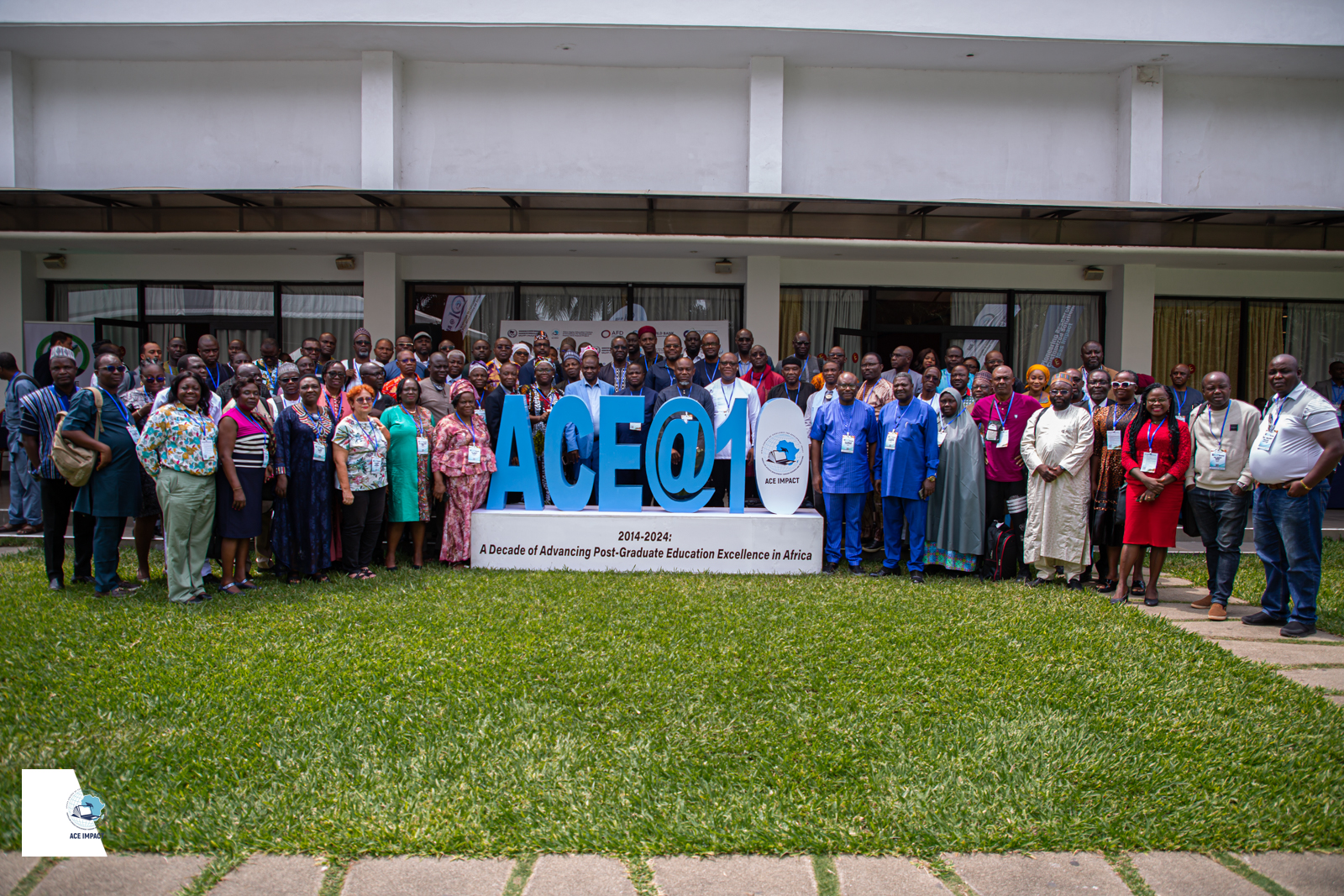
. Abidjan, Cote d'Ivoire. The 10th regional workshop of the Africa Higher Education Centers of Excellence for Development Impact (ACE Impact) Project was a project-wide implementation and technical support mission that is part of the bi-annual series of workshops under the project. 

Participants included the leadership teams of all 54 centers, university vice chancellors/presidents, key government and ministry representatives for participating countries, and the regional project management team. 

The first day consisted of (i) a formal meeting of the Project Steering Committee (PSC); and (ii) a meeting of the subject matter experts. 

The subsequent three days consisted of hybrid workshop activities for all project stakeholders. Prior to the workshop were virtual national level implementation support meetings. For all sessions, there was simultaneous interpretation available in both French and English. 

The main objectives of the workshop were: 
  1. Discuss best practices and implementing plans related to various aspects of eco-system wide sustainability, including financial and operational sustainability; 
  2. Provide implementation support to accelerate project disbursements and fund utilization with a focus on construction, accreditation, and institutional impact activities; 
  3. Provide a peer learning platform for the centers through various avenues including the regional networks to discuss methods of achieving the more difficult disbursement linked indicators (DLIs) such as international accreditation, entrepreneurship, and institutional impact; and 4. Provide one-on-one support to centers following national supervision meetings for all fiduciary matters, including financial management, monitoring & evaluation, environmental and social safeguards, and procurement.

Panel Discussion on sustainability @56:01:

Sustainability is a critical aspect of any higher education-funded project. Beyond securing initial funding, it is crucial to explore tactical avenues for long-term sustainability through strategic partnerships and collaboration, effective resource management, and the establishment of revenue-generating initiatives.

Now, more than ever, discussions on the sustainability of the centers of excellence under the Africa Centers of Excellence for Development Impact have become more crucial. The project has since 2019 been supporting 53 emerging and existing centers of excellence in West Africa and Djibouti. These centers with initial funding support from the World Bank have been committed to reshaping the African higher education landscape by offering high-quality programs that tackle developmental challenges.

Four (4) years into the project, the participating centers of excellence have amassed a remarkable array of success stories to share in terms of innovative solutions, robust training and programs, increased student enrollment, international accreditations, successful revenue generation from external sources, and community engagement.

During the 10th ACE Impact regional workshop held in Abidjan, Cote d’Ivoire on October 31, 2023, selected twelve (12) centers of excellence were given the platform to share some best practices that have contributed to the center’s successes as well as sustainability lessons across the ACEs with a focus on innovation, leadership, education, and financial integration.


Leveraging innovations is one of the key areas that centers of excellence can capitalize on to sustain the project beyond the World Bank funding. Centers such as OAU ICT-Driven Knowledge Park (OAK PARK), the Center for Food Technology and Research (CEFTER), and the Center for Training and Research in Water Sciences and Technologies (CEA 2IE), are leading the charge in developing innovative solutions capable of attracting external revenue to sustain their respective centers of excellence.


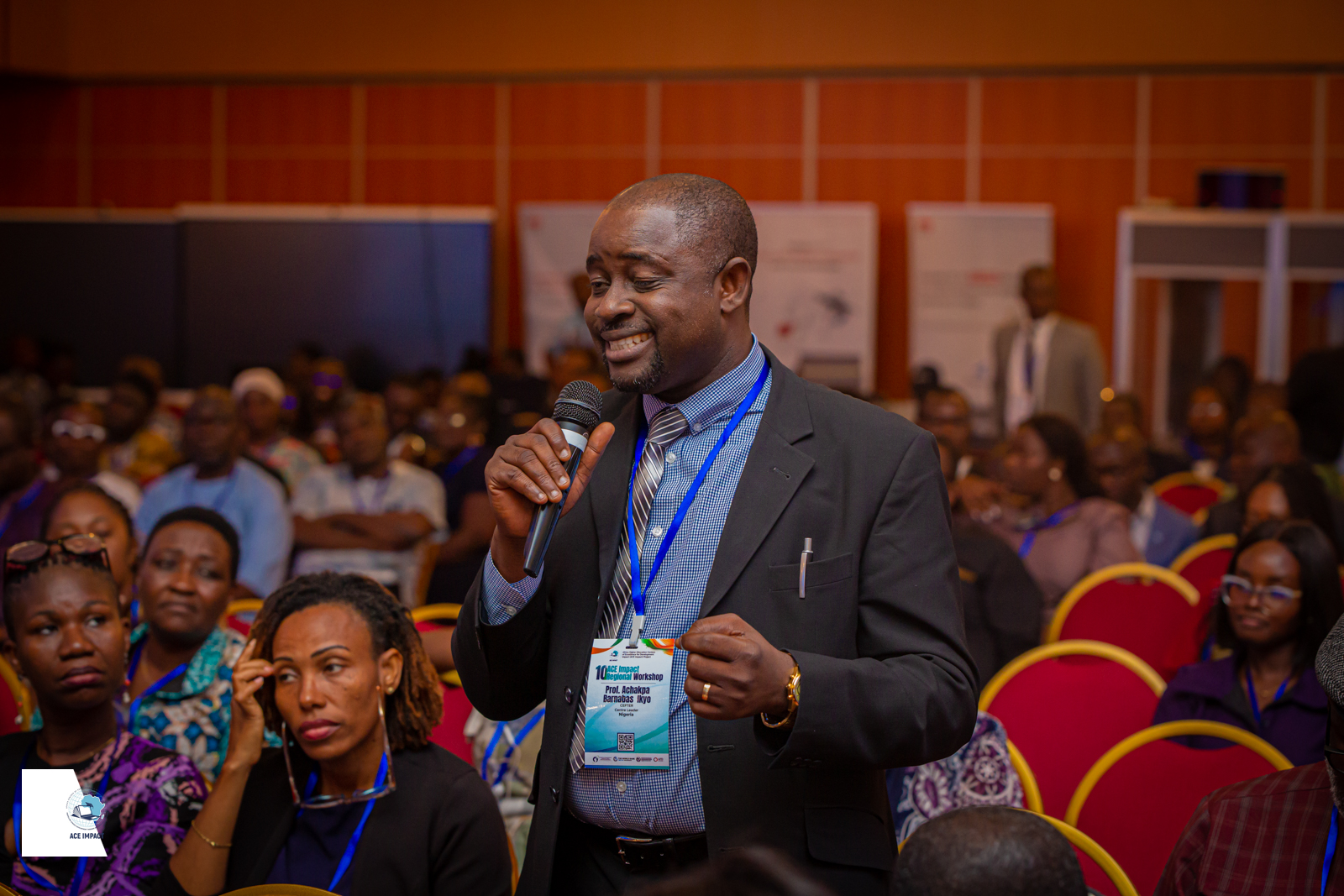
Recording of the Center Director, Barnabas Achakpa Ikyos starts @01:45:12

CEFTER’s focus is on Development and utilization of improved technologies to reduce post-harvest food losses

CEFTER stands as an exemplar of how innovation can be harnessed to ensure the sustainability of the Centers of Excellence. 

The center has spearheaded a multitude of student research projects that have received official recognition from Nigeria’s regulatory authority (NAFDAC), these solutions revolve around:
  • transforming cassava into innovative food products, such as high-quality cassava flour and biscuits. Following the commercialization of this innovation, CEFTER secured a large-scale government contract to produce 1.6 million cassava biscuits for students across Nigeria. 
  • The Center Director, Barnabas Achakpa Ikyo stressed the importance of community support, government endorsement, and effective branding in their endeavors. 
  • Notably, CEFTER’s alumni have extended their innovative impact, with one establishing a successful cassava flour business in Cameroon and another venturing into tomato cultivation and processing. This demonstrates the center’s outstanding capacity to launch profitable endeavors and encourage innovation outside of its walls, having a long-lasting, global influence.

Keeping your fruits and Vegetables fresh with CEFTER Biodegradable bags. (5 Jun 2023) 


Wednesday, December 6, 2023

2SCALE Promoting Inclusive Agribusiness in Africa

6 - 7 December 2023. Abidjan, Côte d'Ivoire. 2SCALE, Africa's leading incubator and accelerator dedicated to inclusive agribusiness, celebrates a Decade of Promoting Inclusive Agribusiness in Africa.

This event will be streamed live via our YouTube Channel.

Extracts of the Program


06/12 PÔLES D'ENTREPRISES AGRICOLES (PEA) - (ABC)

La transformation des petites entreprises Agro-industrielles faibles en un groupe d’entreprises fortes et résilientes.

  • Tahirou Dembélé - Président Union Siguida
  • Yeleen BATIOBO Odilon - Responsable SAE/Coach PEA
  • Jean Marie Kouadio - Gérant GRONOVA
  • Youssouf Traoré - Conseiller Inclusif Agricole

06/12 INCLUSION FINANCIÈRE 

Problématiques, Stratégies et innovations de financement inclusif pour les acteurs-trices des PEA et des chaines de valeurs

  • GBETCHI Kodjo Laurent, President CA, UROPC
  • Mamadou Makadji, PDG Dounka fa
  • Alice Dakiélé, Productrice de maïs et femme leader dans les associations villageoises d’épargne et de crédit de Daloa
  • Mamadou Traoré, Directeur adjoint CARE Côte d'Ivoire
  • Youssouf Traoré, Conseiller- agribusiness 2SCALE 

06/12 INCLUSION DES JEUNES 

 Les partenariats Public Privés en agrobusiness pour l’employabilité et l’entrepreneuriat des Jeunes.
  • Jean Paul Aka - Directeur Général -Locagri 
  • Bade Kouassi - Coach communautaire - PPP-Volaille 
  • Aïssata Diakité - Directrice Générale - Zabbaan Holding 
  • Alladjodjo Dieudonne - Directeur, Promofruit

07/12 INCLUSION DU GENRE 

La transformation des petites entreprises Agro-industrielles faibles en un groupe d’entreprises fortes et résilientes 
  • Aminata Bonkoungou - Directrice APMR 
  • Patricia Zoundi - Promotrice de Canaan Land 
  • Talatou Nassirou - Directeur General CCPHN 
  • Mahamadou Almoctar - Coach principal APGR 
  • Aminatou Issoufou - SAE à Feder

07/12 INNOVATIONS VERTES INCLUSIVES 

La contribution des innovations verts inclusives dans la transformation du secteur agroalimentaire.
  • Ange Mohamed - Coach PEA de Kamelesso 
  • Tahirou Dembélé - Union Siguida Yeleen &Agriculteur/Mali
  • Aminatou Feder - SAE- Feder moringa/Niger

07/12 BoP (Base de la Pyramide - Consommateurs à faibles revenus) 

Un vecteur d'innovation et de croissance pour les entreprises Africaines et d’inclusion pour les consommateurs à faible revenu.
  • Ndiaye Djeneba - Responsable Commerciale de Nebnooma SARL 
  • Gislain Kouakou - PDG de MIENSAH Group 
  • Dialia Keita - Keitala Negoce From Mali products Soya 
  • Loba Youa Hélène - Promotrice de Mamie Attiéké  
  • Talatou Nassirou - Directeur Général CCPHN, Niger

07/12 CHANGEMENT SYSTÉMIQUE 

Le changement systémique sous-sectoriel porte sur les défis qui dépassent la portée d’un PPP et qui adresse des solutions pour que l’agro-industrie devienne plus inclusive, durable, résiliente et compétitive. 
  • Coulibaly Aly - Conseiller Agribusiness Inclusif 
  • Savadogo Arsene - Directeur Général 
  • Amegankpoe Marlène - Directrice Générale 
  • Niamoye Traoré - Conseiller Agribusiness Inclusif 

07/12 PANEL DE PERSPECTIVES 

  • Veyrl Adell - Directrice du développement des systèmes de marché (IFDC) 
  • Emile Schmitz - Directeur Général mondial (Bopinc) 
  • André de Jager - Directeur général des secteurs agro-alimentaires, de l’énergie et de l’eau (SNV)


Friday, March 31, 2023

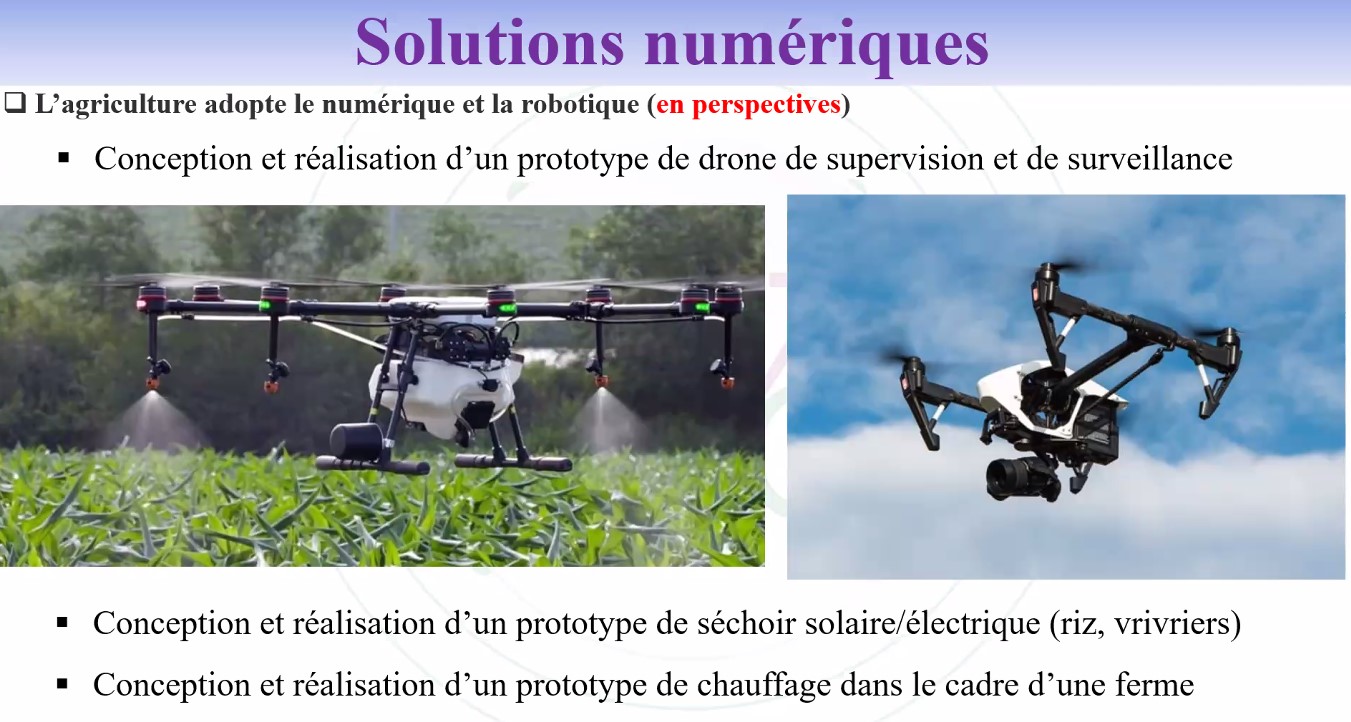
Digital Technologies and Tools for sustainable and resilient Agriculture and Food Systems in West Africa

31 March 2023
. Digital Technologies and Tools for sustainable and resilient Agriculture and Food Systems in West Africa

Video recording forthcoming
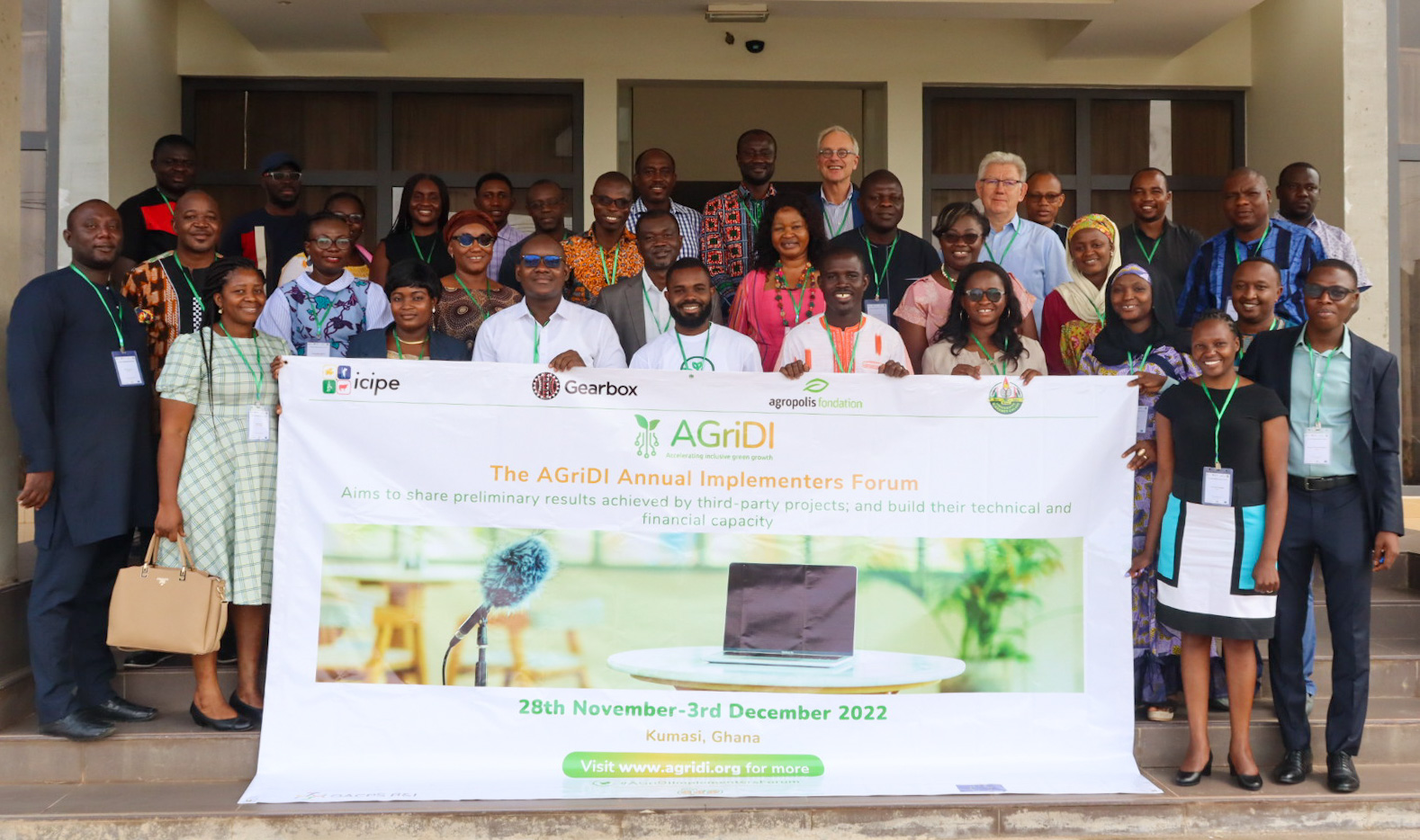
  • The public webinar drew lessons on digital technologies and or innovations from the third-party projects of AGriDI and VaRRIWA as well as of other country or regional initiatives.
  • See the concept note # 4 p.
  • The OACPS implements, with funding from the European Union, the programme Strengthening R&I capacity in ACP countries and unlocking their innovation potential.
Panel:
  • Presentation of AGriDI - Jonas Mugabe
  • Presentation of VaRRIWA - Alioune Faye
  • Presentation of the status of Digital technologies in Agriculture in West Africa (WA) - Jules Degila & Achille Assogbadjo
  • Presentation of a case study of the use of digital technologies in Agriculture in WA - Nogbou Georges Anoh
  • Q&A - Bonface Nyagah
  • Wrap up - Julius & Gerard
Shared resource:
AGriDI (2023) Accelerating inclusive green growth through agri-based digital innovation in West Africa (AGriDi) Project A baseline study # 60 p.

Final version forthcoming


Background:

Accelerating inclusive green growth through agri-based digital innovation in West Africa (AGriDI)

AGriDI is implemented in five countries of ECOWAS, namely Benin, Burkina Faso, Cote d’Ivoire, Ghana and Nigeria through the deployment of ten local projects that are promoting digital technologies. 
  • See the AGriDI factsheet
  • To this effect, a baseline study was conducted to assess the ecosystem of digital technologies in
    the five countries. 
  • The main finding of the baseline study is that the rate of development of digital innovations in agriculture is closely linked to the efforts of each country in providing policies and strategies enabling access by the population (and especially by those living in rural area) to basic connectivity infrastructure (electricity and Internet). 
  • For example, the Mobile Connectivity Index (MCI3) in the five countries is still below 60, with the highest values recorded in Ghana and Nigeria that promote innovations more actively. 
  • Interestingly, all five countries have acknowledged the need to embrace a digital economy and developed either a separate document outlining their Strategic Digital Agriculture Plan (Benin and Nigeria) or embedded such strategies in their national development plans (Burkina Faso, Ghana and Côte d’Ivoire). 

VaRRIWA – Valorising Research Results and Innovation in West Africa assumes that links between academia, the public and private sector, and civil society will be when strengthened will ensure that the results of research and innovation (R&I) are readily accessible and effectively disseminated, exploited, and used. 
  • VaRRIWA's activities will promote a dynamic Research and Innovation ecosystem that will enable actors who are active upstream (identification of R&I needs and 


Wednesday, April 28, 2021

New reports from AFDB, FAO and CGIAR showcase digital agriculture opportunities

26 April 2021. Drones, satellites, geographic information systems, weather stations and advanced analytics are some of the most promising technologies for providing solutions to Africa's agricultural challenges, according to the joint Digital Agricultural Profiles carried out by the African Development Bank, the Food and Agriculture Organization of the United Nations (FAO) and CGIAR in three countries.

The profiles, covering Côte d'Ivoire, Rwanda and South Africa, map the challenges and opportunities to scale the adoption of innovative digital technologies in the agriculture sector. These include national digital technology and the policy landscape, user demands along the value chain and available digital agriculture services and applications. The profiles also examine the main barriers to adoption as well as the digital technologies with the greatest potential to transform the sector.

The series is based on the concept of the Climate-Smart Agriculture country profiles developed by the CGIAR Research Program on Climate Change, Agriculture and Food Security. The methodology was designed in close collaboration with the World Bank Group.

The applications of digital technology in agriculture are diverse. For example, using satellite data, farmers can monitor crop health, soil quality and water and fertilizer usage. Sensors, automation and machine learning allow for the adaptation of more precise agricultural operations for specific locations and conditions. Digital payment systems, index insurance and mobile platforms help connect farmers to markets and financial services.

Profile highlights:
  • Rwanda: Up to 85% of rural consumers will have access to basic mobile phone services in the next five years.
  • Côte d’Ivoire: Access to digital technologies rose sharply in the last decade; nearly everyone in the working-age population now has mobile phone access, and nearly half of Ivorians use the internet.
  • South Africa: Precision agriculture is strongly adopted by large-scale commercial farmers; blockchain, barcoding and fleet tracking solutions offer unique benefits for the traceability of agricultural products.

Monday, October 26, 2020

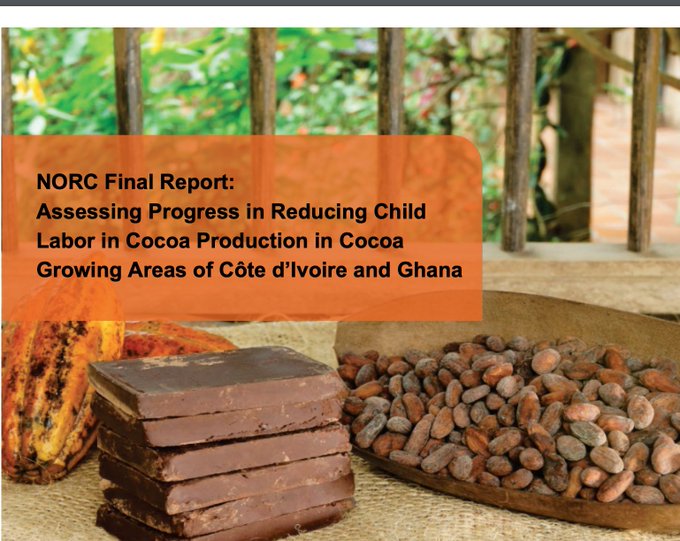
REPORT: Assessing Progress in Reducing Child Labor in Cocoa Production in Cocoa Growing Areas of Côte d’Ivoire and Ghana

NORC Final Report: Assessing Progress in Reducing Child Labor in Cocoa Production in Cocoa Growing Areas of Côte d’Ivoire and Ghana. 301 pages

The National Opinion Research Center, NORC has spent the last five years working closely and collaboratively with ILAB, the governments of Côte d’Ivoire and Ghana, Industry (represented by the World Cocoa Foundation (WCF)), Civil Society Organizations (CSOs), and multiple international organizations with an interest in child labor (including UNICEF, the International Cocoa Initiative (ICI), and the International Labour Organization (ILO)). 

NORC at the University of Chicago is one of the largest independent social research organizations in the United States.

This report is the outcome of that collaborative effort to accurately measure and report on the issue of child labor and hazardous child labor in the cocoa growing areas of Ghana and Côte d’Ivoire.

As part of this study, NORC administered 2,824 roster surveys, 2,809 household head surveys, 5,552 child surveys, 158 community surveys, 372 cocoa shed surveys, and 260 school surveys across Ghana and Côte d’Ivoire.

The country-specific data indicates that in cocoa growing areas 38 percent of children in Côte d’Ivoire and 55 percent of children in Ghana living in agricultural households were engaged in child labor in cocoa production. Amid a 14 percent increase in cocoa production between 2013/14 and 2018/19 in Côte d’Ivoire and Ghana in aggregate, prevalence of child labor in cocoa production among cocoa growing households in each individual country remained stable.
In the 2018-19 season, 1.56 million children were involved in child labor working expanding cocoa harvest in Ivory Coast and Ghana. C. 45% of children from farming families in growing areas were working on plantations v. 31% 10 years ago.
Other Key Findings:
  • Cocoa is a key part of agriculture in the cocoa growing areas of both countries as can be seen from the fact that a predominant majority of agricultural households grow cocoa.
  • School attendance among children in agricultural households increased from 58 percent to 80 in Côte d’Ivoire and from 89 to 96 percent in Ghana.
  • The prevalence rate of child labor did not increase in the high cocoa production stratum while we observe substantial increases in prevalence within the low and medium production areas between 2008/09 and 2018/19. There was a similar trend in the change in prevalence of exposure to hazardous work during the same period. This indicates that future interventions should target low and medium cocoa production areas
  • When multiple interventions were implemented in a community, it led to a statistically significant reduction in the rates of child labor and hazardous child labor in cocoa production
  • Respondents recommend that engaging community leaders, including representatives for women and youth early in the design of the intervention helped promote sustainability
RESOURCES

Tuesday, September 22, 2020

REPORT: Comparative study on the distribution of value in European chocolate chains

FAO and BASIC. 2020. Comparative study on the distribution of value in European chocolate chains. Paris. DOI link. 234 pages

This study by the Food and Agriculture Organization and the Bureau d’analyse sociétale pour unne information citoyenne (BASIC) explores the distribution of value and costs along cocoa and chocolate supply chains. With a focus on the French market of dark and milk chocolate, confectionery bars and breakfast cocoa powder, it analyses cocoa grown in four producer countries: Côte d’Ivoire, Ghana, Ecuador and Cameroon.

Principally the report aims to estimate the distribution of value, costs and profits for different chocolate products from cocoa farmers to consumers and explore the influencing factors. It also compares the value accrued by farmers for the different products. Its main findings are that 70% of the total value are accrued by brands and retailers, the final two actors in the chain. At the opposite end of the chain, 18.6% of total value is accrued in cocoa producing countries.
  • This study investigates the French market of dark and milk chocolate tablets, as well as confectionery bars and breakfast cocoa powder sold in supermarket stores - made of cocoa beans grown in Côte d’Ivoire, Ghana, Ecuador, and Cameroon to provide better insight into the aggregate on value creation and cost along the various stages of the cocoa and chocolate chain. 
  • It shows that differentiation in value creation and cost takes place mainly in the two last stages of the chain. Main factors linked to downstream differentiation are product brand and reputation, and market segmentation, as well as other less tangible consumer product attributes. On the other hand, the research indicates that the value and costs associated with the stages from cocoa cultivation to chocolate couverture manufacturing are much more stable. 
  • This study will be a key element of the EU dialogue for sustainable cocoa and of the policy dialogues at country level. It will allow to simulate various levels of prices and premiums (notably Living Income Differential) and to assess their impacts on the various segments of the chain in terms of margin, costs, value added creation and impact on final price to consumers.
Resources:

Related:
22 September 2020. WEBINAR. EU MULTI-STAKEHOLDER DIALOGUE FOR SUSTAINABLE COCOA.

The concept note and agenda of the dialogue is available here

In the context of the European Commission’s political priorities including the European Green Deal and a zero tolerance approach on child labour, the Commission initiated an informal dialogue in support of a sustainable cocoa sector.

It builds upon the initiative of the two main producing countries, Côte d’Ivoire and Ghana, existing initiatives of EU Member States, third countries, and international organisations. Considering the role of the EU as policy and global standard setter, the objective of the dialogue is to support the elimination of child labour and child trafficking, the protection and restorations of forests, and to ensure a living income for cocoa farmers.

The webinar event was attended by 168 participants. It welcomed the following speakers:

Opening Session 
  • Welcome remarks by Jutta Urpilainen, EU Commissioner for International Partnerships 
  • HE Abou Dosso Ambassador of Côte d’Ivoire 
  • HE Harriet Sena Siaw-Boateng Ambassador of Ghana to the EU
Session 1: The role of the EU private sector in the sustainability of cocoa supply chains 
  • Hugo-Maria Schally, Head of Unit, Multilateral Environmental Cooperation, DG ENV 
  • Maija Laurila, Head of Unit, Company law, DG JUST 2 
  • Mr. Harold Poelma, European Cocoa Association Chairman and President Cargill Cocoa and Chocolate 
  • Christophe Alliot, Le Basic 
  • Mathilde Mesnard, Deputy Director of the Directorate for Financial and Enterprise Affairs of the OECD
Session 2: Improving synergies between the EU’s international cooperation programmes and other sustainability initiatives  
  • Introductory remarks: Koen Doens, Director General, DG DEVCO 
  • Toussaint N'Guessan, President of the Board, World Cocoa Producer Organisation (WCPO) 
  • Dr. Maria Flachsbarth, Parlamentary Secretary, Federal Ministry for Economic Cooperation and Development (BMZ) 
  • Francesco d’Ovidio, Fundamentals, International Labour Organization (ILO) o Antonie Fountain, Managing Director, VOICE-Network 
Wrap-up and way forward 
  • Views from Heidi Hautala, Vice-President of the European Parliament 
  • Closing remarks by Valdis Dombrovskis, Executive Vice-President for an Economy that Works for People and responsible for Trade (designate) 
  • Wrap up and next steps by the moderator Viwanou Gnassounou, Executive Business and Development Policy Advisor
Presentation by: Christophe Alliot, Le Basic: Comparative study on the distribution of value in European chocolate chains. Paris. DOI link. 234 pages


Related:
30 June 2020. A webinar was hosted on 30th of June by the Vice-President of the European Parliament, Ms. Heidi Hautala, and the welcoming remarks were made by Ms. Carla Montesi, Director at DG DEVCO, Mr. Mohamed Manssouri, Director at FAO Investment Centre and Mr. Harold Poelma, ECA Chairman.

The event was attended by 200 participants

It welcomed the following speakers: H.E. Abou Dosso, Ambassador of Ivory Coast to Belgium, H.E. Sena Siaw-Boateng, Ambassador of Ghana to Belgium, H.E. Pablo Ortiz García, Ambassador of Ecuador to Belgium, Mr. Antonie Fountain, Managing Director of VOICE Network, Ms. Awa Traoré Bamba, Managing Director of Cooperative CAYAT, and Mr. Aldo Cristiano, Chairman of CAOBISCO.

Related:
Comment peut-on prétendre consommer responsable si l’on ne comprend pas, en amont, l’impact économique des produits que l’on achète ? Pour Christophe Alliot, co-fondateur du BASIC.


Related:
Deux grandes familles rivales du cacao, les Desva et les Ahitey, se livrent une bataille sans merci pour le contrôle de la production et du négoce cacaoyer de la région de Caodji. À leur tête, deux chefs de clan sans scrupules : l’influent et riche Élie Desva, issu de l’aristocratie ivoirienne du cacao, et le brut et excessif self-made man Jean Ahitey. Un affrontement impitoyable qui dévoile les rouages du monde méconnu du cacao en Afrique de l'Ouest.

Tuesday, July 7, 2020

Comparative study on the distribution of value in European chocolate chains

FAO and BASIC (2020). Comparative study on the distribution of value in European chocolate chains. Paris. 234 pp

3 July 2020.
 This study by the Food and Agriculture Organization and the Bureau d’analyse sociétale pour une information citoyenne (BASIC) explores the distribution of value and costs along cocoa and chocolate supply chains. With a focus on the French market of dark and milk chocolate, confectionery bars and breakfast cocoa powder, it analyses cocoa grown in four producer countries: Côte d’Ivoire, Ghana, Ecuador and Cameroon.

Principally the report aims to estimate the distribution of value, costs and profits for different chocolate products from cocoa farmers to consumers and explore the influencing factors. It also compares the value accrued by farmers for the different products. Its main findings are that 70% of the total value are accrued by brands and retailers, the final two actors in the chain. At the opposite end of the chain, 18.6% of total value is accrued in cocoa producing countries.

A webinar was hosted on 30th of June by the Vice-President of the European Parliament, Ms. Heidi Hautala, and the welcoming remarks were made by Ms. Carla Montesi, Director at DG DEVCO, Mr. Mohamed Manssouri, Director at FAO Investment Centre and Mr. Harold Poelma, ECA Chairman. 
  • The event was attended by 200 participants 
  • It welcomed the following speakers: H.E. Abou Dosso, Ambassador of Ivory Coast to Belgium, H.E. Sena Siaw-Boateng, Ambassador of Ghana to Belgium, H.E. Pablo Ortiz García, Ambassador of Ecuador to Belgium, Mr. Antonie Fountain, Managing Director of VOICE Network, Ms. Awa Traoré Bamba, Managing Director of Cooperative CAYAT, and Mr. Aldo Cristiano, Chairman of CAOBISCO. 
This study investigates the French market of dark and milk chocolate tablets, as well as confectionery bars and breakfast cocoa powder sold in supermarket stores - made of cocoa beans grown in Côte d’Ivoire, Ghana, Ecuador, and Cameroon to provide better insight into the aggregate on value creation and cost along the various stages of the cocoa and chocolate chain. 

It shows that differentiation in value creation and cost takes place mainly in the two last stages of the chain. Main factors linked to downstream differentiation are product brand and reputation, and market segmentation, as well as other less tangible consumer product attributes. On the other hand, the research indicates that the value and costs associated with the stages from cocoa cultivation to chocolate couverture manufacturing are much more stable. 

The research also shows that, within producing countries, the main differences in value and costs distribution stem from three principal factors: the type of regulation and the State’s involvement in the sector; the agricultural practices impacting quality and productivity; and the evolution of cocoa world prices. Particularly in the cases of Côte d’Ivoire and Ghana, the study indicates that a key leverage lies in the guarantee of a homogeneous, stable and predictable quality of cocoa as well as the reliability of the supply.

Resources:

Wednesday, November 27, 2019

GIZ Sector Network for Rural Development in Africa

28 October - 1 November 2019. Abidjan. 2019 SNRD Africa Conference.
The Sector Network Rural Development Africa is a community of practice of local and international GIZ staff working in the area of rural development in Africa. It constitutes a profound knowledge sharing hub and stands for a solid promoter of capacity development. SNRD Africa covers all aspects of rural development, sustainable natural resources management and the impacts of climate change. In this context, sustainable economic development and good governance are considered critical factors for the successful overall development of a region.


Keynote addresses

Globalisation - Keynote address by Steve Wiggins of ODI


Digitalisation and New Technologies - Keynote address at the 2019 SNRD conference by Michael Hailu of CTA


Digitalisation and New Technologies - Brief statement by Michael Hailu of CTA

Other speakers


Tuesday, September 11, 2018

Rice Value Chain Compact of AfDB-funded TAAT


6-7 September 2018. M’bé near Bouaké, Côte d’Ivoire. The Rice Value Chain Compact of the African Development Bank (AfDB)-funded “Technologies for African Agricultural Transformation (TAAT)” initiative was officially launched at the AfricaRice Research Station. The TAAT Rice Value Chain Compact will contribute to the AfDB ‘Feed Africa’ initiative through enhanced deployment of impactful technologies, innovations and products in the rice value chain.

Partners along the rice value chain from 10 African countries attended the project launch to discuss the implementation plan at country level, the technologies that will be deployed and the approaches and strategies for scaling up the technologies. Implementation will start in Benin, Cameroon, Côte d’Ivoire, Ghana, Madagascar, Nigeria, Senegal, Sierra Leone and Uganda, with spill-over in Burkina Faso, Mali and Guinea in the first year.

As part of the program, the participants had a guided tour of AfricaRice demonstration plots, seed multiplication, the postharvest and processing facility and the Genetic Resources Unit. The visit allowed them to see some of the technologies that have been selected for scaling up through the TAAT Rice Compact.

Resources: Poster and brochures (click on the web links to view) :
PowerPoint presentations:
Audio Podcasts:
  1. Dr Etienne Duveiller, Deputy Director General and Director of Research for Development (DR4D)
  2. Dr Sidi Sanyang, AfricaRice Program Leader, Rice Sector Development Program and TAAT Rice Compact Coordinator
  3. Dr Jean Ekwe Dossa, IFDC Agronomist/Soil Scientist
  4. Dr Omar Ndaw Faye, ISRA Rice Breeder
  5. Dr Richard Appoh, IWMI Research Officer – Agriculture Water Management
  6. Rachidi A. presenting on behalf of AfricaRice Impact Assessment Economist Dr Arouna Aminou on "Recensement électronique et géo-référence des acteurs de la chaine de valeur riz: cas des pays TAAT"
  7. AfricaRice Social Scientist Dr Josey Kamanda presenting on 'Innovation Platforms' 

  8. AfricaRice Seed Production Specialist Dr Saidu Bah presenting on 'Partnerships for efficient quality seed production and variety dissemination' 
  9. AfricaRice Extension agronomist Dr Senthilkumar Kalimuthu presenting on 'Good Agricultural Practices (GAP)' 
  10. Dr Senthilkumar Kalimuthu presenting on behalf of AfricaRice Agronomist Dr Kazuki Saito on 'RiceAdvice'
  11. AfricaRice Grain Quality and Post-harvest Technologist Dr Sali Ndindeng presenting on 'Post-harvest and Processing Technologies' 

Monday, August 6, 2018

Linking Small-Scale Energy and Agriculture to Support Development and Climate Goals

25 July 2018. This Africa AFOLU Community of Practice (CoP) session focused on approaches to link small-scale energy and agriculture in the Africa region. The session began with an overview of approaches and then dive into the use of solar pumps for irrigation at the global level and in Mozambique and use of rice husk briquettes for cooking fuel in Cote D’Ivoire.

The session concluded with a discussion across CoP participants including experiences and lessons from other countries and ideas for further support and engagement on this topic.
  • Alain Kouadio - Environmental Economist, Director of Green Economy and Social Responsibility, Ministry of Environment and Sustainable Development, Cote D'Ivoire
  • Prof. Almeida A. Sitoe - Professor, Silviculture and Ecology of Tropical Forests, Center for Agriculture and Natural Resource Studies (CEAGRE) and Faculty of Agronomy and Forestry, Eduardo Mondlane University, Mozambique
  • Jennifer Holthaus - Senior Program Officer, Winrock International, LEDS Global Partnership AFOLU Working Group Winrock International
  • Bikash Pandey - Director of Clean Energy for the Clean Energy, Environment and Water group, Winrock International, LEDS Global Partnership AFOLU Working Group

Monday, April 9, 2018

Update on the selection Africa Climate Change Fund (ACCF)'s second call for proposals

5 April 2018. The Africa Climate Change Fund (ACCF)'s second call for proposals, which closed in August 2017, received unprecedented numbers of proposals from diverse government and non-governmental entities. Proponents of shortlisted concept notes were invited to submit full proposals, which were received in late January.

The objective of this call was to solicit innovative and impactful projects that will support direct access to climate finance and small-scale or pilot adaptation initiatives in sectors aligned with the Bank's High 5 priorities to build resilience of vulnerable communities in Africa.

The ACCF Secretariat's team of independent experts convened in Abidjan from February 6-9 to assess and score the proposals against the pre-determined assessment criteria. The team met with various Bank departments, funds and initiatives, including gender and civil society, agriculture, renewable energy and the Sustainable Energy Fund for Africa, Africa Water Facility, Jobs for Youth in Africa, Climate for Development Special Fund, and the Africa NDC Hub with the aim of ensuring that the that projects supported by the ACCF are relevant and synergistic with broader Bank initiatives.

The next stage will consist of the approval of a shortlist by the ACCF's Technical Committee followed by project appraisal and approval of the best proposals. The ACCF has approximately US $5 million available to allocate to approved projects, but is actively engaging with potential donors to mobilize new resources to respond to the significant demand.

Wednesday, February 14, 2018

Innovation and Youth Entrepreneurship in Ivory Coast

Entrepreneur Sika Reine Olga Chimonney
Les conserveries de K'chibo
11 February 2018.  Cairo, Egypt. Third edition of the 2018 Africa STI Forum.

Breakfast pitching session: Innovation and Youth Entrepreneurship Organized by the AfDB

Moderator: Mr. Foster Ofosu, Capacity Development Specialist, African Development Bank Panelists:
Axel Emmanuel GBAOU from Instant Choc
  • Ms. Sarah Rich, Strategy Consultant, Johnson and Johnson Consumer/ S&I Innovation Projects, African Academy of Sciences, Kenya 
  • Mr. Michael Sudarkasa, Africa Business Group, South Africa 
  • Ms. Tanya Popeau, CEO Live Synthesis Ltd. 
  • Mr. Simunza Muyangana, Bonga Hive Technology Hub, Zambia
Discussants:  Prof. Chidozie Emenuga, Division Manager, Programs Division, African Development Bank Discussions: Q/A from the audience

Highlights:
INOVIS a été créé en 2014. 
  • INOVIS conseille les entreprises, notamment les PME / PMI dans leur stratégie de pénétration de marché et de croissance sur le long terme. 
  • Par ailleurs, INOVIS est specialisé dans la rédaction de plan d'affaires basé sur des études économiques, sectorielles à partir d'etudes de marché actualisées en permanence. 
  • INOVIS intervient également dans le montage suivi-évaluation de projet et la levée de fond. 
  • Le département innovation et entrepreneuriat d'INOVIS accompagne les chercheurs des universités à valoriser les résultats de leurs travaux en vue de les transférer à l'economie et les jeunes entrepreneurs à structurer leurs idées d'affaire et à lever des fonds d'amorçage. 
  • En collaboration avec l’université Félix Houphouët Boigny, INOVIS a créé le premier incubateur en Côte d'Ivoire.
L'histoire de la marque Instant Chocolat débute le 7 avril 2015. De l’idée de faire une émission culinaire, Instant Chocolat a débouché sur du chocolat personnalisé, en créant une âme graphique et des saveurs Africaines, suivi d’un marketing par l’objet, afin de développer quelque chose d’affectif, à la fois fun et pratique. En octobre 2015, l'équipe à découvert le salon du chocolat, sur invitation du conseil du café cacao et l’année suivante Instant Chocolat  devenait les premiers africains indépendants à participer à ce prestigieux salon le 28 octobre 2016.

Instant Chocolat a initié le programme de la Chocolaterie en milieu rural grâce à notre cellule de recherche et développement dirigée par Dr Dou Romeo, ingénieur agronome et Dr en microbiologie qui lui aussi fait désormais parti de la
Green Week 2018. The World's largest agricultural fair in Berlin.
Presentation of the chocolaterie project in rural areas
at the invitation of the German Minister for economic
cooperation Dr Gerd Müller.
Team Instant Chocolat. Il s’agissait de créer des unités de transformation du cacao certifié directement au sein des coopératives en zone rural en transmettant la d'Instant Chocolat  savoir faire aux femmes des planteurs, via un processuss artisanal.

Instant chocolat c'est aussi un système de développement stratégiques , aujourd'hui nous sommes les premiers chocolatiers 100% ivoirien à entrer dans les rayons du Duty Free de l'aéroport FHB d'Abidjan, ce qui constitue pour Instant chocolat  une belle ouverture sur le monde extérieur.


Les conserveries de K'chibo. Food and beverage, Manufacturing. Ivory Coast
Entrepreneur
Sika Reine Olga Chimonney

Les conserveries de K'chibo transforme les produits vivriers en produits semi fini; prêts à l’Emploi. Elle assure ainsi une alimentation saine et équilibré à la population grâce à une large gamme de produits de haute qualité couplé de recette de cuisine et de conseils d\’utilisation; Elle assure la distribution de ses produits et partageons ce rôle avec quelques centrales d’achat de super marché.

K'CHIBO produit la pâte d'arachide et la pâte de pistache. K'CHIBO est sur le point de finaliser la recette du concentré d'aubergine et des sauces issues de la culture culinaire africaine.


Friday, November 24, 2017

Regional information/sensitization of private sector and SMEs on SPS

22 – 24 November 2017. ABIDJAN (COTE D’IVOIRE). The USAID/West Africa Regional Mission supports the Economic Community of West African States (ECOWAS) to advance their vision to create an economic union and common market. In line with this objective ECOWAS is implementing many agreements designed to support the free movement of goods and people throughout the region. In standards, CILSS and USAID/West Africa  focuses on Sanitary and Phytosanitary (SPS) standards.

A sensitization workshop was organised where private sector actors and youth enterprises came together to strategize for the benefit of their corporation. It was an opportunity to better understand SPS issues that could impact negatively on intra-regional and international trade. The goal being boosting market access and economic growth in ECOWAS region and Africa at large.

The objectives of this workshop were:
  • to sensitize private sector actors and youth enterprises on SPS matters,
  • to share benefits and success stories on implementing SPS requirements. 
  • to review and document private sector and youth enterprise challenges as far as SPS matters are concerned
The following association or organization were targeted:  SMEs (Two representatives per country (Member States) of private export organizations of selected priority value chains concerned  Regional Professional organization of priority agricultural value chains, (e.g. ACA),  Patronat such as Federation of Patronal organization of West Africa (FOPAO)  Chamber of commerce Benin,  Federation of West Africa Chambers of Commerce and Industry (FEWACCI)  Consumer associations Benin- Nigeria – Ghana- Cote D’Ivoire, Senegal,  ECOWAS, / ARA  ECOWAS country representative for open ceremony only.  UNIDO  USAID  UEMOA  Hub Rural  USAID  UEMOA  Hub Rural  Bureau FAO-régional  AU-IBAR  CILSS  AGRYMET  WAHO  Secrétariat du Codex Alimentarius, Rome, Italie

Selection of some presentations 


Tuesday, November 21, 2017

FAO/WHO Regional Symposium on Sustainable Food Systems for Healthy Diets and Improved Nutrition

16-17 November 2017. Abidjan, Cote d’Ivoire. FAO/WHO Regional Symposium on Sustainable Food Systems for Healthy Diets and Improved Nutrition

More than 200 participants from 47 African countries including parliamentarians, policy-makers, academicians, researchers, students, civil society and farmers’ organizations, the private sector and development partners gathered in Abidjan, Côte d’Ivoire for the Symposium with the aim of reviewing evidence, examining policy and programme implications and providing recommendations on how sustainable food systems to optimize improved nutrition outcomes with nutritionally balanced diets and healthy lifestyles in Africa.

The Africa regional symposium was an opportunity to present the third edition of FAO Regional
Overview on Food Security and Nutrition in Sub-Saharan Africa.

FAO was represented by Abebe Haile-Gabriel, Regional Programme Leader for Africa, Anna Lartey, FAO Director for Nutrition and Germain Dasylva, FAO Representative to Côte d'Ivoire.
The main objective of the Regional Symposium was to recognize the long-term benefits of sustainable food systems for healthier diets and improved nutrition on the socio-economic development of Africa and created the platform for stakeholders to re-commit to dedicate resources for sustained and coherent implementation of the various policies, programmes and initiatives to impact nutrition and health.

Background:

In December 2016, FAO and WHO successfully co-organized an International Symposium on Sustainable Food Systems for Healthy Diets and Improved Nutrition. This was a follow-up to the recommendations by Member States during the International Conference on Nutrition (ICN-2) and the Declaration of the UN-Decade of Action on Nutrition to operationalize the Rome Declaration and its Framework for Action on Nutrition.

This Regional Symposium preceded the 8th Africa Day for Food and Nutrition Security on 18 November, 2017. The Africa Regional Symposium focused on the region’s specific contextual realities as a follow up to the strategic global events.

Tuesday, April 4, 2017

Transition Agro-écologique du Maraîchage en Afrique de l'Ouest

4 avril 2017. Dans le cadre de l'Initiative TAMA, un film de présentation a été réalisé.

L'initiative TAMA (Transition Agro-écologique du Maraîchage en Afrique de l'Ouest) est un projet fédérateur initié dans le cadre de l'incubateur de Grands Projets du Cirad. 

L'objectif est de co-construire avec les partenaires régionaux des projets d'intérêts communs avec l'ambition de trouver des financements auprès des grands bailleurs internationaux.

Date de mise à jour : 4 avril 2017

Wednesday, March 29, 2017

A One Health approach for the dairy chain development in Sub Saharan Africa

29 March 2017. Liege, Belgium. Theme: A One Health approach for the dairy chain development in Sub Saharan Africa (Une approche One Health pour le développement de la filière laitière en Afrique subsaharienne)
  • Assessment of dairy chain development systems following a One Health approach (Mali, Sénégal, Ivory Coast). Bassirou Bonfoh, (left on the picture) Docteur en Médecine Vétérinaire, Directeur du Centre Suisse des Recherches Scientifiques en Côte d’Ivoire, Directeur de l’initiative Afrique One DVM, Director Swiss Centre for Scientific Research in Ivory Coast, Director of the One Africa Initiative 
  • Challenges and opportunities for the household milk production in peri-urban zone in Sub Sahara Africa, case report for Niamey, Niger. Ousseini Ganda (right on the picture) . ONG Karkara, Partenaire de Vétérinaires Sans Frontières au Niger.

Thursday, May 19, 2016

Better Seeds Bring Bigger Harvests in West Africa

Published on 18 May 2016. More food is being produced on farms in Cote d’Ivoire, Sierra Leone and across West Africa. What’s behind this big boost to agriculture and farming? Better seeds!

Throughout West Africa, WAAPP is supporting governments’ efforts to prepare and implement seed system strategies, improve regional seed regulations and strengthen seed certification systems. A project of this scale requires collaboration so WAAPP is working with scientists, farmers, the private sector and others to make improved seeds for rice, plantain and other staple crops available to more people.

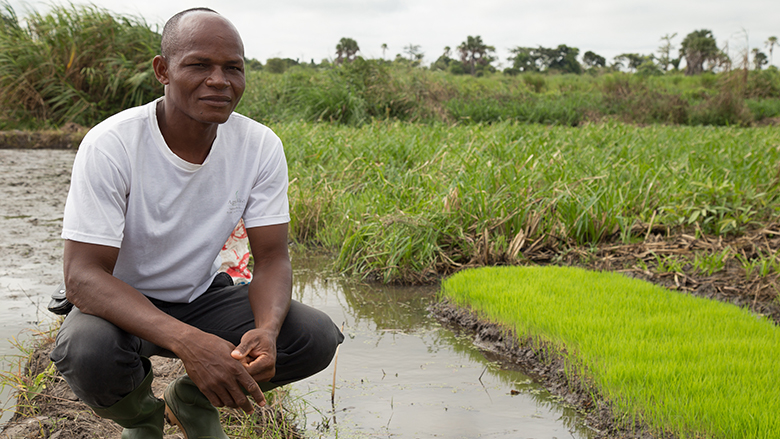
In Côte d’Ivoire, the National Rice Development Office’s (NRDO) seed improvement initiatives are positively impacting rice supply. The NRDO is laying the ground work for six seed centers around the country. It engages with farmers and seed entrepreneurs, collecting seeds, cleaning them, and then storing them in WAAPP-funded cocoon storage facilities which preserve their quality for longer periods. It also builds up distribution networks through farmer co-ops.
STORY HIGHLIGHTS
  • The West Africa Agricultural Productivity Program (WAAPP) is working with Côte d’Ivoire – and other countries in West Africa – to revive and strengthen seed systems that were previously decimated due to a lack of infrastructure and funding.
  • Seeds from seed multiplication farms are better in quality, more resistant to pests, and can yield up to 50% more than traditional varieties.
  • In Côte d’Ivoire alone, approximately 50,000 beneficiary producers farming on 100,000 hectares of land have improved their yields by 30 to 150 percent.