Platform for African – European Partnership in Agricultural Research for Development
Showing posts with label Japan. Show all posts

Monday, August 25, 2025

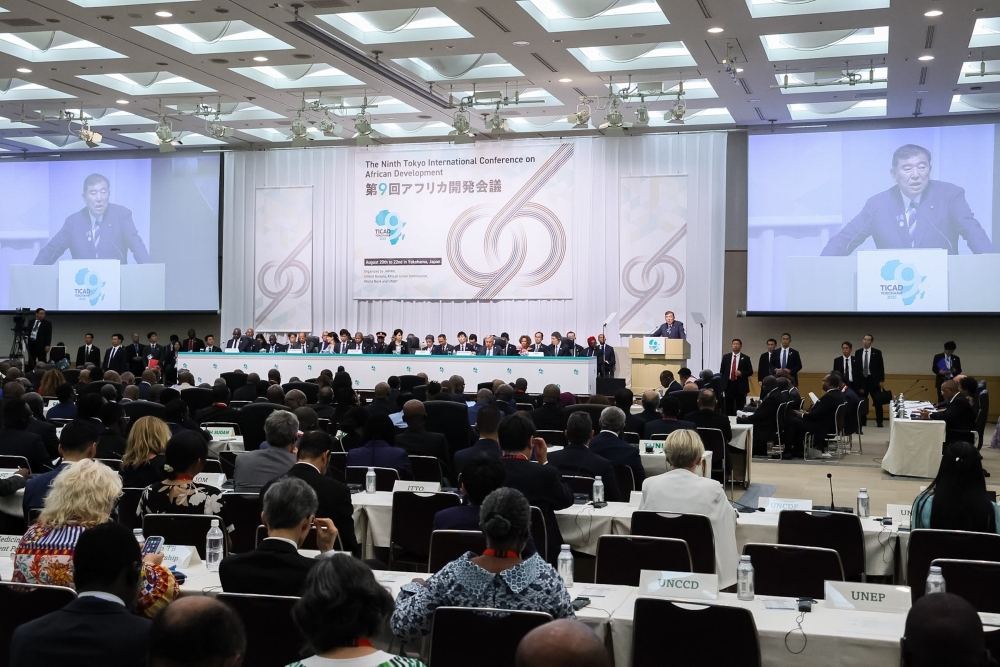
The Ninth Tokyo International Conference on African Development (TICAD 9)

20 - 22 August 2025. The Ninth Tokyo International Conference on African Development (TICAD 9)

TICAD 9 concluded with Japan and African leaders reaffirming their commitment to co-creation for sustainable growth, peace, and human development, anchored in African ownership and international partnership. 

See: TICAD 9 Yokohama Declaration “Co-create innovative solutions with Africa” 

Leaders endorsed initiatives on peace and stability, including support for African-led conflict prevention and UN Security Council reform; on economic transformation, highlighting industrialization, AfCFTA, green/blue economy, and digital/AI-driven innovation; and on human capital, with Japan pledging large-scale training programs for youth and women. The conference also launched the Economic Region Initiative of Indian Ocean–Africa to deepen connectivity, and a commitment to train 300,000 Africans in AI and digital skills. Across plenaries and thematic sessions, participants emphasized that achieving Africa’s aspirations will require inclusive partnerships, private sector investment, and resilient governance frameworks, with TICAD remaining a trusted platform for Africa–Japan collaboration.

The objective of this session was to launch the new academic network between Japan and Africa, in which Egypt-Japan University of Science and Technology (E-JUST, Egypt), Jomo Kenyatta University of Agriculture and Technology (JKUAT, Kenya) and Stellenbosch University (SU, South Africa) act as “Hub” for networking and collaboration among African universities and with Japanese universities, which is called “AJ-INSPIRE” (Africa-Japan Initiative for Scientific Partnership in Innovative Research and Education)
  • Ms. Sachiko Imoto, Senior Vice President, Japan International Cooperation Agency (JICA)
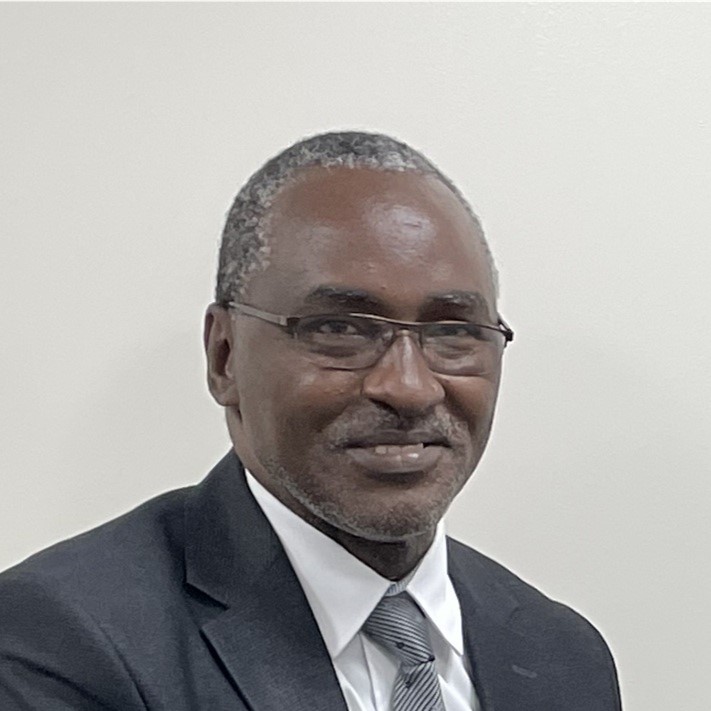
  • Ousmane Diagana, Vice President, Western and Central Africa
  • Prof. Amr ADLY, President, Egypt-Japan University of Science and Technology (E-JUST)
  • Prof. Robert Kinyua, Deputy Vice Chancellor for Academic Affairs, Jomo Kenyatta University of Agriculture and Technology (JKUAT) see picture
  • Prof Deresh Ramjugernath, Rector and Vice-Chancellor, Stellenbosch University (SU) see picture
  • Dr. Roberta Malee Bassett, Global Lead for Tertiary Education and Senior Education Specialist,
    World Bank
  • Mme. Hendrina C. DOROBA, Division manager, Education and Skills Development Division, Human Development Department, African Development Bank (AfDB)
  • Dr. Keiko Takei, Chief Education Analyst, African Development Bank (AfDB)
  • Mr. Shinsuke OKADA, Director for international cooperation, International Science and Technology Policy Division, Ministry of Education, Culture, Sports, Science and Technology (MEXT)
  • Prof. Shuji Shimizu, Executive Vice President, Kyushu University
  • Mr. Kohei Okada, Executive Officer Deputy CSO, Toyota Tsusho Corporation
  • Dr. Takasei Okano, Senior Advisor, Japan International Cooperation Agency (JICA)
  • Mr. Daisuke Ueda, Deputy Director General, and Group Director for Higher Education and Social Security, Human Development Department, Japan International Cooperation Agency (JICA)

20/08 Enhancing Continental Food Self-sufficiency and Job Creation through Resilient Food System and Private Sector Development in Africa”

Session 1: Building Resilient Agri-Food Systems in Africa
This session discussed how JICA is trying to address this challenge through the JICA Africa Food Security Initiative launched by JICA after TICAD 8, with a focus on rice, with which Japan has been cooperating in Africa for many years. Case studies were shared from public and private sector stakeholders in East Africa, and specific measures and strategies were also be discussed to promote intra-regional distribution through a food basket approach and to strengthen competitiveness against imports from outside the region.

Session 2: Job Creation by Improvement of Agro-industrial Value Chain and Promotion of Agroindustry
JICA has been providing variety of support to promote agro-industry and its value chain, including support for innovation creation through startups), capacity development via KAIZEN, human resource development through BDS in the industrial sector, and export-related product branding support, etc.

  • Dr. TANAKA Akihiko JICA, President
  • Dr. Ibarahim Hssane Mayaki AU, Special Envoy for Food Systems
  • Dr. Andrew Dabalen World Bank, Chief Economist for African Region
  • Mr. Fahari Gilbert Marwa EAC, Principal Agricultural Economist
  • Mr. NOMOTO TAKAAKI Ministry of Finance, JAPAN, Director of Multilateral Development Banks Division
  • Mr. AMAMEISHI Shinjiro CARD Secretariat, General Coordinator
  • Dr. JOHO Yukiko NIPPON KOEI CO.,LTD., Deputy Team Leader, A Data Collection Survey to Build a Resilient Food System based on the Food Basket Concept
  • Mr. Prosper Komla Bissi AfCFTA Secretariat, Senior Advisor, Agriculture Trade & Value Chains, Cabinet of the Secretary-General
  • Mr. Samuel Munguti Shamba Pride, CEO, Founder
  • Thomas Damian Mkangara Natural Extracts Industries Ltd, KAIZEN Coordinator
  • H.E. Nardos Bekele Thomas AUDA-NEPAD, CEO
  • Mr. Hitoshi Fujiie JICA, Deputy Director General of Economic Development Department
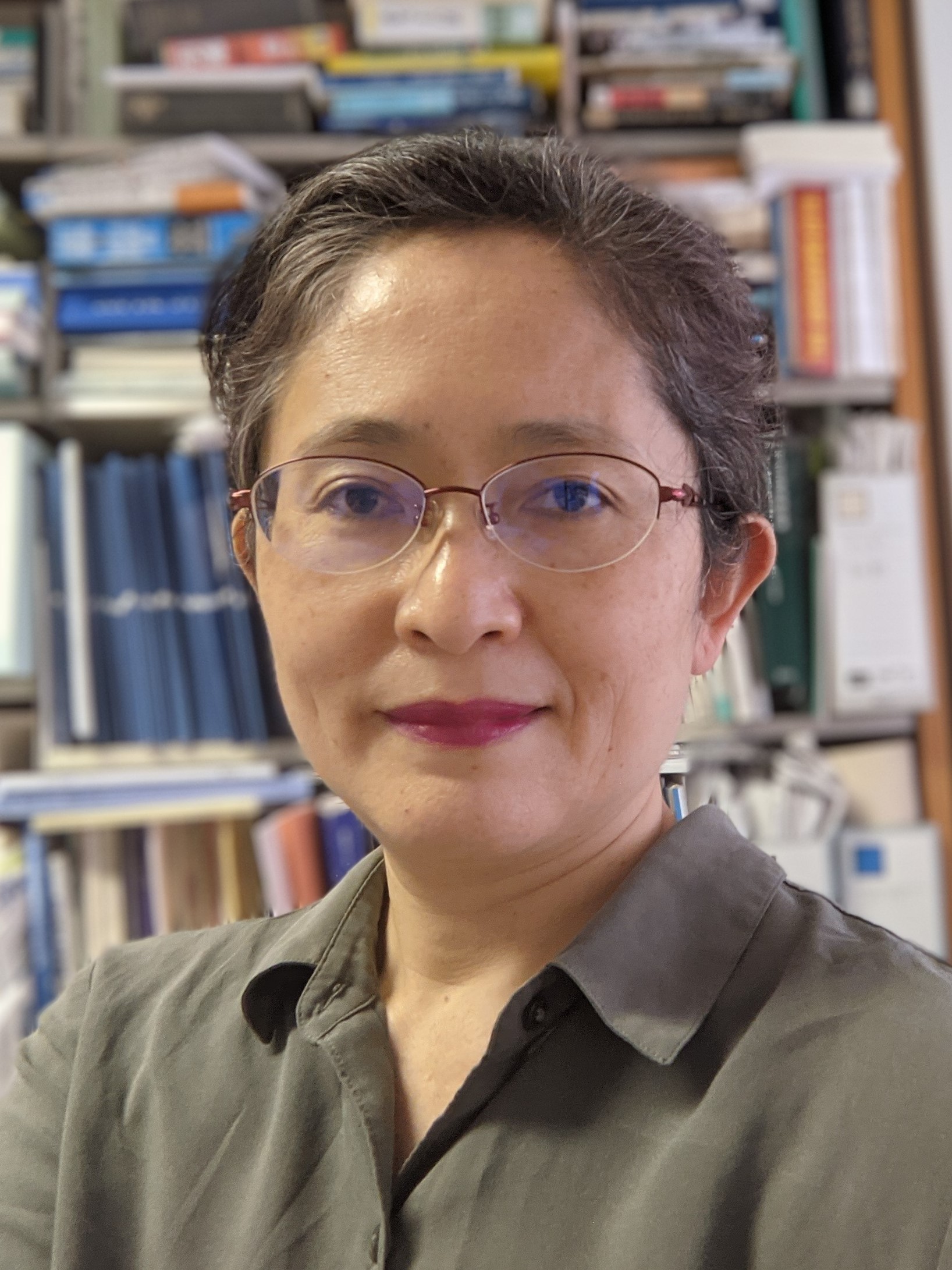
  • Dr. YAMANA Mika Director, Center for Regional Collaboration, Kansai University, Professor, Faculty of Law, Kansai University. see picture Since 2015, she has been supervising international students from seven African countries at the Graduate School of Law, Kansai University, under JICA’s ABE Initiative (African Business Education Initiative for Youth). In connection with AUDA-NEPAD, she has also conducted joint research on the Southern Africa Network for Biosciences (SANBio), in collaboration with the SANBio Hub Manager of the Council for Scientific and Industrial Research (CSIR) in South Africa.

    Highlight: Africa’s rich agricultural products and biological resources can also benefit from the effective use of intellectual property systems to drive industrial growth. Since the 2015 academic year, the Graduate School of Law at Kansai University has accepted African students from seven countries: the Democratic Republic of the Congo, Egypt, South Africa, Kenya, Ethiopia, Burundi, and Mozambique. Many African students have shown interest in exploring ways to add value through the utilization of IPR in agriculture and biological resources, and have chosen this as their research theme.


20/08 “Ultra Low-cost Community-based Smallholder Irrigation (COBSI)” Addressing Climate Change in Africa- Japan’s Traditional Technologies and Ultra Low-cost Smallholder Irrigation (COBSI: Community-based Smallholder Irrigation Development)


Thie side event introduced an ultra low-cost smallholder irrigation system, the Community-based Smallholder Irrigation (COBSI), that enables farmers to build their irrigation weir by using locally available materials, focusing on its development background, the charasteristics, and the effectiveness through the voices of the people concerned and its beneficiaries in the field. The JICA's development strategy of COBSI was announced for further development in Sub-Saharan Africa.

  • Mr. YAMAGUCHI Hiroyuki, Vice President, JICA
  • DR. W.K. Mutale Nalumango, MP Vice President of The Republic of Zambia
  • Ms. INOUE Miyoko, Deputy Director, Agricultural and Rural Development Group 2, Economic Development Department, JICA
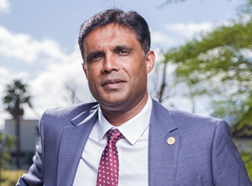
  • Mr. Delfim Julio Vilissa, Director General, National Institute of Irrigation, Mozambique see picture
  • Ms. Margot van der Velden, Regional Director for West and Central Africa, WFP
  • Mr. SAITO Mikiya, Director General, Economic Development Department, JICA


20/08 Building Sustainable, Resilient and Inclusive Food Systems and Local Economies in Africa anchored in the Blue Economy and Agriculture


Focus:
 This session promoted inclusive dialogue and collaborative solutions, particularly by encouraging the active participation of youth and other key stakeholders in shaping the future of Africa’s food systems and economies.
  • H.E. Dr. William Ruto, President of the Republic of Kenya
  • H.E. Dr. José Ulisses CORREIA E SILVA, Prime Minister of the Republic of Cabo Verde
  • The Rt. Hon. Elijah Ngurare, Prime Minister of the Republic of Namibia
  • H.E. Mr. Soares SAMBU, Minister of Economy, Planning and Regional Integration of the Republic of Guinea-Bissau
  • Mr. Matsumoto Hisashi, Parliamentary Vice-Minister for Foreign Affairs, Japan
  • Moderator: Dr. Masanori Kobayashi, Senior Research Fellow, Sasakawa Peace Foundation
Extract of the special address by H.E. Shigeru Ishiba Prime Minister of Japan
The development of NERICA rice is well known, and it is the result of research by Dr. Jones of Sierra Leone and on-site application by Japanese expert Mr. Tsuboi. Based on the motto that it is important to work hard together with our counterparts, we carefully explained cultivation methods to African farmers, provided them with rice seeds, and distributed the resulting high yields to neighboring farmers. This is how NERICA rice has become widespread. We understand that increased yields of high-quality rice have now been achieved in 23 of the 54 African countries.

This year there has been a big uproar in Japan about a rice shortage. While other countries around the world are increasing their farmland and agricultural production, whether it's rice, wheat, corn, or soybeans, Japan has seen a steady decline in both agricultural production and farmland. I believe this is a serious problem. I believe that providing safe and reliable food is a fundamental obligation for a nation, and I would like to work together with the people of Africa to resolve this issue.


Focus: Centered on the SHEP (Smallholder Horticulture Empowerment & Promotion) Approach—an agricultural extension model that shifts farmers’ mindset from “grow and sell” to “grow to sell,” driving market-oriented agriculture and income growth. The session featured:
  • A recounting of SHEP’s success in doubling incomes for 2,500 smallholders in Kenya within two years.
  • A reaffirmation of the joint declaration to improve the livelihood of one million smallholder farmers through the SHEP model.
  • Sharing of implementation experiences across Africa and the Caribbean.
  • Presentation of impact evaluation findings using the World Bank’s SWIFT methodology.
Speakers included:
  • Mr. Álvaro Lario (President, IFAD) see picture
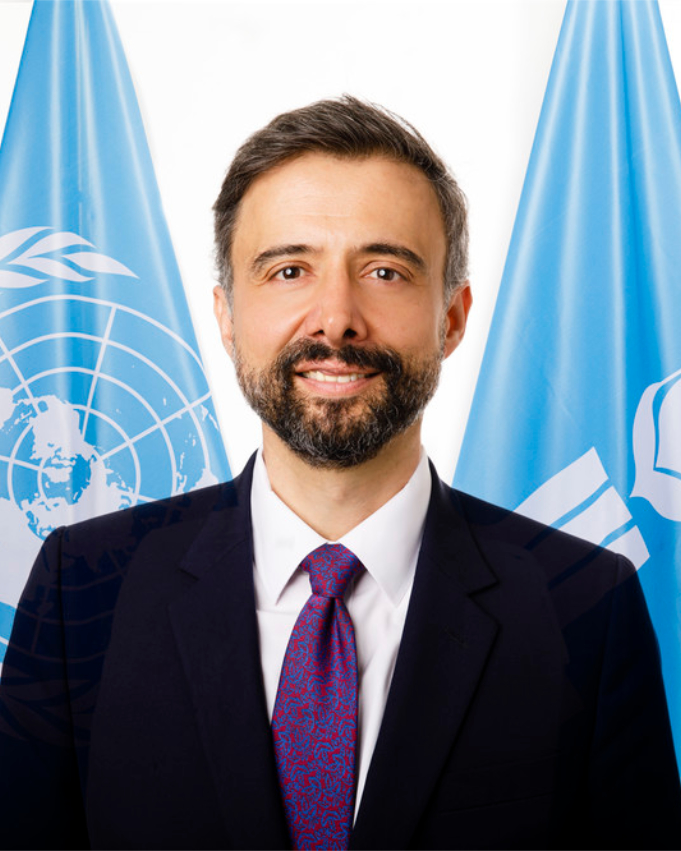
  • Ms. Sachiko Imoto (Vice‑President, JICA)
  • Ms. Harue Kitajima (Senior Advisor, JICA)
  • Ms. Bernadette Mukonyora (IFAD Country Director, Marawi) see picture
  • Mr. Masahito Ishii (Toyota Mobility Foundation)
  • Mr. Leonard Munamati (Zimbabwe’s Ministry of Lands, Agriculture, Fisheries, Water & Rural Development)
  • Dr. Cheikh Amet Bassirou Sane (Senegal’s Ministry of Agriculture, Food Sovereignty & Livestock)

  • Mr. Servulo Baeza (CEO, Ministry of Agriculture, Food Security & Enterprise, Belize)
  • Mrs. Arunee Hiam (Deputy Director‑General, Thailand International Development Cooperation Agency)
  • Dr. Nobuo Yoshida (Lead Economist, World Bank)
  • Mr. Mikiya Saito (Director General, Economic Development Department, JICA)
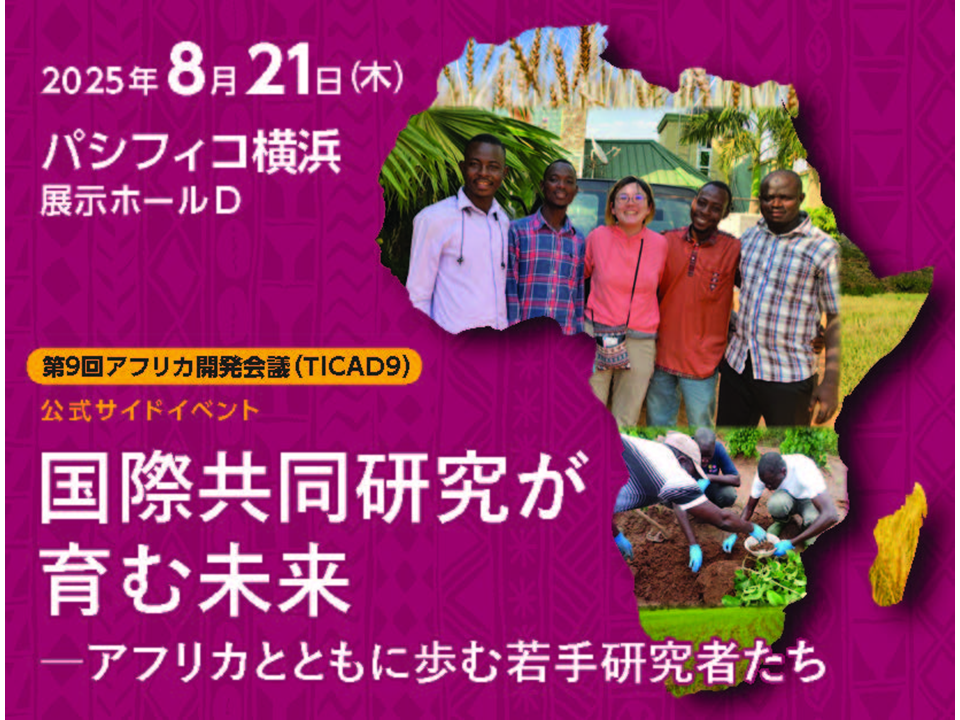
21/08 Fostering the Future Through International Collaborative Research: Young Researchers
Engaging with Africa


Organizers: Japan International Research Center for Agricultural Sciences (JIRCAS) in cooperation with Japan Intellectual Support Network in Agricultural Sciences (JISNAS)

Focus: Spotlighted early-career researchers from Japan and Africa, showcasing their collaborative research initiatives and experiences. The session emphasized the importance of strengthening Africa–Japan research ties and nurturing young scientists’ roles in innovation and development.
Presentations by early-career researchers
  • Dr. Zoniaina Ramahaimandimby, JIRCAS Fellow, JIRCAS
  • Dr. Yoshie Yageta, Researcher, JIRCAS
  • Ms. Maryiano Keziah, PhD Student, Faculty of International Agriculture and Food Studies, Tokyo University of Agriculture
  • Closing Remarks: Dr. Hiroshi Ehara, Executive Secretary, JISNAS

22/08 Transforming African Food Systems through Regenerative Agriculture — Strategies, Policies, and Alliances to Empower Youth and Farmers

Organizers: Sasakawa Africa Association (SAA), with JIRCAS, Forum for Agricultural Research in Africa (FARA), and The Nippon Foundation

Focus: This session highlighted regenerative agriculture as a pathway to empower youth and farmers, with emphasis on strategic policies and cooperative alliances. It underscored the central role of farmers’ organizations and youth engagement in transforming food systems toward sustainability and resilience.orfonline.org+10evt-reg.com+10mofa.go.jp+10mofa.go.jp
  • Shinjiro Koizumi, Minister of Agriculture, Forestry and Fisheries - Special Address - Japan’s Contribution to the Future of Youth and Agriculture
  • Dr. Ishmahane Elouafi, Executive Managing Director, CGAIR - "Science-Based Regenerative Agriculture: Enhancing Resilience and Productivity in Agriculture in Africa"
  • Dr. David Nielson, Senior Advisor, North America Agriculture Advisory Network, and Former Lead Agriculture Economist at World Bank Group - “Human Capital Development and Capacity Building to Support Soil Health in Africa”
  • Dr. Wole Fatunbi, Director of Research and Innovation, FARA - “The Soil Initiative for Africa (SIA): A Continental Strategy for Sustainable Agriculture ”
  • Ms. Elizabeth Nsimadala, President, Eastern Africa Farmers Federation - “Empowering Youth and Women for Farmer-Led Sustainable Agriculture”
Panel Discussion: “The Role of Agricultural Extension in Strengthening Sustainable and Resilient Food Systems ”
  • Moderator: Dr. Mel Oluoch
  • Dr. Lilian Lihasi, Executive Director, AFAAS
  • Dr. Papa Saliou SARR, Senior Researcher, JIRCAS. He is actively involved in collaborative, multi-country projects with universities and research institutes across Africa and Japan, including partnerships in Ghana, Madagascar, Burkina Faso, and Cameroon. Through these efforts, he contributes to both scientific advancement and capacity building for African agricultural systems. Beyond his research, Dr. Sarr is deeply engaged in academic and cultural communities. He served as President of the Fukuoka Overseas Student Association (FOSA) from 2008 to 2009 and was a founding member of the African Society of Kyushu University (ASKU) and the African
    Diaspora Network Japan (ADNJ)
    .
  • Dr. Stella Kabiri, RA Lead, SAA
MOU signing
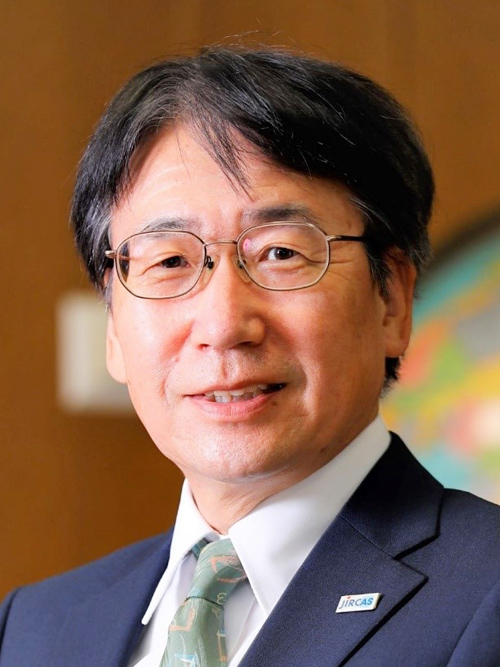
  • Dr. Osamu Koyama Chair, JIRCAS (picture)
  • Dr. Aggrey Agumya, Executive Director, FARA (picture with
    Yohei Sasakawa, Nippon Foundation)

22/08 Transforming Society toward Nature positive and Land Degradation Neutrality through an Ecosystem Augmentation Approach

Key Discussion items of the Panel Discussion 
  • In response to the biodiversity crisis, is it possible to change to a Nature positive society through “agriculture”?
  • What kind of “resilient agriculture” is required in Africa
  • What kind of “agriculture that energizes rural areas” is needed in Africa as the gap between urban and rural areas widens?
Speakers
  • Mr. Gilles Amadou Ouédraogo (Opening Remarks), Programme Management Officer, Green Wall Accelerator (GGW) | Global Mechanism, United Nations Convention to Combat Desertification (UNCCD)  (picture)

  • Dr. Masatoshi Funabashi, President, SynecO/Research Director, Sony CSL
  • Mr. Mamadou Ndiaye, President, Intermondes, Senegalese NGO
  • Mr. Raymond Epp, Co-Founder, Menno Village Naganuma/President, Maoi Cover Seed
  • Ms. Akiko Aratani, Co-Founder, Menno Village Naganuma
  • Ms. Ruth LANGSI YELOMA, President, Terre Des Jeunes-Cameroon/ Coordinator of Cameroonian Association for the Promotion of Synecoculture (ACPS)
  • Mr. Kenichi Kawamura (Closing Remarks), Senior Vice President, JICA
  • Mr. Masaru Kurimoto (Moderator), Director, Forest and Nature Conservation Group, Global Environment Department, JICA

Funding highlights

  • 22/08 Japan Launches $20 Million Fund to Back African Startups Two Japanese venture capital firms, Uncovered Fund and Monex Ventures, have jointly launched a new $20 million fund targeting early-stage startups in Africa and the Middle East. The fund, named the Uncovered Monex Africa Investment Partnership, is designed to back ventures in high-growth sectors such as fintech, logistics, mobility, agri-tech, and sustainability. With investment tickets reaching up to $2 million, the initiative seeks to accelerate innovation while bridging African startups with Japanese corporates.
  • The Private Sector Development Group of JICA’ s Economic Development Department launched activities in 2020 under the name Project NINJA (Next Innovation with Japan) to support start-ups in developing countries as part of its efforts to promote private sector development in developing countries. In April 2023, the Group formulated a cluster business strategy, “Support for Building a Startup Ecosystem for Innovation Creation (NINJA).” Project NINJA participated in the African Startup Conference 2024 in Algeria in collaboration with AUDA-NEPAD.

25 July 2025. Africa–Japan Collaboration: Towards enhancing food security

Hosted by the Sasakawa Peace Foundation / Ocean Policy Research Institute; held at Meiji Kinenkan in Tokyo

The Nippon Foundation, the Sasakawa Peace Foundation, and the Sasakawa Africa Foundation have been working in collaboration with experts and specialists to examine contemporary challenges facing Africa—particularly food security and the promotion of a blue economy focused on sustainable fisheries and aquaculture, alongside improvements in agricultural production. These efforts have also explored avenues for effective collaboration with Japan and the international community, including policy support to advance these goals. The outcomes have been compiled into a set of policy recommendations.

This special international symposium, welcomed eminent persons and African leaders who have made outstanding contributions to Africa’s development and the advancement of international cooperation. Drawing on the discussions at the Eminent Persons Meeting, it explored future prospects for Japan-Africa cooperation, with a focus on food security and a sustainable blue economy. This event also offered valuable perspectives that contributed to TICAD9, which was held Yokohama.
  • FUJII Hisayuki, State Minister for Foreign Affairs of Japan, delivered remarks framing Africa–Japan cooperation—especially around ocean conservation, sustainable use, and inputs to TICAD 9.
  • Yohei Sasakawa, Nippon Foundation
    Japan has provided various forms of assistance to Africa. In Africa and Asia as well, Japan has cooperated with the policy of laughing, crying, and sweating together with the local people, and I hope to continue to do so in the future. We must realize that realizing the happiness of the people of Africa brings happiness to the Japanese people as well. We are not based on financial capitalism or state capitalism, but on a policy of truly laughing together, crying together, and sweating together. Based on this policy, we are determined to continue carving out a new future for the world together with Africa.
  • H.E. Olusegun Obasanjo — Former President of Nigeria
  • H.E. Dr. Jakaya Mrisho Kikwete — Former President of Tanzania
  • H.E. Jorge Carlos Fonseca — Former President of Cabo Verde
  • H.E. Dr. Ibrahim Hassane Mayaki — Former Prime Minister of Niger
  • Dr. Geraldine Fraser-Moloketi — Former Minister of Public Service and Administration
  • Dr. Donald Kaberuka — Former President of the African Development Bank

3 August 2023. GFRAS and JICA share experiences about the SHEP method.

Tuesday, September 17, 2024

Demand-Side Interventions and Approaches for Healthy Diets

17 September 2024
. BIFAD Public Meeting: Demand-Side Interventions and Approaches for Healthy Diets

Nearly 400 participants from 53 countries, representing a variety of organizations, including over 35 universities, joined this engaging hybrid event to explore how we can enhance consumer demand for healthy, safe, and nutritious foods. BIFAD members are diving into the next steps, crafting actionable recommendations for USAID based on public feedback received during and after the session.
  • BIFAD, an independent advisory committee to USAID on food and agriculture issues, convened this public meeting to discuss Demand-Side Interventions and Approaches for Healthy Diets, to shape the next steps in USAID’s strategic thinking and policy prioritization toward the objective of achieving healthy diets for all. 
  • This meeting addressed evidence and evidence gaps, areas for additional research, and prioritized approaches and actions for USAID, centered around demand-side interventions and approaches to improve the processing, storage, distribution, sale, purchase, and consumption of safe and nutritious food. 
  • Find an agenda for the meeting at this link. 
  • The meeting included a presentation of key findings and opportunities from a draft evidence review (see below) prepared for BIFAD. Written feedback on the evidence review is welcomed and may be submitted using this public comment form until October 4.
Questions addressed at the meeting included:
  1. How can USAID work better with communities, national governments and private sector stakeholders to enhance consumer demand for safe and nutritious foods in ways that improve the diets of whole households, including women and children?
  2. How can demand-focused interventions improve the affordability of healthy diets?
  3. How can the progress and outcomes of demand-focused interventions be measured and evaluated?
Speakers:
  • Opening Remarks - Kathy Spahn, BIFAD; President Emerita, Helen Keller Intl + Patrick Webb, USAID Chief Nutritionist 
  • Increasing the Demand for Safe and Nutritious Food in USAID Priority Countries through Innovations and Interventions across the Food System - Bianca Carducci, Postdoctoral Scientist at Columbia Climate School 
Panel: Catalyzing Demand: Synergizing Public and Market Forces for Nutritious Diets
  • Moderator: Saweda Liverpool-Tasie, BIFAD; MSU Foundation Professor, Department of Agriculture, Food and Resource Economics, Michigan State University 
  • Kefilwe Moalosi AU-NEPAD Nutrition Officer 
  • Ndidi Nwuneli, President and CEO, ONE Foundation 
  • Stella Nordhagen, Research Lead, Food Environments and Supply Chains, Global Alliance for Improved Nutrition (GAIN) 
  • Rolf Klemm, Vice President of Nutrition, Helen Keller Intl 
Science Flash Talk: Implications of Demand-side Approaches for Feed the Future Research Peter Goldsmith, Director, Feed the Future Soy Innovation Lab, University of Illinois.

Public Comment Period Moderator: Marie Boyd, BIFAD; Associate Professor, University of South Carolina Joseph F. Rice School of Law 

The Vision for Adapted Crops and Soils (VACS): Creating Demand for Nutrient-Rich Traditional and Indigenous Crops Cary Fowler, U.S. Special Envoy for Global Food Security, U.S. Department of State

Panel: USAID Response 
  • Moderator: Patrick Webb, USAID Chief Nutritionist 
  • Kristin O’Planick, Market Systems Team Lead, Bureau for Resilience, Environment, and Food Security, USAID 
  • Getinet Ameha, Senior Agriculture Adviser, USAID/Ethiopia 
  • Megan Kyles, Economic Growth Office Director, USAID/Liberia


Shared resources 

BIFAD (2024) Increasing the Demand for Healthy Diets Evidence on Approaches Across the Food System in Feed the Future Contexts Pre-Published Document Released for Public Comment September 6, 2024. # 54 pp.
  • The overarching goal of this research was to assess the available evidence, identify evidence gaps, recommend areas for additional research, and use the existing evidence to develop a prioritized set of opportunities for USAID consideration. 
  • The research also identifies important areas for USAID’s investment in measurement and evaluation.
 
  • Feed the Future Business Drivers for Food Safety (BD4FS), funded by USAID and implemented by FES, is a multi-country (Senegal, Ethiopia, and Nepal) project that works alongside SMEs, or as they are referred to in the BD4FS project, “growing food businesses” (GFBs) to co-design and implement incentive-based strategies to accelerate the adoption of food safety practices in local food systems. 

  • BD4FS has developed a series of strategies and methodologies – also referred to as “tools” – for business-level assistance in food programs and for raising consumer awareness about food safety.

  • To better understand barriers to financing and to learn where opportunities and synergies exist for food businesses and investors, BD4FS undertook a financial landscape assessment in Senegal in 20212 . 
  • This assessment identified several underlying factors that limit investment in GFBs. For one, many investors find investing in the perishable food sector too risky and have concerns that loans will not be repaid.

The Lancet (2024) Global estimation of dietary micronutrient inadequacies: a modelling analysis
  • More than half of the global population consumes inadequate levels of several micronutrients essential to health, including calcium, iron, and vitamins C and E, according to a new study by researchers at Harvard T.H. Chan School of Public Health, UC Santa Barbara (UCSB), and the Global Alliance for Improved Nutrition (GAIN). 
  • It is the first study to provide global estimates of inadequate consumption of 15 micronutrients critical to human health. 
  • The study was published in The Lancet Global Health on August 29. Micronutrient deficiencies are one of the most common forms of malnutrition globally, and each deficiency carries its own health consequences, from adverse pregnancy outcomes, to blindness, to increased susceptibility to infectious diseases. See article: Billions worldwide consume inadequate levels of micronutrients critical to human health


  • The paper is a 62-page “thought experiment” by an international team of 65 natural and social scientists that seeks to map out how the world’s 7.9 billion people could remain within safe planetary boundaries while accessing necessary levels of food, water, energy, shelter and transport. It then projects how this may change by 2050, when the population is likely to be 9.7 billion people.
  • Published in the Lancet Planetary Health journal on 11 September 2024, the paper first sets a justice “floor” of basic daily living standards – defined as 2,500 calories of food, 100 litres of water, and 0.7kWh of electricity, along with a living area of 15 sq metres and annual transportation of 4,500km (2,800 miles). 
  • Then they calculated how much space there was between this and a safety “ceiling” – which was defined by planetary boundaries – that estimated how much humanity can push the climate, ecosystems, nutrients and phosphorus and water sources without destabilising the Earth’s systems.

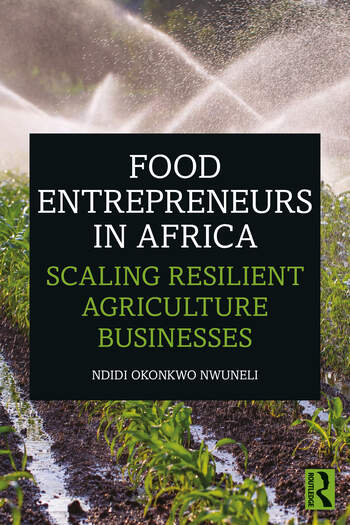
Ndidi Okonkwo Nwuneli (2021) 
Food Entrepreneurs in Africa. Scaling Resilient Agriculture
Businesses.
208 pp. 
  • Entrepreneurs are the lifeblood of the agriculture and food sector in Africa, which is projected to exceed a trillion dollars by 2030. 
  • This book is the first practical primer to equip and support entrepreneurs in Africa through the process of starting and growing successful and resilient agriculture and food businesses that will transform the continent. 
  • Through the use of case studies and practical guidance, the book reveals how entrepreneurs can leverage technology and innovation to leapfrog and adapt to climate change, ensuring that Africa can feed itself and even the world. 

  • SMEs are at the frontline when it comes to supplying food to low-income groups and have the capacity to drive change in food consumption patterns at a rapid pace – e.g., SMEs are found to provide 70% of food to low-income populations in Africa.
  • They therefore have enormous potential to improve the diets and health of consumers on a global scale through incorporating nutrition into their business models and practices, in turn improving the availability and accessibility of healthy nutritious foods for consumers in their local markets.

Related:


16 September 2024. The contribution of KOKO Plus® to Universal health coverage (UHC). The Ghana Nutrition Improvement Project was launched in 2009 by the Ajinomoto Group to help solve the pressing issue of malnutrition in the country. In particular, the core project partners aim to improve the nutritional outcomes of an estimated 200,000 children aged 6-24 months by 2017 by providing a supplement named “KOKO Plus”. 

With support of JICA/Ajinamoto, NEC Africa is increasing the capacity of health care workers to "Visualize" and utilize data to promote mothers behavior change. 

Yōko Kamikawa (the Japanese Minister of Foreign Affairs) declared during TICAD (August 24, 2024): 
"Japan has long been focusing on cooperation in maternal and child healthcare. (...) Japan is now incorporating ICT and other advanced technologies from the private sector. (...) JICA [combines] health examinations and nutritional guidance for mothers and children utilizing Japanese ICT [for] the dissemination of (...) nutritional supplements."


Related:

20 June 2024. EC/INTPA InfoPoint conference: Local Private Sector and Nutrition for Women and Children
  • Mandresy Randriamiharisoa, Director General, Nutrizaza, Madagascar
  • Siny Samba, Director General, Le Lionceau, Senegal

Upcoming:

7 - 11 October 2024. The 9th Africa Nutrition Conference (ANC 2024/ANEC IX)
  • The African Nutrition Society (ANS) and the Ghana Academy of Nutrition and Dietetics(GAND) are organizing the 9th edition of the Africa Nutrition Conference (ANC2024 / ANEC IX).
  • Theme: “FOOD AND NUTRITION IN A CHANGING WORLD: Implications for nutrition security and health in Africa”
  • Venue: University of Cape Coast – North Campus, Cape Coast, Ghana

Opportunity:


Pivotal Ventures (of billionaire philanthropist Melinda French Gates) 
  • will launch a call in the autumn to global organisations
  • $250 million
  • to be awarded through an open call, with Lever for Change to identify organizations working to improve women’s mental and physical health worldwide.ations focused on women’s mental and physical health
Since Melinda French Gates founded Pivotal in 2015, it used different kinds of funding to achieve its mission to advance social progress, including venture capital investments, philanthropic grantmaking, advocacy funding, and partnerships. In 2022, Melinda formed Pivotal Philanthropies Foundation, a nonprofit organization, to support philanthropic grantmaking and help enable this flexible approach to driving impact.

Friday, June 30, 2023

The Smallholder Horticulture Empowerment & Promotion (SHEP) approach

29 June 2023. Smallholder Horticulture Empowerment & Promotion (SHEP) approach.

  • The Global Forum for Rural Advisory Services (GFRAS), in collaboration with Japan International Cooperation Agency (JICA), 
  • SHEP is an innovative approach to agricultural extension services that is anchored on the disciplines of economics and psychology and which has been effective in raising smallholder farmers' income from horticulture as it develops both the technical and managerial capacity of farmers to practice market-oriented farming. 
  • experiences from the ground, to get information on the upcoming SHEP online trainings for Africa and Asia.
Resource:
JICA (2018) SHEP Handbook for Extension Staff. # 98 p.

The SHEP approach that successfully transforms farmers’ mindsets from “grow and sell” to “grow to sell” was developed based on numerous insights acquired from agricultural extension in Japan. This material introduces the voices of farmers and extension officers who are actually implementing the SHEP approach in their countries. 

At the Seventh Tokyo International Conference on African Development (TICAD VII) held in 2019, "declaration for achieving better lives of one million small scale farmers through SHEP Approach" was made. In order to achieve this by 2030, the SHEP approach for agricultural extension services collaborations with various organizations, such as donor partners and NGOs, have been accelerated. Since SHEP implementers are trained mainly through Group and Region-Focused Training, this material was created to promote the training remotely without face-to-face lectures by conveying the key points of the training in this material. 

The “practice version” together with another video titled "The SHEP Approach Training Digest" made in 2020 to deepen further understanding of the SHEP approach.


Introductory training organized by JICA and GFRAS on August 24th 2021

Monday, May 8, 2023

8th Multi-stakeholder Forum on Science, Technology and Innovation for the Sustainable Development Goals


2-5 May 2023.
8th Multi-stakeholder Forum on Science, Technology and Innovation for the Sustainable Development Goals
In line with recent mandates and as in previous years, the STI Forum facilitated discussions on science, technology and innovation cooperation in support of the SDGs. In addition to providing the mandated inputs for the High-Level Political Forum on Sustainable Development to be held from 10 to 19 July 2023, the Forum took a broader look at the contribution of STI to the achievement of all the SDGs in recognition of the September mid-term review of SDG progress.

Accordingly, the theme for the STI Forum 2023 was: “Science, technology and innovation for accelerating the recovery from the coronavirus disease (COVID-19) and the full implementation of the 2030 Agenda for Sustainable Development at all levels”.

STI Forum Day 0

02/05 Science, Technology and Innovation in Africa Day 2023

  • Thematic Session 1: Mobilizing and Engaging Diaspora for STI in Africa
  • Thematic Session 2: STI for High Productivity and Economic diversification in Africa
  • Thematic Session 3: Role of Youth and the African Continental Free Trade Area (AfCFTA) in STI
See dedicated PAEPARD blogpost + recording
With the transcript of the presentations by 
  • Mr. Alessandro Rainoldi, Head of Territorial Development Unit, Joint Research Centre, European Commission
  • Ms. Shamika Sirimanne, Director, Division on Technology and Logistics, UNCTAD

STI Forum Day 1

03/05 Side Event - Enabling Agricultural Innovation Systems (AIS) for developing STI roadmaps for SDGs in the context of post COVID-19

See dedicated PAEPARD blogpost + recording

03/05 Session 1: Strengthening trust in science and technology

Scientific advisory commissions. One institutional tool for enhancing trust in science are the scientific advisory commissions, science academies, and committees. These commissions are often responsible for evaluating scientific evidence and providing recommendations on various issues related to science and technology. By providing independent and objective assessments of scientific evidence, scientific commissions help to ensure the accuracy and reliability of scientific findings. This helps to build trust in the scientific process and the validity of research findings.

Open science. Another tool for enhancing credibility of science and increasing science diplomacy is open science. When scientific research is conducted in a transparent and collaborative manner, it can enhance the credibility of scientific findings and promote greater confidence in scientific conclusions.

Citizen science. In addition to open science, direct public engagement with, and participation in, scientific processes and innovation, can potentially enable greater trust in science and technology. 

Highlighted speakers:
  • Willem Fourie et al., Using machine learning to improve the science-policy-society interface on the SDGs in South Africa, University of Pretoria, South Africa


STI Forum Day 2: Session 4 + 5

04/05 Presentation of the Global Sustainable Development Report 2023

The 2023 Global Sustainable Development Report (produced every 4 years) will be launched in September 2023.
  • The 2023 Report will build on the 2019 Report providing evidence that can help decision-makers to accelerate action and overcome impediments that stand in the way of progress on sustainable development.
  • The focus will be on accelerating transformation through important entry points and enabling science to support this acceleration.

04/05 Session 4: Breaking down barriers- closing the gender gap in science and technology

This session highlighted examples and lessons learned from gender and STI initiatives that are helping to move the needle towards making innovation ecosystems more inclusive and representative and explore what is needed to scale up and accelerate further progress

04/05 Session 5: Global research cooperation and funding- sharing knowledge through new partnerships

This session explored the status of global research cooperation and funding - especially in the Global South – for the achievement of the SDGs. It will bring together key public and private funders of research and development (R&D) and other key R&D actors.

Sources like UNESCO and WIPO offer important insights into overall R&D investments and priorities for both developed and developing countries. In general, SDGs related to health, climate change, and energy tend to receive more R&D investments. For example, investments in health research (SDG 3) are substantial, driven by both public and private sectors. 

The biggest R&D donors vary depending on the sector and the SDGs being considered. However, some of the largest R&D investors globally include the United States, China, Japan, and the European Union. They countries contribute a significant portion of global R&D funding across various sectors, including those related to the SDGs
  • Public R&D funding, typically provided by governments and international organizations, is essential for supporting basic research, capacity building, and projects with high social and environmental impact but lower financial returns.
  • Private R&D funding, predominantly driven by the business sector, is crucial for translating research findings into marketable products and services. The private sector accounts for approximately two-thirds of global R&D spending, with significant investments in fields such as information and communication technologies, biotechnology, and clean energy. However, private R&D funding is often concentrated in areas with higher commercial potential, potentially overlooking research areas with broader societal benefits
Panelists:
  • Ms. Katja Becker, President, Global Research Council; and President, Deutsche For schungsgemeinschaft, Germany
  • Ms. Ana Cristina Amoroso das Neves, Head, Internet Governance Office, FCCN, Unidade de Computação Científica da Fundação para a Ciência e a Tecnologia, Portugal; and Chair of the UN Commission on Science and Technology for Development
  • Mr. Kazuhito Hashimoto, President, Japan Science and Technology Agency
  • Mr. Fulufhello Nelwamondo, CEO, National Research Foundation of South Africa

Lead discussants:
  • Ms. Charlotte Watts, Professor, Chief Scientific Adviser and Director for Research and Evidence in the Foreign, Commonwealth and Development Offices, United Kingdom
  • Mr. Marco Antonio Zago, President, FAPESP – São Paulo Research Foundation, Brazil
  • Ms. Kendra Sharp, Head, Office of International Science and Engineering, National Science Foundation, USA

STI Forum Day 2: Session 6 + 7

This session explored a way forward for forging an equitable, digital future for all. Rapid digitalization is enhancing the way we live and work in a myriad of ways. It has the potential to open-up opportunities that we may not even have imagined yet. However, gaps in connectivity and access to digital infrastructure within and across countries remain a serious concern.
  • When data and AI are leveraged for good by ensuring they are safe and beneficial for all, and their value is shared among and within countries, they can rapidly accelerate progress towards all 17 SDGs. For example, machine-learning algorithms are able to sift through and interpret massive amounts of data from various sources to carry out a wide range of tasks. 
  • They can analyze high-resolution images from satellites, drones or medical scans to improve responses to humanitarian emergencies, help tackle climate change, increase agricultural productivity, enhance production efficiency in manufacturing, or help doctors identify and treat illness. 
  • The transformative power of AI and such intelligence technologies, however, also comes with challenges, ranging from issues of transparency, trust and security, privacy and biases, to concerns about displacing jobs and exacerbating inequalities and injustice. 
Panelists:
  • Ms.Hermina Johnny, Founder, Artemis Foundation
  • Ms. Alison Gillwald, Executive Director, Research ICT Africa, an African digital policy and regulatory think-tank based in South Africa
  • Mr. Chris Sharrock, Vice President of United Nations and International Organizations, Microsoft
  • Mr. Henrik Cox, Head of Product, Conservation X Labs
Lead discussants:
  • Ms. Mi Ock Mun, President of the Science and Technology Policy Institute (STEPI).
  • Mr. Robert Bertram, Chief Scientist, Bureau for Resilience and Food Security, USAID
  • Ms. Shamika Sirimanne, Director, Division on Technology and Logistics of United Nations Conference on Trade and Development (UNCTAD)
  • Mr. Amir Dossal, President and Chief Executive Officer, Global Partnerships Forum

STI Forum Day 2: Side events

04/05 Building Bridges with Technology: The Role of Enhanced Equitable Connectivity in Achieving the 2030 Agenda (STI Forum Side Event)

Real world experiences in bridging the digital divide in the Dominican Republic and in Niger, highlighting (i) connectivity as a form of aid, (ii) technology in increasing the efficacy of aid delivery, and (iii) access to information as a human right.
  • H.E. Ambassador Joan Cedano, Deputy Permanent Representative of the Dominican Republic 
  • Mr. Ibrahima Guimba Saidou, Director General of the National Agency for the Information Society in Niger (ANSI) 
  • Ms. Gabriela Alvarado, Representative and Country Director of the Dominican Republic, WFP
  • Pre-recorded videos of field operations from WFP and local partners in the Dominican Republic and Niger

04/05 Roundtable on Generative AI for the SDGs: Friend or Foe, Hope or Hype? (STI Forum Side Event)

Generative AI, a subfield of AI that can create novel content or ideas, can be a powerful tool for advancing the United Nations' SDGs. It has the potential to inform new and creative solutions to complex problems but is also raising many concerns. This roundtable will present a landscape overview of generative AI, including benefits and risks of its use and the current UN response to the rapidly evolving technology.
  • Ursula Wynhoven, ITU Representative to the UN 
  • Ambassador Cornel Feruţă, Permanent Representative of Romania to the United Nations
  • Guilherme Canela Godoi, UNESCO, Chief of Section, Freedom of Expression and Safety of Journalists 
  • Robert Opp, UNDP, Chief Digital Officer -
  • Amira Dhalla, Consumer Reports, Director of Impact Partnerships and Programs 
  • Rami Amin, World Bank, Project Lead, Technology Policy, Strategy, and Finance 
  • Dan Altman, Google, Lead, Technology and Society 
  • Cass Matthews, Microsoft, Office of Responsible AI


04/05 Implementing national STI4SDG roadmaps – capacity building and Partnership in Action (STI Forum 2023 Special Event)

This special event explored means and ways to support the implementation of national STI4SDGs roadmaps and highlight national pilot projects.

Panelists: 
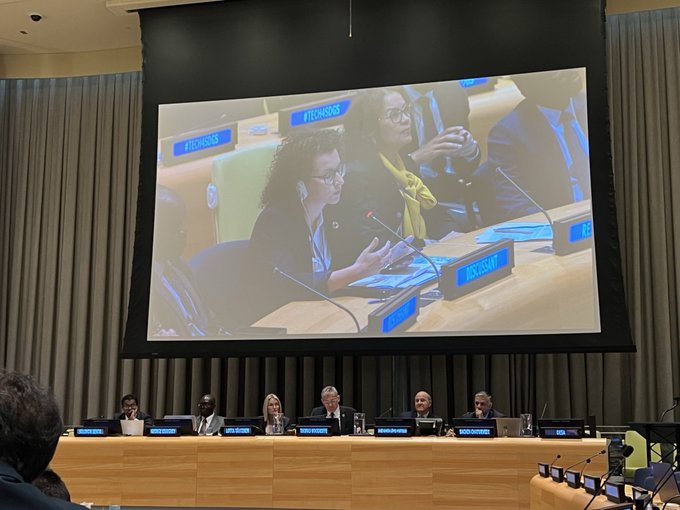
  • Ms. Lotta Tähtinen, Interim Chief, Integrated Policy Analysis Branch, United Nations Department of Economic and Social Affairs (UNDESA) 
  • Mr. Sachin Chaturvedi, Director General, the Research and Information System 
  • Mr. George Essegbey, Chief Research Scientist, Science and Technology Policy Research Institute (STEPRI), Ghana 
  • Mr. Solomon Benor, CEO for Research and Community Engagement Affairs, Ministry of Education, Ethiopia 
High-level respondents: 
  • Mr. Robert Kayinamura, Minister Counsellor, Deputy Permanent Representative of the Republic of Rwanda to the United Nations 
  • Ms. Ismahane Elouafi, Chief Scientist FAO
Interactive discussion: 
  • Mr. Clapperton Chakanetsa Mavhunga, Professor of Science, Technology, and Society (STS) at MIT 
  • Mr. Alfred Watkins, Founder and CEO, Global Solutions Summit 
  • Ms. Angela Sarcina (see picture), Project leader for STI for SDGs, Territorial Development Unit, Joint Research Centre, European Commission 
  • Mr. Fernando Santiago, Industrial Policy Officer, UNIDO 

Transcript of the presentation by Ms. Angela Sarcina @53:00

At the Joint Research Center, we have been discussing and adjusting our own methodology to address key sustainability challenges and advance on the achievement of the SDGs and embed the SDGs into STI policies. In this reflection, we've been contributing a lot to the work of the Interagency Task Team, especially on the guidebook for the preparation of STI for SDG messages, roadmaps, but also the global pilot program supporting Serbia and Ukraine. 

We developed a reflection framework that includes questions for policymakers that need to take into account when they develop and adjust to their own their own STI policies. We developed this together with 30 policy makers practitioners and involving 12 regions in Europe and beyond. 

The experience we gained in the context of the collaboration with the Interagency Task Team, together with our internal experience was translated into a new project that we launched in collaboration with the Directorate General of the European Commission for International Partnerships (DG INTPA). This project is specifically focusing on STI for SDGs roadmaps in Sub Saharan Africa. 
  • We are now working with six countries: Rwanda, Gambia, Malawi, Mauritius, Namibia and Seychelles. The project will contribute to harness the STI potential and deploy the relevant frameworks and actions to address the specific place based sustainability challenges. We need to take into account the specificities of each country, region and at the sub national level. 
  • Over the past months we have been exchanging a lot with this six countries and we we have learned a lot. Some challenges are emerging, especially as regards to the future implementation of the STI for SDGs roadmaps. There is a need to strengthen the local capacities: not only for the design of the roadmaps, but also for the implementation phase. 
  • We recently did a training workshop in Kigali, Rwanda, 
We are collaborating a lot with the Interagency Task Team workstream 6 on capacity building. 
  • This working group has delivered training workshops in more than 75 countries involving more than 1200 participants. This is a successful experience that should be further strengthened and further deployed in more regions of the world. 
  • We find that the mobilization of resources, expertise and key stakeholders should be done at the very early stages of the development of the STI for SDGs roadmaps. 
  • For this reason we are collaborating very closely with the EU delegations in the six countries but also with the United Nations, the African Union and and other local and regional stakeholders. 
  • We are planning to involve the countries of the global talent program that already developed the STI for SDGs roadmaps. 
Initiatives like the partnership in action or the Coalition for Africa that was launched two days ago, have the potential to deliver on these objectives. The roadmaps are a true opportunity in terms of the mobilization of investments and for the advancement of more sustainable work. 


STI Forum Day 3: GSS 2023

05/05 Global Solutions Summit 2023

GSS2023 addressed following question: How can Africa achieve the SDGs by leveraging the diaspora, youth, and the Africa Continental Free Trade Area to:
  1. accelerate the development and deployment of sustainable, inclusive technology and 
  2. develop value-added activities in Africa’s manufacturing, agriculture, and service sectors? 
This focus was explicitly designed to complement the discussions at the Fifth African Science, Technology and Innovation Forum 2023 which convened in Niamey, Niger on February 26-27, 2023 and the 1st STI in Africa Day which will convene at the UN on May 2.


Thematic Session 1: Technology Transfer and Deployment for Value Addition in African Agriculture
  • Ms. Freda Korarome, Coordinator of Ecoforestry, Division of Natural Resources, Eastern Highlands, Provincial Administration, Papua New Guinea 
  • Prof Clapperton Chakanetsa Mavhunga, MIT 
  • Mr. Taffere Tesfachew, Acting Managing Director, UN Technology Bank for the Least Developed Countries or Ms. Federica Falomi, Economic Affairs Officer, UN Technology Bank 
  • Mutale Chilangwa, Director of Business Development, Heifer International 

Thematic Session 2: Technology Roadmaps and Needs Assessments For Technology Deployment and Sustainable Development
  • Professor Deepakraj Divan, Director of the Center for Distributed Energy at the Georgia Institute of Technology and Chair, IEEE Empower a Billion Lives Competition 
  • Mr. Surya Raghu, Founding Partner, ETCube International 
  • Prof Paul S. Chinowsky, Director, Resilient Analytics 
  • Mr. José Ramón López-Portillo Romano, Chairman, Q Element Ltd., Advisor to Mexico Government, member of the UN SG’s 10 Member Group for the TFM

  • Salome M. Guchu et al, Leveraging on Emerging Technologies Landscape to Bolster Kenya’s Innovation Ecosystem, Inter-University Council for East Africa
  • Crystal H. Brown, Sustainable Solutions for Climate Change Adaptation in Africa: Combining Indigenous Knowledge and Modern Technology, Worcester Polytechnic Institute, United States
  • Felipe de Andrade et al., Roadmap for a Role for Intellectual Property Offices in the Governance of Green Innovation, University of Antwerp/KU Leuven, Belgium