Platform for African – European Partnership in Agricultural Research for Development
Showing posts with label Switzerland. Show all posts

Wednesday, June 12, 2024

Agroecology in fragile contexts in sub-Saharan Africa

12 June 2024
. Agroecology in fragile contexts in sub-Saharan Africa: What can agroecology offer in times of crises? a joint initiative of the Sufosec Alliance and the Swiss Agency for Development and Cooperation (SDC)


Emerging evidence shows how agroecology as a holistic approach can improve the resilience of food systems and strengthen livelihoods of communities towards food security. To what extent can this compelling approach offer responses before, during and after multiple types of crises? This online event explored opportunities and limitations of inspiring agroecological best practice cases in fragile contexts.
  1. Seeds and neglected and under-utilised species in multi-crises situations in Niger
  2. Agroecology: an approach to enhance social cohesion, gender equality and resilience in the fragile context of Burkina Faso
  3. Innovative feed and food solutions during drought spells in Ethiopia
Speakers:
  • Nicole Stolz SWISSAID SDC Headquarters  
  • Christian Wirz VSF Switzerland 
  • Ibrahima Aboubacar Dada SWISSAID Niger 
  • Michael Hauser Vienna University of Natural Resources and Life Sciences
  • Beruk Yemane VSF Ethiopia 
  • Barro Arnaud Albert SDC Niger ADIF
  • Boureima Adamou , Fastenaktion Burkina Faso 
  • Abdikarim Aden SDC Kenya 
  • Abel Gouba SDC Burkina Faso

Thursday, May 2, 2024

Empowering Youth Changemakers for Agroecology

  • This guidebook on youth and agroecology has been developed by partner organisations of DKA Austria in South Asia through the RAISE Consortium
  • This guidebook sheds light on the often-overlooked importance of children and youth as essential stakeholders in transformative change processes. 
  • It emphasizes active citizenship and youth empowerment and engages adolescents and youth for agroecology based on various modules.
  • The guidebook is intended for facilitators in rural areas. 
  • It includes a collection of methods anchored in the 13 Principles of Agroecology and a food systems perspective and is based on Participatory Rural Appraisal (PRA). 
  • It has been developed with the participation of local youth and facilitators.

The launching event presented the guidebook and presented perspectives of youths who had been part of its development. It will also look at other experiences of networks from the Philippines (SEARICE) and Africa (Alliance for Food Sovereignty in Africa) and their work on youth and agroecology.
  • Technical Intro, Welcoming, Introduction to RAISE South Asia - Philipp Bück (DKA Austria)
  • “We the Changemakers”: Presenting the Facilitators Guide - Anshuman Das (picture), Malini Mukherjee
    (guidebook developers and designers)
  • Sharing Perspectives from RAISE South Asia Youths and Facilitators
    Including Trishna Taye (picture)
  • African Youth at the forefront of the transitioning to Agroecology - Joyce Brown (picture), Youth Platform Coordinator, Alliance for Food Sovereignty in Africa (AFSA)
    Joyce announced the African Youth Summit on Food Systems & Agroecology2024 14th-16th October 2024. Addis Abeba

    In recent years, the Alliance for Food Sovereignty in Africa (AFSA) has significantly increased youth involvement through the establishment of the AFSA Youth Platform. This initiative aims to engage young Africans in promoting agroecology, seed sovereignty, land justice, climate action and putting them at the forefront of advocating for sustainable food system reforms and policies.

    The “Thousand African Youth Summit on Food Systems and Agroecology” was agreed as a way forward to involve more African youth in providing and discussing solutions to the challenges facing African food systems and the youth involved. The summit is a significant gathering that aims to build upon the success of the African Youth Summit on Food Systems which was held in Machakos, Kenya, 2023.

    This summit is aimed at showcasing diverse solutions from African Youth to demonstrate practical ways of achieving improved livelihoods and sustainable food systems in a climate crisis.

    Contact @AFSA Youth Platform: simon.bukenya@afsafrica.org and joyce@homef.org

  • Youth and Agroecology at SEARICE, Caryl Pillora (SEARICE, Philippines)

    Watch youth-led videos here + and the animated videos @ SEARICE website
Information and interactive activities can be found here.
  • The agenda of the meeting
  • The pdf of the “We, the Changemakers” Facilitators Guide (English only)
  • Interactive activities:“Interact: Where are you from?”: Tell other participants who you are and where you're from. Feel free to upload links, documents or video links to share with others!
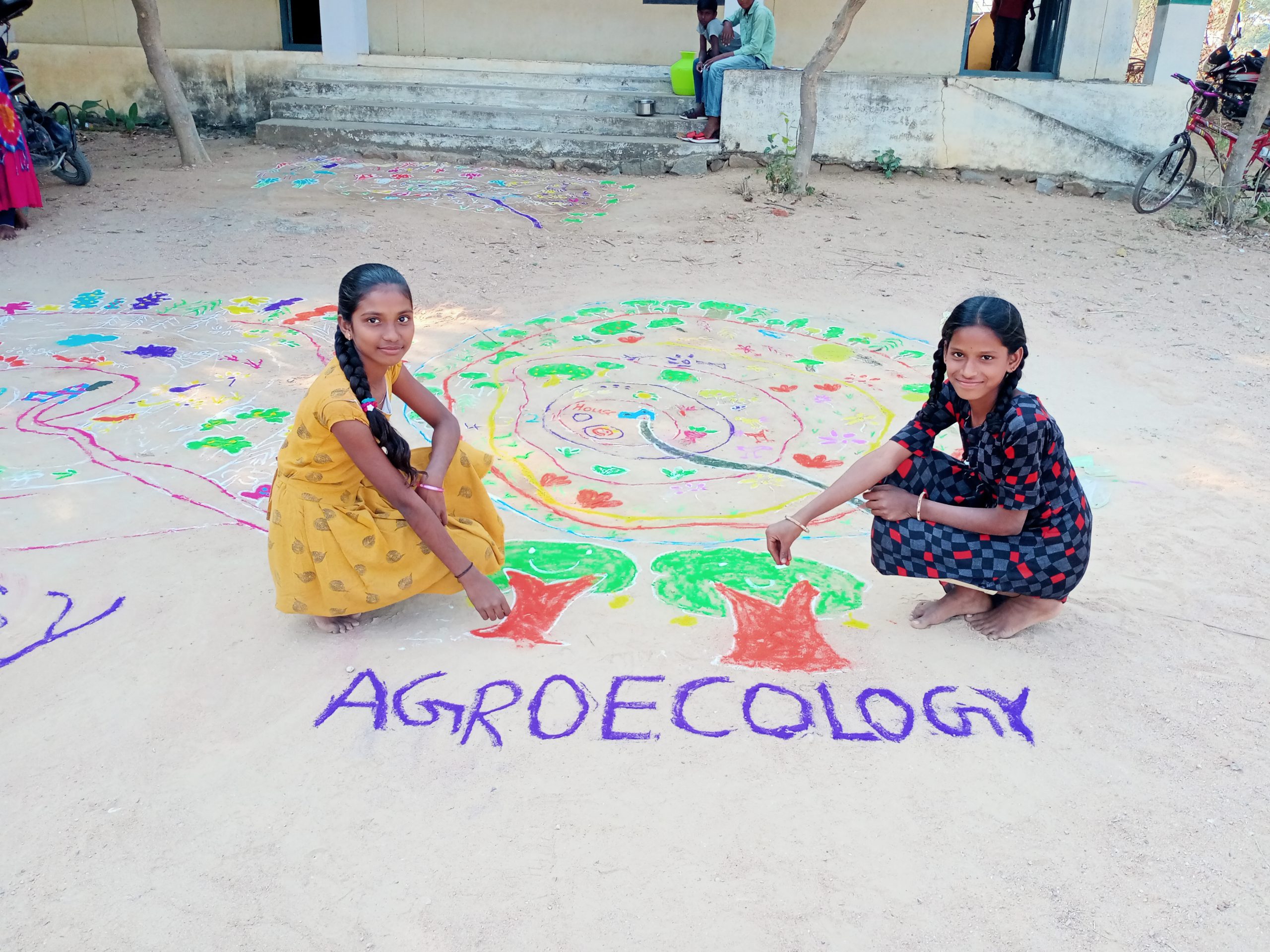
  • “Interact: Paint Agroecologically, AI!”: You can tell us and visualize a question, comment or thought you have on Youth and Agroecology.

Background:

Rights-based and Agroecological Initiatives for Sustainability and Equity in Peasant Communities
(RAISE)
 - South Asia and Africa
  • The RAISE Consortium is a network of networks supported by the Swiss Development Cooperation.
  • The RAISE consortium was launched in January 2022 to support the agroecological transition and implement the rights of peasants as enshrined in the UN Declaration on the Rights of Peasants (UNDROP) in India, Nepal, Kenya, Niger, Mali, Burkina Faso and South Africa. 

  • RAISE is taking a “network-of-networks” approach with a diversity of local and international partners involved in peasant and pastoralist development and human rights work.

Thursday, January 27, 2022

The Use of Smart Subsidy in Impact-Linked Agricultural Finance

27 January 2022
. The Use of Smart Subsidy in Impact-Linked Agricultural Finance

A webinar on how donors and development finance institutions (DFIs) approach impact-linked finance in the agriculture sector. Featuring representatives from the Swiss Agency for Development and Cooperation (SDC), the Dutch Ministry of Foreign Affairs (MFA), and the German Development bank (KfW) . With new models emerging and learnings from approaches that have been running for a few years, we want to have an open discussion about where (public) financing is needed and how to target it to optimize impact.

SPEAKERS

songbae
HOST
Songbae Lee
Agricultural Finance Team Lead, USAID Bureau for Resilience and Food Security (RFS)

Songbae joined RFS in 2020 as Agricultural Finance Team Lead, supporting USAID in its efforts to mobilize capital for agriculture. Before this role, he spent eight years at Calvert Impact Capital, a non-profit impact investing... more

aarts
Anouk Aarts
Policy Advisor, Financial Sector Development, Netherlands Ministry of Foreign Affairs (MFA)

Anouk is Policy Advisor at the Sustainable Economic Development Department, Netherlands Ministry of Foreign Affairs. She has over 10 years of experience in the Dutch financial sector and has been working for the Netherlands... more

Peter
Dr. Peter Beez
Programme Manager and Senior Policy Advisor, Swiss Agency for Development & Cooperation (SDC)

Peter is an economist who studied at the University of Fribourg, Switzerland. His private sector experience includes working with SMEs, banks, consulting, and the World Economic Forum. His public sector experience includes working... more

Albin
Alexandra Albin
Head of Division, Equity and Regional Funds, Sub-Sahara Africa and Latin America, KfW Development Bank

Alexandra is the Agricultural Finance Team Lead in KfW´s equity and regional funds department. In that capacity she is responsible for overseeing the structuring and financing a wide variety of Agrifinance and Biodiversity Funds... more

Wednesday, September 26, 2018

Webinar: The adoption of Post Harvest Management in policies and development plans

 25th September 2018. Webinar. What can be done on policy level to reduce postharvest losses for better food security? In what way can local organizations support the sustainable introduction and integration of postharvest management (PHM) policies?

These and other related questions were discussed at our next webinar on, with distinguished Prof. Joao Mutondo (Food, Agriculture and Natural Resources Policy Analysis Network (FANRPAN)). He presented best practices for ensuring the adoption of PHM in policies and development plans, with a special focus on experiences from Mozambique.


Resources
Background:
The webinar series on Postharvest Management (PHM) started in 2017 and will continue this year (2018) under the theme “Scaling up proven technologies and practices of postharvest management in Africa”. We will be happy to exchange with you on the questions of how we can take advantage of proven technologies and practices that diminish postharvest losses and foster their adoption by smallholder farmers.

The webinars are organized by the African Forum for Agricultural Advisory Services (AFAAS), supported by FANRPAN and backstopped and facilitated by the Centre for Agricultural Extension and Rural Development (AGRIDEA) on behalf of the project Postharvest Management in Sub-Saharan Africa (PHM-SSA).

About the PHM-SSA project:
  • The PHM-SSA project is being implemented by a consortium including Helvetas, AFAAS, FANRPAN and AGRIDEA in Mozambique and Benin. 
  • The project aims to improve food security of smallholder men and women farmers in SSA through reduction of postharvest losses of food crops (grains and pulses) with a market system approach. 
  • The project draws lessons and experiences from the implementing countries that are shared at the continental level. A similar project, Grain Postharvest Loss Prevention Project (GPLP) is being implemented in Tanzania. 
  • The projects are funded by the Swiss Agency for International Development and Cooperation (SDC).
For more on the PHM-SSA project, contact:

Monday, June 11, 2018

AFAAS Webinar: Bringing Postharvest management solutions to scale

5 June 2018. The AFAAS webinar series on Postharvest Management (PHM) started in 2017, and continues this year (2018) under the theme “Scaling up proven technologies and practices of postharvest management in Africa”.

This first 2018 webinar with Raphael Dischl from Helvetas Swiss Intercooperation was an opportunity to exchange and discuss with you on your experiences on; awareness creation and, private sector engagement and financing for PHM. About 15 countries were represented by close to 40 participants.

PHM Webinar Raphael 5June2018 - v2.pdf
PHM Webinar Angela 5June2018 - v2 (2).pdf
PHM Webinar 5th June 2018 - CHAT.pdf


Background
The PHM-SSA project is being implemented by a consortium including Helvetas, AFAAS, Food and Natural Resources Policy Analysis Network (FANRPAN) and AGRIDEA in Mozambique and Benin. The project aims to improve food security of smallholder men and women farmers in SSA through reduction of postharvest losses of food crops (grains and pulses) with a market system approach. The project draws lessons and experiences from the implementing countries that are shared at the continental level. A similar project, Grain Postharvest Loss Prevention Project (GPLP) is being implemented in Tanzania. The projects are funded by the Swiss Agency for International Development and Cooperation (SDC).

Thursday, July 13, 2017

Nestlé S.A.: Planting Seeds for the Future of Food


6-7 July 2017. Lausanne/Vevey, Switzerland. Nestle. As the world’s largest food company, and one that connects farmers to consumers, how can Nestlé help shape the future of food systems?

The company hosted an extraordinary gathering of industry and civil society experts. The 'Planting the Seeds for the Future of Food' conference brought together farmers, academics, industry representatives, NGOs and intergovernmental organisations to explore the issues. The Better Business show was there to record this exclusive podcast.


Biodiversity for the planet and for food
  • Bev Postma HarvestPlus, 
  • Stefano Padulosi Bioversity, 
  • Urs Schenker, Nestlé 
  • Tony Juniper
Microbes for healthy soils and healthy guts 
  • John Crawford Rothamsted, 
  • Joachim Lammel Yara, 
  • Doug Cook UC Davis, 
  • Maurice Moloney GIFS
Water conservation and stewardship for agriculture
  • Wouter Wolters, University Wageningen, 
  • Adrian Sym AWS, 
  • Frank Eyhorn Helvetas, 
  • James Lomax UN Environment
Voices of our Farmers 
  • Robert Craig, Ambrose Kirobi CMS, 
  • Peter Froelich Agricircle, 
  • Martin Mwangi University Wageningen
Organic. Costing the Earth 
  • Hans Herren, Biovison, 
  • Samuel Vionnet, Valuing Nature, 
  • Urs Niggli, FIBL, 
  • Vanja Westerberg, Altus Impact
Modelling of the food system 
  • Gerald Nelson ex-IFPRI, 
  • Joost Vervoort, IFPRI, 
  • Natalia Brzezina, KU Leuven, 
  • Karen Cooper, Nestlé Leman
Productivity, transparency and proximity through technology, 
  • Aileen Ionesco-Somers, Business School Lausanne, 
  • Michiel Bakker Google, 
  • Sara Roversi Future Food institute, 
  • Rob Skidmore, ITC
Animal Proteins, Plant Proteins 
  • Ian Roberts Buhler, 
  • Duncan Williamson WWF, 
  • Aarti Ramachandran, FAIRR, 
  • Patrick Holden, Sustainable Food Trust, 
  • Leonidas Karagounis Nestlé
Urban and rural nutrition challenges 
  • Frank Mechielsen Hivos, 
  • Ruth Oniang’o Rural Outreach Africa, 
  • Hernan Manson ITC, Wilbert Sybesma, Nestlé
Responsible sourcing 
  • Rob Cameron SustainAbility, 
  • Joost Oorthuizen, IDH, 
  • Christina Nyhus Dhillon, GAIN, 
  • Benjamin Ware, Nancy Madigu, Nestlé
Food loss and food waste 
  • Richard Swannell WRAP, 
  • Franziska Staubli, Migros, 
  • Clementine O'Connor, Achim Drewes, Nestlé
Nutrition & Climate Change 
  • Josette Lewis, Env. Defense Fund, 
  • Doug Cook, UC Davis, 
  • Gerald Nelson ex-IFPRI, 
  • Pierre Herben Yara

Tuesday, November 3, 2015

Louis Dreyfus creates investment fund for agribusiness in Sub-Saharan Africa

28 October 2015. GENEVA, SWITZERLAND — Louis Dreyfus Holding and Bamboo Finance announced a partnership to launch and jointly manage NISABA, a $50 million impact investment fund project with a focus on small- and medium-sized agribusiness enterprises in Sub-Saharan Africa.

NISABA will target a balanced portfolio of countries, activities and commodities, and will invest in financing gaps across the agribusiness value chain in growth markets. The focus will be on businesses that combine social, environmental and financial returns by improving efficiency through access to data, finance and risk mitigation, training and technology innovation; strengthening market access by linking producers to end-consumers; and building local capacity through post-harvest handling and storage, value-addition or processing solutions, among others. More information is available on www.nisabafund.com.

Friday, October 30, 2015

Nestlé is launching a range of noodles in South Africa

9 October 2015. Nestlé is launching a range of noodles in South Africa containing the indigenous vegetable morogo — the result of a public-private research collaboration that it says resulted in the development of an innovative commercial product.

This is the first time that morogo, also known as amaranthus, has been used on an industrial basis, Nestlé said in a press release. The company’s long-term stated goal is to help farmers boost their income by producing morogo on a commercial scale.

Morogo, the Tswana word for vegetables, refers to a group of dark green leafy vegetables found throughout Southern Africa. It’s also known as wild or African spinach and used to prepare traditional South African dishes, according to Taste.
  • Various leafy greens including cleome, cow pea and amaranthus were assessed by Nestlé and the research team for nutrient bioavailability during digestion.
  • After conducting research and consumer studies, amaranthus was ultimately chosen.
  • The development of the new product, packaged under the Maggi label, is the result of a three-year collaboration between the Switzerland-based food giant — the largest food company in the world by revenue — the South African Department of Science and Technology and the country’s Agricultural Research Council.
  • They agreed to research the potential of South Africa’s traditional leafy greens for possible use in food and nutraceuticals.

Wednesday, July 1, 2015

Web-based policy tool on small-scale farmer innovation

23 - 25 June, 2015. Geneva, Switzerland. Seminar on Intellectual Property and Genetic Resources, Traditional Knowledge and Traditional Cultural Expressions: The Regional and International Dimensions. The issue of genetic resources or traditional knowledge that are shared among different countries was discussed at a World Intellectual Property Organization (WIPO) seminar.

Susan Bragdon, the Food and Sustainability Representative of the Quaker United Nations Office (QUNO) , was asked to talk about other international legal instruments that relate to genetic resources and intellectual property, in particular to discuss the story behind the treaties; how they came to be, what they say and the challenges presented by the regime complex.

Last year the Quaker United Nations Office (QUNO)  called on negotiators at the World Intellectual Property Organization to include innovation by small-scale farmers and asked for complementarity of several international instruments dealing with this issue.

In May 2015, Joe Ouko, chair of the Farmer Innovators Association of Kenya, and three other members of the Prolinnova international network took part in a consultation in Geneva, Switzerland, on small-scale farmer innovation in agrobiodiverse systems. They were invited by the Quaker United Nations Office (QUNO). 

During two days, the 19 participants from 12 countries explored what drives local innovation, what supports it and what impedes it. QUNO is engaged in policy dialogue at international level and plans to develop an interactive web-based policy tool on small-scale farmer innovation. As a member of the advisory group for the meeting, Ann stayed on for a third day to strategise about follow-up to the consultation.

Through his participation in the consultation meeting as the sole Kenyan and the sole farmer, Joe was reinforced in his conviction that “if we really want sustainable food security, research and small-scale farmers should not work in their own cocoons but need to work together and complement one another”. He was also encouraged to devote even more efforts to promote farmer-led joint innovation together with researchers though the farmer innovators association in Kenya.

Related: May Policy brief (6 Pages) of Prolinnova: Creating a Space for Local Innovation in Agriculture
A project called Strengthening Community Resilience to Change: Combining LocalInnovative Capacity with ScientificResearch (CLIC-SR) has provided an opportunity for a group of research and development players in the country to learn more about farmers’ innovative responses to local changes, more in particular:
1. Homemade bio-pesticides
2. Sub surface drainage
3. Sex of chicken determined by shape of egg
4. Irrigation development —

Tuesday, June 30, 2015

World Food System Conference 2015

21-26 June 2015. Zurich, Switzerland. This conference highlighted solution-focused, interdisciplinary, and system-oriented research and practice addressing how to feed the world while considering human health, the environment, and social well-being.

The aim was to bring together researchers and other food system stakeholders to exchange ideas, methodologies, success stories, and lessons learned. The conference

Sessions highlighted innovative research both within and at the intersections of four thematic focus areas (Sustainable Production Systems, Food for Health, Resilient Food Markets, and Whole Food System Approaches) offered a space for professional, empirically-driven dialogue that encouraged experts to interact across disciplinary and institutional boundaries.

The conference incorporated a workshop in which the participants explored how collaborative work on different aspects of the food system can be integrated under a comprehensive framework.

The conference was organized around the following thematic focus areas and their intersections:
  1. Sustainable Production Systems (establishing sustainable food production systems that are resilient in the face of increasing perturbations)
  2. Food for Health (design and processing for safe, accessible, high quality and healthy food and food products)
  3. Resilient Food Markets (creating and connecting to effective food markets that create value for all stakeholders)
  4. Whole Food System Approaches (tools, methods, frameworks designed to take a systems approach)
  • Gunda Zuellich, Millennium Institute Competing agricultural paradigms to feed a growing population in Kenya – An integrated system approach
  • Jonas Jörin, ETH Zurich and Ruthie Musker , ETH Zurich / UC Davis Framing resilience in the context of tef in Ethiopia
  • Jessica Agnew, University of Guelph The role of business in sustainably improving the nutritional status of the poor Kalpana Beesabathuni, Sight and Life Agricultural value chain analysis for developing affordable nutritious foods for women in Ghana
  • Emmanuel Frossard, ETH Zurich Biophysical, institutional and economic drivers of sustainable soil use in yam systems for improved food security in West Africa (YAMSYS)
  • Feriha Mugisha Mukuve, University of Cambridge Scale variability of water, land, and energy resource interactions in the food system in Uganda
  • Silas Okech-Ongudi, Egerton University Determinants of consumers’ choice and potential willingness to pay higher prices for biofortified pearl millet products in Kenya Conrd Murendo, Georg August University Göttingen Impact of mobile money technology on household food security in Uganda
  • Irene Kadzere, Research Institute of Organic Agriculture (FiBL) Postharvest Management: Potential challenges for smallholder organic farmers in Kenya
  • Kate Scow, University of California, Davis Participatory research to identify irrigation technologies for horticulture for women and smallholder farmers in Eastern Uganda 
  • Christian Schader, Research Institute of Organic Agriculture (FiBL) The role of human-edible components in livestock feed for future food security, the environment and human diets
  • Gurbir Bhullar, Research Institute of Organic Agriculture (FiBL) Securing the food system together: Innovation development with the farmer, for the farmer, by the farmer
  • Beth Hoffman, University of San Francisco Driving sustainability or producing anxiety: The use of media in mobilizing consumers Gail Feenstra, University of California, Davis Using values-based supply chains to engage communities
Related:
Swiss Programme for Research on Global Issues for Development (factsheet: PDF, 91 KB). The overall goal of the programme is to support excellent scientific research that contributes towards the solution of global problems.

Funded Food Security research: (28 May 2013 Call for proposals ; January 2014 Invitation to submit full proposals ; October 2014 Earliest start of research ; 2020 Completion of research projects). The emphasis of this thematic research module is therefore on the improvement of agricultural production and innovation systems in view of fostering a political, economic and societal framework for global food security.
  1. Building soil fertility: Farmer-driven organic resource management to build soil fertility: Ghana, Mali, Kenya, Zambia
  2. Sustainable yam cropping Côte d’Ivoire, Burkina Faso
  3. Insects as feed Benin, Ghana, Burkina Faso
  4. Gender and the right to food Cambodia, Ghana
  5. Food sustainability Kenya, Bolivia
Funded Ecosystems research: (28 May 2013 Call for proposals ; January 2014 Invitation to submit full proposals ; October 2014 Earliest start of research ; 2020 Completion of research projects)
  1. Oil Palm Adaptive Landscapes Cameroon, Colombia, Indonesia
  2. Telecoupled landscapes Lao PDR, Myanmar, and Madagascar
  3. Invasive species Ethiopia, Kenya, South Africa, Tanzania

Monday, June 2, 2014

First outcome of the selection of Swiss Innovation in Agricultural and Food Systems for Food Security Programme

21 May 2014. Last year, funding decisions for three out of six research modules of the "Swiss Programme for Research on Global Issues for Development" (r4d programme) were taken. With a budget of CHF 97.6 million for the duration of the entire programme from 2012 to 2022, the r4d programme aims to foster sustainable global development.The six modules are Thematically Open Research ; Social Conflicts ; Employment ; Food Security ; Ecosystems ; Public Health

The programme "Innovation in Agricultural and Food Systems for Food Security" investigates how the production of agricultural goods could be improved and food security increased within the context of sustainable development. The call for proposals was launched on 28 May 2013.
  • Food Security: From a total of 37 submitted pre-proposals, nine project teams consisting of Swiss researchers and their research partners coming from the global south received an invitation to submit a full proposal. The total funding requested in the nine pre-proposals amounts to CHF 27.6 million, whereas the thematic module has a budget of approximately 14 million for six years of research.
  • Ecosystems: From a total of 25 submitted pre-proposals, six project teams received an invitation to submit a full proposal. The total funding requested in the six pre-proposals amounts to CHF 18.7 million, whereas the thematic module has a budget of approximately 14 million for six years of research.
  • Final decision on full proposals July 2014. Start of research August 2014 
Under the Thematically Open Research program, the first 17 transnational research partnerships have initiated their work, addressing a wide range of issues. The module for thematically open research involves funding of high-quality research that contributes to the solution of global problems in poor countries and is not covered in the thematic programmes. The topics in this programme are not pre-defined. It is up to the research groups themselves to determine the areas to be studied. The first call for proposals has been issued on 6 June, 2012. The next call is planned for October 2014. Hereunder are the 4 projects related to agriculture in Africa under the Thematically Open Research. The projects are co-financed by the Swiss Agency for Development and Cooperation (SDC) (75%)  and the Swiss National Science Foundation (SNSF) (25%).

AGRIFEU
The research seeks to increase household outcomes and preserve at the same time the primary forest in the 
Menabe region, Madagascar. In the medium and long-term, it seeks to lower the impact of slash and burn practices on biodiversity as well as to develop means for facing the impacts of climate change on ecosystems.
Funding: CHF 297'450
Project Duration: 36 months
Project Start: November 2013
Geographic scope
  • Menabe region, Madagascar
Swiss Applicants and coordinators
  • Alexandre Buttler, Professeur associé EPFL/Directeur WSL Lausanne
  • Claude Garcia, Scientifique du CIRAD et leader du groupe ForDEV, EPFZ
Applicants Partner Country
  • Jean Chrysotôme Randriamboavonjy, Professeur et responsable de la Diversion de Formation et Recherche en "Gestion Conservatoire des Eaux et des Sols (GCES)", ESSA-Forêts
  • Samuel Razanaka, Directeur de recherche, Centre National de Recherche sur l'Environnement, IRD Madagascar
  • Dominique Hervé, Chargé de recherche, IRD Madagascar
  • Bruno Ramamonjisoa, Chef du Département Eaux et Forêt ESSA, Université d'Antananarivo Madagascar
Strengthening adaptive capacity of the Socio-Ecological System of Alaotra-Mangoro in Madagascar to better cope with change and future shocks allowing local communities and decision makers to better balance conservation and development.
Funding: CHF 475'812Project duration: 36 monthsProject Start: November 2013
Geographic Scope
  • Alaotra, Madagascar
Swiss Applicants and coordinators
  • Dr. Claude Garcia, Ökosystemmanagement, ETH Zürich
  • Prof. Jaboury Ghazoul, Institut für Terrestrische Ökosysteme, ETH Zürich
  • Dr. Patrick Olivier Waeber, Ökosystemmanagement, ETH Zürich
Applicants Partner Country
  • Prof. Bruno Ramamonjisoa, Département des Eaux et Forêts de l'Ecole Supérieure des Sciences Agronomiques, Madagascar
Biomass energy value chains
Identify, promote, and scale out improved biomass energy technologies and promising value chains, and to identify sustainable regional potentials for biomass fuels. Research will be conducted in two case study sites in Kenya and Tanzania.
Funding: CHF 493'450
Project duration: 36 months
Project Start: December 2013
Geographic Scope
  • East Africa (two case study sites: one in Tanzania and one in Kenya)
Swiss Applicants and coordinators
  • Albrecht Ehrensperger, Centre for Development and Environment University of Bern
  • Rainer Zah, Quantis Switzerland/Germany, Dübendorf
Applicants Partner Country
  • Boniface Kiteme, Centre for Training and Integrated Research for ASAL Development (CETRAD), Nanyuki, Kenya
  • Paul Gacheru Chege, Practical Action Eastern Africa, Nairobi, Kenya
  • Estomih N. Sawe, Tanzania Traditional Energy Development and Environment Organization (TaTEDO), Dar es Salaam, Tanzania
To develop economically viable and socio-culturally accepted composting technology and practices that will transform organic fractions of municipal solid waste into high quality hygienically safe fertilizers and nutritionally rich feed components by using larvae of the Black Soldier Fly (BSF) species Hermetia illucens. To achieve the above objective four sub projects will be conducted in Accra, Ghana.

Sub project 1 aims at technological development, production and designing of guidelines for BSF-biochar composting of MSW, at coincidental development of insect larvae meal for use in fish feeds. Sub project 2 aims at assessing the impact of the use of BSF-biochar based compost on crop productivity and the environment. Sub project 3 aims at assessing the effect of the use of BSF-meal on fish productivity and quality. Sub project 4 aims at determining the economic feasibility, farmers perception and willingness to use BSF-composting and insect-meal production technologies.
Funding: CHF 464'937
Project duration: 36 months
Project Start: December 2013

Geographic Scope
  • Greater Accra Region of Ghana
Swiss Applicants and coordinators
  • Dr. Andreas Fliessbach, Research Institute of Organic Agriculture (FiBL)
  • Dr. Noah Adamtey, Research Institute of Organic Agriculture (FiBL)
  • Dr. Andreas Stamer, Research Institute of Organic Agriculture (FiBL)
Applicants Partner Country
  • Ato Ewusie Ebenezer, Biotechnology and Nuclear Agriculture Research Institute, Accra, Ghana
  • Agyakwah Seth Koranteng, CSIR-Water Research Institute, Akosombo, Ghana
  • Prof. Dr. Kwabena Godfred Ofosu-Budu, Forest and Horticultural Crops Research Centre, University of Ghana, Accra, Ghana 
Related: 

2 - 6 June 2014. Thun, Switzerland FACE-2-FACE Event of the Agriculture & Food Security Network 
Smallholder family farms - What is their future? 

Friday, January 24, 2014

SDC’s work in supporting smallholders and family farms in developing countries

The UN has declared 2014 the International Year of Family Farming (IYFF). The goal is to raise the profile of smallholders and family farms by focusing world attention on their role in alleviating hunger and poverty. Improving conditions for smallholders and family farms are central goals of the IYFF.

To mark the IYFF, a national Swiss committee composed of agriculture and development cooperation representatives has been established in Switzerland. The Swiss Agency for Development and Cooperation (SDC) has an observer status in the committee.


Three films produced by the SDC address the issue of smallholder farming in developing countries: "Can we feed the world?, " Today’s reality of smallholder farms” and " “Realizing the potential of smallholder farming”. Films

Thursday, October 31, 2013

A YOUng FARMer’s vision

A series of 3 videos was released called “A YOUng FARMer’s vision”. The project aimed at producing three short films; each of them portrays a young farmer, giving an authentic and positive picture about their daily life and their visions. These were initiated and submitted for a students’ competition named “Engagier Dich!” (Get active!) carried out by the Mercator Foundation Switzerland.

The premier of the films already took place in Switzerland and Serbia, in the frame of a panel discussion. In Slovakia, the panel discussion is expected to happen in November. The discussed questions were/are:

  • What role do young farmers play for the future of agriculture?
  • Is the voice of young farmers taken into account when making political decisions (within each country)?
  • Where and how do young farmers find support?
  • What is done by governments to strengthen the attractiveness of the profession farmer?

Published on 23 Oct 2013
Peter farms in cooperation with his father about 300 hectares of land, in Slovakia. They produce grain, as well as pellets for energy, both for export to neighbouring countries. Father and son act both as an individual company, and share the earnings half - half. Decisions concerning the agricultural operation are decided together, the women being involved in these processes
.

Published on 22 Oct 2013 In Switzerland the young farmer family, Christoph and Fabienne Kappeler with their two little kids, manage a leased farm in a mountain area, since January 2012. They mainly produce milk (30 LU's) and the fodder for their cows on 20 ha of land. At the moment milk provides the main income of the family. The farm is managed according to organic guidelines.


Published on 22 Oct 2013 Years ago Nebojsa Dinovic together with his father and his brother started to build up a seed operation in Serbia. Started with nothing, Nebojsa now runs the family business, known as Superior, with 50 employees. The company grows its own fruits and vegetables. They are found at fairs throughout the Balkans, but also in the rest of Europe.


Wednesday, May 29, 2013

TWO Swiss Calls for Proposals

Swiss programme for Research on Global Issues for Development (r4d programme)
Detailed information on the “Swiss Programme for Research on Global Issues for Development” and its structure can be found on the following website: www.r4d.ch

Innovations in Agricultural and Food Systems ‐ Call for Proposals (Launch 28/06/2013)
  1. Topic 1: Sustainability of agricultural and food systems, natural resources and resilience
  2. Topic 2: Agricultural innovation, extension and research into use
  3. Topic 3: Governance and policies for the future world food system
The deadline for submission of Pre‐proposals is 13 September 2013.

The pre-proposal should provide an outline of the planned research project and has to cover the entire period of six years with more details of the planned activities for the first three year period.

Sustainable management of ecosystems for the provision of ecosystem services (Launch 28/06/2013)
  1. Topic 1: The drivers of ecosystem change
  2. Topic 2: Appropriating the economic, social and environmental value of ecosystems and ecosystems services
  3. Topic 3: Ecosystems, ecosystem services and climate change
The deadline for submission of Pre‐proposals is 13 September 2013.

The pre-proposal should provide an outline of the planned research project and has to cover the entire period of six years with more details of the planned activities for the first three year period.

Friday, October 12, 2012

Partnering and PPP to improve tef

Tef is Ethiopia's main cereal crop
Zerihun Tadele
10 October 2012. Covering more than 2.6 million hectares, tef (Eragrostis tef) is Ethiopia's main cereal crop. (Zeherun Tadele in the New Agriculturist) With a higher tolerance to extreme conditions such as drought, water-logging and pests and diseases compared to wheat and maize, tef is favoured by millions of Ethiopian smallholder farmers. The seeds are also high in fibre, iron, and protein, and free of gluten, a substance in wheat that people suffering from coeliac disease are allergic to. But compared to other major cereals tef produces very low yields.

The major constraint of tef is a weakness of the stem which causes the plant to fall. A permanent displacement of the stem from the upright position, or lodging, results in considerable harvest losses, reducing both the quality and quantity of harvested grain. The use of nitrogen fertilisers, which weakens the stem further, and mechanised harvesting are also hindered. To increase the productivity of tef, a group of scientists from the Institute of Plant Science based at the University of Bern in Switzerland have teamed up with the Syngenta Foundation for Sustainable Agriculture and Syngenta Switzerland to develop semi-dwarf varieties that will be resistant to lodging and respond to the application of fertiliser.

Hereunder is an interview with prof Zerihun Tadele (Group Leader Molecular Breeding & Genomics; Institute of Plant Sciences at the University of Bern. He was interviewed by PAEPARD following the joint meeting was between the European Forum for Agricultural Research (EFARD) and the Swiss Forum for International Agricultural Research (SFIAR) at the Bern University of Applied Sciences, School of Agricultural, Forest and Food Sciences (HAFL).

The interview focused on the role of Public Private Partnerships in the Tef Biotechnology Project.

The project has access to Syngenta's greenhouse facilities in Switzerland, free of charge. "We are able to identify semi-dwarf lines in these modern greenhouses where environmental conditions such as light, temperature and humidity are properly regulated," Dr. Zerihun Tadele, the tef project leader reveals. So far, 6-8 plants have been grown from over 4,000 mutagenised lines, of which ten had inherited the semi-dwarf trait.
Semi-dwarf lines (left) have a much 

stronger stem than traditional varieties 
"This public-private partnership is very important," Dr Tadele adds. "Private companies, like Syngenta, have a lot of expertise and equipment which are not available in public organisations in developing countries. Our partnership with Syngenta has brought a lot of benefits to the project."

Dr Tadele and his colleagues launched the Tef Genome Sequencing Project in 2010, with funding from the Syngenta Foundation. While the Functional Genomics Center in Zurich has begun sequencing, the work will be completed at BecA (Biosciences in Eastern and Central Africa), based in Nairobi, as part of the projects strategy to transfer knowledge and technology to Africa.
"Sequencing does not just have an academic purpose; we want to apply it also," Tadele states. "Many times we had problems identifying and isolating genes using the TILLING (Targeting Induced Local Lesions in Genomes) technology, but when we have the genome sequence we can easily isolate the gene."
In addition, tef is a hardy plant, and sequencing the genome could reveal why tef has a higher tolerance than other major crops to drought, water-logging and pests and diseases. When complete, the genome sequence will be made freely available for public use so that it can be used by scientists to identify traits that will directly benefit African farmers.

Related:
New Approaches to Plant. Breeding of Orphan Crops in Africa:
Proceedings of an International Conference
,
19-21 September 2007, Bern, Switzerland.
Extract: (page 17-18)

In the near term, the opponents of plant biotechnology in the developing world will continue to win their propaganda war. They have the passion and the resources, both money and time, that are not matched by anything in the public or private sector. The big corporations are not willing to invest much on this issue, as they see relatively few profits in developing world agriculture at this time. 

Developed world agricultural organizations are mostly devoted to serving their clients, the nation’s farmers, ag businesses and consumers, and only give token attention to the developing world. The scientists who work in plant genetics and biotechnology understand the current travesty, but have no serious lobbying capability. Moreover, scientists who take any stand on any controversial issue can risk their credibility, and their careers, because we are expected to be “above the fray”. For most U.S. scientists, for instance, any time spent on developing world issues (whether doing the science or advocating for more commitment to the problem) is time taken away from the research and teaching that will earn promotions and research support. 

 As scientists, we need to exit our comfort zones to both educate and advocate for crop biotechnology in the developing world. We may receive no rewards, and will certainly receive a hostile reception in some quarters. But this activism should be viewed as an obligation of the privileged lives we lead, motivated by the next experiment and the next discovery, rather than by wondering where the next meal will come from.

Tracking Alumni Career Paths

Engelage S, Zimmermann AB, Herweg K, 

Michel C, Breu T. 2012. 

Tracking Alumni Career Paths: 
Third NCCR NorthSouth Report 
on Effectiveness. 
NCCR North-South Dialogue 42. 
Bern, Switzerland: NCCR North-South.
20–22 August – Tracking Alumni Career Paths: Third NCCR North-South Report on Effectiveness NCCR North-South Dialogue

This was presented at a conference in Bern, Switzerland, (20–22 August). It looked at PhD alumni of the Swiss National Centres of Competence in Research (NCCR) North-South Programme, which is hosted by the University of Bern.

The NCCR programme has trained 112 PhD students over the past 12 years, in areas including health, natural resources and poverty, with the aim of contributing to sustainable development and capacity building.
The Swiss National Centre of Competence in Research (NCCR) North-South is an international research programme on global change and sustainable development. One of the NCCR North-South’s goals is to improve research structures in Switzerland and in the South. To this end, the NCCR North-South provides research funding and training for Swiss and Southern PhD students, among others.

The present report is based on a survey of 83 NCCR North-South alumni – former PhD students – conducted in an effort to fi nd out whether the NCCR North-South’s aims were achieved, specifically with regard to capacity development and career building. All alumni were informed about the planned survey and asked to confirm their email address in July 2011.

The participants in the survey came from 27 different countries: about half were from Switzerland, Germany, and France, while the other half came from 24 countries in Africa, Asia, and Latin America.

Alumni from Switzerland overwhelmingly had backgrounds in geography and other earth sciences. The social and political sciences, as well as agriculture, environmental studies, and forestry were more frequent in the South than in the North. As a discipline, economics was almost entirely missing from the picture. This stems from the thematic composition of the NCCR North-South research consortium.

In cases where alumni did not respond, the authors contacted their colleagues or supervisors to obtain their current address. Further, some alumni were located via Facebook and other social media. By the end of 2011, the authors had valid addresses for 111 of 112 alumni: there was only one alumnus who could not be located. Of these 111 alumni, 83 completed the questionnaire. A raffle (three $100 Amazon gift cards) was organised to incentivise participation. All statistics were performed using SPSS 18 EM.

Excerpts from the report:
  • The NCCR North-South programme has not simply reproduced an existing class of Southern elites. In many cases, it has provided people in disadvantaged positions the chance to advance their career.
  • The career-boost effect in the South was impressive, equal to almost a 60% increase in leading or middle management positions among Southern alumni following their PhD. The great majority of these worked at universities or research institutes
  • From these results, we conclude that the PhD title had a very important effect on the careers of Southern alumni, especially those working in academia. 
  • The percentage of Northern alumni in higher positions after the PhD was considerably lower. This could be because it takes more time for researchers/scientists to obtain a leading position in Switzerland than in the South.
  • The NCCR North-South’s transdisciplinary research approach – emphasising application-oriented research and working with non-academic actors – might hinder Northern alumni from experiencing a classic academic career trajectory. 
  • In Switzerland, publication of peer-reviewed articles in high-ranked journals is among the most important factors in obtaining leading positions within universities. However, NCCR North-South alumni sought not only to publish their results on behalf of the scientific community, but also invested a considerable amount of time working to apply their results and communicating with non-academic partners. Learning more about whether the transdisciplinary research approach has hindered the academic career trajectory of Swiss alumni appears crucial.
  • About 12% in the North and South had acquired one or two research and development projects after their PhD, while 23% had acquired three or four projects. In Switzerland, most projects were financed by Swiss funding agencies such as the Swiss National Science Foundation (SNSF) or the Swiss Agency for Development and Cooperation (SDC). In the South, eight projects were financed by Swiss donors, 13 by international donors, and nine by Southern funding agencies.
  • Alumni were in frequent contact with non-academic partners, such as NGOs, IOs, governments, private industry, and extension staff. Of course, our data cannot show whether alumni actually contributed to more sustainable development in their countries – but it does indicate that many alumni made a conscious effort to apply their knowledge and experience in practice.
  • More than 90% of Southern alumni remained in their country of origin or worked in another country in the South. In other words, the “brain drain” phenomenon was averted. Among Northern alumni, the majority worked in their country of origin at the time of the survey. We were surprised to find so few Northern alumni employed abroad – especially considering that many of them had already worked in the developing world before starting their PhD and had spent several months or years in a developing country for their fieldwork.
Claudia Michel, NCCR
Claudia Michel, a researcher at NCCR and one of the report's authors, told SciDev.Net (see below: related article) that the findings appeared to conflict with a widely held belief that North-South partnerships can lead to a brain drain, and favour students from higher socioeconomic backgrounds. The survey data dispels these myths, she said.
  • In the global South, it is more difficult for women to pursue a PhD, especially if they are from lower social strata. But once they have gained access to higher education and earned a PhD, it seems to “outweigh” many obstacles posed by gender discrimination. 
Sarah Ayeri Ogalleh
Sarah Ayeri Ogalleh, a Kenyan PhD student on the NCCR North-South programme, told SciDev.Net that most southern researchers want to remain in their home country because of their families and a desire to boost a country's development. Ogalleh added that the NCCR programme has helped students remain at home through capacity building and linking them withnetworks and partnerships that continue even after a student leaves the programme.
Sarah Ayeri Ogalleh graduated from a Bachelor Programme in “Animal Production” at Egerton University in Kenya. She later obtained her Masters Degree in “Environmental Science” and wrote her Masters thesis on 'Status of On-Farm Tree Establishment and Factors Affecting Tree Planting: The Case of River Njoro Watershed, Nakuru District, Kenya'. She is currently pursuing her doctoral degree on 'Assessment of local agronomic practices (characterization, effectiveness, sustainability) in small scale agriculture as building blocks for Adaptation to Climate Change in Laikipia District, Kenya' (supervised by Christian R. Vogl, Michael Hauser). This study intends to identify the existing local agronomic practices used by smallholder farmers to adapt to climate change. The project will also highlight the economic, social and ecological sustainability of the identified adaptations for appropriate policy recommendations. Sarah Ayeri Ogalleh receives a scholarship from OEAD for her doctoral study.
  • Respondents valued the alumni network, but that the platform must become more user-friendly and more adapted to the specific needs of alumni.
Recommendation No. 3: 
More research is needed on the specic contexts in which researchers in the global South are embedded, especially regarding the relevance of science in local policymaking, the relative standing of researchers and universities in society, and the obstacles to pursuing a PhD, particularly for Southern women.

Related:
North-South collaboration helps researchers stay at home
Gozde Zorlu 23 August 2012 SciDev