Platform for African – European Partnership in Agricultural Research for Development
Showing posts with label India. Show all posts

Monday, October 5, 2026

The 2nd India–Africa Seed Summit 2026

The 2nd India–Africa Seed Summit 2026

11–12 September 2026. The 2nd India–Africa Seed Summit 2026, held in New Delhi, India, brought together seed companies, policymakers, researchers and agricultural organisations from India and African countries to strengthen cooperation on seed trade, technology transfer, research, investment and access to quality seed. 

Building on the first India–Africa Seed Summit, the meeting highlighted India’s experience in developing affordable seed technologies and Africa’s rapidly growing demand for diverse, climate-resilient and high-performing varieties. 

Discussions focused on enabling regulatory environments, harmonisation of seed standards, public–private partnerships, capacity development and opportunities for Indian and African seed enterprises to collaborate, with the broader objective of strengthening resilient seed systems, raising agricultural productivity and contributing to food and nutrition security across Africa.


16 September — Seed innovation, partnerships and finance


Inaugural Ceremony & launch of “Seeds Without Borders” — 10:00–11:00. 

The opening brought together Surendramohan Kadaveru, Agriculture Production Commissioner & Secretary, Telangana; Dr Himanshu Pathak, Director General, ICRISAT; Dr Yacouba Diallo, Secretary General, African Seed Trade Association (AfSTA); Dr Tarun Shridhar, Director General, ICFA; Dr M.J. Khan, Executive Director, World Agriculture Forum; and Ousmane Abdou, Secretary General, Ministry of Agriculture, Niger. The Seeds Without Borders report provided a framework for cooperation on trade, genetic diversity, technology, research and climate resilience. 

Session 1 — Driving Seed Sector Growth: India–Africa Collaboration Opportunities 

 The panel examined seed trade, market access, technology, investment and business partnerships between India and Africa. The wider Summit speaker roster includes prominent African and Indian seed-sector representatives such as Dr Yacouba Diallo (AfSTA), Muhammed Fatuhu (Nigeria's NASC), Evelyn Lusenaka (Center of Excellence for Seed Systems Africa), Dr Paresh Verma (FSII), Ajeet Kumar Sahu (Government of India) and Ram Kaundinya. 

Speakers included Dr Dileepkumar Guntuku, Ajay Kumar, Sanjaykumar Vasoya, Siddharth Tata, Gubba Kiran and Dr Sanjeev Nayan. Discussion ranged from AI-assisted R&D and demand forecasting to digital variety passports, QR traceability, digital trial data, farmer advisory services and geo-mapped seed distribution. 

Moderated by Dr Narendra Dadlani, this panel brought together representatives from Mahabeej, AGRA, ICRISAT and the International Rice Research Institute (IRRI), including Deelip Swami and Evelyn Lusenaka. The focus was on using PPPs to move innovations from research through commercialisation and ultimately into farmers' fields. 

Moderated by Sanjay Sethi, ED & CEO of ICFA, the panel included Dr Donald Mavindidze, Elh. Adama Touré, James Marc de Sousa-Shields and Ramalakshmi Penugonda, representing perspectives from the Gates Foundation, World Bank Group, IFAD and NABARD. It explored financing mechanisms across the seed value chain and how investment could support a stronger India–Africa seed corridor.

Moderated by Raghavan Sampathkumar, Executive Director, FSII, the panel comprised Dr B.M. Prasanna (CIMMYT), Gaurav Katyal (ACSEN Agriscience), Sreekanth Chundi (Shriram Bioseed Genetics), Prasad Karumanchi (Prasad Seeds) and Dr Mandar Godge (GRAIN International). It concentrated on commercial opportunities, market access, technology and the practical constraints affecting India–Africa seed trade. LinkedIn


17 September — regulation, resilience and South–South research cooperation


Session 6 — Policy and Regulation in Seed Trade: Fostering India–Africa Collaboration 

This addressed one of the major constraints to cross-border seed movement: differences in national variety registration, phytosanitary requirements, intellectual-property frameworks and seed regulations. The official agenda confirms the session, although the indexed programme does not provide its complete speaker list. Seed Summit

Moderated by Dr Keshavulu Kunusoth, the session included Nyasebwa Chimagu, Jobson Momo, Dr Maman Songai and R.P. Naidu, alongside other specialists. Certification and industry authorities from Tanzania, Liberia, Togo, Benin and India compared approaches to seed testing, standards and certification, with the objective of reducing barriers to international seed movement.


Session 8 Climate-Resilient Seed Development: Sharing Best Practices Between India & Africa 

 This was a dedicated GIZ-organised session on how breeding and seed systems can respond to climate stresses, and how India and Africa can exchange germplasm, technologies and practical experience in developing resilient varieties. 


The final online programme was jointly organised by ICRISAT and CIMMYT. Ambassador Rajasekhar Chinthapally moderated, with speakers including Dr Manzoor Hussain Dar, Dr Iyad Takrouri and Manish Tyagi, among others. The discussion connected seed exchange with South–South cooperation in research, technology, trade and climate resilience.

Moderated by Dr Jayaprakash T. of Bharatiya Beej Sahakari Samiti Limited (BBSSL), the panel brought together Dr Demba B. Jallow, National Agricultural Research Institute (NARI), The Gambia; Dr J. Jawaharlal, ICAR–Indian Institute of Oilseeds Research; Kossi Djifa Hounkanli, Ministry of Agriculture, Togo; and an ICAR–Indian Institute of Millets Research representative. Sources differ on the latter's name: the Summit account lists Dr B. Venkatesh Bhat, while the moderator's own account identifies Dr Avinash Singode. 

The session addressed a question highly relevant to GFAiR and the Global NARS Consortium (GNC): how genetic gains generated by agricultural research can actually reach farmers, and where India–Africa research partnerships can accelerate that pathway.


The technical programme concluded with the Valedictory Session and Seed Business Awards

18 September 

field visits to agricultural farms, research institutions, seed-company R&D facilities and seed-processing units.


Day 1


Day 2


Tuesday, July 14, 2026

Kenyan Seed Savers Network in India

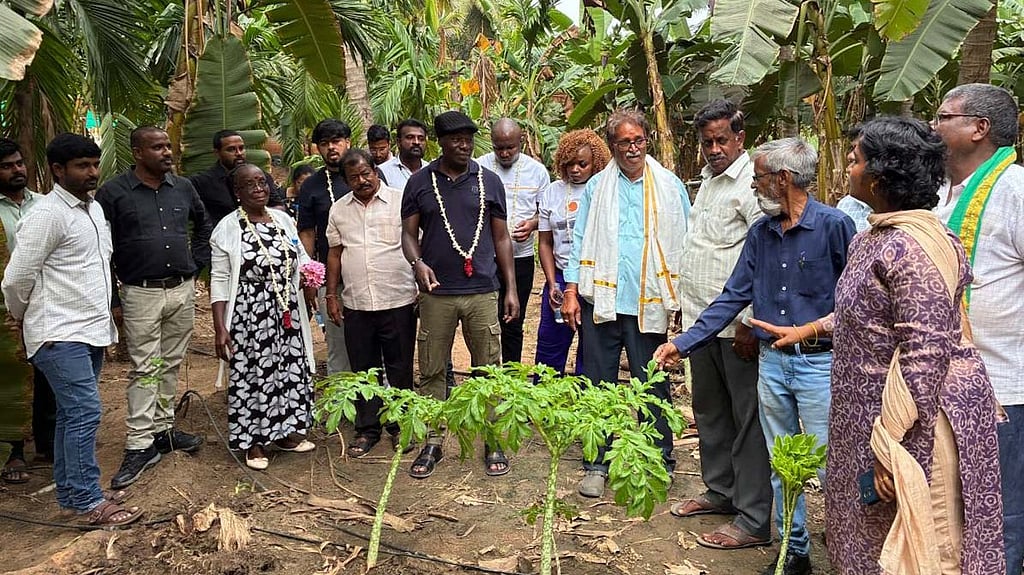
6 July 2026. A delegation from Seed Savers Network Kenya, led by Daniel Wanjama, visited Andhra Pradesh, India, to study community-managed natural farming. According to reports, the team toured farms in Eluru district observing climate-resilient farming practices, indigenous seed conservation, and natural farming systems with the Andhra Pradesh Community Managed Natural Farming (APCNF) program.

The delegation included John Kariuki Mwangi, Head of Slow Food Kenya; farmers Oddah Friday Ochomo and Zipporah Nyambura Kuria; Prasiddha Sapkota, an intern from New York University-Abu Dhabi; and Reddi Gowtham from RySS-APCNF. District Project Manager B Venkatesh briefed them on initiatives across the district.

At Gunampalli village in Dwaraka Tirumala mandal, the team observed Pre-Monsoon Dry Sowing (PMDS) using Navadhanyalu at the farm of Venkata Subba Reddy. They also visited U Ramachandra Rao’s seven-acre integrated Natural Farming model at Agokavaram village in Unguturu mandal and a 14-acre paddy compact block at Venkatapuram village, where desi paddy is cultivated without chemical inputs. The farmers also explained the natural farming methods.

During the exchange, the Kenyan delegation had the opportunity to showcase the work on the Global Field Concept demonstrating how a household can sustainably produce diverse and nutritious food on just 2,000 m² of land without relying on external agricultural inputs.


This approach highlights the potential of smallholder farmers to achieve food security while conserving biodiversity and building resilient farming systems.

The exchange has provided a rich platform for sharing knowledge, practical experiences, and innovative natural farming practices. The Kenyan Seed Savers Network team returned home with valuable lessons and inspiration that they will share with fellow farmers across Kenya, strengthening farmer-to-farmer learning and promoting sustainable, nature-based agriculture.


Related:

17th – 20th November 2026. 1st Eastern Africa Indigenous Seed Conference (EA-ISC 2026) - Building farmer managed seed system community of practice (COP) For a Resilient EASTERN AFRICA Region.

Last year Seed Savers Network, Kenya   and AFSA collaborated on a very important initiate. A capacity building for youth representatives from over 25 countries in Africa. Here's, a touch of what happened. We also look forward to connecting further during the upcoming 1st Eastern Africa Indigenous Seed Conference to discuss the important role of the youth in promoting seed and food sovereignty. 

Wednesday, July 1, 2026

NUS in Odisha: Strategies for Revival, Conservation, and Promotion

1 July 2026. "Forgotten Foods: Strategies for Revival, Conservation, and Promotion to Strengthen Nutritional Security and Climate Resilience in Odisha."
  • Traditional and underutilized foods such as millets, legumes, tubers, indigenous greens, and other local crop varieties are rich in nutrients, resilient to changing climatic conditions, and deeply embedded in our cultural heritage. Reviving these forgotten foods can play a significant role in enhancing nutrition, conserving agrobiodiversity, and strengthening sustainable food systems.
  • This webinar brought together 130 online participants: experts, researchers, practitioners, and community representatives to share experiences, innovations, and strategies for conserving, promoting, and scaling up forgotten foods.
The discussions focused on community-led conservation efforts, seed systems, nutritional and ecological significance of traditional foods, value addition, market opportunities, and pathways for wider adoption and policy support.
  • Importance of forgotten foods for nutrition and climate resilience.
  • Documentation and conservation of crop biodiversity.
  • Community-led seed systems and traditional knowledge.
  • Success stories and best practices from the field.
  • Vision and strategy for mainstreaming forgotten food initiatives.

The webinar invitation and concept note

  • Mr. Anshuman Das, Lead Expert - Agroecology and Food Systems, WHH - Challenges in promotion of landscape based farming systems with respect to forgotten foods - A comparative experience from Odisha and across India.
  • Padma Shri Sabarmatee, Secretary and Co Founder, Sambhav - Methodology for Germplasm Conservation & Varietal Mapping & its importance
  • Mr. Dinesh Balam, Head - Food Systems, AI and Regenerative Agriculture, ISB 
    Strategy and Vision for Reviving of Forgotten Foods

    Dinesh referred to GFAiR's South-South Forgotten Foods Consortium ([Collective Action]

  • Mrs. Bhagya Laxmi, Associate Director, WASSAN - Why ! Community led seed system for neglected crops
  • Dr. Oliver King, Director- Biodiversity, MSSRF - Success Stories: Community conservation & upscaling of Forgotten Food & Neglected Crops

    Oliver referred to the Manifesto on Forgotten Foods spearheaded by GFAR/GFAiR

Tuesday, March 17, 2026

Global Conference on Women in Agri-Food Systems (GCWAS-2026)

12–14 March 2026. 
The Global Conference on Women in Agri-Food Systems (GCWAS-2026), held in March 2026 in New Delhi under the theme “Driving Progress, Attaining New Heights,” brought together global stakeholders—including policymakers, researchers, women farmers, entrepreneurs, and development organizations—to advance gender equality in agriculture. 

The conference highlighted the central role of women in agri-food systems and focused on promoting inclusive policies, strengthening women’s leadership and economic empowerment, and leveraging technology for transformation. 

Key discussions addressed access to markets, finance, innovation, and capacity building, while dedicated platforms such as the Women Farmers’ Forum and Youth Forum amplified grassroots voices and future leadership. The event is expected to contribute to a global roadmap with actionable recommendations, strengthened partnerships, and scalable solutions to support women as key drivers of sustainable and resilient agri-food systems.


Session 1 – Interface with Global Women Trailblazers


This session explored leadership journeys of prominent women who had shaped agricultural science, innovation, and policy. The discussion highlighted the importance of women’s leadership in decision-making across research institutions, international organizations, and the private sector. Participants reflected on how mentorship, education, and institutional support had enabled women to break barriers in agri-food systems and emphasized the need to strengthen global networks that support emerging women leaders.
  • Ismahane Elouafi – CGIAR
  • Renu Swarup – Government of India
  • Purvi Mehta – Global Center on Adaptation

Session 2 – Driving Progress, Attaining New Heights


This session showcased inspiring case studies from women scientists, entrepreneurs, farmers, and industry leaders who had advanced innovation in agri-food systems. Presenters shared personal and professional experiences demonstrating how women had overcome structural barriers and expanded their impact through technology adoption, leadership in research institutions, and entrepreneurial initiatives. The session emphasized the importance of visible role models and success stories in motivating the next generation of women in agriculture.

  • Purnima Menon – International Food Policy Research Institute
  • Usha Barwale Zehr – Grow Indigo
  • Meenesh Shah – National Dairy Development Board

Session 3 – Mainstreaming Gender Equality and Social Inclusion

This session examined strategies for integrating gender equality into agricultural policies, research programs, and institutional frameworks. Experts discussed approaches for ensuring equitable participation of women across value chains, including access to resources, training, leadership opportunities, and decision-making processes. The discussions emphasized the role of gender-responsive policies and inclusive institutional systems in creating fair and sustainable agri-food systems.
  • Dina Nijjar – International Center for Agricultural Research in the Dry Areas
  • Nitya Rao – University of East Anglia
  • Aly Abousabaa – ICARDA

Session 4 – Emerging and Disruptive Technologies for Gender-Transformative Change


This session highlighted the role of emerging technologies in transforming women’s participation in agriculture. Discussions focused on digital agriculture, artificial intelligence, climate-smart technologies, and women-friendly farm tools designed to reduce drudgery and enhance productivity. Speakers demonstrated how inclusive technological innovation could empower women farmers and entrepreneurs while strengthening sustainable agri-food systems.
  • Bram Govaerts – International Maize and Wheat Improvement Center
  • Nick Austin – Australian Centre for International Agricultural Research
  • Renuka Diwan – Bioprime Agrisolutions

Session 5 – Building Future Leadership in the Agri-Food Sector


This session addressed the need to cultivate a new generation of women leaders in agriculture. Participants discussed mentorship networks, leadership training programs, and educational initiatives that could enable young women to develop professional skills and leadership capacity. The session emphasized that nurturing future leaders was essential for building resilient and inclusive agri-food systems.
  • Rajbir Singh – Indian Council of Agricultural Research
  • Rajarshi Roy Burman – ICAR
  • Mridula Devi – Central Institute for Women in Agriculture

Session 6 – Empowering Women through Economic Inclusion


This session focused on economic empowerment through entrepreneurship, financial inclusion, and market participation. Presentations highlighted successful models of women-led enterprises, cooperatives, and microfinance initiatives that improved access to markets and income opportunities. Discussions emphasized the role of value chains, digital platforms, and financial services in strengthening women’s economic participation in agriculture.
  • Smita Sirohi – National Institute of Agricultural Economics and Policy Research
  • Pratibha Singh – ACIAR
  • Sweta Singh – Corteva Agriscience

Session 7 – Gender Dynamics in Policy and Market Access


This session explored how policy frameworks and institutional reforms could improve women’s access to markets, resources, and decision-making processes. Participants discussed policy innovations that could strengthen food security and ensure that women farmers and entrepreneurs benefit from market opportunities, technology adoption, and inclusive governance structures.
  • Ch Srinivas Rao – Indian Agricultural Research Institute
  • Bhag Mal – Trust for Advancement of Agricultural Sciences
  • JL Karihaloo – TAAS


Thursday, December 18, 2025

Mainstreaming Agriculture Biodiversity in Global Value Chains

15 December 2025. Mainstreaming Agriculture Biodiversity in Global Value Chains

The video recording can be viewed here (unfortunately with technical hick-ups in the beginning)

As global food systems confronted escalating climate volatility, nutrition insecurity, and market concentration, agricultural biodiversity had moved from the margins of policy conversations to the center of resilience strategy. The webinar “Mainstreaming Agriculture Biodiversity in Global Value Chains” brought together leading scientists, policymakers, agribusiness leaders, and sustainability practitioners to explore how biodiversity-rich production systems could be integrated into modern, efficiency-driven value chains without compromising commercial viability.

The session examined the critical role of landraces, orphan crops, and genetic diversity in strengthening climate adaptation, improving nutritional outcomes, and reducing input dependencies. Speakers decoded why biodiversity was often undervalued in global trade structures—and how market incentives, digital traceability, certification innovations, and demand-side signalling could help shift the paradigm. From seed systems and regenerative practices to procurement models and corporate sustainability commitments, the conversation outlined pathways to redesign value chains that rewarded diversity rather than penalised it.

A key focus of the webinar was operationalising biodiversity at scale: developing farmer-led conservation models, creating premium markets for indigenous varieties, safeguarding intellectual property, and forging partnerships between governments, research institutions, and private-sector buyers. Participants also unpacked emerging global frameworks—from carbon markets to nature-positive reporting standards—that were reshaping how biodiversity was measured, valued, and monetised.

Ultimately, the session aimed to build a shared understanding of how agricultural biodiversity could transition from a niche sustainability goal to a mainstream business and policy imperative. By aligning science, markets, and governance, the webinar charted a roadmap for embedding biodiversity into the heart of global value chains—ensuring resilience, equity, and long-term competitiveness for producers and consumers alike.

  • Session Moderator Suchetana Choudhury Deputy Executive Editor, Agrospectrum Asia & India
  • Dr. Stefania Grando International Consultant, Agronomist and Plant Breeder 
    - Science for new varieties breeds for uniformity
    - creating challenges re changing climate
    - Drylands will be particularly challenged by climate change, yet the dryland crops are less invested
    - Selection of varieties: include all the users eg consumers & processors, not only farmers
    - There is a need to bring together all the information from the many different breeding programs.

  • Dinesh Balam, Program Officer - Policy Advocacy and Coordination - Revitalizing Rainfed Agriculture Network. WASSAN (Watershed Support Services and Activities Network) is the anchoring secretariat of CoFTI (the Coalition of food systems transformation in India initiative) - in replacement of Dr. Arabinda Kumar Padhee Principal Secretary, Department of Agriculture and Farmers’ Empowerment, Government of Odisha 
    - Land races and released varieties of millets in Odisha state in India, were compared for: farmer preferences & yield. The land races were on top in both cases. Released varieties were only grown because these were the only seed available. So the govt register landraces as released varieties- evaluating them and developing seed systems. This is now being undertaken for other forgotten foods.
    - Noted the need for digital infrastructure
    - with multiple benefits for the farmer: traceability, export, quality control, identifying farmer needs, nutrition profiling, etc.

  • Joanna Kane-Potaka Executive Secretary, GFAiR - The Global Forum on Agricultural Research and Innovation 
    - Policy is critical in any change but are not whole value chain based
    – bringing the different govt departments together will be much more holistic and beneficial. (Approach accredited to APAARI) - Policies bias to the big crops. We need at minimum a level playing field. Better would be policies that incentivize biodiversity.
    - Need to develop solutions that have a Triple Bottom Line
    – positively impacting environment, healthy food & farmer livelihoods (with a whole value chain approach). Cross cutting is ensuring inclusivity. This TBL approach is needed for research to setting policies etc.
    - Smarter Staples needed– making current staples smarter (with a better TBL) & more diverse staples.
    - Driving consumer demand for forgotten foods is key–not just with the consumer but all players along the value chain.
    - GFAiR emphasizes “co-partnership”- all stakeholders part of co-designing thru to co-implementation.


  • Dr. Natalia Palacios Rojas Principal Scientist, International Maize and Wheat Improvement Center (CIMMYT) 
    - Need more focus on foods that are good for the plant, farmers & consumers.
    - Need to work on whole value chain.
    - Avoid untraprocessed foods but look for ways to provide convenience foods.
    - Adding value can improve the nutrition eg looking at different mixes of flour.
    - Need to keep promoting the need to invest in agriculture.
    - Support smallholder farmers to value add. Certification to export is too expensive & often benefits do not flow to farmers.

  • Dr. Juliana Jepkemoi Cheboi Vice chairman Plant Breeding Association Kenya (PBAK) 
    - Policy is critical in any change but are not whole value chain based
    – bringing the different govt departments together will be much more holistic and beneficial. (Approach accredited to APAARI) - Policies bias to the big crops. We need at minimum a level playing field. Better would be policies that incentivize biodiversity.
    - Need to develop solutions that have a Triple Bottom Line
    – positively impacting environment, healthy food & farmer livelihoods (with a whole value chain approach). Cross cutting is ensuring inclusivity. This TBL approach is needed for research to setting policies etc.
    - Smarter Staples needed– making current staples smarter (with a better TBL) & more diverse staples.
    - Driving consumer demand for forgotten foods is key–not just with the consumer but all players along the value chain.
    - GFAiR emphasizes “co-partnership”
    - all stakeholders part of co-designing thru to co-implementation.

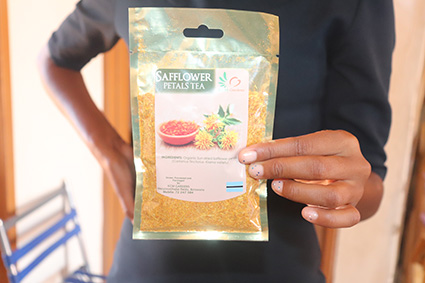
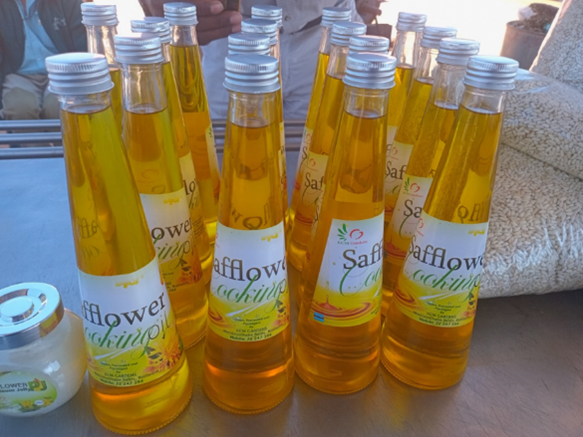
  • Nnyaladzi Madzikigwa Director and Author Saffenergy Initiatives Multipurpose Co-operative Society, Botwana 

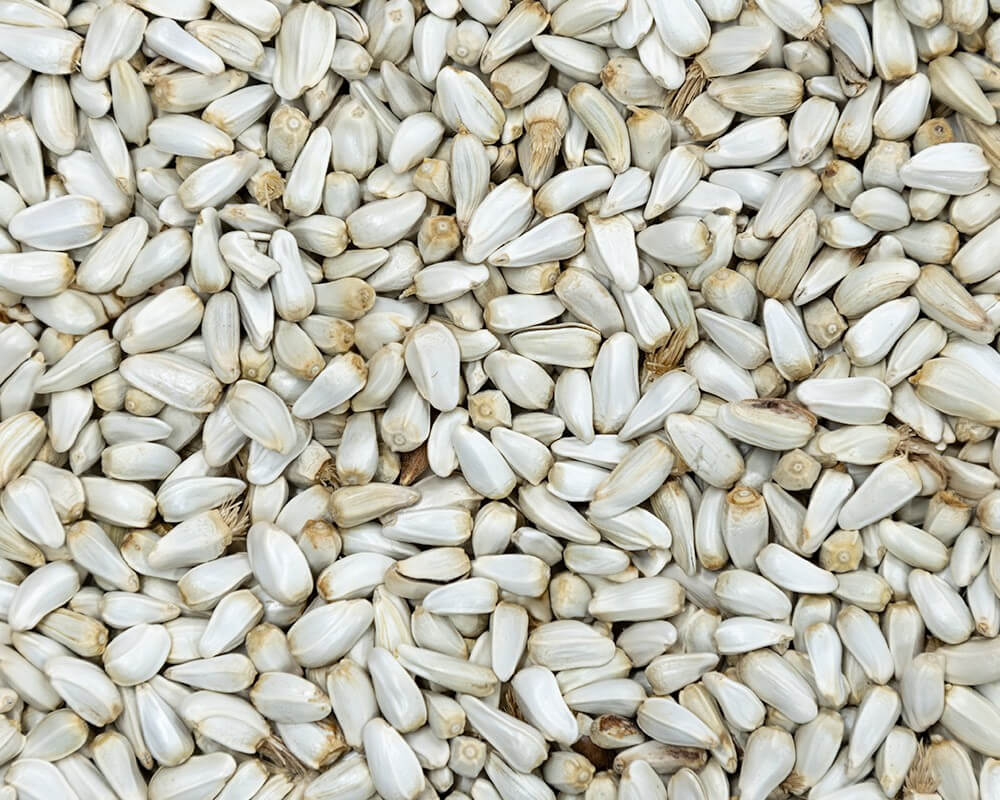
Highlight: From ecological fit to economic proof: Botswana’s safflower strategy redefines dryland resilience


18/12
In an exclusive AgroSpectrum interview, Nnyaladzi Madzikigwa, Author and Director of Saffenergy Initiatives, Botswana, explains why safflower is emerging as a strategic resilience crop rather than a speculative diversification bet.

Nnyaladzi argues that safflower’s real advantage lies in income stability, low input dependence, and multi-stream value creation—qualities that make it economically superior to high-yield but volatile dryland staples under climate stress. By rejecting bulk commodity markets and anchoring safflower in cooperative-owned processing, traceability, and ethical origin branding, Botswana is positioning the crop as an identity-based export for nutraceutical, cosmetic, and wellness markets.

Crucially, the model integrates biodiversity stewardship, women- and youth-led ownership, and Gender Based Violence (GBV) - responsive livelihoods, reframing safflower not merely as an agronomic intervention but as a national strategy for climate resilience, social recovery, and rural economic sovereignty.

BOTSWANA BIODIVERSITY ADVANTAGE

Botswana ecosystem is diverse, wetlands ,savanna desert and salt pans. Despite the low rainfall and high temperatures, Botswana hosts a variety of well adapted indigenous wildlife and crop species 
Given it's climatic resilence, Safflower adds to existing  crop varieties (Biodiversity diversity) in Botswana. The Biodiversity is not only a natural heritage. It is an economic opportunity. Safflower in particular has emerged as one of the most promising  climate resilient crop,due to its ability to grow in marginal soils,l ow rainfall conditions and high temperatures. 

WHY SAFFLOWER

Safflower is uniquely positioned to become a model Biodiversity-led crop for three reasons. 
  1. Climate resilience:it strives where most traditional crops fall.
  2. High value Products: oil, cosmetics, herbal extracts, animal feeds and medicine uses.
  3. Low input costs: Farmers need minimal fertilizers and water, reducing production risk.
CREATING RURAL ENTREPRENEURSHIP THROUGH VALUE ADDITION

Majority of the population is in rural areas, unemployed and entrepreneurship is at a micro level and agro based. Farming is along traditional field crops(maize sorghum) with little processing  and value addition through milling. Given it's great adaptability to Botswana Climate and it's products versatility, Safflower presents an opportunity for rural agro-industry development and job creation. Through
cooperatives rural communities can produce.
  1. cold pressed safflower oil
  2. Natural colorants & herbal extracts 
  3. specialty teas and wellness blends
  4. cosmetics and skincare oils
These products can be branded around Botswana's Biodiversity identity  giving communities a competitive edge in both local and export markets. 

THE ROLE OF EXPORT ORIENTED CO-OPERATIVES

To make Safflower a replicable model for rural entrepreneurship, we must strengthen cooperative structures. Cooperative allow small scale farmers to:
  1. Pool resources 
  2. Access training and technology 
  3. Meet export standards collectively and branding 
  4. Negotiate better price
This cooperative driven model is already working in countries like Kenya, Ethiopia  and India, and it is highly adaptable to Botswana's context


REPLICABLE PATHWAYS FOR EXPORT GROWTH
For safflower to scale, Botswana can focus on  three pathways: 
  1. Standardized Product Models: training farmers on seed selection, irrigation and post harvest handling ,ensuring consistency and quality 
  2. Rural processing hubs: Establishing small community owned processing units for oil extraction and product manufacturing 
  3. Certification and Traceability: Investing in organic certification fair trade labels and Traceability systems to attract premium buyers.
NATIONAL IMPACT
If supported, Safflower can contribute to:
  1. Diversified rural income
  2. Women and youth employment
  3. Greater Climate resilience 
  4. Export revenue growth
  5. Sustainable land use and soil restoration 

Related:


In this transformative episode of the Growth Well Podcast, Oabona Michael Kgengwenyane sits down
with Sarah Mosarwa, a visionary farmer and former electrician who is leading the charge in Botswana’s agricultural sector. Sarah shares her incredible pivot from a 25-year corporate career to becoming a pioneer in Safflower farming—a crop she dubs the "Green Diamond."
  • The "GrowthWell Podcast" focuses on African entrepreneurship and leadership, is hosted by Oabona Michael Kgengwenyane. This podcast shares stories of guests from Botswana and Africa and is produced by Innolead Consulting.
  • Who is Sarah Mosarwa? Sarah Mosarwa is a pioneering farmer and the director at KCM Farm in Metsimotlhabe, about 20 km northwest of Gaborone. After a 25-year career as an electrical technician, she transitioned to agriculture in 2018 and discovered safflower in 2021 via support from Botswana University of Agriculture and Natural Resources.
  • Sarah Mosarwa is a trailblazer in championing safflower as a climate-smart, drought-resilient cash crop well-suited to Botswana’s environment. Her efforts spanning technical know-how, seed multiplication, farmer training, and market development position safflower as a transformative agribusiness with local and export potential. 

With Africa importing billions in food annually and climate change threatening traditional crops like maize, Sarah breaks down why Safflower is the ultimate solution. 
  • From its drought resistance and deep taproots to its high commercial value in cooking oil, cosmetics, and animal feed, this episode is a masterclass in modern agribusiness. 
  • Sarah also discusses the economics of farming, revealing how Safflower can yield significantly higher returns per hectare than traditional grains.
Whether you are an aspiring entrepreneur, a smallholder farmer, or interested in the macro-economics of African food security, this conversation offers a blueprint for turning soil into wealth. Tune in to learn how local cooperatives and strategic partnerships with institutions like BUAN are reshaping the future of farming.


The Botswana University of Agriculture and Natural Resources (BUAN) is actively involved in safflower production by conducting research on its cultivation, promoting its benefits, and collaborating with farmers to increase its adoption and commercial expansion in Botswana. 

Thursday, September 18, 2025

Implementing Natural Farming in Zambia

18 September 2025. Implementing Natural Farming in Zambia via the International Cooperation work of the Andhra Pradesh Community managed Natural Farming (APCNF), where one of the largest agroecological transition program in the world is taking place.

Presenters
  • Father Dondo, Kasisi Agriculture Training Center
  • Vijay Kumar, Executive Vice Chair, Rythu Sadhikara Samantha and APCNF
  • Walter Link, Founding President of NOW Partners Foundation, the Future Economy Forum
  • Penelope Malilwe, Ministry of Agriculture, Zambia
  • Sister Chansa Modester, Salesian Sisters, Valponasca Learning Farm

Related PAEPARD blogpost:

8 - 21 June 2024. A delegation from Zambia was on a two-week visit to Andhra Pradesh to study community-based natural farming (APCNF) techniques. (former APZBNF - Andhra Pradesh Zero budget Farming).
11 - 15 March 2024. Accelerating Nature-Based Solutions Conference

Friday, September 12, 2025

Transformative role of Digital Advisory Services (DAS)

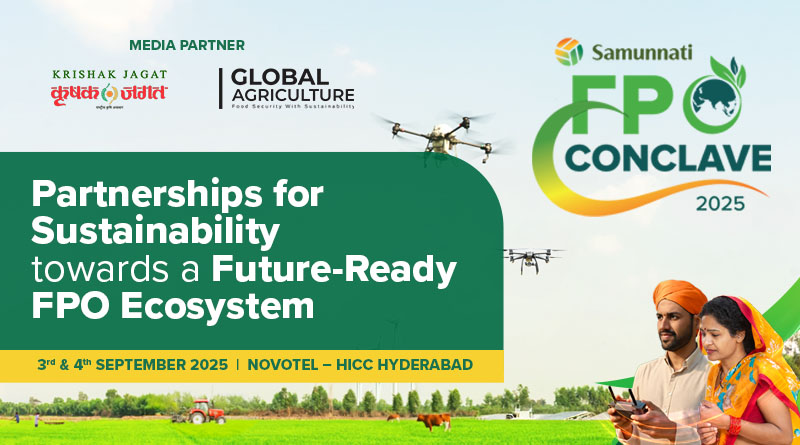
3 - 4 September 2025.  Hyderabad. Samunnati FPO Conclave 2025 in Hyderabad.

This  Conclave 2025 convened over 1,000 Farmer Producer Organizations, agri-businesses, financiers, policymakers, and technology innovators to address the critical challenges confronting agriculture today. Centered around the theme "Partnerships for Sustainability towards a Future-Ready FPO Ecosystem," the conclave aims to foster collaborative action among stakeholders to develop innovative, sustainable solutions. Through shared expertise and partnership-driven approaches, the event seeks to strengthen both environmental resilience and economic viability across the agricultural ecosystem.

Programme first day

  1. Inaugural Plenary Session
  2. Release of the 5th edition of the State of the Sector Report 2025
  3. Special Address: PFRDA + Panel — Making FPOs Enterprise-Ready: Unlocking Scale through Ecosystem & Financial Partnerships
  4. Triggering investment in rural enterprises — public policy & private capital
  5. Climate-Smart Agriculture in Action 
  6. Voices from the Field — Stories of Change & Resilience for the Future 
  7. In Talks with Women Leaders — Farmer Collectives 
  8. Shaping the Future: Financial Security for Farmer Leaders 
  9. Empowering Communities through FPO-led Adoption of Climate-Smart Agri Technologies


Programme second day

  1. Perspectives on Agri Marketing — from gram haats to global markets
  2. Release of Report: Access SAP report on Social Procurement
  3. Agrivoltaics: Solar as the Third Crop
  4. Digital Infrastructure for a Future-Ready FPO Ecosystem
  5. Transforming Agricultural Systems through Inclusive Digital Advisory Services in India
  6. Policy-Finance Linkages to Scale Innovations for Sustainable Horticulture
  7. Partnerships for Resilient Value Chains
  8. Bridging the gap in access to finance for thriving landscapes & biodiversity conservation

Panel discussion Transforming Agricultural Systems through Inclusive Digital Advisory Services (DAS) in India

by Grameen Foundation India (GFI) 

  • Key note presentation by Sarita Mishra, Research Scholar in AgriPath at Grameen foundation India (GFI), whose foundational research guided the conversation.
  • Moderator Shatarupa Kashyap, Senior Director Institutional relations and Business development, Lead Agriculture and Livelihood Practices (GFSI) 
  • Benjamin Gräub (farmbetter)
  • Ruchit G Garg (Harvesting Farmer Network)
  • Puja Bhaskar (AgriPath Project, GFI)
  • Dr Naresh Shejawal (MH Agristartups & FPO Community)
  • Anuj Kumbhat (Weather Risk Management Services)

Key Insights: 
  • For Tech Builders: Human-centric design is non-negotiable. The discussion confirmed that features like WhatsApp integration and AI-powered voice notes are essential for making apps accessible to all farmers, especially women, and driving real participation in decision-making.
  • For Field Teams & FPOs: Trust is your most valuable asset. The panel emphasized that digital tools must be supported by grassroots engagement and local facilitators to be adopted and effective.
  • For Policy Makers & Investors: The future is collaborative. To create scalable impact, we must build a connected ecosystem that integrates with public infrastructure and breaks down data silos.

Launching the DAS Toolkit: 
  • The AgriPath Toolkit is a practical guide to support Digital Advisory Services (DAS) implementing organizations to leverage and strengthen agent networks for improved delivery of Digital Advisory Services (DAS) to smallholder farmers.
  • this field-tested resource is designed to help development agencies and agritech firms scale inclusive, smartphone-based advisory models. 

Monday, September 8, 2025

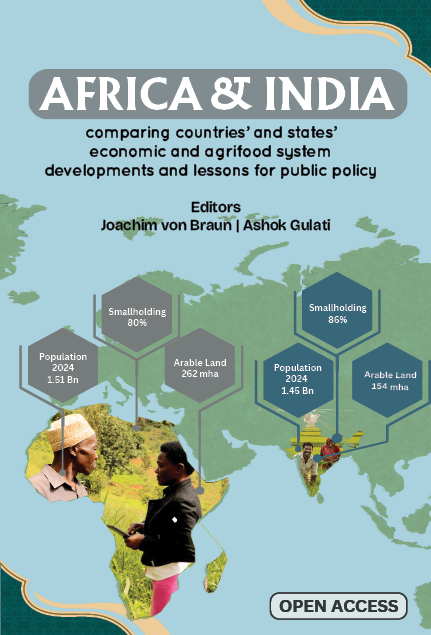
Africa and India comparing countries’ and states’ economic and agrifood system developments and lessons for public policy


This book adopts a unique approach, using African countries and Indian states as units of analysis, matched based on various indicators, to draw actionable lessons for both regions. Interestingly, the quantitative assessments highlight that on some key indicators some Indian States are ahead, and on some indicators some African countries are ahead of Indian States.

By comparing the two regions in such disaggregated ways at state and national levels, it highlights critical lessons for boosting agricultural productivity, enhancing food security, and addressing malnutrition, fostering mutual South-South learning.

It provides new insights into the patterns of structural change in Africa and India, examining the drivers of agricultural growth, the nutrition outcomes of structural transformation, and the role of public spending in shaping these dynamics. 

The book was launched at the African Food Systems Forum hashtag in Dakar Senegal with H.E. Kikwete, former President of Tanzania.

Content:
  1. Introduction and Overview - Joachim von Braun and Ashok Gulati
  2. Overview of India-Africa Comparison of Agricultural and Food Transformation - Shyma Jose, Ashok Gulati, Joachim von Braun, Heike Baumüller, Lukas Kornher
  3. Drivers of Agriculture Growth in Africa and India: Lessons for South-South Learnings - Shyma Jose, Ashok Gulati, Lukas Kornher, Bezawit Beyene Chichaibelu, Joachim von Braun
  4. Impact of Structural Transformation in Agriculture on Nutrition Outcomes in Africa and India - Muhammed Usman, Lukas Kornher
  5. Public Spending and Development, Agricultural Growth and Nutrition: Comparing Indian States and African Countries Are Food Prices Spilling Over? - Bezawit Beyene Chichaibelu, Gayathri Mohan, Ashok Gulati, Joachim von Braun
  6. Conclusions and Recommendations - Joachim von Braun and Ashok Gulati

Wednesday, August 20, 2025

Solutions to Reduce Post-Harvest Loss for Smallholder Farmers

Factor E (2025) Solutions to Reduce Post-Harvest Loss for Smallholder Farmers 54 pp.

With funding from Shell Foundation and FCDO, a consortium comprising Factor E, ISF Advisors, ArdMore Associates, and MicroSave Consulting conducted primary research in India, Nigeria, and Kenya. The study identified the value chains most affected by post-harvest losses (PHL), particularly those impacting smallholder farmers and women.

The study evaluated innovative solutions targeting PHL in India, Nigeria, and Kenya, where annual post-harvest loss costs exceed $21 billion. The research was a collaborative effort between Factor E, ISF Advisors, AndMore Associates, and MicroSave Consulting, with co-funding from Shell Foundation and the UK government through the CASEE partnership. It forms part of Shell Foundation’s broader strategy aimed at enabling 850,000 farmers to increase their earnings while reducing emissions via clean solutions over five years.  

Ten priority crops were identified as strong candidates for innovation: in India, paddy rice, wheat, onion, and mustard; in Kenya, mangoes, avocados, and potatoes due to high perishability; and in Nigeria, cassava and yam. These crops represent those of highest value for smallholder farmers and most impacted by PHL. Effective reduction of post-harvest losses requires implementing innovative interventions at various stages along these value chains. 


To help identify solutions, an innovation prize – organised by Factor E and Shell Foundation and co-funded with UK aid from the UK government – was launched in 2024. Nearly 800 entries were considered, resulting in seven technologies being shortlisted as finalists in areas such as cold chain management, drying, processing, and warehousing.
 
GreenPod Labs Secures $50,000 Post-Harvest Loss Innovation Prize for Active Packaging Solution

Supporting innovative solutions is vital to achieving substantial progress in reducing post-harvest losses. The adoption of mechanised harvesting tools can greatly diminish physical damage and improve produce quality. Advanced drying technologies – solar dryers for example – enable precise moisture control and prevent spoilage. Investments in affordable cold storage solutions, including solar-powered community cooling hubs, extend shelf life for perishable goods. Local small-scale processing mills empower farmers to enhance crop value, access new markets, and increase income.


Friday, July 4, 2025

Participatory Foresight for Sustainable Agrifood Systems Through Agroecology

3 July 2025. Participatory Foresight for Sustainable Agrifood Systems Through Agroecology

This webinar unveiled the key outcomes and tools from the Foresight for Agroecology project, implemented by FAO and CIRAD, with financial support from GIZ on behalf of BMZ (2022 – 2025). 

The project leverages foresight approaches to support transitions towards sustainable agrifood systems through agroecology. Key tools include a global guidance document for decision-makers, as well as key lessons and insights from two participatory foresight exercises conducted in Andhra Pradesh (India) and Senegal. 

The event addressed critical questions: 
  • Are foresight initiatives currently integrating agroecological pathways?
  •  Which actors are involved in foresight exercises, and do they represent a variety of experiences, disciplines, and viewpoints 
  • What metrics and methods are needed to develop scenarios for inclusive and sustainable agrifood systems? 
  • How can foresight approaches evolve to better support transitions towards sustainable agrifood systems?

Tuesday, June 3, 2025

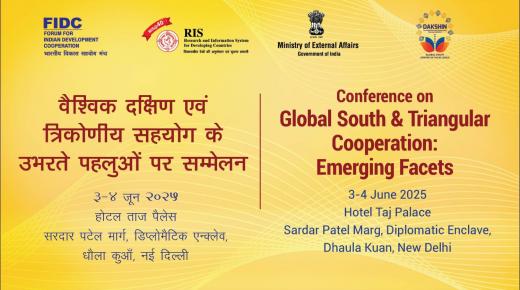
Global South and Triangular Cooperation: Emerging Facets


3–4 June 2025. New Delhi. 
Conference on Global South and Triangular Cooperation: Emerging Facets.

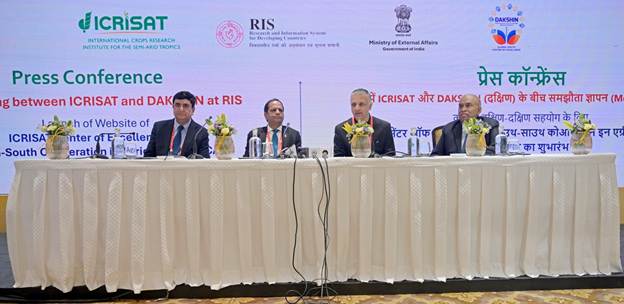
The International Crops Research Institute for the Semi-Arid Tropics (ICRISAT), in collaboration with the Research and Information System for Developing Countries (RIS), launched the ICRISAT Centre of Excellence for South-South Cooperation in Agriculture (ISSCA). 

The initiative aims to accelerate agricultural innovation and collaboration across the Global South. The launch also featured the signing of a strategic Memorandum of Understanding (MoU) between ICRISAT and DAKSHIN (Development and Knowledge Sharing Initiative) - a Government of India initiative focused on strengthening South-South cooperation through capacity building and development partnerships.

An emerging modality of engagement being spearheaded by the Global South comprise of various models of Triangular Cooperation as a hybrid collaboration of the North and the South, strongly embedded on principles of ownership, horizontality and partnership that has the potential to emancipate countries from debilitating dependence and encourage them to expand capacities for sustainable future. The important issue of enhanced development cooperation, along with development financing has been articulated at multiple levels by member governments including from the Global South, G7 and others. The G20 during the Indian presidency in 2023 emphasized the need to enhance North-South, South-South and Triangular Cooperation (TrC) and the Brazilian G20 presidency in 2024 made trilateral cooperation one of its priorities.

A cursory study of TrC projects demonstrates value addition, enables home-grown innovations in developing country pivots to test for scale and replication, and builds better trust among all stakeholders on account of participative decision making.

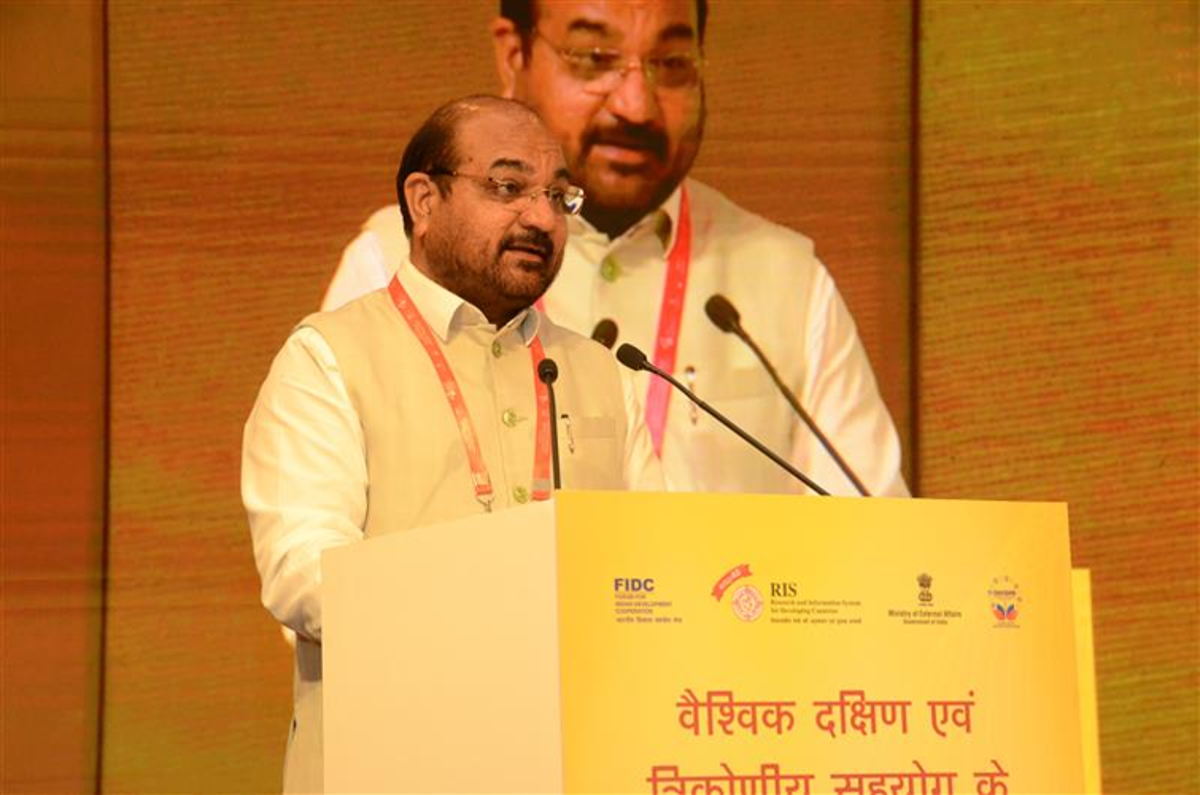
03/06 Special Session on Agriculture as Driver of Growth in the Global South in partnership with ICRISAT

Agriculture remains a cornerstone of livelihoods, employment, and food security across the Global South. The sector contributes significantly to GDP and employs a large share of the population,
particularly women and youth. However, the potential of agriculture to drive sustained, inclusive growth is often underutilized due to structural challenges such as low productivity, climate vulnerability,
land degradation, and limited access to finance and technology. Key issues:
  • Examining the transformation of agriculture into a highvalue, technology-driven sector including the role of agri-tech, precision farming, and digital infrastructure.
  • Revisiting Cross-country knowledge sharing through South-South and Triangular Cooperation, and policy frameworks and institutional innovations supporting rural transformation
Speakers:
  • Special Address by Dr M. L. Jat, Secretary-DARE & Director General, ICAR, Ministry of Agriculture and Farmers Welfare, Government of India
  • Professor Sachin Chaturvedi, Vice Chancellor, Nalanda University and Director General, RIS
  • Dr Himanshu Pathak, Director General, ICRISAT, India
  • Ms Ama Brandford-Arthur, SSTC Global Technical Coordinator, Department for Country Operations, IFAD, Italy @2:53:31
  • Ms Archna Vyas, Director, Gates Foundation, New Delhi
  • Ambassador Ashraf Rashed, Chairperson, COMESA Committee of Elders, Egypt
  • Professor (Dr) Govind Raj Pokharel, former Vice-Chairperson, National Planning Commission, Nepal
  • Professor Joseph Keiyah, Deputy Director, KIPPRA, Kenya

03/06 Action Labs on Successful Case Studies and Sectoral Specificities of Triangular Cooperation

Action Lab I: Agriculture, Health, SMEs, Entrepreneurship and Digital Solutions 
  • Co-Chair: Mr Chaman Lal Dhanda, Head, Triangular Cooperation, India Component, GIZ, India
  • Co-Chair: Dr Saravanan Raj, Director, National Institute of Agricultural Extension Management (MANAGE), India
  • Ms Dima Al-Khatib, Director, UNOSSC, New York US (Online)
  • Mr Manuel Mera, Director Social Protection, CIPPEC, Argentina
  • Dr Manuel Gonzalo, Research Professor, The Argentine Council for International Relations (CARI), Argentina
  • Dr Beatriz Muriel, Executive Director, INESAD, Bolivia
  • Ms Temwa Disi, Founder, Temwanani Agri Food's Enterprise, Malawi (Online)
  • Dr Jayanta Choudhury, Professor, Nagaland University, India
  • Mr Anal Raj Bhattarai, CEO, N.R.N Nepal Development Fund, Nepal

04/06 Valedictory Session:  Preparing for Future Global South Partnerships


In the fractured multilateral space, this high-level panel charted the path for future global partnerships in general, and in/of the Global South in particular.
  • Co-Chair: Mr Dammu Ravi, Secretary, Economic Relations, Ministry of External Affairs, Government of India* 
  • Co-Chair: Mr Pradeep S. Mehta, Secretary General, CUTS International, India
  • Key Takeaways: Professor Sachin Chaturvedi, Vice Chancellor, Nalanda University and Director General, RIS 
  • Dr Sabyasachi Saha, Associate Professor, RIS
  • Dr Dushni Weerakoon, Executive Director, Institute of Policy Studies, Sri Lanka
  • Dr Posh Raj Pandey, Chair Emeritus, South Asia Watch on Trade, Economics and Environment, Nepal
  • Dr Carlos Correa, Executive Director, The South Centre, Switzerland 
  • Professor N. R. Bhanumurthy, Director, Madras School of Economics, India
  • Vote of Thanks: Dr Sushil Kumar, Assistant Professor, RIS 

DAKSHIN – Global South Centre of Excellence


DAKSHIN - Global South Centre of Excellence emanates from an announcement made by the Prime Minister of India, Narendra Modi, during the 1st Voice of Global South Summit in January 2023.

DAKSHIN stands for Development and Knowledge Sharing Initiative. It endeavours to assist relevant stakeholders and partners in the identification and implementation of scalable and sustainable solutions that can transform the economies and societies of countries of Global South.

22 January 2025. Sustainable Agriculture and Agro-Ecological Approaches in the Global South.

Saturday, March 15, 2025

Investing in innovative solutions for nutrition-sensitive agriculture

14 March 2025. Investing in innovative solutions for nutrition-sensitive agriculture

Recording online in above link

This Infopoint organised by the European Commission (EC) and the International Fund for Agricultural Development (IFAD), in the lead up to Nutrition for Growth (N4G) Summit, raised awareness on initiatives and solutions financed through EU-IFAD partnership and innovative financing mechanisms catalysing private sector investments in nutrition and investing in climate-resilient agriculture and biodiversity in an inclusive and integrated approach. 

Furthermore, it was an opportunity to explore how current instruments such as the EU’s Global Gateway and IFAD13 could support accelerating nutrition outcomes.

Beyond the N4G Summit, the event also came at a crucial time: at an early stage of the start of the term of the new European Commission when policies and programmes are being developed and advanced such as the Global Gateway.
  • Beatrice Ekesa-Onyango, Lead Technical Specialist Nutrition and Social Inclusion, IFAD & Guggi Laryea, Senior Partnership Officer EU&SuppRes, IFAD: Innovative financing instruments were showcased during the event with examples from the EU-IFAD partnerships such as the programme on Diaspora investment in sustainable youth entrepreneurship in Mali and the Yield Investment Fund / Small and Medium Agribusiness Development Fund (SMADF) in Uganda. 
  • Alima Keita, Co-founder Ciwara Capital: She shared the experience of an innovative fund owned and managed by Africans living in Europe to support small and medium enterprises in their origin country.
  • Erina and Joel Guma, founders of PRISTINE Foods Ltd. based in Uganda, a small enterprise producing liquid and egg powder products, will share their experience as a start-up which grew thanks to access to the Yield Investment Fund.
  • Rikke Olivera Grand and Cynthia Torres de Toledo Machado presented the nutrition-climate-biodiversity nexus through the innovative approaches emerging from the Global Programme for Small-scale Agroecology Producers and Sustainable Food Systems Transformation (GP-SAEP) showcasing the experience from Brazil promoting participatory plant breeding through the establishment of agroecological corridors fostering the development of new corn varieties.

  • A Video was featured from Asia Farmers’ Association (AFA) in working with rural women on forgotten foods or, better to say, foods for the future. These foods, forgotten by science but not by the rural people are a key part of healthy diets, providing diversity, nutritionally rich foods and are safety nets between seasons. They foster a climate-change-resilient food system approach by integrating traditional risk-management practices born out of the need to adapt to adverse weather conditions. Moreover, they are viable economic opportunities generating income for women, youth and Indigenous Peoples, leveraging on their knowledge.

Related: the Forgotten Foods Collective Action of GFAR

Sunday, March 9, 2025

Public and Private funding of agroecology Research


10 March 2025. Brussels. In person meeting of the Collective Action Agroecology.  This is a pre-event before the DeSIRA-Lift conference: Boosting agrifood research and innovation cooperation for impact at scale (11-13 March 2025 in Brussels).

Throughout 2020-2021, the Global Forum on Agricultural Innovation Research and Innovation (GFAiR) facilitated an intensive consultation process in Asia-Pacific, as well as Africa, Europe and the Middle East. It resulted in the identification of several Collective Actions. One of the Collective Actions is on Agroecology.

6 consortia were selected among 28 applications for the GFAiR call for "Letters of Intention (LoI) on Agrocology": 
  1. APIRAS-APAARI consortium. The Asia- Pacific Islands Rural Advisory Services (APIRAS, Thailand) consortium consists of Asia-Pacific Association of Agricultural Research Institutions (APAARI, Thailand), Agricultural Research, Education and Extension Organization (AREEO, Iran), Bangladesh Agricultural Research Council (BARC, Bangladesh). Sri Lanka Council for Agricultural Research Policy (SLCARP, Sri Lanka), and Asian NGO Coalition for Agrarian Reform and Rural Development (ANGOC, The Philippines). APIRAS jointly with APAARI, has been undertaking efforts to mainstream agroecology in research, extension and education systems in the Asia-Pacific by forming a Working Group on Agroecology (WGA). The WGA has organised three consultations and produced two policy briefs, and an inventory on course curricula on agroecology.
  2. CACAARI consortium. The Central Asia and the Caucasus Association of Agricultural Research
    Institutes (CACAARI, Uzbekistan) consortium consists of National Academy of Sciences of the Republic of Kazakhstan (NASRK, Kazakhstan), Union of Organic Producers of Kazakhstan (qazaqorganic, Kazakhstan), Armenian National Agrarian University (ANAU, Armenia), Association for Farmers Rights Défense (AFRD, Georgia), Agricultural Advisory Organization "Neksigol Mushovir" (NGO, Tajikistan).
  3. Prolinnova consortium. The Institute of Natural Resources NPC (INR, South Africa) is representing the global Prolinnova network (Promoting local innovation within agroecology and natural resource management. The network was initiated in 1999 when NGOs in the Global South and North – supported by GFAR, the CGIAR NGO Committee & the French Ministry of Foreign Affairs – met in France to explore how to scale up participatory approaches to agricultural
    research and evelopment.
  4. PAFO consortium. The Pan African Farmers Organisation (PAFO) consortium consists of Forum for Agricultural Research in Africa (FARA, Kenya), Knowledge Management, Networking & Capacity Building Associates (KMNCB, Mauritius),FAO-ESS (Statistics Division), ASARECA, CCARDESA, CORAF (Sub-Regional Organizations), National Agricultural Research Systems (NARS), Agroecology Coalition Working Group on Finance & Investments.
  5. SEI consortium. The SEI consortium consists of Swedish International Agricultural Network Initiative (SIANI, Sweden), Swedish University of Agricultural Sciences (SLU, Sweden), (AgriCord, Belgium)
  6. Helvetas consortium. The Helvetas consortium consists of Swiss Federal Institute of Technology (ETH, Switzerland), Transformative Partnership Platform (AE-TPP), Alliance for Food Sovereignty in Africa (AFSA, Uganda). Helvetas and ETH build on the Nutrition in City Ecosystems (NICE) and the Inclusive Cities for Nutrition (IC4N) projects, both offering the link to 8 municipalities in Sub-Sahara Africa and South Asia.
This GFAiR meeting is to discuss European funding opportunities for agroecology research and 2 French funding opportunities: The Fonds de Dotation Roullier: call for proposals for soil research (deadline 21 April) and the Fond d'Innovation (FID) (deadline: on a rolling basis).

Extracts of the programme

Community Managed Natural Farming / Rythu Sadhikara Samstha – Farmers’ Empowerment Corporation, an integrated institutional mechanism of the Government of Andhra Pradesh) 
  • by Dr. Kodeboyina Sivannarayana Varaprasad (Online): Senior Consultant APAARI, Senior Consultant Senior Consultant APCNF / RySS 
  • Reaction to 2 papers which have raised recently some debates among agroecology practitioners, organisations and funders. (see below)


Exploring Agroecological Principles in Practice: Preliminary Survey Results from the FO-RI Program - Stockholm Environment Institute (SEI), Swedish University of Agricultural Sciences (SLU) & AgriCord  
  • by Aziliz LE ROUZO of SEI


Agroecology survey: Matrix on potential synergies by Marcos Lana of SLU


Agroecology and the Alliance Bioversity-CIAT
  • by Carlo FADDA (ABC, Cali) and Liao Yu-Chun


Activities of Prolinnova South India (host organisation, partners, type of work) 
  • by Brigit Letty Chief Scientist Institute of Natural Resources NPC South Africa (Online) & James TJ Country Coordinator PROLINNOVA South India

Agroecological Science and Technology Investment and Development Indicators 
  • by Krishan J. BHEENICK in behalf of PAFO

The Asia- Pacific Islands Rural Advisory Services (APIRAS, Thailand) by Dr. Rasheed Sulaiman V,
Director, Centre for Research on Innovation and Science Policy (CRISP), 
  • this consortium consists of Asia-Pacific Association of Agricultural Research Institutions (APAARI, Thailand), Agricultural Research, Education and Extension Organization (AREEO, Iran), Bangladesh Agricultural Research Council (BARC, Bangladesh). Sri Lanka Council for Agricultural Research Policy (SLCARP, Sri Lanka), and Asian NGO Coalition for Agrarian Reform and Rural Development (ANGOC, The Philippines). 


More Background on APCNF and private finance

2 papers have raised recently some debates among agroecology practitioners, organisations and funders:
Private finance plays a critical role in the Andhra Pradesh Community-Managed Natural Farming (APCNF) program by facilitating access to capital for Self-Help Groups (SHGs) and small-scale farmers. 
  • Financial institutions, including commercial banks and international development agencies, actively invest in SHGs, leveraging their collective structure to ensure loan repayment through internal peer pressure. 
  • This model enables SHGs to function as financial intermediaries, channeling credit from banks and impact investors to farmers transitioning to agroecological practices. 
  • The APCNF framework encourages SHGs to take on broader financial responsibilities, including aggregating farmers into market-oriented organizations, managing production inputs, and facilitating access to e-commerce and climate finance initiatives. 
  • However, the reliance on private finance has also raised concerns about the sustainability and equity of this model, as banks prioritize profitability and expansion of credit portfolios rather than genuine support for farmers' livelihoods.
Additionally, private financial actors, including international banks and corporate investors, use APCNF as a testing ground for green finance initiatives such as carbon markets and sustainability-linked investments. 
  • Institutions like BNP Paribas and the Global Environment Facility (GEF) have introduced blended finance models, where public funds are used to attract private capital into agroecology. These investments are structured around market-based solutions, emphasizing profitability and financial returns rather than direct subsidies or support to farmers. 

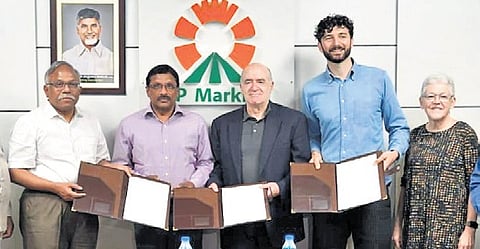
19 February 2025. APCNF SIGNS landmark MoU with US Pegasus Capital & Producers trust USA


The signing of a landmark Memorandum of Understanding (MoU) between the Andhra Pradesh Community-Managed Natural Farming (APCNF) initiative and US-based Pegasus Capital and Producers Trust USA is significant for multiple reasons. This partnership aligns APCNF with global private finance and digital agribusiness, aiming to integrate Andhra Pradesh’s agroecological farming into international supply chains and sustainable finance mechanisms. The involvement of Pegasus Capital, known for its impact investment strategies, and Producers Trust, a blockchain-driven agri-tech enterprise, positions APCNF within a broader market-driven framework. This collaboration is expected to facilitate access to climate finance, market-based sustainability initiatives, and traceability solutions for natural farming products. 

Comment:

While the MoU signals an opportunity to scale agroecological farming with international financial backing, it raises concerns about the implications for local farmers and self-sufficiency. The agreement may prioritize financialization over farmer empowerment, as the integration with digital agribusiness platforms like Producers Trust could shift control of farm produce to global supply chains governed by corporate metrics. Moreover, the introduction of blockchain traceability and sustainability-linked investments may further commercialize APCNF’s natural farming framework, making small farmers dependent on private capital and external certification standards. This shift reflects a broader trend of leveraging public agroecological initiatives for financial speculation, potentially sidelining grassroots-driven, farmer-led approaches.