Welcoming speech - by Julie Bynens, Secretary-General of Flanders Chancellery and Foreign Office Keynote speech - by Abebe Haile-Gabriel, FAO's Regional Representative for Africa
Panel discussion: "How to use innovative technology to achieve a sustainable agrifood systems transformation in Africa?"
The Global Panel on Agriculture and Food Systems for Nutrition has published a new technical paper by Koen Dekeyser from the European Centre for Development Policy Management (ECDPM), Emerging EU policy impacts on African food systems
The paper describes how the interdependence between the EU’s and African food systems can deliver benefits for both sides, particularly through trade. It also highlights the barriers and opportunities, presenting three key recommendations.
Funding for both the Panel’s report and this paper was provided by the Irish Government. The findings and conclusions contained here are those of the authors and do not necessarily reflect the positions or policies of the funder or the Global Panel.
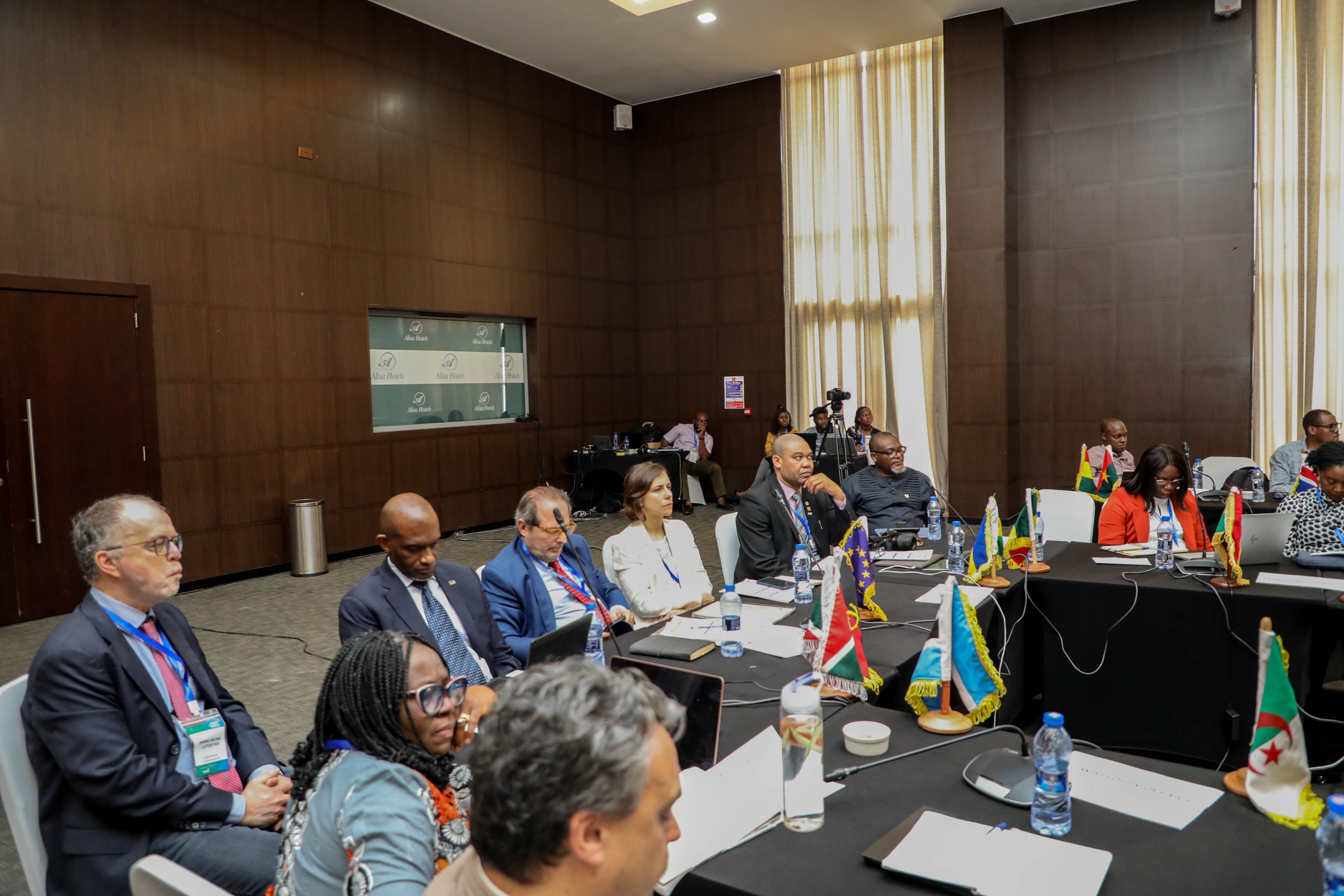
the 2024 State of Food Security and Nutrition report,
the endorsement of those CFS products developed by the Committee during the intersessional period, the update of the CFS Multi-Year Programme of Work for 2024-2027,
the report by the High-Level Panel of Experts on Food Security and Nutrition (HLPE-FSN) on "Strengthening urban and peri-urban food systems to achieve food security and nutrition in the context of urbanization and rural transformation",
Organizers:
ECDPM; IFAD; EAFF; Brazil; World Bank; Paris Peace Forum;
Alliance for a Green Revolution in Africa; Africa Europe Foundation; University
Mohammed VI Polytechnic; World Rural Forum; IUCN - International Union for
the Conservation of Nature
The side event fostered a multi-actor discussion on enhancing the international financial architecture to support sustainable food systems (SFS) transformation. It offered ideas and recommendations on improving partnerships, coordination, and inclusivity to address the projected $350 billion annual investment gap to achieve SDG2 and transform food systems by 2030, with special attention to the unique challenges and needs of Low- and Middle-Income Countries (LMICs). The event featured a panel discussion with senior representatives from major international financial institutions, development agencies, regional family farmers’ organizations, and relevant national and regional bodies. This will be followed by an interactive dialogue with the audience.
The session explored the following key discussion areas: Mapping finance and investment flows into food systems;
Promoting stronger roles and collaborations of the UN Rome-based agencies (RBAs) in deploying multilateral development banks (MDBs) resources (including adaptation finance) for food security and SFS through technical assistance and investment preparation in countries;
Enhancing cooperation between private, public and philanthropic investors to scale up responsible investments in SFS through innovative and blended investments and financing models, effective policy frameworks, and strong South-North multistakeholder partnerships;
Highlight family farmers’ contributions to climate action and biodiversity protection, and identify opportunities for better and more direct access to financial resources (including international climate finance) for family farmers, smallholders, women and agri-SMEs.
World Bank (Vasco Molini, Senior Economist, Poverty Global Practice Group)
IFAD (Nadia Martinez, Technical Lead, Rural Development Report 2025)
INGABO, Rwanda's Farmers Trade Union (Mrs Cesarie Kantarama, Chair)
OCP group (Mr. Younes Addou from OCP (VP, InnovX)
AGRA (Dr. Jeremiah Rogito, Specialist Food Systems, Land Use and Climate)
Food and nutrition security and sustainable agriculture (FNSSA) are among the critical development concerns in Africa. FNSSA is among the policy priorities in many African countries and at the center of the AU/EU international development agenda. FNSSA was the priority R&I area in the AU-EU High Level Policy Dialogue on Science, Technology, and Innovation. This was further substantiated by the establishment of the Pan-African Network for Economic Analysis of Policies (PANAP).
StEPPFoS thus, aims contribute to the FNSSA 10-year roadmap and the global transition towards sustainable food systems through the implementation of activities that link PANAP to the FNSSA partnership. Specific objectives are:
to improve capacities of stakeholders
to enhance science-policy interface
to improve strategies that promote scientific support within policy development
to expand and strengthen the PANAP Network.
StEPPFoS will be implemented through its 8 work-packages (WPs) over a period of 48 months. Capacity building, stakeholder engagements, participatory monitoring, evaluation, and learning are the main methods to be used to deliver StEPPFoS objectives whiles adhering to open science principles and effective data management practices.
The consortium is well positioned to deliver these objectives as it draws on the expertise and experiences of its partners drawn from both Europe and Africa credible academic, research, and policy institutions.
Forum For Agricultural Research In Africa,
Ghana – FARA Coordinator
The Registered Trustees Of The Association
For Strengthening Agricultural Research In Eastern And Central Africa – ASARECA
Conf. Respons. Recher. Agronom.Afriq. De
L'ouest & Du Centre - CORAF/WECARD
Council For Scientific And Industrial
Research - CSIR-GH
European Centre for Development Policy
Management – ECDPM
Food Agriculture And Natural Resources
Policy Analysis Network – FANRPAN
Regional Universities Forum For Capacity
Building In Agriculture – RUFORUM
Universitaet Hohenheim
European Alliance on
Agricultural Knowledge for Development Agrinatura
Kenya Institute for Public Policy
Research and Analysis KIPPRA, Kenya
Stichting Wageningen Research – WR
African Forum For Agricultural Advisory
Services AFAAS
Universita Ca' Foscari Venezia – UNIVE
Universite Felix Houphouet Boigny, Benin
E-Science European Infrastructure For
Biodiversity And Ecosystem Research - LifeWatch
Eastern Africa Farmers'
Federation Society – EAFF
The Association of Commonwealth Universities - UK
The Joint Research Centre of the European Commission - EC-JRC
This seminar explored digitalization and data utilization in agriculture. Focusing on advanced progress and best practices, the goal was to address challenges hindering further development in data-driven innovation.
The program included an introductory presentation on sustainable productivity challenges, followed by two panels. The first panel featured representatives from the public and private sector, and discussed supporting an inclusive, sustainable and resilient digital future in agriculture: the role of policy. The second panel, with diverse speakers, tackled challenges in implementing the EU’s digitalization policy, including knowledge transfer and data privacy concerns.\
Josse De Baerdemaeker Professor Mechatronics, Biostatistics and Sensors (MeBioS), KE Leuven
Franc Bogovič MEP, European Parliament & member of Group of the European People's Party (Christian Democrats)
Grigoris Chatzikostas VP for Business Development, FoodScale Hub
Ornella Cosomati Director of Sustainability Policy, Microsoft
Beth Dooley Head of Partnerships, Downforce Technologies
Tassos Haniotis Special Advisor for Sustainable Productivity, Forum for the Future of Agriculture
Kaili Juppets Procurement Agro Potato Director, PepsiCo Europe
Keisuke Katsura Associate Professor, Tokyo University of Agriculture and Technology
Petros Kokkalis MEP, European Parliament
Bram Moeskops Administrator, Data protection and governance, European Commission
Evangelia Mourmoura Administrator, Data Protection and Governance, European Commission
Steve Tanner CTO and Co-Founder, Ecorobotix
Irène Tolleret MEP, European Parliament & member of Renew Europe Group
In this study, sensing and data collection in different agri-food sectors are described, together with how the data can lead to better management and better decision making in crop and animal production.
ECDPM brief on the AI-related developments in Africa expected this year, starting with the anticipated endorsement of an ‘Africa strategy for AI’ at the upcoming AU summit. The brief also presents recommendations for policymakers to achieve Africa’s vision of becoming a global player in AI. In all this, the support of the private sector will be key.
Related:
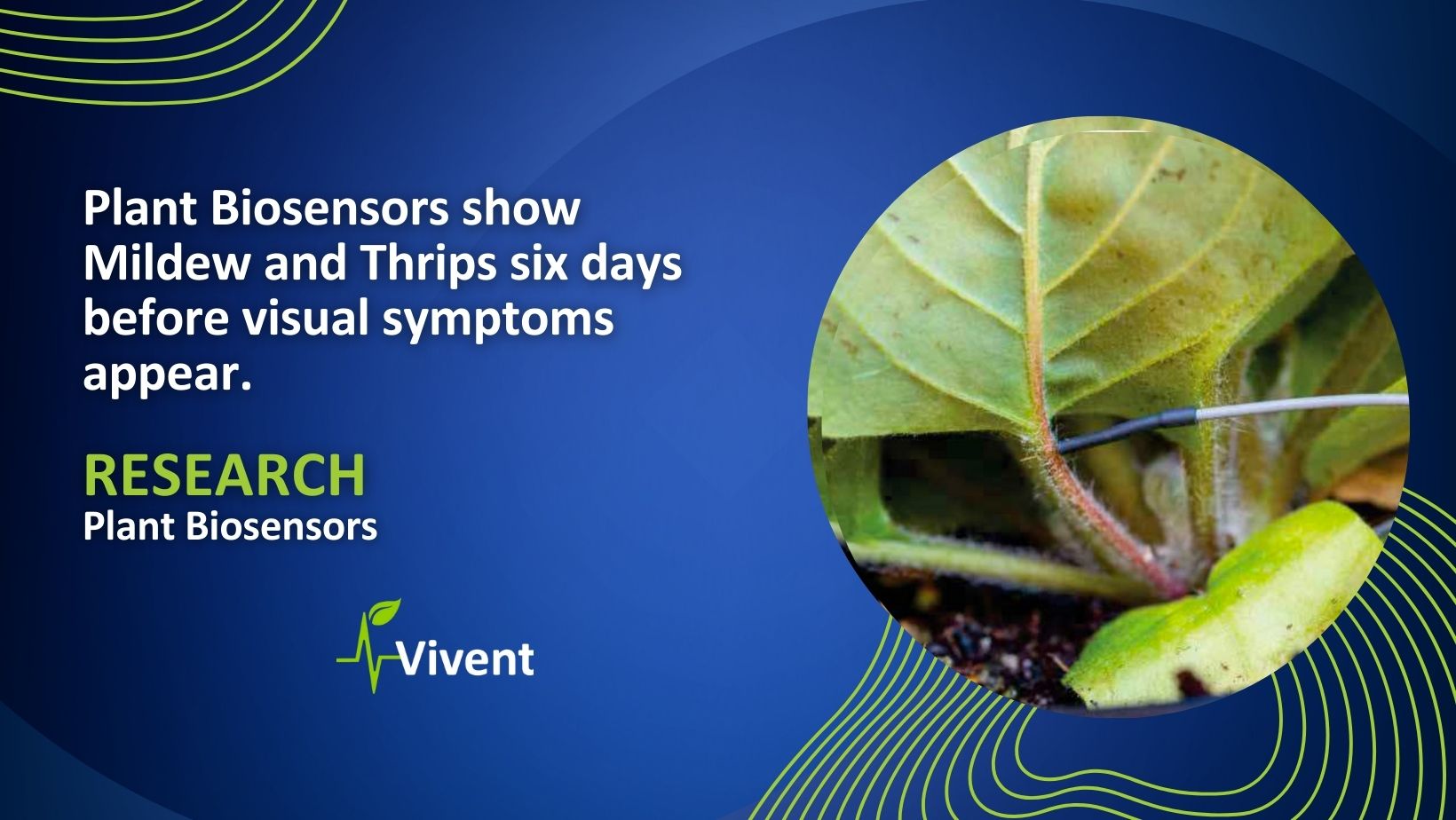
Harnessing biosignals to make agriculture more sustainable Vivent, a Swiss based deep tech SME, applies expertise in communication networks and information theory to biological systems. Early on Vivent focused on working with plants and Vivent can now diagnose a wide range of crop stressors, including soil borne pathogens, using artificial intelligence.
4 - 8 September 2023. Africa Climate Week (ACW 2023) + African Climate Action SummitThe Africa Climate Action Summit is being co-hosted by the Government of Kenya and the African Union Commission and is co-convened by the African Development Bank and GCA. The Summit will coalesce partners, including international financial institutions and the private sector, around accelerating adaptation financing and climate action leading into the United Nations Secretary-General’s Climate Action Summit and COP28.
ACW 2023 will be organized into four systems-based tracks, each focusing on specific themes:
04/09 Climate innovation in agriculture - practical solutions and lessons to be shared from Israel
This event explored innovative ways and technology how to maintain and increase agricultural production in the face of growing draught and water scarcity. It used the example of the TIPA project in Senegal to illustrate how to move to drip irrigated agriculture using solar power to pump water, growing up to 3 harvests per year.
TIPA is a small-scale horticultural production package based on low-pressure drip-irrigation, a mix of vegetables and tree crops, and modern crop management systems. TIPA is engineered towards small scale farmers and rural communities in Senegal. The TIPA project is a MASHAV initiative. (MASHAV – Israel’s Agency for International Development Cooperation).
Related: 03/09 Israel, NGOs Launch New Farming Innovation Center In Kenya.AITEC was jointly developed by the Israeli Embassy and several Israeli and international NGOs focusing on agricultural and technological development. Embu County Government and Don Bosco Tech Africa, which empowers African youth by providing them with technical training also contributed to the project.
04/09 AB Testing for Farming - Unlocking Transformation of Smallholder Livelihoods in Africa
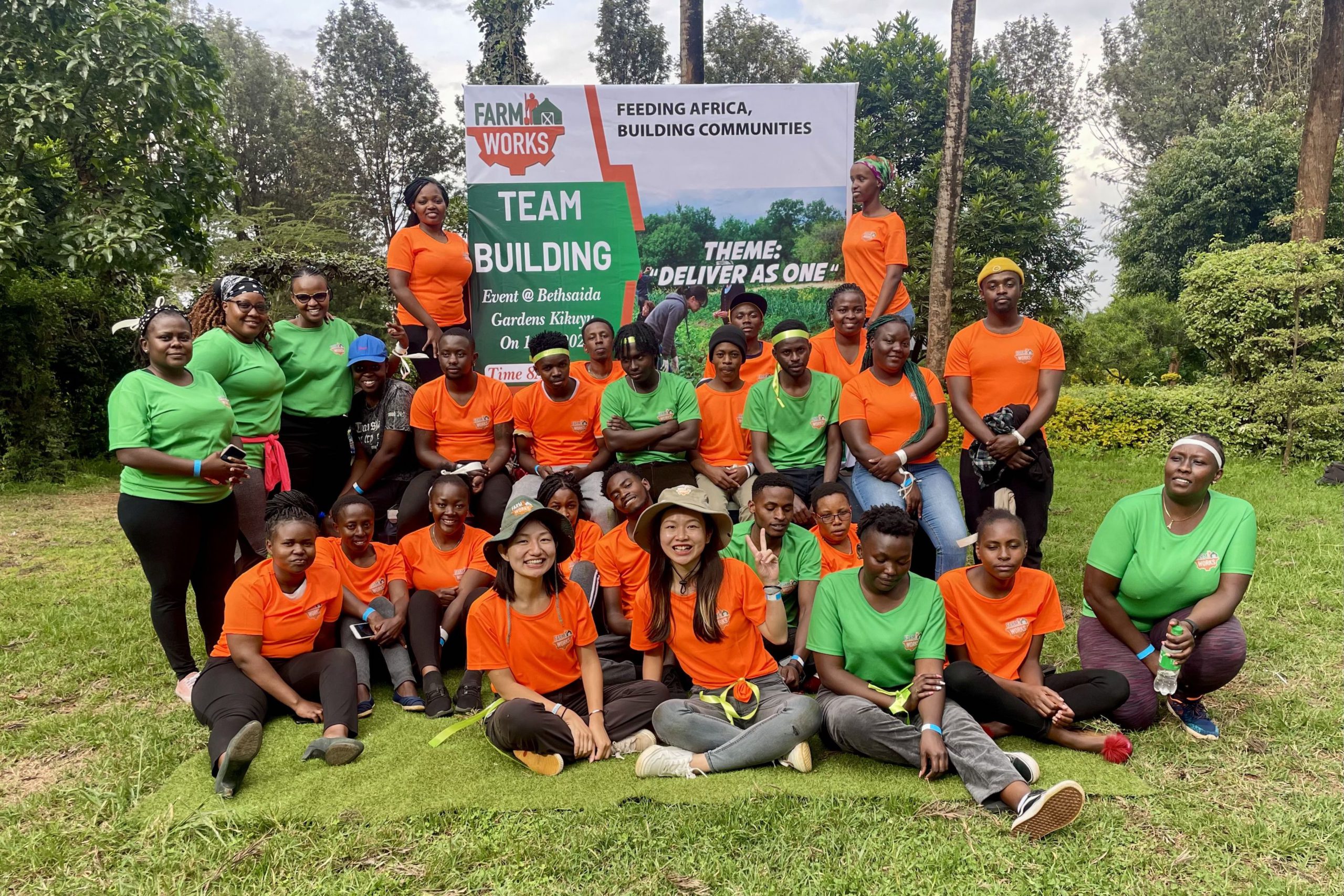
The event discussed the approach of FarmWorks Field School - an effective approach of applying tech-industry's A/B testing method to farming. in field schools, farmers divide their plots into 2, one using traditional techniques and the other using recommended techniques - a group of farmers meet at the school weekly to monitor crop growth and learn the impact of different techniques.
Using this method, we've significant changed farmer behavior, encourage them to use more climate-resilient farming methods, while improving their yield and income. We will share the case study and propose ideas to engage the broader community of stakeholders to build partnerships and replicate the good lessons learnt globally.
05/09 @10:00-11:30 CEST (11:00 to 12:30 EAT) Charting the pathway towards an inclusive green transition – The unique role of local digital innovations in driving climate action
A new report co-authored by a collective of independent experts coordinated by Power Shift Africa titled: Just Transition: A Climate, Energy and Development Vision for Africa(# 92 p.), shows how the continent can embark on an African Just Transition that strengthens food and energy infrastructure and sets out a more resilient and just development path.
06/09 @11:30 - 12:30 CEST (10:30 - 11:30 EAT) The Connections Between Food Security and Climate
To effectively address the resilience of landscapes to climate change, a comprehensive approach is necessary, transcending sector-based initiatives and embracing the nexus approach. This approach allows for the identification of landscape solutions that benefit multiple sectors like agriculture, energy, and water, and emphasizes their interconnectedness in enhancing conservation efforts. During the event, panelists will present emerging evidence, sharing examples and experiences from Africa, to develop a framework that unites key sectors based on the nexus approach.
06/09 @16:30 - 17:30 CEST (15:30 - 16:30 EAT) Learning to Build Better Food Systems through the Africa Sustainable Commodities Initiative – a regional multi-stakeholder platform in West & Central Africa
This event will share lessons from 8 years of partnership, culminating in the Africa Sustainable Commodity Initiative (ASCI), a multi-stakeholder platform, inclusive of government, communities, companies and NGOs. African owned and led, ASCI is a single set of principles for the responsible production of agricultural commodities: protecting forests, while ensuring social benefits for farmers (the majority of whom are women), communities, indigenous peoples and their human rights.
This event would highlight the progress being made across the ten countries in West and Central Africa (accounting for 75% of Africa’s forests), from policy (FPIC in Liberia) and legislation (Forest Law in Edo State, Nigeria), to capacity building (sustainable forest management) and institutionalization of responsible principles of production (Tree Crops Development Authority in Ghana). The event will also highlight the key role of women, the majority of smallholder farmers in Africa, and the importance of engaging their voice in such multistakeholder initiatives. Panelists will include representatives from Sesdev, a civil society organisation in Liberia, the ministry of Environment in Cameroon, and private sector in Ghana, moderated by Proforest, which has facilitated the platform for many years, working at a regional and national level.
07/09 @10:00 - 10:30 CEST (09:00 - 09:30 EAT) Safeguarding human and animal health in a changing environment
ILRI, VSF Germany, Zoonosis Disease Unit, Swiss Tropical and Pubic Health Institute, University of Greenwich, Natural Resource Institute, University of Liverpool, University of Copenhagen
This event will demonstrate tools and approaches that are being developed to support early detection and response to these diseases in order to minimise health and socio-economic impacts that they cause. Such interventions include data-driven disease forecasting and mapping systems, community-based participatory surveillance systems, and more efficient ways of bundling of health care services to enhance their coverage.
07/09 @ 12:30 - 13:00 CEST (11:30 - 12:00 EAT) Considering GST outcomes to drive nature-positive climate action in Africa
Nature-based solutions (NBS) for climate mitigation and adaptation are a huge win-win for African countries to meet their climate, sustainable development, food security, and biodiversity goals – and the GST outcomes can be a powerful signal to the international community to prioritize support for these solutions. Yet, the urgency of pre-2030 NBS action – especially transformations necessary within food systems – and the large NBS financing gap have often been buried in general calls for ambition.
07/09 @13:00 - 14:00 CEST (12:00 - 13:00 EAT) Unlocking Nature based solutions for transformative climate adaptation in Africa
Nature-based Solutions (NbS) seeks to address societal challenges while ensuring biodiversity and wellbeing co-benefits. The side event will provide evidence and share experiences from WWF and partners on how NbS initiatives have contributed to strengthening climate resilience in Africa and what action and finance is needed to unlock their full potential.
07/09 @14:30 - 15:30 CEST (13:30 - 14:30 EAT) Nature as the Backbone for Climate and Biodiversity Solution
MS Teams Link UNEP , WWF , IUCN, AU, NEPAD, AFDB, FAO
Solving climate change, biodiversity loss and development in Africa cannot be separated. They must be done in tandem, simultaneously and with equal urgency. Healthy terrestrial and marine ecosystems are the foundations for natural systems in regulating climate including mitigation and adaptation. Healthy ecosystems also build resilience of communities to withstand impacts of climate change. This side event seeks to build momentum and promote nature-based solutions as a means for co-implementing the Paris Agreement and the Kunming-Montreal Global Biodiversity Framework (GBF) to address the planetary crises of biodiversity loss and climate change.
07/09 Adapting Agrifood Systems and Ensuring Food Security in Africa Amidst Climate Change
FAO, Ban Ki-Moon Center for Global Citizens, and UNDP
Extreme weather events in sub-Saharan and North Africa caused a staggering USD30 billion in losses in 2020, leading to declines in crop and livestock production. This has had devastating effects on rural livelihoods, food supplies, and exacerbated hunger. The event aims to unveil essential finance, policy, innovation, and knowledge interventions that support the development of resilient agrifood systems in Africa. The aim is to contribute to the region's economic growth, improve the livelihoods of local farmers and food producers, and enhance food and nutrition security. By leveraging existing regional initiatives and engaging stakeholders from agribusinesses and financial institutions, this panel seeks to promote blended finance, private capital investments, lending opportunities, and risk insurance to strengthen adaptation and transform agriculture and food systems.
ECDPM, AKADEMIYA2063 & UNDP Rome Centre for Climate Action and Energy Transition
Drawing from the Malabo Montpellier Panel’s report ADAPT and ECDPM’s AgrInvest project, this event will pinpoint food systems financing gaps and showcase lessons learned and best practices, drawing from recent experiences in five countries: Benin, Mali, Rwanda, Zimbabwe, and Kenya.
Ms. Kerstin Opfer, Policy Advisor Energy Policy and Civil Society, Germanwatch
Presentation of the key findings from the Malabo Montpellier Panel report - Dr. Seraphin Niyonsenga, Senior Scientist, AKADEMIYA2063
Presentation of the key findings of ECDPM’s AgrInvest project - Ms. Cecilia D'Alessandro, Policy Officer, Sustainable Food Systems, ECDPM
Mr. Ayman Cherkaoui, Director, Hassan II International Center for Environmental Training
Ms. Beatrice Cyiza, Director General, Environment and Climate Change, Ministry of Environment, Rwanda
Mr. Sauli Hurri, Senior Regional Technical Specialist, IFAD
Ms. Laureen Njuguna, General Manager Starlight Farmers’ Cooperative Kenya
Ms. Enid Charana, CEO, Nyamira North Women Savings and Credit Society, Kenya
This Malabo Montpellier Panel report analyzes the experience of systematically selected four African countries: Benin, Mali, Rwanda, and Zimbabwe to apprehend what government actions – policy and institutional innovations and programmatic interventions – have contributed to building a conducive enabling environment for leveraging international climate finance for food systems transformation. The report brings to the fore what these four African countries are doing right and explores lessons for the continent for replication and scaling up.
07/09 @16:00 - 17:00 CEST (15:00 - 16:00 EAT) Agroecology as a Pathway for Climate change Adaptation and Mitigation
The side event, organized by the Alliance for Food Sovereignty in Africa (AFSA), aimed to promote and strengthen advocacy efforts for Agroecology as a sustainable approach to food systems and adaptation to the climate crisis in Africa. The event will provide a platform for knowledge exchange, dialogue, and collaboration among key stakeholders, including farmers, researchers, policymakers, civil society organizations, youth, and Agroecological entrepreneurs
07/09 @16:00 - 17:00 CEST (15:00 - 16:00 EAT) Supporting smallholder climate adaptation from seeds to basin
MS Teams Link IWMI, IHE Delft, World Bank, The Alliance Bioversity - CIAT
The event brings together different actors to discuss how climate adaptation for agricultural farmers requires a systems approach to climate hazard identification, adaptation solution priority setting and impact evaluation. The panelists will discuss the role of the latest advanced digital and remote sensing innovations in supporting user-oriented agronomic solution bundles and scaling efforts from seeds to basin scale to ensure sustainable climate adaptation with mitigation co-benefits.
07/09 @16:30 - 17:30 CEST (16:30 - 17:30 EAT) Walking the talk : Advancing smallholder farmers land rights for climate adaptation and resilience
International Land Coalition Africa (ILC Africa) and International Land Coalition Africa The Eastern Africa Farmers Federation (EAFF) Pastoralist Women Council (PWC) Kenya Livestock Producers Association
Small holder farmers rely mostly on land for their livelihoods for food and income to support their basic needs. Since most farmers are smallholder farmers contributing to food production, a healthy and safe environment remains crucial to enable them till their lands and secure the right to food. However, the sad reality remains: the impacts of climate change are more manifest for smallholder farmers (including pastoralists), bearing the brunt of the crisis through climate-induced droughts and other extreme weather patterns, while having minimal contribution to its causes. The situation is exacerbated by the fact that these same smallholder farmers, particularly women and youths, often lack secure rights to their land. Indeed, limited access to natural resources like water and land may further push smallholder farmers into poverty and lead to political tensions and land conflicts. This calls for recognition of the crucial role of land rights in climate adaptation and resilience. Without tenure security, women, men, and communities who mostly rely on adaptation strategies continue facing numerous hurdles. There is need for smallholder farmers to contextualise adaptation programs to suit different contexts. Climate adaptation policies should also address socioeconomic conditions, and climatic stresses that smallholder farmers face.
07/09 @16:30 - 17:30 CEST (16:30 - 17:30 EAT) Climate Change and Food Security: The contribution of pastoralism through sustainable management of rangelands across the Horn of Africa: How improved pastoralism can contribute to increased food security, climate adaptation and mitigation.
Welthungerhilfe and Welthungerhilfe University Hohenheim Germany Local partner(s)
Protection and well-managed animal movement is key for a recovery of the often badly degraded vegetation. Most rangelands could harbor two to four times biomass. Simple rotational grazing may easily double the stocking rates. But success in area protection attracts more animals and more destructive use of the range if territorial governance is weak or non-existent. Such governance requires a fine-tuned balance of private owners, communities, and local authorities.
08/09 @11:30 - 12:30 CEST (10:30 - 11:30 EAT) From Farm to Fork – what is required to pivot agriculture and food systems towards food secure, regenerative, climate resilient outcomes - Event of the Climate Champions
UNFCCC Led by the Climate Champions Team, this dialogue will explore the essential policy, finance and technical interventions which will deliver long term resilience via sustainable agriculture and improved food security outcomes in Africa and which contribute to the Sharm El Shaikh Adaptation Agenda on agriculture. An Africa-based study commissioned by IUCN for the Climate Champions in 2021 showed regenerative, sustainable agriculture model will add tens of billions to the economy, improve farmer livelihoods, food security and nutrition outcomes, and, when managed well, will reduce pressure on the land, sequester carbon, and support biodiversity and conservation.
08/09 @14:30 - 15:30 CEST (13:30 - 14:30 EAT) CompensACTION: Mobilizing carbon finance for food security and environmental benefits
CompensACTION Initiative, GIZ, Eastern Africa Alliance on Carbon Markets and Climate Finance Clim-EAT
Transforming agriculture and food systems requires a paradigm shift – away from a one-dimensional system that only produces food - to a system that provides multifunctional services. Smallholder farmers already make a significant contribution to nature- and climate positive agriculture but are not rewarded for it. The CompensACTION initiative has been launched under German G7 presidency in 2022. Its vision is that agricultural producers, especially smallholders in developing countries, receive adequate compensation for the multifunctional services they provide to ecosystems.
06/09 7:00 - 8:00 AM by Kenya Private Sector Alliance (KEPSA), P4G and Danish Embassy Accelerating green business models through public private partnership - P4G contributes to green and inclusive growth in developing countries by supporting businesses to become investment ready and supporting country climate transitions in food, water and energy systems. 07/09 10:00 - 11:00 AM by ILRI: P4G contributes to green and inclusive growth in developing countries by supporting businesses to become investment ready and supporting country climate
24-28 April 2023. Good Food Finance Week 2023. The GFFN is hosting the Second Annual Good Food Finance Week (GFFW) which will include a series of virtual sessions aiming to bring together leaders in the food and finance industries to discuss the latest trends and innovations in financing sustainable food systems.The five-day event will provide a platform for participants to learn about the latest developments in financing sustainable, healthy, and accessible food systems and explore opportunities for investment and collaboration. Featured sessions will include keynote speakers, panel discussions, and interactive workshops.
During this dialogue, some of our GFFN Principals and other leaders in the food finance sector discussed the critical challenges and solutions for catalyzing mainstream capital flows for healthy, sustainable food systems.
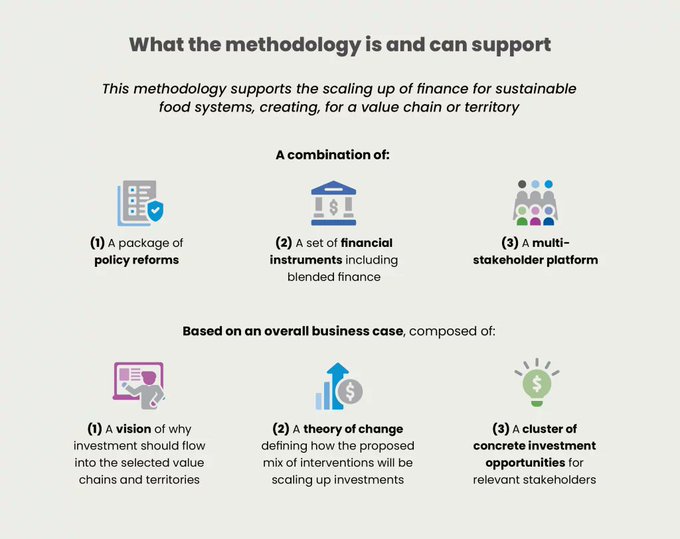
ECDPM and FAO developed a methodology to leverage sustainable investments in agri-food systems (Rampa and Dekeyser, 2022a) and tested it – in collaboration with local governments, farmers, processors and financial intermediaries – in four African countries: Burkina Faso, Ethiopia, Kenya and Niger. Country-specific reports detailing the application of the five steps can be found here.
This brief on climate metrics is the second document published by the Good Food Finance Network (GFFN) Metrics Catalyst Group. The First Metrics Brief of the GFFN Metrics Catalyst Group is available on the GFFN website.
This brief summarizes key trends in climate-related metrics used by financial institutions working in the sustainability of food systems.
The exploratory meeting will convene and connect multiple existing networks—including C40, Good Food Cities, the Food Forward Consortium, Food Trails, and the cities that have signed up to the Milan Urban Food Policy Pact.
27/04 @16:00 – 17:00 CEST. Private Sector Engagement – Part 2: Consultation on the Co-Investment Platform (CIP)
The Good Food Finance Network (GFFN) is designing a Co-Investment Platform (CIP), to be launched at COP28, which aims to scale investment in sustainable food systems and shift capital flows to the sector to align with climate, biodiversity and inequality goals.
This report attempts to address this challenge by providing a roadmap for private financiers to drive significant capital flows towards food systems.
It includes identifying their impacts, measuring performance, setting targets, monitoring and disclosing.
It also describes innovative new instruments and financing techniques, including blended finance, and addresses the policy changes needed to create an enabling environment.
The webinar will:
Present key findings of the launched report;
Highlight good practices demonstrated and promoted by the Good Food Finance Network´s High Ambition Group;
Provide a platform for stakeholders to discuss issues, challenges and ways forward to unlock opportunities for financiers and policy makers to increase sustainable investments and lending in the agrifood sector.
The Co-Investment Platform for Food Systems Transformation will serve as both a financial mechanism and a coordinating mechanism, to support the mainstreaming of good food finance, in line with human and planetary health, and climate goals.
Digital transformation concerns every aspect of the global economy and is a route to economic growth and potential job creation. Yet, this global megatrend has far wider implications, affecting political systems and society at large, and requires major policy interventions in order to be beneficial for society. Both Africa and Europe are struggling with how to reign in the positive benefits of digital transformation, whilst tackling some of its most nefarious challenges.
Digital transformation can be a key area of engagement in relations between Africa and Europe. Both seek to benefit from the multiple economic and social opportunities it can bring, whilst securing their own digital sovereignty in a geopolitically fraught global environment. This book launch will examine two aspects of the relationship: 1) the nexus between digital and economic growth and 2) the role of regulatory alignment, standardisation and data protection.
This virtual book launch will discuss the current challenges and opportunities of the digital transformation for Africa and Europe, and where there is room for further cooperation. The editors will be joined by a number of contributing authors as well as external experts from both Africa and Europe to allow for an insightful and multifaceted discussion.
Europe-Africa cooperation and the digital transformation of African economies Europe and Africa hope to take advantage of digital transformation and ensure their economies are not left behind. This panel looks at how digital technology is transforming all sectors of the economy. The speakers will unpack how technology can potentially support improved productivity for farmers, allow MSMEs to take advantage of trade opportunities, and foster industrialisation. The panel will explore the regulatory changes and investments necessary to make this happen and propose ways that Europe and Africa can work together to drive digital transformation as a route to economic growth and potential job creation.
Chloe Teevan, Head of Digitalization Workstream, ECDPM
Karishma Banga, Research Fellow, Institute of Development Studies
Tunde Fafunwa, Managing Director, Kitskoo, Inc. and Former Senior Advisor, UNECA
Oliver Charnoz - Key Expert - Digital Innovation, Entrepreneurship & Skills Key expert of the newly created KNOWLEDGE DIGITAL HUB, a facility created and funded by the European Union, providing consultancy services to the European Commission and implemented by a consortium led by Stantec. Design and delivery of technical assistance packages, from terms of reference to expert profiles, timelines, supervision and quality control, overseeing the work of non-key experts (NKEs) in their areas of intervention. He recently worked on Ghana, Nigeria, Mozambique.
He explained different lines of action:
"Venture builders could support incubators"
European and African approaches to data protection and regulation
In the digital era, the free flow of data is necessary to stimulate growth. At the same time, there is a dire need to protect individual rights, privacy and security. Across the African continent new data protection regimes are emerging, the design and implementation of which will shape African economies and societies for years to come. The EU understands itself as a beacon of data protection in the world and is eager to share its data protection framework (eg. GDPR) with partners abroad. Yet a mere translation of the European model to African contexts is unlikely to succeed. Against this backdrop, the panel discusses European and African approaches to data protection, the challenges ahead and opportunities for cooperation.
Charles Martin-Shields, Senior Researcher, German Institute of Development and Sustainability (IDOS)
Michael Gastrow, Director: Science in Society, Human Sciences Research Council & Professor of Practice, University of Johannesburg
Melody Musoni, Policy Officer, ECDPM & Former Senior Subject Matter Expert: Data Protection at SADC Secretariat
The Digital for Development (D4D) Hub is a new form of global digital cooperation with the European Union (EU). It is aligning EU digital initiatives for an increased impact. The strategic multi-stakeholder platform promotes new international partnerships on digital transformation between the European Union and partner countries in Africa, Asia, Latin America, the Caribbean and EU Eastern Neighborhood.
The D4D mission is a human-centric approach to digital transformation: Facilitating multi-stakeholder dialogues, sharing digital expertise and fostering investments of diverse European and global partners.
AU-EU D4D Hub project The AU-EU D4D Hub project supports African institutions to lay grounds for an inclusive digital transformation. It offers a comprehensive package of services, products and activities aimed at creating an enabling environment for Africa to seize digitalisation opportunities.
The African European Digital Innovation Bridge (AEDIB) The AEDIB establishes a network of African and European Digital Innovation Hubs (DIHs) to create and strengthen a common African-European digital innovation ecosystem, where national, pan-African and intercontinental innovation partnerships between stakeholders in innovation clusters are created along thematic, technological and entrepreneurial challenges (i.e. Climate Smart Agriculture, Digital Trade/E-Commerce and Smart Cities) and joint solution development is facilitated.
EU-AU Data Flagship To support the development of an EU/AU joint and non-binding data framework based on shared values and principles and with the objectives of protecting citizens’ rights, assuring data sovereignty and supporting the creation of the African Single Digital Market.
Innovation Dialogue Europe Africa (IDEA) To enable civil society organisations and academia to take up a role in promoting digital rights by strengthening their capacities and facilitating their active participation to multi-stakeholder dialogues.
Digital Actions tailor-made against COVID-19 In Eastern and Southern Africa (RESICODI) The RESICODI Action improves resilience to COVID-19 and future crises through digital solutions which improve basic education, TVET and health services
Digital Actions tailor-made against COVID-19 In the IGAD Region Digital solutions to strengthen disease surveillance and monitoring systems for Covid-19
Digital Actions tailor-made against COVID-19 In ACP countries ACP-EU digital connectivity and digital solutions to strengthen the resilience of education, health and Micro, Small and Medium Enterprises (MSMEs) systems to COVID-19
#SmartDevelopmentFund The #SmartDevelopmentFund is a springboard for innovative global partnerships, creating impactful and sustainable solutions at a local level.
Case study: The Digital Agriculture Africa Program (DAA) helped small-scale farmers by enabling scaled digital learning. The platform ranges in topics from climate-smart farming to the COVID-19 pandemic and other critical topics through a free, open access learning platform, thus including both small-scale farmers and consumers. The DAA has supported partners access information through Amana Market Platform, IVR, Sprout Platform, Sprout Learning WhatsApp Service, SMS, Digifarm WhatsApp Service, ATA 8028 Farmers Hotline. The solution trained more than 20,000 farmers on modern farm practice on digital platforms.
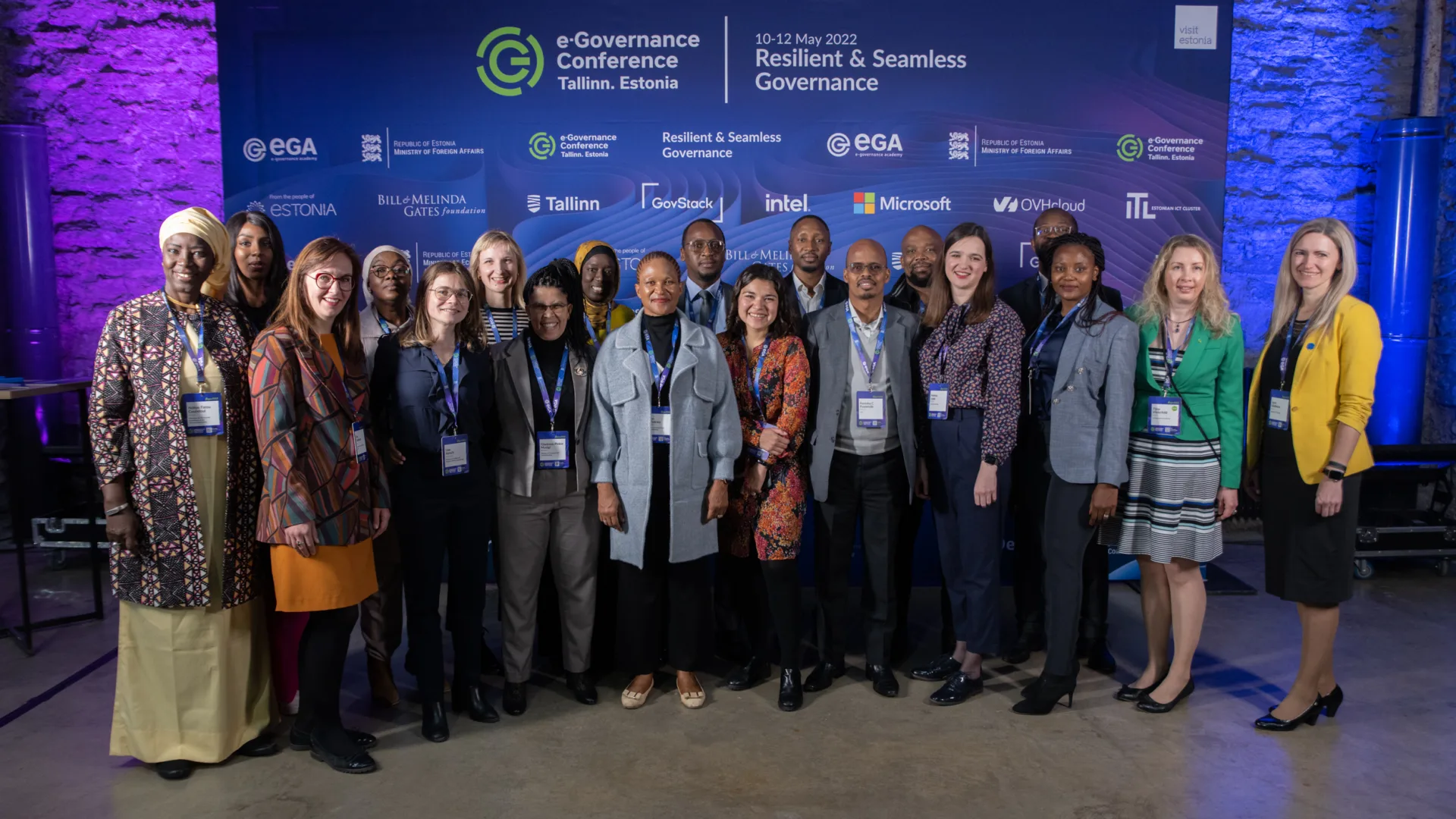
The e-Governance Conference, the most influential e-governance event in the international arena, brings together strategists, decision-makers, policy implementers, and donors to chart a future course for digital governance.
This year, the conference will explore how digital innovation can serve as a catalyst for social change and improve the welfare of societies and citizens.
The programme will examine drivers for viable social change, from capacity building to a culture of cybersecurity.
A Knowledge Hub on digital for development and Science, Technology and Innovation (STI) is established.
The role of EU in international partnerships as regard to STI and digitalisation is strengthened through improved collaboration and policy dialogue among EU and non-EU key actors also through the D4D Hub.
knowledge-management regarding the European Commission’s role in the Digital for Development and STI domain is strengthened.
Digitalisation and digital technologies are not only essential for building competitive and dynamic economies; they transform societies, pose immense challenges for policymakers, and increasingly play a pivotal role in global power relations. Digital transformations have had catalytic effects on African and European governance, economies, and societies, and will continue to do so. The COVID-19 pandemic has already accelerated the penetration of digital tools all over the globe and is likely to be perceived as a critical juncture in how and to what purpose the world accepts and uses new and emerging technologies.
This book offers a holistic analysis of how Africa and Europe can manage and harness digital transformation as partners in a globalised world.
The authors shed light on issues ranging from economic growth, youth employment, and gender, to regulatory frameworks, business environments, entrepreneurship, and interest-driven power politics. They add much-needed perspectives to the debates that shape the two continents’ digital transformation and innovation environments.
This book will interest practitioners working in the areas of innovation, digital technologies, and digital entrepreneurship, as well as students and scholars of international relations. It will also be relevant for policymakers, regulators, decision-makers, and leaders in Africa and Europe.
Extracts
Innovation and digital policy, if well designed and implemented, can support Africa’s economic transformation. Cooperation between Africa and Europe can help accelerate that transformation. There are many examples of engagement such as the AU–EU Digital for Development (D4D) Hub, the Africa–EU summits, and private sector investment by European companies. (pp.20)
The AU–EU Digital for Development (D4D) Hub supports African institutions to lay grounds for an inclusive and sustainable digital transformation that benefits everyone. The EU has also set up an African European Digital Innovation Bridge to promote cooperation on digital innovation, particularly in small and medium-sized enterprises and start-ups. Needless to say, this support will go hand-in-hand with support to the development of digital skills and literacy.(pp.23-24)
The African Union’s (AU) Digital Transformation Strategy (DTS) for Africa (2020–2030) articulates Africa’s vision, objectives, and priority areas of digital policy (African Union Commission (AUC), 2020). The DTS points to the ways that digitalisation can contribute to the achievement of the AU’s Agenda 2063, while emphasising alignment with the Science, Technology and Innovation Strategy for Africa 2024 (STISA-2024) (AUC, 2014). The approach adopted by the AU emphasises the vital linkage between digital technologies, science, and innovation, and their potential to play a role in the continent’s industrialisation and in the roll-out of the African Continental Free Trade Area (AfCFTA).
The EU Digital For Development (D4D) Hub, which was launched by the European Commission and fve EU member states (Belgium, Estonia, France, Germany, and Luxembourg) in December 2020. The majority of the D4D Hub’s initial fagship projects focus on Africa (AU–EU D4D Hub) and seek to build on the work of the AU–EU Digital Economy Task Force (DETF) (DETF, 2020). These goals also fed into the EU’s Global Gateway. (...) Global Gateway is an EU initiative that seeks to foster a sustainable connectivity, with the aim to invest EUR 300 billion between 2021 and 2027 in both physical and digital infrastructure. (pp.31 + 38)
Ultimately, the main goal of digital development should be to lead to real improvements in the lives of people, acting as a lever allowing greater access to education, training, employment, and health. The AU’s Digital Transformation Strategy outlines a clear vision for the roles that digital technologies can play in human development in Africa. (pp.33)
The AU–EU D4D Hub, can assist African countries in developing citizen-centric and inclusive digital
policymaking processes. (pp.37)
There are hopes that the negotiations of an e-commerce chapter for the AfCFTA will promote a harmonisation of data regulation throughout the continent and also strengthen the African Groups’ position regarding the negotiation of binding rules for digital trade at the level of the World Trade Organization (WTO) (pp.48)
The D4D Hub hosts three main projects. Aside from the African European Digital Innovation Bridge (AEDIB) and the Innovation Dialogue Europe Africa (IDEA), the EU–AU Data Flagship (pp.50)
Civil society organisations (CSOs) provide two vital and unique success factors. First, they are typically integrated or embedded with diferent communities and therefore can better represent and articulate their needs. Second, CSOs can play a critical role in validating the expected benefts of the implementation mechanisms and programs. Therefore, CSOs constitute the critical “third leg” required for sustainable success. Digital tools and services including moderated chat groups, online workshops, webinars, and communication platforms can facilitate engagement and dialogue between stakeholders. (pp.102-103)
Online self-paced tutorials and training modules, particularly in local languages, and an interactive tool for checking compliance would go a long way to getting MSMEs over the digital business divide. (pp. 103)
Leveraging digitalisation for increasing value from the agricultural sector holds signifcant potential for boosting employment generation, particularly for post-COVID-19 recovery on the continent. Digitalisation of the sector can further facilitate linkages between the less-formal segments of the sector with more formal and productive segments.
Digital technologies operating in the African agricultural sector can be broadly classifed under fve categories:
agricultural digital platforms, primarily driven by software development;
agricultural biotechnology, harnessing the strengths of biotech and bioengineering;
innovative food and farming, which unlock new systems of plantation and food alternatives;
farm robotics and automation, drawing on mechanical and electronic engineering coupled with artifcial intelligence (AI); and
smart warehousing and logistics, consisting of the use of blockchains, feet optimisation software and economic resource planning (ERP).
Among the five sets of technologies, agricultural digital platforms (here on in ag-platforms) have the highest uptake on the continent and therefore hold the most potential in transforming the African agricultural sector and creating new employment opportunities (pp. 111-112)
digital farming apps are currently unable to live up to their promise of providing real-time information on weather, soil, pests, and other natural factors (an in-turn productivity gains) due to a limited number of mobile towers in African rural areas. (...) An important recommendation of the DETF report (European Commission, 2020) is expanding digital connectivity to rural areas in African countries, with the recently launched “Rural Connectivity Toolkit” from the European Investment Bank (2021) (pp.113)
A second area of EU–AU digital cooperation includes coordinating and scaling capacity and awareness-building programmes that are aimed at increasing awareness of digital platforms and models of use and their benefts, particularly for African youth and ag-entrepreneurs. (pp.114)
The information and training material needs to be comprehensible to farmers and women with low to moderate literacy levels, potentially through making use of storyboards, simple language, and integrating feedback from focus groups testing the resources . (pp.114)
If the EU is serious about promoting a human-centric approach to digitalisation and working with African countries on promoting their digital sovereignty, then investment into building local and regional data centres on the continent is key. This needs to be accompanied by investment into building data processing capacities on the continent through support to “local infomediaries” – firms that act as data intermediaries and can turn data into actionable information – and national and regional skills development initiatives on data analysis and processing (pp.117)
Ag-platforms can increase productivity gains and access to decent work for African farmers, but there is a need for EU–AU digital cooperation to facilitate digital infrastructure development in rural areas. There is also a need to (a) coordinate and scale capacity-building and awareness-building programmes for models and benefts of digital platforms; and (b) target women’s access to technology in Africa and their involvement in the design, development, and production stages. (pp.121)
There could be limits to the EU’s regulatory externalisation strategy. (...) legal environment needs to exist or emerge that can translate political commitments into applicable law along with the necessary enforcement mechanisms. Fourth, public opinion needs to support and adopt newly introduced regulations to align norms and practices. (pp.168)
Data Protection Act constitutes a signifcant leap towards citizens’ privacy rights – signifying a strong degree of partner country buy-in – challenges persist at the operational level. (pp.169)
The Nexus of Education, Sustainability, and Digital Innovation for Small-Scale Agriculture
There is still a significant knowledge gap on the deployment, uptake, and continued use of digital applications and platforms aimed at small-scale agricultural communities. These communities face practical day-to-day challenges related to old mobile equipment, high data costs, or little memory
storage capacities. Hence, this chapter navigates such practical challenges faced by small-scale agricultural communities, which are usually the target audience of such platforms, yet often cannot access them. One of the most comprehensive reports on digital transformation, Towards our Common Digital Future, by the German Council on Global Change (WGBU, 2019), takes a holistic approach to digitalisation, learning, and education, which it also applies to the agricultural sector. (pp.226)
However, the report takes a holistic view and does not incorporate low-cost and efective digital solutions for rural agricultural communities. (...) the deployment of low-cost and efective digital solutions is a key area where AU–EU cooperation could beneft rural communities through policy and
practice knowledge exchanges. (pp. 226)
There are serious concerns in terms of digital divides, failure of state-led digital agriculture programmes, and regarding the quality of digital services as well as the exclusion of smallholder farmers in rural Africa. This calls for policy dialogues on digitalisation and inclusive agricultural transformation in Africa. (pp.227)
There is a need for research into low-cost and effective solutions, which can be deployed for learning around the green transition in rural areas for small-scale farmers. (pp. 229)
Related:
12 July 2021. An event addressed the long-term goals of digital partnership between EU and Africa. Specifically, how to forge a stronger, genuine, inclusive, and mutually beneficial partnership in digital transformation between Africa and the EU. Recently initiated Digital4Development (D4D) Hub by the European Commission President Ursula von der Leyen under the German EU Council Presidency creates such opportunities.
This high-level event was co-hosted by the Ministry of Foreign Affairs of the Republic of Slovenia, the Chatham House Africa Programme and the European Commission.
Introduction:
Welcome and opening keynote addresses
H.E. Mr Borut Pahor, President of the Republic of Slovenia
H.E. Dr Anže Logar, Minister of Foreign Affairs, Slovenia
H.E. Prof. Isa Ali Ibrahim (Pantami), Minister of Communications and Digital Economy, Nigeria
H.E. Hon. Dr Peya Mushelenga, Minister of Information and Communication Technology, Namibia
Mr Firmin Edouard Matoko, Assistant Director-General, Priority Africa and External Relations, UNESCO
Ambassador Ramses Joseph Cleland, Acting Chief Director, Ministry of Foreign Affairs and
Regional Integration, Ghana
SHORT VIDEO MESSAGES BY:
H.E. Ms Jutta Urpilainen, Commissioner for International Partnerships, European Commission
H.E. Prof. Mohammed Belhocine, Commissioner for Education, Science, Technology and
Innovation, African Union Commission
Chair: Ms Natalia Al Mansour, Head of the Department for Africa and the Middle East, Ministry of
Foreign Affairs, Slovenia
Session 1: Collaborations on citizen-centred technology governance
Ambassador Mr Tadej Rupel, National Coordinator for External Aspects of Digitalization, Artificial
Intelligence and Cyber Security, Ministry of Foreign Affairs, Slovenia
Prof. John Shawe-Taylor, Director, International Research Centre on Artificial Intelligence (IRCAI);
UNESCO Chair in Artificial Intelligence, Slovenia and United Kingdom
Dr Papa Gueye, Director-General, National School of Regional Cybersecurity, Senegal
Mr Ahsan Mahboob, Head, Sibanye-Stillwater Digital Mining Laboratory (DigiMine), Wits Mining
Institute (WMI), South Africa
Ms Koliwe Majama, Senior Programme Officer, Mozilla Foundation, Zimbabwe
Ms Katja Majcen (see picture), Digital Policy Expert, Unit for Science Technology Innovation and Digitalisation,
DG INTPA European Commission
Chair: Prof. Carlos Lopes, Associate Fellow, Africa Programme, Chatham House
Session 2 | Shaping sustainable digital societies and economies
Ms Mercy Kimalat, Chief Executive Officer, Association of Startups and SME Enablers of Kenya
(ASSEK), Kenya
Mr Fred Uduma, President, Slovenia – Nigeria Chamber of Commerce, Slovenia and Nigeria
Ms Vesna Virant, Commercial Director, Medex d.o.o., Slovenia
Mr Ibrahim Nouhoum, Co-founder, International African Forum, Slovenia and Mali
Mr Boris Nicolas Erjavec, Executive Director, Pomurski sejem d.o.o., Slovenia
Chair: Mr Robert Rakar, Director, Chamber of Commerce and Industry of Primorska, Slovenia
Session 3 | Language diversity and digital transition
Dr Maina wa Mu˜tonya, Professor and Researcher, African and African Diaspora Studies, Escuela
Nacional de Antropología e Historia, Kenya and Mexico
Ms Mama Adjetey-Nii Owoo, Founder and Lead Researcher, Afroliteracies, Canada / Ghana
Mr Asmelash Teka Hadgu, Co-founder and Chief Technology Officer, Lesan, Ethiopia
Chair: Ms Aleksandra Gacˇic´, Doctoral Student, Postgrad