Platform for African – European Partnership in Agricultural Research for Development
Showing posts with label UK. Show all posts

Tuesday, September 15, 2026

Future food symposium UK

14 - 15 September 2026. Future food symposium UK. The Future of Food Symposium is hosted by 6 universities across the UK

  1. University of Essex
  2. University of Nottingham
  3. University of Reading
  4. Institute for Development Studies, University of Sussex
  5. University of Birmingham
  6. University of Sheffield

It is an annual event that brings together researchers, practitioners, policymakers, and advocates working at the cutting edge of food systems research and practice. In 2026, the symposium took place under the theme Food Systems at a Crossroads: Local Action, Global Change, reflecting the urgent need to connect place-based knowledge and community-led innovation with the broader systemic transformations required to build equitable, sustainable, and resilient food futures.

Book of Abstracts - Food Systems at a Crossroads: Local Action, Global Change 29 p,

This year's symposium spans an extraordinary breadth of topics, from agri-food sustainability and Indigenous food sovereignty, to community food resilience, public dining, coastal food challenges, nutrition and health inequalities, and the growing role of data and artificial intelligence in food systems. Together, the tracks reflect a shared conviction: that meaningful change in food systems requires collaboration across disciplines, sectors, institutions, and borders.


Extracts of the programme


14/09 Positive Agri-Food Futures for People and Planet

Food systems are at a critical juncture, facing intensifying pressures from climate change, biodiversity loss, resource degradation, and persistent inequalities in access to nutritious food and sustainable livelihoods. Delivering a transition toward resilient, nature-positive agri-food systems requires moving beyond fragmented approaches toward integrated, outcome-focused strategies that recognise the interdependencies between environmental health, food production, and societal wellbeing. 

  • Luh Putu Kartini, Putu Diah Sastri Pitanatri, Bali Tourism Polytechnic - Beyond Food Waste: Women's Culinary Mediation and Circular Food Futures in Rural Bali
  • Shreya, Sijo Abraham, Nimisha Mittal, Independent Researcher - Seed Commons as Integrated Infrastructure for Climate-Resilient Food Systems: Evidence from Eastern India
  • Alampik Debbarma, Tripura University - Food, Forests, and Sustainability: Indigenous Tipra Culinary Practices in Northeast India
  • Nma Goran Dhahir, Water Diplomacy Center - Governing Water, Governing Nutrition: Transboundary Water Governance Failures, Water Quality Degradation, and Nutritional Vulnerability in the Kurdistan Region of Iraq
  • Alice Mauchline, University of Reading - Working in Partnership: How can farmers best inform peer-reviewed science and scientists best inform farmers?
  • Ada Freaney and Claire Mac Evilly, Airfield Estate - Cultivating Sustainable Futures: The Living Classroom Model at Airfield Estate
  • Carina Manitius, University of Vermont - Stranded Assets and Stranded Livelihoods in Agriculture: Identifying Barriers to Change to Support Just Transformation


14/09 Community-Based Approaches to Tackling Food Insecurity 

While a significant body of literature exists on people’s experiences of emergency food access, particularly through networked and independent foodbanks, many new forms of community-based approaches to tackling food insecurity continue to emerge. New community-based spaces of food access go beyond food aid provision and seek to create a sense of connection, build resilience and even ‘close the circular loop’ between food surplus, affordable food access, and food waste that is then revalorised as compost to grow local, sustainable food. 
  • Anton Rosenfeld and Bruce Pearce, Garden Organic - Growing resilience through culturally relevant varieties
  • Connie Dalton, Pamela Louise Graham, and Richard Lee, Northumbria University - Beyond Nutrition: A Mixed-Methods Study of Children, Families, and School Staff's Experiences of Free School Meals Across the UK
  • Neal Haddaway, University of Amsterdam - Commensality: exploring agricultural migrant workers'relationships with food and cooking
  • Nia Coupe, Hollie Walsh, Zahra Mulla et al., University of Manchester - Getting nutritious food into food aid: the Food Aid Mapping Manchester (FAMM) study
  • Purva Bahadkar and Anita Dighe, Foundation for Mother & Child Health India - Beyond Food: Strengthening Food Security Through Timely Behaviour Change Communication During the First 1,000 Days
  • Sharon Mada, Thuenen Institute - Approaches to Food Waste Reduction in Urban Sub-Saharan Africa: Practices and Initiatives for Circular Food Systems

    Data were collected from 400 households and 39 street market vendors in Hatcliffe, Zimbabwe, through a face-to-face questionnaire survey. In addition, semi-structured interviews were conducted with 11 experts from Mauritius, Nigeria, Botswana, Kenya, Ethiopia, Tanzania, South Africa, and Zimbabwe. 


14/09 Resilience and Community Food Projects 

  • Lucy Shepherd, Heritage Seed Library, Garden Organic - Growing Resilience from the Ground Up: Community Conservation of Heritage Crops for a Changing World
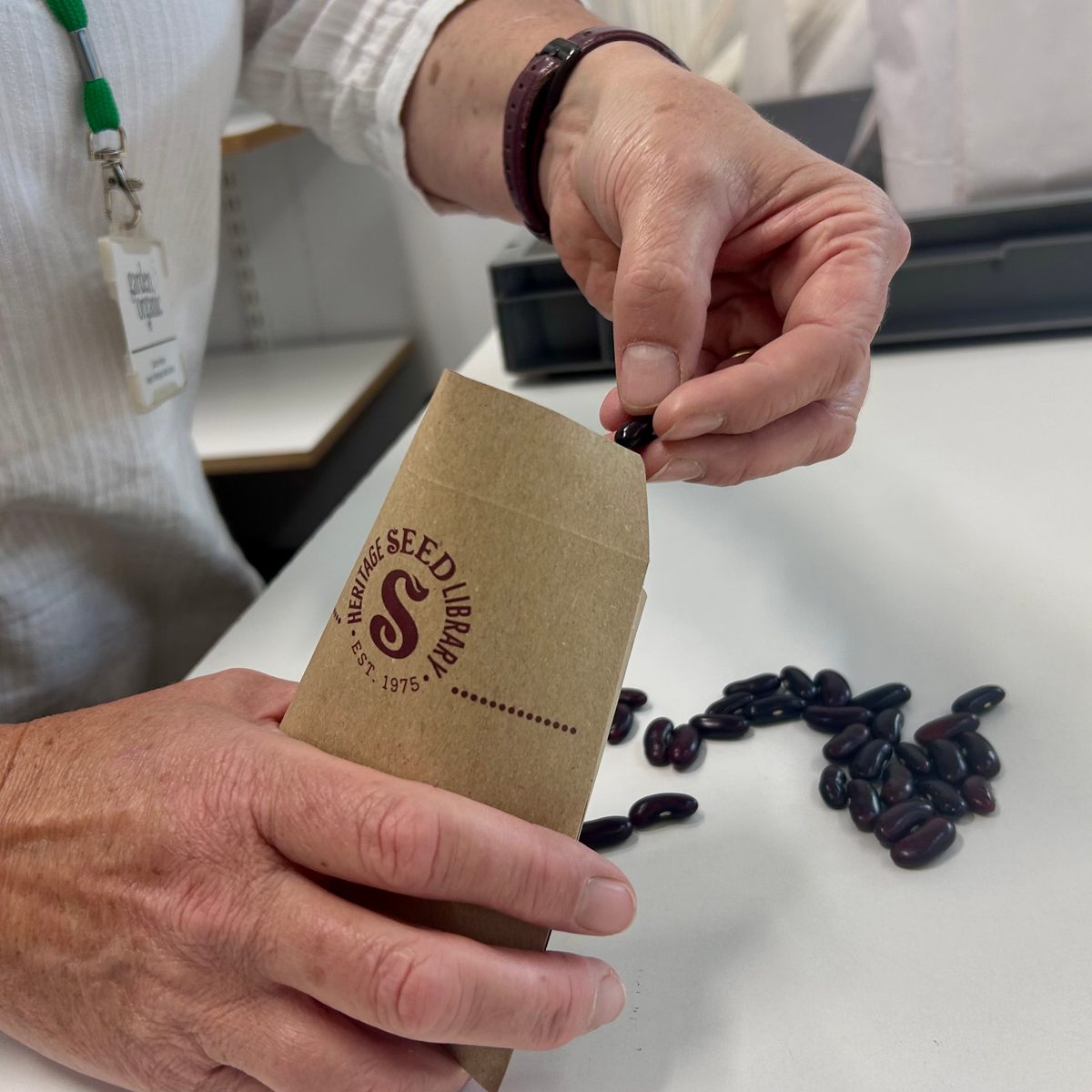
    This work presented findings from Sowing Your Seeds: Heritage Crops for a Resilient Future, a National Lottery Heritage Fund project led by Garden Organic's Heritage Seed Library. Working across the Midlands, the project identifies, documents and conserves locally maintained edible crop varieties. Through seed-saving workshops, community events and seed swaps, growers are encouraged to share both seeds and the stories behind them, recognising that cultural knowledge and lived experience are inseparable from the genetic resources themselves. By bringing little-known collections of heritage crops back into active cultivation, ‘Sowing Your Seeds’ helps ensure that locally adapted varieties, together with their cultural heritage, remain living components of our food system. This presentation offered attendees opportunities to consider community seed conservation and will suggest a model for participatory conservation that strengthens biodiversity, celebrates community custodianship, and equips food systems with the diversity needed to respond to an uncertain future. 

15/09 Decolonising Food Systems & Sovereignties [Panel Debate]

This panel explored decolonizing food systems through Indigenous resurgence, governance, and relational accountability. Indigenous speakers from Turtle Island will examine how colonial policies, dispossession, and extractive economies have undermined Indigenous food practices and sovereignties. The discussion addressed dismantling colonial structures that regulate land, water, and agriculture, and disrupting the power relationships that privilege state and corporate control over Indigenous decision-making. 

  • Track Chair: Dr. Belinda Zakrzewska (University of Birmingham)
  • Shyra Barberstock, Co-founder of Kebaonish Inc / Queen's University (Canada)
  • Rye Barberstock, Co-founder of Kebaonish Inc / Queen's University (Canada)


Saturday, June 27, 2026

Climate week London and agricultural research for development

20-28 June 2026. During London Climate Action Week 2026, agricultural research for development featured prominently in discussions on climate resilience, food security, sustainable finance, and science partnerships. While the week comprised more than 1,000 events across London, only a limited number focused specifically on agricultural research and innovation. The principal sessions are summarized below.

24/06 Climate resilience, food security and economic stability: an Africa–Europe dialogue ahead of COP32

This high-level dialogue was jointly organized by ODI Global and the World Resources Institute (WRI). The event examined how Africa and Europe can strengthen their partnership on climate adaptation, food security, trade, investment and sustainable development in the lead-up to COP32, which Ethiopia will host in 2027. Against the backdrop of the European Union's next Multiannual Financial Framework and Africa's growing role in the global green transition, the discussion focused on how both continents can move beyond development assistance towards strategic cooperation that delivers greater resilience, economic stability and sustainable food systems.
  • Hans Peter Lankes – Moderator; opened the dialogue and framed the strategic importance of Africa–Europe cooperation on climate resilience.
  • Negusu Aklilu – Keynote speaker; outlined Ethiopia's vision for COP32 and the importance of placing adaptation and food systems at the centre of the negotiations.
  • Bernadette Arakwiye – Discussed African priorities for climate adaptation, resilience and sustainable development.
  • Jan Dusik – Presented the European Union's perspective on climate policy, adaptation and future cooperation with Africa.
  • Kevin Kariuki – Addressed financing mechanisms and investments needed to strengthen climate resilience, energy transitions and food security across Africa.
  • Melinda Bohannon – Highlighted the United Kingdom's priorities for international climate cooperation and partnerships supporting resilience and sustainable development.

25/06 The Power of Partnerships: Harnessing UK Agricultural Science for Climate Resilience and Food Security

Organisers: CGIAR, UK-CGIAR Centre and CABI

Content
This high-level panel explored how partnerships between UK research institutions, CGIAR, governments and national partners can accelerate the translation of agricultural research into development outcomes. The discussion focused on scaling climate-smart innovations, strengthening food security, supporting smallholder farmers, and ensuring that research generates practical impact through equitable international collaboration. Particular attention was given to linking UK scientific excellence with local innovation systems across Africa, Asia and Latin America.

Speakers

  • Ismahane Elouafi – keynote speaker on the role of CGIAR partnerships in climate-resilient food systems.
  • Nitya Rao – Professor of Gender and Development; discussed inclusive and gender-responsive
    agricultural transformation.
  • Tim Willis – provided a UK government and development cooperation perspective on translating research into impact.
  • John Edmunds – addressed the contribution of science to evidence-based policy and resilience.
  • Anjana Ahuja – science journalist and moderator of the discussion.

25/06 Africa's Climate Innovation: Where Capital Meets Reality


Organisers: Catalyst Fund, FSD Africa, Briter Bridges, BFA Global, Shell Foundation and Trafigura Foundation.

The session marked the launch of The State of Climate Tech Innovation in Africa 2.0, a report examining the realities behind climate innovation financing on the continent. 

This report was produced in partnership with Catalyst Fund , FSD Africa , and BFA Global, with funding data support from Africa: The Big Deal .

  • Rather than focusing only on headline investment figures, the discussion explored which climate technologies are successfully attracting capital, where ventures struggle to scale, and the types of financing,
    partnerships and ecosystem support required at different stages of business growth. 
  • The event brought together investors, development finance institutions (DFIs), entrepreneurs, philanthropies, corporates and policymakers to discuss practical pathways for accelerating climate innovation across Africa. 
  • In this keynote presentation, Nijhad Jamal unpacks the evolving state of climate tech in Africa, exploring how founders, investors, and fund managers are navigating an increasingly complex investment landscape.

2. Climate Innovation Forum

Date: 22 June 2026
Organiser: Climate Action

Content
Several sessions examined the transformation of food systems through research, innovation and investment. Discussions focused on regenerative agriculture, nature-positive food production, climate finance for agriculture, low-carbon supply chains, digital technologies, and public-private partnerships needed to scale agricultural innovations. Food system resilience was presented as a cornerstone of achieving both climate mitigation and adaptation goals.

Representative speakers
The forum brought together ministers, international organizations, investors, agribusiness leaders and research organizations, including representatives from CGIAR, multinational food companies, financial institutions and climate innovation networks. Rather than dedicated agriculture-only panels, agricultural research was integrated into broader discussions on sustainable investment and resilient food systems.

3. Climate and the Future of Health

Date: 22 June 2026
Organiser: The Conduit

Content
This flagship event examined how climate change affects nutrition, food security and public health. Several discussions highlighted the importance of agricultural research in developing climate-resilient crops, improving diets, strengthening sustainable food systems and reducing the health impacts of extreme weather. The event emphasized interdisciplinary collaboration between agriculture, nutrition and health research communities.


https://www.youtube.com/live/J5E0LrPXH4I?si=Z5Ze7BO7O1JVNTzd&fbclid=IwY2xjawTEX_dleHRuA2FlbQIxMQBzcnRjBmFwcF9pZAwzNTA2ODU1MzE3MjgAAR7_KyRUDDWWKc8aIYwqUNq5sro7NO9KJLAD59t7lJTi7xyHKRY_rP5yUZPlfw_aem_dSCqGpCubBJHtU4gL69t7Q

Overall relevance for Agricultural Research for Development (AR4D)

Across London Climate Action Week 2026, four consistent messages emerged for the agricultural research community:

  • Partnerships between international research organizations, national agricultural research systems, universities and governments are essential for translating scientific discoveries into development impact.
  • Climate-resilient food systems require continued investment in agricultural R&D, innovation, and locally adapted technologies for smallholder farmers.
  • Research alone is insufficient—effective implementation depends on finance, policy support and equitable partnerships that enable innovations to reach farmers at scale.
  • Food systems are central to climate action, linking agricultural productivity, biodiversity, nutrition, health and economic resilience in the lead-up to COP31.

Wednesday, May 20, 2026

Food Accelerator Programme of Greenwich University

18 May 2026. The presentation of the report “A Research on the African Diaspora Food Market in the United Kingdom: Understanding Market Dynamics, Opportunities and Indigenous Food Systems” was followed by a visit to the Food Accelerator Programme at the University of Greenwich, 

The Food Accelerator Programme at the University of Greenwich is an innovation and business support initiative led through the Medway Food Innovation Centre and the university’s Natural Resources Institute. The programme is designed to help food and agri-food startups scale their businesses through technical assistance, mentorship, product development support, business coaching, and access to research facilities. 

Participants receive tailored guidance over several months, including workshops, one-to-one advisory sessions, investor connections, and support in accessing grants and funding opportunities. The programme places a strong emphasis on sustainable food systems, plant-based innovation, food technology, and commercial readiness.

For African SMEs, particularly those operating in agriculture, food processing, agritech, and nutrition sectors, the programme offers important opportunities to strengthen innovation capacity and improve competitiveness. African SMEs often face challenges such as limited access to research infrastructure, weak product development systems, and difficulties attracting investment. 

Through accelerator-style support, businesses can refine products, improve quality standards, adopt new technologies, and develop stronger business models that are attractive to regional and international markets. The programme’s mentorship and networking components also expose African entrepreneurs to industry experts, academic researchers, and potential investors, helping them overcome barriers to growth and commercialization.

In addition, the programme aligns well with broader efforts to strengthen food security, sustainability, and entrepreneurship across Africa. By helping SMEs become market- and investment-ready, initiatives like the Greenwich Food Accelerator contribute to job creation, value addition in agricultural supply chains, and the development of climate-smart food innovations. 

African SMEs that participate in such programmes can gain international visibility, access to collaborative research, and partnerships that support expansion into new markets. These benefits are particularly valuable for women-led enterprises, youth innovators, and startups developing solutions for nutrition, sustainable agriculture, and resilient food systems across the continent.

The Growing Kent & Medway website shows examples of businesses it has supported: 
  1. West african food festival in Faversham 
  2. Innovating the recipe box market with a taste of Nigeria: Meet Konero, 
  3. Stabilising African Superfoods for the Plant-Based Market with Root Mylk  
  4. How NRI is supporting a Rwandan start-up’s global vision - Natural Resources Institute

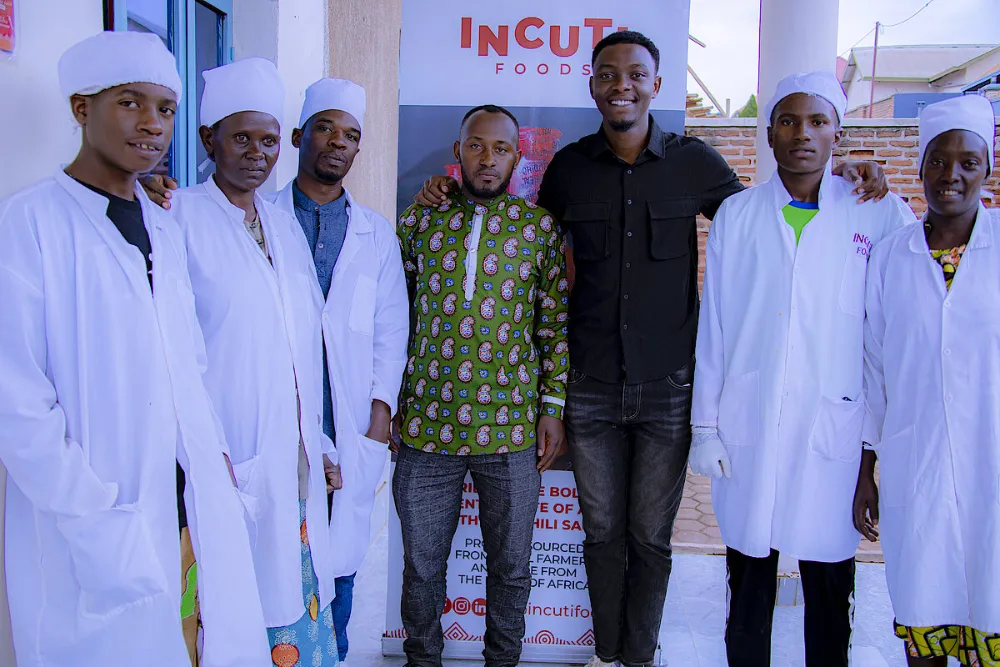
    Incuti is reshaping Rwanda’s chilli value chain, by adding value to chillies that were once sold fresh or went to waste. Farmers now have a more reliable buyer in Incuti, local communities benefit from job creation, and Rwanda earns valuable foreign exchange from exports.

A minimum food technology machinery

In a low-resource African context, the minimum food technology machinery required to support SMEs through a food accelerator programme should focus on affordable, multipurpose, energy-efficient equipment that improves food safety, shelf life, and value addition. The priority is not high-end industrial automation, but practical technologies that allow small enterprises to process local crops into marketable products. Core machinery would typically include cleaning and sorting equipment, solar or hybrid dryers, small hammer mills or grinders, oil presses, mixers, sealers, and basic packaging machines. For enterprises working with fruits, vegetables, grains, legumes, or neglected crops, these technologies can significantly reduce post-harvest losses while increasing product quality and income generation.

Basic food safety and preservation infrastructure is equally important. Minimum investments should include stainless steel processing tables, water filtration systems, weighing scales, moisture meters, refrigeration or cold storage units where feasible, and simple pasteurization or sterilization equipment. In many rural African settings, unreliable electricity makes solar-powered dryers, biomass-powered processing systems, and low-energy cooling technologies particularly valuable. Small laboratory tools for quality testing — such as pH meters, thermometers, and microbial testing kits — can also help SMEs meet national and export standards without requiring expensive industrial laboratories.

The most effective approach in poorer contexts is often shared processing infrastructure rather than individual ownership of machinery. Community food innovation hubs, cooperative processing centres, or university-linked incubation facilities can provide SMEs with access to machinery they could not afford independently. This reduces costs while encouraging skills transfer, entrepreneurship, and product innovation. For African SMEs working on forgotten foods, indigenous crops, or agroecological products, the emphasis should therefore be on scalable, repairable, locally maintainable technologies that support food safety, nutrition, and market access rather than sophisticated industrial systems that are difficult to sustain.

  • The webinar will explore the relationship between food safety and sustainability in food manufacturing, highlighting both the challenges and opportunities associated with current industrial practices. While food safety remains the highest priority across the sector, many processes used to ensure safe production, such as pasteurization, sterilization, cleaning in place, and sterilization in place, require significant amounts of energy, water, and chemical inputs.
  • The session will examine how these practices can create sustainability trade-offs, while also addressing how climate change is introducing new microbial hazards that need to be controlled throughout the food system.
  • Participants will gain an overview of the current landscape of food safety and sustainability, including opportunities to improve resource efficiency while maintaining high safety standards. Topics will include innovative hygienic design approaches, modernisation of traditional preservation methods, strategies to reduce spoilage and waste, and solutions to address emerging microbial risks linked to climate change.
  • If you are interested in joining this webinar, please register through this link: https://bokuvienna.zoom.us/webinar/register/WN_5iai5_fwSzO1WN_p-Hqsxg#/registration 

Tuesday, May 19, 2026

New research reveals £1.5 billion African diaspora food market in the UK

London, UK May 18, 2026 – A groundbreaking new study has uncovered the significant scale and strategic importance of the African diaspora food market in the United Kingdom.

The research commissioned by the Global Forum on Agricultural Research and Innovation (GFAiR) and conducted by The Food Bridge vzw and funded by the European Commission, surveyed 1,507 African diaspora consumers across the UK and found that 97% include African food in their regular diet, with 35% consuming African food daily and 39% at least once a week. 

According to the study titled “A Research on the African Diaspora Food Market in the United Kingdom: Understanding Market Dynamics, Opportunities and Indigenous Food Systems”  the estimated annual
market value is £1.5 billion in the UK alone, with a projected €11.5 billion market across Europe.

The research – conducted between January and April 2026 – highlights that African food is not a niche or occasional choice, but a core component of daily diets – comparable to staple foods in national consumption patterns. This positions the African diaspora food market as a mature, stable, and scalable agro food sector.

Market Opportunities

The study maps a dynamic ecosystem of importers, wholesalers, retailers, restaurants, and online platforms, with major hubs in London, Birmingham, Manchester, and Leeds. While demand is strong, the research also identified key challenges including high prices, inconsistent quality, limited availability outside major cities, and regulatory barriers affecting imports.

The report redefines African diaspora food markets not as niche ethnic enclaves but as a strategic trade corridor—one that directly links smallholder producers across Africa with discerning consumers in European cities. 

These markets, it argues, function as living pipelines for Neglected and Underutilised Species (NUS), resurrecting indigenous and forgotten crops that have been marginalised by industrial agriculture. In doing so, they become powerful engines for diaspora entrepreneurship and SME development, offering low-barrier entry points for women and youth-led ventures into formal food systems. 

Crucially, the report aligns this dynamism with core European Commission priorities: biodiversity conservation through crop diversification, supply chain sustainability by shortening distances and reducing waste, and inclusive growth that channels value back to migrant communities and their countries of origin. 

Call to Action

In response to the report’s findings, the research issues a clear call to action for policymakers across Europe and beyond. First, it urges them to formally recognise diaspora food markets not as peripheral or informal trading spaces, but as strategic agri-food subsectors in their own right—deserving of the same policy attention, data collection, and infrastructure investment afforded to conventional supply chains. Second, it asks for concrete support for indigenous and forgotten crops, framing their rehabilitation not as heritage preservation alone but as a vital lever in the transition toward sustainable, climate-resilient food systems. 

Third, the research advocates for targeted, systemic support for diaspora agri-food entrepreneurs—opening pathways to affordable finance, technical incubation, and streamlined certification processes that reward rather than penalise small-scale, cross-border actors. Finally, it calls for the full integration of diaspora stakeholders into European development cooperation with Africa, shifting from a donor-recipient model to one of genuine partnership, where diaspora networks become co-designers of trade, agricultural development, and food security policy. 

Together, these measures, the research argues, would unlock a more inclusive, biodiverse, and economically dynamic Europe-Africa relationship.

"This research confirms what we have long observed – the African diaspora food market is not a niche sector. It is a multi billion pound ecosystem with the power to transform Europe Africa trade, promote indigenous crops, and support sustainable food systems," said Dr. Maureen Duru, founder The Food Bridge vzw, ahead of the report launch on the 22 May, during the Tasting the Forgotten event in Brussels, Belgium.

18 May Greenwich. The report was presented at the Research Culture Week of the Greenwich University, more specifically at the Natural Resources Institute.

PPT forthcoming

Presentation by:
  • Dr. Maureen Duru
  • Mr. Ndubuisi Adinnu
The study was conducted by The Food Bridge vzw under the GFAiR Collective Action on Forgotten Foods, with technical support from IFAD and funding from the European Commission. The survey collected 1,507 valid responses from African diaspora households across the UK, with additional fieldwork support from GFAiR. 

Related:

22 May 2026. 14:00 to 15:30 CET. Belgium. Tasting the Forgotten event in Brussels


11 June 2026. 14:00 to 15:30 CET. Webinar “Food Safety vs. Sustainability – two sides of the same coin?” 
  • The webinar will explore the relationship between food safety and sustainability in food manufacturing, highlighting both the challenges and opportunities associated with current industrial practices. While food safety remains the highest priority across the sector, many processes used to ensure safe production, such as pasteurization, sterilization, cleaning in place, and sterilization in place, require significant amounts of energy, water, and chemical inputs.
  • The session will examine how these practices can create sustainability trade-offs, while also addressing how climate change is introducing new microbial hazards that need to be controlled throughout the food system.
  • Participants will gain an overview of the current landscape of food safety and sustainability, including opportunities to improve resource efficiency while maintaining high safety standards. Topics will include innovative hygienic design approaches, modernisation of traditional preservation methods, strategies to reduce spoilage and waste, and solutions to address emerging microbial risks linked to climate change.
  • If you are interested in joining this webinar, please register through this link: https://bokuvienna.zoom.us/webinar/register/WN_5iai5_fwSzO1WN_p-Hqsxg#/registration 

Selection of other events at the Research Culture Week of the Greenwich University


Horizon Europe — thematic priorities, funding opportunities and call analysis, An overview of Horizon Europe themes and how to read calls strategically.


Online (no booking required)
50 mins
Tuesday 19th May 10:00–11:30 GMT
Barbara De Angelis, Lucia Collischonn (Greenwich Research & Innovation)
  • This session provides an overview of Horizon Europe, focusing on its thematic priorities and forthcoming funding opportunities across the remainder of the current year and into 2027. Designed to support strategic understanding rather than detailed proposal writing, the
  • session explores how Horizon Europe is structured and what current calls reveal about evolving priorities.
  • A central part of the session will be a guided, hands-on exercise analysing a specific Horizon Europe call topic. Through this practical activity, participants will work through how to read and interpret call texts, identify key expectations and understand how impacts are framed.
  • The session offers space to build confidence in navigating Horizon Europe calls and to reflect on how researchers might engage with them strategically within their wider research planning.

What do funders really care about – and how does impact fit in?

Thursday 21th May Online, 15:00 – 15:50: No booking needed - join directly via Teams
James Rannard-Lambert and Hanlu Zhang, Greenwich Research & Innovation
  • Impact is now central to many funding decisions yet understanding what different funders actually value can feel unclear or inconsistent.
  • This conversational session opens up discussion about how researchers make sense of funder priorities, how impact expectations shape bids, and how impact thinking can be woven into project design from the outset. Using practical examples, we’ll explore where
  • researchers find information, how tools like Grant Nav, the Charity Commission and AI are being used, and what helps build impact narratives that feel credible rather than performative.

African Futures Conversations: reimagining entrepreneurship and innovation, Reimagines entrepreneurship and innovation from African perspectives.

Thursday 22nd May 14:00 GMT
Sterling Rauseo
  • Entrepreneurship and innovation are often framed through dominant global models — but what happens when we shift perspective to focus on African contexts, realities and ways of creating value?
  • This panel explores how entrepreneurs, researchers and practitioners are creating value across diverse African ecosystems. Speakers reflect on what is already happening but not always recognised, what is actively being developed, where greater focus, support and
  • resources are still needed, and what it means to decolonise entrepreneurship in African contexts.

Knowledge Exchange Community of Practice: What makes a partnership truly equal?

Friday 22 May Online, 11:00 – 12:30: No booking needed - join directly via Teams
  • Partnerships are central to knowledge exchange but creating relationships that feel genuinely equal can be challenging in practice. How do expectations get set? What helps build trust from the outset? And where do imbalances tend to creep in?
  • In this CoP session, Sophie Cloutterbuck (Director of London Engagement and the London Met Lab) draws on extensive experience working with civic and community partners to reflect on what makes partnerships work well — and what can undermine them. The
  • conversation then turns inward, with colleagues from GRI sharing emerging thinking behind the University of Greenwich’s Equitable Partnerships Toolkit and opening up discussion about how we support fair, respectful and transparent collaboration in our own work.


Saturday, May 16, 2026

EMBRAPA’s scientific and research expertise and ManejeBem’s digital innovation capabilities

ManejeBem is a Brazilian agri-tech company that devel
ops digital advisory and management solutions for livestock producers, focusing on sustainable pig and poultry farming through mobile, AI-enabled, and remote extension technologies.

EMBRAPA and ManejeBem are collaborating in Brazil to advance sustainable livestock production through digital agriculture and technical assistance tools for family farmers. Their partnership, led through EMBRAPA’s Swine and Poultry Unit, focuses on developing digital platforms such as “ManejeChat” and the “EcoPiggy” application to support pig and poultry producers with real-time technical guidance, environmental management, animal welfare practices, and production monitoring. 

The initiative aims to improve sustainability and compliance in livestock systems while reducing environmental risks linked to waste management in pig farming.

The collaboration combines EMBRAPA’s scientific and research expertise with ManejeBem’s digital innovation capabilities to strengthen remote agricultural extension services and climate-smart farming solutions. Through mobile and WhatsApp-integrated tools, farmers can access advisory services on animal health, nutrition, bio-inputs, waste utilization, and sustainable production practices, even in low-connectivity rural areas. 

The partnership has also expanded into broader discussions on precision agriculture, ESG innovation (Environmental, Social, and Governance principles),
and international cooperation involving Brazil, the UK, Ghana, and Nigeria, positioning the initiative as a model for inclusive digital agriculture and sustainable rural development. - see: Digital Agri-Tech Africa- Brazil Ecosystem Engagement (DATA-BEE) (2025, 23 p.)

  • DATA-BEE is one of 12 scoping projects in the Innovate UK Climate-Smart Agriculture Partnership, within the theme of Digital Agriculture and Precision Farming. These projects aim to building knowledge, networks and collaboration ideas between the UK, Brazil and Africa. 
  • DATA-BEE focuses on identifying opportunities for collaboration and understanding the specific challenges in adopting digital agriculture and precision farming technologies in Ghana and Nigeria. The project aims to bridge agricultural systems between Africa and Brazil, leveraging the latter’s advanced precision farming techniques to address climate-related challenges and improve food security in West Africa. 
The ecosystem networks built by DATA-BEE directly paved the way for larger innovation phases:
  • Climate-Smart Maize Initiative: A collaborative project funded as a direct output of DATA-BEE's cross-border missions, deploying advanced crop inputs like R-Leaf to lower chemical fertilizer requirements.
  • Dissemination Hubs: Operating continuous on-the-ground training, forums, and market access workshops alongside entities like the British High Commission to scale tech distribution.
Successful adoption of agri-tech requires strong farmer engagement through training programs, extension services, and digital literacy initiatives. Localised knowledge transfer, delivered through both digital platforms and community-based extension officers, will help farmers maximise the benefits of new technologies. Strengthening cooperatives and farmer networks can also enhance collective bargaining power and market access. (page 21)


Possible synergies

Collaboration between EMBRAPA, ManejeBem, and Access Agriculture could expand the reach of sustainable livestock and climate-smart agriculture knowledge to smallholder farmers through multilingual farmer-to-farmer training videos and digital extension platforms.

  • The partnership could combine EMBRAPA’s scientific research, ManejeBem’s digital advisory technologies, and Access Agriculture’s grassroots extension methodologies to create inclusive digital learning ecosystems for farmers with limited connectivity and literacy levels.
  • Joint collaboration could support capacity building for extension agents, youth agripreneurs, and farmer organizations by integrating interactive advisory tools, mobile applications, and practical training content tailored to local production systems.
  • The partnership could strengthen South–South cooperation by facilitating knowledge exchange between Brazil, Africa, and other regions on sustainable livestock production, agroecology, digital agriculture, and resilient food systems.
  • Access Agriculture’s extensive experience in rural communication and local-language video dissemination could help EMBRAPA and ManejeBem scale adoption of good practices in pig and poultry management, animal health, waste management, and biosecurity across Africa and Latin America.

Friday, April 24, 2026

Climate-Smart Agriculture Partnership Showcase: Exploring technologies and lessons learnt

The Climate-Smart Agriculture Partnership UK-Brazil-Africa (running from July 2024 to March 2026) brought together innovative people and organisations to promote climate-smart agriculture in Africa. The Climate-Smart Agriculture Partnership: UK-Brazil-Africa is funded by the Foreign, Commonwealth and Development Office (FCDO) and delivered by Innovate UK.

This pilot programme built collaborations and enable knowledge sharing between the UK, Brazil and Africa (Ghana and Nigeria) to develop technologies and practices that promote climate-smart agriculture in Ghana and Nigeria.

The Partnership has funded:

  • 17 Innovation Award projects, bringing together trilateral partners to explore innovative technologies and practices
  • 13 Travel Grants building relationships between project partners
  • 12 Scoping Projects, exploring key topics for future collaboration

* Based on the assessment of this previous (triangular) call, another call will be launched in spring 2026.

17 Innovation Award projects


  1. Climate proofing food production through aquaponics
  2. Large scale biochar production in Ghana
  3. Building collaboration to address heat stress in tropical livestock
  4. Building collaborative research partnerships in fish breeding, health and welfare management in Nigeria
  5. Dynamic realtime monitoring reporting and verification system for enabling climate-smart agricultural practices across Africa (CarbonXtras)
  6. Banalytic, early warning system to combat black sigatoka in banana plantations
  7. CottonCycle: Transforming Brazilian cotton by-products into climate-smart aquafeeds for tilapia farming in Nigeria
  8. Harnessing data integration for precision health in climate-smart cattle systems
  9. Developing microbial inoculants: Information sharing between Brazil and Nigeria
  10. UK-Brazil-Ghana Partnership for cassava disease prevention
  11. EcoSmart monitoring: Optimising biodegradable polymer dispensers for climate-smart insect pest management and sustainable agriculture in West Africa
  12. HunT SOIL: Harvest Sun Twice by Solar pOwered Irrigated Land
  13. Improving biocontrol efficacy with natural products for western flower thrips control
  14. Improving cassava yields and soil health with microbial stimulants
  15. Microbiome monitoring to enhance Ghanaian tilapia farming
  16. Co-creating a climate-resilient african grasslands: The multispecies swards approach
  17. MyUbuntu - Leadway - Brazil: Travel grant application
  18. Development of innovative metal oxide nanoparticles to enhance waterlogging tolerance in crops
  19. Optimising biochar for soil fertility improvement and climate-smart agriculture among smallholder farmers in Nigeria
  20. Climate-Smart maize initiative: Boosting productivity and sustainability in Ghana with high-impact R-Leaf® technology
  21. SeedSure: Enhancing seed storage reliability and germination assurance through smart technologies


Friday, September 19, 2025

Survey of the United Kingdom's and French African Diaspora Food

Survey of the United Kingdom's African Diaspora Food Market


https://docs.google.com/forms/d/e/1FAIpQLSf3yK0pvqgjRkjoJNzBh9wgsOCKcGbrvu9n_khbDVb_WdB_XQ/viewform

African food markets and grocery stores in France and the UK are more than cultural spaces: they represent a significant flow of income and trade linked to the African diaspora and to Europe’s food import sector.

The objectives of below African Diaspora Food Market survey in the UK and France is to:
  1. Explore the current African diaspora food market landscape
  2. Identify key trends, gaps, opportunities, and innovations
  3. Strengthening networks with agrifood entrepreneurs, retailers, and food advocates
  4. Evaluate findings and develop actionable next steps
See also: Forgotten Foods: A GFAR/GFAiR Collective Action Success 

Background:

  1. Forgotten foods and the France based diaspora of African origin. Field visit Forgotten Foods Consortium, supported by the Global Forum on Agricultural Research and Innovation (GFAiR)
  2. Racines, the ethnic grocery store of Sub-Saharan Africa and the Indian Ocean
  3. Forgotten food and the UK diaspora of African origin
  4. London's African culinary scene
  5. The UK Afro-Caribbean grocery market: Ade's Foods'
  6. Cooking the Food of Nigeria

Wednesday, August 20, 2025

Solutions to Reduce Post-Harvest Loss for Smallholder Farmers

Factor E (2025) Solutions to Reduce Post-Harvest Loss for Smallholder Farmers 54 pp.

With funding from Shell Foundation and FCDO, a consortium comprising Factor E, ISF Advisors, ArdMore Associates, and MicroSave Consulting conducted primary research in India, Nigeria, and Kenya. The study identified the value chains most affected by post-harvest losses (PHL), particularly those impacting smallholder farmers and women.

The study evaluated innovative solutions targeting PHL in India, Nigeria, and Kenya, where annual post-harvest loss costs exceed $21 billion. The research was a collaborative effort between Factor E, ISF Advisors, AndMore Associates, and MicroSave Consulting, with co-funding from Shell Foundation and the UK government through the CASEE partnership. It forms part of Shell Foundation’s broader strategy aimed at enabling 850,000 farmers to increase their earnings while reducing emissions via clean solutions over five years.  

Ten priority crops were identified as strong candidates for innovation: in India, paddy rice, wheat, onion, and mustard; in Kenya, mangoes, avocados, and potatoes due to high perishability; and in Nigeria, cassava and yam. These crops represent those of highest value for smallholder farmers and most impacted by PHL. Effective reduction of post-harvest losses requires implementing innovative interventions at various stages along these value chains. 


To help identify solutions, an innovation prize – organised by Factor E and Shell Foundation and co-funded with UK aid from the UK government – was launched in 2024. Nearly 800 entries were considered, resulting in seven technologies being shortlisted as finalists in areas such as cold chain management, drying, processing, and warehousing.
 
GreenPod Labs Secures $50,000 Post-Harvest Loss Innovation Prize for Active Packaging Solution

Supporting innovative solutions is vital to achieving substantial progress in reducing post-harvest losses. The adoption of mechanised harvesting tools can greatly diminish physical damage and improve produce quality. Advanced drying technologies – solar dryers for example – enable precise moisture control and prevent spoilage. Investments in affordable cold storage solutions, including solar-powered community cooling hubs, extend shelf life for perishable goods. Local small-scale processing mills empower farmers to enhance crop value, access new markets, and increase income.


Generating private-sector engagement for nutrition via investment and innovation.

9 July 2025. A UK university lab dedicated to exploring food and nutrition insecurity has found that if no climate action is taken, heatwave events may cause global food insecurity to rise by 12.8 percentage points.

This was one of the findings from a food (in)security lab established by the Grantham Research Institute (GRI) on Climate Change and the Environment at the UK’s London School of Economics and Political Science (LSE).

The GRI examined Egypt, the Democratic Republic of Congo, Kenya, Uganda, Zambia, Nigeria, Tanzania, and Sub-Saharan Africa to understand the practical applications needed to enhance security in food and nutrition.

  • Egypt’s food industry is characterised by a high reliance on imports, which, for example, account for more than 60% of the country’s wheat consumption. Due to its non-domestic dependence, Egypt is vulnerable to shocks and crises relating to climate change and weather disruption throughout global supply chains.
  • The Democratic Republic of Congo, Kenya, Uganda, and Zambia are also facing the triple burden of malnutrition, which includes overnutrition, undernutrition, and micronutrient deficiencies.
  • In Kenya, Nigeria, and Tanzania, the lab is conducting research to combat nutrition-specific and nutrition-sensitive interventions among adolescent girls and young mothers. The project is developing scientific approaches and strategies designed to enhance dietary diversity and micronutrient intake using fortified foods, supplements, and nutrition education. It also aims to improve resilience and lower intergenerational cycles of malnutrition.
In Sub-Saharan Africa, the GRI is undertaking a project geared at generating private-sector engagement for nutrition via investment and innovation. It seeks to help businesses develop and scale affordable and nutritious food items.

Friday, May 2, 2025

The UK Afro-Caribbean grocery market: Ade's Foods'

28 April 2025.  Field visit Forgotten Foods Consortium, supported by the Global Forum for Agricultural and Innovation Research (GFAiR) - visit to Ade's Foods.

Ade's Foods, officially known as Ades Limited, was founded in 2004 by Nigerian entrepreneur Michael Adedipe. Recognizing a growing demand for authentic African and Caribbean food products in the UK, Adedipe established the company to serve both retail and wholesale customers. 

Mr. Michael Adedipe is a prominent figure in the UK's Afro-Caribbean food retail sector, serving as the CEO of Ade's Foods, also known as Ade's Cash & Carry. Under his leadership, the company has expanded its presence.

A  cornerstone for Afro-Caribbean communities

The first store opened in Charlton, southeast London, and quickly became a cornerstone for Afro-Caribbean communities seeking familiar ingredients and products. Over the years, Ade's Foods expanded its offerings to include a wide range of groceries, cosmetics, and household items, solidifying its reputation as a comprehensive supplier for diverse cultural needs.

In July 2014, Ade's Foods celebrated the grand opening of its second retail store in Thamesmead, southeast London, marking a significant milestone in the company's growth. 

Under Adedipe's leadership, Ade's Foods has continued to thrive, earning recognition as one of the UK's most dynamic small and medium-sized enterprises. The company's commitment to quality products and customer service has made it a trusted name among both individual shoppers and businesses across the UK

Ade's Foods sources its products from a diverse network of suppliers across Africa and the Caribbean, ensuring authenticity and quality in its offerings. By importing directly from countries like Nigeria, Ghana, and Jamaica, 

Ade's Foods provides customers with genuine ingredients and products that reflect the rich culinary traditions of these regions. This commitment to authentic sourcing allows Ade's Foods to cater to the diverse tastes and preferences of its clientele, offering a wide range of groceries, meats, and specialty items that are integral to African and Caribbean cuisines.

Among the best-selling products at Ade's Foods are staple items such as Ghana gari, a fermented cassava flour essential in many West African dishes, and natural roasted peanuts, which are popular for their versatility and flavor. 

Additionally, the store offers a variety of ready-to-eat meals like jollof rice, efo egusi, and yam porridge, which are prepared using traditional recipes and high-quality ingredients. 

These products resonate with customers seeking convenient yet authentic meal options that bring the taste of home to their tables. 

The popularity of these items underscores Ade's Foods' role in preserving and promoting African and Caribbean culinary heritage in the UK.

Wednesday, February 12, 2025

UK to establish agritech hub in Oyo, Nigeria

10 February 2025
. UK to establish agritech hub in Oyo.  The Oyo State Government is set to benefit from a partnership with the United Kingdom Agritech Centre to enhance agriculture and livestock production through science and other technology-based solutions.

The Centre is also set to establish an Agritech Hub within one of the state’s Agribusiness Industrial Hubs, which will help revolutionise agriculture and provide practitioners with resources and opportunities for technological innovations in farming practices.

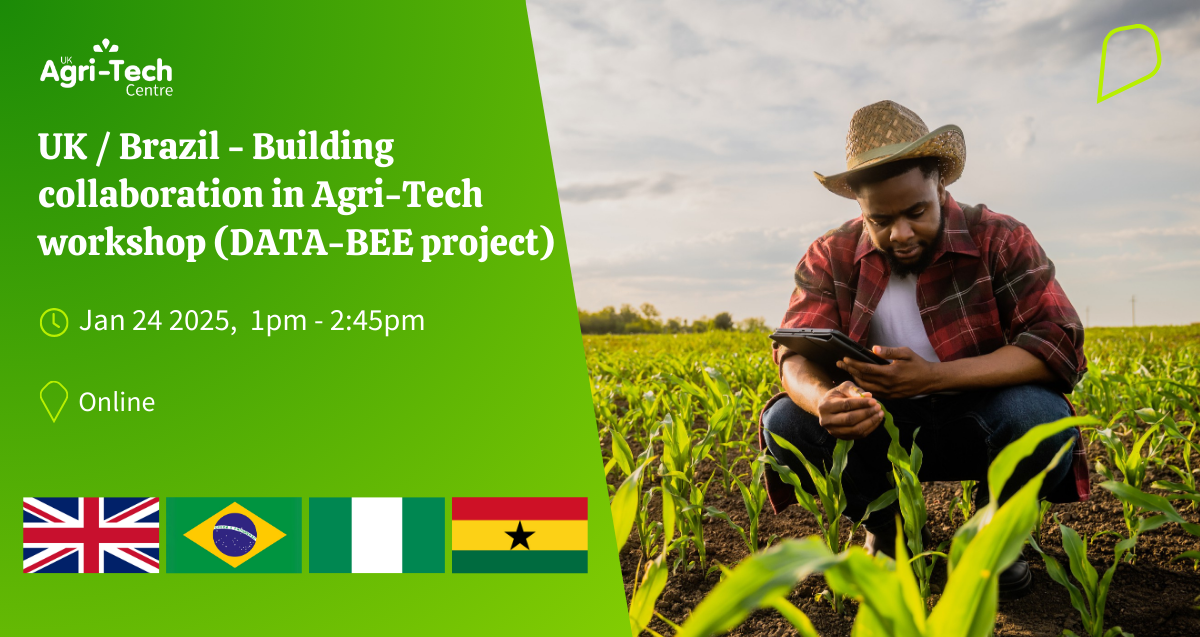
The UK has a new major project that is a tripartite relationship between Brazil, the UK, and Nigeria. It is called the Agritech. The UK Agritech Centre, as an organisation, comprises 300 members from the private sector and academia, and they bring to Nigeria science and technology-based solutions. https://ukagritechcentre.com/event/uk-brazil-building-collaboration-in-agri-tech-workshop/ 

Thursday, May 23, 2024

South-South and Triangular partnerships for agri-food system transformation


24 May 2024. South-South and Triangular partnerships for agri-food system transformation

The Association of Commonwealth Universities (ACU) organized 3 meetings as follows:

  1. Agri-food System Transformation and Climate Change, 24 May 2024
  2. Health, (Mal)Nutrition, Diets and Food Awareness in the Agri-Food System, 31 May 2024
  3. (Re)Valuing Food, Generational Change and Wellness, 7 June 2024

The cross-cutting themes that informed these meetings were:

  1. Research Approaches in the Agri-food System
  2. (In)Equity in Agri-food Systems
  3. Agri-food systems Policy and Capacity-building

Each workshop was divided into three parts. 

  1. The first session addressed the ways in which the ACU could support the efforts of its members by leveraging its experience in delivering projects and programmes to strengthen capacity, fostering international mobility through funding awards and administration, and representing the sector through policy and advocacy. ACU is well-placed to facilitate capacity strengthening given its extensive experience delivering transformative educational and research opportunities, brokering national and global partnerships, and strengthening institutional capacity through individual, institutional, and inter-institutional support.

    Shared resources: 

    Ramdas, S. R., & Pimbert, M. P. (2024) A cog in the capitalist wheel: co-opting agroecology in South India. The Journal of Peasant Studies, 1–23.
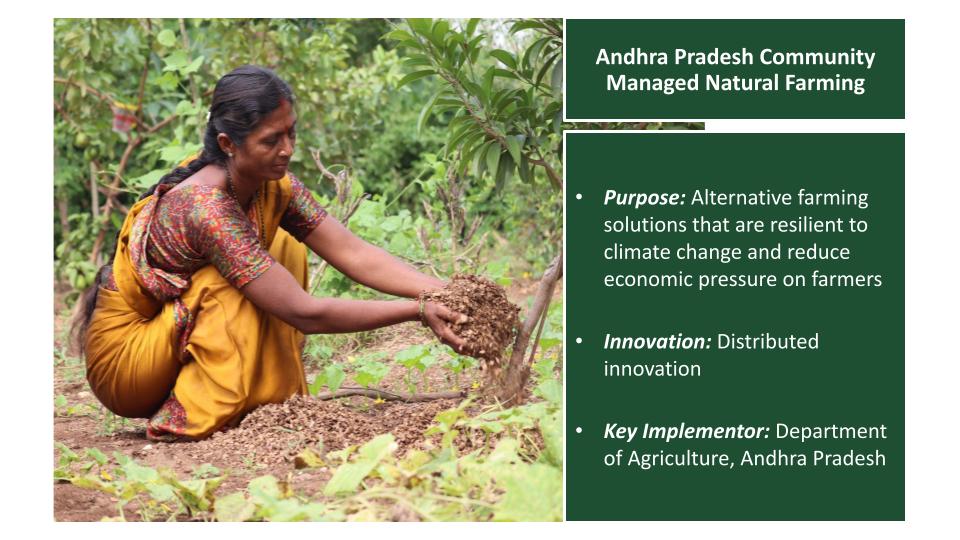
    • Despite claims to the contrary, APCNF is locked in an unchanged productivist paradigm controlled by capital in collaboration with the state. By co-opting agroecology, APCNF closes down options for a just transformation of the dominant agri-food regime.
    • See also PAEPARD blogpost: Opinion: The utilitarian approach of agroecology

    Levidow (2018) Sustainable Intensification: Agroecological Appropriation or Contestation?
    For at least the past decade, global institutions have been promoting sustainable intensification
    (SI) to raise yields with less environmental harm through a broad ‘toolkit’ including
    agroecological methods. In the European context, agri-intensification has diverse forms and
    policy agendas.


  2. The second session focused on further distilling cluster research topics under each of the themes identified for each meeting. Here, the aim is to gain a better understanding of pressing issues that require research attention and the ways in which loosely formed clusters could aid in their advancement through clearly identifiable and achievable steps and goals within the ACU’s purview.
  3. The third session engaged a discussion around pedagogical approaches to teaching and learning about the agri-food system, curriculum-building, fostering critical thinking, and sharing best practice among others.

RESNET


In partnership with FAO, the Association of Commonwealth Universities (ACU) is running a one-year pilot programme to develop a researchers’ network (RESNET) to address complex and multifaceted issues underpinning agri-food system transformation.

The vision for RESNET is a global platform designed to facilitate South-South and Triangular Cooperation on agri-food system research. Triangular Cooperation involves Southern-driven partnerships between two or more developing countries supported by a developed country(ies)/or multilateral organisation(s) to implement development cooperation programmes and projects.

The aim is to stimulate learning, problem-solving and co-production of knowledge in this area. The programme will involve bringing universities and cross-disciplinary academics together, as well as research centres and relevant bodies from across the Commonwealth, and beyond.

RESNET supports capacity strengthening, knowledge sharing, and the formation of South-South and Triangular Research clusters on agri-food systems transformation. This approach reflects the interests of ACU members whose research seeks to explore the many, interconnected factors shaping agri-food systems transformation at different scales and in different locations.

In February 2024, the ACU held its first stakeholder engagement meeting attended by agri-food systems researchers across the UK, and in Brazil, Colombia, Peru, Singapore, and South Africa. During this meeting, several issues were discussed related to inequity in the agri-food system, research approaches, and multi-level agri-food system policy. Inequity in the agri-food system and capacity strengthening were identified as cross-cutting themes in the development of RESNET beyond the pilot phase.

In the remainder of RESNET’s pilot phase, the ACU will hold three stakeholder consultations with agri-food systems researchers across the Commonwealth and beyond, including one in May 2024 on agri-food systems transformation and climate change. This process will allow us to continue to refine the mission, vision and activities associated with RESNET should it be extended beyond the pilot phase.


Thursday, March 28, 2024

Donors as investment catalysts in the agri-SME finance market

28 March 2024
. Donors as investment catalysts 

Recording forthcoming

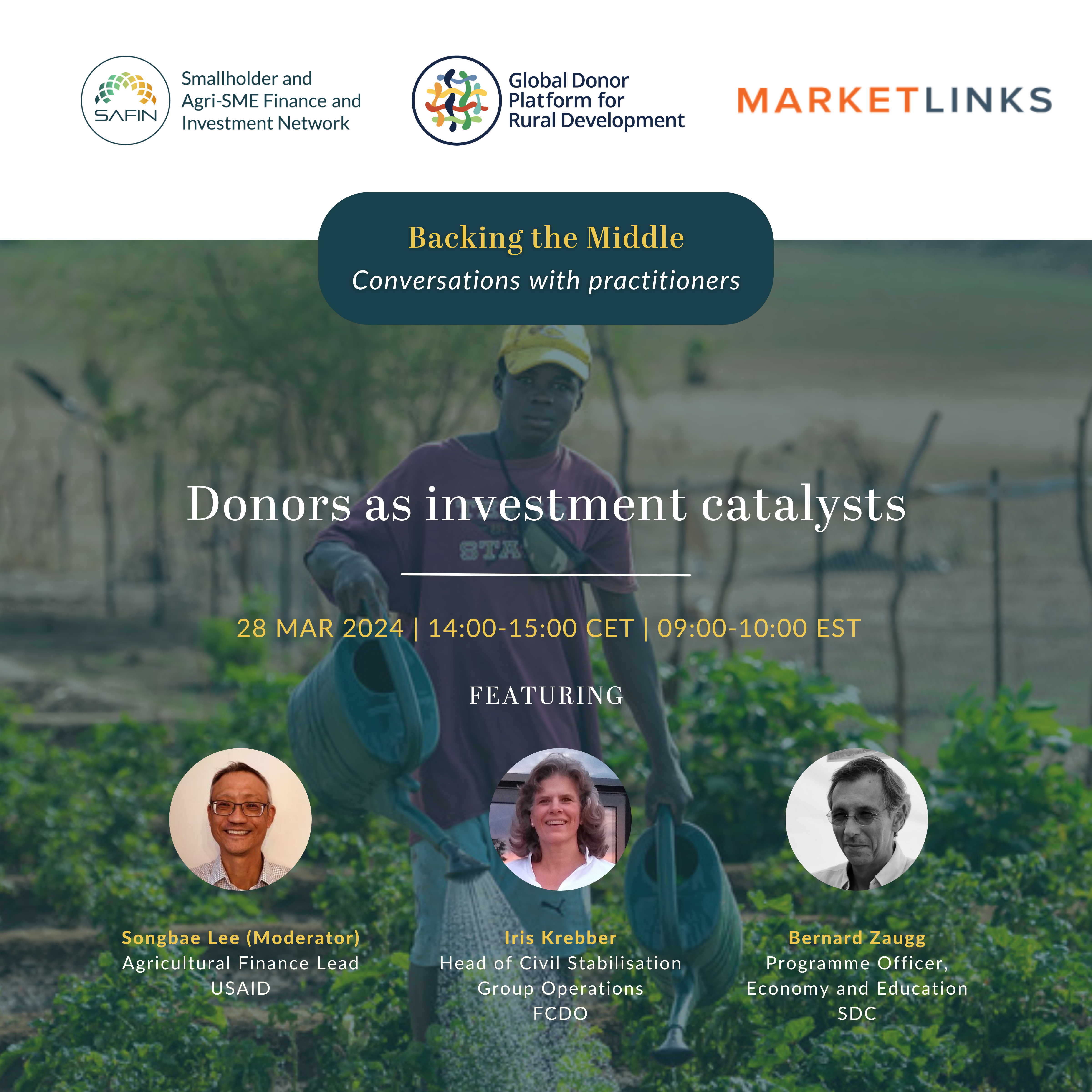
Session two of the ‘Backing the Middle’ series. This session hosted a discussion with donors to discuss where concessional capital is best utilized in the agri-SME finance market.

With declining rates of official development assistance (ODA), donor countries have employed innovative ways to attract more investment from the private sector to agriculture, notably through blended finance instruments. 

Session two of our ‘Backing the Middle’ series hosted a discussion with donors to discuss where concessional capital is best utilized. 
  • Should development finance focus on investment funds, financial incentive models or technical assistance to move the needle in agri-SME finance? 
  • Is there a better way to use these funds for higher impact on the performance of small agricultural enterprises and the farmers they serve? 
  • What does the evidence from years of donor engagement in agricultural development tell us?
This second session was co-organized by SAFIN, the Global Donor Platform for Rural Development and Market Links, and is part of SAFIN and USAID’s ‘Backing the Middle’ webinar series.
  • Songbae Lee, Agriculture Finance Team lead, U.S. Agency for International Development (USAID) (Moderator)
  • Iris Krebber, Head of Civil Stabilisation Group Operations, UK Food Security and Land, Foreign, Commonwealth & Development Office (FCDO)
  • Bernard Zaugg, Programme Officer, Economy and Education, Swiss Agency for Development and Cooperation (SDC)

Shared resource:

OGL (2023) International development in a contested world: endingextreme poverty and
tacklingclimate change
A White Paper on International Development November 2023, #155 p.

This White Paper sets out a re-energised international development agenda, for the UK, working with its partners, based on the following priorities: 
  • going further, faster to mobilise international finance to end extreme poverty, tackle climate change and biodiversity loss, power sustainable growth and increase private sector investment in development • strengthening and reforming the international system to improve action on trade, tax, debt, tackling dirty money and corruption, and delivering on global challenges like health, climate, nature and energy transition 
  • harnessing innovation and new technologies, science and research for the greatest and most cost-effective development impact 
  • ensuring opportunities for all, putting women and girls centre stage and investing in education and health systems that societies want 
  • championing action to address state fragility, and anticipate and prevent conflict, humanitarian crises, climate disasters and threats to global health 
  • building resilience and enabling adaptation for those affected by conflict, disasters and climate change, strengthening food security, social protection, disaster risk financing and building state capability 
  • standing up for its values, for open inclusive societies, for women and girls, and preventing roll-back of rights

Extract: Case Study 6: Financial Sector Deepening Africa (FSD Africa) 


(page 55) Established in Nairobi in 2012 by the UK, FSD Africa is a specialist development agency
working across more than 30 African countries to address challenges stopping finance getting to where it is most needed. 
  • FSD Africa has helped mobilise £2.7 billion of capital, increased access to financial services for 12 million people and to basic services for 4.7 million. It advises on policy and regulatory reform and supports innovative transactions like green and gender bonds. In 2019, FSD Africa worked with Acorn Holdings to issue the first green bond in Kenya, to finance environmentally sustainable student housing, which co-listed in Nairobi and London. 
  • FSD Africa strengthens financial systems by putting in place core market infrastructure such as its ongoing work to establish a new securities exchange in Ethiopia. FSD Africa and FCDO’s research supports high-risk high-impact projects like Cavex (
    Carbon Value Exchange
    ) from initial idea to scalable platform. 

Cavex (Carbon Value Exchange)

Cavex has the potential to go to scale like mobile money did 15 years ago when M-PESA spearheaded a global wave of digital finance. 
  • Cavex is a highly innovative platform that utilises digital technologies to increase trust, equity, and transparency in the voluntary carbon markets. Cavex enables access to critical carbon financing for small-scale projects across the Global South, which currently struggle to participate given the high up-front cost and time required for carbon credit validation, issuance, and brokerage.
  • Cavex has been incubated by 4RDigital with support from FCDO, The Shell Foundation, and FSD Africa.
  • Cavex will connect companies in countries like the UK that want to offset their carbon emissions, with the innovators and rural households in Africa that want to switch from open fires to clean energy stoves. Embedded
    chips in the stoves enable auditors to confirm the stoves are being used and the carbon saved. Mobile money platforms, such as M-PESA, can then enable tens of thousands of households to directly benefit from these carbon credits, typically worth $40 a year. 
  • Cavex aims to channel $500m of climate finance to many organisations and individuals across Africa by 2030 and support the removal or avoidance of 100m+ tonnes of carbon offsets. 

FSD Africa is also pioneering nature finance on the continent through the launch of the African Natural Capital Alliance – as part of a strategy focused on driving investments which deliver for both people and planet
  • Its mission is to catalyse nature-positive African economies, enabled by a financial sector that recognises and acts on nature-related risks and opportunities.
  • Working across public and private sectors, the African Natural Capital Alliance supports approaches to policy, regulation, and investment that maximise the opportunities for sustainable growth from and for Africa’s natural capital.

Related: 22 February 2024 Session 1 Highlights

Investors typically shy away from lending to smaller agricultural enterprises, because the financial costs and risks often don’t match the financial returns of these investments. The first session of the ‘Backing the Middle’ webinar series explored this notion, looked first at how some investors are using innovative tools to reduce the overall cost to serve small businesses in the sector and then discussed whether smaller enterprises can cumulatively generate more social returns than larger ones in terms of job creation, resilience and sustainable development.