Platform for African – European Partnership in Agricultural Research for Development
Showing posts with label CIRAD. Show all posts

Tuesday, July 14, 2026

Radiation entomology and the Sterile Insect Technique (SIT)

14 July. Irradiation Applications in Sterile Insect Technique (SIT) Programs for the Mediterranean Fruit Fly (Ceratitis capitata).

This webinar was organized in collaboration with AARINENA and the General Directorate of Agricultural Research and Policies (TAGEM), Ministry of Agriculture and Forestry of Türkiye. It brought together leading experts in radiation entomology and the Sterile Insect Technique (SIT) to discuss the application of irradiation in Mediterranean fruit fly management programmes.

The webinar covered the principles of SIT and its integration into pest management strategies, the use of gamma and X-ray irradiation to sterilize Mediterranean fruit flies, irradiation dose optimization, insect quality assurance, mass rearing, and operational aspects of SIT implementation. Speakers also shared experiences from national and regional SIT programmes, highlighted recent advances in radiation entomology, and discussed opportunities for strengthening regional collaboration in sustainable fruit fly control.
  • Moderated by Dr. Didem KÖKDEN, International Relations Coordinator at TAGEM.
  • Dr. Ümran Akkan Demirer, Head of the Biotechnical Control Department, Bornova Plant Protection Research Institute (TAGEM), who will present the operational implementation of SIT, including mass rearing, sterilization, quality control, and field application.
  • Dr. Dilan Özmen, Senior Researcher at the TENMAK Nuclear Energy Research Institute, who will present irradiation technologies for sterile insect production, dose optimization, and quality assurance.

Note: 

Türkiye's Sterile Insect Technique (SIT) programme progressed more slowly than anticipated because it remained in the research, development and pilot implementation phase for many years. The programme focused on developing domestic capacity—including mass rearing of Mediterranean fruit flies, genetic sexing strains, irradiation protocols, quality control, and release technology—before moving to operational field releases. In recent years, with continued technical support from the IAEA, Türkiye has accelerated implementation: in 2025 the Bornova Plant Protection Research Institute installed and calibrated a new ground-based sterile insect release system and began pilot releases in citrus orchards in İzmir, confirming that the national programme is actively expanding rather than being discontinued.

Jordan’s Mediterranean fruit fly SIT programme was interrupted mainly because it depended on sterile flies shipped from Guatemala, making it vulnerable to long transport times, flight cancellations, and stricter aviation security after September 2001, which sometimes caused shipments to arrive late or in poor condition. Regional political and security tensions also complicated coordination among Jordan, Israel, and the Palestinian Authority, while the absence of a nearby mass-rearing facility limited reliable expansion. The programme itself was technically successful in suppressing fruit fly populations, but these logistical and geopolitical constraints led to interruptions and encouraged a shift from eradication toward sustained suppression.

Note:

This CIRAD workshop aims to bring together key players to accelerate the operationalisation of SIT within an integrated health vision. It will bring together scientists, French public health stakeholders (Regional Health Agencies, Santé Publique France, Ministry of Health, Mosquito Control Services) and foreign stakeholders, international SIT experts and private vector control operators.

Note: 

The International Atomic Energy Agency (IAEA), through the Joint FAO/IAEA Centre of Nuclear Techniques in Food and Agriculture, supports several Sterile Insect Technique (SIT) programmes in Africa. 

These programmes use gamma- or X-ray irradiation to sterilize male insects before releasing them into the environment, reducing pest populations without pesticides. SIT is currently being applied primarily against tsetse flies, fruit flies, and, increasingly, disease-transmitting mosquitoes.


Success stories

  • The Joint FAO/IAEA Centre is testing induced genetic variation for insect pest resistance as an alternative to other techniques. Seven African countries are participating in this project, with a focus on the cowpea pod borer. Early success has already been demonstrated by one participating research group in India.
  • The IAEA, in cooperation with the FAO, has helped Morocco achieve its first victory in the ongoing campaign to suppress the Mediterranean fruit fly. Moroccan counterparts have received the training and equipment necessary to detect and respond in a timely manner to any incursion by other fruit fly pests, which is a prerequisite for sustained suppression using the SIT. 
  • The IAEA, in cooperation with the FAO, helped Senegal to suppress pest populations by applying the SIT. The disease that tsetse flies transmit can kill livestock or make them sick. The tsetse fly populations in the entire project area are suppressed by more than 97%, resulting in a very low prevalence of the disease trypanosomosis that the flies transmit. This resulted in a significant increase in milk yields, and a ten-fold increase in the use of imported, more productive, exotic cattle with a positive overall return on investment. 
  • A new fruit fly mass rearing facility in Mauritius went into service in August 2019, with the capacity to produce 15 million flies per week. The target is to release the sterile flies in fruit and vegetable production areas to suppress fruit and vegetable infestations in selected areas. 
  • The IAEA, in partnership with the FAO, has provided technical support to a false codling moth project in South Africa. The insects are produced locally in a mass rearing facility and released in the citrus production areas. The release period is from September to June over a period of ten months, with 40 million moths per week released throughout 16 500 hectares.


African Regional Cooperative Agreement for Research, Development and Training related to Nuclear Science and Technology (AFRA) network


AFRA is an intergovernmental agreement of 39 African Member States established in 1990. Supported by the IAEA, it strengthens peaceful nuclear applications in agriculture, human health, water resources, and industry.AFRA works directly with specialized regional networks and centers to build local expertise:
  • AFRA-NEST: The African Network for Education in Nuclear Science and Technology (AFRA-NEST) harmonizes curricula, awards scholarships, and facilitates the exchange of students and researchers across the continent.
  • RDCs: AFRA utilizes over 30 designated Regional Designated Centres (RDCs), such as the Graduate School of Nuclear and Allied Sciences (SNAS) in Ghana and the University of Alexandria in Egypt, to conduct master's fellowship programs.Thematic Focus: Cooperative projects span six main areas, including sustainable energy, radiation safety, and nuclear security.


Tuesday, June 16, 2026

From Pesticide Reduction to Agricultural Transformation

10 June 2026. Responsible Pesticide Use and Agricultural Transition in Tropical Agriculture

Agrinatura brought together researchers, development practitioners, and agricultural experts from across Europe and beyond for a timely discussion on responsible pesticide use and the future of agricultural transitions in tropical farming systems. The webinar highlighted growing international interest in reducing dependency on hazardous pesticides while simultaneously addressing broader challenges related to food security, farmer livelihoods, biodiversity conservation, public health, and agricultural competitiveness. Rather than viewing pesticide reduction as a stand-alone objective, participants emphasized the need for integrated approaches that strengthen the resilience and sustainability of entire farming systems.

A central focus of the discussion was the PRETAG initiative, led by CIRAD, which is working with partners across Africa, Asia, Latin America, and Europe to identify practical pathways towards safer crop protection systems. The initiative combines research, innovation, stakeholder engagement, and policy analysis to better understand how farmers can reduce reliance on hazardous pesticides. Evidence presented during the webinar showed that many commonly used pesticide substances raise significant environmental and health concerns, reinforcing the need for diversified solutions such as integrated pest management, biological control, agroecological practices, and biodiversity-based farming systems. Participants agreed that successful transitions require action at multiple levels—from farm management and value chains to national policies and institutional frameworks.

One of the strongest messages emerging from the consultation was that farmers must remain at the centre of agricultural transformation efforts. Speakers stressed the importance of recognizing local knowledge, addressing gender and labour dimensions, and ensuring that innovations respond to the realities faced by smallholder producers. Participants also highlighted the untapped potential of biocontrol and bioprotection solutions, while cautioning that technological substitutions alone will not deliver lasting change. Instead, sustainable agricultural transitions require coordinated investments in knowledge systems, farmer empowerment, policy support, and ecosystem-based approaches that build resilience over time.

Looking ahead, the webinar generated strong support for creating an Agrinatura platform or task force to coordinate expertise, strengthen collaboration, and position the network within emerging Team Europe initiatives. Participants identified opportunities to mobilize funding through Horizon Europe, Global Gateway, DG INTPA programmes, and public-private partnerships, while also calling for stronger coordination among existing projects to avoid duplication and amplify impact. As pressure grows to transform food systems in ways that are environmentally sustainable, economically viable, and socially inclusive, the Agrinatura community sees an important opportunity to contribute knowledge, innovation, and partnerships that can support agricultural transitions across the Global South.


Resource: 

CIRAD (2026) Reducing pesticide use in tropical agriculture for human and ecosystem health 8 p.

Five multi-stakeholder dialogue platforms associated with the five value chains studied in PRETAG
(banana, cocoa, coffee, vegetables, rice) have provided insights into the role of collective action in
reducing pesticide use. 

Four major steps appear to characterise the progression of these platforms towards agricultural systems with reduced reliance on pesticides:
  1. Sharing knowledge on pesticide use and possible pathways for reduction, as well as identifying lockins and potential incentives to stimulate pesticide reduction at the stakeholder level;
  2. Co-constructing a common vision of the transition and an action plan based on theory of change and impact pathway methodologies (using for example the ImpresS approach);
  3. Fostering co-innovation and scaling up based on genuine knowledge sharing;
  4. Developing market strategies that can valorise the transition through process-based certification or company-level standards

Thursday, April 30, 2026

UPRISE: a Horizon Europe collaboration translating research into practical, scalable solutions for safer and more resilient food systems

15 April 2026.
 The AU-EU High Level Policy Dialogue on Science, Technology and Innovation, hosted by the European Commission, serves as a platform for regular exchanges on research and innovation policy. It aims to formulate and implement long-term priorities to strengthen Africa-Europe cooperation.

The first 2026 edition of the AU-EU High Level Policy Dialogue newsletter highlights key developments in African Union - European Union research and innovation cooperation, from policy to priority areas of interventions, such as agriculture, health, climate action and innovative technologies.

UP-RISE was featured as an example of demonstrating innovative solutions in food safety, sharing the release of the 10 business cases and practice abstracts showcasing successful agri-entrepreneurial solutions; an example of how Horizon Europe collaboration is translating research into practical, scalable solutions for safer and more resilient food systems.

Links


UPRISE Bootcamp in Kenya July 2026

UP-RISE has selected ten business cases involving agri-entrepreneurs active in both the informal and formal markets of Benin, Côte d’Ivoire, Nigeria, Kenya and South Africa. 

  • These cases form part of the development and implementation of co-created solutions across the five traditional fermented food value chains. The call for the selection of the 10 fermented food processors was awarded on 7 December 2024 and will run until the end of UP-RISE (31 December 2027).
  • The 10 selected agripreneurs from Benin, Côte d’Ivoire, Kenya, Nigeria, and South Africa gathered for the very first time in Nairobi.
  • Beyond the roadmap, the group hit the ground identifying key learning goals and sharing real world challenges in certification, packaging, management and communications. 
  • Upcoming program journey: Baseline & Interviews, Specialised webinar series, Individual mentoring, In-Person Bootcamp July 2026


Thursday, March 12, 2026

Tailor financing strategies for scaling project-based innovations in agri-food systems


This policy brief is built on a portfolio analysis [1] of 15 EU-funded research and innovation (R&I) projects conducted between 2014 and 2024, aimed at fostering sustainable agri-food systems beyond the EU, through international partnerships, particularly with low- and middle-income countries (LMICs). 

The projects contributed to strengthening local R&I ecosystems, promoting inclusive stakeholder engagement, and delivering innovative solutions to complex challenges such as climate change and food insecurity. However, the analysis identifies persistent gaps, 
including limited LMIC inclusion, short project durations, misalignment with national policies, and inadequate mechanisms for long-term impact evaluation. 

The brief recommends transitioning to multi-phase funding models, enhancing co-design and equitable programming, and investing in digital infrastructure and capacity-development. It advocates for stronger public-private partnerships, improved policy integration, and the creation of innovative funding mechanisms to support LMICs and increase their participation. Ultimately, the brief calls for a more inclusive, long-term, and impact-oriented approach to EU-funded agricultural R&I to drive global food system transformation.

Related: 


Technologies, practices, organisations or services in a given territory or sector, other actors must take over to organise and facilitate all the changes and capacity building 
that will enable the innovation to be deployed.

This is where tailored financing strategies become critical to ensure that multidimensional and multilevel interventions, activities or services can be pursued to support innovation scaling, moving the innovation from one stage to another. The absence of an adequate financing strategy with an explicit scaling strategy traps innovations in a stagnation chasm before they achieve diffusion and scaling.

Related


Willem Heemskerk and Bertus Wennink (Eds.) (2005) STAKEHOLDER-DRIVEN FUNDING MECHANISMS FOR AGRICULTURAL INNOVATION Case studies from Sub-Saharan Africa
Bulletin 37. 128 pp.

This review examined various experiences describing the performance of stakeholder-controlled funding mechanisms, such as competitive grant schemes (CGSs) and public-private sector matching funds. In countries such as Tanzania and Benin innovative approaches for sustainable stakeholder-driven funding mechanisms have been developed over the last decade. 

These experiences were documented in this bulletin, describing best practices and identifying lessons learned. In partnership with KIT (Royal Tropical Institute), specific case studies from Tanzania and Benin were developed by the stakeholders involved and were discussed at local workshops. The overview and the specific cases were further analyzed via a SWOT analysis, and a synthesis was produced of the main findings. 


Tuesday, October 21, 2025

2025 International Forum on Agroecosystem Living Labs


15 - 17 October 2025. INRAE and Agriculture and Agri-Food Canada (AAFC) organised the second International Forum on Agroecosystem Living Labs (IF-ALL 2025). 

It was an update on this new approach around the world.

Building on the success of the first forum held in Montreal in 2023, which brought together the international community of Living Labs in agroecology, the aim of this second edition was to take stock of research, actions and lessons learned in the use of this new approach around the world.

Over three days, the event featured discussion panels and parallel sessions of scientific papers to establish state-of-the-art practices, share success stories from case studies, and address the challenges facing the international agroecology Living-Lab community. 

The Forum also featured networking events and field tours aiming to generate dialogue and create an inspiring space for collaboration and action.

Extracts of the programmme

15/10 Virtual Posters

  • The Agroecology Partnership, an EC-funded initiative valuing living labs to drive engagement in the agroecological transition - Le Gall Olivier ANR. 72 partners across 26 Member States, Associated Countries, and Third Countries support an agriculture sector that is fit to meet the targets and challenges of climate change, biodiversity loss, food security and sovereignty, and the environment, while ensuring a profitable and attractive activity for farmers.
  • Agroecology Partnership: Living labs and the monitoring of agroecology transitions as part of a nested socio-ecological system - Mark Caulfield, Wageningen University & Research
  • Participatory rural innovation lab: towards a sustainable agrifood system in the context of climate change - Vanegas Cubillos + Martha Cristina, Alliance Bioversity and CIAT
  • Explicit engagement principles support the performance of agroecological living landscapes (ALLs) in terms of fostering transdisciplinary research and the co-design of solutions - Lisa Elena Fuchs Alliance Bioversity-CIAT
  • Co-designing and Implementing Biomass Circularity at the Territorial Level through Rural Living Labs: Insights from a Transdisciplinary and Participatory Approach in Madagascar - Tiago Teixeira + da Silva Siqueira Cirad
  • A Circular Bioeconomy Living Lab for Agro-Ecological and Energy Transitions: The Case of the Tropical Territory of Réunion island Tiago - Tiago Teixeira + da Silva Siqueira Cirad
  • An Agroecological living lab (ALL) as a factory of agroecological trade-offs in favor of sustainable food systems in two terroirs of Niger - Sophia Alami CIRAD
  • Participatory innovations for low emissions food systems: lessons from living labs in China, Colombia, Kenya and Vietnam - Ryan Nehring, International Food Policy Research Institute, IFPRI
  • Engaging in global policy discourse for effective transition of smallholder farming into agroecological systems with the Rio Conventions’ lens - Cargele Masso One CGIAR
  • Innovating together for sustainable solutions: The WasiLab Living Labs initiative - Marie Agarrat IRD. WasiLab/Ecuador is the first interdisciplinary centre for sustainability sciences in Latin America, and stands out for its innovative scientific approach. Using living labs – a method in which citizens, residents and users are considered key players in the research and innovation process, to encourage participative and committed research – WasiLab encourages transformative and collaborative research while investing in local development.

16/10 Key European initiatives on Living Labs approaches

  • EU Partnership and Mission: AGROECOLOGY Partnership & A Soil Deal for Europe, Luis Sánchez Álvarez (European Commission, DG Agriculture and Rural Development)
  • EU and beyond: A Global Mapping of Living Labs in Agroecology - Audrey N’gom (INRAE, AGROECOLOGY Partnership, IF-ALL Organizing Committee)

17/10 How can we leverage agroecosystem living labs to establish sound science–society–policy interfaces for evidence co-creation, management and brokerage?

  • Chair : Allison Loconto (INRAE, IF-ALL Scientific Committee, Chair)
  • Katharina Helming (ZALF, IF-ALL Scientific Committee)
  • Lisa Elena Fuchs (CGIAR, Alliance of Bioversity International and CIAT)
  • Heather McKhann (INRAE, Representative in Brussels)
  • Luis Sánchez Álvarez (European Commission, DG AGRI)


Parallel sessions - extracts

Theme 1 - Fostering transitions

  • From Living Labs to the Living Landscape: Thinking transition through a culture of experimentation in rural spaces. - Marc Piraux (CIRAD)
  • NATAE: Fostering agroecological transitions in North Africa through Living Labs - Mark Caulfield (Wageningen University & Research)
  • From Living Labs to the Living Landscape: Thinking transition through a culture of experimentation in rural spaces. Marc Piraux (CIRAD)
  • Multi-stakeholder platforms for the governance of agroecological transitions: A typology and lessons from seven Agroecological Living Landscapes Angela Navarrete-Cruz (Alliance Biodiversity & CIAT)

Theme 2 - Empowering participation

  • Supporting community-driven and evidenced-based innovations in investment projects: lessons learnt from IFAD and implications for agroecosystem Living Labs in development - Myrtille Lacoste (IFAD)
  • Methods for fostering transdisciplinary research and co-design of agroecological solutions through structured Vision-to-Action (V2A) processes in multi-stakeholder spaces - Lisa Elena Fuchs (Alliance Biodiversity-CIAT)
  • Putting co-design to the test: a Living Lab in Kenya Birgit Habermann (ILRI)
  • Lost in Navigation? Ensuring Living Lab Frameworks Stay on Course with Local Needs - Etienne Delay (CIRAD)

Theme 3 - Monitoring and Evaluating success

  • Agricultural Living Labs: Bridging Transformative Learning Michelle Bonatti (ZALF)
  • Applying Utilization Focused and Developmental Evaluation: a Case Study in a Living Lab in Keur Moma Sarr, Senegal. - Marie-Danielle Sarr (ISRA BAME)
  • Developmental evaluation to track progress and learn from Living Labs - Erwan Sachet (CIRAD)
  • Navigating co-creation processes to build sustainable agroecological systems - Mireille Matt (INRAE)

Theme 4 - Promoting Innovation

  • Are organic amendments useful only for soil fertility management? A co-innovative study case from Central Argentina's peri-urban horticultural systems - Gaona Flores Maria Amparo (INTA)
  • Co-designing technical Innovations in the context of Agroecological Living Landscapes. Approaches, results, and cross-country learnings - Bernard Triomphe (CIRAD)
  • The living lab as a tool to support farmers in the agroecological transition in Sub-Saharan Africa: case of Lac de Guiers in Sénégal - Rahim Ouedraogo (CIRAD)

Theme 5 - Integrating Policy

  • The Multistakeholder collaboration framework, the agency and stakeholder theories intertwine in setting up an agroecology living lab for international Agricultural development – Case of Cocoa in Cameroon - Precilia Tata Ngome (IRAD) Institute of Agricultural Research for Development Yaounde, Cameroon 
  • Governance Structures of Agroecological Living Landscapes in Five Countries, Angela Navarrete-Cruz (Alliance Biodiversity & CIAT)

Theme 6 - Enabling research

  • Siliana Living Lab: a platform for agroecological transition in cereal plains - Inès Zouari (National Institute of Agronomy of Tunisia)


Resources

REPORT ON THE FIRST IF-ALL, CANADA, 2023


Monday, September 8, 2025

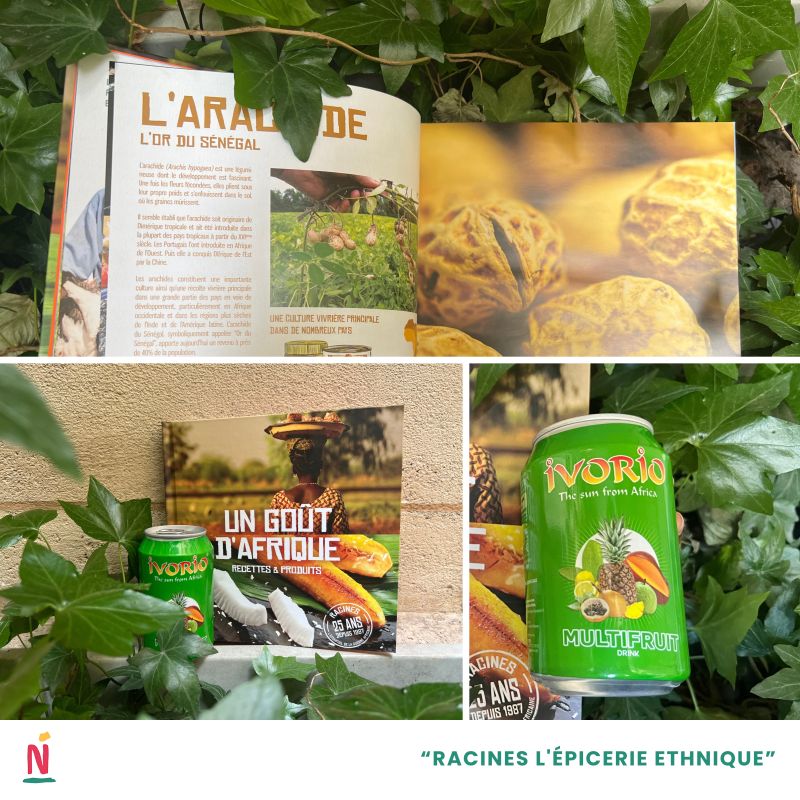
Racines, the ethnic grocery store of Sub-Saharan Africa and the Indian Ocean

Racines, l’épicerie ethnique de l’Afrique Sub-saharienne et de l’Océan Indien / Racines, the ethnic grocery store of Sub-Saharan Africa and the Indian Ocean

RACINES was built on enabling members of the sub-Saharan African and Malagasy diaspora to have access to the products they consume “at home”. Racines has grown gradually over the years, reaching a turnover of 22 million euros in 2020.

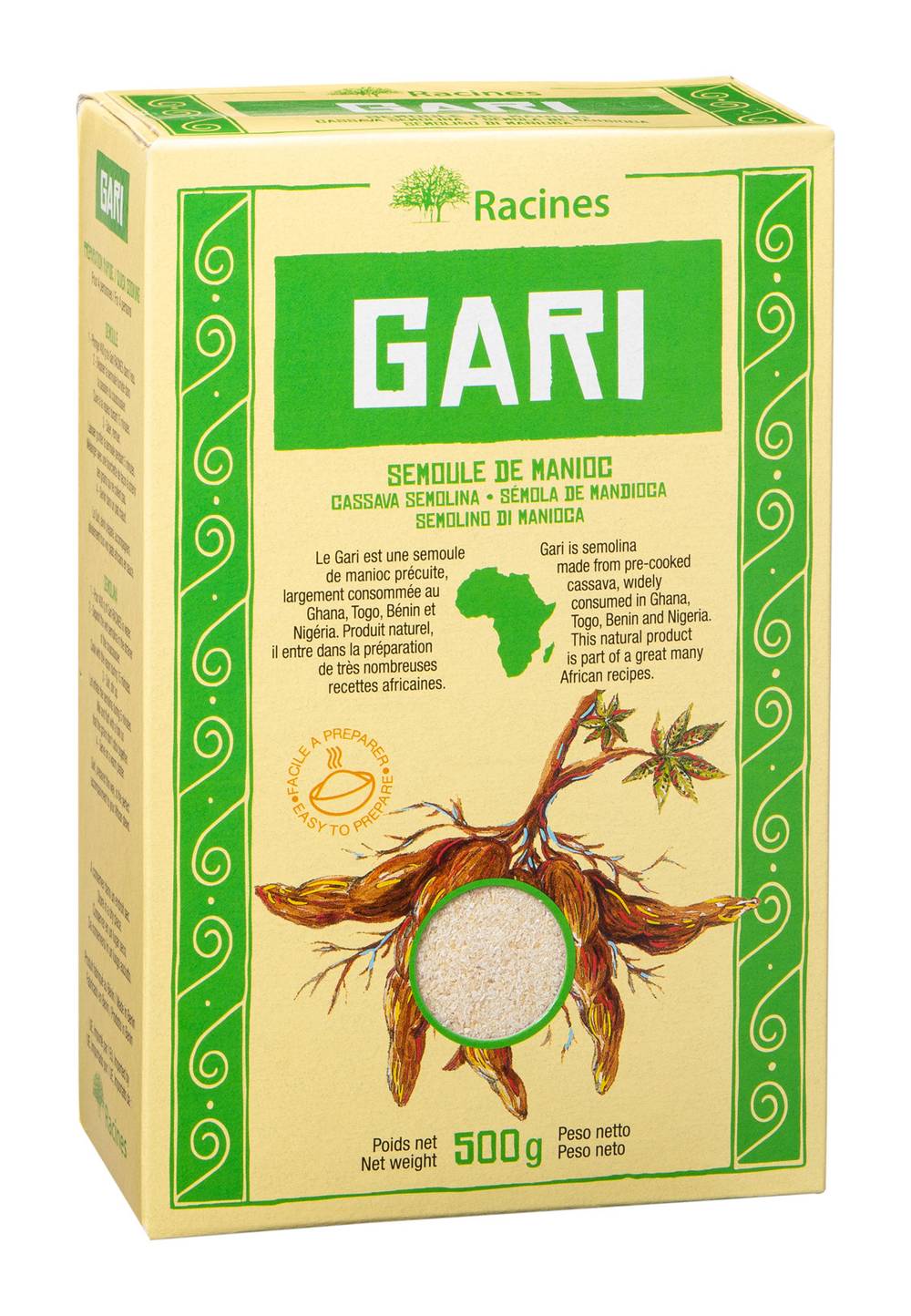
In 1987, more specifically in Togo,  RACINES wrote the first pages of its history, through the creation of a
gari (fermented cassava semolina)
production workshop. Hand in hand with CIRAD (Centre for International Cooperation in Agricultural Research for Development), Racines then attempted to promote this traditional product, to structure and enhance the local sector and to reduce the arduousness of manual labor.

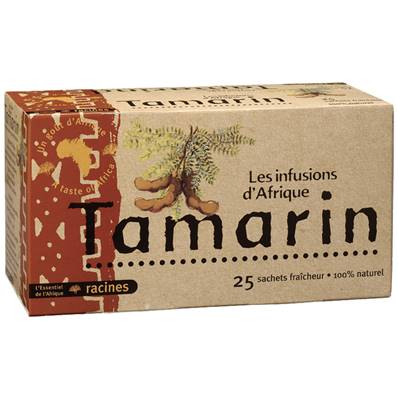
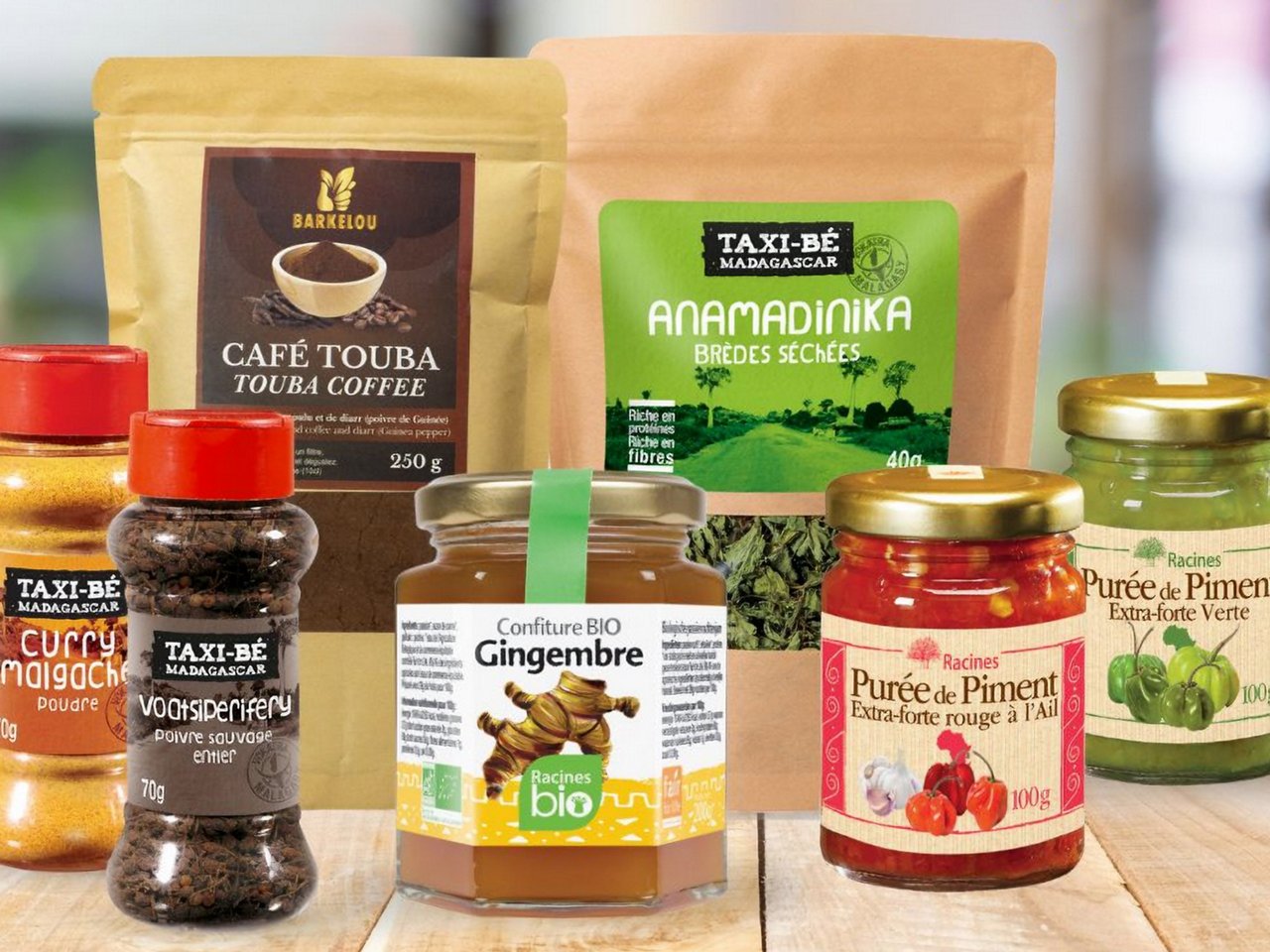
Over the decades, and well beyond its distribution activities, Racines has developed genuineexpertise in African and Indian Ocean products. It helps structure supply chains, provide outlets for agricultural products, and build trusting relationships with its many partners in the field. This expertise in creating agrifood ecosystems has led to the creation of its own brands: RACINES, RACINES BIO, MATAHI, TROFAI, VILLAGEOISE, STARLING, and BONMAFE,  to offer quality products from short and perfectly controlled supply chains, from field to fork.

In 2018, Racines began the process of certifying our Fair for Life (FFL) products. In
2021
, 10 sectors were certified: Hibiscus, Plantain, Cassava, Sweet Potato, Turmeric, Pineapple, Guava, Passion Fruit, Mango, Papaya. In order to guarantee the authenticity of its products, Racine has set up workshops in the countries, sometimes even directly in the fields where they are cultivated: in Senegal, Benin, Madagascar.

To facilitate the movement of the products it distribute and to apply European food standards, it  established the RACINES headquarters in Montpellier. Located in the heart of Agropolis, RACINES participates in research and development programs for the development and improvement of food products from Africa and the Indian Ocean.

"As major players in the culinary culture of Africa and the Indian Ocean, we are the guarantors of the transmission of these traditions. A responsibility of which we are proud."

Opinion:"Racines", an opportunistic company tapping on Africa's culinary tradition and food heritage?

The perception of Racines as opportunistic stems first from the imbalance between its stated mission and its business practices. While the company emphasizes its role in providing diaspora communities with familiar foods and preserving culinary traditions, its operations are largely profit-driven. 

By positioning itself in Montpellier and aligning with European food standards, Racines primarily caters to European consumer markets and regulatory frameworks rather than fostering equitable partnerships with African producers. This strategic positioning can be seen as a way to legitimize and commercialize African and Indian Ocean food products under a European lens, with limited attention to fair trade or reinvestment in the regions where these traditions originate.

Secondly, Racines benefits from the symbolic capital of African heritage without necessarily acknowledging or sharing value with the communities who created and sustain these food cultures. The African diaspora often perceives this as cultural and economic extraction: while their traditions provide the foundation for Racines’ business, the ownership, branding, and economic gains remain concentrated in Europe. For many, the company’s narrative of "heritage preservation" appears more like marketing rhetoric than a genuine commitment to empowering African producers, improving livelihoods, or reinvesting in food systems back home. The resulting disconnect erodes trust and reinforces suspicions of opportunism.

Finally, there is a broader historical context of exploitation that shapes this perception. Africa’s agricultural products and culinary heritage have long been appropriated, commodified, and repackaged for external profit. In this light, Racines’ activities are interpreted not as a unique case of diaspora service but as a continuation of structural inequalities in global food trade. By situating itself as the gateway through which African food heritage is accessed in Europe, Racines is perceived to be monopolizing and profiting from cultural roots that belong to communities still marginalized in global markets. For members of the African diaspora, this dynamic underscores the sense that their cultural traditions are being capitalized upon without meaningful reciprocity.


Friday, July 4, 2025

Participatory Foresight for Sustainable Agrifood Systems Through Agroecology

3 July 2025. Participatory Foresight for Sustainable Agrifood Systems Through Agroecology

This webinar unveiled the key outcomes and tools from the Foresight for Agroecology project, implemented by FAO and CIRAD, with financial support from GIZ on behalf of BMZ (2022 – 2025). 

The project leverages foresight approaches to support transitions towards sustainable agrifood systems through agroecology. Key tools include a global guidance document for decision-makers, as well as key lessons and insights from two participatory foresight exercises conducted in Andhra Pradesh (India) and Senegal. 

The event addressed critical questions: 
  • Are foresight initiatives currently integrating agroecological pathways?
  •  Which actors are involved in foresight exercises, and do they represent a variety of experiences, disciplines, and viewpoints 
  • What metrics and methods are needed to develop scenarios for inclusive and sustainable agrifood systems? 
  • How can foresight approaches evolve to better support transitions towards sustainable agrifood systems?

Monday, March 3, 2025

Mettre en lumière les liens entre Agroécologie et Nutrition

28 February 2025. Mettre en lumière les liens entre Agroécologie et Nutrition. Salon international de l'Agriculture - Sur le stand Cirad - AFD

Nutrition is a key issue for CIRAD, AFD and the European Union, which are working to better integrate this theme into the transformation of food systems. Malnutrition, in all its forms – whether undernutrition, micronutrient deficiencies or obesity – has irreversible consequences on the physical and cognitive development of individuals, with direct repercussions on the well-being of populations and the economy of territories. 

More than just a health issue, strengthening nutrition within food systems allows for the adoption of a global and systemic approach, in which agroecology plays a key role. 

This side event highlighted the importance of transforming food systems for better nutrition, by demonstrating how agroecological practices can contribute to this. It was based on the presentation of a study conducted in Senegal by the Nutrition Research Facility (NRF), as part of the Knowledge and Research For Nutrition project funded by the European Union.
  • Cecile Adam, livestock, health and phytosanitary risks, nutrition editor at the Ministry of Europe and Foreign Affairs
  • Arlène Alpha, researcher at CIRAD, NRF expert
  • Ali Bety, project team manager at AFD
  • Rachel Bezner Kerr, professor at Cornell University, NRF expert
  • Jean-René Cuzon, project team manager coordinator at AFD
  • Guy Faure, senior policy officer at the European Commission, INTPA F3
  • Moustapha Seye, socio-anthropologist at LARTES-IFAN/UCAD, NRF expert

Monday, February 24, 2025

Launch of the Regional Multi-actor Research Networks on Agroecology (RMRM-EA).

18 February 2025. With the support of the European Union, Directorate-General for International Partnerships (INTPA), icipe and partners have launched the Regional Multi-actor Research Networks on Agroecology (RMRM-EA). This initiative will boost agroecological practices, thus contributing to much needed transformation of agri-food systems in sub-Saharan Africa.

Agroecology applies ecological and social principles into sustainable food and farming systems. The approach optimizes the interactions among plants, animals, people and the environment. It promotes socially equitable food systems, allowing individuals control over their food choices and production. As both a science and a movement, agroecology has evolved beyond farms and fields to encompass entire agricultural and food systems. Thus, agroecology is now a transdisciplinary field incorporating ecological, socio-cultural, technological, economic and political dimensions, spanning from production to consumption.

To be implemented from Dec 2024 – Nov 2028, the RMRM-EA, will be led by ICIPE - International Centre of Insect Physiology and Ecology in partnership with the Cirad - La recherche agronomique pour le développement, Easteco, Biovision Africa Trust. The collaborators are University of Nairobi, Makerere University, Sokoine University of Agriculture; KALRO, Tanzania Agricultural Research Institute, and National Agricultural Research Organization; International Institute of Tropical Agriculture (IITA) Alliance of Bioversity International and CIAT.

The RMRM-EA will address critical aspects to unlock the potential of agroecology in Africa. These areas include generation of new knowledge, competencies and policies required to address complex problems and cocreate solutions. In alignment, the objectives include development of an agroecology curricula, strengthening of the capacities of national agricultural research systems to produce, collect, access, process and share data and information; implementation of contextualized agroecological innovation bundles; and support on agroecology to practitioners, scientists and policy makers various scales.

Monday, November 4, 2024

Tropical Summit & South-South-North triangular cooperation - Portugal

4–8 November 2024. Lisbon, TROPICAL SUMMIT - Foreseeing Answers to Global Challenges
Tropical Summit: A unique multi-actor forum to achieve the 2030 Agenda through triangular cooperation.

The main objectives of Tropical Summit are to promote the transfer of knowledge, stimulate multidisciplinary collaboration and the involvement of stakeholders, and contribute to the co-creation and innovative projects, capitalizing and densifying existing initiatives and collaboration platforms for the rapid implementation of tangible and robust solutions. The focus will be on South-South-North triangular cooperation and 4 thematic areas:
  1. ‍PLANETARY HEALTH: Nurturing life within the global boundaries
  2. AGRICULTURAL DEVELOPMENT: Sustainability as a path to socioeconomic progress
  3. TERRITORIAL AND SOCIAL TRANSITIONS: Building resilient spaces and societies in every dimension
  4. HUMAN GROWTH: Empowerment and technology for the times ahead

Extracts of the programme

5/11 High-level Session

  • Carmen Neto - Minister of Fisheries and Marine Resources
  • Florbela Paraíba - President of Camões I.P
  • Jeffrey Sachs - President of the UN Sustainable Development Solutions Network
  • Maria da Graça Carvalho - Minister of the Environment and Energy
  • Ravi Khetarpal - Executive Secretary of Asia Pacific Association of Agricultural Research Institutions (APAARI)
  • Ubiraci Pataxó - Master of Knowledge and President of the Korihé Institute

5/11 Catalyzing agro-ecological transitions in the tropics in the context of climate change

Parallel Session - Roundtable
‍Organised by : FARA / CORAF / CCARDESA / RUFORUM / JRC-ISPRA / AE-TPP (CIROF - ICRAF) / IFAD


This panel session discussed the critical role of agroecology in addressing food system challenges in Africa, particularly under the looming impacts of climate change. Opening remarks by Dr. Aggrey Agumya focused on the need for a robust ten-year agricultural strategy from FARA that acknowledges the benefits of agroecology, a point furthered by Dr. Guy Faure’s insights on EU support and the importance of innovation and market access for agroecological systems. Dr. Marc Corbeels highlighted the detrimental effects of climate change, indicating changes in temperature and rainfall that could reduce crop yields. Discussions led by Prof. Rachel Wynberg outlined fundamental principles and necessary transformative approaches to agroecology. The session identified key action items for scientists, researchers, policymakers, and research institutions to bolster evidence, innovation, market access, and research capacity, while also addressing the challenges of urbanization and waste management in agroecological practices. Overall, the meeting underscored the urgency of catalyzing agroecological practices as a resilient response to climate change and food security challenges in Africa.
  • Aggrey Agumya, FARA
FARA is developing 10-year agricultural strategy for Africa. No mention of agroecology in the strategy despite efforts. Lack of evidence cited as reason for not featuring agroecology prominently. Call for scientists to provide more concrete evidence on agroecology benefits.
  • Guy Faure, EC-INTPA
He emphasized need for innovation in agroecology to boost production, Highlighted importance of better market access for agroecological farming systems, EU is funding regional multi-actor research networks to strengthen research capacity
  • Marc Corbeels, CIRAD

    He presented the CANALLS project. This research project aims to drive agroecological transitions in the humid tropics of Central and Eastern Africa via multi-actor transdisciplinary Agroecology Living Labs (ALLs) and providing holistic agroecological solutions that meet the challenges of the local food systems. The ALLs are based in 

    1. DEMOCRATIC REPUBLIC OF CONGO: Bunia in DRC (Lowlands/ cocoa) + Biega in DRC (Highlands/ coffee) + Kabare (Highlands/ coffee) + Uvira (Lowlands/ cassava, rice)
    2. CAMEROON: Ntui (Lowlands/ cocoa) 
    3. BURUNDI Giheta (Highlands/ coffee) + Bujumbura (Lowlands/ maize)
    4. RWANDA Kamonyi (Highlands/ cassava)

  • Rachel Wynberg, University of Cape Town

    She presented the RAENS research project: Research for Agroecology Network Southern Africa

    She referred to the book

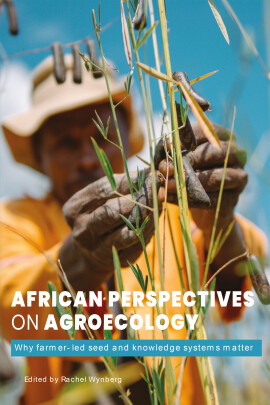
    Rachel Wynberg (2024) African Perspectives on Agroecology Why farmer-led seed and knowledge systems matter # 398 pp.

    This book offers a contribution that is enriched by the collaborative, creative, and critical voices of African farmers, activists, scientists, scholars, and policymakers. Their viewpoints combine in this volume to articulate a shared and dynamic vision of a world where agriculture is productive, diverse, and sustainable; where different ways of seeing and knowing are respected; and where seed and food systems are in the hands of farmers and local communities.

  • Baitsi Podisi, CCARDESA


06/11 Agricultural Development


  • Keynote - Sammy Aggrey Professor in Genetics and Genomics at the University of Georgia, Athens
  • Bongiwe Njobe - Forum for Agricultural Research in Africa (FARA)
  • Karen Montiel - Technical specialist, Inter-American Institute for Cooperation on Agriculture
  • Ravi Khetarpal - Chair of the Global Forum on Agriculture Research and Innovation (APAARI)
  • Sylvain Perret - Director of Agrinatura
  • Moderator: Oseyemi Akinbamijo Former Executive Director of FARA

06/11 Building Climate-Resilient Agri-Food Systems: Case Studies and Indicators

Parallel Session – Project Showcase
  • Transformative Agri-Food Supply Chains for Climate Resilience – Which indicators are suitable to measure resilience and social transformation? - Christine Altenbuchner, BOKU University
  • Agroecological Solutions for Resilient Farming in West Africa - The Cape Verde Case Study - Miguel Ribeiro, ADPM - Associação de Defesa do Património de Mértola
  • Variability and Trends in the Beginning and End of the Rainy Season in West Africa. The Guinea-Bissau case study - Orlando Mendes, National Meteorological Institute; Institute of Geography and Spatial Planning
  • Sustainable Aquaponics for Food Security in SIDS: A Case Study of São Tomé and Príncipe - Britta Kautzman, School of Agriculture; Lisbon School of Economics & Management
  • INNOECOFOOD - Eco-innovative technologies for improved nutrition, sustainable production and marketing of agroecological food products in Africa - Ana Faria, CIIMAR – Interdisciplinary Centre of Marine and Environmental Research

    INNOECOFOOD aims to establish innovative production/ business ECOHUBS and improve local aquaculture farms using AI and IoT in six African countries. To support EU-AU markets and trade, INNOECOFOOD will train rural farmers, youth and women to innovatively produce and process nutritious aquaculture catfish and tilapia, blue-green cyanobacteria spirulina, and insect value chains that will be processed into certified marketable human food products and feed. 

    The project aims to establish ECOHUB farms in six African countries, Kenya, Uganda, Ghana, Namibia, Tanzania and Egypt, where sustainable cultured fish, Spirulina (a green-blue algae) and insects will be produced using innovative artificial intelligence technologies and climate-friendly renewable local energy sources, with optimized production-processing-operation-marketing. This project will also lead to the employment and training of local people with low socio-economic status in these ECOHUB farms, enabling them to sustainably continue the production chain and cycle in the ECOHUB farms, and to produce and process certified, marketable food and industrial products from these innovative farms, thus providing the potential for sustainable social impact.

  • Soil Salinity and Saline Agriculture in Eastern & Southern Africa: Experiences from a Regional Technical Network Initiative - Jakob Herrmann, Weltweit – Association for the Promotion of Local Initiatives e.V.; Martin Luther University Halle-Wittenberg, Soil Science and Soil Protection

06/11 Transforming African farming and food systems through research and innovation – A presentation and discussion with six EU-H2020 projects

  • Adam Standring, Instituto Superior de Economia e Gestão
  • Idalina Dias Sardinha, Instituto Superior de Economia e Gestão
  • Giles Young, Natural Resources Institute Finland (Luke)
  • Helena Serrano, Faculty of Sciences - University of Lisbon
  • Cristina Branquinho, Faculty of Sciences - University of Lisbon
  • Mary Steverink-Mosugu, ISRIC - World Soil Information
  • Giovanna Seddaiu, University of Sassari
  • Harun Cicek, Research Institute of Organic Agriculture
  • Fernando Sousa, Research Institute of Organic Agriculture
  • Vladimir Mrkajić, InoSens
  • Mila Sell, Natural Resources Institute Finland (Luke)

6/11 Reflections of Agroecology as pathway to climate change adaptation and mitigation


Parallel Session – Roundtable
Organised by: FARA / CORAF / CCARDESA / RUFORUM / JRC-ISPRA / AE-TPP (CIROF - ICRAF) / IFAD

This Panel Discussion  brought together experts to address the critical role of agroecology in achieving sustainable agricultural systems amidst climate challenges. The panelists identified research gaps, including the pressing need for improved dialogue between scientists and policymakers regarding soil health and agroecological practices. 

Key presentations focused on evidence supporting agroecology's benefits for food security and sustainability, alongside the importance of translating research into actionable policies. The discussion also emphasized participatory approaches to certification, farmer compensation for ecosystem services, and fostering effective communication strategies to bridge the gap between science and policy. Collaborative efforts between FARA and Ruforum were highlighted as essential for advancing research and addressing the challenges of farmer adoption of agroecological practices while ensuring immediate economic benefits. Action items include conducting quantitative studies on agroecological impacts and developing compensation schemes for ecosystem service providers.
  • Alex Awiti, CIFOR-ICRAF
  • Khamis Fathiya, ICIPE
  • Irene Kadzere- Forichi, FiBL
  • Emmanuel Njukwe, CORAF
  • Felix Rembold, Food Security Team Leader at the Joint Research center of the European Commission EC-JRC

    He presented findings from systematic reviews on agroecology impacts, discussed positive impacts on food security, socioeconomic factors, and food system sustainability, highlighted ongoing review on climate change mitigation and adaptation and he emphasized the need for more quantitative data and modeling.

    He has led the development of the anomaly hotspots of agricultural production and was one of the initiators of the African Post Harvest Losses Information. He has lived in Africa for several years and contributes to numerous international research and cooperation projects together with the EU delegations, UN and local organizations.
Transcript of Felix' contribution:

When yesterday I heard in the introduction of Dr. Aggrey Agumya (FARA) that there are still ongoing discussions, even at a very high level and a very strategic political level, where the availability of scientific evidence that proves the potential of agroecology to have an impact on food security, on socioeconomic aspects, on climate change adaptation, and that this is still questioned, I was really feeling to be in the right discussion. 

The Joint Research center's core mission is to provide scientific evidence to European policymakers. And this includes agroecology. We are not engaged in primary research about agroecology. So in the last three years, together with other research centers such as CIRAD but also several European universities, we have started several systematic scientific reviews of scientific literature and also meta analysis. We have already published the results of three of them. 
  1. The impacts of agroecology on food security in comparison with conventional systems.

    The first review was specific to developing countries and 19 out of 26 are in Africa. It was an opportunity to characterize what agroecological practices are being implemented and are most used by farmers in those 19 African countries.There is a clear positive impact of agricultural practices on food security. It's not only through yield and production, but it's also very clearly in terms of
    increased availability of nutritious food and dietary diversity (the link between food security and health).
  2. Socioeconomic impacts.   In 80 peer reviewed papers scientific we found clear positive association with farmers income, with revenue and also with efficiency and productivity. Of course, agroecology is labor intensive and can increase costs. But we also know that it is always a question of trade offs and cost benefit. It is important to look very specifically at local context to understand whether the overall effect on income prevails on the increase of costs or on pressure, for example on gender inequality that can be linked to the increase of labor need.
  3. Food system sustainability.There is clearly less literature available on this. We compared the principles of agroecology with the food systems framework and food systems sustainability dimensions.Biodiversity has a positive impact on food systems. Increased biodiversity. Synergies in crop livestock systems or increased soil fertility with organic material in the soil and above the soil creates a number of synergies that support sustainable food systems. 
We are currently close to finalizing a review of 16,000 scientific papers about the potential of agroecology in terms of climate change mitigation and adaptation. 

Climate change mitigation:
  • There is strong evidence that agroecology has a potential to reduce greenhouse gas emissions in particular CO2 and N2O thanks to the reduced carbon intensive inputs and thanks to the use of less fossil based fertilizers. From the 16,000 papers 300 papers have been full text contributions and some have quantitative data. There is scientific evidence about the fact that the agricultural practices can clearly and strongly increase the carbon stocks in the soil through the various practices from mulching to practices that increase organic material in the soil and agroforestry which clearly contributes to Carbon Sequestration 
  • Rice producing systems are contributing very strongly to methane. Methane can be reduced by different agroecological practices. The same applies also to livestock. It's a body of evidence which cannot be ignored and which can guide also political dialogue and policy dialogue and decisions for adaptation. 

Climate change adaptation:
  • there is a strong body of evidence that some aspects or some practices in agroecology and in particular diversification at the farm level clearly has a strong potential to contribute to climate change adaptation. 
  • Increased biodiversity can support resistance to drought or drought tolerance. 
Challenges:
  • One of the challenges with the scientific reviews was to take into account practices which are not named as Agroecology. Another challenge throughout all these reviews is that we most of the time find papers or work on single practices. So the complexity and the systemic aspects are very difficult to evaluate. 

  • Policymakers need not only conclusions about the potential and whether the associated  impact of agricultural practices is positive or neutral or negative. They need also more quantitative data. And this is something we started working on and I think also other research centers are working on. 
  • We need to do more modeling so that we can also provide quantitative information, possibly in local contexts and not just globally. 
  • A lot of research is focused on the farm and on production aspects and not on the other parts of the food system. So there is clearly a gap. The identification of this gap is the second benefit of literature review, after identifying the main comparative advantages of agroecology with conventional: what are the research gaps? This is also something we are discussing with the colleagues of RUFORUM, FARA others. What are the research gaps so that new initiatives can focus on those gaps.
Resources

07/11 FOOD4WA: Sharing Africa's Centers of Excellence and Innovative Agricultural Solutions with the World

Parallel Session - Project Showcase & Debate
Organised by: Food for West Africa Network

In line with strengthening Inter-ACE collaborations, various thematic networks have been created under the ACE Impact Project. The Food for West Africa (FOOD4WA) is one of eight thematic networks established with the aim of advancing collaboration on cutting edge research, to address food insecurity challenges within the region. The Network headquarters are based at the Regional Center of Excellence on Poultry Sciences (CERSA) of the University of Lome-Togo.
  • Eh Samba Sylla, Food for West Africa Network (FOOD4WA)
  • Centre of Excellence on Climate Change, Biodiversity and Sustainable Agriculture (CCBAD) of Côte d’Ivoire
  • West Africa Centre for Crop Improvement (WACCI)
  • CDA of Nigeria
  • AGRISAN of Senegal
  • CERSA from Togo

Thursday, October 17, 2024

Science and Innovation Forum 2024

16 - 18 October 2024
. The third edition of the Science and Innovation Forum (SIF 2024) of FAO -  theme Inclusive Science and Innovation for Agrifood Systems Transformation, Leaving No One Behind, under the umbrella of the World Food Forum (WFF), together with the Global Youth Forum and the Hand-in-Hand Investment Forum. This year’s theme is aligned with the WFF 2024 overall theme of Good Food for All for Today and Tomorrow.

This year’s notable participants include Rafael Mariano Grossi, the Director General of the International Atomic Energy Agency (IAEA), and two Nobel Laureates - Michael Kremer (Economics) and Carlos Nobre (Peace).

The forum’s technical sessions were organized around three critical themes: 
  1. Biotechnologies: Exploring the latest advancements and applications in biotechnology to enhance agricultural productivity, resilience, and sustainability.
  2. Community-Driven Innovations: Highlighting grassroots innovations and community-led initiatives that drive transformation of local and regional agrifood systems.
  3. Digital Agriculture: Examining the role of digital technologies, such as precision farming, Internet of Things, and Artificial Intelligence, in revolutionizing agricultural practices and improving supply chain efficiencies.
    * see event: 15/10 Harnessing data and innovation for Africa’s agrifood transformation
Below video was embedded to start with the presentation of Nobel Laureate - Michael Kremer (Economics) 

Reports launched


The opening day of SIF 2024 witnessed the launch of two reports: 


FAO’s Office of Innovation is working with CIRAD and other partners on an FAO Chief Scientist initiative on foresight on pre-emerging and emerging agrifood technologies and innovations, aligned with UN 2.0 and The Future of Food and Agriculture 2022: engaging all key actors of agrifood innovation systems in the foresight on pre-emerging and emerging technologies and innovations (PETIAS) to better prepare for alternative futures, feeding it into anticipatory action, and convening the global community for constructive multilateral dialogue and knowledge exchange. 
  • The aim is to support policymakers, investors and innovation actors in their approaches and decision making.
  • The study assesses a selection of technologies and innovations, which potentially could be of paramount importance in addressing agrifood challenges until 2050, as well as the most important trends and drivers that will influence the emergence of agrifood PETIAS and their triggers of change, including some regional aspects and stakeholders' perspectives. 
  • The goal is also to build plausible future scenarios for the evolvement of the PETIAS and innovation process governance in the future with the time horizon of 2050 to inform future-oriented policymaking.
  • The report is built with inputs from a multistakeholder Delphi survey, online and in presence workshops with experts and stakeholders, the FAO FSN Forum, as well as regional foresight exercises (Latin America and Central Asia and Caucasus).

17/10 programme


Inclusive AI to drive agrifood systems transformation 

Green Room / UNWebTV | Zoom Event

In this session a FAO staff member made a comparison between ChatGPT, chat.Mistral.ai and Gemeni.

Below video starts automatically @ 38:06. It includes an easy trick to import the transcribed text of the  conversation of the panel (as TXT document) to make a summary based on a prompt


Highlight:

Launch of 3rd round of Accelerator Mentorship Programme for Women-led SMEs in Africa


The event launched the third round of jointly-led FAO-IAFN initiative: Accelerator Mentorship Programme for Women-led SMEs in Africa. The initiative fosters 50 female entrepreneurs (mentees) across Africa, offering them mentorship from panel of experienced women entrepreneurs in the agrifood sector from around the globe. It contributes to more productive, sustainable and innovative agrifood systems by addressing social, economic, environmental and gender considerations.
  • Maurizio Martina Deputy Director-General, FAO 
  • Abebe Haile-Gabriel Assistant Director-General, FAO 
  • Carlos Watson Chief, Private Sector, FAO 
  • Caroline Wanjiru Mambo Chief Executive Officer, Wedgehut Foods Limited, Kenya
  • Elizabeth Kabakoyo Founder Glowish Agro Solutions, Uganda

    Glowish Agro Solutions is a social enterprise that increase agricultural productivity through theproduction of Eco organic fertilizer from agricultural waste that have improved agricultural productivity to small scale farmers in Uganda. We collect agricultural waste, cassava remains, and also banana peelings from community/farms to a production unit where it is turned into liquid biofertilizer. Our enterprise lies in the creation of regenerative solution, committed to fostering agricultural sustainability through innovation and social impact. Our journey began with an aim of providing 100% organic fertilizer, creating a regenerative solution that not only benefits the environment but also transforms the rural communities.

  • Robynne Anderson Secretary General, IAFN International Agro Food Network
    "Although we only trained 500 women, at the end we benefit 500,000 people)
  • Zainab Lawal Gwadabe Chief Executive Officer The Seed Project Co Ltd

This session discussed how rural communities can be engaged as leaders of innovation agendas and co-developers of solutions and empowered to engage the other stakeholders necessary to operationalize and scale their solutions for more sustainable agrifood systems.
  • Gabriela Quiroga Director of Strategic Partnerships, AgriCord, Belgium 
  • Eric von Hippel Professor at Massachusetts Institute of Technology (MIT) 
  • Gina Lucarelli Team leader, Accelerator Lab Network, UNDP 

    See PAEPARD blogpost Timbuctoo : Linking agricultural innovation to start-up accelerators

  • Astou Camara Director, BAME/ISRA, Senegal

    Santés & Territoires : La santé comme levier de développement dans le cadre de la transition agroécologique, living labs (Sénégal, Bénin, Laos et Cambodge.)
    Co-financé par l’AFD et l’Union Européenne (programme DeSIRA) et doté d’un budget de 6 millions d’euros (2021 - 2026)

  • Boniface Gomes Bangladesh Association for Sustainable Development (BASD) 
  • Gissela Davila Cobo Director general, CIESPAL - Centro Internacional de Estudios Superiores de Comunicación para América Latina, Ecuador
  • Isaac Muhofa Senior Venture Builder ROOTICAL, Uganda

    Example Garden Fresh: Annet Dianah Nannono: Garden Fresh develops natural solutions to extend shelf life in fruits and vegetables, in order to replace the use of harmful agrochemicals. Garden Fresh provides a solution to prolong the shelf life of fruits and vegetables by developing natural alternatives that prevent rotting and slow the ripening process.

  • Nzwaki Adonisi Moderator Impact Network Coordinator & Innovative Finance Specialist, WAI - Women in Africa Investments Group South Africa

    WAI (2024) WAI Group Impact Report - Women in African Investments # 51 pages

    Women in African Investments Group (WAI Group),
    founded in 2017 by Elizabeth Howard, is a network of over 250 senior female investment professionals and ecosystem builders who are shaping the investment industry in Africa. - 
    backing investment models that are designed by and for women in Africa. 

  • Srinivas Mangipudi Artist Director Arts & Applications, Socratus Collective Wisdom Corporation 
  • Aurelie Toillier Moderator for interactive part Scientist in Agricultural Innovation Systems, OIN, FAO


Two innovation stories and their pathways to scale were illustrated
  • Hlami Ngwenya Moderator GFRAS
  • Adesuwa Ifedi Senior Vice President of Heifer Africa 
  • Iddo Dror Programme Leader Impact at Scale Team, CGIAR 
  • Isabel Guerrero Director, IMAGO Global Grassroots 
  • Ivan Stefanic Programme Manager for food chain technologies, novel & sustainable food, EISMEA 
  • Juan Moreno Director, Procasur Megha Desai Senior Coordinator, Self Employed Women's Association (SEWA) Mohamed Manssouri Director of Investment Center, FAO 
  • Paul Harrison Director, Office of Agricultural Policy, Bureau of economic and business affairs, US Department of State

14 - 18 October Exhibition


SIF 2024 EXHIBITION Inclusive Science and Innovation for Agrifood Systems Transformation, Leaving No One Behind FAO Atrium | Zoom Event