Platform for African – European Partnership in Agricultural Research for Development
Showing posts with label Botswana. Show all posts

Friday, August 21, 2026

From Seed to Market: Strengthening Farmer-Managed Seed Systems for Safflower and Indigenous Crops in Botswana

Botswana’s dry and increasingly unpredictable climate makes the diversification of agriculture an urgent priority. One promising pathway lies in Farmer-Managed Seed Systems (FMSS) and greater investment in neglected and underutilized crops that are adapted to local conditions. 

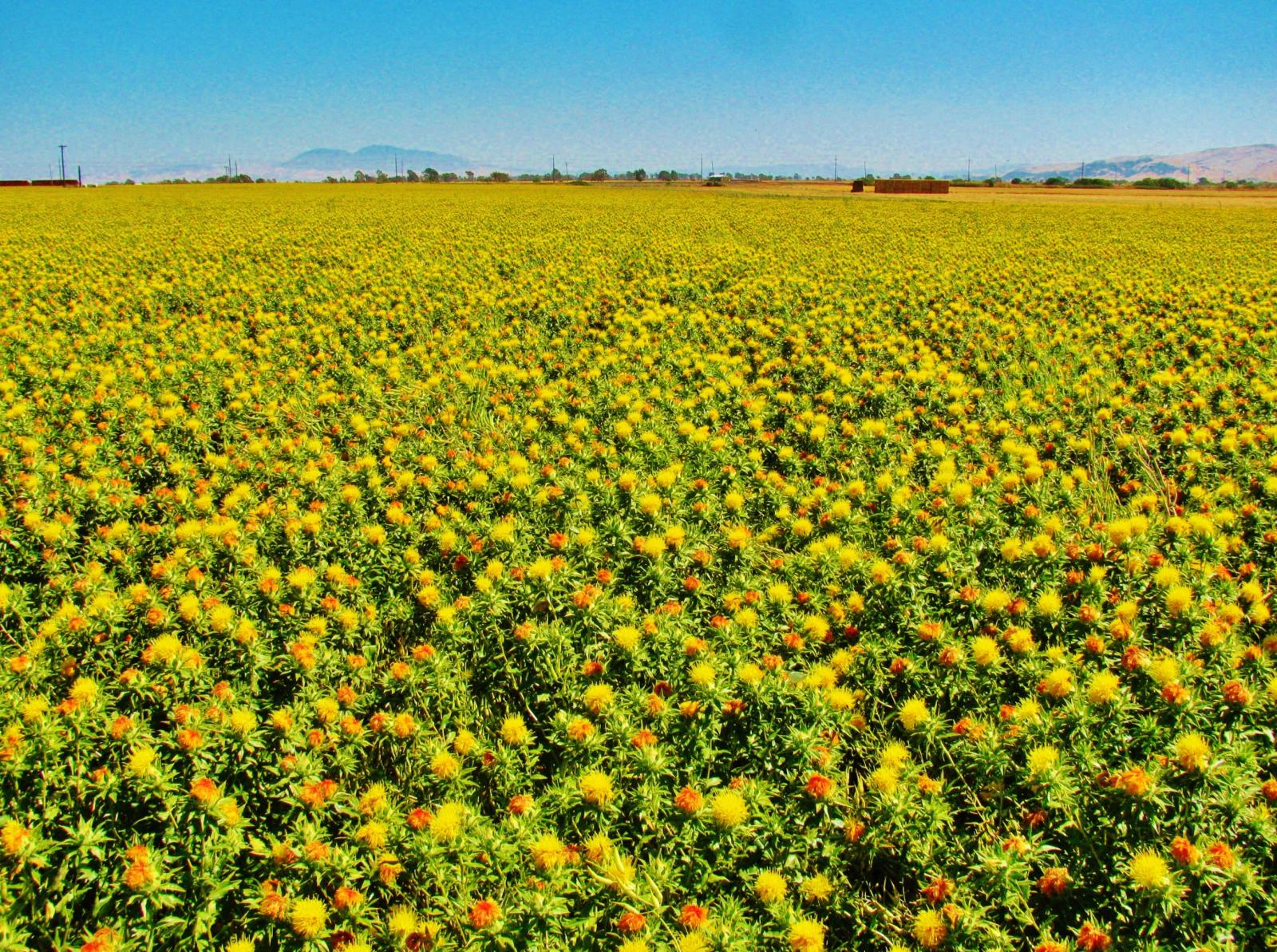
Safflower (Carthamus tinctorius) provides a particularly interesting example. Research by the Botswana University of Agriculture and Natural Resources (BUAN) has demonstrated safflower’s potential under Botswana’s semi-arid conditions, while farmers have begun multiplying seed and developing markets for products ranging from petals and herbal teas to animal feed and edible oil. Recent BUAN research found substantial differences among safflower genotypes and identified promising material for production in southern Botswana, confirming that research on crop diversity can directly support farmers in selecting varieties suited to local environments.

Resources:

The experience also illustrates why research on indigenous and locally adapted seeds should not stop at crop characterization or conservation. It needs to be connected to the entire pathway from seed to consumer. Farmer-managed seed systems can conserve diversity while continuously adapting crops through farmer selection and exchange. At the same time, universities and national research institutions can provide complementary evidence on agronomy, nutritional characteristics, yield, processing qualities and market potential. The safflower work in Botswana already demonstrates the value of such collaboration: research has been combined with farmer training, seed multiplication, product development and cooperation among universities, technical and vocational education institutions, government agencies, farmers and cooperatives.

1. Enabling seed policies: recognizing farmers as seed-system actors


A first requirement is an enabling policy environment that recognizes FMSS alongside the formal certified seed sector. Botswana's seed regulatory framework provides mechanisms for seed testing and certification, including access to seed-testing services for individual farmers, researchers and seed producers. However, farmer-managed systems require approaches that recognize that farmers do more than purchase seed: they select, multiply, conserve, exchange and improve planting material over generations.

This is increasingly part of the wider African seed-policy debate. The emerging African FMSS policy framework defines farmer-managed seed systems as community-based systems through which farmers conserve, select, produce, save, exchange and trade seeds, drawing particularly on traditional varieties, landraces and indigenous knowledge. Earlier proposals for an African legal framework have similarly called for farmer seed registers, appropriate quality assurance mechanisms, farmer seed committees and greater participation of farmers in seed-policy decision making.

For Botswana, this could mean developing proportionate pathways for registering and marketing farmer varieties and locally adapted seeds, supporting community seed banks and decentralized seed multiplication, and creating mechanisms through which farmer knowledge and research evidence can jointly inform variety evaluation. Rather than forcing every indigenous or farmer variety through a system designed primarily for highly uniform commercial varieties, policy could recognize diversity itself as an agricultural asset. Links between farmer seed networks, BUAN and national seed-testing and research services could provide quality assurance while maintaining farmers' capacity to conserve, exchange and further develop locally adapted genetic resources.

2. Value addition: turning seed diversity into economic opportunity


Conservation becomes considerably more sustainable when farmers can derive income from the crops they conserve. Safflower demonstrates the possibilities particularly well because
almost every part of the plant can generate value.
 
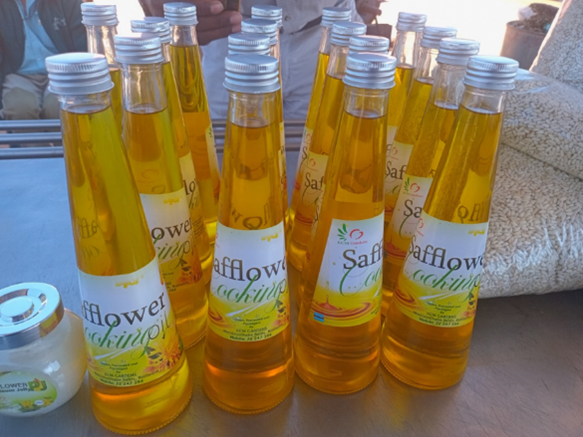
  • Seeds can be pressed into edible oil; 
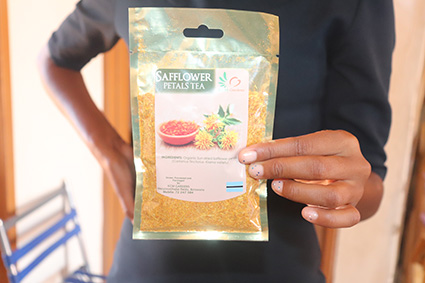
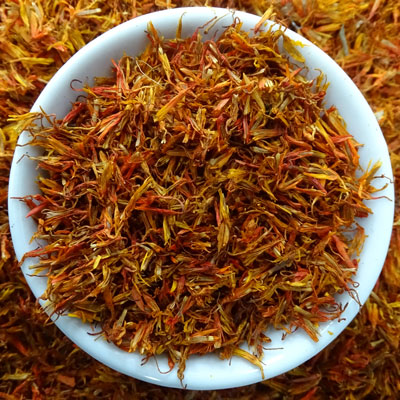
  • petals and other plant parts can be developed into herbal teas and food products; 
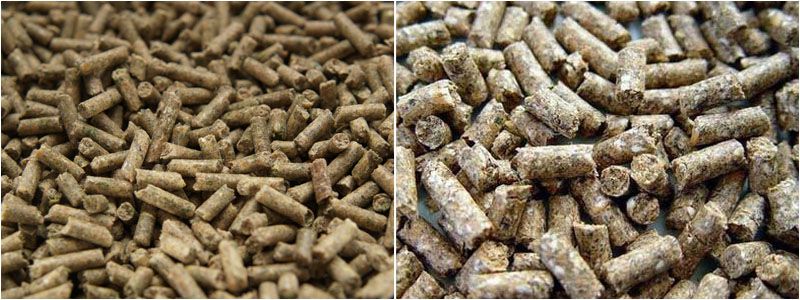
  • seed cake and biomass can become livestock feed; 
  • and safflower has potential applications in cosmetics, pharmaceuticals, textiles and other industries. Botswana farmers are already experimenting with several of these opportunities.
Research therefore needs to move beyond asking, “Which indigenous crops and varieties do we have?” towards asking, “Which products can be developed from them, who can produce these products, and which markets will pay for them?” This requires interdisciplinary research involving crop scientists, nutritionists, food technologists, economists and entrepreneurs working directly with farmers. Characterization of indigenous seeds could systematically include traits relevant to processing and markets—oil content, nutritional composition, taste, cooking characteristics, shelf life, processing efficiency and suitability for different food products.

This creates an important role for women and youth-led small and medium enterprises. Small-scale oil extraction, drying and packaging of safflower petals, herbal tea production, livestock-feed formulation and cosmetic products could generate businesses beyond primary production. The safflower Community Action Research Project has already demonstrated how research, training and value-chain development can be combined, including through farmer cooperatives and technical and vocational institutions. The same approach could be extended to Botswana's wider portfolio of indigenous and underutilized crops.

3. Processing and market development: creating demand for diversity


The third challenge is ensuring that increased production is matched by processing capacity and reliable markets. Farmers will have little incentive to maintain diverse crops if there is no buyer after harvest. Processing is therefore the critical bridge between agricultural biodiversity and commercial demand.

For safflower, this means moving progressively from selling raw seed towards locally produced cold-pressed cooking oil, packaged herbal teas, livestock feed, cosmetics and other higher-value products. Research can support this transition by testing processing technologies, establishing product-quality and food-safety standards, determining storage and shelf-life requirements and developing affordable equipment suitable for farmer cooperatives and rural SMEs. Botswana research has already established that safflower genotypes differ significantly in seed yield and oil characteristics, making the selection of varieties for particular end uses an important part of market development.
The Kiama composite is a promising safflower (Carthamus tinctorius) population for Botswana’s semi-arid farming conditions, particularly because a composite brings together useful genetic diversity rather than relying on a narrowly uniform cultivar. This diversity can give farmers greater scope to select and maintain seed under their own local conditions, making Kiama especially relevant to Farmer-Managed Seed Systems (FMSS), where continued adaptation, seed saving and farmer selection are important.

Market development must occur simultaneously. Public procurement, supermarkets, restaurants, tourism and hospitality businesses, school-feeding programmes and health-conscious urban consumers could all provide markets for products derived from locally adapted crops. Branding could emphasize qualities that differentiate these products: Botswana-grown, climate-resilient, locally processed and biodiversity-friendly. Farmer organizations and SMEs could also explore regional markets in Southern Africa once consistent volumes and quality standards are established.

The emerging safflower sector demonstrates that this is already more than a theoretical opportunity. In Kweneng North, farmers organized to multiply safflower seed, while farmers in Pandamatenga subsequently expanded production and began selling seeds and petals while exploring oil extraction. Collaboration with BUAN has helped transfer research findings to farmers and reveal additional uses and business opportunities.

Safflower has potential as a novel supermarket vegetable, with its young leaves and shoots marketed fresh as a nutritious leafy green, creating an additional high-value market alongside its flowers, seeds and oil.


Building an integrated "seed-to-market" model


The central lesson from safflower is that FMSS, research and enterprise development should not be treated as separate agendas. An integrated approach could connect:

Farmer seed selection and indigenous knowledge → research and characterization → community seed multiplication → enabling seed regulation → production → processing and product development → branding and market development → increased farmer income → stronger incentives to conserve crop diversity.

Such a model changes the way indigenous seeds are viewed. They are no longer simply genetic resources that need to be conserved before they disappear. They become the starting point for climate-resilient agricultural value chains. 
  • Farmers remain custodians and innovators of diversity, 
  • researchers help identify and improve its agronomic, nutritional and commercial potential, 
  • processors turn crops into attractive products, 
  • and markets provide the economic incentives needed to keep these crops in farmers' fields.

Botswana's experience with safflower offers a promising foundation. Research has shown that the crop can perform well under semi-arid conditions and has significant oil and product-development potential. The next opportunity is to apply this experience more systematically to indigenous and underutilized seeds: recognize farmer-managed seed systems in policy, connect research to farmer knowledge, invest in decentralized processing and value addition, and deliberately build markets for the resulting products. In this way, conserving agricultural biodiversity becomes not only a conservation objective, but a strategy for rural enterprise development, food and nutrition security, climate resilience and farmer livelihoods.

Related:


The Safflower Africa Project is a long-term initiative associated with Kenyan plant scientist Dr Nelson Kiama Mwaniki that seeks to promote safflower (Carthamus tinctorius) across Africa as a multipurpose food, medicinal and income-generating crop, particularly suited to dryland conditions.I
  • Its origins go back to Kenya in 2000, when about 2,500 small-scale farmers in Nyeri District were introduced to safflower, initially for cut-flower production for export to the Netherlands. 
  • The initiative subsequently broadened its emphasis toward safflower as a medicinal plant, leafy vegetable, source of edible oil and petals, and potential high-value crop for smallholders. 
  • Its stated long-term ambition is very large: 10,000 hectares of safflower farms across 50 African countries by 2050.


Related: 


The Quality Food Products Ltd (QFP), Tanzania project was an Africa Enterprise Challenge Fund (AECF) investment in the Arusha-based company to expand safflower and food-crop production among smallholders through conservation/zero-tillage. It shows how safflower development can go beyond seed research: 
  • QFP linked smallholder production + conservation agriculture/mechanization + aggregation + processing/oil extraction + marketing. 
  • QFP's model provides a useful Tanzanian precedent for turning a drought-adapted crop into a functioning value chain rather than promoting seed production alone
  • AECF supported with US$700,000 (US$300,000 grant + US$400,000 repayable grant) this initiative.

Related:


4 August 2026. Much of the land in Botswana and southern Africa countries lie idle during winter due to the severe frosts which can go below 7 degrees centigrade killing all the traditional food crops like maize, sorghum, beans and grasses for animal foraging.

The safflower kiama variety solves this problem by its ability to withstand both the frost and the paucity of moisture.  The Safflower Africa Project is at the stage of creating community awareness about the ease of growing the plant as well as the higher economic and food value associated with growing the plant for maximum land utilization. 

In this video, we visit Mr. Johnson Moatlhodi in his Moshupa farm about 60 Km west of Gaborone, the village of Dr Eric Masisi, former President of Botswana. This is his first time to grow safflower.


13 Augustus 2026. Safflower vegetable harvesting should be guided by the buyer's quality standards. On the other hand, the quality standards are determined by the customer preferences. The farmer needs to understand that he/she is the one selling the vegetables and the buyer is selling the space in the shop only.

Thursday, December 18, 2025

Mainstreaming Agriculture Biodiversity in Global Value Chains

15 December 2025. Mainstreaming Agriculture Biodiversity in Global Value Chains

The video recording can be viewed here (unfortunately with technical hick-ups in the beginning)

As global food systems confronted escalating climate volatility, nutrition insecurity, and market concentration, agricultural biodiversity had moved from the margins of policy conversations to the center of resilience strategy. The webinar “Mainstreaming Agriculture Biodiversity in Global Value Chains” brought together leading scientists, policymakers, agribusiness leaders, and sustainability practitioners to explore how biodiversity-rich production systems could be integrated into modern, efficiency-driven value chains without compromising commercial viability.

The session examined the critical role of landraces, orphan crops, and genetic diversity in strengthening climate adaptation, improving nutritional outcomes, and reducing input dependencies. Speakers decoded why biodiversity was often undervalued in global trade structures—and how market incentives, digital traceability, certification innovations, and demand-side signalling could help shift the paradigm. From seed systems and regenerative practices to procurement models and corporate sustainability commitments, the conversation outlined pathways to redesign value chains that rewarded diversity rather than penalised it.

A key focus of the webinar was operationalising biodiversity at scale: developing farmer-led conservation models, creating premium markets for indigenous varieties, safeguarding intellectual property, and forging partnerships between governments, research institutions, and private-sector buyers. Participants also unpacked emerging global frameworks—from carbon markets to nature-positive reporting standards—that were reshaping how biodiversity was measured, valued, and monetised.

Ultimately, the session aimed to build a shared understanding of how agricultural biodiversity could transition from a niche sustainability goal to a mainstream business and policy imperative. By aligning science, markets, and governance, the webinar charted a roadmap for embedding biodiversity into the heart of global value chains—ensuring resilience, equity, and long-term competitiveness for producers and consumers alike.

  • Session Moderator Suchetana Choudhury Deputy Executive Editor, Agrospectrum Asia & India
  • Dr. Stefania Grando International Consultant, Agronomist and Plant Breeder 
    - Science for new varieties breeds for uniformity
    - creating challenges re changing climate
    - Drylands will be particularly challenged by climate change, yet the dryland crops are less invested
    - Selection of varieties: include all the users eg consumers & processors, not only farmers
    - There is a need to bring together all the information from the many different breeding programs.

  • Dinesh Balam, Program Officer - Policy Advocacy and Coordination - Revitalizing Rainfed Agriculture Network. WASSAN (Watershed Support Services and Activities Network) is the anchoring secretariat of CoFTI (the Coalition of food systems transformation in India initiative) - in replacement of Dr. Arabinda Kumar Padhee Principal Secretary, Department of Agriculture and Farmers’ Empowerment, Government of Odisha 
    - Land races and released varieties of millets in Odisha state in India, were compared for: farmer preferences & yield. The land races were on top in both cases. Released varieties were only grown because these were the only seed available. So the govt register landraces as released varieties- evaluating them and developing seed systems. This is now being undertaken for other forgotten foods.
    - Noted the need for digital infrastructure
    - with multiple benefits for the farmer: traceability, export, quality control, identifying farmer needs, nutrition profiling, etc.

  • Joanna Kane-Potaka Executive Secretary, GFAiR - The Global Forum on Agricultural Research and Innovation 
    - Policy is critical in any change but are not whole value chain based
    – bringing the different govt departments together will be much more holistic and beneficial. (Approach accredited to APAARI) - Policies bias to the big crops. We need at minimum a level playing field. Better would be policies that incentivize biodiversity.
    - Need to develop solutions that have a Triple Bottom Line
    – positively impacting environment, healthy food & farmer livelihoods (with a whole value chain approach). Cross cutting is ensuring inclusivity. This TBL approach is needed for research to setting policies etc.
    - Smarter Staples needed– making current staples smarter (with a better TBL) & more diverse staples.
    - Driving consumer demand for forgotten foods is key–not just with the consumer but all players along the value chain.
    - GFAiR emphasizes “co-partnership”- all stakeholders part of co-designing thru to co-implementation.


  • Dr. Natalia Palacios Rojas Principal Scientist, International Maize and Wheat Improvement Center (CIMMYT) 
    - Need more focus on foods that are good for the plant, farmers & consumers.
    - Need to work on whole value chain.
    - Avoid untraprocessed foods but look for ways to provide convenience foods.
    - Adding value can improve the nutrition eg looking at different mixes of flour.
    - Need to keep promoting the need to invest in agriculture.
    - Support smallholder farmers to value add. Certification to export is too expensive & often benefits do not flow to farmers.

  • Dr. Juliana Jepkemoi Cheboi Vice chairman Plant Breeding Association Kenya (PBAK) 
    - Policy is critical in any change but are not whole value chain based
    – bringing the different govt departments together will be much more holistic and beneficial. (Approach accredited to APAARI) - Policies bias to the big crops. We need at minimum a level playing field. Better would be policies that incentivize biodiversity.
    - Need to develop solutions that have a Triple Bottom Line
    – positively impacting environment, healthy food & farmer livelihoods (with a whole value chain approach). Cross cutting is ensuring inclusivity. This TBL approach is needed for research to setting policies etc.
    - Smarter Staples needed– making current staples smarter (with a better TBL) & more diverse staples.
    - Driving consumer demand for forgotten foods is key–not just with the consumer but all players along the value chain.
    - GFAiR emphasizes “co-partnership”
    - all stakeholders part of co-designing thru to co-implementation.

  • Nnyaladzi Madzikigwa Director and Author Saffenergy Initiatives Multipurpose Co-operative Society, Botwana 

Highlight: From ecological fit to economic proof: Botswana’s safflower strategy redefines dryland resilience


18/12
In an exclusive AgroSpectrum interview, Nnyaladzi Madzikigwa, Author and Director of Saffenergy Initiatives, Botswana, explains why safflower is emerging as a strategic resilience crop rather than a speculative diversification bet.

Nnyaladzi argues that safflower’s real advantage lies in income stability, low input dependence, and multi-stream value creation—qualities that make it economically superior to high-yield but volatile dryland staples under climate stress. By rejecting bulk commodity markets and anchoring safflower in cooperative-owned processing, traceability, and ethical origin branding, Botswana is positioning the crop as an identity-based export for nutraceutical, cosmetic, and wellness markets.

Crucially, the model integrates biodiversity stewardship, women- and youth-led ownership, and Gender Based Violence (GBV) - responsive livelihoods, reframing safflower not merely as an agronomic intervention but as a national strategy for climate resilience, social recovery, and rural economic sovereignty.

BOTSWANA BIODIVERSITY ADVANTAGE

Botswana ecosystem is diverse, wetlands ,savanna desert and salt pans. Despite the low rainfall and high temperatures, Botswana hosts a variety of well adapted indigenous wildlife and crop species 
Given it's climatic resilence, Safflower adds to existing  crop varieties (Biodiversity diversity) in Botswana. The Biodiversity is not only a natural heritage. It is an economic opportunity. Safflower in particular has emerged as one of the most promising  climate resilient crop,due to its ability to grow in marginal soils,l ow rainfall conditions and high temperatures. 

WHY SAFFLOWER

Safflower is uniquely positioned to become a model Biodiversity-led crop for three reasons. 
  1. Climate resilience:it strives where most traditional crops fall.
  2. High value Products: oil, cosmetics, herbal extracts, animal feeds and medicine uses.
  3. Low input costs: Farmers need minimal fertilizers and water, reducing production risk.
CREATING RURAL ENTREPRENEURSHIP THROUGH VALUE ADDITION

Majority of the population is in rural areas, unemployed and entrepreneurship is at a micro level and agro based. Farming is along traditional field crops(maize sorghum) with little processing  and value addition through milling. Given it's great adaptability to Botswana Climate and it's products versatility, Safflower presents an opportunity for rural agro-industry development and job creation. Through
cooperatives rural communities can produce.
  1. cold pressed safflower oil
  2. Natural colorants & herbal extracts 
  3. specialty teas and wellness blends
  4. cosmetics and skincare oils
These products can be branded around Botswana's Biodiversity identity  giving communities a competitive edge in both local and export markets. 

THE ROLE OF EXPORT ORIENTED CO-OPERATIVES

To make Safflower a replicable model for rural entrepreneurship, we must strengthen cooperative structures. Cooperative allow small scale farmers to:
  1. Pool resources 
  2. Access training and technology 
  3. Meet export standards collectively and branding 
  4. Negotiate better price
This cooperative driven model is already working in countries like Kenya, Ethiopia  and India, and it is highly adaptable to Botswana's context


REPLICABLE PATHWAYS FOR EXPORT GROWTH
For safflower to scale, Botswana can focus on  three pathways: 
  1. Standardized Product Models: training farmers on seed selection, irrigation and post harvest handling ,ensuring consistency and quality 
  2. Rural processing hubs: Establishing small community owned processing units for oil extraction and product manufacturing 
  3. Certification and Traceability: Investing in organic certification fair trade labels and Traceability systems to attract premium buyers.
NATIONAL IMPACT
If supported, Safflower can contribute to:
  1. Diversified rural income
  2. Women and youth employment
  3. Greater Climate resilience 
  4. Export revenue growth
  5. Sustainable land use and soil restoration 

Related:


In this transformative episode of the Growth Well Podcast, Oabona Michael Kgengwenyane sits down
with Sarah Mosarwa, a visionary farmer and former electrician who is leading the charge in Botswana’s agricultural sector. Sarah shares her incredible pivot from a 25-year corporate career to becoming a pioneer in Safflower farming—a crop she dubs the "Green Diamond."
  • The "GrowthWell Podcast" focuses on African entrepreneurship and leadership, is hosted by Oabona Michael Kgengwenyane. This podcast shares stories of guests from Botswana and Africa and is produced by Innolead Consulting.
  • Who is Sarah Mosarwa? Sarah Mosarwa is a pioneering farmer and the director at KCM Farm in Metsimotlhabe, about 20 km northwest of Gaborone. After a 25-year career as an electrical technician, she transitioned to agriculture in 2018 and discovered safflower in 2021 via support from Botswana University of Agriculture and Natural Resources.
  • Sarah Mosarwa is a trailblazer in championing safflower as a climate-smart, drought-resilient cash crop well-suited to Botswana’s environment. Her efforts spanning technical know-how, seed multiplication, farmer training, and market development position safflower as a transformative agribusiness with local and export potential. 

With Africa importing billions in food annually and climate change threatening traditional crops like maize, Sarah breaks down why Safflower is the ultimate solution. 
  • From its drought resistance and deep taproots to its high commercial value in cooking oil, cosmetics, and animal feed, this episode is a masterclass in modern agribusiness. 
  • Sarah also discusses the economics of farming, revealing how Safflower can yield significantly higher returns per hectare than traditional grains.
Whether you are an aspiring entrepreneur, a smallholder farmer, or interested in the macro-economics of African food security, this conversation offers a blueprint for turning soil into wealth. Tune in to learn how local cooperatives and strategic partnerships with institutions like BUAN are reshaping the future of farming.


The Botswana University of Agriculture and Natural Resources (BUAN) is actively involved in safflower production by conducting research on its cultivation, promoting its benefits, and collaborating with farmers to increase its adoption and commercial expansion in Botswana. 

Tuesday, December 2, 2025

Book launch Baobab & Marula: new solutions to global warming and Food security

1 - 5 December 2025
. RUFORUM 21ST ANNUAL GENERAL MEETING 2025

1 December. Book launch.

A. Adefila, A. Cheikhyoussef, A. Saarto, Joyce Lepetu, K.F. Egbadzor & R. Isomäki Baobab & Marula: new solutions to global warming and Food security 333 pp.

While global warming is accelerating, the green transition is being replaced by a new armament race in Europe and the US. At the same time, Amazonian rain forests and the boreal forest zone are turning from carbon sinks to new sources of carbon dioxide.

Luckily, two incredible African trees might still save us from a climate chaos.

Baobab (Adansonia digitata) and marula (Sclerocarya spp) can become large trees even in arid conditions where nothing else grows well. Baobab and marula cannot burn in forest fires, and they are extremely resistant to insect pests and plant diseases.

Both trees produce large amounts of nutritious and popular food and could be planted sparsely on vast areas of land without changing local land-use patterns.

The largest baobabs measured by the French and British during the colonial period were 18 or 20 meters in diameter. Baobabs and marulas could, within half a century, absorb a huge amount of carbon dioxide from the atmosphere.

This would also benefit food security. The nutritious value of one baobab fruit is twice the amount of an avocado, and a middle-sized marula typically produces half a ton of fruit in a year. One half of the fruit is edible and the other half consists of stones whose energy value is close to that of coal.

11 December 2025. Presentation of the book at the Residential Workshop on Transformative Teaching of Neglected and Underutilized Species (NUS): Linking Education, Innovation, and Enterprise Development.

The Baorula Network

The Baorula Network is an informal coalition of African and European universities, research centers, non-governmental organizations and environmental activists interested in promoting the large-scale planting of baobab and marula – and other neglected African tree species – as an important partial solution to the world’s pressing problems.

The members of the steering group are: 

  • Prof. Arinola Adefila (Buckinghamshire New University, UK), 
  • Prof. Ahmad Cheikhyoussef (University of Namibia), 
  • Prof. Kenneth Egbadzor (Ho Technical University, Ghana), 
  • Mr. Risto Isomäki (Into Publishing, Finland), 
  • Prof. Joyce Lepetu (Botswana University of Agriculture and Natural Resources) jlepetu@buan.ac.bw 
  • Doc. Annika Saarto (University of Turku, Finland).

Sunday, November 30, 2025

Fieldtrip RUFORUM 21ST ANNUAL GENERAL MEETING 2025

29 November 2025.  RUFORUM 21ST ANNUAL GENERAL MEETING 2025

The Botswana University of Agriculture and Natural Resources (BUAN) is actively involved in safflower production by conducting research on its cultivation, promoting its benefits, and collaborating with farmers to increase its adoption and commercial expansion in Botswana. 

The Regional University Forum for Capacity Building in Agriculture (RUFORUM) under the TAGDev program in partnership with the Botswana University of Agriculture and Natural Resources (BUAN) , launched the Community Action Research Project (CARP) focused on Safflower. 

Led by Professor, Vallantino Emongor, Principal Investigator, Crop and Soil Sciences Department, at BUAN, the project aimed to build a comprehensive value chain for Safflower by enhancing production, develop marketable products, and train the local farming community – particularly women who were affected by gender-based violence during the COVID-19 lockdown.

BUAN’s research confirms that safflower is a resilient, multi-purpose, and drought-tolerant crop suitable for Botswana’s semi-arid climate, with potential uses for cooking oil, animal feed, and other high-value products. The university is supporting efforts to develop quality seed, provide farmer training, and strengthen safflower value chains (such as tea).

BUAN’s safflower work uses five genotypes: Kiama composite (local), Sina-PI 537598, Gila-PI 537692, PI 537636 and PI 527710. 
  • Kiama composite is a local cultivar, which was obtained through crossbreeding of varieties  imported from China, Afghanistan and more countries,  which were part of a lot of 40 varieties sent by the Washington based genebank at the request of  the (Kenyan) breeder based in Botswana Nelson Kiama Mwaniki - for testing
  • Sina (PI 537598) is a variety developed and released for drylands in Iran; Iranian and international trials consistently describe PI-537598/Sina as an Iranian line. 
  • Gila (PI 537692) is a named U.S. cultivar, listed in multiple studies as “Gila, PI 537692, USA cultivar.” 
  • PI 537636 is recorded in the U.S. safflower core collection as a U.S. breeding/core line. 
  • PI 527710 appears in the USDA Plant Inventory as a Carthamus tinctorius accession in the U.S. National Plant Germplasm System (origin “unknown”) but held in the U.S. collection. 

Interview with the breeder 


Dr. Nelson Kiama Mwaniki. 

He explains how he found - through a Google search - USDA Western Regional Plant Introduction Station, located in Pullman, Washington. This facility is part of the USDA Agricultural Research Service and is responsible for maintaining and distributing safflower genetic resources globally


The safflower kiama variety vegetable has more protein content than meat: 39.2% Protein. It has more vitamin B1,B2, B3, B5, B6 than cabbage, rape and spinach. It does not need any agrochemicals to grow and it has the much needed antioxidant flavonoids (catechins, lutein, and quercetin) necessary for boosting immunity and fighting diseases. It can be grown easily in the backyard garden.

Field visit 

Here are the links for the short videos recorded  during the field visit: presentation by Onkgolotse Moatshe  Mashiqa Senior Research Fellow Crops and Soil Science with the Botswana University of Agriculture and Natural Resources (BUAN).


In this video, BUAN is harvesting the vegetable for solar dehydration for the  export market.


Value-adding pathways) for Safflower production in Botswana

Here is a list of the main value-chains (value-adding pathways) for Safflower production in Botswana — from farm production to final products and potential markets. The list draws on recent studies of safflower in Botswana and general global safflower value-chain literature. The combination of Botswana’s arid/semi-arid climate and safflower’s drought and heat tolerance makes it well suited as a climate-resilient crop for smallholders — supporting food security and income diversification

Seed → Edible Oil (cooking oil, salad oil, margarine)

  • Safflower seeds are harvested, cleaned and processed (pressed or solvent-extracted) to produce cooking/edible oil. This is widely considered the primary value-chain for safflower in Botswana. 
  • Given Botswana’s large edible-oil import bill, local safflower-oil production has potential to substitute oil imports.
Seed → Oilseed Cake / Animal Feed
  • The by-product (seed cake) left after oil extraction can be used as animal feed or livestock supplement. 
  • This adds value and creates a secondary market for livestock producers, improving resource use efficiency. 
Whole plant / Residues / Biomass → Soil health / Crop rotation benefits
  • On-farm, safflower can be integrated in crop rotations due to its drought tolerance, deep roots, and ability to improve soil structure — thereby increasing the value of land and improving sustainability of cropping systems. 
  • This “ecosystem-service” value chain can support other crops (soil amelioration, weed control, salinity/waterlogging mitigation, etc.) while providing yield returns. 
Flowers / Petals → Natural Dyes / Colourants / Herbal Products / Cosmetics / Medicinal Uses

  • The petals of safflower can be harvested and processed to produce natural dyes (e.g. carthamin), used in food colouring, textile dyeing, cosmetics, herbal teas and medicinal products. 
  • This value-chain captures high-value niche markets (textiles, natural dyes, cosmetics, herbal medicines) — offering significant income potential beyond bulk seed/oil markets.
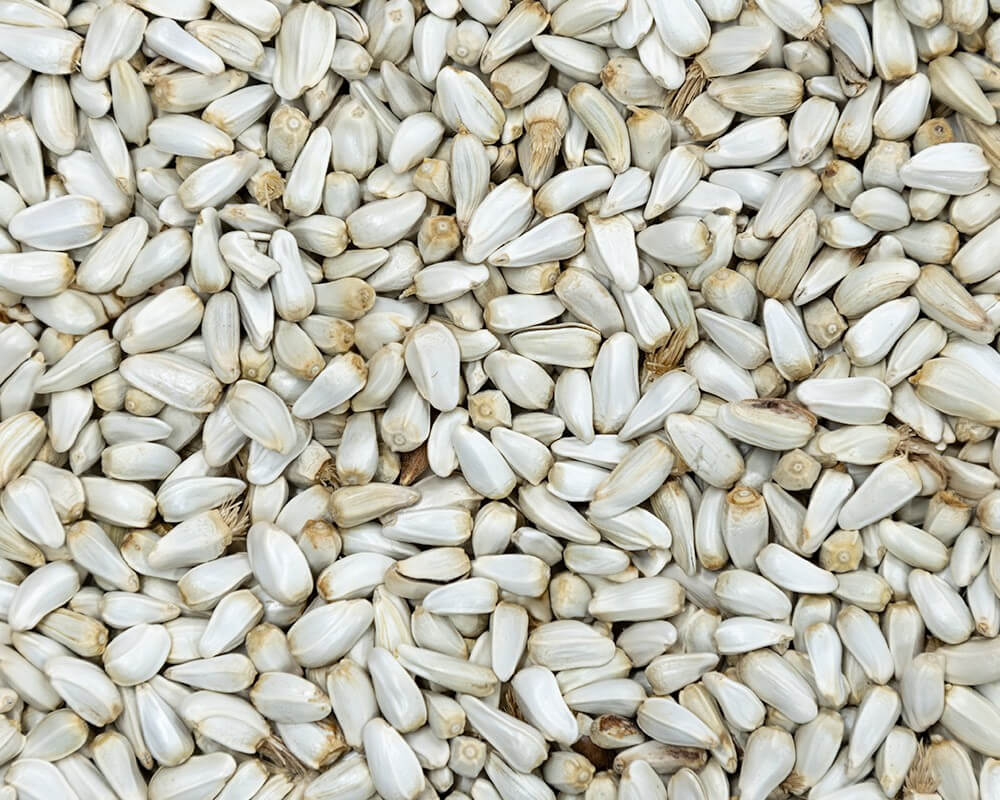
Seed → Bird Seed / Pet Food / Niche Seed Market
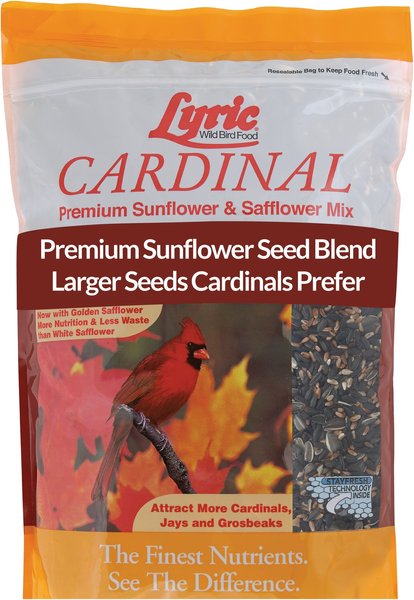
  • Safflower seeds may be sold whole (non-processed) as bird seed or pet food, or to seed traders/exporters — offering a lower-entry barrier value-chain that avoids processing infrastructure.
  • This chain can be especially relevant for small-scale or backyard producers, as has been suggested in Botswana by local advocates. 
Seed / Oil → Industrial Uses: Cosmetics, Pharmaceuticals, Bio-products, Biodiesel / Bio-energy Feedstock
  • Safflower oil is valued for its high content of unsaturated fatty acids (linoleic and oleic), making it suitable for use in cosmetics, personal care, and in industrial applications (e.g. as a base oil). 
  • There is also potential for bio-industrial products — for example, biodiesel or bio-based oils — though uptake may depend on investment in processing infrastructure.
Integrated Value-Chains / Mixed Use — Combined production for Food, Feed, Industry, and Environment
  • Because safflower is multipurpose, many value-chains can be combined: e.g. seed for oil, cake for feed, petals for dyes, biomass for soil health — creating a diversified “portfolio” value-chain for producers.
  • This diversified value-chain model enhances resilience for smallholder farmers — especially in semi-arid contexts like Botswana — and supports agroecological and circular-economy principles.

The core BUAN-affiliated safflower team

  • Prof. Vallantino (Valentino) Emongor – Crop & Soil Sciences, BUAN. Long-standing lead on safflower agronomy in Botswana (field trials, oil content, value-chain work). 
  • Dr Onkgolotse G. Moatshe-Mashiqa – Senior Researcher, Crop & Soil Sciences, BUAN
  • Dr Bamphitlhi Tiroesele – Co-author on “Enhancing safflower production and product development…” focusing on smallholder farmers in Botswana. 
  • Researchers involved in growth/yield and phenology trials, including Mosupiemang (first author on growth and yield work) and Otsoseng TRIGO Oagile
  • Dr Nelson Kiama Mwaniki is a Kenyan scientist and lead farmer based in Botswana who collaborates closely with BUAN and RUFORUM on safflower outreach and farmer training

Safflower production in the Kweneng North region of Botswana


This is an emerging agricultural initiative led by the Kweneng North Horticultural Farmers’ Cooperative. The crop is promoted as a resilient and profitable “cash-crop” perfectly suited for the country’s semi-arid climate. 


Botswana in Rome

The “From Seeds to Foods” global exhibition, part of WFF 2025 at FAO headquarters in Rome, took place 10–13 October 2025. The “Africa Pavilion” at that exhibition showcased a range of African agrifood products and processed goods — including many traditional/indigenous and underutilized crops. 

Botswana presented national favourites such as preserved wild watermelon and dried sweet reeds, as well as segwapa dried meat.

Articles

V. Emongor (2010) Safflower (Carthamus tinctorius L.) the underutilized and neglected crop: a review. Asian Journal of Plant Sciences, 2010, Vol. 9, No. 6, 299-306. Full article here

Enhancing safflower production and product development for food security and improving incomes of small-scale farmers in Botswana
  • Through this initiative, over 160 women have been trained and organized into cooperatives such as the Saff Energy Initiative Multipurpose Co-operative Society. These groups now actively produce safflower-based goods, including cooking oil, herbal teas, natural dyes, cosmetics and livestock feed. The project didn’t just provide agricultural training, it also created an economic value chain.
  • One of the project’s key successes was the integration of universities, Technical Vocational Institutions (TVETs), government agencies, and private sector into the safflower ecosystem. Students were trained in practical research and outreach, farmers received hands-on instruction, and cooperatives gained the skills to process and market safflower products. This collaborative approach extended from seed multiplication to final product packaging and branding.

Friday, June 20, 2025

Delivering the Kampala Strategy for Agricultural R&D in Africa

16 - 19 June 2025
. Cairo, Egypt. From Commitment to Action: Delivering the Kampala Strategy for Agricultural R&D in Africa. 

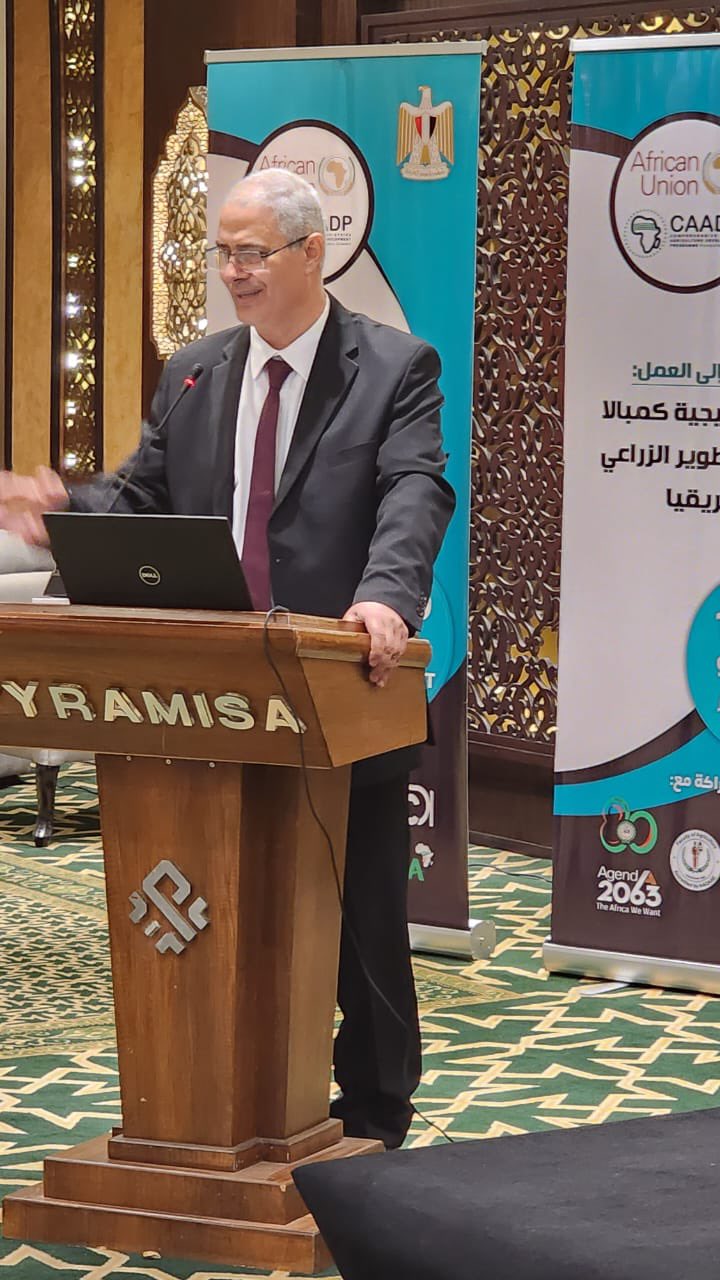
This meeting was organized by AU‑SAFGRAD (the African Union’s Semi‑Arid Food Grains Research & Development office). It served as a key strategy session aimed at operationalizing the newly launched CAADP Kampala Strategy (covering 2026–2035), which is Africa's post‑Malabo framework for transforming agriculture through science and innovation.

It is important to strengthen joint African action to address the risks and challenges facing the region, as well as the optimal and effective exploitation of the vast and diverse economic and natural resources possessed by the African continent, to achieve intra-African economic integration and address the new global reality. Egypt develops agriculture through several axes, including: horizontal expansion through the reclamation of approximately 4 million acres to support the production of strategic crops and reduce the food gap therein, as well as vertical expansion through the development of new varieties with high productivity, early maturity, low water requirements, and tolerance to climate change.  
Egyptian state's efforts include adopting modern technologies to develop irrigation systems and increase the efficiency of water resource use by building giant agricultural wastewater treatment plants. This is in addition to supporting the transition to healthy and safe food systems, reducing loss and waste by expanding the scope of the National Silos Program and diversifying import sources for strategic grain commodities. This is in addition to strengthening and expanding the social protection network through the "Takaful and Karama" programs and launching the presidential "Decent Life" initiative, which aims to alleviate the burden on citizens in the most needy communities in rural areas and urban slums, representing more than 60% of the Egyptian population. 
The Ministry of Agriculture and its scientists from the Agricultural Research Center and the Desert Research Center are fully prepared to provide the necessary expertise and all means of support to cooperate with our brothers from the African continent, harnessing all capabilities to ensure the success of this cooperation and achieve food security. Alaa Farouk, Minister of Agriculture and Land Reclamation of Egypt
The workshop was attended by: the Director of the African Union Office for Research and Development at the African Union Commission; the Executive Secretary of the Forum for Agricultural Research in Africa; the Executive Secretary of the Arab Fund for Technical Support to African Countries; Dr. Adel Abdel Azim, Head of the Agricultural Research Center; Dr. Saad Moussa, Supervisor of External Agricultural Relations; and representatives of African Union bodies and organizations.

Objectives of the Meeting
  • Translate the Kampala Strategy into a concrete Action Plan: Participants focused on identifying R&D priorities, setting targets, defining implementation pathways, and establishing an M&E (monitoring & evaluation) framework .
  • Engage key stakeholders: A broad range of actors from national agricultural research centers, CGIAR institutes, regional bodies like FARA, and AU entities (e.g., SAFGRAD, AUC) were consulted to ensure ownership at all levels.
  • Mobilize support and funding mechanisms: The meeting also explored ways to build strong public–private partnerships, secure donor engagement, and tap into new financing instruments to support agricultural research in Africa.
Key Themes Covered
  • Strengthening R&D infrastructure up to 2035.
  • Enhancing tech transfer—including mechanization, digital agriculture, AI, climate-smart practices.
  • Establishing robust institutional frameworks and governance for implementation and monitoring.
  • Formulating resource mobilization strategies.
This event marked the first major consultative workshop aimed at driving the shift from high‑level commitment—to the Kampala Strategy—toward tangible, on‑the‑ground action across Africa. The ultimate goal: to build sustainable, resilient, and innovation-led agri-food systems across the continent.

Extracts of the programma

Panel 1: CAADP Kampala Strategy – From Vision to Action 

  • Moderator: Dr. Irene Annor Frempong (Facilitator) 
  • Kenao Lao (AUC/CAADP) 
  • Dr. Samuel Benin (IFPRI/CGIAR) 
  • Dr. Clement Adjorlolo (AU-NEPAD) 
  • Dr. Moses Odeke (ASARECA) 
  • Representative ARC Egypt 

Panel 2: Building Resilient Agricultural Research Systems 

  • Moderator: Dr. Niéyidouba Lamien (CORAF) 
  • Dr. Majola Lawrence Mabuza (CCARDESA) 
  • Dr. Wanjiru Kamau-Rutenberg (CGIAR) 
  • Dr. Sokona Dagnoko (RUFORUM) 
  • Dr. Charity Kagiso K-Kruger (NARDI, Botswana) 
  • Dr. Fredah Maina Wangui (KALRO, Kenya) 
  • Representative ARC Egypt 

Panel 3: Leveraging Technology and Innovation for Agri-Transformation 

  • Moderator: Dr. Charles Kleinermann (CGIAR/ ICARDA) 
  • Dr. Baboucarr Manneh (AfricaRice) 
  • Dr. Oladunjoye Michael Adeyinka (Pan African University) 
  • Kofi Kisiedu Acquaye (YPARD) 
  • Dr. Niéyidouba Lamien (CORAF) 
  • Dr. Hernán D. Muñoz, Food and Agriculture Organization (FAO) 
  • Representative ARC Egypt 

Panel 4: Bridging the Research-to-Practice Gap 

  • Moderator: Dr. Lilian Lihasi Kidula (AFAAS) 
  • Dr. Oyewole Babafemi (PAFO) 
  • Representative ROPPA/PROPAC 
  • Prof. Quirico Migheli, Director, Desertification Research Centre (EWA 
  • BELT) 
  • Dr. Uffelen, Gerrit-Jan van (WUR) 
  • Representative ARC/Cairo University 

Panel 5: Gender, Youth and Inclusive Research Systems 

  • Moderator: Fatma Bensadok (Algeria – Gender/Training) 
  • Lovin Kobusingye (Uganda National Women Fish Organization) 
  • Kofi Kisiedu Acquaye (YPARD) 
  • Jenniffer Wairimu Waruingi (Kenya Youth) 
  • Dr. Jennie Van der Mheen (WUR) University 
  • Dr. Laura Altea (EWA BELT ) 
  • Representative ARC Egypt 

Panel 6: Institutional Collaboration and Policy Engagement for Kampala Delivery 

  • Moderator: Dr. AKwesi Ntiamoah Atta-Krah, Senior advisor to the Regional Director for Africa   
  • Dr. Uffelen, Gerrit-Jan van (WUR) 
  • Dr. Aliou Faye (ISRA, Senegal) 
  • Representative ARC/Cairo University 
  • Dr. Moyo Siboniso, ILRI Deputy Director General 

Panel 7: Resource Mobilization and Public-Private Partnerships 

  • Moderator: Dr Kwaku Antwi (FARA) 
  • Dr. Oyewole Babafemi (PAFO – Farmer/PPP links) 
  • Dr. Tapsoba François (EWA Scientific Board) 
  • Peter Claver Anyeembey (Ministry of Agriculture, Ghana) 
  • Dr. Mohammed Ssemwanga (AGRENES-Private Sector) 
  • Representative Cairo University 
  • Representatives from AFTAAC 
  • Representative ARC Egypt 

Key Outcomes & Next Steps

  • Drafting of an AU-SAFGRAD Action Plan. Outlining thematic priorities, institutional roles, performance indicators, and implementation timelines.
  • Governance Frameworks Initiated. Draft TORs for coordinating bodies, partnership agreements, and M&E systems were proposed for adoption at continental and regional levels 
  • Resource Mobilization Framework Drafted. Including proposals for public–private funding, donor coordination, and engagement with “Team Africa” financing mechanisms 
  • Research Priorities Finalized. Soil health, digital/agri-tech, AI, mechanization, climate-smart practices and value-chain R&D were signed off as flagship areas 
  • Partnership Agreements Under Development. Including a roadmap for AARIEIs (Africa‑wide Agricultural Research & Innovation Excellence Institutions) aligned with Kampala goals 
  • RUFORUM-Led Capacity Support Planned. RUFORUM to roll out training programs aiding national implementation efforts

Tuesday, August 29, 2017

Botswana home to new USAID Southern Africa Trade and Investment Hub

23 August 2017. US Ambassador to Botswana Earl Miller will preside over the official opening ceremony of the new Botswana office of the USAID (US Agency for International Development) Southern Africa Trade and Investment Hub. The key objectives of the USAID Southern Africa Trade and Investment Hub are to increase international competitiveness, intra-regional trade and food security in Southern Africa.

Despite major gains in trade and market expansion, however, countries in the Southern African Development Community (SADC) still face significant obstacles to sustained economic growth. Many member states lack the physical infrastructure along with trade and investment policies to capitalise upon these trade agreements. In addition, cumbersome export/import procedures, high transportation costs, and preferential trade regimes all hinder investment and reduce productivity while negatively affecting the region’s economy, food security, livelihoods, and public health.

The Southern Africa Trade and Investment Hub, funded by USAID, will work to address these barriers and support Southern Africa to create a well-integrated regional economy that delivers tangible economic benefits and improved food security for the people of the region through increased global competitiveness, trade, and investment.

The USAID Southern Africa Trade and Investment Hub is the fourth generation of USAID projects focused on these goals.

The previous version of the Southern Africa Trade Hub made many contributions on behalf of the US Government to develop growth sectors including agribusiness, food processing, textiles and apparel, and infrastructure in Botswana and the entire SADC region.

Monday, March 9, 2015

Conference on policies for competitive smallholder livestock production


4-6 March 2015.
Gaborone, Botswana. The Botswana Institute for Development Policy Analysis (BIDPA) in collaboration with the International Livestock Research Institute (ILRI) and the Australian Centre for International Agricultural Research (ACIAR) held a conference on  with the theme Policies for competitive smallholder livestock production.

The conference provided an opportunity for African and international scientists and the broader stakeholder groups in the livestock production sector to discuss competitiveness in livestock production systems and improving the livelihoods of livestock farmers, especially smallholders, with emphasis on southern Africa.

The broader objectives of the conference were to gather researchers, policymakers and development partners working in the area of assessing competitiveness in agricultural food production and marketing, and to provide answers to various questions rotating around four thematic areas.

The various development issues related to competitiveness of smallholder livestock farming in southern Africa  were grouped under the following sub-themes:
  • Measures of competitiveness in smallholder livestock production and policy advocacy
  • Market access and utilization
  • The role of collective action in enhancing competitiveness of smallholder livestock farmers
  • The role of governments in the provision of livestock support services
  • Economics of animal health and trade in the competitiveness of smallholder livestock production systems

Saturday, December 13, 2014

Orange Social venture Prize 2014

12 November 2014. Cape Town. AFRICOM 
The Orange Social venture Prize 2014 – Out of the 452 submitted projects the following prize winners were selected:

Modisar (Botswana) – Founder: Thuto Paul GAOTINGWEThe first prize has been awarded to Modisar Botswana. The project is a livestock farm management
application (desktop, web and mobile) that makes it easy for a farmer to manage his\her farm. The mission of Modisar is of resuscitating the livestock industry and cultivating livestock farming interest among the youth by marrying today’s technologies and the nation’s passion for farming, Modisar aims to ensure the continuity and sustainability of the livestock sector, a major contributor to the national Gross Domestic Product in Botswana.

Mewanko Farm (Cameroon) – Founder: Christelle LAMINSI KENMOE
The special Orange Partner API prize was awarded to Mewanko Farm Cameroon, a project that involves the creation of an online platform to enable the sale of agricultural products on both urban and international markets. The aim is to facilitate the lives of small farmers by using ICT tools to provide them with a direct means of access to markets and enabling them to increase their income.

9 December 2014. L’opérateur de téléphonie mobile Orange Cameroun a remis, le prix spécial
« API Orange Partner » qui récompense le meilleur projet d’entrepreunariat social en Afrique à Mewanko Farm. Il s’agit d’une plateforme permettant la vente en ligne de produits agricoles camerounais sur les marchés locaux et internationaux.

Au cours de la cérémonie organisée au stand de l’opérateur, au Salon International de l’entreprise, de la PME et du partenariat de Yaoundé (Promote 2014), le projet mené par Christelle Laminsi Kenmoe (et ses huit collègues) a reçu une enveloppe de 6 500 000 FCFA.
« Ce prix va donner un coup de pouce au développement de ce concept qui est déjà implémenté sur le terrain, mais à petite échelle. Actuellement, nous travaillons de manière bénévole. Nous pourrons compléter notre équipe, et construire une plateforme professionnelle qui va contenir un volume de transactions plus important », a expliqué Christelle Laminsi Kenmoe.

Thursday, May 8, 2014

First CCARDESA General Assembly


6-7 May 2014. Gaborone, Botswana. More than 180 participants attended the First CCARDESA General Assembly. The Centre for Coordination of Agricultural Research and Development for Southern Africa (CCARDESA) is a Sub-Regional Research Organisation created by SADC member states to coordinate agricultural research and development in the SADC region. CCARDESA was established in 2010 and formally launched in July 2011.

Members of the GA comprised participants drawn from Ministries responsible for Agriculture and Food Security, the agro industry, agricultural education institutions, farmer organizations and civil society from each State Party.
"Research must respond to farmers needs" said Motsepe Matlala, President of National African Farmers Union of South Africa, representing Farmers at the 1st CCARDESA GA
The General Assembly included to:
  • Elect the Chairperson of the General Assembly;
  • Recommend to State Parties Ministers, for approval, regional research and development priorities for CCARDESA;
  • Approve, monitor and evaluate the CCARDESA strategic direction;
  • Appoint, renew or terminate the services of external auditors for CCARDESA;
  • Recommend, to State Parties Ministers, new members on CCARDESA Board identified by the sitting Board;
  • Form its own committees, as necessary.
Extract:
Keynote presentations:


Thursday, February 13, 2014

ILRI-SLU FAO, AU-IBAR Regional Workshops on Animal Genetic Resources in Sub-Saharan Africa

In November 2013, three regional workshops on Animal genetic resources (AnGR) in Sub-Saharan Africa were organized by the International Livestock Research Institute (ILRI) and the Swedish University of Agricultural Sciences (SLU). In partnership with FAO, the African Union–Interafrican Bureau for Animal Resources (AU-IBAR) and the Tertiary Education for Agriculture Mechanism for Africa (TEAM-Africa). ILRI and SLU are holding regional back-to-back workshops this November in Burkina Faso, Rwanda and Botswana.

The workshops were aimed to catalyze changes in the strategies and practices in the utilization of AnGR within Sub-Saharan Africa. Prior to the three workshops, a survey of participant expectations and what they experience and think as they work with animal genetic resources was conducted.
The Gabarone workshop 26 to 29 November 2013.
PIC: The representatives of SLU, ILRI, CCARDESA


Objectives
  • The main objectives of the workshops were expressed as catalyzing and enhancing regional collaboration in order to: 
  • Improve university teaching including MSc and PhD training in animal breeding and genetics for sustainable use of AnGR 
  • Plan and undertake research for development in prioritized areas of AnGR 
  • Implement improved conservation and breeding programs for sustainable use of identified AnGR. 
  • Improve capacity development including outreach activities in relevant areas. 
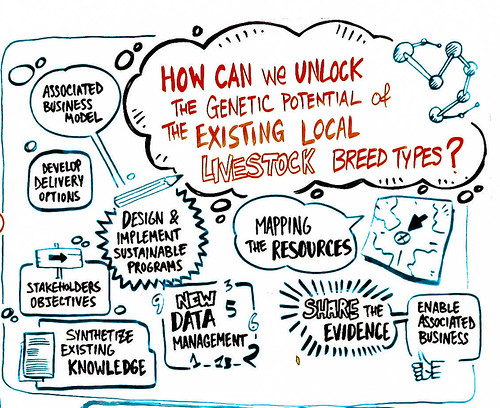
The workshop material, presentations and outcomes are now available.