Platform for African – European Partnership in Agricultural Research for Development
Showing posts with label UN. Show all posts

Thursday, October 8, 2026

COP31: Putting agriculture and food systems at the centre of climate action

9–20 November 2026. Antalya, Türkiye. The 31st United Nations Climate Change Conference (COP31) will bring together governments, international organisations, researchers, farmers' organisations, civil society and the private sector to accelerate implementation of the Paris Agreement. 

Agriculture and food systems feature prominently in the official UNFCCC side-event programme, with discussions addressing agroecology, climate-resilient agriculture, agricultural finance, biodiversity, food security and the transition towards healthier and more sustainable diets.

A central theme emerging from the programmed side events is the need to move from climate commitments to practical implementation, ensuring that farmers, research institutions and local communities can access the finance, technologies, knowledge and partnerships required to transform agrifood systems. The programme also highlights the importance of addressing trade-offs between mitigation, adaptation, biodiversity conservation and affordable nutrition.

The COP31 side-event programme demonstrates the growing recognition that agricultural transformation requires more than climate-smart technologies alone. It calls for stronger connections between scientific research, farmers' knowledge, public policies, market incentives and financing mechanisms. Agroecology, agricultural biodiversity, circular bioeconomies and sustainable food value chains are increasingly being discussed as interconnected components of climate action rather than separate policy agendas.

The following selection highlights scheduled side events particularly relevant to agricultural research and innovation.


9 November – Water for Climate Resilience: From the 2026 SCF Forum to COP31 and the 2026 UN Water Conference


Organised with the participation of IFAD, ICIMOD, Nepal and Bhutan, this event will examine climate-resilient water management, financing and institutional cooperation, including implications for resilient food systems. Announced speakers include Álvaro Lario (President, IFAD), Rania Al-Mashat (ESCWA), Hani Sewilam (Egypt), Sonja Köppel (UNECE) and Anil Mishra (UNESCO).


10 November – Advancing Agroecology in Just Transition for Healthy and Sustainable Food Systems and Agriculture


Organised by Pesticide Action Network Asia Pacific and partners, this session will present agroecology as a pathway towards a just transition in agriculture. Speakers are expected from the Alliance for Food Sovereignty in Africa (AFSA), African governments, farmers' organisations and youth movements.


10 November – National Agroecology Strategies: Brazil, Türkiye and Africa Towards COP31 Implementation


Organised by Instituto Regenera, Biovision and the Food of Tomorrow Institute, this session will explore how national agroecology strategies, public food procurement and government–civil society cooperation can translate climate commitments into action. Listed speakers include Francine Xavier, Fabrício Muriana, Oliver Oliveros, Ahmet Sami and Lilian Rahal (Brazilian Ministry of Social Development), alongside an African agroecology representative.


11 November – Scaling Climate Finance for Resilient Agrifood Systems Facing Extreme Heat and El Niño-related Shocks


Organised by FAO, this session will explore investment opportunities and innovative financing mechanisms to strengthen agricultural adaptation and food security. Speakers are listed from FAO, Australia, Türkiye, Kenya, Germany, the African Development Bank, the World Bank, the African Centre for Biodiversity and Olam International.


11 November – Unlocking Means of Implementation for Climate-Resilient Agriculture and Food Systems


This event will focus on finance, technology, capacity development, sustainable land and water management, ecosystem restoration and youth- and Indigenous-led solutions. Listed speakers include Abdulhamid Tahir Hamid (GECCI/NIPPF), Victor Fodeke (GREENPLINTH Africa), Margaret Bondziedu Impraim (YCCGA) and Sebastian Pedraza (YPARD Global).


11 November – Agri-food Systems under Climate Change: Incentives for Affordable, Healthy, Sustainable Food


This event brings together Clim-Eat, AgriCord, FANRPAN, the Southern African Confederation of Agricultural Unions (SACAU) and Wageningen Research. It will examine incentives for farmers to adopt climate-resilient practices while addressing food affordability, nutrition, biodiversity and the trade-offs involved in agrifood transformation.

Announced speakers are Carlos Alvarado Quesada (former President of Costa Rica), Tshilidzi Madzivhandila (FANRPAN), Jan Verhagen (Wageningen University & Research), Ishmael Sunga (SACAU), Leanne Zeppenfeldt (Clim-Eat), Katja Vuori (AgriCord) and Orhan Solak (Türkiye Directorate of Climate Change).


14 November – The Critical Middle, Circularity and Zero Waste: Building Climate-Resilient Food Systems


Organised by UNIDO and partners, this event will launch the Critical Middle Coalition and explore investments in processing, storage, logistics and waste reduction. It draws attention to the often-overlooked enterprises and infrastructure linking agricultural production with consumers. Speakers are expected from governments, UN organisations, development finance institutions, businesses and circular-economy organisations.


16 November – Delivering the Green Transition for Food Security: From Climate Ambition to Farm-Level Action


This session will explore efficient nutrient management, low-emission rice production, agricultural policies, investment and partnerships. Listed participating organisations include the International Rice Research Institute (IRRI), Environmental Defense Fund, World Farmers' Organisation, AGRA, Yara, the World Bank, Agroicone and the Carbon Trust.


16 November – Unlocking the Means of Implementation for Agriculture and Food Security


Organised by the Alliance of Bioversity International and CIAT, Compassion in World Farming, EIT Food, the U.S. Dairy Export Council and the World Farmers' Organisation, this event will examine how finance, technology transfer and capacity development can support the implementation of climate action in agriculture. It builds on the Sharm el-Sheikh Joint Work on Implementation of Climate Action on Agriculture and Food Security (SJWA).

Announced speakers and participants include Andrea Perez Valdez (Compassion in World Farming), Richard Zaltzman (EIT Food), representatives of the Alliance of Bioversity International and CIAT and FAO, government representatives, farmers' organisations and Indigenous Peoples.


17 November – Integrated Security and Climate Change: Building Resilience Amid Geopolitical Challenges


With the participation of ICARDA, this session will examine the relationship between climate change, food systems, security and international cooperation. Listed speakers include Ban Ki-moon (former UN Secretary-General), Bakyt Dzhusupov (OSCE), Hans-Otto Pörtner (former IPCC Working Group II Co-Chair), Sabine Schlacke (University of Greifswald), Nizar Haddad (ICARDA) and Vinay Nangia (ICARDA), with Central Asian ministerial representatives to be confirmed.


18 November – Scaling the Circular Bioeconomy: Agricultural Solutions to Climate Change


This event will discuss how agriculture can contribute to circular bioeconomies through food, renewable energy, biobased materials, greenhouse gas reduction and ecosystem services. Announced speakers include Ernie Shea (Solutions from the Land), Sally Higgins (COP31 Youth Champion), Muhammad Ibrahim (IICA), Verity Ulibarri (US farmer), Tarun Richards (Australian farmer), Ed Barnes (CBS Institute), Francis Owusu (Centre for Rural Livelihoods, Uganda), Juan Sacoto (S&P Global) and Kaveh Zahedi (FAO).

CGIAR @ COP 31

CGIAR and the EvalforEarth community are preparing a strong collaborative presence for the 2026 UN Climate Change Conference (UNFCCC COP31), which will take place in Antalya, Türkiye, from November 9 to 20, 2026.

  • EvalforEarth’s Role: EvalforEarth is a merged Community of Practice focused on climate action, food security, agriculture, and rural development. It is co-sponsored by the Evaluation Offices of CGIAR, FAO, WFP, and the GEF.
  • The Shared Mission: At COP31, these organizations aim to ensure that climate policy decisions are rooted in strict, evidence-based evaluation. By bringing data from agricultural research to the forefront, they advocate for agrifood systems to be treated as primary climate solutions


FAO @ COP 31

For FAO, COP31 provides a key platform for collaboration, knowledge sharing and decision-making on the critical role of agriculture and food systems in climate action. Agrifood systems solutions are climate solutions. As a central pillar of climate action, they help build resilience, support adaptation and reduce greenhouse gas emissions while safeguarding biodiversity and ensuring food security for all.

Schedule of event will soon be available

.

Thursday, April 30, 2026

Fin4Dev Dialogues: Stabilizing Agrifood Systems Amid Trade, Energy and Market Volatility

 22 April 2026. The International Fund for Agricultural Development (IFAD) and the Global Donor Platform for Rural Development (GDPRD) co-hosted a side event at the ECOSOC Forum on Financing for Development (FFD Forum), as part of the Financing for Development (Fin4Dev) Dialogues. 

The session examined how current trade and energy disruptions are affecting agrifood systems and what recent shocks have taught the global community about strengthening resilience.

The meeting convened partners from the public and private sector, including government representatives, development finance institutions professionals, energy and trade experts, to explore how geopolitical shifts are affecting global food systems. 

The discussion examined the implications of tariffs, export restrictions, energy price fluctuations and evolving trade relationships for agrifood supply chains, food affordability and investment in agriculture. Participants will also explore how stronger policy and financing coordination can help stabilize agrifood systems and ensure resilience in an increasingly volatile global environment.

  • Leonard Mizzi, Adviser Food Systems, Directorate-General for International Partnerships (DG INTPA), European Commission. (Co-Chair, GDPRD)
  • H.E. Tesfaye Yilma Sabo, Ambassador Extraordinary and Plenipotentiary, Permanent Representative, Permanent Mission of the Federal Democratic Republic of Ethiopia to the United Nations
  • David Laborde, Director, Agrifood Economics and Policy Division, Food and Agriculture Organization of the United Nations (FAO)
  • Marlynne Hopper, Head a.i., Standards and Trade Development Facility (STDF) Secretariat, World Trade Organization
  • Courtney Hood, Head of Office, IFAD New York Liaison Office
  • Rodrigo Carcamo, Chief a.i., Agricultural Commodities Section, Commodities Branch, United Nations Trade and Development (UNCTAD)
  • Jim Woodhill, Director, Agrifood Systems and Futures Hub, University of Reading, and Lead of the Global Foresight4Food Initiative. (Senior Advisor, GDPRD)
  • Maurizio Navarra, Senior Partnership Officer and Coordinator, Global Donor Platform for Rural Development 
  • Vincent De Graaf, Counsellor, Permanent Mission of the Kingdom of the Netherlands to the United Nations
  • Moderator: Elena Bertusi, Partnership Officer, IFAD New York Liaison Office


Monday, September 29, 2025

Science Summit

9 to 26 September 2025
. The Science Summit featured a mix of virtual and hybrid sessions hosted in New York.

the Science Summit at UNGA80 brought together researchers, policymakers, civil society, and private sector leaders from across the globe for more than 400 sessions highlighting how science and innovation can drive progress toward the SDGs. The Summit featured high-level panels on African scientific leadership, Indigenous peoples’ contributions to biodiversity and food security, climate-resilient agriculture, soil health, financing food systems, and mobilising capital for research and innovation, alongside the launch of major global assessments such as the IPBES Nexus Report. Spanning diverse themes—from pesticide management frameworks in Africa and the Middle East to strengthening Africa–Europe partnerships and showcasing community-driven solutions—the event emphasized collaboration, equity, and investment as critical levers for global resilience and sustainable development.

Extracts Science Summit Programme

10/09 The Sustainable Pesticide Management Framework in Africa Middle East: Protecting Human Health and the Environment while Increasing Agricultural Productivity

This session presented the Sustainable Pesticide Management Framework (SPMF), a multi-year initiative by CropLife Africa Middle East and partners to phase out highly hazardous pesticides, improve farmer training, and strengthen regulatory systems to protect health and the environment while boosting productivity. Speakers from CropLife, FAO, and African regulatory agencies outlined progress and challenges in implementation. While no direct recording has been posted publicly, background videos and the SPMF Annual Report are available online, providing visuals and documentation of ongoing work.

10/09 Modelling land Use and climate Change for Climate-Resilient Crop Production in Raya Valley, Ethiopia

In this technical session, researchers shared modelling studies of the Raya Valley, Ethiopia, analyzing how land use change and climate variability impact crop productivity and resilience. The work combined climate projections with land suitability and water availability models, offering insights into policy measures for sustainable agricultural planning. The specific speakers and a session recording have not been made public, though related academic work on the Raya Valley provides supporting materials.

10/09 The African science renaissance – leadership, innovation, collaboration and partnership for sustainable development

This dialogue emphasized Africa’s growing role in global science through leadership, innovation, and collaboration, with speakers from African academies of science, universities, and international research organizations. It highlighted success stories of African-led partnerships in health, agriculture, and climate, stressing the importance of investment in homegrown talent. While the session is listed in the Science Summit NYC program, a recording has not yet been located.

16/09 Involving Indigenous people and local communities to plan and implement Nature-based Solutions

This session focused on inclusive approaches to Nature-based Solutions (NbS), highlighting how Indigenous Peoples and local communities can be engaged from planning through implementation to ensure equitable and effective outcomes. Speakers from environmental NGOs, Indigenous networks, and policy institutions shared case studies from Latin America, Africa, and Asia. Although the direct recording has not been found, related webinars on Indigenous knowledge in NbS are available and provide context.

17/09 Food Security for Indigenous Peoples, Quilombolas, Traditional Communities, and the Sustainable Use of Brazilian Biodiversity

This Brazil-focused session examined the intersection of food security, cultural rights, and biodiversity, emphasizing the contributions of Indigenous Peoples, Quilombolas, and traditional communities to conserving native species and ensuring sustainable diets. Brazilian researchers and community representatives shared perspectives on policy frameworks and grassroots innovations. No official recording has been identified, though related background publications on Quilombola food systems can be consulted.

22/09 Africa’s Scientific Leadership: A Catalyst for Global Progress

Held during the UN General Assembly Science Summit, this high-profile event positioned African science as central to solving global challenges, from climate change to health. Keynote speakers included leaders from the Science for Africa Foundation, government representatives, and international organizations, who underscored the need to scale African research leadership and funding. Event pages confirm the session, though a public recording has not yet been released.

22/09 Strengthening Africa–Europe Science Partnerships for Global Resilience (Part 2)

Building on earlier discussions, this session showcased collaborative projects and policy dialogues between African and European research institutions, with a focus on building resilience to food system shocks and climate change. It highlighted examples of co-created research agendas and joint capacity-building programs. While detailed listings exist in the Science Summit schedule, no direct online recording is available.

23/09 Loving the Soil: The Ground for Global Food Security

This event stressed the importance of healthy soils as the foundation of resilient food systems, with experts from soil science, agriculture ministries, and international organizations sharing evidence of how soil degradation undermines productivity and climate goals. Speakers advocated for soil health restoration initiatives and greater investment in soil monitoring. The session is listed in UNGA Guide, but no public video recording has been located.

23/09 African Leadership in Science: Solutions by and for Africa

This panel highlighted African-led solutions across multiple sectors, with scientists and innovators sharing case studies of technologies and policies designed within the continent to address local challenges. The session stressed knowledge sovereignty and the importance of international recognition of African expertise. While the program entry is available, a recording has not been posted.

23/09 Empowering Communities, Securing Futures: Financing Food Systems

Speakers in this discussion examined how financial innovation and investment can drive inclusive and sustainable food systems, highlighting models for channeling capital to smallholder farmers, women entrepreneurs, and local agri-food enterprises. Development finance institutions and philanthropic foundations shared lessons on mobilizing resources effectively. Social media posts confirm the session, but no official recording is publicly available.

23/09 Catalyzing Regional Agri-Food Innovation: Research Ecosystems for Growth and Resilience

This session explored how regional research ecosystems can act as catalysts for agri-food innovation, featuring contributions from networks of agricultural research institutions and policymakers. It emphasized creating enabling environments for technology adoption, resilience, and regional collaboration. While listed in the UNGA Guide, no open recording has been found.

25/09 IPBES NEXUS Report on the Interlinkages between Biodiversity, Water, Food and Health

This session presented findings from the IPBES Nexus Assessment, emphasizing the complex interdependencies between biodiversity, water, food, and health, and offering integrated policy options. IPBES experts and authors highlighted case studies and recommendations from the assessment, which was published in 2024. While the session recording itself is not public, IPBES has released webinars, videos, and the full report online, which serve as comprehensive references.

25/09 Mobilising Capital for Science: Unlocking Investment in Research, Innovation

This session examined how to increase investment flows for science and innovation, with speakers from multilateral banks, governments, and the private sector. They explored mechanisms for reducing risk, improving governance, and incentivizing long-term research funding. While included in the Science Summit program, no session recording or visuals have yet surfaced publicly.


Wednesday, September 10, 2025

Africa Climate Week and the Africa Climate Summit

1 - 10 September 2025. Addis Ababa, Africa Climate Week and the Africa Climate Summit

From 1 to 6 September 2025, Africa hosted the second UNFCCC Climate Week, a solution-oriented global forum driving climate implementation and finance strategies. This was followed from 8 to 10 September by the Second Africa Climate Summit where African leaders and partners convened under the banner “Accelerating Global Climate Solutions” to showcase homegrown innovations, demand investment—not aid—and coordinate a unified continental front ahead of COP30.


Extracts of the programme

Below are the agriculture-focused sessions:
Enhancing Preparedness and Anticipatory Actions in Africa (8 Sept)
It spotlighted multi-hazard early-warning/early-action across agrifood value chains and showcased preparedness models relevant to farmers.

Speaker: Abebe Haile-Gabriel (FAO ADG/Regional Representative for Africa).  

09/09 Enhancing Climate Change Adaptation and Resilience through South–South Technological Innovation

It examined how tools like climate-risk/vulnerability mapping and SSC technology transfer (e.g., drought-tolerant crops, low-cost irrigation) had been used to scale locally led adaptation in agriculture, water and energy, and it produced policy/finance recommendations for uptake. 

Keynote: Prof. Celeste Saulo (WMO SG). Moderator: Dawit Solomon (AICCRA–ILRI). Panelists: Abebe Haile-Gabriel (FAO), Edith Ofwona Adera (AfDB/AAAP), Doris Mpoumou (UN Women to AU/UNECA), Matthias Naab (UNDP RSCA), Martin Krause (UNEP Climate Change Div.), Robert Ackatia-Armah (WFP Ethiopia). 

09/09 Transforming Africa’s Food Systems for Climate Resilience & Agro-ecology


Organized by WRI, the session explored how agroecology and food-system innovations had advanced climate resilience, with examples on landscape approaches and farmer-centered practices.

Speaker :
Edward Kilawe  Senior Forestry Officer (FAO). 

09/09 Locally Led, Forecast-Informed Climate Services for Resilient Smallholder Futures (9 Sept, evening)

Hosted by the NORCAP ARCS consortium, it highlighted how tailored, forecast-informed advisories had supported planting decisions and risk management for smallholders in Ethiopia and Malawi.

Co-moderator:
Joseph Kirule (FAO Ethiopia).  

09/09 Collaborative Solutions: Leveraging AI for Resilient Agriculture, Energy, and Risk Systems in Africa 

This session showcased Earth Observation (EO)/Artificial Intelligence (AI) applications (from climate-smart agriculture and early warning to last-mile services), and it issued actions on financing, governance, and ethical/inclusive AI for farmer resilience.

While locally driven, context-specific adaptation is vital, many African countries lack access to the technological tools and systems required to adapt effectively and at scale. Across the Global South, however, a wide array of cost-effective, proven technologies is emerging—from Earth Observation (EO) systems and open-source climate data platforms to Artificial Intelligence (AI) for early warning systems, precision agriculture, grid optimization, and resilient infrastructure planning. These innovations hold enormous promise for strengthening resilient agriculture, clean energy systems, and climate risk management, especially when tailored and scaled in African contexts.

Objectives: (see concept note)
  • Identify promising AI, Earth Observation, and materials-based technologies emerging from the
    Global South that can be localized and scaled to strengthen Africa’s agriculture, energy, and climate risk management systems. 
  • Examine the financing, policy, and regulatory frameworks—including data governance, IP flexibility, and digital access—needed to accelerate the adoption and interoperability of climate technologies. 
  • Assess strategies to ensure localized deployment reaches vulnerable communities, empowers youth and innovators, and integrates informal economies and citizen-driven solutions for last-mile resilience.
Moderator: Robert Lisinge (UNECA). 
Keynote: Ousmane Ndiaye (DG, ACMAD). 

AI can significantly improve people's understanding of climate patterns and forecasting capabilities. 
He pointed out that traditional observation methods can be augmented by AI to predict outcomes based on historical data. However, he highlighted that high-quality data is essential for effective AI modeling, reinforcing the adage "garbage in, garbage out." The discussion also addressed the importance of technological access and modern computing resources, which are vital for AI training and application. 

Panelists: 
The panelists called for greater collaboration among African nations to share data and best practices, avoiding duplication of efforts. Valuable lessons could be learned from successful models implemented in Europe and North America, advocating for collective action within the African community to optimize AI's potential in climate science, the panelists noted.
  • Amjad Abbashar (UNDRR Africa)

    He articulated the pressing need for effective leadership and governance as Africa prepares for urbanization, where the projected population of urban areas account 70 percent by 2050. Smart cities must integrate various services, including utilities like electricity and clean water, to ensure effective urban planning, he stressed. The director general also explored the potential of AI in optimizing energy usage from production to distribution, highlighting renewable energy techniques, recalling experiences from 2013 on Zero Net Energy Buildings. Manasseh envisioned a future where homes could generate electricity during sunny days, allowing owners to sell excess power back to the grid while drawing from it at night, potentially resulting in zero net payment due to energy production. As demand for energy continues to rise, particularly with the growing energy consumption associated with AI, he reiterated the necessity of incorporating renewable energy and green technologies, alongside effective policies and governance, to meet the growing demand.

  • Wilfred Ndifon (AIMS)

    She emphasized AI's ability to accelerate learning; pointing out the critical issue of data governance, which raises concerns about data usage and potential misuse. Establishing clear guidelines for shared data is essential to build trust and maximize AI's effectiveness, she noted. She identified financing as a significant challenge, urging policymakers to prioritize investment in AI initiatives tailored to agriculture, calling for multilateral organizations to contribute to funding research and AI projects, citing the emergence of innovative solutions, such as a virtual agronomist platform that enables farmers to seek timely advice.

  • Namukolo Covic (ILRI/CGIAR, Ethiopia Rep.)

  • Fatima Denton (UNU-INRA)
  • Emmanuel Manasseh (ITU Africa).


SIDE EVENTS

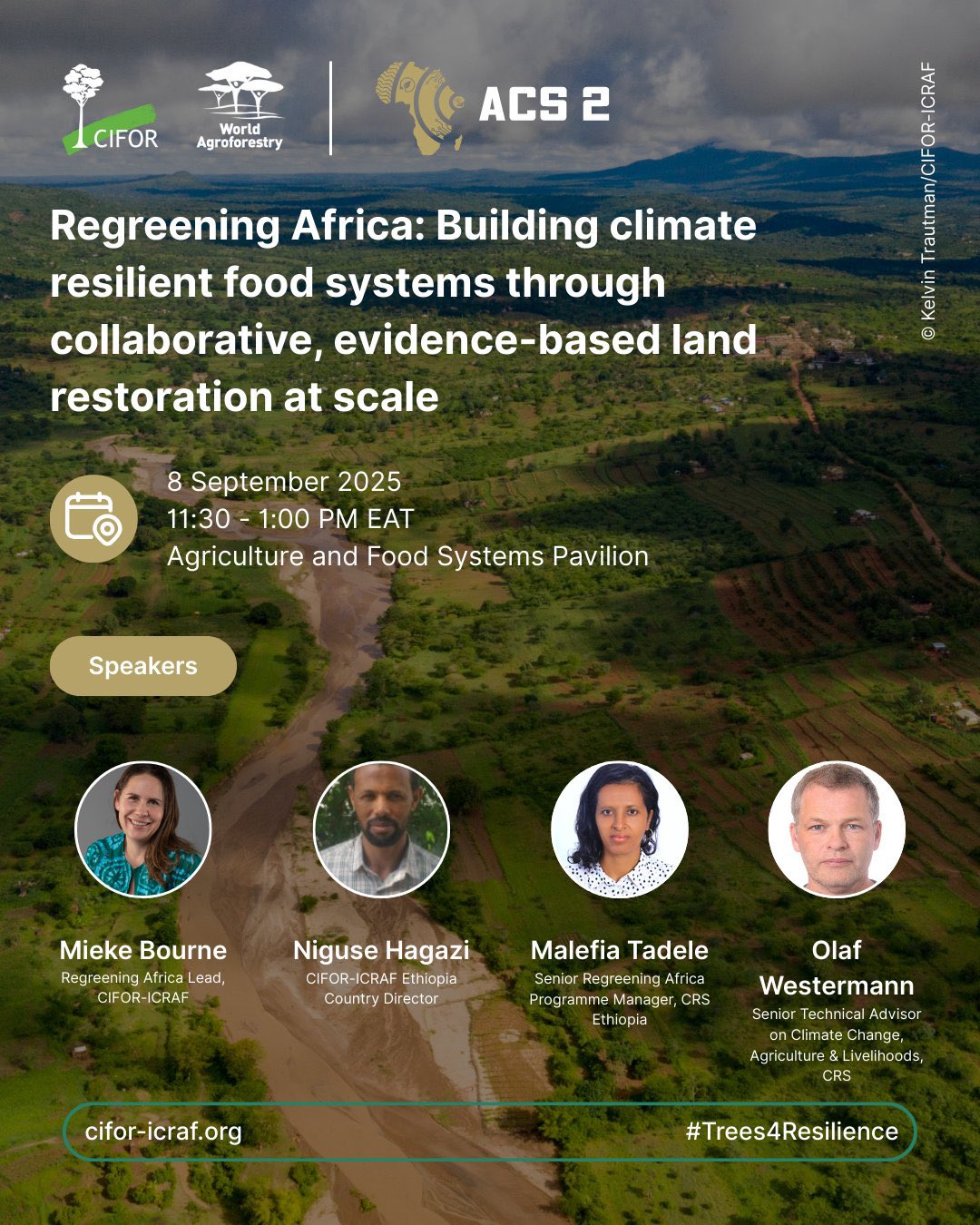
08/09 Regreening Africa: Building climate-resilient food systems through land restoration 


(CIFOR-ICRAF side event)

It presented evidence that large-scale restoration under the Great Green Wall vision had strengthened food security and adaptation; organizers promoted replication and investment pathways; specific speakers were not listed on the public agenda posts.


09/09 Rooted in resilience: Governance, financing and technical support for locally led, biodiversity-rich, climate-smart restoration

(CIFOR-ICRAF side event)

It highlighted community-led restoration models that had improved farm productivity and ecosystem services, and it called for blended finance for locally led projects; individual speakers were promoted via social posts rather than a formal list. 


(ECDPM side event)

It argued that investments (e.g., green ammonia for low-carbon fertilizer) had simultaneously advanced adaptation and ag-industry growth, and it proposed pipelines for Africa-Europe collaboration.

Saturday, August 23, 2025

Essential ingredients of transformative food policies and governance

UNDP (2025) The invisible yet essential ingredients of transformative food policies and governance. A report on the insights of policymakers into the inner capacities required for truly transformative food policies. 10 ppl.

In late 2023 and early 2025, UNDP convened two informal dialogues with policymakers working across food systems at national and global levels to explore the inner capacities that underpin effective, inclusive, and transformative policymaking. These sessions, held under Chatham House Rules and in multiple languages, created a space for open, honest reflection on the human dimensions of governance: “the invisible yet essential ingredients of transformative food policies and governance.”

Across both dialogues, it was affirmed that collaboration is at the heart of meaningful policy reform - yet collaboration is not a technical outcome. It is built with trust, humility, authenticity, and deep listening, among other qualities. These human qualities, often unspoken or under-acknowledged, are fundamental to navigating the complex and often polarised policy environment, that is shaped by competing worldviews, institutional silos, and shifting political and economic pressures.

The report highlights three core areas of inner capacity: 

  1. building trusting relationships and networks,
  2. understanding complexity and systems thinking, 
  3. and acting with conviction, authenticity and persistence.

From working across ministries with unequal power to engaging communities with different worldviews, participants shared how values such as self-awareness, reciprocity, and vulnerability are not just personal traits - they are strategic enablers for inclusive governance.

Ultimately, the dialogues revealed that policy is not only a process of decision-making, but a process of relationship-building. Making the “invisible” visible, and naming these inner capacities, opens a new frontier for how we support and strengthen transformative policymaking.

Sunday, July 27, 2025

UNFSS+4 (6) Main events 28/07


27–29 July 2025
. Addis Ababa. 2nd UN Food Systems Summit Stocktake (UNFSS+4)

Extracts of the main program


Inspiring experiences of impactful policy convergence will be shared by decision makers, while practitioners will reflect in depth on the enablers and barriers of ongoing transitions. A crucial enabler of accelerated efforts at-scale, finance and investments will enjoy heightened focus, structured to operationalize the outcomes of the Financing for Development (FfD4) Conference.

High-Level Statements from Heads of State and Government
  • H.E. William Samoei Ruto, President, Republic of Kenya
  • H.E. Hassan Sheikh Mohamud, President, Federal Republic of Somalia
  • H.E. Azali Assoumani, President, Union of Comoros
  • H.E. Jeremiah Kpan Koung, Vice President, Republic of Liberia
  • H.E. Kashim Shettima, Vice President, Federal Republic of Nigeria
  • H.E. Jessica Alupo R.E., Vice President, Republic of Uganda
  • H.E. Jorge Luis Tapia Fonseca, Deputy Prime Minister, Republic of Cuba
  • H.E. Mahmoud Ali Youssouf, Chairperson, African Union
Panel discussion: Unlocking Resources for a Resilient Food Future

  • Mr Peter Bakker, President, World Business Council for Sustainable Development
  • Luigi Scordamaglia, CEO, Filiera Italia
  • Elizabeth Nsimadala, East Africa Farmer’s Association
  • Dina Kebede, Youth Representative
Closing remarks
  • QU Dongyu, Director General, Food and Agriculture Organization of the United Nations
  • Alvaro Lario, President, International Fund for Agricultural Development
  • Cindy McCain, Executive Director, World Food Programme


28/07 Advancing Accountability through Science

Advisory Committee (SAC)-led Session
12:00 - 12:50 | Room CR5 Concept note
  • Dr Shakuntala Thilsted Chair, SAC of the UN Food Systems Coordination Hub
  • Dr Stefanos Fotiou Director, UN Food Systems Coordination Hub
  • H.E. Demba Sabally Minister of Agriculture, The Gambia, National Convenor
Panel Discussion
  • Mr Jarot Indarto Director of Food and Agriculture, the Ministry of National Development Planning (BAPPENAS) National Convenor of Indonesia  
  • Prof Kaosar Afsana Professor at BRAC James P Grant School of Public Health, BRAC University Scientific Advisory Committee Member 
  • Prof Shenggen Fan Chair Professor and Dean of Academy of Global Food Economics and Policy, Co-Chair, Scientific Advisory Committee 
  • Dr Jean Francois Soussana Vice President for International, National Research Institute for Agriculture, Food and Environment, SAC Co-chair Co-Chair, Scientific Advisory Committee

28/07 Strengthening Enabling Conditions through Effective Policy Mechanisms

Lead: World Business Council for Sustainable Development
12:00 - 12:50 | Africa Hall Concept note
  • Covic Namukolo, Director General's Representative in Ethiopia, ILRI
  • Sebastian Lukas Bych Denmark Government representative:
  • Eija Hietavuo  Tetra Pak, Chief Corporate Affairs
  • Kaori Ono Ajinomoto, Executive Officer General Manager Sustainability, Japan


Lead: Agroecology Coalition, Asian Farmers Association (AFA) and Eastern Africa Farmers
Federation (EAFF)
15:00 - 16:20 | Room CR5

The session brought together producer organizations, smallholder representatives, policymakers, and financial actors to explore how producers, through their organizations, can actively shape decision-making processes, equitably access resources, and hold systems accountable. It will also examine the contributions and solutions provided by farmers’ organizations in building sustainable, resilient, and inclusive food systems.

Lead: FAO 15:00 - 16:20 | Africa Hall Concept note
The session discussed innovative financial mechanisms and instruments that can mobilize increased, targeted and better investment for agrifood systems transformation. It highlighted the current state of financing for agrifood systems, innovative solutions, new mechanisms, opportunities and challenges to mobilize targeted investment with impact at scale.
  • H.E. Reuben Phiri Mtolo, Minister for Agriculture, Zambia 
  • H.E. Mark Cyubahiro Bagabe, Minister for Agriculture and Animal Resources, Rwanda 
  • Ms. Jen Haugen, Deputy Director of Global Food Security Hub, FCDO 
  • Ms. Alice Ruhweza, President, AGRA 
  • Mr. Matthias Berninger, Executive Vice President, Bayer 
  • Ms. Shobha Shetty, Global Director, Agriculture and Food Global Practice, the World Bank 
  • Mr. Jacob Oduor, Lead Economist, West Africa Region, African Development Bank 
  • Mr. Giulio Dal Magro, Head of Funding, International Development Cooperation, Cassa Depositi e Prestiti of Italy
  • Ms. Ana Herrera, Director of Inclusive Investment, Technoserve
  • Mr. Máximo Torero Cullen, FAO Chief Economist

28/07 Data and AI for Food Systems Transformation

Leads: UN Global Compact (UNGC) & World
Economic Forum (WEF)
16:30 - 18:00 | Africa Hall
This session focused on strategies to mobilize private sector investments, implement market-based solutions, and elevate the transformative potential of data and technologies such as artificial intelligence for agrifood systems, emphasizing their capacity to optimize productivity and improve quality. The discussion addressed persistent inequities – shaped by uneven resource distribution and the under-valorization of data – by showcasing practical examples of inclusive innovation, such as solutions co-developed with farmers and tailored to the real needs of local communities. 

Including:Juan Lucas Restrepo Director General of the Alliance of Bioversity International and CIAT


28/07 Public finance, Trade, and Responsible Investments to Accelerate the Transition

Lead: IFAD and WB 
16:30 - 18:00 | Room CR1 Concept note
Promising and innovative country-led financing solutions are emerging, combining domestic, development, and private capital that empower small-scale entrepreneurs, women, and youth. This flagship session—featuring the UN Deputy Secretary-General, ministers, IFIs, private sector and small agri-entrepreneurs—will assess progress and risks, and engage the audience in bold, country-led financing solutions that inspire action. Let us rise to the moment—financing food systems transformation with urgency, ambition, and unity.


The 2025 edition of The State of Food Security and Nutrition in the World Report provides the latest updates on the food security and nutrition situation around the world, including new estimates on the cost and affordability of healthy diets.

OPENING KEYNOTE SEGMENT
  • Ms Amina J. Mohammed, Deputy Secretary-General of the United Nations
  • H.E. Taye Atske Selassie Amde, President of the Federal Democratic Republic of Ethiopia
  • Edmondo Cirielli, Deputy Minister for Foreign Affairs of Italy
PARTNERS SEGMENT
SETTING THE SCENE
CLOSING REMARKS
  • H.E. Wellington Dias, Minister for Development and Social Assistance, Family and Fight Against Hunger of the Federative Republic of Brazil
Report: FAO, IFAD, UNICEF, WFP and WHO. (2025) The State of Food Security and Nutrition in the World 2025 234 pp.

Thursday, July 17, 2025

Concentrated corporate power in the global food systems: Consequences and potential policy responses

14 July 2025. Concentrated corporate power in the global food systems: Consequences and potential policy responses

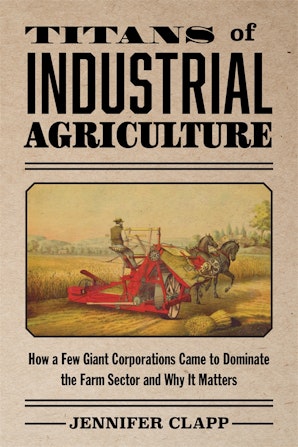
Jennifer Clapp (2025) Titans of Industrial Agriculture: How a Few Giant Corporations Came to Dominate the Farm Sector and Why It Matters 474 pp

This book was authored by Professor Jennifer Clapp, member of the Scientific Advisory Committee (SAC) of the UN Food Systems Coordination Hub, provides a thorough analysis of the historical and structural dynamics that have led to extreme corporate concentration within agricultural input markets, spanning seeds, fertilizers, agrochemicals, and machinery. 

The publication illustrates how a small number of multinational corporations have come to reshape global food systems, with profound implications for farmer livelihoods, environmental sustainability, and food system governance.

Building on the book’s key findings, this webinar explored the structural consequences of concentrated corporate power in agricultural input markets and its impact on food systems transformation. It examined how corporate dominance affects market fairness, technological innovation, ecological sustainability, and democratic participation, particularly in the context of intensifying climate pressures, biodiversity loss, and economic inequality. The event also considered policy pathways and accountability frameworks to ensure that private sector influence aligns with public interest objectives and supports equitable, sustainable, and resilient food systems.

Bringing together distinguished experts, including members of the SAC, the webinar provided a platform to discuss corporate accountability, good practices, and policy innovations that can contribute to rebalancing power dynamics in food systems. The dialogue will inform global policy discussions in the lead-up to the 2nd UN Food Systems Summit Stocktake (UNFSS+4) and strengthen efforts to advance rights-based and inclusive food systems transformation.

Monday, June 2, 2025

Netherlands Food Partnership about the upcoming UNFSS +4 Stocktake


2 June 2025. Online network briefing session from the Netherlands Food Partnership about the upcoming UNFSS +4 Stocktake for the Dutch partner network

The global UN FSS+4 Stocktaking Moment (July 27–29, 2025, in Addis Ababa, Ethiopia, co-hosted by Ethiopia and Italy) aims to discuss progress made since the UN Food Systems Summit of 2021. 


With just five years remaining until the 2030 Agenda for Sustainable Development horizon line, the UNFSS+4 will provide an opportunity to document progress, strengthen accountability, and unlock investments for transformative action. 

The event spotlighted:
  • successful country-level transformations, 
  • innovative practices, 
  • challenges faced in fragile and conflict-affected settings,
  • and be part of broader efforts to shape a coherent global narrative on sustainable development and accelerate synergies between key SDG transitions. 
Download the summary report from the meeting here. 

Below are the slides used by Mr. Khaled Eltaweel (see picture) of the Food Systems Coordination Hub.


Speakers

Setting the scene 
  • Mr Khaled Eltaweel (UN Food Systems Coordination Hub) 
  • Mr Oliver Camp (GAIN) 
Perspectives on the relevance of the UNFSS+4 Stocktake 
  • Ms Joyce Akpata (GAIN Nigeria) 
  • Ms Namukolo Covic (IFPRI Ethiopia) Dutch delegation update 
  • Ms Ingrid Flink (Ministry of Agriculture, Fisheries, Food Security and Nature) 
  • Ms Stineke Oenema (Ministry of Foreign Affairs)
Next Steps 
  • NFP Mailing list for Dutch organisations attending UNFSS+4, subscribe via: events@nlfoodpartnership.com 
  • Face-to-face expert meeting 18 June - Utrecht. Food Systems Transformation in LMICs: Opportunities to strengthen the Dutch contribution. With Corinna Hawkes, Director of the FAO Division of Agrifood Systems and Food Safety. On invitation, via events@nlfoodpartnership.com

Shared resources

Further Reading 

UNFSS+4 Independent Stakeholder Report Consultation

This open consultation is part of the development of the UNFSS+4 Independent Stakeholder Report, a critical submission to the upcoming UN Food Systems Summit +4 Stocktake, taking place in Ethiopia, 27–29 July 2025. Non-state actors are invited to provide their feedback and insights to refine and enhance the report, ensuring an inclusive, participatory approach to UNFSS+4 preparations and outcomes and strengthen knowledge sharing. Consultation period: 26 May to 6 June 2025

Access to Nutrition Initiative * ● Sanku, Ethiopia ● Tetra Pak ● WBCSD * ● World Benchmarking Alliance * ● Act 4 Food ● Amref Health Africa ● CARE Nederland ● Christ Soldiers Foundation ● Max Foundation ● SNV * ● True Animal Protein Price Coalition *● Ethiopian Agricultural Transformation Institute * ● National Department of Agriculture, South Africa ● NL Ministry of Foreign Affairs * ● NL Ministry of Agriculture, Fisheries, Food Security and Nature *● Clim-Eat * ● GFAIR - Global Forum Agricultural Research and Innovation ● The Institute for Social Accountability Kenya * ● Wageningen University & Research * ● Netherlands Food Partnership * 

Update 17/06


→ Registrations for the UNFSS+4 are now open. Follow this link
→ Check the draft programme overview of the UNFSS+4, here.
→ Check the additional programme information presented by the host country Ethiopia, a/o. an overview page, and further information about field visits and exhibition opportunities.
→ Subscribe to the UN Food Systems Coordination Hub Newsletter, using this form.

Tuesday, May 6, 2025

Innovation for sustainable development in Africa

6 May 2025.
@19:15 Tuesday, Central European Time (CET). The project Science, Technology and Innovation (STI) for Sustainable Development Goals (SDGs) Roadmpas in Africa aims to foster more inclusive and sustainable societies across the continent, drawing on STI to address societal, environmental and economic challenges linked to the SDGs.

This side event of the 2025 United Nations Multi-Stakeholder Forum on Science, Technology and Innovation for the SDGs (STI Forum) highlighted the collaborative effort between the European Commission and 5 African countries to design tailored STI for SDGs roadmaps and address specific challenges:
  1. The Gambia: improving food self-sufficiency - Ambassador Jainaba Jagne, Permanent Secretary of the Ministry of Higher Education, Research, Science and Technology, The Gambia
  2. Mauritius: reducing noncommunicable diseases
  3. Namibia: increasing resilience of rural communities to climate change
  4. Rwanda: fostering food systems transformation to enhance food security - Dr. Louis Sibomana, National Council for Science and Technology (NCST), Rwanda (online)
  5. Seychelles: enhancing energy efficiency and uptake of renewable energy in the investment and industrial sector.

Monday, December 9, 2024

Food & Agriculture Pavilion @ UNCCD COP16

2–13 December 2024
, Riyadh, Saudi Arabia UN | UNCCD COP16

As the global platform for land issues, the UN Convention to Combat Desertification (UNCCD) is the leading forum where governments, businesses, and civil society address today's challenges and plan for a sustainable future for land.

Below are some extract of the (CGAIR) Food & Agriculture Pavilion and the IFPRI events.

Food & Agriculture Pavilion


09/12 Harnessing science and public-private partnerships to advance agri-tech innovations for drought resilience and sustainable land use in the Middle East and North Africa

This side event explored how science and public-private partnerships can help tackle drought, desertification, and food insecurity in the MENA region. By encouraging multi-stakeholder engagement, it seeks to develop actionable strategies to advance agricultural technology adoption. Industry experts covered topics such as scientific research, partnerships, funding mechanisms, and policy recommendations to enhance resilience and promote sustainable land use. Core discussions focused on agri-tech case studies, effective collaboration models, and ways to integrate technology into traditional farming practices.

Speakers 
  • Ramy Boujawdeh - Berytech
  • Sandrine Jauffret - Senior natural resources management specialist, The World Bank
  • Malak Chabar (see picture) -  Communication for climate advocacy and youth inclusion | Youth4Climate, UNDP Rome Centre
    She referred to Timbuctoo – UNDP’s bold, pan-African innovative and far-reaching initiative to spark a start-up revolution in Africa.
    This programme was initiated by UNDP Africa in 2021. Its primary aim is to get a lot of private and public sector partners to help set up eight Timbuktoo Hubs in places that are known to have strong startup ecosystems, such as Accra, Nairobi, Cape Town, Lagos, Dakar, Kigali, Casablanca, and Cairo. 
  • Theophilus Dela CEO Ento Organics Ghana
    Also known as E-Organics
    , is dedicated to empowering small-scale farmers in drought-prone areas through innovative precision agriculture and regenerative practices. Its mission is to enhance agricultural productivity, sustainability, and resilience, particularly focusing on women farmers who constitute a significant portion of the agricultural labor force in rural Ghana.
  • Angela Bonato - BeadRoots, BeadRoots is  one of 7 startups in the FoodSeed program. FoodSeed is a joint initiative of promoters and investors CDP Venture Capital, through the Accelerator Fund, Fondazione Cariverona and UniCredit. The project also involves Eatable Adventures, one of the largest accelerators specialized in the sector worldwide, as co-investor and operational manager of the program. 
  • Abd El Hamid Sherief - Agrican.
  • Martino Melli, Head of Cairo Office/Carmelo Armetta, Team Leader for Rural Development and Environment, Italian Agency for Cooperation and Development AICS Cairo 
  • Moderator: Claudia Zaccari, Alliance of Bioversity International and CIAT


IFPRI @ UNCCD

12/12 Gene Banks and Legal Frameworks: Building Resilience in Agricultural Systems


Co-organized by the Seed Center & Plant Genetic Resources Bank of the Ministry of Environment, Water and Agriculture of the Kingdom of Saudi Arabia.

Panelist: David Spielman, Director, Innovation Policy and Scaling (IPS), IFPRI

Monday, December 2, 2024

Women Land Defenders from Latin America, Asia, Africa, and EMENA


28 November 2024
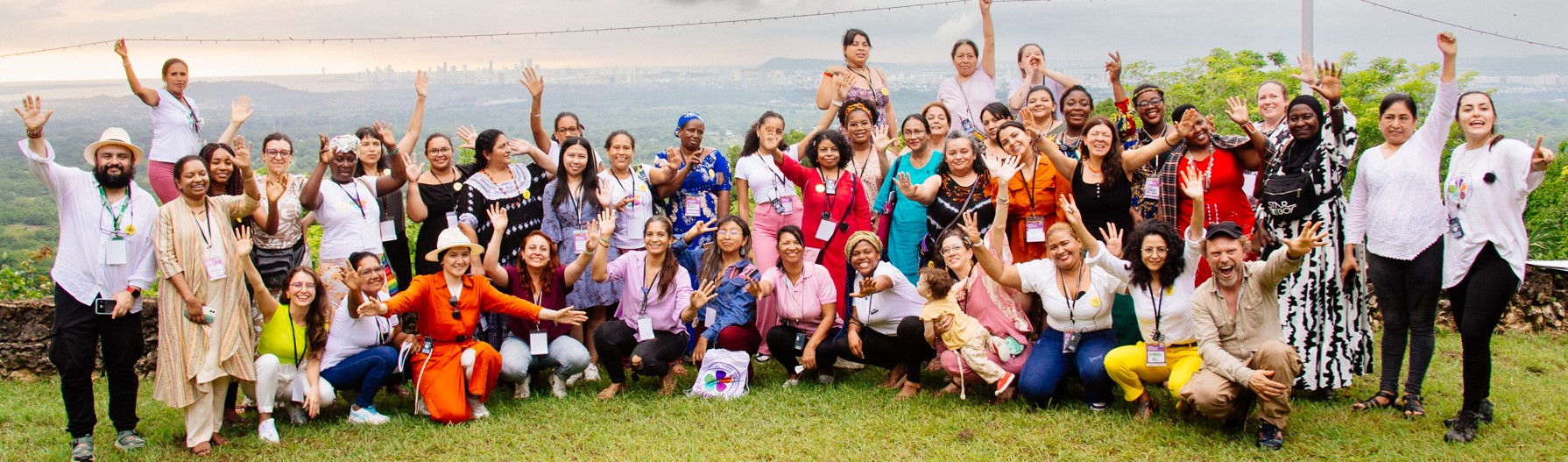
. During this meeting leaders from Latin America, Asia, Africa, and EMENA, broke down the successes and challenges of practical initiatives in their advocacy efforts to achieving women land rights in order to overcome obstacles in their territories. 

Recording available

Women Land Rights Defenders are crucial to protect land and territories, but doing so expose them to gender specific threats and challenges. There is a global need to engage with women defenders to support them, document their struggles and facilitate their voices to be heard in the public sphere.

  • Moderated by Elisabetta Cangelosi, Gender Justice Advisor, International Land Coalition 
  • Etienne Coyette, Policy Officer, INTPA F3
  • Michel Forst, UN Special Rapporteur Environmental defenders
  • Marusia Lopez,IM-Defensoras- Mesoamerican Initiative of Women Human Rights Defenders
  • Kimberly Alvarez, AR Now ! NLC Philippines
  • Leiria Vay, CODECA, Guatemala
  • Hadija Sserwanga,UCOBAC, Uganda

Thursday, June 13, 2024

Revamping Manufacturing of Agricultural Machinery in Africa

13 June 2024
. Webinar 12 Discussion Revamping Manufacturing of Agricultural Machinery in Africa

The estimated 250 Participants in Webinar 12 will be drawn mainly from private sector agricultural machinery manufacturers, farmers’ organizations, not for profit organizations, Directors of Agricultural Mechanization and Engineering Services [DAMES] from all African countries, representatives of the Regional Economic Communities [RECs], AUC, FAO and ACT.
Availability of machinery, equipment, spare parts and other supplies is essential for successful and sustainable agricultural mechanization. Agricultural mechanization includes the development of local industries that produce machinery and implements. Where production is not feasible, local franchise holders must be established and developed to import these goods. The development of supply chains and services should be an integral part of the agricultural mechanization process to ensure a better choice of equipment for particular types of users and uses and to guarantee the availability of spare parts and technical services.

The Objective of Webinar 12 is to initiate collaboration between African countries and the agricultural machinery manufacturing association of India, the Research Centre for Agricultural Mechanization Development of China, and the European Agricultural Machinery Industry Association (CEMA). 
  • Opening Remarks • John Bosco, CEO, East African Business Council (EABC) (tbc). 
  • Objectives of the Webinar: Facilitator • Mark Fynn, Regional Policy Officer, FAO Regional Office for Africa, Accra, Ghana. 
  • Overview of agricultural machinery trade and manufacturing in Africa: UNIDO • Niels Schulz, Industrial Development Officer, UNIDO, Vienna, Austria 
  • China's agricultural mechanization and international cooperation. • Prof Minli Yang - College of Engineering, China Agricultural University. 
  • Enhancing Africa-India collaboration on machinery manufacturing and supply: Experiences of the Agricultural Machinery Manufacturers’ Association (AMMA) - India. • Sarbjeet Singh Panesar - General Manager Land Force & Vice President, AMMA – India. 
  • Agricultural machinery manufacturing in Africa: Perspectives of the European Agricultural Machinery Industry Association (CEMA) • Jelte Wiersma, Secretary General, CEMA aisbl, Brussels, Belgium 
Plenary discussions including question and answer session 
Concluding Discussions and Way Forward Presentation and discussions on the key 3-4 outcomes and proposed way forward actions of Webinar 
Closing by Mr Patrice Talla Takoukam, FAO Subregional Coordinator for Southern Africa (SFS) and FAO Representative in Zimbabwe, Lesotho and Eswatini (tbc).

Resource: 

Two-wheel tractor-based service provision is economically highly viable, largely due to multifunctionality. Post-production services such as threshing and transportation are particularly lucrative. However, the emergence and economic sustainability of service providers can be undermined by bottlenecks such as access to finance, knowledge and skills development, access to fuel and spare parts, and infrastructure problems.

Funding opportunity:

The Plant Production and Protection Division (NSP) and the Office of Innovation (OIN) of the FAO launched the Global Innovation Challenge on Sustainable Agricultural Mechanization
and Farmer Field Schools for small-scale producers
. It invites FAO Country Offices with ongoing or upcoming FFS projects to participate in this Challenge.

Saturday, May 25, 2024

Opinion: The utilitarian approach of agroecology

Ramdas, S. R., & Pimbert, M. P. (2024). A cog in the capitalist wheel: co-opting agroecology in South India. 
The Journal of Peasant Studies, 1–23. 
https://doi.org/10.1080/03066150.2024.2310739
# 23 p.


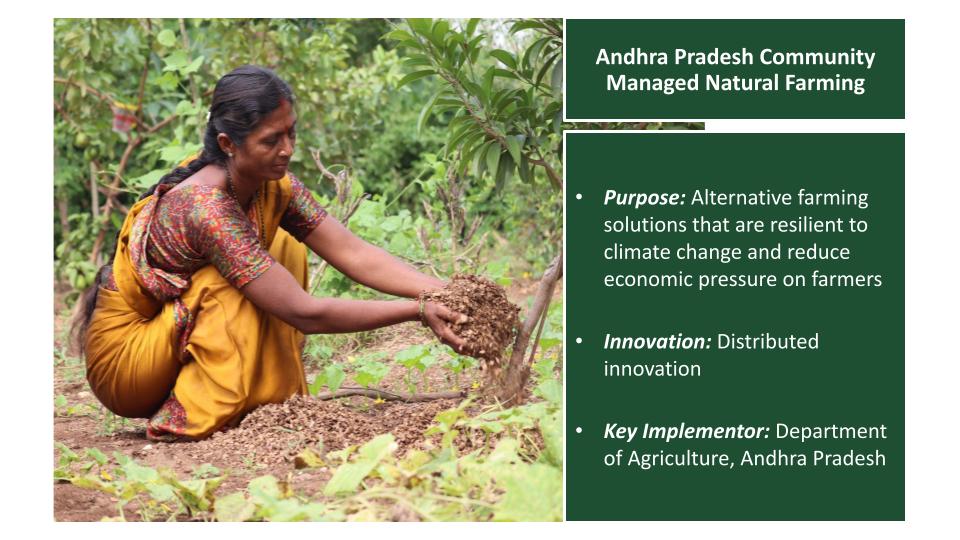
The Andhra Pradesh Climate Resilient Community Managed Natural Farming (APCNF) is a state-promoted agroecology model aiming to transition six million farmers and eight million hectares of land to entirely chemical-free farming. APCNF is anchored by Rythu Sadhikara Samastha (RySS), a government-owned private limited company conceptualised by the Andhra Pradesh government and the World Bank. 

The Andhra Pradesh Zero Budget Natural Farming project was implemented by India’s State of Andhra Pradesh in 2016 and renamed AP Community Managed Natural Farming (APCNF) in 2020.

APCNF is recognised as a successful example of peasant-led agroecology by social movements, multilateral UN bodies, governments, and researchers. This paper offers more critical perspectives here, and argue that this agroecology model deepens inequality and dispossession. 

Despite claims to the contrary, APCNF is locked in an unchanged productivist paradigm controlled by capital in collaboration with the state. By co-opting agroecology, APCNF closes down options for a just transformation of the dominant agri-food regime.


Extracts of the article:

The Andhra Pradesh (AP) and Telangana states clearly 
demonstrated their desire to fast-track 
capitalist 
economic transformation, so much so that by 2016, a mere 18 months later, the World Bank ranked both AP and Telangana 1st in the country for ‘ease of doing business’ (GoI 2016; The World Bank, 2016). This was made possible by aggressive pro-capital, land, labour, tax, power, infrastructure, water and environment reforms, all of which severely undermined workers rights, landrights, and fast-tracked environmental destruction. (page 4)

The APCNF agroecology programme rests on a superstructure of extreme inequality in land ownership (Rawal and Bansal 2021) and expanding landlessness amongst India’s most marginalised and discriminated-against citizens: Dalits, Adivasis, and Muslims. (page 5)

Between 2002 and 2012 tenancy showed a huge shift from shared tenancy to fixed rent tenancy in cash (29.9% to 55.6%), again significantly higher than all-India averages. This trend shifts the entire risk burden onto tenants and increases their vulnerability. Tenancy is also extremely high amongst socially marginalised communities. (page 6)

A recent APCNF study reports that 66% of APCNF farmers belong to historically privileged dominant castes termed Other Castes (OC) and OBC (Other Backward Classes) communities, with the remaining being Dalit (13%) and Adivasi (21%). Overall, there is very poor presence of women farmers in APCNF – a mere 5.9% of total APCNF farmers surveyed.  (page 6)

APCNF studies also flag poor adoption of APCNF by tenant farmers, as the APCNF hinders their ability to pay land rents in the short term, even if there are financial gains in the long term. This reluctance of tenant farmers to adopt CNF continues to date. These findings are indicative of how critical it is for the state to execute redistributive land reforms to correct the massive inequality in land ownership. Equitable land reform is a pre-requisite for any kind of agroecological benefits accruing to the landless.  (page 6)

In 2018, the Sustainable India Finance Facility, a partnership between the UN Environment Programme (UNEP), the World Agroforestry Centre (ICRAF), and the bank BNP Paribas, signed an agreement with GoAP to facilitate a USD 2.3 billion investment to scale up ZBNF (BNP Paribas 2018; UNEP 2018). Sustainability Partnerships have also been signed with IDH, which is a consortium of top Global Corporate food and agriculture agribusiness players, digital data corporations, the World Bank, and researchers of market-based solutions to climate change, biodiversity and sustainable production. This corporate partnership aims to experiment with sustainable landscape sourcing  (page 10)

Moreover, ZBNF/APCNF produce is being marketed via Producers Market (ProducersMarkets n.d.) which is a project of the Producers Trust, of which RySS is a Trade Collaborator (Producers Trust n.d.). This is a blockchain agri-tech start-up which has joined hands with IBM Food Trust to experiment with food traceability, and a technology-driven marketplace that links producers and consumers via big data technologies such as distributed ledger technologies, smart contracts, and cryptocurrency in the global multitrillion-dollar agriculture value chain.  (page 10)

Another recent public-private investment is via a Global Environment Facility (GEF) loan for ZBNF, with a contribution of USD 44 million private blended finance from the Bank BNP Paribas in the form of guarantees and equity funds (GEF 2021). This project aims to demonstrate how, ‘The avoided subsidies for synthetic fertilizers, could potentially free-up resources that can then be redirected to servicing loans from impact investors. (page 10)

Lack of access to land coupled with embedded discrimination and exclusionary practices are
core reasons for the minimal cattle livestock ownership amongst Dalit households. It can therefore be reasonably presumed that it is the dominant caste of land-owning farmers who are able to invest in desi cows, and start up APCNF biopesticide enterprises. This would result in further accumulation of wealth and assets in the hands of the haves. 
(page 12)

APCNF is based on a heavily funded top-down, one-way pedagogy of knowledge creation and transmission by ‘experts’ – moulded on the brahminical construct of ‘Guru-Shishya Parampara’, or the guru-teacher. (page 13)

APCNF farmers thus produce for the market and are cogs in distant supply chains. The inequality of the system excludes the caste-oppressed agricultural workers from purchasing and consuming the higher priced ZBNF food that was produced by their alienated labour. The income they earn from this agroecological project will go to purchasing the cheapest ‘chemical food’ in the market. This raises fundamental questions about the APCNF agroecology project and the many studies which claim that APCNF increases ‘well being’, access to safe food, and wealth for farmers. In reality, APCNF is accumulating these benefits for the historically privileged landowning castes, whilst sustaining the larger meta-frame of inequality and discrimination. (page 14)


Related:


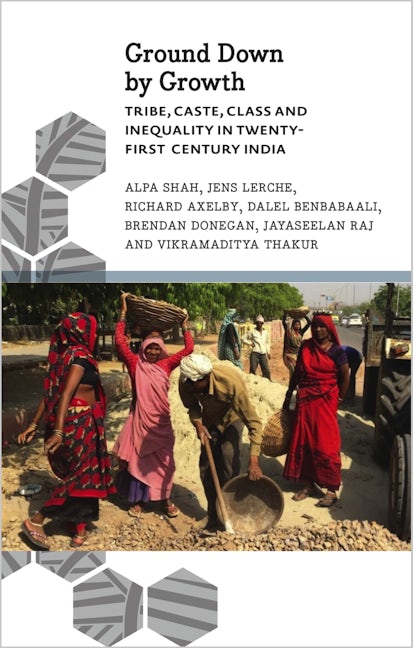
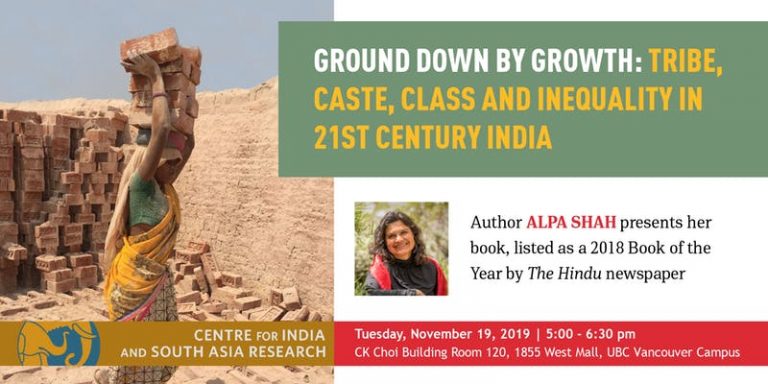
Alpa Shah, Jens Lerche, Richard Axelby, Dalel Benbabaali, Brendan Donegan, Jayaseelan Raj, and Vikramaditya Thakur. (2017) Ground Down by Growth: Tribe, Caste, Class and Inequality in Twenty-First-Century India.  London: Pluto Press,  304 pp. 

This book was listed as a 2018 Book of the Year by The Hindu newspaper. 

While the world marvels at India’s economic growth rates, inequality is rising and the country’s ‘untouchable’ and ‘tribal’ communities – who make up a staggering one in twenty-five people across the globe – remain at the bottom of the economic and social hierarchy. How and why is this the case? In conversation with economists, a team of anthropologists lived with Adivasis (‘tribes’) and Dalits (‘untouchables’) in five different sites across India to answer this question. 

They show how capitalism is entrenching social difference, transforming traditional forms of identity-based discrimination into new mechanisms of exploitation and oppression. Inherited inequalities of power are merging with the super-exploitation of migrant labour, and the conjugated oppression of class, caste, tribe and gender. The struggles against these inequalities are considered.

About the author: Alpa Shah was raised in Nairobi, read Geography at Cambridge and completed her PhD in Anthropology at the London School of Economics, where she now teaches as Associate Professor.


Praveen Jha, Paris Yeros, Walter Chambati, and Freedom Mazwi (2022) Farming and Working Under Contract. Peasants and Workers in Global Agricultural Value Systems.  #448 pp

In recent years, contract farming has received much attention in the literature, and is touted as a means to engage small farmers in high value agriculture chains. However, its role and impact in the developing countries constitute a debated ground. The proponents of contract farming claim that it results in unprecedented opportunities for farmers, while its critics argue that the asymmetric power relations between firms and farmers lead to exploitation of the latter.

This book examines the different types and models of contract farming in the global South. It reflects on the suitability of such private marketing arrangements for various crops, markets and farmers, on the basis of an analysis of the hegemonic relations between firms and farmers, better returns on crops and the extent of contract farming prevalent.

A. Amarender Reddy, A. Suresh, K. J. S. Satyasai (2020) Agricultural Development in Andhra Pradesh Temporal and Regional Perspectives # 214 pp.
This book examines historical trends in agriculture and rural development at the sub-national level in India, taking Andhra Pradesh as a case study. It investigates agrarian development before and after the green revolution, and explores the impact of major paradigm shifts in agricultural development policy, including globalization and liberalization. The book also explores the changes in land use pattern, input usage and the performance of allied sectors, and institutions over the past fifty years under different policy scenarios.

D. Narasimha Reddy, Srijit Mishra (2010) Agrarian Crisis in India #286 pp.
This volume provides a comprehensive analysis of the macro- and micro-level issues associated with agrarian distress. It analyses structural, institutional, and policy changes, highlighting the failure of public support system in agriculture. The crisis manifests itself in the form of deceleration in growth and distress of farmers. The case studies from Maharashtra, Andhra Pradesh, Karnataka, Kerala, and Punjab bring out the diversity of conditions prevalent in the states.