Platform for African – European Partnership in Agricultural Research for Development
Showing posts with label Food & Beverage. Show all posts

Tuesday, September 1, 2026

Fermentation: from evidence to scale

Fermentation: An Ancient Solution to Modern Challenges, published by Sight and Life in March 2025. CIFF supported the publication. 100 pp.

The report examines traditional food fermentation as a potentially powerful solution for nutrition, food security, livelihoods, and environmental challenges, particularly in low- and middle-income countries (LMICs).

Its main findings include:

  • Improved nutrition: Fermentation can improve mineral bioavailability and protein digestibility while reducing anti-nutritional compounds.
  • Food preservation: Fermentation can extend shelf life, helping reduce food loss and improve food availability where refrigeration and storage are limited.
  • Food safety: Certain fermentation processes can inhibit harmful microorganisms and improve the safety of foods.
  • Climate and sustainability: Fermentation is generally an energy-efficient preservation method and can contribute to reducing food waste.
  • Women and livelihoods: Traditional fermentation is frequently carried out by women at household or small-business level, so scaling it could create income opportunities and strengthen women's economic participation.
  • Local food systems: The report emphasizes building on indigenous knowledge and locally available foods rather than relying exclusively on imported technologies.
  • Scaling challenges: Major barriers include inconsistent fermentation processes, food-safety concerns, limited scientific evidence, lack of standards and regulation, consumer acceptance, and difficulties moving from household production to commercial scale.

1 September 2026. Organized by: Sight and


Life, CIFF Sight and Life (SAL) work on fermentation. This included the first-of-its-kind Special Report on Fermentation, and a new programme –Foundations for Scaling Fermented Foods in Nigeria and Ethiopia– generating country-level evidence to guide safe, effective scaleup of fermented foods across Africa. 

SAL launched the report and programme to spotlight fermentation's potential to combat malnutrition, improve livelihoods and reduce food's climate impact. 

This session was the flagship to position fermentation on the continental agenda and anchor the evidence base for Ethiopia's national roadmap. 

Session objectives 

  1. Launch the Special Report on Fermentation to a high-level, continental audience. 
  2. Position fermentation on the African food-systems agenda as a climate-smart, nutrition-sensitive solution strengthening local livelihoods - especially for women producers. 
  3. Inspire collaboration: driving innovation, attracting investment, and supporting evidence-informed policy on fermented foods
Speakers 

  1. Petrida Paul Moderator; Executive Communications Coordinator Sight and Life
  2. Elvis Gakuba Africa Director Sight and Life
  3. Kesso Gabrielle van Zutphen-Küffer Scientific Director Sight and Life
  4. Dr. Elmer Ametefe Senior Lecturer University of Ghana
  5. Dr. Zouera Youssoufou Managing Director & CEO Aliko Dangote Foundation
  6. H.E. Dr. Telesphore Ndabamenye Minister of Agriculture and Animal Resources Government of Rwanda
  7. H.E. Demeke Mekonnen Hassen Former Deputy Prime Minister of Ethiopia; Founder & Board Chairperson Yadam Foundation
  8. H.E. Senator Abubakar Kyari, CON Honourable Minister of Agriculture and Food Security Federal Ministry of Agriculture and Food Security, Nigeria
  9. H.E. Aurélie Royet-Gounin French Ambassador to Rwanda French Ministry for Europe and Foreign Affairs / Embassy of France in Rwanda
  10. Chef Dieuveil Malonga (see picture)

Wednesday, August 13, 2025

The State of Investments in Fruit & Vegetables - A Global Report

13 August 2025. Presentation of the report: The State of Investments in Fruit & Vegetables +   Addressing Postharvest Losses and Building Value Chains


Postharvest losses of 40–50%, as reported in Kenya and Tanzania, undermine farmer incomes, reduce food availability, and drive up consumer prices. Strategic investments in cold chain infrastructure, improved packaging, processing technologies, and aggregation centers can significantly reduce waste while creating new economic opportunities. These interventions strengthen entire value chains, particularly in peri-urban and regional trade hubs. 

Proven solutions already in use across East Africa demonstrate commercial viability, delivering returns through higher marketable volumes, reduced losses, and improved farmer incomes. With every dollar invested, stakeholders can unlock measurable gains in food security, nutrition, and rural employment while building more resilient horticultural markets.

Presentation of the report
  • Katheryn Gregerson Responsible Innovations (hosted by the University of California) - Former Feed the Future Innovation Lab for Horticulture. Katheryn Gregerson has over four years of experience in international agriculture development, including business development and program coordination, building skills in proposal writing, communication of success stories, cross-disciplinary research, and international partner coordination. As a Graduate Student Researcher at the Feed the Future Innovation Lab for Horticulture, she facilitated Horticulture Investment Study workshops in Kenya, Guatemala, and Nepal, collaborating with individuals and organizations. 
  • Erin McGuire, Responsible Innovations
  • Archie Jarman, Responsible Innovations 
  • Khush Bakht Aalia, Responsible Innovations 

One of the major findings of this study was that more investment is needed in postharvest loss. 3 presenters focused on post harvest loss:
  • Dr. Jane Ambuko Lukachi - Professor of Horticulture. Jane Ambuko is a Professor of Horticulture at the University of Nairobi, Kenya. She holds a BSc in Agriculture, MSc in Horticulture from the University of Nairobi, Kenya and a PhD in Agricultural Sciences (Pomology and Postharvest Major) from Tsukuba University, Japan. Her area of specialization is Postharvest Management. Her research, training and outreach initiatives are focused on food loss and waste reduction mainly in Horticultural value chains. Prof. Ambuko works closely with smallholder farmers in capacity building and innovation/technology scale-up initiatives geared towards better postharvest management. horticultural markets.
  • Dr. Peninah Yumbya - Nutrition and Food Systems Researcher at International Center for
    Evaluation and Development (ICED). Peninah Yumbya, PhD, is an experienced horticultural scientist with over 15 years of expertise in agricultural research, specializing in postharvest science and technology. She currently serves as the Kenya Country Director and Food Systems Researcher at the International Center for Evaluation and Development (ICED), where she leads programs aimed at improving smallholder farmer livelihoods through sustainable and inclusive agricultural innovations. Previously, Peninah served as the Regional Manager for the Feed the Future Innovation Lab for Horticulture, East Africa regional Hub. A strong advocate for localization, she champions a shift in the research model to empower Global South researchers to conceptualize and lead their own research initiatives. Her work is driven by a deep commitment to reducing food loss and waste, enhancing food safety, and empowering women and youth across food systems through research and evidence synthesis.
  • Dr. Gloria Essilfie - Senior Lecturer | University of Ghana. Dr. Essilfie's research interests are in the development of management and intervention strategies that may be applied to eliminate or control pathogenic contamination of fruits and vegetables specifically the safety of waste water irrigated vegetables as well as adaptation and assessment of the effectiveness of low cost preservative technologies to reduce postharvest loss in agricultural commodities. 
GFAiR chat comment: As of 2025, a total of 128 countries had developed national food systems transformation pathways. (These are the official “pathway documents” countries prepared following the UNFSS process.) There’s no readily accessible data or analysis indicating how many of these national pathways specifically focus on—or integrate—fruits and vegetables in their policy frameworks.

Resource

This global report presents the first cross-country analysis of research and development (R&D) investments in fruits and vegetables (F&Vs), drawing on insights from 179 experts across nine low- and middle-income countries. The study explores how investment trends, systemic barriers, and stakeholder priorities shape the availability, affordability, and accessibility of F&Vs in diverse food systems.


It combines Delphi and Q methodology to quantify investment patterns, uncover barriers, and identify strategic entry points for action. The findings underscore the urgent need to rebalance agricultural investments toward F&Vs to improve nutrition, resilience, and inclusive economic growth.


Despite these wide-ranging benefits, F&Vs remain severely underfunded in agricultural research and development (R&D), particularly in low- and middle-income countries (LMICs). This lack of investment contributes to chronically low consumption. (page 10)

On average, only 10.9% of agricultural crop-related R&D funding is directed toward locally consumed F&Vs, despite their critical role in improving diet quality and food system resilience. Experts emphasized that this low level of investment is insufficient to meet growing demand, address persistent nutritional gaps, or build the infrastructure and innovation needed to support smallholder production and inclusive market access. (page 10)

The CGIAR Research Initiative on Fruit and Vegetables for Sustainable Healthy Diets (FRESH),
implemented across five CGIAR centers from 2022–2024, reflects CGIAR’s growing recognition of the importance of F&V research (CGIAR, 2025). Still, F&V as a research theme continues to receive limited investment. 
(page 14)

Most of this private R&D on F&Vs is concentrated in high-income countries, limiting its benefits for LMICs.  (page 15)

Four core themes emerged as consistent barriers to F&V investment: 
  1. fragmented markets,
  2. policy focus on staple crops, 
  3. inadequate infrastructure for storage and transport, 
  4. and limited technical capacity
The study highlights clear pathways for action.
  1. Reducing postharvest losses and strengthening value chains; 
  2. Enhancing extension through capacity building and digital innovation; 
  3. Promoting nutrition-sensitive consumer demand for F&Vs; 
  4. Investing in seed systems and research infrastructure; and 
  5. Improving women’s market access through policy instruments.

Investment Trends: 2018–2023 

While overall investment in F&V R&D was relatively low, several countries experienced notable growth between 2018 and 2023, driven by donor support and shifting national priorities: 
  • In Ghana, experts estimated that F&V investment grew from $7.5 million in 2018 to nearly $21 million in 2023, although they cautioned that the current level remained inadequate to meet sectoral needs. 
  • In Ghana, only 6.5% of total F&V research investment was directed toward locally consumed crops, despite its strong production capacity. 
  • By contrast, Tanzania allocated 12.3% of its F&V R&D investment to locally consumed F&Vs, nearly double that of Ghana.
  • In Benin, experts estimated that total F&V R&D investment more than doubled, from $39 million in 2018 to $96 million in 2023. However, they noted that this growth was likely driven by public and donor interest in developing the export market, rather than addressing the needs of locally consumed F&Vs. 
  • In Nepal, experts estimated that investment rose from $27 million to $44 million over the same period, attributed to rising domestic demand and recognition of the country’s comparative advantage in high-value F&V exports (e.g., cardamom, citrus, kiwi). 
  • In Sri Lanka, investment data was unavailable due to political instability, with trends heavily disrupted and untrackable during the reporting period.

Regional Insights

While global trends are clear, the impacts of underinvestment manifest differently across regions. 
  • In both West Africa and South Asia, experts' top concerns were reduced productivity and worsening food insecurity
  • In East Africa, the dominant concerns were increased postharvest losses and deepening poverty, as infrastructural gaps and market price fluctuations eroded incomes and access to F&Vs. 
  • Central American experts noted that a lack of investment in F&V R&D would lead to increased costs of F&Vs, intensifying both poverty and food insecurity while contributing to rising out migration.

Policy Prioritization of Other Crops: 

A persistent bias toward staple crops in national policy and budgets has posed a major upstream barrier to F&V investment. Governments frequently allocate funding and infrastructure to cereals and grains, sidelining F&Vs despite their role in nutrition and income generation. This has resulted in under-resourced research institutions, minimal extension support, and few public incentives for horticulture.

Feed the Future Innovation Lab for Horticulture - 2009 to 2025


West Africa Regional Projects

  1. Promoting food and nutrition security in the West African sub-region through indigenous, neglected and underutilized fruits and vegetables Led by Dr. Freda E. Asem, University of Ghana. -African Indigenous fruits and vegetables (AIFVs) have significant benefits. The project develops a detailed analysis of how value chain actors can increase income with enhanced production and consumption of AIFVs in Ghana and Mali.
  2. Enhancing the production and consumption of African indigenous fruits and vegetables (AIFV) to improve diets in Ghana and Mali Led by Gloria Essilfie, University of Ghana - Emphasizing the promotion of youth-led enterprises, this project raises consumer awareness of the nutritional benefits of AIFVs, while increasing incomes for all actors along the value chain.
  3. Increasing youth participation in the production of indigenous vegetables and fruits using with locally available resources - Led by Atanda Oladejo, Obafemi Awolowo University
  4. Research aims to increase employment opportunities in the horticulture sector through youth engagement with efficient soil management practices and digital tools to enhance African indigenous fruit and vegetable (AIFV) production.
  5. Strengthening the horticulture sector in Guinea Bissau - Led by Dr. Naalamle Amissah , University of Ghana. The horticulture sector in Guinea Bissau offers significant promise that remains untapped. This project will strengthen input supply, production strategies, and build institutional capacity in higher education, national research, and within farmer groups.
  6. Strengthening the horticulture sector in Niger - Led by Erin McGuire , University of California, Davis - The project builds on the Millennium Challenge Corporation’s efforts in Niger by strengthening key horticulture value chains and increasing the capacity of actors in the horticulture sector through this Mission buy-in from the USAID Mission in Niger.

Wednesday, August 6, 2025

Highlight: Plafko the first oat milk brand in Ethiopia

Plafko Trading PLC (plant food company in Ethiopia) is a plant-based food company. 

DOWNLOAD HERE THE COMPANY PROFILE

It was co-founded by Selam Yihun in December 2024 through the Jasiri program, alongside two co-founders. While traveling across Rwanda—from Tuzza to Kigali—Plafko was struck by the popularity of milk bars. That simple observation sparked a question: Why don’t we see the same access to dairy in Ethiopia?Plafko digged deeper and uncovered more than ten reasons for the gap. Some key insights include:
  • A 2% drop in milk demand during fasting seasons due to cultural avoidance of animal products.
  • 18.3% of children in Ethiopia are lactose intolerant.
  • 39% of children under five are stunted (low height for age).
  • And generally, the market fails to meet the existing demand for milk and its alternatives.
These findings motivated Plafko to take action. In just a few months, they have sold over 200 liters of its organic oat milk, making Plafko the first oat milk brand in Ethiopia. The goal is to address both health and accessibility issues by offering a diverse product range—from oat milk to plant-based yogurt, cheese, and fortified products for malnourished children.

Plafko is currently working to improve its production efficiency and enter the retail market. They have also actively seeking partnerships and institutional support to help advance product development and expand its impact.

Background:


Selam Yihun is the CEO of Plafko Trading PLC, a women-led agro-processing venture
pioneering plant-based dairy alternatives to address nutritional gaps and environmental challenges across Africa. 


Her passion for entrepreneurship and women’s empowerment fuels her vision of an Africa free from food insecurity and the environmental harms of traditional dairy practices. She holds a degree in Mechanical Engineering, complemented by strong expertise in business development, strategy, and e-commerce. Selam has supported over 40 startups and contributed to the creation of more than 10,000 jobs across the continent, championing inclusive economic transformation. Currently, she serves as the Chair of the European Union Delegation to Ethiopia’s Youth Sounding Board, where she advocates for youth engagement, inclusive development, economic empowerment, and climate action. She will participate in the World Food Forum Youth Program in Rome (October 2025).

Contact:
Selam Yihun
Co-founder, Plafko Trading PLC
Chair, EU Delegation to Ethiopia – Youth Sounding Board
Youth Representative, WFF Youth Program
syihun6878@gmail.com | +251946636878 | LinkedIn | Plafko.com

Related:


Abstract submission 30 September 2025

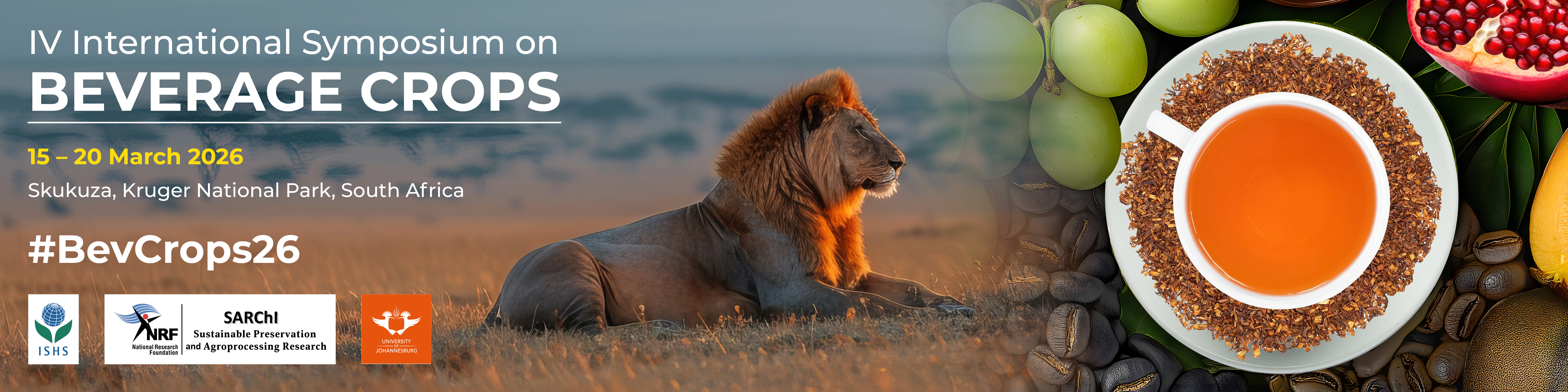
Under the theme ‘Beverage Crops: Sustainability and Scientific Advancements in the 21st Century,’ this symposium will highlight the latest research, technological innovations, and industry trends shaping the future of beverage crop production and processing. 

This theme reflects the growing importance of beverage crops in sustainable agriculture, nutrition, and global trade. Beverage crops encompass a vast diversity of fruits, nuts, vegetables, vine and berry fruits, and botanical plants used for fresh juices, extracts, fermentations, and infusions. From widely consumed beverages such as coffee, tea, beer, and wine to emerging plant-based alternatives like almond and soy beverages, as well as herbal infusions rich in bioactive compounds—including the proudly South African Rooibos tea—this symposium provides a platform for scientific exchange, innovation, and industry collaboration.


Friday, May 2, 2025

London's African culinary scene

26 - 30 April 2025
. London Field visit Forgotten Foods Consortium, supported by the Global Forum for Agricultural and Innovation Research (GFAiR).

African restaurants in London have a rich history that mirrors the city's evolving cultural landscape. In the mid-20th century, as immigrants from various African nations settled in London, they brought with them their culinary traditions. 

Initially, African cuisine was primarily shared within homes and community gatherings. Over time, informal eateries and food stalls began to emerge, offering dishes that provided a taste of home for the diaspora. 

These establishments often served as community hubs, fostering connections among immigrants and introducing African flavors to a broader audience.

In recent years, there has been a notable rise in the number and diversity of African restaurants across London. This growth reflects both the increasing African diaspora and a broader interest in global cuisines. While exact numbers fluctuate, it's evident that West African cuisines, particularly Nigerian and Ghanaian, have a significant presence. Ethiopian and Eritrean restaurants are also prominent, especially in areas like Brixton and Dalston. Other regions, such as North and South Africa, are represented through Moroccan, Algerian, and South African establishments. This diverse culinary scene offers Londoners and visitors alike a chance to experience the rich tapestry of African flavors and traditions.

London's African culinary scene

London's African culinary scene has flourished in recent years, with several restaurants dedicated to reviving traditional and lesser-known dishes from across the continent. These establishments offer immersive dining experiences that celebrate Africa's rich and diverse gastronomic heritage.

Several establishments not only provide delicious meals but also serve as cultural ambassadors, educating diners about the diverse and rich culinary traditions of Africa.

  • For those seeking a more homely atmosphere, Tatale at The Africa Centre in Southwark offers a pan-African menu that includes both well-known and obscure dishes. The restaurant aims to provide a communal dining experience reminiscent of traditional African gatherings . Similarly, Merkato in King's Cross specializes in Ethiopian and Eritrean cuisines, serving dishes like injera with various stews, reflecting the rich culinary traditions of East Africa.
  • Akoko, located in Fitzrovia, is a Michelin-starred restaurant that showcases refined interpretations of West African cuisine. Founded by Aji Akokomi, Akoko's menu features dishes inspired by the culinary traditions of Nigeria, Ghana, Senegal, and The Gambia, utilizing ingredients like calabash nutmeg, fermented locust beans, and suya spices . In Borough Market, Akokomi's second venture, Akara, offers a more casual dining experience centered around the eponymous black-eyed pea fritter, a staple in both West African and Brazilian cuisines .
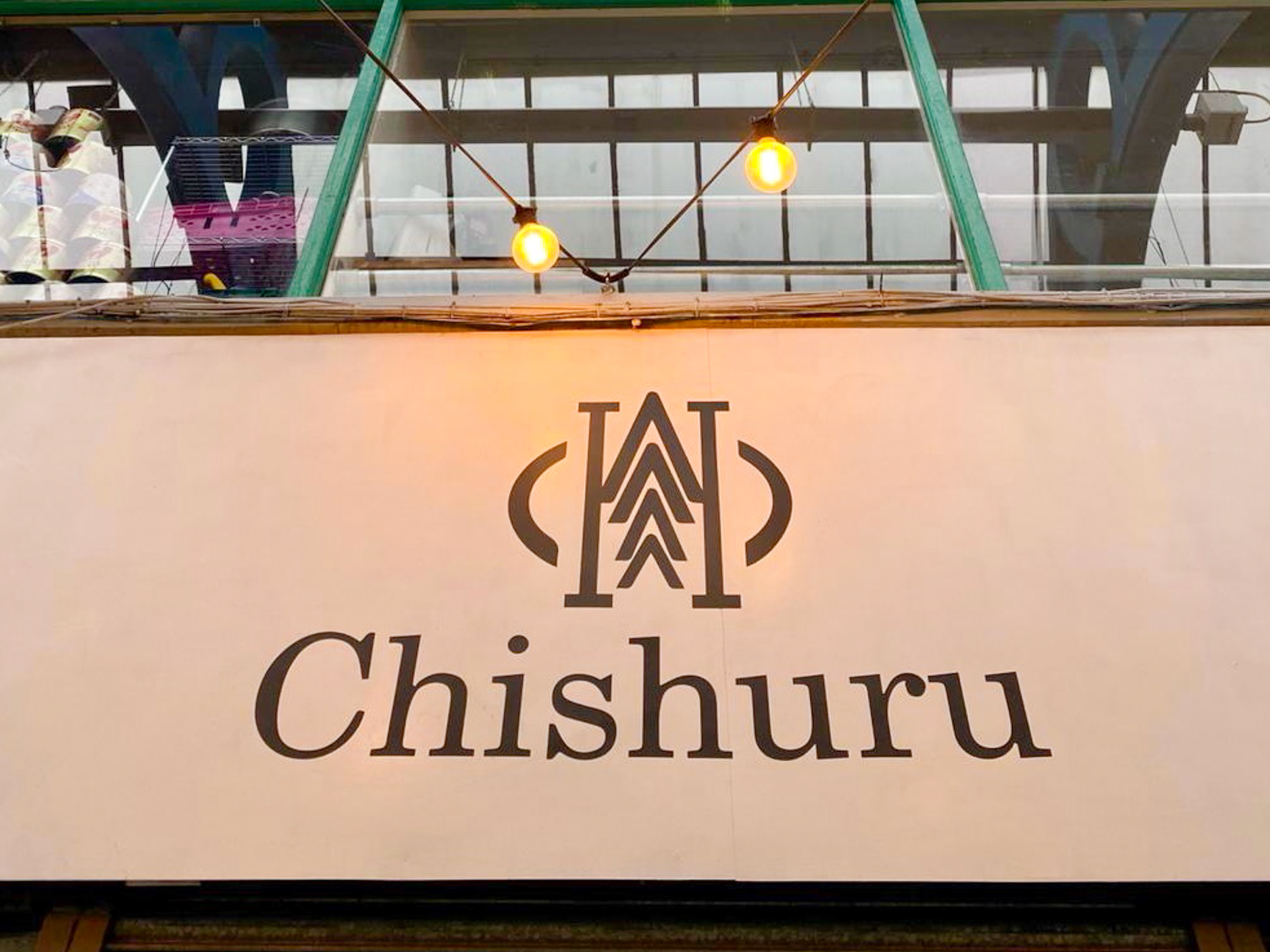
  • Chishuru, situated in Fitzrovia, is another Michelin-starred establishment that delves into traditional West African flavors. Chef Adejoké Bakare crafts a menu that pays homage to her Nigerian heritage, presenting dishes that are both authentic and innovative. Her approach has garnered acclaim for bringing West African cuisine to the forefront of London's fine dining scene. Chishuru is renowned for its dedication to reviving and celebrating traditional and lesser-known African dishes.

    One such dish is Ekuru, a steamed bean cake made from peeled black-eyed beans and
    wildwatermelon seeds, traditionally enjoyed by the Yoruba people of Nigeria. At Chishuru, it's innovatively paired with pumpkin seed pesto and Scotch bonnet sauce, offering a modern twist on a classic.

    Another highlight is Sinasir, a fermented rice cake rooted in Hausa cuisine, served with toppings like dressed crab and tempura sorrel, showcasing the depth of Northern Nigerian flavors.

    The menu also features Moi Moi, a savory bean pudding, and Ekoki, a corn-based dish, both
    staples in Nigerian households but rarely seen in Western restaurants. For dessert, Chishuru offers Fonio & Carob, utilizing fonio, an ancient grain native to West Africa, paired with carob custard, coconut crisp, and peanut praline, reflecting the rich agricultural heritage of the region.


The GAMAAL app


The GAMAAL app is a UK-based platform launched in February 2023 by Fatoumata Diallo, aiming to connect home cooks with food enthusiasts seeking authentic, home-cooked meals. Officially launched in Camden on June 8, 2024, the app focuses on promoting traditional and often overlooked dishes from the Global South, such as those made with millet, amaranth, and native legumes. By featuring these nutrient-rich ingredients, GAMAAL not only preserves culinary heritage but also supports local economies and sustainable food systems. The platform empowers predominantly female cooks, providing them with opportunities to share their culinary skills and stories, thereby fostering community engagement and cultural preservation.

See also: ADAF 2024: The Gamaal dynamic homecooked food app

The UK Afro-Caribbean grocery market: Ade's Foods'

28 April 2025.  Field visit Forgotten Foods Consortium, supported by the Global Forum for Agricultural and Innovation Research (GFAiR) - visit to Ade's Foods.

Ade's Foods, officially known as Ades Limited, was founded in 2004 by Nigerian entrepreneur Michael Adedipe. Recognizing a growing demand for authentic African and Caribbean food products in the UK, Adedipe established the company to serve both retail and wholesale customers. 

Mr. Michael Adedipe is a prominent figure in the UK's Afro-Caribbean food retail sector, serving as the CEO of Ade's Foods, also known as Ade's Cash & Carry. Under his leadership, the company has expanded its presence.

A  cornerstone for Afro-Caribbean communities

The first store opened in Charlton, southeast London, and quickly became a cornerstone for Afro-Caribbean communities seeking familiar ingredients and products. Over the years, Ade's Foods expanded its offerings to include a wide range of groceries, cosmetics, and household items, solidifying its reputation as a comprehensive supplier for diverse cultural needs.

In July 2014, Ade's Foods celebrated the grand opening of its second retail store in Thamesmead, southeast London, marking a significant milestone in the company's growth. 

Under Adedipe's leadership, Ade's Foods has continued to thrive, earning recognition as one of the UK's most dynamic small and medium-sized enterprises. The company's commitment to quality products and customer service has made it a trusted name among both individual shoppers and businesses across the UK

Ade's Foods sources its products from a diverse network of suppliers across Africa and the Caribbean, ensuring authenticity and quality in its offerings. By importing directly from countries like Nigeria, Ghana, and Jamaica, 

Ade's Foods provides customers with genuine ingredients and products that reflect the rich culinary traditions of these regions. This commitment to authentic sourcing allows Ade's Foods to cater to the diverse tastes and preferences of its clientele, offering a wide range of groceries, meats, and specialty items that are integral to African and Caribbean cuisines.

Among the best-selling products at Ade's Foods are staple items such as Ghana gari, a fermented cassava flour essential in many West African dishes, and natural roasted peanuts, which are popular for their versatility and flavor. 

Additionally, the store offers a variety of ready-to-eat meals like jollof rice, efo egusi, and yam porridge, which are prepared using traditional recipes and high-quality ingredients. 

These products resonate with customers seeking convenient yet authentic meal options that bring the taste of home to their tables. 

The popularity of these items underscores Ade's Foods' role in preserving and promoting African and Caribbean culinary heritage in the UK.

Cooking the Food of Nigeria

28 April 2025. British Library,


London. Acclaimed food newsletter Vittles presented a panel of cookery writers and chefs to debate the enduring appeal of the cookery book.

Ozoz Sokoh is a Nigerian food writer, explorer, and educator whose work celebrates the abundance of Nigerian cuisine and its global connections. A former exploration geologist, her debut cookbook, Chop Chop: Cooking the food of Nigeria is available in the UK since April 2025. 

Her research and documentation focuses on reclaiming and reimagining foodways, tracing the roots of Nigerian and West African cuisine. 

Ozoz also celebrates the joy of eating across the Black Atlantic in her online resource, Feast Afrique. It contains an open-source digital library with resources from the 1800s to date, and more about the intellectual contributions of West Africa to global food culture. 

She is a professor of Food and Tourism Studies at Centennial College, Ontario, and lives with her three teenage children in Mississauga, part of the Treaty Lands and Territory of the Mississaugas of the Credit First Nation.

In Nigeria, the word “chop” is all about food and feasting and “chop chop” a nickname given to someone who loves to eat. And it's no surprise Nigeria has an entire vocabulary dedicated to eating—with more than 50 nationally recognized languages and over 250 ethnicities, Nigeria's food is as rich and diverse as its people.This book reflects the foodways’ incredibly flavorful complexity, ingredients, and recipes from all six regions, gathered and showcased in a highly photographic cookbook.

Chop Chop celebrates classic and traditional Nigerian cuisine to underscore the ingredients, flavors, and textures that make it not only beloved, but delicious and easy for the home cook. Featuring:

A COLLECTION OF CLASSIC AND TRADITIONAL NIGERIAN RECIPES: Think smoky spicy beef suya skewers, egusi soup with greens, restorative pepper soup, jollof rice studded with tomatoes, soft puff puff dough bites, and sweet-tart hibiscus drinks, and more from across the country.

LEXICON OF NIGERIAN CUISINE: Learn how to shop and cook like a Nigerian and learn about the ingredients integral to Nigerian cuisine, like nuts and seeds, greens, grains, and cereals (especially in the north), roots and tubers (favorites of the south), and proteins that come together on the plate in the form of hearty soups and stews, steamed puddings, salads, rice dishes, fritters, and more.

ILLUMINATING CULTURAL AND HISTORICAL EXPLORATIONS: With headnotes and sidebars that give important cultural and historical context, including how Nigerian cuisine travelled the globe leaving its mark, you will learn the deep roots behind dishes and drinks, and global foodways connections.

STUNNING PHOTOGRAPHY: With gorgeous photos from Nigeria’s landscapes, food markets, and people, as well as beautiful photography of ingredients and finished dishes, Chop Chop is a cookbook to behold.


Mon Afrique: Produits phares, savoir-faire, recettes 

Hardcover – Illustrated, 22 Nov. 2024, 192 pages
by Anto Cocagne (Auteur), Aline Princet (Photographies), Véronique Tanneur (Créateur)

Mon Afrique: Produits phares, savoir-faire, recettes is a culinary book published in November 2024 by Franco-Gabonese chef Anto Cocagne, in collaboration with photographer Aline Princet. Spanning 197 pages and released by Mango Editions, the book offers a deep dive into the richness of African cuisines. It highlights key ingredients, traditional culinary techniques, and authentic recipes, all presented alongside vivid photography and storytelling. The book serves as both a visual and gastronomic journey through various African cultures and their food heritage.

More than just a recipe collection, Mon Afrique is designed as a cultural encounter and culinary voyage. Chef Anto shares the know-how and practical gestures that define African cooking, offering step-by-step guidance for readers to master dishes rarely seen in mainstream cookbooks. The work stands out for its commitment to celebrating Africa’s culinary diversity while preserving traditional methods, making it a valuable resource for anyone seeking to understand and experience the depth of African gastronomy.

Wednesday, April 30, 2025

Forgotten food and the UK diaspora of African origin

26 - 30 April 2025. Field visit Forgotten Foods Consortium, supported by the Global Forum on Agricultural Research and Innovation (GFAiR). 

Ms. Samira Hotobah-During, Director, Coordinator and Focal Point of the Resilient Local Food Supply Chains Alliance (RLFSC Alliance, one of the WFP coalitions emerging out of the UNFSS) joined the field visit. (see pic: middle).

The objectives of this African Diaspora Food Market in the UK were to:

  • Explore the current African diaspora food market landscape in the UK
  • Identify key trends, gaps, opportunities, and innovations
  • Engage with members of the Forgotten Food Consortium
  • Strengthen networks with agrofood entrepreneurs, retailers, and food advocates
  • Evaluate findings and develop actionable next steps

The UK African Diaspora

As of the 2021 Census, approximately 2.4 million people in England and Wales identified as belonging
to the "Black, Black British, Black Welsh, Caribbean or African" ethnic group, representing about 4.0% of the population. Within this group, the "African" subcategory was the largest. Specific write-in responses included:​ (a) Nigerian: 270,768​, (b) Somali: 150,993​, (c) Ghanaian: 112,958​. These figures pertain to England and Wales.

In the UK, individuals seeking African food can find a variety of products in both physical markets and online stores. These outlets offer a range of traditional ingredients, fresh produce, and specialty items catering to diverse African cuisines.​

🛒 Physical Markets and Shops

London:

  • Brixton Market & Brixton Village: Located in South London, these markets are renowned for their vibrant atmosphere and diverse offerings, including African and Caribbean food stalls. Visitors can find fresh produce, spices, and traditional ingredients essential for African cooking.​
  • Queen's Market (Upton Park): Situated in East London, Queen's Market is a historic market known for its multicultural vendors. It offers a variety of African food items, from fresh vegetables to specialty meats and spices. ​
  • Deptford Market: This market in Southeast London features a mix of stalls selling African, Caribbean, and Asian foodstuffs. Shoppers can find a range of products, including fresh produce, meats, and traditional African ingredients. ​

Other UK Cities:

  • Manchester: Areas like Moss Side and Cheetham Hill host several African grocery stores
    offering a variety of traditional products.​
  • Birmingham: The city boasts a number of African and Caribbean food shops, particularly in neighborhoods such as Handsworth and Aston.​
  • Oxford: Shops like Tahmid Stores on Cowley Road and Cashmere Afro Mini Market in Abingdon provide African food items to the local community. ​

🌐 Online African Food Stores

For those who prefer shopping online or reside outside major cities, several UK-based online stores specialize in African groceries:

  • Wosiwosi: Offers a wide range of African food products, including condiments, grains, and beverages.​
  • Afrocarib.co.uk: Provides a selection of African and Caribbean food items, delivering across the UK.​
  • Akins Foods: Specializes in African and Afro-Caribbean groceries, with options for online shopping and delivery.​
  • Gemini Foods: Offers a variety of African and Caribbean food products, including fresh produce and pantry staples.​
  • Samis Online: An Afro-Caribbean online superstore providing a range of groceries and household items.​
  • Ofoodi UK: Stocks over 200 authentic African groceries, with options for online ordering and delivery.​

Whether shopping in bustling markets or online, the UK offers numerous avenues to access authentic African food products, catering to the diverse culinary needs of its communities.

Main commodities

In UK markets that specialize in African food, the main commodities typically include:

  • Fresh Produce: Leafy greens like: Ugu (fluted pumpkin leaves), Ewedu (jute leaves), Bitter leaf, Spinach varieties (e.g., amaranth); Root crops: Yam, Cassava (fresh or frozen), Cocoyam, Sweet potatoes; Plantain – green and ripe
  • Meat and Fish: Smoked fish (tilapia, catfish, stockfish), Dried fish, Goat meat (often preferred for soups and stews), Offals (tripe, cow skin—ponmo), Frozen African-style cuts (turkey tails, chicken gizzards)
  • Grains, Flours & Starches:  Garri (cassava flakes), Fufu flour (yam, plantain, or cassava-based), Semolina, Rice (often long grain or parboiled, like Nigerian-style), Beans (black-eyed peas, honey beans/ewa oloyin)
  • Spices, Condiments & Seasonings: Ground crayfish, Maggi cubes (and other bouillon brands like Knorr, Royco), Egusi (melon seeds), Ogbono (wild mango seeds), Suya spice, Dawa-dawa/Iru (fermented locust beans), Palm oil
  • Canned & Packaged Foods: Jollof rice spice mixes; Tomato paste (used in stews); Canned palm nut soup base; Stock cubes and seasoning blends
  • Beverages & Snacks: Malt drinks (e.g., Malta Guinness, Amstel Malta); Chin chin; Plantain chips; Zobo (hibiscus) leaves; Groundnut (peanut)

What does this represent in term of income and international trade?

The UK's ethnic food market, encompassing African, Caribbean, Asian, and other international cuisines, was valued at approximately $9.47 billion in 2023. Projections indicate growth to $17.7 billion by 2032, reflecting a compound annual growth rate (CAGR) of 7.1% . This expansion is driven by the UK's increasing multicultural population and a growing consumer interest in diverse culinary experiences.​

While specific data on the African food segment is limited, it constitutes a substantial portion of this market. Major urban centers such as London, Birmingham, and Manchester host numerous African grocery stores, restaurants, and market stalls, catering to both African diaspora communities and a broader customer base seeking authentic African cuisine.​

  • International Trade and Imports: The UK's importation of African food products contributes to its international trade dynamics. Although precise figures for African food imports are not readily available, the UK imports various food commodities from African countries, including:​ Coffee, tea, mate, and spices: For instance, imports from Nigeria in this category amounted to approximately $3.3 million in 2023 .​ Cereal, flour, starch, milk preparations, and products: Imports from Nigeria were around $3.08 million in 2023 .​
  • Trading Economics: These imports support the UK's diverse food market and cater to the demand for authentic African ingredients.
  • Economic and Cultural Impact: The African food sector contributes to the UK economy through various channels:​ (a) Retail and Hospitality: African grocery stores, restaurants, and market vendors provide employment opportunities and stimulate local economies, particularly in multicultural urban areas.; (b) Cultural Exchange: The availability of African food products and dining experiences enriches the UK's cultural landscape, promoting diversity and cross-cultural understanding.​
  • Supply Chain Engagement: The importation and distribution of African food items involve logistics, wholesale, and retail sectors, further integrating the African food market into the UK's economic framework.​

Potential for the promotion of the consumption of nutritious African Forgotten foods

The 7.1% annual growth rate of the UK ethnic food market presents a strong opportunity to promote the
consumption of nutritious African Forgotten Foods (AFFs)—nutrient-rich crops and ingredients that are traditionally underutilized but culturally significant. 

  1. Market Potential for Forgotten Foods: Growing demand for health-conscious and sustainable foods aligns with many AFFs, which are: (a) Naturally nutrient-dense (e.g., fonio, baobab, amaranth, tigernut, moringa), (b) Climate-resilient and often organically grown, (c) Consumers, especially younger demographics, are increasingly seeking authentic, functional, and story-rich foods, which AFFs embody.

  2. Entry through Established Ethnic Food Channels: (a) African food stores, online retailers, and ethnic restaurants already have: Distribution networks for niche ingredients + Brand credibility among diaspora communities; (b) A base for educating wider UK audiences on the culinary and nutritional value of AFFs
  3. Commercial & Policy Incentives: (a) UK-based food innovation hubs and funding bodies are supporting diversification of food systems and the introduction of culturally inclusive nutrition initiatives; (b) AFFs align with Sustainable Development Goals (SDGs), particularly on nutrition and biodiversity—this opens doors for public-private partnerships and grant-funded promotion.
  4. Influence of the African Diaspora. With nearly 2.5 million people of African origin in the UK, there is: (a) A strong cultural base to promote traditional foods; (b) A community-driven movement to reclaim and celebrate heritage diets; (c) Diaspora-led entrepreneurs and chefs can lead the branding, storytelling, and innovation around these foods.

Projected Outcomes with Strategic Investment

If the growth in the ethnic food market is strategically tapped:

  • The market for AFFs in the UK could grow from niche to mainstream in 5–10 years
  • Potential revenue for AFF imports and value-added products (e.g. flour, snacks, beverages) could reach tens of millions annually
  • Could stimulate agrifood trade with African countries, benefiting smallholder farmers and exporters.

Tuesday, February 18, 2025

Roots and Plates : A Story Of Afro Food In Belgium

17 February 2025. Under the direction of Will Anderson and with the sound recording of Mila Jones, Roger  Dushime - Brussels-based social media and culinary content creator dedicated to promoting Afro-descendant cuisines - met around twenty personalities from the Afro Food scene in French-speaking Belgium. Each of them shares their vision and story on the history and evolution of this cuisine. 

The film offers an original approach to Afro-Belgian identities, exploring the theme of Afro-food and encouraging the public to discover or rediscover these flavors.

The idea came to him from his personal experience. Since childhood, he has been passionate about African cuisine. Very quickly, he launched himself on social networks, particularly Instagram, where he made many videos with the help of his friend Will Anderson, a videographer. But he felt that his filming lacked context and that it was too individual. Hence his desire to go further by making a film integrating different participants. In the documentary, the camera follows Roger Dushime who goes to meet several interlocutors (some of whom are behind the stoves) as passionate as he is about African cuisine (afro-food).

Blindly

It was somewhat by chance that Roger Dushime and his childhood friend (Will Anderson) responded to a call for projects "A Nous l'Histoire" initiated by the FPS Justice. The documentary benefited from the support of other organizations (Africalia, A nous l'histoire, Cassonade, etc.). Once selected, they began producing the report. The collaboration is based on mutual trust, allowing everyone to contribute to the project. “Will brings a unique perspective, an aesthetic, and I bring my passion and knowledge for African food,” says the author of “Roots and Plates: A Story Of Afro Food In Belgium.”

The duo is accompanied on their journey by Mila Jones, a sound engineer. "The process was long to arrive at the final result," confides Roger Dushime. Without any expertise in production, the two friends went into it blindly. The author explains that each step had its share of adventures. Moreover, they were joined by the sound engineer, Mila Jones, who helped them in the production of the documentary and for the recording in general.

The selection of speakers and filming locations was not an easy task. Indeed, the selection was made through his acquaintances. He had identified several people in his network. The rest were recommendations that were made to him. "It was 50/50," he continues.

Picture: Dr Sarah O Neill of Diaspofood research project ULB, Maureen Duru of the Foodbridge and Francois Stepman of GFAiR, at the premiere of the documentary Roots and Plates.

Filming in Belgium and Africa


"We had to juggle everyone's schedules. As a result, some interview appointments fell through during the filming period from April to November 2024. The interviews were conducted in Belgium (Brussels, Liège, Huy, Tervuren, Namur, Louvain-la-Neuve, Vlezenbeek) and in Africa (Cotonou in Benin)."

Beyond the discovery of African cuisines, Roger Dushime also wants to show beauty and love through his film. There is in particular the beauty of the filming locations. According to its author, the documentary tells a certain aesthetic of French-speaking Belgium. Then, there is the love for an African culture and cuisine. During the documentary of more than 40 minutes, the three directors share a passion, encounters and slices of life. "Roots and Plates: A story of afro food in Belgium" is part of the 2015-2024 Decade for People of African Descent proclaimed by the UN.


And after?


After the preview on Monday, February 17 in Brussels, nothing has yet been planned for the rest of the documentary's broadcast. Roger Dushime is first waiting for feedback before planning anything. "We go by gut feeling," he smiles.

He mentions several alternatives, including collaborations with associations for broadcasting to their audiences, putting it online on a streaming platform or even broadcasting in a cinema in Liège. He is also open to broadcasting it on TV if someone comes knocking on the door. "After the broadcast, in the six months that follow, we will try to broadcast it as much as possible," concludes the author of "Roots and Plates: A Story Of Afro Food In Belgium."


Tuesday, December 10, 2024

Nutrition-sensitive food value chain in the Africa region – investing in MSMEs for delivering healthy diets

5 December 2024. Nutrition-sensitive food value chain in the Africa region – investing in MSMEs for delivering healthy diets by IFAD

The virtual event attended by [102 participants / 319 registrations] aimed at advocating and raising awareness of the issues towards creation of sustainable and inclusive food value chains to meet food and nutritional demand for consumers. The specific objectives of the event were: 
  • bring innovations and different technologies, exchange of share good practices and case studies in promoting sustainable food products development by SMEs that are environmentally friendly, ecologically sustainable, safe and nutritious. 
  • discuss the issues and challenges for ensuring sustainable consumption, including reducing food loss and waste 
  • identify policy and investment options for promoting sustainable food products development by SMEs and promotion of sustainable consumption. 
Speakers:
  • Welcome Remarks – delivered by Ms Sara Mbago, Regional Director, IFAD East and Southern Africa Regional Office ESA
  • Why invest in value chains? - Sustainable value chains introducing eco-friendly, safe and nutritious food products that support local and traditional safe and nutritious foods cultivated by small-holder farmers (e.g. adding value to traditional foods; processing of safe, better quality and nutritious food products; packing using environmentally friendly degradable packaging system, food labeling) – Ms Betty Kibaara, Director, The Rockefeller Foundation, Africa Region Office

    Citing the example of investing in school feeding (in Ghana), Ms. Kibaara clarified that children in schools comprise 48 billion dollar market globally and the need to encourage aggregator models that supply schools with locally procured nutritious value chains. She emphasized the need to collaborate with governments to accelerate impact through institutional procurement including embracing initiatives like capacity building to strengthen local sourcing.

  • What technologies and innovations can be offered? Working with MSMEs to deliver nutritious diets: food fortification as means to combat micronutrient deficiencies in Africa: – Mr. Penjani Mkambula, Deputy Director, Programme Services, Global Alliance for Improved Nutrition (GAIN) 
  • Investing in nutrition-sensitive value chain in Africa - Dr. Kennedy Bomfeh, Senior Director, The Ajinomoto Foundation 

    Dr. Kennedy Bomfey gave five key points on how to leverage the public-private partnerships: i) The need for both sectors to understand the problem in context in order to co-create synergistic interventions; ii) The need to provide a science based response to understand the context thus enabling participation for scale up of proposed solutions; iii) collaboration for holistic impact by using evidence as a bridge to link private sector and public sector; iv) localizing for uptake or utilization of locally available raw materials by ensuring local food culture is respected to protect local food value chains; v) The use of market based distribution for sustainability by leveraging public private partnerships to enhance market penetration mechanisms. 

    See for more information: 08/10: In the spotlight: Forgotten Foods / Opportunity Crops and Nutrition in the First 1000 Days

  • facilitated by Ms Nomindelger Bayasgalanbat, Senior Technical Specialist (Social Inclusion – Nutrition), IFAD, ECG 
Panel with representatives of MSMEs
  • Moderated by Ms Putso Nyathi, Senior Value Chain Specialist, IFAD, PMI
  • Creating safe and nutritious local food products at affordable price, – Ms. Marie Claire Nyirankundizanye, Farm Fresh Foods Ltd (Rwanda) - Precooked beans biofortified

    The FarmFresh Food Company is an innovative Kigali-based food processing company that markets branded, fully cooked Rwandan beans in laminated pouches 

  • Increasing utilization of local foods for healthy diets: Ms. Rachel Gikonyo, Eden Harvest Limited, Vegetables value chain, Kenya 

    Eden Harvest Limited, an agricultural enterprise that specializes in farming, aggregating, packing, and distributing high-quality, fresh agricultural produce to schools, restaurants, supermarkets, and households.

  • Diversifying products to support nutritious diets: Insects as Future Food - Dr. Geoffrey Ssepuuya, INSFOODS Limited, Uganda 

  • Creating safe and nutritious local food products at affordable price - Mr. David Kamau, Fortified Whole Grain Alliance, Eastern Africa focus on Burundi 
Closing Remarks – delivered by Sara Kaoukou, ESA Regional Lead Portfolio Advisor, IFAD


Related: 


This important meeting, supported by the European Union and Expertise France through their EU4SUN project, brought together local producers, policymakers, regulatory authorities, funders, social impact investors, and technical agencies. The discussions focused on applying a systems approach to address barriers to producing safe and nutritious, locally made complementary foods. 

Read the meeting pre-read material, “Barriers to improving access to locally produced nutritious and safe complementary foods in low- and middle-income,” available in English and French.

Micronutrient Forum. Barriers to improving access to locally produced nutritious and safe complementary foods in low and middle-income countries. Washington, D.C.: Micronutrient Forum; 2024. # 14 pp.