Platform for African – European Partnership in Agricultural Research for Development
Showing posts with label Sweden. Show all posts

Tuesday, December 2, 2025

Strengthening communication skills of young researchers in Francophone West Africa


24-28 November 2025
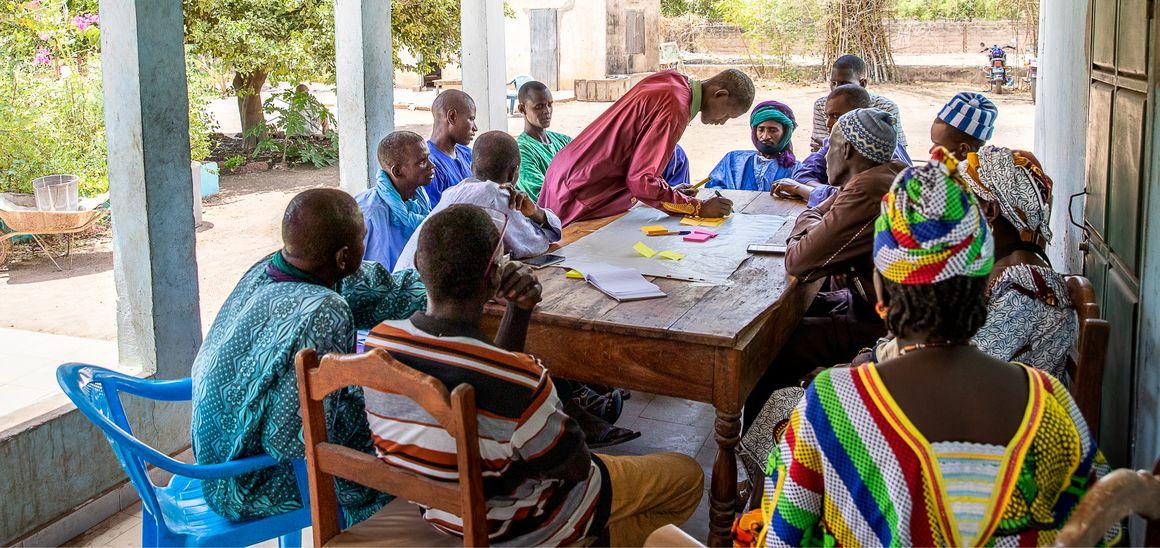
. Access Agriculture, leading GFAiR's Collective Action on Inclusive Digital Agriculture and in partnership with RUFORUM, conducted a residential workshop designed for selected early-career researchers who are affiliated to institutions of higher learning or national research institutes in sub-Saharan Africa.
This regional workshop was organised at the Songhaï Centre in Porto Novo, Benin. This, and an upcoming workshop for Anglophone African researchers, are funded by the International Foundation for Science (IFS, Sweden).

The event brought together 25 early-career researchers from universities and national research institutions in Benin, Cameroon, Côte d’Ivoire, Mali, Senegal, and Togo. Their shared goal: to strengthen their ability to communicate scientific knowledge in clear, accessible ways to maximise reach. 
As Dr. Paul Van Mele, co-founder and international director of Access Agriculture, noted, “Agroecology is about creating shared values within society—about how we shape food systems that respect people, culture and the planet. Communication is key to making this happen.”
A central part of the workshop was the “Letter to Mother” technique, a simple yet powerful method that encourages researchers to explain their work as if they were writing to their own mother. For many participants, this exercise was an eye-opening experience. It pushed them to move away from technical jargon, express their ideas naturally, and focus on the people who stand to benefit from their research.

This approach laid the foundation for practical lessons on writing blog posts aimed at non-specialist audiences. Building on these writing skills, participants worked in small groups to turn one of their blog drafts into a short video script.

The training went far beyond theory: each researcher received a DJI Pocket camera and learned how to conduct farmer interviews, frame shots, and edit short videos. These hands-on sessions helped demystify audiovisual communication and showed how affordable tools can be used to share research insights more widely.

The programme also explored how researchers can reach broader audiences through strategic content dissemination using appropriate social media channels. Participants learned how to publish videos on EcoAgtube—an agroecology-focused alternative to mainstream platforms—while gaining practical experience in social media use and digital engagement. 

Participants also learned how to integrate EcoAgtube in education curricula as an educational resource and community engagement tool, bridging the gap between academic knowledge and farmer-led innovation.

One trainee described the workshop as “a turning point in my professional career,” emphasising how it provided the skills to promote research cost-effectively and move beyond traditional scientific publications. Many echoed similar sentiments, appreciating the user-friendly approach of the facilitators and the supportive learning environment.

Organised by Access Agriculture in collaboration with the Regional Universities Forum for Capacity Building in Agriculture (RUFORUM), the workshop underscored the growing importance of communication in agricultural research. 
Dr Florence Mayega Nakayiwa, RUFORUM’s Deputy Executive Secretary, highlighted the need to empower young researchers with tools that go beyond academic writing: “By using audiovisual formats and social media, we can make agriculture more attractive to students and engage with society at large.”
Beyond improving personal communication skills, the workshop also helped participants recognise how existing farmer-to-farmer training videos from Access Agriculture can foster stronger relationships with rural communities and encourage participatory research.

As one trainee expressed in a heartfelt message to the facilitators, the training left many participants “completely transformed and well-equipped” to share agroecological knowledge. 

Their enthusiasm reflects a broader movement: young African researchers are stepping forward to build bridges between science and society—and to help shape a more sustainable future for agriculture across the continent.

Thursday, August 22, 2024

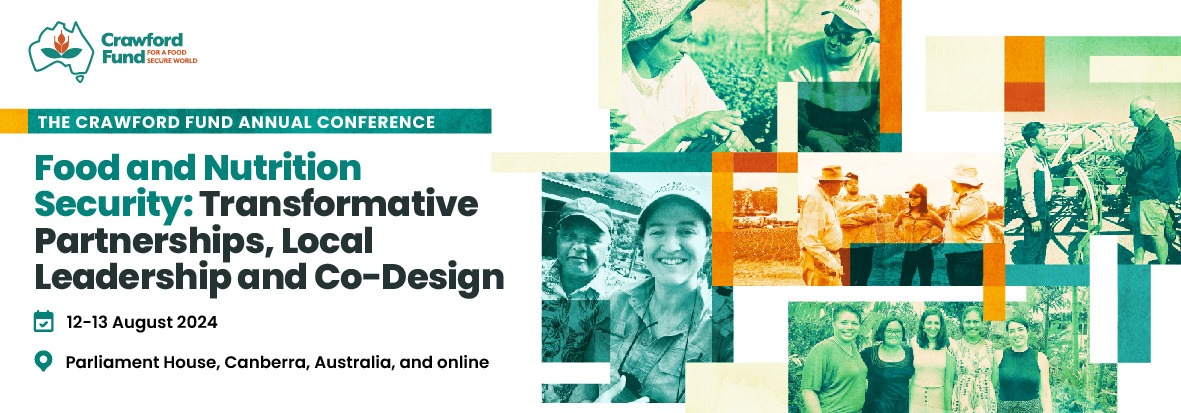
Australia: Fostering agricultural innovation for worldwide food security


12 - 13 August 2024
. Crawford Fund Conference - Nurturing global change from Australia: Fostering agricultural innovation for worldwide food security, Australia

Over 300 experts, policymakers, researchers, students and leaders heard from specialists from Asia, the Pacific, Africa and Australia. The conference highlighted the importance of co-design of projects, consultation and partnership arrangements, project governance and capacity building needs.

Extract of the programme  

12/08 Memorial Address Sir John Crawford

Sir John Crawford contributed at the highest levels to the development of Australia and other countries and passionately supported international agricultural research for development. The Crawford Fund was established in his name, and since 1985, in his honour, there has been the annual Sir John Crawford Memorial Address.

This year’s Memorial Address at the Crawford Fund’s annual conference dinner was presented by Dr Line Gordon, Director, Stockholm Resilience Centre and Professor in sustainable food systems at Stockholm University, Sweden.

In her address titled “Building Resilience in an Interdependent Patchwork Earth”, Dr Gordon explained that to navigate the unprecedented risk landscape we face and ensure the resilience of our food systems in the Anthropocene, we must both establish overarching goals and science-based targets that integrate health, sustainability, and justice, and nurture diverse pathways that are adaptable to various local contexts.

The recording of the Memorial Address presented by Line Gordon is available to view below.


13/08 Ministerial opening

The Hon. Pat Conroy MP, Minister for International Development and the Pacific, and Minister for Defence Industry and Capability Delivery, delivered the ministerial opening and presented the award. Dr. Fischer's groundbreaking contributions to global wheat production and food security have left an indelible mark on international agricultural research. Throughout his distinguished career, Dr. Fischer has worked alongside Nobel Prize Laureate Dr. Norman Borlaug, led CIMMYT's global wheat program, and remains a key influence in wheat breeding and agronomy. His unwavering commitment to mentoring the next generation of agricultural scholars ensures that his impact will continue for years to come. Watch this video to explore Dr. Fischer's remarkable achievements and the Crawford Fund's dedication to advancing food and nutrition security worldwide.

13/08 SESSION 3: TAILORING R&D TO DELIVER LOCAL ON-GROUND OUTCOMES


13/08 SESSION 5: ACHIEVING TRANSFORMATIONAL OUTCOMES


  • Moderator: The Hon John Anderson AC, Chair, The Crawford Fund
  • Dr Ismahane Elouafi, Executive Managing Director, CGIAR
    By highlighting the transformative power of genuine partnerships and participatory research, this keynote demonstrated how collaborative approaches lead to sustainable and impactful outcomes: "CGIAR works with 3000 global partners to develop and deploy innovative strategies to adapt to and mitigate these challenges. We work in over 80 countries, with a staff of nearly 10,000 people across 15 research centers.”
  • Dr Line Gordon, Sir John Crawford Address Presenter
  • Karen Mapusua, Director, Land Resources Division, The Pacific Community
  • Professor Wendy Umberger, Chief Executive Officer, ACIAR

Friday, June 21, 2024

SASi-SPi: Sustainable Agri-Food Systems Intelligence

18-19 June 2024. The first in-person Science Policy Lab event of the Initiative Sustainable Agri-FoodSystems Intelligence – Science-Policy Interface took place in Malmö Hyllie, Sweden. The SASi-SPi Science Policy Lab is a collaborative approach to foster dialogue and knowledge sharing among researchers, policymakers, and key stakeholders engaged in aquatic and agrifood systems. 

The objective of the event was to present and reflect with participants on the conceptual framework developed by the team of Agrinatura, and how it can guide transitions towards more sustainable aquatic and agrifood systems. The event will be an opportunity for participants to share their insights on the framework and how to shift from a traditional to a systemic approach to address challenges faced in aquatic and agrifood systems and achieve positive economic, social and environmental outcomes.

The two-days event combined presentations, panel discussions, breakout sessions with practical case studies, and networking opportunities. Collaborative and participatory methods were used to facilitate dialogue, peer learning, knowledge sharing, and co-creation. See agenda below.

11June 2024. An online pre-engagement session was organized on Tuesday June 11 to introduce the Science Policy Lab approach and the main components of the conceptual framework.

About 40 experts from around the globe gathered online for a pre-engagement session, paving the wayfor the first SASi-SPi Science Policy Lab event scheduled for June 18-19, 2024 in Malmö. The session presented the objectives for the upcoming Science Policy Lab (S-PoL), which featured a role-playing game designed to simulate stakeholder interactions and policy interventions for food systems transitions. Participants called for the sharing of meeting materials and continued collaboration, reflecting a strong commitment to advancing towards sustainable agrifood systems.

Key Discussions
  • Transition models drivers and challenges and stakeholder roles: Participants debated about transition models for agrifood systems, its drivers and challenges, emphasizing the need to understand diverse stakeholder interests and perspectives for their engagement.
  • Leverage Points: Discussions highlighted the complexity of leverage points within the transition and the need of unpackaging them for the application across different contexts.
  • The insights gained shaped the S-PoL event, which focused on refining and operationalizing the SASi-SPi conceptual framework.
See the presentation from the pre-engagement meeting:
SPOL pre_engagement_1106.pdf

Background SASi-SPi


Sustainable Agri-Food Systems Intelligence – Science-Policy Interface (SASi-SPi) is a 5-year € 11.5 million project with the overall objective to contribute to the economic, social, and environmental sustainability of Aquatic and Agri-Food Systems in Africa, Asia, Latin America and the Caribbean.

SASi-SPi is a social-sciences, economics in particular, driven project and is primarily open to each of the 35 AGRINATURA member organisations, of which SLU is one. The project management unit is responsible for the coordination and implementation and is led by SLU.

A "sister" project, named SASi (€ 10 m) is coordinated by the Food and Agriculture Organization of the United Nations (FAO). The two teams, AGRINATURA and FAO, will work in close collaboration and coordination on the overall project and each work stream.

Thursday, February 15, 2024

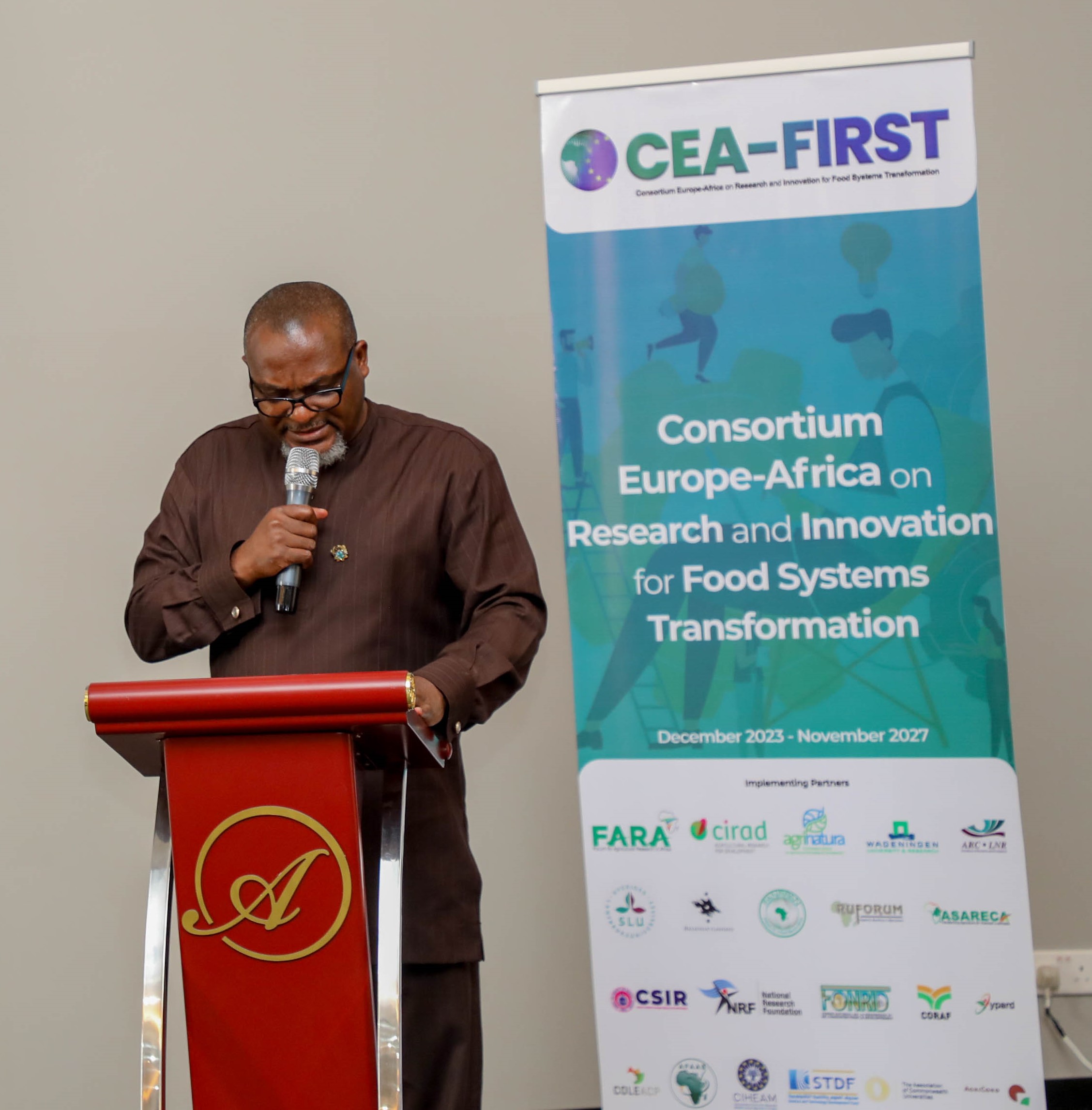
CEA-FIRST, the Consortium Europe Africa on Research and Innovation for Food Systems Transformation

12 - 14 February 2024.
 Accra, Ghana. 

The African Union and the European Union alongside a number of implementing partners have launched the Consortium Europe-Africa on Research and Innovation for Food Systems Transformation #CEA_FIRST Project.

  • CEA FIRST is funded by the European Union as part of the Green Deal’s “From Farm to Fork” strategy (Horizon Europe budget envelope). It forms a crucial part of the EU’s “Global Gateway” strategic vision, which aims to establish sustainable and reliable connections serving citizens and the planet. This vision addresses pressing global challenges, from combating climate change to enhancing the competitiveness and security of global supply chains, particularly in Africa.
  • The project brings together 22 partners from Europe and Africa covering a wide range of expertise and stakeholders (research, NGOs, donors, extension workers, etc.) involved in the field of food and nutritional security and sustainable agriculture. It consists partly from the former LEAP4FNSSA and PAEPARD, extended with new public and private network partners.

The main objectives of CEA-FIRST are as follows: 
  1. Providing public access to an extensive platform of knowledge in food and nutrition security and sustainable agriculture.
  2. Developing a robust methodology for analyzing Research and Innovation (R&I) activities and priorities.
  3. Supporting the update of the AU-EU R&I partnership roadmap.
  4. Establishing operational and thematic research working groups.

    * COLEAD leads the CEA-FIRST working group which focuses on fostering linkages and multi-stakeholder engagement in programmes and initiatives related to food and nutrition security and sustainable agriculture. Concurrently, COLEAD will co-lead efforts to strengthen the link between research, innovation, and their practical application
    .

  5. CEA-FIRST will facilitate connections between the IRC and the AU-EU high-level political dialogue.
  6. It will create a learning environment, including communication channels, to support multi stakeholder networks and to strengthen R&I coordination.
CEA-FIRST will operationalise the International Research Consortium (IRC) as a long-term platform on food and nutrition security and sustainable agriculture (FNSSA) in line with the FNSSA Roadmap of the AU-EU High-Level Policy Dialogue (HLPD).
  • The IRC is a member-based, multi-actor platform and will work towards increasing synergies andcoherence while reducing fragmentation and duplication of research efforts. Its aim is to promote higher returns on investments and impact on business development in Africa and Europe, by linking actors, research and innovation projects, initiatives, and funding programmes.
  • The final output will be a fully functional IRC. In the context of an essential transition in agri-food systems, compounded by the challenges of climate change and demographic shifts,
    the IRC is positioning itself as a vital tool for fostering an equitable and sustainable research and innovation partnership between Africa and Europe. This partnership focuses on bolstering agriculture as a key driver of economic development. 
  • The IRC will also serve related AU-EU policy priorities, such as the Climate Change and Sustainable Energy and the Innovation Agenda of the HLPD, as well as the European Green Deal priorities (and farm to fork strategy) and the AU priorities like the African Free Trade Area.

In his opening remarks to kick-off the International Research Consortium and the #CEA_FIRST Project, the Executive Director of FARA, Dr. Aggrey Agumya  recognized: "CEA-First represents a larger and far-reaching formation that promises to revolutionize the partnership and working arrangements between African and European institutions."


Participants

  1. Forum For Agricultural Research In Africa (FARA), Ghana (Coordinator)
  2. Centre For International Cooperation In Agronomic Research For DEVELOPMENT (CIRAD), France
  3. European Alliance On Agricultural Knowledge For Development (Agrinatura), France
  4. Stichting Wageningen Research (WUR), the Netherlands
  5. Agricultural Research Council Institute For Soil Climate And Water (ARC), South Africa
  6. Sveriges Lantbruksuniversitet (SLU), Sweden
  7. Helsingin Yliopisto (UH), Finland
  8. Food Agriculture And Natural Resources Policy Analysis Network (FANRPAN), South Africa
  9. Regional Universities Forum For Capacity Building In Agriculture (RUFORUM), Uganda
  10. Association Of Commonwealth Universities (ACU), United Kingdom
  11. The Registered Trustees of The Association for Strengthening Agricultural Research In Eastern
    And Central Africa (ASARECA), Uganda
  12. Council For Scientific And Industrial Research (CSIR), Ghana
  13. National Research Agency (ANR), France
  14. National Research Foundation (NRF), South Africa
  15. National Fund For Research And Innovation For Development (FONRID), Burkina Faso
  16. West And Central Africa Council For Agricultural Research And Development (CORAF), Senegal
  17. Young Professionals For Agricultural Development (YPARD), Germany
  18. Entrepreneurship-Agriculture-Development Liaison Committee (COLEAD), Switzerland
  19. African Forum For Agricultural Advisory Services (AFAAS), Uganda
  20. Agricord, Brussels Belgium
  21. Ciheam, Bari Italy
  22. Science, Technology And Innovation Funding Authority (STDF) Egypt

See also:

13/02 CNR Citinewsroom/Ghana Consortium Europe Africa on Research and Innovation for Food Systems Transformation project launched

The project brings together 22 partners from Europe and Africa covering a wide range of expertise and stakeholders (research, NGOs, donors, extension workers, etc.) involved in the field of food and nutritional security and sustainable agriculture. It consists partly on lessons from the former #PAEPARD initiative, to the LEAP4FNSSA and now extended with new public and private network partners.

Monday, February 12, 2024

Multi-Stakeholder Consultative Forum on COP28 Reflections and 2024 Strategy

12 - 13 February 2024. Multi-Stakeholder Consultative Forum on COP28 Reflections and 2024 Strategy - 37 TH AFRICA UNION SUMMIT SIDE-EVENT

The overall objective of the Multi-stakeholder Consultative Forum on COP28 Reflections and COP29 Strategy, held in conjunction with the thirty-seventh Assembly of the Heads of State and Government of the African Union, is to foster a unified and impactful African stance on climate action through the exchange of perspectives, the evaluation of progress and challenges faced in 2023,
and the formulation of strategic recommendations. This forum aims to enhance collaboration among African stakeholders, including delegates and political leaders, to effectively contribute to the global climate discourse and decision-making processes.

The Africa Adaptation Climate Justice (AACJ) program, supported by various partners and the Dutch Ministry of Foreign Affairs, aims to build strong, inclusive movements for climate justice across eight African countries.
 

Extracts of the programme

12/02 HIGH LEVEL OPENING STATEMENTS   

  • Dr. Mithika Mwenda, Executive Director, Pan African Climate Justice Alliance 
  • Dr. Kevin Kariuki, Vice President for Power, Energy, Climate and Green Growth, African Development Bank 
  • Dr. Nassim Oulmane, Director of the Technology, Climate Change and Natural Resources Management Division, UN Economic Commission for Africa 
  • H.E. Ambassador Josefa Sacko, Commissioner, Agriculture, Rural Development and Blue Economy, African Union Commission 

12/02 Session 3. a: Key outcomes on adaptation, Global Goal on Adaptation and Adaptation finance

  • + dedicated session of Health 

    For more details on the consultations in climate change and health, please visit ARIN Website www.arin-africa.org 
    The African Research and Impact Network (ARIN) is an impact platform that brings together a network of scholars and policymakers across Africa. Modeled as a network, ARIN seeks to leverage on the capabilities of African talented scholars in a flexible manner. ARIN’s core focus is to engage in peer learning and sharing good transformative research and impact practices. Areas of focus include natural resource management, climate change, agriculture, forestry, energy, water, and cities to leverage their knowledge and experiences in promoting research excellence and impact pathways.

12/02 Session 3.b: Key Outcomes on Loss and Damage  

  • Richard Sherman, Co-chair, Transitional committee on Loss and Damage 
  • Julius Ngoma, Coordinator, Civil Society Network on Climate Change, Malawi   
  • Mathewos Tulu, AU Liaison Office Coordination Officer (Head of Office) UNDRR  
  • Obed Koringo, Policy Advisor, Care International 
  • Yared Deme, World Resources Institute 
  • Mohapi Mpona Eusebia, Youth for Climate Justice ¡ Ayan Harare, Climate Justice Lead, Oxfam in Africa

13/02 Session 3.d: Key Outcomes on Mitigation and Just and orderly Transition (Energy, Transitioning away from fossil fuels)  

  • Caroline Tagwireyi, Senior Mitigation Officer, AUC-SEBE
  • Prof. Fadhel Kaboub, President, Global Institute of Sustainable Prosperity 
  • Thomas Opande, Energy Expert, WWF   
  • Eugene Nforngwa, Thematic Lead- Energy & Just Transition, African Coalition for Sustainable Energy and Access 
  • Elizabeth Chege, Energy Efficiency and Cooling Specialists, Sustainable Energy for All 
  • Dr. Dorsouma Alhamndou, Division Manager, Department of Climate Change and Green Growth, AfDB 

13/02 Session 3.e: Key Outcomes on Climate Finance 


13/02 Session 4.b: Critical Minerals - securing Africa’s interest in critical minerals sector


13/02 Session 4.b: Securing land and natural resource rights for climate resilient in the face of carbon markets 

  • Dr. Yemi Katerere, Independent Environmental and Policy Expert, African Civil Society Biodiversity Alliance 
  • Daisy Mukarakate, Regional Climate Policy Advisor, UNDP, Addis Ababa 
  • Emmanuel Siakilo, Senior Advisor; Climate Change-AUC ¡ Susan Otieno, Country Director, Action Aid International Kenya 
  • Grace Ananda, Policy and Advocacy Manager – Africa, Habitat for Humanity International ¡ Samante Anne, Programmes Manager, MPIDO


Thursday, November 9, 2023

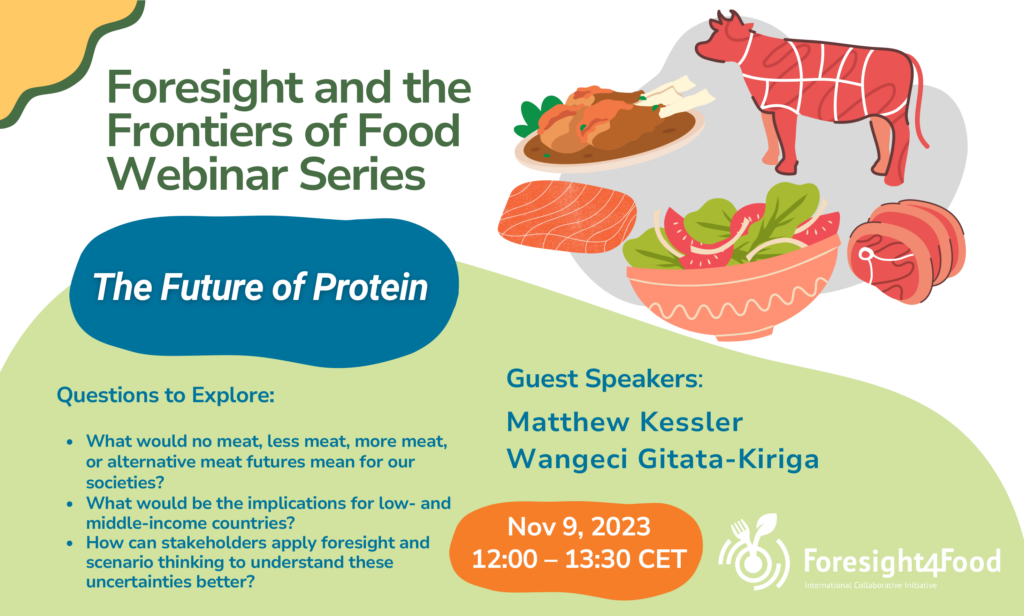
Foresight4Food webinar 'Future of Protein'

9 November 2023. Foresight4Food webinar 'Future of Protein'

  • webinar by Foresight4Food and TABLE.
  • This is the first webinar in the Foresight and the Frontiers of Food series. 
  • TABLE has a wonderful Meat the Future podcast.
  • This series combines a foresight perspective with a key transformative phenomenon or ‘weak signal’ that could reshape food systems all across the world. 
  • This series takes a global perspective but seeks to discuss particularly what these new frontiers could mean for low and middle-income countries in Africa and Asia.
  • Topics in future webinars include novel foods, shifting diets, artificial intelligence and digital transformations, food, and geopolitics, mistrust and disinformation.
Speakers:
  • Mathew Kesler of Swedish University of Agricultural Science and TABLE
  • Wangeci Gitata-Kiriga, the FoSTr programme facilitator in Kenya.

Friday, September 15, 2023

Sustainable Agri-Food Systems Intelligence – Science-Policy Interface

Sustainable Agri-Food Systems Intelligence – Science-Policy Interface (SASi-SPi) is a 5-year € 11.5 million project with the overall objective to contribute to the economic, social, and environmental sustainability of Aquatic and Agri-Food Systems in Africa, Asia, Latin America and the Caribbean.

SASi-SPi is a social-sciences, economics in particular, driven project and is primarily open to each of the 35 AGRINATURA member organisations, of which SLU is one. The project management unit is responsible for the coordination and implementation and is led by SLU.

A "sister" project, named SASi (€ 10 m) is coordinated by the Food and Agriculture Organization of the United Nations (FAO). The two teams, AGRINATURA and FAO, will work in close collaboration and coordination on the overall project and each work stream.

Previous food systems assessments


Further to the Food Systems at Risk report (2019, # 132 p.), to which some 50 researchers contributed, and at the request of the European Union, CIRAD and FAO developed a food system analysis framework and assessment methodology applicable on a national and infranational level.

Under a partnership between the European Union, FAO, and CIRAD, in cooperation with national and food systems stakeholders, a large-scale assessment and consultation on food systems was initiated in more than 50 countries, as a first step towards transforming them.

The food systems assessments (FSA) were based on a systemic approach that took into consideration food systems as a whole and examine the many interactions across four key sectors: nutrition and food security, economic well-being, territorial equity, and environmental protection.
  • The FSA started with 8 pilot countries (Bhutan, Burkina Faso, Colombia, Dominican Republic, Madagascar, Malawi, Nepal, and Senegal) and was extending to over 50 countries.
  • The assessments triggered a participatory process involving around 20 researchers from CIRAD, almost 300 FAO consultants and teams of consultants from each of the 50-odd countries, in addition to national institutional focal points and civil society. The approach facilitated knowledge sharing between national and international experts.
  • In the context of the 2021 UN Food Systems Summit (UNFSS), the methodology was first applied by the eight candidate countries, and subsequently extended to more than 40 others.
"The aim was to help stakeholders build a shared vision of the issues surrounding food system sustainability and foster systemic, intersectoral debate in order to support public policy building. Our crosscutting analyses in eight countries revealed more similarities - in terms of food system functioning and sustainability challenges - between territories in different countries than between those in a given country. This highlights the need to rethink food system pathways on a territory scale, not just on a national scale. To be able to conduct the usual disciplinary and thematic analyses, pinpoint truly transformative levers for action and progress in terms of building strategies and action plans, these assessments must be continued in a participatory way within territories." Ninon Sirdey, economist at CIRAD and co-coordinator of the Food System Assessment (FSA) project.

The Food Systems assessment in EU partner countries where FNSSA was a sectoral priority, were built on the lessons learned in terms of sectoral inclusiveness (e.g., health, education, social affairs, transport, energy) and interaction needed across regional, national, provincial, municipal, community multiple levels. 

Assessment of the assessments


Evaluation of the EU support to sustainable agri-food systems in partner countries 2014-2020 - Volume II: Case Studies # 166 p.

Various interviewees, from the government, the EU delegation and member states as well as other development partners, expressed their appreciation for it. The two-day virtual multi-stakeholder webinar and draft findings are considered useful. With the food systems roadmap having been adopted in 2021, this assessment was considered to help maintain momentum to move on its implementation, and a useful advocacy tool moving forward. (page 58)

The FAO CIRAD food systems assessments were meant to inform the round of programming (2021-2027). Delays and concerns over the quality of some of these assessments prevented the full exploitation in use by the EUDs.  

There were interesting efforts undertaken by the African Forum on Agricultural (AFAAS), funded through the DeSIRA CAADP-XP4 programme, that aim to capitalize on experiences in research and innovation projects through the Country Fora AFAAS has established. 

"While the first 8 reports were based on a participatory process in the respective countries, the following reports were mainly written by consultants: too quickly offered and too readily accepted. There was little effort at strengthening domestic actors’ capacity. Possibly, formulation, capacity development, consultation and dialogue efforts could have been better harmonised " INTPA Anonymus

Aimed at informing dialogues, these assessments analysed interlinked issues related to food security, nutrition, and health; inclusive economic growth; equity and territorial balance. Emerging findings were captured in a synthesis brief released in September 2021 which outlined two key points (see: EC (2021). Food Systems Assessment. Working towards the SDGs. Interim Synthesis Brief. September 2021.): 

  1. the need to better consider the influence of drivers such as political stability, policy, fair governance, demography, education, and infrastructure and 
  2. the need to embrace a broader multi- sectoral approach involving health, education, social affairs, transport, and energy services operating from national to community level. (page 128) 

The breadth and depth of next assessments are currently fine-tuned to better equip EU Delegations with the information necessary to address SAFS transformation.  (page 129)

European Commission, Directorate-General for International Partnerships, Engel, P., Slob, A., Laanouni, F., et al., EU support to sustainable agri-food systems in partner countries 2014-2020, Publications Office of the European Union, 2022, # 108 p

The drastic reduction – from EUR 1.250 million to EUR 350 million – in SAFS related funding from the last (2014-2020) to the current MFF (2021-2027) has posed a major challenge. The lack of (internal) human resources and continued prioritisation has limited the ability to capitalise on knowledge management and internal lessons learned. Support to and regular knowledge and information exchange with EUDs was also limited by time constraints on both sides. (page 23)

The EU supports and maintains many of the food security organisations as a key donor, but navigation and building coordinated action takes time and capacity. (page 23)


The increased strategic importance of food security on global and European political agendas could help reverse the trend of shrinking European budgets explicitly allocated to food and nutrition security. It has proved difficult, however, to maintain a strong coherent agenda for sustainable and inclusive development in a crisis context. The risk of a loss of political traction for transformation towards agri-food systems is real, as the greening obligations foreseen by the Farm to Fork Strategy are relaxed for a focus on food production unhampered by environmental constraints. Balancing short-term emergency responses with investments in longer-term resilience is a challenging task for policymakers. Nonetheless, the evaluation finds a strong momentum for boosting EU support towards the transformation of agri-food systems in response to unfolding geopolitical and regional food crises outside the EU. (page 8)

Given the complexity and contested nature of agri-food system challenges and the limits of EU leverage, the outcomes and intermediary impacts of EU contributions have been mostly scattered and tentative. Notably, while the EU supported policy changes and institutional reforms, the intensity, inclusiveness and outcomes of the policy dialogue have differed across countries, with government ownership and follow-up emerging as critical determinants for success. (page 8)

European actors insufficiently invested in developing a common approach to sustainable agri-food systems and jointly fostering agri-food knowledge and innovation systems . The EU needs to improve collaboration and alignment amongst European actors and intensify its investment in agri-food knowledge and innovation, if it wishes to achieve lasting system-level changes and meet its transformative ambitions. EU policy frameworks and the powerful financial instruments behind these are a good basis for strategic leadership on transformation towards sustainable agri-food systems. Yet, to harness these, the EU must strengthen linkages within its portfolios and with the support provided by other partners, while respecting national governments’ ownership in defining national food system pathways and tailoring EU interventions to meet the aspirations, ambitions and initiatives of local food system actors. (page 9)

The evaluation finds that EU support to food and nutrition security and sustainable agriculture has only, to a limited extent, developed a more integrated, systemic approach to transformation towards  sustainable agri-food systems at the global and country levels. (...) implementation difficulties, such as failing to target common beneficiaries, lack of synchronisation of complementary initiatives, or lack of cooperation between implementing partners, often obstruct the timely realisation of synergies intended in EU country portfolios. (page 10) 

The Heads of Agriculture and Rural Development (HARD) group could be a forum for policy 
alignment and coordination on sustainable agri-food systems. However, currently, it does not ensure real dialogue or strategic discussion. Additionally, formal consultation mechanisms between the sustainable agri-food systems and fisheries unit at the Directorate-General for International Partnerships (F3) and other Directorates are experienced as rigid and mostly limited to individual consultations of thematic or geographic specialists on specific text proposals and documents. Finally, EU Delegations indicate a lack of capacity and time to upgrade their coordinating role in country partnerships to a more political and strategic one. (page 10) 

Some recommendations (extract)
  • Maintain a clear strategic focus at country and regional level on the most vulnerable food system actors, namely, small producers, women, youth and small and medium-sized enterprises. This entails combining diverse instruments and support modalities in country portfolios, including social protection measures, to improve community resilience and strengthen support along the entire value chain. 
  • Develop a common understanding of context-specific challenges and opportunities at country and regional level, by supporting joint agri-food systems’ assessments and strengthening the use of foresight and scenario studies and political economy analyses. This would enable the joint identification of the most promising entry points for supporting sustainable agri-food system-level changes.
  • Consolidate mechanisms that allow for learning from experience within the EU and from EU joint efforts to support sustainable agri-food systems at the national, regional and global level (R3 .3), especially to learn from the broad range of bottom-up programming instruments already developed by EU partners both inside and outside Europe. (page 10-11) 

Example: Kenya

There is no complete and recent agri-food systems assessment available for Kenya, although several studies have been done at sub-national level. FAO initiated a food-systems analysis in 2021, but the approved report was not yet available for the evaluation team (April-July 2022). The team derived key features of the country’s agri-food systems from the various Government of Kenya (GoK) and international organisation documents.  (page 58)

A striking observation is that most documents do not present a multi-sectoral and multi-dimensional approach in line with a food-systems approach, but rather a more sectoral approach. More comprehensive integrated analyses can sometimes be found, but only at sub-national level. This includes the ECDPM study on Nakuru county. (ECDPM (2021). Understanding and managing trade-offs in food systems interventions: the case of Nakuru county, Kenya. February 2021). (page 58)

While there are many partial assessments of important issues related to sustainable agri-food systems, some overarching issues are not very openly debated yet, such as Kenya’s population growth in relation to carrying capacity (especially in ASAL areas), and the rapidly increasing competition for scarce natural resources with conflicting interests of bigger agro-entreprises and smallholders. In addition, the co-existence of large ranches skived off as Conservancies and the rights of herders to pasture is an emotive subject and has been the trigger for conflict in various parts of Kenya, particularly in Laikipia Country. (page 62)

SASi-SPi


In collaboration with a sister project led by the FAO Investment Centre (SASI project), a five-year project, the Sustainable Agrifood Systems Intelligence – Science-Policy Interface (SASI-SPI), led by Agrinatura (11.5M euros) currently involves a number of CIRAD researchers, the Swedish University of Agricultural Sciences (SLU), the ISA Universidade de Lisboa, Ghent university and iCRA.

They work on three lines of research :
  1. Policy support for the EU (DG-INTPA) through its wide-ranging multidisciplinary scientific expertise in terms of food system inclusiveness and sustainability.
  2. Building new narratives and frames of reference to support the transition to sustainable food systems. Crosscutting studies will be conducted of the priority topics identified by the food system assessments, such as agroecology and pastoralism.
  3. Constructing models to support the transition to more sustainable food systems, based on participatory, scientific decision-making processes. Those models will be tested empirically in several territories in three candidate countries (Sierra Leone, Colombia and Bhutan), on a "transition challenge" pinpointed by the government.
"The SASI-SPI project intends to generate collective intelligence on various scales, to inform and support the transition to more sustainable, more inclusive food systems", Isabelle Vagneron, economist and CIRAD correspondent for the project, stresses.

Interview (20/04/2023) with Professor Kostas Karantininis about SASi-SPi:

"The SASI-SPI project is deeply a policy project. What makes it even more attractive is its direct and engaging nature. We will be providing 'intelligence' in short and long notice, at country level and broad themes, directly to policy makers, primarily in Brussels and in the intervention countries in the South (Africa, Asia and Latin America). Together with our FAO partners we will be one "intelligence" and science support mechanism for the European Commission on issues related to agri-food systems transformation, sustainability and climate change. The activities will be cross-cutting and bring together researchers, policy makers and agri-food system stakeholders to generate applied knowledge, and policy support"
"This is not a research project per se. Yet it is founded on research, and it provides ample room (and funding) for research, especially through the part led by SLU and coordinated by the SLU Department of Plant Breeding. This part is about generating narratives and reference frameworks on key thematic issues, policy options, institutional processes and trade-offs informing the transition to sustainable aquatic and agri- food systems." Professor Rodomiro Ortiz, Department of Plant Breeding, SLU


SASi-SPi work streams


The Project Management Unit is responsible for the coordination and implementation. Led by the Department of People & Society, SLU. Professor Kostas Karantininis, is the project director.

The SASi-SPi has four specific objectives and corresponding work streams
  1. Provides fast-track intelligence within 72 hours upon request – twice per month. Led by the French agricultural research and cooperation organization working for the sustainable development of tropical and Mediterranean regions (CIRAD).
  2. Develops intelligence on four cross-cutting themes and will establish Science-Policy Labs to test and implement policy recommendations. Led by the Department of Plant Breeding, SLU. Professor Rodomiro Ortiz, SLU, is the coordinator.
  3. Works in close collaboration with the FAO team and the corresponding European Commission delegations on three countries. So far, Sierra Leone, Colombia, and probably Bhutan have been selected. Led by CIRAD, France.
  4. Provides communication in site and overall, for the project. Led by iCRA.
The SASI-SPI project was promoted at the UN Food Systems Summit +2 Stocktaking Moment, held in Rome from 24 to 26 July 2023. The SASI (Sustainable Agrifood Systems Intelligence) initiative recommends working at the science/policy interface, to build more sustainable, more inclusive food systems.


Additional References


Sirdey Ninon, David-Benz Hélène, Deshons Alice. 2023. Methodological approaches to assess food systems sustainability: A literature review. Global Food Security, 38:100696, 11 p.
https://doi.org/10.1016/j.gfs.2023.100696

David-Benz Hélène, Sirdey Ninon, Deshons Alice, Orbell Claire, Herlant Patrick. 2022. Cadre conceptuel et méthode pour des diagnostics nationaux et territoriaux - Activer la transformation durable et inclusive de nos systèmes alimentaires. Rome : FAO-CIRAD, 70 p. ISBN 978-92-5-135754-5 ; 978-2-87614-773-7 https://doi.org/10.4060/cb8603fr

Upcoming event:

3 October (11-12 CET).
EU Case studies on co-creation for sustainable food systems

Examples of how different stakeholders are collaborating in Europe for sustainable food systems. 

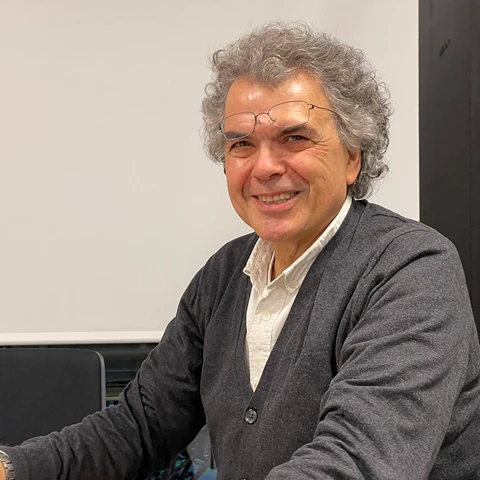
This SFSN monthly workshop will host Hugo de Vries, research director at INRAE and task leader in the SCAR Working Group on Sustainable Food Systems. His presentation of the case studies mapped by the EU project FOODPaths will be followed by a networking session where you will be able to interact and pitch case studies that might have gone unnoticed until now. 
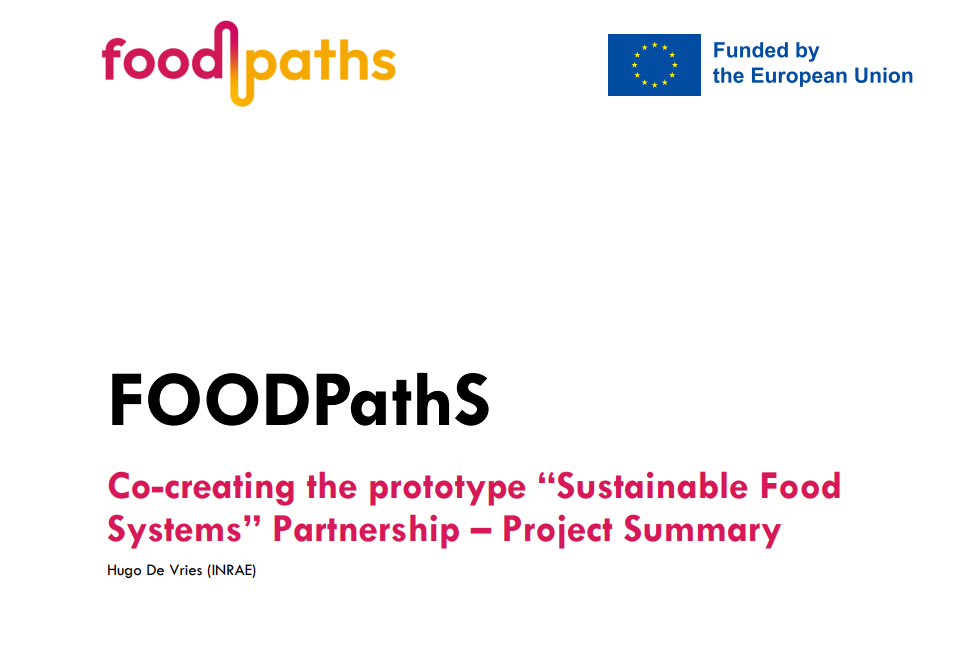
More than 70 (so far!) exemplary case studies have been mapped in Europe by partners of FOODPathS, an EU-funded project focused on creating the prototype of a public-private European Partnership for Sustainable Food Systems. These case studies, which are not yet public, will provide an inside look at the various European multi-stakeholder initiatives impacting the sustainability of food systems.

Monday, August 21, 2023

World Water Week 2023

20 - 24 August 2023
.Stockholm, Sweden World Water Week 2023. 

Aiming to explore innovative ways to tackle the global water crisis, World Water Week 2023 was housed for the first time in Stockholm Waterfront Congress Centre. World Water Week welcomed participants from all over the world to join hands for a better water future.

Extracts of the programme

Throughout Africa, several groundwater strategies are currently being simultaneously developed. This happens at regional, transboundary and national scales. This session explored key governance points that strategies need to include to foster an aligned, innovative and enabling space that can strengthen Africa's water security solutions and climate resilience.

View the recoding here.
  • Jenny Grönwall Sida Programme Specialist 
  • Seifu Kebede The University Of KwaZulu Natal Centre For Water Resources Research 
  • Michael Ramaano Orange Senqu River Commission Environment & Water Quality Manager 
  • Phera Ramoeli Okavango River Basin Water Commission Executive Secretary 
  • Klaudia Schachtschneider OneWorld Programme Manager 
  • Staci Warrington OneWorld Sustainable Investments

20/08 Integrated landscape development approach in the Central Rift Valley Sub-basin


The integrated landscape-based approach in the sub-basin addresses the linkages between land, rivers and lakes ecosystems in support of holistic natural resources management and economic development through livelihood activities. In this session, the practical implementation of the landscape-based restoration approaches linked with livelihood activities were presented and discussed.


New approaches of cooperation are needed to address drought risk proactively at all levels, through holistic approaches that include early warning, prevention, response and ultimately building drought resilience. The session will deal with understanding the full complexity and managing the risk in a horizontally and vertically integrated way across scales.

The agenda for the next ten years of Integrated Drought Management at the Drought Resilience +10 across all its workstreams includes:
  • Drought resilience and global mechanisms
  • Drought risk governance: The regional, national, and local challenges
  • Drought Impact monitoring, assessment and forecasting
  • The need to turn drought policies into action
  • Ecosystems and Drought
  • Social inclusion, climate justice and drought
  • Drought risk finance / Insurance
  • Public-Private-Civil Society Partnerships for integrated drought risk management
  • Drought and Health
Co-convened by the Center for International Forestry Research, Food, Agriculture and Natural
Resources Policy Analysis Network, Stockholm International Water Institute, World Agroforestry Centre and Zambezi Watercourse Commission, this session highlighted the partnership of non-governmental organizations/ knowledge tanks with the Zambezi Water Course Commission, an intergovernmental panel of eight member states that share the Zambezi river. 
  • Facilitator – Xanani Baloyi, SIWI
  • Anton Earle, SIWI
  • Felix Ngamlagosi, Zambezi Watercourse Commission (ZAMCOM)
  • Dr. Tshilidzi Madzivhandila, The Food, Agriculture and Natural Resources Policy Analysis Network (FANRPAN) -  The case for investment in African small-holder farmers and rain in the face of climate change 
  • Monica A. Altamirano, WaterEquity - Private Sector Financier Perspectives -
Presentations on innovative methodologies across the Zambezi catchment to unlock the value and build an empirical business case for investing in enhanced rainfed agriculture:
  • Sithembile Mwamakamba, FANRPAN
  • Maimbo Malesu, Center for International Forestry Research (CIFOR) and World Agroforestry (ICRAF)
  • Kasonde Mulenga, SIWI
  • Felix Ngamlagosi, ZAMCOM
  • Monica A. Altamirano, WaterEquity
  • Anna Tengberg, SIWI & Lund University
  • Moderator: Xanani Baloyi, Programme Officer, SIWI

21/08 Developing a payment-for-ecosystem services framework in Ethiopia

The Koga Reservoir supports 10,000 smallholder-farmers in Ethiopia. The reservoir faces siltation related to upstream catchment degradation. Establishing a PES scheme between the upstream and downstream communities is critical. However, in-country experience to implement PES is limited. The session covered lessons learned to develop the foundation of the scheme.

21/08 Launch of Africa’s Voice on Water (AVOW) Magazine

This session unveiled and launched a new magazine – the African Voice on Water (AVOW) as an anthology of water and sanitation stories from AU Member States. It presented AVOW’s value to the sector for information, knowledge, awareness, policy advocacy, dialogue promotion and the showcase of good.

  • HANI ATEF NABHAN SEWILAM Ministry Of Water And Irrigation, Egypt AMCOW President/Minister For Water And Irrigation 
  • TAHANY MOSTAFA YOUSSEF SELIT Ministry Of Water And Irrigation, Egypt / AMCOW TAC Chair 
  • Obinna Richfield Anah African Ministers' Council On Water (AMCOW) Knowledge Management 
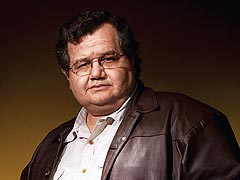
  • Sylvester Anthony MATEMU (picture) NILE BASIN INITIATIVE EXECUTIVE DIRECTOR 
  • HANI ATEF NABHAN SEWILAM Ministry Of Water And Irrigation, Egypt AMCOW President/Minister For Water And Irrigation 
  • Sareen Malik ANEW Executive Secretary 
  • Patrick Moriarty IRC CEO 
  • Alexandra Dubois GIZ 
  • Nelson Austin Kamphinda Gomonda African Ministers' Council On Water (AMCOW) Director Of Programmes 
A large proportion of global investments in NbS target strategies which are not relevant to Africa’s diverse environmental, climate, cultural and political contexts. This session brought together key actors to explore how south-south and north-south learning can effectively build a transformative, African approach to NbS for climate resilience.


  • Belynda Petrie OneWorld Sustainable Investments CEO 
  • Luke Borain OneWorld Sustainable Investments 
  • Christine Colvin WWF International Head Of Freshwater Policy - Best practice and examples for NbS
  • Gareth James LLOYD UNEP-DHI Centre Deputy Chief Manager - Systems Approach to making NbS work 
  • Maria Eduarda Gouvea Berto Inter-American Development Bank (IADB) Senior Water And Sanitation Specialist - Financial innovation for NbS 
  • Joakim Harlin UNEP Chief, Freshwater Unit

22/08 Mobilizing investments to build resilience in the Zambezi River Basin


This session brought together political leaders, and technical and financing partners to explore financing opportunities for scaling up the Programme for Integrated Development and Adaptation to Climate Change in the Zambezi River Basin aiming to strengthen regional cooperation and to build community resilience to climatic and economic shocks.

View the recording here
  • HASTINGS CHIBUYE ZAMBEZI WATERCOURSE COMMISSION Manager 
  • FELIX NGAMLAGOSI ZAMBEZI WATERCOURSE COMMISSION (ZAMCOM) EXECUTIVE SECREATARY 
  • Xanani Baloyi SIWI Transboundary Water/ Gender Equality Focal Point

22/08 State of Sanitation and Hygiene Policy Environment: A Situation Analysis of Africa

This session disseminated the findings of a study on sanitation and hygiene policy environment in Africa. It highlighted areas of the enabling environment that require strengthening during policy reform process. Critical elements of the policy environment that requires prioritisation in policies and implementation strategies were discussed.

  • Comfort Kanshio African Ministers' Council On Water (AMCOW) 
  • TAHANY MOSTAFA YOUSSEF SELIT Ministry Of Water And Irrigation, Egypt AMCOW TAC Chair 
  • Alex Manyasi APHRC POLICY ENGAGEMENT AND COMMUNICATION 
  • Eric Momanyi Bill & Melinda Gates Foundation Senior Program Officer 
  • Judith Tshabalala Department Of Water And Sanitation Deputy Minister 
  • Bisi Agberemi UNICEF WASH

22/08 Innovation for Food Security, Water and #zerohunger

WFP's IGNITE Innovation Hub for East Africa helps identify and scale innovative solutions in the region. The Hub nurtures and scales local, market-based innovations to increase food security, enable climate resilient communities and strengthen food systems in East Africa by leveraging WFP’s public and private partners, field experience and expertise. This includes innovations related to water for productive use. This session: (a) Spotlighted the food security challenges faced in East Africa, especially due to the prolonged drought; (b) Amplified the launch of an innovation challenge supporting innovation across the East Africa region, including water related innovation; (c) Encouraged partners and innovators in the ecosystem to support innovations by expressions of interest to partner.

View the recording here
  • Sibi Lawson-Marriott WFP Food Systems 
  • Eric Oyare WORLD WIDE FUND FOR NATURE (WWF) BLUE HEART OF AFRICA INITIATIVE 
  • Bedan Mukoma WFP Regional Bureau Of Nairobi Partnerships And Innovation 
  • James Thuch Madhier The Rainmaker Enterprise

22/08 AFDB/AMCOW Innovative Financing Mechanisms Toward Achieving SDG 6 in Africa

This session delved into the challenges encountered by African member states in implementing water and sanitation-related targets and reporting progress to the African Union Assembly.
- Legal and Institutional requirements for a successful and sustainable financing mobilization for the water sector.
- Financing water, challenges, and current trends (includes State of readiness to mobilize commercial
- Experiences sharing of some of the financiers and investors.
- Concessional green and climate related funds and facilities.
- Project preparation opportunities in Africa.
- Accelerating action on financing water in Africa to achieve SDG6 by 2030.
  • HANI ATEF NABHAN SEWILAM Ministry Of Water And Irrigation, Egypt AMCOW President/Minister For Water And Irrigation 
  • TAHANY MOSTAFA YOUSSEF SELIT Ministry Of Water And Irrigation, Egypt AMCOW TAC Chair 
  • CARL HERMANN GUSTAV SCHLETTWEIN Hon. Minister Ministry Of Agriculture, Water And Land Reform 
  • Joel Kolker World Bank Global Lead 
  • Osward CHANDA AFDB DIRECTOR 
  • HANI ATEF NABHAN SEWILAM Ministry Of Water And Irrigation, Egypt AMCOW President/Minister For Water And Irrigation 
  • Aude Farnault OECD Water Policy Analyst 
  • Brian Arbogast Bill & Melinda Gates Foundation Director

22/08 Paddies for the Planet: Tackling water-climate challenges through low-carbon rice

Paddies for the Planet presents an innovative financing and institutional model that reduce agricultural emissions and water use, benefitting small farmers. This session put a spotlight on incentives for different stakeholders to practice efficient irrigation management, discussed new ways to carry out irrigation practices; and showcased perspectives on innovations and financing (water, irrigation, carbon) to scale practical solutions.

View the recording here
  • Jessica Christiansen Bayer CropScience Ag VP, Sustainability & Business Stewardship 
  • Saroj Kumar Jha WORLD BANK GROUP WATER GLOBAL DIRECTOR 
  • Richard Colback IFC Senior Operations Officer 
  • Michael Webster World Bank Program Manager 
  • Carolina Garcia Arbelaez AB InBev Global Sustainability And Innovation Director

22/08 Harnessing Earth Observation Data to Solve Africa’s Greatest Water Challenges

This talk show discussed Digital Earth Africa, the DIWASA initiative’s Open Data Cube, and the decision-ready data from Earth Observation Satellites that it offers. DEA and IWMI are developing a range of additional analysis tools to help users address water monitoring and management issues at a regional scale. Potential applications of DEA resources include: flood hazard mapping; flood and drought warning systems using weather forecast and hydrological model; vulnerability and impact sectoral analysis of floods and drought; data visualization and analytics tools; and capacity building and technology transfer.

View the recording here
  • Walter Panzirer The Helmsley Charitable Trust 
  • Lena Scherman Deep Sea Productions Reporter/Editor In Chief

22/08 Water Productivity to Improve Water Sustainability In Agricultural Production

The session and panel explored the use of local, regional, and global scale data such as crop yield, applied irrigation water, soil water content, crop canopy parameters, as well as the use of crop modeling and remote sensing, for estimating spatial and temporal variation of crop water productivity. The presentations covered novel approaches in estimating crop water productivity and developing water productivity scores at local and global scale. The presentations will also address approaches and challenges of assessing livestock water productivity.

View the recording here
  • Livia Peiser FAO Land And Water Officer - Monitoring land and water productivity using remote sensing data, the FAO WaPOR open access database
  • Abdulkarim Seid Mesfin Mekonnen The University Of Alabama Assistant Professor - Monitoring water productivity: Pathways for scaling use of advanced data acquisition systems across rainfed – irrigation continuum
  • Dr. Christopher M. U. Neale, Daugherty Water for Food Global Institute, University of Nebraska - Increases in Water Productivity of Irrigated and Rainfed Crops in Nebraska, United States
  • Dr. Mesfin Mekonnen, Department of Civil, Construction and Environmental Engineering University of Alabama - Trends in the Water Productivity of Livestock Products in the United States

22/08 AFRICA FOCUS DAY! High-Level Ministerial Panel for a Water-wise Africa through Innovations and Shared Experiences

Presentation of the draft roadmap to formulate the post-2025 Africa Water Vision and implementation of the Dakar Declaration.

View the recording here
  • HANI ATEF NABHAN SEWILAM Ministry Of Water And Irrigation, Egypt AMCOW President/Minister For Water And Irrigation 
  • TAHANY MOSTAFA YOUSSEF SELIT Ministry Of Water And Irrigation, Egypt AMCOW TAC Chair 
  • CARL HERMANN GUSTAV SCHLETTWEIN Ministry Of Agriculture, Water And Land Reform 
  • Hon. Minister FREDA PREMPEH MINISTRY OF SANITATION AND WATER RESOURCES Ghana
  • MINISTER Judith Tshabalala Department Of Water And Sanitation South Africa
  • Deputy Minister Osward CHANDA AFDB DIRECTOR

22/08 Multi-stakeholder Collaboration in Agricultural Water Stewardship: Solutions to Advance SDGs

To highlight the urgency of our priorities related to terrestrial water stewardship and foster collaboration and investment, this session convened diverse partners from around the world to share successes and barriers to advancing agricultural water stewardship initiatives.

  • Moshi Berenstein NETAFIM & European Irrigation Association MD NETAFIM FRANCE & EIA PRESIDENT 
  • Sasha Koo-Oshima UN FAO Land And Water Division 
  • Shama Perveen Ceres 
  • Nick Brozovic Daugherty Water For Food Global Institute Director Of Policy 
  • Nora Van Cauwenbergh IHE Delft Associate Professor Water And Societal Transition 
  • Madhu Rajesh Coca-Cola Senior Director - Water & Agriculture 
  • Jessica Christiansen Bayer CropScience Ag VP, Sustainability & Business Stewardship

22/08 Water Pricing: valuing and allocating water in Awash Basin Ethiopia


In the Awash basin in Ethiopia, water is available but scarce and highly polluted. Stakeholders from federal and regional governments find each other in a water agreement, facilitating a catchment approach. By registration of all users and allocating water against a price, a fair distribution of the water is pursued.

  • Gerdien Van Genderen - De Kloe Woord En Daad Sustainable Water 
  • Joy Pengel Waterschap Zuiderzeeland Consultant Blue Deal Awash River Basin

23/08 Challenging Paradigms Through Solar Powered Water Systems Planning in Ethiopia


Planning and intentional design of solar powered water systems is critical to delivering sustainable high quality solutions that serve long term needs for refugee and host communities. This session, shared case studies from Ethiopia and discuss approaches to embed best practices and engage young professionals.

  • Chris Cope Water Mission Director Of Engineering Design And Support 
  • Ruth Haile Plan International Ethiopia SUNWASH 
  • Mandy Goksu Water Mission Partnerships Director, Institutions 
  • Anne Smith Petersen 
  • Iben Rasmine Østergaard Marcussen Plan Børnefonden Team Lead - ECD - WASH

23/08 Incorporating inclusive water management and aquatic food in agroecological transitions

This session presented and discussesed revisions to the agroecological principles that incorporate inclusive water management and aquatic food. It then explores their implications for agroecological transitions at scale in member countries of the Agroecology Coalition that face urgent need to adapt to increasing frequency and severity of droughts in some cases and floods in others brought about by climate change.

View the recording here
  • Fergus Sinclair (Moderator) ICRAF
  • Sarah Freed (World Fish)
  • Michaela Lo (IWMI)
  • Matthew McCartney (IWMI)
  • Genna Tesdall (YPARD) Youth perspective on agroecology and aquatic food from DRC
  • Rada Kong CIRAD, ASSET project in association with HE CASIC, Cambodia - Dealing with too much water: flooding in Cambodia
  • Mohamed Yahya Lafdal (adviser to the Mauritanian Minister of Environment) - Dealing with too little water: drought in Mauritania 
  • Swati Renduchintala RySS and CIFOR-ICRAF, India - Agroecological practices perform best in drier conditions In Andhra Pradesh: implications for scaling through womens’ self-help groups
  • Prasanthi Gunawardena, University of Sri Jayewardenepura - Redirecting value from stored water to protect watersheds in Sri Lanka

23/08 Upscaling landscape restoration to safeguard East African Wetlands

East African wetlands are crucial for supporting various economic activities and livelihoods but are threatened by human activities like land-use changes, pollution, and climate change. To restore and safeguard these ecosystems, upscaling of often fragmented pilots in catchment restoration is needed. In this session, integrated landscape-based restoration approaches, and its challenges were discussed.

View the recording here
    • Soledad Pinero Part Of More CEO 
    • Julie Mulonga Wetlands International Director Eastern Africa 
    • Michael Nelemans Wetlands International Technical Officer IWRM

    23/08 Harnessing the digital revolution for water innovation

    The panel was introduced by a brief presentation on the GSMA’s experience of supporting partnerships between utilities and start-ups across Africa and Asia by sharing insights from their recently published toolkit.

    View the recording here
    • Satoshi Ishii Asian Development Bank Director, Water And Urban Development 
    • Kelly Trott Imagine H2O Senior Vice President 
    • Dickson Ndungu Wonderkid Multimedia Limited Managing Director 
    • Chloe Poulin Aquaya Senior Research And Program Manager - Machine-learning proxy-means test for targeting pro-poor water subsidies in Ghana
    • Parag Agarwal JanaJal Founder & CEO

    23/08 Launch of Africa Source Water Protection Partnership

    During the 9th World Water Forum held in Dakar Senegal (March, 2022) key stakeholders in the water sector committed to increase investments into source water protection in Africa. An important element is to learn from some of the successful earlier initiatives implemented in the region like the Nairobi and Greater Cape Town Water Fund in order to accelerate the formation of new funds. Innovative approaches are needed for this, such as SIWI’s Source to Sea initiative that has supported development of modules on public-private partnerships for water management in Africa Continued learning and knowledge exchange is needed to address the underinvestment in source water protection in Africa as a adaptation measure to climate change and rapid urban water use increase.

    View the recording here

    Panel Session 1: Unpacking the problem and its impact
    • Moderator: Anton Earle (SIWI)
    • Dr. Simeon Kenfack – Director of programs, AfWASA Côte d'Ivoire
    • Marijn Zwinkels- Conservation Director, Commonlands South Africa
    • Eng. Joseph Kamau- Athi Water Works Development Agency: Kenya
    • Elizabeth Wathuti – Youth Climate Advocate and 2023 winner of Global Human Rights Award, Kenya
    Panel Session 2 Demonstrated impact rolling out Source Water Protection Program
    • David Onyango – Sustainability Manager Diageo London
    • Madhu Rajesh – Senior Director for Water & Agriculture, TCCC
    • Phera Ramoeli – Executive Secretary IFAD/OKACOM
    • Kate Harawa -Water for People
    • Moderator: Fredrick Kihara (TNC)

    23/08 Uganda Water Services to Refugees: from humanitarian support to development

    Uganda initiated transition of UNHCR supported and managed water services to national providers considering equal and sustainable access to water, sanitation and other services to refugees and population from hosting communities. Three large districts are in the process of such transfer and remaining nine districts will follow.

    View the recording here

    23/08 Private Sector Innovations: A Zambia Case Study

    The online session showcased the process of establishing the first small-scale WASH transactions in Zambia, expected to be implemented this year.

    View the recording here

    24/08 Innovative water data solutions for water and food security

    The session presented the benefits of integrating geospatial data in water statistics but also the barriers and main challenges for the uptake of geospatial tools, including technical, financial and governance issues. The session also highlighted current and emerging innovative approaches that integrate geospatial data in water statistics and information.

    View the recording here
    • Towards a Global Water Data Portal – Patricia Mejias-Moreno, AQUASTAT coordinator, FAO
    • Generating data and information to consistently assess the state of water resources across scales, Dr. Stefan Uhlenbrook, Director Hydrology, World Meteorological Organization
    • Global hydrological data for better water management worldwide, Bertrand Richaud, Project Manager and focal point for River Basin Organisations at DHI
    • Global monitoring of water productivity in agriculture with FAO WaPOR: introducing the new open access portal and data, Livia Peiser, Land and Water Officer, FAO
    National Perspectives
    • The use of geospatial data in irrigation management information systems in Ethiopia, Elias Awol Mohammed, Lead Executive Officer Small Holder Irrigation, Ministry of Agriculture
    • Innovations in water information systems in Jordan, Thair Al Momani, Assistant Secretary General for Technical Affairs, Ministry of Water and Irrigation, Jordan