Platform for African – European Partnership in Agricultural Research for Development
Showing posts with label Zambia. Show all posts

Monday, June 29, 2026

The Memory of the Land: Women, Partnership, and Agricultural Transformation

26 June 2026 The "The Memory of the Land: Women, Partnership, and Agricultural Transformation" webinar, was the second webinar in AgroSpectrum Asia's global series marking the International Year of Women Farmers 2026. 

The session explored the central role of women in transforming agriculture and food systems, arguing that women are not only food producers but also innovators, knowledge custodians, entrepreneurs, and leaders who are helping agriculture respond to climate change, biodiversity loss, market volatility, and technological change. The webinar emphasized that the future of sustainable agriculture depends on partnerships—across genders, generations, institutions, disciplines, and regions—to create more resilient and inclusive agrifood systems.

Discussions focused on how women are bridging traditional agricultural knowledge with scientific research and innovation, strengthening community resilience, promoting climate adaptation, and connecting policy with farmers' realities. Speakers shared examples of women-led innovation in farming, seed conservation, research, agri-business, and international agricultural partnerships. The webinar also examined practical approaches for integrating gender inclusion into agricultural policy, fostering collaboration across the agricultural value chain, and supporting the next generation of women agri-leaders. Participants were encouraged to view partnership not simply as institutional cooperation, but as the foundation for restoring more equitable, resilient, and sustainable food systems.

  • Joanna Kane-Potaka – Executive Secretary, GFAiR – Global Forum on Agricultural Innovation and Research; spoke on the importance of global partnerships and women-led agricultural transformation.
  • Evalyne Okoth – Woman farmer engaged in research; shared practical experiences from farming and community-based agricultural innovation.
  • Carlo Fadda – Research Director, Alliance of Bioversity International and CIAT; discussed the role of agricultural biodiversity, research, and partnerships in building resilient food systems.
  • Wanjiru Kamau-Rutenberg – Managing Director for Africa, Alliance of Bioversity International and CIAT, and one of the World Food Prize Foundation's 2026 Top Agri-food Pioneers; addressed women's leadership, institutional change, and inclusive agricultural innovation across Africa.
  • Moderator: Suchetana Choudhury Goswami – Session moderator, who guided the discussion on women's leadership, partnerships, and agricultural transformation.

Related: FAO releases most comprehensive dataset to date on women in agrifood systems


Related 


28 May 2026
. The first webinar in AgroSpectrum Asia's International Year of Women Farmers 2026 series focused on the growing leadership of women across agriculture and the need to recognize women as key drivers of innovation, resilience, and food system transformation. 


Rather than viewing women solely as producers, the webinar highlighted their expanding roles as researchers, entrepreneurs, policymakers, and community leaders who are shaping climate-smart agriculture, biodiversity conservation, and inclusive rural development. It also examined how women-led partnerships across research institutions, governments, farmer organizations, and the private sector are strengthening agricultural productivity and resilience in the face of climate change and market uncertainty.

The discussion emphasized that sustainable agricultural transformation depends on building stronger partnerships between science and practice, integrating indigenous and local knowledge with innovation, and creating opportunities for women to participate in decision-making at every level of the agrifood system. Speakers shared experiences from Africa and Asia on women-led innovation, climate adaptation, agri-enterprise development, and research collaboration, while also exploring how future food systems can become more equitable, resilient, and inclusive.
  • Sumini Sampa, Senior Agricultural Research Officer, Zambia Agriculture Research Institute; National Focal Point – Biodiversity for Food and Agriculture: From Genetic Resources to Resilient Food Systems: Why Women Matter
  • Dr. Chapwa Kasoma, Scientist – Invasive Species Management, CABI Southern Africa Centre: Climate Change, Invasive Species and the Need for Collaborative Agricultural Solutions
  • Chileshe Bwalya, Gender Equity and Social Inclusion Manager, iDE: Why Gender Equity Is Central to Agricultural Transformation
  • Sussana Phiri, YPARD Zambia Country Representative:  Young Women Reimagining Agriculture Through Leadership and Innovation
  • Joanna Kane-Potaka, Executive Secretary, Global Forum on Agricultural Innovation and Research (GFAiR): Partnerships That Power Global Agricultural Innovation
  • Moderator: Suchetana Choudhury Goswami – Session moderator, who guided the discussion on women's leadership, partnerships, and agricultural transformation.

Related:


Webinar 1 | 08 June 2026. Women Farmers and Food Security: Visibility, Roles and Realities
Women farmers play a critical role in ensuring global and local food security, yet their roles often remain under-recognised in policy and practice. This session, featuring insights from UN Women and local women's rights organisations, explores the lived realities of women farmers and the structural factors shaping their work and livelihoods. Regional perspectives will highlight concrete challenges, experiences, and opportunities for strengthening women’s roles in sustainable food systems.

Webinar 2 | 22 June 2026, Structural Barriers and Gender Inequalities in Food Systems
The second session examines structural barriers faced by women farmers, including access to land, finance, services and decision-making. It also explores how climate change, market volatility, supply chains and digitalisation affect women differently. Speakers will highlight women-led solutions and initiatives that address these challenges in practice, combining evidence-based insights with experiences from women leaders and practitioners working to transform seed and food systems.

Webinar 3 | 29 June 2026, What Works: Tools, Evidence and Pathways for Gender-Transformative Change
The final session highlights practical tools, learning approaches, and evidence for advancing gender-transformative change in agriculture and food systems. Drawing on FemHub’s work on toolkits, learning formats, and measuring change, it explores what makes interventions effective in practice—and how practitioners can move from intention to implementation. The session concludes with a joint reflection and call to action.

Thursday, September 18, 2025

Implementing Natural Farming in Zambia

18 September 2025. Implementing Natural Farming in Zambia via the International Cooperation work of the Andhra Pradesh Community managed Natural Farming (APCNF), where one of the largest agroecological transition program in the world is taking place.

Presenters
  • Father Dondo, Kasisi Agriculture Training Center
  • Vijay Kumar, Executive Vice Chair, Rythu Sadhikara Samantha and APCNF
  • Walter Link, Founding President of NOW Partners Foundation, the Future Economy Forum
  • Penelope Malilwe, Ministry of Agriculture, Zambia
  • Sister Chansa Modester, Salesian Sisters, Valponasca Learning Farm

Related PAEPARD blogpost:

8 - 21 June 2024. A delegation from Zambia was on a two-week visit to Andhra Pradesh to study community-based natural farming (APCNF) techniques. (former APZBNF - Andhra Pradesh Zero budget Farming).
11 - 15 March 2024. Accelerating Nature-Based Solutions Conference

Tuesday, August 12, 2025

Evolving Farm and Off-Farm Income Sources and Jobs in Rural Africa


28 July 2025. Livelihood sources in rural Africa are diverse and dynamic. Using recent primary survey data from four African countries—Kenya, Namibia, Tanzania and Zambia—the authors consider regions with different conditions related to climate, agroecology, infrastructure and nature conservation to analyse the role of various income sources for households and individuals. 

Although most rural households are involved in small-scale farming, the authors challenge the conventional notion that own agricultural activities still constitute the main source of income. On average, off-farm sources—including wage employment, self-employment, remittances, and transfers—account for 60% of total household income. 

The off-farm income share increases with total income, meaning that the poorest households are the ones most dependent on agriculture. These patterns are similar across all four countries. Most off-farm employment involves self-employed activities in small informal businesses. More lucrative formal employment opportunities are rare and mostly pursued by individuals with post-secondary education and training. Men are more likely to be involved in wage employment than women. 

Furthermore, individual social networks and access to road and market infrastructure are positively associated with off-farm employment. The important role of off-farm jobs for rural development should receive more policy attention. Larger investments into generating inclusive non-agricultural employment opportunities are needed.

Wednesday, June 11, 2025

Grow Your Plant Health Expertise : Discover the IPPC Plant Health Campus

11 June 2025
. Grow Your Plant Health Expertise : Discover the IPPC Plant Health Campus

The recording of the webinar, along with the presentation slides, Q&A document, and relevant links, is now (26/06) available on the FAO elearning Academy platform at the following link:
https://elearning.fao.org/course/view.php?id=1272

National plant protection organizations (NPPOs) are responsible for carrying out specific functions established by the International Plant Protection Convention (IPPC) at the national level. By fulfilling these responsibilities, NPPOs contribute to the overarching goals of the IPPC: preventing the introduction and spread of plant pests and facilitating safe trade.

This e-learning course is designed to support plant health professionals, particularly those working within an NPPO, by enhancing their understanding of the organization's objectives and operations, as well as their own responsibilities within it.

  • Get a full overview of the platform, including a live demonstration of its key features
  • Learn how plant protection organizations and other stakeholders are already using the IPPC Plant Campus in their daily work
  • Explore how the Campus can be integrated into national training efforts and academic programs
  • Connect with others working to strengthen phytosanitary capacity globally
The video recording is available here (and below)
  • Ms Sarah Brunel - Implementation and Facilitation Unit Lead, IPPC Secretariat, FAO
  • Ms Cristina Petracchi - FAO elearning Academy, FAO
  • Mr Saliou Niassy - Coordinator, African Union Inter-African Phytosanitary Council (AU-IAPSC)
  • Ms Temarama Anguna – Kamana - CPM Bureau Representative, Southwest Pacific and Head of the Ministry of Agriculture of the Cook Islands
  • Ms Mweene Kambombi - National Phytosanitary Evaluation Coordinator and Plant Health Inspector, Zambia Agriculture Research Institute (ZARI)
  • Mr Claude Bragard - Professor and Plant Health Specialist, Catholic University of Louvain

Background:

High-quality, accessible, and inclusive capacity development is essential for building strong, sustainable phytosanitary systems. That’s why the IPPC Secretariat — in collaboration with the FAO elearning Academy and with support from the European Union — has developed the IPPC Plant Health Campus.

The content is aimed at national plant protection organizations (NPPOs), NPPO staff, phytosanitary capacity evaluation (PCE) facilitators, plant health partners, stakeholders and students, with the overall goal of strengthening national phytosanitary capacity.

This new multilingual platform provides free, certified e-learning courses, practical guides, and capacity
development tools developed to support the learning needs of plant health professionals, national and regional plant protection organizations, academic institutions and plant health stakeholders globally.

Learn about the role, responsibilities and activities carried out by an national plant protection organizations (NPPO) and discover how different professional roles work together to prevent the introduction  and spread of plant pests and facilitate safe trade.
  • This e-learning course outlines the process that countries can follow to gain access to new markets for exporting plants and plant products, while minimizing trade disruptions and preventing pest introductions. It covers international agreements and standards relevant to exporting plants and plant products, emphasizing the importance of phytosanitary measures. 
  • Participants will learn how to collaborate with national stakeholders and within their national plant protection organization (NPPO) to facilitate market access while protecting biodiversity and agricultural ecosystems.

Tuesday, February 11, 2025

Funding Forgotten Foods (2)


11 - 14 February 2025. Ibadan, Nigeria. The Global Forum for Agricultural Research and Innovation (GFAiR) organised a second proposal write shop to target funding opportunities on Forgotten Foods. This follows a first proposal write shop in Winneba (Ghana) in January. 

The main aim of this meeting was to apply for
  • The INCiTiS-FOOD Open Call for Local Innovation Hubs Deadline: March 20th, 2025
    The INCiTiS-FOOD Open Call aims to attract Local Innovation Hubs (LIHs), small consortia that must comprise a minimum of 2 and a maximum of 3 legal entities, such as NGOs, cooperatives, and educational institutions. These consortia will co-create and implement innovative solutions tailored to sustainable and circular food systems, fostering collaboration and addressing local food system challenges.
    A webinar for Q&A will be held on 5th March

  • The One planet call for proposals: Mobilizing Children and Youth in the One Planet Network to
    Support Implementation of the Global Strategy on Sustainable Consumption and Production

    Sustainable Food systems Project proposals should drive meaningful change and support the achievement of the following impacts: - Knowledge and Advocacy: (1) Promote the uptake of SFS Programme Knowledge Hub resources and tools among global and national stakeholders. (2) Represent the
    Youth Voice in the shaping of the emerging OPN flagship initiative on leveraging sustainable public procurement to advance sustainable food systems, with a current focus on school meals. (3) Act as a multiplier by supporting the SFS Programme through communication activities (social media). 
    Deadline: March 3rd, 2025
  • Third UK Research Grant Competition: Global Centre on Biodiversity for Climate (GCBC)- Theme 1: Using biodiversity to improve the climate resilience of agricultural, food and bioeconomy value chains. The Concept Note application window will close on March 16th.


Extract of the program:


10/02 Concept note of the proposal


K-TOMFonio-Project. Ponic Technologies for Developing Human and Poultry Diets from Fonio Seeds and King Tuber Oyster Mushroom

The project shall demonstrate innovative ponic technologies for producing human and poultry diets from forgotten crops such as fonio and KOM at urban and peri-urban environments in Nigeria. The technologies are cost-effective and shall utilize minimal space and time to produce highly nutritious diets in the study environments. The project shall create potential income channels for urban and peri-urban farmers, new research skills for the participating researchers and introduce highly nutritious human and poultry diets to end users.


11/02 Panel discussion: Forgotten foods and the research - private sector nexus


Objective:

  1. Share examples on how the private sector can take up research outcomes related to Forgotten Foods
  2. Research priorities
  3. How to link up with the private finance sector
  4. Public funding opportunities

Online Speakers: (International Nutrition and Food experts)

  1. Dr. Habiba Wassef (MD), ANS (African Nutrition Society) Living Legend of the International Union of Nutrition Sciences ; Health and Nutrition Policy in Sustainable Development ; Chair, National Nutrition Sciences Committee Egypt 
  2. Robert Fungo, President, The Federation of African Nutrition Societies (FANUS), School of Food Technology, Nutrition & Bio-Engineering, Makerere University Kampala, Uganda
  3. Dr. Stella Iwuagwu,  Executive Director at Centre for the Right to Health 
  4. Owole Fatunbi - Forum for Agricultural Research in Africa: FARA Forgotten Foods Dgroups / Community of Practice
  5. Babafemi Oyewole - CEO Pan African Farmers Organization (PAFO) Kigali, Rwanda
Picture: Emily offering Bambara groundnut crackers produced by the food processing lab of IITA

The GFAiR-Ibadan Hybrid Meeting on "Forgotten Foods and the Research-Private Sector Nexus" brought together experts to discuss the role of forgotten foods in food security, nutrition, and commercialization. Dr. Habiba Hassan-Wassef emphasized the importance of tailoring approaches to different ecological zones and integrating forgotten foods into modern food systems, while Robert Fungo highlighted the private sector's role in adding value through research, market assessment, and processing innovations. Dr. Stella Iwuagwu discussed the "food as medicine" concept, urban farming challenges, and the need for local food production. The meeting addressed marketing, innovation, policy advocacy, and private sector engagement to increase the visibility, production, and commercial viability of forgotten foods. Action points included social media awareness campaigns, farmer-led enterprises, policy engagement, and financial initiatives to promote forgotten foods across Africa sustainably.

Download the summary (7 pp.) 

12/02 I-Youth agribusiness

  • Presentation (on site) by Noel Mulinganya, IITA Program Manager - Youth Program/Technologies for African Agricultural Transformation (TAAT).
The IITA Youth Agripreneurs (IYA) presentation highlights initiatives aimed at engaging African youth in modern, sustainable, and profitable agribusiness to address unemployment, improve livelihoods, and enhance food security. The IYA model provides institutional support, technical assistance, and access to economic opportunities within agricultural value chains. Key projects include Innovative Youth in Agriculture (I-Youth), ENABLE-TAAT, and the Start Them Early Program (STEP), which focuses on training young people in agribusiness and technological advancements. The Agribusiness Park initiative fosters startup growth by creating supportive ecosystems for agripreneurs, with established ventures in aquaculture, horticulture, and livestock production. Over the past decade, IYA has trained 44,872 direct participants, created 85,616 jobs, and supported 12,410 youth-led agribusiness startups. The STEP program integrates agricultural education into schools, ensuring sustainability through teacher training and community engagement. The presentation underscores the need for innovative financing, institutional mindset shifts, and multi-dimensional job creation to sustain youth involvement in agribusiness.


12/02 Urban agriculture: business for young entrepreneurs? 

  • Presentation  (on site) by Angel Adelaja, CEO, Fresh Direct, Nigeria
     

    The FreshDirect Urban Agriculture presentation introduces an innovative approach to urban farming through container farms, utilizing hydroponics and vertical farming to grow fresh, organic produce closer to urban markets. By integrating technology, sustainability, and efficiency, the model reduces land and water use while addressing food security challenges, post-harvest losses, and food import dependency. The initiative promotes synergy between urban, peri-urban, and rural agriculture, emphasizing productivity, sustainability, and economic impact. FreshDirect aims to empower youth, particularly women, through hands-on training and job creation, making agribusiness more accessible. Their growth strategy includes expanding container farms, establishing a retail and training hub, and integrating digital solutions like an interactive farm management app for growers and investors. To scale, they propose policy advocacy, incentives, coordination, and aggregation centers, ensuring long-term urban farming sustainability.


(below: 10 April 2018. CTA Brussels Development Briefing no. 50 on “Growing food in the cities: Successes and new opportunities”. This Briefing was organised by the ACP-EU Technical Centre for Agricultural and Rural Cooperation (CTA), in collaboration with the European Commission / DEVCO, the ACP Secretariat, and CONCORD.)


13/02 The new Odisha Government scheme on neglected crops and forgotten foods.

  • By Dinesh Balam, Program Officer - Policy Advocacy and Coordination - Revitalizing Rainfed Agriculture Network. WASSAN (Watershed Support Services and Activities Network) is the anchoring secretariat of CoFTI (the Coalition of food systems transformation in India initiative). 

    The WASSAN (Watershed Support Services and Activities Network) presentation outlines its initiatives in natural farming, millet promotion, seed systems, and rural development to support sustainable agriculture in Odisha, India. The Odisha Millets Mission focuses on conserving and promoting millet landraces, increasing millet consumption, and integrating them into public food programs like the PDS and mid-day meals. WASSAN has conducted large-scale participatory varietal trials, leading to the formal release of traditional millet varieties. The organization also documents and revives forgotten foods and indigenous crops, mapping traditional food cultures and engaging communities in conservation efforts through seed banks and custodian farmers. Their value-chain approach includes post-harvest processing, branding, marketing, and policy advocacy to create economic opportunities for farmers. Collaborations with government bodies, research institutions, and international partners support their mission, ensuring that indigenous food systems are preserved and leveraged for food security, climate resilience, and rural livelihoods.


13/02 Community of Practice on Africa Forgotten and Underutilized Food Commodities

  • By Wole FATUNBI, Lead Specialist: Innovation Systems and Partnerships - Forum for Agricultural Research in Africa (FARA)

    The Africa Community of Practice (CoP) on Forgotten Foods, led by FARA, aims to reintegrate neglected and underutilized food commodities into Africa’s mainstream food systems to address food and nutritional insecurity. The initiative focuses on research, knowledge sharing, technology development, policy advocacy, and investment mobilization. With over 7,000 edible crop species underutilized, the CoP seeks to promote biodiversity, enhance food resilience, and improve market access for forgotten foods. Key strategies include awareness campaigns, participatory plant breeding, conservation of genetic resources, strengthening seed systems, and fostering private sector engagement. The CoP also prioritizes youth and women’s involvement, regional partnerships, and financial mechanisms to scale forgotten food initiatives. Through collaboration with research institutions, policymakers, and agribusiness stakeholders, the initiative aims to create a sustainable, inclusive, and nutrition-secure African food system.


14/02 Guided tour Genetic Resources Center, IITA, Ibadan


The Genetic Resources Center (GRC) at the International Institute of Tropical Agriculture (IITA) in Ibadan, Nigeria, is dedicated to the conservation and utilization of Africa's rich plant genetic diversity.
  • The GRC maintains an extensive genebank that holds germplasm of major African food crops, including underutilized indigenous species often termed "forgotten foods." 
  • These indigenous crops, such as various orphan legumes, are preserved to ensure their availability for research, breeding, and cultivation, thereby supporting food security and agricultural sustainability across the continent. 
  • Recognizing the potential of these neglected crops, IITA's GRC has undertaken research to explore their nutritional benefits, adaptability, and role in diversifying food systems. 
  • A recent study highlighted the significance of indigenous African orphan legumes, emphasizing their potential to enhance food and nutrition security, promote crop diversification, and bolster climate resilience. 
  • By focusing on these underutilized species, the GRC aims to reintroduce them into mainstream agriculture, offering farmers alternative crops that are well-suited to local environments and resilient to changing climatic conditions.

14/02 Field visit Forgotten Foods

See: The final day was an opportunity to visit the Bodija Market, a popular open-air market located, Ibadan North, Oyo State, South Western Nigeria.

Resources:


  • Indigenous communities across Africa have used several locally adapted crops for millennia, mainly for nutrition, medicinal and ornamental purposes. 
  • Unfortunately, many of these crops have been progressively substituted with imported genotypes favoured by industrial agriculture. Pervasive monoculture of the exotic crops and increasingly standardised diets have partly contributed to the utter denigration of the indigenous crops, earning them the appellation of "forgotten crops.”

GFAiR policy brief: The Role of Private Sector Investment in Scaling Agricultural Innovations: Focus on Nutrition and Forgotten Foods (4pp.) 

  • This is an extract of a forthcoming GFAiR Insights - 40 pp.
  • GFAiR is currently finalising a GFAiR Insights publication (40 pp.) on the need for agricultural research to reach out to the private (finance) sector. 
  • The full report includes the example of The INCITIS-FOOD consortium. 
    • The INCITIS research project and consortium funded by DG RTD exceptionally involves a financial partner to upscale innovation. The African Rural and Agricultural Credit Association (AFRACA) is a leading pan-african network of financial and non-financial institutions involved in promoting access to rural and agricultural finance in Africa. 
    • The INCITIS-FOOD Project is working on improving innovative circular food system in 6 countries across 3 African regions: East (Kenya), West (Ghana, Nigeria and Sierra Leone) and Central (Cameroun and Gabon). 
    • The objective of the eight living labs in six African countries is to map the landscape of food providers, manufacturers, marketers, and consumers and to help identify bottlenecks and challenges that can be addressed by the living labs.

Deffor, E. (2024) Value Chain Analysis for Selected Indigenous Vegetables in Ghana. Feed the Future Innovation Lab for Horticulture
  • The FAO Sustainable Food Value Chain (SFVC) framework guided this value chain analysis. The elements of the framework provide a market-oriented and systems-based approach for measuring, analyzing, and improving the performance of food value chains (FVCs) in ways that help ensure their economic and environmental sustainability.
  • Cocoyam Leaf (Kontomire), Turkey Berry (Kwahu Nsusua), Okra and Garden Eggs

Related event


11-13 February 2025
. Lusaka, Zambia. University of Zambia, Great East Road Campus. Academic symposium and workshop ‘Traditional foods for the future’ 

Organised by Wageningen University & Research (WUR) with the University of Zambia 

Many local traditional foods exist that are part of local culture and tradition. They are usually well suited to local agronomic practices and informal value chains and, have great potential to promote nutrition and livelihoods. 

However, due to specific characteristics of each of these foods and the focus on globally available alternatives, local traditional foods have been understudied. This has hampered their use to promote nutrition and livelihoods within the local context of many LMIC.

To promote traditional foods, a symposium was organized, specifically focusing on local traditional (fermented) foods in Southern Africa.

Objectives:

This symposium covered six topics and their interrelationships:
  • Food fermentation: processing and product functionality
  • Microbial ecology of the environment and fermented foods
  • Food environment, diets and health
  • Personal entrepreneurial context
  • Value chains and institutions   
  • Consumer needs and preference 
Programme
  1. Tuesday 11 Feb: academic symposium day 1
  2. Wednesday 12 Feb: academic symposium day 2
  3. Thursday 13 Feb: stakeholder meeting

2-14 February 2025. Postgraduate course: Traditional foods for the future. Local traditional foods to promote food and nutrition security: transdisciplinary approaches to advance Sustainable Development Goals

Many local traditional foods exist that are part of local culture and tradition. They are usually well suited to local agronomic practices and informal value chains and, have great potential to promote nutrition and livelihoods. However, due to specific characteristics of each of these foods and the focus on globally available alternatives, local traditional foods have been understudied. This has hampered their use to promote nutrition and livelihoods within the local context of many LMIC.

To promote traditional foods, a symposium is specifically focusing on local traditional (fermented) foods in Southern Africa. 

This symposium covers six topics and their interrelationships:
  1. Food fermentation: processing and product functionality
  2. Microbial ecology of the environment and fermented foods
  3. Food environment, diets and health
  4. Personal entrepreneurial context
  5. Value chains and institutions
  6. Consumer needs and preference

Monday, December 2, 2024

PlantwisePlus: Sustainable solutions for a food-secure future

25 November 2024. InfoPoint conference: Empowering smallholder farmers to safeguard crops, livelihoods and biodiversity

Recording available

PlantwisePlus supports countries to predict, prevent, and prepare for plant health threats, helping farmers to produce safer, higher-quality food through sustainable crop production. PlantwisePlus addresses three critical challenges for smallholder production: preparing for pest and invasive species outbreaks, reducing pesticide risks, and improving access to farmer advisory services. With a target to reach 75 million smallholder farmers in 27 countries around the world, the role of PlantwisePlus in supporting agricultural resilience, food security, and environmental sustainability will be key focus areas of this InfoPoint. 

The session featured speakers from CABI, who offered an overview of the programme’s achievements and vision, as well as two programme partners from Zambia and Pakistan who are involved in on-the-ground implementation. These partners shared how PlantwisePlus supports their national strategies for sustainable agricultural development, demonstrating the vital role of partnerships in achieving lasting impact. 

  • Leonard Mizzi – Head of Unit INTPA F3- Sustainable Agri-Food systems and Fisheries
  • Dr Daniel Elger – CEO, CABI
  • Dr Janny Vos – Partnerships Development Director, CABI
  • Zombe Sikazwe - Senior Seeds Officer, Seed Control and Certification Institute (SCCI), Zambia
  • Dr Imtiaz Hussain - Member Plant Sciences, Pakistan Agricultural Research Council (PARC), Pakistan

Wednesday, October 2, 2024

Water Harvesting in Africa

1 October 2024. Water Harvesting in Africa. This session was moderated by Minni Jain of the Flow Partnership and Walter Mugove of ReSCOPE Zambia. A discussion was held around the practice of local, community based water holding. 

  • How do we make sure that our rain water harvesting structures can withstand heavy storms which are becoming more common and more intense due to climate change?
  • How do we reduce seepage from ponds when we aim to store water in surface ponds and/or keep fish?
  • What is the biggest barrier to doing water holding work in small local communities?
  • How can we increase the local knowledge of, and spread of effective community based solutions for droughts or floods?
  • What kind of livelihood opportunities arise when there is ample water? How can these be enhanced?

The recordings of past sessions are also available on the waterschools.org website.

Monday, June 17, 2024

Delegation from Zambia appreciates natural farming techniques of Andhra


8 - 21 June 2024
. A delegation from Zambia is on a two-week visit to Andhra Pradesh to study community-based natural farming (APCNF) techniques. (former APZBNF - Andhra Pradesh Zero budget Farming).

To promote the CNF programme in the state, the Government of Andhra Pradesh have established “Rhythu Sadhikara Samstha” (RySS), an integrated institutional mechanism. Apart from implementing the program in the state, RySS is leading a large-scale action research to develop knowledge products and agriculture models in CNF. One of the major inventions by RySS is Pre-monsoon Dry Sowing (PMDS).  

The delegation includes agriculture researchers from Zambia’s Ministry of Agriculture, farmers, and project functionaries from two community-based organisations—the Kasisi Agricultural Training Centre (KATC) and the Valponasca Learning Farm (VLF).

  • The Kasisi Agricultural Training Centre (KATC), established in 1974, is a non-profit organisation in Zambia, run by Jesuit priests to promote sustainable organic agriculture in Lusaka County, improving livelihoods and building resilience to climate change. Fr Claus Recktenwald from KATC leads a delegation of 11 farmer practitioners.
  • Valponasca Learning Farm (VLF). Since 1984, the Salesian Sisters have been working across four counties in Northern Province, Zambia. They established the Valponasca Learning Farm in 2012 to train young people in agriculture, providing formal education, professional training, and skills to 529 small-scale farmers.

The delegation is practising natural farming under the guidance of Andhra Pradesh APCNF farmer trainers and Anantapur District Project Manager of the APCNF Lakshma Naik. The State government is also planning to send expert farmers from Andhra Pradesh to Zambia to guide the farmers for three years until this model is successfully demonstrated and scaled up.

RySS is now ready to become a global resource organisation for countries that want to learn natural farming from us and take this movement back to their lands. We are honoured to receive the Zambian delegation since most of them are farmer practitioners. RySS is collaborating worldwide with various governments, NGOs, and philanthropies, having hosted delegations from over 45 countries. T Vijay Kumar Thallam - RySS executive vice-chairman 


The Zambian delegation, visited several APCNF (Andhra Pradesh Community-managed Natural Farming) fields in Anantapur district and interacted with the farmers about the 'draught proof model' and Pre-Monsoon Dry Sowing (PMDS) new grain cultivation practices that can grow crops even in water-scarce lands.
  • In PMDS, mulching practice across the field acts as the catalyst to harness the water vapour from the atmosphere that drops to the land surface in the form of early morning dew. 
  • The material used for mulching facilitates the percolation of the dew into the soil and prevents its evaporation again. 
  • It is therefore recommended to the farmers to follow PMDS during March-May/June, followed by Kharif crops, Pre-Rabi dry sowing (PRDS) and Rabi crops, under the overall CNF programme.
  • Farmers are expected to get multiple benefits through the crops grown under PMDS and PRDS that include obtaining intermittent cash income, food items, green manure, and green fodder to animals. 
  • Thus, PMDS contributes to cropping intensity, increased agricultural incomes, and continuous green cover to the soil for 365 days in a year. In turn, these practices would result in the improvements in the soil fertility besides reducing and/ or removing greenhouse gases (GHG) emissions. 
  • Hence, RySS has made PMDS as an integral part of CNF 

Picture: RySS, Chief Technology & Innovation Officer, Mr. Lakshmana Nayak and a group of Zambian delegations eagerly listening to various issues being discussed during their visit to several APCNF crop fields in Anantapur district of the state to adopt natural farming in their country.

  • It takes three to five years for an individual farmer to completely transition to chemical-free agriculture. RySS plans to transition 5 million farmers between 2024 and 2035. Focusing solely on fertilizer input savings, the APCNF programme’s own data project that the net benefits will exceed 50% of the fertilizer expenditure in FY 2028–2029.

  • The Indian government approved in June 2023, entitled the Prime Minister’s Programme for Restoration, Awareness, Nourishment, and Amelioration of Mother Earth (PM-PRANAM). Under this policy, different branches of the Indian government at central and state levels act as investors, implementors and monitors of projects to reduce fertilizer use. Under the PM-PRANAM, fertilizer savings result in a payment from the government of approximately 50% of the benefit, paid a year after those savings are realized.
  • The RySS internal projections of farmer adoption of APCNF calculated that the payments from the central government will only exceed the expenditure cost at the end of 2028–2029, with a maximum deficit before turning positive of US$244.0 million. There would be a modest US$22 million deficit in FY 2024– 2025 before returning positive cumulative benefits in FY 2025–2026.
  • Transitioning to agroecology will require further investment at the farm level in training and infrastructure to maximize the environmental and social returns so far achieved. With appropriate support, the bond scheme might offer a pathway for future additional investment.

Related:

11 July 2024. 14:00 – 17:00 CEST. Doing Science Differently.
  • first of a series of dialogues hosted by the Agroecology TPP (Transformative Partnership Platform on Agroecological Approaches to Building Resilience of Livelihoods and Landscapes). 
  •  The Agroecology TPP aims to foster transitions to more sustainable agricultural and food systems by accelerating and coordinating the actions of a range of institutions already working on agroecology across various scales, contexts, and locations.

Further references

India-Rwanda Knowledge Exchange on Natural Farming


Thursday, April 4, 2024

Accelerating Nature-Based Solutions Conference

11 - 15 March 2024
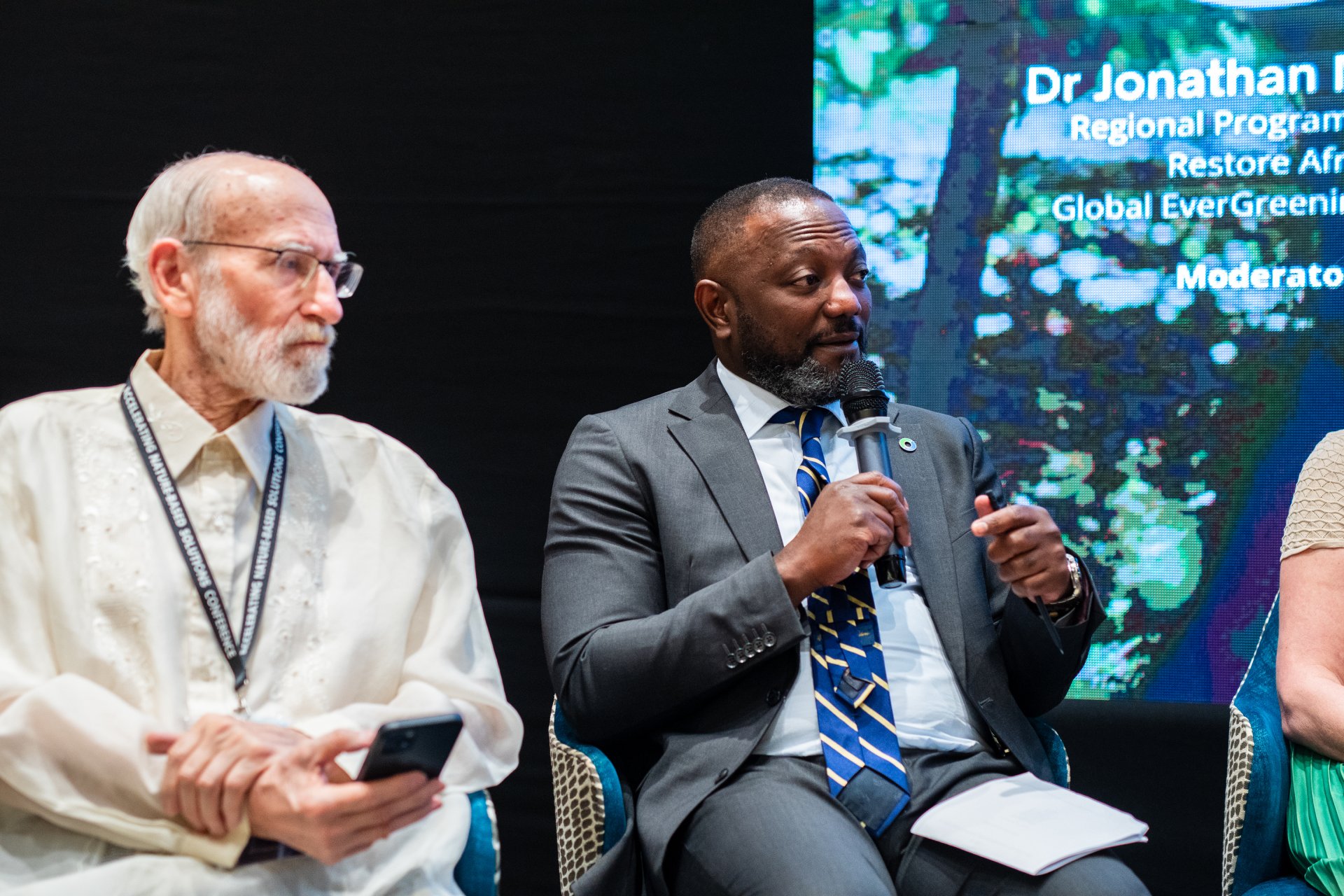
. The Global EverGreening Alliance, the Government of Zambia, AFR100, African Natural Capital Alliance (ANCA), FSD Africa, and the UN Decade on Ecosystem Restoration, hosted the world's largest land restoration programming conference, which brought together NGOs, governments, the private sector, technical and scientific experts, and community representatives.

The Global EverGreening Alliance (GEA). GEA is the world’s largest environmental restoration alliance of research, conservation, and development sector organisations, focused on developing and delivering transformative projects to restore landscapes and rebuild livelihoods at scale.
  • GEA unites over 100 of the world’s most capable research, development, and conservation NGOs to scale-up restoration efforts to address global development challenges, while making the earth greener. In so doing, GEA fosters collaboration, learning, sharing, efficiency and harmonisation across institutions, sectors, and borders. 
  • GEA is uniquely positioned to strategise, plan, coordinate and monitor large-scale land restoration programmes, being able to access the skills and on-the-ground expertise of major restoration NGOs and technical and research institutions globally. 
  • This on-the-ground network is complemented by state-of-the-art monitoring tools, aimed at bringing together the global view of restoration activities needed to deliver against the targets of the Paris Agreement.

Extracts of the agenda:

12/03 Hitting the Road with the Exponential Roadmap for Natural Climate Solutions: Agriculture and Africa


SESSION LEAD: Starry Sprenkle-Hypolite (Conservation International) + Valentine Ebua (Conservation International)

Natural Climate Solutions (NCS) in farming and grazing that can contribute carbon removals, align Exponential Roadmap with African context.

12/03 Exploring Biodiversity Credits in Empowering Community-Led Land Restoration: Insights Drawn from Carbon Credit Experiences


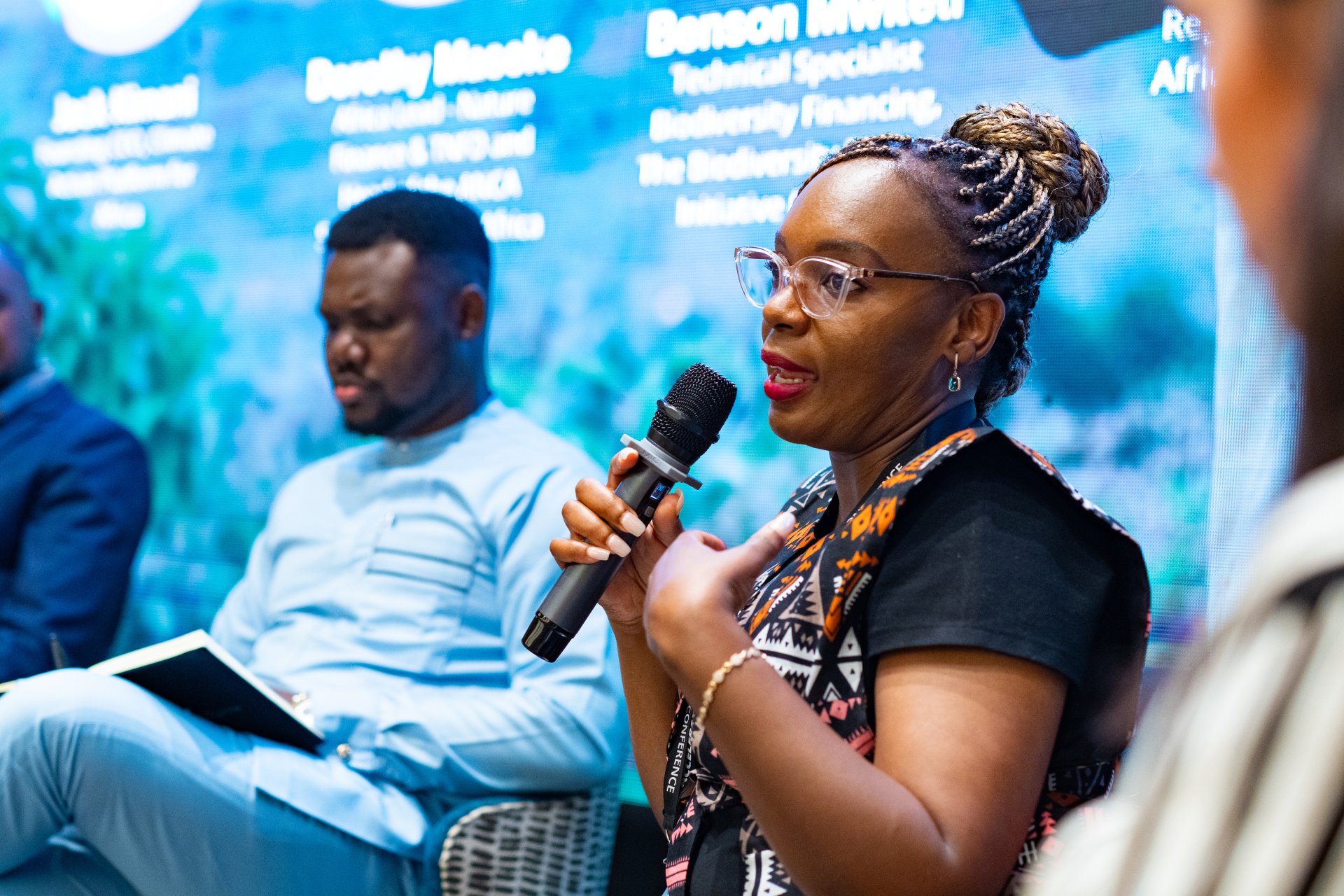
SESSION LEAD:​ Dorothy Maseke (FSD Africa) - see video

The session highlighted following key questions:
  • Given the use of carbon credits in restoration activities, how could biocredits play a role in financing the same activities? Are there other financial mechanisms that biocredits could activate?
  • What market governance mechanisms are needed to ensure the meaningful participation of IPLCs and nature’s stewards in biocredits programmes?
  • Are there specific criteria or standards that should be established to ensure the legitimacy and effectiveness of biocredit programs in community-driven initiatives and who should set these?
  • How can technology and data analytics be leveraged to both scale up and enhance the monitoring and evaluation of biocredit-based land restoration projects at the community level?
  • What policies are needed to facilitate biocredit use in financing land restoration programmes?


13/03 Connecting Smallholder Farmers to Carbon Markets In Zambia 

How to Scale Agroforestry, and the Policies Needed to Support Access to Carbon Finance? One Acre Fund Zambia, a non profit social enterprise working with smallholders farmers, is implementing an intensive agroforestry model that connects smallholder farmers to carbon markets via Rabobanks Acorn platform. The session will feature a presentation of the model and a dialogue with partners, such as The Nature Conservancy and Acorn, about the necessary enabling environment to make carbon markets work for smallholder farmers in Zambia (and beyond).


13/03 Connect: Linking and Scaling-up African Technology-Enabled Community NBS


SIDE EVENT LEAD: Joyce Nyame (Youth Bridge Foundation)

Community-based organizations from five African countries digitizing their Forest Landscape Restoration (FLR) projects shared their data, their stories, and plans to scale-up innovative approaches to sustainable implementation of NBS.

DUAPA employs various Nature-Based Solutions across its five implementing countries to restore nature. In Ghana, local communities, predominantly comprising youth and women, utilize reforestation to rehabilitate degraded land, contributing to a nature-positive agenda. This session showcased DUAPA’s community-based technology initiatives across Ghana, Kenya, Liberia, Uganda, and Nigeria, while also devising a scale-up strategy.

13/03 Farmer Managed Natural Regeneration (FMNR): Reaching 1 Billion Hectares.


SESSION LEAD: Tony Rinaudo (World Vision Australia) + Irene Ojuok (Right Livelihood College Bonn and GEA)

This session discussed World Vision’s ambitious restoration goal and showcased WV Zambia’s scaling approach to attract partners and participants to join in to accomplish the 1-billion-hectare goal.


14/03 The Great Food System Disruption: Implications for Global Land Restoration


SESSION LEAD: Dennis Garrity (GEA)

This session broadened the awareness of the projections of a great food disruption and its implications for accelerating the scaling-up of nature-based solutions for land restoration. It explored the implications for animal agriculture in the developed and developing countries. It elucidated the possible scale of land-use change due to the disruption in relation to the goals and targets of the Evergreening the Earth Campaign.


14/03 Scaling Farmer-centered Solutions From the Soil Up across Africa


SIDE EVENT LEAD: Leigh Winowiecki (CIFOR-ICRAF and Coalition of Action 4 Soil Health (CA4SH)
The event highlighted on-the-ground advancements in the accurate monitoring of soil health, opportunities to scale soil health across Africa, as well as realistic and equitable financing opportunities.

Related: AgDrive

11 March 2024. Lusaka, Zambia. Official launch event of the Agdive 2024 program

Agdrive is an acceleration and investment platform focused on unlocking innovation and investment in Africa’s agro-processing, agritech, and digital agriculture sector. It is a 12 month innovation and investing ecosystem focused on innovative early stage and growth oriented small and medium enterprises (SMEs) in the agro processing, agritech, and digital sectors.
 
Through a multi-initiative strategy , the Agdrive 2024 program comprises three key components :
  1. Agdrive Xplo Southern Africa Investment and Trade Mission (21st - 26th July, 2024): Bringing together participants from COMESA , SADC, Brazil, China, Netherlands, the United Kingdom, and the United States .
  2. Agdrive Food and Agritech Investment Summit (24th - 25th July, 2024): The summit will run parallel to the trade mission offering a prime opportunity for stakeholders to engage , collaborate , and explore the latest trends in the agribusiness sector.
  3. A two-part initiative providing crucial advisory and support services , strategically scheduled before and after the trade mission. November 2024): - June 2024, August - Advisory and Technical Assistance (April - Agdrive Plus)
Contacts: Phone: +260 961 888 009 I +260 971 796 889 Email: agdrive@onelife.co.zm

Sunday, February 25, 2024

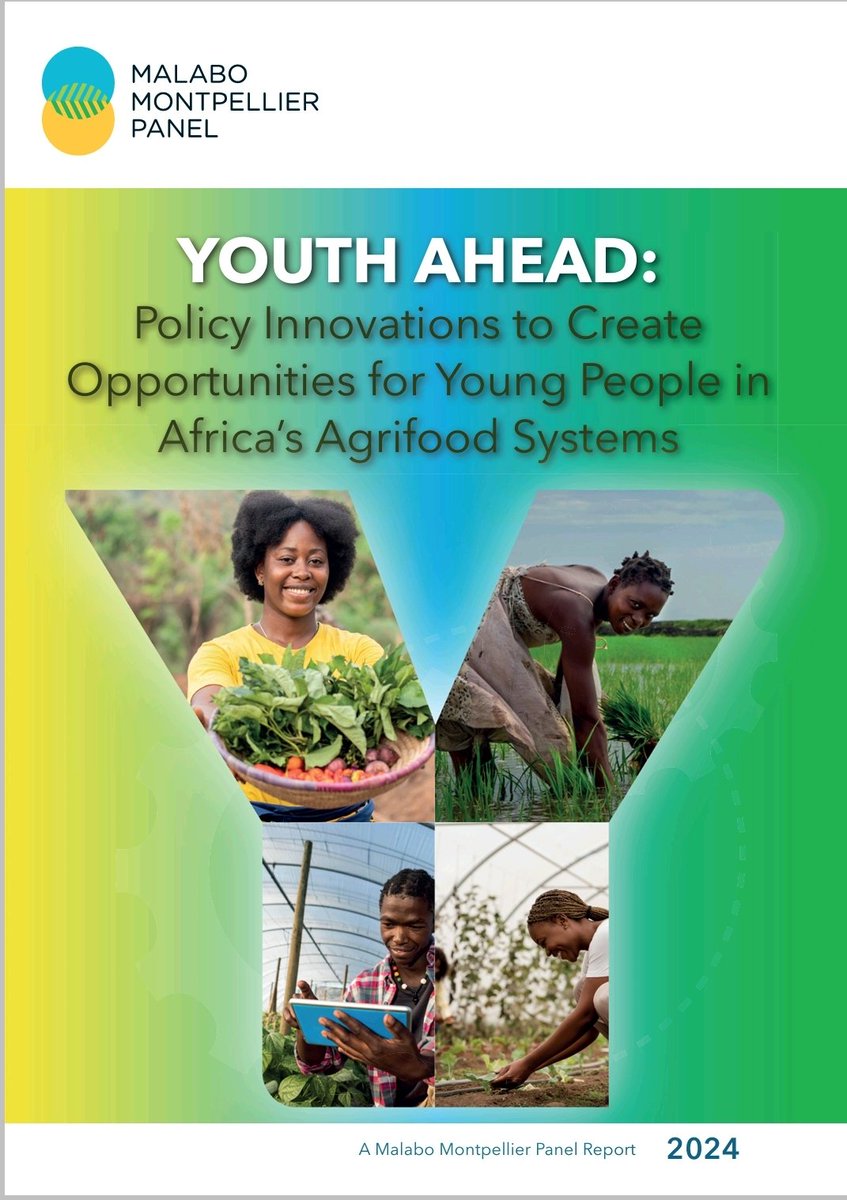
YOUTH AHEAD: Policy Innovations to Create Opportunities for Young People in Africa’s Agrifood Systems

14 February 2024
. Themed "YOUTH AHEAD: Policy Innovations to Create Opportunities for Young People in Africa’s Agrifood Systems", the Panel’s latest report was launched at the 13th Malabo Montpellier Forum. 
The report focuses on successful institutional and policy innovations and programmatic interventions in African countries to empower Africa's youth in transforming agrifood systems. Many youths in Africa face high unemployment and lack the necessary knowledge and skills to tap into these opportunities, largely due to a lack of access to land and finance. The panel aims to provide practical actions to enable environments that support young people in creating or taking on employment opportunities in the agrifood system, highlighting areas of progress and potential entry points for youths.

The Forum was conducted in three parts: 
  1. a technical part drawing on the findings and recommendations from the Panel’s report and Youth Issue Paper, 
  2. Reflections on the outcomes and lessons from the report and issue paper, 
  3. and a high-level policy roundtable, composed of senior representatives from African governments, development partner agencies, youth organizations, and the private sector.
Speakers: 
  • Dr. Ousmane Badiane Executive Chairperson, AKADEMIYA2063; Co-Chair, Malabo Montpellier Panel 
“Africa’s agrifood sector offers extraordinary potential for attractive, profitable, and sustainable jobs for our rising youth population, that will in turn help address the continent’s food security challenges. Innovative strategies to attract and support Africa’s youth to succeed with the right skills, technology, and policy environment would boost the pace of employment creation to meet the growing labor demands in the decades ahead. Our report recommends policies to help create these opportunities, including targeted education, training, enterprise creation and growth support, and technology infrastructure.”
  • H.E. Amb. Josefa Sacko Commissioner for Agriculture, Rural Development, Blue Economy and Sustainable Environment, African Union Commission (AUC-DARBE) 
  • Hon. Hellen Adoa Minister of State for Fisheries, Uganda
Launch of the Malabo Montpellier Panel’s Report and Youth Issue paper 
  • H.E. Rhoda Peace Tumusiime Former Commissioner for Rural Economy and Agriculture at the African Union Commission (AUC), Chairperson HOPE; Malabo Montpellier Panel Member
Reflections on the outcomes of the report by the Forum Co-Chairs 
  • H.E. Hailemariam Dessalegn, Former Prime Minister of Ethiopia 
  • H.E. Dr. Assia Ben Salah Alaoui, Ambassador at Large to His Majesty Mohamed VI, the King of Morocco 
Moderator: Prof. Sheryl Hendriks, Director, Natural Resources Institute, University of Greenwich; Malabo Montpellier Panel Member

A. Research and science 
  • Prof. Bernard Bashaasha, Professor and former Principal of the College of Agriculture and Environmental Sciences, Makerere University 
  • Prof. Rosemary Isoto, Head of the Department of Agribusiness and Natural Resource Economics (DANRE) at Makerere University 
B. Skilling
  • Prof. Charles Kwesiga, Executive Director, Uganda Industrial Research Institute 
C. Agribusiness opportunities and skills 
  • Dr. Emma Naluyima, Founder and CEO, One Acre Unlimited Farm 
  • Dr. Ashok Gulati, Infosys Chair Professor for Agriculture at Indian Council for Research on International Economic Relations (ICRIER); Malabo Montpellier Panel Member 
D. Digitalization/technology
  • Eng. Dr. Dorothy Okello, Dean, School of Engineering, Makerere University; Malabo Montpellier Panel Member 
“Attracting youth to the agrifood sector and enabling them to play an active role in shaping African food systems must go hand-in-hand with leveraging the potential of new technologies for the industry, Harnessing the entrepreneurial spirit of Africa’s youth alongside developments such as AI and emerging technologies while investing in transferable skills training in areas such as computer programming and embedded systems, data science, and business studies, will maximize the potential of young people to advance Africa’s agrifood and economic transformation”

E. Youth in Leadership/polic
  • Ms. Nono Dimakatso Sekhoto, Sector Lead - AL for Agribusiness Network African Leadership Academy
Moderated roundtable with Senior Country Representatives 
  • Chair: Ms. Nachilala Nkombo, Former Country Director, World Wide Fund for Nature, Zambia; Malabo Montpellier Panel Member 
  • Mr. Innocent Togla, Deputy Secretary General, Ministry of Agriculture, Livestock and Fisheries Benin
  • Hon. Dr. Bryan Acheampong, Minister of Food and Agriculture Ghana
  • Mrs. Priscilla W. Muiruri, Technical Advisor to the Cabinet Secretary, Ministry of Agriculture and Livestock Development Kenya 
  • Hon. Abubakar Kyari, Minister of Agriculture and Food Security Nigeria 
  • Hon. Angela Thokozile Didiza, Minister of Agriculture, Land Reform and Rural Development South Africa 
  • Hon. Hussein Mohamed Bashe, Minister of Agriculture Tanzania
  • Hon. Hellen Adoa, Minister of State for Fisheries, Uganda » Hon. Nyirabashitsi Sarah Mateke, Minister of State for Youth and Children Affairs, Uganda » Hon. Dr. Monica M. Musenero, Science, Technology and Innovation Secretariat at the Office of the President Uganda
  • Hon. Reuben Mtolo Phiri, Minister of Agriculture Zambia
  • Hon. Vangelis Peter Haritatos, Deputy Minister of Lands, Agriculture, Fisheries, Water, and Rural Development Zimbabwe
Invited reactions 
  • Dr. Fregene Martin, Director of Agriculture and Agro-Industry, African Development Bank (AfDB) 
  • Mr. Hoppe Martin, Head of Division Food and Nutrition Security, Global Food Policy, Fisheries, German Federal Ministry for Economic Cooperation and Development (BMZ) 
  • Ms. Jeannette Wijnants, Country Director, Welthungerhilfe (WHH) Uganda 
  • Dr. Agnes Kalibata, President - Alliance for a Green Revolution in Africa (AGRA); Malabo Montpellier Panel Member 
  • Dr. Debisi Araba, Visiting Researcher, Imperial College London; Malabo Montpellier Panel Member
Vote of thanks 
  • Eng. Dr. Dorothy Okello, Dean, School of Engineering at Makerere University; Malabo Montpellier Panel Member 
  • H.E. Hailemariam Dessalegn, Former Prime Minister of Ethiopia; Co-Chair, Malabo Montpellier Forum 
  • H.E. Dr. Assia Ben Salah Alaoui, Ambassador at Large to His Majesty Mohamed VI, the King of Morocco; Co-Chair, Malabo Montpellier Forum
Concluding Remarks and Way Forward 
  • Prof. Joachim von Braun, Distinguished Professor, Center for Development Research (ZEF), University of Bonn; Co-Chair, Malabo Montpellier Panel
“The active involvement of young people in Africa’s agrifood systems is essential for the continent’s economic development and peace. Reaping the full benefits of the enterprising spirit of Africa’s youth will require access to finance, skills and land, and respect for youth voice in political decision-making processes”.


Resource:

Montpellier Panel (2024)  YOUTH AHEAD: Policy Innovations to Create Opportunities for Young People in Africa’s Agrifood Systems #158 p.

Montpellier Panel (2024) EXECUTIVE SUMMARY - YOUTH AHEAD: Policy Innovations to Create Opportunities for Young People in Africa’s Agrifood Systems #3 p.

See extracts of this report in following PAEPARD blog post