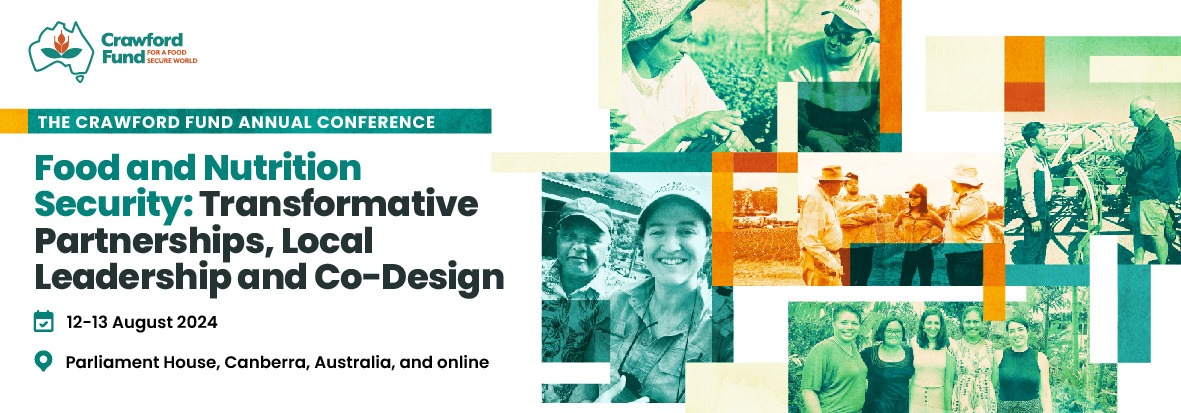
awareness of the edible plant database developed by Food Plants International, and its potential in addressing malnutrition and food security in any country of the world.

Platform for African – European Partnership in Agricultural Research for Development
Tuesday, July 15, 2025
Potentially Important Food Plants of Ghana
awareness of the edible plant database developed by Food Plants International, and its potential in addressing malnutrition and food security in any country of the world.
Friday, February 28, 2025
Role of Biopesticides in Agriculture
28 February 2025. Discussions on Role of Biopesticides in Agriculture
Organised by Asia-Pacific Biopesticides Community of Practice (ABCOP).
R & D Biopesticides often require specific formulations to enhance their effectiveness, which involves research into new delivery methods, packaging, and stabilization techniques to extend shelf life.
Research on stabilization techniques for biopesticides to extend shelf life focuses on improving the viability and potency of active ingredients under varying environmental conditions. This includes investigating optimal storage conditions (e.g., temperature, humidity), developing stabilizers like cryoprotectants or surfactants to protect microbial or biochemical components, and formulating controlled-release systems that maintain effectiveness over time. Additionally, studying the impact of packaging materials that can protect biopesticides from light, oxygen, and moisture, as well as exploring methods like freeze-drying or encapsulation, are crucial in enhancing stability and ensuring consistent performance throughout the product's shelf life.
Related blog posts:
- 31 October 2024. Asia-Pacific Biopesticides Community of Practice.
- 27 November 2024. 7th Asia-Pacific Biopesticides Community of Practice event
- 29 January 2025. Asia-Pacific Biopesticides Community of Practice (ABCOP) - For the Promotion of Biopesticides and Enhancement of Trade Opportunities
Resource:
Darshika Senadheera, Ravi Khetarpal (2025) Highlights from ABCoP 2024 Setting the Stage for 2025 18 pp.APAARI launched the Asia-Pacific Biopesticide Community of Practice (ABCoP) in May 2024, with the support of FAO, STDF, government agencies, private sector and international organizations such as AARINENA and FARA, to bring together stakeholders from the biopesticide sector, including industry leaders, researchers, policymakers, national representatives and other key actors.
The biopesticides industry's future is promising, with over 300 global companies developing products for pests, diseases, weeds, and nematodes. While bioinsecticides lead the market, bionematicides are gaining momentum. Growing interest from investors, manufacturers, and consumers signals strong
growth potential, driving innovation and expansion in coming years.
The ABCoP program highlights the transformative potential of biopesticides in agriculture while emphasizing the importance of continued collaboration, innovation, regulatory reform, and education. These efforts are essential to fully realizing the potential of biopesticides in ensuring sustainable food production and trade in the region
Thursday, August 22, 2024
Australia: Fostering agricultural innovation for worldwide food security
12 - 13 August 2024. Crawford Fund Conference - Nurturing global change from Australia: Fostering agricultural innovation for worldwide food security, Australia
Extract of the programme
12/08 Memorial Address Sir John Crawford
Sir John Crawford contributed at the highest levels to the development of Australia and other countries and passionately supported international agricultural research for development. The Crawford Fund was established in his name, and since 1985, in his honour, there has been the annual Sir John Crawford Memorial Address.This year’s Memorial Address at the Crawford Fund’s annual conference dinner was presented by Dr Line Gordon, Director, Stockholm Resilience Centre and Professor in sustainable food systems at Stockholm University, Sweden.
In her address titled “Building Resilience in an Interdependent Patchwork Earth”, Dr Gordon explained that to navigate the unprecedented risk landscape we face and ensure the resilience of our food systems in the Anthropocene, we must both establish overarching goals and science-based targets that integrate health, sustainability, and justice, and nurture diverse pathways that are adaptable to various local contexts.
The recording of the Memorial Address presented by Line Gordon is available to view below.
13/08 Ministerial opening
13/08 SESSION 3: TAILORING R&D TO DELIVER LOCAL ON-GROUND OUTCOMES
- Chair: Mathew Fox, First Assistant Secretary, DFAT Climate Diplomacy and Development Finance Division
- An Overview of the Pacific Regional Research Collaborative Framework
- Mr Mark Vurobaravu, Deputy Director, Department of Agriculture and Rural Development, Vanuatu
- Transformative Partnerships for Transforming Rice Value Chain for Climate Resilient and Sustainable Development of the Mekong Delta of Viet Nam
- Dr Tran Thu Ha, Team Leader – Low Emission & Inclusive Agriculture, SNV
- Learnings from Australian Indigenous Projects
- Madonna Thomson, Aboriginal Biocultural Knowledge Holder and Practitioner
- Challenging dominant narratives on development approaches in the drylands
- Hussein Tadicha Wario, Director, Centre for Research & Development in Drylands, Kenya
13/08 SESSION 5: ACHIEVING TRANSFORMATIONAL OUTCOMES
- Moderator: The Hon John Anderson AC, Chair, The Crawford Fund
- Dr Ismahane Elouafi, Executive Managing Director, CGIAR
By highlighting the transformative power of genuine partnerships and participatory research, this keynote demonstrated how collaborative approaches lead to sustainable and impactful outcomes: "CGIAR works with 3000 global partners to develop and deploy innovative strategies to adapt to and mitigate these challenges. We work in over 80 countries, with a staff of nearly 10,000 people across 15 research centers.” - Dr Line Gordon, Sir John Crawford Address Presenter
- Karen Mapusua, Director, Land Resources Division, The Pacific Community
- Professor Wendy Umberger, Chief Executive Officer, ACIAR
Tuesday, June 11, 2024
How 365 days of green cover over fields cools the climate
- Regenerate Earth was established in January 2019, after having been Healthy Soils Australia since 2005. We provide soil-related solutions to inspire and support more regenerative agricultural, forestry, and urban communities.
- Regenerate Earth guides and supports leaders to find innovative ways to increase the amount of land transitioning to regenerative. Thus making make these practices accessible in Australia and worldwide.
- Regenerate Earth is pioneering innovative microbial technologies to manage the natural ecology of soils and to help farmers avoid productivity impediments as well as enhancing the nutritional integrity and premium health value of their products. This understanding is essential to secure water and the food requirements into the next century.
- The co-founder of Regenerate Earth is Walter Jehne, an internationally recognised soilmicrobiologist and innovation strategist. He has immense field and research experience in soils, grasslands, agriculture and forests at local, national (CSIRO and Science Adviser to Australia’s National Soil Advocate), and international (UN) level. Walter’s specialisation is the role of soil microbes’ symbiotic processes in the ecology of diseases, plant health, nutrient and waste cycling, soil pedogenesis and the regeneration of bio-systems.
Regenerate Earth Director Phill Lee presented microscopy workshops in Andhra Pradesh, India. This series of three videos by Andhra Pradesh Community Managed Nat has more details.
Related:
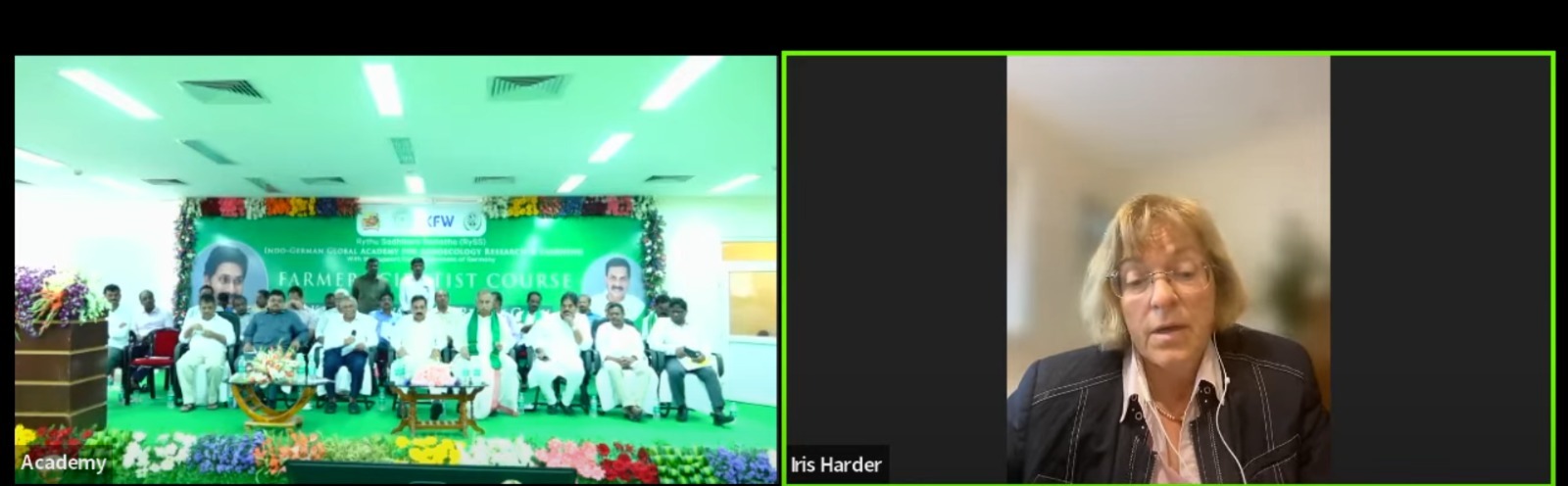
The Indo-German Global Academy for Agroecology Research and Learning in Pulivendula, Kadapa (Andhra Pradesh state, India) was launched in July 2023. It hosts India’s First Farmer Scientist Course in Natural Farming: Rythu Sadhikara Samstha: a four-year Farmer Scientist Course (FSC) in Natural Farming.- Intake in FSC is about 1,000 per batch. The instruction is in 25 Research and Learning Centres in districts. Initially, these students would come from AP and gradually, FSC expects to start enrolling students from outside AP.
- Farmer Scientist students are youth, who are the best practicing natural farmers for the last 3 years and have completely transitioned to natural farming. During the course itself, they practice A-Grade model from first year and earn monthly farm incomes. Farmer Scientist earns Rs. 25,000 - 50,000 per month from A-grade NF farming during the course itself from the first year.
- One week a month is classes and they spend three weeks in their own field so they have to become model farmers. 75% of the learning in FSC is through practical and experiential learning through their own field, own experiments, and conceptual inputs via classroom and digital learning. Farmer Scientists receive intense mentoring. This apprenticeship-mentorship is the fulcrum of the FSC.
- In order to get the degree, passing the examination is just one factor. They have to show that they are able to generate monthly incomes: 50 000 rupees per month. Over 4 years they need to train 10-15 cadre and 50 farmers in the village to become A-grade natural farmers.
“We are proud to cooperate with IGGAARL and its Farmer Scientist course. A combination of theory and practice is important. Underlying Natural Farming is knowledge-intensive and knowledge is the only resource that will increase only when it is shared.” Iris Harder, Principal Portfolio Manager, Natural Resources & Climate – Asia, KfW Development Bank
Iris Harder, portfolio Project Manager at @KfW_FZ_int, during her visit to @iggaarl, opines that @APZBNF demonstrated how #NaturalFarming will change the lives of #smallholder farmers. @vijaythallam @AndhraPradeshCM @PMOIndia @NITIAayog pic.twitter.com/Odv4LZGVQ0
— Andhra Pradesh Community-managed Natural Farming (@APZBNF) June 21, 2024
Resource:
- The report presents the results of the survey into the impact of Andhra Pradesh Community Managed Natural Farming (APCNF or CNF in short) on farming conditions in Kharif 2022-23. This is fifth in the series of similar studies conducted under the aegis of RySS, Government of Andhra Pradesh, which is set up to campaign for the spread of natural farming in the state.
- The study compares the performance of 1,331 farmers practicing CNF with 731 of non-CNF farmers. The sample is chosen to compare the differences in farming conditions across major crops. However, the results at agroclimatic zones, and farmers of different sizeclasses, tenure groups and social groups, have been provided, wherever possible.
- The farming conditions are judged against the parameters that reflect the costs and returns from farming. It also brings to the fore the ways in which CNF contributes to the well-being of those who practice it.
Wednesday, February 28, 2024
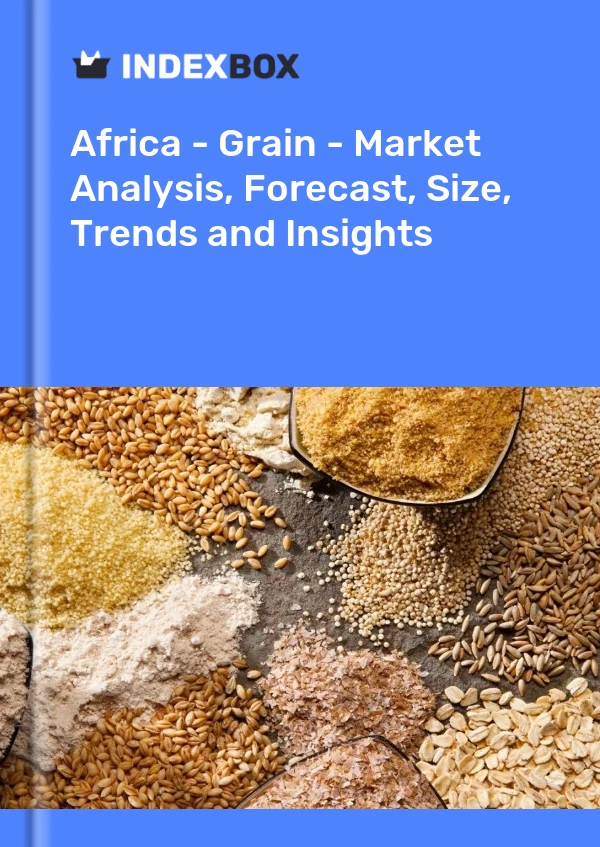
Africa - Grain - Market Analysis, Forecast, Size, Trends and Insights
- the largest countries in terms of grain consumption in Africa in 2022 were Egypt (38.117 M tons), Nigeria (32.168 M tons), Ethiopia (31.605 M tons), Algeria (22.505 M tons), and South Africa (16.769 M tons).
- Africa's reliance on grain imports is significant. In 2022, Algeria was the largest grain importer with 18.916 M tons, followed by Egypt (15.737 M tons), Morocco (8.779 M tons), Libya (3.484 M tons), and Tunisia (3.443 M tons). These import volumes highlight a substantial dependence on foreign grain supplies, due in part to insufficient domestic production to meet the demand. Regarding the financial aspect of imports, in 2022, Egypt spent the most on grain imports, reaching a total of 6.308 billion USD. Algeria's import value amounted to 4.606 billion USD, Morocco's to 3.638 billion USD, Nigeria's to 2.276 billion USD, and Tunisia's to 1.469 billion USD.
The grain industry in Africa is marked by contrasting scenarios of production capacities and import dependencies. While countries like Ethiopia and Nigeria showcase substantial production volumes, others continue to rely heavily on imports to feed their populations. The complex interplay of factors contributing to market growth and limitations underscores the need for strategic policy development aimed at enhancing self-sufficiency and mitigating the potential risks associated with import reliance. Efforts to build robust agricultural systems in Africa are essential to ensure the long-term sustainability and security of the continent's grain supply.
Research Update. Perth Australia
26/02 Looking ahead to the African opportunity?
By 2035 the population in Africa is tipped to increase by nearly 400 million people, responsible for about half of the world’s population growth. These developments position Africa as a robust source of new grain demand, necessitating increased local crop production, enhanced grain supply chains and dependable new grain import sources.Rapid population growth, urbanisation and economic development in Africa offer opportunities for theAustralian grain industry in the years ahead. While these opportunities should not be under-estimated, serving existing valuable markets in North and South East Asia are expected to provide the best returns to Australian growers in coming decades.
This is the message from Australian Export Grains Innovation Centre (AEGIC) Market Insights Acting
Manager Chris Carter to the Grains Research Update in Perth, hosted by the Grains Research and Development Corporation (GRDC). Dr Carter’s findings are from an ‘Africa 2035 Insights’ project delivered by AEGIC through investment from Grains Australia. Grains Australia, an initiative of the GRDC, is responsible for vital industry services and functions that improve the industry’s competitiveness and profitability.
Monday, March 13, 2023
Regional Climate Smart Agriculture Policy Dialogue
Extracts of the programme
Day 1 SESSION 2: AGRICULTURE AND WATER CHALLENGES IN SSA RURAL COMMUNITIES
- Facilitator: Dr Simphiwe Ngqaweni, CEO , National Agriculture Marketing Council (NAMC)
- Keynote Presentation Dr Inga Jacobs-Mata, Regional Representative – Southern Africa, International Water Management Institute (IWMI)
- Transforming irrigation in southern Africa in a changing climate – Prof. Jamie Pittock, The Australian National University (ANU) & Dr Henning Bjornlund, University of South Australia (UniSA), Australia
- Dr Matilda Azong Cho, Future Africa University of Pretoria
- Dr Ikalafeng kgakatsi, Director for Climate Change and Disaster Risk Reduction at the National Department of Agriculture, Land Reform and Rural Development, South Africa (DALRRD)
- Dr Menghestab HAILE, Regional Director for Southern Africa, United Nations World Food Programme (WFP)
- Mr Vitumbiko Chinoko, African Agricultural Technology Foundation (AATF)
Day 1 SESSION 3: Agricultural Technology for Resilience: Governance Framework and Practice
- Facilitator: Chinoko Vitumbiko, Project Manager, Open Forum on Agricultural Biotechnology in Africa (OFAB), AATF
- Dr Makarius Mdemu, Ardhi University, Tanzania
- Mr Wilson De Sousa, National Institute for Irrigation, Mozambique
- Mr Christo Spies, Chief Executive Officer, WineMS
- Mr Lwembe Mwale, Climate Change Programme Officer, Common Market for East and Southern Africa (COMESA)
- Dr Richard Stirzaker, Principal Research Scientist, Virtue Irrigation Academy (VIA)
Day 1 SESSION 4: CIRCULAR FOOD SYSTEMS / THE WATER-ENERGYFOOD (WEF) NEXUS
- Facilitator: Dr Tafadzwa Mabhaudi, Research Group Leader - Sustainable and Resilient Food Production Systems (SuRF), IWMI, South Africa
- Keynote Presentation: Complex systems and circular food systems – Dr Andre van Rooyen, ICRISAT Ethiopia
- Mr Phil Bowes, Enterprise Development Manager, Vinpro
- Professor Rabi Mohtar, IWRA Vice President and Texas Amu
- Eng. William Ponela, Founder and CEO, Zonful Energy
- Dr Gabriel Lekalakala, Specialist Scientist, Climate Change Analysis, Department of Water and Sanitation, South Africa
Day 2 SESSION 5: THE IMPORTANCE OF SOCIAL INCLUSION (WOMEN AND YOUTH) IN TRANSFORMING AGRICULTURAL SYSTEMS IN SSA
- Facilitator: Mr Suwilanji Sinyangwe, FANRPAN
- Dr Elizabeth Mkandawire and Dr Colleta Gandidzanwa, Food Systems Research Networks for Africa (FSNet-Africa), African Research Universities Alliance (ARUA) Keynote Presentation
- Dr Karen Parry, University of South Australia (UniSA), Australia
- Dr Jean-Marie Kileshye Onema, Executive Manager, WaterNet
- Dr. Mokhantso Makoae, Human Sciences Research Council (HSRC)
- Mr. Bonani Nyhodo, National Agriculture Marketing Council (NAMC)
- Mr Aristarick Mkenda, Adviser - Natural Resources Stewardship Programme, GIZ GmbH
Day 2 SESSION 6: CAPACITY GAPS IN TRANSFORMING SMALLHOLDER FARMING IN SSA
- Facilitator: Prof Khathutshelo Nephawe, Chair South African Council for Natural Scientific Professions (SACNASP)
- Keynote Presentation: "Capacity Gaps for Transforming Smallholder Farming in Sub-Saharan Africa" - Mr. Mamadou Biteye, Executive Secretary, Africa Capacity Building Foundation (ACBF)
- Dr Martin Moyo, Country Representative – Climate Adaptation and Mitigation Senior Scientist, ICRISAT Zimbabwe
- Mrs Wendy Petersen, Executive Manager, SA Wine Industry Transformation Unit (SAWITU)
- Mr Mpho Tlape, Farmer Support and Development, Gauteng Department of Agriculture and Rural Development (GDARD)
- Dr Lisa Rebelo, Michael Wellington - Lead Scientist Digital Earth Africa
- Dr Sandile Ngcaphalala, Farmer Development Lead, GrainSA
Day 2 SESSION 7: IMPORTANCE OF PARTNERSHIPS TO ENSURE INCREASED INVESTMENTS IN SUSTAINABLE WATER MANAGEMENT IN SSA
- Facilitator: Dr Marinda Visser, from University of Pretoria
- Dr Eric Wandra, CEO, Ocean Finance Company, South Africa Keynote Presentation
- Mr Gerard Martin, Executive Manager, Winetech
- Dr Luitfred Kissoly, Ardhi University Tanzania
- Dr Mario Chilundo, UEM/INIR Mozambique
- Dr. Vuyo Mjimba, Human Sciences Research Council (HSRC)
- Mr Conrad Schutte, Manager Technical services, Vinpro
- Dr Jackie Crafford, Managing Director, Prime Africa Consult
Day 3 SESSION 9: POLICIES PRIORITIES FOR TRANSITIONING TO CLIMATE-RESILIENT FARMING SYSTEMS IN SSA
- Facilitator: Eng. James Sauramba, Executive Director - SADC Groundwater Management Institute (GMI)
- Ms Sithembile Mwamakamba, Director of Policy Research and Analysis, FANRPAN- Keynote Presentation
- Mr Delfim Vilissa, Policy Advisor to the Minister of Agriculture and Rural Development. Ministry of Agriculture and Food Security of Mozambique Representative from Mozambique
- Eng Bezzel Chitsungo, Director-Department of Irrigation - Ministry of Lands, Agriculture, Fisheries, Water and Rural Development, Zimbabwe
- Dr Thokozani Simelane – Human Sciences Research Council (HSRC)
- Dr Canisius K. Kanangire AATF- enabling environment for agricultural biotechnology from its Africa wide experience.
- Mr Kwame Ababio, Senior Programme Officer Environment and climate change , African Union – NEPAD
Day 3 INVESTMENT PRIORITIES FOR TRANSITIONING TO CLIMATE-RESILIENT FARMING SYSTEMS IN SSA
- Facilitator: Ms Sithembile Mwamakamba, Director of Policy Research and Analysis FANRPAN Keynote Presentation
- Mr Ishmael Sunga, Southern Africa Confederation of Agricultural Unions (SACAU)
- Dr Leah Ndungu, Regional Manager, Eastern & Southern Africa, Australian Centre for International Agricultural Research (ACIAR)
- Dr Oluyede Ajayi, Global Lead, Food Security and Rural Well Being, Global Center on Adaptation
- Dr Easther Chigumira, Senior Agriculture Specialist, World Bank
- Ibrahima Cheikh Diong, United Nations Assistant Secretary General (ASG) and Director General of the African Risk Capacity (ARC) Group
- Dr Vine Mutyasira, Program Officer, Policy Quantitative Modelling and Data Analytics at Alliance for a Green Revolution in Africa (AGRA)
- Mr Anton Earle Africa-EU Water Partnership, SIWI
Tuesday, August 30, 2022
12th Africa Australia Research Forum: Food Security in an Insecure Age
This year, 2022, the Africa-Australia Research Forum focused on the genuine threat to food security in Africa. It explored impending shortages caused by supply constraints and enablers of agricultural community resilience and climate change adaptation strategies, African farming system solutions, the nexus between mining and agriculture, and opportunities for food trade and agri-innovation partnership between Australia and Africa’s nations and regions.
- Panel Chair: Dr. Nalishebo Meebelo, Executive Director, Regional Network of Agricultural Policy Research Institutes (ReNAPRI) Secretariat
- Professor Rajeev K Varshney, International Chair in Agriculture & Food Security, Food Futures Institute, Murdoch University
- Ms. Alice Ruhweza, Africa Region Director WWF International & Board Member CGIAR
- Dr. Yemi Akinbamijo, Executive Director, Forum for Agricultural Research in Africa (FARA)
- Dr. Peter Johnson, Research Officer, Climate System Analysis Group, University of Cape Town
Sunday, January 30, 2022
Food Plant Solutions
Food Plant Solutions does not send people in-country, but forms partnerships with existing aid providers who use the FPS publications to educate communities, and particularly women and children, on the nutrient value of their local foods. Not only does this sustainably address malnutrition and food security, it also empowers women. In many cases this will increase incomes, particularly for women, which benefits the family unit as a whole, and it safeguards and strengthens the capacity of women to provide food security, health and nutrition for their family. Most projects (whether they be housing, water, schools, maternal health, etc.), would be further enhanced by adding a Food Plant Solutions component to them. Most people who are in dire situations require a sustainable way to grow and access nutritious food.
The 11 countries recently added to the Food Plant Solutions website are:
- Afghanistan https://foodplantsolutions.org/wp-content/uploads/2022/01/Afghanistan-Field-Guide-V2-1.pdf
- Burundi https://foodplantsolutions.org/wp-content/uploads/2022/01/Burundi-Field-Guide-V2.pdf
- Central African Republic https://foodplantsolutions.org/wp-content/uploads/2022/01/Central-African-Republic-Field-Guide-V2.pdf
- Chad https://foodplantsolutions.org/wp-content/uploads/2022/01/Chad-Field-Guide-V2.pdf
- Equatorial Guinea https://foodplantsolutions.org/wp-content/uploads/2022/01/Equatorial-Guinea-Field-Guide-V2.pdf
- Guinea Bissau https://foodplantsolutions.org/wp-content/uploads/2022/01/Guinea-Bissau-Field-Guide-V2.pdf
- Liberia https://foodplantsolutions.org/wp-content/uploads/2022/01/Liberia-Field-Guide-V2.pdf
- Malawi https://foodplantsolutions.org/wp-content/uploads/2022/01/Malawi-Field-Guide-V2.pdf
- Mali https://foodplantsolutions.org/wp-content/uploads/2022/01/Mali-Field-Guide-V2.pdf
- Niger https://foodplantsolutions.org/wp-content/uploads/2022/01/Niger-Field-Guide-V2.pdf
- Somalia https://foodplantsolutions.org/wp-content/uploads/2022/01/Somalia-Field-Guide-V3.pdf
Saturday, April 28, 2018
Sorghum in the 21st Century Conference
- Accelerating progress in advanced breeding for improved crop adaptation to climate risks
- Improving productivity and increasing profitability to expand opportunities across global markets
- Enhancing resilience in the face of biotic and abiotic challenges
- Tackling key issues in food security and farming systems for improved livelihoods for the smallholder farmer
- Exploring the future of the value-added: Nutrition, biofuels and feedstuffs for evolving consumer demands
A presentation focusing on variety improvements, agronomy, post-harvest technologies and markets for sorghum, with particular reference to smallholder farmers. It was followed by a panel discussion on the topic of ‘Smallholder Sorghum Farmers: Constraints, challenges and opportunities’.
Symposium #2: A driver for change: Sorghum’s role in global markets
Important global trends and opportunities to increase demand and reduce supply bottlenecks of sorghum. The symposium included an overview plenary on global trends on the production, consumption and trade of sorghum and highlighted keys issues affecting trade opportunities. Three sessions, focusing on important issues affecting sorghum supply and demand followed. Symposium #3: Bringing Ancient Grains to the World’s Dinner Tables
This symposium was jointly organised by AACC International and the International Association for Cereal Science and Technology (ICC). It focused on developments in Ancient grains particularly understanding their nutritional and health-promoting attributes. Experts explored the science and technology of how to process Ancient grains into mainstream food and beverage products to bring the nutritional and health-promoting benefits of these climate-friendly grain staples to consumers worldwide.
Wednesday, February 14, 2018
Write-shop joint IDRC-ACIAR call (Cultivate Africa’s Future Fund 2 call)
By funding applied research in agricultural development, the expected outcome is an increase in high-quality scientific research with a focus on the adoption of existing and new research results, as well as testing mechanisms to take proven research innovations to scale in order to tackle persistent problems of food insecurity.
CultiAF-2 focuses on issues under 4 key research areas aligned to the regional priorities of the 2014 ‘Malabo declaration on accelerated agricultural growth and transformation for shared prosperity and improved livelihoods’.
- Improved productivity and incomes for farmers and communities and decreased post-harvest losses.
- Improved gender equity.
- Nutrition and human health.
- Climate change and sustainable water management.
- Block I – Introduction (general presentations); Analysis of the Call for Concept Notes
- Block 2 – Critical discussion on research proposal ideas and titles
- Block 3 – Situation analysis; Needs assessment; Stakeholder analysis; Problem analysis; Objective analysis
- Block 4 – Research problem; Research questions
- Block 5 – SWOT analysis of the proposed partnership
- Block 6 – Logical frameworks of the Proposals; Impact pathways; Calendar
- Block 7 – Risks; Management; Gender consideration; Environmental sustainability
- Block 8 – Logistics; Staffing; Partnership co-ordination; Costs
- Block 9 – Completion Concept Note; Submission mechanism
- Block 10 – Analysis of completion status Concept Note; Follow-up
- EAFF- Aflatoxin -Kenya
- KALRO- Aflatoxin -Kenya
- Groundnut- Malawi. They have changed and are working on Milk Value Chain in -Malawi
- Indigenous vegetables -Uganda
- WOUGNET- Cow peas and rice integration -Uganda
- Aquaculture Malawi -Kenya
- Eldoret University- Soils Fertility Management (former Indigenous vegetables) -Kenya
- Irish Potatoes -Burundi
- Small ruminants but now working on chickens- Zimbabwe
Saturday, January 20, 2018
IDRC and ACIAR research call "Ensuring a food-secure Africa: cultivate Africa's future":
This call is open to applicant organizations that will work in partnership with others to carry out research in one (or more) of the eligible countries: Burundi; Ethiopia; Kenya; Malawi; Mozambique; Rwanda; Tanzania; Uganda; Zambia; and Zimbabwe.
Applicant organisations must be developing country organisations (national agricultural research systems, universities, government departments, NGOs, regional organisations and Southern-led international organisations) with legal corporate registration in an eligible country. Eligible countries are (there are more but I mention only those where there is a Prolinnova Country Platform): Ethiopia, Kenya, Mozambique, Tanzania and Uganda.
This call will support cutting edge applied field and/or laboratory research projects with the potentialto generate high-impact and innovative results with particular impact on the food insecure and poor. All projects require a sound environmental impact assessment, the consideration of social and gender issues, and an applicability to smallholder farmers.
Key research areas:
- Improved productivity and incomes for farmers and communities and decreased post-harvest losses
- Improved gender equity
- Nutrition and human health
- Climate change and sustainable water management.
Of special interest is supporting innovative research with the potential for breakthrough results that can be effectively scaled-up and easily adopted by smallholder farmers, food processors, post-harvest handlers and other value-chain actors to improve food and nutrition security and achieve gender equality.
Deadline for applications is 1 March 2018.
Related:
View the projects of the previous phase.
Expanding Business Opportunities for Youth in the Fish and Poultry Sectors in Kenya (CultiAF)
This project built skills and knowledge among young people in Kenya to develop innovative business models that increase their participation in the fisheries and poultry sub-sectors.
Topic(s): YOUTH, MODELS, BUSINESS, AFRICA, TRAINING, FISHERY INDUSTRY, POULTRY, EMPLOYMENT CREATION
Region(s): Kenya, Netherlands, United States
Total Funding: CA$ 427,200.00
Expanding Business Opportunities for African Youth in Agricultural Value Chains in Southern Africa (CultiAF)
This project developed and test novel, creative, and bold business models that increase the participation of youth in fish and maize post-harvest value chains in Malawi, Zambia, and Zimbabwe.
Topic(s): YOUTH, FISH, MAIZE, EMPLOYMENT CREATION, WOMEN, POSTHARVEST SYSTEMS, AFRICA, MODELS
Region(s): Malawi, Zambia, Zimbabwe
Total Funding: CA$ 464,200.00
Communicating Science for Impact: Radio for Reaching Farmers with Research Results (CultiAF)
Radio is an effective medium to deliver information that will influence small-scale farmers in sub-Saharan Africa to adopt agricultural technologies.
Topic(s): SMALL FARMS, AFRICA SOUTH OF SAHARA, Food security, TELECOMMUNICATIONS, AGRICULTURE, RADIO
Region(s): Kenya, Uganda, Canada
Total Funding: CA$ 543,005.00
Reducing maize-based aflatoxin contamination and exposure in Zimbabwe
This project seeked to investigate innovative post-harvest solutions to reduce aflatoxin contamination in grain.
Topic(s): MAIZE, FOOD TECHNOLOGY, MATERNAL AND CHILD HEALTH, Health, AFRICA, PRIVATE SECTOR, FOOD STORAGE
Region(s): Zimbabwe
Total Funding: CA$ 2,055,600.00
Friday, August 25, 2017
Second phase of the Cultivate Africa’s Future Fund
ACIAR CEO Andrew Campbell with IDRC
President Jean Lebel at the investment
announcement in Kenya.
|
The investment represents the second phase of the Cultivate Africa’s Future Fund, a joint IDRC-ACIAR partnership aimed at transforming African agriculture and improving the lives of millions of smallholder producers and consumers across the continent.
The phase two investment was announced by IDRC President Jean Lebel and ACIAR CEO Andrew Campbell. The fund leverages Australian and Canadian science and technology expertise with African leadership and innovation to benefit smallholder farmers who grow most of Africa’s food.
Reducing maize-based aflatoxin contamination and exposure in Zimbabwe
This project seeks to investigate innovative post-harvest solutions to reduce aflatoxin contamination in grain.
Topic(s): MAIZE, FOOD TECHNOLOGY, MATERNAL AND CHILD HEALTH, Health, AFRICA, PRIVATE SECTOR, FOOD STORAGE
Region(s): Zimbabwe
Total Funding: CA$ 2,055,600.00
Expanding Business Opportunities for African Youth in Agricultural Value Chains in Southern Africa (CultiAF)
This project will develop and test novel, creative, and bold business models that increase the participation of youth in fish and maize post-harvest value chains in Malawi, Zambia, and Zimbabwe.
Topic(s): YOUTH, FISH, MAIZE, EMPLOYMENT CREATION, WOMEN, POSTHARVEST SYSTEMS, AFRICA, MODELS
Region(s): Malawi, Zambia, Zimbabwe
Total Funding: CA$ 464,200.00
Communicating Science for Impact: Radio for Reaching Farmers with Research Results (CultiAF)
Radio is an effective medium to deliver information that will influence small-scale farmers in sub-Saharan Africa to adopt agricultural technologies.
Topic(s): SMALL FARMS, AFRICA SOUTH OF SAHARA, Food security, TELECOMMUNICATIONS, AGRICULTURE, RADIO
Region(s): Kenya, Uganda
Total Funding: CA$ 543,005.00
Expanding Business Opportunities for Youth in the Fish and Poultry Sectors in Kenya (CultiAF)
This project will build skills and knowledge among young people in Kenya to develop innovative business models that increase their participation in the fisheries and poultry sub-sectors.
Topic(s): YOUTH, MODELS, BUSINESS, AFRICA, TRAINING, FISHERY INDUSTRY, POULTRY, EMPLOYMENT CREATION
Region(s): Kenya
Total Funding: CA$ 427,200.00
Wednesday, June 28, 2017
IAR4D from a theory of change perspective
© 2016 Elsevier Ltd. All rights reserved. 11 pages
The research was conducted as part of CSIRO-BecA-CORAF/WECARD
Africa Food Security Initiative funded by the Australian Government's
Department of Foreign Affairs and Trade.
Highlights
- There is emerging evidence that IAR4D and its innovation platforms deliver impact.
- The theory of change by which IA4RD brings impact is not well articulated.
- Markets, social capital, institutional change, innovation capacity mediate impact.
- An integrative theory of change is proposed for effective IAR4D practice
![]() |
| Yiheyis Maru |
Since then, there have been efforts to investigate its impact in comparison to traditional research and development approaches. Although a growing number of publications are testifying to positive impacts of IAR4D and related agricultural research for development (AR4D) approaches, there has been limited explicit attention on its
![]() |
| Jocelyn Davies |
This paper finds four emerging impact pathways focused on (1) market linkage, (2) social capital, (3) institutional change or (4) innovation capacity as critical mediating factors. Acknowledging articulation of each of these mediating pathways as encouraging progress, the article suggests putting these together in an integrated theory of change that also draws on established theories such as Multi-Level Perspective and theory of adaptive change to provide clear guidance and tools for designing and implementing effective AR4D interventions.
The impact pathways we articulated: market linkage, social capital and institutional change and innovation capacity do seem to address the core categories of systems failures: market structure, interaction, institutional and capability failures (p.7)

Related research papers
- Lessons from IAR4D implementation in West and Central Africa – CSIRO experiences in the Africa Food Security Initiative Feb 2015
- Understanding innovation platform effectiveness through experiences from west and central Africa Jan 2017
- Methods for selection of innovation platforms and for building capacity for IAR4D implementation Jan 2017
In practice, the initiation of innovation platforms is facilitated by particular individuals or organisations, most often researchers or non-governmental organisations (NGOs) supported by funding frominternational development agencies, and thus at least implicitly predicated on a problem- or solution-focused “entry point” chosen by the facilitating or funding institution (p. 2) Given that innovation platforms are often initiated by agricultural researchers who have their own technological agendas, it is essential that exploration of the four pathways is conducted in parallel with efforts aimed at technological change. Attention to these social mediating factors will enable wider adoption of technologies, even for those developed through participatory processes. (p. 9) It is also important for researchers to recognise that solutions may come from surprising places. For example, crop modellers, informed by long-term simulations, may try to convince farmers to adopt improved crop varieties and use more fertiliser (p. 9)
In a systematic search of the literature on IAR4D and other AR4D approaches informed by Agricultural Innovation Systems, we found only 13 articles that directly hypothesize howorwhy IAR4D and/or innovation platforms may work. (p. 2)
Market orientation also gives direction to what inputs, services and research are needed to support producers and other innovation platform members. Input, research and other services that are demand driven are more relevant and cost-effective. Adoption of on-demandnewtechnologies and practices is high (p. 3)
If income is appropriated by men this may limit positive impacts on household food security. Second, a market orientation may favour a few cash crops for export, but achieve little or no increase in household food consumption due to failure to improve production of staple or specific local crops. (p.4)
While a linear direction of change is often conceived, path dependence and inertia are such that change outcomes are not predictable. Norms and customs in which formal rules are embedded are entrenched and take time to have lasting change. For example, corruption, rent-seeking and a per diem culturemay have been so normalised that change will go against many interests (p.6)
Key factors for innovation capacity building are (among others): (a) Investing in establishing and promoting “innovation brokers” to play an intermediary brokerage role for facilitating platforms, strategic networking, mediating and resolving conflicts links between organisations, and helping negotiate system changes through policy dialogue ; (b) Creating space that fosters entrepreneurial drive and activity, vision development, resource mobilisation (e.g. capital), market formation, building legitimacy for change and overcoming resistance to change by means of advocacy and lobbying. (p.6)
Sustainability in IAR4D requires the scaling up of the capacity to innovate, as well as scaling up of innovations. (p.7)
The assumption is that there is wide scope and opportunity for improvement that will be realised by bringing actors with a fragmented set of potentials together in innovation platforms. However, literature on organisational cultures, institutional path dependence inertia and rigidity and traps tells us that this assumption does not hold, and analytical tools beyond value-chain analysis are required. Therefore,Multi-Level Perspective can potentially provide conceptual input and tools for an integrated theory of change of IAR4D to articulate the dynamics of the relationship between the innovation platform, its host socio-technical regime and the wider context. (p.7)
With increasing social capital, we might expect to see certain individuals arise and take initiative as brokers who identify opportunities and catalyse action. If brokers' initiatives prove successful, then those small successes further might build social capital, and through this process there could be a growing realisation that the institutional settings are potential obstacles, thus creating an appetite for change at larger scales (p.8-9)
Tuesday, April 25, 2017
The Cultivate Africa’s Future (CultiAF) Expanding Business Opportunities for African Youth in Agricultural Value Chains
![]() |
| Fish processor explaining benefits of CultIAF technologies |
By research and business grants, Inonge refers to a symbiotic relationship between the CultiAF research project focusing on post-harvest processing of fish to reduce losses and its complimenting agribusiness component seeking to generate and test novel, creative and bold business models in the fish value chain. According to the group’s winning proposal, they want to turn the 60,000 fingering capacity Malengaula lagoon on the island into a fish pond, and integrate it with livestock and vegetable production. The idea is to have an uninterrupted source of income, which is not the case at the moment due to a number of reasons.
The two projects are jointly funded by Canada’s International Development Research Centre (IDRC) and the Australian Centre for International Agriculture Research (ACIAR) and implemented by the Department of Fisheries and the Africa Entrepreneurship Hub (AEH), respectively. The CultiAF Expanding Agribusiness value chains in Southern Africa main objective is to increase youth participation in the Agribusiness value chain through creative ideas. The idea is to develop ways that will help youth get attracted into agriculture and stop seeing it as a profession for the retired.”Dr. Jonathan Tambatamba, Coordinator of the project.
Thursday, April 6, 2017
CultiAF entrepreneurship and innovation training
Youth in agriculture face limited access to natural and financial resources, inadequate opportunities for upward mobility skills and experience to run successful business. This necessitated call of interest from youths on fish value chain to generate and test novel, creative and bold models that increase the participation of youth in fish industry in Malawi and Zambia and maize post-harvest agribusiness sector in Zimbabwe.
The selected awardees that have received grants were trained in assessing agri-business environment, identification of viable opportunities, target market segments for selected fish. They were also mentored in developing a portfolio of youth managed business and high growth firms and linking them to business development services,” said Loreto Lekhoaba, an agri-business consultant with the African Technology Development Forum Entrepreneurship Hub of Zambia and specialises in innovation, entrepreneurship and business development.
- One of the youth groups, the Youth Action in Agriculture Development (YAAD), is based at Lilongwe University of Agriculture and Natural Resources. Priscilla Nsandu, a member of the group says their fish sausage enterprise will require them to procure equipment such as mixers, grinders, casing and packaging devices. YAAD is of the view that the presence of the food science department within the campus will help them raise the bar in terms of standards, nutrient identification but also quality before marketing.
- Another enterprise group is Malawi-based M and K Cooling System that are working on refrigeration and cool systems. Its member, Enock Palapandu, who attended the training says they are developing vacuum storage containers in the fish value chain to curb growth of microbial activities from supply sites to markets.
Friday, January 27, 2017
Australian program for improving plant biosecurity in Africa
Plant biosecurity management can be a boon to agricultural economies in sub-Saharan Africa, and Australia has a wealth of expertise to share. That’s the logic behind a mentoring program that helps the Australian Centre for International Agricultural Research and the Plant Biosecurity CRC partner with fellows working at agricultural institutions in 10 African countries.
The resulting program, the Australia-Africa Plant Biosecurity Partnership, aims to transfer skills in designing, delivering and managing plant biosecurity — measures to safeguard plants from pests and diseases.
In 2014, ACIAR contracted PBCRC to deliver a mentoring program to help improve biosecurity capacity in Africa, particularly in Burundi, Ethiopia, Kenya, Malawi, Mozambique, Rwanda, Tanzania, Uganda, Zambia and Zimbabwe. That project would have a budget of $1.2 million through 2017, jointly funded by ACIAR and the Department of Foreign Affairs and Trade. PBCRC formed a consortium to deliver the program, including the Centre for Agriculture and Bioscience International and The Crawford Fund.
The new program was advertised to biosecurity organizations in each of the 10 African countries to seek applicants. The project team, including leaders Bill Magee and Roger Day, then selected 15 senior fellows to visit Australia for an initial six-week training in Nov. and Dec. 2015. The initial applicants came from the public sector.
“Australia is well known for its strong biosecurity systems and has been my reference even in the course of trying to develop documents and application of plant biosecurity measures,” Mary Githinji, from the Phytosanitary Department with the Kenya Plant Health Inspectorate Service, one of the fellows.
Once participants returned to Africa, their new international network continued to be in contact to provide ongoing mentoring and support, including by visiting the fellows in their home countries at times. The 15 senior fellows have also become mentors. The program selected 30 people as associate fellows in 2016. This time, their training was held on the continent, utilizing Australian experts, as well as the senior fellows.
Beyond 2017
As each of the African participant countries work to develop and implement individual action plans, the project partners will be looking for a future host of the program and network.
In 2017, they will seek to partner with a major African institution, such as the Common Market for East and Central Africa or Food and Agriculture Organization. “Our two and a half years of funding from ACIAR is expected to finish and we need to preserve, and hopefully expand, what we have created in terms of network between these two countries,” Magee explained. “Preferably, we want to have it hosted by an institution within Africa to give our program a longer life.” What the program will look like beyond 2017 will be in the hands of the new host.