Platform for African – European Partnership in Agricultural Research for Development
Showing posts with label nutrition. Show all posts

Friday, July 17, 2026

Impact of large-scale food fortification programmes


8 July 2026. A webinar marked the public launch of the report "Financing Nutrition at Scale: Capital Market Strategies for Investors" and brought its findings to life through a combination of author presentations and practitioner perspectives from those who have designed or operated the very instruments the report features.

SUN (2026) Financing Nutrition at Scale: Capital Market Strategies for Investors 82 p.

Despite the compelling economics of nutrition investment, nutrition receives less than 0.4% of global official development assistance and remains almost invisible in capital markets. As of 2023, only two nutrition-labelled bonds had been issued globally, mobilising under $500 million — against $625.8 billion in green bonds issued in 2024 alone.

The publication addresses this gap directly. The report provides ESG and impact investors with practical pathways to integrate nutrition into existing climate, agrifood and health investment theses. It maps the financing landscape, examines eleven real-world case studies — spanning blended finance facilities, bonds, trust funds, guarantees and debt swaps — and proposes a series of technical and partnership recommendations.

Developed by the Scaling Up Nutrition (SUN) Movement in coordination with ATNi under the Initiative on Climate Action and Nutrition (I-CAN), this publication provides Environmental, social and governance (ESG) investments, and impact investors with practical pathways to integrate nutrition into existing climate, agrifood and health investment theses

[NOTE GFAiR]: 

The report is highly relevant for Neglected and Underutilized Species (NUS) because it reframes nutrition as an investable outcome within sustainable food systems rather than solely a public health intervention. It provides a strong rationale for positioning NUS value chains as nutrition-positive investment opportunities capable of attracting both development and private finance, particularly for smallholder farmers and SMEs in emerging markets

  • By promoting nutrition-sensitive investments across agriculture, climate resilience, value chains, SMEs, and food systems, it creates new financing opportunities for NUS, which are naturally rich in micronutrients, climate-resilient, and biodiversity-friendly. 
  • The report calls for mobilizing private capital through Environmental, social and governance (ESG) investments, blended finance, nutrition-linked bonds, and impact investing, while emphasizing diversified food production, climate-smart agriculture, women's empowerment, and improved access to affordable, nutritious foods—all areas where NUS can deliver measurable nutrition, environmental, and livelihood benefits. 

page 8: Nutrition remains chronically underfunded, receiving less than 0.4 percent of global official development assistance (ODA). For impact investors and other investors using environmental, social and governance (ESG) metrics, this underfunding represents both a challenge and an untapped market opportunity. While nutrition-related health costs exceed $4 trillion annually from overweight and obesity alone,3 and while undernutrition imposes severe productivity losses, private capital flows remain minimal.

Related:

16 July 2026. New research "Impact of large-scale food fortification programmes on micronutrient inadequacies and their implementation costs: a modelling analysis" published in The Lancet Global Health shows it's not only possible, it is achievable.

Large-scale food fortification currently prevents 7 billion nutrient gaps every year at just $0.18 per person. Yet micronutrient deficiencies still affect 1 in 2 preschool-aged children and 2 in 3 women of reproductive age worldwide with serious consequences for health, development, and economic potential.

Impact of large-scale food fortification programmes on micronutrient inadequacies and their implementation costs: a modelling analysis - Published in: The Lancet Global Health, Volume 14, Issue 5 (May 2026)

This landmark study provides the first global estimate of how existing and improved large-scale food fortification (LSFF) programmes affect micronutrient inadequacies worldwide and what they cost to implement. The authors integrated dietary intake data from 185 countries with information on national fortification programmes from the Global Fortification Data Exchange, modelling the effects of fortifying wheat flour, maize flour, rice, edible oil and salt across 13 essential micronutrients


Thursday, July 16, 2026

AI for Healthy Diets – Applying AI in agrifood systems

16 May 2026. This first webinar in the AI knowledge exchange series of the Global Donor Platform for Rural Development explored how artificial intelligence is applied in agrifood systems, highlighting a practical example from GAIN to improve nutrition outcomes.

Download concept note

Artificial intelligence (AI) is rapidly transforming agrifood systems, offering new opportunities to strengthen food security, improve nutrition, and support rural development. However, donors and development partners face challenges in translating this potential into practice, including ensuring responsible data governance, addressing inequalities in access, and identifying effective entry points for investment and collaboration.

  • Michelle Tang, GDPRD Secretariat
  • Alessandra Roversi, Programme Officer, Food Systems Section, Swiss Agency for Development and Cooperation
  • Ty Beal, Senior Technical Specialist and global nutrition scientist, Global Alliance for Improved Nutrition (GAIN) - Brief overview of GAIN’s AI Strategy, Concrete case studies
  • Mduduzi Mbuya, Director, Knowledge Leadership, GAIN - implications for donors

Wednesday, June 24, 2026

International Union of Nutritional Sciences (IUNS) and Federation of African Nutrition Societies (FANUS) Joint Webinar

2–3 June 2026. The International Union of Nutritional Sciences (IUNS) and the Federation of African Nutrition Societies (FANUS) successfully hosted their second joint regional webinar: Building Resilient Nutrition and Health Systems: Global Challenges and African Solutions.

Following an overwhelming response from the global nutrition community, registration for the event filled up completely ahead of schedule.

The scientific programme was designed to facilitate dialogue across regions and disciplines, focusing specifically on moving from academic analysis to real-world policy application.

Day 1: Global Nutrition: Problems & Determinants

The first day focused on analyzing the evolving, multi-faceted burden of malnutrition across the African continent.

  • Malnutrition Frameworks: Examining micronutrient deficiencies and non-communicable diseases (NCDs) within rapidly changing food environments.
  • Targeted Interventions: Evaluating evidence-based implementation strategies, ranging from balanced energy supplements to protein formulation.

Day 2: Evidence for Actions to Address the Problems

The second day shifted toward translating research evidence into actionable solutions and policy frameworks.

  • Ultra-Processed Foods (UPFs)
  • Analyzing the rapid transformation of Africa’s food systems and identifying when research evidence should trigger policy changes.
  • Food Safety Risks: Addressing critical biological and chemical safety challenges, such as the containment of mycotoxins in local crops.
  • School Feeding Initiatives: Discussing the design, funding, and scaling of school meal programmes utilizing localized food systems.
  • Resource Mobilization: Evaluating funding landscapes for food and nutrition research in low- and middle-income countries (LMICs).

Sunday, June 7, 2026

Building Resilient Nutrition and Health Systems: Global Challenges and African Solutions

2-3 June 2026. Building Resilient Nutrition and Health Systems: Global Challenges and African Solutions - International Union of Nutritional Sciences (IUNS) and Federation of African Nutrition Societies (FANUS) Joint Webinar - but the registration is closed due to high demand

This webinar was part of the IUNS Regional Webinar Series, which brings together nutrition researchers, professionals, practitioners, and students interested in nutrition and policy at different stages of their careers to discuss important and emerging topics in nutrition. The previous webinar in this series has attracted more than 500 participants globally.

Day 1: Understanding the Nutrition Challenge


The first day focused on the changing burden of malnutrition in all its forms, including micronutrient deficiencies, obesity, and non-communicable diseases (NCDs), as well as the broader food-system and health-system drivers behind these challenges. Sessions explore current evidence, emerging trends, and policy implications for Africa and other low- and middle-income regions.

Key speakers included:
  • Hyun-Sook Kim International Union of Nutritional Sciences (IUNS) – Global nutrition leadership and international collaboration.
  • Saskia Osendarp Micronutrient Forum – Micronutrient deficiencies and evidence-based interventions.
  • Yunhee Kang Ewha Womans University, Republic of Korea – Maternal and child nutrition, food security, and large-scale nutrition programmes.
  • Henda Jamoussi University of Tunis El Manar, Tunisia and Rym Ben Othman National Institute of Nutrition and Food Technology, Tunisia. – Malnutrition, obesity, diabetes, and dietary transitions.
  • Amos Laar University of Ghana School of Public Health – Food environments, ultra-processed foods, and NCDs in Africa.

Day 2: From Evidence to Action


The second day shifted to solutions and implementation, examining how nutrition and health systems can become more resilient through policy, programmes, food safety measures, and school feeding initiatives. Topics include ultra-processed foods, nutrition and cancer, food safety risks such as mycotoxins, and scaling school feeding programmes in African contexts.

The webinar was moderated by Dr. Robert Fungo (Makerere University, Uganda), Dr. Habiba Hassan-Wassef (IUNS), and Prof. Francis Bruno Zotor (FANUS and the University of Health and Allied Sciences, Ghana).

Key speakers included:
  • Jacques Delarue University of Brest, France – Nutrition, chronic disease prevention, and global nutrition policy.
  • Alan Jackson University of Southampton, United Kingdom – Nutrition, health systems, and sustainable development.
  • Sheila Okoth University of Nairobi, Kenya and Lindy Joy Rose – Food safety and mycotoxin risks.
  • Kwadzanai Nyanungo FAO and Jacqueline Kung’u Global Child Nutrition Foundation (GCNF) – School feeding, child nutrition, and food environments.
  • Francois Stepman Global Forum for Agricultural Innovation and Research (GFAiR) – Partnerships, food systems, and innovation for nutrition resilience.

Friday, May 15, 2026

Food4Education: affordable, nutritious school meals to children in public schools

21-24 April 2026. Oxford, UK. 2026 Skoll World Forum.

The 2026 Skoll World Forum featured a strong presence of African social innovation projects, organizations, and leaders focused on education, food systems, peacebuilding, conservation, digital inclusion, and entrepreneurship.

Some notable African-linked initiatives and leaders highlighted during the 2026 forum included:

  • SmartStart South Africa — winner of the 2026 Skoll Award for Social Innovation for expanding access to early childhood development through community-based franchise models.
  • Trevor Noah Foundation and Food4Education (F4E) , focus on equitable education access for African youth.
  • Elman Peace and Human Rights Centre — represented by Ilwad Elman, working on peacebuilding, youth empowerment, and post-conflict recovery.
  • Amini — founded by Kate Kallot, using AI and environmental data systems to improve climate resilience and agricultural decision-making in Africa.
  • Education innovation organizations from Rwanda, Sierra Leone, and Kenya participated in side events focused on scaling education systems and government adoption. These included EducAid, Inspire, Educate and Empower Rwanda, and Elimu-Soko.
  • Conservation and community-led environmental initiatives from Africa also featured prominently in discussions around climate resilience and biodiversity protection, including sessions co-hosted by Maliasili.

Social entrepreneur Wawira Njiru of Food4Education (F4E)  and comedian and philanthropist Trevor Noah explored what it takes to unlock opportunity for young people across Africa and beyond. United by a shared belief that investing in young people is the most powerful lever for change, they dig into the role of homegrown innovation in tackling the continent’s biggest challenges.

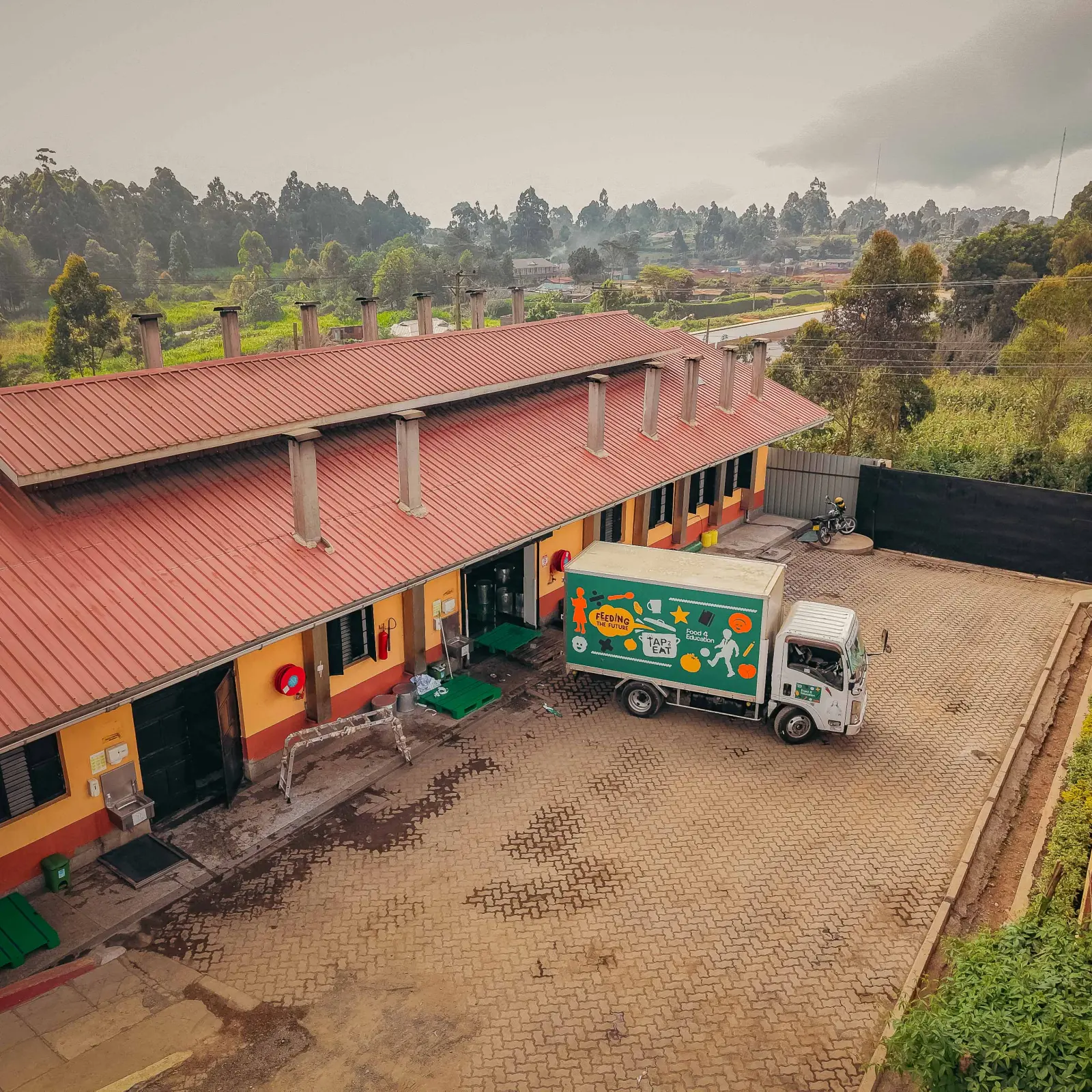
Food4Education (F4E) is a Kenyan nonprofit organization that provides affordable, nutritious school meals to children in public schools. Founded in 2012 by Wawira Njiru, the initiative began by feeding just 25 children near Nairobi and has since grown into one of Africa’s largest locally led school feeding programs. The organization’s mission is based on the idea that hungry children cannot learn effectively, and that school meals can improve education, nutrition, and long-term economic outcomes.

Food4Education operates a highly innovative and scalable feeding model in Kenya using centralized “giga kitchens,” digital payment systems such as Tap2Eat wristbands, and partnerships with county governments, parents, and local farmers. The meals are designed to provide essential nutrients including iron, zinc, calcium, and protein while remaining affordable for low-income families. The organization also sources much of its food locally from smallholder farmers, helping strengthen rural livelihoods and local food systems. By 2025–2026, the program was serving more than 500,000 children daily across over 1,300 schools in multiple Kenyan counties.

Beyond feeding children, Food4Education aims to create a scalable African model for sustainable school feeding that can be replicated across the continent. The organization works closely with governments and development partners to influence school feeding policies and demonstrate how investment in nutrition improves attendance, enrollment, academic performance, and community resilience. Food4Education has gained international recognition for combining nutrition, technology, climate-conscious operations, and local ownership into a cost-effective system that could transform school feeding across Africa.

Tuesday, May 5, 2026

Financing towards agrifood systems transformation for food security and improved nutrition.

FAO, ECA, WFP and AU. 2026. Africa Regional Overview of Food Security and Nutrition 2025 – Financing towards agrifood systems transformation for food security and improved nutrition. Accra. 187 p.

This report highlights the latest data on undernourishment, food insecurity and malnutrition, as well as the cost and affordability of a healthy diet, reflecting people's economic access to nutritious food. The worsening food security and slow progress towards global nutrition targets demand increased efforts to achieve a world without hunger and malnutrition by 2030. Given the projected lower economic growth, high inflation, and rising borrowing costs since 2022, greater action is necessary.

Despite an increasing interest in impact investments, investors predominately pursue investments that focus on a single objective within a landscape, such as agricultural production or reforestation. The effects of these kinds of investments can be undone through the actions of other actors in the same landscape. Landscape financing takes a holistic approach to natural capital, in which all stakeholders agree, and investments are interlinked and strengthen each other. (page 123)

Thursday, February 5, 2026

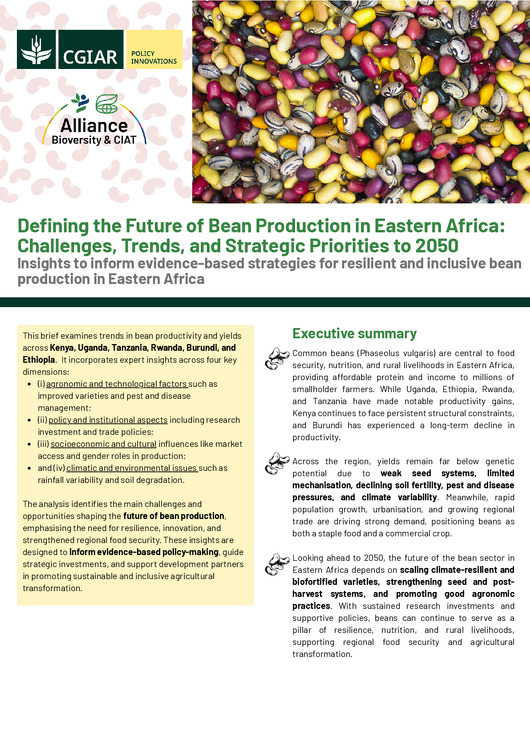
Defining the future of bean production in Eastern Africa

Mwungu, C.; Petsakos, A.; Andrade, R.; Gotor, E. (2025) Defining the future of bean production in Eastern Africa: Challenges, trends, and strategic priorities to 2050. Foresight Policy Briefs Series. 7 p.

Common beans (Phaseolus vulgaris) are central to food security, nutrition, and rural livelihoods in Eastern Africa, providing affordable protein and income to millions of smallholder farmers. While Uganda, Ethiopia, Rwanda, and Tanzania have made notable productivity gains, Kenya continues to face persistent structural constraints, and Burundi has experienced a long-term decline in productivity.

Across the region, yields remain far below genetic potential due to weak seed systems, limited mechanisation, declining soil fertility, pest and disease pressures, and climate variability. Meanwhile, rapid population growth, urbanisation, and growing regional trade are driving strong demand, positioning beans as both a staple food and a commercial crop.

Looking ahead to 2050, the future of the bean sector in Eastern Africa depends on scaling climate-resilient and biofortified varieties, strengthening seed and post-harvest systems, and promoting good agronomic practices. With sustained research investments and supportive policies, beans can continue to serve as a pillar of resilience, nutrition, and rural livelihoods, supporting regional food security and agricultural transformation.

Wednesday, January 28, 2026

Translating Evidence into Action and Policy

27 January 2026. Brussels, Hybrid. Stronger Data for Stronger Futures: A Strategic Dialogue by the Joint Research Centre

Hosted by the European Commission’s Joint Research Centre (JRC), this exchange brought together global and country partners, technical experts and practitioners to connect evidence and action in responding to child undernutrition and strengthening food and nutrition data systems.
  • The morning session focused on the ongoing crisis of child wasting and explore how recent evidence can better inform policy and programme responses and translate evidence into action and policy; it will be led by the International Food Policy Research Institute (IFPRI). 
  • The afternoon session led by the Joint Research Centre and partners and focused on practical opportunities to strengthen food and nutrition information ecosystems that support action in fragile and crisis-affected contexts. 
  • The dialogue identified catalytic opportunities, reinforce technical coordination, and foster alignment toward more coherent, sustainable, and integrated data systems that improve nutrition and food security outcomes.

Panel : Strengthening Food and Nutrition Information Ecosystems: Towards Aligned Action


See video recording at 15:46:00


This panel explored alignment on priority actions, reinforcing technical coordination, and identifying financing and partnership opportunities to strengthen food and nutrition information ecosystems.
  • Fragmentation vs. coherence in food and nutrition data systems
  • Linking science, policy, and implementation through actionable data
  • Strengthening national ownership and institutional capacity
  • Leveraging innovation, digital tools, and modelling for decision support
  • Aligning donor investments and fostering long-term partnerships

Friday, October 31, 2025

Borlaug dialogue

21 - 23 October 2025. Borlaug Dialogue 2025 under the theme “SOILutions for Security”.

The Borlaug Dialogue 2025 placed agricultural research firmly at the heart of food security strategy by focusing on soil not just as a substrate but as a living system essential for resilience, productivity and peace. 

It underscored that innovation in soil health, digital mapping, regenerative practices and alternative protein systems are not peripheral—they are central to transforming agri-food systems under climate and conflict pressure. For someone working on agroecology and “forgotten foods”, the messaging is clear: research must span from the micro-level (soil microbiome, bioinputs) to the systems-level (food security, peace and trade), and must link to investment, policy and farmer-driven uptake.

Extracts of the programme

21/10 Peace on the Plate: A Legacy of Security 

This high-level session examined how food and agriculture, and by extension soil and land systems, underpin national and global stability — addressing links between climate change, migration, conflict and resilient food systems. 

Panelists connected challenges such as climate change, migration and confl ict to the urgent need for resilient food systems. The discussion highlighted why addressing hunger is not only a humanitarian priority but also a strategic investment in a safer, more stable future.

21/10 Soil and Security: Leveraging Agricultural Transformation to Stabilize Nigeria’s Middle Belt


This session examined how agricultural transformation in Nigeria’s Middle Belt region can serve as a stabilising force in a context of land-use change, farmer-pastoralist conflict, environmental degradation and insecurity. Speakers highlighted how improving soil health, restoring degraded lands, establishing inclusive value-chains and strengthening local institutions offers a pathway from fragility to resilience. A key conclusion was that agricultural research and innovation — especially soil- and landscape-based interventions — must be embedded in peacebuilding and livelihood strategies, not treated purely as productivity tools. 

For regions such as the Middle Belt, where agro-ecological, socio‐economic and conflict dynamics intersect, this means that research on soil health and agricultural systems must be paired with local governance, inclusive partnerships (farmers + pastoralists + state) and long-term investment to deliver both agricultural and security outcomes.


22/10  From Policy to Progress: A Diplomatic Legacy


This session explored the complex pathway from global policy declarations to tangible progress on the ground, with a strong emphasis on the diplomatic legacy of food-security instruments and international partnerships. The discussion underlined that while high-level commitments – such as multilateral treaties, national food-security strategies and diplomatic engagements – set the stage, real progress demands sustained alignment between diplomacy, research, public-private collaboration and implementation in local contexts. 

Speakers emphasised that diplomatic frameworks can open doors and create legitimacy, but their value is realised only when matched with capacity, accountability, local-led processes and follow-through.
  • Facilitator: Gebisa Ejeta | Chair, World Food Prize Selection Committee, 2009 World Food Prize Laureate and Distinguished Professor of Agronomy, Purdue University
  • Hon. Henry Musa Kpaka | Minister of Agriculture and Food Security, Government of Sierra Leone
  • Hon. J. Alexander Nuetah | Minister of Agriculture, Republic of Liberia
  • Hon. Eric Opoku | Minister of Food and Agriculture, Republic of Ghana
  • Beth Dunford | International Development Sector Executive and Former Vice President, African Development Bank Group


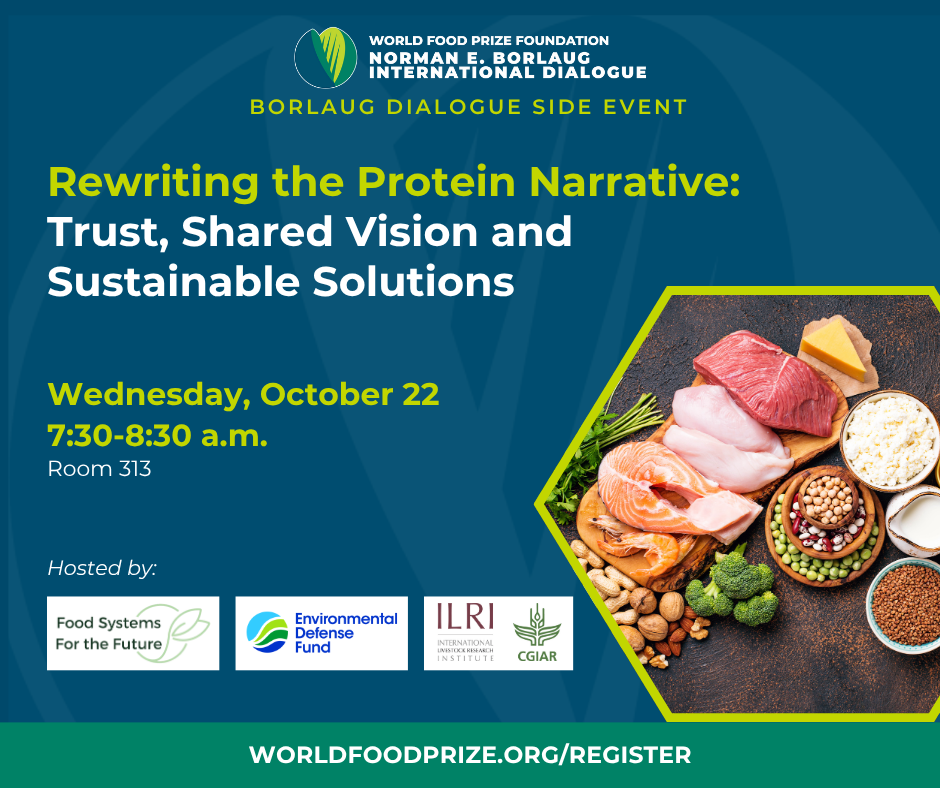
22/10 Rewriting the Protein Narrative: Trust, Shared Vision, and Sustainable Solutions 


A research-oriented dialogue on how protein systems (plant, microbial, insect, cultivated) can be re-imagined for climate-smart agriculture, bringing in innovation, science and evidence of emerging systems. Feeding nearly 10 billion people while meeting global climate goals demands diverse, resilient protein systems. Animal-source foods remain central to nutrition, livelihoods, and culture, while complementary proteins, including plant-based, microbial, insect, blended, and cultivated options, bring innovation and resilience. Yet too often, these systems are pitted against each other.

Hosted by Food Systems for the Future Institute (FSF), in collaboration with the Environmental Defense Fund (EDF) and International Livestock Research Institute (ILRI)


22/10 Research & Innovation Track: Soil Health & Digital Soil Mapping 


The Soil Health & Digital Soil Mapping session explored how advances in soil science and digital technologies are reshaping our ability to assess, monitor and manage soils at scale — moving from soil as a static resource to soil as a dynamic, data-rich system. Presenters highlighted how digital soil mapping, remote sensing, machine learning, in-situ sensors and large soil-health datasets are enabling more precise, timely interventions in agricultural systems. 

The key conclusion was that soil health must be measured and managed with the same rigour as other agricultural inputs: without adequate data-driven soil-management frameworks, innovations in inputs (e.g., microbials, neglected-crop systems) risk being applied on weak foundations. 

Neglected crops and agroecology pathways benefit not just from biological innovation but from the soil-health diagnostics and mapping systems that support them — hence the research priority is dual: (1) biological/management innovation, and (2) digital soil systems for decision-support.

  • Ismahane Elouafi — Executive Managing Director, CGIAR (also featured in soil-health research coverage) 
  • Johan Swinnen — Director General, International Food Policy Research Institute (IFPRI) — overarching dialogue participant with links to soil & ag systems research. 
  • Paul Temple — Chairman, Global Farmer Network — spoke to farmer experience and soil/regenerative agriculture. 
  • Additional experts from CGIAR and partner institutions working on soil health and mapping technologies.

22/10 Reimagining Partnerships to Transform the Agri-food Innovation Chain

The session focused on how evolving agri-food value chains demand new forms of collaboration and innovation — moving beyond traditional public research and extending through the full chain from discovery to delivery. It highlighted how public–private partnerships (PPPs), cross-sector alliances and institutional innovation can drive efficiency, scale and relevance in agri-food research and innovation.

Key conclusions included that: 

  1. innovation chains must be co-designed with all actors (farmers, industry, R&D, policy) to be effective; 
  2. the public sector must redefine its role—focusing on public goods, enabling environments and equity—while private actors bring speed, scale and market linkage; 
  3. partnerships need to be structured so that benefits and risks are shared, especially for systems in low-income settings; and 
  4. there is no one-size-fits-all: successful cases vary by crop, region and innovation stage, so context-adaptation is essential. 
This session underscores that for agroecology, forgotten foods and neglected crops, the way forward
is less a novel technology and more the way it is integrated into value chains with inclusive, adaptive partnerships.

  • Phil Pardey – Director, GEMS Informatics, University of Minnesota. 
  • Diana Horvath – Co-founder & Executive Director, 2Blades. 
  • Ian Puddephat – Executive (R&D), PepsiCo. 
  • Juan Lucas Restrepo – Director General, International Center for Tropical Agriculture (CIAT). 
  • Ty Vaughn – Lead, Innovation Partnerships, Bayer (Crop Science Division). 
  • Moderator: Appolinaire Djikeng – Director General, International Livestock Research Institute (ILRI).

22/10 School Meals as an Engine for Economic Growth and Trade


The side event emphasised that school-meal programmes extend far beyond nutrition and education: by embedding procurement within local agriculture and supply chains, they serve as powerful levers for economic growth, market development and trade. With more than 400 million children reached globally and estimated procurement flows of around US $48 billion in 2022, the session underscored how well-designed school-feeding systems can generate stable demand from smallholder farmers, create jobs in food processing and logistics, and enhance trade opportunities for agricultural produce. 

The key conclusion was that integrating school-meal programmes into national and regional agrifood systems can multiply benefit: advancing nutrition, education, farmer livelihoods and trade. However, success depends on cross-sector policy alignment (education, agriculture, trade), reliable financing, and supply-chain capacities — especially in lower-income countries.
  • Johan Swinnen (Director General, International Food Policy Research Institute) 
  • Additional panelists were drawn from host organisations: Bread for the World Institute, Alliance to End Hunger and Farm Journal Foundation

23/10 Collaborative Partnerships and Innovation for Global Food Security, an 1890 Land-Grant
Perspective

The session emphasised that the network of 1890 Land‑Grant Universities (historically Black U.S. land-grant institutions) are uniquely positioned to drive inclusive agricultural innovation through collaborative partnerships—bridging academic research, extension services and underserved communities. Key take-aways included: the necessity of embedding research within real-world community contexts (not just labs), the importance of multi-stakeholder and cross-institutional alliances (public-private, NGO-university, global counterparts) to scale solutions, and the need for enhanced investment in capacity-building and infrastructure so that 1890 institutions can lead not only domestically but also in global food-security efforts. 

The dialogue flagged persistent inequities in funding and infrastructure for 1890 institutions, and called for strategic partnerships that empower these universities as co-leaders in innovation ecosystems and knowledge exchange networks.

  • Dr. Ruth Ray Jackson – Interim President, Langston University (one of the 1890 land-grant institutions)
  • Dr. Solomon Haile – Program Officer, USDA National Institute of Food and Agriculture (NIFA) – overseeing 1890/evans-Allen research programmes
  • Dr. Maria Marshall – Dean of Agriculture, Michigan State University (partnering with 1890 institutions)
  • Ms. Kase Wheatley – Director, North Carolina A&T State University (1890 land-grant) Cooperative Extension / outreach lead
  • Dr. Jeffrey Agnoli – Faculty, Ohio State University; moderator of the panel


23/10  Fields of Renewal: Innovation for Soil, Ecosystem and Security

The session highlighted how restoring soil health and ecosystem function is foundational to food security, climate resilience and global stability. Speakers emphasised the need for systemic innovation—combining biological, digital and landscape approaches—to regenerate degraded soils, rebuild ecosystem services and secure agricultural productivity for future generations. The main conclusion was that effective soil and ecosystem renewal requires not only technical innovation (e.g., sensors, bio-inputs, restoration practices) but integrated partnerships, long-term investment and alignment with policy, markets and local communities.

  • Facilitator: Simon Heck | Director General, International Potato Institute
  • Neil Bentley | Vice President, Market Management, Agricultural Solutions, North America, BASF
  • Violet Grgich | President, Grgich Hills Estate Winery
  • Rattan Lal | 2020 World Food Prize Laureate and Distinguished University Professor and  Director of the Lal Carbon Center,  The Ohio State University
  • Paul Temple | Farmer, United Kingdom and Chair, Global Farmer Network


25/10 Financing the Backbone of Africa's Ag Transformation: The Agri-SME


Monday, October 6, 2025

The EAT–Lancet Commission on healthy, sustainable, and just food systems


For the first time, we quantify the global food systems' share of all nine planetary boundaries. These food system boundaries confirm that food is the single largest cause of planetary boundary transgressions, driving the transgression of five of the six breached boundaries. In addition, food systems exert a notable impact on the transgressed climate boundary and on the ocean acidification boundary. Unsustainable land conversion, particularly deforestation, remains a major driver of biodiversity loss and climate change, highlighting the need for zero conversion of all remaining intact ecosystems. Food systems account for the near totality of nitrogen and phosphorus boundary transgression, emphasising the improvements needed in nutrient management, efficient nutrient redistribution, and circular nutrient systems. The massive use of novel entities in food production, processing, and packaging (ranging from plastics to pesticides) remains a major concern but is alarmingly understudied.

For the first time, this report quantifies the global food systems' share of all nine planetary boundaries. These food system boundaries confirm that food is the single largest cause of planetary boundary transgressions, driving the transgression of five of the six breached boundaries. In addition, food systems exert a notable impact on the transgressed climate boundary and on the ocean acidification boundary. 

Unsustainable land conversion, particularly deforestation, remains a major driver of biodiversity loss and climate change, highlighting the need for zero conversion of all remaining intact ecosystems. Food systems account for the near totality of nitrogen and phosphorus boundary transgression, emphasising the improvements needed in nutrient management, efficient nutrient redistribution, and circular nutrient systems. The massive use of novel entities in food production, processing, and packaging (ranging from plastics to pesticides) remains a major concern but is alarmingly understudied.

Although current food systems have largely kept pace with population growth, ensuring sufficient caloric intake for many, they are the single most influential driver of planetary boundary transgression. 

In this moment of increasing instability, food systems still offer an unprecedented opportunity to build the resilience of environmental, health, economic, and social systems, and are uniquely placed to enhance human wellbeing while also contributing to Earth-system stability.

Monday, September 8, 2025

Recommendations human health and soil health connection research

28 August 2025. Listen in as Dr. James White from Rutgers University explains their research team's recent fascination: how microbiology enters the plant root cell nuclei to trigger genetic expression in traits that affect smell, taste, and nutrient density. 

Their team's been on the leading edge of research on rhizophagy, a process meaning "root" and "eating," where microbes work in symbiosis with the plan to gather needed available nutrients and deliver them into the root hairs.

Learn how this breakthrough applies to food is medicine programs and sourcing related to nutrition in health care settings. It includes recommendations on research that will support the work to prove human health and soil health connections. 

Recorded live on Aug. 26, 2025. Hosted by Think Regeneration's Denise Nicol and Ryan Slabaugh. Featuring Dr. James White, a microbiologist researcher at Rutgers University

Monday, September 1, 2025

Can Africa reduce the 2025 projected bill of 110 billion USD of food imports?

Session 28/08 at 23rd International Congress of Nutrition: 24-29 August 2025. 

Organised by: The Federation of Africa Nutrition Societies Conference (FANUS) and the African Nutrition Society (ANS) 

Both the African Union Agenda 2063 Second 10-year Implementation Plan (2024 – 2033) and the Kampala CAADP Action Plan for 2026-2035, address the continued drain on national budgets of the bill for imported foods. According to H.E. Commissioner Sacko (Ministerial Retreat, Rwanda, October 2023) the 90 billion US dollars African countries have been spending for the last 5 years on food imports is expected to reach 110 billion US dollars per year as of 2025. A political commitment at the highest level is backing the African Union’s comprehensive multi-stakeholder action plans conceived to rectify the paradox of the high cost paid for food imports by a Continent that possesses more than half of the world’s uncultivated fertile land.  

The Symposium 
  1. reviewed the current situation, its challenges and opportunities, and the strategies deployed to address them; 
  2. shared an ongoing example of Africa’s strategies deployed to meet those challenges; and 
  3. discussed progress made in some of the strategic approaches that contribute to creating - and satisfying - a consumer demand for home grown African foods. 
  • Professor Mady Cissé (picture), President African Nutrition Society (ANS) The Role, of Food
    Technology, the Chefs, and the Food Processing industry in Crating the Demand and Realizing the integration of Home Grown Foods in Food Supply Chains

    There was a 32 % increase in food imports to Africa in one year

  • Dr Arne Duebecke, Laboratory Services for safe and authentic foods. Tentamus Innovation Hub Carl von Ossietzky University of Oldenburg. Bremen - The Role of Standards in Completing the Data Base on African Diets and Food Ways in the Different Ecological Zones 
  • Prof. Anne Lartey, Former  Director for Nutrition FAO, and former President of the International Union of Nutritional Sciences. Creating Demand That Sustains Food Production and Supply Chains in Particular to the Urban Consumer in Africa
  • Tambra Raye Stevenson, Founder/CEO of WANDA (Women Advancing Nutrition Dietetics and Agriculture)
  • Dr Robert Fungo, President Federation of African Nutrition Societies (FANUS)  
  • Moderator: Dr Habiba Hassan-Wassef, ANS (African Nutrition Society) Living Legend of the International Union of Nutrition Sciences ; Health and Nutrition Policy in Sustainable Development ; Chair, National Nutrition Sciences Committee Egypt

Group picture:

Prof Francis Zotor vice president International Union of Nutrition Societies ;  Professor Mady Cissé  President African Nutrition Society (ANS) ; Dr Robert Fungo, President Federation of African Nutrition Societies ; Dr. Sara O'Neill (University of Brussels) ;  Dr Habiba Hassan-Wassef, ANS (African Nutrition Society) Living Legend of the International Union of Nutrition Sciences, Health and Nutrition Policy in Sustainable Development,  Chair, National Nutrition Sciences Committee Egypt ; Tambra Raye Stevenson, Founder/CEO of WANDA (Women Advancing Nutrition Dietetics and Agriculture) US ; Dr Maureen Duru Foodbridge

See the full program and extracts of the conference here 23rd International Congress of Nutrition

Task forces selected at IUNS (2025–2029)

  1. IUNS Task Force on Ultra-Processed Foods

    • Chair: Prof. Mark Lawrence

    • Focus: Understanding and addressing the global nutrition and health impacts of ultra-processed foods, guiding policy, public health, and consumer awareness.

  2. IUNS-ACTIVATOR (Asian Decadal Nutrition Evaluation, Reflection and Galvanizing Efforts for Future)

    • Chair: Dr. Sangeetha Shyam

    • Focus: Reviewing and learning from a decade of nutrition progress in Asia, identifying gaps, and setting priorities for the next decade.

  3. Indigenous Peoples’ Food Sovereignty, Nutrition & Wellbeing

    • Chair: Dr. Treena Delormier

    • Focus: Strengthening the role of Indigenous food systems in supporting sovereignty, cultural identity, biodiversity, nutrition, and wellbeing.

  4. Territorial Diets for People and Planet

    • Chair: Dr. Stineke Oenema

    • Focus: Exploring diets grounded in local territories and ecosystems, balancing human health and planetary sustainability.

  5. Food and Nutrition Insecurity in Conflict Zones

    • Chair: Dr. Habiba Hassan-Wassef

    • Focus: Addressing challenges of malnutrition, hunger, and disrupted food systems in areas affected by war, instability, and humanitarian crises.


WANDA (Women Advancing Nutrition Dietetics and Agriculture)

Meet Little WANDA—a 5-year-old Food Freedom Fighter with a big voice and an even bigger mission: fighting hunger with hip hop and heart. 🎤🥦

Today on hashtag#FoodFreedomFriday, WANDA is proud to debut our new animated anthem:
👉🏾 “Little WANDA Fights Hunger to Save SNAP and WIC”

🎬 Watch now → https://lnkd.in/eFXJ3dCw

📖 Read the blog → https://lnkd.in/eDMrUmjJ

In a moment when maternal and child health is under threat, and vital nutrition programs like SNAP and WIC face devastating cuts, Little WANDA stands tall—reminding us that food is not just a basic need, it’s a basic right.

Her song turns policy into poetry—and makes sure that our youngest voices are heard at the table and in the halls of power.

💬 “She carries the stories of our communities—and the solutions.” — Tambra Raye Stevenson, Creator of Little WANDA and Founder of WANDA


Interview with Dr Habiba Hassan-Wassef, ANS (African Nutrition Society) Living Legend of the International Union of Nutrition Sciences ; Health and Nutrition Policy in Sustainable Development ; Chair, National Nutrition Sciences Committee Egypt


Highlight: FAMA: Food and microbiota Africa

Supported by the French Embassy in South Africa, FAMA project “Food and Microbiota in Africa” was launched on 4 July 2024 for a duration of 2 years. the FAMA) project was launched at the Centre of Excellence in Food Security (CoE-FS) of the University of Pretoria (UP). 
  • The FAMA project aims to assess the role of traditional African foods in improving gut microbiota, and reducing the triple burden of malnutrition in South African and Senegalese populations. 
  • It was designed within the “Transforming Food Systems and Agriculture through Research in Partnership with Africa” (TSARA) initiative, and builds on existing scientific collaboration among partners through previous projects and that of the CoE-FS.
  • It is a project financed under Fond Équipe France, from the French Ministry of Foreign Affairs, 
  • The project research partners are from across South Africa, Senegal and Europe: the CoE-FS; UP; the University of the Western Cape; Agricultural Research Council (ARC); Council for Scientific and Industrialised Research; Laboratoire de Recherche sur les Transformations Économiques et Sociales – Institut Fondamental d’Afrique Noire de l’Université Cheick Anta Diop (LARTES-IFAN); the French Agricultural Research Centre for International Development (CIRAD); and the National Research Institute for Agriculture, Food and Environment (INRAE). In addition to the research partners, the project includes an NGO, Siyazisiza Trust (South Africa) and an agro-processing enterprise, Puratos (Europe). 
  • Dr Arlène Alpha (CIRAD/CoE-FS) is the project lead.

Monday, August 25, 2025

23rd International Congress of Nutrition

24-29 August 2025. 23rd International Congress of Nutrition 

The 23rd International Congress of Nutrition aims to convene the global nutrition community to exchange knowledge and advance research and solutions across all areas of food and nutrition—guided by the theme “Sustainable Food for Global Health.”


Extracts of the IUNS-ICN 2025 · Program


SCIENTIFIC SYMPOSIUM 25/08

  • The Power of Nutrition in Bridging Science and Policy for Sustainable Food Systems Transformation
  • Lessons Learned and Strategies for Meaningful Youth Engagement to Address Climate Change and Disparities in Multisectoral Nutrition Programming Through A Planetary Health Lens
  • Benefit-Risk Assessment of Eating Behavior from a Global Health and Sustainability Perspective
  • Food Biodiversity for Human Nutrition and Nature
    • Introduction: the Growing Importance of Food Biodiversity Food Biodiversity for Human Nutrition and Nature by C. van Dooren
    • The Advantages of More Biodiverse Diets from A Holistic Agrifood System Approach by R. Remans
    • Food Biodiversity indices: Comparable Markers for Better Nutrition and Health Across Contexts? By G. Hanley-Cook
    • Consumption of Dietary Fibre, Fish, Fruits and Vegetables, Is Associated with Greater Food Biodiversity in Uk Diets by B. De Roos
    • Combining Nutrition and Agrobiodiversity Outcomes to Select Nutrient-Dense, Climate-Resilient Future Food Crops by B. Baumer
  • The Co-Centre for Sustainable Food Systems-Developing innovative and Transformative Solutions to Transition Our Food System to Be Healthier and More Sustainable
  • Food As Medicine- Nutritious Treatments in Health Care
  • Bioactive Components in Traditional Foods Aimed At Health Promotion: A Route to Novel Mechanistic insights and Lead Molecules? by R. Witkamp
  • Approaches to Nutrient Recommendations and Meal-Based Nutrient Profiling System (Nps) in Southeast Asia
  • Ultra-Processed Foods and indigenous Peoples-Reversing the Trend for A Healthier Future
  • Nutritional Life Cycle Assessment for Sustainable Food Systems- Evidence and Policy insights from Africa and Asia
  • How Do Food Environments Shape Adolescent Diets? Evidence from Ghana, Ethiopia, Vietnam, Nepal, india, and Bangladesh

SCIENTIFIC SYMPOSIUM 26/08

  • Advancing Food Systems Transformation for School Food and Nutrition- Global insights and Local innovations
  • From Production to Consumers- How to Better Align Biodiversity and Dietary Measurements to Assess their Impacts

SCIENTIFIC SYMPOSIUM 27/08

  • An End-To-End Food Systems Approach Fruit and Vegetable intake in Tanzania
  • Integrating Food, Farming, Nutrition and Health for A Sustainable Future- Lessons from Organic Food Systems
  • Sustainable Nutrition in Latin American Countries-Lessons Learned and Challenges
  • Nigeria’s Decade of Nutrition Transformation-Showcasing Progress, Challenges, and Vision for 2030
  • Exploring the Role of Schools in Transforming Food Systems- A Pacific Perspective

SCIENTIFIC SYMPOSIUM 28/08

  • Improving the Healthiness of Food Environments in Low-And Middle-Income Countries - Evidence from Nigeria, Kenya, Tanzania, Vietnam, and the Philippines
  • Coping with the Complexities of Food and Nutrition insecurity in Conflict Zones, Example from Africa by F. Zotor, K. Abay, H. Faiza, H. Hassan-Wassef, M. Sukati (Page 703 of the Program)
  • Strengthening Demand for Vegetables- Evidence, investment Opportunities, and Programmatic Learnings
    • Using Human-Centered Design (Hcd) to Co-Create Demand-Side interventions to increase Fruit and Vegetable intake in Tanzania and Sri Lanka by A. Wenndt
    • Landscape of Global Horticultural investments, for Immediate investment in Demand-Side interventions by E. Mcguire
    • A Brand Approach for Generating Desire and Improving Purchases for Vegetables in Benin, Uganda, and Kenya by E. Monterrosa
    • How Lived Experiences with the Food Environment Shape Vegetable Choices by I. Cliffer
    • Impact of Different intervention Strategies to Improve Fruit and Vegetable intake in Hic and Lmic: A Scoping Review by N. Koyratty
    • Factors influencing Vegetable Consumption Among Urban Communities in Kenya by S. Bukachi
  • Can Africa Reduce the 2025 Projected Bill of 110 Billion Usd of Food Imports? by K. Pereko, H. Wassef, F. Zotor
  • Resilience and innovation from Southern Africa and Beyond
  • Driving Transformative Double-Duty Food-Based Policies to Tackle Africa's Food Environment Challenges- Lessons from Ghana, Kenya, and Senegal


Highlight: 28/08 Can Africa reduce the 2025 projected bill of 110 billion USD of food imports? 

Organised by: The Federation of Africa Nutrition Societies Conference (FANUS) and the African Nutrition Society (ANS) 

Both the African Union Agenda 2063 Second 10-year Implementation Plan (2024 – 2033) and the Kampala CAADP Action Plan for 2026-2035, address the continued drain on national budgets of the bill for imported foods. According to H.E. Commissioner Sacko (Ministerial Retreat, Rwanda, October 2023) the 90 billion US dollars African countries have been spending for the last 5 years on food imports is expected to reach 110 billion US dollars per year as of 2025. A political commitment at the highest level is backing the African Union’s comprehensive multi-stakeholder action plans conceived to rectify the paradox of the high cost paid for food imports by a Continent that possesses more than half of the world’s uncultivated fertile land.  

The Symposium aims to, 1) review the current situation, its challenges and opportunities, and the strategies deployed to address them; 2) share an ongoing example of Africa’s strategies deployed to meet those challenges; and 3) discuss progress made in some of the strategic approaches that contribute to creating - and satisfying - a consumer demand for home grown African foods. 
  • Professor Mady Cissé, President African Nutrition Society (ANS) The Role, of Food Technology, the Chefs, and the Food Processing industry in Crating the Demand and Realizing the integration of Home Grown Foods in Food Supply Chains
  • Dr Arne Duebecke, Laboratory Services for safe and authentic foods. Tentamus Innovation Hub Carl von Ossietzky University of Oldenburg. Bremen - The Role of Standards in Completing the Data Base on African Diets and Food Ways in the Different Ecological Zones 
  • Prof. Anne Lartey, Former  Director for Nutrition FAO, and former President of the International Union of Nutritional Sciences. Creating Demand That Sustains Food Production and Supply Chains in Particular to the Urban Consumer in Africa
  • Tambra Raye Stevenson, Founder/CEO of WANDA (Women Advancing Nutrition Dietetics and Agriculture)
  • Dr Robert Fungo, President Federation of African Nutrition Societies (FANUS)  
  • Moderator: Dr Habiba Hassan-Wassef, ANS (African Nutrition Society) Living Legend of the International Union of Nutrition Sciences ; Health and Nutrition Policy in Sustainable Development ; Chair, National Nutrition Sciences Committee Egypt

SPECIAL LECTURES 

  • 25/08 Transforming Africa's Food Systems to Deliver Health Diets for All: What Would It Take? by A. Lartey
  • 26/08 Saving the Planet with Nutrition Science by B. Burlingame
  • 26/08 Accelerating the Sustainable Food System Transition: Driving Change Through Dietary Shifts by E. Gibney
  • 27/08 Food As Medicine- Its Contribution to Global Nutrition by C.J. Henry
  • 27/08 Effects of Climate Change on Health and Food Systems in South America by C. Zavaleta Cortijo
  • 28/08 FOOD SYSTEMS and ENVIRONMENT in AFRICA by F. Zotor

TASK FORCES 29/08

  1. Sharing An Historical Perspective, Tools and ongoing Global Research to Document the Importance and Value of indigenous Peoples and Traditional Communities Food and Nutrition Knowledge of Food Biodiversity to Improve Food and Nutrition Security of All People
  2. Developing Professional Nutrition Capacity to Advance School Health and Nutrition in Africa
  3. Advancing the Global Political Nutrition Agenda-Fostering Better Collaboration Between the United Nations System and Academia
  4. The Multisectoral Value of School Meals Programmes Beyond Nutrition- Examples from Europe and Africa
  5. Nutrition & Health - Shaping Sustainable Food Systems for Future Generations

25/08 SHORT ORAL ABSTRACT PRESENTATION 

·        Mapping Stakeholders influencing Neglected Under-Utilized Species (Nus) incorporation into Ghana’s School Feeding Program by Prof. Addo

·        Which Stakeholders influence the Development and Implementation of Food Promotion and Provision Policies in Ghana’s Urban School Systems? by A. Tetteh

·        Assessing Biodiversity Impacts of Diets and Food Systems by E. Augustiny

·        Critical Review of the Relationships Between Biodiversity and Diets: Current Status and Potential Opportunities for Its Assessment by H. Bourhis

·        Synergies in Dietary Constructs - Optimizing Food Biodiversity, Nutrient Adequacy, and Environmental Sustainability by J. Berden

·        Transforming Local Food Systems Using Urban Agriculture for Better Nutrition Outcomes by X. Mkhize

·        Streamlining Funding Access for Producers: Enhancing Food Systems, Community Nutrition Education, and Healthy Behaviors in Underserved Communities by V. Zoumenou

·        Exploring Nutrition and Agri-Food Educators' Knowledge of Food Sustainability: insights to Address Climate Change and Sustainability Challenges by M. Mcdonagh

·        Associations Between Nutrition Knowledge, Household Food insecurity and Diet Quality Among Adolescents in Urban and Rural Food Environment in Kenya by N. Odongo

·        Development of Mealworm-Enriched Snacks and Porridge for Feeding School Children in Refugee and Host Communities in Western Uganda by O. Ribon Musoga

·        Unveiling the Potential of Moringa Leaves (Moringa Oleifera): Nutritional Profiling, Recipe Standardization and Sensory Evaluation of An Underutilized Green Leafy Vegetable by P. R C

·        Food-Based Dietary Guidelines for Children and Adolescents and Planetary Health: Update of the Optimized Mixed Diet by H. Kalhoff

·        The Potential of Climate Change Menu Labels to Promote Healthy and Sustainable Diets by J. Wolfson

·        Food Environment Components influencing Consumption Trends of Neglected and Underutilized Species in Northern Benin by M. Bankole

·        Dietary Patterns of Children in Rural Burkina Faso Show Divergence Between Healthiness, Affordability and Sustainability of the Diet by L. Diop

·        Optimization of Children’s Diets in Burkina Faso Towards Healthier, More Affordable, and Sustainable Diets by L. Diop

·        White Beans Are a Promising Market Class for Delivering More Bioavailable Iron to Consumers in Ghana by C.B. Wiredu

·        Development and Evaluation of a Healthy Eating index for Zambia by E. Talsma

·        Enhancing Diversity and Environmental Sustainability of Supplementary Nutrition Program Under integrated Child Development Services Scheme: Stakeholders' Perceptions from Rural Chhattisgarh, india by A. Dhasmana


26/08 SHORT ORAL ABSTRACT PRESENTATION

·        Do Plant-Based Foods Facilitate A Sustainable Dietary Transition in Europe? Results of A Survey in 9 Eu Countries by F. Perez-Cueto

·        Mapping the Extent of Implementation of School Food and Nutrition interventions At Policy and School Levels in Kenya by A. Ritho

·        The Urban and Rural Food Environment in Zambia and Its Association with Diet Quality by T. Chirwa-Moonga

·        The Prevalence of Unmet Minimum Dietary Diversity and Its Determinants Among Children Aged 6- 23 Months in Central Sulawesi, Indonesia F. Ayu Arini

·        Enhancing Nutritional Outcomes of Adolescent Girls Through Homestead Food Production in Bangladesh: A Cluster-Randomized Control Trial by A. Sheuly

·        Healthy Diets Are Associated with Lower Depression, Anxiety, and Stress in Low- and Middle-Income Countries: A Meta-Analysis from A Systematic Evidence and Gap Map by T. Sparling

·        More Food Biodiversity in Dutch Diet Does Not Lead to Less Environmental Impact by R. Bakker

·        Adherence to the Traditional Chinese Diet and Its Association with Environmental Impacts by J. Niu

·        Association of Food Environment with Food Security and Diet Quality in Rural Communities of Andhra Pradesh, India: A Cross-Sectional Study by A. Dhasmana

·        Maximizing Co-Benefits for People and Planet: An integrated Approach to Climate and Nutrition Policies by R. Taylor

·        Nutrients Composition Cassava (Manihot Esculenta) Flour (Lafun) fortified with Bambara Nut (Vigna Subterranea) Flour by D. Arukwe

·        Nutritional and Health Promoting Contributions of indigenous Spices, Herbs, Condiments and Other Seasoning Agents in Tropical Africa by S. Djiazet

·        Phytochemical and Antioxidant Properties of Stored Analog Tea Produced from Baobab Fruit Pulp, Phyllantus Niruri and Lemon Grass by T.D. Maiyaki

·        Effect of Aqueous Leaves Extract of Moringa Oleifera on Some Hematological Parameters by A. Fabunmi

·        What Does ‘Good Cooking’ Mean to You? A Photovoice Study of Ghanaian Women Living in Ghana and the Uk by H. Osei-Kwasi


27/08 SHORT ORAL ABSTRACT PRESENTATION

·        Unequal Plates, Uneven Health: Examining Nutrition Disparities in Rural and Urban India by R. Sendhil

·        A Visual Tool for Assessing the Health and Environmental Impacts of Food Choices by J. Sabate

·        Bridging the Gap Between Policy and Practice: Community Health Workers’ Contributions to Nutrition Services in Sub-Saharan Africa by A. Singh

·        The World Food Map: A Tool for Understanding Biocultural Food Diversity for Resilient and Sustainable Food Systems by C. Vogliano

·        Potential of Using A “Agri-Nutri-Smart” School Garden: Addressing Nutrition Challenges of School Children in Sri Lanka by S. Indramali

·        Smart Nutrition: Development of An Artificial intelligence-Based, Gamified Phone App Prototype to Track and Improve the Food Choices of Adolescent Girls in Sri Lanka by N. Karunarathna

·        The Nigerian Healthy Food Environment Policy index: Identifying Policy Gaps and Policy Actions Through National Expert Perspectives by S.L. Osakue

·        Factors influencing Willingness-To-Eat and Purchase intention of Moringa-Modified Bread: the Role of Sensory Properties and Food Neophobia by A. Momodu

·        Formulation of Nutrient-Dense Biscuit to Reduce Malnutrition Prevalence Among Vulnerable School Age Children in Nigeria by R. Akerele

·        Evolution of Legumes Consumption and Associated Factors in Three West Africa Countries by F.S.U. Bodjrenou

·        Enhancements to the National School Nutrition Programme (Nsnp) to Diversify Menus and Improve Meal Quality, Service, and Facilities in South Africa by A. Reddy

·        Participatory Workshops to Identify Challenges and Solutions in Implementing Comprehensive School Food and Nutrition Programs in Kenya by M. Savy

·        Foodways Through the forest: Wild Edible Plants in Malaysia by R. Tharmabalan

·        Nutrition Sensitive Agro-Ecology by A. Lourme-Ruiz

·        Opportunities and Challenges Posed by Climate Change in the Utilization of indigenous and Traditional African Foods by A. Makokha

·        Opportunities and Challenges of Agroecological Food Markets to Address Urban Malnutrition: A Case Study in Dakar, Senegal by A. Alpha

·        Projected Affordability of Healthy and Water-Saving Diets in the Gambia by Z. Ali

·        Nutritional and Climate-Smart formulation of Gluten-Free Composite Pasta Based on Legumes, Cereals and Leafy Vegetables Grown in African Countries: from theoretical Design Using Linear Programming to Sensory Validation by V. Micard

·        Impact of Cultural Food Taboos on Maternal and Child Nutrition Status in Selected Rural Communities by V.P. Dembedza

·        Is Adherence to Plant-Based Diet Associated with Higher Exposure to Mycotoxins? by T. Halldorsson

·        Characterizing the indigenous Foods of Garo Tribal Community of Meghalaya, India by S. Ghosh-Jerath

·        Indigenous Food Knowledge, Perception and Utilization in the Eastern Cape, South Africa by Z.N. Nxusani


28/08 SHORT ORAL ABSTRACT PRESENTATION

·        Tailoring Trials of Improved Practices (Tips) to Improve Child Feeding and Use of indigenous Preserved Foods in Drought-Affected Kenya: Considerations for Climate Shocks by J. Kavle

·        Climate Change, Food Security, and Dietary Diversity in the West African Sahel: A Mixed Methods Study in Senegal by V. Simoni Assuncao

·        Does Nutrition-Sensitive Agriculture Improve Household Nutrition? A Meta-Review by K. Mejos

·        Addressing Climate Risks to Nutrition and Food Security in Tanzania and Solomon Islands, Through Development of Community Led Nutrition Sensitive Climate Adaptation Plans by S. Mcivor

·        Benchmarking the Nutrition-Related Commitments of Food Companies in Senegal by M.H. Faye

·        Investigating Linkages Between Soil Health, Food Composition and Human Health by R.A. Annan

·        Development of Locally Produced Ready-To-Use therapeutic Food (Rutf) in Indonesia: Lessons Learned by R. Rimbawan

·        Association Between Nutritional Knowledge and Dietary Practices Among Mothers with Children Aged 6-59 Months in Malava Sub-County, Kakamega County, Kenya by Z. Maingi

·        The Nature and Frequency of Food and Beverage Marketing on Kenyan National Television: A Mixed-Method Analysis of Food Advertisements, Parent and Children’s Perspectives by M. Wanjohi

·        Drivers and Solutions to Unhealthy Food Consumption by Adolescents in Urban Slums in Kenya: A Qualitative Participatory Study by M. Wanjohi

·        Women’s Empowerment and Nutritional Status of Children: New Evidence for Bangladesh by P. Jolly

·        Qualitative Analysis of Drivers influencing Adolescents' Fruit and Vegetable Choices in Sri Lanka by H. Sitisekara

·        Association Between Anemia and Soybean and Baobab Use Among Rural Women in Northern Ghana: Cross-Sectional Study by B. Abu

·        Fortified Porridges Or Nutritionally Improved Traditional Recipes increased Energy intake During A Meal in infants Aged 6-8 Months in the Rural Region of Dogo, Niger by F. Rio Puygrenier

·        The Effect of Yellow Mealworm-Enriched Maize Porridge on Growth and Micronutrient Status of School-Going Children by T. Boit

·        Effect of Traditional Vegetable Flours on the Micronutrient Density of Meals Served in Female Government Boarding Schools in Nsukka Urban, Enugu State, Nigeria by G. Davidson

·        Using Nutrition Education and School Garden to Improve the Diets of Children and Adolescents in Urban and Peri-Urban Areas of Southern Benin by F.S.U. Bodjrenou

·        Decolonising Nutrition Recommendations by F. Perez-Cueto

·        Culture, Tradition, and Territory: Considerations for A Successful Future of the Chilean Dietary Guidelines by P. Acuna-Salazar

·        Nutrient Profile of Foods Consumed by Adolescents in Senegal, According to Nova Classification by O.M. Mama

·        Diet Quality Patterns Among Settled Fulani Households in Tchaourou, Northern Benin: A Seasonal Assessment by M.W. Tossou


29/08 SHORT ORAL ABSTRACT PRESENTATION

·        Impact of Replacing Foods within Dish Categories of Japanese Food-Based Dietary Guidelines on Nutritional Quality, Greenhouse Gas Emissions, and Dietary Cost by M. Takano

·        Climate Smart Nutrition-Sensitive interventions and Maternal and Child Outcomes in Fragile Environments of Kenya by F. Grant

·        Synergistic Effects of A Participatory Nutrition Education and Home Gardens intervention on Dietary Diversity of Women and Children in informal Settlements by C. Musita

·        First Foods: Navigating Knowledge Pathways for infant and Young Child Feeding within Urban indigenous Environments by H. Neufeld

·        Food Environments and Dietary intake in Urban and Rural Kenya by C. Termote

·        Overcoming Budget, Availability, and Attention Constraints to Healthy Diets in Tanzania by G. Temba

·        Integrating Nutrition in Farmer Field Schools (Ffs) by N. Semu

·        Enhancing Sustainable Nutritional Outcomes Through Nutritious and Safe Foods: A Consumer Preferences and Consumption Study in Rural Communities by J.D.A. Nyirajyambere

·        Healthy and Sustainable Seal for Restaurants and the Promotion of Healthy and Sustainable Eating Habits by S. Caivano

·        Strengthening Nutrition interventions in Isiolo County (Kenya): Trends and Implications by E. Njeri

·        Enhancing Nutrition and Sustainability Through Human-Centered Cactus-Based Culinary innovations in Syria by O. Hammoudi

·        Empowering Women and Youth for Climate-Resilient Nutrition: A Rwandan Perspective by J. Niyomukiza

·        Promoting Environmental Health and Community Nutrition Equity Through indigenous Knowledge in Africa by A. Rosemary Anderson

·        Tofu Type "Vegetable Meat" from Local Legumes As Valuable Sources of Proteins and Micronutrients for School Canteens by L. Zoue

·        Development, Nutrient Composition and Acceptability of Tamarillo Honey Jam Among Preschoolers and Adults in Kenya by A.A. Musotsi

·        Trends in Food Consumption in India: insights from Household Consumption Expenditure Surveys (Hces) by N. Sareen

·        The Cost of a Nutrient Adequate Diet Relative to income in the Philippines by L. O'neill