Platform for African – European Partnership in Agricultural Research for Development
Showing posts with label USAID. Show all posts

Friday, October 31, 2025

Borlaug dialogue

21 - 23 October 2025. Borlaug Dialogue 2025 under the theme “SOILutions for Security”.

The Borlaug Dialogue 2025 placed agricultural research firmly at the heart of food security strategy by focusing on soil not just as a substrate but as a living system essential for resilience, productivity and peace. 

It underscored that innovation in soil health, digital mapping, regenerative practices and alternative protein systems are not peripheral—they are central to transforming agri-food systems under climate and conflict pressure. For someone working on agroecology and “forgotten foods”, the messaging is clear: research must span from the micro-level (soil microbiome, bioinputs) to the systems-level (food security, peace and trade), and must link to investment, policy and farmer-driven uptake.

Extracts of the programme

21/10 Peace on the Plate: A Legacy of Security 

This high-level session examined how food and agriculture, and by extension soil and land systems, underpin national and global stability — addressing links between climate change, migration, conflict and resilient food systems. 

Panelists connected challenges such as climate change, migration and confl ict to the urgent need for resilient food systems. The discussion highlighted why addressing hunger is not only a humanitarian priority but also a strategic investment in a safer, more stable future.

21/10 Soil and Security: Leveraging Agricultural Transformation to Stabilize Nigeria’s Middle Belt


This session examined how agricultural transformation in Nigeria’s Middle Belt region can serve as a stabilising force in a context of land-use change, farmer-pastoralist conflict, environmental degradation and insecurity. Speakers highlighted how improving soil health, restoring degraded lands, establishing inclusive value-chains and strengthening local institutions offers a pathway from fragility to resilience. A key conclusion was that agricultural research and innovation — especially soil- and landscape-based interventions — must be embedded in peacebuilding and livelihood strategies, not treated purely as productivity tools. 

For regions such as the Middle Belt, where agro-ecological, socio‐economic and conflict dynamics intersect, this means that research on soil health and agricultural systems must be paired with local governance, inclusive partnerships (farmers + pastoralists + state) and long-term investment to deliver both agricultural and security outcomes.


22/10  From Policy to Progress: A Diplomatic Legacy


This session explored the complex pathway from global policy declarations to tangible progress on the ground, with a strong emphasis on the diplomatic legacy of food-security instruments and international partnerships. The discussion underlined that while high-level commitments – such as multilateral treaties, national food-security strategies and diplomatic engagements – set the stage, real progress demands sustained alignment between diplomacy, research, public-private collaboration and implementation in local contexts. 

Speakers emphasised that diplomatic frameworks can open doors and create legitimacy, but their value is realised only when matched with capacity, accountability, local-led processes and follow-through.
  • Facilitator: Gebisa Ejeta | Chair, World Food Prize Selection Committee, 2009 World Food Prize Laureate and Distinguished Professor of Agronomy, Purdue University
  • Hon. Henry Musa Kpaka | Minister of Agriculture and Food Security, Government of Sierra Leone
  • Hon. J. Alexander Nuetah | Minister of Agriculture, Republic of Liberia
  • Hon. Eric Opoku | Minister of Food and Agriculture, Republic of Ghana
  • Beth Dunford | International Development Sector Executive and Former Vice President, African Development Bank Group


22/10 Rewriting the Protein Narrative: Trust, Shared Vision, and Sustainable Solutions 
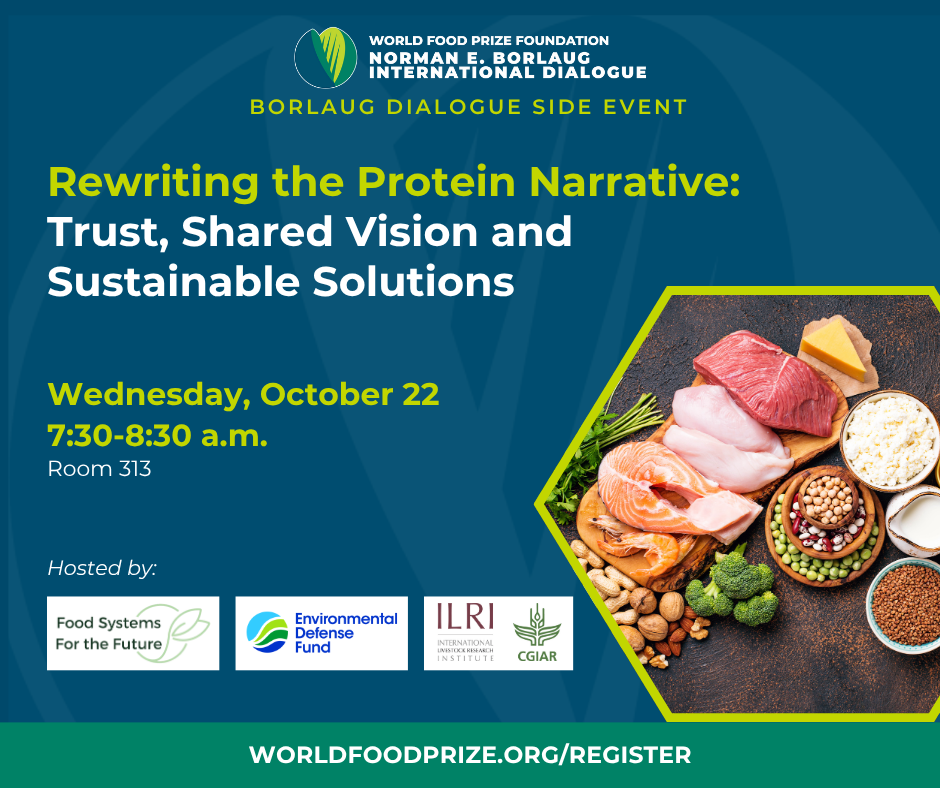

A research-oriented dialogue on how protein systems (plant, microbial, insect, cultivated) can be re-imagined for climate-smart agriculture, bringing in innovation, science and evidence of emerging systems. Feeding nearly 10 billion people while meeting global climate goals demands diverse, resilient protein systems. Animal-source foods remain central to nutrition, livelihoods, and culture, while complementary proteins, including plant-based, microbial, insect, blended, and cultivated options, bring innovation and resilience. Yet too often, these systems are pitted against each other.

Hosted by Food Systems for the Future Institute (FSF), in collaboration with the Environmental Defense Fund (EDF) and International Livestock Research Institute (ILRI)


22/10 Research & Innovation Track: Soil Health & Digital Soil Mapping 


The Soil Health & Digital Soil Mapping session explored how advances in soil science and digital technologies are reshaping our ability to assess, monitor and manage soils at scale — moving from soil as a static resource to soil as a dynamic, data-rich system. Presenters highlighted how digital soil mapping, remote sensing, machine learning, in-situ sensors and large soil-health datasets are enabling more precise, timely interventions in agricultural systems. 

The key conclusion was that soil health must be measured and managed with the same rigour as other agricultural inputs: without adequate data-driven soil-management frameworks, innovations in inputs (e.g., microbials, neglected-crop systems) risk being applied on weak foundations. 

Neglected crops and agroecology pathways benefit not just from biological innovation but from the soil-health diagnostics and mapping systems that support them — hence the research priority is dual: (1) biological/management innovation, and (2) digital soil systems for decision-support.

  • Ismahane Elouafi — Executive Managing Director, CGIAR (also featured in soil-health research coverage) 
  • Johan Swinnen — Director General, International Food Policy Research Institute (IFPRI) — overarching dialogue participant with links to soil & ag systems research. 
  • Paul Temple — Chairman, Global Farmer Network — spoke to farmer experience and soil/regenerative agriculture. 
  • Additional experts from CGIAR and partner institutions working on soil health and mapping technologies.

22/10 Reimagining Partnerships to Transform the Agri-food Innovation Chain

The session focused on how evolving agri-food value chains demand new forms of collaboration and innovation — moving beyond traditional public research and extending through the full chain from discovery to delivery. It highlighted how public–private partnerships (PPPs), cross-sector alliances and institutional innovation can drive efficiency, scale and relevance in agri-food research and innovation.

Key conclusions included that: 

  1. innovation chains must be co-designed with all actors (farmers, industry, R&D, policy) to be effective; 
  2. the public sector must redefine its role—focusing on public goods, enabling environments and equity—while private actors bring speed, scale and market linkage; 
  3. partnerships need to be structured so that benefits and risks are shared, especially for systems in low-income settings; and 
  4. there is no one-size-fits-all: successful cases vary by crop, region and innovation stage, so context-adaptation is essential. 
This session underscores that for agroecology, forgotten foods and neglected crops, the way forward
is less a novel technology and more the way it is integrated into value chains with inclusive, adaptive partnerships.

  • Phil Pardey – Director, GEMS Informatics, University of Minnesota. 
  • Diana Horvath – Co-founder & Executive Director, 2Blades. 
  • Ian Puddephat – Executive (R&D), PepsiCo. 
  • Juan Lucas Restrepo – Director General, International Center for Tropical Agriculture (CIAT). 
  • Ty Vaughn – Lead, Innovation Partnerships, Bayer (Crop Science Division). 
  • Moderator: Appolinaire Djikeng – Director General, International Livestock Research Institute (ILRI).

22/10 School Meals as an Engine for Economic Growth and Trade


The side event emphasised that school-meal programmes extend far beyond nutrition and education: by embedding procurement within local agriculture and supply chains, they serve as powerful levers for economic growth, market development and trade. With more than 400 million children reached globally and estimated procurement flows of around US $48 billion in 2022, the session underscored how well-designed school-feeding systems can generate stable demand from smallholder farmers, create jobs in food processing and logistics, and enhance trade opportunities for agricultural produce. 

The key conclusion was that integrating school-meal programmes into national and regional agrifood systems can multiply benefit: advancing nutrition, education, farmer livelihoods and trade. However, success depends on cross-sector policy alignment (education, agriculture, trade), reliable financing, and supply-chain capacities — especially in lower-income countries.
  • Johan Swinnen (Director General, International Food Policy Research Institute) 
  • Additional panelists were drawn from host organisations: Bread for the World Institute, Alliance to End Hunger and Farm Journal Foundation

23/10 Collaborative Partnerships and Innovation for Global Food Security, an 1890 Land-Grant
Perspective

The session emphasised that the network of 1890 Land‑Grant Universities (historically Black U.S. land-grant institutions) are uniquely positioned to drive inclusive agricultural innovation through collaborative partnerships—bridging academic research, extension services and underserved communities. Key take-aways included: the necessity of embedding research within real-world community contexts (not just labs), the importance of multi-stakeholder and cross-institutional alliances (public-private, NGO-university, global counterparts) to scale solutions, and the need for enhanced investment in capacity-building and infrastructure so that 1890 institutions can lead not only domestically but also in global food-security efforts. 

The dialogue flagged persistent inequities in funding and infrastructure for 1890 institutions, and called for strategic partnerships that empower these universities as co-leaders in innovation ecosystems and knowledge exchange networks.

  • Dr. Ruth Ray Jackson – Interim President, Langston University (one of the 1890 land-grant institutions)
  • Dr. Solomon Haile – Program Officer, USDA National Institute of Food and Agriculture (NIFA) – overseeing 1890/evans-Allen research programmes
  • Dr. Maria Marshall – Dean of Agriculture, Michigan State University (partnering with 1890 institutions)
  • Ms. Kase Wheatley – Director, North Carolina A&T State University (1890 land-grant) Cooperative Extension / outreach lead
  • Dr. Jeffrey Agnoli – Faculty, Ohio State University; moderator of the panel


23/10  Fields of Renewal: Innovation for Soil, Ecosystem and Security

The session highlighted how restoring soil health and ecosystem function is foundational to food security, climate resilience and global stability. Speakers emphasised the need for systemic innovation—combining biological, digital and landscape approaches—to regenerate degraded soils, rebuild ecosystem services and secure agricultural productivity for future generations. The main conclusion was that effective soil and ecosystem renewal requires not only technical innovation (e.g., sensors, bio-inputs, restoration practices) but integrated partnerships, long-term investment and alignment with policy, markets and local communities.

  • Facilitator: Simon Heck | Director General, International Potato Institute
  • Neil Bentley | Vice President, Market Management, Agricultural Solutions, North America, BASF
  • Violet Grgich | President, Grgich Hills Estate Winery
  • Rattan Lal | 2020 World Food Prize Laureate and Distinguished University Professor and  Director of the Lal Carbon Center,  The Ohio State University
  • Paul Temple | Farmer, United Kingdom and Chair, Global Farmer Network


25/10 Financing the Backbone of Africa's Ag Transformation: The Agri-SME


Thursday, September 18, 2025

Improving Market Access for Women through Policy Instruments

17 September 2025. Improving Market Access for Women through Policy Instruments

Colorful Revolution Webinar Series. This webinar series built on a recent global study examining fruit and vegetable (F&V) research and development investments across nine countries.  

Women face systemic constraints in accessing markets, from limited mobility and time burdens to exclusion from formal systems. Investing in gender-responsive infrastructure, improved market information systems, and supportive policy environments can unlock women’s full economic potential in horticulture. 

  • Olivia Nyaidho Executive Director | Development in Gardening Kenya - With nearly 20 years of experience working alongside smallholder farmers, she has dedicated her career to advancing horticulture and agroecology as pathways to more equitable communities. For more than a decade, Olivia has led DIG’s programs in Kenya, which focus on training marginalized women farmers in agroecological vegetable production to strengthen food security, nutrition, resilience, and social cohesion. In her global role, she also provides technical support to DIG programs in Uganda and Senegal. Olivia holds a Bachelor of Science in Agriculture from Egerton University and a Master’s in Project Planning and Management from the University of Nairobi. She serves on the governing board of PELUM Kenya, a leading network of organizations promoting agroecology solutions for smallholder farmers. 
  • Dr. Freda Asem Senior Lecturer, Department of Agricultural Economics and Agribusiness | University of Ghana. She holds a PhD in Development Studies from University of Ghana, an MSc. in Agricultural and Resource Economics from University of Alberta, Edmonton, Canada, and a BSc. in Agricultural Economics from University of Ghana, Legon. Freda is also the Associate Director for the West Africa Horticulture Innovation Hub. Dr. Asem is an agricultural economist by training and a researcher with over 20 years of experience in the agricultural sector. She is passionate about agricultural development in Ghana and Africa at large; particularly in relation to smallholder farmers. Her research focuses on agribusiness, agrifood systems and agricultural value chain analyses and their implications for improving the livelihoods of all value chain actors; most importantly smallholder farmers. 
  • Dr. Janelle Larson Associate Professor, Agricultural Economics | Pennsylvania State University - Her research focuses on international rural development, with work primarily on gender in development, land markets, and value-chain analysis. She was involved in USAID-funded research projects on gender and horticulture in Honduras, (funded by the Horticulture Innovation Lab at UC Davis), on gender in Cambodia (Sustainable Intensification Lab at Kansas State) and on women’s time poverty in Ghana (Peanut Innovation Lab at Georgia). Larson was also the gender consultant for the Horticulture Innovation Lab at UC Davis and was co-Chair of the Innovation Lab Affinity Group for Gender. Through these projects and the PSU Gender Equity through Agricultural Research and Education (GEARE) initiative she has provided numerous workshops on gender in development and incorporating gender in research and outreach. In addition, she leads a multi- disciplinary collaborative effort to develop livelihoods for highly vulnerable youth in Kenya involving undergraduate students. Larson received Penn State Global’s Lifetime Achievement Award in 2025. 
  • Carla Legros Consultant | CGAP World Bank - Carla Legros is a strategy and finance professional with over a decade of experience shaping agricultural and food systems across Africa. At One Acre Fund, she led the internal consulting team, advising senior leadership on commercialization strategies for smallholder farmers. Previously at Dalberg Advisors, she advised development actors on investments in agribusiness, food systems, and inclusive finance. At Aceli Africa, Carla designed and operationalized blended-finance incentives that mobilized $300M in lending to agricultural SMEs. She is currently at CGAP at the World Bank, supporting financial institutions to design climate- and gender-responsive products. She is based in Nairobi, Kenya.

Friday, September 12, 2025

Elevating Nutrition and Consumer Demand for Fruits and Vegetables

10 September 2025. Elevating Nutrition and Consumer Demand for Fruits and Vegetables

Colorful Revolution Webinar Series. This webinar series built on a recent global study examining fruit and vegetable (F&V) research and development investments across nine countries.

Increasing demand for nutrient-rich F&Vs is essential to improve diets and stimulate inclusive market growth. Programs that integrate F&Vs into school feeding, public health campaigns, and social protection systems, particularly in Ghana, Guatemala, and the Philippines, can shift consumption patterns while supporting smallholder producers.

Dr. Ahmed Kablan, Executive President | WICE Consulting Collective

Dr. Ahmad Kablan, Executive President of WICE Consulting Collective, is a global leader in nutrition, food systems, and sustainable development with over 23 years of experience across academia, government, and international development. He has advanced research at the NIH, shaped global strategies on food, health, and policy, and taught public health and biotechnology at the University of Jordan. Recognized for building cross-sector partnerships, Dr. Kablan bridges evidence with practice to deliver transformative solutions. Through WICE, he advances strategic advisory services to strengthen food systems, improve nutrition and food safety, and champion responsible innovation in agri-food systems to achieve the SDGs.

Dr. Imelda Agdeppa, Director, Department of Science and Technology | Food and Nutrition Research Institute

Dr. Imelda Angeles-Agdeppa is a Fellow of the International Union of Nutritional Sciences (FIUNS). She has been conferred as Career Scientist IV and the Immediate Past Director of the Department of Science and Technology's Food and Nutrition Research Institute (DOST-FNRI). Currently, she serves as a Board Member of the Professional Regulations Commission for Nutrition and Dietetics. Throughout her career as a Scientist, she managed and led multiple National Nutrition Surveys, which provide crucial data for informing laws and policies. Her leadership in various research projects has led to significant outcomes, many of which have been translated into actionable legislations or laws. The manuals she developed are utilized by both hospitals and universities, and her extensive research has been published in several peer-reviewed journals. She earned her M.Sc. in Nutrition and her Ph.D. in Community Nutrition from the Southeast Asian Ministers of Education for Tropical Medicine (SEAMEO-TROPMED) Regional Center for Community Nutrition at the University of Indonesia. For the furtherance of her scientific productivity, currently, she is engaged in research projects with a private agency, continuing her advocacy that proper nutrition is a vital economic and social issue.

Dr. Eva Monterrosa, Programme Lead, Consumer Demand Generation | Global Alliance for Improved Nutrition (GAIN)

Dr. Eva Monterrosa is a nutritionist and scientist with two decades of research and professional experience in maternal and child nutrition. Her approach integrates scientific inquiry principles and professional ethical practices to develop innovations across public health and market sectors. With expertise in formative research, project design and planning, monitoring and evaluation, and demand creation, Dr. Monterrosa currently serves as Program Lead, Consumer Demand Generation at GAIN. In this role, she designs programmes for better consumer dietary choices in market delivery models. Dr. Monterrosa is a Founding Member of both the Society for Implementation Science in Nutrition and co-founder of the Food Culture Alliance. She holds a Bachelor’s degree in Nutrition and Food Science and a Master of Science in Human Nutrition and Metabolism from the University of Alberta, Canada, and a PhD in Nutrition from Cornell University.


Wednesday, August 20, 2025

Enhancing Extension through Capacity Building and Digital Innovation

20 August 2025. Enhancing Extension through Capacity Building and Digital Innovation

Colorful Revolution Webinar Series. This webinar series built on a recent global study examining fruit and vegetable (F&V) research and development investments across nine countries.

Robust extension systems are critical for translating innovation into impact. In countries such as Tanzania, Nepal, and Honduras, gaps in technical knowledge, service coverage, and integration across stakeholders limit technology uptake. Targeted investments in youth and women-led training programs, digital advisory platforms, and multi-actor collaboration can build a skilled horticulture workforce and improve farmer outcomes.


Introduction:
Presentation of the report
  • Katheryn Gregerson Responsible Innovations (hosted by the University of California) - Former Feed the Future Innovation Lab for Horticulture. 
  • Archie Jarman, Responsible Innovations: Extension and digital innovation - barriers to investmentErin McGuire, Responsible Innovations
Panelists
  • Julio López Montes - Julio López Montes - Co-Founder & Chief Executive Officer | Digital Green. Associate Professor & Plant Protection Specialist | Zamorano University. Julio López is an associate professor and a plant protection specialist and leads classes in integrated pest management and small-scale crop production systems as a professor at the Panamerican Agricultural School, Zamorano, in Honduras. He was previously the Director of the Horticulture Innovation Lab Regional Innovation Center at Zamorano. Professor López has mentored students and participated in several courses on effective rural development, food security and food safety, IPM in vegetables, fruits and grains crops at Zamorano. He is an expert in the extension of information on IPM, farmer field school methodology and alternative technologies for pest control for small producers, handlers and consumers.
  • Rikin Gandhi co-founded Digital Green as a project within Microsoft Research India. He inspired by his passion for supporting smallholder farmers developed through time in rural India. With degrees from MIT in Aeronautical Engineering and Carnegie Mellon in Computer Science, he began his career at Oracle, where he developed patented linguistic search algorithms. Today, Digital Green reaches over 8 million farmers across India, Ethiopia, Nigeria, Brazil, and Kenya. Its flagship platform, Farmer.Chat, uses conversational AI to deliver timely, localized advice and connect farmers to markets. Rikin is a TED Fellow and Ashoka Fellow, and has co-authored leading studies on agri-food systems transformation.
  • Dr. Ranjana Rawal is a scientist at the National Horticultural Research Center under the Nepal Agricultural Research Council (NARC). She earned her Ph.D. in Horticulture and Crop Science from The Ohio State University and was awarded the prestigious Schlumberger Foundation’s Faculty for the Future Fellowship from 2017 to 2021. Dr. Rawal previously worked as a Cropping Systems Agronomist with the International Maize and Wheat Improvement Center (CIMMYT) for the South Asia program. She has also served as a Co-Principal Investigator (Co-PI) on a NARC-led project funded by the Horticulture Innovation Lab (HIL) and UC Davis. Her current research focuses on variety development and postharvest management of horticultural crops in Nepal.

Forthcoming


Past

Wednesday, August 13, 2025

The State of Investments in Fruit & Vegetables - A Global Report

13 August 2025. Presentation of the report: The State of Investments in Fruit & Vegetables +   Addressing Postharvest Losses and Building Value Chains


Postharvest losses of 40–50%, as reported in Kenya and Tanzania, undermine farmer incomes, reduce food availability, and drive up consumer prices. Strategic investments in cold chain infrastructure, improved packaging, processing technologies, and aggregation centers can significantly reduce waste while creating new economic opportunities. These interventions strengthen entire value chains, particularly in peri-urban and regional trade hubs. 

Proven solutions already in use across East Africa demonstrate commercial viability, delivering returns through higher marketable volumes, reduced losses, and improved farmer incomes. With every dollar invested, stakeholders can unlock measurable gains in food security, nutrition, and rural employment while building more resilient horticultural markets.

Presentation of the report
  • Katheryn Gregerson Responsible Innovations (hosted by the University of California) - Former Feed the Future Innovation Lab for Horticulture. Katheryn Gregerson has over four years of experience in international agriculture development, including business development and program coordination, building skills in proposal writing, communication of success stories, cross-disciplinary research, and international partner coordination. As a Graduate Student Researcher at the Feed the Future Innovation Lab for Horticulture, she facilitated Horticulture Investment Study workshops in Kenya, Guatemala, and Nepal, collaborating with individuals and organizations. 
  • Erin McGuire, Responsible Innovations
  • Archie Jarman, Responsible Innovations 
  • Khush Bakht Aalia, Responsible Innovations 

One of the major findings of this study was that more investment is needed in postharvest loss. 3 presenters focused on post harvest loss:
  • Dr. Jane Ambuko Lukachi - Professor of Horticulture. Jane Ambuko is a Professor of Horticulture at the University of Nairobi, Kenya. She holds a BSc in Agriculture, MSc in Horticulture from the University of Nairobi, Kenya and a PhD in Agricultural Sciences (Pomology and Postharvest Major) from Tsukuba University, Japan. Her area of specialization is Postharvest Management. Her research, training and outreach initiatives are focused on food loss and waste reduction mainly in Horticultural value chains. Prof. Ambuko works closely with smallholder farmers in capacity building and innovation/technology scale-up initiatives geared towards better postharvest management. horticultural markets.
  • Dr. Peninah Yumbya - Nutrition and Food Systems Researcher at International Center for
    Evaluation and Development (ICED). Peninah Yumbya, PhD, is an experienced horticultural scientist with over 15 years of expertise in agricultural research, specializing in postharvest science and technology. She currently serves as the Kenya Country Director and Food Systems Researcher at the International Center for Evaluation and Development (ICED), where she leads programs aimed at improving smallholder farmer livelihoods through sustainable and inclusive agricultural innovations. Previously, Peninah served as the Regional Manager for the Feed the Future Innovation Lab for Horticulture, East Africa regional Hub. A strong advocate for localization, she champions a shift in the research model to empower Global South researchers to conceptualize and lead their own research initiatives. Her work is driven by a deep commitment to reducing food loss and waste, enhancing food safety, and empowering women and youth across food systems through research and evidence synthesis.
  • Dr. Gloria Essilfie - Senior Lecturer | University of Ghana. Dr. Essilfie's research interests are in the development of management and intervention strategies that may be applied to eliminate or control pathogenic contamination of fruits and vegetables specifically the safety of waste water irrigated vegetables as well as adaptation and assessment of the effectiveness of low cost preservative technologies to reduce postharvest loss in agricultural commodities. 
GFAiR chat comment: As of 2025, a total of 128 countries had developed national food systems transformation pathways. (These are the official “pathway documents” countries prepared following the UNFSS process.) There’s no readily accessible data or analysis indicating how many of these national pathways specifically focus on—or integrate—fruits and vegetables in their policy frameworks.

Resource

This global report presents the first cross-country analysis of research and development (R&D) investments in fruits and vegetables (F&Vs), drawing on insights from 179 experts across nine low- and middle-income countries. The study explores how investment trends, systemic barriers, and stakeholder priorities shape the availability, affordability, and accessibility of F&Vs in diverse food systems.


It combines Delphi and Q methodology to quantify investment patterns, uncover barriers, and identify strategic entry points for action. The findings underscore the urgent need to rebalance agricultural investments toward F&Vs to improve nutrition, resilience, and inclusive economic growth.


Despite these wide-ranging benefits, F&Vs remain severely underfunded in agricultural research and development (R&D), particularly in low- and middle-income countries (LMICs). This lack of investment contributes to chronically low consumption. (page 10)

On average, only 10.9% of agricultural crop-related R&D funding is directed toward locally consumed F&Vs, despite their critical role in improving diet quality and food system resilience. Experts emphasized that this low level of investment is insufficient to meet growing demand, address persistent nutritional gaps, or build the infrastructure and innovation needed to support smallholder production and inclusive market access. (page 10)

The CGIAR Research Initiative on Fruit and Vegetables for Sustainable Healthy Diets (FRESH),
implemented across five CGIAR centers from 2022–2024, reflects CGIAR’s growing recognition of the importance of F&V research (CGIAR, 2025). Still, F&V as a research theme continues to receive limited investment. 
(page 14)

Most of this private R&D on F&Vs is concentrated in high-income countries, limiting its benefits for LMICs.  (page 15)

Four core themes emerged as consistent barriers to F&V investment: 
  1. fragmented markets,
  2. policy focus on staple crops, 
  3. inadequate infrastructure for storage and transport, 
  4. and limited technical capacity
The study highlights clear pathways for action.
  1. Reducing postharvest losses and strengthening value chains; 
  2. Enhancing extension through capacity building and digital innovation; 
  3. Promoting nutrition-sensitive consumer demand for F&Vs; 
  4. Investing in seed systems and research infrastructure; and 
  5. Improving women’s market access through policy instruments.

Investment Trends: 2018–2023 

While overall investment in F&V R&D was relatively low, several countries experienced notable growth between 2018 and 2023, driven by donor support and shifting national priorities: 
  • In Ghana, experts estimated that F&V investment grew from $7.5 million in 2018 to nearly $21 million in 2023, although they cautioned that the current level remained inadequate to meet sectoral needs. 
  • In Ghana, only 6.5% of total F&V research investment was directed toward locally consumed crops, despite its strong production capacity. 
  • By contrast, Tanzania allocated 12.3% of its F&V R&D investment to locally consumed F&Vs, nearly double that of Ghana.
  • In Benin, experts estimated that total F&V R&D investment more than doubled, from $39 million in 2018 to $96 million in 2023. However, they noted that this growth was likely driven by public and donor interest in developing the export market, rather than addressing the needs of locally consumed F&Vs. 
  • In Nepal, experts estimated that investment rose from $27 million to $44 million over the same period, attributed to rising domestic demand and recognition of the country’s comparative advantage in high-value F&V exports (e.g., cardamom, citrus, kiwi). 
  • In Sri Lanka, investment data was unavailable due to political instability, with trends heavily disrupted and untrackable during the reporting period.

Regional Insights

While global trends are clear, the impacts of underinvestment manifest differently across regions. 
  • In both West Africa and South Asia, experts' top concerns were reduced productivity and worsening food insecurity
  • In East Africa, the dominant concerns were increased postharvest losses and deepening poverty, as infrastructural gaps and market price fluctuations eroded incomes and access to F&Vs. 
  • Central American experts noted that a lack of investment in F&V R&D would lead to increased costs of F&Vs, intensifying both poverty and food insecurity while contributing to rising out migration.

Policy Prioritization of Other Crops: 

A persistent bias toward staple crops in national policy and budgets has posed a major upstream barrier to F&V investment. Governments frequently allocate funding and infrastructure to cereals and grains, sidelining F&Vs despite their role in nutrition and income generation. This has resulted in under-resourced research institutions, minimal extension support, and few public incentives for horticulture.

Feed the Future Innovation Lab for Horticulture - 2009 to 2025


West Africa Regional Projects

  1. Promoting food and nutrition security in the West African sub-region through indigenous, neglected and underutilized fruits and vegetables Led by Dr. Freda E. Asem, University of Ghana. -African Indigenous fruits and vegetables (AIFVs) have significant benefits. The project develops a detailed analysis of how value chain actors can increase income with enhanced production and consumption of AIFVs in Ghana and Mali.
  2. Enhancing the production and consumption of African indigenous fruits and vegetables (AIFV) to improve diets in Ghana and Mali Led by Gloria Essilfie, University of Ghana - Emphasizing the promotion of youth-led enterprises, this project raises consumer awareness of the nutritional benefits of AIFVs, while increasing incomes for all actors along the value chain.
  3. Increasing youth participation in the production of indigenous vegetables and fruits using with locally available resources - Led by Atanda Oladejo, Obafemi Awolowo University
  4. Research aims to increase employment opportunities in the horticulture sector through youth engagement with efficient soil management practices and digital tools to enhance African indigenous fruit and vegetable (AIFV) production.
  5. Strengthening the horticulture sector in Guinea Bissau - Led by Dr. Naalamle Amissah , University of Ghana. The horticulture sector in Guinea Bissau offers significant promise that remains untapped. This project will strengthen input supply, production strategies, and build institutional capacity in higher education, national research, and within farmer groups.
  6. Strengthening the horticulture sector in Niger - Led by Erin McGuire , University of California, Davis - The project builds on the Millennium Challenge Corporation’s efforts in Niger by strengthening key horticulture value chains and increasing the capacity of actors in the horticulture sector through this Mission buy-in from the USAID Mission in Niger.

Thursday, June 26, 2025

Impact of Official Development Assistance (ODA) cuts on food security and nutrition

JRC (2025) The Impact of Official Development Assistance (ODA) cuts on food security and nutrition – a Knowledge Review

The main recommendations from key players to address the current challenges include reducing the fragmentation of the ODA landscape; finding innovative, low cost and technology-based sources of data; enhancing ownership and leadership in development assistance by national states; and joining forces with private donors.

The shortfall of the US cannot be offset by other ODA donors, which shift their priorities from development aid towards strategic national interests, notably migration control and defence.
  • The US was the largest contributors to FAO, supporting 14% of agency’s total budget. FAO’s Director-General reported on April 7th that 106 projects were terminated due to recent decisions of the US government, with a total value of $348 m (source). This includes $250 m under the Global Health security Program, focused on monitoring and rapid response to transboundary animal diseases. Terminated programmes include surveillance of avian flu in Central America, monitoring of avian flu outbreaks in key Asian hotspots (Cambodia and Vietnam), and support to veterinary laboratories to quick diagnose avian influenza in Western and Central Africa (source). FAO announced that it would eliminate 600 staff positions due to funding cuts (source)
  • The Word Food Program (WFP) funding outlook in 2025 shows a reduction of 34%, decreasing from $9.8 bn last year to $6.4 bn this year (source). The agency will slash 25% to 30% of its workforce, or up to 6 000 jobs, by next year (source). Large donors reviewing their contribution to WFP are the reason for this expected drop in funding forecasts. With a total of $4.4 bn the US was in 2024 the biggest donor of the WFP (source). However, other countries are also decreasing their budget for multilateral development cooperation.
The analysis by the Centre for Global Development (source), based on the March 26 list, shows that considering the absolute amount of cuts, the most affected country is by far Ukraine ($1.4 bn). 
The second most affected country is Ethiopia ($386.9 mn), followed by the Democratic Republic of Congo ($386.7 mn) Colombia ($309.3 mn), Uganda ($306.8 mn), South Africa ($260.6 mn), Palestine ($240 mn) Bangladesh ($229.2 mn), Kenya ($224.7 mn), Afghanistan ($223.1 mn) and Tanzania ($215.7 mn).

It does not seem that the shortfall of the US can be offset by other countries, as ODA is declining worldwide: according to an analysis that used OECD data and projections based on announced cuts to ODA by the main 17 DAC countries (accounting for 95% of total ODA from DAC), to decline from $213.1 in 2023 to $152.7 bn in 2026, meaning -28.3% (source).

The first draft of the Outcome document of the 2024 Seville conference on Financing for
Development
recommends and commits to strengthening the SDG indicator framework, broader reporting by South-South providers, promoting open, interoperable data platforms to improve data sharing and accessibility, and enhancing coordination on data among IFIs, national and international statistical agencies, the United Nations, Member States, development agencies and relevant stakeholders (source, section II, point no. 57).

The report Global Outlook on Financing Sustainable Development 2025, published ahead of the upcoming Conference on Financing for Development in Seville, calls for redirecting the capital available globally, starting with balancing ambition and practicality in addressing sustainable development priorities. Inclusive governance and policy coherence are critical to overcoming the hurdles, as disparities in decision-making structures and resource allocation undermine global trust and co-operation. It also includes the mobilisation of national funds through improved tax collection and private investments. To enhance accountability and transparency in resource allocation, the report urges strengthening the global financing for development monitoring system to restore trust among all countries (source, source).

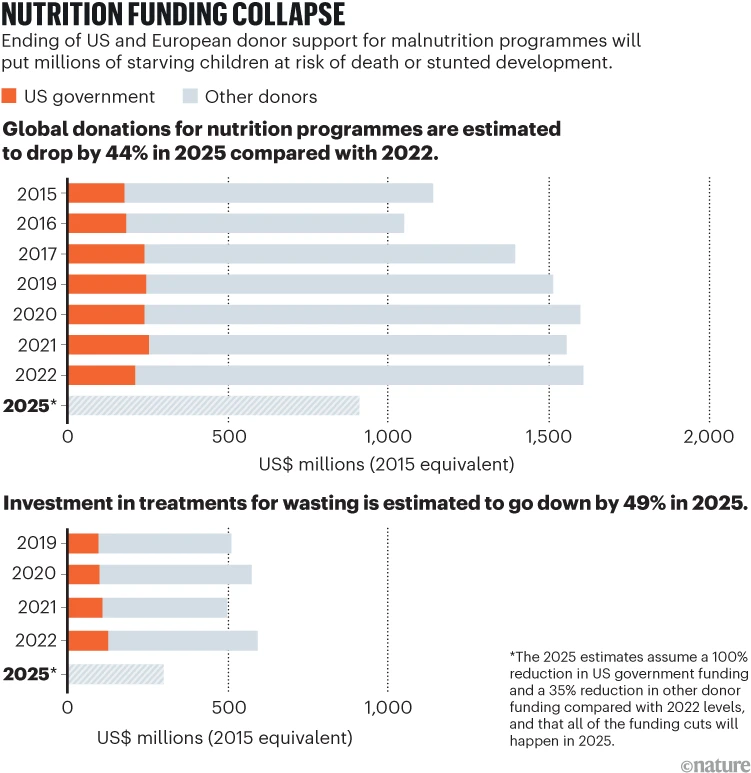
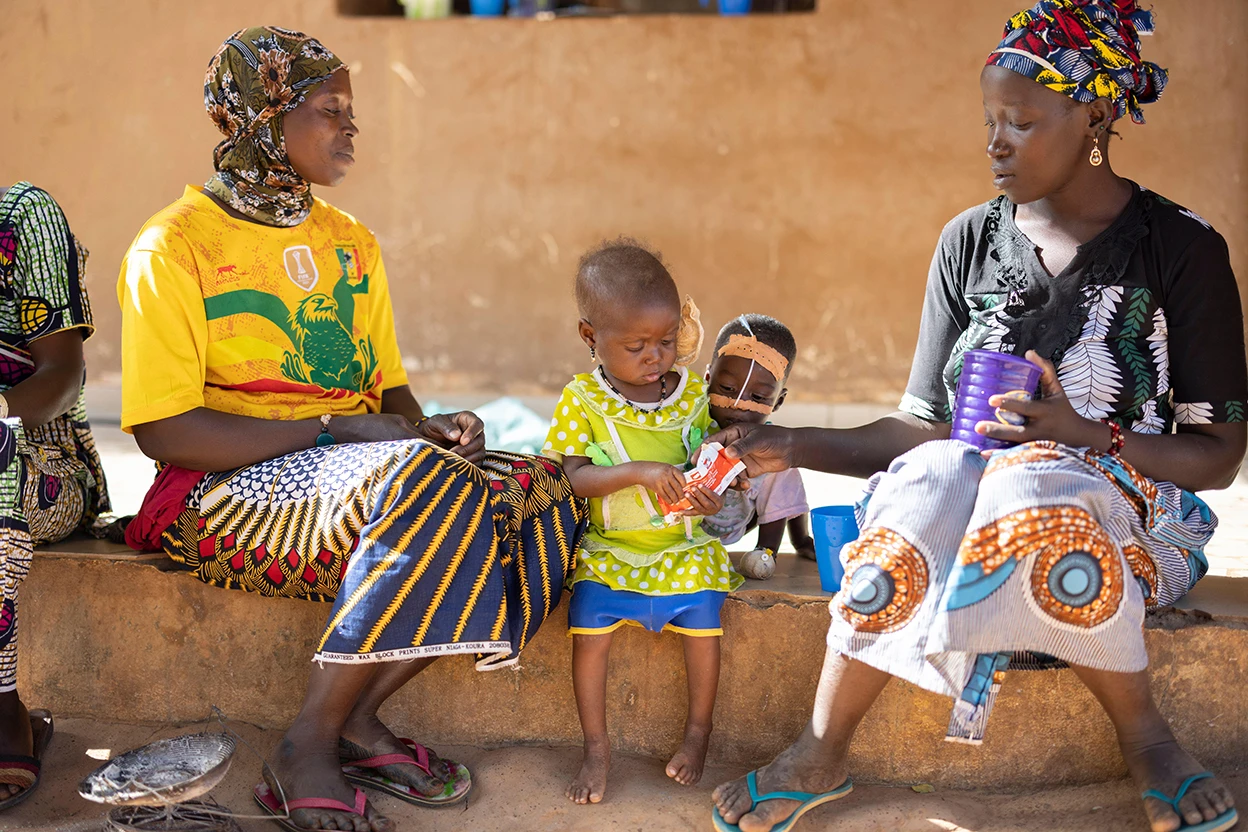
Leading nutritionists commented on the journal Nature that the unprecedented crisis requires the world to rethink aid to nutrition, as well as to prioritize and expand financing options; saying that global development partners, governments and donors should mobilize immediately to safeguard nutrition for the world’s most vulnerable populations. Governments in Low and Middle Income Countries should be supported and developmentfinance institutions should further increase global funding for nutrition programmes. Funding from outside the nutrition sector could be leveraged by accelerating efforts to make agricultural, workforce and climate investments more ‘nutrition smart’ (source).

Forthcoming:


30 June - 3 July 2025 in Seville, Spain. The 4th International Conference on Financing for Development (FfD4)


Thursday, October 31, 2024

Supporting and Shaping the Global Nutrition Agenda with Evidence

30 October 2024. Supporting and Shaping the Global Nutrition Agenda with Evidence: A Three-Decade Journey of Research and Partnerships for Impact by IFPRI

This year’s Forman Lecture was delivered by Dr. Marie Ruel, Senior Research Fellow in the Nutrition, Diets, and Health Unit at IFPRI. She served as the Director of IFPRI’s Poverty, Health, and Nutrition Division from 2004 to 2023, after serving as Senior Research Fellow and Research Fellow in that division beginning in 1996.

Dr. Ruel reflected on the role of research in supporting and shaping the evolution of the global nutrition agenda over the last three decades. Drawing on examples from her journey in research leadership, she presented the case for how investments in rigorous research and partnerships with development actors around the world have supported this evolution.

Reflections and Tributes from Panelists
  • Shawn K. Baker, MPH, Chief Program Officer, Helen Keller International
  • Namukolo Covic, Director General’s Representative to Ethiopia, CGIAR Ethiopia Country Convenor and CGIAR Regional Director for East and Southern Africa, International Livestock Research Institute (ILRI)
  • Omar Dary, Senior Nutrition Science Specialist, Bureau of Global Health, MCHN, United States Agency for International Development (USAID)
  • Patrick Webb, Chief Nutritionist, United States Agency for International Development (USAID)

Tuesday, October 29, 2024

World Food Prize and Borlaug Dialogue

29-31 October 2024. Iowa World Food Prize and Borlaug Dialogue

The Borlaug Dialogue is complemented by side events, briefings and seminars organized by NGOs, agribusinesses, advocacy groups, public stakeholders and other institutions. 

The resulting full week of events attracts more than 1,200 attendees and participants each year representing more than 65 countries – and includes many of the top minds and most innovative actors in the international effort to end hunger in communities around the world. 

Extracts of the programme 

29/10 ‘Achieving a Hunger-Free World’: the future of agriculture.

  • President of the African Development Bank Group, Hon. Akinwumi Adesina. 
  • President of the World Bank Group, Ajay Banga,

29/10 Bold Measures to Feed Africa - Part 1 

This panel features 
  • Senior Advisor to the President at African Development Bank Group, Victor Oladokun; 
  • Vice-President of International Fund for Agricultural Development, Géradine Mukeshimana; 
  • Founder and Chief Executive Officer of Axxess, Founder and Chairman of Cavista Holdings, John Olajide; 
  • President of International Corn Foundation and Chair-Professor at Handong Global University, Soon-Kwon Kim; 
  • Special Envoy for Global Food Security at U.S. Department of State, Cary Fowler; 
  • Vice President of Agriculture, Human and Social Development at African Development Bank Group; 
  • Executive Vice President of Community Pass and Strategic Growth at Mastercard, Tara Nathan.

01/11 World Food Prize Laureate Award Ceremony


Live coverage of the 2024 World Food Prize Laureate Award Ceremony at the Iowa Capitol. Dr. Geoffrey Hawtin OBE of the U.K. and Canada and Dr. Cary Fowler of the U.S. are the 2024 World Food Prize Laureates for their work to preserve the world’s heritage of seeds.


2024 Top Agri-Food Pioneer List

The World Food Prize Foundation is celebrating 38 global innovators transforming food systems in honor of its 38th anniversary. See below a selection

Ogugua Aworh

Nigeria | Indigenous Crops

Ogugua Aworh is a distinguished Nigerian food scientist and professor at the University of Ibadan, renowned for his expertise in food processing and preservation technologies. His research focuses on enhancing the safety, shelf life, and quality of traditional African foods, significantly contributing to food security and rural development in Sub-Saharan Africa. Aworh has played a key role in advancing indigenous food processing methods and is dedicated to mentoring the next generation of scientists. Widely published, his work bridges academic research and practical applications, making a lasting impact on the field of food science and the broader African agricultural landscape.

Innoscensia John

Tanzania | Indigenous Crops

Innosencia John is a prominent advocate for sustainable agriculture and youth empowerment in Africa. Known for her leadership in agricultural development, she has mentored and supported young agripreneurs, helping them access resources and develop skills crucial for success in the sector. A strong proponent of gender equality, Innosencia works to elevate the role of women in agriculture, ensuring their contributions are recognized and amplified. Her initiatives have significantly advanced food security and economic development across Africa. Innosencia’s impactful work has earned her numerous accolades, solidifying her as a key leader in creating resilient and inclusive food systems.

Tuesday, September 17, 2024

Demand-Side Interventions and Approaches for Healthy Diets

17 September 2024
. BIFAD Public Meeting: Demand-Side Interventions and Approaches for Healthy Diets

Nearly 400 participants from 53 countries, representing a variety of organizations, including over 35 universities, joined this engaging hybrid event to explore how we can enhance consumer demand for healthy, safe, and nutritious foods. BIFAD members are diving into the next steps, crafting actionable recommendations for USAID based on public feedback received during and after the session.
  • BIFAD, an independent advisory committee to USAID on food and agriculture issues, convened this public meeting to discuss Demand-Side Interventions and Approaches for Healthy Diets, to shape the next steps in USAID’s strategic thinking and policy prioritization toward the objective of achieving healthy diets for all. 
  • This meeting addressed evidence and evidence gaps, areas for additional research, and prioritized approaches and actions for USAID, centered around demand-side interventions and approaches to improve the processing, storage, distribution, sale, purchase, and consumption of safe and nutritious food. 
  • Find an agenda for the meeting at this link. 
  • The meeting included a presentation of key findings and opportunities from a draft evidence review (see below) prepared for BIFAD. Written feedback on the evidence review is welcomed and may be submitted using this public comment form until October 4.
Questions addressed at the meeting included:
  1. How can USAID work better with communities, national governments and private sector stakeholders to enhance consumer demand for safe and nutritious foods in ways that improve the diets of whole households, including women and children?
  2. How can demand-focused interventions improve the affordability of healthy diets?
  3. How can the progress and outcomes of demand-focused interventions be measured and evaluated?
Speakers:
  • Opening Remarks - Kathy Spahn, BIFAD; President Emerita, Helen Keller Intl + Patrick Webb, USAID Chief Nutritionist 
  • Increasing the Demand for Safe and Nutritious Food in USAID Priority Countries through Innovations and Interventions across the Food System - Bianca Carducci, Postdoctoral Scientist at Columbia Climate School 
Panel: Catalyzing Demand: Synergizing Public and Market Forces for Nutritious Diets
  • Moderator: Saweda Liverpool-Tasie, BIFAD; MSU Foundation Professor, Department of Agriculture, Food and Resource Economics, Michigan State University 
  • Kefilwe Moalosi AU-NEPAD Nutrition Officer 
  • Ndidi Nwuneli, President and CEO, ONE Foundation 
  • Stella Nordhagen, Research Lead, Food Environments and Supply Chains, Global Alliance for Improved Nutrition (GAIN) 
  • Rolf Klemm, Vice President of Nutrition, Helen Keller Intl 
Science Flash Talk: Implications of Demand-side Approaches for Feed the Future Research Peter Goldsmith, Director, Feed the Future Soy Innovation Lab, University of Illinois.

Public Comment Period Moderator: Marie Boyd, BIFAD; Associate Professor, University of South Carolina Joseph F. Rice School of Law 

The Vision for Adapted Crops and Soils (VACS): Creating Demand for Nutrient-Rich Traditional and Indigenous Crops Cary Fowler, U.S. Special Envoy for Global Food Security, U.S. Department of State

Panel: USAID Response 
  • Moderator: Patrick Webb, USAID Chief Nutritionist 
  • Kristin O’Planick, Market Systems Team Lead, Bureau for Resilience, Environment, and Food Security, USAID 
  • Getinet Ameha, Senior Agriculture Adviser, USAID/Ethiopia 
  • Megan Kyles, Economic Growth Office Director, USAID/Liberia


Shared resources 

BIFAD (2024) Increasing the Demand for Healthy Diets Evidence on Approaches Across the Food System in Feed the Future Contexts Pre-Published Document Released for Public Comment September 6, 2024. # 54 pp.
  • The overarching goal of this research was to assess the available evidence, identify evidence gaps, recommend areas for additional research, and use the existing evidence to develop a prioritized set of opportunities for USAID consideration. 
  • The research also identifies important areas for USAID’s investment in measurement and evaluation.
 
  • Feed the Future Business Drivers for Food Safety (BD4FS), funded by USAID and implemented by FES, is a multi-country (Senegal, Ethiopia, and Nepal) project that works alongside SMEs, or as they are referred to in the BD4FS project, “growing food businesses” (GFBs) to co-design and implement incentive-based strategies to accelerate the adoption of food safety practices in local food systems. 

  • BD4FS has developed a series of strategies and methodologies – also referred to as “tools” – for business-level assistance in food programs and for raising consumer awareness about food safety.

  • To better understand barriers to financing and to learn where opportunities and synergies exist for food businesses and investors, BD4FS undertook a financial landscape assessment in Senegal in 20212 . 
  • This assessment identified several underlying factors that limit investment in GFBs. For one, many investors find investing in the perishable food sector too risky and have concerns that loans will not be repaid.

The Lancet (2024) Global estimation of dietary micronutrient inadequacies: a modelling analysis
  • More than half of the global population consumes inadequate levels of several micronutrients essential to health, including calcium, iron, and vitamins C and E, according to a new study by researchers at Harvard T.H. Chan School of Public Health, UC Santa Barbara (UCSB), and the Global Alliance for Improved Nutrition (GAIN). 
  • It is the first study to provide global estimates of inadequate consumption of 15 micronutrients critical to human health. 
  • The study was published in The Lancet Global Health on August 29. Micronutrient deficiencies are one of the most common forms of malnutrition globally, and each deficiency carries its own health consequences, from adverse pregnancy outcomes, to blindness, to increased susceptibility to infectious diseases. See article: Billions worldwide consume inadequate levels of micronutrients critical to human health


  • The paper is a 62-page “thought experiment” by an international team of 65 natural and social scientists that seeks to map out how the world’s 7.9 billion people could remain within safe planetary boundaries while accessing necessary levels of food, water, energy, shelter and transport. It then projects how this may change by 2050, when the population is likely to be 9.7 billion people.
  • Published in the Lancet Planetary Health journal on 11 September 2024, the paper first sets a justice “floor” of basic daily living standards – defined as 2,500 calories of food, 100 litres of water, and 0.7kWh of electricity, along with a living area of 15 sq metres and annual transportation of 4,500km (2,800 miles). 
  • Then they calculated how much space there was between this and a safety “ceiling” – which was defined by planetary boundaries – that estimated how much humanity can push the climate, ecosystems, nutrients and phosphorus and water sources without destabilising the Earth’s systems.

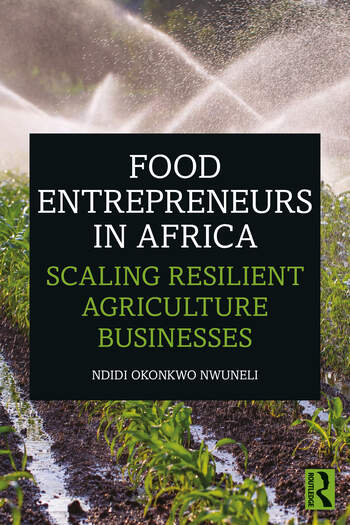
Ndidi Okonkwo Nwuneli (2021) 
Food Entrepreneurs in Africa. Scaling Resilient Agriculture
Businesses.
208 pp. 
  • Entrepreneurs are the lifeblood of the agriculture and food sector in Africa, which is projected to exceed a trillion dollars by 2030. 
  • This book is the first practical primer to equip and support entrepreneurs in Africa through the process of starting and growing successful and resilient agriculture and food businesses that will transform the continent. 
  • Through the use of case studies and practical guidance, the book reveals how entrepreneurs can leverage technology and innovation to leapfrog and adapt to climate change, ensuring that Africa can feed itself and even the world. 

  • SMEs are at the frontline when it comes to supplying food to low-income groups and have the capacity to drive change in food consumption patterns at a rapid pace – e.g., SMEs are found to provide 70% of food to low-income populations in Africa.
  • They therefore have enormous potential to improve the diets and health of consumers on a global scale through incorporating nutrition into their business models and practices, in turn improving the availability and accessibility of healthy nutritious foods for consumers in their local markets.

Related:


16 September 2024. The contribution of KOKO Plus® to Universal health coverage (UHC). The Ghana Nutrition Improvement Project was launched in 2009 by the Ajinomoto Group to help solve the pressing issue of malnutrition in the country. In particular, the core project partners aim to improve the nutritional outcomes of an estimated 200,000 children aged 6-24 months by 2017 by providing a supplement named “KOKO Plus”. 

With support of JICA/Ajinamoto, NEC Africa is increasing the capacity of health care workers to "Visualize" and utilize data to promote mothers behavior change. 

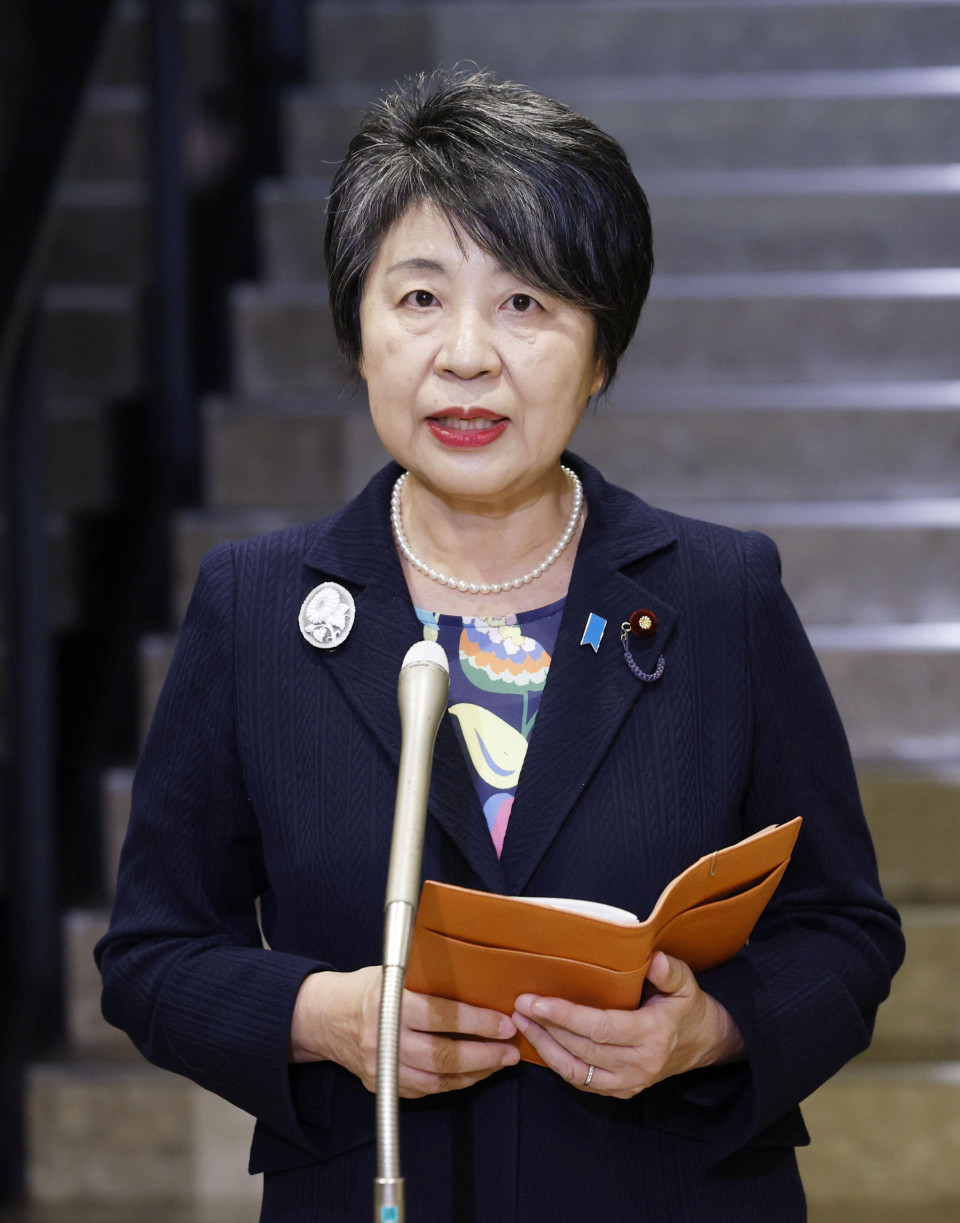
Yōko Kamikawa (the Japanese Minister of Foreign Affairs) declared during TICAD (August 24, 2024): 
"Japan has long been focusing on cooperation in maternal and child healthcare. (...) Japan is now incorporating ICT and other advanced technologies from the private sector. (...) JICA [combines] health examinations and nutritional guidance for mothers and children utilizing Japanese ICT [for] the dissemination of (...) nutritional supplements."


Related:

20 June 2024. EC/INTPA InfoPoint conference: Local Private Sector and Nutrition for Women and Children
  • Mandresy Randriamiharisoa, Director General, Nutrizaza, Madagascar
  • Siny Samba, Director General, Le Lionceau, Senegal

Upcoming:

7 - 11 October 2024. The 9th Africa Nutrition Conference (ANC 2024/ANEC IX)
  • The African Nutrition Society (ANS) and the Ghana Academy of Nutrition and Dietetics(GAND) are organizing the 9th edition of the Africa Nutrition Conference (ANC2024 / ANEC IX).
  • Theme: “FOOD AND NUTRITION IN A CHANGING WORLD: Implications for nutrition security and health in Africa”
  • Venue: University of Cape Coast – North Campus, Cape Coast, Ghana

Opportunity:


Pivotal Ventures (of billionaire philanthropist Melinda French Gates) 
  • will launch a call in the autumn to global organisations
  • $250 million
  • to be awarded through an open call, with Lever for Change to identify organizations working to improve women’s mental and physical health worldwide.ations focused on women’s mental and physical health
Since Melinda French Gates founded Pivotal in 2015, it used different kinds of funding to achieve its mission to advance social progress, including venture capital investments, philanthropic grantmaking, advocacy funding, and partnerships. In 2022, Melinda formed Pivotal Philanthropies Foundation, a nonprofit organization, to support philanthropic grantmaking and help enable this flexible approach to driving impact.