31 August 2026. “Power the Plate: Energy for Nutrition”
Host/organiser: Welthungerhilfe (WHH), in partnership with GOGLA and the Agri-Energy Coalition. GOGLA lists it as a WHH-hosted side event, while WHH describes the session as being held in partnership with GOGLA.
Focus: The session examined the connection between energy access, vegetable production and nutrition. It highlighted that African countries need to substantially increase vegetable production and consumption to achieve healthier diets, while high energy costs, post-harvest losses, irrigation constraints, cooling, storage and logistics can make vegetables less affordable. The discussion looked at how productive renewable energy, investment and partnerships can make vegetables more abundant, affordable and accessible.
It also concluded with the launch of the Africa Vegetable Innovation Platform, linked to the #DoubleTheVeg ambition
1 September 2026. “Powering Agri-Food Systems Value Chains Amid a Global Energy Crisis”
Hosts: GOGLA and SNV, as part of the Agri-Energy Coalition.
Focus: This session took a broader look at how the global energy crisis is affecting Africa's agri-food value chains, from production and irrigation to processing, storage, transport and marketing. It explored how reliable and affordable energy can improve competitiveness, reduce food losses, strengthen rural livelihoods and accelerate food-system transformation.
2 September 2026. AFS Kigali. Powering CAADP: The Agri-Energy Nexus” session.
This session was hosted by SNV, GOGLA and AGRA and focused on integrating renewable energy and agriculture within the implementation of the Comprehensive Africa Agriculture Development Programme (CAADP).
All these sessions reinforced the same message: affordable, reliable renewable energy is not simply an energy-sector issue but a prerequisite for productive, resilient and nutritious food systems.
Resource:
Clean Energy to Nourish a Continent: Unlocking renewable power for Africa’s food systems, a white paper co-authored with GAIN and SNV, looks at how renewable energy can be a vehicle for growth in the African food processing sector.
Read the executive summary HERE and the full report HERE.
Summary
Africa must align clean energy transition with nutrition gains. Food and energy prices are closely linked. Energy inefficiencies in processing raise costs, waste food, and undermine food and nutrition security. Urgent, energy-efficient, and clean energy interventions are needed to improve the availability of nutritious foods and reduce spoilage.
African food processors are up to two times more energy intensive than their global peers. Outdated equipment, inefficient thermal systems, poor maintenance, and inadequate waste and heat recovery mean that processing one kilogram of produce can require nearly double the energy, reducing competitiveness. Most of the energy demand comes from thermal processes such as
drying, frying, pasteurisation, roasting, and boiling,
while electricity use peaks in milling, refrigeration,
and pumping. Cold chain and refrigeration remain
significantly underpowered.
The processing and post-harvest stages offer a
strong renewable energy opportunity. Processing
consumes 42% of total energy in food systems and
presents the strongest business case. Using Renewable Energy at
this stage provides greater co-benefits, especially in
terms of nutritious, perishable foods such as fruits,
vegetables, eggs, and dairy, where solar photovoltaic
(PV) adoption is already on the rise.
Energy costs are a major business risk for small
and medium-sized enterprise (SME) processors,
accounting for 15%-22% of operating expenses. For
small processors, even modest bills take a high share
of revenue, threatening viability. Thin margins make
them highly vulnerable to energy price shocks.
Grid instability is disruptive and costly. Frequent
outages, voltage fluctuations, and poor power quality
cause equipment damage, downtime, and significant
financial losses. Some processors pay USD 4,800
per year in penalties for poor power factor, while
others lose USD 10,000 per year due to harmonics related trips.
Fossil fuel lock-in undermines Africa’s agroindustrialisation and climate mitigation goals. Diesel
dominates off-grid processing operations, while
unreliable power drives greater diesel dependence.
Biomass and firewood account for 18%-48% of
fuel use in rural dairy plants and 70%-90% in fish
processing, adding to emissions, deforestation,
and health risks.
Implications for international research collaboration
Expand comparable cross-country evidence on energy use and efficiency in African food processing; the report notes important geographical and data gaps.
Develop and validate common energy-efficiency benchmarks across countries and value chains, building on the report’s Africa–global comparisons.
Jointly test and adapt renewable-energy technologies—solar, biogas, biomass and hybrid systems—to different African processing and climatic contexts.
Link energy research with nutrition and food-system outcomes, including nutrient retention, cold chains, food affordability and post-harvest losses.
Strengthen South–South and international knowledge exchange, combining research, demonstration hubs, technical training and peer learning to accelerate adoption and scaling.
This seminar examined Africa's climate and energy futures, shedding light on various scenarios, including the consequences of a global carbon tax and aggressive energy policies, and the transformative effects of transitioning to sustainable practices. It discussed two new reports that examine Africa’s development prospects if countries adopt sustainable energy policies.
Moderator: Ottilia Anna Maunganidze, Head, Special Projects, ISS
Panelists: Dr Jakkie Cilliers, Head, African Futures & Innovation, ISS
Alize le Roux, Senior Researcher, African Futures & Innovation, ISS
Saliem Fakir, Executive Director, African Climate Foundation
Prof Abubakar Sambo, Chairman, Nigerian Member Committee of the World Energy Council
The implementation of differentiated carbon taxes and the pursuit of the Sustainable Africa scenario could offer a path to significant emission reductions and improved economic outcomes. However, the success of these measures is contingent on the continued exploitation of gas resources to avoid energy and financial crises. Africa needs to prioritise adaptation if it wants to ensure the safety of communities and infrastructure amidst the ongoing climate crises.
Africa is experiencing a growing addiction to gas and oil. Yet, in 2023, Africa produced only 6.6% of world energy, which would increase to 8.1% in 2050 - a portion vastly out of balance with its large and growing population and development needs. Energy demand, however, in Africa is less than 5% of the world. The difference between production and demand reflects that the continent has abundant energy resources but exports a significant portion. According to the Climate Action Tracker, around 40% of Africa’s gas production is exported, primarily to Europe, China and India whilst again importing refined products.
The Africa Energy Policy scenario examines the ramifications of diminishing coal and oil productionwithout limiting gas. The analysis indicates that constraints on gas production would create an unmanageable
energy production shortfall for a continent still with very low levels of energy availability.
The scenario includes various mitigation efforts and the expansion in renewables, hydro, and nuclear power
needed to bridge the remaining energy demand gap. The scenario also incorporates carbon sequestration and
enhanced energy efficiency measures to gauge their impact on carbon emissions.
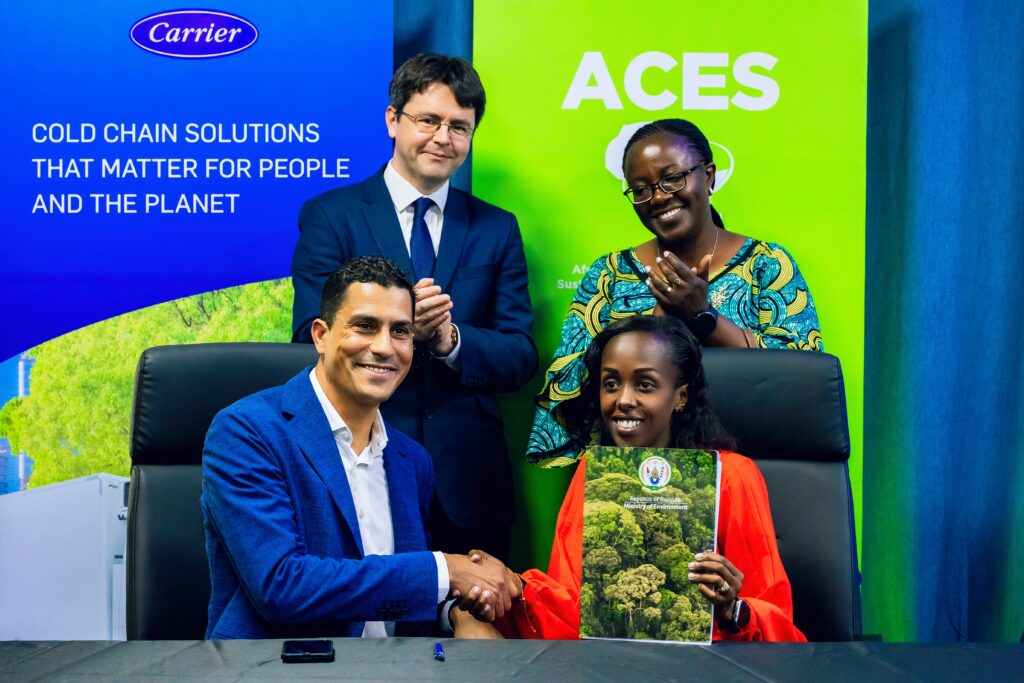
By leveraging cutting-edge technologies and innovative solutions, ACES - (as a centre of reference) will in its first phase, empower farmers, healthcare workers, experts and stakeholders across various sectors to mitigate losses, enhance resilience, and promote sustainable development.
ACES initiative has been made possible through the collaborative efforts of various stakeholders, including both Governments of Rwanda and the UK, the United Nations Environment Programme, a consortium of leading UK and international universities, the University of Rwanda, and Rwanda Polytechnic as well as the partnership with the world-leading industries.
The ACES facility, which has training facilities and a demonstration hall will facilitate collaboration between African governments, industry, academia and development institutions to translate knowledge into sustainable actions in order to address global challenges and build a more resilient and equitable world.
In Rwanda, 73% of the total workforce are employed in agriculture and according to the World Bank, food losses represents 12% annual GDP. World Bank figures show that 62% cannot afford cooling technology due to high initial investments, 96% of farmers living in the vicinity of the cold rooms don’t use them and only 5% of firms in the food and agriculture sector have refrigerated trucks. While 9% have a cold room to store fresh produce, small and marginal farmers, where the majority of post-harvest food losses occur, functional cold chains are completely absent (less than 1% of cold-chain capacity).
ACES is complemented with Specialized Outreach and Knowledge Establishments (SPOKEs) where we will demonstrate solutions and cascade knowledge to local markets in order to accelerate deployment of sustainable smart cold-chain in Community Cooling Hubs (CCH), Carole Gwiza, the Executive Director of ACES
The first of these is being developed in Kenya and more SPOKEs will be developed (even in Rwanda) to reach the rural citizens who need applicable and affordable cold-chain tech. In order to reach and educate farmers, during the initial phase of the ACES, private sector players like, Carrier Transicold signed a memorandum of understanding with ACES to deliver three cold-chain units which will be used for this purpose.
The Royal African Society and Edinburgh University looked at the Prospects and Forecasts for Africa in 2024. An expert panel examined the political, economic, climatic and cultural outlook for Africa in the year ahead
2024: Africa’s electoral landscape in a global year of elections.
Doing business with countries in Africa in 2024: what’s new? Is the African Continental Free Trade Area a reality?
What’s it like being an entrepreneur in Africa in 2024? Who are they? Why do they struggle to finance their businesses? Will the African Continental Free Trade Area help?
COP28: the first dedicated Health Day at a climate conference. What is the connection between climate impact and health?
Global Public Healthcare: What will the upcoming Global State of the World’s Nursing Report mean for Africa? Why is primary healthcare the key to community resilience?
Post-pandemic: What has the pandemic response in Africa revealed about both communicable and non-communicable diseases across the continent? How are countries in Africa building their healthcare resilience and self-sufficiency through the pharmaceuticals and research?
Joyce Onuonga | Director/General Manager of John White & Son
Dr Tom Molony | Senior Lecturer in African Studies, University of Edinburgh
Dr Samuel Mwaura | Lecturer in Entrepreneurship & Innovation, University of Edinburgh
Professor Aisha Holloway | Professor of Nursing Studies and Co-Director of Edinburgh Global Nursing Initiative
Professor Liz Grant | Assistant Principal (Global Health) and Director of the Global Health Academy at the University of Edinburgh
Dr Geoffrey Banda | Senior Lecturer in the Science, Technology and Innovation Studies department in the School of Social and Political Sciences at The University of Edinburgh
30 January 2024. Africa 2024: Prospects and Forecasts (London)
An expert panel examined Africa's political, economic, climatic, and cultural outlook in the year ahead.
A global year of elections: Impact of elections on the continent
Debt and the return of IMF austerity: Impact of continued high inflation, food insecurity, and high fuel prices across the continent.
Resilience: are global processes like COP28 able to reach people and businesses on the continent to strengthen their capacity not only to withstand climate and economic shocks but also to grow? How are young populations in African countries leading change?
Justice: How does community-level activism feed into and influence concepts of justice in energy transition? Can grassroots engagement and a greater understanding of these complex issues really power political change in 2024 – the global year of elections?
Creative narratives: Africa’s creative industries have fabulous filmmakers, musicians, artists, writers, and fashion designers. How will their artistry influence 2024?
MODERATOR: Janet Rogan |Director and Chief Executive Officer, Royal African Society
Razia Khan | Head of Research, Africa and Middle East, Standard Chartered Bank
Patrick Smith | Editor, Africa Confidential
Moky Makura | Executive Director, Africa No Filter
Omnia El Omrani | Youth Envoy for the President of the 27th UN Climate Change Conference (COP27) and the Egyptian Minister of Foreign Affairs
Samia Dumbuya | Climate Justice Advocate
26 January 2024. Foresight Africa 2024 launch
The Brookings Africa Growth Initiative will launch its flagship report, “Foresight Africa 2024,” covering issues such as development financing, climate change, digital economy, entrepreneurship, trade and regional integration, gender, and governance. The report compiles essays and viewpoints from finance ministers, central bank governors, senior policymakers, private sector leaders, heads of foundations, youths, and scholars.
Please join us in person or online for the launch of this year’s edition of Foresight followed by a high-level panel discussion of the challenges and opportunities facing the continent.
This year’s cover emphasizes the
existential threat of climate change
as a dominant theme. The artwork
exemplifies Africa’s position at the
epicenter of the climate challenge:
A continent that contributes the
least to the crisis, serves as both the
“lungs” of the world (the Congo, the
Okavango, and other river basins),
and as a repository of critical
minerals vital for the global energy
transition. Yet, Africa bears the brunt
of devastating climate impacts as
evidenced by the havoc wreaked
by drought in the Horn of Africa,
cyclones in northern Mozambique,
and floods in parts of the continent.
In Chapter 1, development
financing for recovery and
growth, the authors share policy
options to address the economic
challenges facing the continent.
The authors tackle the existential
climate change crisis in Chapter 2,
highlighting the inequities and the
urgent need for increased financial
commitments to address the
climate crisis.
Chapter 3 is dedicated
to the entrepreneurs and small
businesses that are responsible for
most job creation on the continent.
The authors focus on the inclusive
and supportive policies needed
to foster these ventures and to
sustain the high-growth potential
of African entrepreneurship.
In Chapter 4,
the authors explore the status of
economic integration and trade,
and the policy actions which
member states, entrepreneurs,
and other stakeholders can take
to accelerate the implementation
of this landmark agreement. Also
explored here are the prospects
for US-Africa trade and investment
relations in view of AGOA’s
imminent expiration in 2025.
In
Chapter 5, the authors examine
policy options to unlock the digital
economy potential necessary for
competitiveness and inclusive
growth. Fostering an inclusive
ecosystem means creating the
opportunities and the infrastructure
to support all workers and
entrepreneurs.
Chapter 6 is dedicated to the women
and girls across the continent
who, despite setbacks, continue
to create and transform the
landscape.
Chapter 7, on governance, is focusing on those trends and how
African leaders can regain the trust
of their citizens and encourage a
shift back toward democratization.
The session covered the African Continental Master Plan (CMP) for electricity generation and transmission, delved into West Africa's electricity sector, and presented recommendations from the Policy Brief titled:
This online event will serve as a comprehensive platform for exploring West Africa's vast renewable energy potential and the pivotal role of cross-border energy trade. The agenda, featuring distinguished speakers, will shed light and foster debate on key aspects of regional energy development.
"West Africa faces
the challenge of absorbing more than 10 million people entering the job market every year, against
an average regional job creation of 3 million jobs annually. The energy transition is an opportunity to
provide a young workforce with the necessary skills to integrate and help grow the renewable energy
market, which has the potential for direct job creation."page 2
"The International Renewable Energy Agency
(IRENA) estimates that West Africa will see a consistent drop in fossil fuel-related jobs to 2030 and a
parallel growth in jobs related to the energy transition, especially linked to energy efficiency, renewables,
bioenergy, grids and flexibility (IRENA and AfDB, 2022)." page 2
"As of 2023, around 385 mini-grids with a combined capacity of nearly 0.03 GW were
operating in the region, with 95% of them powered by solar photovoltaics (PV). The market for minigrid start-ups that provide energy access grew from USD 19 million in 2013 to USD 339 million in 2018."page 3
"For West Africa in particular, the combined
investment needs between 2015 and 2030 are USD 67 billion for renewable power generation and USD
52 billion for transmission and distribution infrastructure."page 5
Presentations:
Recommendations to policy makers
Recommendation 1: Enhance the regional dimension of renewable energy in West Africa at
the policy, financial and technical levels, and draw attention to the opportunities and benefits
that renewables bring to the region.
Ensure that research and innovation are financed and supported to enable technological
improvements and to adapt renewable energy technologies to local conditions. This
includes supporting the operationalisation and domestic integration of the ECOWAS Green
Hydrogen Policy. To achieve this, the
region must focus on developing a conducive ecosystem for green hydrogen, establishing
the appropriate institutional framework, providing support for research and development
(R&D), investing in capacity building and raising awareness about the potential of green
hydrogen within West Africa.
Recommendation 2: Co-ordinate the development of power generation with the development
of the infrastructure network, to avoid bottlenecks and fully exploit the potential of
renewable energy.
Recommendation 3: Include decentralised renewable energy solutions in national strategies
to maximise energy access.
Invest in education, training and R&D to support the creation of local markets for small-scale
renewable energy technologies.
Recommendation 4: Include clean cooking solutions in national strategies to enhance
energy access.
Recommendation 5: Adopt a clear regulatory framework and ensure its implementation.
Recommendation 6: Establish financial guarantee schemes to reduce the cost of capital,
and ensure the effective use of currency risk mitigation instruments, convertibility and
transferability (or establish other solutions such as partial guarantees).
Recommendation 7: Build the capacity of public institutions, policy makers and technical
operators to enhance the local workforce and to ensure a just and fair energy transition
Explore and support innovative projects (including productive uses of energy and integrated
water-energy-food nexus solutions) and businesses to enhance access to energy and
entrepreneurship.
Related: Renewable Energy for Sustainable Economic Development in Africa: Turning a Vision into Reality
13 February 2024. This high-level dialogue, hosted by the Netherlands, explored how accelerating renewable energy investment in Africa can also support the continent’s sustainable development goals. Drawing on the experiences of participants,. It identified relevant policy approaches, innovative business models, and coordinated actions to help realise the vision of strong industrial growth powered by renewables.
Born in 2012, RES4Africa (Renewable Energy Solutions for Africa) is a Foundation that works in support of Africa’s just energy transition in order to achieve the SDG7, ensuring access to affordable, reliable, sustainable and modern energy for all. It functions as a bridge between Europe and Africa: gathering a network of members from all over the clean energy sector from both continents and high-level international partnerships, we ensure constant dialogue between the most relevant energy stakeholders willing to mobilise investments in clean energy technologies.
In collaboration with Enel Green Power (EGP), Energias De Portugal (EDP), the Council for Scientific and Industrial Research (CSIR), and South African Institute of Chartered Accounts Enterprise Development (SAICA ED), RES4Africa aims to empower young talents, innovators, and entrepreneurs to contribute to a thriving and sustainable future for Africa.
RAISEAfrica is a comprehensive initiative that includes both pre-acceleration and acceleration programs, specifically designed for the renewable energy sector in Africa. The initiative is set to support and scale up renewable energy-focused projects within the African startup ecosystem by providing opportunities and a platform for young innovators to voice their ideas. The focus areas include but are not limited to Productive Uses of Energy, Water-Energy-Food Nexus (*), Circular Economy, Manufacturing, and Digitalization.
The Pre-Acceleratoris designed for aspiring entrepreneurs in the early stages of developing a business idea, while the Accelerator targets entrepreneurs seeking market validation and business expansion. Young innovators are invited to submit their concrete and creative ideas, drawing from existing experiences or ongoing projects. RAISEAfrica will choose a minimum of three businesses to receive awards in the form of services, encompassing mentoring & coaching, networking, visibility, fundraising, and various other activities.
In a testament to their commitment to addressing the challenges posed by water scarcity, unpredictable rainfall, and the impacts of climate change in the MENA region, RES4Africa Foundation (Renewable Energy Solutions for Africa) and Water and Energy for Food (WE4F) Middle East and North Africa Regional Innovation Hub (MENA RIH) collaborated on a webinar on “Productive Energy Use in Agriculture in the MENA Region.” This strategic partnership demonstrated the intricate nexus between water, energy, and food, with a particular emphasis on solar pumping and desalination technologies.
A central partnership of the Joint Africa-EU Strategy, the AEEP is the key political platform through which both continents work together on energy. The overall aim of the AEEP is to facilitate the achievement of universal access to affordable, sustainable and modern energy services in Africa, including in rural areas, as a necessity and as a pre-requisite to generating inclusive development and jobs.
The AEEP calendar gives you an insight on current events and webinars taking place on energy in Africa and Europe. The list is not exhaustive.
African Continental Power Systems Master Plan (CMP)
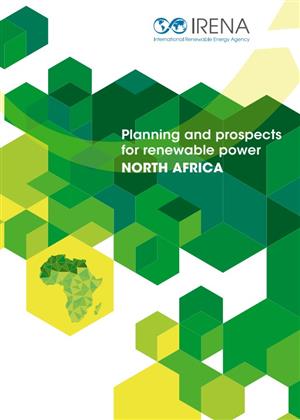
Demand for electricity in Africa is expected to more than triple by the year 2040, due to a variety of factors such as rapid industrialisation, migration to cities, rising household incomes, and effects of climate change. This will require a concerted effort to plan and coordinate power generation and transmission infrastructure on a continental scale. Besides, the creation of the African Single Electricity Market (AfSEM) - one of the largest electricity markets in the world, covering a population of more than 1.3 billion – requires physical interconnection of Africa’s continental energy infrastructure.
Related: UK-African Partnerships for Just Energy Transitions in Africa
The inquiry is led by Lord Jonny Oates (Co-chair of the APPG) aims to bring the experience and narratives of African stakeholders of energy transitions to Westminster to better inform parliamentary debate, scrutiny and policy making. The inquiry is currently gathering written and oral evidence to inform the policy report complete with practical policy recommendations for UK Government which will be published Spring or Summer 2024.
The APPG and RAS have decided to make all oral evidence sessions of the inquiry open (running from November 2023- May 2024). To find out more and to register check out the RAS Events page here. The written and oral evidence received by the inquiry will inform the inquiry report complete with policy recommendations which will be submitted to HM Government for response.
Professor Youba Sokona- Former Vice Chair of the UN Intergovernmental Panel on Climate Change (IPCC)
Dr Basani Baloyi, Climate, Energy and Infrastructure Lead, Institute for Economic Justice South Africa
Coffi Agossou, Deputy Regional Director for Africa, The International Labour Organisation
Amar Inamdar, CEO, KawiSafiVentures Kenya
International Energy Agency- Emma Gordon, Energy & Investment Policy Analyst & Gianluca Tonolo, Sub-Saharan Africa Statistician
Nasreen Al-Amin, Director and Founder, Surge Africa
Prof. Robert Mattes, Co-Founder, Afrobarometer
Boitumelo Molete, COSATU Social Development Policy Coordinator
On January 1, 2024, Italy assumed, for the seventh time, the Presidency of the G7: the group that brings together Italy, Canada, France, Germany, Japan, the United Kingdom, and the United States of America. The G7, in which the European Union also participates, is united by common values and principles and plays an invaluable role in defending freedom and democracy and addressing global challenges.
The Italian Presidency will last until December 31, 2024, and will feature a dense programme of technical meetings and institutional events throughout the country. The main event, the Leaders’ Summit, will be held on June 13-15 in Apulia.
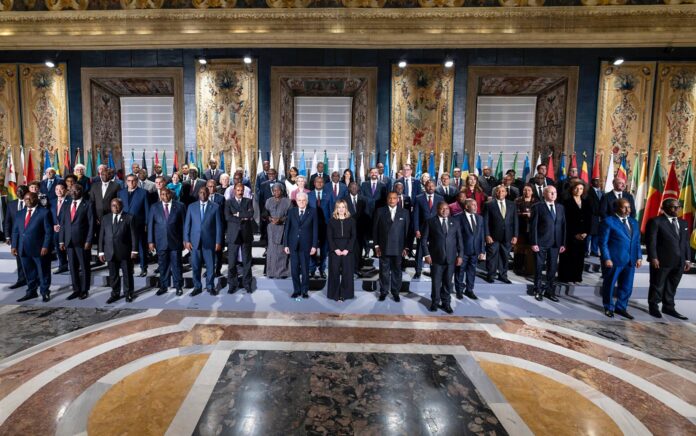
The Italy-Africa Summit was the first international event to be held in Italy since the beginning of its G7 Presidency, attesting to the importance Italy attributes to its partnership with African Countries. This is, in fact, the first time that the Italy-Africa Conference is being held as a Summit of Heads of State and Government, having been held only at ministerial level until now. In attendance were numerous Heads of State and Government and Ministers of African Countries, together with representatives of the African Union and European Union. The main international organisations also participated, starting with the UN, international financial institutions and multilateral development banks.
The five pillars of the Mattei Plan - The plan is named after Enrico Mattei, an Italian public administrator who, in the 1950s, advocated for Italy to support North African governments grow their economies and develop their natural resources. Seventy years on, Meloni is showcasing the Mattei plan as the crown jewel of her foreign policy, aiming to once again renew Italy’s approach to the African continent.
Education and training
Agriculture: measures will aim to reduce malnutrition rates, foster the development of agri-food chains and
support the development of non-fossil biofuels. In this context, it is deemed fundamental to develop family
farming, preserve forest heritage and fight and adapt to climate change through integrated agriculture
Health
Energy: the strategic goal is to make Italy an energy hub, a real bridge between Europe and Africa.
Measures will centre around the climate-energy nexus, focusing on boosting energy efficiency and the use
of renewable energy, with actions aimed at speeding up the transition of electrical systems, in particular for
electricity generation from renewable sources and transmission and distribution infrastructure. The plan
also provides for the development of energy-related technologies in the countries themselves, also by
setting up innovation centres, where Italian companies will be able to select local start-ups and thus
support employment and the enhancement of human capital.
Water: measures will regard the drilling of wells, powered by photovoltaic systems; maintenance of
existing water points; investments in distribution networks; and, awareness-raising activities on the use of
clean, drinkable water
Italian premiere, Giorgia Meloni, unveiled a “non-predatory” approach aimed at fostering cooperation. Though critics argue that the plan, dubbed “Mattei Plan”, after Enrico Mattei, an Italian public administrator who, in the 1950s, advocated for Italy to support North African governments to grow their economies and develop their natural resources. Seventy years on, Meloni is showcasing the Mattei plan as the crown jewel of her foreign policy, aiming to once again renew Italy’s approach to the African continent. As things stand, however, the plan is far from comprehensive.
The plan is due to cost around 3 million euros a year and has a four-year duration. The goal is to enhance energy cooperation with African countries and help them in different areas including health, education, and other several other sectors, but its main purpose is to address the root economic causes of mass migration from Africa. Some critics have argued it lacks a clear strategy.
“We have all been waiting to find out more about the content of the plan. But as clarified by a government’s decree, the strategy will be outlined starting from this conference and in the weeks to come. We’d like the action plan to mainly focus on Africa’s needs and the needs of the states and the countries’civil societies. We’d also like to see the use of a “bottom up approach” meaning that nothing is being imposed from above. One positive aspect of the “Mattei plan” is its long-term vision – in other words we are not dealing with the single emergency like in the case of migrant arrivals but rather we are talking about a long term strategy,”Giampaolo Silvestri, Secretary General of the Fondazione AVSI.
Programme:
Plenary session:
President of the Council of Ministers, Giorgia Meloni
Vice-President of the Council of Ministers and Minister of Foreign Affairs and International Cooperation, Antonio Tajani
Chairperson of the African Union, Azali Assoumani
Chairperson of the African Union Commission, Moussa Faki Mahamat
President of the European Parliament, Roberta Metsola
Deputy Secretary-General of the United Nations, Amina Mohammed
"Today, only 2% of global investments in clean energy go to Africa. This is very sobering given Africa's immense potential as a clean energy powerhouse. Africa has the space, the wind, the sun, just to name a few. What it lacks is infrastructure. But together we can change this. With Global Gateway, we aim to bring clean energy to 100 million people who currently do not have access to energy. This can turn out as a double win. Africa can not only produce enough clean energy to power up the African continent but also to create revenues by exporting. Preparations have begun, for example, to build the first underwater electricity cable linking North Africa to Italy and the rest of Europe. And for example, our new Hydrogen Bank is now open to African producers. This means good jobs, energy and energy security for both Africa and Europe. (...) Over 50 Italian universities now have exchange programmes with their African counterparts. The University of Parma, for example, coordinates an Erasmus project to develop clean energy skills in Africa We want to invest in this kind of cooperation. Ursula von der Leyen
Session I: ECONOMIC AND INFRASTRUCTURAL COOPERATION Introduction speeches by: Vice-President of the Council of Ministers and Minister of Infrastructure and Transport, Matteo Salvini; Minister of Economy and Finance, Giancarlo Giorgetti; Minister of Enterprises and Made in Italy, Adolfo Urso
Session II:FOOD SECURITY Introduction speeches by: Vice-President of the Council of Ministers and Minister of Foreign Affairs and International Cooperation, Antonio Tajani; Minister of Agriculture, Food Sovereignty and Forestry, Francesco Lollobrigida Participants' speeches
Session III: ENERGY SECURITY AND TRANSITION Introduction speech by: Minister of the Environment and Energy Security, Gilberto Pichetto Fratin Participants' speeches
Session IV: VOCATIONAL TRAINING AND CULTURE Introduction speeches by: Minister of Education and Merit, Giuseppe Valditara; Minister of University and Research, Anna Maria Bernini; Minister of Culture, Gennaro Sangiuliano Participants' speeches
Session V: MIGRATION MOBILITY AND SECURITY ISSUES Introduction speeches by: Minister of the Interior, Matteo Piantedosi; Minister of Defence, Guido Crosetto
Paolo Ciampolini (from the University of Parma) is currently the European Coordinator of in the framework of ERASMUS+/Capacity Building for Higher Education program. The project will be implemented under four Rwandan Institutions: INES-Ruhengeri, Rwanda Polytechnic, the University of Technology and Arts of Byumba (UTAB) and the University of Rwanda (UR).
It will be also implemented under the European ones: University of Parma (Italy), National Research Council (Italy), Hochschule Niederrhein (Germany) and Hochshule Bonn Rhein-Sieg (Germany). See also:EU GREEN - Shaping our Alliance].
While energy "may be the most relevant part" of the Mattei Plan, "Meloni is investing political capital in it mostly because of migration" Giovanni Carbone, head of the Africa Programme at the Institute for International Political Studies (ISPI) in Milan.
The number of fintech startups has tripled, reaching 5,200 between 2020 and 2021 alone. It is projected that revenues of fintech companies could reach over $30 billion by 2025. Google and the International Finance Corporation estimate that Africa’s internet economy alone could reach $180 billion by 2025 and rise further to $712 billion by 2050.
The African Development Bank is investing $20 billion for the Desert-to-Power program, to build 10,000 megawatts of solar power across 11 countries in Africa and provide electricity for 250 million people.
To unlock this potential the African Development Bank has so far invested $12 billion in agriculture over the past 6 years. The Feed Africa Summit held in Dakar last year by the African Development Bank, Government of Senegal and the African Union, has also mobilized $72 billion for investments in unlocking Africa’s agricultural potential.
Africa and Europe are significant trading partners. Exports from Africa to the European Union totaled $203 billion in 2022, while imports from Europe into Africa was $174 billion. This is a significant advantage for Italian firms looking to do business in Africa. Foreign direct investment from Italy to Africa reached $30 billion in 2022. However, this represents only 5% of Italy’s total foreign direct investment globally.
The Sustainability Research & Innovation (SRI) Congress is the world’s largest transdisciplinary gathering for the global sustainability community. The third edition of the SRI Congress, SRI2023, was hosted by the National Secretariat of Science, Technology and Innovation of the Republic of Panama (SENACYT) and the Inter-American Institute for Global Change Research (IAI).
SRI is a joint initiative of Future Earth and the Belmont Forum.
Turning the Tide for Climate: Collaborative Action for Institutional Transformation
Climate change requires urgent action that engages all sectors of society and transforms fundamental institutions and systems that underpinning our societies. But how to build these new impact coalitions and how to make them fair and effective and equitable? How can these new and diverse collaborations accelerate a rapid, sustainable and positive change that doesn’t deepen but rather reduce existing inequalities? What are the tradeoffs and how do we manage them?
SRI2023 explored pathways to informed and just changes in critical systems, such as political/governance, financial, legal, tax, energy and production, transport, research, education and value systems through the lenses of:
Environmental and social justice
New concepts and measurements of wealth, value, merit and well-being
Sustainable consumption and production (including clean energy)
Opportunities and ethics of technological innovation, including carbon mitigation and drawdown
Cohesive legal frameworks for addressing interrelated climate / environmental challenges and disasters and advancing climate action
Evidence uptake and informed decision-making
North-north and south-south collaboration for systems change
— Sustainability Research & Innovation Congress (@SRICongress) June 12, 2023
This in-person event took place at Nelson Mandela University, in Gqeberha (Port Elizabeth), South Africa.
It provided a platform for engagement, and collaboration and create opportunities for researchers and scientists, research managers, policymakers, and industry experts to share their ideas, relevant knowledge, and information in order to highlight and showcase regional sustainability challenges and opportunities in the region.
This event showcased the richness of
African perspectives in sustainability science and innovation. Drawing from the deeply rooted cultural and traditional contexts that value harmonious relationships between humans and nature and the innovations that characterize unrivaled economic growth, the African region has a wealth of knowledge and innovation to offer the wider world.
Synchrotron light sources are very large scale research infrastructures. The are giant multidisciplinary super-microscopes using very intense X-rays, infra-red or UV to study the detailed atomic structure of all materials (also biological)
The African Light Source (AfLS) Foundation is mandated to drive the progress along the Roadmap towards the establishment of an Advanced Light Source on the African Continent. Early ideas and conversations dating from the turn of century have now led to a rather broad, unified and inclusive grouping, which forms a coherent home of its own and many other projects with the common vision for an Advanced Light Source in Africa.
In this session, panelists discussed the role of how established research facilities can bring together global scientific communities, where the mission of advancing science intermixes finely with a firm societal commitment.
Gihan Kamel - the emerging cooperation between the established Middle East SESAME Synchrotron Light Source and the African Light Source Foundation (AfLS)
Sekazi Mtingwa - The importance of establishing the African Light Source having Africa the only continent left behind without this kind of technology
Galileo Violini - The importance of having Synchrotrons in the South,
Abel Moreno Cárcamo - Infrastructural and financial requirements of building a green-field modern Synchrotron Light Source
Júlio César R. F. de Oliveira, CEO at Pi-Tecnologia, a Brazilian company producing advanced detectors for X rays - The bridge between science and industry and the potential technological impact of Synchrotron Light Sources
Boubakar Barry, CEO at the West and Central African Research and Education Network - The crucial connectivity between the facilities and the user's home institution
The discussion included the aspects mentioned above and other essential issues, such as the importance of women in science, capacity building and development in different emerging synchrotron light initiatives in Central America and Africa.
The session discussed how science diplomacy can support sustainable research and innovation. The session drew on perspectives from government, academia, research institutions, and international organisations.
This hybrid session covered a series of case studies on adaptation interventions used to reduce the climate change impact in Africa. The session was in three parts; firstly case study presentation by Fellows, secondly a presentation of the interventional framework and lastly a panel discussion and then a Q & A session with the audience will follow.
Moderator Dr. Vincent Pagiwa (Botswana) A multi-sectorial coordination adaptation framework for the health sector in Africa.
Dr. Samson Mhizha (Zimbabwe) Resilience building among the vulnerable and marginalized populations in Zimbabwe.
Dr. Seraphine Mokake (Cameroon) The use of indigenous knowledge system interventions to respond to climate change health impacts in Cameroon.
Dr. Siewe Fodjo Joseph Nelson (Cameroon) A vector control technique against blackflies to curb onchocerciasis transmission.
Dr. Brighton Chunga (Malawi) Interventions to manage and allocate water during climate change influenced disasters in Africa.
Dr. Nkechi S. Owoo (Ghana) Effects of multidimensional poverty on climate adaptation and mitigation, coping and adaptation strategies in response to climate change in Ghana.
Dr. Jumoke I. Oladele (Nigeria) African tailored mental-wellbeing scale as a nondrug-based therapy interventions for supporting health systems.
The contribution of Future Earth Water-Energy-Food Nexus (FE WFE Nexus) GRN in advancing sustainability science and announces the establishment of the WFE Nexus international project office.
Future Earth supports 27 Global Research Networks that together address the complex interactions between natural, social and technological systems, and how those interactions affect, across time and space, the planet’s life support systems, socio economic development, and human wellbeing.
Future Earth is funded by a range of private and public foundations, government agencies, universities and other groups (such as European Space Agency, Global Environment Facility (GEF),
Belmont Forum, Institut de Recherche sur le Développement (IRD), etc..
The EU is supporting the Nexus Regional Dialogues Programme, an independent information and facilitating platform developed within the framework of the Global Programme 'Nexus Regional Dialogues'. It is implemented by the Deutsche Gesellschaft für Internationale Zusammenarbeit (GIZ) jointly funded by the Federal Ministry for Economic Cooperation and Development (BMZ) and the European Union.
The presentations highlighted the FE WFE Nexus GRN contribution to:
the facilitation of research & innovation through projects initiated and led by the community members
the support provided by FE WFE Nexus GRN in building and mobilizing networks, and a report on some contributions to support the early career scientists in the field of Nexus
The session had industry experts from packaging technologies to food scientists that discussed around the possibility of creating sustainable and eco-friendly packaging (convenient foods and shelf stable foods).
The session addressed barriers in science communication while providing the needed incentives to support researchers from the global south to engage more with lay audiences. The session was held under a Transformation Collaboratory method.
Strengthening synergies between research and innovation systems. Effective science communication can be a bridge to better interaction between the worlds of research, innovation, and the general society. Issues/questions: - science communication workshop series for capacity building? - strengthening research and innovation funding capacity? - a cultural shift towards supporting research, innovation, and entrepreneurship? - supporting coordinated networking assets that enable productive interconnectivity among various research and innovation stakeholders? - embedding gender equality and social inclusion at the center of ecosystem participation? - pathways to scale up research and innovation diffusion?
Increasing research discoverability and accessibility among early career researchers in the global south, to advance innovation. Open infrastructures like Crossref enables connections between publications, people, organizations, and other associated outputs through metadata, preserving the metadata and making it available across a range of interfaces and formats so that society can use it and build tools with it. Issues/questions: - innovating in isolation vs leveraging collaboration and knowledge sharing. - how rich metadata enhances discoverability. - integrating open science and FAIRE data principles (findability, accessibility, interoperability, reusability) in the innovation process.
Source Separation for Recycling among Nigerian Households and its Implications for Sustainability and Environmental Policy by Nnanna Onuoha Arukwe, Ph.D (Visiting Scholar, Taiwan Center for Security Studies, National Chengchi University, Taipei City & Ms Chiamaka Precious Eke, Department of Sociology & Anthropology, Faculty of the Social Sciences, University of Nigeria, Nsukka).
Effects of Climate Change on Productivity Growth in Cameroon by Jerome Muakang Kum, Ph.D (University of Bamenda, Cameroon)
Framework for Food Systems Resilience in a Changing Climate: Case of Nigeria – Onyebuchi N. Okoroafor, Ph.D, Department of Agricultural Economics, University of Calabar, Nigeria.
Impact of Household Income Diversification on Household Welfare in Rural Nigeria – Ndubuisi O. Chukwu, Department of Economics, University of Nigeria, Nsukka.
Analyzing Child Undernourishment in Africa: Evidence from Logistic Regression Model - Uchenna Nduka, Ph.D (Department of Statistics, University of Nigeria, Nsukka).
Rakhee Lakhraj-Govender - Do institutional frameworks encourage raising public awareness about climate-related water hazards? Is Water tracker, the tool for supporting water resilience, incorporated in National Climate Planning-NDCs NDPs NAP? Does the National Framework for Climate Services (NFCS) support water adaptation?
Kingsley OgbuInstitutional barriers impacting adaptation to climate-related flood in Nigeria.”
Blessing Charuka - How can nature-based solutions be used to reduce the impacts of tidal waves and coastal flooding in Ghana?
Anna Taylor Characteristics of institutional frameworks that create conditions for adaptability in the face of changing climate patterns
The National Research Foundation (NRF) of South Africa is hosting the Africa Future Earth Global Secretariat Hub.The Africa Hub joins eight global hubs namely: Canada (Montreal), China (Beijing), France (Paris), Japan (Tokyo), South Asia (Bengaluru), Sweden (Stockholm), Taipei (Taipei), and the United States (Boulder and Fort Collins, Colorado, and Fairfax, Virginia).
The NRF serves as the adherence body to the International Science Council (ISC), and is a founding member of the Belmont Forum.
During the 2022-2023 the Africa Hub operates as a truly global initiative with a strong African presence and voice, integrating Africa’s thriving and expanding sustainability science, policy, and funding communities into the global sustainability science arena.
The approach articulates a clear framework for the Future Earth Africa Hub, which includes an ‘Africa Hub Leadership Centre’ based in South Africa (financially supported by the NRF) and four ‘Africa Hub Focal Points’ strategically located throughout the continent (to be supported by other partner academic institutions and/or funders).
The Future Earth Regional Office for Southern Africa (FEROSA) Steering Committee is composed of an experienced vibrant team from multiple countries and backgrounds. The committee includes academics, practitioners from the public, and private sectors, non-governmental organisations, regional organisations, government representatives, and interested citizens from the region.
Dr Kebadire Mogotsi - How communities in Botswana selected and prioritized the indigenous plant species to be included in the research and development
Ms Inonge Chibua - Dissemination of research findings with communities
Dr David Takuwa - Traditional Medicine; Now is the Time-Towards Empowering local communities to derive value in their tradition medicine
Dr Kabo Mosetlha: Importance of intellectual property in natural resources research and development
Dr Dikabo Mogopodi - Forms of protection that can be utilized for IKS and TK
Mr Banyaladzi Paphane - Development of value added products; a case study; Evaluation of two Non-Edible, Wild Indigenous Botswana Crops (Croton megalobotrys (Motsebi/Letsebi/Moshoole) and Ricinus communis (Mokhure)) as Potential Feedstocks for Petroleum and Cosmetic Industries
Ms Mesha Mbisana: Ensuring food safety of indigenous foods.
This session was co-organised by International Science, Technology and Innovation Centre (ISTIC) and African Science, Technology and Policy Institute and discussed global sustainability challenges on climate change action, success stories, challenges and recommendations.
Topics: Introduction the challenges facing biodiversity and priority ecosystems and the role of AI in addressing them. Introduction to current AI solutions and tools for conservation. Case studies of AI applications in the field. Discussion on the limitations and challenges of using AI for conservation. Discussion of the ethical and social implications of the use of AI for the conservation and sustainable use of biodiversity and priority ecosystems. Identification of opportunities for further research and development. Best practices for collaboration and knowledge sharing.
22/06 "Synecoculture" as a forever carbon-negative agro-ecological paradigm
Synecoculture creates a rich ecosystem by mixing and densely growing a wide variety of plants and maximizes the use of the material cycle inherent in the ecosystem. This methodology eliminates the need for plowing, fertilizing, and pesticide use that impacts the environment.
The Master’s in Climate Change (MCC) is a two-year programme, featuring specialised newly developed courses across a range of climate change topics, supplemented by key courses already offered through Pan African University Institute of Water and Energy Sciences - PAUWES (Tlemcen, Algeria)
The discussion supported the South Africa-Nigeria Climate Finance Initiative. The two nations want to work together to mobilize funds for climate change and a just transition in Africa. Topics that were discussed: a) Model for Africa's climate finance b) How to provide resources for ensuring food security in Africa c) How can African countries collaborate to mitigate the effects of climate change and just transition e) Skills needed to be developed among youth for future participation in climate change and just transition.
Topics discussed: How to safeguard the endogenous knowledge of our parents on an open science platform? How to collaborate and convince the custodians or holders of endogenous knowledge for the dissemination in open source and make this knowledge a common good for humanity?
This session discussed the challenges ECRs face in the sustainability science in Africa and showcased experiences from the different network representatives. They reflected on how to shape a career path in a Talent Development (TD) context in sustainability research: from challenges to opportunities (Role of Education/ mentorship and training aspect/ research and the impact on public engagement).
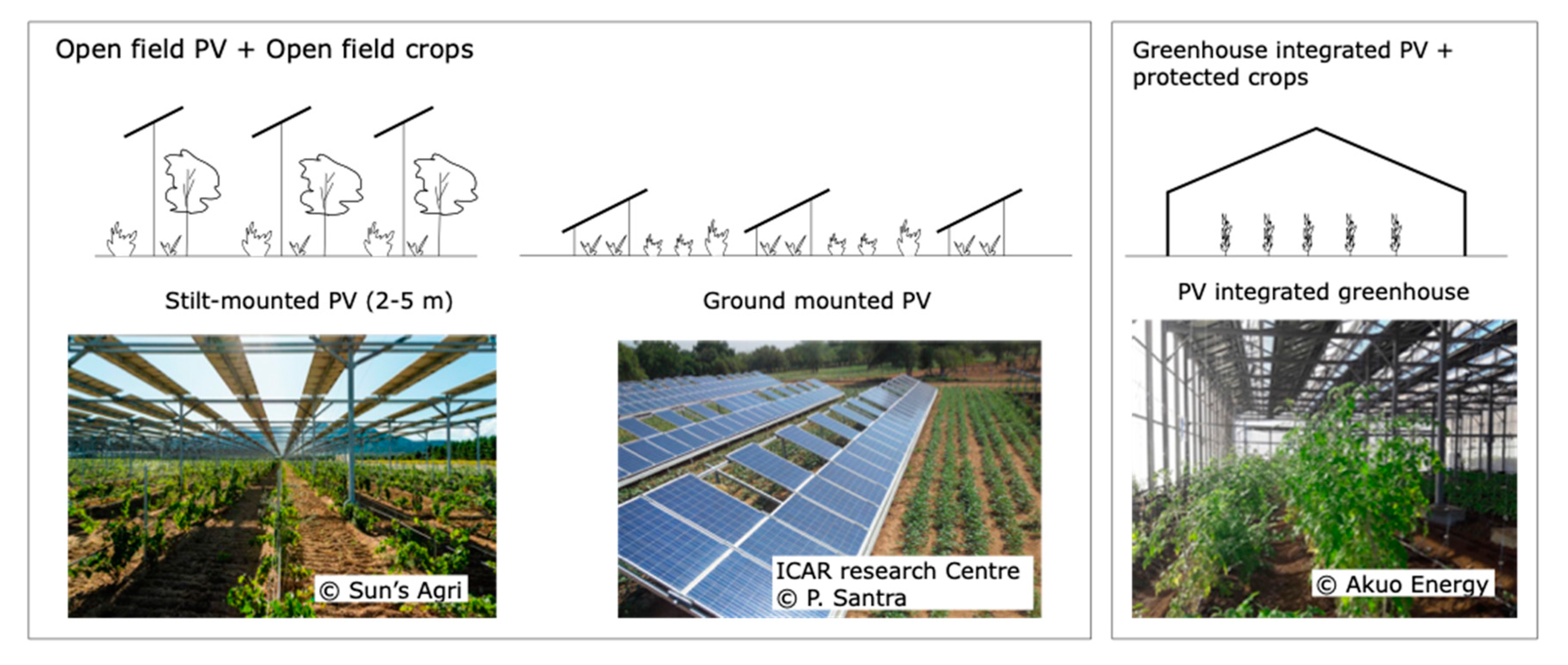
22/06 The Role of Enablers in Adoption of Agrivoltaics Systems in East Africa
R. Lema, M. Holm Andersen, R. Hanlin and C. Nzila, et all (2022) Building Innovation Capabilities for Sustainable Industrialisation: Renewable Electrification in Developing Economies# 303 p. This open access book offers a novel input into the debate on development of capabilities for sustainable industrialisation and delivers key insights for both researchers and policy makers when it comes to the question of how to increase the economic co-benefits of renewables expansion. The chapters in the book use a tailored analytical framework in their studies of renewable electrification efforts in Kenya and other countries in sub-Saharan Africa.
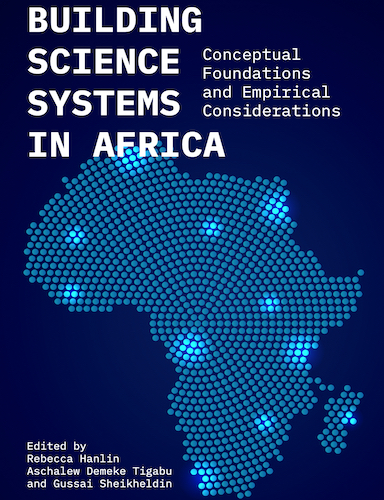
ACTS (2021) Building Science Systems in Africa: Conceptual Foundations and Empirical Considerations# 312 p In recent years a significant amount of attention has been placed on the role of science, technology and innovation for Africa’s social and economic transformation. This book (also available in French) focuses specifically on the key role of what are known as ‘Science Councils’ in Africa as providing a mediating role between the actors, organisations and institutions involved in African Science Systems.
It is crucial that the final consumers have access to knowledge on how agrivoltaics systems (AVS) operate, how they compare to other options, and what advantages they can offer.
The enablers can range from the government to private sector.
Realizing the advantages of agrivoltaics, which span the agricultural and energy sectors, therefore need cross-sectoral dissemination and engagement initiatives.
Policymakers should investigate ways to enhance interactions between the private sector and governments' climate-smart agriculture, as the private sector plays a significant role in sustainability and innovation programs.
The aim of the session was to create awareness of the AVS innovation and inform policy & research to improve accessibility and rate of adoption to the community level through dialogue by different stakeholders in East Africa.
What business models can be used in East Africa with high potential for success in adoption and investments in AVS?
What tools exist among non-state actors (e.g. for capacity development, awareness, knowledge exchange and co-design) in designing and supporting adoption of AVS?
What regional/national policies/strategies are available/ should be available to support, monitor and enforce co-use of land for energy and agriculture (AVS)?
22/06 Collaborative Climate Adaptation for food security in the African Water-Energy-Food Nexus Using Design Thinking and Systems Modeling
This session discussed how Collaborative Learning Schools events can be adapted as methodology to research, practice, and teaching, and how to make them more relevant and effective in a wider range of adaptation contexts.
Note:Business Schools for Climate Leadership Africa (BS4CL Africa) brings together schools of business in building a collaborative framework for climate action to transform business education curricula that matches the needs and adapts to the realities of the African continent. A roundtable to launch BS4CL Africa was organised (06/11/2022) for deans of six leading African business schools as well as representatives from the African Chapter of the Principles for Responsible Management Education (PRME) and the European Business Schools for Climate Leadership (BS4CL).
This panel discussed: (a) Droughts and its impacts on the food-water-energy nexus (b) Climate change and increasing disaster risks (c) Promoting sustainable and renewable source of energy (and WEF more generally) (d) Integrating technology and indigenous knowledge to mitigate droughts (e) People-centred approach for disaster risk management.
What could be the risks and opportunities of hydrogen strategies for specific countries in Africa (a few examples from Northern and Southern Africa ) on the WEF security?
What role could interdisciplinary and transdisciplinary approaches play in finding the needed tradeoffs between the required transition and the resources management justice?
Although the essence of the WEF nexus concept is globally acknowledged as demonstrated by its integration into policy and legislative instruments; its operationalization has been challenging. Will the drive towards energy transition facilitate or further undermine the WEF nexus security?
The Leave No One Behind Agenda aims to make those on the margins of society also benefit from development. How can WEF nexus facilitate or hinder the Leave No One Behind Agenda?
This session discussed transdisciplinary approaches to sustainable management of the coastal environment and the people living within. (Related: FAIR and open data sharing in support of healthy oceans, seas, coastal and inland waters - HORIZON-INFRA-2022-EOSC-01-03)
Moderator: Janine Adams (NMU)
Anusha Rajkaran (UWC)
Lyle Vorsatz (UCT)
Rachel Wynberg (UCT)
Linda Harris (NMU)
Nina Rivers (NMU)
Boudina McConnachie (RU)
Anthony Bernard (SAIAB)
Francesca Porri (SAIAB)
22/06 Participatory and citizen sciences: the Co-construction of an African scientific diplomacy
Little space is devoted to research in the Agenda 2063 of the African Union. Since the Lagos Plan in 1980, the Organization of African Unity (OAU) had asked African states to devote 1% of their budget to research, more than thirty years later, not a single African state has respected this recommendation. Is there an African science diplomacy? Why doesn't Africa have a stage diplomacy?
Mr. ATSE Kambo Martial
Mr. Joburg Mahuyu
Miss Esther Shakachite
Professor Mr. Raymond Ebalé
Mrs. Faye N'Diaye
Mrs. Traore Doufin
27/06 Achieving Planetary Health Through Boundaries & Targets
A session druing the Sustainability Research & Innovation Congress 2023 was dedicated to Achieving Planetary Health Through Boundaries & Targets.
Future Earth and the Earth Commission - a part of the Global Commons Alliance - organised June 9 a conference on ‘Earth systems boundaries for a just world on a safe planet’.
The Earth Commission has defined a new set of boundaries that will inform science-based-targets for governments, cities and businesses to work toward, in order to secure a safe and just future in which humans and nature can thrive. By centering justice at its heart, this new science represents a quantum leap in our ability to understand Earth’s capacity to sustain life, and the role we humans play as guardians of our only home and each other.