Do subsidised, highly efficient Dutch farmers push African farmers out of their markets? ECDPM and Wageningen University researched this question for the Dutch Foreign Ministry and the Dutch Parliament (Tweede Kamer).
Why no impacts, then? Trade data shows that Dutch food exports to ‘vulnerable countries’ are declining, and there are few instances where they have a substantial market share and attribution of impact is possible.
Two cases were selected: onion exports to Senegal and potato exports to Côte d'Ivoire ($ 33.3 million volume and 71% market share for onions to Senegal; $ 10.0 million and 84% for potatoes to Côte d'Ivoire).
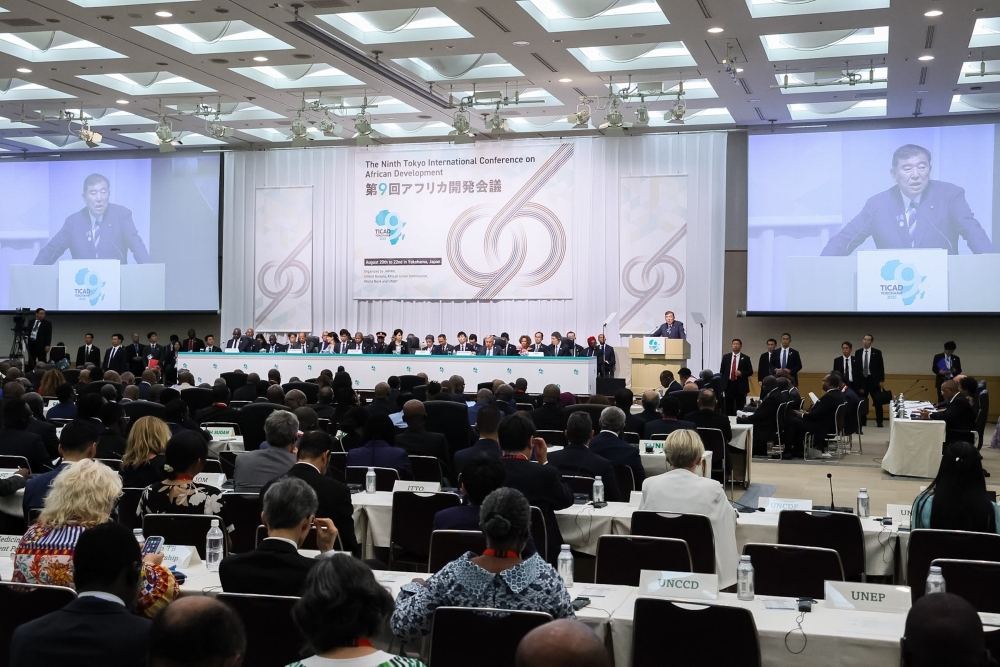
TICAD 9 concluded with Japan and African leaders reaffirming their commitment to co-creation for sustainable growth, peace, and human development, anchored in African ownership and international partnership.
Leaders endorsed initiatives on peace and stability, including support for African-led conflict prevention and UN Security Council reform; on economic transformation, highlighting industrialization, AfCFTA, green/blue economy, and digital/AI-driven innovation; and on human capital, with Japan pledging large-scale training programs for youth and women. The conference also launched the Economic Region Initiative of Indian Ocean–Africa to deepen connectivity, and a commitment to train 300,000 Africans in AI and digital skills. Across plenaries and thematic sessions, participants emphasized that achieving Africa’s aspirations will require inclusive partnerships, private sector investment, and resilient governance frameworks, with TICAD remaining a trusted platform for Africa–Japan collaboration.
The objective of this session was to launch the new academic network between Japan and Africa, in which Egypt-Japan University of Science and Technology (E-JUST, Egypt), Jomo Kenyatta University of Agriculture and Technology (JKUAT, Kenya) and Stellenbosch University (SU, South Africa) act as “Hub” for networking and collaboration among African universities and with Japanese universities, which is called “AJ-INSPIRE” (Africa-Japan Initiative for Scientific Partnership in Innovative Research and Education)
Ms. Sachiko Imoto, Senior Vice President, Japan International Cooperation Agency (JICA)
Ousmane Diagana, Vice President, Western and Central Africa
Prof. Amr ADLY, President, Egypt-Japan University of Science and Technology (E-JUST)
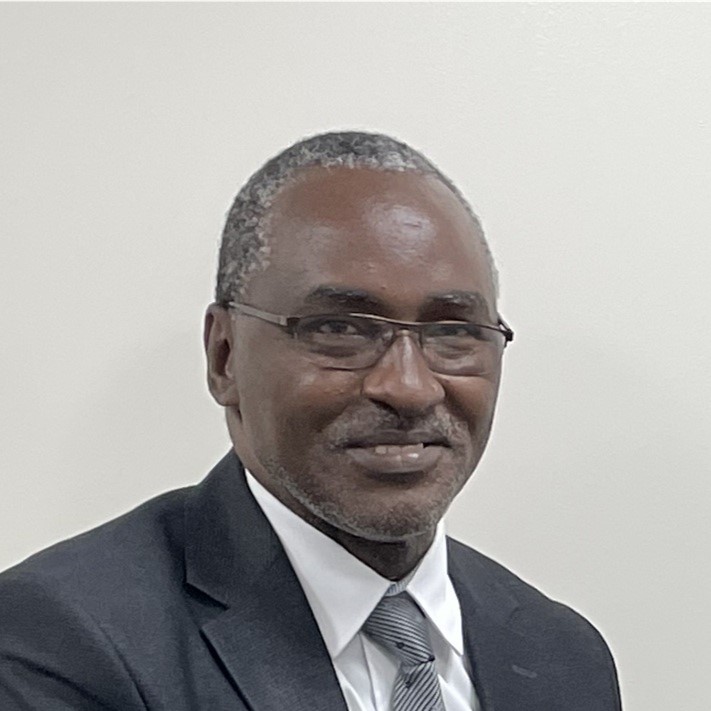
Prof. Robert Kinyua, Deputy Vice Chancellor for Academic Affairs, Jomo Kenyatta University of Agriculture and Technology (JKUAT)see picture
Prof Deresh Ramjugernath, Rector and Vice-Chancellor, Stellenbosch University (SU) see picture
Dr. Roberta Malee Bassett, Global Lead for Tertiary Education and Senior Education Specialist,
World Bank
Mme. Hendrina C. DOROBA, Division manager, Education and Skills Development Division, Human Development Department, African Development Bank (AfDB)
Dr. Keiko Takei, Chief Education Analyst, African Development Bank (AfDB)
Mr. Shinsuke OKADA, Director for international cooperation, International Science and Technology Policy Division, Ministry of Education, Culture, Sports, Science and Technology (MEXT)
Prof. Shuji Shimizu, Executive Vice President, Kyushu University
Mr. Kohei Okada, Executive Officer Deputy CSO, Toyota Tsusho Corporation
Dr. Takasei Okano, Senior Advisor, Japan International Cooperation Agency (JICA)
Mr. Daisuke Ueda, Deputy Director General, and Group Director for Higher Education and Social Security, Human Development Department, Japan International Cooperation Agency (JICA)
20/08 Enhancing Continental Food Self-sufficiency and Job Creation through Resilient Food System and Private Sector Development in Africa”
Session 1: Building Resilient Agri-Food Systems in Africa
This session discussed how JICA is trying to address this challenge through the JICA Africa Food Security Initiative launched by JICA after TICAD 8, with a focus on rice, with which Japan has been cooperating in Africa for many years. Case studies were shared from public and private sector stakeholders in East Africa, and specific measures and strategies were also be discussed to promote intra-regional distribution through a food basket approach and to strengthen competitiveness against imports from outside the region.
Session 2: Job Creation by Improvement of Agro-industrial Value Chain and Promotion of Agroindustry
JICA has been providing variety of support to promote agro-industry and its value chain, including support for innovation creation through startups), capacity development via KAIZEN, human resource development through BDS in the industrial sector, and export-related product branding support, etc.
Dr. Ibarahim Hssane MayakiAU, Special Envoy for Food Systems
Dr. Andrew Dabalen World Bank, Chief Economist for African Region
Mr. Fahari Gilbert Marwa EAC, Principal Agricultural Economist
Mr. NOMOTO TAKAAKI Ministry of Finance, JAPAN, Director of Multilateral Development Banks Division
Mr. AMAMEISHI Shinjiro CARD Secretariat, General Coordinator
Dr. JOHO Yukiko NIPPON KOEI CO.,LTD., Deputy Team Leader, A Data Collection Survey to Build a Resilient Food System based on the Food Basket Concept
Mr. Prosper Komla Bissi AfCFTA Secretariat, Senior Advisor, Agriculture Trade & Value Chains, Cabinet of the Secretary-General
Mr. Samuel Munguti Shamba Pride, CEO, Founder
Thomas Damian Mkangara Natural Extracts Industries Ltd, KAIZEN Coordinator
H.E. Nardos Bekele ThomasAUDA-NEPAD, CEO
Mr. Hitoshi Fujiie JICA, Deputy Director General of Economic Development Department
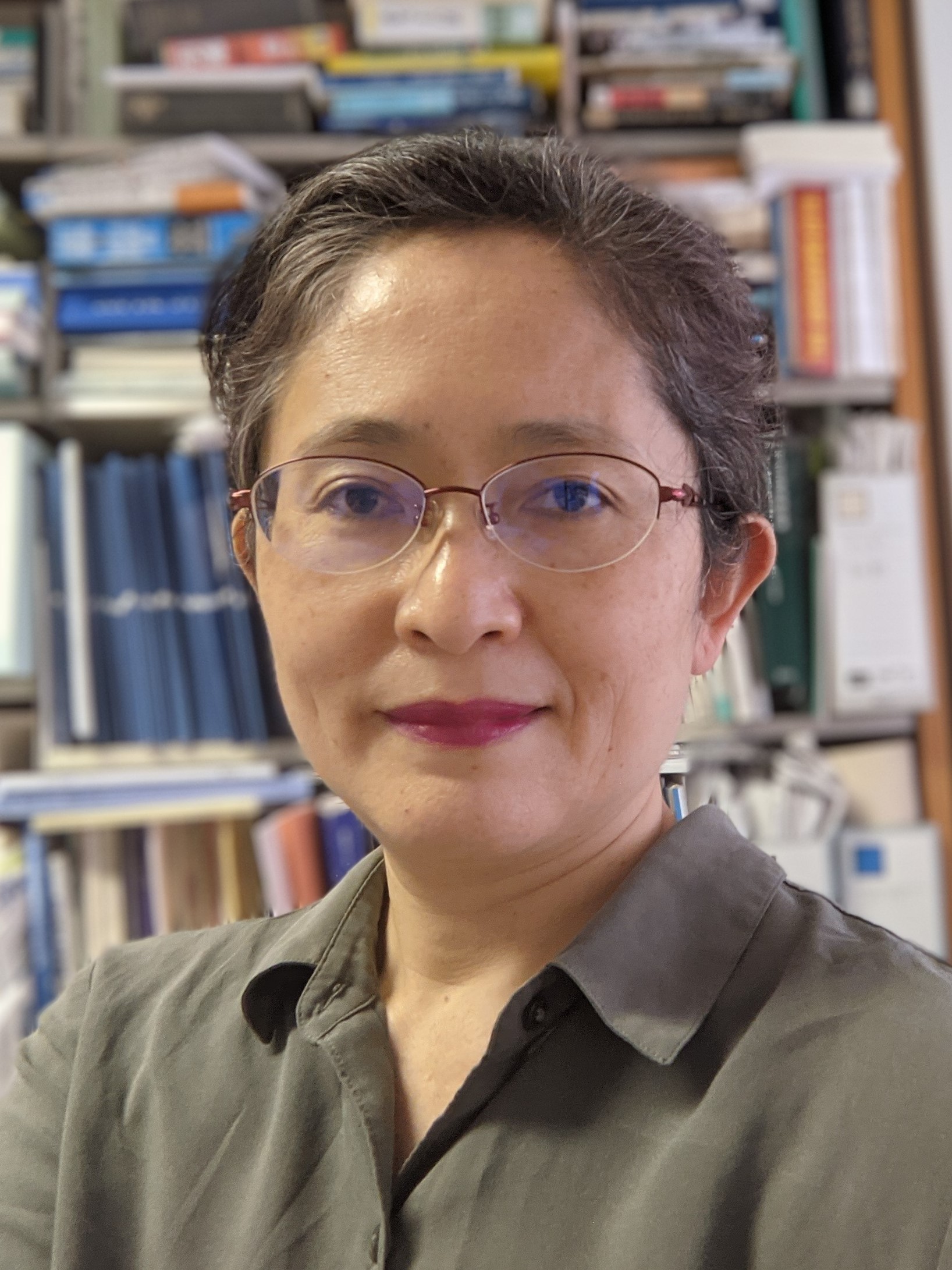
Dr. YAMANA Mika Director, Center for Regional Collaboration, Kansai University, Professor, Faculty of Law, Kansai University. see picture Since 2015, she has been supervising international students from seven African countries at the Graduate School of Law, Kansai University, under JICA’s ABE Initiative (African Business Education Initiative for Youth). In connection with AUDA-NEPAD, she has also conducted joint research on the Southern Africa Network for Biosciences (SANBio), in collaboration with the SANBio Hub Manager of the Council for Scientific and Industrial Research (CSIR) in South Africa.
Highlight:Africa’s rich agricultural products and biological resources can also benefit from the effective use of intellectual property systems to drive industrial growth. Since the 2015 academic year, the Graduate School of Law at Kansai University has accepted African students from seven countries: the Democratic Republic of the Congo, Egypt, South Africa, Kenya, Ethiopia, Burundi, and Mozambique. Many African students have shown interest in exploring ways to add value through the utilization ofIPR in agriculture and biological resources, and have chosen this as their research theme.
20/08 “Ultra Low-cost Community-based Smallholder Irrigation (COBSI)” Addressing Climate Change in Africa- Japan’s Traditional Technologies and Ultra Low-cost Smallholder Irrigation (COBSI: Community-based Smallholder Irrigation Development)
Thie side event introduced an ultra low-cost smallholder irrigation system, the Community-based Smallholder Irrigation (COBSI), that enables farmers to build their irrigation weir by using locally available materials, focusing on its development background, the charasteristics, and the effectiveness through the voices of the people concerned and its beneficiaries in the field. The JICA's development strategy of COBSI was announced for further development in Sub-Saharan Africa.
Focus:This session promoted inclusive dialogue and collaborative solutions, particularly by encouraging the active participation of youth and other key stakeholders in shaping the future of Africa’s food systems and economies.
H.E. Dr. William Ruto, President of the Republic of Kenya
H.E. Dr. José Ulisses CORREIA E SILVA, Prime Minister of the Republic of Cabo Verde
The Rt. Hon. Elijah Ngurare, Prime Minister of the Republic of Namibia
H.E. Mr. Soares SAMBU, Minister of Economy, Planning and Regional Integration of the Republic of Guinea-Bissau
Mr. Matsumoto Hisashi, Parliamentary Vice-Minister for Foreign Affairs, Japan
Moderator: Dr. Masanori Kobayashi, Senior Research Fellow, Sasakawa Peace Foundation
Extract of the special address by H.E. Shigeru Ishiba Prime Minister of Japan
The development of NERICA rice is well known, and it is the result of research by Dr. Jones of Sierra Leone and on-site application by Japanese expert Mr. Tsuboi. Based on the motto that it is important to work hard together with our counterparts, we carefully explained cultivation methods to African farmers, provided them with rice seeds, and distributed the resulting high yields to neighboring farmers. This is how NERICA rice has become widespread. We understand that increased yields of high-quality rice have now been achieved in 23 of the 54 African countries.
This year there has been a big uproar in Japan about a rice shortage. While other countries around the world are increasing their farmland and agricultural production, whether it's rice, wheat, corn, or soybeans, Japan has seen a steady decline in both agricultural production and farmland. I believe this is a serious problem. I believe that providing safe and reliable food is a fundamental obligation for a nation, and I would like to work together with the people of Africa to resolve this issue.
Focus: Centered on the SHEP (Smallholder Horticulture Empowerment & Promotion) Approach—an agricultural extension model that shifts farmers’ mindset from “grow and sell” to “grow to sell,” driving market-oriented agriculture and income growth. The session featured:
A recounting of SHEP’s success in doubling incomes for 2,500 smallholders in Kenya within two years.
A reaffirmation of the joint declaration to improve the livelihood of one million smallholder farmers through the SHEP model.
Sharing of implementation experiences across Africa and the Caribbean.
Presentation of impact evaluation findings using the World Bank’s SWIFT methodology.
Speakers included:
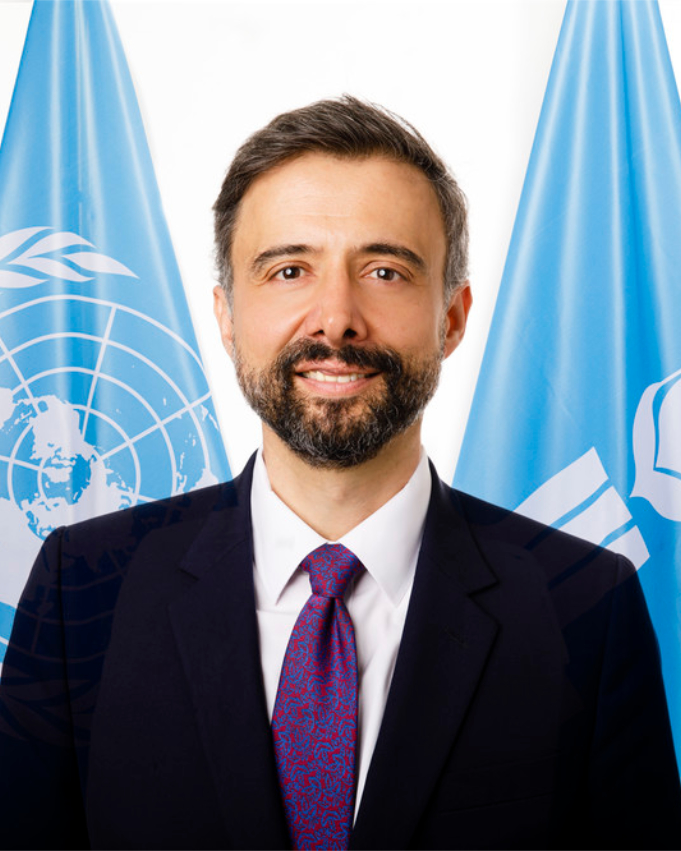
Mr. Álvaro Lario (President, IFAD) see picture
Ms. Sachiko Imoto (Vice‑President, JICA)
Ms. Harue Kitajima (Senior Advisor, JICA)
Ms. Bernadette Mukonyora (IFAD Country Director, Marawi) see picture
Mr. Masahito Ishii (Toyota Mobility Foundation)
Mr. Leonard Munamati (Zimbabwe’s Ministry of Lands, Agriculture, Fisheries, Water & Rural Development)
Dr. Cheikh Amet Bassirou Sane (Senegal’s Ministry of Agriculture, Food Sovereignty & Livestock)
Mr. Servulo Baeza (CEO, Ministry of Agriculture, Food Security & Enterprise, Belize)
Mrs. Arunee Hiam (Deputy Director‑General, Thailand International Development Cooperation Agency)
Dr. Nobuo Yoshida (Lead Economist, World Bank)
Mr. Mikiya Saito (Director General, Economic Development Department, JICA)
Organizers: Japan International Research Center for Agricultural Sciences (JIRCAS) in cooperation with Japan Intellectual Support Network in Agricultural Sciences (JISNAS)
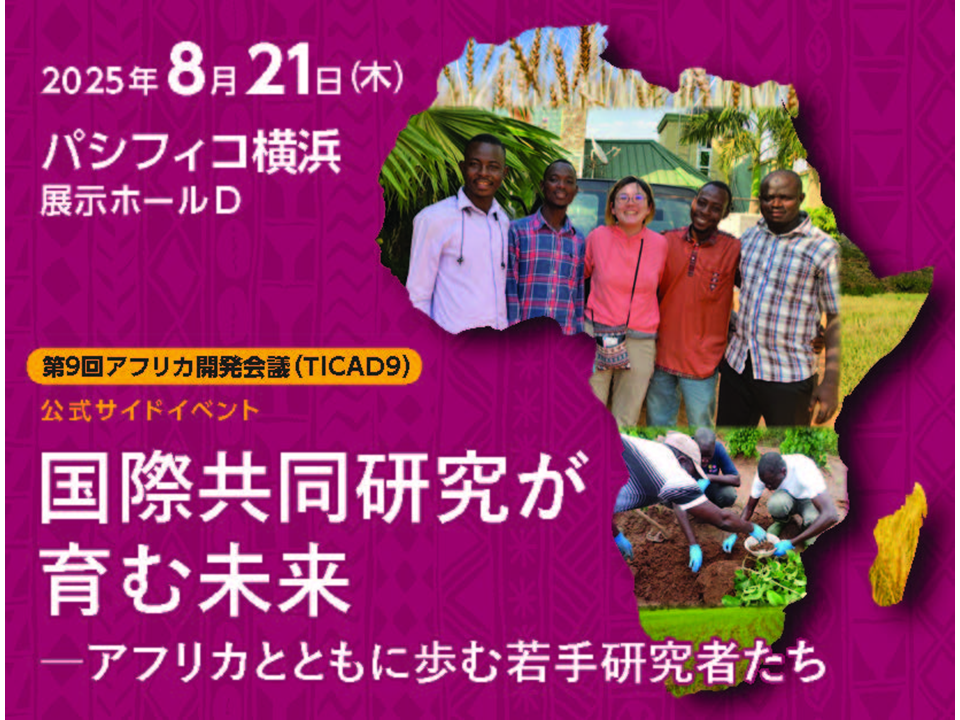
Focus:Spotlighted early-career researchers from Japan and Africa, showcasing their collaborative research initiatives and experiences. The session emphasized the importance of strengthening Africa–Japan research ties and nurturing young scientists’ roles in innovation and development.
Presentations by early-career researchers
Dr. Zoniaina Ramahaimandimby, JIRCAS Fellow, JIRCAS
Dr. Yoshie Yageta, Researcher, JIRCAS
Ms. Maryiano Keziah, PhD Student, Faculty of International Agriculture and Food Studies, Tokyo University of Agriculture
Closing Remarks: Dr. Hiroshi Ehara, Executive Secretary, JISNAS
Organizers: Sasakawa Africa Association (SAA), with JIRCAS, Forum for Agricultural Research in Africa (FARA), and The Nippon Foundation
Focus: This session highlighted regenerative agriculture as a pathway to empower youth and farmers, with emphasis on strategic policies and cooperative alliances. It underscored the central role of farmers’ organizations and youth engagement in transforming food systems toward sustainability and resilience.orfonline.org+10evt-reg.com+10mofa.go.jp+10mofa.go.jp
Shinjiro Koizumi, Minister of Agriculture, Forestry and Fisheries - Special Address - Japan’s Contribution to the Future of Youth and Agriculture
Dr. Ishmahane Elouafi, Executive Managing Director, CGAIR - "Science-Based Regenerative Agriculture: Enhancing Resilience and Productivity in Agriculture in Africa"
Dr. David Nielson, Senior Advisor, North America Agriculture Advisory Network, and Former Lead Agriculture Economist at World Bank Group - “Human Capital Development and Capacity Building to Support Soil Health in Africa”
Dr. Wole Fatunbi, Director of Research and Innovation, FARA - “The Soil Initiative for Africa (SIA): A Continental Strategy for Sustainable Agriculture ”
Ms. Elizabeth Nsimadala, President, Eastern Africa Farmers Federation - “Empowering Youth and Women for Farmer-Led Sustainable Agriculture”
Panel Discussion: “The Role of Agricultural Extension in Strengthening Sustainable and Resilient Food Systems ”
Moderator: Dr. Mel Oluoch
Dr. Lilian Lihasi, Executive Director, AFAAS
Dr. Papa Saliou SARR, Senior Researcher, JIRCAS. He is actively involved in collaborative, multi-country projects with universities and research institutes across Africa and Japan, including partnerships in Ghana, Madagascar, Burkina Faso, and Cameroon. Through these efforts, he contributes to both scientific advancement and capacity building for African agricultural systems. Beyond his research, Dr. Sarr is deeply engaged in academic and cultural communities. He served as President of the Fukuoka Overseas Student Association (FOSA) from 2008 to 2009 and was a founding member of the African Society of Kyushu University (ASKU) and the African Diaspora Network Japan (ADNJ).
Dr. Stella Kabiri, RA Lead, SAA
MOU signing
Dr. Osamu Koyama Chair, JIRCAS (picture)
Dr. Aggrey Agumya, Executive Director, FARA (picture with Yohei Sasakawa, Nippon Foundation)
22/08 Transforming Society toward Nature positive and Land Degradation Neutrality through an Ecosystem Augmentation Approach
Key Discussion items of the Panel Discussion
In response to the biodiversity crisis, is it possible to change to a Nature positive society through “agriculture”?
What kind of “resilient agriculture” is required in Africa
What kind of “agriculture that energizes rural areas” is needed in Africa as the gap between urban and rural areas widens?
Speakers
Mr. Gilles Amadou Ouédraogo (Opening Remarks), Programme Management Officer, Green Wall Accelerator (GGW)| Global Mechanism, United Nations Convention to Combat Desertification (UNCCD) (picture)
Dr. Masatoshi Funabashi, President, SynecO/Research Director, Sony CSL
Mr. Mamadou Ndiaye, President, Intermondes, Senegalese NGO
Mr. Raymond Epp, Co-Founder, Menno Village Naganuma/President, Maoi Cover Seed
Ms. Akiko Aratani, Co-Founder, Menno Village Naganuma
Ms. Ruth LANGSI YELOMA, President, Terre Des Jeunes-Cameroon/ Coordinator of Cameroonian Association for the Promotion of Synecoculture (ACPS)
Mr. Kenichi Kawamura (Closing Remarks), Senior Vice President, JICA
Mr. Masaru Kurimoto (Moderator), Director, Forest and Nature Conservation Group, Global Environment Department, JICA
Funding highlights
22/08 Japan Launches $20 Million Fund to Back African Startups Two Japanese venture capital firms, Uncovered Fund and Monex Ventures, have jointly launched a new $20 million fund targeting early-stage startups in Africa and the Middle East. The fund, named the Uncovered Monex Africa Investment Partnership, is designed to back ventures in high-growth sectors such as fintech, logistics, mobility, agri-tech, and sustainability. With investment tickets reaching up to $2 million, the initiative seeks to accelerate innovation while bridging African startups with Japanese corporates.
The Private Sector Development Group of JICA’ s Economic Development Department launched activities in 2020 under the name Project NINJA (Next Innovation with Japan) to support start-ups in developing countries as part of its efforts to promote private sector development in developing countries. In April 2023, the Group formulated a cluster business strategy, “Support for Building a Startup Ecosystem for Innovation Creation (NINJA).” Project NINJA participated in the African Startup Conference 2024 in Algeria in collaboration with AUDA-NEPAD.
Hosted by the Sasakawa Peace Foundation / Ocean Policy Research Institute; held at Meiji Kinenkan in Tokyo
The Nippon Foundation, the Sasakawa Peace Foundation, and the Sasakawa Africa Foundation have been working in collaboration with experts and specialists to examine contemporary challenges facing Africa—particularly food security and the promotion of a blue economy focused on sustainable fisheries and aquaculture, alongside improvements in agricultural production. These efforts have also explored avenues for effective collaboration with Japan and the international community, including policy support to advance these goals. The outcomes have been compiled into a set of policy recommendations.
This special international symposium, welcomed eminent persons and African leaders who have made outstanding contributions to Africa’s development and the advancement of international cooperation. Drawing on the discussions at the Eminent Persons Meeting, it explored future prospects for Japan-Africa cooperation, with a focus on food security and a sustainable blue economy. This event also offered valuable perspectives that contributed to TICAD9, which was held Yokohama.
FUJII Hisayuki, State Minister for Foreign Affairs of Japan, delivered remarks framing Africa–Japan cooperation—especially around ocean conservation, sustainable use, and inputs to TICAD 9.
Yohei Sasakawa, Nippon Foundation Japan has provided various forms of assistance to Africa. In Africa and Asia as well, Japan has cooperated with the policy of laughing, crying, and sweating together with the local people, and I hope to continue to do so in the future. We must realize that realizing the happiness of the people of Africa brings happiness to the Japanese people as well. We are not based on financial capitalism or state capitalism, but on a policy of truly laughing together, crying together, and sweating together. Based on this policy, we are determined to continue carving out a new future for the world together with Africa.
H.E. Olusegun Obasanjo — Former President of Nigeria
H.E. Dr. Jakaya Mrisho Kikwete — Former President of Tanzania
H.E. Jorge Carlos Fonseca — Former President of Cabo Verde
H.E. Dr. Ibrahim Hassane Mayaki — Former Prime Minister of Niger
Dr. Geraldine Fraser-Moloketi — Former Minister of Public Service and Administration
Dr. Donald Kaberuka — Former President of the African Development Bank
3 August 2023. GFRAS and JICA share experiences about the SHEP method.
This webinar unveiled the key outcomes and tools from the Foresight for Agroecology project, implemented by FAO and CIRAD, with financial support from GIZ on behalf of BMZ (2022 – 2025).
The project leverages foresight approaches to support transitions towards sustainable agrifood systems through agroecology. Key tools include a global guidance document for decision-makers, as well as key lessons and insights from two participatory foresight exercises conducted in Andhra Pradesh (India) and Senegal.
The event addressed critical questions:
Are foresight initiatives currently integrating agroecological pathways?
Which actors are involved in foresight exercises, and do they represent a variety of experiences, disciplines, and viewpoints
What metrics and methods are needed to develop scenarios for inclusive and sustainable agrifood systems?
How can foresight approaches evolve to better support transitions towards sustainable agrifood systems?
Download the 2024 Stakeholders Conference Booklet here
Download the Concept Note and Programme at a Glance here
The conference theme, "From Policy to Practice: Strengthening Local Institutions for
Sustainable Food Systems Transformation in Africa", underscored the need for prioritizing localization in the post-2025 development agenda.
ANAPRI recognizes that policy implementation, particularly in the context of rural economic
growth and transformation, primarily occurs at the local level. It is local institutions that
drive the implementation of domestic and national policy frameworks and action plans. The
focus of the Annual Stakeholder Conference was on how governments, the private sector,
and international development partners can effectively support African-led and local
research institutions, think tanks, and other non-state actors in implementing policies,
programmes, projects, and scaling up new adaptive technologies that can enhance
productivity, climate resilience, adaptation, and sustainable food system transformation.
Session 1
Driving Localization for Policy Action through Investment in
Institutional Capacity Building: Lessons from the Innovation Lab
for Policy Research, Capacity and Inluence (PRCI)
This session shared findings and insights from a
survey of ANAPRI think tanks across sub-Saharan Africa. The purpose
of the survey was to assess the institutional capacity of think tanks,
including gaps, approaches, and partnerships that have enhanced the
ability of policy research centers to effectively deliver on their
mandate.
Development Partners and
Donors
Dr. Biniam Iyob, USAID
Dr. David Phiri, FAO
Mr. Alan Rennison, BMGF
ANAPRI Centers
Dr. Astou Diao
Dr. Adegbenga Adekoya
Dr. Nalishebo Meebelo
Session 2
Promoting Adaptation and Resilience to Climate Change in Africa
– Lessons Learnt from the Comprehensive Action for Climate
Change Initiative (CACCI) in Africa.
This session highlighted lessons from the Comprehensive
Action for Climate Change Initiative (CACCI).
CACCI Technical Implementers
Richard Ayisi (ISSER)
John Heermans (Abt Global)
Mouhamed Ly Centre de Suivi
Ecologique (CSE)
Dhanani, Qahir – (Boston
Consulting Group)
Government Reps
Harrick Mwewa (Ministry of
Green Economy and Environment
Zambia)
Jonghikaya Witi (South Africa)
Session 3: High-Level Panel Discussion
Domestication and Implementation of the Fertilizer and Soil
Health Action Plan
This session discussed and share experiences on how to strengthen the role of African research and
training institutions in spearheading the implementation of policies, programmes, and initiatives to address soil health challenges, enhance the use of fertilizers and efficiency in fertilizer use.
Prof. Richard Mkandawire (AAP)
H.E. Josefa Leonel Correia Sacko, Commissioner, Africa Union, Department for Agriculture, Rural Development, Blue Economy, and Sustainable Environment
Dr. Tinashe Kapuya : The
role of pan-African and locally led
institutions in the domestication and
implementation of the Fertilizer and
Soil Health Action Plan
Michael Sudarkasa (President,
AFAP) Role of the private sector in partnering
with Government and African Research
Institutions in Strengthening Input
Value Chains and Soil Health
Dr. Shamie Zingore, (RD, APNI) Innovative approaches of implemented
to improve nutrient management and
soil health
Mr. Larry Umunna, (Acting
Executive Director, CIFSH) Emerging partnerships, work
programme and the role of the
Coalition of Implementors for
Fertilizers and Soil Health
Session 4
Status Quo of Africa’s Food Systems and the Post-2025 Agenda:
What Happens Post-CAADP?
This session provided a stock-take of the Comprehensive African
Agricultural Development Programme (CAADP), and the extent to
which the continent has been successful in meeting goals such as: (a)
halving poverty through agriculture by 2025, (b) ending hunger by
2025, and (c) eliminating child malnutrition.
H.E. Josefa Leonel Correia Sacko, Commissioner, Africa Union, Department for Agriculture, Rural Development, Blue Economy, and Sustainable Environment
Dr. Ousmane Badiane,
AKADEMIYA2063 - Driving Africa's
Agricultural Future: Lessons from CAADP
and the Road Beyond 2025
Session 5
Finding Solutions for Dwindling Funding Towards Policy
Research. How Can think tanks bridge the divide between Policy
and Action?
This session discussed how the funding
space has changed, and whether the lack of resources available to
think tanks and policy research is due to misaligned objectives with
donors and development partners, or a lack of ability to adapt to these
new demands.
Session 6
Food Sovereignty in Africa: Where is the Balance, and how do
Governments Walk the line between Regional Integration under
the AfCFTA and attaining Food Self -Sufficiency?
Governments are implementing a range of
policies to stabilize prices, strengthen the resilience of food systems,
and promote sustainable resource management. However, food sufficiency policies and programmes are generally being implemented
at the expense of regional integration, particularly the African
Continental Free Trade Area (AfCFTA).
Session 7
Prioritizing Policies and Investments to Drive Inclusive
Agricultural Transformation: Key Findings from Zambia, Ghana,
Malawi, Tanzania, and Kenya.
Policy Prioritization through Value Chain Analysis (PPVC) is an
approach to identifying policies, investments, and value chains that
can drive inclusive transformation relatively more cost-effectively.
The framework was piloted in Tanzania and then scaled out to several
other countries like Kenya, Ethiopia, Nigeria, Malawi, Ghana, and Zambia.
Government Reps
Mr David Ombalo Otieno,
Government Rep Kenya
Mr. Simon Omollo John, Government
Rep Tanzania
Dr. Dirk Troskie, - Western Cape
Government, South Africa
Technical Partners
Dr. Mmtlaou kalaba - BFAP
Dr. Henry Kankwamba - IFPRI
Session 8
The 2024 OECD-FAO Agricultural Outlook and FAO’s Support
to the AUC in Promoting Agribusiness Development towards
Enhancing Implementation of the African Continental Free
Trade Area (AfCFTA)
This session explored the findings of the 2024 OECD-FAO
Agricultural Outlook, shedding light on global and regional
agricultural trends and their implications for Africa’s trade, food
security, and investment landscape.
Government Representatives
Mr. David Ombalo Otieno, Ministry of
Agriculture, Kenya
Ms.Gamuchirai M Kapembeza, Ministry of
Lands, Agriculture, Fisheries and Rural
Development
Private Sector
Mr Yotam Mkandawire, GTAZ, Zambia
Session 9
Unlocking the Power of Public-Private Partnerships:
Strategies for Effective Private Sector Engagement in Policy
Implementation
This session provided some key perspectives on
how think tanks, development partners, and governments can
effectively engage the private sector as a means of grounding policy
through evidence. The session explores the role of the private
sector in policy implementation, and how to foster public-private
partnerships that can drive deeper cooperation.
Dr. Maria Wanzala, AFAP - private
sector’s role in policy
implementation, focusing on
agriculture and value chain
development.
Government policies
fostering private sector
engagement, impact of these
measures
Dr. Dirk Troskie,
Western Cape
Government, South
Africa
Ms. Alisa Shidhika,
Namibia
Simon Omollo John,
Government of
Tanzania
Lessons from private sector
alignment with policy
objectives; two audience
questions
Mr. Bagoré Bathily –
Senega
Mr. Aimable
Twagirayezu Pan
African Farmer
Organization, Rwanda
Dr. Cheickh Sadibou
Fall, IFDC
Bruce Kasitu, IsDA
Role of think tanks in
bridging government and
private sector engagement
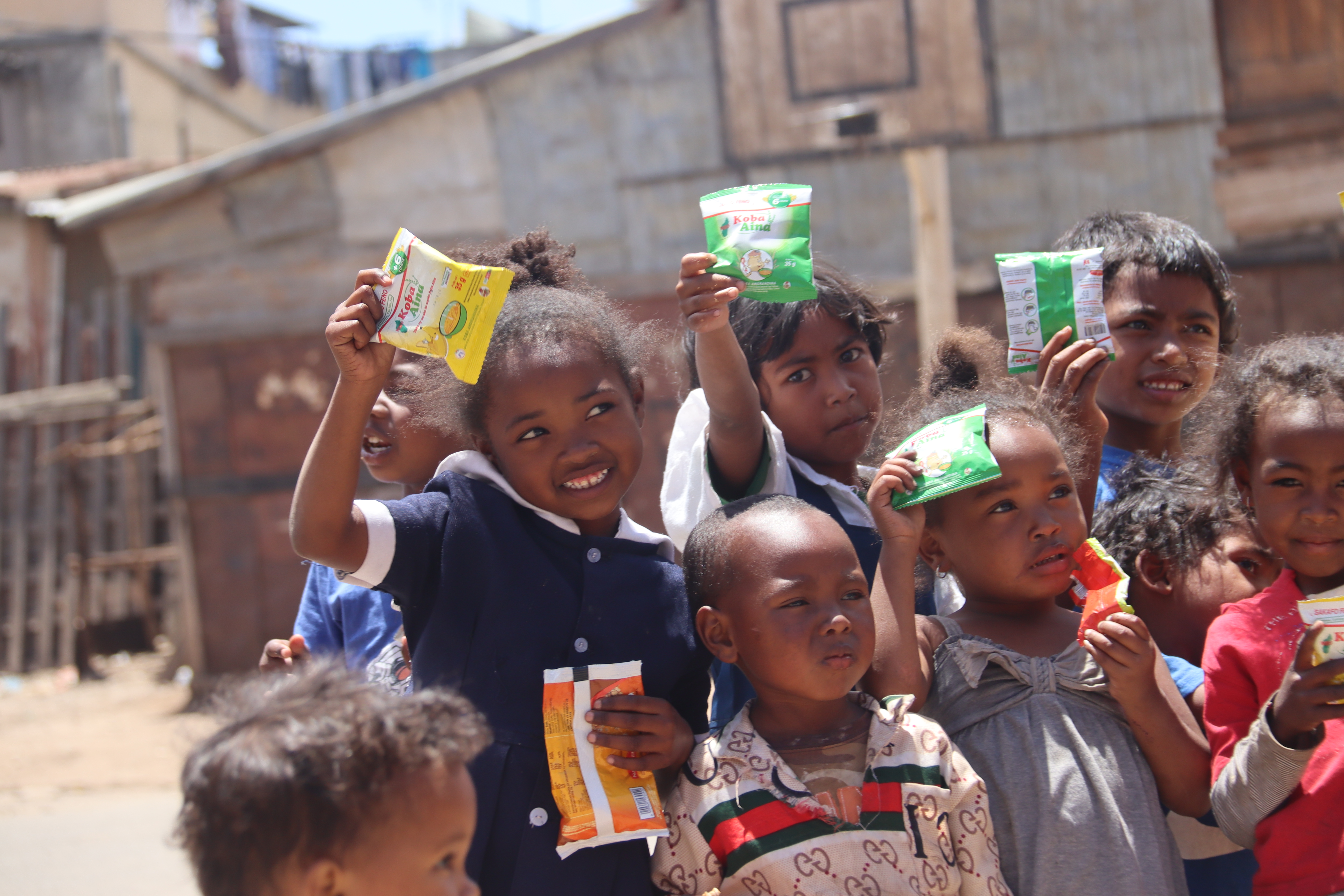
Representatives of local companies such as Nutri’zaza and Le Lionceau shared their business models, which are based on creating decent jobs, developing economically viable distribution networks and market safe nutritious and affordable products that appeal to as many people as possible.
EU representatives presented how best to support this type of initiative and upcoming opportunities to develop value chains related to the nutritional products and share ideas for building pilot Global Gateway projects in the field of nutrition.
Speakers
Helena Guarin, Head of section Nutrition, INTPA F3- Sustainable Agri-Food systems and Fisheries unit (F3)
Auxane Gennetais, Health and Nutrition Project Manager, GRET
Mandresy Randriamiharisoa, Director General, Nutrizaza, Madagascar
Siny Samba, Director General, Le Lionceau, Senegal
Tharcisse Nkunzimana, Programme Manager – EU Delegation, Niger
Background
GRET, (France) a partner of EU, has a twofold objective: to help develop and make available quality local foods adapted to the nutritional needs and expectations of the 1000 days window, and to support a market-led approach to disseminate targeted quality fortified foods in a sustainable way, to as many people as possible, at lower cost.
Nutri'zaza is a Malagasy social enterprise, created in 2013, whose main objective is to combat child malnutrition by improving the nutrition of Malagasy children and families. To achieve this, it distributes quality fortified products, adapted to those most affected by chronic malnutrition and micronutrient deficiencies, and available everywhere at an affordable price, even to the most vulnerable. Working in urban areas, the company distributes its products, made in Madagascar from essentially local ingredients, through 3 distribution networks.
Le Lionceau is a Senegalese company that offers a range of products for feeding babies mainly small jars and biscuits made on the basis of recipes and local products. The company has found its market at the national level, mainly in urban areas and now wants to take a new dimension by opening up to a wider market in West Africa. Her director will share her experience as a pioneer in the region in the early childhood food market and the challenges she faces to give a new dimension to her business.
The representative of the EU Delegation, Niger shared his experience on supporting local flour production initiatives and partnership with the private sector in the field of nutrition. In particular, it will address regulatory aspects, support through political dialogue and challenges and opportunities to promote the business environment of companies with both a social and economic vocation.
Preliminary findings of the International Trade Centre (ITC) study mandated by DG INTPA on a Regional Value Chain related to Formulated Complementary Food (including RUTF, Fortified Blended food (including flours), High energy biscuits, infant formulas.) was shared. Previously identified as a high potential area, the second phase of the study now identify concrete ideas in the shape of operational roadmaps for building pilot Global Gateway projects.
Overreliance on a few main crops, as well as poor soil health, reduce yields, hinder
achievement of food security and nutrition objectives, and increase agricultural
vulnerability to climate change. To address this, the Vision for Adapted Crops and Soils
(VACS), launched by the United States in partnership with FAO and the African Union,
and as part of the whole-of-government Feed the Future initiative, seeks to support soil
health as well as breeding of traditional and indigenous crops in Africa. Building on
U.S. government food security efforts, VACS’ goal is to accelerate development of
improved crop varieties that could lead to increases in both yield and nutrition, to
tackle the challenges of food insecurity in the context of climate change
This paper considers whether Public-Private Partnerships (PPPs) focused on improving diets
andnutrition can simultaneously advance public health nutrition goals and business goals.
Discussion around the efficiency of PPPs is polarised in the field of nutrition: they are seen to
have considerable potential to improve diet and nutrition outcomes by harnessing resources,
reach, relationships and knowledge, but there is also some mistrust of private-sector actors
and their motives.
This paper explores the following questions: What is it about food and diets that makes it
especially challenging for the public sector to engage and work with the private sector and,
in turn, formulate PPPs? Why is there a lack of evidence and documentation about what has
and has not worked with PPPs in the food systems domain? How do we address impediments
and incentivise the creation of more PPPs that have potential to advance diet and nutrition
outcomes whilst remaining commercially sustainable? How do we negotiate the complex
nutrition terrain to make progress? The paper offers a range of insights, solutions and
guidelines on how to increase the likelihood of PPPs being impactful and accountable.
This report provides an overview of the respective farming systems, climates, soils, and actors involved, while also describing the transition itself in relation to the principles of agroecology.
More than 4,400 food system actors, including farmers, rural communities, policymakers, private companies, and researchers were involved in this research. Experiences highlighted in the report in Burkina Faso, India, Kenya, Lao People's Democratic Republic, Peru, Senegal, Tunisia, and Zimbabwe.
Agroecology is a transdisciplinary, participatory, and action-oriented approach for co-designing options that
enhance food system resilience, equity, and sustainability. Working in eight countries of the Global South, the
CGIAR Initiative on Agroecology seeks effective ways to put this approach into practice.
In each country, the Initiative concentrates on one or two distinct territories referred to as “agroecological
living landscapes” (ALLs), where it engages with researchers, farmers and their associations or communities,
private companies, international and national non-governmental organizations as well as local, regional, and
national policymakers.
The Andhra Pradesh Community-Managed Natural Farming (APCNF)
The Andhra Pradesh Community-Managed Natural Farming
(APCNF) program, in which six million farmers were enrolled by 2022, is the successor of an earlier program called Zero Budget Natural Farming
(ZBNF). It promotes natural farming principles, which include year-round crop cover,
crop diversity, integration of animals into farming, and no use of synthetic fertilizers, pesticides, or herbicides.
A value chain
analysis of groundnut in Anantapur District
showed that, while it already incorporates
some agroecology principles (such as recycling
and input reduction), there is still much scope
for strengthening fairness and economic
diversification. The success of this avenue requires
efforts to address various constraints, such as
weak market linkages.
Another entry point centers on integrated rice and
fish farming, which shows promise for improving
farmer incomes, soil health, biodiversity, and
climate change resilience. AP’s West Godavari
District has zones suitable for this farming system. The systems can be designed to adhere to
agroecological principles, namely, nutrient recycling, species diversity,
synergies between the rice and fish production system, and social
values and diets.
Country activities are led by the International Water Management Institute (IWMI) in
collaboration with the Alliance Bioversity International and CIAT, the International Food
Policy Research Institute (IFPRI), WorldFish, the Center for International Forestry Research
and World Agroforestry (CIFOR-ICRAF), the Indian Council of Agricultural Research (ICAR),
the Deutsche Gesellschaft für Internationale Zusammenarbeit (GIZ), Professional Assistance
for Development Action (PRADAN) and the Foundation for Ecological Security (FES).
The objective of this conference is to bring together researchers, teacher-researchers, students, experts and professionals to present the latest scientific results and discuss the challenges and opportunities for sustainable agriculture in sub-Saharan Africa.
Organized by the Institute of Research for Development (IRD), the Senegalese Institute of Agricultural Research (ISRA), the Center for International Cooperation in agronomic research for development (CIRAD), the Agricultural Prospective Initiative and rural (IPAR), the “Dynamics for an Agroecological Transition in Senegal” (DyTAES) and their partners, with the support of the African Center of Excellence in Agriculture for Security food and nutrition (CEA AGRISAN) and the French scientific committee of the desertification (CSFD), this international scientific conference will allow researchers and researchers, as well as civil society to discuss the challenges and opportunities of a sustainable agriculture in sub-Saharan Africa.
This session presented research results on alternative agricultural and pastoral practices and on the responses provided by these practices to global issues and the needs of farming communities. Particular attention was paid to alternative practices allowing adaptation to the effects of climate change in the region, in particular the management of the health of soils, plants, animals and that of water resources. This session will also question the capacity of alternative practices for controlling greenhouse gas emissions, particularly through their potential for carbon sequestration in soils and vegetation.
This session highlighted approaches that have integrated from their initiation a diversity of actors in the search for sustainable alternatives, in particular through innovative methods of co-design and consultation (living labs, collaborative or participatory research platform, modeling support, deliberative approach, etc.)
This session discussed the latest advances in terms of knowledge on agricultural and livestock techniques or practices, social arrangements and public policies which respond through agroecology to questions of sustainability on a scale. local, territorial, or national. It involved assessing the impact of these possible transformations on renewed food sovereignty policies.
Application des images drone en RGB et de l’Intelligence Artificielle (IA) pour dénombrer les pieds de mils et estimer leur taux de couverture à l’échelle de parcelles dans un système agroforestier dominé par Faidherbia albida.Niang A. et al
S4-3. Deep learning approach for diagnosing and estimating the severity of mango diseases in developing countries : the case of Senegal. Faye D. et al
S4-4. Spatial Characterization of Agroforestry System Performance in Faidherbia/Pearl Millet Intercrops Using a Probabilistic Atlas of UAV Data. Diene S. et al
S4-12. Association cultural mil-niébé comme défit de l’intensification agroécologique au Sénégal : capacité du modèle STICS à simuler ces performances agronomiques. Senghor Y. et al
S4-11. Massive Open Online Course (MOOC) sur l’Agroécologie adapté au contexte de l’Afrique de l’Ouest : outils numérique efficace pour appuyer la transition agroécologique. Sall SN. et al.
Massive Open Online Course (MOOC) on Agroecology specific to West Africa(page 115 of the programme) - MOOC sur l’Agroécologie adapté au contexte de l’Afrique de l’Ouest : outils numérique efficace pour appuyer la transition agroécologique
For a better understanding and good use of agroecological techniques and meeting the challenge of the agroecological transition, it is necessary to innovate and adapt information and sharing systems of knowledge on agricultural practices, agri-food systems and sectors, the orientations of the research, initial and continuing training for actors in the agricultural and rural world, and the system support for farmers (the agricultural council). For this, the use of tools to strengthen The most accessible and least expensive capacity will better satisfy stakeholders. Among these tools, there are training courses accessible everywhere (online), free and very interactive which are MOOCs (Massive Open Online Course).
Agroecology is above all diversity, a diversity of ways in understanding and construction of agroecological systems, in the analysis and implementation of principles. This is why the Agroecology MOOC in West Africa takes into account the contexts regional know-how in its application and the food system as a whole. The objective of the tool created in West Africa is to adapt the content of agroecology MOOCs to the standards of West African context, to co-create new adapted case studies and new lessons illustrating the agroecological transition and co-constructing an animation system supported by the partners. The development of the MOOC Agroecology specific to West Africa constitutes a real opportunity in capacity building for teaching staff, students and development stakeholders agricultural, and thus an important lever to support the sustainable intensification of its production systems agricultural.
The objectives of this round table were: to take stock of experiences around the agroecological transition; to dialogue on the place of the agroecological transition in policies and expected agricultural transformations; to identify the challenges for a successful agroecological transition.
The objective of this round table is to debate: on issues of scientific diplomacy with regard to the CNCLD; on priority messages to highlight in anticipation of the next “Desertification” COP
on modalities (Policy brief) to make these messages visible.
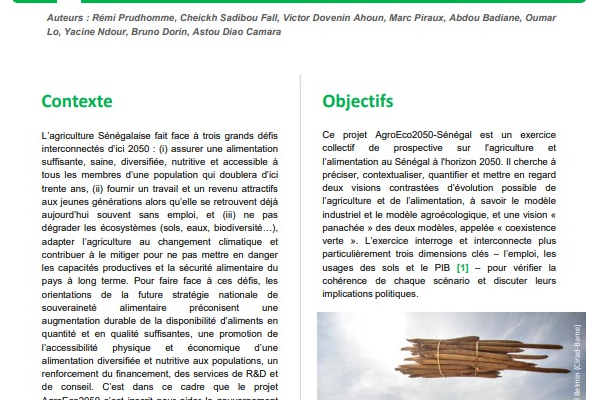
The main objective of this event was to share and discuss the main conclusions of the “AgroEco2050-Senegal” foresight exercise and its implications for sustainable agri-food systems in Senegal.
Jointly implemented by the government of Senegal, CIRAD, ISRA-BAME, FAO and DyTAES, with financial support from GIZ on behalf of BMZ, AgroEco2050-Senegal appears to be an essential initiative aimed at informing long-term visions for Senegalese agriculture.
This collective effort has engaged scientists, farmers, policymakers and institutions to shape the future. AgroEco2050-Senegal aimed to clarify and quantify two different visions of what agriculture, food, nature, employment and well-being could be in Senegal by 2050. One vision was based on intensification of conventional industrial agriculture (IA), while the other was based on scaling up of agroecology (AE). The objective was to compare and understand the implications of these two different paths and to verify their consistency.
This dynamic three-hour event brought together civil servants, researchers, representatives of civil society and the private sector, as well as stakeholders from Senegal and the international community. Through expert advice and stakeholder engagement, the event fostered dialogue, raised awareness and stimulated action towards a sustainable and prosperous agricultural landscape in Senegal.
Kosmos Innovation Center programs are structured to allow young entrepreneurs to create opportunities for themselves, by fine-tuning their ideas into a business focused on solving key problems in the agricultural sector.
Through a mix of training, mentoring, and seed-funding, young graduates in Ghana, Senegal, and Mauritania have the opportunity to bring their business ideas to life through the Senegal Startup Accelerator, AgriTech Challenge and Mauritania Innovation Challenge.
The Kosmos Innovation Center (KIC) invests in young entrepreneurs and small businesses who have big ideas and want to see their country grow. The KIC was established in Ghana in 2016 with programs focused on inspiring and empowering young entrepreneurs to drive change in their own country.
Since its inception, the KIC has focused on innovation in agriculture – the country’s most important sector and largest employer. More than 600 aspiring entrepreneurs have participated in KIC Ghana programs, resulting in the creation of more than a dozen promising start-ups that have gone on to secure seed funding, additional business training, and capital investment.
In 2021, Kosmos Energy re-established KIC Ghana as an independent non-profit organization so it could take advantage of new funding sources that would enable the program to grow. As part of a new multi-year partnership, the Mastercard Foundation agreed to invest approximately US$16 million over four years in KIC Ghana programming. With this new financial support, KIC Ghana aims to expand operations and offer more training to a greater number of young entrepreneurs in every region of the country.
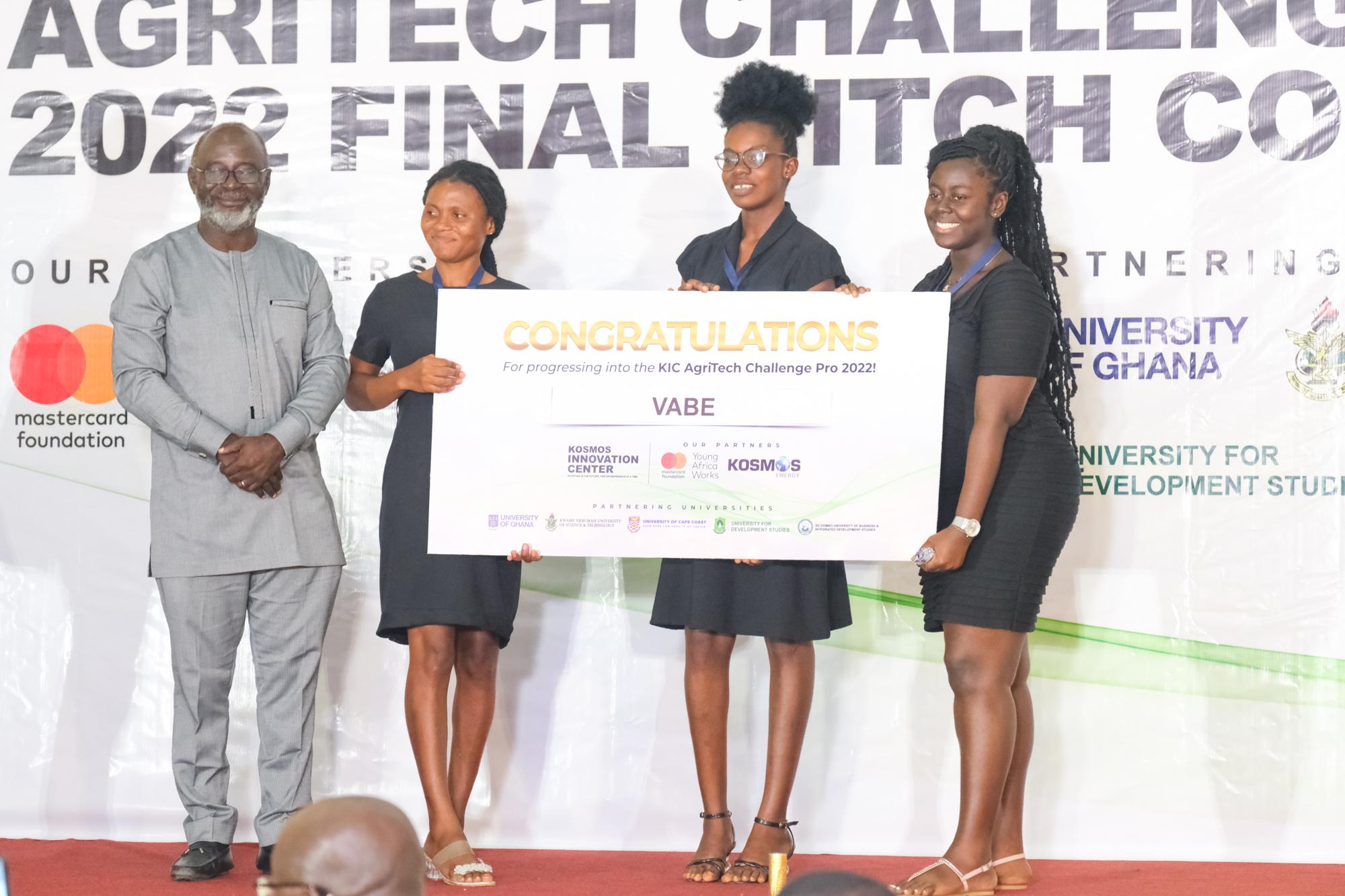
In 2022 KIC and Mastercard Foundation have selected 15 startup businesses as winners of this year’s KIC AgriTech Challenge Classic
Awunpara Ghana
Kigo Ghana
Kigo Ghana provides groundnut uprooting machines to reduce the labor-intensive effort in groundnut production at an affordable cost. It thus also prevents aflatoxin contamination.
Farmasyst Agritechnologies has developed mobile and web applications that facilitate monitoring services for the required support schemes available for smallholder farmers. There is an early disease and pest detection component of the application.
The Senegal Start-Up Accelerator provides entrepreneurs who have innovative ideas for the agricultural sector with the skills they need to turn their ideas into reality. Five entrepreneurs have been selected to take part in the accelerator. Over the course of six months they will receive intensive support to develop their solutions for implementation. Six months later, the aim is to launch five new businesses with the potential to transform the agricultural industry in Senegal.
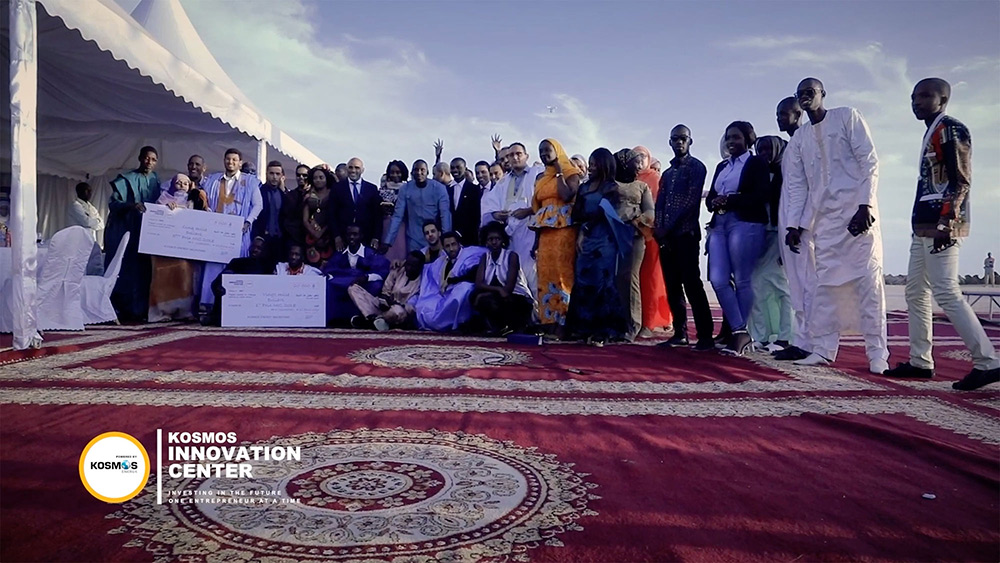
Over 30 young entrepreneurs were selected to participate in the inaugural Mauritania Innovation Challenge. The business development program provides early-stage startups with the opportunity to develop the confidence and skills they need in order to succeed. Aimed at young entrepreneurs and small business leaders, the challenge takes participants on a proven eight-step journey to develop a market-ready product or service, with a final competition for seed-funding at the end. Alongside the seed-funding provided by Kosmos Energy to the winning businesses in the 2018/2019 Mauritania Innovation Challenge, program participants have been able to leverage additional funding from external funders.
DAI, an international development company, helps the Kosmos Innovation Center to design and implement programs that advance locally led, market-driven solutions to some of the country’s key challenges. It provides capacity building support, investment due diligence, and ongoing technical assistance to the team.
19 December 2023. AGRICTECH CHALLENGE: CLASSIC FINAL PITCH
17 - 18 August 2023. Agricultural Innovation For Africa Conference
SHiFT combines high-quality nutritional and social science research capacity with development partnerships to generate innovative, robust solutions that contribute to healthier, more sustainable dietary choices and consumption of sustainable healthy diets. It builds on CGIAR’s track record of agricultural research for development, including ten years of work on food systems and nutrition under the CGIAR Research Program on Agriculture for Nutrition and Health (A4NH).
This Initiative will work in Bangladesh, Ethiopia and Vietnam in the first phase, followed by India, Benin, Senegal, Guatemala and Honduras.
Proposed 3-year outcomes include:
Stakeholders initiate implementation of at least two solutions (innovations or policies) to increase the demand for sustainable healthy diets and/or improve the ability of MSMEs and the informal sector to deliver sustainable nutritious foods in three target countries.
Stakeholders initiate implementation of at least two solutions (innovations or policies) to tackle gender and youth equality and social inclusion in food systems in three target countries.
Stakeholders show a significant increase in their ability to engage in governance and political economy issues and/or to navigate trade-offs in food systems transformation in three target countries.Stakeholders improve the design and implementation of the national roadmap towards food systems transformation for sustainable healthy diets in three target countries.
Engage in national multistakeholder consultative processes to develop and support food systems transformation;
monitor and document food systems transformation in the target countries; and
develop capacity to engage in, support, and monitor food systems transformation toward sustainable healthy diets.
Representatives from six national partners from Ethiopia and Viet Nam provided an opportunity for SHiFT researchers to hear more about the countries’ food systems agendas and how their priorities are quickly evolving.
To advance their work on capacity building, WP5 researchers plan to tailor their capacity-strengthening approaches for their Strategic Partners, based on the capabilities prioritized by each partner. They will also provide one-on-one coaching to strengthen the Strategic Partners’ capabilities to support transformative change and extend their capacity assessment to relevant platforms.