15 October 2026. Food and Nature Forum: Turning Science into Action for Food Systems
The Alliance of Bioversity International and CIAT organise the Food & Nature Forum: Turning Science into Action for Food Systems Transformation at Maison de la Poste, Tour & Taxis, Brussels, as part of Brussels Climate Week 2026 (12–16 October).
The Forum brings together researchers, European policymakers, development organisations, investors, private-sector actors and innovation partners to explore how scientific knowledge can be translated into practical solutions for more resilient, diverse and sustainable agrifood systems.
Discussions focuses on soil health, agrobiodiversity and opportunity crops, deforestation-free value chains, financing nature-positive agriculture and scaling research-based innovations. A central question will be how to move beyond fragmented research findings and isolated pilot projects towards investments, policies and partnerships that enable implementation at scale.
09:00–09:25 Opening and keynote: Science, partnerships and investment
Opening reflections will examine how science, international cooperation and investment can contribute to resilient and sustainable food and land systems.
Juan Lucas Restrepo, Director General, Alliance of Bioversity International and CIAT
Annemarie Van der Avort, Director of Environment and Climate, Belgian Federal Public Service for Foreign Affairs, Foreign Trade and Development Cooperation.
09:30–10:30 Panel 1 – From Soil Knowledge to Action: Turning Evidence into Locally Adapted Solutions
With scene-setting by KU Leuven, the panel will compare experiences across Europe, Africa, Latin America and Asia, examining soil degradation, declining fertility, climate shocks and fertiliser dependency. It will explore how soil-health research can inform locally adapted solutions and how successful approaches can be financed and scaled.
Stephanie Speck, Global Director, Strategic Partnerships, Engagement & Communications, Alliance
Job Kihara, Principal Scientist, Soil and Water Management, Alliance
Luis Sánchez Álvarez, DG Agriculture and Rural Development, European Commission
AB InBev participates in SAI Platform's industry-wide efforts to harmonise sustainability approaches and promote regenerative farming practices across agricultural supply chains, particularly for crops such as barley. The collaboration focuses on improving soil health, biodiversity, water management, climate resilience and farmers' livelihoods.
AB InBev was among the companies involved in SAI Platform's collaborative regenerative agriculture initiative launched in 2019, which contributed to developing common principles, indicators and practices. SAI Platform subsequently launched its Regenerating Together framework in 2023 to support consistent measurement and implementation of regenerative agriculture across different commodities and regions.
Katie Hoard, Global VP Sustainability Operations, AB InBev
Nikolai Porkhov, Public Affairs & Outreach Director, SAI Platform
11:00–12:30 Closed-door roundtable – Advancing Traceable and Deforestation-Free Agricultural Value Chains
This invitation-based discussion will bring together selected public, private and research actors to examine implementation of the EU Deforestation Regulation (EUDR), focusing on coffee and cocoa supply chains. Issues include traceability, data interoperability, smallholder inclusion, ecosystem-service verification and opportunities to generate additional value for producers.
14:00–15:00 Panel 2 – Opportunity Crops for Agrobiodiversity-Based Food Systems
The panel will address how neglected, underutilised and locally adapted crops can contribute to diversified food systems, healthier diets and rural livelihoods. It will explore the role of farmer knowledge, seed systems, processing, consumer demand, private-sector engagement and investment in expanding the cultivation and commercialisation of opportunity crops.
Carlo Fadda, Director, Agrobiodiversity, Alliance
Francesca Grazioli, Scientist, Alliance
Gloria Otieno, Scientist, Alliance
Filip Vandelook, Director of Science, Meise Botanic Garden
Christophe Larose, Head of Sector, Sustainable Agriculture, DG International Partnerships, European Commission
Beatrice Egulu, Policy Officer, Agriculture and Rural Development, African Union Commission;
Thomas Lopes, Research and Innovation Brokerage Manager, COLEAD.
15:00–16:00 Panel 3 – Using Science to Mobilize Finance for Nature
Led by CGIAR's ImpactSF initiative, the session will explore how research evidence can reduce investment risks and attract finance for nature-positive agricultural practices. It will examine mechanisms for directing capital towards smallholder farmers while generating measurable environmental, climate and livelihood benefits.
Martina Melchiori, Senior Impact Officer, CGIAR Hub for Sustainable Finance (ImpactSF);
Marcela Quintero, Associate Director General, Research Strategy and Innovation, Alliance;
Julius Kalulu, CEO, Just Know Your Coffee Cup (JKCC);
Koen Van Troos, Manager, International Partnerships & Communication, BIO;
Maike Möllers, Head of the CompensACTION Secretariat.
16:15–17:15 Panel 4 – Scaling Science-Based Innovations: From Lab to Market
Led by the Accelerate for Impact Platform (A4IP), the panel will examine how agricultural research innovations can move beyond laboratory development and pilot projects towards commercialisation and widespread adoption. Discussions will address technology validation, entrepreneurship, investment readiness, partnerships and market access, with particular attention to connecting research organisations, startups, investors and agricultural end users.
Vincenzo Lorusso, Policy Officer, International Cooperation, DG Research & Innovation, European Commission;
Frida Koslowski, Co-Founder and Director, Kindling Venture;
Aziza Inoubli, Innovation and Venture Ecosystem Advisor.
Nature Day and the Innovation Expo
Alongside the Forum, the Alliance will contribute to Brussels Climate Week's Nature Day plenary on Agriculture, Land & Food Systems (14:00–15:00), with Stephanie Speck among the listed contributors. The session will explore regenerative agriculture, land restoration, water resilience, traceability, digital solutions and sustainable finance.
At the Nature Day Expo (09:00–17:30), the Alliance will showcase two initiatives:
International Musa Germplasm Transit Centre (09:00–12:30): Hosted by KU Leuven, this collection of more than 1,700 banana accessions supports crop conservation, research and resilience against pests, diseases and climate stresses.
Cacao of Excellence (14:00–17:30): An initiative connecting cacao genetic diversity, quality assessment, flavour recognition and market opportunities for producers.
Core topic: Practical implementation of ISPM 45 (international standards for authorizing entities to perform phytosanitary actions).
Key Themes: Technical, regulatory, and partnership requirements needed to build trusted third-party laboratory authorization systems and accreditation for seed health testing
Seed trade is assuming greater significance in the Asia-Pacific region. However, there are several phytosanitary concerns affecting the safe trade of seed in developing and least developed countries. The most prominent issues include:
Seed-transmitted pest lists not being updated, affecting the pest risk analysis process (ISPM 2).
No ePhyto solution in place.
Lack of compliance with the international standard on the movement of seeds (ISPM 38).
Lack of coordination between national plant protection organizations and the private sector.
STDF/PG/755 increased seed trade and market access for the Asia-Pacific region by increasing the capacity of national plant protection organizations to meet relevant phytosanitary standards.
This webinar was the closure of a 3 years project
• Rose Souza Richards, International Seed Federation
• Kanokwan Chodchoey, East-West Seed Company Ltd
Q & A
@Rose Souza-Richards ISF How does Commercial Seed Trade impact Community Seed banks + Farmer-Managed Seed Systems? Which are the main tensions + opportunities in the interaction between these two systems ?
the challenge is not to choose between commercial and farmer-managed seed systems. It is to create a fair interface between them. Commercial trade contributes scale, investment and innovation; farmer-managed systems contribute diversity, local knowledge, adaptation and resilience. A sustainable seed sector needs both—and governance that prevents one from undermining the other.
Related:
The Standards and Trade Development Facility (STDF) funds similar, highly focused phytosanitary and trade capacity projects across Africa. Rather than launching a single massive pan-African seed project, STDF targets regional hubs and specific exporting countries to improve compliance with Sanitary and Phytosanitary (SPS) measures.
The closest direct equivalents and related initiatives in Africa include:
1. Growing Regional Seed Trade in Zambia (Project PPG-1044)
The Goal: Despite being one of Africa’s largest seed exporters, Zambia faces heavy compliance challenges. This project brings together the Zambia Seed Trade Association (ZASTA) and national plant quarantine services to streamline seed certification and scale up cross-border seed exports. [1]
2. The Center of Phytosanitary Excellence (COPE) in East Africa (Project PG-171 / PPG-968)
The Project: Similar to how the APAARI project established regional seed portals and digital tools in Asia, STDF funded the creation of the Center of Phytosanitary Excellence (COPE) in Kenya. [1, 2]
The Goal: COPE enhances the capacity of national plant health systems across Kenya, Rwanda, Tanzania, and Uganda. It provides professional training to public and private stakeholders on safe seed certification, pest-risk analysis, and international plant health standards.
The Project: Just like the APAARI project implemented digital ePhyto solutions in Southeast Asia, STDF co-funded a massive global ePhyto Solution Project alongside the International Plant Protection Convention (IPPC).
The Goal: This digital push heavily targets developing nations across Southern and East Africa. It replaces fragile, paper-based seed certificates with electronic data exchange, dramatically reducing shipping delays and trade barriers for African seed and agricultural exporters.
4–6 March 2026. The 9th edition of the Italy–Africa Business Week (IABW) was an international forum held in Rome from that brought together entrepreneurs, policymakers, investors, and civil-society representatives from Italy and various African countries.
Organized with the support of the Italian Ministry of Foreign Affairs and International Cooperation and other partners, the forum served as a platform for dialogue and cooperation between the two regions. Its aim was to strengthen economic and institutional partnerships by encouraging investment, business collaboration, and the exchange of knowledge between Italian and African stakeholders.
The 2026 edition focused on the theme “Africa–Italy: Partnership for Sustainable Development.” Discussions addressed strategic sectors such as renewable energy, agro-industry, healthcare, infrastructure, technology, and green finance, while also highlighting entrepreneurship, skills development, and youth employment. The forum featured conferences, roundtables, workshops, and B2B networking sessions designed to connect companies and institutions, promote public-private partnerships, and support long-term cooperation for sustainable economic growth in both Italy and Africa.
Works on institutional relations and policy advocacy supporting sustainable development initiatives: Africa subsahariana, Eni. She presented the perspective of a global energy operator
Oroh Roland Oletu, Director, Agribusiness EU-Nigeria Platform A platform fostering trade, investment, and collaboration between EU and Nigerian agribusiness actors.
Mario Di Giulio, Lecturer in Law of Developing Countries, Università Campus Bio-Medico. Italian university focused on life sciences, innovation, and sustainable technologies.
Rima Jreich, Senior Policy and Regulatory officer, Res4Africa See some resources : Foundation promoting renewable energy partnerships between Europe and Africa. She stressed the urgency of recognizing women as entrepreneurs of green solutions, highlighting persistent gaps in education and infrastructure.
Valentina Gentile, Head of the Innovation for Public Administration Service, ENEA Italian National Agency for New Technologies, Energy and Sustainable Economic Development. She highlighted synergies with Horizon Europe and, like several other speakers, encouraged the idea of a future “Erasmus Africa” project.
Madi Sakandé, General Manager, New Cold System. Enterprise working on cold chain solutions for agriculture in Africa.
Cristina Altomare, Climate Finance Lead, UNDP Rome Centre: UNDP hub supporting sustainable development, partnerships, and innovation. She illustrated several initiatives, including Energy for Growth in Africa, proposed by the Italian government to accelerate climate financing.
06/03 The Role of the youth in the cooperation between Africa and Italy
Ange Rosine Ishimwe, President, Africa Connect Initiative. ACI, is a Rome-based platform. The initiative aims to bring together young students and scholars to foster intercultural communities of solidarity, share ideas, and build networks.
Angelique Umutoni, Program Coordinator, Africa Connect Initiative
She referred to the AU-EU Youth Action Lab. This is a transformative initiative under the broader AU-EU Youth Lab programme, designed to address the lack of opportunities for youth in Africa and Europe to collaborate, innovate, and drive solutions to shared challenges. Implemented by a dynamic consortium including Oxfam, Restless Development, and the European Youth Forum, the Youth Action Lab empowers young changemakers across continents.
Carlos Lougourou, Outreach Coordinator, Africa Connect Initiative
Giuseppe Bennici, International business developer
Roxani Roushas, Youth4Climate Coordinator, UNDP. She shared stories from Youth4Climate—from women running electric tuk-tuks in Liberia to the production of indigenous textiles—31,000 active members worldwide proving that change.
Moderator: Francis Kaduki, Project Assistant, Italia Africa Business Week
The event marked a shift in international cooperation toward mobilising private capital as a central driver for transforming food systems—moving beyond traditional aid to blended finance and investment-led approaches.
Setting the scene :
Sofie Van Waeyenberge, coordinator sustainable food systems, Enabel
Jeremy Knops, General Delegate, COLEAD
Rigo Belpaire, Head of Unit E.3, Global Gateway Investment Hub, DG INTPA
Plenary session – panel discussion:
Ingrid De Ryck, Chief Sustainability Officer, AB InBev
Xavier Rombouts, CEO, Rombouts Coffee
Steven Serneels, Co-founder and Chair, Impact Finance Belgium
Karen Janssens, Expert Sustainable Sourcing, Colruyt Group
Luc Willems, Business Development Manager, Group Depre
Katrien Delaet, Chief Cacaopreneur, Silva
Thematic break-out sessions :
1. Technical Assistance and innovation 2. Regulations and policies 3. Financing and investment
Main outcomes and messages
Private investment positioned as essential (not optional)
Strong consensus that public funding alone is insufficient to transform food systems at scale.
Emphasis on unlocking private finance (DFIs, impact investors, agribusiness) to:
Scale sustainable agriculture
Modernise value chains
Support SMEs and agrifood entrepreneurs
New cooperation model: public–private–civil society alliances
The event reinforced a multi-stakeholder model:
Governments → enabling policies
Private sector → investment & innovation
Development actors (Enabel, EU) → risk-sharing, technical support
Scaling innovation and business models
Emphasis on moving from pilot projects → scalable business models
Second session of the APAARI Community of Practice on Public-Private Partnerships (PPP CoP)—a platform dedicated to strengthening public-private collaborations to enhance agricultural trade.
Dr. Romano De Vivo emphasized the vital role of public-private partnerships (PPPs) in agriculture and sustainable development, highlighting their global significance in mobilizing over $100 billion annually. These partnerships are endorsed by major institutions and UN frameworks such as the SDGs and Rio Conventions, underscoring their relevance for climate resilience and inclusive development. However, he insisted that true partnerships go beyond mere transactions or sponsorships—they must be grounded in co-design, shared purpose, and trust. Partnerships should not involve unilateral control or outsourcing, but rather mutual ownership and co-creation of solutions, where both public and private sectors contribute equally and align their objectives.
A successful partnership requires shared values, early engagement, and balanced responsibilities. Partnerships often fail due to unclear objectives, mismatched timelines, incompatible success metrics, and rigid contracts. While the public sector tends to prioritize implementation and short-term goals, the private sector focuses on long-term impact and financial returns. These differences, unless reconciled, lead to mistrust. Effective collaboration requires transparent governance, aligned KPIs, and careful consideration of reputational risks—especially when involving multinational corporations or local startups. The public sector must not compromise its mission but rather ensure that partnerships serve community needs and public interest first.
In closing, Dr. Romano De Vivo urged public institutions—especially National Agricultural Research Systems (NARS) and regional fora—to explore new roles as service providers and facilitators for the private sector. Given their deep understanding of local contexts, networks, and regulatory environments, public entities can guide private actors through complex local challenges, such as benefit-sharing or sustainability disclosure requirements. He encouraged reexamining foundational frameworks—like GFAiR’s own partnership principles—as a guide to forming high-impact, locally grounded, and ethically sound partnerships. Ultimately, the goal is to build models that are context-specific but anchored in strategic alignment, shared benefits, and lasting impact.
Background
What is the APAARI PPP CoP?
A dedicated forum by APAARI to foster public–private partnerships focused on advancing agri‑trade in the Asia‑Pacific region
Engages a wide mix of stakeholders: government (e.g., Department of Agricultural Extension, Bangladesh), private sector, NGOs, universities, and research institutions
Designed to cultivate ongoing knowledge-sharing, joint problem-solving, and policy dialogue.
Launch & Key Sessions
The inaugural event, held ~4 months ago, attracted 80+ participants from 9 countries, with a focus on Bangladesh
February 24, 2025 session brought together experts and stakeholders for a targeted discussion on agri‑trade partnerships
Objectives and Outcomes
Expert Insights & Perspectives
Panel sessions featuring voices from APAARI, government (e.g., DAE), and private agribusiness investors to shape PPP roles in agricultural trade
Identifying Challenges & Opportunities
In-depth discussions on trade compliance, policy advocacy, standards harmonization, and private‑sector engagement
Commitment to Continued Engagement
Participants agreed to hold regular CoP meetings to sustain momentum and collaboration
Contextual Linkages
Builds on related APAARI initiatives such as the seed‑trade PPP project, focusing on phytosanitary compliance and private‑public collaboration in countries like Bangladesh, Cambodia, Nepal, Thailand,
Reinforces APAARI’s broader initiative to strengthen agricultural innovation systems and capacity development across the region.
Why It Matters
Serves as a bridging mechanism between policy-makers, agribusiness, research, and farmers to unlock new trade opportunities.
Addresses key bottlenecks—such as compliance and market access—through collective action.
Supports APAARI's mission to enhance agri‑trade, sustainability, and innovation via multi-stakeholder platforms.
Moving Forward
Regular sessions are planned across different member countries to share successful PPP models, align policy frameworks, and facilitate on‑the‑ground collaboration.
Through this CoP, APAARI aims to build scalable, repeatable PPP models that enhance agriculture trade and market access throughout the region.
ACAT is the foremost forum that focuses on game-changing novel agricultural technologies, ideas, and policies that foster agricultural transformation on the continent. The Conference is an agriculture technology transfer platform that promotes innovative and practical solutions to catalyse more efficient, inclusive, and resilient agriculture in Africa.
It brought together government representatives, industry thought leaders, policymakers, technical experts, private institutions, farmers, women and youth across the globe to discuss and define practical actions and solutions to the challenges of technology access and use faced in the agriculture sector in Africa.
This panel session explored how a user-centered design approach
can revolutionize the development and deployment of Science, Technology, and
Innovation (STI) in agriculture, with smallholder farmers and other key stakeholders
as integral members of the innovation team.
Sequence 1: How can we better understand and prioritize the specific needs of smallholder African farmers to ensure that technological solutions are truly impactful and sustainable?
Dr. Milindi Sibomana, Chief Agriculture Officer, One Acre Fund
Ms. Margaret Awinja, Coordinator, Western Region Farmers Network
Mr. Anthony Kioko, CEO, CGA
Prof. Maggie Gill, Board of Trustees Member, AATF
Dr. Kayode Sanni, Project Manager and Director of The Alliance for Hybrid Rice in Africa (AHyRA), AATF
Sequence 2: How can we create effective partnerships between researchers, policymakers, private sector actors, and farmers to design scalable farmer centric agtech solutions?
Prof. Richard O. Oduor, Research, Innovation and Outreach, Kenyatta University
Prof. Hlami Ngwenya, Head of Research Chair, Communication for Innovation Center for Sustainable Food Systems and Development, University of Free State
Prof. Bernard Slippers, Board of Trustees Member, AATF
Prof. Firew Mekbib, Chair, National Variety Release, Federal Democratic Republic of Ethiopia
Dr. Jean Claude Rubyogo, Director, Pan-Africa Bean Research Alliance (PABRA)
09/10 Building robust digital infrastructure in rural areas
This session explored a two-pronged approach: establishing resilient and accessible infrastructure for present impact and proactively developing the robust and interconnected infrastructure required to harness the transformative potential of AI, robotics, precision agriculture, and data analytics.
Sequence 1: How can digital solutions be leveraged to accelerate the adoption and
application of agricultural innovations?
Dr. Bellancile Uzayisenga, Plant & Microbial Biotechnology Programme
Coordinator Senior Principal Research Fellow, Rwanda Agriculture and Animal
Resources Development Board, (RAB)
Mr. Deo Massawe, CEO, Bank of Kigali (BK) TecHouse
Mr. Emmanuel Assiak, Chief Investment Officer, Fund for Export Development
in Africa (FEDA)
Dr. Ndambe Magnific, Deputy Vice Chancellor of Research, RICA
Sequence 2: What are the key challenges and opportunities in deploying digital tools in remote rural areas, and how can these challenges be overcome?
Mr. Pierre Kayitana, General Manager, Zipline Rwanda
Mr. Gabriel Macharia, Data Management Officer, AATF
Mr. Paul Kwengere, Board Member, International Trade Council
Mr. Faissal Sehbaoui, CEO, AgriEdge
09/06 Digital divide and promoting Ag-tech literacy
This panel addressed the critical issue of farmers’ voices to the forefront and exploring practical solutions to promote tech literacy and the adoption of farmer-centric agricultural technologies.
Sequence 1: Bridging the Gap - Farmers and Tech Developers in Dialogue
Ms. Elizabeth Nsimadala, President, EAFF
Mr. Pacifique Nshimiyimana, Founder & CEO, Real Green Gold Ltd
Mr. Naboho Wiledyo, Farmer, People’s Republic of Burkina Faso
Mrs. Tigist Endashaw Bealem, Consultant - Climate Action Policy Advocacy,
Federal Democratic Republic of Ethiopia
Sequence 2: Interactive workshop and reporting
What are the effective training and education models for Ag-Tech solutions in
Africa?
What are some practical strategies for enhancing access and affordability of
digital tools for farmers?
The role of youth in championing digital literacy among older farmers?
Day 2: Theme: Enabling Environment: Investment and partnerships
for Ag-Tech Solutions
10/06 : Enabling Environment: Investment and partnerships for Ag-Tech Solutions
This session explored strategic investments across a range of vital linkages,
markets, credit facilities, capacity building, and other essential support services.
Keynote Address: Investing in the Future of African Agriculture - H.E. Dr. Goodluck Jonathan, AATF Goodwill Ambassador & Former President, Federal Republic of Nigeria
Panel 1: Charting a Collaborative Roadmap for Quality Partnerships:
Dr. Canisius Kanangire, Executive Director, AATF
Prof. Appolinaire Djikeng, Director General, ILRI
Dr. Yuichiro Asai, President & CEO, Asai Nursey, Inc
Dr. Sheila Obim, Executive Director, Alliance for Science
Prof. Jean Jacques Muhinda, Regional Director East & Southern Africa, AGRA
Panel 2: Building the Ecosystem: Infrastructure, Finance, and Capacity
Hon. Tesi Rusagara, Minister of State for Resource Mobilization and Public Investments,
Rwanda.
Ms. Brenda Gunde, Lead Global Technical Specialist ICT4D, Sustainable Products, Markets and Institutions Division, IFAD
Dr. Stella Simiyu (picture), Director Regulatory Affairs & Stakeholder Relations, CropLife Africa Middle East: see video @ 42:27 - 46:38 She answers the question: How do we foster a PPP that works for the farmers?
Ms. Katie Taft, Communications and Engagement Lead, Gates Ag One
Mr. Hannington Namara, C.E.O Equity Bank Rwanda
10/06 : Developing sustainable business models for Ag-Tech
This session explored diverse investment opportunities, innovative financing mechanisms, and policy frameworks that can unlock the widespread development and adoption of impactful Ag-Tech.
Sequence 1: For sustainable Ag-Tech to thrive across diverse African markets, what are the primary investment hurdles and the resulting opportunities once these are addressed?
Dr. Eugene Mutimura, CEO, National Council of Science and Technology, Republic of Rwanda
Dr. Jonga Munyaradzi, Seed Production Manager, AATF
Dr. Said Rutabayiro Ngoga, Division Manager for Technology Innovation, Rwanda Information Society Authority
Ms. Martha Haile, Founder, Abze
Sequence 2: How can we foster a new generation of innovative agripreneurs who can drive sustainable agricultural development and economic growth?
Prof. Alfred Bizoza, Professor, University of Rwanda
Mr. John Agboola, Foundation Manager, AGCO Corporation
Mr. Peter Wamboga-Mugirya, Director for Communication and Partnerships, Science Foundation for Livelihoods and Development (SCIFODE)
Dr. Nomathemba Mhlanga, Country Representative, FAO
10/06 Researchers Dialogue Session Title: Integrating traditional knowledge systems with modern technology solutions
This session examined the synergies between indigenous ecological knowledge—deeply rooted in local cultures and ecosystems—and innovations such as precision agriculture, biotechnology, and digital platforms.
Sequence 1: Collaborative Pathways to Next-Gen Agriculture
Mrs. Gift A. Kadzamira, Director General, National Commission for Science and Technology Rwanda
Dr. Omar Mukama, Lead GCP inspector of Clinical Trials, Rwanda Food and Drugs Authority
Dr. Allan Liavoga, Technical Advisor, North American Millers Association
Ms. Bakang K. Kgasudi, PhD student, Botswana University of Agriculture and Natural Resources
Sequence 2: Interactive workshop and reporting - Bridging Wisdom and Technology
What core elements of traditional farming must be safeguarded and integrated?
How can digital agriculture enhance, rather than replace, local practices?
What governance mechanisms can ensure ethical knowledge sharing?
Day 3 : Last Mile Delivery: Commercialization and Scaling of
Ag-tech Solutions
11/06 Commercialization and Scaling of Ag-tech Solutions
The panellists analysed the persistent barriers hindering access in rural communities and explore how strategic, multi-sectoral partnerships, empowered by cutting-edge technological advancements in logistics and information flow, can revolutionize delivery.
Project Showcase: Climate Smart Remote Sensing Project in Rice Value Chain Project
- Dr. Kayode Sanni, Project Manager and Director of The Alliance for Hybrid Rice in Africa
(AHyRA), AATF
Opening Remarks & Setting the Stage
Mr. Sam Ngabire, Coordinator, Home Grown School Feeding Project, Ministry of Education,
Republic of Rwanda
Keynote Presentation: Overcoming Last Mile Hurdles -Ms. Mildred Nadah Pita, Head of
Public Affairs, Science and Sustainability, Bayer
Panel Discussion: Building Robust Partnerships Among Stakeholders (Public, Private,
NGOs) for Sustainable Scaling of Ag-Tech Solutions
Mr Shavda Tree Onov. CEO of East Africa Agro Limited
Prof. Karimbhai M. Maredia, Professor and Director of International Programs, Michigan State University - "The importance of South-South, North-South partnerships for technology transfer"
Mr. Momar Dieng, Chief Strategy and Partnerships Officer, AIMS Global Network
Dr. Jean Claude Rubyogo, Director, Pan-Africa Bean Research Alliance (PABRA)
Mr. Dagmawi Habte-Selassie, Country Director, Rwanda, IFAD
Panel Discussion: Beyond the Pilot, Scaling Ag-Tech Solutions
Mr. Amath Pathé Sene, Managing Director, Africa Food System Forum (AFSF)
Ms. Zoë Karl-Waithaka, Managing Director and Partner, Boston Consulting Group
(BCG) - Inclusive business models
Dr. Mel Oluoch, Director for Strategic Partnerships, Sasakawa
Dr. Telesphore Ndabamenye, Director General, Rwanda Agriculture and Animal
Resources Development Board (RAB)
Path Forward: Dr. Oliver Kamana, Permanent Secretary, MINAGRI
The Alliance for Cowpea Improvement in Africa (ACIA) is an Africa-focused community of cowpea experts. It responds to the demands of African farmers and consumers for cowpea that is safe, affordable and environmentally sustainable.
Cowpea is a delicious and nutritious food crop, one widely featured in African cuisines and widely grown on African farms. The mission of ACIA is to ensure this versatile and resilient crop reaches its full potential to support healthy diets and sustainable, productive farms.
Kira Everhart-Valentin of Gates Agricultural Innovations (Gates Ag One) Prof. Muhammad Lawan Umar - Cowpea breeder, Institute for Agricultural Research (IAR), Nigeria Francis Onyekachi, Manager Product Stewardship and Quality (AATF) He presented the progress on gene edited cowpeas Dr. Jean Baptiste Tignegre - African Agricultural Technology Foundation (AATF)
11/06 Licensing and IP: access to proprietary traits and germplasm
This session delved into the complex landscape of intellectual property (IP) and licensing concerning proprietary traits and germplasm – foundational elements for agricultural innovation and productivity gains in Africa. Access to these protected resources holds immense potential for developing climate-resilient crops, enhancing nutritional value, and improving yields for African farmers. However, navigating the legal, ethical, and economic considerations surrounding IP and licensing is crucial to ensure equitable access and foster sustainable agricultural development in Africa.
While the private and public seed sector share the same goal of developing improved varieties, there are
important differences that must be considered when developing appropriate IPR for cultivars developed
in the public sector. Public breeding often focuses on crops with high social returns to investment but
low private returns, such as small grains, perennials, cover and soil building crops, root and tuber crops,
and tree crops. Public breeders often focus on long arc research, that is, research in which the payoff
may require many years of work, often by many individuals. After development and proof of concept by
the public sector, the new products are commercialized by the private sector with little return of funding
to the public side. In many cases the public breeding sector collaborates with the private sector to
commercialize public cultivars, and considerations must be made to facilitate this technology transfer. (See: University of Wisconsin-Madison (2016) Intellectual Property Rights and Public Plant Breeding Recommendations, and proceedings of a conference on best practices for intellectual property protection of publicly developed plant germplasm)
Sequence 1: How can intellectual property and licensing frameworks be structured to enable access to proprietary traits and germplasm while still incentivizing innovation?
Dr. George Smith, Senior Associate Dean for Research, MSU
Dr. Damaris Odeny, Plant Geneticist, International Crops Research Institute for the SemiArid Tropics (ICRISAT)
Dr. Deogracious Protas Massawe, Principal Research Coordination Officer, Tanzania Commission for Science and Technology.
He presented: the Tanzania Technology and Innovation Support Centers (TISCs) Innovators are trained on the various aspects of IP, enabling them to identify protectable aspects of their inventions. This safeguards their innovations and gives innovators a competitive advantage at the market. The Tanzania Commission for Science and Technology (COSTECH) is managing a credit window(1 M USD) under the national fund for advancement of Science and technology (NFAST) to support commercialization of Innovations in collaboration with CRDB bank foundation and the World Bank. The establishment of this special commercialization fund in collaboration with CRDB Bank Foundation to accommodate market penetration of research and innovation products. This special window will serve to: (i) Promote commercialization of research and innovation products in Tanzania; (ii) Attract more financing opportunities within and outside Tanzania for supporting; commercialization of research and innovation products; (iii) De-risk innovators and unlock them to commercial funding from commercial banks. (the call opened on 5th May 2025)
Ag-Tech Frontier: Mechanizing the Last Miles: A viable, all-terrain machine to unlock rural food production - Mr. Eric Lane, Co-Founder and Principal, Prosparity Systems
Sequence 2: From Ownership to Access — Making IP Work for African Farmers. What practical steps are needed to ensure African researchers and farmers benefit from protected germplasm and traits, especially in the context of climate resilience and food security?
H.E. Ambassador Prof. Muhammadou M.O. Kah, AATF Board
Ms. Keziah Chomba, Legal Officer, AATF
Dr. Nyagatare Guillaume, Principal, University of Rwanda, College of Agriculture
"Let's put Intellectual Property Rights in the social context of Africa, and not from an individual gain perspective"
11/06 : Leveraging Ag-Tech for Sustainable Agriculture
This dialogue empowered young people to create, adopt and scale Nextgen AgTech solutions for a sustainable and prosperous agricultural future in Africa. This youth dialogue amplified the voices of young farmers and inspire a new generation of agricultural leaders.
Sequence 1: Collaborative Pathways to Next-Gen Agriculture
Mr. Norman Mugisha, CEO, Afrifarmers Market
Ms. Mildred Nadah Pita, Head of Public Affairs, Science and Sustainability, Bayer
Mr. Henry Lagat, Lead, Generation Africa, AGRA
Mr. John Agboola, Foundation Manager, AGCO Corporation
Sequence 2: Interactive workshop and reporting
What are the most effective ways to educate and train young farmers on AgTech in a way that resonates with them?
How can governments and other stakeholders create a more enabling environment that supports youth engagement in Ag-Tech?
How can we foster more effective collaboration between different stakeholders to avoid duplication of efforts and maximize impact?
11/06 Private Sector Dialogue: Commercialization and Scaling of Climate Smart and Modern Ag-Tech to the last mile
This private sector dialogue discusses effective
strategies for commercialization of climate-relevant agricultural technologies and
innovations in Africa.
Dr. Sylvester Dickson Baguma, Executive Director, ASARECA
Ms. Julian Barungi, Program Officer Policy, ASARECA
Dr. Joshua Okonya, Program Officer, Agricultural Technology and Innovation,
ASARECA
Mr. Federico Tonelli, Director of Development & Partnerships, Asili Agriculture
Ms. Iheoma Okpara Chienyenwa, Plant Operations Manager, The Rwanda
Fertilizer Company Ltd
Mr. Innocent Namuhoranye, Chairman, National Seed Association of Rwanda
(NSAR)
Mr. Didace Mparirwa, Head of Agriculture and Livestock Cluster, Private Sector
Federation (PSF)
Dr. Geoffrey Ongoya, Technical Manager, Koppert Biological Systems
Ms. Stella Kimani, Chief Operations Officer, Acre Africa
Ms. Sidonie Paques, Climate Finance Investment Lead, The Global Green
Growth Institute (GGGI)
Day 4 : Cultivating a sustainable future with AgTech Solutions
This subtheme explored practices for product integrity preservation to benefit farmers, enterprises, and consumers while creating regenerative and distributive products that work within the planet’s ecological limits.
Opening Remarks & Setting the Stage - H.E. Ambassador Prof. Muhammadou M.O. Kah, AATF Board
Keynote Address - Dr. Chris Holdgreve, CEO, Global Stewardship Group (GSG) & Executive Director, Excellence Through Stewardship (ETS) Stewardship for Transgenetic Plant Technology; Plant breeding Innovation (PBI) such as genome editing and other breeding innovations.
12/06 Stewardship: Cultivating a sustainable future with Ag-Tech Solutions
This session delved into practices that safeguard product integrity, ensuring the longevity and effectiveness of innovations.
Panel Discussion: Stewardship & Sustainability in Action
Prof. Johnnie Van Den Berg, Program Manager: Integrated Pest Management,
North-West University, South Africa He mentioned Nigerian Farmer’s Success Story with Bt Cowpea
Dr. Olusegun Adedayo Yerokun, Deputy Vice Chancellor, Academic Affairs,
RICA
Prof. Emmanuel Ikani, Executive Director, National Agricultural Extension and
Liaison Services, Zaria, Nigeria
This biennial forum provided a unique platform for academia, industry leaders, policymakers, entrepreneurs, and innovators to engage, network, and drive solutions that strengthen academia-industry linkages in East Africa.
It engaged with key stakeholders in academia, industry, and government to foster collaborations, showcased innovations, products, and services to a diverse regional audience.
Plenary Presentation 1a: Practical aspects and strategies
of aligning university research priorities with industry and
community needs
Prof. Alex Ariho, CEO, African Agribusiness
Incubators Network, Uganda.
Panel Session 1:
How can universities overcome collaboration barriers to
address industry and community needs?
What are the key motivators to encourage industry to partner
and invest in university research and development?
How can universities demonstrate their commitment to
industry and community needs, and build trust over time?
Dr. Raymond Ndikumana - Deputy Vice Chancellor, Strategic Planning & Administration, University of Rwanda
Dr. Ehud Gachugu, HSC – Deputy CEO, Kenya Private Sector Alliance (KEPSA), Kenya
Dr. Lina S. Mathew – Director, Science and Technology, Ministry Higher Education, Science and Technology, South Sudan.
Prof. Rose Clarke Nanyonga – Vice Chancellor, Clarke International University, Uganda
Dr. Mucyo Sylvie- Vice Chancellor, Rwanda Polytechnic , Rwanda y Prof. Yves Ndayikunda – President, Research and Career Development Center East Africa
Sub-Theme 3: Building a pipeline of innovative leaders and entrepreneurial talent
Plenary Presentation 3a: Nurturing an innovative and entrepreneurial ecosystem: A collaborative approach for university, industry and government players
Hausa Lightbourne, Country Manager, E4Impact, Rwanda.
DAY 2: THURSDAY, MARCH 13, 2025
PANEL SESSION 2: How can universities better support commercialization of
research findings and creation of spin-off companies?
What key criteria do industry consider when evaluating
university research for commercialization potential?
What role can government play in fostering a more conducive
environment for technology transfer and commercialization
of research?
Dr. Eugene Mutimura – Executive Secretary, National Council
for Science and Technology, Rwanda
Eng.
Anke Weisheit - Co-Founder and Chair, Innovation &
Business Management, Pharm-Biotechnology and Traditional
Medicine Center (PHARMBIOTRAC), Mbarara University for
Science and Technology, Uganda.
Prof. Jane Ambuko - Professor of Horticulture and Postharvest
Specialist. University of Nairobi, Kenya
Dr. Ignace Gatare- Principal of University of Rwanda –College
of Science and technology, Rwanda
Prof. Karoli Njau – Nelson Mandela African Institution of
Science and Technology (NM-AIST), United Republic of
Tanzania
Panel Session 3: How to harness the role of incubation centres, innovation
hubs, and accelerators in universities.
The best approach to integrate entrepreneurship education
into traditional academic programs in universities.
The most effective strategies for identifying and nurturing
young talent with entrepreneurial potential.
Mr. Francois Ngoboka - Chief Skills Officer, Ministry of
Public Service and Labour, Rwanda
y Sylvia Mukasa - Founder/CEO, GlobalX Investments Ltd/
Innovation Labs, Kenya
Dr. Philip Pande – Executive Director, Corporate Career
Academy, Kenya.
Dr. Victor K. Muposhi, Head Academics, Conservation
Leadership, School of Wildlife Conservation, ALU,
Rwanda
Dr. Parfait Yongabo, Division Manager in charge of
Institutional Development, Applied Research and
Consultancy, Rwanda Polytechnic, Rwanda
Plenary Presentation 3b: The Role of Universities in Support of Sustainable Development Goals Through UN Academic Impact (UNAI)
Prof. Peter Wanderi - Principal Corporate Services, Communication & Alumni Relations/ Director Linkages, Mount Kenya University, Kenya. The Case of Mount Kenya University as the Hub Chair for SDG9 on Industry, Innovation, and Infrastructure.
Panelists
Mr. Francois Ngoboka - Chief Skills Officer, Ministry of Public Service and Labour, Rwanda (Mr. Amos Mfitundinda to represent)
Sylvia Mukasa - Founder/CEO, GlobalX Investments Ltd/Innovation Labs, Kenya
Dr. Philip Pande – Executive Director, Corporate Career Academy, Kenya.
Dr. Victor K. Muposhi, Head Academics, Conservation Leadership, School of Wildlife Conservation, ALU, Rwanda
Dr. Parfait Yongabo, Division Manager in charge of Institutional Development, Applied Research and Consultancy, Rwanda Polytechnic, Rwanda
DAY 3: FRIDAY, MARCH 14, 2025
Plenary Presentation 5: Briefing on East Africa University - Industry Collaboration Support Strategy
Bernd Friedrich – Expert for Technology Transfer & Regional Networking, IUCEA
Panel Session 5: Private Sector
Perspectives of University-Industry Collaboration
How private sector measure success of university-industry
collaborations?
What are the biggest challenges/key pain points in working
with universities?
What specific skills or areas of expertise are most lacking in
recent graduates?
Mr. Steven Ruzibiza – CEO, Private Sector Federation,
Rwanda
y Mr. Steven Sabiti – CEO, Institution of Engineers, Rwanda
Mr. Hamad Hamad – Executive Director, Zanzibar
Chamber of Commerce, United Republic of Tanzania
y Dr. Vincent Gaitho – Chair, Education Sector, Kenya
Private Sector Alliance (KEPSA) & Council Chair, Mount
Kenya University, Kenya
Mr. Christian Nkengurutse - Federal Chamber of
Commerce and Industry of Burundi
Mr. Oscar Kissanga -Executive Director, Tanzania
Chamber of Commerce, Industry and Agriculture (TCCIA)
This InfoPoint session, which was co-organized with AATIF and the FAO Investment Center, showcased AATIF’s impact through firsthand experiences from agribusinesses and financial institutions that have leveraged its support.
It detailed how the interplay between investment capital and technical assistance can act catalytically to support the de-risking of investment opportunities, equip companies with tools and capacity needed to manage their growth as sustainable businesses.
It provided key insights and lessons learned in designing and implementing EU blended finance instruments for agrifood systems.
The Africa Agriculture and Trade Investment Fund (AATIF), was an innovative public-private partnership initiated by KfW on behalf of the German Federal Ministry for Economic Cooperation and Development (BMZ), and managed by Deutsche Bank.
Carla Montesi, Director INTPA F Green Deal and Digital Agenda
Doris Köhn, Cygnum Capital, AATIF Fund Manager and Chairwoman AATIF The Fund Manager discussed how public-backed junior funding and guarantees mitigate risk, enhance returns, and creates the conditions for commercial investment in agriculture
Michael Hoelter, Cygnum Capital, Investment Advisor to AATIF He shared firsthand insights on blended finance solutions
Paula Whyte, CFC, Technical Assistance Facility Manager to AATIF She shared how AATIF’s support contributed to the expansion, and the impact on local economies.
Nuno Santos, Deputy Director FAO Investment Center The FAO Investment Centre presented key lessons learned from supporting the European Commission in designing and implementing blended finance vehicles for agrifood systems over the last five years.
Moderated by Zoltan Agai, INTPA F3 Sustainable Agri-Food Systems and Fisheries
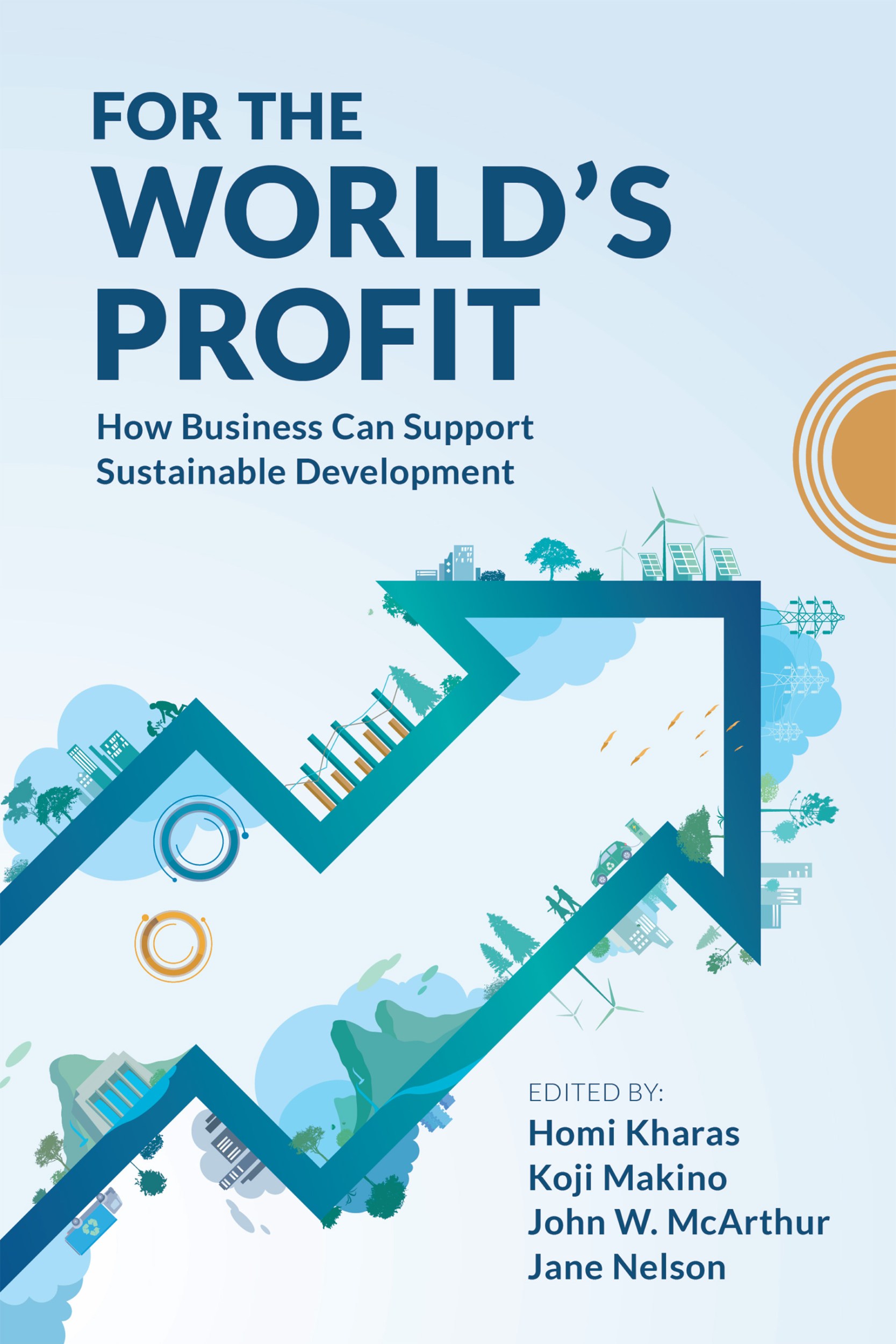
This book argues that the world is at a key juncture for considering how the targeted pursuit of business profits can better add up to the world’s profit, broadly defined.
The edited volume brings together a remarkable array of distinguished corporate, investor, government, academic, and nonprofit perspectives to reflect on the issues. The authors tackle such questions as how businesses can work more effectively with governments, financial institutions, and civil society to mitigate their own enterprise risk alongside risks to people and planet; how private resources, innovation, and networks can be mobilized to create value in solving major social and environmental challenges; and what types of accountability structures are needed to set boundaries, provide oversight, and create positive incentives for business performance.
Their perspectives offer insights into how sustainability can be introduced into business practices, finance and policymaking in a way that expands market opportunities and accelerates progress toward global sustainable development.
Related: Profit and purpose: Aligning business for a sustainable future
10 January 2025. The Center for Sustainable Development at Brookings launched the book’s publication with an overview and panel discussion of key themes.
The event discussed actionable strategies for aligning business goals with global priorities, notably the Sustainable Development Goals (SDGs), against the backdrop of a rapidly shifting landscape of sustainability standards and policies.
It shared insights on how business leaders, financial actors, policymakers, and regulators can contribute to an ecosystem where the targeted pursuit of business profits can better add up to the world’s profit, broadly defined.
This book argues that the world is at a key juncture for considering how the targeted pursuit of business profits can better add up to the world’s profit, broadly defined.
The edited volume brings together a remarkable array of distinguished corporate, investor, government, academic, and nonprofit perspectives to reflect on the issues. The authors tackle such questions as how businesses can work more effectively with governments, financial institutions, and civil society to mitigate their own enterprise risk alongside risks to people and planet; how private resources, innovation, and networks can be mobilized to create value in solving major social and environmental challenges; and what types of accountability structures are needed to set boundaries, provide oversight, and create positive incentives for business performance.
Their perspectives offer insights into how sustainability can be introduced into business practices, finance and policymaking in a way that expands market opportunities and accelerates progress toward global sustainable development.
30 January 2025. APAARI Community of Practice (CoP) Public-Private Partnerships
This initiative is currently more foucsed to Bangladesh, where APAARI is implementing projects with the support of STDF and USDA. However, our vision is to expand this CoP to a regional platform in the near future, enabling broader collaboration and knowledge-sharing across the Asia-Pacific on public private partnership.
The CoP aims to:
Engage directly with private sector representatives, trade associations, and other stakeholders.
Contribute to identifying key challenges in export-import processes and the agriculture trade.
Participate in co-creating actionable strategies to enhance trade efficiency and competitiveness.