Platform for African – European Partnership in Agricultural Research for Development
Showing posts with label youth. Show all posts

Friday, September 11, 2026

The Netherlands Food Partnership at AFSF 2026: Connecting Dutch Expertise with Africa’s Food Systems Transformation

31 August to 4 September 2026. AFS Kigali. For the Netherlands Food Partnership (NFP), the Forum was an opportunity to demonstrate that Dutch engagement in African food systems is not about a single technology, sector or organisation. Rather, it is about building partnerships across agriculture, nutrition, energy, research, entrepreneurship, finance and policy.

NFP brought together Dutch organisations and partners around a shared presence at the Forum, while also supporting several partnerships and sessions addressing some of the most pressing challenges facing Africa’s food systems.


A Dutch Pavilion built around partnership


One of the most visible elements of the Dutch presence was the Dutch Pavilion, hosted by the Netherlands Food Partnership. NFP brought together 17 members of its network at the booth, creating a shared space where organisations could present their work, meet African and international partners, exchange experiences and explore new collaborations.

The pavilion reflected the diversity of Dutch engagement in African food systems. Among those represented were organisations working on farmer livelihoods and value chains, climate resilience, nutrition, youth entrepreneurship, research and innovation.

  • Dorcas, for example, used the pavilion to showcase its work on climate-resilient agriculture, farmer field schools and value-chain development in East Africa. Its representatives highlighted experience from Tanzania and Kenya, including work around the PIP approach, farmer field schools and the honey value chain.
  • Access to Nutrition Initiative (ATNi) was also represented through the Dutch booth, with Katherine Pittore participating on behalf of the Netherlands Working Group on international
    Nutrition. ATNi's broader engagement at the Forum focused on healthy diets, consumer demand and the food environment.
  • ProVeg International was another partner present at the Dutch Pavilion, bringing perspectives on plant-rich diets and protein diversification and linking these issues to healthier and more resilient African food systems.

The pavilion therefore served as more than an exhibition stand. It became a meeting point for organisations that approach food-system transformation from different entry points but share an interest in practical, locally relevant solutions.


Putting youth entrepreneurship at the centre


A major NFP-supported event during the Forum was the session “Scaling the Youth Enterprises Ecosystem,” held on 2 September at the Youth Dome. The session was jointly organised by SNV, FAO, AGRA, Netherlands Food Partnership and Wageningen University & Research Student Challenges, with NFP's Bente Meindertsma helping to facilitate the discussion. The central question was : what does it take to help youth-led enterprises move from incubation to scale?

The discussion explored the importance of education, skills, networks, market opportunities and enabling ecosystems. Rather than treating young people simply as beneficiaries of food-system programmes, the session focused on young people as entrepreneurs, innovators and economic actors.

The involvement of East-West Seed Knowledge Transfer Foundation added a practical smallholder perspective. Elijah Mwashayenyi, Head of Knowledge Transfer for Africa, participated in the panel discussing how youth enterprises can scale across different country contexts.


Turning food-system plans into action


NFP joined FAO, GAIN, AGRA, AKADEMIYA2063, GIZ, Expertise France, the Scaling Up Nutrition Movement and the UN Food Systems Coordination Hub, among others, in a side event examining how national food-system plans can be translated into practical action. The discussion focused on the practical challenges governments face when moving from strategy to implementation, including the need for stronger coordination, partnerships and investment.

A session convened under the Accelerator framework brought together government representatives, development partners and international financial institutions to consider how implementation gaps can be addressed.


Connecting food systems with clean energy


Another major area of NFP engagement was the Agri-Energy Coalition, which brings together partners working at the intersection of energy, agriculture, water, nutrition, climate and finance. The Coalition had a dedicated exhibition booth, side events, deal-room activities, Innovation Hub sessions and networking events. NFP was among the Coalition partners. The Coalition brought together organisations including GOGLA, SNV, AGRA, GAIN, Wageningen University & Research, IWMI, Practical Action, REEEP, the Global Energy Alliance for People and Planet, Welthungerhilfe, IKEA Foundation, Acumen, BASE, Partners in Food Solutions, Helen Keller International and others.

Energy is not a peripheral issue for food systems. Reliable and affordable energy affects irrigation, cold storage, processing, transport, markets and the ability of rural enterprises to add value. Renewable energy can therefore be an enabler of both food-system resilience and rural economic development.


Investing in young innovators


NFP's partnership with Wageningen University & Research was also visible through the Food Systems Innovation Challenge. 

The Challenge connects students from universities in the Global South and elsewhere with real food-system challenges, creating opportunities for young people to develop practical solutions and entrepreneurial ideas. 

WUR and NFP jointly organise the Challenge, with a strong emphasis on partnerships with universities in the Global South and on connecting youth innovation with food-system transformation pathways. The 2026 edition involves student teams from 17 partner universities. 

Although the Grand Finals will take place Tuesday, 29 September 2026 in Wageningen, the initiative formed part of the wider NFP presence at AFSF: an example of how youth engagement, education, innovation and entrepreneurship can be connected rather than treated as separate agendas.

The 30 selected teams

1BangladeshBangladesh Agricultural UniversityThe Golden Loop
2BangladeshBangladesh Agricultural UniversityBiocircular
3BeninNational University of AgricultureGreenValor-Compost
4BeninNational University of AgricultureKetou FertiSoyaPlus
5BrazilESALQ-USPEcoPalm Nexus
6BrazilESALQ-USPKindred Ora
7EthiopiaWollo UniversityEureka
8EthiopiaWollo UniversityBiochar – The Black Diamond
9GhanaUniversity of GhanaSoilpulse AI
10GhanaUniversity of GhanaMacIsland
11IndonesiaUniversity of BrawijayaEkolestari
12IndonesiaUniversity of BrawijayaNgramut Wiji
13KenyaLukenya UniversityAgripro
14KenyaLukenya UniversitySolar Harvest Innovators
15KenyaUniversity of EldoretBreezBag
16KenyaUniversity of EldoretFermentaFuture
17NepalKathmandu UniversityGreen Miracle
18NepalKathmandu UniversityShell Alchemist
19NetherlandsWageningen University & ResearchIronTeam
20NetherlandsWageningen University & ResearchPaludifuture
21NigeriaUniversity of AbujaGreen Dessert
22NigeriaUniversity of AbujaSiam Bio-Store
23SenegalUSSEINGancax Pro
24SenegalUSSEINMBT's Infusana
25South KoreaSeoul National UniversityRegrain
26South KoreaSeoul National UniversityABEL
27UgandaMakerere UniversityGreen Organic Harvest Canopy
28UgandaMakerere UniversityBioCoat Solutions
29VietnamCan Tho UniversityEco-Aqua Alliance
30VietnamTra Vinh UniversityEverGreen


Thursday, August 13, 2026

From Forgotten Foods to Foods of the Future: Equipping Africa’s Next Generation of Biodiversity Leaders

4–8 August 2026
. Abomey-Calavi, Benin,

Africa’s indigenous and neglected foods are increasingly being recognized not as relics of the past, but as strategic resources for the future. They can contribute simultaneously to healthier diets, biodiversity conservation, climate resilience, stronger local economies and culturally grounded food systems. Yet many of these foods continue to disappear from farms, markets, kitchens, schools and diets, taking with them traditional knowledge about how they are cultivated, prepared and used. 

The GFAiR Collective Action on Forgotten Foods (CAFF) is responding by placing young people at the centre of efforts to rediscover, innovate around and create new opportunities from Africa’s food biodiversity.


A youth message from the World Social Forum 2026


This ambition gained momentum during the World Social Forum 2026, where GFAiR and The Food
Bridge vzw convened the side event “Growing the Food Future: Youth, Innovation and Indigenous Food Systems.”

Participants from from Benin, Gabon, Canada, Congo, France, Cameroon, Benin, Ghana, Nigeria, and other countries and several generations explored one central question: “How can young people transform forgotten foods into the foods of the future?”

The discussion showed that this transformation is already underway. Recipients of the 2025 CAFF grants presented concrete youth-led initiatives: 
  • Chimezie Marvellous, Federal University of Technology, Owerri, described efforts connecting elders and young people to preserve Igbo food heritage in Imo State, Nigeria. The project "Connecting elders and young people to preserve Igbo food heritage" responds to the risk that indigenous foods may disappear together with the knowledge of how they are grown, prepared and valued: elders and other community knowledge holders serve as custodians of traditional food knowledge, while young people help carry this heritage forward and make it relevant to contemporary food systems.


  • Israel Oyeyemi presented the youth-led Campus Food Heritage Hub helping young people rediscover forgotten vegetables.
    The initiative "CFF Agroschooling Project – Rediscovering Forgotten Vegetables" conducted awareness activities at the University of Ibadan, where students learned about the nutritional, cultural and environmental importance of indigenous vegetables and participated in documenting local species. Young people also received indigenous vegetable seeds and hands-on cultivation training, while a Campus Indigenous Food Festival and Cooking Competition, themed “Preserving Our Indigenous Food Heritage,” brought food knowledge into a more creative and experiential setting. Digital campaigns further promoted traditional vegetables, their recipes and nutritional value. The project covered species including amaranth (Efo Tètè), Corchorus (Ewedu), Malabar spinach (Amunututu), African wild lettuce (Yanrin), bitter leaf, fluted pumpkin (Ugu), waterleaf and several other underutilized vegetables. According to the project’s own reporting, it reached more than 100 students, strengthened youth skills through seed distribution and cultivation, encouraged student-led documentation of food knowledge, and fostered intergenerational learning. In this way, Oyeyemi’s initiative illustrates the CAFF approach of making forgotten foods relevant to a new generation by combining education, cultivation, food culture, documentation and digital communication rather than treating their conservation as a purely agricultural activity.
  • Emmanuella Akumtu Cesar highlighted the nutritional potential of Bambara groundnut for young people’s diets. Her project, "Aboboe Revival: A School Farm for Nutrition, Skills and Indigenous Crop Heritage" is located in Korm M/A Basic School, a highly underserved school in Ghana's Eastern Region. This initiative showcases the transformative potential of school farms. Beyond producing food, the project promotes better nutrition, preserves indigenous crops and equips young people with valuable agricultural knowledge and practical skills. Many children depend on school meals as their primary source of daily nutrition, yet the budget allocated for school feeding is only about 2 cedis per child per meal—less than €0.20. Providing nutritious meals under such constraints is incredibly challenging. (see also: From Ghana to Benin: The Journey Begins)
  • Joel Teye shared work around indigenous bean species and their reintroduction to consumers in Ghana’s Krobo area. Farming organically within a biodiversity-rich ecosystem presents unique challenges, including adjusting planting schedules to accommodate wildlife migration patterns. To sustain his farms, Joel has also adopted an innovative approach. Alongside the indigenous beans, he cultivates Chinese vegetables for Chinese shops and consumers in the Tema area, creating a reliable income stream. According to him, with the challenge of youth unemployment and a large family, farming offers him the income he needs. His work demonstrates how entrepreneurship and cultural preservation can successfully go hand in hand. (see also: Collective Action on Forgotten Foods (CAFF) mission to Ghana)
  • Oluwaferanmi Olatilo presented her wider work on agrobiodiversity and Slow Food Nigeria’s Ark of Taste. Her activities reconnect Nigerian schoolchildren with indigenous foods, food traditions and agricultural biodiversity, responding to the disappearance of nutritious traditional foods and young people’s growing disconnection from food heritage.
Together, these examples demonstrated that young people are already becoming custodians, innovators and promoters of indigenous food heritage.

The resulting Youth Declaration on Forgotten Foods and the Future of Food Systems sends a strong message: preservation cannot mean keeping biodiversity only in seed banks, archives or museums. Food heritage must remain alive—grown, exchanged, prepared, eaten, valued and adapted. The declaration argues that innovation and heritage should reinforce rather than oppose one another, bringing traditional knowledge into dialogue with contemporary science, technology, creativity and enterprise. Above all, young people should be actors rather than spectators, participating in conservation, production, research, processing, entrepreneurship and decision-making.
 

Turning the declaration into action


The declaration identifies a practical agenda for governments, research and educational institutions,
development partners, civil society, businesses and food movements. 
  • It calls for indigenous foods to be integrated into education, school gardens and nutrition and culinary learning; for mentorship linking youth with elders, farmers, Indigenous and local communities, researchers, chefs and entrepreneurs; and for greater investment in community seed systems and neglected crop cultivation. It also emphasizes moving beyond conservation towards value creation, through processing technologies, food safety, packaging, certification and quality standards.
  • Markets and entrepreneurship are equally important. Public procurement, schools, restaurants and food businesses can create demand for forgotten foods, while young entrepreneurs need grants, finance, incubation, equipment, technical training and market connections. Festivals, digital storytelling and culinary events can make indigenous foods visible and desirable to younger consumers. At policy level, the declaration calls for food sovereignty, agroecology and indigenous foods to be incorporated across agriculture, nutrition, education, biodiversity, climate, trade and rural-development policies.

Cultivating Africa’s next generation of biodiversity leaders


Building on these priorities, CAFF is developing
“Cultivating Africa’s Next Generation of Biodiversity Leaders: Youth Innovation, Entrepreneurship and Collective Action for Forgotten Foods.”
 

The initiative is conceived as a leadership and innovation academy for young entrepreneurs, researchers, students, farmers and community advocates working to restore indigenous foods, biodiversity and food sovereignty. Its premise is that young people and women are already innovating around indigenous foods but need stronger access to mentorship, research partnerships, finance and leadership opportunities.

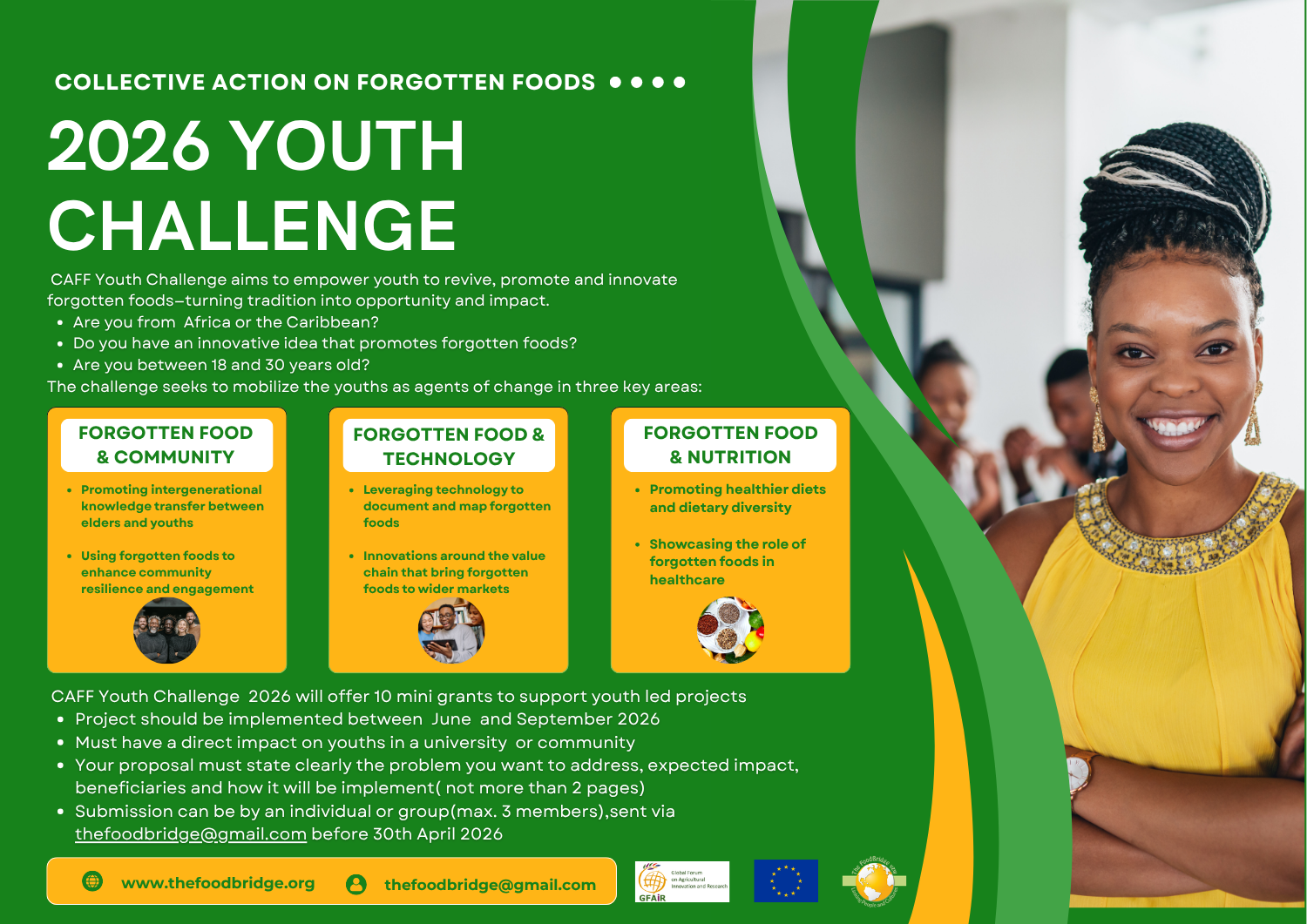
The 2026 CAFF Youth Challenge targeted young people aged 18–30 from Africa and the Caribbean, with projects to be implemented on university campuses or in semi-urban communities; selected participants receive mentorship, capacity building and a project grant.

 The first five selected projects (for 2026) are:
  1. Dalis Favour Apollos, Gwomshar Initiative. ROOTS & REVIVAL: A Youth-Led Forgotten Foods Initiative in Plateau State, North-Central Nigeria
  2. Wisdom Kofi, with Philomena Blankson (Nutritionist, GIMPA) and Kwame Asante (Food Technologist). From Farm to Feast: Reviving Ghana's Forgotten Grains and Leafy Foods Among Urban Youths
  3. Damaris Adhiambo Adoyo & Quinter Aoko Ogwonyo, School of Environmental Sciences, Department of Community Development, Pwani University. Revitalizing Seaweed as a Nutritional Powerhouse in Kwale County, Kenya
  4. Enongene Beltin Epie, Youth Environmental & Community Development Advocate, Cameroon. ROOTS REVIVAL: Youth-Elder Action for Forgotten Foods and Community Resilience
  5. Suzan Amoit, Makerere University, Uganda. Reviving Forgotten Foods: A Youth-Led Innovation for Orphan Crops

The CAFF Youth Challenge goes deliberately beyond conventional entrepreneurship training. It aims to equip young people as biodiversity champions and custodians of indigenous knowledge, while connecting them with universities, National Agricultural Research Systems, farmers’ organisations, investors, policymakers, civil society, development organisations and diaspora networks. Its objectives combine entrepreneurship with biodiversity stewardship, agroecological innovation, leadership, advocacy, indigenous knowledge, value addition and the creation of a continental network of Biodiversity Champions.

The  the side events was structured around five complementary pillars: 
  1. Rediscover Africa’s biodiversity and indigenous knowledge; 
  2. Innovate through new products and value chains; 
  3. Lead through advocacy and leadership; 
  4. Collaborate across sectors; 
  5. Transform food systems through collective action on green entrepreneurship and indigenous-food business innovation to branding Africa’s biodiversity, linking research with community innovation, financing nature-based enterprises, accessing diaspora markets and building collective action for Africa’s food future.

From biodiversity conservation to economic opportunity


A particularly important dimension is connecting conservation with livelihoods. CAFF envisages young entrepreneurs learning how to develop sustainable enterprises from indigenous crops, improve processing and competitiveness, build compelling brands around Africa’s food heritage and connect with researchers and investors. Diaspora markets and international opportunities are also part of this approach, alongside financing through grants, investment, crowdfunding and other business-support mechanisms.

This reflects one of the strongest messages emerging from the youth declaration: 
Food heritage must create opportunity. Conservation is unlikely to be sustainable if young people cannot see viable futures and decent livelihoods within it. Indigenous foods therefore need to connect biodiversity conservation with education, research, nutrition, entrepreneurship and markets.

A vision for 2030


The youth declaration ultimately looks towards 2030, envisioning indigenous African foods becoming integral to diets, economies and food systems rather than remaining at their margins. It imagines schools, farms, markets and restaurants where these foods are grown, taught, consumed and valued; young people leading enterprises and innovation; and research and policy recognizing their nutritional, ecological, cultural and economic potential. It also envisages Africa developing the capacity to process, certify and export safe, high-quality indigenous food products, generating livelihoods and economic opportunities for communities and young people.

The CAFF youth challenge provides a pathway for translating that vision into a longer-term movement. 
  • Participants at the side event discussed practical entrepreneurial and leadership skills, stronger biodiversity stewardship, research and investment partnerships, improved value-addition and advocacy capabilities, business growth plans and membership in a regional Forgotten Foods Youth Network. 
  • The longer-term ambition is a continental movement of young biodiversity champions capable of turning forgotten foods into engines of nutrition, biodiversity conservation, climate resilience, decent employment and food sovereignty.
The message emerging from Benin is therefore not simply about preserving what Africa risks losing. It
is about repositioning indigenous foods as part of Africa’s future and equipping a generation capable of doing so. As the Youth Declaration concludes, the challenge is to move from remembering forgotten foods to rebuilding their place in food systems—allowing the knowledge of the past to inform the innovations of the future and enabling young people not merely to inherit food systems, but to transform them.

Monday, August 3, 2026

World Social Forum Benin: Growing the Food Future


4–8 August 2026. 
As the World Social Forum (WSF) 2026 gathers in Cotonou, Benin, one message is becoming increasingly clear: the future of food will be shaped not only in laboratories or boardrooms, but also in the fields, villages, and communities where people cultivate the land and protect local knowledge.

The Forum brings together thousands of activists, farmers, researchers, youth leaders, Indigenous communities, policymakers, and civil society organizations from more than 150 countries. Together, they are exploring practical solutions to some of the world's most pressing challenges—from climate change and inequality to food insecurity and environmental degradation.


Why Food Matters


Food is more than nourishment. It is culture, identity, livelihoods, health, and resilience.

Across Africa and around the world, communities are facing growing pressures from climate change, land degradation, rising food prices, biodiversity loss, and unequal access to resources. Smallholder farmers, who produce much of the world's food, are often among those most affected.

The World Social Forum provides a platform to ask an essential question: How can we build food systems that nourish both people and the planet?

Growing the Food Future


The answer emerging from Benin is rooted in food sovereignty—the idea that communities should have the right to define their own food systems, protect their seeds, and manage natural resources sustainably.

Throughout the Forum, participants are sharing experiences in:
  • Agroecology and regenerative farming
  • Indigenous and local seed preservation
  • Climate-resilient agriculture
  • Youth leadership in farming
  • Women's empowerment in food production
  • Community-led land and water management
  • Local markets and fair food economies
These discussions are not simply theoretical. They showcase real-world solutions already transforming communities across Africa and beyond.

The West African Caravan


The West African Caravan is a grassroots mobilization that brings together farmers, youth, women, civil society organizations, and social movements from across West Africa to promote food sovereignty, climate justice, human rights, and sustainable development. 

Traveling across multiple countries before major regional or global gatherings such as the World Social Forum, the caravan creates opportunities for communities to share local solutions, celebrate cultural diversity, advocate for equitable public policies, and strengthen cross-border solidarity. 

By connecting people through dialogue, learning exchanges, and collective action, the West African Caravan amplifies the voices of communities working to build resilient food systems, protect natural resources, and advance a more just and inclusive future for the region.


From Discussion to Action


One of the Forum's greatest strengths is its ability to connect people across sectors and borders.
  • Farmers exchange ideas with scientists.
  • Young innovators meet experienced community leaders.
  • Civil society organizations collaborate with policymakers.
  • Together, they are creating partnerships that extend well beyond the Forum itself.
Growing the food future requires more than technological innovation. It demands policies that support smallholder farmers, investment in sustainable agriculture, protection of biodiversity, and food systems that are equitable, resilient, and locally driven.

Extracts of the sessions on Ecological crises, climate justice and just transition


5 Aug 2026 09:00 Building Peasant Internationalism: DEFENDING PEOPLES' SELF-DETERMINATION


5 Aug 2026 11:00 Discussion audiovisuelle et interactive : les outils d'intégration des savoirs climatiques endogènes dans la construction d'économies vertes africaines


5 Aug 2026 11:00 Femmes africaines face aux changements climatiques, la transition écologistes et l’extractivisme prédateur : alternatives, résiliences et autonomisation économique


5 Aug 2026 15:00 Discussion consultative du Cadre politique continental pour les Systèmes Semenciers Paysans - L'Alliance pour la Souveraineté Alimentaire (AFSA) a collaborer avec la commission de l'Union Africaine jusqu'à la production d'une politique spécifique

5 Aug 2026 15:00 Ending the Toxic Double Standards: Agroecology and Workers’ Rights for Food Sovereignty - This session builds on the documentary screening of Toxic Harvest and brings together panellists from West Africa, Zambia, Zimbabwe, South Africa


6 Aug 2026 09:00 De l'engagement à l'action : Lancement Continental de la Caravane Africaine pour la Justice Climatique 2026


6 Aug 2026 09:00 De la protection animale à la préservation de la biodiversité, une vision intégrée au cœur des initiatives engagées et concrètes en faveur d'un développement durable


6 Aug 2026 09:00 PROCESSUS VERS UN TRIBUNAL POPULAIRE D’AFRIQUE DE L’OUEST SUR LES PESTICIDES

6 Aug 2026 11:00 Conference hommage à Réné SEGBENOU - René Segbenou spent over thirty years fighting on fronts few dared to occupy: peasant seeds, GMOs, biosecurity


6 Aug 2026 11:00 Dismantling Carbon Colonialism, Carbon Markets and False solutions


6 Aug 2026 11:00 Semences paysannes en Afrique de l'Ouest : résistances, droits et alternatives face aux pressions juridiques internationales
  • Co-organizers: The Food Bridge vzw, CFF Agroschooling Initiative, Ayonna , Global Forum on Agricultural Innovation and Research- GFAIR
  • This side event, organized by the Collective Action on Forgotten Foods (CAFF), places young people at the centre of the solution.   Through inspiring examples, dialogue and collective reflection, participants will explore practical pathways for empowering the next generation to conserve, add value to, commercialize and promote forgotten foods while creating decent jobs, strengthening local economies and advancing food sovereignty.
6 Aug 2026 15:00 L'agriculture écologique: comment produire de l'engrais bio et le charbon écologique à partir des déchets?


7 Aug 2026 11:00 La Gouvernance foncière et la souveraineté alimentaire: rôles des chefs coutumiers pour la cohésion sociale


7 Aug 2026 15:00 Swavalamban (Self-Reliance): Community Farming and Value-Added Agriculture for Climate Justice

Wednesday, July 8, 2026

Empowering Youth and Women in Agrifood: Bridging Entrepreneurship and Job Creation

7 July 2026. Empowering Youth and Women in Agrifood: Bridging Entrepreneurship and Job Creation for Sustainable Impact - Organizers: PAFO and COLEAD

The 27th PAFO–COLEAD Innovations Session discussed how agrifood systems and the organisations, cooperatives, MSMEs and support ecosystems can better serve youth and women as both entrepreneurs and jobseekers, and how strengthening one pathway can reinforce the other for sustainable, inclusive impact.
  • Moderator: Aimable Twagirayezu, Programs Officer, PAFO
  • Laura Wauters , Head of Training Department, COLEAD
  • Babafemi Oyewole, CEO, PAFO
  • Olusola Adeyemo , Lead Sustainable Farming , Distribution and Extension , AGRA

Panel 1: youth - and women -led agrifood businesses creating value and quality work 

Practical experiences across the entrepreneurship and employment pathways
  • Chiamaka Ndukwu, CEO , AgroHive
  • Akejo Gordon Victor, CEO , Gordon Agricultural Organisation
  • Fatoumatta Joof , Director of Programs, The Woman Boss

Panel 2: Building support ecosystems for inclusive growth

strengthening skills, entrepreneurship and quality employment
  • Genna Tesdall, Director of Young Professionals for Agricultural Development
  • (YPARD)
  • Mathabo Tsepa, Women Leader, SACAU, PAFO
  • Key takeaways and conclusion Ahoefa Soklou, Project officer, Networks and
  • Alliances, COLEAD

Program Links

Tuesday, June 2, 2026

4th Africa Regional Food Systems Transformation Meeting


18–20 May 2026
in Accra, Ghana.
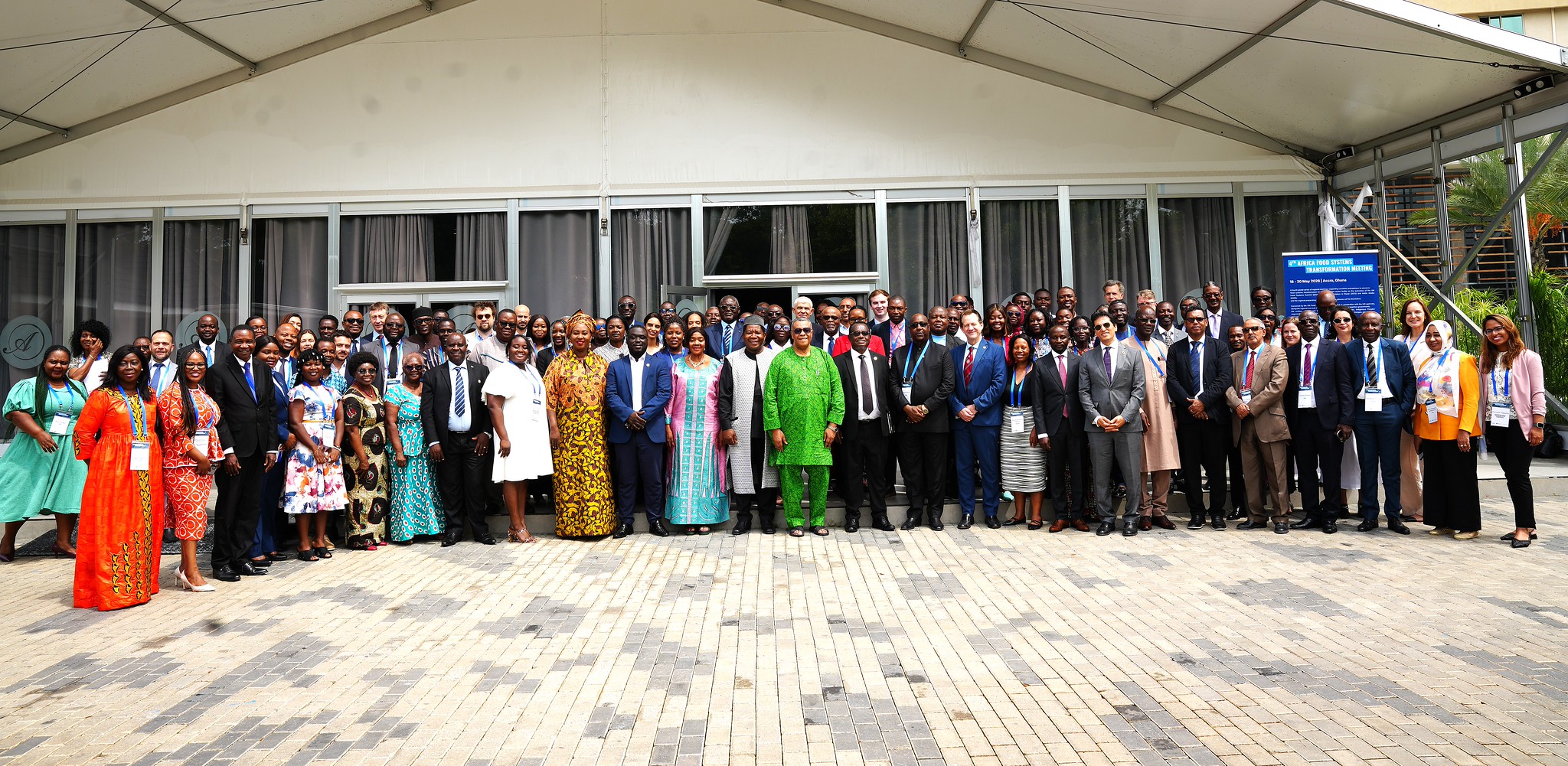
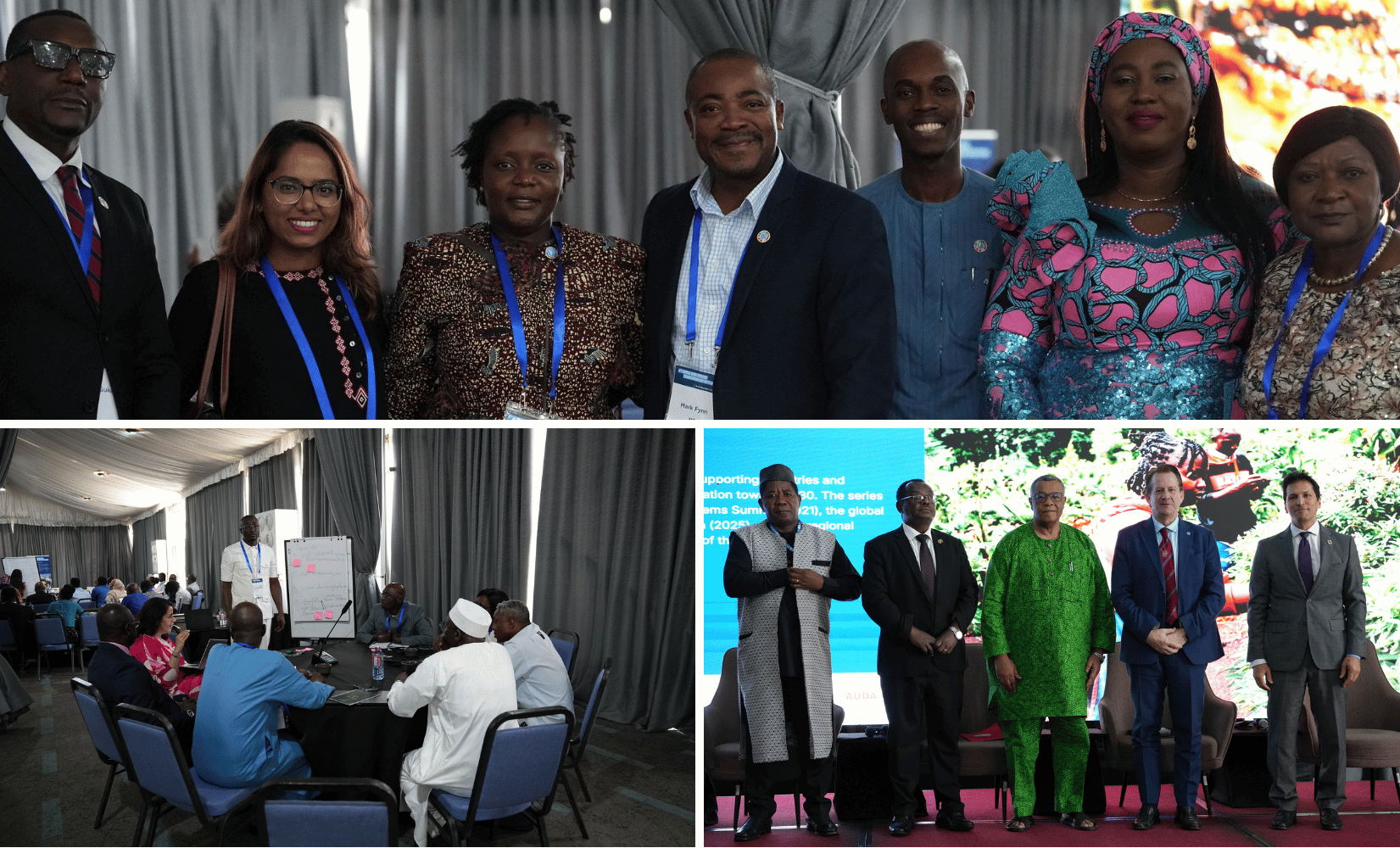
The 4th Africa Regional Food Systems Transformation Meeting brought together National Food Systems Convenors, governments, regional institutions, UN agencies, development partners, researchers, civil society, youth organizations, and the private sector. The meeting focused on accelerating implementation of national food systems transformation pathways following the adoption of the CAADP-Kampala Declaration and the outcomes of the UN Food Systems Summit +4 (UNFSS+4). Participants reviewed progress made since previous regional meetings, shared lessons from implementation, and identified opportunities for stronger collaboration, investment, and accountability across Africa.

A central theme throughout the meeting was moving from planning to delivery. Discussions emphasized improving governance, financing, monitoring systems, science and innovation, private-sector engagement, and youth leadership to transform African food systems into more resilient, inclusive, and sustainable systems. The meeting also sought to align national actions with continental frameworks such as Agenda 2063 and CAADP-Kampala, while strengthening regional cooperation to address common challenges including climate change, food insecurity, economic shocks, and unemployment.


1. High-Level Roundtable 1 Opportunities for Better Synergy Between National Pathways, Global and Continental Policy Frameworks


Purpose: To explore how national food systems transformation pathways can be aligned with continental frameworks such as CAADP and Agenda 2063, while ensuring that country priorities shape regional and global agendas.

  • Clement Adjorlolo (Moderator) Principal Programme Officer, Agriculture and Rural Transformation, AUDA-NEPAD
  • Mokganedi Mokopasetso National Food Systems Convenor, Botswana
  • Leon Baïkoua National Food Systems Convenor, Central African Republic
  • Chantal Ingabire Director General for Planning, Ministry of Agriculture and Animal Resources (MINAGRI), Rwanda
  • Victor Mbumwae National Food Systems Convenor, Zambia
  • Lorenz Franken Institution Building Specialist, Committee on World Food Security

2. Panel Discussion How to Unlock Financing and Investment for Food Systems Transformation?


Purpose: To identify practical financing mechanisms and investment approaches that can accelerate implementation of food systems transformation pathways.

  • Max von Bonsdorff (Moderator) Chief, Global and Multilateral Engagement, International Fund for Agricultural Development IFAD
  • Arsene Bationo Private Sector and Grants Management & Compliance Expert, African Development Bank AFDB
  • Athur (Arthur) Mabiso Lead Regional Economist, International Fund for Agricultural Development IFAD
  • Gabriel Ferrero Senior Strategic Advisor, Global Agriculture and Food Security Program
  • Zak Bleicher Senior Advisor and Global Coordinator, Agrifood Systems Accelerator
  • Tobie Ondoa Manga Inspector General of Agricultural Development, Government of Cameroon
  • Mohamed Abdi Yusuf National Food Systems Convenor, Somalia
  • Chantal Ingabire Director General for Planning, MINAGRI, Rwanda


3. Roundtable: How Can the Private Sector Support Food Systems Transformation?


Purpose: To discuss how businesses can help drive innovation, investment, and scaling of food systems transformation initiatives.

  • Carolin Busch (Moderator) Junior Professional Officer, UN Food Systems Coordination Hub
  • Tolu Kweku Lacroix Executive Director, UN Global Compact Ghana
  • Worlali Senyo Senior Vice President, Farmerline
  • Anthony Selorm Morrison President and CEO, Chamber of Agribusiness Ghana
  • Aleksa Mirkovic Project Administrator, United Nations Industrial Development Organization UNIDO


4. Panel: Strengthening Accountability in Food Systems Transformation


Purpose: To explore monitoring, reporting, and accountability mechanisms that can improve implementation and track progress toward food systems goals.

  • Medhat Elhelepi (Moderator) Regional Coordinator for Africa, UN Food Systems Coordination Hub*
  • Clement Adjorlolo Principal Programme Officer, AUDA-NEPAD
  • Fatmata Lucia Seiwoh National Food Systems Convenor, Sierra Leone
  • Thembani Malapela Knowledge Management Officer, UN Food Systems Coordination Hub
  • Victor Mbumwae National Food Systems Convenor, Zambia
  • Faisal Munkaila Director, Policy Planning, Monitoring and Evaluation Division, Ministry of Food and Agriculture, Ghana

5. High-Level Roundtable 2: Leveraging Science, Innovation and Data for Evidence-Based Food Systems Transformation in Africa


Purpose: To examine how science, research, innovation, and data systems can improve decision-making and accelerate food systems transformation.

  • Günter Hemrich (Moderator) Strategic Lead, Food Systems Coordination, UN Food Systems Coordination Hub
  • Abdulrazak Ibrahim Director, Research and Innovation (Food Systems), Ministry of Food and Agriculture, Ghana
  • Amira Abdelrahim Ali Mohammed Food Systems and Agricultural Policy Specialist, Sudan*
  • Demba Sabally National Food Systems Convenor, The Gambia
  • Roza Fachi Mbilizi Food Systems and Nutrition Expert, Malawi
  • Samira Hotobah-During Executive Secretary and Director Alliance African Local Food and Nutrition Supply Chains 
  • Richard Tweneboa Kodua Director, Science and Innovation, Ministry of Environment, Science, Technology and Innovation, Ghana

6. Panel Discussion: How to Capitalize on the Youth Dividend and Promote Co-Leadership for Food Systems Transformation?


Purpose: To explore how young people can be empowered as leaders, innovators, and decision-makers in food systems transformation.

  • Caesar Vulley (Moderator) Youth and Food Systems Advocate, Ghana
  • Haroun Moussa (Opening Remarks) Technical Adviser on Youth and Skills Development, AUDA-NEPAD
  • Delfina Hlashway (Keynote) Youth Food Systems Champion, Namibia
  • Kefilwe Roba Moalosi Senior Nutrition and Food Safety Officer, AUDA-NEPAD
  • Mirirai Tembo Youth Representative, Food Systems Movement, Zambia
  • Fatmata Binta Founder and Executive Director, Community Agenda for Sustainable Development, Sierra Leone


Related:

 22 May 2026. Farmer cooperatives play a critical role in strengthening inclusive, resilient, and sustainable food systems by organizing smallholder producers and enhancing access to markets, finance, technology, and knowledge, while increasing farmers’ bargaining power and income security and supporting local value chain development. 

The session brought together practitioners, policymakers, development partners, and cooperative leaders to share practical experiences and lessons learned from cooperative-led initiatives, examine how cooperatives enhance smallholder inclusion in food systems, and identify policy, institutional, and investment pathways to strengthen cooperative models, as well as opportunities to scale cooperative-driven solutions across diverse contexts, ultimately generating actionable insights on how to effectively support cooperatives in accelerating food systems transformation at both national and global levels.

Wednesday, May 20, 2026

Food Accelerator Programme of Greenwich University

18 May 2026. The presentation of the report “A Research on the African Diaspora Food Market in the United Kingdom: Understanding Market Dynamics, Opportunities and Indigenous Food Systems” was followed by a visit to the Food Accelerator Programme at the University of Greenwich, 

The Food Accelerator Programme at the University of Greenwich is an innovation and business support initiative led through the Medway Food Innovation Centre and the university’s Natural Resources Institute. The programme is designed to help food and agri-food startups scale their businesses through technical assistance, mentorship, product development support, business coaching, and access to research facilities. 

Participants receive tailored guidance over several months, including workshops, one-to-one advisory sessions, investor connections, and support in accessing grants and funding opportunities. The programme places a strong emphasis on sustainable food systems, plant-based innovation, food technology, and commercial readiness.

For African SMEs, particularly those operating in agriculture, food processing, agritech, and nutrition sectors, the programme offers important opportunities to strengthen innovation capacity and improve competitiveness. African SMEs often face challenges such as limited access to research infrastructure, weak product development systems, and difficulties attracting investment. 

Through accelerator-style support, businesses can refine products, improve quality standards, adopt new technologies, and develop stronger business models that are attractive to regional and international markets. The programme’s mentorship and networking components also expose African entrepreneurs to industry experts, academic researchers, and potential investors, helping them overcome barriers to growth and commercialization.

In addition, the programme aligns well with broader efforts to strengthen food security, sustainability, and entrepreneurship across Africa. By helping SMEs become market- and investment-ready, initiatives like the Greenwich Food Accelerator contribute to job creation, value addition in agricultural supply chains, and the development of climate-smart food innovations. 

African SMEs that participate in such programmes can gain international visibility, access to collaborative research, and partnerships that support expansion into new markets. These benefits are particularly valuable for women-led enterprises, youth innovators, and startups developing solutions for nutrition, sustainable agriculture, and resilient food systems across the continent.

The Growing Kent & Medway website shows examples of businesses it has supported: 
  1. West african food festival in Faversham 
  2. Innovating the recipe box market with a taste of Nigeria: Meet Konero, 
  3. Stabilising African Superfoods for the Plant-Based Market with Root Mylk  
  4. How NRI is supporting a Rwandan start-up’s global vision - Natural Resources Institute

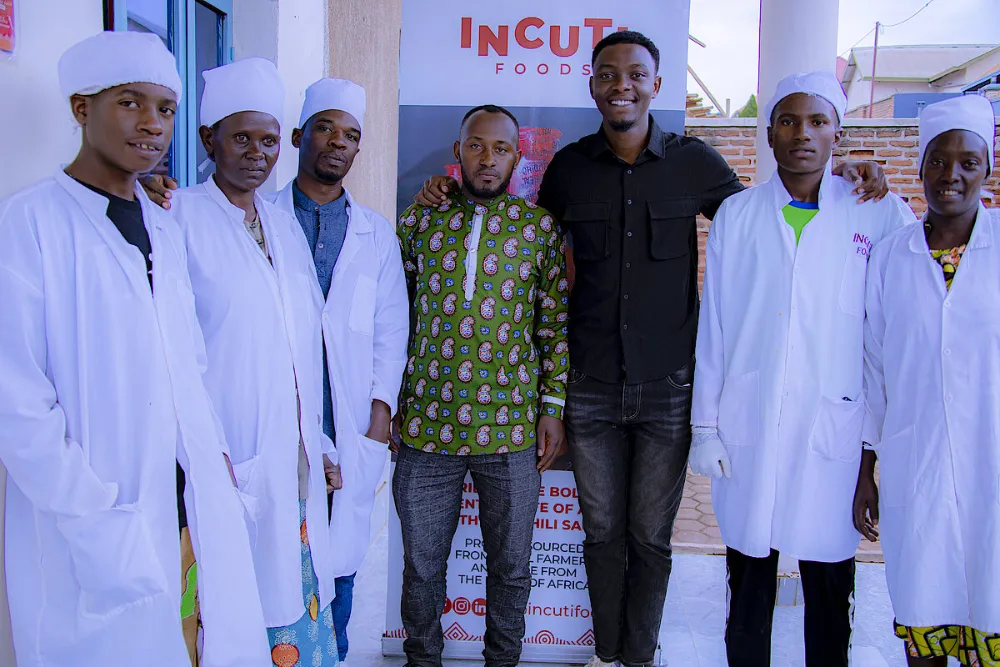
    Incuti is reshaping Rwanda’s chilli value chain, by adding value to chillies that were once sold fresh or went to waste. Farmers now have a more reliable buyer in Incuti, local communities benefit from job creation, and Rwanda earns valuable foreign exchange from exports.

A minimum food technology machinery

In a low-resource African context, the minimum food technology machinery required to support SMEs through a food accelerator programme should focus on affordable, multipurpose, energy-efficient equipment that improves food safety, shelf life, and value addition. The priority is not high-end industrial automation, but practical technologies that allow small enterprises to process local crops into marketable products. Core machinery would typically include cleaning and sorting equipment, solar or hybrid dryers, small hammer mills or grinders, oil presses, mixers, sealers, and basic packaging machines. For enterprises working with fruits, vegetables, grains, legumes, or neglected crops, these technologies can significantly reduce post-harvest losses while increasing product quality and income generation.

Basic food safety and preservation infrastructure is equally important. Minimum investments should include stainless steel processing tables, water filtration systems, weighing scales, moisture meters, refrigeration or cold storage units where feasible, and simple pasteurization or sterilization equipment. In many rural African settings, unreliable electricity makes solar-powered dryers, biomass-powered processing systems, and low-energy cooling technologies particularly valuable. Small laboratory tools for quality testing — such as pH meters, thermometers, and microbial testing kits — can also help SMEs meet national and export standards without requiring expensive industrial laboratories.

The most effective approach in poorer contexts is often shared processing infrastructure rather than individual ownership of machinery. Community food innovation hubs, cooperative processing centres, or university-linked incubation facilities can provide SMEs with access to machinery they could not afford independently. This reduces costs while encouraging skills transfer, entrepreneurship, and product innovation. For African SMEs working on forgotten foods, indigenous crops, or agroecological products, the emphasis should therefore be on scalable, repairable, locally maintainable technologies that support food safety, nutrition, and market access rather than sophisticated industrial systems that are difficult to sustain.

  • The webinar will explore the relationship between food safety and sustainability in food manufacturing, highlighting both the challenges and opportunities associated with current industrial practices. While food safety remains the highest priority across the sector, many processes used to ensure safe production, such as pasteurization, sterilization, cleaning in place, and sterilization in place, require significant amounts of energy, water, and chemical inputs.
  • The session will examine how these practices can create sustainability trade-offs, while also addressing how climate change is introducing new microbial hazards that need to be controlled throughout the food system.
  • Participants will gain an overview of the current landscape of food safety and sustainability, including opportunities to improve resource efficiency while maintaining high safety standards. Topics will include innovative hygienic design approaches, modernisation of traditional preservation methods, strategies to reduce spoilage and waste, and solutions to address emerging microbial risks linked to climate change.
  • If you are interested in joining this webinar, please register through this link: https://bokuvienna.zoom.us/webinar/register/WN_5iai5_fwSzO1WN_p-Hqsxg#/registration 

Friday, May 15, 2026

Food4Education: affordable, nutritious school meals to children in public schools

21-24 April 2026. Oxford, UK. 2026 Skoll World Forum.

The 2026 Skoll World Forum featured a strong presence of African social innovation projects, organizations, and leaders focused on education, food systems, peacebuilding, conservation, digital inclusion, and entrepreneurship.

Some notable African-linked initiatives and leaders highlighted during the 2026 forum included:

  • SmartStart South Africa — winner of the 2026 Skoll Award for Social Innovation for expanding access to early childhood development through community-based franchise models.
  • Trevor Noah Foundation and Food4Education (F4E) , focus on equitable education access for African youth.
  • Elman Peace and Human Rights Centre — represented by Ilwad Elman, working on peacebuilding, youth empowerment, and post-conflict recovery.
  • Amini — founded by Kate Kallot, using AI and environmental data systems to improve climate resilience and agricultural decision-making in Africa.
  • Education innovation organizations from Rwanda, Sierra Leone, and Kenya participated in side events focused on scaling education systems and government adoption. These included EducAid, Inspire, Educate and Empower Rwanda, and Elimu-Soko.
  • Conservation and community-led environmental initiatives from Africa also featured prominently in discussions around climate resilience and biodiversity protection, including sessions co-hosted by Maliasili.

Social entrepreneur Wawira Njiru of Food4Education (F4E)  and comedian and philanthropist Trevor Noah explored what it takes to unlock opportunity for young people across Africa and beyond. United by a shared belief that investing in young people is the most powerful lever for change, they dig into the role of homegrown innovation in tackling the continent’s biggest challenges.

Food4Education (F4E) is a Kenyan nonprofit organization that provides affordable, nutritious school meals to children in public schools. Founded in 2012 by Wawira Njiru, the initiative began by feeding just 25 children near Nairobi and has since grown into one of Africa’s largest locally led school feeding programs. The organization’s mission is based on the idea that hungry children cannot learn effectively, and that school meals can improve education, nutrition, and long-term economic outcomes.

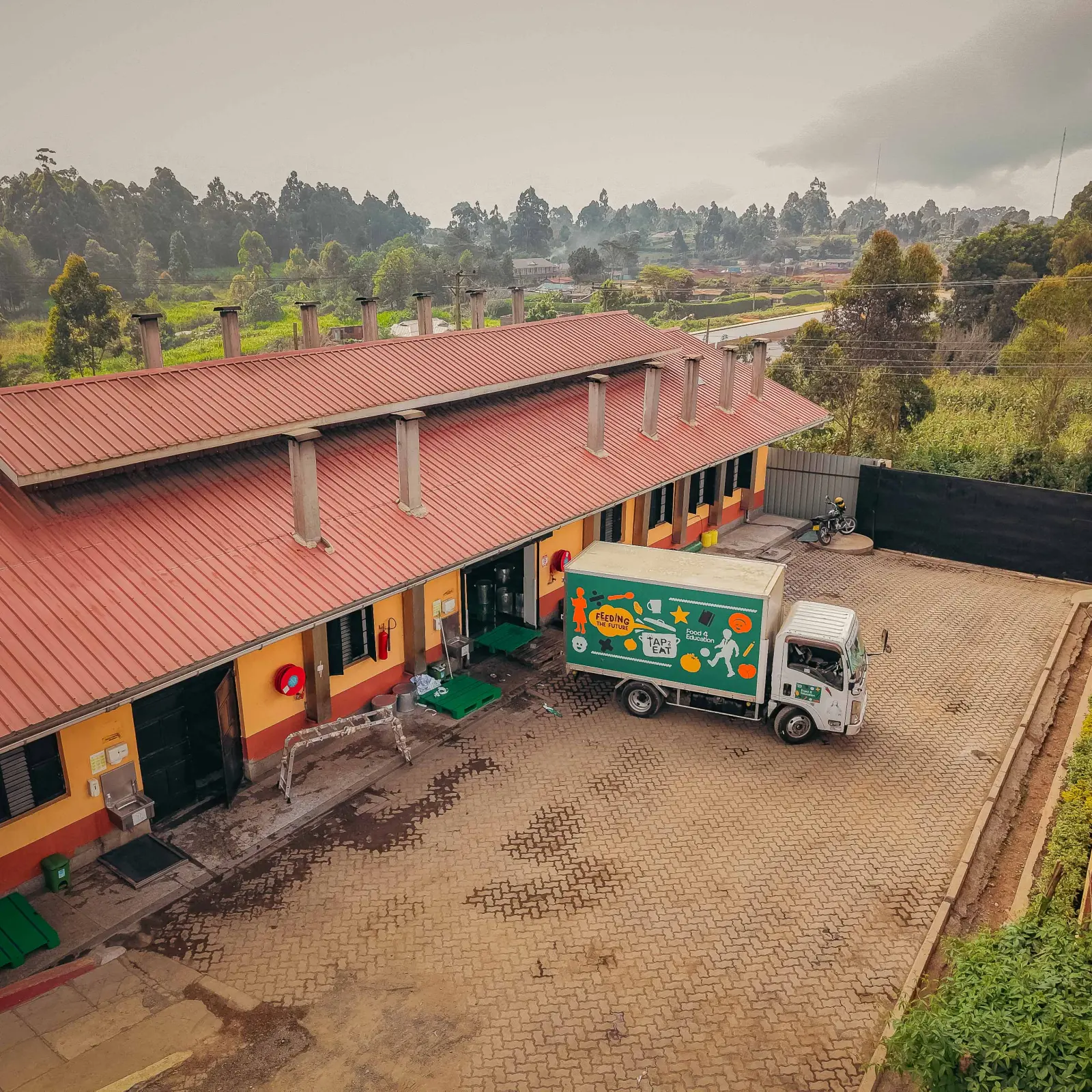
Food4Education operates a highly innovative and scalable feeding model in Kenya using centralized “giga kitchens,” digital payment systems such as Tap2Eat wristbands, and partnerships with county governments, parents, and local farmers. The meals are designed to provide essential nutrients including iron, zinc, calcium, and protein while remaining affordable for low-income families. The organization also sources much of its food locally from smallholder farmers, helping strengthen rural livelihoods and local food systems. By 2025–2026, the program was serving more than 500,000 children daily across over 1,300 schools in multiple Kenyan counties.

Beyond feeding children, Food4Education aims to create a scalable African model for sustainable school feeding that can be replicated across the continent. The organization works closely with governments and development partners to influence school feeding policies and demonstrate how investment in nutrition improves attendance, enrollment, academic performance, and community resilience. Food4Education has gained international recognition for combining nutrition, technology, climate-conscious operations, and local ownership into a cost-effective system that could transform school feeding across Africa.

Wednesday, February 11, 2026

From Farm to Market: Investing with Young Entrepreneurs

10–11 February 2026. IFAD Governing Council: 49th Session.

The overarching theme of the Governing Council is “From Farm to Market: Investing with Young Entrepreneurs”.

IFAD recognizes that youth are not just the future, they are the present. By investing in their entrepreneurial potential, we can unlock new pathways for employment, reduce poverty and inequality, and ensure that rural areas become thriving engines of stability, prosperity and sustainable growth.

This session took place at the beginning of the International Year of the Woman Farmer, declared in recognition of the key role that women farmers around the world play in agrifood systems and their
contributions to food security, nutrition and poverty eradication. It comes at a time when we need to redouble our efforts to address the root causes of fragility, conflict and forced migration and overcome the discrimination and challenges faced by rural youth and women farmers so that they may realize their potential as drivers of economic and social development and transformed rural areas.

Extracts of the programme


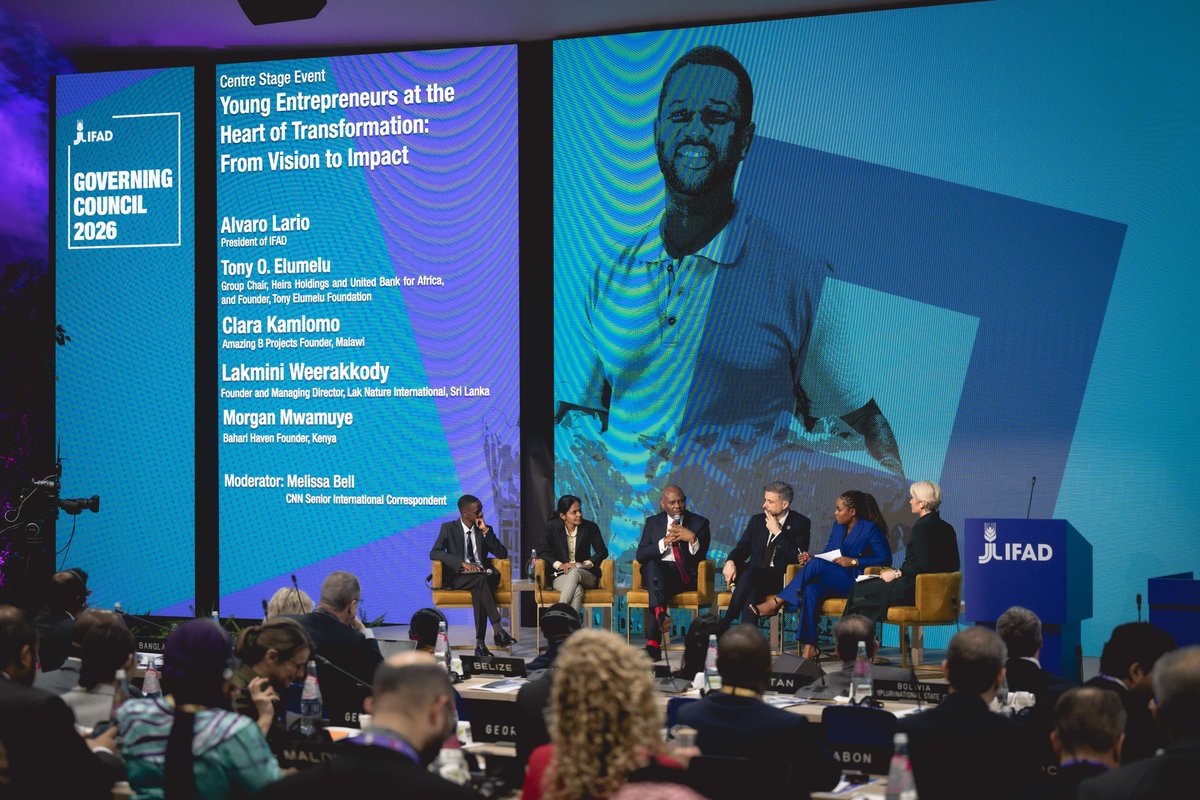
10/02 Young Entrepreneurs at the Heart of Transformation: From Vision to Impact


This session highlighted the transformative potential of youth entrepreneurship in revitalizing rural economies and food systems, and kicked off with a fireside chat between IFAD’s President and Mr Tony Elumelu, founder of The Tony Elumelu Foundation.
  • Alvaro Lario – President, IFAD
  • Tony O. Elumelu – Group Chair, Heirs Holdings & United Bank for Africa; Founder, The Tony Elumelu Foundation - The foundation is the leading philanthropic organization in Africa, empowering a new generation of entrepreneurs, driving poverty eradication, catalysing job creation across all 54
    African countries, and increasing women’s economic empowerment. The discussion was led by a dynamic panel of young entrepreneurs exploring investment opportunities in the next generation of
    leaders and innovators. They also shared inspiring stories about their journey from farm to markets. 
  • Johann Saathoff – Parliamentary State Secretary, Federal Ministry of Economic Cooperation and Development (Germany)
  • Juan Antonio Rivas – Senior Vice President & Global Head, Sustainable Business Development, Olam Food Ingredients (OFI)
Young Entrepreneurs featured:
  • Ms. Cecilia Sejekam Wajai – Administrative Manager, Bosque de las Nuwas Association (Peru) - a women-managed initiative in Peru that preserves Amazonian forests, promotes ancestral plant knowledge and markets forest products and ecotourism experiences
  • Ms. Clara Kamlomo – Founder, Amazing B Projects (Malawi) - a youth-led agribusiness in
    Malawi focused on farming, training and value-add production to generate jobs and strengthen rural livelihoods
  • Ms. Didiki Fanai – Manager, Dairei Banana Food Processing (India) - transforming local banana produce into value-added food products
  • Mr. Hubert Stephy Tchuigoua – Founder, Family Green Corporation (Cameroon) - an agritech enterprise offering digital tools and market access services to smallholders
  • Ms. Lakmini Weerakkody – Founder & MD, Lak Nature International (Sri Lanka) - producing and exporting organic natural food products sourced from smallholder farmers
  • Mr. Mamadou Diop – Programme Officer, Youth, CNCR (Senegal) - supports youth engagement in agricultural value chains and rural enterprise development
  • Mr. Morgan Mwamuye – Founder, Bahari Haven (Kenya) - a sustainable aquaculture enterprise in Kenya promoting coastal fish farming and livelihood diversification
  • Ms. Sabrina Ounis Faiza – Founder & Manager, Desert Fish (Algeria) - Algerian venture pioneering sustainable aquaculture systems adapted to arid environments
  • Ms. Sara Perez – Secretary, Cooprobaolupe Oversight Committee (Dominican Republic) - advancing cooperative agricultural production and market access for local farmers
  • Moderator: Melissa Bell, Senior International Correspondent, CNN)

10/02  New Frontiers for IFIs: Financing Rural Development at the First Mile


This session explored tools and partnership approaches among international financial institutions (IFIs) to crowd in finance for the “first mile”, namely the rural communities at the beginning of the food value chain, where immense investment opportunities exist to foster growth, employment and prosperity. The discussion focused on country-driven approaches and platforms that can facilitate larger-scale, more-coordinated investments in market access, resilient infrastructure and digital connectivity, all key for
rural development. 
  • Ms. Federica Diamanti – Associate Vice-President, External Relations Department, IFAD
  • Mr. Aki Nishio – Vice-President for Development Finance, World Bank Group
  • Mr. Matteo Patrone – Vice-President for Banking, European Bank for Reconstruction and Development
  • Mr. Musab Alomar – Vice-President for Strategy, OPEC Fund
  • Dr. Ludger Schuknecht – Vice-President for Strategy and Policy, Asian Infrastructure Investment Bank

11/02 International Year of the Woman Farmer


In recognition of the United Nations’ declaration of 2026 as the International Year of the Woman Farmer, this dialogue showcased the experiences and amplify the voices of women farmers, highlighting the vital role they play in reducing poverty, ensuring food and nutrition security, strengthening community resilience, and advancing sustainable rural development.
  • H.E. Mary Robinson – Co-founder, Project Dandelion; former President of Ireland; former UN High Commissioner for Human Rights
  • Gérardine Mukeshimana – Vice-President, IFAD
  • Katherine Meighan – Chief Legal & Governance Officer & General Counsel, IFAD
  • Clara Kamlomo – Founder, Amazing B Projects (Malawi)
  • Andrea Lucía Sarnari – President, Federación Agraria Argentina

12/02 IFAD14 Consultation 

The forty-ninth session of the Governing Council also marked the establishment of the IFAD14 Consultation : a Consultation on the Fourteenth Replenishment of IFAD's Resources (the IFAD14. Consultation) and provide a forum for Governors to share their insights on priority areas for strategic action.