Platform for African – European Partnership in Agricultural Research for Development

Tuesday, April 17, 2012

Farmers in Africa should switch to biopesticides

12 April 2012. SciDev. Manuele Tamò. Farmers in Africa should switch to biopesticides
Diamondback moth
The fungus Beauveria bassiana can protect cabbage against the diamondback moth
Flickr/BugMan50
Biopesticides are better and safer than chemical pesticides — policymakers must do more to promote them, says insect ecologist Manuele Tamò.

Local production. Bio-pesticides can be produced locally with cheap materials and simple equipment, and can generate additional household income by engaging womengroups or unemployed youth.

Recent examples of the production of a baculovirus to attack the cotton bollworm in India clearly demonstrate the feasibility of this approach. Community-based production of this virus was initially funded by a grant from the UK's Department for International Development. But it has continued beyond the end of the project, prompting nongovernmental organisations (NGOs), the private sector and even the government to set up production units.
Manuele Tamò is the Country
Representative IITA
 in Benin.
 

In another example from Benin in West Africa, the international NGO SENS is encouraging community-owned enterprises to help farmers co-invest in producing biopesticides. One of these start-up enterprises, Phileol-HVC is already marketing a mixture of neem oil and essential oils branded BioPhyto. Designed for spraying horticultural crops, it costs a fraction of the price of synthetic pesticide, yet still provides the desired pest control and environmental benefits.

Scaling up. So why aren't more farmers using bio-pesticides in Africa? In West Africa, the main reason is the lack of 'off the shelf' availability. Some farmers may know the advantages of using botanical extracts, such as the absence of hazardous side-effects, but are reluctant to invest extra time and labour to produce them by themselves during the peak cropping season.

This is particularly true for male farmers. So engaging women groups or unemployed youth in producing biopesticides, as well as making them affordable and of good quality, helps promote their use. Research institutions and NGOs need to develop appropriate training materials to support the use, production, and quality control of biopesticides. Because there is no lab accreditation for quality control of biopesticides in Africa, it is currently done by producers in Africa — and they need appropriate training materials.

Similarly, vendors, consumers and policymakers need to be made aware of the higher quality and safety of products treated with bio-pesticides.

Wednesday, April 11, 2012

Deepening IFAD’s engagement with the private sector


DOWNLOAD

This strategy was prepared in response to the recommendations made in the Report of the Consultation on the Eighth Replenishment of IFAD’s Resources. It builds upon IFAD’s 2005 Private-Sector Development and Partnership Strategy and the corporate-level evaluation of that strategy completed by the Independent Office of Evaluation of IFAD in May 2011. It also incorporates feedback received from Executive Board members at the informal seminar held on 13 September 2011.

More specifically, the strategy proposes the following three
broad themes to deepen engagement with the private sector:
  1. Strengthen IFAD’s existing instruments, such as country strategic opportunities programmes (COSOPs), project loans and grants, partnerships, and policy dialogue as related to rural pro-poor private-sector development;
  2. Further build the capacity and knowledge of IFAD and its staff in engaging with the private sector and establishing partnerships;
  3. Explore further and in a gradual manner the options for IFAD to better support the growth of rural small- and medium-sized enterprises (SMEs) in developing countries, in line with its mandate.
Related:

In this video, Dr. Kandeh K. Yumkella, UNIDO Director General, on Agribusiness for Africa’s Prosperity harps on the need to commercialize agriculture in Africa.
Opportunities and challenges for African agribusiness and agro-industries are the focus of a new book published by the United Nations Industrial Development Organization (UNIDO). ”Agribusiness for Africa’s Prosperity” outlines the current status of agribusiness and agro-industrial activities in Africa, and situates them in historical and global context. It analyses the opportunities for diversified growth, and assesses the existing and potential sources of demand growth for agribusiness development on the continent.
In recent years, a renewed focus on agriculture has been evident in policy and development agendas for the African continent, yet little knowledge has been generated on the inter-linkages of production, agro-industry and markets, as well as the potential and capacities for developing them.
Edited by Kandeh K. Yumkella, Patrick M. Kormawa, Torben M. Roepstorff and Anthony M. Hawkins and with contributions from a wide range of international experts, the book fills what UNIDO perceived as a significant gap in knowledge concerning these issues.

Thursday, April 5, 2012

Radio Convergence and Development in Africa progamme (RDCA)

2nd – 5th March 2012. The Radio Convergence and Development in Africa progamme (RDCA) and the Institute of Development Studies (IDS) hosted a roundtable to discuss ‘Putting Communication for Development Research into Use’. Researchers from across various regions in Sub-Saharan Africa attended the event

In this video, RDCA Project Director Allan Thompson explains what the programme aimed to achieve during this roundtable event and why bringing researchers together is an important step in the policy and influence cycle.
The RCDA is a research program implemented by Carleton University’s Centre for Media and Transitional Societies with funding from Canada’s International Development Research Centre (IDRC). The two-year programme, now coming to the end of its second year, explores the nexus between conventional radio and other ICTs, in particular the web, mobile phones, SMS, etc. to discover what the convergence of these platforms can do to enhance the impact of development across Africa.
Allan explains that as the project now comes to a close, bringing together the researchers, in particular those that did not have any major institutional affiliations during the course of their research, allows them discuss how they can make sure their research gets into use and also to look at new ideas that were not accomplished during the project.

Related: RIU 2011 Discussion Paper 16, 53 pp.
DFID discussion paper on role of ICT in agriculture innovation.
This is the first of two linked papers dealing with information and computing technology (ICTs) and the question of putting research into use. This, the first paper, takes the experience of South Asia to review the scope of ICT applications in development practice as a tool for putting research into use for innovation. The findings from this study suggest that ICTs in general have not contributed effectively to the challenge of putting new knowledge into use as they are mostly used to support traditional communication tasks — such as information dissemination and training. The paper argues that this under‐utilisation of the potential of ICTs could be due to: a lack of appreciation of the new communication‐intermediation tasks required for innovation, underestimation of the roles of intermediaries and their capacities for innovation and lack of networks needed for communities to make use of the information provided through ICTs

Building capacity for competitive agricultural systems and enterprises in West Africa

(Video) 30 januari 2012.
video-united through markets
This film (45 minutes) presents four examples of Agri-Business Clusters in Ghana and Togo. They illustrate the experience of entrepeneurial individuals in building small to medium scale businesses through new relationships with colleagues and so-called Agri-Business Cluster and Value Chain partners. 
The businesses, either producer cooperatives or agriculturally-linked enterprises, were supported by a project entitled ‘From thousands to millions: accelerating sustainable economic growth in West Africa’ (The 1000s+ project), coordinated by the International Fertiliser Development Centre (IFDC). The project utilised a grassroots approach known as "Competitive Agricultural Systems and Enterprises” (CASE) and focused on agribusiness clusters consisting of the farmers, entrepreneurs, technical, financial and business development services that are involved in a particular commodity within a well-defined target region. To date, the CASE approach has been piloted in several West African countries, to the benefit of some 60,000 farmers, including many women.

Oyster Farming in Senegal

Many people in Senegal depend on agriculture and aquaculture to make a living - with most of those involved working illegally. The country's economy has suffered from both chronic mismanagement and the effects of extreme weather - meaning hunger is a major concern for the population.
People living along the Casamance River depend on rice production and logging for their livelihood. Now, one initiative is looking to help women earn a living via oyster farming - and protect the mangrove forest. With the help of a small loan, the project's leader Seynabou Diatta is pursuing an environmentally friendly way to harvest oysters.

Oyster Farming in Senegal | Global 3000 door DW_English

Tuesday, April 3, 2012

Increasing Agricultural Productivity & Enhancing Food Security in Africa


2nd April 2012. IFPRI. (34 pages) The International Food Policy Research Institute (IFPRI), in conjunction with the African Union Commission, the United Nations Economic Commission for Africa (UNECA), and the Forum for Agricultural Research for Africa (FARA), organized an international conference on November 1–3, 2011, titled “Increasing Agricultural Productivity and Enhancing Food Security in Africa: New Challenges and Opportunities” in Addis Ababa, Ethiopia.

This conference provided a forum for the exchange of ideas, experiences, and innovations on improving agricultural productivity for achieving food security in Africa by: (i) showcasing research results on the trends, determinants, constraints, and opportunities for improving agricultural productivity in Africa within the framework of the Comprehensive Africa Agriculture Development Program (CAADP), national agricultural and rural development strategies, and investment plans; (ii) identifying areas for policy actions, further research, and innovations toward enhancing food security and reducing poverty in the continent; and (iii) encouraging appropriate communication strategies for conveying and implementing research results that improve agricultural productivity, enhance food security, and reduce rural poverty in Africa.


See PAEPARD blog post: Increasing Agricultural Productivity and Enhancing Food Security in Africa: New Challenges and Opportunities

Monday, April 2, 2012

AGRICULTURE & ENVIRONMENT: PLANET UNDER PRESSURE 2012

26–29 March. London, UK. An unprecedented mixture of scientists, social scientists, industry leaders and decision makers is what the Planet Under Pressure conference in London hoped to achieve — in the quest for solutions to Earth's acute environmental problems.


The declaration says that three changes over the last decade make scientists' warnings qualitatively different from before.  
First, a decade of research is leading to the consensus that we inhabit a new epoch, the Anthropocene, in which humans are dominating planetary-scale processes.
Second, science has revealed that many planetary processes are interconnected, as are, increasingly, society and the economy. This interconnectedness can confer stability and accelerate innovation, says the declaration, but it also leaves us vulnerable to abrupt and rapid crises.
Third, social research has demonstrated that our current ways of governing global environmental change are not dealing effectively with problems such as climate change and biodiversity loss. Many researchers conclude that local, national and regional partnerships are also needed as an insurance policy against failures of governance at a global level.
The declaration supports some of the ideas that are being promoted for inclusion in the Rio+20 agreement, to be finalised at the UN Conference on Sustainable Development (20–22 June) in Brazil.
These include: the need to go beyond GDP (gross domestic product) by taking into account the value of natural capital when measuring progress; a framework for developing global sustainability goals; the creation of a UNSustainable Development Council to integrate social, economic and environmental policy at the global level; and the production of regular global sustainability analyses.
Get the Commission ReportsOne key outcome of the meeting was agreement on the need to push forwarda scheme to redirect global change science, so-called 'Future Earth', which will pull together an wide variety of disciplines to answer questions that societies need to tackle. (Source: Scidev Planet is in critical state, warns science declaration, 30 March 2012)

The Commission on Sustainable Agriculture and Climate Change

Get the Commission ReportsThe Commission on Sustainable Agriculture and Climate Change has identified which policy changes and actions are needed to help the world achieve food security in the face of climate change.

The Reports

The Commission's final report on Achieving Food Security in the Face of Climate Change is now available, along with key background studies. ASummary for Policy Makers is available in English, French and Spanish.
Commissioners from Africa:
  • Professor Tekalign Mamo, Ethiopia
  • Professor Robert Scholes, South Africa
  • Professor Judi Wakhungu, Kenya
Video
How to feed the world in 2050: actions in a changing climate

Saturday, March 31, 2012

Developing digital soil maps covering 42 African countries

28 March 2012. Nature article. African agriculture: Dirt poor. The key to tackling hunger in Africa is enriching its soil. The big debate is about how to do it.
African governments, international donors and scientists all agree that farmers must revitalize their soils. But there is passionate debate about how to do it. Many African governments and agricultural scientists argue that large doses of inorganic fertilizers are the most practical solution. But others, such the Food and Agriculture Organization of the United Nations (FAO) in Rome, are pushing for greener, cheaper solutions, such as no-till farming that conserves soil and 'fertilizer plants' that boost the soil's nitrogen content organically. Researchers report that these latter techniques are beginning to raise yields and improve soil fertility. But farmers are slow to adopt such practices, which require significantly more labour.

An international collaboration of researchers is hoping to improve the use of fertilizers by developing digital soil maps covering 42 African countries south of the Sahara. Started in 2009 with an $18-million grant from AGRA and the Bill & Melinda Gates Foundation to the Tropical Soil Biology and Fertility Institute in Nairobi, the maps will provide up-to-date information on soil properties, derived from satellite measurements and sampling at 60 sites across Africa.

Keith Shepherd, a soil scientist at ICRAF who has worked on the maps, says that the analysis will inform agronomists and agricultural extension services about soil health and what nutrients are lacking. “Until now there was no unbiased sampling at this scale so there was no reliable data on acute problems,” he says.

AGRA is also helping to bring some of Africa's better-quality phosphate deposits into production, which will provide sub-Saharan countries with a cheaper source of locally produced phosphate fertilizer.

Related:
Africa Soil Information Service The Africa Soil Information Service (AfSIS) is developing continent-wide digital soil maps for sub-Saharan Africa using new types of soil analysis and statistical methods, and conducting agronomic field trials in selected sentinel sites. These efforts include the compilation and rescue of legacy soil profile data, new data collection and analysis, and system development for large-scale soil mapping using remote sensing imagery and crowdsourced ground observations.

BBC video: Horizons Business. Video interview with Keith Shepherd. Soil Scientists at The World Agroforestry Centre in Nairobi are working on digital mapping systems to help analyse the quality of the soil across the country, so farmers will know what to grow and when to grow it.

ICRAF video: The World Agroforestry Centre's Global Research Project on Land Health aims to develop and promote scientifically rigorous methods for measuring and monitoring land health,assessing land health risks, and targeting and evaluating agroforestry and other sustainable land management interventions to improve ecosystem health and human wellbeing.

Friday, March 30, 2012

Announcement: What works when scaling inclusive agri-food markets?

11-13 April 2012. Carlton Beach Hotel, the Netherlands. From Islands of Success to Seas of Change
“What works when scaling inclusive agri-food markets?”

The last decade has seen an explosion in value chain initiatives, and sustainable and ethical sourcing has become an accepted aspect of business strategy. Non-governmental organisations are working with businesses to link small producers to markets; round tables on global commodity chains are focusing on sector-wide approaches; a broad range of certification schemes are in place; and ‘bottom of the pyramid’ concepts are emerging. Experience is developing rapidly but insights often remain fragmented and the lessons that need to be learned are only slowly being taken on board.

The big question for the next few decades is how to build on these developments to achieve the measure of change that is needed, and quickly. It is necessary to assess when, where and why some efforts remain islands of success while others indicate a sea change. The inspirational examples that are emerging need to be scrutinised, and we need to assess which ideas can be adapted, mutated and cross-pollinated. It is necessary to consult with those who have most experience to see where they believe the opportunities lie for putting good ideas into practice.

100 international partners will attend this learning workshop. Coordinated by the Wageningen UR Centre for Development Innovation, this is the first step in an initiative to scale up the agri-food market – in a way that includes all players. The aim of the workshop is to take a step back and look at the range of promising efforts that have emerged as a result of the last decade’s experience in establishing sustainable and equitable agri-food value chains. It will also look to the future, share innovative approaches and identify high-potential options. The outcome will be a state-of-the-art perspective on how to develop and expand inclusive agri-food development.

For more information, please visit the website of the Seas of Change Initiative 

Markets, Smallholders and Empowerment

This issue of Capacity.org aims to refocus attention on the critical but largely neglected issue of producer agency: that is, the capacity of producers to make informed choices, and to act on those choices.

Drawing on several detailed case studies - contract farming arrangements that benefit or exploit farmers; guidelines for addressing farm labour interests; and the role of women on small-scale farms - the journal's contributors offer practical guidance on how to strike the right balance between "economic and political empowerment."

Download Issue 44 (PDF, 700 kb)

Working Session by the Mauritius Breadfruit Sector Consortium

28th March 2012. The Mauritius Breadfruit Sector Consortium organized a working session on the 28th March 2012 at the Food and Agricultural Research Council (FARC), Reduit.

This working session was a follow-up to the Partnership Inception Workshop organised by the consortium on 9th and 10th February 2012 in the framework of the PAEPARD project.

The participants of the working session were comprised of representatives from the Agricultural Research and Extension Unit (AREU), the University of Mauritius (UoM), Conserverie Sarjua Ltee, the Ministry of Agro-Industry and Food Security, the Food and Agricultural Research Council and the APEXHOM (Professional Association of Producers / Exporters of Horticultural Products from Mauritius).

The objective of the working session was to use the questions generated from the last workshop as guidelines to identify research areas/ research themes along the value-chain, with potential for research and development in the local context (Mauritius).
Along the Breadfruit value-chain, 11 themes were identified (from its origin to marketing and consumer preferences), and there were unanswered questions that cropped up during the previous workshop. Participants were provided a copy of these questions which they could use as guidelines, and the floor was open for discussion on where we have areas of interest for Research and Development under each theme. Each research theme or research area that was proposed by the participants was discussed and added under their respective headings. After this exercise, a series of research and also development themes was generated (horizontally in picture below), which were then classified in 6 components (input supply, farm production, post harvest treatment, logistics, processing, marketing) of the value chain (vertically in picture).

By the end of the working session, 10 Research and Development themes were generated which would be used for the next workshop, whose objectives would be to formulate research questions under the identified themes and conceptualise & develop project proposals.

Thursday, March 29, 2012

Grants Provided on research and science about Post-harvest and Agriculture

March 28, 2012. ADDIS ABABA, Ethiopia. The African Union signed nine grant contracts with African and European universities, scientific think tanks and research institutes with the endorsement of the European Union.

These grant contracts are part of the ACP (Africa, Caribbean and Pacific) Research for Sustainable Development Programme - Africa component (€14.7m) with the objective of strengthening international economic competitiveness of ACP countries.

During the signing ceremony Prof. Jean Pierre Onvehoun Ezin, Commissioner of the Human Resources, Science and Technology, AUC said “Science and Technology in Africa within the last decade have been tremendous evolution, so more that the African Union Commission is championing the scientific awards at national, regional and continental levels....”

"The signature today is very encouraging for all of us who believe that innovation is key for maintaining high growth rates in today's and tomorrow's increasingly competitive world", said Gary QUINCE, EU Ambassador to the African Union.

These projects on applied sciences are designed to respond to improve the living conditions of African population. More specifically, it aims to create networking among African scientific community and to build bridges with European partners while performing joint researches by the transfer of knowledge and know-how through a 'learning by doing' approach.

Today's signature ceremony of grant contracts is the result of the "First Call for Proposal" of an amount of 7 million Euros which are limited to some strategic priority actions: Post-harvest and Agriculture, renewable and Sustainable Energy, water and sanitation.

The African Union Commission, through its Department of Human Resources, Science and Technology, is the Delegated Regional Authority for the Africa Component of the programme.

The Second Call for Proposal has been launched on 16 January 2012 with the aim to engage 7 million Euro on new grant contracts by the end of the current year.


  1. (a) The European Commission invests in Research in Africa, not onlythrough the African Research Grant, but also through the 72M€Africa Call of the 7th R&D Framework Programme. To this figureone should add the number of African research laboratories thatparticipate in the global FP7 calls, which is higher than any othercontinent, but very much concentrated in the North of Africa and inSouth Africa.
  2. The 40M€ Nyerere programme that facilitates exchanges betweenAfrican universities for students at masters and doctoral level.
  3. The 13 M€ (?) Africa Connect project that provides connection fromthe National Research Networks to the European High SpeedResearch Network GEANT2.
  4. The 23M€ EDULINK-II Programme which fosters capacitybuilding and regional integration in the field of higher educationand where the call was launched last week.
  5. A package of 500.000$ for continental science prizes and bestfemale science prizes.
  6. And last but not least the EC support to the Pan-AfricanUniversity.

TEAM Africa Planning Meeting

26 - 28 March 2012. Wageningen. The World Bank and Wageningen University and Research Centre organized a workshop on ‘Support to Tertiary Agricultural Education in Africa’. The Workshop, which was held in Wageningen, the Netherlands, follows on earlier discussions on higher education in agriculture at the Kampala Ministerial Conference (November 2010), the first TAE-Partnership workshop launching it in Ås, Norway (September 2011), and at subsequent meetings in Ouagadougou (November 2011) and Washington DC (December 2011).

Given the level of renewed interest in African TAE, several development partners and knowledge institutions in Africa, Europe and Northern America have initiated this series of discussions to explore how they might scale up and coordinate their support for TAE initiatives in Africa. The Wageningen workshop was intended to further strengthen this TAE-Partnership and to be the next step in that effort.

Specifically, the workshop participants discussed:

  1. Lessons learned from past and current programs of support to TAE in Africa;
  2. Africa’s plans for TAE (as expressed by the leaders of the TEAM Africa initiative) and how best to support them;
  3. Possible forms through which development partners might increase the coordination and alignment of their support for TAE in Africa;
  4. Next Steps towards achieving better coordination of development partners, and further alignment with the African agenda for TAE.

The workshop brought some 60 African, North American and European stakeholders in agricultural education together, including Development Partners (World Bank, USAid, DGIS, AFD, CDA, FAO, CTA, DAAD, NUFFIC, Bill & Melinda Gates Foundation, GlobalHort), Regional Coordination Fora (FARA/CAADP, RUFORUM, ANAFE, Team Africa) and African as well as northern universities and knowledge Institutions (APLU, AGRINATURA, Université d’Abomey Calavi, Sokoine University of Agriculture, Stellenbosch University, Michigan State University, OHIO State University, Université de Liège, Norwegian Institute for Agricultural and Environmental Research, the University of Helsinki, Finlkand, the Swedish University of Agricultural Sciences, Wageningen UR, the Netherlands’ Royal Tropical Institute, the Faculty of Life Sciences of the University of Copenhagen, Denmark, SupAgro and Agreenium from France, NRI/University of Greenwich, UK and ICRA.

The workshop participants discussed new mechanisms to support TAE in Africa by assessing lessons learned from past and current support programs, and by matching possible new initiatives with Africa’s own plans for TAE, as expressed in Pillar 4 of the Comprehensive Africa Agricultural Development Programme of NEPAD, and by the World Bank supported TEAM Africa initiative. The latter comprises of a new coordination unit, hosted by the Regional Universities Forum for Capacity Development in Agriculture (RUFORUM) and the African Network for Agriculture, Agroforestry and Natural Resources Education (ANAFE). Specifically the Wageningen Workshop aimed to align the various North American and European donor support mechanisms as well as (bilateral) university partnership programmes and how best to support them.

Proposal Writeshop (Edulink+Af Union) / Francophone

Cotonou, INFOSEC, du 26 au 30 Mars 2012
26 - 30 March 2012. Cotonou. Institut de Formation Sociale, Economique et Civique (INFOSEC) de Cotonou. Suite aux ateliers d’initiation au partenariat multi acteurs, accompagné par le PAEPARD et ses partenaires financiers, un atelier régional d’écriture de projet a été organisé grâce à l’appui technique et financier de RUFORUM. L’Association pour le Développement du soja au Bénin (SOJAGNON) a assuré la coordination et la gestion logistique de cet atelier d’écriture de projet avec le RUFORUM.

Cet atelier avait pour but de former les consortia des différents pays de l’Afrique de l’Ouest sur la compréhension et l’écriture complète de projets à soumettre à l’Union Africaine.

Le facilitateur en train d’exposer les grandes lignes
du formulaire à remplir
L’objectif général de l’atelier était de renforcer les capacités des partenaires africains dans les consortia de recherche agricole pour le développement, et de développer des propositions de recherche à partir des notes conceptuelles qui ont été présentées dans les séminaires d’initiation aux partenariats et autres processus.

Cet atelier visait spécifiquement à aider les consortia à rechercher des partenaires à la mobilisation des ressources et à écrire des projets de recherche à soumettre au 10ème Fonds Européens pour le Développement, Composante Africaine du Programme ACP pour la recherche pour le développement durable.


L’atelier d’écriture a permis le renforcement de capacités de tous les participants sur
la rédaction des projets de recherche, les règles et principes de l’Union Africaine sur
la soumission des projets aux appels à proposition, le partage d’expérience sur les
sujets de recherche entre membre d’un même consortium, et l’appropriation du
processus de partenariat par tous les consortia.

Ces derniers qui, après s’être mis
d’accord sur la vision, les objectifs communs, les activités et un consensus sur le pays
porteur du projet de chaque consortium. Chacun des consortiums a ont élaboré un
plan d’action avec rôles à l’appui engageant chaque partenaire et qui les guidera
pendant toute la durée du processus de rédaction complète du projet.


Travail de groupe : Ici, le Consortium "Piment" du Togo, Ghana et du Sénégal réfléchi sur
des outputs

Attract and promote private investment in agriculture


19 - 20 March 2012. Kigali. Second meeting of the Grow Africa “First Wave” Initiative. The meeting brought together high ranking officials from the Agriculture Ministries of the seven participating countries. Included in this group were three Agriculture Ministers from Burkina Faso, Tanzania and Kenya. Diplomatic representatives from the G8 Countries in Kigali, Development Partners and representatives from the AU, NEPAD and World Economic Forum were also in attendance.

The purpose of the meeting was to encourage the World Economic Forum and G8 Summit to support “First Wave” countries as they prepare their investment blueprints. The meeting also served as preparation for the upcoming Grow Africa Forum meeting in Addis Ababa on 8-9 May 2012 and for an initiative at the G8 Summit on 18-19 May which will focus on food security and agricultural investment.

Background:
Initiated at the 2011 World Economic Forum (WEF) on Africa, and convened jointly by WEF, the African Union Commission and the NEPAD Agency, the Grow Africa Forum has included seven countries as part of its ‘first wave’. Rwanda was invited by the WEF and the AU to participate in the Grow Africa Forum, a multi-country platform to attract and promote private investment in agriculture. The first meeting of the Grow Africa Forum was held in Dar Es Salaam from 7-8 November 2011 and included representatives from “First Wave” countries, alongside private investors and major donors. The “First Wave” countries include Burkina Faso, Tanzania, Mozambique, Ghana, Kenya, Ethiopia and Rwanda.

Related:
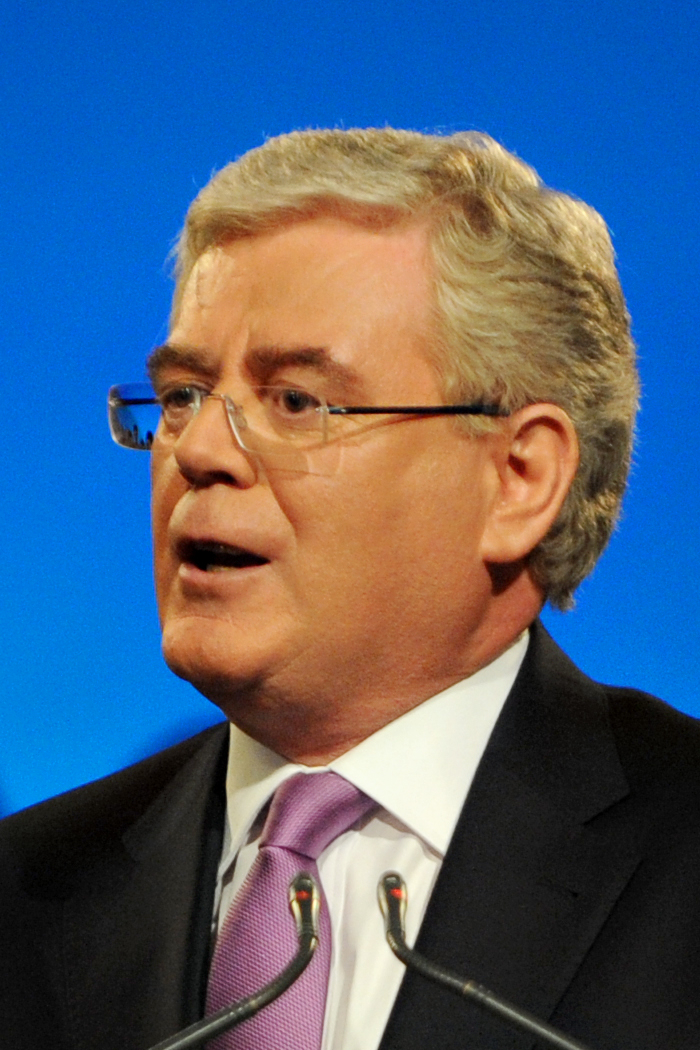
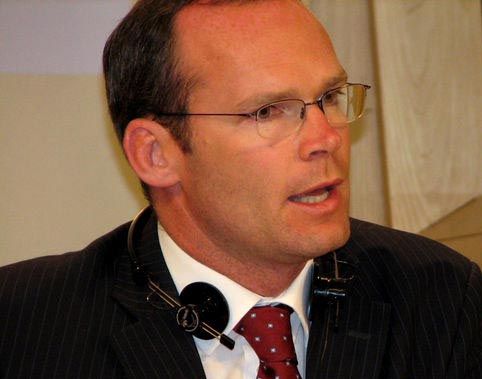
22 March 2012. Ireland's Tánaiste and Minister for Foreign Affairs and Trade, Eamon Gilmore (left) said that the Irish agri-food industry has a key role to play in developing the farming sector in African countries. Speaking at the launch of the €2 million “Africa Agri-food development fund”, Mr Gilmore said the partnership between the department of foreign affairs and the department of agriculture is a new way of working on aid. “Irish companies are well placed to play a role in meeting Africa’s increasing food needs. Our agri-food industries have the skills and the vision to both trade and invest in Africa,” he said. Mr Gilmore said the collaboration builds on work begun by the government’s Africa Strategy, and would expand on the role already being played by Ireland in countries like Mozambique. “It is in the context of the Africa Strategy, and it is the start of an initiative which will advance our aid programme and open up opportunities for trade and investment in Africa by the agri-food sector,” he said. Also at the launch, Minister for Agriculture Simon Coveney (right) said the partnership will allow Irish firms to use experience gained in the shift from subsistence farming to an export industry in collaboration with African partners.

Wednesday, March 28, 2012

African Ministers of finance discuss the implementation of CAADP

22–25 March 2012. Addis Ababa, Ethiopia. Meeting of the Committee of Experts of the 5th Joint
Annual Meetings of the AU Conference of Ministers of Economy and Finance and ECA Conference of African Ministers of Finance, Planning and Economic Development. About 50 African ministers of Finance met for a two-day conference whose theme is “Unleashing Africa’s potential as a pole of global growth.”

A report on the implementation of the comprehensive Africa Agriculture Development Programme (CAADP), being reviewed by a committee of African economic, finance and planning experts who met ahead of the ministers, said ministers of finance have a key role in facilitating faster and better implementation of national agriculture and food security investment plans.

Key messages to Ministers of Finance
The report calls on ministers of finance to initiate and facilitate effective spending instruments like public expenditure reviews, effective monitoring and evaluation systems and regular sectoral reviews and dialogue mechanisms for agriculture and related sectors for better results. During budget discussions, emphasis needs to be placed on complementarities of different sectors as the only instrument to determine and allocate sector budgets, says the report. The report says “budget process in countries should be used as instruments for better inter-and-intra sectoral coordination and that during budget discussions, emphasis needs to be placed on complementarities of different sectors as the only instrument to determine and allocate sector budgets.'

Background
In 2013, it will be ten years since the Comprehensive Africa Agriculture Development Program (CAADP) was endorsed in Maputo in 2003. Beyond the 29 countries that have signed CAADP Compacts, and more than 20 countries developed CAADP-based Agriculture and Food Security Investment Plans (AFSIPs), CAADP has since created space for inclusive participation of all relevant sector players – from within and outside the state and to the grassroots level. CAADP has raised the profile of the agricultural sector in national domestic politics and the attention to agriculture has significantly increased.

CAADP Facts
• 29 countries have signed CAADP Compacts
• 21 countries have CAADP Investment Plans Developed
• 15 countries have CAADP Business Meetings and defined financing modalities
• 6 received GAFSP money
• 7 have developed blueprints for private sector investment

Tuesday, March 27, 2012

PAEPARD write shop in Entebbe

19-23 March 2012. Entebbe. As part of the PAEPARD Project, RUFORUM organised a proposal development writeshops for the African Union Research call (deadline 20/04/2012). A total of fifty participants comprising 16 inter-organisational groups prepared detailed proposals for submission under the African Union Research Call in April (French, Cotonou / English, Entebbe).

 Both workshops were facilitated by Ir. Gerard den Ouden, from the ACP-S&T Management Unit in Brussels, supported by Dr Paul Nampala from RUFORUM. They led participants through the detailed guidelines and requirements of each call, explaining the process of how the proposals are evaluated by the respective financing agencies, and how to prepare a winning proposal.

In each workshop, participants worked long hours to refine logical frameworks, activity plans and budgets, reviewing each other’s plans in a process of peer review. The resulting proposals should therefore have a head start in the competitive selection process, and be more ably managed when funded.

Monday, March 26, 2012

Multi-Stakeholder Platforms and Processes (MSP) in Inland valleys in sub-Saharan Africa

This is the link to the trailer (in fact more a summary of 6 minutes) of a 52 minute film on Multi-Stakeholder Platforms and Processes (MSP) in Inland valleys in sub-Saharan Africa. The film was shot in Mali and produced by MOOV-ON productions for AfricaRice and the Agricultural Research institute in Mali (IER). It illustrates ICRA's involvement in the set-up and functioning of MSPs within the framework of a EU-funded project RAP.


Sinima Sinima: MSPs in action (Trailer) door moovon

you can also watch the French version of the trailer (Bande announce), this is the link


Sinima Sinima : PMA en action (Bande annonce) door moovon

Saturday, March 24, 2012

Agricultural Innovation platforms in practice

Bulletin 396 Putting heads together: Agricultural Innovation platforms in practice
Authors: Suzanne Nederlof , Mariana Wongtschowski , Femke van der Lee
Series : Bulletins of the Royal Tropical Institute
ISBN : 9789460221835 192 pages
Published 2012
Bulletin 396 Putting heads together
Description

The agricultural sector in sub-Saharan Africa badly needs to find new ways of doing things if agricultural development is to contribute to food security and poverty alleviation. This is not only about introducing new technologies to farmers. It is also, even more importantly, about changes in the way old and new technologies, ideas and initiatives are put into practice – as well as how different actors work (together) to stimulate innovation. This book takes a look at platforms that have been set up in order to trigger such change.

However, little is known about how innovation platforms actually operate. This book brings together twelve stories from the field about creating and working with innovation platforms in Africa. It is the result of practitioners putting their heads together to analyse their experiences, and to draw lessons from them. This joint analysis provides insights into how innovation platforms (can) work and different options available to them, and also offers suggestions on how to deal with their main common challenges.

This publication is written from the perspective of practitioners for practitioners. It provides new information on the performance of innovation platforms in developing countries, offers options to policy makers, and gives inspiration to all actors involved in one way or another in stimulating innovation in the agricultural sector.

Download
Putting heads together

Growth with Resilience: Opportunities in African Agriculture


22 March 2012. Brussels, European Commission Directorate General for Development and Cooperation - DG DEVCO. The Informal stakeholder consultation about Improving the quality and effectiveness of development cooperation with African agricultural knowledge organisation, provided the opportunity to launch the new report of the Montpellier Panel: Growth with resilience – opportunities for African Agriculture in 2012.

The Montpellier Panel is a panel of ten experts from the fields of agriculture, sustainable development, trade, policy, and global development chaired by Sir Gordon Conway of Imperial College London. The Panel is working together to make recommendations to enable better European government support of national and regional agricultural development and food security priorities in Sub-Saharan Africa.

Growth with Resilience: Opportunities in African Agriculture Download the report here 


Media coverage