Platform for African – European Partnership in Agricultural Research for Development

Friday, February 12, 2016

BIOFACH 2016: organic food and the tension between safety and quality

10 - 13 February 2016. Nuremberg, Germany. BIOFACH 2016.
The BIOFACH Congress – the platform for knowledge transfer, information exchange, discussion and opinion forming – is the biggest organic congress in the world and its some 100 presentations and panel discussions reach more than 7,000 participants. Join in the discussion and be inspired!

Key theme 2016: "Organic 3.0 – Acting for more organic!"
Organic 3.0 is the discussion on the organic sector of the future and stands for credible and sustainable concepts which are ground-breaking in the re-structuring of the global agriculture and food industry. The organic movement itself is called upon. But not only that: its partners in politics, the private sector and civil society must also create the conditions for the restructuring process and growth as well as actively support the organic sector. BIOFACH 2016 provides the platform for holding discussions and initiating specific measures.

Extracts of the program:
  • The World of Organic Agriculture - Statistics and Emerging Trends At this session the latest data on organic agriculture worldwide were presented (area, operators, markets) and an overview of the current status of organic legislation will be given
  • EU Policy Day, organised by IFOAM EU in cooperation with BIOFACH. In March 2014 the European Commission published its legislative proposal for a new organic regulation. The next and last step in this process is represented by the ‘trilogue’ negotiations between the three EU institutions to agree on a final legal text, presumably at the beginning of 2016. Taking into consideration the three institutions’ proposals, trilogue outcomes on certain regulation areas can be already foreseen and discussion can be kicked off.The policy day will bring together the EU policy makers and the organic sector to discuss the possible changes that the sector will have to be facing when the new organic regulation is adopted.
  • Recent Studies in Organic Research. This session bridged the gap between science and the public by covering studies published in 2015 (and early 2016) about the human health and environmental benefits of organic agriculture.
  • How much food safety can we afford? The tension between safety and quality. Manufacturers and consumers have been jolted by the discoveries of dioxin and mycotoxins in food products. Does society need to reach a new consensus on safety and quality?
Barbara Altmann, Head of Strategic Sourcing Food Ingredients / Rapunzel Naturkost AG Jutta Jaksche, Verbraucherzentrale Bundesverband e.V. (vzbv)
Dr. Ulrich Mautner, SALUS Haus Dr. med. Otto Greither Nachf. GmbH and Co. KG
Andreas Swoboda, W-E-G Stiftung and Co. KG
Tom Nizet, Responsable certification / Certisys GmbH
Hubertus Doms, Hipp GmbH & Co. Produktions KG

Thursday, February 11, 2016

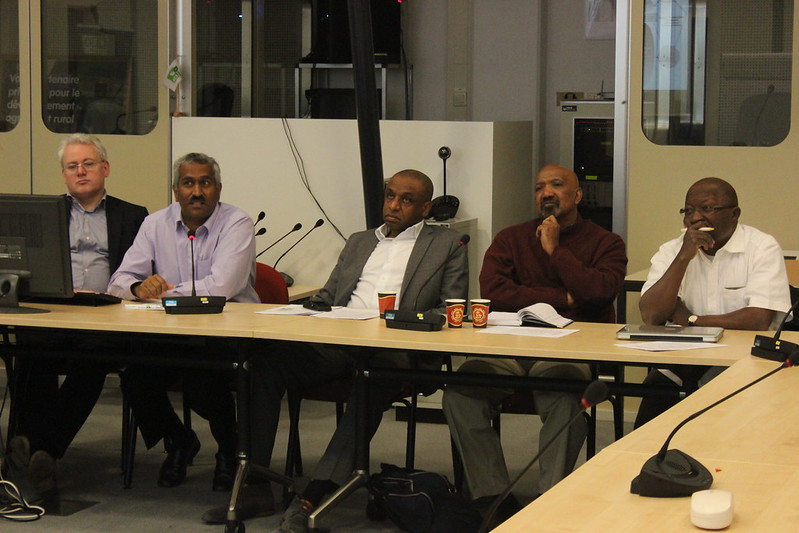
Symposium on South-South and Triangular Cooperation for sustainable agriculture

11 - 12 February 2016. ACP House, Brussels. Symposium on South-South and Triangular Cooperation co-organized by the African, Caribbean and Pacific Group of States (ACP) Secretariat, the Food and Agriculture Organization of the United Nations (FAO), the International Organization of La Francophonie (OIF), with the support of the Commonwealth Secretariat (COMSEC) and the Community of Portuguese Language Countries (CPLC).

See concept note
Extract of the programme

Session 2: Skills Development and Enhancing Institutional Capacity – Case Studies

  • Songhai Centre in Benin by Mr Godfrey Nzamujo, Director of the Centre
  • Pro-Savannah Project Mozambique: by Mr Antonio, Raùl Limbau, Programme coordinator

    The Pro-Savannah Project in Mozambique is a trilateral initiative between Brazil, Japan, and
    Mozambique that aims to contribute to an increase in agricultural production. It sets out to boost research and transfer technologies to the central region of the country, where the predominant tropical vegetation is similar to that found in areas of Brazil. The project applies experiences and techniques developed by Embrapa in Brazil to 400 thousand farmers in Nacala.

Session 3: Access to Technology and Land Case studies

  • Winfred Nalyongo, Programme Coordinator FAO, Uganda
  • African Cashew Initiative by Ms Mary Adzanyo, ACi/GIZ Burkina, Director Private sector Development and Ms Filomena A. Maiopué, Director Institituto de Fomento do Cajou, Mozambique (from the floor)
  • Europe-Africa-Caribbean-Pacific Liaison Committee (COLEACP) by Mr Viwanou Gnassounou, ASG ACP
  • Access to lands and Intra-ACP Agriculture Policy Programme by Mr Juan Cheaz, Senior Programme coordinator, Technical Centre for Agricultural and Rural Cooperation (CTA)

Session 4: Business Services, Case studies
  • Ethiopia Leather Production and Marketing Enterprise by Mr Brook Debebe Agidew, General Manager
  • Dairy Value Chain in Uganda, Ms Patricia Nsiime, Programme Coordinator, FAO Uganda
Guided discussion on what the ACP South-South and Triangular Knowledge Exchange Programme could offer (inclusive of the needs of women and youth) in:
  1. agribusiness (private sector investment, business services);
  2. crop production (rice, roots and tubers etc.);
  3. tools for capacity development (Farmers Field School, etc.) matched to Southern provider base, best practice, institution of excellence;
Participants were able to share best practices and identify priority areas for up-scaling practical solutions, at the policy, institutional and grassroots level that place women and youth at the centre.

The symposium also charted the mechanisms through which South-South Cooperation (SSC) and Triangular Cooperation (TrC) can support the exchange and transfer of the best practices in the priority areas identified, including sessions on:
  • Skills development and enhancing institutional capacity
  • Access to technology
  • Access to efficient business services.
South-South Cooperation is playing a greater role than ever before in the international development cooperation landscape and innovation in the South is generating new tools and partnerships for tackling issues of food insecurity, poverty and sustainable agriculture.

This symposium advanced the ACP’s strategic priorities for women and youth in agriculture and rural areas using a sustainable food systems approach, and mobilise South-South (SSC) and Triangular Cooperation (TrC) as key mechanisms for delivering on this agenda.


Extract of the second video:
African Cashew Initiative by Ms Mary Adzanyo, ACi/GIZ Burkina, Director Private sector Development (from 7:25 to 17:00)

Through a combination of interventions, the African Cashew initiative (ACi) together with private and public partners focusses on organising and building a sustainable African cashew sector to reduce poverty. The intiative aims at supporting at least 330,000 cashew farmers to add at least US$ 90 to their annual income. ACi is active in the five project countries Benin, Burkina Faso, Côte d’Ivoire, Ghana and Mozambique.

Related: South-South cooperation in the cashew industry in Africa. Mary Adzanyo, Director Private Sector Development, GIZ, (ACi), Burkina Faso @ the Brussels Briefing on the subject of “Emerging donors and rising powers in agriculture in ACP countries” took place on Tuesday 27 October 2015 [Presentation|Video]

Manufacturers of agricultural machines see ‘very strong’ market potential in Africa

10 February 2016. Washington. Africa holds great market potential for agricultural machines, according to a recent survey among 171 manufactures of farm equipment conducted by the Agrievolution Alliance – a global network representing manufacturers of agricultural machinery – upon suggestion by the European manufacturers’ association CEMA and the World Bank.
  • According to the survey, 43% of manufacturers believe that – already today – Africa is ‘very important’ or ‘absolutely essential’ for their company’s business.
  • Looking at the sales perspectives for agricultural machines over the next 5 to 15 years, 3 out of every 4 respondents (73.6%) believe the African market to hold ‘great’ or even ‘very strong’ market potential.
  • However, notwithstanding this positive outlook, agricultural machinery manufacturers continue to face a number of major structural challenges when doing business in Africa.
When asked about the most important factors that would need to improve in order to unleash future investments to promote successful mechanization efforts and develop effective local distribution and after-sales networks for agricultural machinery in African countries, manufacturers underlined the need for:
  • a more reliable political and regulatory framework;
  • a functioning banking system to improve access to finance; and
  • a greater number of technology centres and demonstration farms to promote training and skills development for farmers handling machinery.
More than half of the respondents therefore believe that public-private partnerships (PPPs) hold the key to address these challenges, viewing them as a ‘very important’ or ‘absolutely essential’ tool in the quest to develop sustainable mechanization in Africa.
‘In light of a rapidly growing demand for food in Africa fueled by population growth, we believe a new approach is needed to promote sustainable mechanization and enhance agricultural productivity. Such an approach should combine reinforced institutional support with greater cooperation with the private sector with the help of PPPs. We are pleased to see that manufacturers share this view, as we are about to explore the development of a new and dedicated PPP mechanism for mechanization in Africa’, said Simeon Ehui from the Agricultural Global Practice from the World Bank.
‘If we want agricultural mechanization to succeed in Africa, all concerned – be they farmers, supporters, planners or policymakers – need to work together. The Alliance looks forward to collaboration among manufacturers, the World Bank and interested stakeholders to explore the development of new PPP approaches that promote tailored, inclusive and integrated mechanization in Africa.’, said Selami Ileri, Chair of the Agrievolution Alliance.
The survey was completed by 171 companies from 16 countries representing the main suppliers of tractors and other agricultural machinery in the world. The 16 countries include: Austria, Brazil, Canada, China, France, Germany, Hungary, India, Italy, Japan, Korea, South Africa, Turkey, Ukraine, United Kingdom and United States.


Related:
21 January 2016. Istanbul, Turkey. AGRI EVOLUTION 2016:FIFTH WORLD SUMMIT ON AGRICULTURE MACHINERY Farm Machinery to Feed the World: Bridging agricultural sustainability with innovation and technology (In conjunction with Agro Eurasia International Agriculture and Agriculture Machinery Fair).

Agrievolution Summits are held in conjunction with global agriculture industry events at rotating world locations approximately every 18 months in order to share information, bring focus to global industry initiatives and collaborate with world agriculture leaders on relevant issues. Summit participants include Alliance partners, invited associations, government officials, academia, top level farmers and other agricultural stakeholders.


About the Agrievolution Alliance:Representing more than 6000 agriculture equipment manufacturers around the world, the Agrievolution Alliance was established in April of 2012 to facilitate collaboration within the agriculture equipment manufacturing industry among important agricultural regions of the world. It was launched on the shared belief that in today’s global agricultural economy, it is crucial that current issues and future challenges be viewed from a global perspective and be addressed on a global basis (www.agrievolution.com)

About CEMA – European Agricultural MachineryCEMA is the European association representing the agricultural machinery industry. The industry represented by CEMA includes 4,500 manufacturers of agricultural equipment employing directly 135,000 persons and indirectly in the distribution and service network another 125,000 persons. The companies are mainly small and medium-sized manufacturers according to the EU definition and in 2014 had a total turnover of 26billion euro (www.cema-agri.org)

Professionalisation of family farming

10 February 2016. CTA has recently co-published with ISF Cameroon a book aimed at supporting development of the farming family sector.

Professionalisation of family farming – Tools for technical and organisational capacity-building of farmers’ organisations in sub-Saharan Africa
Author: Jean Merlin Etobe
CTA 2015, 54 pages

Goal 
The goal of this guide is to promote the professionalisation of farmers’ organisations through the implementation of technical and organisational capacity-building tools.

The top-down approaches giving donors, governments and their experts a monopoly on designing and decision-making are now called into question. They are now tentatively being replaced by bottom-up approaches, which allow the population to integrate their initiatives into the measures taken by the decision-makers.

We need to give priority to the stakeholders’ viewpoints and bottom-up approaches. But the smooth transition from an administered development to a concerted development requires conditions that are not always present. While various professions try to join together in order to better protect their interests and e…ciently contribute to their country’s development, agricultural producers seem to be lagging behind. 

Their weak organisational capacities might be the cause of this delay. In order for farmers to be recognised as stakeholders in their own right and for them to meet the high expectation of feeding the world by producing more and better and with less means, we must form strong, representative and professional farmers’ organisations.
Target audience 
This guide is mainly directed at the various stakeholders of rural development in sub-Saharan Africa. They are mainly:

  • members of producer organisations, cooperatives, village associations, economic interest groups, common interest groups, etc. 
  • executives and development workers in rural development projects and programmes 
  • leaders of the farming world 
  • farm schools students and pupils; 
  • anyone who wants to create a farmers’ organisation within a rural community.

Saturday, February 6, 2016

Future of Food Summit 2015 - Aflatoxin

Published on 9 Jun 2015. This panel considers and debates one of the greatest obstacles to food security in many parts of the world: mycotoxin.

Aflatoxin is a particularly dangerous mycotoxin produced predominantly by two Aspergillus fungi. It colonizes a variety of important food and feed crops both pre- and post-harvest, including groundnuts, tree nuts, maize, rice, figs and other dried foods, spices, crude vegetable oils and cocoa.

Contaminated crops have significant health risks for both humans and animals, having been linked to retarded growth and development (stunting), immunosuppression and liver cancer. The aflatoxin issue has other, complex implications for food security and, by limiting farmers’ access to international markets, can lead to food waste and economic instability.

Panelists:
  • John Lamb, Principal Associate, Abt Associates
  • Dr. Kitty Cardwell, National Program Leader, USDA-NIFA
  • Barbara Stinson, Senior Partner, Meridian Institute; Project Director, Partnership for Aflatoxin Control in Africa
  • Moderator: Dr. Howard-Yana Shapiro, Chief Agricultural Officer, Mars, Incorporated
@36:15 Discussion on the funding needs 
@44:33 "The [multi national] agribusinesses that are working in Africa are the ones that want to create clean products. They make it worthwhile for growers to change their practices. Nestle, Mars, Unilever etc can kick start the demand - which is what we need for farmers to do what they need to do [to reduce aflatoxin levels]" Dr. Kitty Cardwell
@1:00:48: "Plant science could be a profound way of solving some of those problems" Dr. Howard-Yana Shapiro


Related PAEPARD video interviews: 
PAEPARD video interview with Howard Shapiro of Mars, Inc USA.

He answers the following questions:
  • Why is the issue of mycotoxin contamination so important? 
  • How critical is mycotoxin contamination for Mars Inc.? 
  • Why do you expect from research and development funders? 
  • Why did the development community not take it up? 
  • Do we need a pre-harvest or post-harvest intervention? Are attitudes changing?
   

PAEPARD video interview with John Lamb; Abt. Associates. 


He answers the following questions:
  • Why the private sector should be concerned about aflatoxin? 
  • The mortality rate among chicken is strong evidence? 
  • How should the chicken feed business be approached?

   
Related: 
CREATED: July, 2015
AUTHOR(S): Mundia Silumesii, Seed Certification and Control Institute SCCI (MAL), Lusaka, Zambia.
EDITED BY: Plantwise, CABI


Tuesday, February 2, 2016

A Guide to EU decision making on Africa

Last updated on 14 Mar 2015. ECDPM 5 videos.
  • How does the EU make decisions that affect the African continent? 
  • Who and what are the main players and institutions that shape European policies? 
  • ECDPM's latest guide is for African audiences eager to know more about how the European Union makes decisions in an ever changing and interdependent relationship between the two continents. 
  • This new guide is a dynamic multimedia presentation based on previous ECDPM's research and body of knowledge and supported by infographics. - See more at: http://www.ecdpm.org/

EU-Africa collaboration in science, technology and innovation.

4 - 5 February 2016. Pretoria, South Africa. CAAST-Net Plus is hosting a workshop with representatives of Africa's Regional Economic Communities (RECs) about EU-Africa collaboration in science, technology and innovation.

Workshop Objectives:
  • Exchange information and lessons learned on the mechanisms and options for the RECs to engage in Africa-EU STI cooperation.
  • Explore potential synergies between the RECs in Horizon 2020 and the activities of National Contact Points, as well as with the EU's Coordination and Support Actions, and with the national science academies and their networks.
  • Facilitate dialogue between the RECs and the ERAfrica project on co-funding opportunities, with the aim of informing the STISA 2024 implementation process.
  • Discuss participation in future joint bi-regional cooperation networks and projects, as well as strategies for the uptake of research.

AfricaRice 2016 Science Week and GRiSP-Africa Forum

2 - 4 February 2016. Cotonou, Benin. AfricaRice 2016 Science Week and GRiSP-Africa Forum. The Science Week serves as the annual review, reflection and planning event for the Center and its research and development partners from around the world. It is held under the framework of the Global Rice Science Partnership (GRiSP), aCGIAR Research Program on rice.

International and national rice research and development partners from the public and private sectors, including representatives of national research and extension programs of about 30 African countries are expected to participate in this event.

The main objectives of the 2016 AfricaRice Science Week and GRiSP-Africa Forum are to discuss results obtained in 2015 and carry out effective and efficient planning of rice research-for-development (R4D) activities in 2016.

In addition to updates on GRiSP-Africa R4D activities and meetings of the Africa-wide Rice Task Forces and the Rice Sector Development Hubs, the Science Week’s program will include among others brainstorming sessions on improved seed delivery, long-term agronomic trials related to soil fertility management, knowledge sharing and innovation platforms in rice value chains.

Related:
3 January 2016. A new research centre will help African countries promote innovation in the agricultural sector. The Green Innovation Center, which was inaugurated at AfricaRice in Benin this month (), aims to boost agricultural productivity, increase the incomes of smallholder farmers and create job opportunities, particularly for youth and women in Benin, Burkina Faso, Cameroon, Ethiopia, Ghana, Kenya, Malawi, Mali, Nigeria, Togo, Tunisia and Zambia.
“The main gap that the centre seeks to close is the low capacity of the present extension service.” Bernard Marc Winfried, AfricaRice
The Green Innovation Center is supported by the Federal German Ministry for Economic Cooperation and Development (BMZ), in partnership with other institutions such as Benin Ministry of Agriculture, Livestock and Fisheries, and AfricaRice.

BMZ has given 2.7 million euros (almost US$3 million) to AfricaRice to implement the centre’s activities in 2016 and 2017, according to Bernard Marc Winfried, a knowledge management specialist at AfricaRice.

Gerd Müller, minister for BMZ, said during the inauguration that agriculture does not only need water and fertiliser but also knowledge and innovation..

Monday, February 1, 2016

Agribusiness Congress East Africa


27 - 28 January 2016. Dar es Salaam, Tanzania. This two-day interactive forum and exhibition brought together key public and private stakeholders from across the East African agricultural sector.

The 2016 conference programme included panel discussions and presentations such as access to markets and cross border trading, the promotion of livestock production and productivity to match
supply and demand and ensuring food security and commercial market viability.

Speakers:
  • Juliet Kariuki, the Executive Director of the Tanzanian Investment Centre discussing the role of public and private partnerships
  • Mark Blackett, the Regional Representative of Veco East Africa, 
  • Leonard Msemakweli, General Secretary from the Ugandan Co-operative Alliance, 
  • Johann Kotzé the Head of Agiculture Africa from First National Bank

The Agribusiness Congress East Africa analysed critical, strategic and practical issues, including actualising development and growth in agriculture, turning farming into a profitable business and decreasing post-harvest losses amidst the challenges posed by climate change.

Extract of the programme:
Session 1.3
Investment: Successful partnership models to attract investors to the East African Agricultural Corridor
Three key perspectives will be highlighted during this session:
  • The role of Public and Private Partnerships
  • Exploring the role of Public and Private Partnerships in a successful economy
  • Case study presentation: The effect of private investment to increase efficiencies and enhance productivity in the agri-value chain with a focus on agro-processing
Understanding the role of co-operatives and the link between farmers and producers
  • Livestock trade and marketing development: a commercial, efficient and internationally competitive industry
  • Encouraging the development of a commercially oriented, efficient and internationally competitive livestock industry
  • Promoting investment in the dry lands of East Africa
  • Increasing smallholder livestock enterprises through production diversification
Promotion of livestock production and productivity to match supply and demand
  • A new generation of co-operatives within a changed domestic and global environment

The State of Agricultural Commodity Markets

The State of Agricultural Commodity Markets 2015–16Trade and food security: achieving a better balance between national priorities and the collective good

This edition of The State of Agricultural Commodity Markets aims to reduce the current polarization of views on the impacts of agricultural trade on food security and on the manner in which agricultural trade should be governed to ensure that increased trade openness is beneficial to all countries. By providing evidence and clarity on a range of topics, the report seeks to contribute to a more informed debate on policy choices and to identify required improvements in the policy processes within which these choices are made.

Key messages
  1. Global trade in food products continues to expand rapidly, but the structure and pattern of trade differs significantly by commodity and by region. Key drivers of production and demand, including trade and related policies, shape these patterns in different ways, with potentially important implications for food security.
  2. Greater participation in global trade is an inevitable part of most countries’ national trade strategies. However, the process of opening to trade, and its consequences, will need to be appropriately managed if trade is to work in favour of improved food security outcomes.
  3. Trade affects each of the four dimensions of food security: food availability, access, utilization and stability. The interaction of trade with these dimensions is complex and depends on a variety of underlying factors, producing great differences in country experiences and making it difficult to ascertain a generalizable relationship.
  4. The relationship between the level of engagement in trade and food security is influenced by the way food markets work, by the ability and willingness of producers to respond to the changing incentives that trade can bring, and by the geography of food insecurity, each of which needs to be accounted for in the formulation of trade policy interventions.
  5. Trade and related policy objectives address different dimensions of food security, will differ across countries, and will change over time. The appropriateness of alternative trade policy options is largely determined by longer-term processes of economic transformation and the role of the agriculture sector within these.
  6. Episodes of food price spikes are important for their potential negative impacts on food security. Geopolitical and weather uncertainties, as well as government responses, are likely to exacerbate these episodes in the future, with increasing potential for disruptions to trade flows. The likelihood of price spikes, even if episodic, needs to be factored into longer-term decisions related to the management of trade in food and agricultural products.
  7. Trade and food security concerns can be better articulated in the multilateral trading system through improvements to the World Trade Organization’s Agreement on Agriculture. However, the right balance needs to be struck between the benefits of collective action brought through disciplines on the use of trade policy, and the policy space required by developing countries, the identification of which needs to be informed by specific country-level needs.
  8. Shifting attention from the pros and cons of specific policies towards addressing weaknesses in the governance processes of agriculture and trade policy-making will improve identification of required policy space and its appropriate use. Strengthening these processes requires building synergies to increase policy coherence for food security, to enable governments to balance priorities in the design of trade policies, and to improve their compliance with regional and global trade frameworks.
Read the executive summary
Download the PDF
Read the e-book IPAD | KINDLE
See the press release
Q&A


Investing in Inclusive Agribusiness – Trends, Opportunities and Challenges

19 January 2016. Geneva. This half day event - prior to the Annual General Assembly of the Global Donor Platform for Rural Development provided an opportunity for donors, NGOs and the private sector to share experiences in supporting inclusive agribusiness initiatives.

The session mapped out major streams of work including value chain development, support for the World Economic Forum’s New Vision for Agriculture and Grow Asia and Grow Africa initiatives, and market systems approaches (M4P). The discussion focused on how to better align public and private investments to achieve impact at scale.
  1. Lisa Dreier (World Economic Forum): Developments with NVA and Grow Africa/Grow Asia and implications for aligning public and private investments for achieving impact at scale (private sector perspective); 
  2. Mike Albu (BEAM Exchange): Market systems approaches and the BEAM exchange: latest trends in donor investment strategies to leverage private sector engagement (donor/public sector perspective);
  3. David Bright (Oxfam) : Risks and rewards: what lessons are we learning about how align public and private interests to scale inclusive agribusiness? (NGO perspective); 
  4. Joost Guijt (Seas of Change Initiative) : Opportunities for building a stronger inclusive agribusiness learning network  
Building up on the success of the Roundtable on Inclusive Agribusiness in South East Asia (23-24/09/2015, Vietnam) the Global Donor Platform organised this pre-event, the day before the official opening of the Annual General Assembly to further discuss the alignment of public and private investments to achieve impact at scale.

The GDPRD work stream could: 
  1. Help to strengthen donor linkages across thematic areas of agriculture, trade, market development, financial inclusion and private sector engagement as they relate to inclusive agribusiness. 
  2. Explore the potential for greater donor collaboration on inclusive agribusiness research and impact assessment. 
  3. Deepen understanding of effective policy and program strategy for optimising public private partnerships in the agri-food sector. 
  4. Strengthen learning networks between donors, private sector initiatives, NGOs and research.

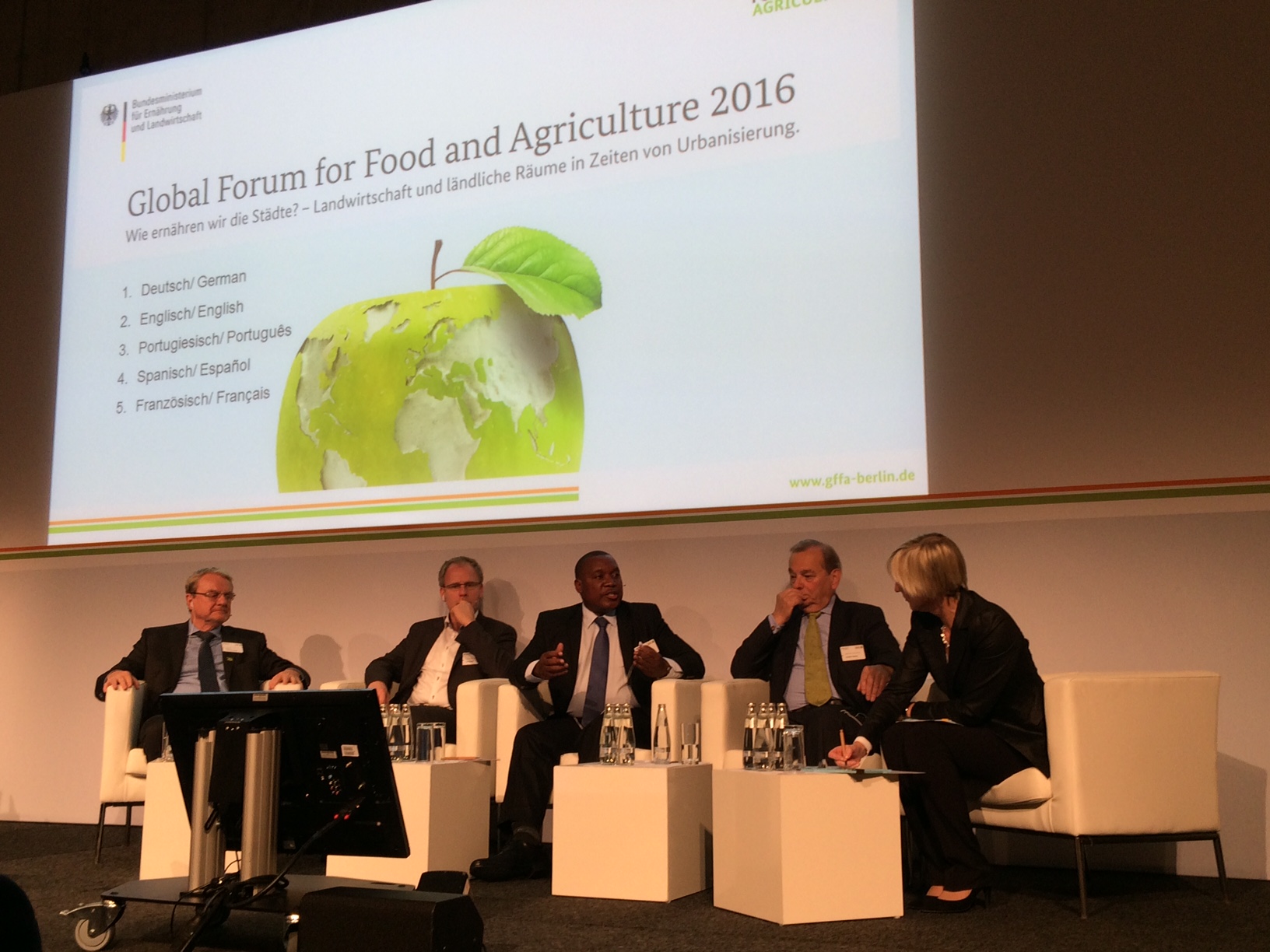
Global Forum for Food and Agriculture 2016

14-16 January 2016. Berlin. The Global Forum for Food and Agriculture 2016 brought together keyHow to feed our cities? – Agriculture and rural areas in an era of urbanisation.
international actors from politics, industry, academia and civil society in order to engage in the discussion on :

Extracts of the programme:
  • Rural Transformation in Africa – Opportunities to feed an urbanizing continent. Organiser German Federal Ministry for Economic Cooperation and Development (BMZ) operated by the GIZ Co-Organiser Global Donor Platform for Rural Development (GDPRD)
The call for urban food security provides important stimulus for
  1. the development of a "New Urban Agenda" by UN HABITAT III (October 2016 in
    Quito/Ecuador); 
  2. the discussions on food security that are being conducted for the forthcoming G7 and G20 processes; 
  3. the work of the Committee on World Food Security on rural transformation and urbanization; 
  4. the implementation of the "Milan Urban Food Policy Pact" goals, an initiative of over 100 cities that aims to promote sustainable and socially equitable food and nutrition policies; 
  5. national implementation of: • the "2030 Agenda for Sustainable Development" (SDGs); • the Paris Agreement of the 21st UN Climate Conference (COP 21); and • the G20 Action Plan on Food Security and Sustainable Food Systems

UK Forum: Science Policy in Food and Agriculture

27 January 2016. London. Bringing together policymakers, regulators and key stakeholders, this seminar discussed the future development of science in agricultural production and its impact on UK farming.

Delegates examined the re-assessment of regulations governing the production of GMOs in light of the EU voting to allow member states greater flexibility on whether to allow the production of GM crops on their territories, and clarification of banning procedures and regulations.

Further sessions evaluated calls by the UK Science and Technology Select Committee (STC) to move towards risk-based assessments of new foods and techniques of food production, as well as recommendations made in the STC's 5th report on techniques for crop improvement.

Discussion also looked at the future of nanotechnology and cloned meat in food production after MEPs call for a moratorium on authorization procedures, as well as wider debate about the future of science and technologies in improving food security and the sustainability of agricultural production.

Healthy diets from sustainable food systems in Zambia

Uploaded 15 January 2016. A 3-year research-for-development initiative in the Barotse floodplain, Zambia, supported by the CGIAR research programs Aquatic Agricultural Systems and Agriculture for Nutrition and Health, brought scientists and community members to improve food and nutrition security all year round.

Activities included assessing seasonal food availability, dietary intake patterns of the population, nutrient gaps across seasons and how to increase the use of seasonally available foods. Find out more in the report below, and virtually meet the community members who took part, courtesy of two new videos about the initiative.

Bioversity International, working closely with partners and local communities, has been carrying out a 3-year project to look at food availability across different seasons and find locally acceptable and culturally appropriate food resources to improve diets. The area is rich in biodiversity and natural resources that could be better used by local communities to diversify local agricultural production, livelihoods and diets to increase the availability of nutrient-rich sources of food all year round such as seeds, nuts and legumes, and strengthen the resilience of farming systems in the challenging local environment.
As Sharon Akufuna, Community Facilitator says in the video: “This programme of nutrition brought us together, sometimes we sit together, discuss with the other women, even men have joined the group – they now like cooking more than in the past, as in the past they thought cooking was only for women”.

For more information, contact: Gina Kennedy

Watch the videos:
Cooking together in Zambia (7:14)
Putting diversity on the plate (9:44)

See photographs from the Barotse Floodplain

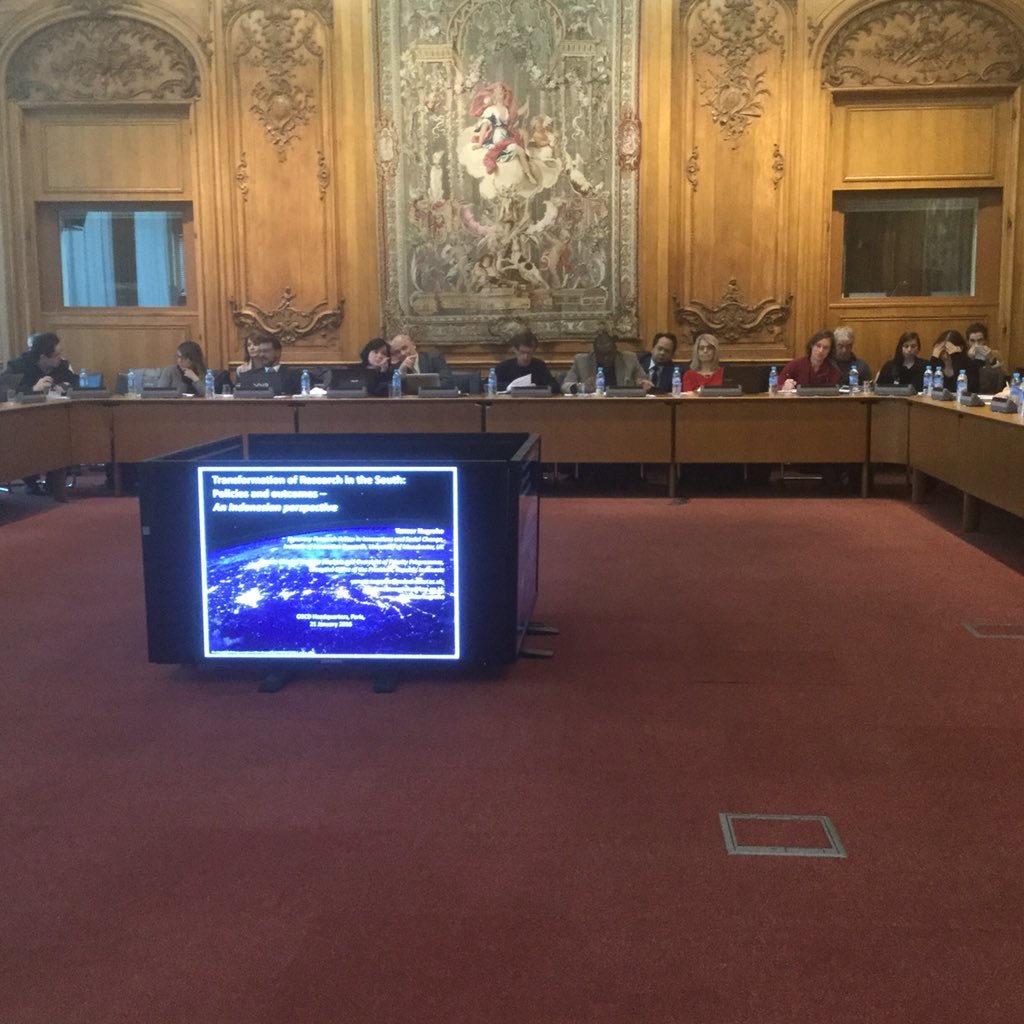
The Transformation of Research in the South: policies and outcomes

21-22 January 2016. Paris. International Conference : “The Transformation of Research in the South: policies and outcomes”. Organisers: International Development Research Center (IDRC), Canada ; Institut de Recherche pour le Développement (IRD), France ; Centre Population et Développement (IRD and Univ. Paris Descartes), Paris ; Institut Recherche-Innovation-Société (IFRIS), France ; OECD Development Centre.

How countries support public scientific research has a direct bearing on the capability of researchers to generate scientific knowledge, and of organizations to adapt or apply such knowledge. While many countries in Asia, Africa and Latin America are characterized by weak scientific capacity, there are signs of change in how governments support research and promote science.

Topics included:
  1. Developing research policy frameworks
  2. Strengthening academic research
  3. Expanding public and private participation in research
  4. Frameworks/tools for assessing research performance and impact
  5. Transnational cooperation in research:
Extract of the program:
  • Science-granting councils in Sub-Saharan Africa: A typology of diverse science funding configurations Johann Mouton (Centre for Research on Evaluation, Science and Technology at Stellenbosch University, South Africa)
  • Priority issues for evaluation research in Science Granting Councils – Sub Saharan Africa Johann Mouton (Centre for Research on Evaluation, Science and Technology at Stellenbosch University, South Africa)
  • Evolution of science policy research in South Africa – “plus ça change …” Michael Kahn
    (Centre for Research on Evaluation, Science and Technology, South Africa)
  • Strengthening innovation and development research in African universities: the case of AfricaLics Anna Kingiri, Rebecca Hanlin (AfricaLics Secretariat, African Centre for Technology Studies, Kenya) Margrethe Holm Andersen (Globelics Secretariat, Aalborg University, Denmark) Aschalew Tigabu (AfricaLics Secretariat, African Centre for Technology Studies, Kenya)
  • A Systemic Method for Assessing the Impacts of Agricultural Research for Development Temple Ludovic, Barret Danièle, Dabat MH., Devaux-Sparatakis A., Faure G., Hainzelin Etienne, Mathé S., Toillier A., Triomphe B. (Centre de coopération internationale en recherche agronomique pour le développement (CIRAD), France)
  • New trends in knowledge generation lifts research cooperation in Africa a notch higher Margaret Wanjiku (The MDG Centre, East and Southern Africa, Kenya) 
  • The structuring of scientific research through cooperation in Africa countries: examples from French research for development Philippe Hamelin, Ouidir Benabderrahmane, Rigas Arvanitis (Institut de Recherche pour le Développement, France)

Saturday, January 30, 2016

Building extension and advisory partnerships in Africa

14-15 January 2016. AFAAS, an organisation for strengthening Africa-wide agricultural extension
and advisory services, has recently reviewed its 2015-2017 strategy, and has identified knowledge management (KM) as a key focal area. CTA’s expertise in KM will help support AFAAS in its new strategic direction.

As well as Dr Nahdy, the AFAAS delegation included Dr Dan Kisauzi, AFAAS technical adviser on knowledge management and communication and Max Olupot Olalatau, partnership officer and technical assistant to the executive director. The team had close discussions with CTA’s technical staff, facilitated by Krishan Bheenick, senior programme coordinator for KM and Dr Benjamin Kwasi Addom, ICT4D programme coordinator. Dr Ibrahim Khadar, CTA’s head of the learning monitoring and evaluation unit, presented practical areas where CTA could support AFAAS including on agricultural policies, markets and value chains, and ICTs for agriculture, learning and KM.

As a process with huge potential for impacting farmers in its new strategy, AFAAS made a
presentation on Country Fora (CF), which are ‘communities of practice’ that bring together a wide range of actors and stakeholders involved in - or benefitting from - rural advisory services in a country. Each stakeholder has an interest in extension but are not necessarily extension workers themselves.
“The CF process can make good use of CTA’s wealth of information for innovations and how to reach farmers. Whether it is information on climate-smart agriculture, value chains or the use of certain ICT tools,” said Dr Nahdy. “Working collaboratively with CTA and our networks for short, medium and long-term sustainability in African countries’ extension and advisory services is key for both CTA and AFAAS,” he added.

Thursday, January 28, 2016

The EU’s ACP-EU Technical Barriers to Trade (TBT) programme

Published on 13 Jan 2016. Trade is an increasingly international business, but not all countries are able fully to take part. Products must meet exacting international standards, which can be a barrier to trade for countries without adequate infrastructure, regulations, quality testing and certification. They are working with the EU to address these issues and help exporters to thrive.

The ACP-EU TBT Programme focusses on three areas:
  • Upgrading and strengthening Quality Infrastructure and related institutions 
  • Empowering economic operators and export sectors to comply with international market requirements 
  • Disseminating results, good practices and experiences 
The Programme is financed by the European Union in partnership with the ACP Secretariat under the 10th European Development Fund (intra-ACP). It is a demand-driven Programme responding to requests for capacity building from ACP countries to ensure full ownership by the ACP beneficiaries.
“When you trade in raw materials, you are selling jobs, actually,” says Nsengimana in below interview. “You are selling your raw materials to people in developed industries to transform your raw materials, because you couldn’t really conform to the standards in the chain, and then the final product comes back to you.”
This is one factor behind high trade deficits in some ACP countries. By reducing the need to import goods which could be manufactured domestically, and allowing ACP manufacturers to sell to global markets, the TBT Programme could be an economic boost: creating new trade opportunities and jobs, while reducing trade deficits.
Although the ‘red tape’ of regulations is often bemoaned, the need for internationally-recognised standards is clear in the case of kava. 
The calm-inducing root, used for thousands of years by Pacific islanders as a ceremonial drink, became a major export to the EU in the 1990s. Islanders set aside land to cultivate kava, and came to depend on its revenues: around $200 million each year. Then in 2002, fears that kava was causing liver damage led Germany to withdraw licenses for kava products. The ban spread to other European countries, Australia and New Zealand. Despite thin medical evidence, trade came to a halt. 
The economic impact on Vanuatu, Fiji, Samoa, the Solomon Islands and Tonga was severe. After much campaigning, Germany lifted its ban last year. But the islands lacked the capacity to undertake scientific assessments to rehabilitate kava’s reputation, develop safety protocols or propose standards for international trade. This EU’s ACP-EU Technical Barriers to Trade (TBT) programme is working at the islands’ request to help establish quality and safety standards. 

Masava: Promoting locally fortified sunflower oil

Through Masava, MEDA is helping oil millers in Tanzania connect to a vitamin A supply chain and fortification technology so they can enhance their oil’s nutrition to meet national and regional standards.

Sokoine University of Agriculture provides training in good manufacturing practices and MEDA links businesses to a network of retailers who can sell the oil to consumers. MEDA’s partners at the University of Waterloo and Sokoine University to measure the impact of the fortification on vitamin A deficiency.

Masava from MEDA on Vimeo.

A strategic approach to EU agricultural research and innovation

26-28/01/2016. Designing the path: a strategic approach to EU agricultural research and innovation

The objectives of the conference were to:
  • present the main elements of a long-term strategy for EU agricultural research and innovation;
  • discuss its content, in particular several dimensions of the manner it could be implemented.
Extract of the programme:
26 January 2016. Brussels. ARCH Pre-event: How to foster the impact of agricultural research and innovation for global challenges. The role of platforms, partnerships and policies
Webstreaming:
The half-day session (video available here) gathered about 100 professionals with a private, public and/or research background in the field of agriculture and food and nutrition security. 

Objectives:
The Working Group ARCH (Joint EIARD SCAR Strategic Working Group for improved linkages between Agricultural Research and Agricultural Research for Development aims at identifying and working towards ways to increase the contribution of European Agricultural Research investments for solutions to global challenges) and the European Commission organized a pre-event before the Directorate-General for Agriculture and Rural Development (DG AGRI) Conference on Agricultural research and innovation titled, “Designing the path: a strategic approach to EU agricultural research and innovation”. 

The pre-event addressed the issue of global cooperation and food and nutrition security, one of the main objectives of the two-day conference. Topics focused on key features of research and innovation platforms, partnerships and policies and aimed to provide recommendations for future activities. Discussions at the pre-event were later brought to the main conference by ARCH Co-chair, Patricia Wagenmakers. 

Presentations:
Respective presentations were given by the following experts: Laurens Klerkx, Associate Professor of Knowledge, Technology and Innovation at Wageningen University; Morag Webb, Policy Advisor at COLEACP, an inter-professional network of the private sector promoting sustainable horticultural trade and; Craig Hanson, Global Director of Foods, Forests and Water at the World Resources Institute. Following the presentations, lively debates ensued, including interesting reflections from three different groups of panel members from various continents, plus valuable additions from the audience. From these debates, seven recommendations emerged.


Extract: One of the recommendation was that 
Processes in multi-stakeholder knowledge platforms are very dynamic and that there are many differences in perspectives. Rémi Kahane, the Deputy Manager of the experimental Platform for Africa-Europe partnership in agricultural research for development (PAEPARD), shared that it is not always easy to work with actors from different backgrounds. PAEPARD developed some rules and instruments to help members agree on how to partner in strategic alliances, including the user-led approach. Other partners besides researchers are leading the knowledge processes. Involving all actors inclusively is important, as well as building trust and confidence and developing skills for conflict management.
Research programmes of the European Commission and others should allow for flexibility and engagement of actors of the agri-value chain. Adaptation throughout the innovation process is needed as the business model for platforms considering that many factors for collaboration change over time. Kahane demonstrated two experimental funding instruments of PAEPARD in this regard. The first is Incentive Funding, an instrument to adapt and connect farmers to funding opportunities related to self-chosen priorities. The second is Competitive Research Funding where pilot projects are financed to learn about need for entrepreneurship and the management of multi-stakeholder projects. PAEPARD helps actors in the value chain to work on an enabling environment that helps manage projects more sustainably and develop new proposals. Platform impact should be able to be measured and take particular innovation dynamics into account.
“Well functioning platforms must create economic benefits for all partners”, was stated by Yemi Akinbamijo. The FARA catfish innovation platform in Nigeria, which aims at strengthening the value chain, was mentioned as a good example of a working platform driven by the benefit it has generated. Besides agreeing on economic benefits, platforms should also be profitable for members via other types of benefits, such as access to market information and training.
27 January 2016. Brussels. Adopting a systems approach across farms, value chains and territories
Webstreaming:
This video will be accessible through this link for two years

Objectives: Illustrate how to embed research activities in systemic approaches, systems being understood at various levels (farms working collectively, landscapes or ecosystems, food systems, territories, circular economy) based on examples referring to strategy priorities.

Chair: Tim Benton, United-Kingdom Global Food Security programme
Rapporteur: Marta Perez Soba, Alterra

Presentations:
  1. Unlocking the agricultural system: the example of agroecological research and innovation systems - Philippe Baret, Université Catholique de Louvain
  2. A systems view on below and above ground interactions in agriculture: small organisms driving big innovations - Katarina Hedlund, Lund University
  3. Agroforestry systems: complexity underpinning multiple benefits from the farm to the landscape – Paul Burgess, Cranfield University (project AGFORWARD)
  4. Putting the farm in the context of its territory and value chain - Hugues Vernier, Biovallée, Contrat de Développement Durable Rhône-Alpes
  5. What role for consumers and consumer involvement in food production? Demand as a driver of sustainable and competitive farming systems and value chains - Moya Kneafsey, Coventry University
Discussion with the audience.

Parallel session 4 - The global dimension: fostering the contribution of EU research and innovation towards global challenges through multi-lateral cooperation

Webstreaming: This video will be accessible through this link for two years

Objectives: Discuss how the external dimension of the agriculture research and innovation strategy can be implemented, for instance how to foster efficiency at global level on the basis of examples of approaches which could be used in future programming, how to integrate global frameworks on development or food security or climate.

Chair: Mark Holderness, Executive Secretary of the Global Forum on Agricultural Research (GFAR)
Rapporteur: Jimmy Smith, International Livestock Research Institute

Presentations:
  1. What could be the contribution of the Strategy to cooperation with Africa – The point of view of FARA - Yemi Akinbamijo, Executive Director of the Forum for Agricultural Research in Africa (FARA)
  2. Outcome of SCAR ARCH pre-event "Fostering the impact of agricultural research and innovation on global challenges - The role of platforms, partnerships and policies"- Patricia Wagenmakers, Co-chair of SCAR ARCH strategic working group, Ministry of Economic Affairs, the Netherlands
  3. Outcome of FACCE JPI pre-event "International soil research - Opportunities for synergy and cooperation" – Maurice Heral, French National Research Agency
  4. Working in areas of high priority: the example of the international research consortium on animal health - Alex Morrow, DEFRA
Discussion with the audience.

Tuesday, January 26, 2016

Policy Brief: Small-scale farmer innovation

Small-scale farmer innovation
Susan H. Bragdon Chelsea Smith
The Quaker UN Office, Geneva and New York
22 pages

December 2015. This policy brief consolidates lessons learned from an in-depth literature review on small-scale farmer (SSF) innovation systems and a two-day expert consultation on the same topic that QUNO hosted in May 2015.

The key message here is that small-scale farmer innovation systems are unique relative to more ‘formal’ agricultural innovation systems. For this reason, the types of policies that are put in place to encourage innovation in agriculture require a fundamental reconsideration.

Small-scale farmer innovation in practice:
1. Technical and institutional innovation.
2. The application of local (traditional) knowledge to changing circumstances.
3. The maintenance, use and development of agrobiodiversity and farm management practices.
4. Adaptation to environmental and socio-economic stresses.
5. The adaptation of ‘modern’ technologies to suit specific local needs
Synergy can be created between the small-scale farmer and ‘formal’ agricultural innovation systems when farmers’ active roles in innovation are recognized and ‘scientific’ and local knowledge systems are bridged. National innovation strategies that reflect the realities of small-scale farmer innovation systems may be more effective in nurturing innovation in agriculture than conventional strategies that focus on encouraging private sector investment.