Platform for African – European Partnership in Agricultural Research for Development

Monday, November 7, 2016

PAEPARD project on Trichoderma wins innovation prize

7 novembre 2016. Paris. La France s'engage au Sud - la cérémonie de remise des prix au Ministère des Affaires Étrangères et du Développement International.

Le mois de novembre fête l'économie sociale et solidaire avec quelque 2000 initiatives partout en France. L'innovation sociale affiche aussi une vitalité inédite en Afrique, en Asie et dans les Caraïbes. C'est ce que met en lumière la 2e édition du concours "La France s'engage au Sud".

La France s’engage au Sud, démarche lancée le 24 avril 2015 est la première déclinaison thématique,
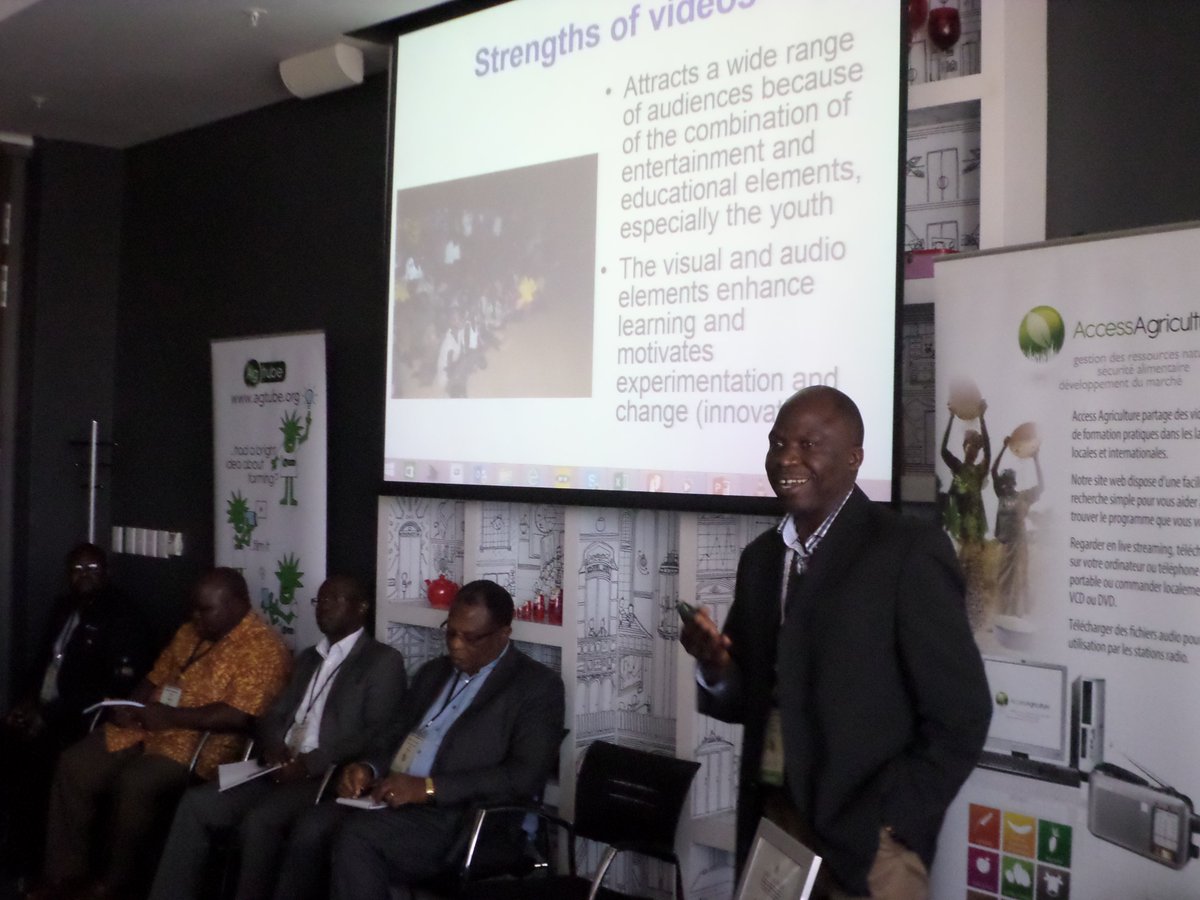
Arsène Savadogo (5ieme de gauche, 2ieme rangee)
de l’initiative présidentielle La France s’engage. La France s’engage au Sud récompense des projets ayant une utilité sociale, innovants, pérennes, portés par des entrepreneurs, associations ou fondations du Sud, dans tous les domaines : développement durable, éducation, culture, agriculture, climat, accès à l’emploi, santé, citoyenneté… Le dernier appel à candidature s’est achevé le 10 juin 2016 dernier.

Environnement: 
  • En Tunisie, Dream in Tunisia, lancée par Sarah Toumi, replante des arbres et accompagne les agriculteurs dans la valorisation de leurs produits. 
  • En Haïti, Sisalco, dirigée par Marie Franco, développe une filière autour du sisal. 
  • Au Burkina Faso Bioprotect-B, piloté par Wendwaoga Claude Arsène, développe la fertilisation des terres grâce à des intrants biologiques. 
  • Et en Guinée-Conakry, Fapel, créé par Aguibou Barry, a lancé des pompes à eau alternatives, à piston, à des coûts abordables.
Alimentation. 
  • Assurer la promotion de l’alimentation à base de ressources locales est un enjeu majeur. Au Bénin, la coopérative Super Fruit Baobab, fondée par Brice Valentin Gbaguidi, fabrique des produits dérivés du baobab. 
  • Et au Burkina Faso, FasoPro, lancée par Kahitouo Hien, industrialise la production de la chenille de karité.
LES PARTENAIRES:
  • L’Institut de recherche pour le développement (IRD), 
  • l’Agence Française de Développement (AFD); 
  • SensCube: présent en France, Belgique, au Mexique et au Sénégal, le SenseCube développe des programmes d’accompagnement allant d’une semaine à une année, alliant soutien stratégique, mise en relation avec des experts, connexion avec des partenaires, et immersion au sein de la communauté MakeSense; 
  • Bond’innov: un incubateur de projets innovants qui accompagne les startups françaises tournées vers l’International ainsi que les startups du Sud
Pour les lauréats, le label La France s’engage au Sud,c’est :
  • plus de crédibilité et de visibilité ;
  • des leviers pour se développer rapidement dans son pays :
  • un soutien financier ;
  • un appui des services de l’Etat ;
  • un accompagnement par des partenaires identifiés
Reference:
2 Novembre. l'Express. Solidarite, vent d'innovation au Sud.
14 novembre CÉRÉMONIE D’ANNONCE DES 10 LAURÉATS LA FRANCE S’ENGAGE AU SUD – 2ÈME APPEL À PROJETS


Agriculture at COP Marrakesh


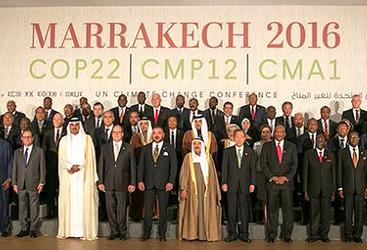
7-18 November 2016. Marrakesh. Countries fast-tracked the political and practical aims of the landmark Paris Climate Change Agreement and accelerated global climate action at the 2016 UN climate change conference. 

The 22nd Conference of the Parties to the UN Framework Convention on Climate Change, COP 22, hosted by Morocco’s King Mohammed VI, saw nearly 500 heads of state or government and ministers attend. By the end of the two-week climate summit, more than 100 countries, representing over 75 percent of global greenhouse gas emissions, had formally joined the Paris Agreement. Over 190 governments agreed to the Marrakech Action Proclamation.
The official outcomes of the COP are a collection of diverse documents. But some of the more substantial questions and discussions were captured in a series of “informal notes”.
“Much remains to be done,” says one of the formal documents from the sessions, adding that countries would work “diligently and expeditiously” to complete their workload as soon as possible.
9 November 2016. Marrakesh. The role of farmers in implementing the Paris Agreement.
  • Organised by the World Farmers' Organisation (WFO) and the International Fertilizer Industry Association (IFA).
  • Discussion about farming’s role in meeting the world’s food security and nutritional needs whilst contributing to the delivery of the COP21 Agreement. Opportunities to improve productivity and enhance sequestration, alongside building resilience and maintaining production will be identified. 
  • Speakers: Evelyn Nguleka (WFO), CCAFS, IFA Representative and representatives from international organisations on animal health and trade
9 November 2016. Adaptation Fund – What next? On past experiences and future prospects for the Adaptation Fund
  • Organised by: GERMANWATCH , Indigo Development and Change, Observatoire du Sahara et du Sahel (OSS)
  • Discussion: The first part will feature lessons from engaging stakeholders in the project design and implementation phase of AF projects and discuss proactive options for the future of the AF. The second part will showcase experiences from the OSS, particularly on accessing and mobilising finance. 
  • Speakers: Adaptation Fund, Germanwatch, Adaptation Fund NGO Network, New Climate Institute, OSS, Funds ACCF/Africa Development Bank, delegates from Uganda and Tunisia
10 November 2016. Family and Community Agriculture: Developing & Implementing Sustainable Climate-Resilient Solutions
  • Organised by: Adaptation Fund Board (AFB) 
  • Discussion: Adaptation Fund presents experiences in executing agricultural adaptation projects in developing countries. Presenters from the AF’s pioneering Direct Access modality, other implementing entities and NGOs will showcase projects featuring the theme of family and community agriculture. 
  • Speakers: Mr. Walter Oyhantcabal (Climate Change Unit, Ministry of Livestock, Agriculture and Fisheries, Uruguay), Ms. Marcia Levaggi (Ministry of Foreign Affairs, Argentina), Ms. Meryem Andaloussi (ADA, Morocco), Mr. Pradeep Kurukulasuriya, (UNDP), Mr. Emmanuel Seck (ENDA), Mr. Naresh Sharma (AF Board)
15 November 2016. Understanding agriculture in relation to industrial food systems, compensation and food security
  • Organised by: Comité Catholique contre la Faim et pour le Développement 13 Terre solidaire (CCFD-Terre Solidaire) ; Action Against Hunger (ACF) ; Cooperation internationale pour le développement et la solidarité (CIDSE) 
  • Discussion: Sustainable production and consumption are at the heart of climate change when taking into account deforestation, waste, meat consumption, transport, etc. But more research and knowledge sharing is needed in order to address this issue. 
  • Speakers:  Olivier de Schutter Hilal Elver IPES Food
15 November 2016. Woody Biomass Energy to Meet NDCs and SDGs in Developing Countries
  • Organised by: International Centre for Research in Agroforestry (ICRAF) Mr. Henry Neufeldt ; International Network for Bamboo and Rattan (INBAR)
  • Discussion: Tree-based bioenergy systems can contribute to sustainable development in developing countries while providing strong mitigation and adaptation co-benefits. The event will present solutions how bioenergy systems can be modern, accessible and affordable within a realistic development perspective. 
  • Speakers: ICRAF, INBAR, African country
16 November 2016. Implementation of regional climate smart agriculture approaches: the case of East & Southern Africa
  • Organised by: Southern African Confederation of Agricultural Unions (SACAU) 
  • Discussion: What barriers are preventing smallholder farmers from improving their livelihood in the face of negative climate change impact? How can the systems in which they operate be strengthened so as to facilitate transformative change? How can low levels of youth involvement and gender parity be addressed? 
  • Speakers:  Hon Oppah C. Z. Muchinguri, Minister, Ministry of Environment, Water and Climate. The Republic of Zimbabwe ; Mr Golden Mahove, Deputy Team Leader and Agricultural Development Facility Lead, Vuna ; Mr Ishmael Sunga , Chief Executive Officer, Southern Africa Confederation of Agricultural Unions (SACAU)
17 November 2016. From science to services: improving climate resilience in Africa
  • Organised by: Met Office Hadley Center Ms. Fiona Carroll ; SouthSouthNorth Projects Africa (SSN Africa)
  • Discussion: How can Africa increase its resilience in the face of increasing vulnerability to climate extremes? This event will look at how innovative climate science and services can help people across a diverse range of African contexts to manage climate risks. 
  • Speakers:  Professor Richard Jones, Claire Scannell (Met Office Hadley Centre), Abebe Tadege (ICPAC), Raffaello Cervigni (World Bank), Fiona Percy (CARE International) Dr. Arame Tall (WMO), Chair: Stefan Raubenheimer (SouthSouthNorth)
From L-R: Teresia Powell, Fiji; Gottfried Von Gemmingen,
Federal Ministry for Economic Cooperation
and Development, Germany;
Peter Tarfa, Director, Climate Change Department, Nigeria;
and Sabine Minninger, Bread for the World, Germany.
18 November 2016. Addressing Loss and Damage in Developing Countries: Need for Global Agricultural Insurance Mechanism

  • Organised by: Centre for Science and Environment (CSE) ; ACT Alliance - Action by Churches Together (ACT Alliance)
  • Discussion: Agriculture sector in developing countries suffers the maximum loss and damage due to climate impacts. Therefore, a global agricultural insurance mechanism serves as an important tool to address loss and damage due to climate impacts in developing countries within the UNFCCC network. 
  • Speakers:   1. Chandra Bhushan (India) 2. Gottfried Von Gemmingen, Federal Ministry for Economic Cooperation and Development, Germany 3. Teresia Powell, Fiji 4. Peter Tarfa, Director, Climate Change Department, Nigeria ; 5. Sabine Minninger, Bread for the World, Germany
Related topics:
8 November 2016. Access to means of implementation a key concern for Africa Post-Paris
  • Organised by: African Development Bank Group (AfDB) and Association La Voûte Nubienne (AVN)
  • Discussion: The side event co-organized by the AfDB and partners will focus on identifying the Africa-specific challenges, options and needs for the successful implementation of Paris Agreement such as: finance, institutional and human capacity development, policy reforms & technology development and transfer. 
  • Speakers: - The President of the AfDB - Director -Quality Assurance and Results
8 November 2016. Zambia and Renewable Energy: Rural Electrification Technology Transfer & Hydropower Vulnerability
  • Organised by: University of Cape Town (UCT) 
  • Discussion: Zambia’s NDC goals in off-grid renewable energy for rural electrification include innovative technology partnerships with China, Denmark & UNDP. At the same time, responding to climate impacts on hydropower in Zambia requires integrated planning, adaptive design & strong cross-sectoral institutions 
  • Speakers: Zambia Govt representative, Zambia UNDP representative, Chinese Govt representative, Randall Spalding-Fecher, University of Cape Town/Carbon Limits/GERERE Francis Yamba, CEEEZ ; Marcus Wishart or Ijeoma Emenanjo, World Bank
9 November 2016. Economic Advantage of Agriculture in Nationally Determined Contributions (NDCs)
From L-R: Laurie Goering, Thomson-Reuters Foundation;
Sonja Vermeulen, CCAFS; Peter Läderach, CIAT;
Imelda (Dada) Bacudo, ASEAN-German
Programme on Response to Climate Change;
Ilaria Firmian, IFAD; and Chebet Maikut,
Uganda Ministry of Water and Environment
  • Organised by: the Consortium of International Agricultural Research Centers (CGIAR) Research Program on Climate Change, Agriculture and Food Security (CCAFS), the International Fund for Agricultural Development (IFAD) and the International Center for Tropical Agriculture (CIAT)
  • Discussion: The ensuing discussion addressed, inter alia: the need to further study how much investment is required; the competition for investment between agriculture and other sectors; how agriculture can
    deliver on investment and offer co-benefits; nature-based agriculture; the low number of Nationally Appropriate Mitigation Actions (NAMAs) in agriculture; risk transfer mechanisms and insurance for the impacts of climate change on agriculture; the inclusion of food trees in climate smart agriculture (CSA) and capacity building to ensure investments pay off.
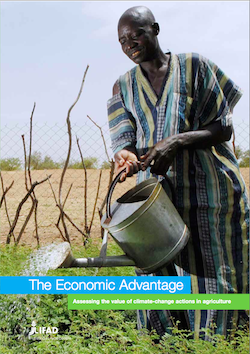
  • Speakers: Sonja Vermeulen, CCAFS, introduced a report titled, “The Economic Advantage: Assessing the Value of Climate-Change Actions in Agriculture.” (© 2016 by the International Fund for Agricultural Development (IFAD) 77 pages). This work was implemented as part of the “Learning Alliance for Adaptation in Smallholder Agriculture” between the International Fund for Agricultural Development and the CGIAR Research Program on Climate Change, Agriculture and Food Security (CCAFS).

    She summarized the report’s main findings that, inter alia: economic and financial assessments are valuable tools to support decision making; there is a need to mainstream economic assessments in development and climate policies, including in agriculture; and there is a need for a mix of farm- and landscape-level actions, including for capacity building and policy work. She presented several case studies, underscoring the socio-economic benefits of new climate technologies and techniques for agricultural production.


10 November 2016. Zero carbon transition: shifting investment towards renewable energy & achieving energy for all.
  • Organised by: Christian Aid (CA) ; Climate Action Network - Europe (CAN Europe); Climate Action Network - Latin America (CAN-LA) 
  • Discussion: We will present national and regional evidence for the case for a shift to renewable energy and energy for all in developing countries, to deliver targeted engagement with the drivers of change. We will discuss ways forward to closing the ambition gap, while delivering sustainable energy development 
  • Speakers: Civil society experts’ presentations: on the results of research from LAC; Asia and Africa on identifying spaces/actors the CSOs Equity Review of INDCs & lessons learned, 2. Ways forward to closing the ambition gap; then a panel of Party representatives responds; then questions and comments.
14 November 2016. Realising Renewable Energy Potential in Africa through NDC Implementation
  • Organised by: International Renewable Energy Agency (IRENA) ; Environnement et Developpement du Tiers-Monde (ENDA-TM) 
  • Discussion:With the objective of exchanging experiences, this high level event will discuss the process of realising renewable energy potential through NDC implementation. A particular focus will be given to accessing available and emerging financing option.
  • Speakers:  H.E. O.C.Z. Muchinguri, Minister of Environment, Water and Climate Change, Zimbabwe; H.E. Cheptoris Sam, Minister of Water and Environment Uganda; Mr. Andrew M. Herscowitz, Coordinator, Power Africa.
14 November 2016. Implementing the Paris Agreement: Kenya’s national enabling environment
  • Organised by: Leadership for Environment and Development International (LEAD International) 
  • Discussion: Interactive event to show role of domestic policy and legal frameworks in implementing the Paris Agreement, focusing on Kenya’s experiences in responding to climate change: Climate Change Act, Climate Action Plans and NDC implementation (by piloting a practical tool to support NDC implementation). 
  • Speakers:  Prof. Judi Wakhungu, Cabinet Secretary, MENR ; Mr. Sam Bickersteth, CEO, CDKN DFID Kenya, Co-chair of Climate Change Donor Coordination group ; Dr. Harun Warui, USAID ; Dr. Mary Nyasimi, CCAFS ; Prof. Robert Nicholls, University of Southampton Transparency International-Kenya Subnational government
14 November 2016. How technology and business are mobilizing climate change adaptation & mitigation at scale
  • Organised by: SNV Netherlands Development Organisation (SNV) ; Cameroon  ; University of Cambridge
  • Discussion: Scaling resilience & mitigation in developing regions demands innovative approaches. In partnership with business & government, low income groups are using satellite, drone & mobile technology to be more climate responsive. Insights & tools from varied cases in West Africa & Asia will be shared. 
  • Speakers:  Representative of the Government of Burkina Faso, Representative of a large Multinational company, Representative of technology innovation enterprise
16 November 2016. Agriculture and Food Security Action Event.

  • Organised by: the Food and Agriculture Organization (FAO) and the Kingdom of Morocco
  • Discussion: This event marked the unveiling of three new initiatives to showcase the enormous potential of the agriculture sector for climate actions. During the discussion, participants addressed, inter alia: depletion of natural resources as a threat to global security; strategies to promote linkages between agricultural investments, policies and practice; and land-grabbing as a driver of food insecurity.
  • Speakers:  The session was moderated by Rattan Lal, Ohio State University. Miguel Arias Cañete, European Commissioner, Climate and Energy ; Aziz Akhannouch, Minister for Agriculture and Fisheries, Morocco ; Stéphane Le Foll, Minister of Agriculture, France ; José Graziano da Silva, Director General, FAO ; Emmanuel Faber, CEO, Danone; Laura Tuck, Vice President for Sustainable Development, World Bank ; Mohammed Badraoui, Director General, National Agronomic Research Institute, Morocco; Pietro Sebastiani, Director
    Johnson Boanuh, 

    Director of Environment, 

    ECOWAS
    General, Development Cooperation, Italian Ministry of Foreign Affairs ;  Amira Gornass, Chair of the Committee on World Food Security (CFS) ; Tabaré Aguerre, Minister of Livestock, Agriculture and Fisheries, Uruguay ; Charles Ogang, President, Uganda National Farmers Federation, emphasized the strategic importance of food security as part of climate change solutions ; Saleemul Huq, Director, International Centre for Climate Change and Development.

    Maria Helena Semedo, Deputy Director-General, Natural Resources and Environment, FAO, introduced the FAO’s Global Framework for Action to Cope with Water Scarcity in Agriculture in the Context of Climate Change, which draws on the sector’s existing initiatives, tools and best practices.
    Jean-Baptiste Dollé, French Livestock Institute, highlighted the Life Beef Carbon project, which aims to reduce European beef production’s carbon footprint by 15% in the next decade compared to 2015.
    Johnson Boanuh, Director of Environment, Economic Community of West African States (ECOWAS), launched ECOWAS’ Promotion of Climate-Smart Agriculture and Agro-Ecology Transition in West Africa initiative, which aims to enhance food security and resilience in rural communities.

16 November 2016. Accelerating Investments in Renewable Energy in Africa: Challenges and success stories-Ghana & Kenya
  • Organised by: HATOF Foundation
  • Discussion: An enhanced dissemination, adoption and utilisation of renewable energy sources are critical for climate change mitigation. Unfortunately, investments in RE in Africa are inadequate. The event will unravel successes, opportunities and constraints to renewable energy investments in Ghana and Kenya 
  • Speakers: Minister of power, Dr. Kwame Ampofo-Board Chair,Energy Commission, Mr. Otu Danquah - Ag. Director, Energy Commission, Prof. Felix Asante, University of Ghana ; Dr. Ana Pueyo, Institute of Development Studies, UK, Dr. Dickson Khainga, Kenya Institute for Public Policy and Research and Analysis
16 November 2016. Accelerating Implementation: Transitioning to Low Carbon and Climate Resilient Development Pathways
  • Organised by: International Development Research Centre (IDRC) ; African Centre for Technology Studies (ACTS)  ; Business for Social Responsibility (BSR) ; The Energy and Resources Institute (TERI)
  • Discussion: This side event will provide a forum at which different countries and experts share their experiences, challenges and lessons learned with a view to identifying keys issues and solutions that would enhance transitioning to low green house gas emissions and climate resilient development pathways. 
  • Speakers: Hon. Chebet Maikut, Ag. Climate Change Commissioner and UNFCCC Focal Point - Uganda ; Dr. Ajay Mathur, Director General, TERI ; Dr. Abid Suleri, Executive Director, SDPI ; Dr. Edward Cameron, Managing Director, BSR ; Dr. Cosmas Ochieng, Executive Director, ACTS
16 November 2016. Devolved climate finance: how to reach the most vulnerable
  • Organised by: International Institute for Environment and Development (IIED) ; International Federation of Red Cross and Red Crescent Societies (IFRC) 
  • Discussion: Devolving climate finance in Kenya, Tanzania, Mali & Senegal is demonstrating how to support equitable, local level resilience building. The value of local knowledge in setting priorities is echoed in other approaches for locally led resilience building. The event will distil practical ways forward 
  • Speakers: Representatives from governments and civil society partners will share experiences of devolved climate finance and using local knowledge to enhance the resilience of the most vulnerable. The event will be interactive to enable networking, sharing tools and learning about what works in practice
16 November 2016. Africa Day Side Events at COP 22
“Implementing the Nationally Determined Contributions (NDCs) in Africa: Moving from Commitment to Action"
  • Organised by: African Union Commission (AUC)
  • Speakers:  1.Keynote addresses by Chairperson of AUC, UNECA, AfDB, President AMCEN, Nigerian Minister and Chair Pan-African Parliament 2.Expert Panel Discussion, with a presentation on ”Implementing the NDCs in Africa: Opportunities and Challenges” 3.Ministerial Dialogue on ”NDCs in Africa: Policy implication
18 November 2016. Innover et mobiliser pour améliorer la résilience des populations dans les PMA – Expérience du Niger
  • Organised by: Energies 2050 (Energies 2050)
  • Discussion: Conséquences des changements climatiques dans les PMA sur les populations vulnérables. Réponses africaines et initiatives misent en œuvre au Niger. Besoins en innovation, valorisation, mutualisation 
  • Speakers:  Pr Abdelkrim Ben Mohamed, Dr Yahaya Nazoumou, Dr Kamayé Maâzou Stéphane POUFFARY, ENERGIES 2050 Tosi MPANU MPANU, DRC, chair LDC group ; Seyni NAFO, Climate Ambassador, Mali ; Sandra FREITAS, Climate Analytics, Togo
18 November 2016. Re-framing Food and Agriculture: From Degeneration to Regeneration.
  • Organised by: organized by Regeneration International, Organic Consumers Association, IFOAM Organic International, Shumei International, and Biovision Foundation. 
  • Discussion: The event featured a panel of agricultural and food experts, community leaders, and farmers from around the world who are leading the charge of regenerative food and farming initiatives. This video by IISD Reporting Services provides an overview, which aimed to mobilize the power of regenerative agriculture as a “shovel-ready” solution to the climate crisis, as well as poverty, food security and public health. In the ensuing discussion, participants addressed: improving coordination between government ministries to ensure a coherent message; paradigm shifts to avoid business-as-usual in farming; the increasing amount of food aid required for countries in Sub-Saharan Africa; blue carbon farming practices and their benefits, including food security; and work on regenerating farms around Fukushima, Japan.
  • Speakers: moderated by Alexis Baden-Mayer, Organic Consumers Association, US, ; Konrad Meyer, Biovision Foundation ; John D. Liu, Environmental Education Media Project ; Andre Leu, President, IFOAM-Organics International ; Abdellah Boudhira, Regenerative Farmer, Morocco ; Barbara Hachipuka Banda, Natural Agriculture Development Program, Zambia ; Murielle Trouillet, 4p1000 Initiative, Ministry of Agriculture, France.


Sunday, November 6, 2016

The Senior Experts Dialogue on Science, Technology and Innovation

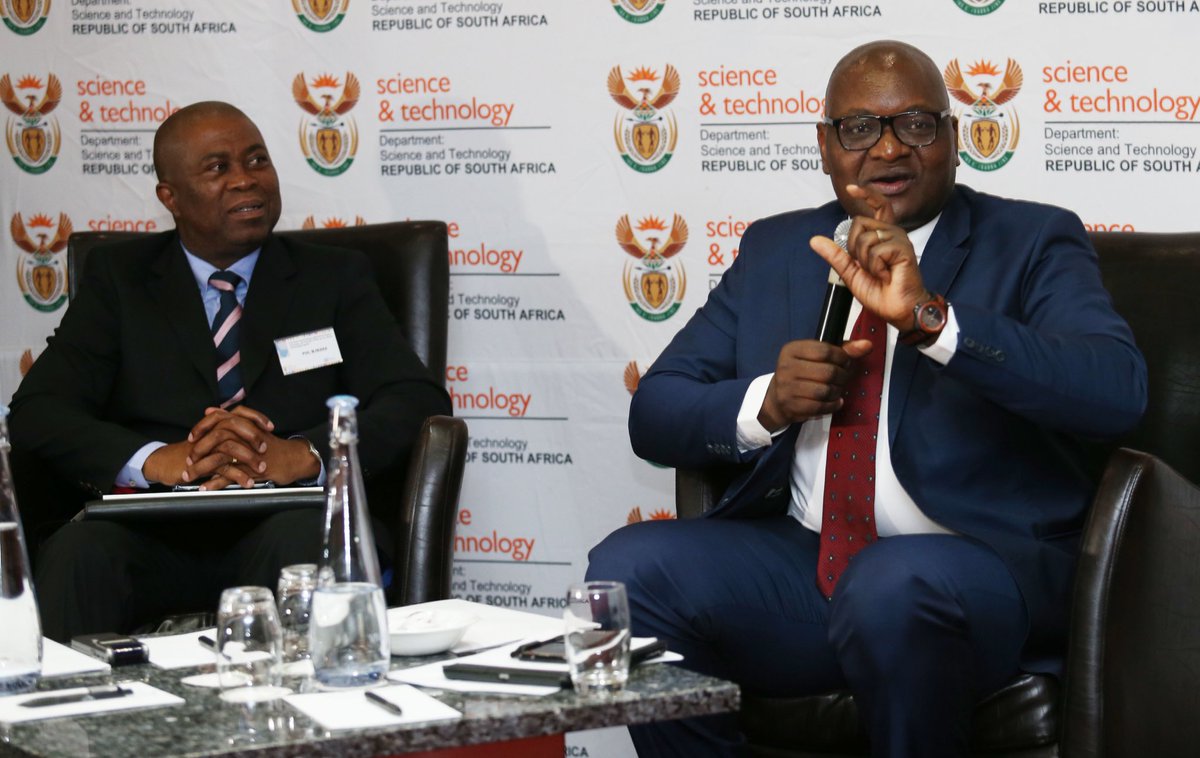
2-4 November 2016. The Senior Experts Dialogue (SED 2016) on Science, Technology and Innovation (STI), an initiative of the United Nations Economic Commission for Africa, was hosted by the Department of Science and Technology of South Africa. The initiative was designed to support member states to harness STI to drive their economies. The theme was “Cities as Innovation hubs or Cities as Centres of Innovation"

Experts from 21 African countries attended the event, including South African metropolitans such
 Premier of Gauteng, David Makhura
as the Cities of Tshwane, Johannesburg and Cape Town. Local government leaders across the continent have been urged to ramp up investment in technology and innovation in a bid to drive growth at municipal level. African innovators believe that innovation needs to start at municipal level where government engages directly with communities.

The SED meeting seeked to identify key elements and issues, based on local experiences, that African governments, along with their international development partners, can take into account in formulating action plans to turn their cities from manufacturing and trade hubs into innovation hubs and centres.

Topics addressed:
  • What are the factors fettering, constraining the rapid transformation of African cities into hubs of innovation similar to Dubai, Singapore or the US’s Silicon Valley; 
  • what can governments at all levels – city, regional, provincial, state and national do; 
  • are national STI policies sufficiently responsive to the challenge, can regional integration be an instrument for transforming Africa’s cities into hubs of innovation, are lessons from Dubai and Singapore transferable; 
  • why is it important to explore the role of African cities as hubs of innovation and what are some of the challenges that hinder African cities from transforming into such hubs.
  • industrialisation and the role of cities
  • defining the African terrain: Emerging trends towards cities and hubs of innovation and 
  • can new African cities address the innovation challenge?
Participants emphasised the need for increased development of infrastructure for information communication technology (ICT) in order to empower the continent's millions of young people. While the world embraces the Internet of Things, African youth cannot be left behind.

Background:
The first SED was held in 2014 in Abuja, Nigeria with the support of the Federal Ministry of Science and Technology of the Federal Republic of Nigeria on the theme “Making New Technologies Work for Africa” The second was held in Nairobi Kenya in 2015 on the theme “Innovation Hubs, Clusters and Parks and Africa’s Transformation” and was co-organized with and hosted by the National Commission for Science, Technology and Innovation (NACOSTI) of the Government of Kenya.

Saturday, November 5, 2016

Manual on ethnovet in East Africa

Traditional ethnoveterinary medicine in East Africa : a manual on the use of medicinal plants. Dharani N., Yenesew A., Aynekulu E., Tuei B. and Jamnadass R. 2015.
Nairobi: World Agroforestry Centre.

Published by the World Agroforestry Centre, Traditional ethnoveterinary medicine in East Africa: a manual on the use of medicinal plants describes animal conditions and how to diagnose, prevent, control and treat them. 

The manual is a collaborative work of the World Agroforestry Centre and the Kenyan Ministry of Livestock Development.

It includes information on 53 different plant species (indigenous as well as widely cultivated exotics) and the animal conditions they are used to treat or control. These 2 sections are conveniently linked through an appendix.

The manual also looks at common methods for administering plant-based treatments and provides detail on the active compounds found in medicinal plants. The concentration of these compounds can vary depending on the plant part, growth stage, the time of harvest and the handling methods used during collection and subsequent storage.

Procedures for collecting and storing medicinal plants are outlined in the manual, particularly to ensure the chemical compounds needed for therapeutic activity are maintained as effectively as possible.

The manual emphasizes that “where possible, plant parts should be harvested in a manner that does not kill the plant.” However, if destruction of the plant cannot be avoided, “some plants in a location should be left unharvested” so they can then seed and maintain the population.
“Hundreds of plant species are used by livestock keepers in sub-Saharan Africa to treat a wide range of ailments. They generally don’t have access to or can’t afford ‘modern’ veterinary medicines and approaches. We have compiled this manual to help those using traditional practices and others who want to understand them better, such as scientists interested in researching the effectiveness and transferability of ethnoveterinary medicine. For example, to treat East Coast Fever, a devastating disease in cattle that is transmitted by the brown ear tick, the manual explains how leaves and fruit of the baobab tree (Adansonia digitata) can be crushed, added to a saltlick and given to infected animals. Alternatively, leaves and roots of Vernonia amygdalina or Vernonia auriculifera trees or Sesbania sesban can be crushed and boiled and used as a drench. The bark of Warbugia ugandensis can also be used as a drench. Najma Dharani, lead author of the manual and consultant research scientist at the World Agroforestry Centre as well as senior lecturer at Pwani University-Kilifi, Kenya. 

Thursday, November 3, 2016

Novel solutions for sustainable water management and food production in the Mediterranean Area

18 October 2016. Brussels. Commission proposed first research partnership of its kind in the Mediterranean Area to develop much-needed novel solutions for sustainable water management and food production.

The Commission has presented a proposal for a Partnership for Research and Innovation in the Mediterranean Area - PRIMA. The first partnership of its kind in the Mediterranean basin aims to develop much-needed novel solutions for sustainable water management and food production.

Carlos Moedas, Commissioner for Research, Science and Innovation, said: "EU research and innovation is open to the world so we can tackle global challenges together. This Euro-Mediterranean partnership is an excellent example of where pooling knowledge and money can make a huge difference. It will bring more clean water and food to the people, boost local economies and create jobs. Through PRIMA, research and innovation will play a crucial role in addressing the root causes of migration."

The Commission's proposal already includes Cyprus, the Czech Republic, Egypt, France, Greece, Israel, Italy, Lebanon, Luxembourg, Malta, Morocco, Portugal, Spain and Tunisia. The participation of Germany is currently under negotiation. As the initiative is evolving over time, more participants are expected to follow, both EU and non-EU countries.

Funding for the €400 million partnership will come from the participating countries (currently around €200 million), matched by a €200 million contribution from the EU through its current research framework programme Horizon 2020. The partnership is scheduled to run for 10 years, starting in 2018.

Background
In recent years, the agricultural sector in the Mediterranean has been suffering from severe water shortages and decreasing crop yields. Today, 180 million people in the Mediterranean basin are considered 'water poor'. The lack of clean water and nutritious food has adverse effects on the health and stability of the populations.

Based on a proposal of nine Member States in 2014, this partnership will be created under Horizon 2020 and based on Article 185 TFEU, which enables the EU to participate in research programmes undertaken jointly by several Member States. The Commission's proposal will now be sent to the European Parliament and the Council of the EU for political discussion and legislative approval.

More information

Wednesday, November 2, 2016

Food & Business regional workshop in Benin

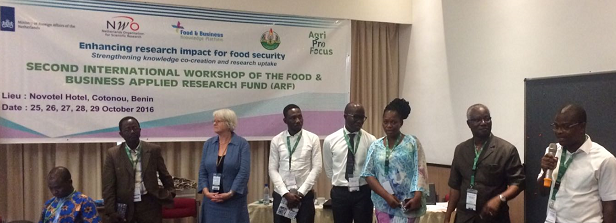
26 - 28 October 2016. Cotonou, Benin. The second regional workshop for the projects funded within the second call of the Food and Business Applied Research Fund aimed at  strengthening a learning and exchange culture and ensuring knowledge sharing and uptake of results in a broader group of stakeholders.

The first regional workshop took place in Uganda, October 2015.

Panel : expériences de mise en relation nutrition et agriculture
Panélistes : ONG Gbewa, FAO, FSA-UAC, Entreprise Dadjo
Modérateur : Dominique HOUNKONNOU
NWO-WOTRO Science for Global Development and the Food & Business Knowledge Platform (F&BKP) together with Universite d'Abomey-Calavi, Faculty of Agronomic Sciences and AgriProFocus Bénin were the organisers.

The workshop contributed to enhancing the impact of the individual projects and the Applied Research Fund at large. The workshop hosted sessions on Research Uptake, knowledge sharing and co-creation for ARF projects, including a field trip, as well as a public thematic day on ‘Better informed nutrition policies and practices’.

Cet atelier a réuni une trentaine de participants venus du Bénin, du Kenya, de l'Indonésie, de Bangladesh, de l'Ouganda, des Pays bas, de Mozambique, Tanzanie, Ghana, Ethiopie et Allemagne. Au tolal, 17 projets ont été séléctionnés dans ce cadre.

La cérémonie d'ouverture a connu la présence de Mme Cora Govers, Représentante de Nwo Wotro, du Pr HOUNHOUIGAN Joseph, Doyen de la Faculté des Sciences Agronomiques de l'Université d'Abomey-Calavi, du Pr FAROUGOU, Vice recteur chargé de la coopération internationale, de Mme Vanessa Nigten, Représentante de Food and Business Knowledge Platform et de Mr Marcel DJIHOUN, Coordonnateur d'AgriProFocus Bénin. 

  • Apres la cérémonie d'ouverture, s'en est suivi un atelier sur la théorie du changement et une présentation sur la co-création et des travaux de groupe pour identifier les problèmes, défi, solutions et leçons tirées du processus de co-création. 
  • Le deuxième jour était consacré aux présentations sur le "partage des connaissances et de l'absorption de la recherche", sur "l'engagement des parties prenantes à l'aide de la matrice des parties prenantes" et à la visite du centre songhaï
  • Le troisième Jour était ouvert au public pour une conférence sur le thème "renforcer les liens entre la nutrition et l'agriculture grâce à des politiques et pratiques mieux avisées.

Reference:
7 November 2016. ARF workshop in Benin on enhancing research impact for food security completed successfully

Strengthening the innovative capacity of small-scale farmers and their communities

30 October 2016. The project “Strengthening Community Resilience to Change: Combining Local Innovative Capacity with Scientific Research” (CLIC–SR), supported by the Rockefeller Foundation, was completed on 31 August 2016. During the four years since 2012, the Prolinnova Country Platforms in Ethiopia, Kenya, Tanzania and Uganda made large strides in:
  • strengthening the innovative capacity of small-scale farmers and their communities,
  • strengthening the capacities of governmental and non-governmental organisations to support farmer-led innovation processes,
  • increasing insights and awareness of the relevance and effectiveness of a Participatory Innovation Development (PID) approach in agricultural research and rural development, and
  • mainstreaming PID in national policies and programmes through policy dialogue.
A total of eight cases of farmer-led joint experimentation in agriculture or NRM – two from each of the four Country Platforms involved – were brought together in the publication Compilation of cases of joint experimentation from Ethiopia, Kenya, Tanzania and Uganda.
  • The policy brief based on the CLIC-SR project can be found here. 
  • The report that came out of the final evaluation of the project, carried out by Mutizwa Mukute from Zimbabwe, can be found here.
  • The project narrative report for the final period January–August 2016, including a summary analysis of project achievements during the entire period 2012–16, can be found here.

Friday, October 28, 2016

Africa's food import bill may increase further

26 October 2016. Nairobi. Experts speaking on at a meeting convened to assess gains of the YieldWise initiative by Rockefeller, said that Africa's food import bill may increase further if the continent does not solve the problem of post-harvest losses. The continent's food import bill could go up to $110 billion (Sh11.15 trillion) by 2025, the forum was told.

They said the bill which stands at $35 billion (Sh3.5 trillion) has been aggravated by food losses in the continent, adding sub-saharan Africa loses 20 per cent of the food harvested in post-harvest practices.

YieldWise empowers smallholder farmers with skills on reducing post harvest losses and aims at cutting global food loss by half through behaviour change campaigns.
“Most of the crops are lost at farm level due to poor handling, lack of storage and lack of market access. Progress has been recorded in specific food value chains in Kenya and Tanzania, as smallholder farmers are taught new technologies on handling harvest. Kenyan farmers in Makueni have increased their volumes to the market to 200 metric tonnes from 100 metric tonnes after applying technologies in pesticide use, crop care, hygienic harvesting techniques and refrigeration of mangoes,” Rockefeller Foundation managing director Africa Mamadou Biteye

How Farmers in Africa are Restoring Degraded Lands & Enhancing Resilience

27 October 2016. Washington. Farmer Managed Natural Regeneration is a low-cost, sustainable land regeneration system that can be used to rapidly and efficiently return degraded croplands and grazing lands to productivity. It also restores biodiversity and increases resilience to severe weather events.

Since its inception in Niger in 1983, FMNR has spread across five million hectares or 50 percent of that country’s farmlands, which is the largest positive environmental transformation in Africa in the last 100 years. Since then, FMNR has been introduced in 18 countries across Sub-Saharan Africa, Southeast Asia, Timor-Leste, and most recently India and Haiti.

Speakers
  • Tony Rinaudo, Principal Natural Resource Advisor, World Vision Australia
  • Robert Winterbottom, Senior Fellow with the Food, Forests and Water Program, World 
Tony Rinaudo, who serves as Natural Resources Management Advisor for World Vision, is considered among the forefathers of FMNR. He has committed his life to reforesting degraded lands and bringing hope to poor communities through FMNR and has often been described as ‘the Tree Whisperer’.
The seminar provided participants with further insight on World Vision’s work to promote FMNR globally and an opportunity to explore strategies for strengthening evidence and scale-up of this proven model.

Related publication
Scaling up Regreening: Six Steps to Success

Committee on World Food Security (CFS)

17 - 21 October 2016. Rome. With approximately 1,200 participants, CFS 43 convened at the headquarters of the Food and Agriculture Organization (FAO) of the UN. The session coincided with the 40th anniversary of the CFS plenary, which held its first session in 1976.

The report of CFS 43 will be made available on the CFS Website.

The 43rd session of the Committee on World Food Security (CFS 43) endorsed policy recommendations on the role of livestock for sustainable agricultural development for food security and nutrition, and on connecting smallholders to markets. CFS also decided to support country-led

  • On connecting smallholders to markets, the CFS endorsed a set of policy recommendations developed by the Open-ended Working Group (OEWG) on Connecting Smallholders to Markets.
  • Patrick Caron, Chair,
    HLPE Steering Committee
  • Other issues on the CFS agenda included: sustainable food systems, nutrition and climate change; CFS engagement in advancing the 2030 Agenda for Sustainable Development (2030 Agenda); the Report on the State of Food Insecurity in the World (SOFI) and the 2030 Agenda; monitoring the implementation of CFS decisions and recommendations; CFS engagement in advancing nutrition; the Multi-Year Programme of Work (MYPoW); the Global Strategic Framework for Food Security and Nutrition (GSF); and evaluation of the CFS.
References:
[CFS 43 Website] [CFS 43 Blog] [IISD RS Report of CFS 43] [IISD RS Coverage of CFS 43] [FAO Press Release on the Opening of CFS 43]
implementation of the 2030 Agenda for Sustainable Development and to provide regular contributions to reviews under the High-level Political Forum (HLPF).

Related:
The High Level Panel of Experts on Food Security and Nutrition has launched an eConsultation on the Draft V0 on Nutrition and food systems

To participate to the e-consultation:
Contributions are welcome in English, French and Spanish.
The eConsultation will run from 24 October to 5 December 2016
Videos
Statement by Peace Corps Director Carrie Hessler-Radelet as head of the U.S. delegation to the 43d Committee on World Food Security (CFS) on "Sustainable Food Systems, Nutrition and Climate Change."


Terry Sunderland of the Centre for International Forestry Research (CIFOR) participated in the Committee for World Food Security (CFS) 43 held this week at the Food and Agriculture Organization of the United Nations (FAO). Sunderland says that it is possible to increase food security and nutrition for millions of people without clearing forests. Sunderland, who has been researching the relationship between forests and diets, says that an integrated approach to agriculture and forestry is important to food security.


Remarks by David Nabarro, Special Representative of the UN SG for Food Security and Nutrition

The sustainable retail summit


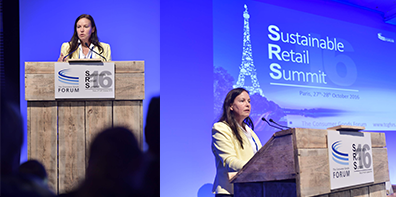
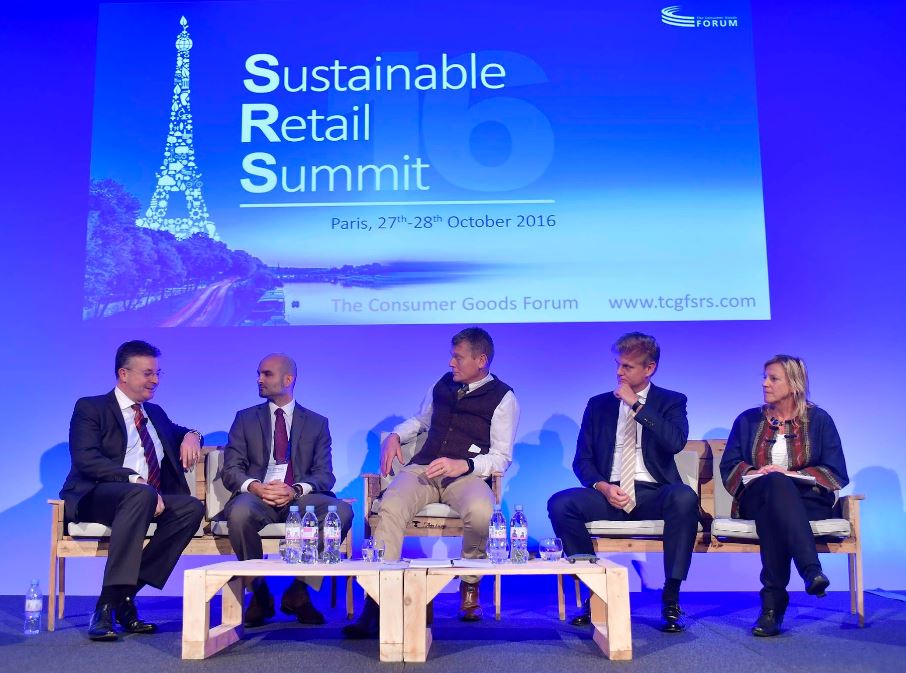
27-28 October 2016. Paris, France. The Consumer Goods Forum. THE SUSTAINABLE RETAIL SUMMIT. The topics addressed included Food Waste, Forced Labour and Health and Wellness.

Internationally renowned speakers, round table discussions, workshops and networking opportunities provided applicable learnings from FMCG experts (company CEOs), high level government representatives, international organisations, inspirational health & sustainability leaders and other stakeholders.
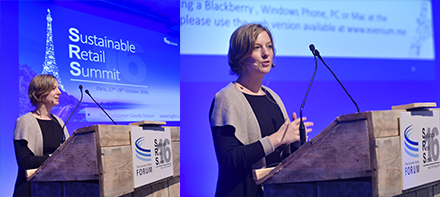
Sharla Halvorson 
Nestle Manager R and D 

Extract of the programme:
USSEC: the critical issues behind soy sourcing and sustainable production.
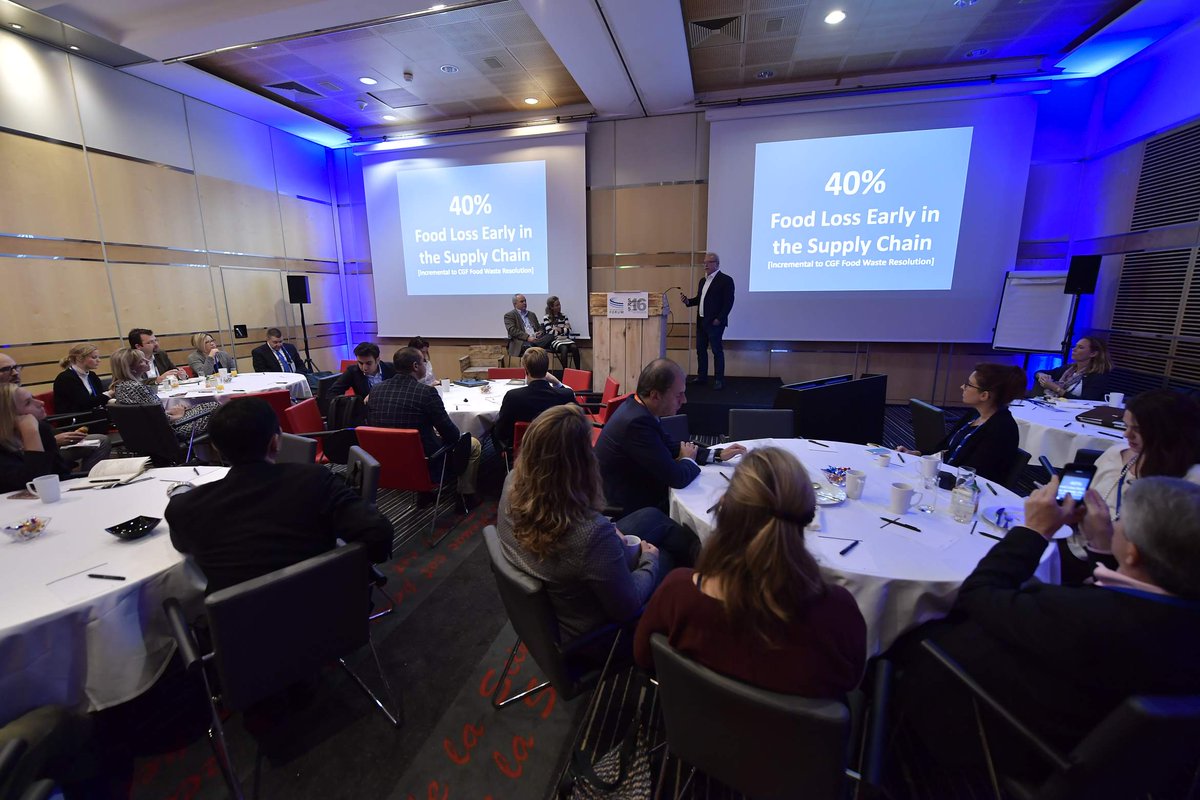
  • This session offered a unique opportunity for The Consumer Goods Forum and the U.S. Soybean Export Council to educate and inform a broader audience of CGF members on the critical issues around soy sourcing and sustainable production. 
  • Within the context of the work done by the CGF on deforestation, this session highlighted the update of the soy sourcing guidelines. USSEC presented the US Sustainable Soy Assurance Protocol (SSAP) and their efforts to gain greater recognition and acceptance by European traders, feed companies, livestock producers and retailers and consumers. 
  • Finally, US soy producers provided their first-hand experience on what sustainability means to them, the soy value chain and American consumers.
ToineTimmermans, WUR
MEGATRENDS 1 - FOOD WASTE
Food waste is an enormous environmental, social and economic challenge. A third of food calories produced are never eaten. It represents an economic cost to the global economy of $940 billion per year and, if food waste were a country, its carbon footprint would be third only to China and the US. Given the magnitude of this challenge, the consumer goods industry is publicly committed to food waste reduction.
  • CEO Chimney Talk 
  • Thierry Cotillard, CEO, Intermarché Alimentaire Internationale 
  • Mike Coupe, CEO, Sainsbury’s 
    Sabine Juelicher
  • Dave Lewis, Group CEO, Tesco StoresExpert Panel 
  • Craig Hanson, Global Director (Food, Forests and Water) World Resources Institute 
  • Sabine Juelicher, Director, DG Health and Food Safety, Directorate E - Food and feed safety Innovation, European Commission 
  • Pierre Galio, Head of the Consumer and Prevention Department, The French Environment and Energy Management Agency, ADEME 
  • Jérôme Bédier, Deputy Chief Executive Officer and General Secretary, Carrefour Group
Related:
The 2017 Global Food Safety Conference that will be held February 28 through March 2, 2017 in Houston, Texas.

Related:
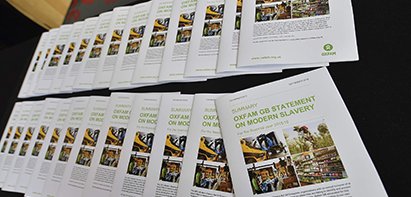
Members of the Consumer Goods Forum (CGF) have contributed to a new Food Waste booklet, which incorporates real-life examples on how said companies are measuring and reducing food loss and waste.
The booklet (37 pages), which was launched at the Sustainable Retail Summit in Paris, follows on from other
recent successful food waste initiatives involving the CGF and its members, such as the 2015 CGF resolution to halve food waste within the individual operations of its members by 2025, the launch of the Food Loss and Waste (FLW) Standard and participation in Champions 12.3.

According to the Forum, the booklet ‘serves as inspiration and guidance to others wishing to accelerate their food loss and waste measurement and reduction by showcasing an array of successful approaches to food waste from consumer goods companies.’

Related:
A new report (September 2016, 18 pages) on behalf of Champions 12.3 assesses global progress toward Target 12.3 of the Sustainable Development Goals (SDGs), which calls for halving food waste and reducing food loss by 2030. Champions 12.3 is a unique coalition of leaders across government, business and civil society dedicated to achieving Target 12.3.
Actions include:
  • The introduction of our Food Waste Resolution, which asks members to halve food waste within their individual operations by 2025
  • Co-developing the Food Loss & Waste Reporting Standard (FLW), which is the first-ever set of global definitions and reporting requirements for companies, countries and others to consistently and credibly measure, report on and manage food loss and waste
  • Leadership from companies like Tesco, which has rolled out “Community Food Connection” to link unsold yet still safe food with local food charities 
  • Efforts from companies like Nestlé and Unilever to measure their food loss and waste
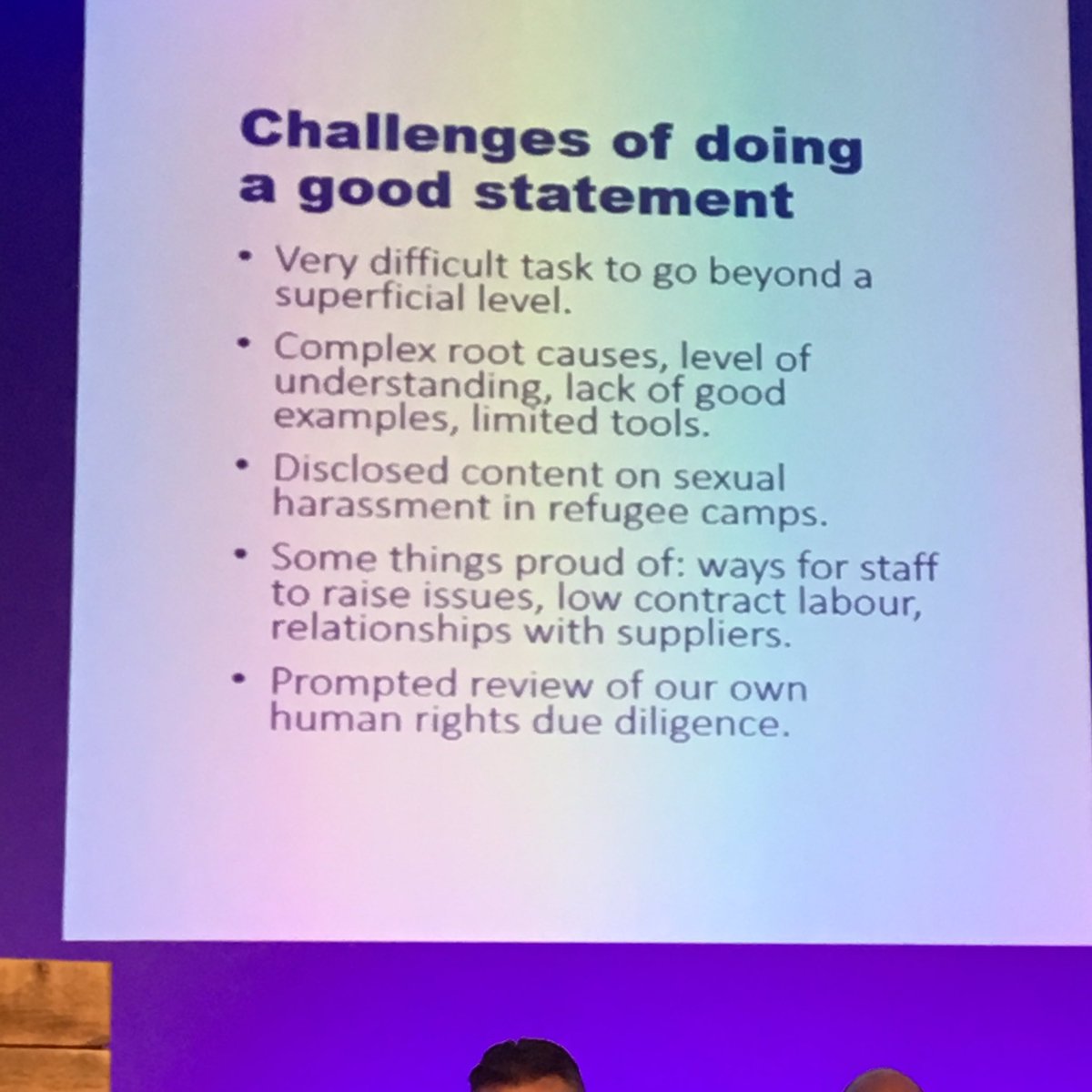
In 2016, a new storage technology was introduced in Kithithina, Kenya, that can increase the shelf life of potatoes from one to eight months. Known as the Ambient Ware Potato Store, these facilities protect crops from light, heat, humidity, pests, and rodents—enabling potatoes to stay dormant until farmers are ready to sell them. The technology helps farmers to wait for higher off-season market prices while stabilizing market supply.
In 2016, the German Ministry of Agriculture launched a €10 million program to develop “smart packaging” that uses electronic chip sensors to determine how food has aged and communicate to consumers the food’s freshness and safety.
In February 2016, France adopted legislation that requires French supermarkets to donate unsold yet still edible food to charities.
In 2016, Tesco rolled out “Community Food Connection,” which utilizes an online app with FareShare Food Cloud to link unsold yet still safe food with local food charities in real time, reducing the amount of food that goes uneaten. 
In August 2016, the European Commission established the “EU Platform on Food Losses and Food Waste,” a collaboration to identify food loss and waste prevention measures, share best practice, and evaluate progress over time. Designed to support the delivery of Target 12.3, the platform includes national experts from Member States, intergovernmental organizations, research institutions, and non-governmental organizations.
In January 2016, The Rockefeller Foundation launched YieldWise, a $130 million investment to demonstrate practical approaches to halving food loss and waste by 2030. The initiative is tackling hotspots in food loss and waste generation, including fruits, vegetables, and staple crops in Kenya, Nigeria, and Tanzania, as well as food waste in North America and Europe. Its approach spans market development, loss prevention technologies, financing models, innovation, and business tools to measure and track food loss and waste across supply chains.
Related:
UNECE and FAO are organising a Conference on Food Loss «no time to lose on food loss» 10 November 2016, from 10:00 to 18:00 in Room VIII, Palais des Nations, Geneva. To attend the Seventy-second session of the Working Party on Agricultural Quality Standards (WP.7) (9 - 11 November 2016) registration is compulsory. Participants can register online and create their UNECE profile.

Thursday, October 27, 2016

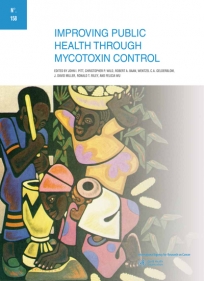
Improving Public Health through Mycotoxin Control

Improving Public Health through Mycotoxin Control
IARC Scientific Publication No. 158
Edited by Pitt JI, Wild CP, Baan RA, Gelderblom WCA, Miller JD, Riley RT, Wu F
International Agency for Research on Cancer, 2012, 168 pages

Mycotoxins are fungal toxins that contaminate many of the most frequently consumed foods and feeds worldwide, including staple foods consumed by many of the poorest and most vulnerable populations in the world. Therefore, human and animal exposure to one or more of this broad group of toxins is widespread.

Mycotoxins have the potential to contribute to a diversity of adverse health effects in humans, including cancer, even at low concentrations. Economic burdens resulting from crop contamination are added to those on health. Given the ubiquitous nature of exposure in many countries, an urgent need exists for a coordinated international response to the problem of mycotoxin contamination of food. 

This book aims to sensitize the international community to the mycotoxin problem in a format that is accessible to a wide audience and is useful to decision-makers across a broad spectrum of disciplines, including agriculture, public health, marketing, and economics. The editors hope that this book will be a stimulus to governments, nongovernmental and international organizations, and the private sector to initiate measures designed to minimize mycotoxin exposure in high-risk populations. The book not only provides a scientific description of the occurrence and effects of mycotoxins but also goes further by outlining approaches to reduce mycotoxin exposure aimed at improving public health in low-income countries.

The subject of this publication was presented at the international conference MycoRed 2012 held in Ottawa by Dr. John Pitt. It is now available in PDF format.

Related:
21 October 2016. Mycotoxigenic Fungi Contamination and Aflatoxin Awareness in Plant-based Chicken Feeds: A Case Study of Western Kenya
Presentation by Owiro, N.O., Ochuodho, J.O., Rachuonyo, H.A., Gohole, L.S., Tarus, J.K., Ooko, L.A., Okello, E.O., Munyasi, J. W. & Omega, J.A.
Fifth African Higher Education Week & RUFORUM Biennial Conference Venue: Century City Conference Centre, Cape Town South Africa | Dates: 17th – 22nd October, 2016

Integrating video mediated learning in higher education in Africa

20 - 21 October 2016. Cape Town. Side event of Access Agriculture at the RUFORUM conference.
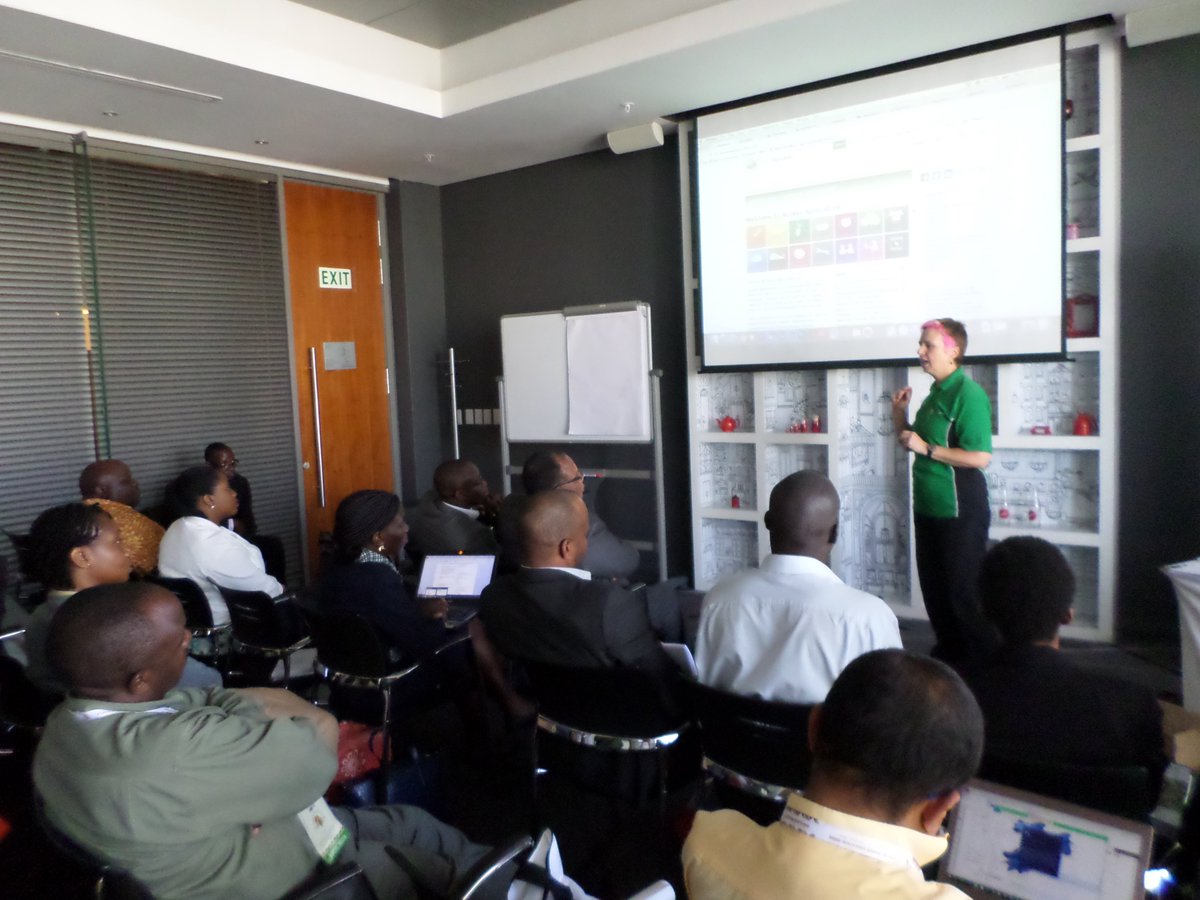
Recent research shows that 20% of the about 100,000 visitors to the video sharing platform of Access Agriculture come from African Universities. Hence the Regional Universities for Capacity Building in Agriculture (RUFORUM) and Access Agriculture (an international NGO that serves as an independent, not-for-profit global facilitator for the sharing of relevant, quality farmer training videos in support of sustainable agriculture, natural resource management and markets in developing countries) signed, in 2015, a Memorandum of Understanding to further stimulate video use in universities and progressively include video mediated learning into the curricula of universities (extension schools).

This event aimed to: Create awareness for video mediated learning among Higher Education institutions, mainly universities and initiate the inclusion of video mediated learning into the curriculum of universities, especially in the curriculum of schools of extension and rural development

Objectives:
  • Share the experience of pilot universities in video use in extension and teaching 
  • hear research outputs on video mediated learning 
  • Introduce a selection of university lecturers to basic techniques of farmer training videos (fact sheet development, script writing and video production)
This event comprised of a series of presentations to share experiences. There were hands-on training in video production which were split into three parts: a) a session to discuss fact sheet development, script writing and tips for video production; b) a session to allow participants to practice shooting videos and c) another session to edit. The outputs (short videos) of the training will be shared on the conference website.

Background:
Agricultural advisory services in developing countries face many challenges, one of which is to respond meaningfully to farmers’ diverse demands for advice on crop, livestock, fish, processing, business, finance and marketing issues. With limited resources, advisors struggle to reach the millions of farmers. 

Across countries, research institutes, universities, NGOs, extension services, companies, radio stations and farmer-based organisations are making considerable efforts to find or develop suitable training materials for their staff and the farmers with whom they work. Farmer to farmer training videos have proven to be an effective method of knowledge sharing and have recently created a momentum in Africa.

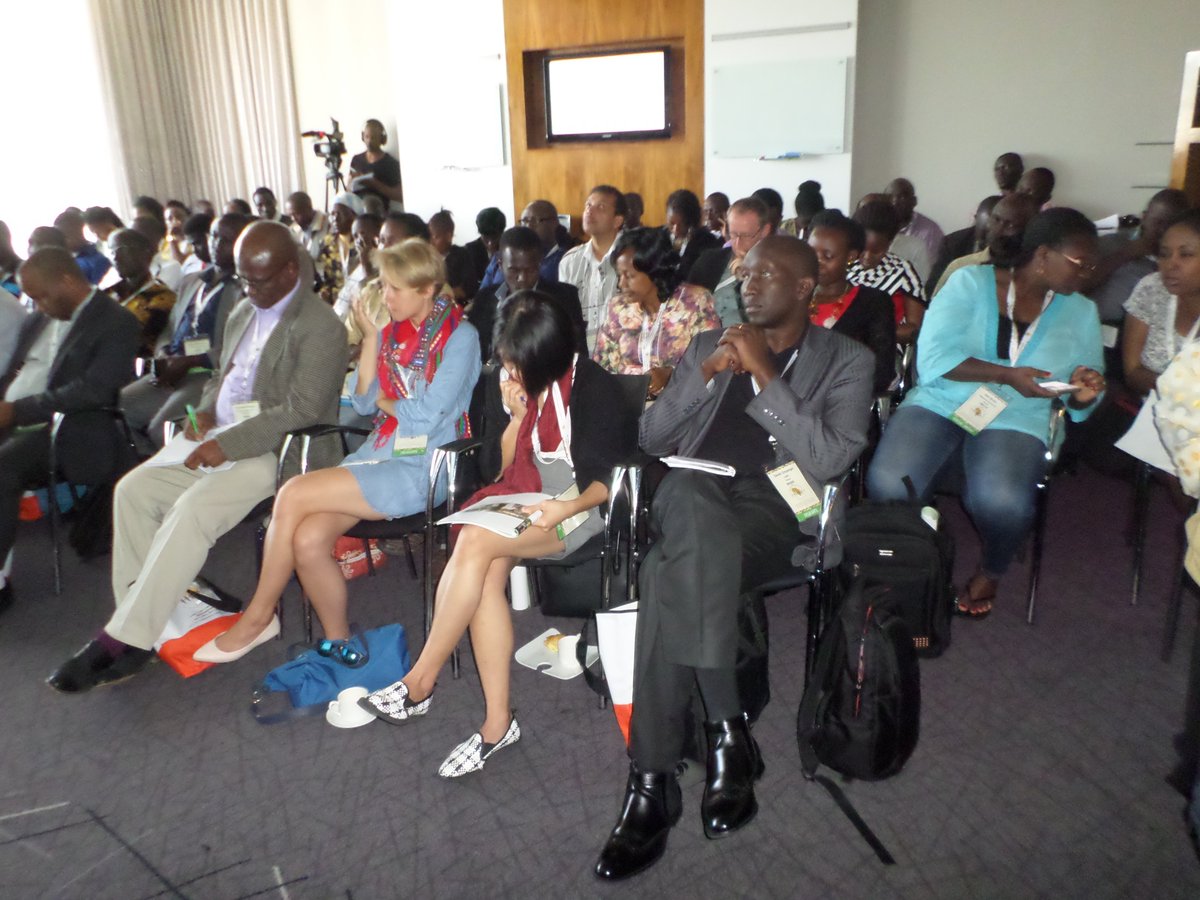
Interview with Michael Hauser for the RUFORUM-Access Agriculture side event at the RUFORUM Biennial Meeting Cape Town 2016. The well attended side event was on the subject of video mediated learning where the experience of several universities in the use of video in extension and teaching were shared (University of Abomey Calavi, Benin; University of Parakou, Benin; Egerton University, Kenya; University of Nairobi, Kenya; University of Lilongwe, Malawi; Makerere University, Uganda).

Interview michael hauser | Agtube

Related:


Related:
Smallholder farmers innovate by blending old ideas with new ones. In this video, we will visit Lester Chizumeni Mpinda on his farm in Mwanza, Malawi. Mr. Mpinda watched a set of videos on how to grow chilli, and then used the information creatively to grow a crop he had never planted before.


A new crop for Mr Mpinda | Agtube

PAEPARD side events @ RUFORUM Biennial Conference

14-16 October 2016. Several pre-conference events were held @ the RUFORUM Biennial
Conference. PAEPARD organised:
  1. A training workshop Processes and Practices in multi-stakeholder partnerships in ARD, 
  2. A workshop on monitoring and evaluation
  3. A workshop on the improvement of the use of the Open Source OSIRIS (Online System to Improve Relationships by Information Sharing
  4. A Side Event on Retrospective and prospective of PAEPARD write-shops under the capacity building strategy of PAEPARD 
  5. A Side Event on Linking African agricultural universities to research-users through the multistakeholder partnerships
Training workshop Processes and Practices in multi-stakeholder partnerships in ARD:
This side-event was part of Work Package Capacities Work Plan for Year 7 under the PAEPARD implementation Plan. The overall aim of the side-event was to enable the members of ULP and consortia funded under CRF and ARF better manage projects and document the change process. The meeting offered the opportunity for ULPs, CRF and ARF project teams to engage and network with other actors engaged in ARD and link to other academia in Africa. Agenda:
  • Forms and Principles of partnerships within PAEPARD
  • Mapping partnership development of consortia – Group Work and review
  • Steps in the change process
  • Analysis, identifying pathways to innovation and markers of change
  • Identifying principles/assumptions of the change process
  • Outlining a learning agenda for documentation of the change process
  • Project cycle management
  • Stakeholder analysis
  • Risk management
  • Financial management
  • Designing and implementing a project communication strategy
Workshop on monitoring and evaluation
The structured monitoring of the implementation of PAEPARD-CRF activities started in FY2015.
The first M&E visit to all the projects was at the beginning of 2015, when the FARA M and E Specialist assisted the teams revise their Results Frameworks (RFs) and establish the baseline values and indicator targets for ease tracking implementation progress. Assessment is made from quarterly technical and financial reports and the once-in-a-year Monitoring visit. 

Objectives
  • CRF projects are aligned with the FARA and overall PAEPARD objectives;
  • Projects teams effectively manage and deliver the projects on time and within budget;
  • Key issues and constraints faced during the implementing period are discussed andappropriately addressed through advice and feedback, and the sharing of templates, best
  • practice and lessons learnt;
  • Lessons learned are well documented to inform other projects and future FARAprogramming; and,
  • Confidence in the projects’ outcomes is maintained and exit strategies are set up early enough.
All the 4 projects have generated (or are likely to generate) impressive outputs. The projects working
with a diverse array of value chain actors have generated high expectations that may neither be satisfied in the current phase, nor achieve a scale that can achieve meaningful impact within the 3-year implementation period within which to generate research technologies and scale them out to end users. Nonetheless,
  • Promising results from these projects are being published to showcase the role of multi-stakeholder partnerships. Also other partners are joining some CRF (e.g. Trichoderma) to use their partnership model to scale out some technologies.
  • The Soy-bean milk and Soy-bean afitin has officially released the technology for milk production
  • The aflatoxin in groundnut in Malawi and Zambia has successfully completed experimental trials and results have been analyzed to be published in peer reviewed papers.
  • The indigenous vegetables project in Uganda has generated knowledge on the morphological diversity, biochemical composition and molecular diversity. The indigenous vegetables have shown a wide range of variation phenotypically and are comparatively rich in nutrients. Progress has also been made on identifying and profiling varieties of indigenous vegetables with longer shelf life and processing potential.
  • All CRFs have utilized the CRFs small funding as seed money to search for more funding and expand their consortium/network. The soy-bean milk & soy-bean Afitin consortium won an ARF (275,000€); the Trichoderma consortium submitted successfully a project to a call launched by the Agence Francaise de Developpement (AFD) and won 185,000€. The Indigenous vegetables team was shortlisted at the first round for a national funding launched by NARO Uganda.

Workshop on the improvement of the use of the Open Source OSIRIS: all deliverables and consortia agendas have an electronic format and the PAEPARD supported consortia are able to promote their activities on the Web and publish documents or information related to their results.
  • Reminder of OSIRIS functionality 
  • Consortia feedback experience 
  • Practical work from documents provided by consortia 
  • Presentations by consortia of their work and discussion 
  • Presentation of the publication function on the web 
  • Creation of the homepage consortia websites 
  • Consortia progress presentation strategy 
  • Practice and posted the contents of consortia websites 
Retrospective and prospective of PAEPARD write-shops under the capacity building strategy of PAEPARD
One of the means of building the capacity under PAEPARD is the write-shop to develop proposals responding to calls launched by donors. Around 9 write-shops were organized by PAEPARD since 2011. The documentation (process, proposals developed, awarded proposed) of these write-shops has started in order to share with partners lessons learnt. However, there was need of a feedback from those who participated in the write-shops and partners who did not attend. 

Over the past five years, some 55 concept notes and proposals have been submitted by the consortia supported by PAEPARD. Finally, 11 submitted proposals have been selected for a call organized by a diversity of donors.

A lot of energy is put into the writing and submission of proposals. However, only a few proposals are finally selected for funding. But particularly, for the proposals submitted under the Applied Research Fund (ARF) of the Dutch
WOTRO (science division of the Netherlands Organizations of Scientific Research), the time and money invested in consolidating a consortium and improving on the concept note and proposal writing has paid off. Although in terms of numbers: from the 13 proposals submitted to this Dutch funding opportunity, only four were selected (with nine not selected). However, the number of selected ARD projects submitted by PAEPARD supported consortia is not too bad compared to the success rate one would find in some specific calls for proposals.


Linking African agricultural universities to research-users through the multistakeholder partnerships
During the two calls launched by PAEPARD in 2010 and 2011 many African universities joined other
actors to form the MSP around different value chains. Out of 150 concept notes received from the two calls, 21 were led and submitted by universities from which 6 were selected out of a total of 19 that got PAEPARD support.

Here are four examples of African universities playing an active role in PAEPARD supported
consortia:
  1. The University of Abomey-Calavi is engaged in improving a local soybean spicy known as “Afitin”. It is produced by women in rural area of Benin and especially in South and Central of Benin but in non-hygienic conditions which is source of allergies and gastro-intestinal infections. Five MSc students are working from production to commercialization adding value to the product (Afitin). The University of Abomey-Calavi has mobilized its team of microbiologists and food scientists to carry out the research in collaboration with the University of Wageningen and the University of Lisbon.
  2. The University of Ghana, through the Crop Science Department and its Forest and Horticultural Crops Research Centre based at Kade in East Region, is involved in a consortium
    that in 2011 submitted a concept on Angular Leaf Spot disease of citrus. In 2014, the strategic innovation platform got a support from the Sub-Saharan Challenge Program (SSA CP) to build the capacity of stakeholders in working together. The disease is about to be controlled with the use of the concept of the Innovation Platform (IP) in scaling out the technology developed by scientists of the university of Ghana and other stakeholders including producers. Also the IP has attracted other partners such as
    GIZ who are dealing with marketing of citrus and the Fruit Fly project funded by the World Bank via CORAF.
  3. The Uganda Christian University (UCU) engages with communities of vegetable producers in Jinja (Central Uganda) and Mbale (Eastern Uganda) on ‘Enhancing nutrition security and incomes through adding value to indigenous vegetables in East and Central Uganda’. Beside the improvement of production, UCU with partners that include Makerere University, a private sector and a local NGO, are searching for technologies – affordable and adoptable by famers - that minimize post-harvest losses and prolong the shelf life which are big challenges in vegetable production and marketing.
  4. The Institut des Sciences Agronomiques du Burundi (ISABU), a private sector organization (PHYTOLABU) and a European partner (Wallon Centre for Irish Potato Research, Belgian) to create a MSP around «Participatory Development of Irish Potato Technologies and Promotion of Gender and Environmentally-Friendly Innovations in Burundi ». The main activities of the consortium have been the capacity building in high quality potato seeds production, seeds supply and marketing, storage etc.
See further: Mugabe, J.M., Nampala, P. Linking African agricultural universities to research-users through the multistakeholder partnerships: Experience from PAEPARD. RUFORUM Working Document Series (ISSN 1607-9345) No. 14 (1): 421-428.

This side event also had a presentation from: Agrienterprise development as pathway to youth and rural development in sub-Saharan Africa: The case of agrienterprise business prototypes at Egerton University