Platform for African – European Partnership in Agricultural Research for Development

Tuesday, June 18, 2019

Eu and Africa working together on Research and Innovation

17 June 2019. Refresh and reload: Eu and Africa working together on Research and Innovation
Mariella Di Ciommo and Sanne Thijssen, ECDPM paper, June 2019, 18 pages

Collaboration on R&I offers a prime space for equal partnership that can contribute to sustainable development. But, in an unequal world, a narrative of equal partnerships can be counterproductive as much as assistance can set a patronising tone for relationships.

Europe and Africa need to take many steps to escape from this. 
  • One such step for the EU could be to recognise African excellences and innovations alongside the numerous development challenges that persist on the continent. Regrettably, neither of these materialise to any degree of substance in Horizon Europe (the proposed next EU R and I framework programme) and R and I is left in a fragile space under EU development cooperation. 
  • Another major step would be to increase integrated EU action and work more closely with EU member states, which could help to address rising concerns of Europe losing ground in Africa. Programming of EU external financing and of Horizon Europe offer the chance to widen EU outreach beyond its comfort zone, encompassing a variety of relevant actors in the research and entrepreneurial communities in Africa.
  • More equal partnerships will never materialise if Africa herself does not change. Possible steps include putting African resources on the table and a clear national and continental articulation of what R&I can do for African countries and the continent as a whole.

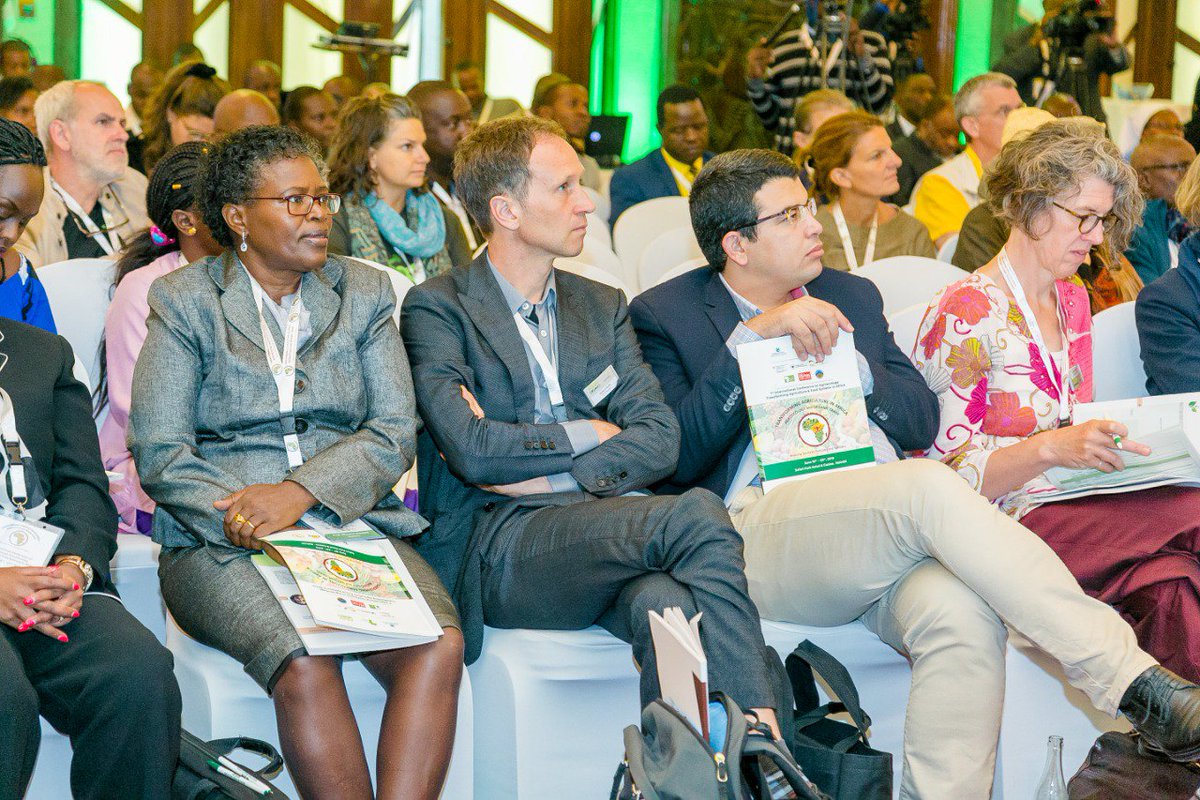
1st International Conference on Agroecology Transforming Agriculture & Food Systems in Africa

18-21 June 2019. Nairobi, Kenya  1st International Conference on Agroecology Transforming Agriculture& Food Systems in Africa. Reducing Synthetic Fertilizers and Pesticides through Scaling Up Agroecology,Promoting Ecological Organic Trade.

#AgroecologyConf2019‏ @Agroecology2019

There has been a growing interest in agroecology in recent years as an innovative and sustainable response to the challenges facing our food and agriculture systems. In particular, this has been since 2014 with FAO playing a leading role in facilitating global dialogue on agroecology.
  • Through a series of 9 regional and international multi-stakeholder meetings, more than 2,100 participants from 170 countries have come together to discuss the potential of agroecology to transform food and agriculture systems, as well as identify needs and priorities to scale up agroecology as a strategic approach to achieve Zero Hunger and the SDGs. 
  • This process culminated in the 2nd International Symposium on Agroecology in April 2018 in Rome, where FAO and UN Partners launched a Scaling Up Agroecology Initiative, marking a shift in focus from dialogue to action. 
  • The “Global Advocacy Project (GAP) 2017-2020” implemented by Biovision Africa Trust (BvAT) and PELUM Kenya, funded by SSNC and others aims at contributing to the Scaling up Agroecology Initiative and at bringing the agroecology discussion to policymakers and other key stakeholders in Eastern Africa, particularly Kenya, Ethiopia and Uganda. 
18/06 Morning session


18/06 Afternoon session


19/06 Morning session


19/06 Afternoon session


Thematic Areas
1. Reducing Synthetic fertilizers and pesticides
  • Impact of synthetic inputs. 
  • Alternative environmentally based technologies and methodologies to reduce synthetic pesticide use and contamination 
2. Scaling up Agroecology
  • Frameworks, methods of performance assessment and scaling up strategies for Agroecology. 
  • Partnerships, networking and financing innovations. 
3. Best practices towards food security, nutrition, consumption and health
4. Strengthening Ecological Organic Trade, Markets and Economy
5. Policies and legislation success efforts in synthetic fertilizers and pesticides reduction, Agroecology and Ecological Organic Trade.

Related: WHEN ANTS AND MICROBES JOIN HANDS
Quite a few of the presentations at the conference had nicely illustrated the benefits of organic agriculture to people and the environment, but Prof Panfilo and his team stood out because they illustrated how the introduction of even a single, modern eco-technology can have such a wide range of benefits.

Not all microorganisms are bad, as people in the industry, schools and media often wants us to make believe. Thanks to the work of practical researchers, we learn that this healthy mix of microscopic flora can cure mildew, attract ants that kill pests, provide a safe alternative to pesticides and stop cashew fruit juice from oxidizing for months.

For several years, Panfilo and his colleagues began to teach villagers to make their own liquid molasses from dried and stored
cashew apples as a source of sugar, minerals and amino acids to feed and multiply the microorganisms. So the farmers made molasses to feed the effective microorganisms, which controlled the Oidium. But even when the fermented solution was ready to spray on the trees it was still sweet. “When farmers spray their trees with the solution, the sweet liquid and amino acids attracts the ants.”

Although the poster did not tell the full story, there was still truth in saying that microorganisms controlled the fungal disease and the pest, in reality it was the fermented solution that attracted the ants, which controlled the bugs. Still, even such a roundabout pest control is worth having.

Monday, June 17, 2019

Successful Transformation toward Land Degradation Neutrality: Future Perspective

Lead UNCCD Scientist
 Barron Joseh Orr
@Barron0r
@UNCCD 
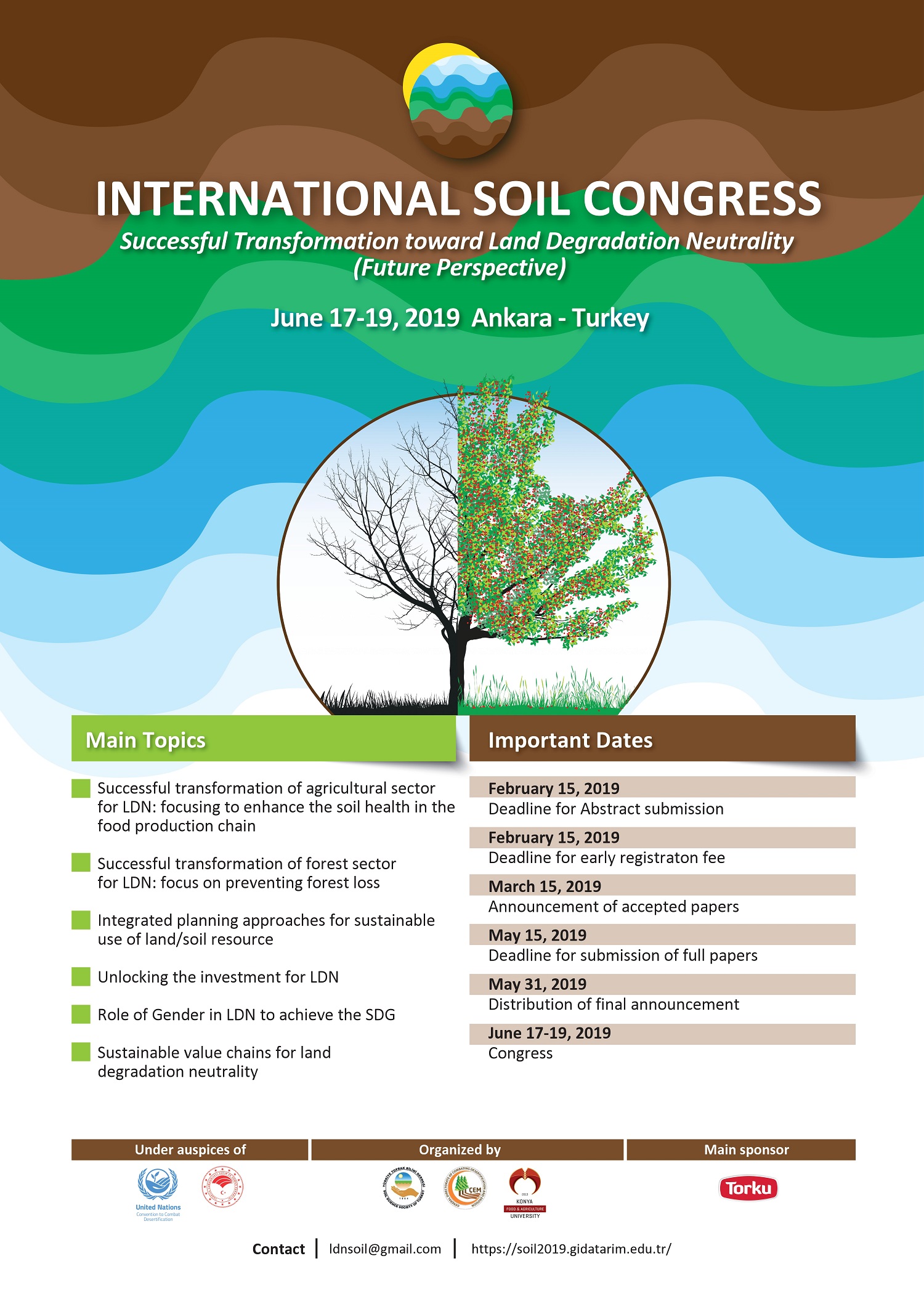
17–19 June 2019. Ankara, Turkey. The International congress on "Successful Transformation toward Land Degradation Neutrality: Future Perspective" marked the twenty-fifth anniversary of UNCCD.

The forum brought together senior scientists, academicians, experts, policy makers, young researchers and students from national and international institutions to analyze the current and future trends of soil and land resources, establish new policies based on the principles of land degradation neutrality and create a universal message for the sustainable use of soil and land resources. The main topics included:
  • Successful transformation of agricultural sector for LDN: focusing to enhance the soil health in the food production chain
  • Successful transformation of forest sector for LDN: focus on preventing forest loss
  • Integrated planning approaches for sustainable use of land/soil resource
  • Unlocking the investment for LDN
  • Role of gender in LDN to achieve the SDGs
  • Sustainable value chains for land degradation neutrality
The congress also invited young scientists to take part in the Youth Forum on “Land Degradation Neutrality from Local to Global Scale.” 

More about the event here.

15th annual continental meeting of CAADP


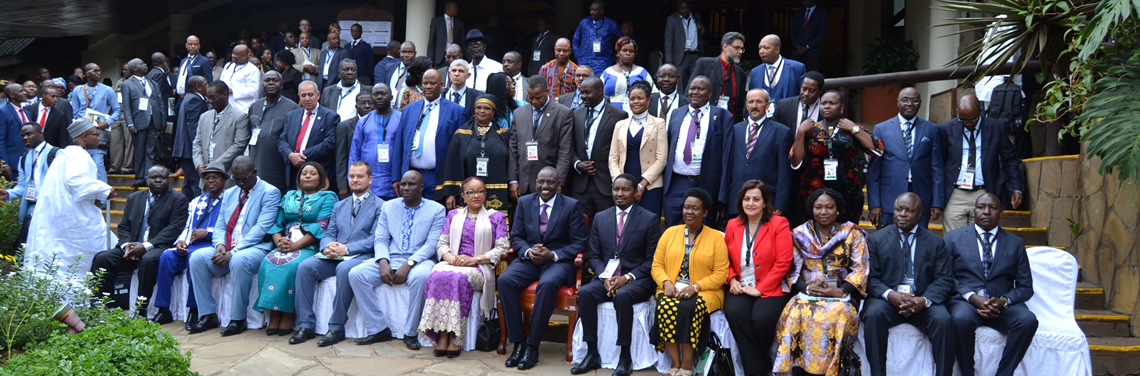
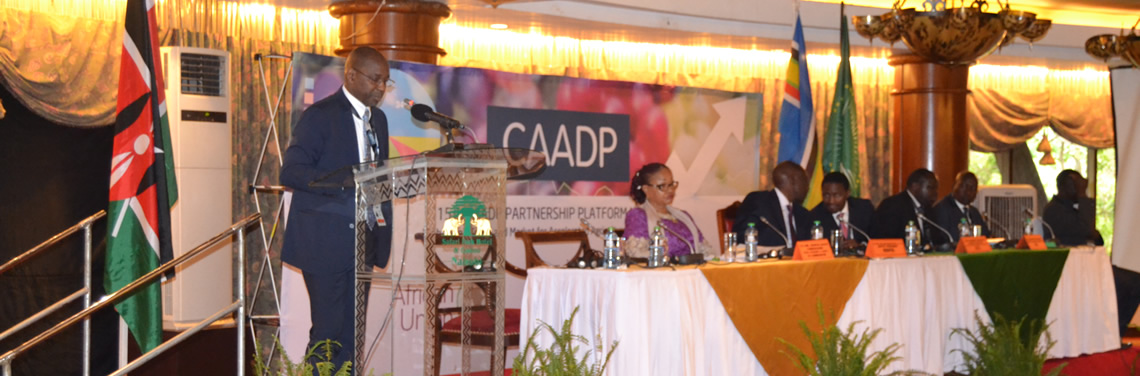
11-14 June 2019. Nairobi, Kenya. The four-day CAADP partnership platform, “Enhancing Trade and Market Access for Accelerated Agriculture Transformation,” is an annual continental forum.

It brought together stakeholders in African agriculture and food security sectors with an aim “to address challenges in order to consolidate and accelerate progress towards agricultural transformation in Africa.
  • The AU also urged African countries and pan African institutions operating in the agriculture sector “to create an enabling environment for agricultural trade through appropriate policies, governance and institutional arrangements.”
  • The AU also stressed the need to enhance investments and market access in the agriculture sector in order to ensure agriculture commercialization and the participation of all players in the value chain, which include African smallholder farmers, the youth and women.
The AU, as part of the Comprehensive Africa Agriculture Development Programme (CAADP) framework, aspires to transform the agriculture sector to realize the continent’s aspiration of ending hunger by 2025.

The AUDA-NEPAD as co-organiser of the Partnership Platform and implementor of CAADP projects at Regional and National level, was represented by a delegation led by Dr Hamady Diop, AUDA-NEPAD Head of Programme: Natural Resource Governance, Food Security and Nutrition , who spoke on behalf of the AUDA-NEPAD CEO, Dr Ibrahim Mayaki.

He spoke on the challenges in achieving enhanced intra-African trade, amongst these he highlighted the need for countries to showcase improved leadership when engaging in partnerships with development partners, silo mentality in the implementation of agriculture programmes at Regional and Country level and the continued lack of similar vision between state and private sector in the agricultural transformation agenda.

12 June 2019. CABI hosted a side meeting on operationalizing the Africa Continental Free Trade Agreement (AfCFTA). The panel was composed of representatives from Economic Community of Central African states (ECCAS), Southern African Development Community (SADC), the Alliance for Commodity Trade in East and Southern Africa (ACTESA), German Society for International Corporation (GIZ) and the Kenya Agribusiness and Agroindustry Alliance (KAAA).

CABI’s brochure ‘Breaking Down Barriers –Support for supply chains: improving trade efficiency and profitability’, highlights initiatives and achievements made by the organization over the years working with key partners.

Sunday, June 16, 2019

World Day to Combat Desertification

17 June 2019. Ankara, Turkey. World Day to Combat Desertification 2019 marks the 25th anniversary of the UN Convention to Combat Desertification (UNCCD), so this year's campaign will run under the slogan '25 YEARS – Let's grow the future together'.

 #2019WDCD

This event provides an opportunity to look back and celebrate the 25 years of progress made by countries on sustainable land management, as well as looking at the broad picture of the next 25 years where we will achieve land degradation neutrality. What do we envisage in the world in which land degradation neutrality provides a solid basis for poverty reduction, food and water security and climate change mitigation and adaptation?


Interview with UNCCD Executive Secretary Mr. İbrahim THIAW

Key Issues
  • Land and Drought — "By 2025, 1.8 billion people will experience absolute water scarcity, and 2/3 of the world will be living under water-stressed conditions."
    A complex and slowly encroaching natural hazard with significant and pervasive socio-economic and environmental impacts that to cause more deaths and displace more people than any other natural disaster.
  • Land and Human Security — "By 2045 some 135 million people may be displaced as a result of desertification."
    Achieving land degradation neutrality -by rehabilitating already degraded land, scaling up sustainable land management and accelerating restoration initiatives- is a pathway to greater resilience and security for all.
  • Land and Climate — "Restoring the soils of degraded ecosystems has the potential to store up to 3 billion tons of carbon annually."
    The land use sector represents almost 25% of total global emissions. Its rehabilitation and sustainable management is critical to combating climate change.
Opening
  • UNCCD Executive Secretary Mr. İbrahim THIAW
  • Minister of Agriculture and Forestry Dr. Bekir PAKDEMİRLİ
  • Video message by the UN Secretary-General António Guterres
  • President of the Republic of Turkey H.E. Recep Tayyip ERDOĞAN
“Think about what it takes to feed 7.5 billion people. Only 20 percent of the planet is habitable, yet within our own lifetimes one out of every four hectares of productive land has become unusable, three out of every four hectares have been altered from their natural state, and while agriculture drives that change, we waste a third of the food,” head of the UNCCD Ibrahim Thiaw told hundreds gathered in Ankara

“We must take action to repay our debt to nature and restore our land, generating a tenfold return on our investment, multiplying the benefits of the Sustainable Development Goals, and growing together in a virtuous cycle where everyone contributes and everyone benefits.”

Thiaw said increasing food production by 50 percent, when land degradation and climate change will be decreasing crop yields by 50 percent, makes restoring and protecting the fragile layer of land an issue for “anyone who wants to eat, drink or breathe.”

Whereas a significant amount of the land degradation and transformation has occurred over the last 50 years, Thiaw stressed that the success stories of land restoration and conservation, such as in Turkey’s Central Anatolia region, where rehabilitation and restoration over decades has resulted in increased forest cover, offer hope that change is possible when traditional knowledge, technology and faith communities come together creatively.

He said the restoration of 150 million hectares of farmland by 2030 can generate up to 40 billion dollars in extra income for smallholders, feed another 200 million people and sink several gigatons of carbon dioxide. Scaling it up across all our degraded land could prevent biodiversity and climate from disintegrating and bequeath new opportunities to the next generation, he added.


UN secretary-general António Guterres, in a video message at the opening of the congress, noted that the world loses 24 billion tons of fertile soil and dry land degradation reduces national domestic product in developing countries by up to eight percent annually.

Guterres said much remains to be done, and stressed the imperative of combatting desertification as part of our efforts to achieve the Sustainable Development Goals.

COMBATING DESERTIFICATION AND DROUGHT
There’s No Continent, No Country Not Impacted by Land Degradation
The coming decades will be crucial in shaping and implementing a transformative land agenda, according to a scientist at the United Nations Convention to Combat Desertification (UNCCD) framework for Land Degradation Neutrality (LDN). UNCCD-Science Policy Interface co-chair Dr. Mariam Akhtar-Schuster
This comes after the dire warnings in recent publications on desertification, land degradation and drought of the :
“The main message is: things are not improving. The issue of desertification is becoming clearer to different communities, but we now have to start implementing the knowledge that we already have to combat desertification. It’s not only technology that we have to implement, it is the policy level that has to develop a governance structure which supports sustainable land management practices.”” Akhtar-Schuster.
Social media
ICARDA Tweet

Thursday, June 13, 2019

The Pan-African Soybean Trials:

13 June 2019. Webinar: The Pan-African Soybean Trials: Addressing Seed Availability Across 14 Countries and 50+ Locations with 40+ Varieties

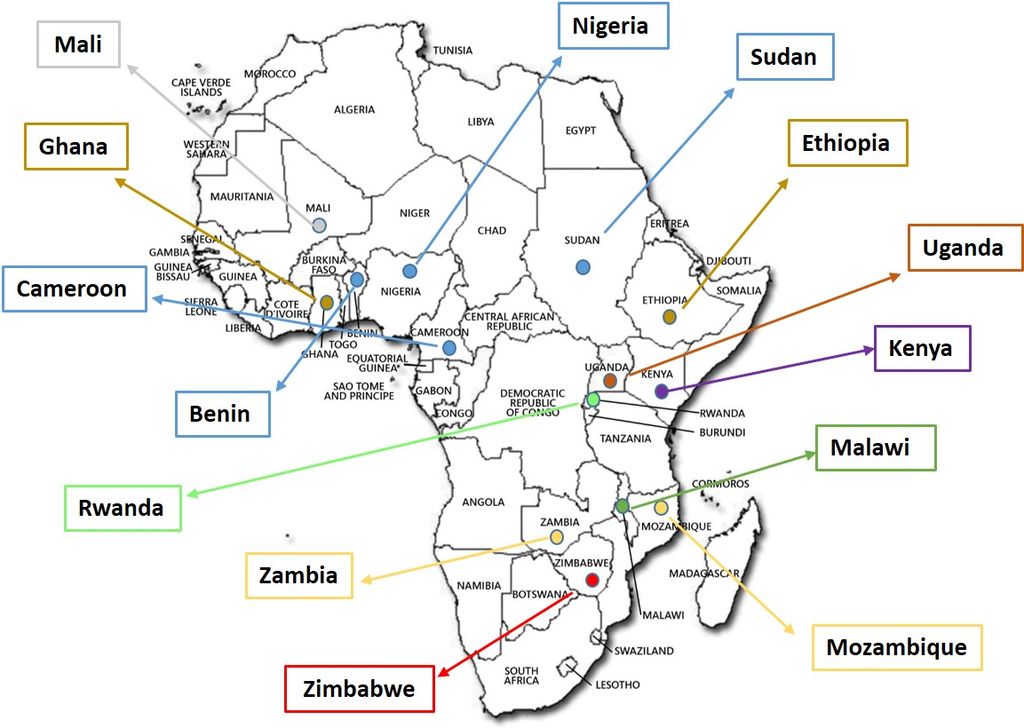
In this latest webinar from the Feed the Future Soybean Innovation Lab (SIL), researchers from the U.S. and Africa will describe how the consortium is solving the seed availability issue in Africa through the Pan-African Soybean Trial Program, a transparent, fast-track approach currently underway in 14 countries across Africa in over 50 locations.
  • Dr. Brian Diers (SIL, University of Illinois), 
  • Dr. Godfree Chigeza (IITA, Zambia),
  • and Florence Kamwana (DARS, Malawi), 
  • along with PAT Program Manager Michelle da Fonseca Santos (SIL, University of Illinois), 
They outlined the goals of the trials, provide variety test results from Malawi, Cameroon, Rwanda, and Uganda and discussed the variety release process. Learn more about this innovative program, how to get involved, and see results from the first two years of trials.

Video forthcoming

Report of the EU-AU Digital Economy Task Force

13 June 2019. Bucharest, Romania. The 8th edition of the Digital Assembly took place in Bucharest, Romania. The event, co-organised by the Commission and the Romanian Presidency of the Council of the European Union, brought together representatives of EU Member States with stakeholders from industry, academia and civil society.

Discussions focused on what is needed to accelerate the digital transformation and ensure that the EU remains globally competitive. Three key initiatives were featured: 
  1. A joint declaration by several Member States to work together to build a quantum communication infrastructure (QCI); 
  2. The adoption of the final report by the European Union – African Union Digital Economy Task Force with policy recommendations and concrete actions to strengthen cooperation on digital issues between the two continents;
    The DETF is one of the task forces established as part of the Africa-Europe Alliance for Sustainable Investment and Jobs launched by President Juncker in his 2018 State of the Union Address. For more information about the report see here
  3. A new investment facility to scale up digital start-ups in Central, Eastern and South Eastern Europe.
The European Union-African Union Digital Economy Task Force (EU-AU DETF) provides a platform of partnership for the private sector, donors, international organisations, financial institutions and civil society based on a shared understanding of how an already fast evolving African digital transformation can achieve cross-border integration, and bring benefits to all citizens. During 6 months, the EU-AU DETF developed a shared vision, a set of common agreed principles and a list of policy recommendations and actions focusing on four main objectives.  

In the report, African and European experts propose a series of policy recommendations and concrete actions to develop the digital economy and society on the African continent.

The DETF draws policy recommendations and proposes concrete actions to address the principal barriers faced by the African continent as it seeks to develop the digital economy and society. For this purpose, the DETF set out four main goals also identified as priorities in the EU’s Digital4development policy:
  1. Accelerating universal access to affordable broadband.
  2. Guaranteeing essential skills for all to enable citizens to thrive in the digital age.
  3. Improving the business environment and facilitating access to finance and business support services to boost digitally enabled entrepreneurship.
  4. Accelerating the adoption of eServices and the further development of the digital economy for achieving the Sustainable Development Goals.
"Technology-related productivity gains in crucial sectors (i.e. financial services, education, health, retail, agriculture, and government) in Africa are predicted to reach between US$ 148bn and US$ 318bn by 2025" (pages 7)
"Virtual reality can increase access of youths in remote areas to quality Vocational and Educational Training (VET); smallholder agriculture can benefit from market information and early warning systems"(pages 7)
The report was adopted today by European Commissioners Mariya Gabriel and Neven Mimica, and Minister of Communications of Ghana, Ursula Owusu-Ekuful, at the Digital Assembly in Bucharest. A preliminary version of the report was presented in May.

Digital Economy Task Force Members
  • Ms Janet Bih, Founder of Tassah Academy, Cameroon
  • Ms Doreen Bogdan, ITU
  • H.R.H. Princess Abzeita Djigma, Chair of the H.R.H. Princess Abze Djigma Foundation, Special Envoy of the President of Burkina Faso, Resource Mobilisation for SDG's and Climate Change
  • Mr Jérémy Doutté, Co-CEO E-commerce, Jumia Group, Nigeria
  • Mr Hisham Ezz Al-Arab, Managing Director Commercial Bank CIB of Egypt
  • Mr Ambroise Fayolle, Vice-President, European Investment Bank
  • Ms Arancha Gonzalez, Executive Director, International Trade Centre (ITC)
  • Mr Mats Granryd, Dir Gen of GSMA / London
  • Ms Boutheina Guermazi, Director for Digital Development, World Bank
  • H.E. Ibrahima Guimba Saidou, Special Adviser to the President of the Republic of Niger, Director General / CEO of the National Agency for the Information Society (ANSI)
  • Mr Marek Helm, Vice-President for GCC and Middle East , Nortal
  • Ms Christine Leurquin, Vice-President, Institutional Relations and Communications at SES S.A.
  • Mr Anouar Maarouf, Minister of Communication and Technology, Tunisia
  • Mr Bruno Mettling, President, Orange Middle East and Africa
  • Mr Günter Nooke, Federal Ministry for Economic Cooperation and Development (BMZ)
  • Mr Jean Philbert Nsengimana, Honorary Chairperson, Alliance for Affordable Internet (A4AI), Rwanda
  • Mr Michael Pittelkow, General Manager, Public Services, Africa, SAP
  • Mr Siim Sikkut, Government CIO, Ministry of Economic Affairs and Communications of Estonia
  • Mr Jon Stever, Co-Founder & Managing Director of Impact hub Kigali, Rwanda
  • Mr Lacina Kone, Smart Africa
  • Mr Marc Vancoppenolle, VP & Global Head of Government Relations, Nokia
  • Mr Jasper Westerink, CEO, Philips Africa
  • Mr Jean Van Wetter, Director General, Enabel
Related PAEPARD blogpost
12-13 June 2019. The Digital Agriculture Transformation Seminar #aginnovation
aims to foster an exchange among stakeholders(policy-makers, development partners, UN system, public and private sector, research and academia).

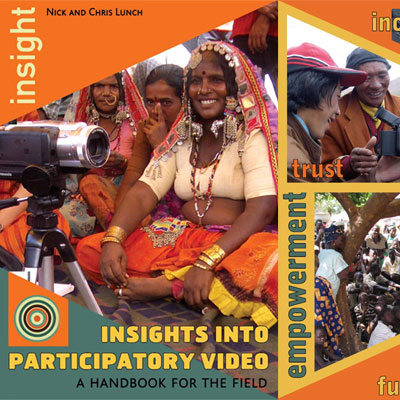
Insights into Participatory Video: A Handbook for the Field

‘Insights into Participatory Video’ is a practical guide to facilitating Participatory Video projects for social change. This groundbreaking guidebook draws on our experience of delivering Participatory Video projects with diverse groups and communities addressing a wide range of issues. Includes guidance on project development and set-up, key games and exercises, facilitator techniques, and short case studies from past projects.
“This is such an excellent piece of work, accessible, clear, original, and inspiring. It is an education to people like me who have only seen PV from afar. It deserves wide publicity and dissemination, and many readers for whom it will be an invitation to creativity, opening up a new dimension, new activities, a new repertoire of good things to do.” Dr Robert Chambers (Institute of Development Studies, University of Sussex)
‘Insights into Participatory Video’ is recognised as the most accessible and instructive text on Participatory Video available. Since its first publication in 2006, it has been downloaded and used used by thousands of facilitators and community groups around the world. It is available as a FREE DOWNLOAD in English, Spanish, French, Russian and Bahasa Indonesia.

Download here: ‘Insights into Participatory Video: A Handbook for the Field’ (All languages)

If you would like to purchase a printed copy of the handbook, please contact.

‘Insights into Participatory Video’ was written by Nick and Chris Lunch, co-founders of InsightShare and published with support from:

CGIAR Events at EAT Forum

12-13 June 2019. Stockholm, Sweden. EAT Stockholm Food Forum 2019.

11 June
Side Session: Putting biodiversity back into food: Managing risks in food systems using the Agrobiodiversity Index
Blue Food Assessment (BFA) Workshop – Putting aquatic production at the heart of global food systems Micheal Philips, Director, Aquaculture and Fisheries Science, WorldFish
Shakuntala Haraksingh Thilsted, Program Leader, Value Chains and Nutrition, WorldFish
12 June
13 June
Setting a new global agricultural innovation agenda: consultation on the CGIAR 2030 plan. 
11:40am – 12:20pm Plenary: The race to save each other: Biodiversity, humans and food 
14 June
Side Session: Road testing healthy diets: Perspectives from the Global South

European Investment Bank launches agriculture financing programme in Kenya

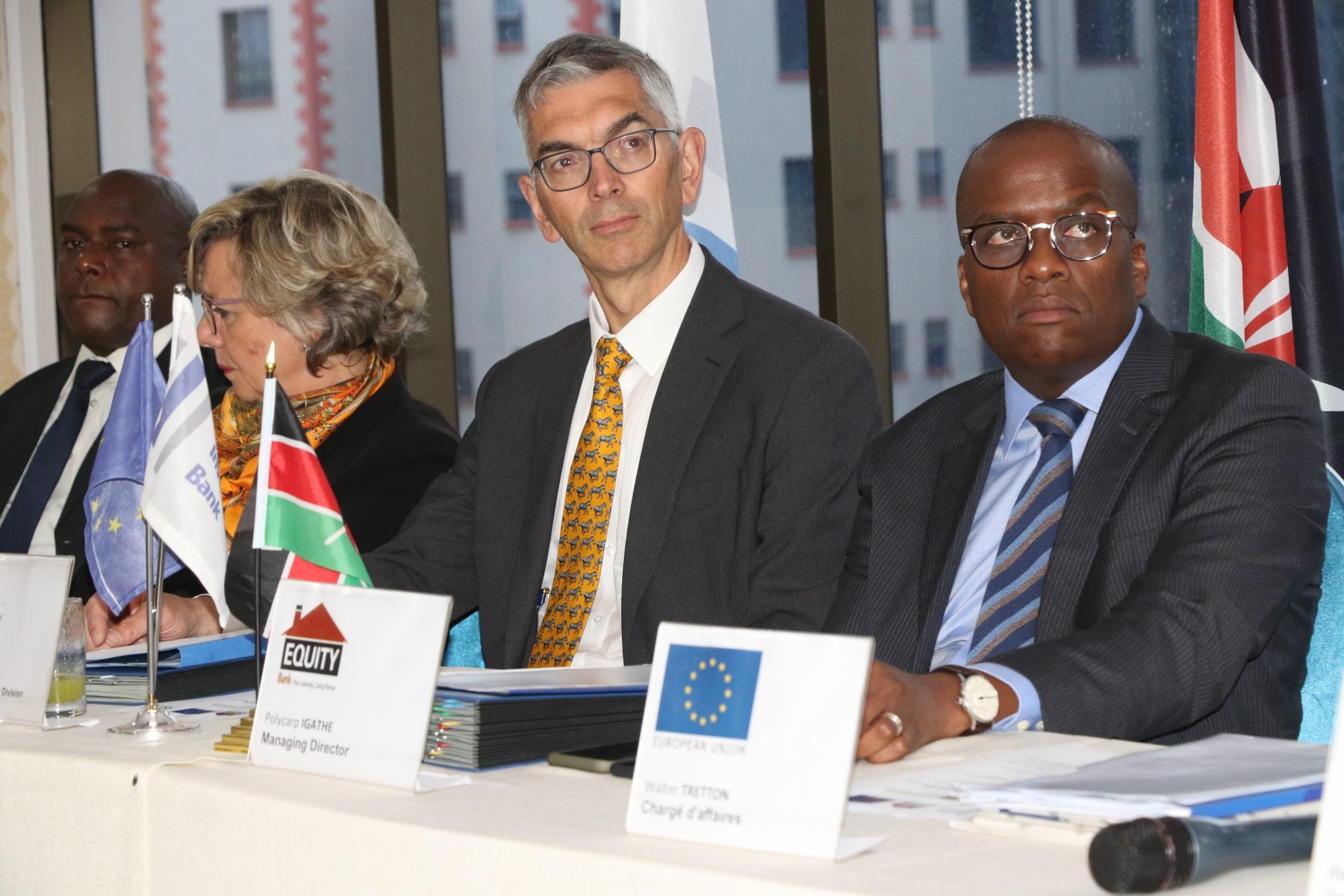
13 June 2019. Nairobi. European Investment Bank has launched a new EUR 50 million (Ksh. 5.7 billion) agriculture sector financing programme. The Kenya Agriculture Value Chain Facility was launched by the bank in Nairobi today and it is supported by the European Union.

The new initiative represents the first dedicated support for long-term investment by agriculture companies in Africa backed by the European Investment Bank, the world’s largest international public bank. The scheme is designed to tackle specific investment gaps currently hindering expansion in the sector.

  • Sh5.7 billion will be lent out on a long-tenure basis of seven years on a collateral-free basis and will be managed by Equity Group
  • A further Sh962 million is to be dished out in two equal halves, one as a loan managed by Equity Bank and another as a grant to be given to successful applicants by the facilitator Self Help Africa.
This means fresh produce suppliers to local retail chains as well as agro-processors handling export contracts will have activities reviewed together with their financial history to determine their worth when applying for the loans.
“The European Investment Bank is pleased to launch our first dedicated support for long-term investment in African agriculture here in Nairobi. Working with Equity Bank across country the new Kenya Agriculture Value Chain Facility will help agriculture companies to modernise and harness the full economic, employment and export potential of agriculture as well as expand business with local smallholders. As the EU Bank, the EIB is pleased to strengthen our close cooperation with Kenyan partners and the European Union Delegation to ensure that agricultural investment can increase under an exciting new scheme that acts as a model for our engagement across Africa.”  EIB regional representative for East Africa Catherine Collin
Under the new financing programme agricultural companies across Kenya will be able to access Kenya Shilling loans with maturities of up to 7 years, longer than commonly available in the market. This is expected to help companies to expand, upgrade and modernise their equipment thereby improving productivity, and strengthening integration of smallholders into the agricultural value chain.

The new initiative is designed to increase investment activity by agricultural companies and by making available funding in Kenya Shillings will mitigate against exposure to foreign exchange risks that currently hinder agriculture investment.

The impact of the new Kenya Agriculture Value Chain Facility will be strengthened by a dedicated technical assistance programme. This will improve financial assessment and monitoring of long-term agriculture investment by local banks.

The new European Investment Bank financing scheme will be supported by a EUR 10 million grant under European Union’s Kenya AgriFI programme. This will cover currency-hedging costs and technical assistance.

SCAR Conference 2019

12 June 2019. SCAR Conference 2019 «CONTRIBUTING TO SHAPE THE FUTURE».

Organised by the European Commission’s Directorate-General for Research and Innovation (SCAR Secretariat) and the Directorate-General for Agriculture and Rural Development, with the support of the H2020 CASA project.

The SCAR Conference brought together SCAR delegates, SCAR Steering Group members, SCAR Strategic and Collaborative Working Groups’ Chairs and Co-chairs and members, and JPI representatives, and European Commission officials to jointly work on the contribution of SCAR to shape the future.

The objective of the Conference was to reflect on SCAR's functioning in the coming year, reflect on the role and impact of SCAR in the EU’s future Horizon Europe Programme, synergies with CAP and policies on research and innovation, how SCAR could assist in speeding up R&I impact at EU and national level, as well as to discuss possible working groups addressing new challenges.

A meeting showcasing a number of the 29 Horizon 2020 Thematic Networks preceded the Conference on 11 June afternoon.

Wednesday, June 12, 2019

2nd International Seminar on Drought and Agriculture

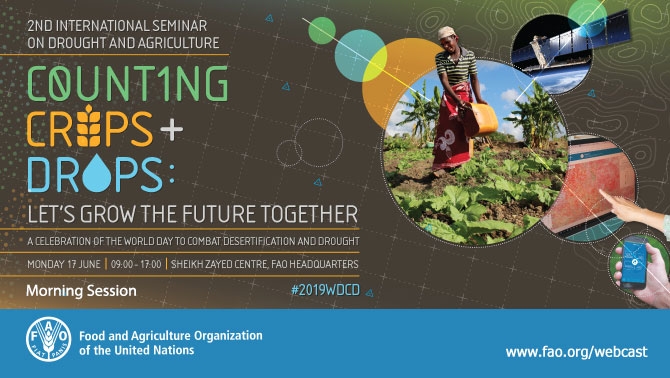
17 June, 2019.  Rome, Italy. FAO, in collaboration with the Government of the Netherlands, is organizing the 2nd International Seminar on Drought and Agriculture “Counting crops and drops: let’s grow the future together”.

The seminar will present and discuss tools, policies and best practices to support countries and farmers to be better prepared and resilient to drought. It will showcase how water resources assessment and monitoring, through the use of novel technologies, can reduce the vulnerability of rural communities.

The event is aimed at representatives from governments, international organizations, NGOs, academic and research institutes, and the private sector.

Objectives of the seminar:
  • Showcase and share knowledge on novel technologies and best practices to increase farmers resilience to drought.
  • Promote multi-stakeholder partnership and capacity building for integrated management practices for both drought preparedness and addressing land degradation in agriculture.
  • Promote enabling environments to support accessibility of farmers to actionable information for improved resilience and sustainability.
  • Demonstrate WaPOR, FAO’s portal to monitor Water Productivity through Open-access of Remotely sensed derived data.
Extracts of the programme:
  • Opening address, Bekhit Mohamed Bekhit, Minister's Assistant of Transboundary Water, Studies and Research Improvement, Ministry of Water Resources and Irrigation, the Arab Republic of Egypt
  • Opening address by Moderator, H.E. Hans Hoogeveen, Ambassador, Permanent Representative of the Netherlands to FAO
"Water resources assessment: counting the drops, making them count"
  • Introductory remarks by Moderator, Jippe Hoogeveen, Senior Land and Water Officer, Land and Water Division, FAO
  • The present and future of earth observation for agriculture - Benjamin Koetz, Exploitation Engineer, European Space Agency
  • Launch of the Water Productivity Open-access Portal version 2.0 WaPOR - Livia Peiser, Land and Water Officer, Land and Water Division, FAO
  • Plant Village application and WaPOR - David Hughes, Associate Professor, Penn State University
The FAO portal to monitor Water Productivity through Open access of Remotely sensed derived data (WaPOR) monitors and reports on agriculture water productivity over Africa and the Near East.

  • It provides open access to the water productivity database and its thousands of underlying map layers, it allows for direct data queries, time series analyses, area statistics and data download of key variables associated to water and land productivity assessments.
  • The portal’s services are directly accessible through dedicated FAO WaPOR APIs, which will eventually be also available through the FAO API store
  • The portal provides open access to the water productivity database and allows for direct data queries, time series analyses, area statistics and data download of key variables associated to water and land productivity. 
  • The portal provides information on variables such as water productivity, land productivity, above ground biomass production, crop calendars, harvest Index and precipitation, among others.
  • The webportal is powered by Google Earth Engine and is funded witt the the support of the Ministry of Foreign Affairs of the Netherlands.


Outcomes of the Near East and North Africa Land and Water Days 2019
  • Jean-Marc Faurès, Regional Programme Leader, Regional Office for Near East and North Africa, FAO

Improved policies and practices for drought resilience
  • National drought plans and integrated drought management - Daniel Tsegai, UNCCD
  • Saline agriculture: country experience - Arjen de Vos, Director Operations Saline Agriculture, Saline Farming
  • Kenya’s way forward in addressing drought - Paul Kimeu, Manager, Drought Resilience, National Drought Management Authority (NDMA), Kenya
  • Drought policies and practices in Egypt - Ismail Abdelgalil Ismail Hussein, Former Chair of Desert Research Center, Cairo, Egypt
"Strengthening farmers' resilience to drought: from the sky to the ground"
  • Satellite data for seasonal monitoring at World Food Programme (WFP) - Rogerio Bonifacio, Geospatial Analysis Unit, WFP
  •  Global Information and Early Warning System (GIEWS) - Mario Zappacosta, Senior Economist, Trade and Markets Division, FAO
  • Waterwatch Cooperative - Ad Bastiaansen, Chairman, Waterwatch Cooperative
  • Fostering communities' knowledge for better drought - forest management in dryland - Fidaa Haddad, Forestry Policy and Resources Division, FAO

EAT Stockholm Food Forum 2019

12-13 June 2019. Stockholm, Sweden. EAT Stockholm Food Forum 2019.

EAT Stockholm Food Forum is a carefully curated event, open to up to 1000 delegates by invitation only. This results in a gathering of top global thought leaders from science, politics, business, civil society and beyond.

Session on Science based targets for a healthy diet

Keynote presentation Video @ 1:15:00


Extracts of the programme

11 June
Workshop on Investing in Nutritious, Sustainable Foods in Emerging Markets
Hosted by Global Alliance for Improved Nutrition (GAIN) and EAT.
The Global Alliance for Improved Nutrition (GAIN) and the EAT organized a half-day workshop that brought together a subset of vital actors around the area of financing for nutrition, with a focus on emerging markets. These include high-impact food entrepreneurs, key players in the investment community, private sector leaders, and policy actors from government, civil society and international organizations.

Putting biodiversity back into food – Managing risks in food systems using the Agrobiodiversity Index
Hosted by Bioversity International.
Shrinking biodiversity narrows farmers’ options to manage agricultural risks, and reduces our access to diverse diets. The event will discuss the role of biodiversity for sustainable, healthy and resilient food systems, and present the first Agrobiodiversity Index Report 2019: Risk and Resilience. This report includes country results from Australia, China, Ethiopia, India, Italy, Kenya, Nigeria, Peru, South Africa and USA, the first run of this new tool for decision-makers and investors to measure agrobiodiversity in food systems.
  • Fabrice DeClerck, Science Director, EAT;
  • Juan Lucas Restrepo, Director General, Bioversity International and CEO of the Alliance with CIAT;
  • Dorothy Shaver, Global Sustainability Lead and Dietitian, Knorr/Unilever;
  • Leonard Mizzi, Head of Unit, Rural Development, Food Security, Nutrition, EU DEVCO
  • Zhou Jinfeng, Secretary-General, China Biodiversity Conservation and Green Development Foundation
12 June
Just Transition: Lesson’s from Africa’s most mature multi-stakeholder dialogue platform
South Africa’s food system appears highly efficient but in reality, historic injustices and deep inequalities persist. For the past decade the Southern Africa Food Lab has navigated these divisions, curating processes aimed at surfacing conflicts and generating stretch collaborations. The outcomes, even when seemly misfires, have opened pathways to righting the system.

Food Transformation for All: What can business do to build resilience?
Hosted by: Global Resilience Partnership.
Global Resilience Partnership (GRP) and its partners have been assessing what it takes to deliver resilient food and agriculture systems in vulnerable and fragile states. Speakers will highlight how business can integrate resilience in food value chains benefiting markets and communities in the least developed countries. During interactive sessions, participants identified the actions they can contribute towards equitable food system transformation.
  • Johan Rockström, Director, Potsdam Institute for Climate Impact Research, Advisory Council Member, GRP
  • David Nabarro, Strategic Director, 4SD and co-facilitator for Nature-based Solutions Workstream, UN SG Climate Action Summit
  • Assan N’gombe, Resilience Officer, Alliance for Green Revolution in Africa (AGRA)
  • Theo del Jager, President, World Farmers’ Organisation
  • Scaling Up Nutrition (SUN) Movement Representative 
Acting on EAT-Lancet: Science-Based Targets in Practice
The EAT-Lancet Commission provided the first set of global scientific targets for healthy diets and sustainable food production. Translating these global targets into science-based targets (SBTS) is what will make them actionable. Business, cities, and countries all play a role. Much work has already been done in setting SBTs to achieve the Paris Agreement, but SBTs for the food system are lacking.
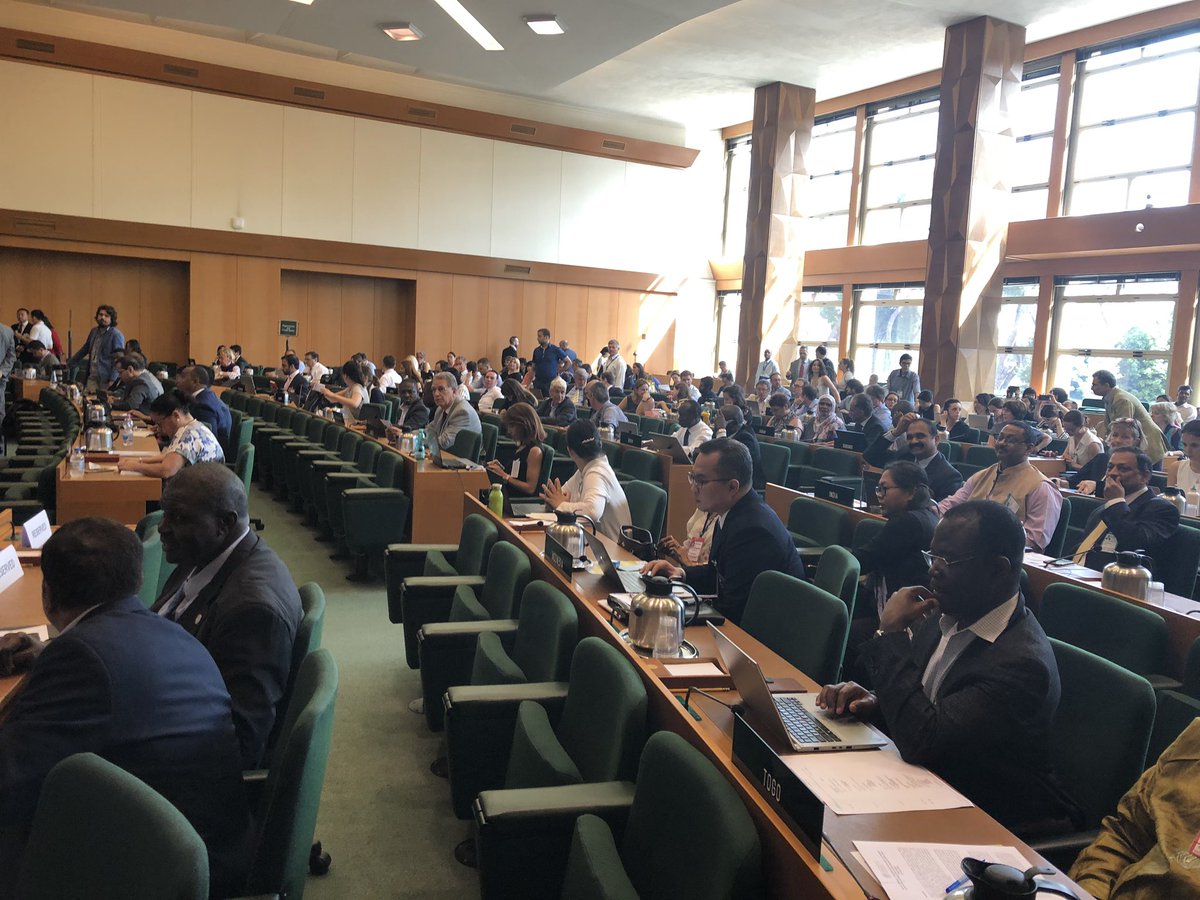
This session explored the importance of setting SBTs in achieving health and environmental goals, and will highlight various stakeholders’ work at the beginning of the process of setting SBTs that can guide us in transforming the global food system.

Food Security in the UAE
Sustainable Diets and Sustainable Farming: The Double-Action Opportunities
Shifts in diets shall only occur if the food environments also change. This includes changes in production patterns, towards diversified, agroecological farming systems, and local food systems. The opportunity is that more plant-based diets, prioritizing locally produced and minimally processed foods, are better for the health both of eaters and of the ecosystems. We need to move away from the current vicious cycle of industrial agriculture and industrially processed foods, towards a virtuous cycle in which supply and demand converge towards sustainability objectives. As illustrated by the EU Common Food Policy project of IPES-Food, a systems-wide approach, in which governance supports cross-sectorial and coordinated action, is a condition for this revolution to occur.
Urban Food Systems Resilience
Bringing the planetary health diet to life will not happen without dedicated efforts in the urban context. Cities are influential for multiple reasons: they are home to growing percentages of the global population and are concentrations of resources, innovation and consumption habits. Ensuring cities are able to provide healthy diets to their residents while supporting sustainable food production requires decisive action on resilience planning, spatial strategies and policy design. This panel showcased examples of actions that increase the health, sustainability, and resilience of urban food systems – including circular economy and design approaches.
Transforming Agriculture: Restoring Hope
While agriculture is now the primary cause of land degradation and loss of biodiversity, it can be our best bet for combating climate change, conserving biodiversity, and improving both quality and quantity of food production. What does it take to do this without placing undue burdens on farmers and farming communities? What changes are needed in producer actions, policy support, and consumer behaviors to actuate this transformation?

13 June
Setting a new global agricultural innovation agenda: consultation on the CGIAR 2030 plan.
Hosted by: CGIAR System Organization.
The task before us is momentous: a sustainable food systems revolution – as urgent as the agricultural revolution that launched the CGIAR, yet exponentially more complex. Most of the world eats too little, too much, or the wrong type food – at an unsustainable cost to environment and human health. This important consultation will seek inputs to CGIAR’s research agenda, delivery models, and partnerships needed to deliver on the SDGs.
Redesigning Our Tomorrow: Regional Food Policies
A global food systems transformation requires transformational efforts at all levels of society from small, local communities to the levels of municipalities, cities, states, nations and whole regions. This panel features leaders and experts spanning the rural to the urban and continental spheres who will speak to the importance of regional food policies in (re)designing the food systems of the future and how, based on past experience and best practices, these theories and maps of change can be adapted and disseminated in other global contexts.
  • Corinna Hawkes (Moderator) Director, Centre for Food Policy, City University of London
  • Vytenis Adriukaitis Commissioner, European Commission
  • Sue Pritchard Director, Food, Farming and Countryside Commission, The RSA (Royal Society for the encouragement of Arts, Manufactures and Commerce)
  • H.E. Mike Mbuvi Sonko Governor, Nairobi City County, Kenya
  • Line Gordon Director, Stockholm Resilience Centre, Stockholm University
14 June
Road testing healthy diets: Perspectives from the Global South
Hosted by: CGIAR
This session will provide an entry point to examine the EAT-Lancet recommendations from a low- and medium-income countries perspective where most food is grown by small-scale producers. It will look at gender-equitable approaches to the sustainable intensification of small-scale farming, expanding access to markets and the implications of the global diet on health and nutrition outcomes in societies characterized by rapid urbanization and population growth.

Screened film at the conference


Digital Agriculture Transformation Seminar

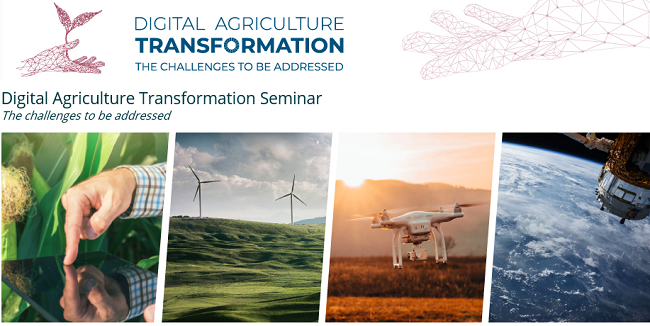
12-13 June 2019. The Digital Agriculture Transformation Seminar  #aginnovation
aims to foster an exchange among stakeholders(policy-makers, development partners, UN system, public and private sector, research and academia).

It identifies the challenges that the digital transformation brings to agriculture and rural systems, and explore pathways for assessing both the risk and opportunities from the digital transformation along the value chains and in rural areas; and the need for a strategy to increase digital maturity in agriculture.

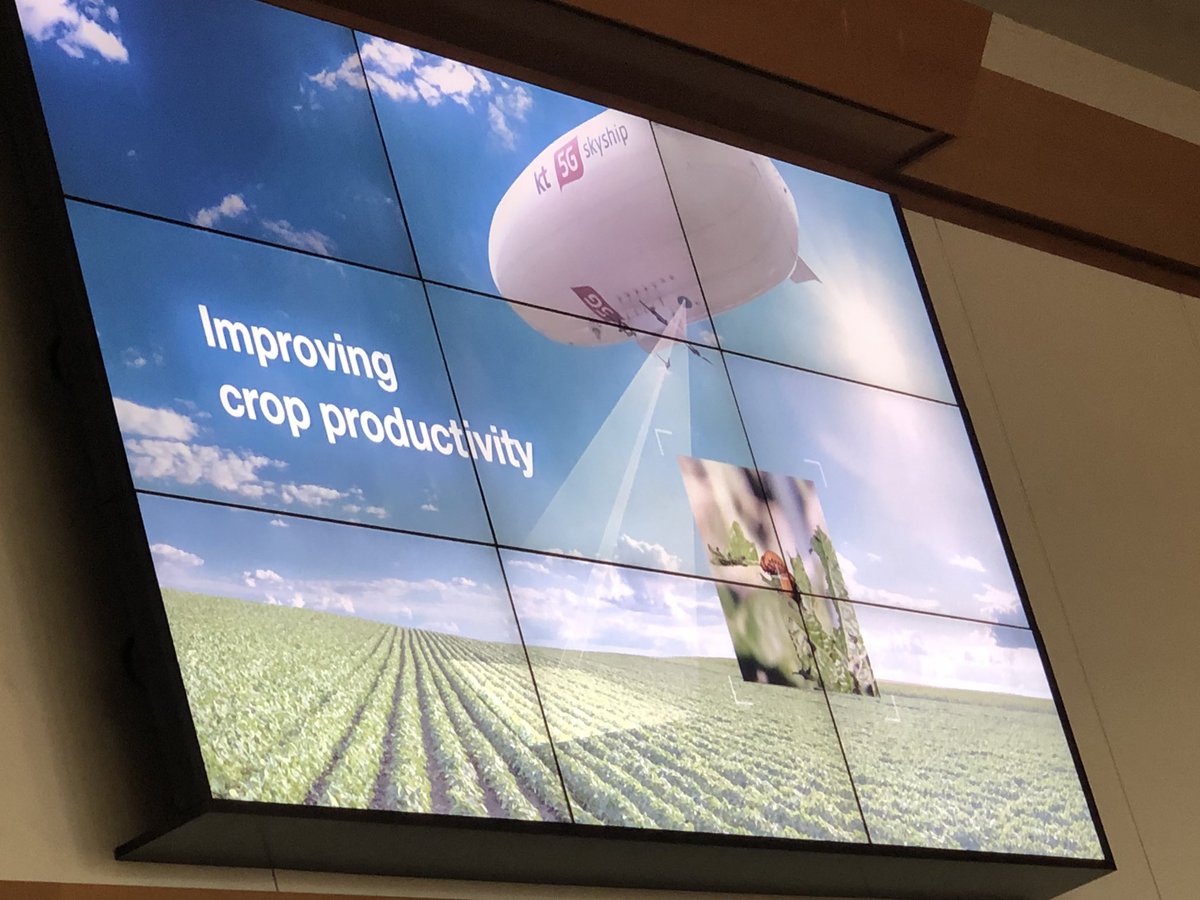
Agriculture is being transformed with digital technologies, ubiquity, portability and mobility anywhere and at any time (smartphones, Internet of Things, cloud-based services), smart and prediction technology (analytics and artificial intelligence) as well as interconnected data-driven systems (distributed data layer, blockchain, etc.).

This has been increasingly improving production and productivity, ensuring faster time to market, operating a streamlined supply chain and reducing operational costs. However, there are potential drawbacks: 
  • cybersecurity and data protection, 
  • labour replacement and re-education, 
  • digital divide and 
  • the risk of increasing the concentration in the private sector.
Extracts of the programme:
12 June
STRENGTHENING SMALLHOLDERS BY BRIDGING THE RURAL DIGITAL DIVIDE
  • Digital agriculture and rural areas—practices in China; Ke Tang, Director General of Department of Market and Informatization, Ministry of Agriculture and Rural Affairs P.R. China
  • Making ICT work for smallholders: IFAD perspective ; Thouraya Triki, Director of Sustainable
    Products, Markets and Institutions, International Fund for Agriculture Development (IFAD)
  • Benefits and risks of digitalization for the poor and smallholders ; Maximo Torero Cullen, Assistant Director-General, Economic and Social Development Department, FAO
  • Digital4Development strategy in EU support to sustainable agriculture ; Christophe Larose, (see picture) Head, Sector of Sustainable Agriculture from EU- European Commission – DG International Cooperation and Development Video @1:06:00 
    “The Africa-Europe Digital Economy Task Force will present it report tomorrow 13 June in Bucharest”The EU-AU Digital Economy Task Force was launched on 18th December 2018 in Vienna
POLICIES AND STANDARDS FOR DIGITAL AGRICULTURE: THE ROLE OF THE INTERNATIONAL COMMUNITY (CONNECTIVITY, LITERACY, REGULATION)
  • Digital agriculture: how the international community can help ; Michael Hailu, Director, Technical Agricultural and Rural Cooperation ACP-European Union (CTA)
e-evolution of APMA
  • Archil Bukia, Deputy Director, Agricultural Projects Management Agency (APMA), Georgia
  • William Beam, Deputy Administrator for Farm Programs, United States Department of Agriculture, US
  • Daniel Azevedo, (see picture) Director, Trade Division and Digital Agriculture Department, Committee of Professional Agricultural Organisation & General Confederation of Agricultural Cooperatives (COPA-COGECA)
13 June
DIGITAL TRANSFORMATION – RISKS AND OPPORTUNITIES FOR FOOD AND AGRICULTURE SECTOR: THE ROLE OF THE PRIVATE SECTORS
  • His Excellency Kip Tom, Ambassador, Permanent Representative of the United States of America to FAO, IFAD and WFP, United States - Closing the digital divide 
  • Srinivasu Pappula, Chief Scientist and Global Head Digital Farming Initiatives of Tata Consultancy Service, India - Transforming rural economies with PRIDE(TM)
  • Mouhsine Lakhdissi, (see picture) Co-CEO of AGRIDATA, Morocco - Transforming rural economies with PRIDE(TM)
  • Bernhard Yvetot, Vice-President, International Strategy, Orange Group Strategy Division, France - Orange eAgriculture solutions in Africa
INNOVATION LABS AND G-20: ADDRESSING THE 2030 AGENDA
  • Engel Hessel, (see picture) Commissioner for Digitalisation and Director for Digital Innovation at the Federal Ministry of Food and Agriculture, Germany
    Exchanging Ideas for the Digital Future of Agriculture -What Structures do We Need?
  • Song Wang, Division Director of Department of Market and Informatization, Ministry of Agriculture and Rural Affairs, P.R. China
    Information Technology for Sustainable Agricultural and Rural Development
  • Bernhard Kowatsch, Head, United Nations World Food Programme (WFP) Innovation Accelerator#Disrupt
    Hunger and the WFP Innovation Accelerator
  • Jean-Philippe Dop, Deputy Director-General, World Organisation for Animal Health (OIE)
    The challenges of digitalization and animal health global approach to address the 2030 agendaWorld Animal Health Information Database (WAHID) Interface: A comprehensive range of information is available from:
  • immediate notifications and follow-up reports submitted by Country / Territory Members notifying exceptional epidemiological events current in their territory
  • six-monthly reports stating the health status of OIE-listed diseases in each Country / Territory.
  • annual reports providing health information and information on the veterinary staff, laboratories and vaccines, etc.

DIGITAL INNOVATION TO TACKLE CLIMATE CHANGE: DEVELOPING AGROMETEOROLOGICAL AND AGRO-CLIMATOLOGICAL CAPACITY IN DEVELOPING COUNTRIES
  • Michele Bernardi, Senior Consultant in Agrometeorology and Early Warning Systems, Italy Connecting the dots… time is now
  • Srinivasan Arunachalam, JMR InfoTech CEO, India
  • Arif Satria, Rector, Bogor Agricultural University, Indonesia -
    Earth observation to increase water productivity (Water Productivity Assessment - WAPOR)
  • Livia Peiser, Technical Officer, Climate, Biodiversity, Land and Water Department, FAO
DIGITAL INNOVATION ECOSYSTEM – BUILDING CAPACITY AND PARTNERSHIP TO DEVELOP LOCAL-LED YOUTH ENTERPRISES
  • Marco Gualtieri, Founder and Chairman, Seeds and Chips, Italy
  • Tom Anyonge, Lead Technical Specialist on Youth at the Environment, Climate, Gender and Social Inclusion Division, IFAD
  • Alex Ntale, Chief Executive Officer of the Rwanda ICT Chamber, Rwanda Agricultural extension – youth interface towards digital agriculture transformation
  • Nevena Alexandrova-Stefanova, Agricultural Extension Officer (Systems), FAO
29 May 2019. In the run-up to the World Telecommunication and Information Society Day and to further explore the role of ICTs in youth-led agriculture and agribusiness, the CGIAR Research Program on Climate Change, Agriculture and Food Security, in partnership with the Climate Smart Agriculture Youth Network, held a month-long online discussion on the Climate and Agriculture Network for Africa Platform.

The webinar, "The Digital Revolution: Engaging Youth in Agriculture through ICTs" explored ICTs and their role in connecting young people to the agriculture sector.

Tuesday, June 11, 2019

Global Nutrition: An Opportunity for U.S. Foreign Policy and Business

11 June 2019. The CSIS Global Food Security Project organised a discussion on the opportunity for U.S. foreign policy and business to improve global nutrition with Dr. Lawrence Haddad.

He is the Executive Director of the Global Alliance for Improved Nutrition (GAIN) and was awarded the 2018 World Food Prize for his exemplary leadership in maternal and child nutrition and efforts to significantly reduce childhood stunting.


The current state of all three forms of malnutrition—underweight, overweight or obese, and micronutrient deficiency—is unacceptable. With one in three people experiencing malnutrition, every country faces the damaging effects malnutrition has on country-level prosperity and security.
Although the current food system faces many challenges today, the private sector must be part of the solution to decrease malnutrition.
  • Industry can play a more integral role in making nutrient-dense food more affordable and available to all populations; this means maximizing profits and prioritizing food and nutrition security and health. 
  • U.S. policymakers should build an environment that fosters public-private engagement, fortifies accountability, and shares decision-making.
This event was made possible by the support of the Bill & Melinda Gates Foundation.