Platform for African – European Partnership in Agricultural Research for Development

Monday, August 25, 2025

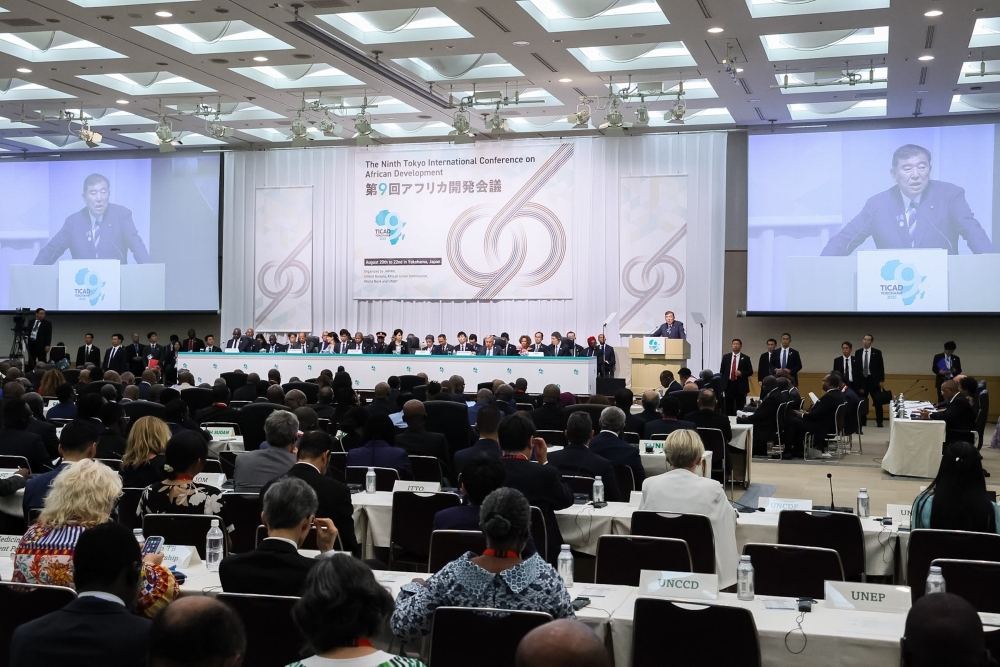
The Ninth Tokyo International Conference on African Development (TICAD 9)

20 - 22 August 2025. The Ninth Tokyo International Conference on African Development (TICAD 9)

TICAD 9 concluded with Japan and African leaders reaffirming their commitment to co-creation for sustainable growth, peace, and human development, anchored in African ownership and international partnership. 

See: TICAD 9 Yokohama Declaration “Co-create innovative solutions with Africa” 

Leaders endorsed initiatives on peace and stability, including support for African-led conflict prevention and UN Security Council reform; on economic transformation, highlighting industrialization, AfCFTA, green/blue economy, and digital/AI-driven innovation; and on human capital, with Japan pledging large-scale training programs for youth and women. The conference also launched the Economic Region Initiative of Indian Ocean–Africa to deepen connectivity, and a commitment to train 300,000 Africans in AI and digital skills. Across plenaries and thematic sessions, participants emphasized that achieving Africa’s aspirations will require inclusive partnerships, private sector investment, and resilient governance frameworks, with TICAD remaining a trusted platform for Africa–Japan collaboration.

The objective of this session was to launch the new academic network between Japan and Africa, in which Egypt-Japan University of Science and Technology (E-JUST, Egypt), Jomo Kenyatta University of Agriculture and Technology (JKUAT, Kenya) and Stellenbosch University (SU, South Africa) act as “Hub” for networking and collaboration among African universities and with Japanese universities, which is called “AJ-INSPIRE” (Africa-Japan Initiative for Scientific Partnership in Innovative Research and Education)
  • Ms. Sachiko Imoto, Senior Vice President, Japan International Cooperation Agency (JICA)

  • Ousmane Diagana, Vice President, Western and Central Africa
  • Prof. Amr ADLY, President, Egypt-Japan University of Science and Technology (E-JUST)
  • Prof. Robert Kinyua, Deputy Vice Chancellor for Academic Affairs, Jomo Kenyatta University of Agriculture and Technology (JKUAT) see picture
  • Prof Deresh Ramjugernath, Rector and Vice-Chancellor, Stellenbosch University (SU) see picture
  • Dr. Roberta Malee Bassett, Global Lead for Tertiary Education and Senior Education Specialist,
    World Bank
  • Mme. Hendrina C. DOROBA, Division manager, Education and Skills Development Division, Human Development Department, African Development Bank (AfDB)
  • Dr. Keiko Takei, Chief Education Analyst, African Development Bank (AfDB)
  • Mr. Shinsuke OKADA, Director for international cooperation, International Science and Technology Policy Division, Ministry of Education, Culture, Sports, Science and Technology (MEXT)
  • Prof. Shuji Shimizu, Executive Vice President, Kyushu University
  • Mr. Kohei Okada, Executive Officer Deputy CSO, Toyota Tsusho Corporation
  • Dr. Takasei Okano, Senior Advisor, Japan International Cooperation Agency (JICA)
  • Mr. Daisuke Ueda, Deputy Director General, and Group Director for Higher Education and Social Security, Human Development Department, Japan International Cooperation Agency (JICA)

20/08 Enhancing Continental Food Self-sufficiency and Job Creation through Resilient Food System and Private Sector Development in Africa”

Session 1: Building Resilient Agri-Food Systems in Africa
This session discussed how JICA is trying to address this challenge through the JICA Africa Food Security Initiative launched by JICA after TICAD 8, with a focus on rice, with which Japan has been cooperating in Africa for many years. Case studies were shared from public and private sector stakeholders in East Africa, and specific measures and strategies were also be discussed to promote intra-regional distribution through a food basket approach and to strengthen competitiveness against imports from outside the region.

Session 2: Job Creation by Improvement of Agro-industrial Value Chain and Promotion of Agroindustry
JICA has been providing variety of support to promote agro-industry and its value chain, including support for innovation creation through startups), capacity development via KAIZEN, human resource development through BDS in the industrial sector, and export-related product branding support, etc.

  • Dr. TANAKA Akihiko JICA, President
  • Dr. Ibarahim Hssane Mayaki AU, Special Envoy for Food Systems
  • Dr. Andrew Dabalen World Bank, Chief Economist for African Region
  • Mr. Fahari Gilbert Marwa EAC, Principal Agricultural Economist
  • Mr. NOMOTO TAKAAKI Ministry of Finance, JAPAN, Director of Multilateral Development Banks Division
  • Mr. AMAMEISHI Shinjiro CARD Secretariat, General Coordinator
  • Dr. JOHO Yukiko NIPPON KOEI CO.,LTD., Deputy Team Leader, A Data Collection Survey to Build a Resilient Food System based on the Food Basket Concept
  • Mr. Prosper Komla Bissi AfCFTA Secretariat, Senior Advisor, Agriculture Trade & Value Chains, Cabinet of the Secretary-General
  • Mr. Samuel Munguti Shamba Pride, CEO, Founder
  • Thomas Damian Mkangara Natural Extracts Industries Ltd, KAIZEN Coordinator
  • H.E. Nardos Bekele Thomas AUDA-NEPAD, CEO

  • Mr. Hitoshi Fujiie JICA, Deputy Director General of Economic Development Department
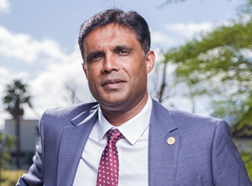
  • Dr. YAMANA Mika Director, Center for Regional Collaboration, Kansai University, Professor, Faculty of Law, Kansai University. see picture Since 2015, she has been supervising international students from seven African countries at the Graduate School of Law, Kansai University, under JICA’s ABE Initiative (African Business Education Initiative for Youth). In connection with AUDA-NEPAD, she has also conducted joint research on the Southern Africa Network for Biosciences (SANBio), in collaboration with the SANBio Hub Manager of the Council for Scientific and Industrial Research (CSIR) in South Africa.

    Highlight: Africa’s rich agricultural products and biological resources can also benefit from the effective use of intellectual property systems to drive industrial growth. Since the 2015 academic year, the Graduate School of Law at Kansai University has accepted African students from seven countries: the Democratic Republic of the Congo, Egypt, South Africa, Kenya, Ethiopia, Burundi, and Mozambique. Many African students have shown interest in exploring ways to add value through the utilization of IPR in agriculture and biological resources, and have chosen this as their research theme.


20/08 “Ultra Low-cost Community-based Smallholder Irrigation (COBSI)” Addressing Climate Change in Africa- Japan’s Traditional Technologies and Ultra Low-cost Smallholder Irrigation (COBSI: Community-based Smallholder Irrigation Development)


Thie side event introduced an ultra low-cost smallholder irrigation system, the Community-based Smallholder Irrigation (COBSI), that enables farmers to build their irrigation weir by using locally available materials, focusing on its development background, the charasteristics, and the effectiveness through the voices of the people concerned and its beneficiaries in the field. The JICA's development strategy of COBSI was announced for further development in Sub-Saharan Africa.

  • Mr. YAMAGUCHI Hiroyuki, Vice President, JICA
  • DR. W.K. Mutale Nalumango, MP Vice President of The Republic of Zambia
  • Ms. INOUE Miyoko, Deputy Director, Agricultural and Rural Development Group 2, Economic Development Department, JICA
  • Mr. Delfim Julio Vilissa, Director General, National Institute of Irrigation, Mozambique see picture
  • Ms. Margot van der Velden, Regional Director for West and Central Africa, WFP
  • Mr. SAITO Mikiya, Director General, Economic Development Department, JICA


20/08 Building Sustainable, Resilient and Inclusive Food Systems and Local Economies in Africa anchored in the Blue Economy and Agriculture


Focus:
 This session promoted inclusive dialogue and collaborative solutions, particularly by encouraging the active participation of youth and other key stakeholders in shaping the future of Africa’s food systems and economies.
  • H.E. Dr. William Ruto, President of the Republic of Kenya
  • H.E. Dr. José Ulisses CORREIA E SILVA, Prime Minister of the Republic of Cabo Verde
  • The Rt. Hon. Elijah Ngurare, Prime Minister of the Republic of Namibia
  • H.E. Mr. Soares SAMBU, Minister of Economy, Planning and Regional Integration of the Republic of Guinea-Bissau
  • Mr. Matsumoto Hisashi, Parliamentary Vice-Minister for Foreign Affairs, Japan
  • Moderator: Dr. Masanori Kobayashi, Senior Research Fellow, Sasakawa Peace Foundation
Extract of the special address by H.E. Shigeru Ishiba Prime Minister of Japan
The development of NERICA rice is well known, and it is the result of research by Dr. Jones of Sierra Leone and on-site application by Japanese expert Mr. Tsuboi. Based on the motto that it is important to work hard together with our counterparts, we carefully explained cultivation methods to African farmers, provided them with rice seeds, and distributed the resulting high yields to neighboring farmers. This is how NERICA rice has become widespread. We understand that increased yields of high-quality rice have now been achieved in 23 of the 54 African countries.

This year there has been a big uproar in Japan about a rice shortage. While other countries around the world are increasing their farmland and agricultural production, whether it's rice, wheat, corn, or soybeans, Japan has seen a steady decline in both agricultural production and farmland. I believe this is a serious problem. I believe that providing safe and reliable food is a fundamental obligation for a nation, and I would like to work together with the people of Africa to resolve this issue.


Focus: Centered on the SHEP (Smallholder Horticulture Empowerment & Promotion) Approach—an agricultural extension model that shifts farmers’ mindset from “grow and sell” to “grow to sell,” driving market-oriented agriculture and income growth. The session featured:
  • A recounting of SHEP’s success in doubling incomes for 2,500 smallholders in Kenya within two years.
  • A reaffirmation of the joint declaration to improve the livelihood of one million smallholder farmers through the SHEP model.
  • Sharing of implementation experiences across Africa and the Caribbean.
  • Presentation of impact evaluation findings using the World Bank’s SWIFT methodology.
Speakers included:
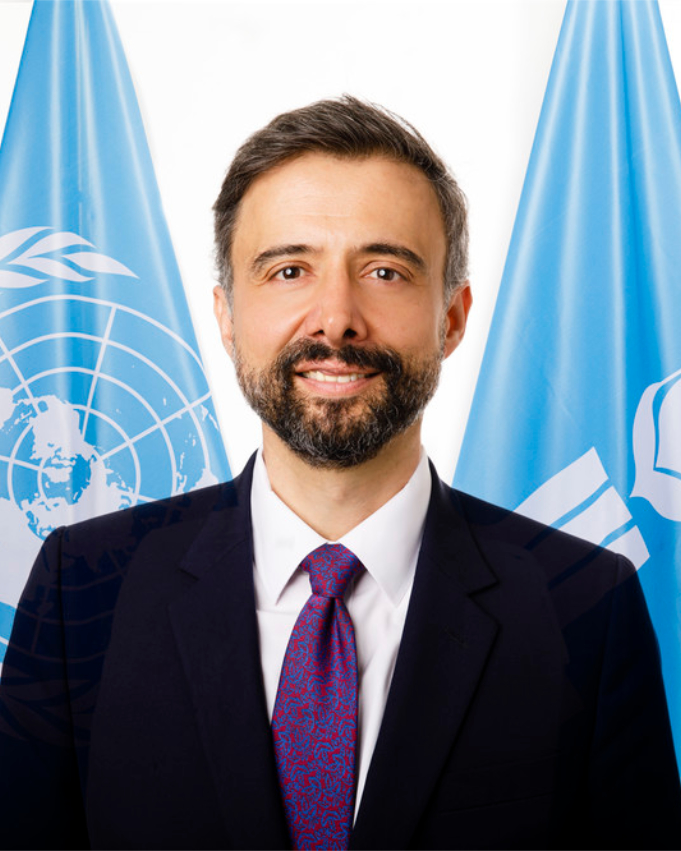
  • Mr. Álvaro Lario (President, IFAD) see picture
  • Ms. Sachiko Imoto (Vice‑President, JICA)
  • Ms. Harue Kitajima (Senior Advisor, JICA)
  • Ms. Bernadette Mukonyora (IFAD Country Director, Marawi) see picture
  • Mr. Masahito Ishii (Toyota Mobility Foundation)
  • Mr. Leonard Munamati (Zimbabwe’s Ministry of Lands, Agriculture, Fisheries, Water & Rural Development)
  • Dr. Cheikh Amet Bassirou Sane (Senegal’s Ministry of Agriculture, Food Sovereignty & Livestock)

  • Mr. Servulo Baeza (CEO, Ministry of Agriculture, Food Security & Enterprise, Belize)
  • Mrs. Arunee Hiam (Deputy Director‑General, Thailand International Development Cooperation Agency)
  • Dr. Nobuo Yoshida (Lead Economist, World Bank)
  • Mr. Mikiya Saito (Director General, Economic Development Department, JICA)
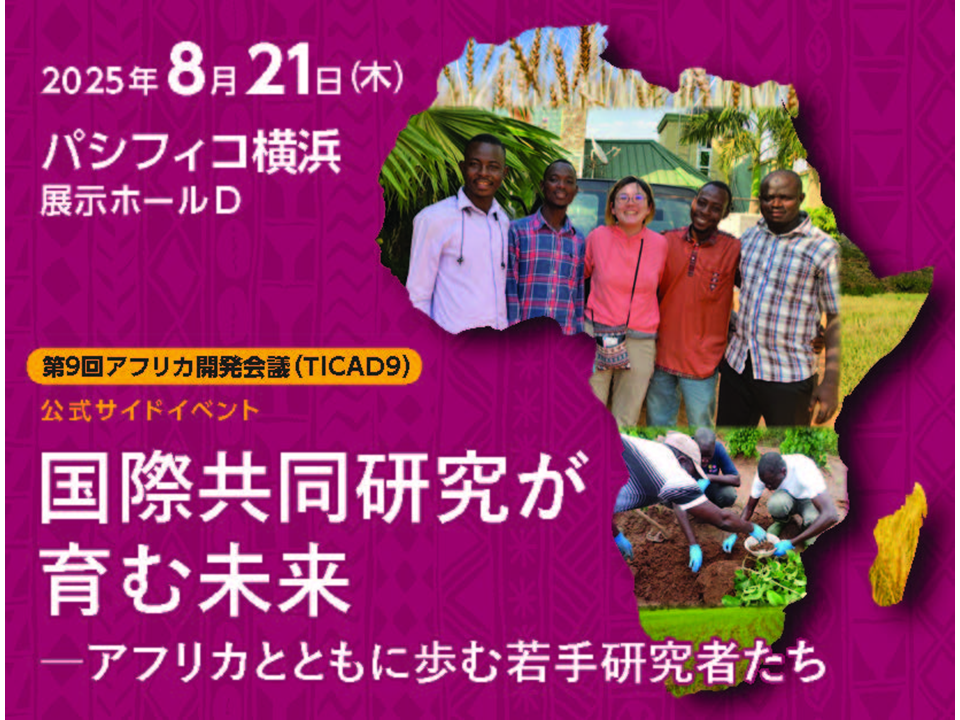
21/08 Fostering the Future Through International Collaborative Research: Young Researchers
Engaging with Africa


Organizers: Japan International Research Center for Agricultural Sciences (JIRCAS) in cooperation with Japan Intellectual Support Network in Agricultural Sciences (JISNAS)

Focus: Spotlighted early-career researchers from Japan and Africa, showcasing their collaborative research initiatives and experiences. The session emphasized the importance of strengthening Africa–Japan research ties and nurturing young scientists’ roles in innovation and development.
Presentations by early-career researchers
  • Dr. Zoniaina Ramahaimandimby, JIRCAS Fellow, JIRCAS
  • Dr. Yoshie Yageta, Researcher, JIRCAS
  • Ms. Maryiano Keziah, PhD Student, Faculty of International Agriculture and Food Studies, Tokyo University of Agriculture
  • Closing Remarks: Dr. Hiroshi Ehara, Executive Secretary, JISNAS

22/08 Transforming African Food Systems through Regenerative Agriculture — Strategies, Policies, and Alliances to Empower Youth and Farmers

Organizers: Sasakawa Africa Association (SAA), with JIRCAS, Forum for Agricultural Research in Africa (FARA), and The Nippon Foundation

Focus: This session highlighted regenerative agriculture as a pathway to empower youth and farmers, with emphasis on strategic policies and cooperative alliances. It underscored the central role of farmers’ organizations and youth engagement in transforming food systems toward sustainability and resilience.orfonline.org+10evt-reg.com+10mofa.go.jp+10mofa.go.jp
  • Shinjiro Koizumi, Minister of Agriculture, Forestry and Fisheries - Special Address - Japan’s Contribution to the Future of Youth and Agriculture
  • Dr. Ishmahane Elouafi, Executive Managing Director, CGAIR - "Science-Based Regenerative Agriculture: Enhancing Resilience and Productivity in Agriculture in Africa"
  • Dr. David Nielson, Senior Advisor, North America Agriculture Advisory Network, and Former Lead Agriculture Economist at World Bank Group - “Human Capital Development and Capacity Building to Support Soil Health in Africa”
  • Dr. Wole Fatunbi, Director of Research and Innovation, FARA - “The Soil Initiative for Africa (SIA): A Continental Strategy for Sustainable Agriculture ”
  • Ms. Elizabeth Nsimadala, President, Eastern Africa Farmers Federation - “Empowering Youth and Women for Farmer-Led Sustainable Agriculture”
Panel Discussion: “The Role of Agricultural Extension in Strengthening Sustainable and Resilient Food Systems ”
  • Moderator: Dr. Mel Oluoch
  • Dr. Lilian Lihasi, Executive Director, AFAAS
  • Dr. Papa Saliou SARR, Senior Researcher, JIRCAS. He is actively involved in collaborative, multi-country projects with universities and research institutes across Africa and Japan, including partnerships in Ghana, Madagascar, Burkina Faso, and Cameroon. Through these efforts, he contributes to both scientific advancement and capacity building for African agricultural systems. Beyond his research, Dr. Sarr is deeply engaged in academic and cultural communities. He served as President of the Fukuoka Overseas Student Association (FOSA) from 2008 to 2009 and was a founding member of the African Society of Kyushu University (ASKU) and the African
    Diaspora Network Japan (ADNJ)
    .
  • Dr. Stella Kabiri, RA Lead, SAA
MOU signing
  • Dr. Osamu Koyama Chair, JIRCAS (picture)
  • Dr. Aggrey Agumya, Executive Director, FARA (picture with
    Yohei Sasakawa, Nippon Foundation)

22/08 Transforming Society toward Nature positive and Land Degradation Neutrality through an Ecosystem Augmentation Approach

Key Discussion items of the Panel Discussion 
  • In response to the biodiversity crisis, is it possible to change to a Nature positive society through “agriculture”?
  • What kind of “resilient agriculture” is required in Africa
  • What kind of “agriculture that energizes rural areas” is needed in Africa as the gap between urban and rural areas widens?
Speakers
  • Mr. Gilles Amadou Ouédraogo (Opening Remarks), Programme Management Officer, Green Wall Accelerator (GGW) | Global Mechanism, United Nations Convention to Combat Desertification (UNCCD)  (picture)

  • Dr. Masatoshi Funabashi, President, SynecO/Research Director, Sony CSL
  • Mr. Mamadou Ndiaye, President, Intermondes, Senegalese NGO
  • Mr. Raymond Epp, Co-Founder, Menno Village Naganuma/President, Maoi Cover Seed
  • Ms. Akiko Aratani, Co-Founder, Menno Village Naganuma
  • Ms. Ruth LANGSI YELOMA, President, Terre Des Jeunes-Cameroon/ Coordinator of Cameroonian Association for the Promotion of Synecoculture (ACPS)
  • Mr. Kenichi Kawamura (Closing Remarks), Senior Vice President, JICA
  • Mr. Masaru Kurimoto (Moderator), Director, Forest and Nature Conservation Group, Global Environment Department, JICA

Funding highlights

  • 22/08 Japan Launches $20 Million Fund to Back African Startups Two Japanese venture capital firms, Uncovered Fund and Monex Ventures, have jointly launched a new $20 million fund targeting early-stage startups in Africa and the Middle East. The fund, named the Uncovered Monex Africa Investment Partnership, is designed to back ventures in high-growth sectors such as fintech, logistics, mobility, agri-tech, and sustainability. With investment tickets reaching up to $2 million, the initiative seeks to accelerate innovation while bridging African startups with Japanese corporates.
  • The Private Sector Development Group of JICA’ s Economic Development Department launched activities in 2020 under the name Project NINJA (Next Innovation with Japan) to support start-ups in developing countries as part of its efforts to promote private sector development in developing countries. In April 2023, the Group formulated a cluster business strategy, “Support for Building a Startup Ecosystem for Innovation Creation (NINJA).” Project NINJA participated in the African Startup Conference 2024 in Algeria in collaboration with AUDA-NEPAD.

25 July 2025. Africa–Japan Collaboration: Towards enhancing food security

Hosted by the Sasakawa Peace Foundation / Ocean Policy Research Institute; held at Meiji Kinenkan in Tokyo

The Nippon Foundation, the Sasakawa Peace Foundation, and the Sasakawa Africa Foundation have been working in collaboration with experts and specialists to examine contemporary challenges facing Africa—particularly food security and the promotion of a blue economy focused on sustainable fisheries and aquaculture, alongside improvements in agricultural production. These efforts have also explored avenues for effective collaboration with Japan and the international community, including policy support to advance these goals. The outcomes have been compiled into a set of policy recommendations.

This special international symposium, welcomed eminent persons and African leaders who have made outstanding contributions to Africa’s development and the advancement of international cooperation. Drawing on the discussions at the Eminent Persons Meeting, it explored future prospects for Japan-Africa cooperation, with a focus on food security and a sustainable blue economy. This event also offered valuable perspectives that contributed to TICAD9, which was held Yokohama.
  • FUJII Hisayuki, State Minister for Foreign Affairs of Japan, delivered remarks framing Africa–Japan cooperation—especially around ocean conservation, sustainable use, and inputs to TICAD 9.
  • Yohei Sasakawa, Nippon Foundation
    Japan has provided various forms of assistance to Africa. In Africa and Asia as well, Japan has cooperated with the policy of laughing, crying, and sweating together with the local people, and I hope to continue to do so in the future. We must realize that realizing the happiness of the people of Africa brings happiness to the Japanese people as well. We are not based on financial capitalism or state capitalism, but on a policy of truly laughing together, crying together, and sweating together. Based on this policy, we are determined to continue carving out a new future for the world together with Africa.
  • H.E. Olusegun Obasanjo — Former President of Nigeria
  • H.E. Dr. Jakaya Mrisho Kikwete — Former President of Tanzania
  • H.E. Jorge Carlos Fonseca — Former President of Cabo Verde
  • H.E. Dr. Ibrahim Hassane Mayaki — Former Prime Minister of Niger
  • Dr. Geraldine Fraser-Moloketi — Former Minister of Public Service and Administration
  • Dr. Donald Kaberuka — Former President of the African Development Bank

3 August 2023. GFRAS and JICA share experiences about the SHEP method.

Saturday, August 23, 2025

Essential ingredients of transformative food policies and governance

UNDP (2025) The invisible yet essential ingredients of transformative food policies and governance. A report on the insights of policymakers into the inner capacities required for truly transformative food policies. 10 ppl.

In late 2023 and early 2025, UNDP convened two informal dialogues with policymakers working across food systems at national and global levels to explore the inner capacities that underpin effective, inclusive, and transformative policymaking. These sessions, held under Chatham House Rules and in multiple languages, created a space for open, honest reflection on the human dimensions of governance: “the invisible yet essential ingredients of transformative food policies and governance.”

Across both dialogues, it was affirmed that collaboration is at the heart of meaningful policy reform - yet collaboration is not a technical outcome. It is built with trust, humility, authenticity, and deep listening, among other qualities. These human qualities, often unspoken or under-acknowledged, are fundamental to navigating the complex and often polarised policy environment, that is shaped by competing worldviews, institutional silos, and shifting political and economic pressures.

The report highlights three core areas of inner capacity: 

  1. building trusting relationships and networks,
  2. understanding complexity and systems thinking, 
  3. and acting with conviction, authenticity and persistence.

From working across ministries with unequal power to engaging communities with different worldviews, participants shared how values such as self-awareness, reciprocity, and vulnerability are not just personal traits - they are strategic enablers for inclusive governance.

Ultimately, the dialogues revealed that policy is not only a process of decision-making, but a process of relationship-building. Making the “invisible” visible, and naming these inner capacities, opens a new frontier for how we support and strengthen transformative policymaking.

Thursday, August 21, 2025

Consultations on Opportunity Crops

18–22 August 2025. Nairobi. Finger millet and amaranth were selected as Kenya’s priority “opportunity crops” during the two-day National Stakeholder Consultation under the Power of Diversity Funding Facility (PDFF).

19-20 August 2025. National Stakeholder Consultation on Opportunity Crops in India, under the Power of Diversity Funding Facility (PDFF)
MSSRF and Crop Trust brought together farmers, researchers, government and international agencies for a crucial conversation about India's opportunity crops (millets, pulses, tubers, etc.) and why they're essential for a nutrition-secure future.

13 August 2025. Presentation of the report: The State of Investments in Fruit & Vegetables + Addressing Postharvest Losses and Building Value Chains

4-7 August 2025. A weeklong meeting was held on orphan crops in higher education
This meeting for accelerated climate change solutions in Africa (ORPHAN) was organized under the European Union supported Intra-Africa mobility for high skilled scientists and entrepreneurs

30 July 2025. How nutrition-sensitive are agri-food value chains?
The Nutrition Research Facility (NRF) organised a webinar exploring the contribution of agri-food value chains in achieving nutrition impacts.

30 July 2025. The Society for Underutilized Legumes (SUL) organised its 26th Academic Lecture Series with theme: Enhancing Bambara Groundnut Production Through Improved Agronomic Practices

27–29 July 2025. Alliance for Local Food and Nutrition Supply Chains in Africa (Alliance Africa)
The Global Forum for Agricultural research and Innovation (GFAiR) partnered at the 2nd UN Food Systems Summit Stocktake (UNFSS+4) with the Alliance for Local Food and Nutrition Supply Chains in Africa (Alliance Africa) during the UNFSS+4 to support African countries in their policy priorities and actions to strengthen/establish efficient and effective resilient local food and nutrition supply and value chains.

23 July 2025. Nigeria Launches ‘Power of Diversity’ Project to Promote Neglected Crops
In a major stride toward food security and climate resilience, Nigeria inaugurated the Power of Diversity Funding Facility (PDFF)—a five-year, multi-stakeholder agricultural initiative aimed at promoting neglected yet valuable “opportunity crops” across the nation.

5 May 2025. Kenya is transforming bean research
Kenya is taking bold steps to transform its bean research landscape through renewed collaboration, innovation, and capacity building. At the heart of this transformation is a growing partnership between the Kenya Agricultural and Livestock Research Organization (KALRO) and the Pan-Africa Bean Research Alliance (PABRA), under the Alliance of Bioversity International and CIAT.


Upcoming:


28 August 2025. Side event IUNS-ICN 2025. Symposium Theme: Can Africa reduce the 2025 projected bill of 110 billion USD of food imports? 
Organised by the Federation of Africa Nutrition Societies Conference (FANUS) and the African Nutrition Society (ANS) Symposium at IUNS-ICN Paris 2025. GFAiR prepared for this event a policy brief on The Role of Private Sector Investment in Scaling Agricultural Innovation: Focus on Nutrition and Forgotten Foods

2 September 2024. Africa Food Systems forum Dakar. Session on "Delicious, Nutritious, Culturally-Rooted Food: What does it take to transform Food Systems?"
  • What if the future of the African food system could honor culture, nourish communities, empower youth, and delight the palate? 
  • In this TED-style session and debate, thought leaders from ProVeg, Tailored Food, and Globisis explore how innovation driven by young people, tradition, and sustainability intersect. 
  • Through bold ideas and real-world solutions, they’ll unpack the challenges and opportunities of creating food systems that are climate-smart, health-driven, and rooted in local identity. 


Become a member of the Forgotten Foods Community of Practice of the Forum for Agricultural Research in Africa, co-managed by the Global Forum for Agricultural Research and Innovation

Africa Community of Practice (CoP) on forgotten and underutilized food commodities

The central objective of the Africa Community of Practice (CoP) on forgotten and underutilized food commodities is to foster the reintegration of forgotten food commodities into the mainstream food systems in Africa countries through research, knowledge generation and dissemination, technology development, advocacy for policy development and fostering investment.

National Stakeholder Consultation on Opportunity Crops in India


19-20 August 2025
. National Stakeholder Consultation on Opportunity Crops in India, under the Power of Diversity Funding Facility (PDFF)


MSSRF and Crop Trust brought together farmers, researchers, government and international agencies for a crucial conversation about India's opportunity crops (millets, pulses, tubers, etc.) and why they're essential for a nutrition-secure future.
  • Nico Wilms Posen from the Crop Trust opened the conversation by announcing the organisation’s first steps into India’s NUS space. These crops, often overlooked in modern agriculture, are deeply rooted in local traditions and ecosystems. 
  • Dr. Kuldeep Singh of ICRISAT reminded the audience that older generations in rural villages still cook with millets and understand their nutritional benefits—knowledge that must be preserved and passed on.
  • Dr. J.C. Rana from the Alliance Bioversity-CIAT raised concerns about the loss of indigenous
    food wisdom and called for youth engagement in reviving Indian crops. “We must be sensitive in how we involve young people,” he said, “but their participation is essential.” Dr. Tara Satyavathi of IIMR emphasized that food, health, and nutrition should be top priorities, and encouraged a shift from refined flour to millets, which offer better health and
    business opportunities for communities.
  • Dr. Sunil Archak from National Bureau of Plant Genetic Resources (NBPGR) added that instead of introducing new crops, we should identify and support those already thriving in specific regions. He also highlighted the importance of youth involvement in building sustainable food systems.
  • Farmers from Kolli Hills and Allapadi shared powerful stories of resilience and innovation. They’ve been growing millets and black gram, forming federations and working with MSSRF to overcome market challenges. Yet, they still face hurdles in reaching the right consumers and making their produce more accessible.
  • Dr. Soumya Swaminathan emphasised the urgent need to bridge the gap between traditional producers and modern markets. She spotlighted the broader issue of agrobiodiversity loss, particularly in regions like Arunachal Pradesh and the Northeast, and called for tracking and reviving non-mainstream crops—including marine foods like seaweed, once a dietary staple now largely forgotten. Addressing a critical gap in nutrition—especially for women—Dr. Soumya Swaminathan highlighted the importance of iron, protein, and micronutrient-rich foods. “The answer could come from food,” she said, advocating for millets to be made more accessible through the Public Distribution System (PDS).  Importantly, she recognised the pivotal role of women farmers as custodians of traditional crops. “They’ve done the hard work of conserving these species,” she noted, “but the drudgery is intense. We must do more to support them.”

Wednesday, August 20, 2025

Enhancing Extension through Capacity Building and Digital Innovation

20 August 2025. Enhancing Extension through Capacity Building and Digital Innovation

Colorful Revolution Webinar Series. This webinar series built on a recent global study examining fruit and vegetable (F&V) research and development investments across nine countries.

Robust extension systems are critical for translating innovation into impact. In countries such as Tanzania, Nepal, and Honduras, gaps in technical knowledge, service coverage, and integration across stakeholders limit technology uptake. Targeted investments in youth and women-led training programs, digital advisory platforms, and multi-actor collaboration can build a skilled horticulture workforce and improve farmer outcomes.


Introduction:
Presentation of the report
  • Katheryn Gregerson Responsible Innovations (hosted by the University of California) - Former Feed the Future Innovation Lab for Horticulture. 
  • Archie Jarman, Responsible Innovations: Extension and digital innovation - barriers to investmentErin McGuire, Responsible Innovations
Panelists
  • Julio López Montes - Julio López Montes - Co-Founder & Chief Executive Officer | Digital Green. Associate Professor & Plant Protection Specialist | Zamorano University. Julio López is an associate professor and a plant protection specialist and leads classes in integrated pest management and small-scale crop production systems as a professor at the Panamerican Agricultural School, Zamorano, in Honduras. He was previously the Director of the Horticulture Innovation Lab Regional Innovation Center at Zamorano. Professor López has mentored students and participated in several courses on effective rural development, food security and food safety, IPM in vegetables, fruits and grains crops at Zamorano. He is an expert in the extension of information on IPM, farmer field school methodology and alternative technologies for pest control for small producers, handlers and consumers.
  • Rikin Gandhi co-founded Digital Green as a project within Microsoft Research India. He inspired by his passion for supporting smallholder farmers developed through time in rural India. With degrees from MIT in Aeronautical Engineering and Carnegie Mellon in Computer Science, he began his career at Oracle, where he developed patented linguistic search algorithms. Today, Digital Green reaches over 8 million farmers across India, Ethiopia, Nigeria, Brazil, and Kenya. Its flagship platform, Farmer.Chat, uses conversational AI to deliver timely, localized advice and connect farmers to markets. Rikin is a TED Fellow and Ashoka Fellow, and has co-authored leading studies on agri-food systems transformation.
  • Dr. Ranjana Rawal is a scientist at the National Horticultural Research Center under the Nepal Agricultural Research Council (NARC). She earned her Ph.D. in Horticulture and Crop Science from The Ohio State University and was awarded the prestigious Schlumberger Foundation’s Faculty for the Future Fellowship from 2017 to 2021. Dr. Rawal previously worked as a Cropping Systems Agronomist with the International Maize and Wheat Improvement Center (CIMMYT) for the South Asia program. She has also served as a Co-Principal Investigator (Co-PI) on a NARC-led project funded by the Horticulture Innovation Lab (HIL) and UC Davis. Her current research focuses on variety development and postharvest management of horticultural crops in Nepal.

Forthcoming


Past

Kenya is transforming bean research

5 May 2025
. Kenya is taking bold steps to transform its bean research landscape through renewed collaboration, innovation, and capacity building. At the heart of this transformation is a growing partnership between the Kenya Agricultural and Livestock Research Organization (KALRO) and the Pan-Africa Bean Research Alliance (PABRA), under the Alliance of Bioversity International and CIAT. This collaboration is not only driving the development of improved bean varieties but also laying the foundation for climate-resilient agriculture, stronger seed systems, and next-generation researchers poised to shape the future of food security in the region.

During a visit to KALRO centers at Katumani, Thika, and Kakamega, Dr. Eliezah Kamau -Bean
Program Lead at KALRO-Thika - underscored the value of the Alliance partnership. The partners also reviewed ongoing work at the Horticulture Research Institute (HRI), where Dr. Kamau highlighted breeding efforts focused on drought tolerance, low soil fertility adaptation, and resistance to pests and diseases. This collaboration marks a vital step toward a more resilient and productive bean value chain in Kenya.

Industry Insights: The Bean Value Chain


As part of their field engagement, the Alliance team visited the National Cereals and Produce Board (NCPB) in Donholm, Nairobi, where they met with Mary Cherot, Executive Director of Cherubet Foods. Cherubet is a growing small and medium-sized food processing enterprise (SMFE) that specializes in value-added products, including instant composite porridge and pre-cooked beans.

Despite ongoing supply challenges, especially in maintaining consistent grain quality, Cherubet Foods sees strong market potential in yellow and red mottled bean varieties. The company primarily sources its beans through cooperative societies and smallholder farmers from the Rift Valley and border regions. This underscores the pressing need to strengthen aggregation networks and post-harvest handling systems to ensure consistent quality and a reliable supply chain.

Accelerating bean breeding to respond to market demands in East Africa: ACIAR’s Rapid Cooking Bean Project for health, nutrition and fuel efficiency

24-28 Marc 2025. A training program for partner countries in RCBP was held at the Alliance's Uganda
office , where researchers identified a major bias in seed colors of beans in RCBP, with the majority belonging to the black bean market class.

The project uses advanced breeding technologies, including pedigree selection, genomic selection and optimal contribution selection (OCS) to accelerate the development of common bean varieties that cook at least 30% faster and contain 15% more iron and 10% more zinc than traditional varieties. RCBP is a collaborative effort between The University of Western Australia (UWA) and members of the Pan-Africa Bean Research Alliance (PABRA) through the Alliance of Bioversity International and CIAT, and six National Agricultural Research and Extension Organisations (NARES) in Burundi, Ethiopia, Kenya, Rwanda, Tanzania and Uganda. The project not only focuses on scientific innovation but also on empowering a new generation of African plant breeders with new skills including gender-inclusive training.

The project is implementing a novel breeding approach (BRIO) to accelerate breeding for rapid cooking and biofortified beans. BRIO stands for accurate breeding values (B), rapid cycles (R), index selection (I) and optimal contributions selection (OCS) (O). The BRIO approach was implemented by the Alliance in Uganda in 2019 by intercrossing a diverse set of 160 founder parents. This was followed by rapid two-year cycles of overlapping early generation recurrent selection. Faster-cooking beans released by partners in this project will lower household fuel use and labor, especially for women, while addressing regional micronutrient deficiencies. Through strategic breeding cycles and inclusive capacity-building, RCBP is creating a ripple effect across agriculture, nutrition and gender equity, making it a powerful model for sustainable development in the region.

The Neycha Accelerator & Fund to support agroecological enterprises in East Africa

The Neycha Accelerator & Fund - A joint initiative by SHONA and Biovision to support agroecological enterprises in East Africa.

The Neycha Accelerator & Fund, an agroecology accelerator and revolving loan fund with the goal of boosting agroecology in East Africa and supporting growth-oriented small and medium-sized agroecological entrepreneurs (AEEs) with the much-needed capacity, capital and connections they require to move towards more sustainable and regenerative food production while advancing to a holistic and circular agrifood economy.

The Neycha Accelerator & Fund is looking to identify and invest in entrepreneurs building growth-oriented Agroecological Enterprises in Kenya and Uganda by providing them with the capacity, capital and connections they need to grow their impact.

Solutions to Reduce Post-Harvest Loss for Smallholder Farmers

Factor E (2025) Solutions to Reduce Post-Harvest Loss for Smallholder Farmers 54 pp.

With funding from Shell Foundation and FCDO, a consortium comprising Factor E, ISF Advisors, ArdMore Associates, and MicroSave Consulting conducted primary research in India, Nigeria, and Kenya. The study identified the value chains most affected by post-harvest losses (PHL), particularly those impacting smallholder farmers and women.

The study evaluated innovative solutions targeting PHL in India, Nigeria, and Kenya, where annual post-harvest loss costs exceed $21 billion. The research was a collaborative effort between Factor E, ISF Advisors, AndMore Associates, and MicroSave Consulting, with co-funding from Shell Foundation and the UK government through the CASEE partnership. It forms part of Shell Foundation’s broader strategy aimed at enabling 850,000 farmers to increase their earnings while reducing emissions via clean solutions over five years.  

Ten priority crops were identified as strong candidates for innovation: in India, paddy rice, wheat, onion, and mustard; in Kenya, mangoes, avocados, and potatoes due to high perishability; and in Nigeria, cassava and yam. These crops represent those of highest value for smallholder farmers and most impacted by PHL. Effective reduction of post-harvest losses requires implementing innovative interventions at various stages along these value chains. 


To help identify solutions, an innovation prize – organised by Factor E and Shell Foundation and co-funded with UK aid from the UK government – was launched in 2024. Nearly 800 entries were considered, resulting in seven technologies being shortlisted as finalists in areas such as cold chain management, drying, processing, and warehousing.
 
GreenPod Labs Secures $50,000 Post-Harvest Loss Innovation Prize for Active Packaging Solution

Supporting innovative solutions is vital to achieving substantial progress in reducing post-harvest losses. The adoption of mechanised harvesting tools can greatly diminish physical damage and improve produce quality. Advanced drying technologies – solar dryers for example – enable precise moisture control and prevent spoilage. Investments in affordable cold storage solutions, including solar-powered community cooling hubs, extend shelf life for perishable goods. Local small-scale processing mills empower farmers to enhance crop value, access new markets, and increase income.


Generating private-sector engagement for nutrition via investment and innovation.

9 July 2025. A UK university lab dedicated to exploring food and nutrition insecurity has found that if no climate action is taken, heatwave events may cause global food insecurity to rise by 12.8 percentage points.

This was one of the findings from a food (in)security lab established by the Grantham Research Institute (GRI) on Climate Change and the Environment at the UK’s London School of Economics and Political Science (LSE).

The GRI examined Egypt, the Democratic Republic of Congo, Kenya, Uganda, Zambia, Nigeria, Tanzania, and Sub-Saharan Africa to understand the practical applications needed to enhance security in food and nutrition.

  • Egypt’s food industry is characterised by a high reliance on imports, which, for example, account for more than 60% of the country’s wheat consumption. Due to its non-domestic dependence, Egypt is vulnerable to shocks and crises relating to climate change and weather disruption throughout global supply chains.
  • The Democratic Republic of Congo, Kenya, Uganda, and Zambia are also facing the triple burden of malnutrition, which includes overnutrition, undernutrition, and micronutrient deficiencies.
  • In Kenya, Nigeria, and Tanzania, the lab is conducting research to combat nutrition-specific and nutrition-sensitive interventions among adolescent girls and young mothers. The project is developing scientific approaches and strategies designed to enhance dietary diversity and micronutrient intake using fortified foods, supplements, and nutrition education. It also aims to improve resilience and lower intergenerational cycles of malnutrition.
In Sub-Saharan Africa, the GRI is undertaking a project geared at generating private-sector engagement for nutrition via investment and innovation. It seeks to help businesses develop and scale affordable and nutritious food items.

Wednesday, August 13, 2025

Cameroon on the brink: Cocoa’s New Deforestation Frontier

Mighty Earth (2025), Cameroon on the brink: Cocoa’s New Deforestation Frontier  40 pp.

A new report reveals that Cameroon is becoming the next major hotspot for cocoa-driven deforestation. As productivity declines in Ghana and Côte d’Ivoire due to global heating, crop disease, and outdated farming practices, Cameroon’s cocoa industry is booming, increasing the threat to the country’s forests and wildlife. Mighty Earth is sounding the alarm that without urgent action by the Cameroonian government, cocoa companies and the EU there is a major risk of deforestation spreading as it has done in Ghana and Cote d’Ivoire leading to massive forest loss in those key producing countries.

Surging deforestation


Cameroon is now the world’s fifth-largest cocoa producer and has set a goal to triple production by 2030—a move that is increasing pressure on the country’s forests and hugely biodiverse ecosystems. The report highlights that 2024 marked the highest year of forest loss in Cameroon to date, with some districts having lost as much as 43% of their forest coverage since 2020. A surge in cocoa-driven deforestation near Nkondjock district, which is adjacent to the Ebo Wildlife Reserve, poses a risk to the habitat of critically endangered charismatic megafauna such as Western Lowland Gorillas and Forest Elephants.

The State of Investments in Fruit & Vegetables - A Global Report

13 August 2025. Presentation of the report: The State of Investments in Fruit & Vegetables +   Addressing Postharvest Losses and Building Value Chains


Postharvest losses of 40–50%, as reported in Kenya and Tanzania, undermine farmer incomes, reduce food availability, and drive up consumer prices. Strategic investments in cold chain infrastructure, improved packaging, processing technologies, and aggregation centers can significantly reduce waste while creating new economic opportunities. These interventions strengthen entire value chains, particularly in peri-urban and regional trade hubs. 

Proven solutions already in use across East Africa demonstrate commercial viability, delivering returns through higher marketable volumes, reduced losses, and improved farmer incomes. With every dollar invested, stakeholders can unlock measurable gains in food security, nutrition, and rural employment while building more resilient horticultural markets.

Presentation of the report
  • Katheryn Gregerson Responsible Innovations (hosted by the University of California) - Former Feed the Future Innovation Lab for Horticulture. Katheryn Gregerson has over four years of experience in international agriculture development, including business development and program coordination, building skills in proposal writing, communication of success stories, cross-disciplinary research, and international partner coordination. As a Graduate Student Researcher at the Feed the Future Innovation Lab for Horticulture, she facilitated Horticulture Investment Study workshops in Kenya, Guatemala, and Nepal, collaborating with individuals and organizations. 
  • Erin McGuire, Responsible Innovations
  • Archie Jarman, Responsible Innovations 
  • Khush Bakht Aalia, Responsible Innovations 

One of the major findings of this study was that more investment is needed in postharvest loss. 3 presenters focused on post harvest loss:
  • Dr. Jane Ambuko Lukachi - Professor of Horticulture. Jane Ambuko is a Professor of Horticulture at the University of Nairobi, Kenya. She holds a BSc in Agriculture, MSc in Horticulture from the University of Nairobi, Kenya and a PhD in Agricultural Sciences (Pomology and Postharvest Major) from Tsukuba University, Japan. Her area of specialization is Postharvest Management. Her research, training and outreach initiatives are focused on food loss and waste reduction mainly in Horticultural value chains. Prof. Ambuko works closely with smallholder farmers in capacity building and innovation/technology scale-up initiatives geared towards better postharvest management. horticultural markets.
  • Dr. Peninah Yumbya - Nutrition and Food Systems Researcher at International Center for
    Evaluation and Development (ICED). Peninah Yumbya, PhD, is an experienced horticultural scientist with over 15 years of expertise in agricultural research, specializing in postharvest science and technology. She currently serves as the Kenya Country Director and Food Systems Researcher at the International Center for Evaluation and Development (ICED), where she leads programs aimed at improving smallholder farmer livelihoods through sustainable and inclusive agricultural innovations. Previously, Peninah served as the Regional Manager for the Feed the Future Innovation Lab for Horticulture, East Africa regional Hub. A strong advocate for localization, she champions a shift in the research model to empower Global South researchers to conceptualize and lead their own research initiatives. Her work is driven by a deep commitment to reducing food loss and waste, enhancing food safety, and empowering women and youth across food systems through research and evidence synthesis.
  • Dr. Gloria Essilfie - Senior Lecturer | University of Ghana. Dr. Essilfie's research interests are in the development of management and intervention strategies that may be applied to eliminate or control pathogenic contamination of fruits and vegetables specifically the safety of waste water irrigated vegetables as well as adaptation and assessment of the effectiveness of low cost preservative technologies to reduce postharvest loss in agricultural commodities. 
GFAiR chat comment: As of 2025, a total of 128 countries had developed national food systems transformation pathways. (These are the official “pathway documents” countries prepared following the UNFSS process.) There’s no readily accessible data or analysis indicating how many of these national pathways specifically focus on—or integrate—fruits and vegetables in their policy frameworks.

Resource

This global report presents the first cross-country analysis of research and development (R&D) investments in fruits and vegetables (F&Vs), drawing on insights from 179 experts across nine low- and middle-income countries. The study explores how investment trends, systemic barriers, and stakeholder priorities shape the availability, affordability, and accessibility of F&Vs in diverse food systems.


It combines Delphi and Q methodology to quantify investment patterns, uncover barriers, and identify strategic entry points for action. The findings underscore the urgent need to rebalance agricultural investments toward F&Vs to improve nutrition, resilience, and inclusive economic growth.


Despite these wide-ranging benefits, F&Vs remain severely underfunded in agricultural research and development (R&D), particularly in low- and middle-income countries (LMICs). This lack of investment contributes to chronically low consumption. (page 10)

On average, only 10.9% of agricultural crop-related R&D funding is directed toward locally consumed F&Vs, despite their critical role in improving diet quality and food system resilience. Experts emphasized that this low level of investment is insufficient to meet growing demand, address persistent nutritional gaps, or build the infrastructure and innovation needed to support smallholder production and inclusive market access. (page 10)

The CGIAR Research Initiative on Fruit and Vegetables for Sustainable Healthy Diets (FRESH),
implemented across five CGIAR centers from 2022–2024, reflects CGIAR’s growing recognition of the importance of F&V research (CGIAR, 2025). Still, F&V as a research theme continues to receive limited investment. 
(page 14)

Most of this private R&D on F&Vs is concentrated in high-income countries, limiting its benefits for LMICs.  (page 15)

Four core themes emerged as consistent barriers to F&V investment: 
  1. fragmented markets,
  2. policy focus on staple crops, 
  3. inadequate infrastructure for storage and transport, 
  4. and limited technical capacity
The study highlights clear pathways for action.
  1. Reducing postharvest losses and strengthening value chains; 
  2. Enhancing extension through capacity building and digital innovation; 
  3. Promoting nutrition-sensitive consumer demand for F&Vs; 
  4. Investing in seed systems and research infrastructure; and 
  5. Improving women’s market access through policy instruments.

Investment Trends: 2018–2023 

While overall investment in F&V R&D was relatively low, several countries experienced notable growth between 2018 and 2023, driven by donor support and shifting national priorities: 
  • In Ghana, experts estimated that F&V investment grew from $7.5 million in 2018 to nearly $21 million in 2023, although they cautioned that the current level remained inadequate to meet sectoral needs. 
  • In Ghana, only 6.5% of total F&V research investment was directed toward locally consumed crops, despite its strong production capacity. 
  • By contrast, Tanzania allocated 12.3% of its F&V R&D investment to locally consumed F&Vs, nearly double that of Ghana.
  • In Benin, experts estimated that total F&V R&D investment more than doubled, from $39 million in 2018 to $96 million in 2023. However, they noted that this growth was likely driven by public and donor interest in developing the export market, rather than addressing the needs of locally consumed F&Vs. 
  • In Nepal, experts estimated that investment rose from $27 million to $44 million over the same period, attributed to rising domestic demand and recognition of the country’s comparative advantage in high-value F&V exports (e.g., cardamom, citrus, kiwi). 
  • In Sri Lanka, investment data was unavailable due to political instability, with trends heavily disrupted and untrackable during the reporting period.

Regional Insights

While global trends are clear, the impacts of underinvestment manifest differently across regions. 
  • In both West Africa and South Asia, experts' top concerns were reduced productivity and worsening food insecurity
  • In East Africa, the dominant concerns were increased postharvest losses and deepening poverty, as infrastructural gaps and market price fluctuations eroded incomes and access to F&Vs. 
  • Central American experts noted that a lack of investment in F&V R&D would lead to increased costs of F&Vs, intensifying both poverty and food insecurity while contributing to rising out migration.

Policy Prioritization of Other Crops: 

A persistent bias toward staple crops in national policy and budgets has posed a major upstream barrier to F&V investment. Governments frequently allocate funding and infrastructure to cereals and grains, sidelining F&Vs despite their role in nutrition and income generation. This has resulted in under-resourced research institutions, minimal extension support, and few public incentives for horticulture.

Feed the Future Innovation Lab for Horticulture - 2009 to 2025


West Africa Regional Projects

  1. Promoting food and nutrition security in the West African sub-region through indigenous, neglected and underutilized fruits and vegetables Led by Dr. Freda E. Asem, University of Ghana. -African Indigenous fruits and vegetables (AIFVs) have significant benefits. The project develops a detailed analysis of how value chain actors can increase income with enhanced production and consumption of AIFVs in Ghana and Mali.
  2. Enhancing the production and consumption of African indigenous fruits and vegetables (AIFV) to improve diets in Ghana and Mali Led by Gloria Essilfie, University of Ghana - Emphasizing the promotion of youth-led enterprises, this project raises consumer awareness of the nutritional benefits of AIFVs, while increasing incomes for all actors along the value chain.
  3. Increasing youth participation in the production of indigenous vegetables and fruits using with locally available resources - Led by Atanda Oladejo, Obafemi Awolowo University
  4. Research aims to increase employment opportunities in the horticulture sector through youth engagement with efficient soil management practices and digital tools to enhance African indigenous fruit and vegetable (AIFV) production.
  5. Strengthening the horticulture sector in Guinea Bissau - Led by Dr. Naalamle Amissah , University of Ghana. The horticulture sector in Guinea Bissau offers significant promise that remains untapped. This project will strengthen input supply, production strategies, and build institutional capacity in higher education, national research, and within farmer groups.
  6. Strengthening the horticulture sector in Niger - Led by Erin McGuire , University of California, Davis - The project builds on the Millennium Challenge Corporation’s efforts in Niger by strengthening key horticulture value chains and increasing the capacity of actors in the horticulture sector through this Mission buy-in from the USAID Mission in Niger.