Platform for African – European Partnership in Agricultural Research for Development

Friday, December 12, 2014

Sharefair on rural women’s technologies


In a PAEPARD blogpost of October Sharefair 2014 on women's technologies was already reported .

Following a panel session about What does women's empowerment look like in real food systems and nutrition cases
during the GA of the Global Donor Platform for Rural Development 3 organisors/participants witnessed about its success.

The three-day regional Sharefair on rural women’s technologies took place in Nairobi in celebration of the International Day of Rural Women and the World Food Day.

The Share Fair was co-funded by the European Commission. 

Although agricultural fairs are a common feature in extension services offered in the region, this was the first time that the focus was exclusively on technologies for rural smallholder women. This topic is particularly relevant in the International Year of Family Farming and the African Union’s year of agricultural productivity and food security.

Hereunder are 3 video interviews of organisers who attended the Share fair: 
  1. Carol Djeddah from FAO
  2. Asa Torkelsson from UN Women (Advisor Economic Empowerment)
  3. Clare Bishop-Sambrook from IFAD (PTA – Gender and Social Inclusion) 


Background:
The Sharefair - organized jointly by UN Women, IFAD, FAO, WFP and IIRR - was held at the UN Complex in Nairobi, Kenya from 15th to 17th October 2014. It was attended by over 400 delegates from 20 countries in the region that included exhibitors, African Union representatives, UN Staff, Government Officials, Civil Society and farmers. The event attracted high-level participation from the Commissioner for Rural Economy and Agriculture, Africa Union Commission; IGAD; some Members of Parliament from the region among others.

IFAD played an active role in all aspects of the Sharefair. 
  • Elizabeth Ssendiwala (ESA - Regional Gender Coordinator) was a member of the organizing committee and delivered the synthesis of findings on the final day. 
  • Clare Bishop-Sambrook (PTA – Gender and Social Inclusion) gave a Key Note address on ‘Rural women’s technologies: where are we now and what are the opportunities for agricultural growth’ 
  • Clare Bishop-Sambrook

  • Julianne Friedrich (PTA - Nutrition) participated in a high-level panel discussion on gender, food and
  •  nutrition security. 
  • Silvia Sperandini (PTA – Gender and Knowledge Management) ran a very well-attended training 
  • session on innovation and knowledge management.
Exhibitions
Over 100 technologies and innovative activities led by women were exhibited at the Sharefair. They focused on: enhanced food security; labour and time saving; reduced post-harvest losses; value addition, climate change adaptation; increased productivity; and tools and machinery that enable farmers better manage production at a reasonable price.

Young Innovators’ Award
Four young innovators were recognized and awarded for their contribution to innovative technologies:
Portable electro-chemical Aflatoxin testing kit, Mushroom growing from affordable, readily available materials, Mobile application for livestock production, and Farmland ownership mapping software.

Key Messages from the Sharefair:
  1. Women are central in all aspects of agriculture and off-farm activities in rural communities
  2. Empowered women farmers can increase their income, develop stable rural livelihoods and contribute to ensuring food security
  3. The critical role that women play in agriculture, food security and rural economies is often hampered by their lack of access to productive resources, technologies, services and markets
  4. The cost of gender gaps in agriculture to economic development is immense
  5. Family farming depends heavily on women and youth, investing on them as agents of change is key to
    move out of poverty
Messages for IFAD
  1. Address the daily burden of rural living through mechanization, conservation agriculture, fuel efficiency, water-related solutions
  2. Solve women’s time burden
  3. Engage in a Transformative Agenda in order to break down the gender division of labour in farming and household tasks
  4. Upscale existing technologies so that they are accessible (and affordable) by rural women
  5. Engage men in the Gender Agenda
  6. Through partnerships, engage at policy level – starting by taking advantage of existing opportunities:
  7. 2015 – African Union’s Year of Women’s Empowerment and Beijing +20
  8. African Union’s Agenda 2063 – opportunities to propose gender responsive and youth friendly solutions
  9. Sustainable Development Goal 5 on “Attain gender equality, empower women and girls everywhere” includes a target to recognize, reduce and redistribute unpaid care and domestic work
  10. 2014 Malabo Declaration on Africa’s Accelerated Agricultural Growth and Transformation for Shared Prosperity and Improved Livelihoods (3AGTs).
More about Sharefair 2014, Nairobi:
Why smallholders should be involved in research (http://bit.ly/1sTTnxr)
Sharefair on Social media  and Storify
Sharefair Photo Album (http://bit.ly/1wjEFRx)

Related:
How to do toolkits
IFAD has developing practical hands-on “how to do” toolkits to:
  • build the capacity of project design and implementation teams in various thematic areas
  • support the scaling up agenda
  • support policy dialogue
These modular toolkits are composed of three different documents, a “Teaser”, a “How To Do Notes” and “Lessons Learned” serving different purposes and audiances.

Below is a list of our available toolkits (an additional number of toolkits are under preparation and will be released shortly):
IFAD value chain toolkit
The toolkit on sustainable inclusion of smallholders in agricultural value chains aims to support the design of IFAD-supported Value Chain (VC) projects.

The value chains toolkit contains:
Designing commodity value chain development projects:
Teaser | How to do note | Lessons learned


Inclusive rural financial services toolkits
Each toolkit related to inclusive rural financial services is composed of:
Teaser: Sets out the scope
How To Do Note: Conceptualizes key issues and provides guidance for design and implementation.
Lessons Learned: Analyses past experiences with recommendations for the future.


The land tenure toolkit offers valuable guidelines to help practitioners analyze and address land tenure issues during the devopment of country strategies and in the design and implementation of programmes and projects.

It is a.o. composed of the following note:
Teaser: Provides a overview of the issues and the challenges, benefits and opportunities in addressing land tenure issues.

The Supporting rural young people in IFAD projects: Lessons learned available in English, French andSpanish is based on a review of 19 IFAD-financed projects with strong pro-youth features and/or promising innovations in reaching young people in rural areas. The review identified a broad range of project approaches to pro-youth development over the past two decades. The present document summarizes the findings on what has been done, and where possible, on why and how.

See also: Lessons learned on youth and land tenure
Related: 12 November 2014 SciDev article: Forum calls for key roles for women in agricultural R and D Experts at the forum appealed for more investments in nutrition and for women to be placed at the heart of initiatives to promote agricultural research because of their significant role in farming and in the family. We should not only focus on increasing agricultural production but look at the systems, said Wanjiru Kamau-Rutenberg, director for African Women in Agricultural Research and Development, adding that only one in four African women are scientists and that only one in seven agricultural leaders are women.

Annual General Assembly (AGA) of the Global Donor Platform for Rural Development

3-4 December 2014. Florence, Italy. The Annual General Assembly (AGA) of the Global Donor Platform for Rural Development. The theme of this year’s Annual General Assembly was “Food systems and gender: Women’s empowerment for food security and nutrition.”

The objectives of the Annual General Assemblies of the Global Donor Platform for Rural Development (AGA) were to:
  • Exchange knowledge amongst Platform members and partners on issues connected to agriculture, rural development and food and nutrition security, based on innovative and effective solutions for pressing problems of the world food system
  • Provide opportunities for networking to strengthen and build up partnerships between the donor community and industry, foundations,
    research institutions, policy makers, UN agencies, NGOs and other stakeholders that foster new ways of working together to support information dissemination and impact;
  • Advocate outcomes and central messages from the event to key stakeholders in a manner that creates impact
  • Download concept note, draft agenda and keynote speaker discussion points
  • View agenda day 1
  • View agenda day 2 


Pre-event of the GDPRD 

2 December 2014. As a pre-event to the Annual General Assembly in Florence, the Secretariat of the Global Donor Platform helped organise a consultation Meeting on the Topic of NEPAD's Support Prograamme 'Gender, Climate Change and Agriculture' for 5 countries in Africa. More than 30 participants discussed with Estherine Fotabong, NEPAD and NORAD, IFAD, GIZ, WB, UNWomen and FAO gave detailed feedback on the programme in light of their gender policies.

Three main ideas were agreed upon during the meeting:
  1. the importance of harnessing the momentum of Post-2015 to strengthen women’s central role as smallholder farmers in in the context of climate change; 
  2. that a strategic approach to mainstreaming gender considerations is needed for a long term success in ARD; 
  3. that it is essential to take culture and traditional systems into account and include them in the Approach.
NEPAD in collaboration with NORAD will invite development partners to a conference in Oslo in early 2015 to increase collaboration with donor agencies, private sector and NGOs and to mobiles investments into this 5-year programme.

Related:
Gender in agriculture. Closing the knowledge gap.

This Book summarizes women’s contributions to agriculture and food security and the obstacles to their broader participation. It draws on data at the micro, census and national levels. It challenges conventional story lines on women in agriculture. The Food and Agriculture Organization of the United Nations (FAO) produced a 2011 report on women in agriculture with a clear and urgent message: agriculture underperforms because half of all farmers—women—lack equal access to the resources and opportunities they need to be more productive.

The book’s six editors—including two IFPRI researchers, Agnes Quisumbing and Ruth Meinzen-Dick—build on the report’s conclusions by providing, for a nonspecialist audience, a compendium of what we know now about gender gaps in agriculture.

 The authors explore linkages among gender, assets, and agricultural development projects. They examine the current state of land tenure; women’s access to markets, financial services, and rural employment; and gender differences in social capital and in vulnerability to poor nutrition and health. The book also looks at trends in agricultural research, development, and extension systems and in women’s participation in research.


Selected consortium Sustainable intensification pathways of agro-food systems in Africa

The Work Programme on ‘Food security, sustainable agriculture and forestry, marine and maritime and inland water research and the bioeconomy’ offers opportunities in finding diverse and innovative solutions to well-identified challenges in key EU policy priorities.

Through generic or dedicated topics, a broad multidisciplinary participation were welcomed in these efforts. A specific topics in the call launched in January 2014 and related to Africa was: SFS-6-2014: Sustainable intensification pathways of agro-food systems in Africa (page 14). The deadline for submission of proposals was 26 June 2014. Some 17 consortia submitted proposals. 

Below is a presentation from the winning consortium.

Sino-Africa Joint Agricultural Research Center in Kenya

4 December 2014. Nairobi, Kenya. Sino-Africa Joint Research Center at the Jomo Kenyatta University of Agriculture and Technology in Nairobi.

The purpose of setting up this research center, which was approved in May 2013, is to accommodate the needs of science, technology and socioeconomic development of African countries. The construction of the main building and the affiliated botanic garden is completely sponsored by the Chinese government. Besides the joint research Centre,
Kenyan Deputy President William Ruto (R),
accompanied by Charge d'Affaires of the
Chinese Embassy in Kenya Tian Lin (C)
China has financed the establishment of a Botanical garden in Kenya to strengthen collaborative research in biodiversity conservation, water management, desert control and modern farming.
The research centre aims at "conducting mutually beneficial cooperation" with relevant African countries in various areas such as biodiversity conservation, ecological environment, desertification combating and etc.  Tian Lin, Charge d'affaires of the Chinese Embassy in Kenya
The establishment of a joint research center marks an important milestone in Sino-Africa cooperation. It will help address bottlenecks to sustainable development in Africa. 24 young Africans are currently studying in China, supported by CAS scholarship, and "a series of joint scientific investigations were organized in biodiversity and lake ecology conservation" between the two countries. Qiu Huasheng, Deputy Director General of the Bureau of International Cooperation of Chinese Academy of Sciences (CAS) 
Related 
1-4 December 2014. Nairobi. This international conference on Capacity Building, Technological Adoption and Knowledge Generation was a joint initiative between Kenyatta University, AGRA, University of Nairobi, and Horticultural Association of Kenya (HAK) through DAAD. It brought together participants from three continents to deliberate on bridging the gap between society, science and industry in building a new generation of agricultural scientists.

Dr. Agnes Kalibata, AGRA president, emphasized the need for concerted efforts to build knowledge in agriculture and agribusiness.

Dr.Kalibata reiterated the need for continuous knowledge development and dissemination in agribusiness as well as youth and students’ involvement as part of partnerships for the next generation of agribusiness entrepreneurs.

In addition to bridging the research gaps in agriculture, she outlined AGRA’s commitment to supporting government efforts as well as initiatives from other stakeholder groups in building the next generation of agricultural scientists.

First edition of Cirad’s annual event ‘See You in Brussels’

2 December 2014. Brussels. First edition of Cirad’s annual event ‘See You in Brussels’. This event was dedicated to the “International Year of Family Farming: lessons learnt and post-2014 priorities”. An opportunity to: sum up the current situation; share innovative approaches; illustrate the impact of agricultural research; and propose actions.

Presentations of experts – Edition 2014 Family Farming
Download the programme: RdVBrusselsDec2014.pdf

Youth Agribusiness event at FARA@15

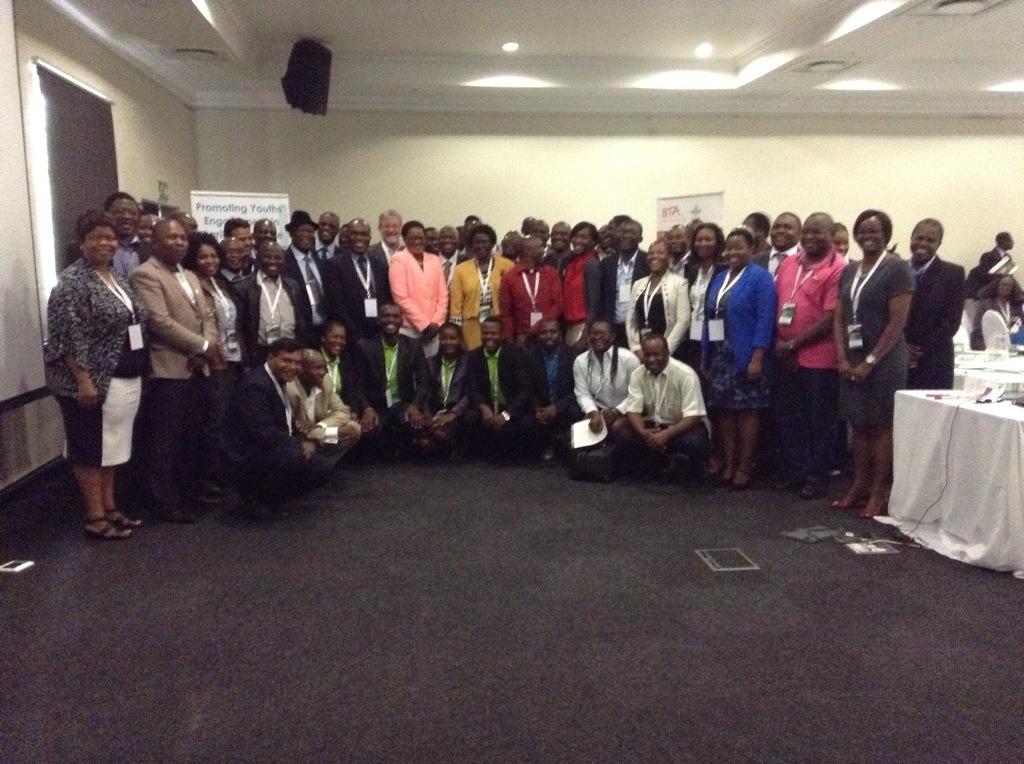
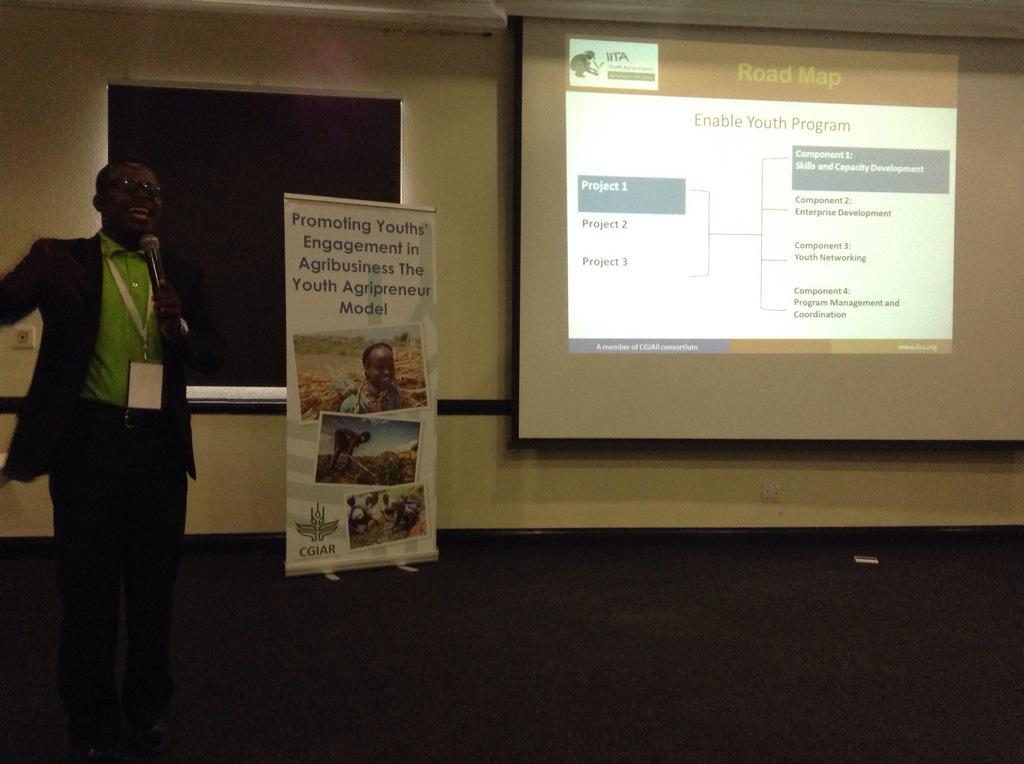
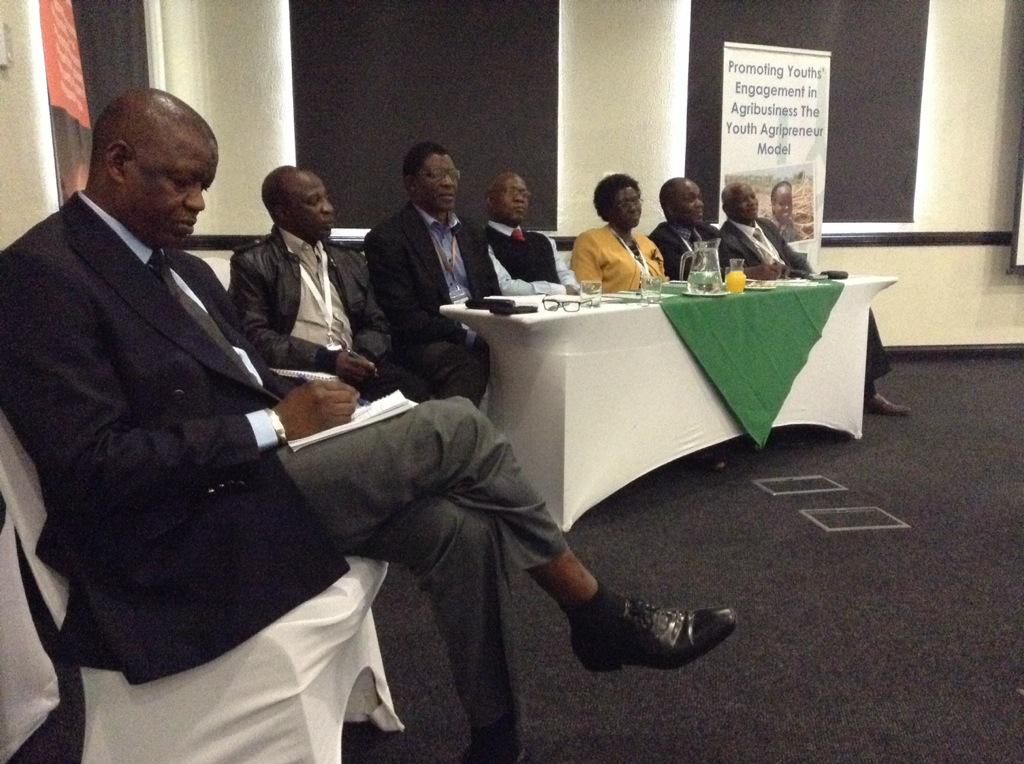
27 November 2014. Johannesburg, South Africa.“Promoting Youth Engagement in Agribusiness: the International Institute of Tropical Agriculture (IITA) Agripreneur Model”.


The recent experience of the IITA Youth in Agribusiness reveals that young individuals between 21 and 27 years of age with different backgrounds and academic disciplines (ranging from art, information technology, and engineering to the biological sciences and agriculture) can take on the challenge of self-development with the right environment and encouragement. 
The initiative, which began in 2012, under the leadership of Dr Nteranya Sanginga, IITA Director General, has proven that given the proper opportunities and incentives, urban and rural youth can be directed towards market-oriented agriculture, agribusiness, and agro-services provision, with a huge significant impact upon the larger farming community.

Dr Opio Executive Director, Association for Strengthening Agricultural Research in Eastern and Central Africa (ASARECA), who chaired the special session backed the initiative by IITA and called on donors and policymakers to support it. 
“I was in Ibadan and was very impressed with the achievements of these young men and women. This is the way we should go and IITA has shown the way” 
The special session which had other organizations such as the Conseil ouest et centre africain pour la recherche et le développement agricoles / West and Central African Council for Agricultural Research and Development (CORAF/WECARD), and the Centre for Coordination of Agricultural Research and Development for Southern Africa (CCARDESA) among others, recommended the following:
  • Mainstreaming the youth unemployment challenge at the national and even at regional and continental levels.
  • Review and change of curricula on agriculture in schools to encourage young people to go into the business of agriculture and thereby create agricultural entrepreneurs. In addition, the business orientation has to be emphasized and incorporated in the new curricula.
  • Provision of access for youth to resources (funds, innovations, etc.) and collective assets such as machinery, land, productive assets, etc.
The position of the special session was echoed by Dr Kanayo Nwanze, President of the International Fund for Agricultural Development (IFAD) during his keynote address:
Africa’s food import bill of $35 billion was a source of concern because the continent’s dependence on food imports was hurting the creation of local jobs which the youth would have benefited from.
Related:
21 November 2014. Young entrepreneurs in rural Africa as drivers for job creation
It is unlikely that farming has the potential to absorb all or even most of these young job-seekers. Apart from the rising pressure for higher productivity in agriculture, for example through better mechanization and new technologies, farming is also becoming less popular as an occupation among young people.
Will young people find adequate livelihoods outside agriculture, for example through self-employment? Entrepreneurship is considered to have a high potential to accommodate young job-seekers. (...) At least 65 million need to be absorbed by rural enterprises.
Whether this is a realistic expectation and whether Africa’s young population will find entrepreneurship worthwhile pursuing remains to be seen. Currently only a small number of young adults choose entrepreneurship as an occupation, despite many government and donor-funded support programs.

PAEPARD meeting ar FARA@15

25-26 November 2014. Johannesburg, RCA. FARA@15. The objectives of the 10th PAEPARD
Management Team Meeting (MTM) was to to:
  • Review the progress made in implementing 2014 work plan;
  • Reflect on the reporting system: the mechanism of the improvement of the financial report so that the consolidated report is submitted on time at the same time;
  • Discuss the progress made by then in implementing the Competitive Research Fund (CRF) and Innovation Fund (IF);
  • Update the Monitoring and Evaluation framework to capture CRF and IF;
  • Discuss any other business raised by partners.
During the second day the MTM was attended by
the FARA vice-board chair: prof. Paul Mafuka
(DG INERA DRC).
Background
Since the end of year 2011 PAEPARD has changed the brokerage mechanism in building the multi-stakeholder partnerships that were based on calls in first years of the implementation of the project. The new and ongoing brokerage partnership is known as the Users Led Process (ULP). It allowed users of research to define themselves the federating theme, select who (researchers and research-users) will form the consortium around the federating theme and undertake other steps of the process The outcome of the process was the formation of 5 Users led processes (ULP) conducted by PAEPARD non-research partners as follows:
  1. EAFF: Extensive Livestock value chains in Eastern Africa with Specific focus on Kenya and Uganda 
  2. PROPAC: Urban horticulture crops value chain with specific focus on Congo Brazzaville, DRC & Cameroon 
  3. ROPPA: Rice value chain in Benin, Burkina Faso and Mali 
  4. FARNPAN/SACAU: Ground nut value chain in Zambia and Malawi 
  5. COLEACP: Adding value to Mango non-food uses in West Africa (Burkina-Faso, Ivory-cost, Senegal). 
The ultimate objective is to establish a framework of a permanent dialogue between researchers and research-users that will lead ARD agenda in different sub-regional organizations (SROs).

Concurrently to the ULP, PAEPARD is implementing activities regarding the Competitive Research Fund (CRF) and Incentive Fund (IF) to support the 19 consortia created through the 2 calls launched by PAEPARD in 2010 and 2011. Under CRF, PAEPARD four years extension will fund 4 best proposals and up 10 best concept notes under the IF.

Evidence-based engendered CSA programming

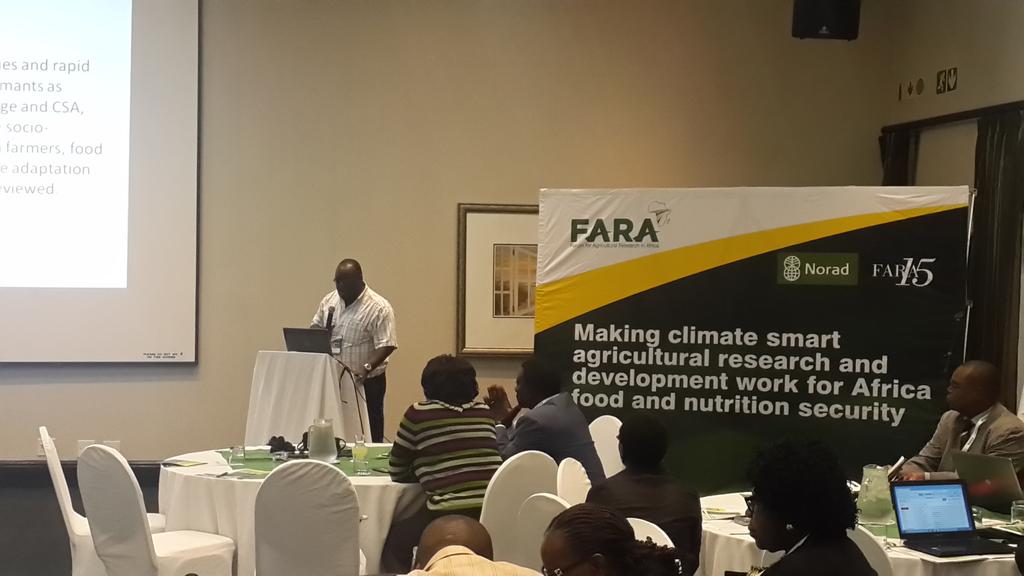
Dr Mark Msaki presents key CSA findings from Tanzania
25 November 2014. Johannesburg, RSA. FARA@15. A group of African negotiators are currently negotiating Africa’s position on CC at the UNFCCC and need evidence to support their arguments.

While regional (FARA, RECs, SROs) and continental organizations are currently working to generate this evidence, national agricultural research institutions are currently not part of this process. Yet they have the critical mass of researchers who can generate this evidence. 
Alain Ange of Cirad giving a keynote on
the "transitional process for climate smart agriculture.
It is imperative therefore that the NARIs become an integral part of the knowledge support system for generating and packaging evidence to support African negotiators. A critical mass of research capability currently exists at the national level. Sustainable provision of CSA knowledge support needs to be country focus and country driven. NARIs need to build their capacities in CSA analysis, planning, execution, financing and tracking and assessing impact and learning.
This side event brought together the experts notably from NARIs engaged in climate change issues and policy makers in Africa to a dialogue on:
  • Creating awareness among NARIs and policy makers on the need to scale up CSA practices among 6 million small holder households as a way of contributing to the 25 million target by 2015
  • Identifying climate change issues in country investment that NARIs can develop CSA technologies to address
  • Identifying areas of CSA that can be integrated in the national agricultural research programs of the NARIs
  • Identifying key entry points in the NAIPs for NARI CSA interventions
Related:


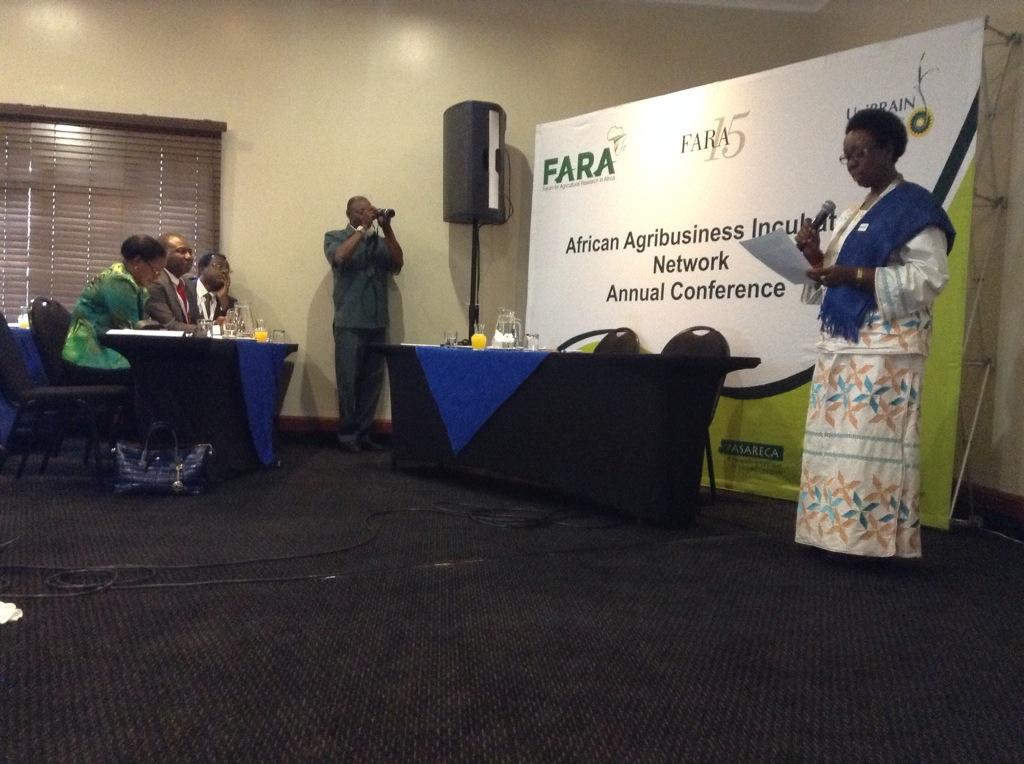
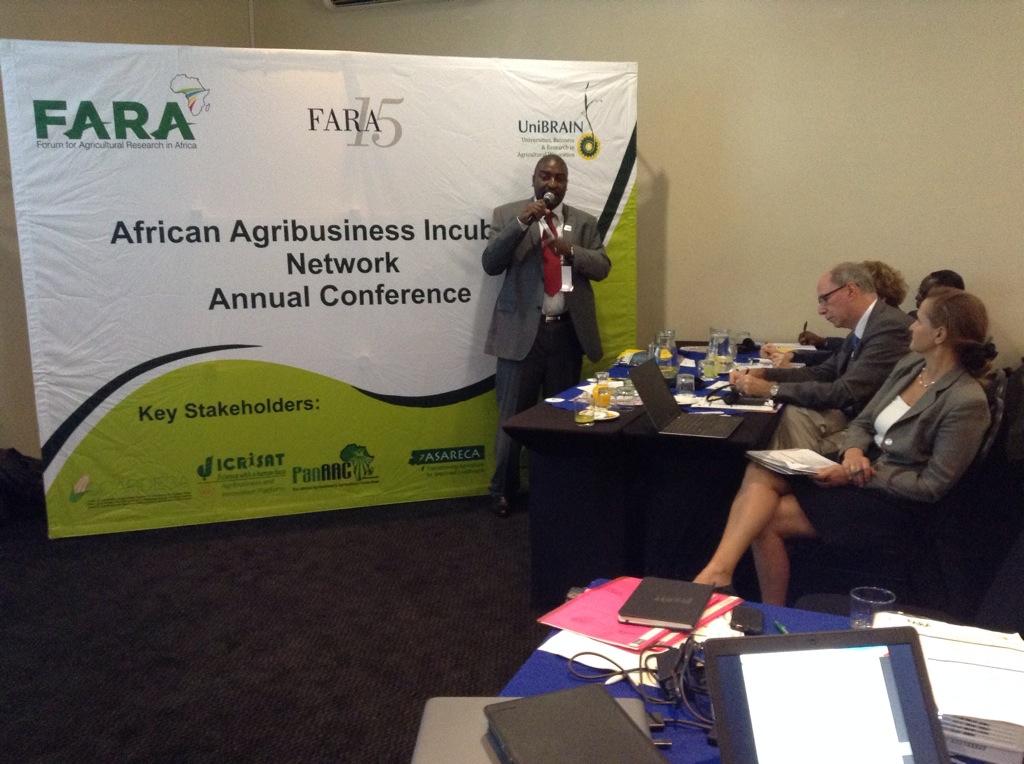
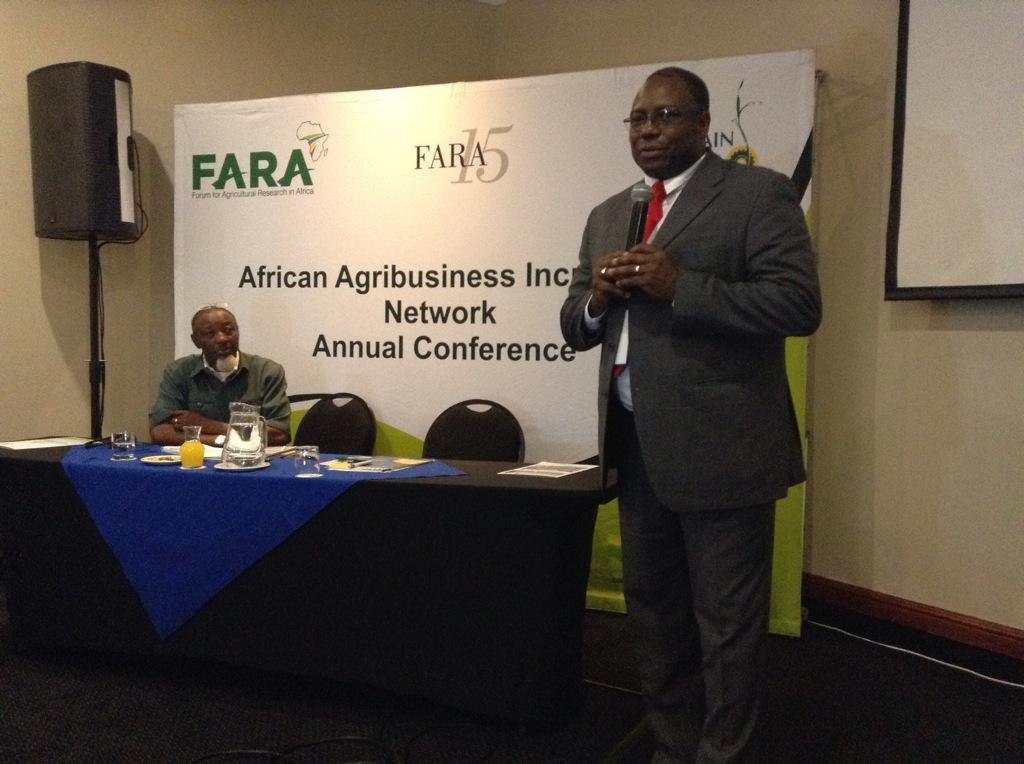
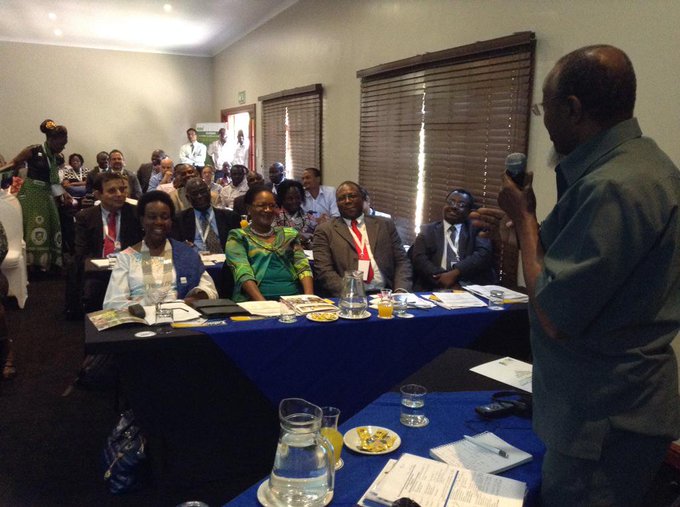
UniBRAIN African Agribusiness Incubator Network Annual Conference

27 November 2014. Johannesburg, South Africa. FARA@15 conference. The African
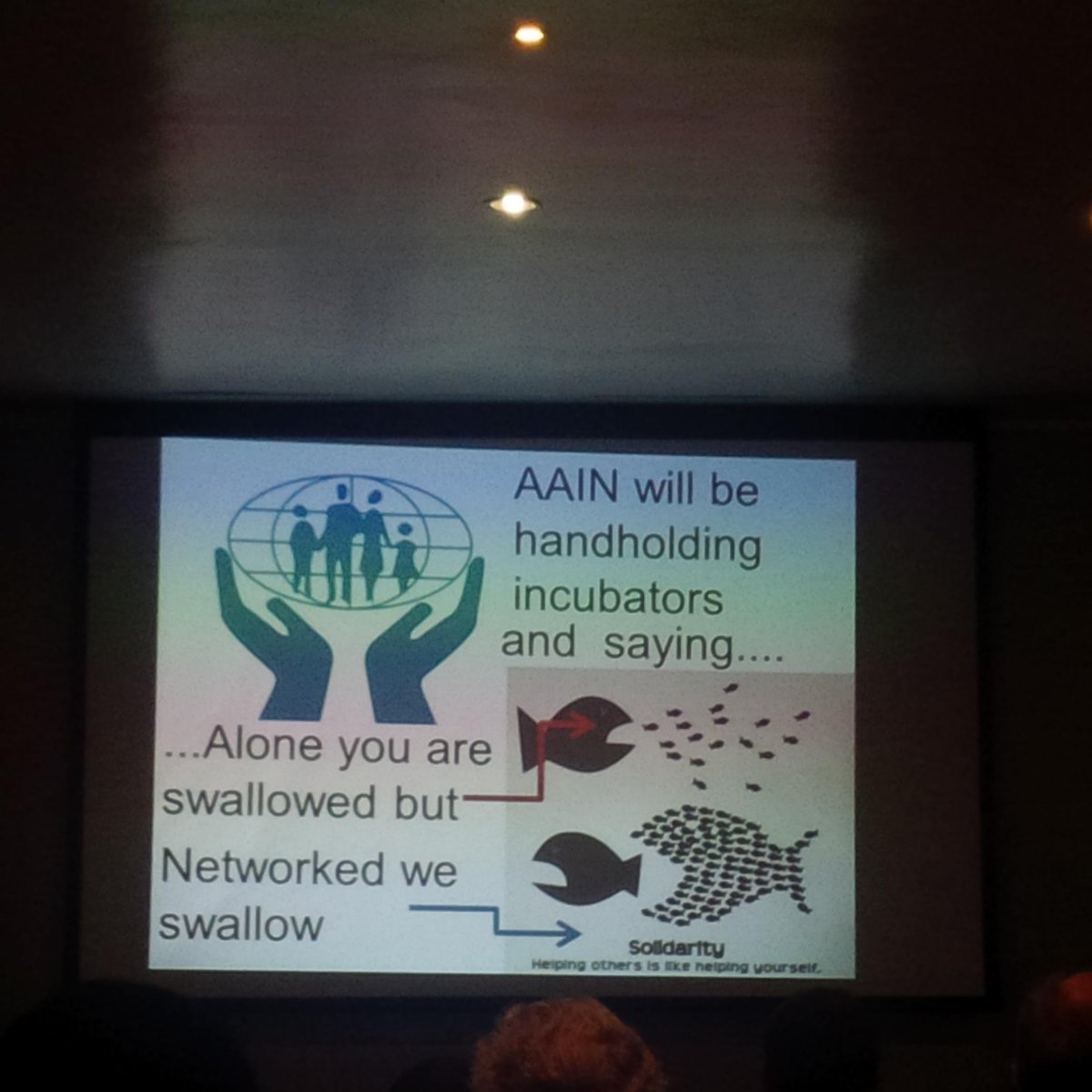
Agribusiness Incubator Network (AAIN) is recognized to establish knowledge systems for validation or affirmation that inform advocacy, sharing of experiences and networking in order to contribute to the development of Agribusiness incubation in Africa.


AAIN aims to work together as an African family of Agribusiness incubators bringing together incubator leaders, managers, and partnership with both state and non-state actors at continental level, to have the potential of providing Africa a strong policy platform that can engage globally with other
incubators and organizations for mutual benefit.

AAIN plays a critical role in enhancing information sharing, experiences; lessons learnt and
established best practices from the agribusiness incubators model to incubate SMEs and start-ups to gain requisite skills for business success.

The Annual conference for AAIN seeked to expand business incubation efforts and support deeper partnerships/exchange programs, develop strategy for sustainability, induct its leadership and develop annual work and resource mobilization for 2015.

Highlight: Afri Banana

PAEPARD video interview with Prof. George Bazirake Director ABP Ltd. (Afri Banana Products Limited) Banana Value Chian Incubator Dean Faculty of Science, Kyambogo University, Kampala, Uganda.

Prof. Bazirake answers the question: Why are Intellectual Property Right (IPR) important for African Agricultural Innovative Technologies?


Related
12 - 13 March 2013. Dar es Salaam, Tanzania. African Conference on the Strategic Importance of Intellectual Property (IP) Policies to Foster Innovation, Value Creation and Competitiveness
organized by the World Intellectual Property Organization (WIPO) and the Japan Patent Office (JPO)
in cooperation with the Government of the United Republic of Tanzania.

Extract of the program:
Scientific innovations from academia to public, private partnerships in agribusiness commercialization of Intellectual Property Asset. G.W.Byarugaba-Bazirake (PhD), Dean, Faculty of Science, Kyambogo University/Director ABP Ltd: 2 pages

Thursday, December 11, 2014

GFAR meeting at FARA@15

29 November 2014. Johannesburg. Better futures: transforming agricultural innovation pathways for results. The GCARD Roadmap identified decades of chronic under-investment in Agricultural Research for Development systems around the world as a major barrier to development. A very significant increase is required if AR4D systems are to deliver the global changes required. Government commitments must lead these processes.

GFAR in partnership with IFAD, FAO and national and regional bodies around the world are catalysing innovative processes to strengthen national agricultural research and innovation systems.

A new international facility was proposed, integrating financial and technical support to establish much needed capacities in agricultural innovation systems, to a research agenda that is demanded and driven by farmers and rural communities.

Working groups discussed the following questions:

  1. How is demand expressed and by whom?
  2. How to integrate within innovation pathways?
  3. How to implement innovation platforms? What lessons have been learnt from implementing innovation platforms?
  4. How to mobilize and integrate resources through the investment facility?
  5. How can external institutions support African-led processes?

The meeting was also an opportunity to present the Tropical Agricultural Platform.
  • GFAR supports, promotes and facilitates the Tropical Agricultural Platform, a G20 initiative, as one of the primary activity in Institutional capacity development. TAP facilitates more effective and streamlined capacity development interventions in innovation systems in tropical agriculture. TAP was created to focus specifically on capacity development in the Least Developed Countries (LDCs), more than 90% of which are located at least partly within the Tropics.
  • TAP provides a mechanism for all actors to communicate, exchange ideas, knowledge, experiences, and practices, and work in a more coordinated way, learning from each other about capacity development policies and practices that work. Interventions will acknowledge national leadership and ownership and will be aligned with national plans and demands. 
  • TAP fosters partnerships and shared visions to steer agricultural innovation along a more coherent path and to arrive at development solutions at scale with lower transaction costs. 
  • TAP also works to establish close linkages with relevant existing multi-partner initiatives that promote coherent institutional approaches, such as those being implemented by regional fora and international agencies.


Wednesday, December 10, 2014

GCARD 3 at FARA @15 Celebration

28 November 2014. The FARA@15 Celebration provided the opportunity to announce the first step of a consultation on the new CGIAR Strategy and Results Framework (SRF), as well as the forthcoming launch of the GCARD 3 process.
“GCARD3 will be a two-year consultation process focusing on stakeholder and partner priorities and based on national and regional stakeholder consultations designed to help shape the strategy and future direction of international agriculture research and innovation.” (GCARD3 flyer)
Embedded in a joint FARA-CGIAR two and a half day ‘Workshop on Review and consolidation of the emerging Science Agenda for Agriculture in Africa’s (S3A) operational strategy’, a panel composed of Mark Holderness, Executive Secretary of GFAR, Yemi Akinbamijo, Executive Director of FARA, and Alain Vidal, Interim Strategy Director of the CGIAR Consortium, presented to around one hundred delegates about the longer term and innovative engagement concept of this third GCARD process in which:
“Consultations will continue throughout 2015 and will be both on-line and face-to-face at a global, regional and national levels. Some of the key consultations will be hosted by national partners around the shape and direction of the CGIAR Research Programs. The results of these consultations will provide inputs to a focused GCARD3 event in late 2015 and subsequent further development of the next round of CGIAR Research Program proposals.” (GCARD3 flyer).
A video, produced by GFAR, also shown at the event highlighted the importance of such an engagement process with stakeholders around the world to be able to properly orient agricultural research so that it aligns with what countries want to achieve as well as what is needed by the poor within those countries. Reinforcing this message, the panellists emphasized the need for agricultural research to be particularly aligned with development priorities in Africa, both for the future CGIAR strategy and programs and for the emerging S3A.
“GCARD3 will be an inclusive, participatory process and an opportunity to shape the future. It will encourage conversations for change in setting a new agenda for agricultural research in development and new pathways for uptake. The overall outcome will be the clear – and transparent – identification of international research priorities, and what’s needed to achieve future development goals in national systems, in particular for family farmers and poor communities.”(GCARD3 flyer)

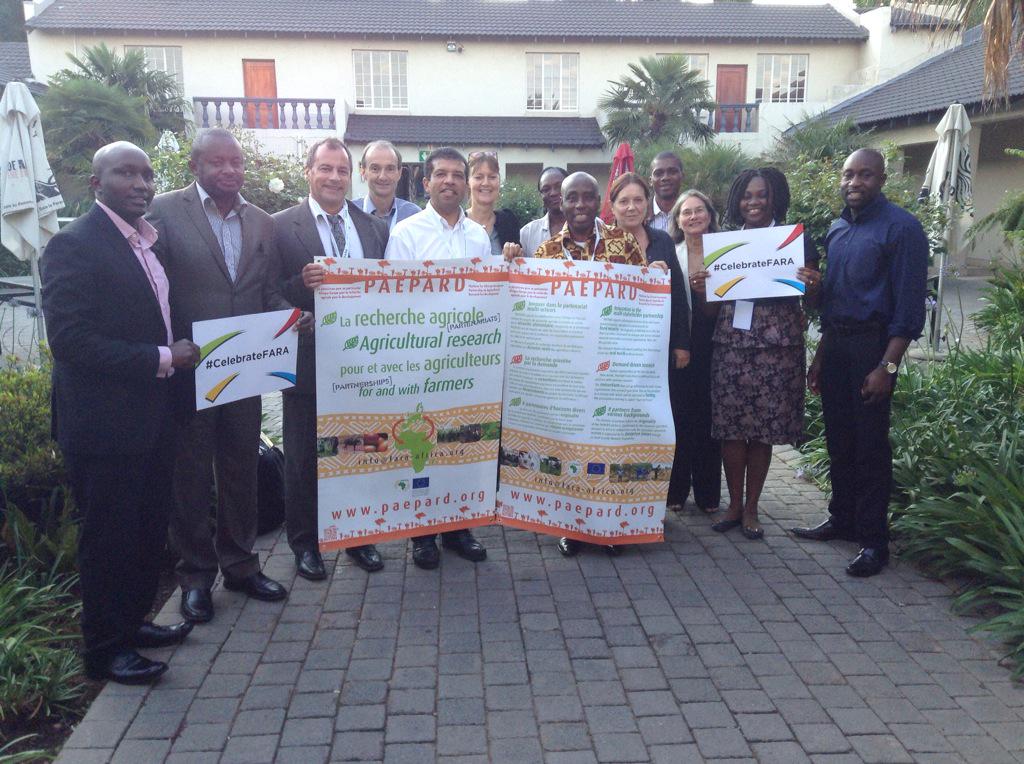
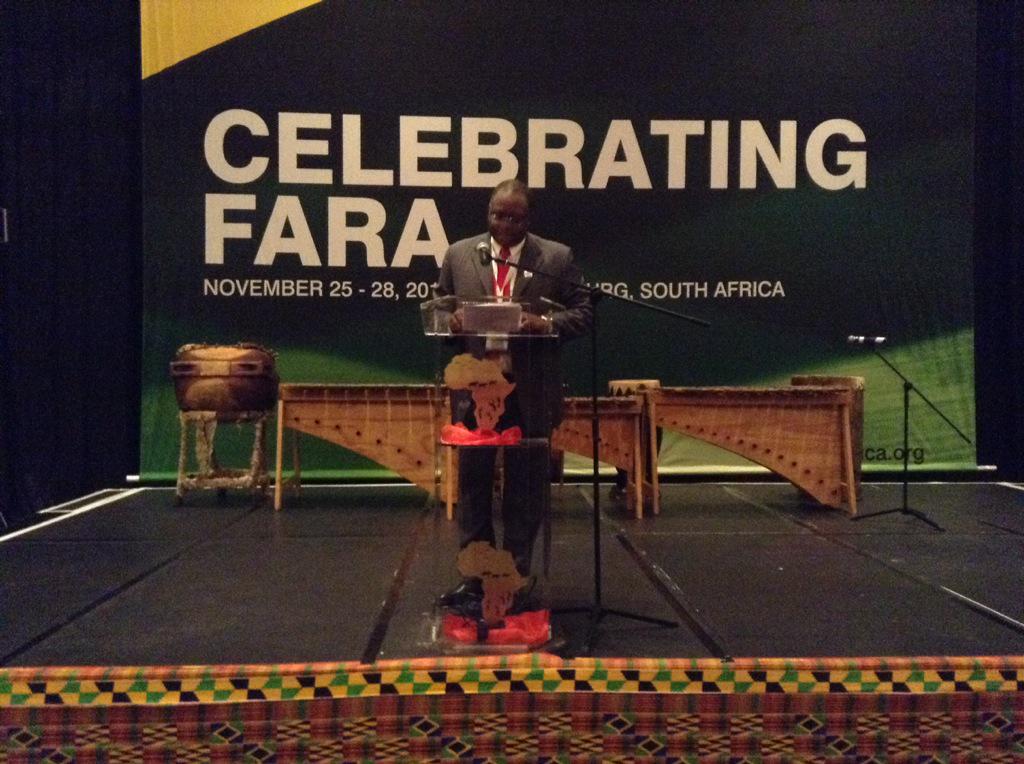
Celebrating FARA

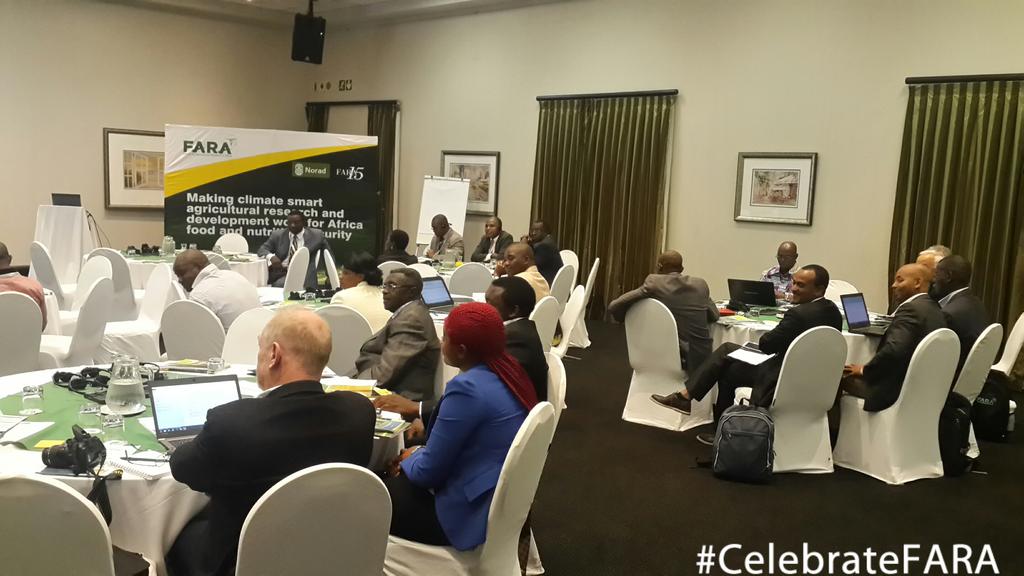
26–27 November 2014. Johannesburg, South Africa. The Forum for Agricultural Research in Africa hosted a series of events to celebrate 15 years of promoting research and innovation in Africa. The renewal, repositioning and refocusing of FARA (FARA-3R platform) was the central element of the ‘Celebrating FARA’ event.

Click here to download the agenda for the conference.
The purpose of Celebrating FARA was to take stock of its achievements and reposition FARA for the next decade.
    The Celebration of FARA took place, immediately after the 14th FARA Board of Directors meeting scheduled for 24th and 25th November. Pre-celebration and post-celebration events were organised in conjunction with the main event. The programme is summarized below.
    The main event featured the following activities:

    26–27 November
    • Open Space Agricultural Technology Fair by CGIAR (Convened by ILRI), SROs, NARIs, and other institutions 
    • Side events of FARA programmes: PAEPARD; SSA-CP; ReMoCaSt; PSTAD; UniBRAIN; NORAD project on climate smart agriculture; Regional Policy Dialogue; and other meetings organized by partners
    28 November
    • FARA Investment Strategy Dialogue, Science Agenda Operational Plan validation
    • Keynote Paper by Prof. Calestous Juma, Professor of the Practice of International Development, Harvard Kennedy School followed by a roundtable discussion featuring 6 inaugural Fellows of AAAST
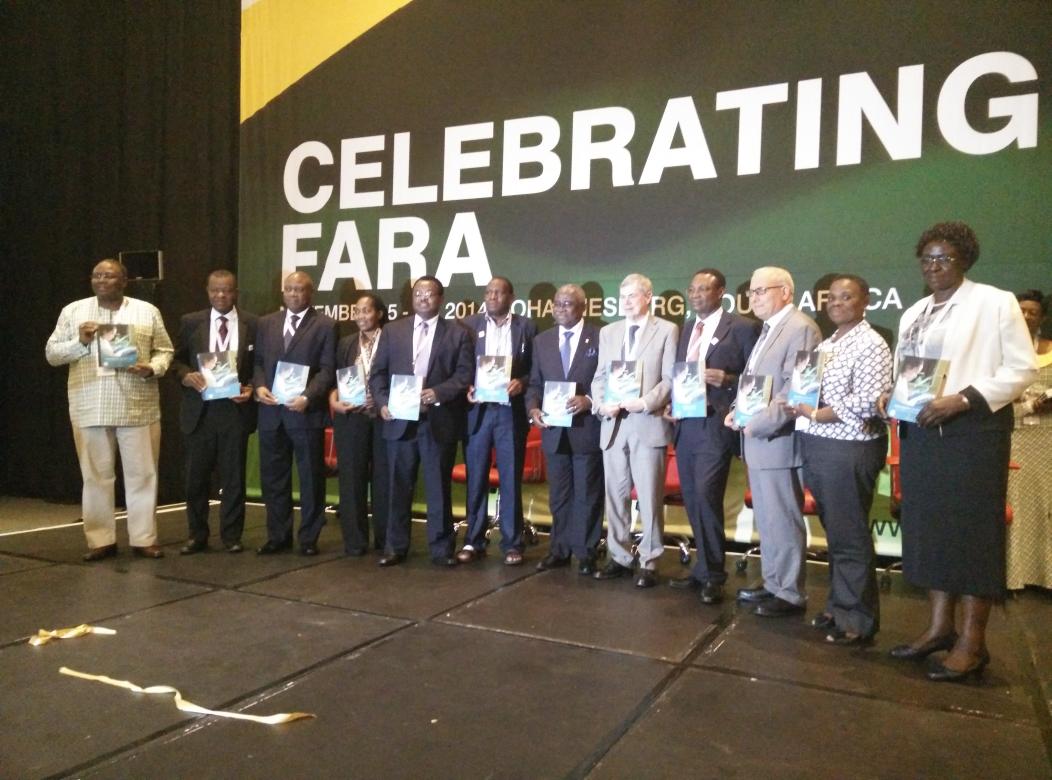
    • Launch of Science Agenda for Agriculture in Africa by Dr Kanayo Nwanze (DSc), President of
      Dr Alfred Dixon, Head of Partnership Coordination Office
      (right in front) and leader of delegation from IITA with
      other guests to mark the 15 anniversary of FARA in Johannesburg
      IFAD; Launch of IAR4D Proof of Concept
    • Inaugural FARA Annual Lecture and Symposium, Prof. Monty Jones, Special Adviser to the President of Sierra Leone and Ambassador-at-large followed by a roundtable discussion featuring the other 6 inaugural Fellows of AAAST. 
    • Launch of refreshed FARA Brand (new logo, website, etc.); 
    • Launch of AAAST and associated publications; Induction and investiture of AAAST Fellows; 
    • Resolutions on the way forward and Closing
    Pre-Celebration events
    1 November
    Launch of new FARA Website and Logo


    7 November 2014
    Launch of the FARA book: “Maximizing Impact from AgriculturalResearch: Potential of the IAR4D” at the European Commission Headquarters in Brussels, Belgium

    28 November 28 2014
    FARA unveiled a new visual identity developed by Alder Consulting of #Nigeria. Here's the story behind the new logo.


    Science Agenda:
    28 November 2014.
    Launch of the Science Agenda.
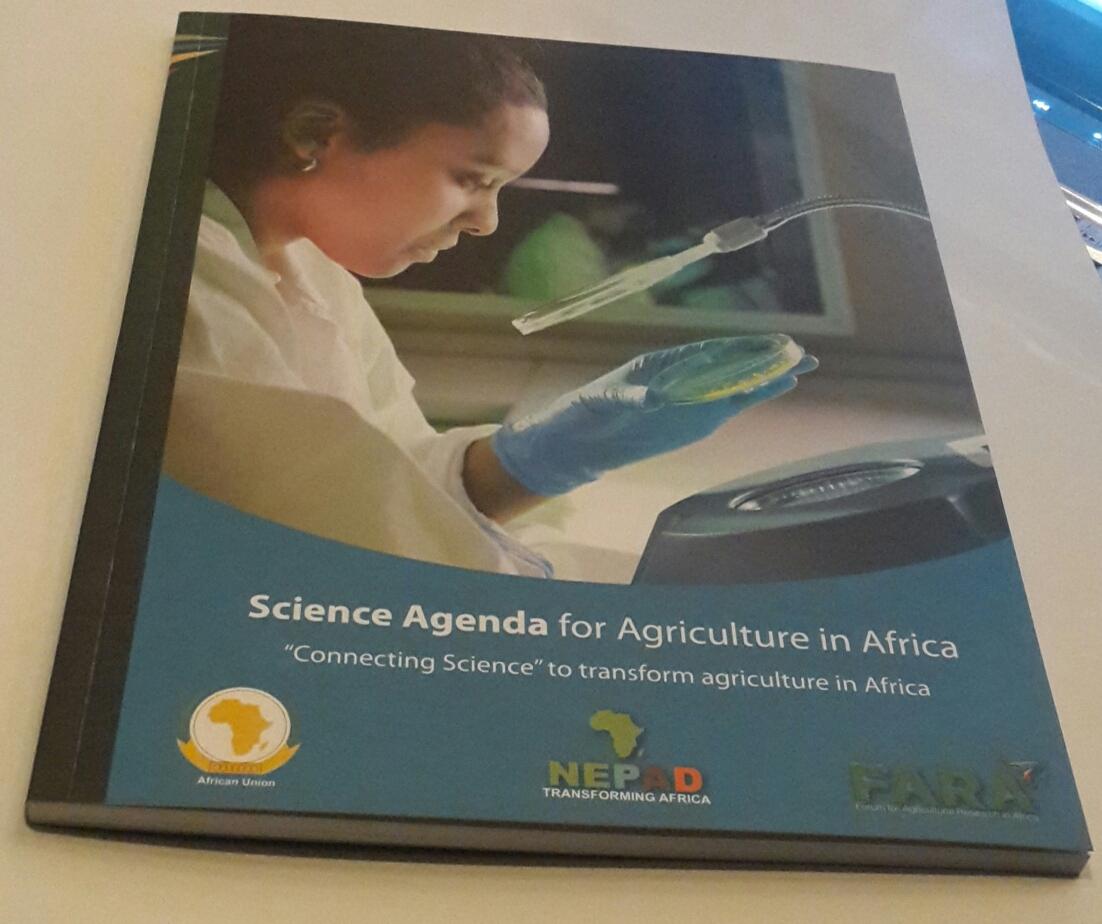
    The Science Agenda for Agriculture in Africa is an African Owned and African led process that will articulate the Science and Technology that African agriculture needs to prioritize in order to achieve its agricultural development targets; the complementary actions needed for the science and technology to be sufficiently harnessed; and the type and scale of investments required.

    FARA, 2014. Science agenda for agriculture in Africa (S3A): “Connecting Science” to transform agriculture in Africa. Forum for Agricultural Research in Africa (FARA), Accra, Ghana
    November 2014
    94 pages

    The Science Agenda’s perspective encompasses the breadth of science, the meaningful engagements between disciplines (inter- disciplinary and multi-disciplinary) and the effective transfer of the outcomes of science to end users that are necessary to unlock the potential of agriculture in Africa.

    The Science Agenda is, therefore, fundamentally about the strategic investments in science, technology and
    Delegates receive a copy of the science agenda
    innovation that are needed to contribute effectively to productivity, equitable development and sustainable productive environments.

    The other four work streams were:
    1. Stocktaking and Mapping of planned and on-going agricultural research and development activities
    2. Organisation of regional agricultural productivity workshops on how the CGIAR capacity can be better harnessed to advance the development of CAADP country investment programmes
    3. Establishing a Memorandum of Understanding between the AUC and the CGIAR Consortium
    4. Development of agricultural technology innovation platforms proposed by the G8 New Alliance for Food Security and Nutrition.
    The development of a Science Agenda for Agriculture in Africa was one of the five work streams of the Dublin Process. Read More

    Key messages:
    1. Africa should commit to strengthening its role as a player in global science for agriculture to drive the transformation of agriculture and society
    2. Science for agriculture in Africa is too important to be outsourced. African leaders must take responsibility for enhancing the role of science in their societies.
    3. Science is critical for the preservation and use of Africa’s rich biological heritage and indigenous and local knowledge.
    4. Agricultural transformation in Africa will not happen without realizing the potential of women and young people.
    5. Now is the time to increase investments in science for agriculture in Africa, when countries have the means and opportunities to invest, and gain returns.
    6. African Solidarity in Science is an important dimension of the strategy for harnessing the power of science

    Tuesday, December 9, 2014

    Africa-EU policies for innovation systems


    24-25 November 2014. Entebbe, Uganda. Uganda's National Council for Science and Technology (UNCST), a CAAST-Net Plus partner, hosted the first CAAST-Net Plus stakeholder forum. Seventy-five key representatives from both public and private sectors, including civil society organisations and the media, had been invited to contribute experiences and ideas about Transferring knowledge into solutions: Africa-EU policies for innovation systems addressing societal challenges (read the concept note + Download detailed agenda)

    Specific aims of the forum included:
    • promoting a common understanding of the role of knowledge in societal and economic development;
    • identifying good practice examples of knowledge transfer within and between Africa and the EU;
    • analysing success factors, obstacles and barriers to research and innovation uptake; and,
    • developing action scenarios for stakeholders in policy, research and business.
    Extract:
    Panel Discussion 1: How do the challenges of Climate Change, Food and Nutrition Security, and Health affect each other, and what, in this context, is the role of R and D in providing sustainable and appropriate solutions?
    Panel Discussion 2: How can Africa-EU research collaborations strengthen knowledge creation that feeds directly into the development and/or patenting of new technologies?
    Review of Day 1
    Rapporteur Summary of Day 1, M. Hughes (Rwanda)

    Panel Discussion 3: What can be done to ensure that African and EU policy makers, private sector and civil society organisations are able to identify, fully understand and act upon relevant research projects?
    STISA 2024 and Horizon 2020: A Chance and a Challenge

    Background Reading
    • Declaration of the Fourth EU-Africa Summit, 2-3 April 2014
    • Joint Africa-EU Strategy (JAES) Roadmap 2014-2017
    • Preliminary Roadmap on FNSSA, prepared by EWG, appointed by Africa-EU HLPD Bureau (Input to roadmap for a jointly funded EU-Africa Research & Innovation Partnership with an initial focus on food and nutrition security and sustainable agriculture including water. Prepared by a Expert Working Group appointed by the EU-Africa High Level Policy Dialogue Bureau in March 2014: Helena Gómez Macpherson, Philippe Petithuguenin, Joachim von Braun, Luís Goulão and Jeff Waage from Europe and Johnson A Ekpere, Paco Sereme, Daniel Nkoola Kisauzi, Ibrahim RM Benesi and Mohammed Jeenah from Africa.) Please note: The official consultation of the roadmap has not started yet - this is only an advance copy. The consultation will be done on a revised version that will become available later.

    Regional laboratory launched in Kenya to fight aflatoxin

    Agriculture cabinet secretary, Felix Koskei
    and the principal secretary, Sicily Kariuki
    during the ground breaking of the Aflasafe
    Modular Manufacturing factory at Karlo Katumani.
    18 November 2014. To help poor rural farmers in east Africa, the Kenya Agricultural and Livestock have put up a laboratory to conduct research on the mycotoxins in the East Africa region. KALRO will also construct a modular (small-scale) plant to manufacture Aflasafe KE01, a biopesticide to control aflatoxin, one of the most prevalent mycotoxin in the region.

    The construction of the regional mycotoxin laboratory was supported by the World Bank which rehabilitated an existing building at the Katumani center while the equipment was provided by USAID through the Aflatoxin Policy and Program for East Africa (APPEAR) project, and USDA-ARS. It will be used for surveillance and monitoring of aflatoxin contamination as well as for developing biocontrol agents for aflatoxin management in Kenya and the Eastern African region. The total investment for this laboratory facility amounted to US$170,000.

    Aflasafe KE01 was developed in partnership with KALRO, IITA, USDA-ARS, AATF, ACDI/VOCA, and the National Irrigation Board (NIB). These partners are also behind the construction of the modular plant which will cost US$800,000 and produce the biopesticide for the region. Currently the plant will be run by KALRO with technical backstopping from IITA but it is hoped it will eventually attract the private sector for wide-scale production and distribution of the product.

    Research Organization (KALRO) with the support of the International Institute of Tropical Agriculture (IITA), the United States Department of Agriculture-Agriculture Research Services (USDA-ARS), African Agricultural Technology Foundation (AATF) and ACDI-VOCA

    Related:
    24th November 2014. Joint FAO/ Embassy of Finland meeting on Aflatoxin.

    The Joint FAO/Embassy of Finland meeting on Aflatoxin was an initiative of the Agriculture and Rural Development (ARD )Donor Group. The Group raised concern that there were various ongoing research projects on aflatoxin whose results needed to be shared and discussed to inform the way forward. FAO and the Embassy of Finland agreed to jointly organize the meeting to provide a platform for the purpose. The target participants were the ARD Donor Group, the Development Partners in Health Kenya (DPHK) Group, Ministry of Agriculture, Livestock and Fisheries, Ministry of Health, and other relevant stakeholders. The meeting, which was hosted by the Embassy of Finland, was in form of short presentations of results followed by discussions whose focus was:
    1. Share and discuss findings of various aflatoxin activities carried out by different actors in Kenya.
    2. Deliberate on how to have better coordination between the projects. 
    The meeting was attended by representatives from the University of Nairobi, CGIAR/ILRI, BecA-ILRI Hub, CDC/KEMRI, AgriFood Research Centre- Finland, European Union, SNV Kenya, WFP, FAO, KEPHIS, MOH, MOA, USAID, Swedish and Finnish Embassies.

    Participants agreed to build on the already existing National Food Safety Coordination Committee (NFSCC) to provide the coordination platform. For this purpose, the NFSCC should be expanded and adopt a “thematic area” approach in order to capture all players; including county representatives from pilot counties.


    Monday, December 8, 2014

    The role of agribusiness and PPPs in advancing African agriculture


    25 November 2014. ACP Secretariat, Brussels. Brussels Development Briefing on “Global food systems, local impact: the role of agribusiness and development partnerships in advancing African agriculture”.

    The transformation of the African agri-business sector is a key challenge to achieve food security and economic development. A differentiated approach to partnerships, based on the development of competitive local private sectors, is essential to boosting agricultural development in Africa.

    In this context, the objective of this Brussels Briefing was to discuss strategies and approaches for harnessing the potential of development partnerships with the private sector to catalyse market development and productivity in African countries.

    Chair: H.E. Ambassador Assomption Frédéric Korsaga, Burkina Faso [Video]

    Panel 1: Setting the scene: agribusiness and PPPs in Africa
    This panel reviewed sharing of experiences and lessons learned from public-private partnerships (PPPs) and multi-stakeholder alliances that aim at accelerating investments and transformative change in African agriculture based on national and regional agricultural and trade priorities.

    Panelists:
    • Overview of agribusiness in Africa: trends, new opportunities & alternative investment models
      Hafiz Mirza, Chief, Investment Issues Section, UNCTAD [Presentation|Executive Summary|Video]
    • EU Development Cooperation models with the private sector: An overview
      Wilhelm Elfring, Consultant to the EU-working group private sector development in agriculture [Presentation|Executive Summary|Video]
    • Main financing mechanisms which strengthen local/regional production and trade
      Heike Rüttgers, Head of Division Portfolio Management & Policy ACP, Investment Facility, European Investment Bank [Presentation|Video]
    • Increased role for farmer’s organizations on agribusiness and PPPs
      Theo de Jager, President, Southern African Confederation of Agricultural Unions (SACAU) [Presentation|Video]
    • Panel 1: Debate [ Video ]
    Panel 2: Scaling up successes through transformative partnerships
    This panel looked at specific examples of inclusive business models in specific sectors and value chains where significant successes have happened and analysis of drivers of success.

    Chair: Professor Eric Tollens, Chair of the CTA Executive Board [ Video ]

    Panelists:
    • Inclusive partnerships to be scaled up in post-2015 agenda
      Eugenia Serova, Director, Rural Infrastructure and Agro-Industries Division, FAO [Presentation|Executive Summary|Video]
    • Innovative platform to advance agribusiness in the development of African agriculture
      Henri A. Minnaar, Senior Programme Advisor: NEPAD Business Foundation, Agriculture & Food Security Programme [Presentation|Video]
    • Successes from the African private sector in the development of agribusiness
    • Daniel Gad, Managing Director, Omega Farms  Ethiopian Horticulture Co-operative [Presentation|Video]
    • Linking agribusiness and supporting sustainable development partnerships in Africa
      Martin Märkl, Senior Sustainable Development Manager, BayerCropScience [Presentation|Video]
    • PPPs: Upscaling agribusiness successes in Africa
      Karl Schebesta. Chief, UNIDO Agri-busines Development Unit [Presentation|Executive Summary|Video]
    • Panel 2: Debate [Video]
    Conclusion

    – Jean-Pierre Halkin, Head of Unit “Rural Development, Food Security, Nutrition”, EuropeAid, European Commission [Video]
    – Michael Hailu, Director, CTA [Video]
    Further resources:

    First international Congress on African traditional foods

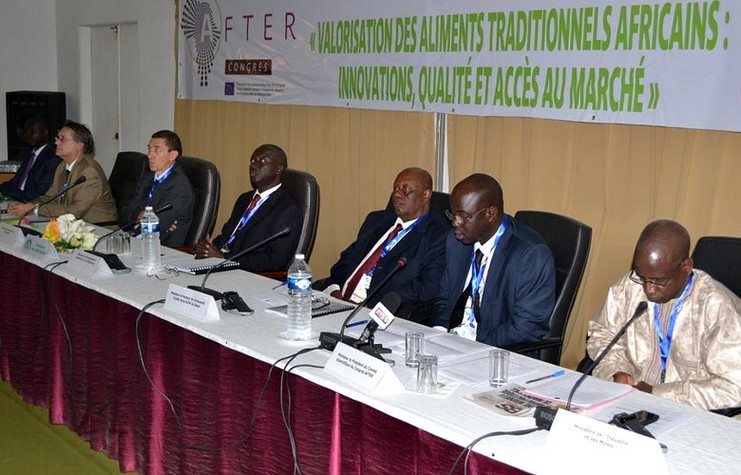
    11-12 November 2014. Dakar, Senegal. The first international Congress on African traditional foods, gathered all the actors of the sector: researchers, companies, consumers, public organisations and politicians.

    More than a hundred of participants attended the 21 oral communications given over the two days of the Congress. During this international event, 6 different African countries (Benin, Senegal, Cameroun, Egypt, Madagascar and Ivory Coast) and 4 different European countries (France, Portugal,

    Participants could also read the 26 scientific posters exhibited during the Congress, offering an even wider panel of countries represented.

    In all, no less than 20 products were studied and of which the results of research were presented.

    More than 10 African food companies
    (including the companies who participated to
    AFTER research via AAFEX)
    have presented their products in a dedicated
    exhibition space © AFTER
    More than 10 African food companies (including the companies who participated to AFTER research via AAFEX) have presented their products in a dedicated exhibition space. The Senegalese Professional Food Organisations Platform (POPAS), has organised a local-tasting cocktail very much appreciated by the participants.

    United-Kingdom and Italy) were represented in the communications. A balance was found between communication on the results of AFTER research (60%) and communications on the results of other projects of research (40%). The proceedings of the Congress will soon be available.

    Further references:
    Related:


    13-15 November 2014. Saly, Senegal. 29 representatives of the 16 partners of the project participated in the fourth and last annual meeting of the AFTER project.

    Following the AFTER Congress, 1st Congress on traditional African Foods, the meeting brought together most of the AFTER partners: ACTIA, AAFEX, CIRAD, ENSAI, ESB (CBQF), ESP-UCAD, FAAU, NRC, NRI, Racines, SPES (FIAB), UAC and UT.

    The main objectives of this meeting were to share the results obtained and to plan the drafting of the remaining deliverables within the deadlines. The dissemination strategy has also been discussed: the success of the 1st AFTER Congress inspired all the partners to maintain and enrich the dynamic launched, especially by guiding an AFTER network. AFTER is not longer simply a project but is now a concept to share.


    Video:
    Programme AFTER - Recherche: Adapter des produits traditionnels africains aux normes européennes 

    Le Quinoa, introduit en Europe il y a quelques années depuis l’Amérique du Sud, a connu un grand succès… Qu’en serait-il du « Kitoza » alors ? Ou d’autres produits traditionnels africains, tels l’Akpan, le Buy… ? Le projet AFTER s’intéresse à la valorisation de ces produits traditionnels africains :
    • Mise au point des procédés d’amélioration (qualité, sécurité…) des produits traditionnels
    • Développement de produits ainsi améliorés, innovants, compétitifs, et commercialisables
    • Tests d’acceptabilité des produits (consommateurs, marchés…)
    • Dissémination des résultats aux entreprises agroalimentaires

    Wageningen Banana Day

    18 November 2014. Wageningen Banana Day (WBD). Professor Emeritus Ivan Buddenhagen (UC-Davis, USA), one of world’s renowned banana scientists opened the event with a lecture.

    During the subsequent forum discussion there was ample time to exchange with Prof. Buddenhagen, banana scientists and experts in the audience.


    Capacity to innovate from a system CGIAR research program perspective

    Capacity to innovate from a system CGIAR research program perspective. 
    October 2014. 11 pages

    The three system CGIAR research programs on Integrated Systems for the Humid Tropics, Dryland Systems and Aquatic Agricultural Systems have included “capacity to innovate” as an intermediate development outcome in their respective theories of change. The wording of the intermediate development outcome is “increased systems capacity to innovate and contribute to improved livelihoods of low-income agricultural communities.”

    This note captures the authors' collective thinking about this intermediate development outcome from a systems perspective to clarify it and inspire other programs.

    Monday, December 1, 2014

    RUFORUM documentary

    Published on 24 Nov 2014. Building the Africa we want. What is the Africa you want?

    A RUFORUM documentary profiling our efforts in addressing small holder farmers Issues through Research and Training in Africa. Launched on the 24th November, 2014 during the FARA Conference -CelebrateFARA in South Africa.