Platform for African – European Partnership in Agricultural Research for Development

Tuesday, December 10, 2019

Global Climate Risk Index 2020

4 December 2019. Who suffers Most from Extreme Weather Events? Weather-related Loss Events in 2018 and 1999 to 2018

BRIEFING PAPER GLOBAL CLIMATE RISK INDEX 2020 Who Suffers Most from Extreme Weather Events? Weather-Related Loss Events in 2018 and 1999 to 2018 David Eckstein, Vera Künzel, Laura Schäfer, Maik Winges
This year’s 15th edition of the Climate Risk Index clearly shows: Signs of escalating climate change can no longer be ignored – on any continent or in any region. Impacts from extreme weather events hit the poorest countries hardest as these are particularly vulnerable to the damaging effects of a hazard and have a lower coping capacity and may need more time to rebuild and recover. 

The Global Climate Risk Index 2020 analyses to what extent countries and regions have been affected by impacts of weather-related loss events (storms, floods, heat waves etc.). The most recent data available — for 2018 and from 1999 to 2018 — were taken into account. The countries and territories affected most in 2018 were Japan, the Philippines as well as Germany. For the period from 1999 to 2018 Puerto Rico, Myanmar and Haiti rank highest.

The countries most susceptible to heatwaves and prolonged drought – mainly in the global South – are often in a much more precarious situation as they cannot rely upon government support in the form of financial resources or technologies. Furthermore, many African countries are particularly drought-prone and are already subjected to desertification and other forms of land degradation, which negatively impacts agriculture and frequently spurs conflicts over subsistence crops, thus perpetuating food insecurity and the risk of hunger. (page 18)
The Climate Risk Index may serve as a red flag for already existing vulnerabilities that may further increase as extreme events will become more frequent or more severe due to climate change. The heatwaves in Europe, North America and Japan also confirm: High-income countries are feeling climate impacts more clearly than ever before. Effective climate change mitigation is therefore in the self-interest of all countries worldwide. 

At this year’s Climate Summit in Madrid, the second review of the Warsaw International Mechanism for Loss and Damage will investigate whether the body fulfills its mandate to avert, minimise and address loss and damage and whether it is equipped to do so in the future. In that process, COP25 needs to debate the lack of climate finance to address loss and damage. Furthermore, the implementation of measures for adapting to climate change must be strengthened. 

Related: Climate Change in Africa is a Geo-Political Issue. Remarks at a press conference conducted by the African Group of Negotiators on 07 December 2019 during the United Nations Climate Change Conference #COP25 in Madrid, Spain.

Corporate video of MYTOX-SOUTH

MYTOX-SOUTH intends to harness the expertise and infrastructure available at Ghent University to strengthen the capacity of the Southern partners to tackle the mycotoxin problem and the associated food safety and food security issues. MYTOX-SOUTH is a partnership to improve food security & food safety through mitigation of mycotoxins at global level. This well-structured multi-disciplinary partnership, which deals with all known aspects of mycotoxins and toxigenic mould issues, is able to provide the most adequate strategies and solutions for different stakeholders.

MYTOX-SOUTH offers research and expertise that deals with 
  1. the impact of the agro-ecosystem and related agricultural practices on the occurrence of toxigenic moulds, 
  2. physiological consequences of toxin-production of the mould, 
  3. diversity of toxigenic moulds in several crops and matrices and 4. follow-up of new emerging toxigenic moulds in agricultural and horticultural crops.


Thursday, December 5, 2019

One Planet Fellowship


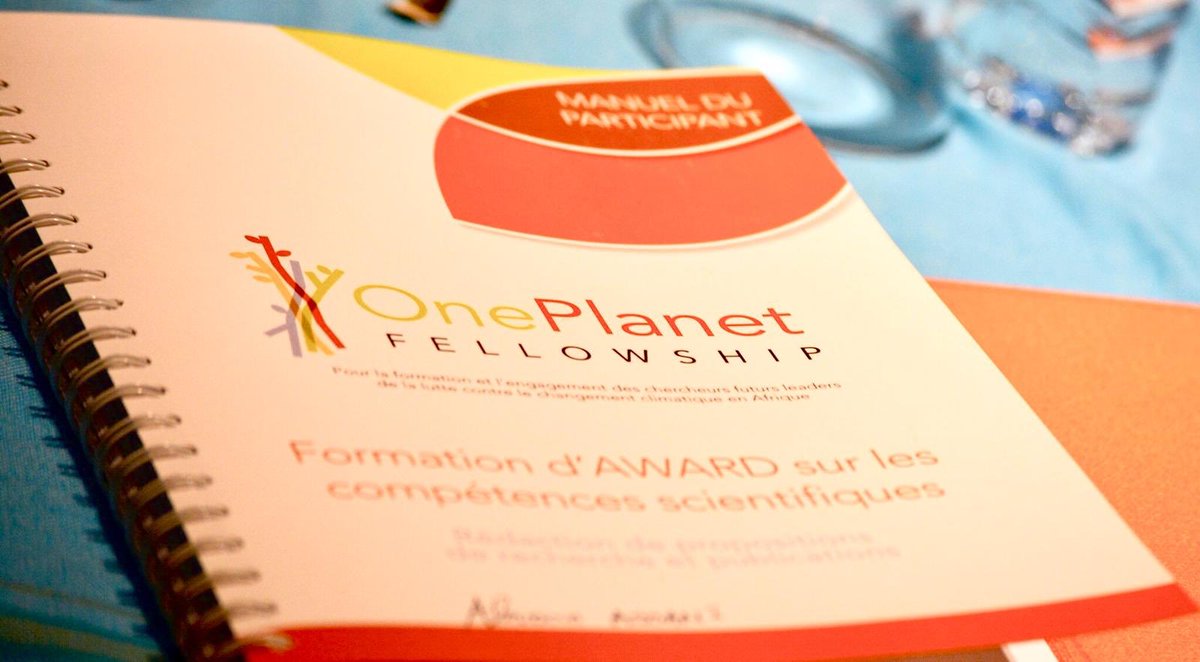
The call for the next cohort of the One Planet Fellowship is now open for applications and will close on March 31, 2020. The One Planet Fellowship seeks to build a vibrant, highly connected, and inter-generational network of African and European scientist leaders equipped to use a gender lens to help Africa's smallholder farmers adapt to a changing climate. The first cohort, consisting of 45 outstanding high-potential scientists selected from a pool of 1523 applicants, was launched in September 2019.

In this call, the Fellowship is expanding into North Africa, targeting applications from young scientists from Morocco and Algeria in addition to the following sub-Saharan African countries; Benin, Burkina Faso, Cote d'Ivoire, Ethiopia, Kenya, Malawi, Mali, Nigeria, Senegal, Tanzania, Togo, and Zambia.

Inspired by the AWARD Fellowship Model, the five-year, USD 19.2 million initiative seeks to invest in up to 630 competitively selected agricultural scientists. Selected candidates will participate in an intensive, three-year non-residential, career acceleration process aimed at fostering leadership skills, strengthening scientific research skills including integrating gender into their research, and catalyzing research partnerships and networks. Candidates who complete the three-year process will become One Planet Laureates.

Related:
29 November 2019. Casablanca, Morocco. The main objective of the roundtable discussion organised by AWARD was to highlight how the One Planet Fellowship is working toward sustainability of climate research in Africa by investing in enhancing local capacity, building cross continental, intergenerational, and cross-disciplinary networks of scientists. 

The discussion will also spotlight some of the Candidates selected for the first cohort and how their work is helping smallholders cope with the changing climate. Specific objectives were to:
  • highlight the need for strong financing collaboration between the private sector, civil society, public research and private philanthropy to mobilize researchers and young people to work towards climate change
  • highlight the gendered impacts of climate change and why scientists must learn how to use a gender lens as they innovate solutions
  • highlight how the Fellowship is fostering intra and intercontinental cross learning among different players focusing on adaptation to and mitigation of climate change in Africa
Speakers - One Planet Laureate Candidates
  • Austin Tenthani Phiri, a Chief Agricultural Research Scientist at Malawi’s Ministry of Agriculture Irrigation and Water. Stationed at the Bvumbwe Agricultural Research Center, Phiri’s research focuses on improving soil fertility and nitrogen use efficiency for improved food security in Malawi. He has done extensive research on improving nitrogen use efficiency by maize through the pigeon pea and groundnut intercropping and maize rotation system. He is currently working in nine districts in Southern, Northern and Central Malawi to catalyse processes to improve crop productivity under the Agriculture Sector-Wide Approach-Support Program II.
  • Oliver Kipkogei, a climate scientist at the Inter-Governmental Authority on Development (IGAD) Climate Prediction and Applications Centre (ICPAC) in Kenya. Kipkogei is working on managing climate risks within the smallholder farmers, particularly in rain-fed farming systems, through enhancing access to quality tailored climate services. He is a contributor to the Food Security Nutrition Working Forum and the online ICPAC Maproom, a one-stop-shop for tailored climate information for agriculture and food security applications. Kipkogei is the coordinator of the generation of advisories on climate forecasts for the agriculture and food security sector of the Greater Horn of Africa.
  • Sarah E. Edewor, a researcher and Agricultural Economics from Nigeria who specializes in gender dimensions of land tenure and property rights on the adoption of climate-smart agricultural practices among farming households in Nigeria. Her research will try to ascertain how land ownership and registration affect adoption of climate-smart practices for farm production increase, resilience improvement, and removal or reduction of greenhouse gas emissions.
  • Mevoyon Pamela Karrel AFOKPE, a plant breeder, is a researcher at East-West Seed International in Benin where she is responsible for the implementation of the varietal improvement program for traditional leaf and fruit vegetables for West Africa. East-West Seed International is actively working to improve different indigenous cultures to meet the growing needs of African smallholder farmers. Most of her research has focused on genetic characterization of high yielding bean varieties.
  • Howélé Michaëlle Touré, a PhD student at the University of Science, Technology and Technology of Bamako in Mali. She is attached to the West African Center for Scientific Service on Climate Change and Adapted Land Use (WASCAL) Program financed by the German Ministry of Education and Scientific Research. Her research is also funded by the African Excellence on Climate Change, Biodiversity and Sustainable Agriculture (CEA-CCBAD) of Abidjan. Her research focuses on reducing / eliminating cassava bacterial wilt in Côte d'Ivoire in the context of climate change
  • Kueshi Semanou Dahan, is pursuing a second master’s degree in Climate Change and Biodiversity and Ecosystem Services at the Doctoral School of the African Center of Excellence for Climate Change, Biodiversity and Sustainable Agriculture. Félix Houphouët-Boigny University, Côte d'Ivoire. His research focuses on the control of soil management and biodiversity conservation in the savanna forest of the Toumodi department in central Côte d'Ivoire. A multidisciplinary scientist, Mr. Dahan is a 2019 winner in Risk and Disaster Management at Integrated Research on Disaster Risks (IRDR). 
Implementing partners of the One Planet Fellowship
  • Michèle Mbo’o-Tchouawou, Deputy Director- Programs, African Women in Agricultural Research and Development (AWARD). She leads the development, management and quality of all AWARD programs. A development economist working in the multidisciplinary framework of capabilities and human development, Dr. Mbo’o-Tchouawou has extensively worked with national partners under the Comprehensive Africa Agriculture Development Programme (CAADP) framework to ensure systematic gender mainstreaming and inclusiveness in agricultural investment plans, programs, and interventions.
  • Donald Onyoni, Senior Manager, Operations, Administration and Finance, AWARD. He provides strategic financial analysis and direction, playing a key role in developing and managing AWARD’s operational strategy for its programs. A financial professional, Mr Onyoni has been instrumental in successful conceptualisation and project management of several international multi-year and multi-million dollar projects covering a variety of sectors such as international wildlife conservation (CITES MIKE Program – Monitoring Illegal Killing of Elephants), public health with a focus on HIV AIDS Care and treatment (Columbia University- ICAP), and gender in agriculture. He is passionate about projects that foster sustainable positive social impact.

Wednesday, December 4, 2019

IFC introduces the Last Mile Retailer

3 December 2019. In a “by-invitation-only” launch, AMEA members unveiled the Last Mile Retailer, a new product aimed professionalizing agro-input retailers using a standardized system to measure and train retailers. Hosted by AMEA, the launch was co-organized by the program’s developers: International Finance Corporation (IFC), Cultivating New Frontiers in Agriculture (CNFA), and SCOPEInsight; and included panel members from USAID and the IFC.

The Last Mile Retailer is a set of interlinked approaches that combine to form a coherent and effective “package” to build agro-input retailer’s professionalism. The package consists of (a) assessment, (b) training, (c) coaching, and (d) improved market participation. Three AMEA members have jointly developed the LMR package (along with Bayer and Syngenta): SCOPEinsight, Cultivating New Frontiers in Agriculture (CNFA), and the International Finance Corporation (IFC).

SCOPEinsight CEO, Lucas Simons, explained that the Last Mile Retailer (LMR) “is a new way to measurably improve the professionalism of agro-input dealers; It has the potential to address the gap in smallholder farmers’ access to critical modern inputs.”
The Last Mile Retailer has benefits for all stakeholders:
  • For agro-input companies: a more stable and professional distribution network for their products. A more professional LMR network could lead to greater retailer loyalty, higher sales volume, a better understanding of market needs, higher levels of product knowledge and awareness in the marketplace, and more oversight of product storage and disposal practices.
  • For agro-input retailers: higher levels of business management capability, business growth, appropriate managerial systems (accounting, inventory management, leadership), improved product knowledge, new contract opportunities, and access to finance.
  • For farmers: improved access to quality inputs can have a meaningful impact on farm productivity, food security, sustainability, and income.
  • For development professionals: a cost-effective way to improve agro-input retailers.
Related:
This webinar is for: 1. agro-businesses wishing to reach the last mile, in a commercially attractive way, in emerging markets, and 2. development practitioners wishing to strengthen input retailers as a means of getting smallholder farmers the input the need.


Youth and Jobs in Rural Africa: Beyond Stylized Facts

Youth and Jobs in Rural Africa: Beyond Stylized Facts
A new Oxford University Press book co-edited by IFPRI researchers Valerie Mueller and James Thurlow challenges several myths around population growth and youth employment in Africa, demonstrating the opportunity Africa's youth bulge presents to spur inclusive growth and rural development. (Read the Book | Read the Synopsis)
In addition to assessing the evidence on continent-wide trends on youth employment the book offers deeply researched case studies into youth employment and structural transformation in five African countries.
FARA Publication: Strategies for Scaling Agricultural Technologies in Africa - NEW for Download


Advances in Africa agriculture is contingent on the volume of technologies that is available for use in the sector. Apparently, the same condition was responsible for the agricultural transformation and food sufficiency in the advanced world. Every development in the history of mankind is orchestrated by technological revolutions; more specifically when technologies meets up with felt needs and social political will for change.  The precarious state of Africa agriculture seems to have attain this threshold of pain more than a decade ago and triggered the action of different organization and pollical structures through the Africa Union Commission. 

The development of the Comprehensive Africa Agricultural Development Program (CAADP) in 1994. The CAADP ideal proposed a budgetary allocation of 10% at the country level to agricultural sector in order to yield six percent annual growth on the average. 
A key pillar of the earlier days of CAADP subscription by the countries was the pillar four which stood for actions around technology generation, dissemination and adoption. This was led by the Forum for Agricultural Research in Africa andits stakeholders, FARA thus took the pillar 4 action as its focus for contributing to the transformation of Africa agriculture. The efforts yielded ample attention to technology generations across board, and series of technology testing actions in several pilots. Some of the technologies have potentials and a handful also stood at bay requiring further development to yield the desired outputs.

Despite the efforts into technology generation, introduction, adaptation etc. the agricultural sector development only experiences a slight move and it seems to plateau suggesting that other actions are required to sustain the growth of the sector.   A more recent effort at the continental level is the commitment of the head of state in Malabo, to sustain the CAADP momentum. The Malabo declaration came up with various targets including the doubling of the Total factor productivity by 2025 as well as eradicating hunger among others. Attaining these targets will be elusive without a firm commitment to technology generations, dissemination and adoption in a very systematic way. FARA has developed the Science Agenda for Africa Agriculture (S3A) to fast-track the broad contribution of science to deliver technologies and knowledge to ensure the delivery of agricultural growth and transformation. The S3A has four thematic focus and there cross cutting area, this is currently getting grounded at the country level with the expectation of yielding sustainable broad based socioeconomic benefit from the agricultural sector.

This book aims to bridge this gap In addition to these efforts, the need to bring existing and upcoming technologies to scale has been highlighted broadly by policy makers and development practitioners in Africa. This felt need came along with the mantra that Africa have a lot of technologies on the shelve that are yet to be translated to socio economic benefit for the stakeholders in the sector. Whether this is factual or not, Africa agriculture requires a systematic way of bringing technologies with very high potentials to scale. This book aims to bridge this gap The book contains seven chapters that exhaustively covers the subject matter and make a smart proposition on the plausible pathway to ensure that agricultural technologies delivers a vibrant and economically sustainable agrarian sector.

Download copy: FARA Africa

Tuesday, December 3, 2019

1st Edition FNSSA conference


1 to 3 December 2019. The 1st Edition of the international conference on FNSSA was organized by the Agro-Food Industries Alliance (funded by Academy of Scientific Research and Technology in Egypt), World Food Program, the Arab Academy for Science, Technology and Maritime Transport (AASTMT, Alexandria), Alexandria University, Egypt, and IEREK – International Experts for Research Enrichment and Knowledge Exchange in collaboration with Springer as a publishing partner.

The conference was an opportunity to present and discuss the newest researches related to food, nutrition and sustainable agriculture as well as to shed light on their relationships with the industry. The scientific committee welcomes contributions from academics, researchers and interested participants.

Extract of the programme:

Session I: Agro-Food Industries: Management, Security, Safety & Innovation

  • Public private partnerships for agriculture development transformation - Dr. Menghestab Haile, Representative and Country Director, WFP
  • Food Safety - Professor Hussin Mansor, President of Egyptian Food Safety Authority
  • Agro-Food Industries Alliance - Dr. Khaled ElSaadany, Coordinator of Agro-Food Industries Alliance
  • Italian innovation for Blue Economy: improving cooperation between Italy and Egypt - Claudio Margottini, Scientific and Technological Attaché Embassy of Italy in Egypt
  • Public private partnerships for Technology development in Egypt - Dr. Amr Rdwan Academy of Scientific Research and Technology (ASRT)

Session 5: Agro-Food Business and Food security

  • Determinants of Smallholder Farmers’ Adoption and Willingness to Pay for Improved Legume Technologies in Tanzania - Charles Lugamara, Tanzania
  • Determinants of Producer’s Participation in Farmers’ Associations. Evidence from Maputo Green Belts Tomas Sitoe, Mozambique
  • Zero Hunger - Zero Emissions: Building Pathways to ZERO-ZERO –a low –carbon, hunger –free Nigeria. OLADIPO ADEMOLA OLUBAYO, Nigeria
  • Marketability levels of pumpkin fruit (Curcubita moschata Duch.) flour and blended products among Kenyan consumers Jedidah Kiharason, Kenya
  • Community-driven Development and Food Security in a Changing Climate: A Case Study of the Nile Delta - AlMoatassem Mostafa, Faculty of Law, Mansoura University, Egypt
  • Blockchain technology in agri-food value chain management: challenges and new trends in Egypt 
  • Ghada Elkady, Arab Academy for Science, Technology and Maritime Transport, Egypt
  • Effect of Population Dynamics on Household Food Security among the Rural Households of Jigawa State, Nigeria RABIU MSJ, Nigeria
  • Effect of Macadamia Husk Compost on Growth and Physiological Performance of Two Amaranthus Cultivars Anovuyo Fakade, Pakistan

South-South-North collaboration and innovation in agriculture: focus on Tunisia

La collaboration Sud-Sud de la Tunisie dans l'Enseignement supérieur et la recherche

Entretien avec Malek Kochlef - Directeur Général Ministère de l´Enseignement Supérieur et de la Recherche Scientifique, Tunisie. 01/12/2019. Caire, Egypte. Troisième réunion pour l'Enseignement supérieur de l'Union Méditerranéenne.
  • Est-ce que la Tunisie peut offrir un enseignement supérieur de qualité pour les étudiants provenant des pays du Sahel?
  • Quel est le nombre d'étudiants Tunisiens et internationaux?
  • La situation démographique des pays avoisinants peut-être un atout pour la Tunisie?
  • Comment la Tunisie peut-elle se profiler d'avantage comme destination internationale d'étudiants?
    "A ce stade il n'y a pas de programme de mobilité dans l'Union Méditerranéenne"
  • La Tunisie participe dans quelles collaborations internationales?
  • Quelle est l'approche de la Tunisie envers les universités internationales?
  • Quel appui supplémentaire l'Union Européenne pourrait-elle donner a la collaboration Sud-Sud?
  • La Tunisie peut-elle être également attractive pour les étudiants africains anglophones?
  • Quelle est l'offre de la Tunisie dans le domaine de l'agriculture?
  • Ceci inclus le transfert des technologies et expérience dans des incubateurs?
  • Les atouts de la Tunisie peuvent-ils être pris en compte dans des nouveaux programmes?
  • Il y a une sous-représentation des pays nord-africains dans les programmes de recherche inter-africains?

The African Membrane Society and Water Purification

Interview (in French) with Professeur Raja REKIK BEN AMAR Department of Chemistry - Laboratory of Material Science and Environment, Vice-president of the African Membrane Society (AMSIC). Professor REKIK BEN AMAR answers the following questions:
  • What is the urgency of water purification?
  • What impact can purification have on agriculture?
  • How is the collaboration with the private sector?
  • What is the interest of the private sector in Tunisia? -
  • Can the production of large-scale membranes be done in Tunisia?
  • What is the role of the African Membrane Society?

L'intérêt du secteur privé pour des capteurs innovants pour l'agriculture

Entretien avec Prof. M. Hachicha National Research Institute in Rural Engineering, Water and Forestry, University of Carthage | UCAR
  • Quel est le défit des capteurs actuels?
  • Quel est l'intérêt des compagnies Européennes?
  • Comment les start-ups Tunisiens peuvent ils bénéficier d'une nouvelle génération de capteurs?
  • Est-ce que cela peut également avoir des retombées sous-régionales?
  • Est-ce que ces capteurs peuvent également être utilisés pour les plantes?
  • Comment cela peut bénéficier le petit producteur?
  • Quel système de subside pourrait être utile au petit producteur?


l'Association Eau et Developpement de la Tunisie

Interview avec Faten Jarray Horriche, Presidente Comite Tunisien d'Hydrogeologie.
  • Quel est le role de l'Association Eau et Developpement?
  • Quelles sont les plus importantes realisations de cette Association?
  • l'Association Internationale des Hydrogeologues peut-elle contribuer a une cooperation sous-regionale?
  • Quels sont les themes traites lors de ces rencontres?
  • Quelles sont les regions ou secteurs les plus critiques en Tunisie?

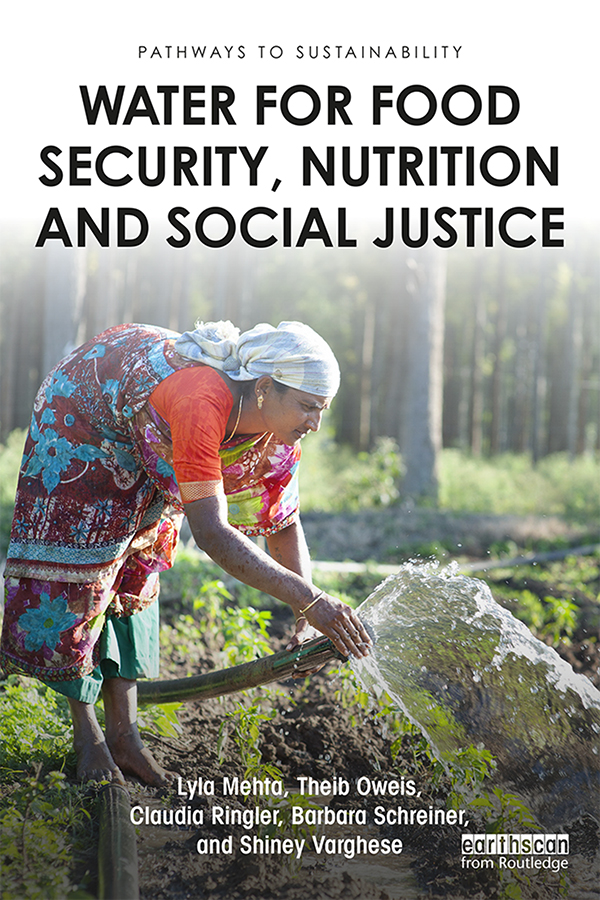
Water for Food Security, Nutrition and Social Justice

Water for Food Security, Nutrition and Social Justice 1st Edition. By Lyla Mehta, Theib Oweis (ICARDA), Claudia Ringler, Barbara Schreiner, Shiney Varghese. Routledge 214 pages

This book is the first comprehensive effort to bring together Water, Food Security and Nutrition (FSN) in a way that goes beyond the traditional focus on irrigated agriculture. Apart from looking at the role of water and sanitation for human well-being, it proposes alternative and more locally appropriate ways to address complex water management and governance challenges from the local to global levels against a backdrop of growing uncertainties.

The authors challenge mainstream supply-oriented and neo-Malthusian visions that argue for the need to increase the land area under irrigation in order to feed the world’s growing population. Instead, they argue for a reframing of the debate concerning production processes, waste, food consumption and dietary patterns whilst proposing alternative strategies to improve water and land productivity, putting the interests of marginalized and disenfranchized groups upfront.

The book highlights how accessing water for FSN can be challenging for small-holders, vulnerable and marginalized women and men, and how water allocation systems and reform processes can negatively affect local people’s informal rights. The book argues for the need to improve policy coherence across water, land and food and is original in making a case for strengthening the relationship between the human rights to water and food, especially for marginalized women and men. It will be of great interest to practitioners, students and researchers working on water and food issues.

Thursday, November 28, 2019

FARA Dissemination Note: Youth Engagement on Technology Adoption in Africa (YETAA) Report - NEW for Download

This document represents the proceedings of a Continental Youth Workshop convened by the Forum for Agricultural Research in Africa (FARA) at its secretariat in Accra, Ghana from 2 to 4 May 2019, as the Capacity Development and Technology Outreach Enabler Compact of the Technologies for African Agricultural Transformation (TAAT).
The workshop was convened to initiate the process of developing a set of guidelines on strategic engagement and capacity development of youth, focused on agripreneurship and scaling of technologies for increased productivity. The continental youth engagement workshop was a great platform for the active participation of young people in their realities.

The idea behind this was that the participants should take ownership of the deliberations and recommendations to make their life better, solve the problems around them and respond to their needs (within their possible scope of action and influence) instead of waiting for somebody to do it for them. 
During the workshop, the participants identified some youth initiatives within their countries which are directly linked with local community life and are gender-responsive but some of them concern regional, national or trans-national issues. Actively engaging youth gives them the power of influencing the world around them and allows them to use their creativity in working on common tasks and finding solutions to common problems.

Deliberations at the workshop encompassed the various value chains, TAAT, several youth initiatives, experience capitalization, FARA data informs and agri-preneurship capacity framework among others. Based on these discussions, opportunities for youth to tap into; the requisite skills, competencies and resources that they already have to seize these opportunities; and other skills, competences, resources they would you require to maximize their potential in these value chains were outlined.

To effectively engage youth, it is crucial to note that youth initiatives requires young people’s actions, undertaken by them to bring something new to, or change something in, their close surroundings. An aspect which the youth participants emphasized on is the link between self-development and developments in local community.

Download copy: FARA Africa

Wednesday, November 27, 2019

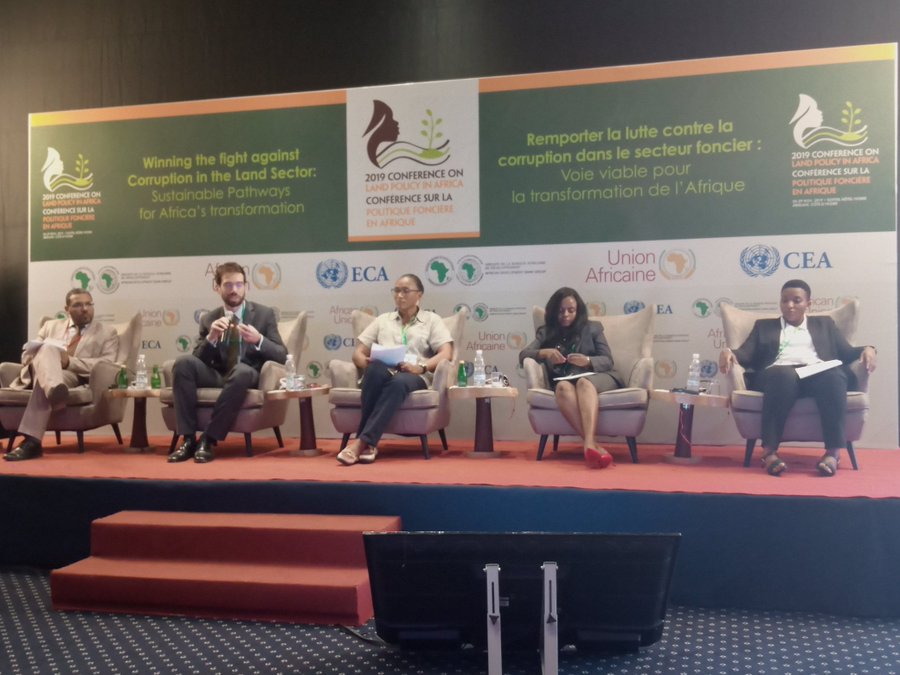
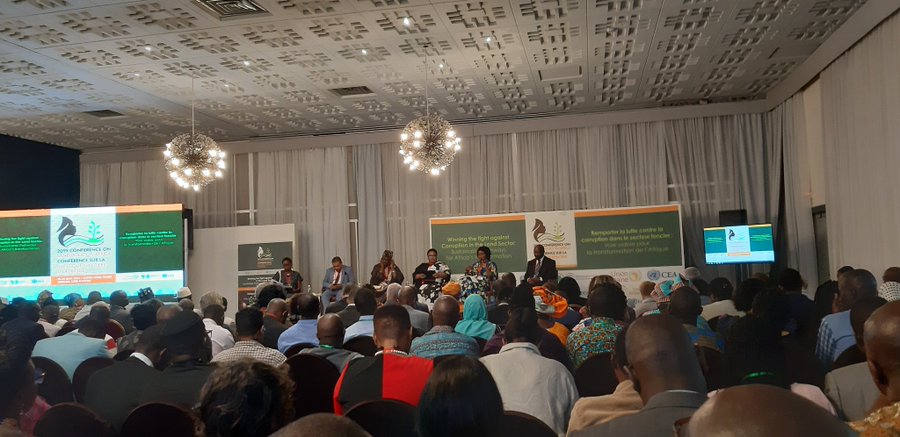
Conference on Land Policy in Africa (CLPA-2019)

25-29 November 2019. Abidjan, Côte d'Ivoire. The third edition of the Conference on Land Policy in Africa convened under the theme, ‘Winning the Fight against Corruption in the Land Sector: Sustainable Pathway for Africa’s Transformation’. This theme supports the designation by the African Union of 2018 as the Anti-Corruption Year under the theme, ‘Winning the Fight against Corruption: A Sustainable Path to Africa’s Transformation’.

Organized by the African Land Policy Centre, a joint initiative of the African Union Commission (AUC), the UN Economic Commission for Africa (UNECA) and the African Development Bank (AfDB), the conference deepened capacity for land policy in Africa through improved access to knowledge and information on land policy development and implementation. It follows the second CLPA, which was held in November 2017 in Addis Ababa, Ethiopia.


Extracts of the programme

Leader Perspectives: Land for Economic Transformation in Africa Location: 

  • Hon. Angela Thokozile Didiza, Minister for Agriculture and Land Reform, Republic of South Africa 
  • Hon. M. Mamadou Sangafowa COULIBALY, Minister of Agriculture and Rural Development, Cote D’Ivoire 
  • Hon. Justice Smokin Wanjala, Judge of the Supreme Court, Republic of Kenya 
  • Mr. Ali Mufuruki, Founder and CEO of Infotech Investment Group, founding chairman and CEO of Roundtable of Tanzania, and Africa Leadership Initiative (ALI) East Africa 
  • Prof. Michael Lipton, Professor of Economics (Emeritus) University of Sussex 
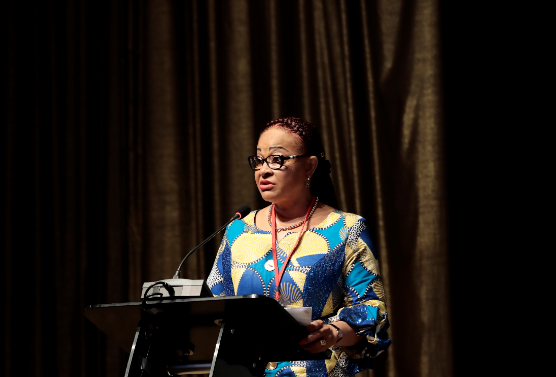
    To win the fight against #corruption we need to ensure
    land is equitably distributed and accessed by all,
    esp women, youths and other vulnerable groups.
    It is a sad reality that women and men still do
    not enjoy the same rights over land
    .
    AfricanUnion 's Amb. Josefa Sacko
  • Prof. Bitange Ndemo, University of Nairobi
High Level Panel Discussion: Rethinking Land Reform in Africa: New Ideas, Opportunities and Challenges

  • Prof. Horman Chitonge, University of Cape Town 
  • Dr. Liz Alden Wily 
  • Prof. Riel Franzsen University of Pretoria 
  • Prof. Matthew Mitchell, University of Saskatchewan 
  • Sheila Khama, formerly of the World Bank and the African Development Bank Group 

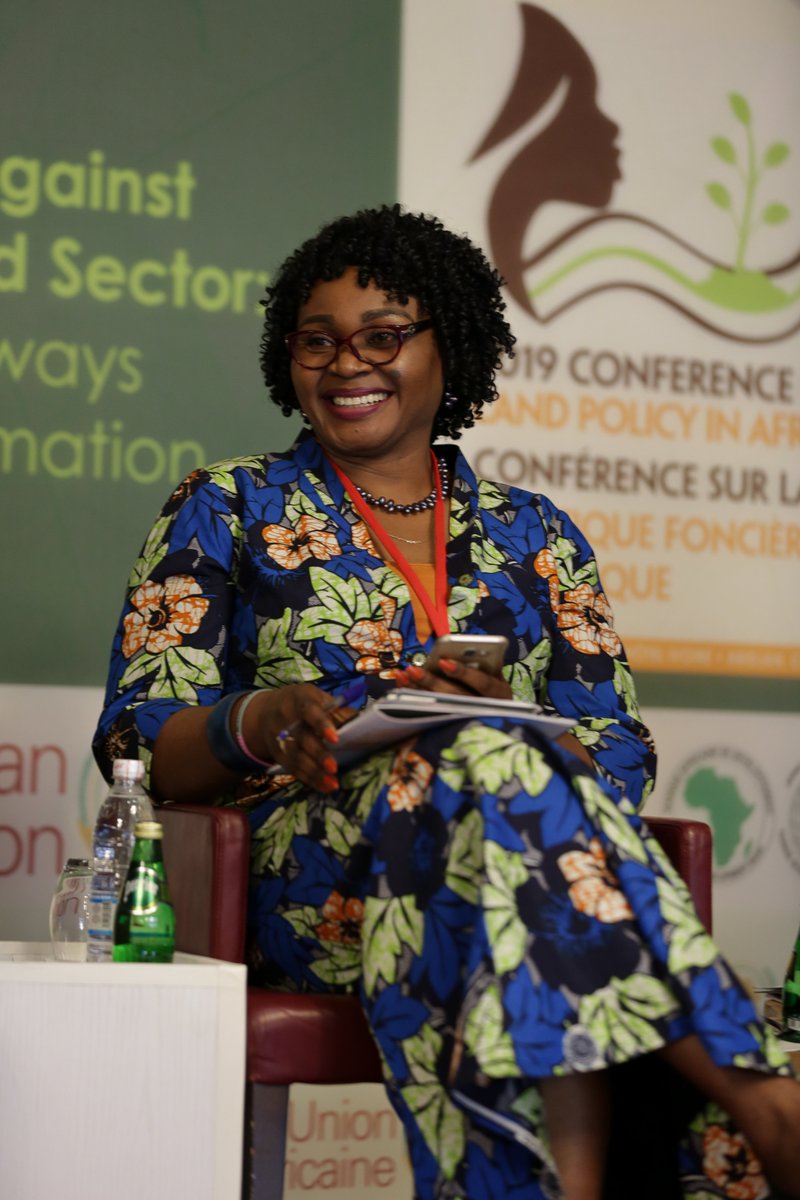
Winning the fight against Corruption in the Land Sector: Sustainable Pathway for Africa´s Transformation 

Dr. Janet Edeme
 Director of the Department
of Rural Economy and Agriculture
at the African Union Commission
  • Dr. Oliver Puginier GIZ Germany
  • Felix Schilling GIZ
  • Laura Meggiolaro , Marcello Demaria  Land Portal Foundation, Germany 

Exploring Farmer-Herder Conflicts in the West African Sahel: A Multicountry Study of Burkina Faso, Niger and Nigeria

  • Prof. Samuel Aderemi Igbatayo Afe Babalola University, Nigeria,  
Large Scale Agricultural Investments and Its Impact on Gender Relations and Wellbeing of Small Holder Farmers: Evidence from Kilombero Valley in Tanzania

  • Dr. John Jeckoniah Sokoine University of Agriculture, Tanzania 
Agricultural and Rural Transformation in Burkina Faso: Does Land Rights Matter? 
  • Dr. Mikémina Pilo UNIVERSITY OF KARA, Togolese Republic
Sustainability Through Agricultural Productive Efficiency: Case Of East Africa’s Wetlands 
  • Lucy Gathoni Njogu1 Kenyatta University, Kenya
  • Dr. Eric Kiprotich Bett Kenyatta University, Kenya
  • Dr. Daniel Kyalo Willy African Agricultural Technology Foundation
Nuancing Narratives On Labor Market Effects of Large Agriculture Investments in Sub Saharan Africa 
  • Dr. Perrine Burnod CIRAD and Malagasy Land Observatory, Madagascar;
  • Dr. Sara Mercandalli University of Pretoria & Cirad
  • Dr. Aurélien Reys Independent and ex Cirad
  • Dr. Ward Anseeuw  International Land Coalition
  • Dr. Markus Giger CDE – University of Bern
  • Dr. Boniface Kiteme University of Kyoto
  • Dr. Tsilavo Ralandison CETRAD  

Youth Employment and Large-scale Agricultural Land Investments Nexus in Africa: Mixed Method Insights from Nigeria
  • Dr. Karakara Karakara University of Cape Coast, Ghana
  • Dr. Uchenna Efobi Covenant University, Nigeria 
  • Dr. Felicia Olokoyo Covenant University, Nigeria 
  • Dr. Ibukun Beecroft Covenant University, Nigeria 
  • Prof. Evans Osabuohien Chair, Centre for Economic Policy & Development Research


Related:

GIZ Sector Network for Rural Development in Africa

28 October - 1 November 2019. Abidjan. 2019 SNRD Africa Conference.
The Sector Network Rural Development Africa is a community of practice of local and international GIZ staff working in the area of rural development in Africa. It constitutes a profound knowledge sharing hub and stands for a solid promoter of capacity development. SNRD Africa covers all aspects of rural development, sustainable natural resources management and the impacts of climate change. In this context, sustainable economic development and good governance are considered critical factors for the successful overall development of a region.


Keynote addresses

Globalisation - Keynote address by Steve Wiggins of ODI


Digitalisation and New Technologies - Keynote address at the 2019 SNRD conference by Michael Hailu of CTA


Digitalisation and New Technologies - Brief statement by Michael Hailu of CTA

Other speakers


Transforming Africa’s Food System with Digital Technologies

26 November 2019. African countries have made considerable progress in increasing agricultural productivity and reducing hunger, malnutrition, and poverty. But continued population growth, urbanization, changing diets, and climate change are putting pressure on food systems not only to provide more food but also to make more diverse and nutritious foods available and accessible.

New digital technologies and services are already making an impact on how food is being produced, processed, marketed, traded, and consumed across the continent. How African countries position themselves to harness and deploy digital technologies will determine the future competitiveness of African agriculture and its contribution to African economies.

This seminar explored how African countries can develop a “digitalization ecosystem” to help foster growth and competitiveness in the continent’s value chains. Participants will also discuss the institutional and policy innovations that have already been implemented by African governments as well as efforts by the private sector and ag-tech startups to increase the development and use of digital tools and services in agriculture.


Byte by byte: Policy innovation for transforming Africa’s food system with digital technologies

See also: PAEPARD blogpost. 25/06 The Malabo Montpellier Forum in Kigali

The report Byte by byte: policy innovation for transforming Africa’s food system with digital technologies presents findings of an analysis of seven African countries at the forefront of digital development in the agricultural sector.

The Malabo Montpellier Panel published the report Byte by byte – policy innovation for transforming Africa’s food system with digital technologies in late June 2019.

The report summarises the key findings of a systematic analysis of what seven African countries at the forefront of progress on digitalisation of the agriculture sector have done right. It analyses which institutional and policy innovations were implemented and which actions by the private sector and agro-technology start-ups were taken to increase the development and use of digital tools and services in the agricultural value chain.

The objective of this report is to identify interventions that work and benefit farmers and other actors in the value chain and recommend options for policy and programme innovation that allow countries to develop a digitalisation ecosystem in which digital technologies and services can be developed and used to foster growth and competitiveness in Africa’s agricultural value chains.

More information: Malabo Montpellier Panel (2019). Byte by Byte: Policy Innovation for Transforming Africa’s Food System with Digital Technologies. Dakar, Senegal. June 2019

Tuesday, November 26, 2019

African Forum for Agricultural Advisory Services (AFAAS) Extension Week

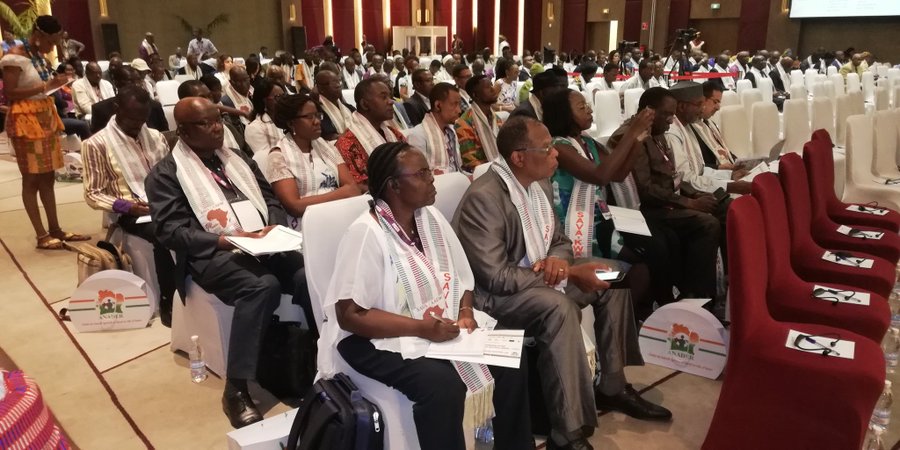
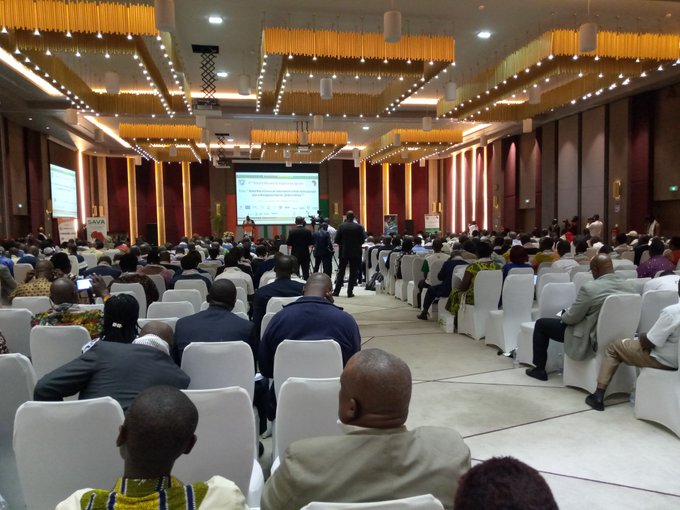
25-29 November 2019. Abidjan (Cote d’Ivoire). The African Forum for Agricultural Advisory Services (AFAAS) organized, in partnership with the West and Central Africa Network of Agricultural and Rural Advisory Services (RESCAR-AOC), the National Agency for Rural Development (ANADER) and the Ministry of Agriculture and Rural Development of Cote d’Ivoire, the 4th Africa-Wide Agricultural Extension Week back to back with the continental Agricultural and Animal Resources Fair (SARA) under the theme “Private Sector and Agricultural Advisory Services: What Synergies for Sustainable Agricultural Development in Africa” 

The AFAAS Africa Wide Agricultural Extension Week (AEW) is an international event that brings together averagely 600 participants from across Africa and the World to take stock on a strategic theme for a better contribution of agricultural extension and advisory to sustainable development in Africa.

Its purpose is to facilitate processes for improving the use of knowledge, technologies and innovations by agricultural value chain actors to achieve their individual and national development goals.

The context of the 4th AEW is characterized by growing efforts at national, regional and international levels to make agriculture in Africa more productive, profitable and sustainable. This transformation expected to lead to increased technical, economic and environmental performances of agricultural value chains entails a paradigm and operational shift from farming for subsistence to farming for business i.e. sustainable wealth creation.


Saturday, November 23, 2019

Global forum on marginal environments

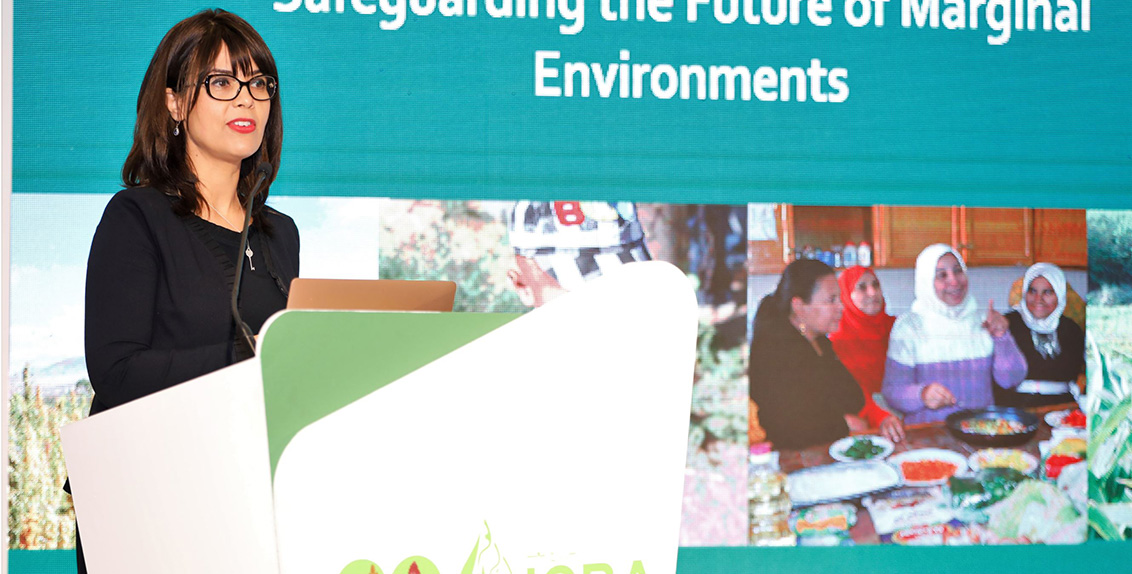
20-21 November 2019. Over 300 experts and decision-makers from about 70 countries convened in Dubai at the Global Forum on Innovations for Marginal Environments (GFIME) to explore the latest advances in research, innovation, development and policy in agriculture and food production in the world’s marginal environments.

Dubbed as the Food Security and Innovation Day, the first day of the GFIME featured high-level panel discussions involving ministers, policymakers and innovators from around the world.

The GFIME is organized by the International Center for Biosaline Agriculture (ICBA) in collaboration with the Food Security Office and the Advanced Sciences Office of the United Arab Emirates, the Islamic Development Bank (IsDB), the Environment Agency – Abu Dhabi (EAD), and the Khalifa International Award for Date Palm and Agricultural Innovation, and is supported by different partners, including the OCP Group, Morocco.

The forum is organized given the enormous impact of climate change, soil and water salinization on ecosystems, agriculture, livelihoods, and food security in the marginal environments.

The main aim of the GFIME, which also coincides with the 20th anniversary celebrations of the establishment of ICBA by the Government of the UAE and the IsDB, is to identify the right policies and develop innovative solutions to mitigate the impact of climate change and empower smallholder farmers who are on the frontlines of food production.

The second day of the forum focused on climate impact and sustainability.
As a global center of excellence focused on salinity and water scarcity issues in the marginal environments for about 20 years now, ICBA is committed to safeguarding the future of marginal environments, where about 70 percent of the people live in extreme poverty. These areas, where an estimated 1.7 billion people live, are most vulnerable to vagaries of climate change and face issues, including salinity and water scarcity. “As the scale and impact of climate change and other factors are increasing at an alarming speed, I would like to call upon all the policymakers and innovators gathered here today to let us work together to ensure a better future for people living in the marginal environments,” Dr. Ismahane Elouafi, Director General of ICBA
Extract of the programme:
INNOVATORS PANEL: Unlocking value - supporting agriculture and food innovation and the future of smart investments 
Can smart agriculture strategies mitigate climate risk, increase food production and save the planet, all at the same time? 
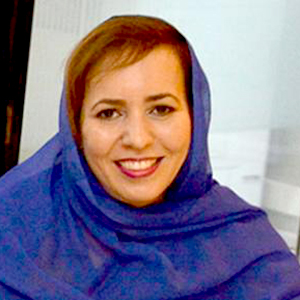
  • Ms. Hajbouha Zoubeir (see picture) President, Phosboucraa Foundation, Morocco 
  • Dr. José Graziano da Silva Eighth Director General, Food and Agriculture Organization of the United Nations, Brazil 
  • Dr. Kanayo F. Nwanze Fifth President, International Fund for Agricultural Development Chairman & Chief Executive Officer, FAYODE, Nigeria 
  • Mr. Soud Ba’alawy Chairman, Enspire, UAE
GRASSROOTS SPOTLIGHT: Farming on the frontlines of marginal environments
Gauging the impact of farming in marginal environments in the face food security challenges
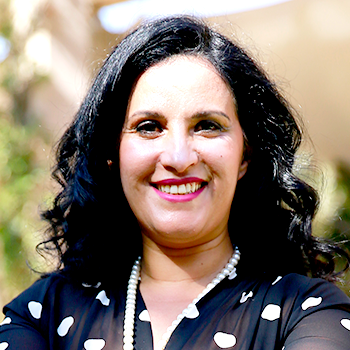
  • Mrs. Fatiha Charradi (see picture) Vice President of Agricultural Development - Domestic Market, OCP Group – Morocco 
  • Ms. Jane Ininda Associate Program Director, Alliance for a Green Revolution (AGRA), Kenya 
  • Ms. Rosemary Nenini Coordinator, Twala Women’s Group, Kenya 
  • Mr. Bektashev Jakhongir Rakhimovich Farm Manager, "Baxt Imkon Rivoj Chorvasi" farming entity, Uzbekistan 
  • Ms. Ejezie Juliet Farm Manager, Dozliet Anim Farms, Nigeria and Volunteer, Climate Smart Agriculture Youth Network 
  • Mrs. Alem Greiling Founder and CEO, Nutri-Dense, Ethiopia
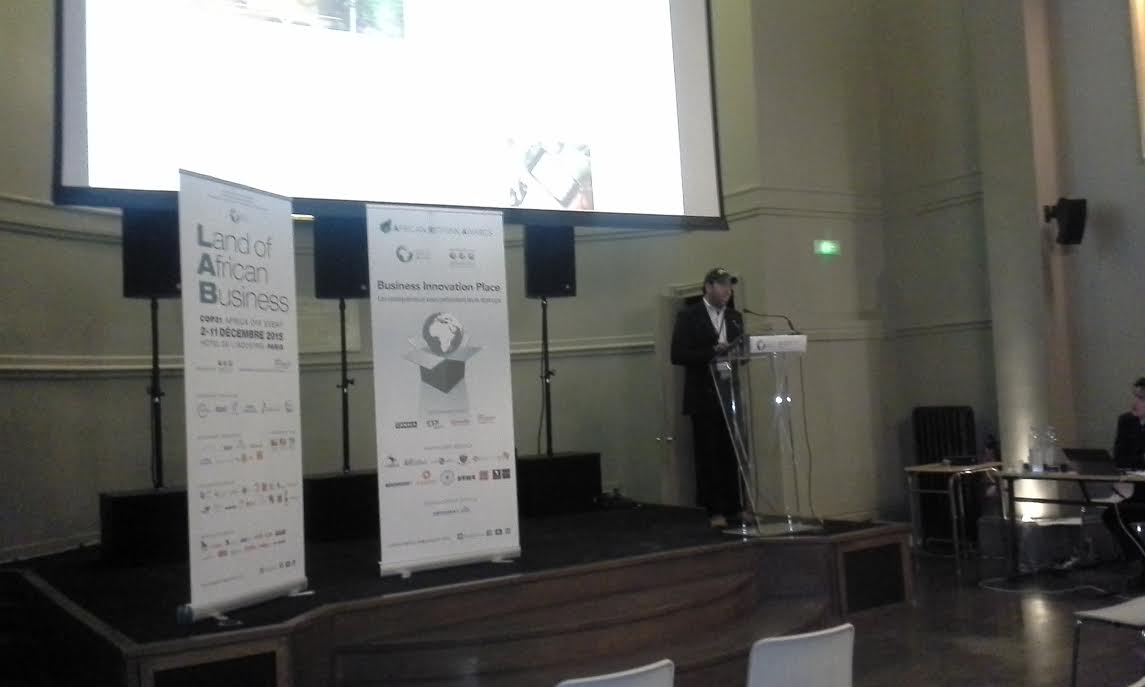
PANEL DISCUSSION: Are We All Destined To Become Climate Refugees? (see picture)
Can industry transparency and climate-smart strategies save us from water scarcity crises, sustainability failures and rising temperatures? 
  • H.E. Dr. Hussein Al Mahmoudi CEO, Sharjah Research Technology and Innovation Park (SRTI Park), UAE 
  • Dr. Jacques Wery  Deputy Director General – Research, ICARDA - Egypt 
  • Ms. Kata Molnar Independent water risk and policy analyst, Hungary 
  • Mr. Joseph Lentunyoi  Director and Founder, Laikipia Permaculture Center, Kenya

Thursday, November 21, 2019

ACP Global Climate Change Alliance

Head of Cooperation for the Delegation of the European Union
to the Republic of South Africa, Mr. Bernard Rey and
Director of Food, Agriculture and Natural Resources,
Mr Domingos Gove
6 November 2019.  Johannesburg. The Southern African Development Community (SADC) Secretariat and the European Union (EU) launched an Intra African, Caribbean and Pacific (ACP) Global Climate Change Alliance Plus (GCCA+) programme to strengthen the capacity of SADC Member States to undertake climate change adaptation and mitigation interventions..

The GCCA+ Contribution Agreement is funded to the tune of €8 million, through the 11th European Development Fund, for a period of 4 years, with an implementation timeframe running up to June 2023.

The programme aims to support SADC governments, regional organisations, private and public sector, to deliver on the following areas:
  • Strengthen the capacity of SADC Member States to undertake regional and national adaptation and mitigation actions in response to the challenges caused by the effects of global climate change and climate variability.
  • Facilitate implementation of the provisions of the Paris Agreement on Climate Change in SADC.
  • Facilitate the sharing of knowledge and experience with other ACP regional organisations, including South-South Cooperation.
  • Assist to design pilot projects on adaptation in several MS.
  • Support Universities and Research Centres from the SADC Region in the development of innovative solutions to climate change challenges.
The launch was preceded by two workshops held back to back from 28th October 2019 to 2nd November 2019 in Johannesburg, Republic of South Africa. The workshops facilitated the improvement of Nationally Determined Contributions (NDC) monitoring, reporting systems and developing capacity of SADC Climate Change Negotiators through formulating a regional common position.

Mediterranean agriculture prize for the year 2019

12 November 2019. Green Solution, a Moroccan company funded by 3 CIHEAM Bari former students, has been awarded in Rome with “Bandiera Verde 2019” the Mediterranean agriculture prize for the year 2019.

L'entreprise marocaine Green Solutions a remporté, mardi à Rome, le prix de l'agriculture méditerranéenne pour l'année 2019. Le prix a été remis au fondateur de la société marocaine, Ataa Abouatallah, par le président de la Confédération des agriculteurs italiens, Dino Scanavino, lors d'une cérémonie organisée à cet effet.
«Le projet propose des solutions et techniques permettant, entre autres, l'évaluation et le contrôle du drainage du sol, et apporte des conseils aux agricultures via une application sur les smartphones, notamment en matière de gestion et de calcul des doses d'irrigation.Le projet offre également le moyen de «prévoir quand une maladie sera susceptible d'affecter l'agriculture, ce qui permet, en conséquence, d'économiser en termes de produits phytosanitaire et chimiques» Ataa Abouatallah, fondateur de la société marocaine: Green Solutions  / Green-tele-mesure
Les expériences passées dans des pays comme l’Espagne, le Maroc, l'Afrique du Sud, l’Egypte ou le Mexique.., ont révélé que d’importantes quantités de pesticides et fongicides (jusqu’à 70% !), d’eau et d’engrais (jusqu’à 50% !) peuvent être économisés. Les deux opposés, consommateurs et environnementalistes sont d'accords : « il n’y a pas de raison que les exploitants agricoles, les consommateurs et les environnementalistes soient opposés. Après tout, nous partageons tous les mêmes préoccupations. Lorsque la rivière est polluée en amont, tout le monde souffre en aval. Le modèle pour l’avenir requiert que tous les besoins soient pris en considération de façon égale. Il y va de l’intérêt de chacun de respecter les ressources de valeur – tels que la terre et l’eau – et d’investir dans une gestion adaptée. Par ailleurs, ce défi est identique tant dans les pays industrialisés que dans les pays en voie de développement, du fait que nous vivons sur une seule Terre. Green Solutions

La société Green Solutions a été fondée depuis plus de 15 ans dans la région d'Agadir par des ingénieurs marocains lauréats de l'Institut agronomique méditerranéen de Bari en Italie.


Green Solution privilégie l’action et l’innovation afin d’apporter des solutions et techniques permettant, entre autres, l’évaluation et le contrôle du drainage du sol mais également donne des conseils aux agriculteurs par le biais d’une application sur les Smartphones, notamment en matière de gestion et de calcul des doses d’irrigation.
Ainsi l’entreprise 
Green Solutions se veut être la plus prévoyante possible. Elle a l’ambition d’offrir les moyens de prévoir quand une maladie sera susceptible d’affecter l’agriculture, ce qui permettra, en conséquence, d’économiser notamment les produits phytosanitaires et chimiques.De plus, elle œuvre pour le développement des produits innovants afin de mieux servir l’agriculture marocaine dans le contexte du changement climatique et de la rareté de l’eau.


1ST AFLASAFE FOR AFRICA CONFERENCE, FIGHTING AFLATOXIN IN FOOD

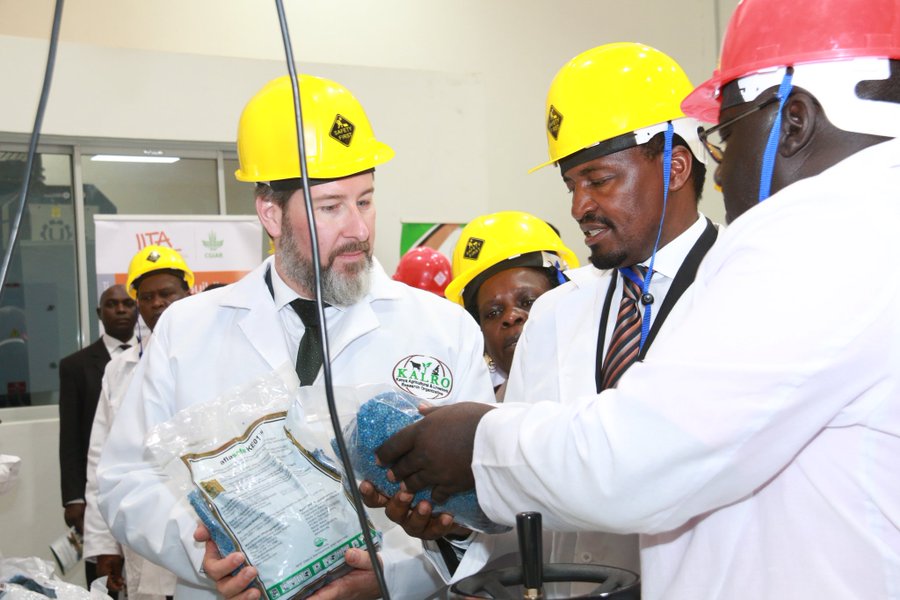
4 –5 November 2019, Arusha, Tanzania The Aflasafe Technology Transfer and Commercialisation initiative (ATTC), led by the International Institute of Tropical Agriculture (IITA) has given rise to a team of private-sector partners across Africa who have made significant investments in producing and commercialising Aflasafe®, an IITA research product whose pre-harvest application enables crop production with little – or no – aflatoxin, while providing postharvest protection too.

Venturing into this commercialisation arena at different times over the past three years are peerless, pioneering, private-sector players. In a relatively short time, they have remarkably: 
  • increased the production of Aflasafe at country level; 
  • mapped Aflasafe’s route to market; 
  • forged partnerships that have increased Aflasafe’s availability, accessibility and use; and, 
  • linked up with buyers of aflatoxin-safe maize and groundnuts. 
From this, they have gained considerable practical hands-on experience on what works and does not work; tested different approaches, refining and discarding some; failed, and gone back to the drawing board; and are still going strong! 

As such, it is now timely to gather this brave band of trailblazing Aflasafe manufacturing and distribution partners together to, among others: 
  1. Report their progress commercialising Aflasafe 
  2. Exchange experiences and lessons learnt in the course of doing business (What worked and what failed? Solutions found. Pinpoint areas for more attention) 
  3. Build the capacity of manufacturing and distribution partners on new developments in Aflasafe technology and production 
  4. Forge connections between manufacturing and distribution partners, regulators, suppliers of manufacturing equipment and consumables,

IITA Research for Development Week

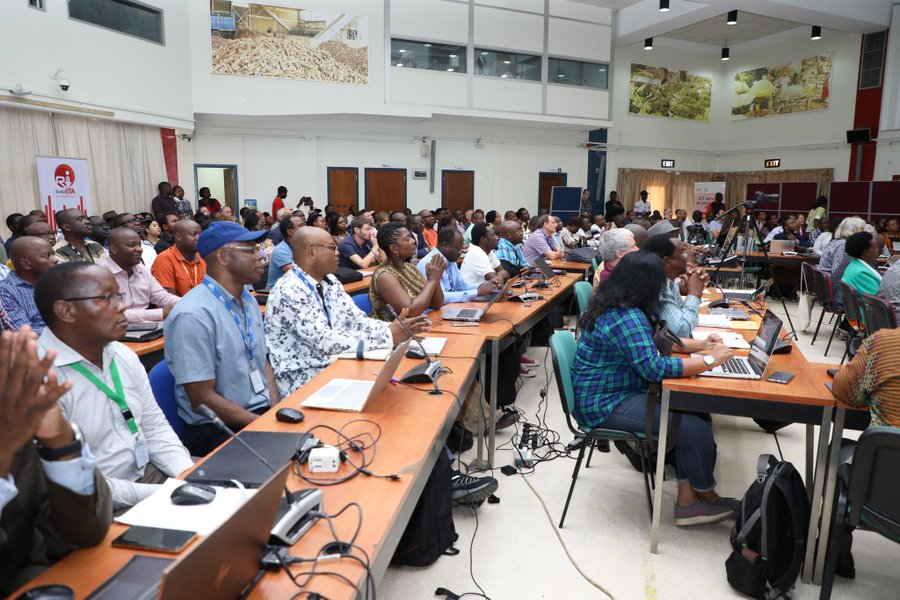
17-22 Novenber 2019. Ibadan More than 240 scientists and specialists attended this year’s IITA planning meeting.

For discussion: One CGIAR, CG Business Plan, new initiatives and projects,

The R4D programs of  IITA are focused on four crucial areas: Biotechnology and Genetic Improvement, Natural Resource Management, Social Science and Agribusiness, Plant Production and Plant Health.


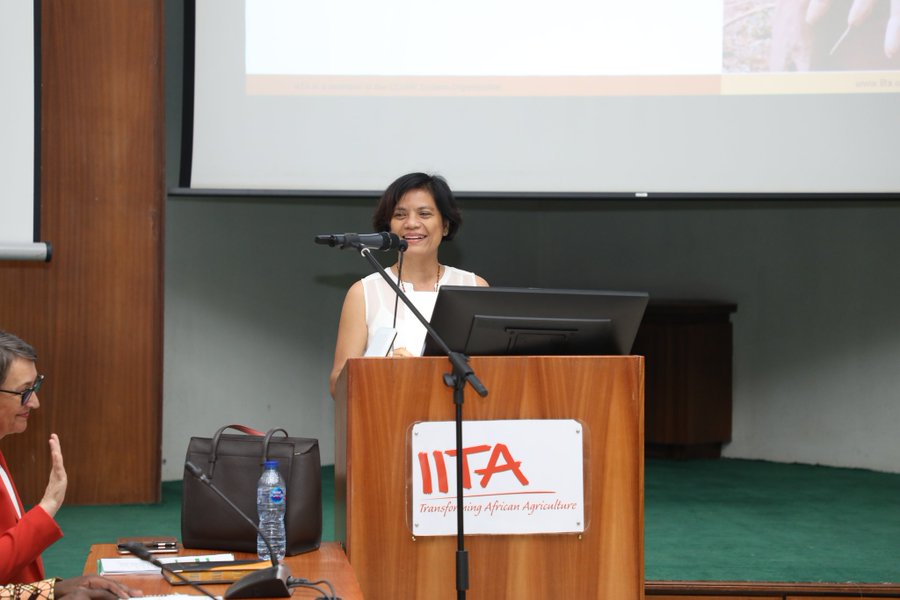
Head of Communication Unit, Katherine Lopez shares plans 
of making IITA the "Center of Excellence" in Science 
Communication. This is in line with the DG Sanginga's 
vision of making IITA the CNN of Africa.