Platform for African – European Partnership in Agricultural Research for Development

Tuesday, June 12, 2018

Empowering women to start their own enterprises

Watch this new video telling the story of Jennifer Nzioka Mutunga, a chicken farmer from Kenya, who turned chicken rearing from a household task into an enterprise with support from SNV's Enhancing Opportunities for Women's Enterprises (EOWE) programme.

The video was developed by the EU delegation to Kenya as part of this year's European Development Days under the theme ‘Women and Girls at the Forefront of Sustainable Development: protect, empower, invest.’

EAT Stockholm Food Forum 2018

11-12 June 2018. Stockholm, Sweden. EAT Stockholm Food Forum.  Over 600 participants from science, politics, business and civil society from over 50 countries gathered at the fifth EAT Stockholm Food Forum.

The 2018 EAT Stockholm Food Forum explored a range of solutions available for achieving healthy and sustainable diets for a growing global population. It confronted some of the hard questions head on, such as how to feed the world with zero land expansion and ocean depletion, or the benefits of processed foods and clean meat.

Extracts of the programme:

Think big, empower small-scale fishers and farmers
Gilbert Houngbo, president of the International Fund for Agricultural Development explains why coastal communities are fundamental for necessary changeSpare a thought for small-scale fisheries, they produce two thirds of the fish you eat. They are often left to their own devices when it comes to how they manage local fish stocks and face a constant struggle to make sure their livelihoods are not taken away from them. Attempts at making them more sustainable vary significantly, depending on how well governed and structured they are. Amid successful attempts, the need to empower them is fundamental. Gilbert Houngbo believe coastal communities play a crucial role in any solution being developed. Without them, it will be even harder to turn things around.


Feeding the World With Zero Land Expansion and Marine Degradation
Aquaculture comes with a range of challenges and better funding should also include the elimination of subsidies for industrial fishing. Any chance of a positive future hinges on a significant increase in protected areas from fishing. Currently it stands at only 2 percent globally.

Panel: 
  • Izabella Koziell, Director, Water, Land, Ecosystems - International Water Management Institute 
  • Ruth Kimmelshue, Corporate Senior Vice President, Business Operations and Supply Chain; Sustainability, Cargill 
  • Dr. Ayana Elizabeth Johnson, Founder and President, Ocean Collective
  • Moderated by Corby Kummer, Food Writer, The Atlantic.

Food and Climate Change Inextricably Linked
Christiana Figueres Convener, Mission 2020, UN's top climate change diplomat


Which solutions are needed for large scale reduction of food waste?
This panel addressed the solutions needed to win the war on food waste. Thinking big but actionable, is it possible to implement a treaty of sensible rules and guidelines that countries can adopt? For example, on waste quotas along value chain, promoting “ugly” vegetables, re-use of food waste in livestock feed, finding a way to tax food waste. Do we know enough to have clear and actionable recommendations for food system actors? Are there any ethical dilemmas involved? And, what role does industry see for itself in the war on food waste?

The panel consisted of: 
  • Bernice Lee, Hoffmann Centre for Sustainable Resource Economy, Chatham House 
  • Annica Bresky, Executive Vice President of Consumer Board Division, Stora Enso 
  • Bjørn Arild Wisth, Deputy CEO, Nordic Choice Hotels 
  • Mark Watts, Executive Director, C40 Network

How Can New Technology Save Our Food System? 
As much as technology has the power to make the seemingly impossible, possible, but scaling it up to generate transformative change on global level is quite the challenge. How can we maximise the impact of technology for the benefit of everyone in the food system? What is the role of entrepreneurs? And what about Amazon and other giants out there? In an interesting panel led by Caleb Harper from MIT’s Open Agriculture Initiative, crucial topics on technology development, policy and investment where discussed, mixed with sharp questions from the EAT forum audience. “More entreprenurs need to solve real problems.” 
  • Niklas Adalberth, Founder, Norrsken Foundation 
  • Dr. Heather Tallis, Global Managing Director and Lead Scientist for Strategy Innovation, -The Nature Conservancy 
  • Sean De Cleene, Head of Food Security and Agriculture Initiatives, World Economic Forum


Africa Can Feed and Nourish Itself Dr. Ibrahim Assane Mayaki
See video second day

What Does the Future of Small-Holder Farming Look Like?
This panel explored the future of small-holder farming and sustainable livelihoods. Price competition between major retailers sets the price of commodities, with impacts on wages for farmers. Even with improvements and better yields per unit of input, how can we avoid being locked into unaffordability of farming due to these pricing strategies set above the level of farmers? How can the global market become more equitable for smallholder farmers? And, how will the tech revolution disrupt smallholders? See video second day
  • Ertharin Cousin
    Ertharin Cousin is a distinguished fellow of Global Agriculture at the Chicago Council on Global Affairs. She previously served as executive director of the World Food Programme from 2012 until 2017.
  • Dr. Bing Zhao
    Dr. Bing Zhao is the Director and Global Coordinator of the Purchase for Progress (P4P) initiative of the United Nations World Food Programme (WFP), taking up this role in April 2016.
  • Norah Asiyo Ebukalin
    Norah Asiyo Ebukalin is the Executive Director of the Popular Knowledge Women’s Initiative (P’KWI), a women founded farmer organisation based in Eastern Uganda focused on securing socially acceptable, environmentally responsible, economically viable and sustainable households.
  • Dr. Diana Horvath
    Dr. Diana Horvath’s interests are in the delivery of seed with improved disease resistance, particularly for subsistence farmers. Before joining Roger Freedman to set up 2Blades, she served as Science Director at ATP Capital, a New York venture capital firm that invested in companies developing agricultural biotechnologies
  • William H. Moore
    Moore serves on the Board of Directors for Bread for the World and The Alliance to End Hunger, as well as the Advisory Board for the Centre for Innovation and Health at Concern Worldwide.
  • John Cordaro
    He is the Mars liaison with the UN Rome Based Agencies and Member State Representatives; the Private Sector Mechanism of the UN CFS; and helps create and manage Mars food safety partnerships, such as GAIN’s Business Platform for Nutrition Research (BPNR), the SUN Business Network, World Food Programme (WFP), Partnership for Aflatoxin Control in Africa (PACA), and Food and Agricultural Organization (FAO), including a participant in the Committee on Agriculture (COAG), supports the African Orphan Crops Consortium (AOCC) and has been an industry stakeholder representative on the Global Nutrition Report (GNR) since its inception. J.B. has over five decades international food experiences working in approximately 50 countries in U.S. and international agriculture, food, nutrition and health activities
The Great Food Transformation: Onward and upward!
During EATForum18, we have showcased innovative solutions, uncommon collaborations, and fruitful ideas that will help us onwards towards a healthier and more sustainable food system. Cutting through the complexity of the food system, this panel will highlight opportunities for immediate action. What are the next steps to keep the momentum going: individually, locally, regionally and globally? See video second day
Business Models from the Edge: Wealth from Wastewater, Salary from Sunbeams, Profits From PoopCGIAR Research Program on Water, Land and Ecosystems (WLE)
It’s time to shake up the food production business and ensure wise use and reuse of natural resources. Turn toilet waste into fuel or fertilizer. Irrigate using solar technology. Global researchers will pitch financially, environmentally and socially viable business models. Join us to get business ideas, offer advice, and learn.


Antiglobalism and Food Security: 2018 Global Food Policy ReportInternational Food Policy Research Institute (IFPRI)
Antiglobalism was on the rise in 2017. What will that mean for food security and nutrition? The Sweden launch of IFPRI’s 2018 Global Food Policy Report will examine the impacts of global integration—including the movement of goods, investment, people, and knowledge—and the threat of current antiglobalization pressures.

Livestock enhanced diets in the first 1,000 days: Pathways to healthy and sustainable futures in low-income countries?
Chatham House and the International Livestock Research Institute
A new evidence review shows that livestock-derived foods – meat, milk and eggs – are essential elements in the diets of women and children in developing countries. Nutrient-rich diets will improve their futures. This session presented this evidence and asks how we can meet the needs of poor people at a key moment in their lives – during the first 1000 days of a child’s life – without compromising our planet’s health.

The True Cost of Food 
World Business Council for Sustainable Development
FReSH has developed a discussion paper on the True Cost of Food. The event will discuss technical, organizational, and policy barriers that prevent true cost approaches to be widely used today. By reaching out to partners active in this area, we aim at overcoming those are barriers and transform food systems for sustainability and health. 


FReSH shared two Science to Solutions publications at the EAT Stockholm Food Forum
  • The Initial Outcome Paper for Discussion from the first Dialogue Putting Food in Food held in London on 13-15 March 2018 explores the solution spaces for processed and packaged food, and calls for creating and amplifying a new narrative that insists that all food produced and consumed should be good for people and the planet.
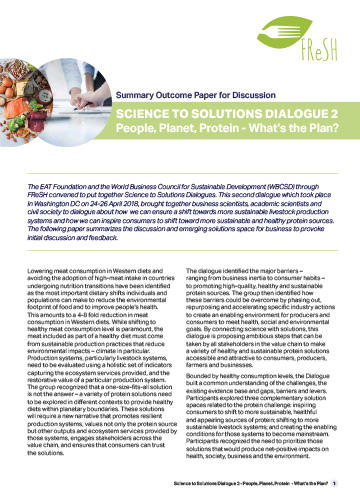
  • The Summary Outcome Paper for Discussion from the second Dialogue People, Planet, Protein: What’s the Plan held in Washington, D.C. on 24-26 April 2018 explores the solutions spaces for shifting towards more sustainable and healthy protein sources and more sustainable livestock production.
Livestream 11 June


Livestream 12 June

Monday, June 11, 2018

Africa Innovation Summit 2018

6-8 June 2018. Kigali. Africa Innovation Summit 2018

The AIS is an Africa-wide and home grown initiative aimed at harnessing the innovation potential of the continent.

It aims to mobilize the people and, especially those with the ‘power to act’, including investors, the people with the ideas, the policy makers, the researchers and academics, the business community, the youth, as well as innovators and thinkers into a coalition for collective action to promote and build an enabling environment for innovation in Africa.

The focus of AIS 2018 included energy access, water, health, food security and climate change.

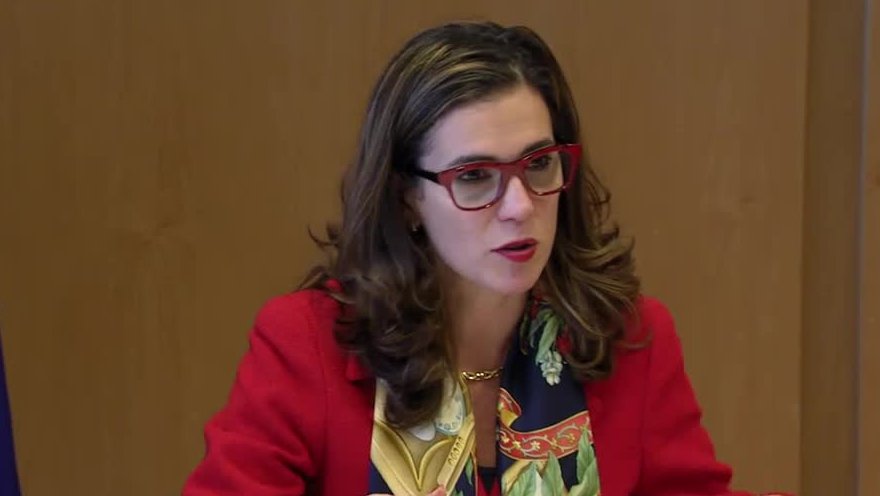
The European Commission organized a Workshop session on Creating opportunities for innovation cooperation between Africa and Europe; and a full day awareness activity " Horizon 2020 Info Day" to share with Participants the Funding opportunities for cooperation between Africa and Europe through Horizon 2020. The EC was represented by Mrs. Maria Cristina Russo at the launch of the Summit. Mme Maria Cristina Russo is Director for International Cooperation in DG Research and Innovation since July 2013. She is responsible for promoting research and innovation cooperation with international partners in order to: strengthen the EU's scientific excellence and attractiveness; foster its industrial competitiveness; tackle global societal challenges; and support the EU's external policies, including trade, development and enlargement.

Special Plenary 3. Futures Lab and Creatives Feedback
Watch Prof Yaye Kène-Gassama Dia, University Cheikh Anta Diop Dakar, present the African Union's APET: High Level Panel on Emerging Technologies (APET) (including Drones for Agriculture)


Plenary D. Financing and Scaling up Innovation

International Forum on Food and Nutrition


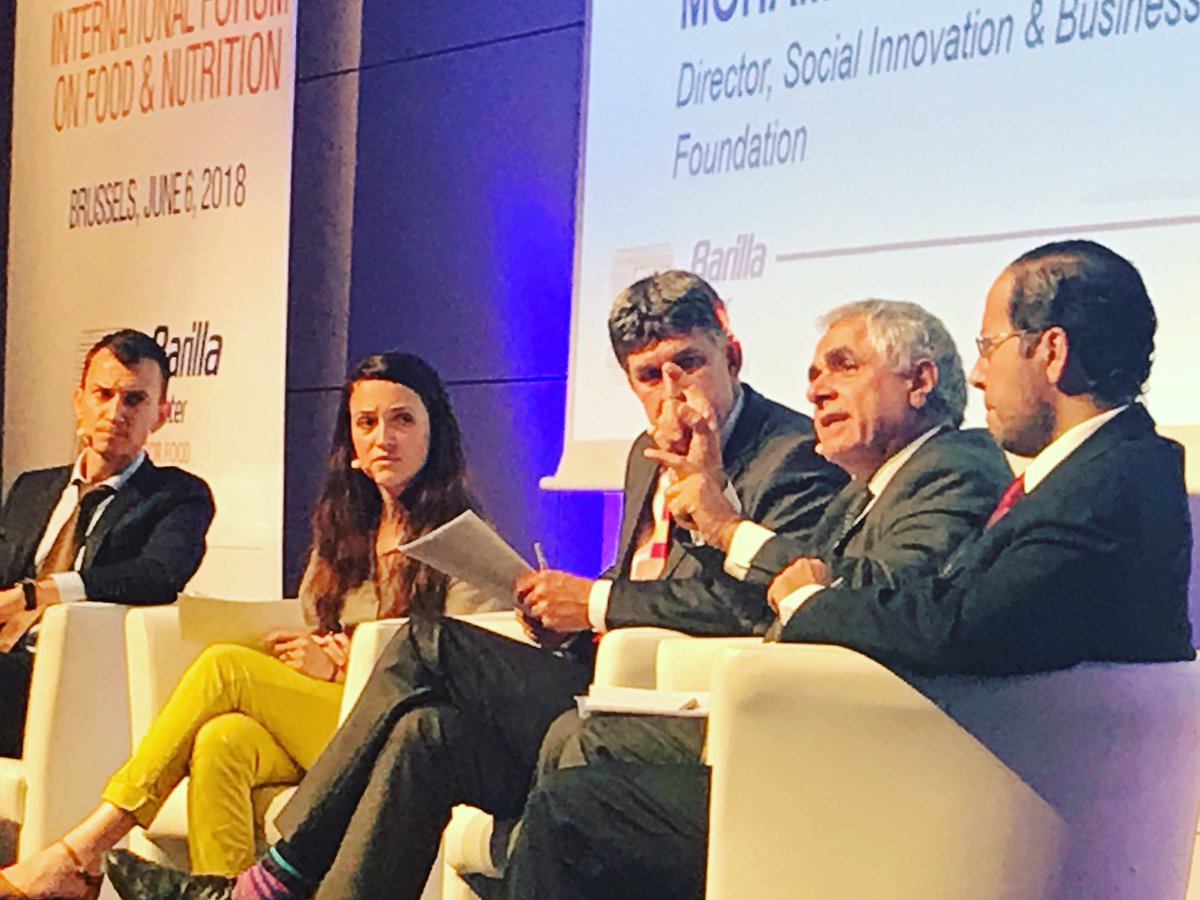
6 June 2018. Brussels. MIGRATION AND AGRI-FOOD SYSTEMS, CAUSES AND SOLUTIONS
The International Forum on Food and Nutrition, organized by the Barilla Center for Food and Nutrion (BCFN) in partnership with the Centre for European Policy Studies (CEPS) and the United Nations Sustainable Development Solutions Network (UN SDSN) shared ideas and experiences in ways that inspire new partnerships and innovative solutions to the world’s most pressing challenges.

  • Every year, the BCFN Foundation organises the International Forum on Food and Nutrition: an event founded to provide an open space for interdisciplinary discussion on issues of nutrition and sustainability.
  • Experts, international opinion-makers and young research fellows meet in an event founded to share evidence, scientific data and best practices, with the goal of creating a model of sustainable food to reach the United Nations Sustainable Development Goals.

Keynote speech: Transforming Africa’s food and agriculture systems to stem the tide of migration Agnes M. Kalibata President, Alliance for a Green Revolution in Africa (AGRA)

Panel debate: What model of rural development can bring the most benefit to Europe and the Mediterranean region?
  • Sébastien Abis  Director, Club DEMETER - Associate Research Fellow, French Institute for International and Strategic Affairs (IRIS)
  • Roberto Ridolfi Special Adviser on Strategy and Financing Development, Food and Agriculture Organization of the United Nations (FAO) – Rome
  • Myriam Perez Director, Young Professionals for Agricultural Development (YPARD)
  • Mohamed Ahmed Wageih Director of Social Innovation and Business Incubation Center, SEKEM Development Foundation
Real stories: From research and policymaking to concrete solutions
  • Faris Farrag Founder and CEO Bustan Aquaponics
    Faris Farrag is the founder of Bustan Aquaponics, the first commercial aquaponics farm established in Egypt in 2011. A former banker turned aquapreneur, he is pioneering a movement in aquaponics while hoping to see a rising organic food movement in the rest of the Middle East and North Africa (MENA) region.
    Bustan Aquaponics offers an innovating, modern form of agriculture, which contributes to water conversation, food security, production of clean, healthy food, and zero waste, through efficient reuse and recycling systems.
  • Oscar Ekponimo Founder and CEO, Chowberry
    Named in Time Magazine’s list of 10 Next Generation Leaders 2017, Oscar is the Founder of Chowberry Inc, a technology driven social business that helps retailers cut food waste and improves food accessibility and affordability for disadvantaged households facing food poverty.
    He is a recipient of the prestigious Rolex Award for Enterprise in Applied Technology. For his work on Chowberry which to date has impacted over 20,000 disadvantaged families in Nigeria facing food poverty.
  • Majeda Khouri Chef, Migrateful
    Majeda Khoury is a Syrian national who currently works as a chef at Migrateful, a cookery and language initiative where asylum seekers, refugees and migrants teach their traditional cuisines to the public. Migrateful seeks to address the lack of support provided to asylum seekers, refugees and migrants in their journey to integration. Ms Khoury was exiled from her country as a civil rights activist, having helped feed those who had lost their homes in the war. Before the war broke out in her country, she was a social worker.

Africa Food Safety Workshop 2018

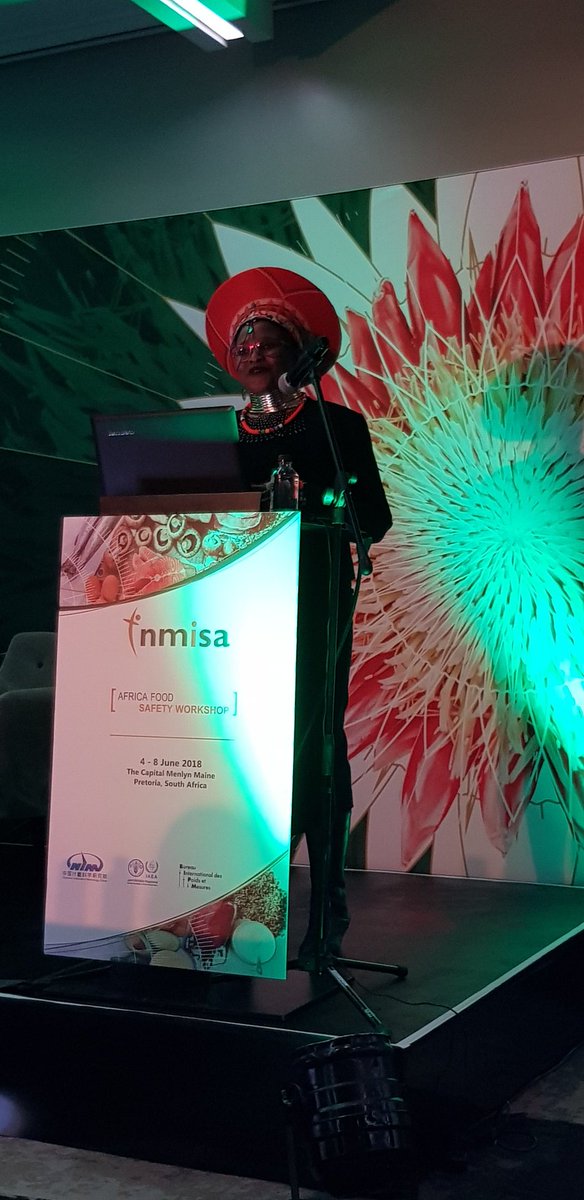
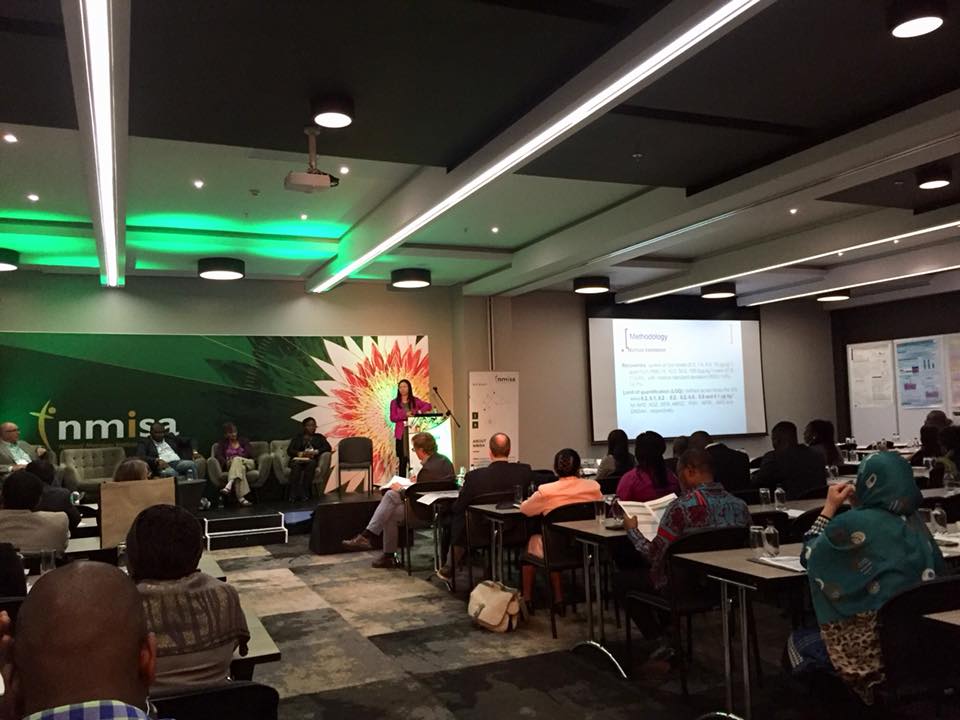
4-8 June 2018. Pretoria. The Africa Food Safety Workshop 2018 promoted standards, reliable methods of analysis and inter institutional cooperation for better control of mycotoxins and related contaminants.

The workshops contributed to better food safety control systems in Africa while establishing and strengthening networks among food safety stakeholders. This workshop brought together experts within the analytical regulatory food testing laboratories and metrology institutes, researchers in academia, governmental and non-governmental food control programmes.

The workshop incorporated presentations and discussions with international experts on:
  • Standards and methods of analysis and control of mycotoxins;
  • Veterinary drugs and pesticide residues;
  • Food microbiology including linkage to antimicrobial use, residues and resistance;
  • Food traceability and authenticity.
  • Challenges and trends in multimycotoxins analysis Prof Rudolf Krska (University of Natural Resources and Life Sciences, IFA-Tulln, Vienna (BOKU), Austria, School of Biological Sciences, Queens University, UK)
  • Integrity and safety of the food supply in Africa - To include an introduction to: Mycotoxins, food safety and trade and Awareness Ms Renata Clark (Food Safety and Quality Unit, United Nations Food and Agriculture Organization - FAO, Rome) 
  • An introduction to metrology and the African Food and Feed Reference Material Programme Dr Maria Fernandes-Whaley (NMISA, South Africa)
  • Rapid and inexpensive mycotoxin detection: A need of African countries Dr Gordon Shephard (Cape Peninsula University of Technology, South Africa) 
  • Mycotoxins in food and their analysis in a developing and changing world Prof Sarah De Saeger (see picture)  (University of Ghent, Belgium) 
  • Proficiency Testing for Analytical Chemistry Laboratories organized in the East African Community and COMESA Countries Mr Isaac Mugenya (Kenya Bureau of Standards - KEBS, Kenya)
  • Integrated approach to mycotoxin control and PACA's experience Dr Amare Ayalew (African Union Commission, Ethiopia)
  • Determination of aflatoxin M1 in liquid milk, milk powder, yoghurt and cheese by HPLC Mr Rajabu Mziray (Tanzania Food and Drugs Authority - TFDA, Tanzania)
  • Mycotoxicology research at the University of Johannesburg Dr Patrick Njobeh (University of Johannesburg, South Africa) 
  • Public Health and Trade Benefits of Mycotoxin Control in Africa Dr Ranajit Bandyopadhyay (International Institute of Tropical Agriculture - IITA, Nigeria) 
  • Mycotoxin, capacity building challenges/opportunities visa vis International standards and trade Prof Ardjouma A Dembele (LANADA, Ministère de l’Agriculture, Cote D'Ivoire)
  • Food Safety Networking and capacity building in Africa Dr James Sasanya (IAEA) and Mr Ephraim Moruke (Department of Agriculture, Forestry and Fisheries, South Africa)
  • Integrated chain management for food safety in the SA dairy value chain Mr Jompie Burger (Dairy Standards Agency, South Africa)

African Farming’s Agro-Investment Summit

4-5 June 2018. London, United Kingdom. African Farming’s Agro-Investment Summit

This summit was designed for an array of stakeholders like Government officials and representatives, importers, distributors, agribusiness owners, C-level executives from food companies, trade union members and manufacturers/suppliers of various agricultural equipment, machinery and services.

Key focal point 1: Achievement of integrated finance for African agricultural development via cross border partnerships amongst financial institutions
  • Investment banking
  • Venture capitalism
  • Crop insurance
  • Micro financing
  • Other financial opportunities
Key focal point 2: Harnessing processing and packaging opportunity via public–private partnerships for agro-development
  • Finance for the establishment agro industrial parks/farm estates
  • Stable crop processing zones
  • Practical solutions and benchmark products to address the challenges in cold chain storage and post harvest management systems
  • Opportunities for partnership between private sector and government 
  • Engagement of youths in productive engagement
  • Standardization boards and agencies
Key focal point 3: How Brexit will affect future trading and relationships. Attraction of foreign direct investments
  • Alliances between government and global solution providers
  • PPP opportunities
  • Post Brexit effect
I don’t see the challenge as access to finance, the first challenge is access to land. Most of the people who succeed in agriculture do so on large land masses not on small-holder farms. Industrial farmers are the ones who need to be encouraged to do successful farming. Look at what’s happened in Thailand. They have built canals and dams. In the same way, African governments need to identify areas and put the right infrastructure in place; dams, roads, power facilities, and then invite people to invest. Let’s not get too hung up on exporting products when there is enough local demand. Nestle does not export most of what it produces in Nigeria. As businessman I also know, that it makes more money trading ginger within Nigeria than trying to export it, which can take 200 days to ship ginger to Europe. This is too long.” Dr Teddy Ngu, GB Foods Strategy and Integration Director, Africa and Middle East
Panel Discussion – Attracting Foreign Investment
  • Moderator: Wilma Aguele, CEO, Wilbahi Investments Limited
  • Emmanuel Doni-Kwame (see picture) : Secretary General, International Chamber of Commerce – Ghana 
  • Admir Imami, Director of Trade Finance and Supply Chain Finance, CDC Group PLC
  • Dr Muhammed Kagu (see picture), Group Head, Agric Finance (Corporate Banking) First Bank of Nigeria Ltd
  • Vicky Pryce, Economist at Centre for Economics and Business Research UK
Panel Discussion: Developing the next generation of agripreneurs
  • Moderator: Frederick Jan Henderik Schreurs, CEO, Business Incubation Platform IITA 
  • Biodun Onalaja (see picture) , Chairman and CEO, Hyst Global 
  • Leila Ben Hassen, Founder and CEO, Blue Jay Communication
  • Christopher Isaac, Director of Investments & Business Development, AgDevCo

High level conference on job creation, growth and competitiveness in West Africa

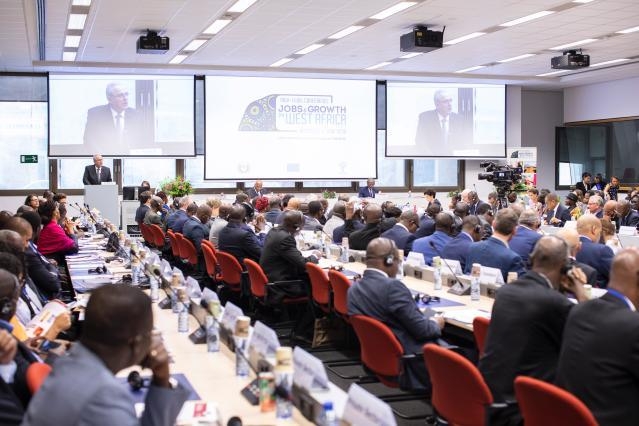
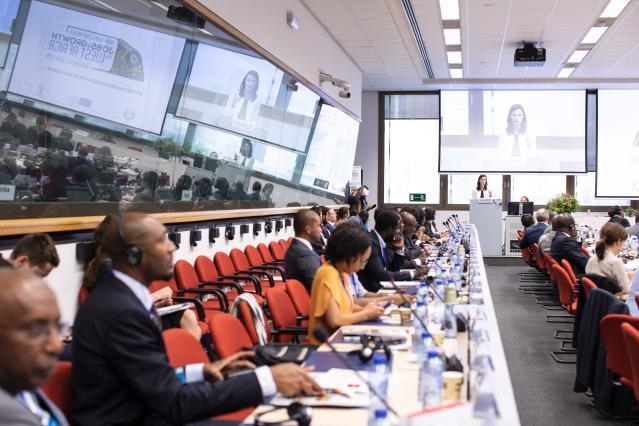
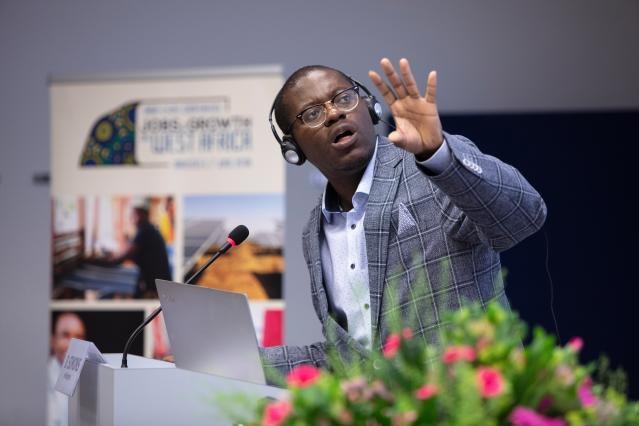
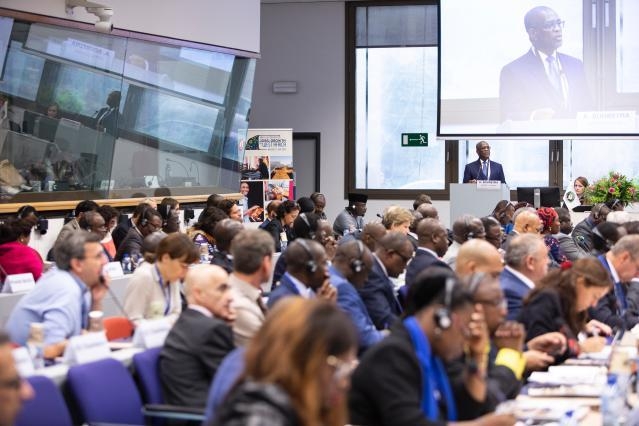
7 June 2018. Brussels. Side event European Development Days. The EC together with ECOWAS and WAEMU organised the High level conference on job creation, growth and competitiveness in West Africa. 

Focusing on 3 areas – MSMEs, agribusiness and digitalization - the conference brought together high-level policy makers from the EU and West Africa, financial institutions and the private sector.

Extracts of the programme:

Welcome and Keynote speeches 
  • Introduced by Ibrahima Cheick DIONG, Chief Moderator of the HighLevel Conference on Jobs andGrowth in West Africa; Founder and Chief Executive Officer, Africa Consulting and Trading 
  • Neven MIMICA, Member of the EC in charge of International Cooperation and Development 
  • Jean-Claude BROU, President, ECOWAS Commission - Abdallah BOUREIMA, President, UEMOA Commission


PANEL DISCUSSION: FOSTERING SUSTAINABLE AGRIBUSINESS IN WEST AFRICA
With over 60% of the labour force in the sector, generating around 30% of GDP, agriculture has an immense potential to generate wealth and alleviate poverty in West Africa. Whilst it is agreed that
both public and private investment is necessary to unlock the potential of agribusiness, the sector is still perceived as risky and access to affordable finance remains a challenge throughout the value chain. A strategic approach, blending development funds with private capital, is needed to promote productivity of priority agri-food chains and enable value-added processing of agricultural produce. 

This session focused on the collaborative action needed to increase competitiveness and sustainability throughout priority agri-food chains to create attractive and profitable jobs in West Africa, drawing on lessons learnt from existing initiatives. 

Topics addressed included: 
  • Which agri-food chains should be prioritised due to their potential impact for job creation and competitive advantage in West Africa, and how can more value-added transformation be incentivised in West Africa along these commodities? 
  • What are the most critical policy and regulatory changes that must take place to create a businessenabling environment in West Africa, and how can strategic partners support this? 
  • How can West African agribusinesses access innovative financing mechanisms to scale up their operations?
The Investment Plan for Europe has successfully raised financing for innovative projects and SMEs in Europe, making a significant impact in creating jobs and improving competitiveness. Europe is committed to partnering with Africa to apply the same principles through the External Investment Plan. 

Speakers:
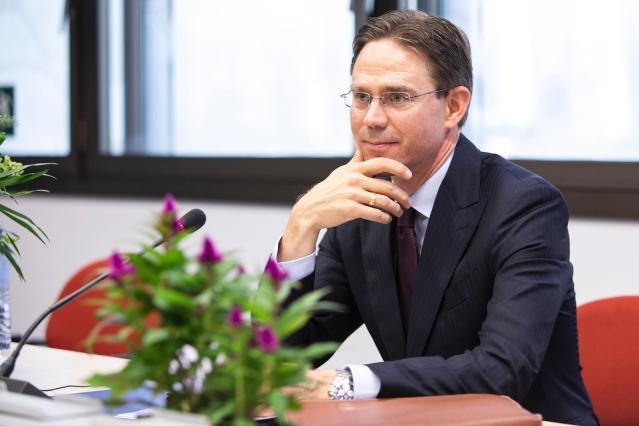
  • JYRKI KATAINEN (see picture) Vice-President for Jobs, Growth, Investment and Competitiveness, European Commission
  • PHIL HOGAN (video message) Commissioner for Agriculture and Rural Development, European Commission 
  • BAUDOUIN MICHEL Professor and Director, École Régionale Post-Universitaire d’Aménagement et de Gestion Intégrés des Forêts Tropicales, University of Kinshasa 
  • JONAS GBIAN Commissioner for Food Security and Agriculture, Mining and the Environment, UEMOA Commission 
  • JERZY PLEWA Director General for Agriculture and Rural Development, European Commission 
  • CATHERINE KROBO-EDUSEI (see picture) Founder and Director, Eden Tree, GhanaCatherine Krobo Edusei founded Eden Tree when she returned to Ghana after working in the banking industry in the UK for 7 years. Eden Tree buys fresh fruits and vegetables to local smallholders and sells them to Ghanaian supermarkets and hypermarkets, which are more and more numerous. This combative business model contributed, at her scale, to the develop of her country: her company has created dozens of jobs in five years; it
    sustains hundreds of local farmers; it saves thousands of hours to its customers, allowing them to spend less time on their shopping and cooking. One of her goal was also to improve access to healthy food for local population.
  • ROMUALD WADAGNI Minister of Economy and Finance, Benin 
  • JEAN-PIERRE MARCELLI Africa Director, French Development Agency 
  • RITA WEIDINGER Executive Director, Competitive Cashew Initiative 


Related:
The Sustainable Business for Africa (SB4A) is a platform for structured dialogue with the private sector under the EIP at country, sector and strategic levels. 
  • SB4A helps to identify and prioritise necessary investment climate reforms and attract private investment in partner countries in order to create decent jobs, sustainable growth, and reduce poverty, with a focus on women and youth.
  • It was launched at the EU-Africa Business Forum in Abidjan in November 2017.
  • SB4A includes sector/thematic dialogues on agriculture, renewable energy, digitalisation or support to Micro, Small and Medium Sized Enterprises (MSMEs); other sectors could be added. At the local level, it involves the EU and African private sector (profit and non-profit actors), and is facilitated by EU Delegations and EU business groups.
The European Commission is launching sectoral structured dialogue with the private sector platforms between Europe and Africa, on the three sectors: 
  1. digital, 
  2. sustainable energy and 
  3. agribusiness 
The EU-Africa Agribusiness Platform Building on the Agri-business Investment Forum and the EU-AU Agriculture Ministerial Conference of 1st and 2nd July 2017, the AU-EU Agribusiness platform will involve both public and private partners from Africa and Europe. It will provide a better understanding and improvement of the investment climate and aims at scaling-up cooperation between African and EU businesses and consider how to build an AU-EU Agricultural Business Platform.

Related:
The value chain approach is increasingly being used and is expected to support employment creation for all, including youth, in a sustainable manner. In 2016, the EC launched the Value Chain Analysis for Development (VCA4D) project, implemented in partnership with AGRINATURA, the European Alliance on Agricultural Knowledge for Development. 
  • The objective of the VCA4D is to assess the performance and contribution of selected agricultural commodities to growth and job creation in a range of countries, taking into account the economic, social and environmental sustainability and inclusiveness of these value chains. The analysis looks at the number of jobs taken by men and women along a value chain and sometimes includes information on youth, though not in a systematic way. 
  • The VCA4D project has been implemented in Mali (rice), Burkina Faso (mango), Kenya (green beans) and Cote d’Ivoire (cassava). The selection of value chains takes into account performance aspects as well as government priorities.
Completed VCAs


Study n°
Country
Value Chain
Timing
Comments
1
Rice
Oct 2015 - Feb 2016
Completed
2Burkina FasoMangoFeb 2016 - Nov 2016
Completed
3KenyaGreen BeansMar 2016 - Nov 2016
Completed
4 CassavaMar 2016 - Nov 2016
Completed
5HondurasCoffeeJune 2017 - April 2018Completed
6ZambiaEggApril 2017 - April 2018Completed

E-learning course on Reviewing Assessment Reports of the IPCC

5 June 2018. Future Climate for Africa organises a micro e-learning course on Expert and Government Review of the Intergovernmental Panel on Climate Change (IPCC) Assessment Reports.

The objective of the course is

  • to increase the involvement of African experts and governments in the review process for the IPCC 6th Assessment Report (including Special Reports) with a view to enhancing both the scientific quality and policy relevance of the IPCC reports for African stakeholders. 
  • The training is aimed at African experts and governments on physical climate science, climate impacts, adaptation, vulnerability and mitigation. 
  • The course is delivered by distinguished international experts with extensive past involvement in the IPCC.
The micro e-learning course includes:
  • How the IPCC and its review process works;
  • IPCC guidance to expert reviewers;
  • Judging draft texts, diagrams and figures;
  • Analysis of the validity of a statement by checking underlying literature sources;
  • The appropriate usage of grey and non-English literature.
Course Structure and Schedule
The course is conducted in English and consists of three one-hour webinars, presented live on 5, 7 and 19 June 2018. There will be the option of personal feedback by the presenters, on a one-to-one basis by email exchange, for those who want to receive guidance on preparing their review comments.

Useful links for the e-learning course on reviewing IPCC reports
5 June 2018. Webinar 1: How does the IPCC work?
Presented by Dr Leo Meyer and Prof. Jean-Pascal van Ypersele


7 June 2018 Webinar 2: How to conduct an IPCC review
Presented by Dr Leo Meyer and Prof. Jean-Pascal van Ypersele
  • Skip to Prof. Jean-Pascal's presentation 2:16 
  • Skip to Dr Leo Meyer's presentation 24:26

Forthcoming:
19 June 2018. Webinar 3: In-depth review analysis and further guidance
Tuesday, , 1-2 pm CEST / 11-12 am GMT
Presented by Prof. Arthur Petersen and Prof. Yacob Mulugetta

e-Agriculture Webinar on Audio-Based Agriculture Extension

5 June 2018. The e-Agriculture Team in conjuction with AMPLIO organised webinar on Talking Books for Audio-Based Agriculture Extension.  (video recording forthcoming)

Knowledge empowers farmers to grow enough food to feed and provide for their families, but millions who live in remote areas and lack literacy do not have access to this knowledge. The Talking Book is an audio device designed to share knowledge on-demand with people who are cut off from traditional sources of information. It is customizable and interactive; it receives feedback and questions from users, and records usage statistics so that organizations can improve their messages, reach more people, and have greater impact. Amplio (formerly Literacy Bridge) designed the Talking Book and has collaborated with dozens of partners to develop and deliver engaging audio lessons and to evaluate their impact.

Cliff Schmidt founded Amplio in 2007 and led the development of the Talking Book. He received the Microsoft Alumni Foundation Integral Fellow Award by Bill and Melinda Gates and was awarded a Clinton Global Initiative membership by President Bill Clinton. Prior to starting Amplio, Cliff was a software developer for Microsoft and a nuclear engineering officer for the U.S. Navy Submarine Force. He received his B.S. in cognitive science from MIT and his M.S. in computer science and engineering from the University of Washington.

AFAAS Webinar: Bringing Postharvest management solutions to scale

5 June 2018. The AFAAS webinar series on Postharvest Management (PHM) started in 2017, and continues this year (2018) under the theme “Scaling up proven technologies and practices of postharvest management in Africa”.

This first 2018 webinar with Raphael Dischl from Helvetas Swiss Intercooperation was an opportunity to exchange and discuss with you on your experiences on; awareness creation and, private sector engagement and financing for PHM. About 15 countries were represented by close to 40 participants.

PHM Webinar Raphael 5June2018 - v2.pdf
PHM Webinar Angela 5June2018 - v2 (2).pdf
PHM Webinar 5th June 2018 - CHAT.pdf


Background
The PHM-SSA project is being implemented by a consortium including Helvetas, AFAAS, Food and Natural Resources Policy Analysis Network (FANRPAN) and AGRIDEA in Mozambique and Benin. The project aims to improve food security of smallholder men and women farmers in SSA through reduction of postharvest losses of food crops (grains and pulses) with a market system approach. The project draws lessons and experiences from the implementing countries that are shared at the continental level. A similar project, Grain Postharvest Loss Prevention Project (GPLP) is being implemented in Tanzania. The projects are funded by the Swiss Agency for International Development and Cooperation (SDC).

Saturday, June 9, 2018

The Africa Financial Alliance for Climate Change

21-25 May 2018. Busan, Korea. Busan, Korea’s second city, hosted the annual meeting of the AfDB’s board of governors, with the focus on the industrialisation in Africa.

The bank’s president Akinwumi Adesina announced that, alongside the Green Climate Fund and the Africa 50 investment fund, it plans to support the development of up to 10 GW of solar across the Sahel region.
  • In November 2018, the bank is due to host its inaugural Africa Investment Forum in Johannesburg. This will be an annual platform focused strictly on facilitating business transactions meant to contribute to closing Africa’s huge infrastructure funding gap.
  • The 2019 meeting will be held in Malabo, Equatorial Guinea.
Extracts of the programme
May 21, 2018 African Leadership for Agriculture
Leadership for Agriculture (L4Ag) is an African ministerial-level peer-to-peer network with financial and technical support from the Rockefeller Foundation. The network brings together Ministers of Finance and Agriculture with the ultimate goal of spurring agricultural sector growth, economic development, and employment, especially among youth. This is a special ministerial panel aiming to identify key areas of priority and set a clear action-oriented agenda for the network for the next 3 years. It will also discuss specific policies and instruments that African countries might consider as they strive to industrialize agriculture.

Discussed Topics were:
  • Sharing best practices for driving agriculture, agribusiness, and job creation in African countries.
  • Key policies, instruments, and budgetary allocations for the transformation and industrialization of African agriculture.
  • Key areas of priority and a clear action-oriented three-year Leadership for Agriculture agenda.

May 23, 2018 High-Level Panel Sustainable Climate and Disaster Risk Financing.
The impact of climate change on livelihoods around the world, especially in Africa is obvious and appears to be worsening. It influences weather patterns, agriculture and food security, human health, and internal displacement, and heightens risks to national security and ecosystems.

To mitigate these risks, the African Risk Capacity (ARC) was established in 2012 and commenced operation in 2014 as a specialized agency of the African Union (AU). Its main objective is to help member countries improve their capacities to better plan and prepare for and respond to extreme weather conditions, events, incidents, and natural disasters, thus protecting the food security of the African population. This panel will discuss the role of Africa Risk Capacity in helping African countries to improve their capacities to better plan and prepare for and respond to extreme weather incidents and associated natural disasters. It will also focus on the support it provides to member countries in protecting their food security and reducing vulnerability to extreme climate conditions. The Panel also looked at innovative financing mechanisms and options to support the participation of African countries in the ARC insurance scheme.

Related:
At its 53rd Annual Meetings in Busan, Korea, the Bank brought together key continental and global stakeholders for an open dialogue on creating the Africa Financial Alliance for Climate Change.

Seven of the 10 countries in the world most threatened by climate change are in Africa. African economies are already suffering the devastating effects of climate change, further exacerbating their development challenges. In response, the African Development Bank is leading the way on what may be Africa’s most decisive action to ensure that the continent receives adequate climate finance.
“As Africa’s premier development financial institution, the African Development Bank is already taking action. The Bank is leading Africa’s transition to climate-resilient economies. The Bank can not achieve the task alone. The Paris Climate Agreement must be successful in Africa for the world to achieve the requisite reductions of greenhouse gases to keep global temperatures below the required target. This is why the African Development Bank is hosting this open dialogue to initiate the establishment of the African Financial Alliance for Climate Change as a call for us to stand together to mobilize climate finance at scale to meet the needs in Africa.” Akinwumi Adesina, African Development Bank President
“The Alliance is a fundamental step towards meeting the climate change challenge in Africa. There has to be an African solution to the challenge that we face and this initiative presents the opportunity to mobilize that.” Howard Bamsey, Green Climate Fund CEO
The Alliance brings together Africa’s financial sector, including Ministers of Finance, Central Banks, insurance and reinsurance companies, sovereign wealth and pension funds, stock exchanges, and global thought leaders to mobilize climate finance for Africa. It also hopes to come up with concrete proposals to mobilize domestic and international finance for climate-resilient development in Africa.

The launch of the Africa Financial Alliance for Climate Change will take place during the Africa Investment Forum(link is external) in South Africa, from November 7-9, 2018, and will bring together heads of financial institutions.

Friday, June 8, 2018

Foresight4food

22-24 May 2018. Montpellier, A second Foresight4Food workshop was held as a follow-up to the Oxford in April 2017. (click here for outputs emerging from the initial workshop), This year’s the event was hosted by the Montpellier University of Excellece (MUSE) with support from ACIAR, GFAR, CIRAD and the University of Oxford.
successful first Foresight4Food workshop held in

This follow-up event developed a clear strategy for how food systems foresight could better meet the needs of policy, business, and civil society at different scales. It also examined key dimensions of food systems change and different approaches to foresight. Outcomes from the workshop included an action plan, governance arrangements and a resource mobilisation strategy for taking forward the Foresight4Food initiative.

The themes were:
  • Emerging systemic risks and transformational opportunities in food systems
  • Tracking changes in key dimensions and trends within food systems
  • Understanding the different foresight and scenario approaches
  • Identifying differing foresight needs for policy, business, civil society, and international collaboration
  • Partnerships, governance, funding, and actions needed for furthering the initiative

Thursday, June 7, 2018

Donor engagement with rural youth

Donor engagement with rural youth Prepared for the Global Donor Platform for Rural Development Maria Lee, May 2018, 72 pages

In preparation to the Annual General Assembly 2018 “Young and ready to move – empowering the new generation in the rural space”, the Global Donor Platform for Rural Development commissioned a compendium “Donor engagement with rural youth”.

The publication aims at giving an overview of how donors engage with youth. The compendium is also meant to inspire and support discussion on design and implementation of the Agricultural Rural Development interventions that contribute to rural youth empowerment.
  • Many donors/IFI are engaged with rural youth in various ways. The focus of most donors and development  organisations remains on Africa, where the number of youth will continue to increase until 2030 or 2040 and where a large percentage of the population still lives in rural areas
  • Members of the platform are increasingly prioritising youth employment. The diversity of youth and the realities they face require considering different pathways to rural youth employment. Beyond employment, the question of rural youth empowerment includes dimensions such as political and civic engagement, self-confidence and ability to make choices and be heard, as well as access to land, finance, quality education and health, just to name the few.
  • The compendium has been prepared in this context. It draws on direct interviews with 20 Platform members, as well as a desk review of documentation shared by members, recent publications and conference reports on the subject of rural youth and youth employment.
The publication comprises two sections. 
  1. The first one presents the main findings on trends and approaches used by member organisations to engage with youth in developing countries, as well as remaining gaps and open questions. 
  2. The second is a snapshot of members’ engagement, including some examples provided by each member of programmes and lessons learned.
Member organisations:
  1. African Development Bank (AfDB) 
  2. Asian Development Bank (ADB) 
  3. Australian Department of Foreign Affairs and Trade (DFAT) 
  4. Austrian Development Agency (ADA) 
  5. German Development Cooperation (BMZ and GIZ) 
  6. Denmark Development Cooperation (DANIDA) 
  7. United Kingdom Department for International Development (DFID) 
  8. European Commission (EC)
  9. Directorate General for International Cooperation and Development 
  10. Food and Agriculture Organization (FAO) 
  11. France Ministry of Foreign Affairs and French Development Agency 
  12. International Fund for Agricultural Development (IFAD) 
  13. International Trade Centre (ITC) 
  14. Italian International Agency for Development Cooperation (AICS) 
  15. KfW- German Development Bank 
  16. Luxembourg Development Cooperation Agency (LuxDev) 
  17. Organisation for Economic
  18. Co-operation and Development (OECD) 
  19. Swedish International Development Cooperation Agency (SIDA)
  20. Swiss Agency for Development and Cooperation (SDC) 
  21. United States Agency for International Development (USAID) 
  22. World Bank (WB) 
  23. MasterCard Foundation, an example of a partners’ engagement with rural youth 
Related:
13-14 June 2018, Berlin. The study will be presented at the Annual General Assembly in Berlin  . In parallel, young people will offer some answers on how to move forward in rural areas.

The Annual General Assembly of the Global Donor Platform for Rural Development intends to contribute to addressing the questions:

  1. What can be done better together (also in line with the Paris Declaration, which calls for enhanced development effectiveness)? and 
  2. How can agricultural and rural development programmes be more responsive to the needs of youth? 

Extracts:
Many organisations highlighted the importance of role models and are showcasing stories of successful young farmers through different media (e.g. radio/TV programmes, Facebook, blogs) and through national contests that celebrate successful young farmers (e.g. FAO, IFAD, AfDB). In this way, they present agriculture as a business rather than a subsistence activity. (page 9)
Young farmers are expected to wait until adulthood to access land through inheritance or communal systems. An associated problem is that the subdivision of land among siblings often leads to fragmented and unviable parcels. Young women face even more barriers to owning land and controlling its use. (page 9)
Some programmes intentionally target graduates for the development of agribusinesses that have the potential to create more jobs (AfDB’s ENABLE Youth programme, IITA Youth Agripreneurs programme. Others focus on nongradu ates and promote self-employment and youth agricultural cooperatives (FAO private and public partnership model for youth employment in agriculture). An IFAD supported programme in Nigeria assists dynamic university graduates who own and run small-scale agricultural enterprises (N-Agripreneurs) to act as intermediaries between small-scale market-oriented farmers, mostly youth, and large-scale agro-industries and wholesalers. (page 10) 

Monday, June 4, 2018

Agriculture related sessions at the European Development Days

5-6 June 2018. Brussels. European Development Days 2018

Panel discussions
The Minimum Dietary Diversity for Women (MDDW) in Reproductive Age indicator
Maternal micronutrient malnutrition is a widespread challenge faced by women living in resource-poor settings, affecting their and their children's survival and health through intrauterine growth retardation. When monotonous diets lack vegetables, fruits and animal-source foods, risk for micronutrient deficiencies is high.

Key points
  • Improving the quality of women's diet is the best way to stop the inter-generational cycle of malnutrition.
  • The Minimum Dietary Diversity for Women (MDDW) is a tool to address this problem.
  • MDDW has been rolled out with success in various countries, and it is welcomed by local authorities.
  • Madeleine Onclin
    Team Leader Nutrition
    DEVCO
  • It needs to be implemented with care. There is no single MDDW and people have to be trained to use it.
Speakers
  • Himeda MAKHLOUF Directeur - Direction de la Nutrition et technologies Alimentaires - Minsitère de la Santé Publique, Ministry of Public Health
  • Sarah Bernhardt, Attachée European Commission - DG for International Cooperation and Development (DEVCO)
  • Annekathrin Rosa, Advisor GIZ (Deutsche Gesellschaft für Internationale Zusammenarbeit)
  • Madeleine Onclin (see picture) Team Leader Nutrition, European Commission - DG for International Cooperation and Development (DEVCO)
  • Estefania Custodio, Scientific Officer, European Commission - DG Joint Research Center (JRC)
  • Maria Antonia Tuazon, Nutrition and Food Systems Officer, FAO (Food and Agriculture Organization of the United Nations)
  • Himeda MAKHLOUF, Directeur - Direction de la Nutrition et technologies Alimentaires - Minsitère de la Santé Publique
  • Sarah Bernhardt, Attachée, European Commission - DG for International Cooperation and Development (DEVCO)
  • Annekathrin Rosa, Advisor GIZ (Deutsche Gesellschaft für Internationale Zusammenarbeit)
  • Madeleine Onclin, Team Leader Nutrition, European Commission - DG for International Cooperation and Development (DEVCO)
  • Estefania Custodio, Scientific Officer, European Commission - DG Joint Research Center (JRC)

The Land Rights Now campaign for secure indigenous and community lands and how to ensure equal land rights for women.
The session discussed evidence of challenges and opportunities to secure women’s land rights within indigenous and local communities that enjoy collective rights to natural resources. It will do so by connecting research and action. Special focus was given to the Land Rights Now campaign.

Key points
  • Women’s right to land should be secured as a guarantee for food security.
  • Existing discriminatory practices must be identified and norms remodelled in a gender-sensitive fashion.
  • Customary practices may perpetuate gender injustice and discriminatory norms
  • Corruption linked to formalised land registries form a major challenge to women’s land ownership.
Speakers
  • Imke Greven Policy Advisor Oxfam Novib
  • Elisabetta Cangelosi, Consultant International Land Coalition
  • Annette Jaitner, Land Programme Lead, Transparency International
  • Joan Carling, Indigenous Peoples Major Group


Hidden hunger: Produce more or empower more? Why gender matters
Agricultural policies are progressively taking into account the sociocultural context of farmers, to become more gender inclusive and nutrition-oriented. An inclusive panel will present and further illustrate the project’s findings with field experiences and provide food for thought on the way forward.

Speakers
  • Alissia Lourme-Ruiz, Post-PhD, Centre de Coopération Internationale en Recherche Agronomique pour le Développement
  • Madeleine Onclin, Team Leader Nutrition, European Commission - DG for International Cooperation and Development (DEVCO)
  • Mazouma Sanou, Animatrice, Union Provinciale des Professionnels Agricole du Houet, Burkina Faso
  • Grace Kata Banda (see picture), Young Leader - Malawi
  • Patrick Caron, Chairman Centre de Coopération Internationale en Recherche Agronomique pour le Développement


Going Digital: Sustainable development in agriculture for women
This lab shared digitalisation opportunities for women and by women in agriculture and discussed how they can be leveraged for improved livelihoods.

Key points
  • Women have significantly less access to effective mobile technology to be more efficient farmers, mainly due to lack of available funds and lack of sharing by men.
  • Bridging the digital gender gap in agriculture means greater emphasis on financial and logistical literacy requirements for rural-based women.
  • Big money decisions relevant to women and agriculture will need to be made soon for the next seven-year EU budgetary period.
  • Helping women in agriculture has been too piecemeal while organisations such as the African, Caribbean and Pacific Group of States (ACP) need to focus more programmes on addressing women’s needs and skills.
Speakers
  • Naledi Magowe, Co-Founder CMO, Brastorne Enterprises
  • Rose Funja, Managing Director, Agrinfo Company Limited
  • Patrick Ignatius Gomes, Secretary-General, ACP Group of States
  • Leonard Mizzi, Director, Directorate C, European Commission - DG for International Cooperation and Development (DEVCO)
  • Chris Addison (see picture), Technical Centre for Agricultural and Rural Cooperation
  • Michael Hailu. Director Technical Centre for Agricultural and Rural Cooperation
  • Linda McAvan, European Parliament
  • Gillian Stewart, Program Manager, Women in Business Development Incorporated


EU-Africa Business Forum (EABF) Follow-up dialogue 2018: Women in Business: the African perspective
The potential of women in key economic sectors for the African continent: namely agriculture and agribusiness, digital economy, renewable energy and MSMEs. 

Key points
  • Gender, jobs and investment are at the top of the EU-Africa political agenda.
  • African women are resilient and entrepreneurial.
  • Societal mindset change will drive inclusive growth and job creation.
  • Poor infrastructure and connectivity are holding African businesses back
The African Union Commission’s Continental Agribusiness Strategy is about creating a dynamic, inclusive agribusiness sector that adds value to primary produce, generates employment and income, and contributes to economic growth and reducing food dependency in Africa. Africa entrepreneurs are not looking for aid; they want financing. Europe supports this and is looking to create networks based on equal partnership. The Sustainable Business for Africa platform (SB4A), for example, enables the scaling up of structured dialogue with the private sector and other key players to improve the investment climate to accelerate job creation. The European Investment Bank (EIB) is also looking to encourage long-term financing solutions for African entrepreneurs.
Speakers
  • Luisa Santos, Director Business Europe
  • Maria Shaw-Barragan, Director European Investment Bank (EIB)
  • Koen Doens, Deputy Director-General, European Commission - DG for International Cooperation and Development (DEVCO)
  • Josefa Leonel Correia Sacko, Commissioner for Rural Economy and Agriculture, African Union Commission
  • Christine Leurquin, VP Institutional Relations and Communications, SES - Societe Europeenne des Satellites
  • Agnes Kalibata (see picture), President Alliance for a Green Revolution in Africa (AGRA)
  • Yvonne Faye, General Manager Énergie R
  • Nafy Diagne, Founder AWALEBIZ
  • Lindiwe Zulu, Minister of the Department of Small Business Development, South Africa


Women’s leadership in African farmers’ and rural producers’ organizations
Women empowement and leadership development is one of the focus areas of the Supporting Farmers' Organisations in Africa Programme (SFOAP). In this context, the Programme has been supporting Regional Women Wings in West (ROPPA) Central (PROPAC) and Southern Africa (SACAU), and has supported the business of women cooperatives in Eastern Africa and West Africa.

Speakers

  • Fatma Ben Rejeb  (see picture @ the mleft), CEO Panafrican Farmers Organisation (PAFO), Tunesia
  • Roberto Longo  (see picture @ the right), Senior technical Specialist, International Fund for Agricultural Development
  • Annick Sezibera (see picture in the middle), CEO Confédération des Associations des Producteurs Agricoles pour le Développement, Burundi
  • Regis Meritan, Head of Sector Agricultural Growth, European Commission - DG for International Cooperation and Development (DEVCO)

Rural women in decision-making and enterpreneurship:
forest and farm producer organisations and cooperatives have solutions.
Strengthening business skills, ability to adopt new technologies and innovation, and climate-resilient farming practices are also important elements in empowering women and youth to become independent economic actors, and to access high-value and fast cycle sustainable value chains.
@FFP_agricord #agricord @FAOForestry #forestfarmfacility

Speakers
  • Jennipher Handoondo, Zambia, Treasurer of the Tree Nursery Association, Founding member of the Zambia National Farmer Union forest commodity committee, District Agriculture Show Society award-winner for inspiring women into tree nurseries’ business
  • Charity Kathambi Chepkwony (see picture), Kenya Member of Parliament, Njoro Constituency, Nakuru County, Chairperson of the Beyond 1 Billion Trees Mau Women Community-Based Organisation, Treasurer of the Nakuru Smallholder Fruit Producers Association, Member of the Parliamentary Committee on Environment and Natural Resources
  • Januario Ntungwa  (see picture), Uganda, Country Coordinator in Trias Uganda. Trias is an agri-agency accompanying farmers’ organisations to strengthen their
    capacities and develop services to better serve their smallholder members, women and men. Part of the inclusiveness work, identification of bottlenecks in farmers’ organisations’ services’ provision has been done in order to raise awareness and for setting transformative plan to sustainably empower women and youth in rural livelihoods.
  • Kati Partanen, Finland, Facilitator and Chair of Women’s Committee, World Farmers Organisation Board member of MTK Central Union of Finnish Farmers and Forest Owners, Senior lecturer, Savonia University of Applied Sciences, Forest and farm producer

Women’s empowerment in pastoralist societies
How pastoralist women are key actors in developing value chains, dealing with climate change and fighting for land rights

Key points
  • Women pastorists experience double marginalisation, as pastoralists in the wider society and as women within their communities.
  • Climate change and desertification are building pressure on pastoralists.
  • Intervention focus has been on crisis response and is now shifting toward longer-term development of resilience.
  • Their local knowledge should be taken into account in policymaking.
Speakers
  • NATASHA MARU Food and Agriculture Organization of the United Nations 
  • SHOBA LIBAN (see picture) Pastoralist Women for Health and Education – CELEP Eastern African partner, Somaliland
  • HINDOU OUMAROU IBRAHIM Association for Indigenous Women and Peoples of Chad 
  • VERONICA GONZALEZGONZALEZ United Nations Educational, Scientific and Cultural Organisation 
  • ROBERTO APARICIO-MARTIN European Commission's Directorate-General for International Cooperation and Development


Investing in ACP Women’s Graduation from the Informal Economy
The numbers of women still operating within the informal economies is staggering. The ACP Group, hosting the majority of LDCs and women entrepreneurs in the informal sector, is the battleground on which the 2030 Agenda will be won or lost.

Key points

  • For women, the formal economy opens doors to new financing possibilities.
  • The public sector can scale-up access to finance, technology and knowledge.
  • Partnerships are needed at all levels to help lift women out of poverty.
  • Capacity building is helping rural women move their businesses up the value chain.
Speakers
  • Viwanou Gnassounou, Assistant Secretary General, Sustainable Economic Development and Trade Department
  • Gillian Stewart, Program Manager, Women in Business Development Incorporated
  • Emma Kawawa, Founder and Chairperson, Tanzania Women CEOs Roundtable
  • Leonard Mizzi, Director, Directorate C, European Commission - DG for International Cooperation and Development (DEVCO)
  • Axel de La Maisonneuve, Deputy Head of Unit, European Commission - DG for International Cooperation and Development (DEVCO)
  • Lucy Muchoki (see picture), Chief Executive Officer, Kenya Agri-business and Agro Industry Alliance


Promoting gender transformative approaches in rural development
Approaches that have promoted the economic empowerment and rights of women through raising their voice and participation in rural movements or farmer based organisations, or through raising their awareness of their land rights.
The panel’s collective message was a call for deep-rooted social change. In her closing remarks, EU DEVCO’s Deputy Director-General Marjeta Jager reinforced this message, admitting that whilst there is no blueprint approach to GTA, we need holistic and innovative solutions in all areas: from agriculture to education to health. According to Marjeta Jager this was one of the most important panels of the EDD. See the article about of this panel

Speakers

  • Pamela White, Senior Manager, FCG International Ltd
  • Philip Owitti, Executive Director, Men for Gender Equality Now
  • Marguerite Belobo Mbia (see picture), Country Program Coordinator, SNV Cameroon
  • Shoaib Sultan Khan, Chairman, Rural Support Programmes Network - Pakistan
  • Stefan Schmitz, Deputy Director-General, Federal Ministry for Economic Cooperation and Development, Germany (BMZ)
  • Shachar Re'em, Deputy Director MASHAV Carmel Training Center, Israel’s Agency of International Development Cooperation
  • Anne Meskanen, Ambassador for global women issues and gender equality, Ministry for Foreign Affairs of Finland
  • Marjeta Jager, Deputy Director-General, European Commission - DG for International Cooperation and Development (DEVCO)
  • Hazel Malapit, Senior Research Coordinator, International Food Policy Research Institute
  • Pamela White, Senior Manager, FCG International Ltd
  • Philip Owitti, Executive Director, Men for Gender Equality Now


Leading the change: Empowering women and girls for a thriving rural economy
Enhancing policy dialogue and cooperation on strengthening the role of women and girls in agriculture and rural areas.

Key points
  • The linkage between agriculture and agro-business is essential to address food insecurity and Africa’s economic transformation.
  • Promoting access to land, promoting financial inclusions as well as private instruments, are essential in rural areas.
  • Successful development of the untapped employment and production potential requires a focused job strategy, in particular for women and girls across the continent.
  • An approach is needed that aims to support value-chain development, skills development and the improvement overall business climate.
  • Partnerships with government and the private sector and international organisations are essential to ensure the right business regulatory conditions for investment
Speakers
  • Josefa Leonel Correia Sacko (see picture), Commissioner for Rural Economy and Agriculture, African Union Commission
    'A major challenge is that women do not have access to land. We have a land policy initiative which aims that 30% should have access to land by 2025.'
  • Phil Hogan, EU Commissioner for Agriculture and Rural Development, European Commission
  • Yong Li, Director General, United Nations Industrial Development Organisation (UNIDO)
  • Fatma Ben Rejeb (see picture), CEO Panafrican Farmers Organisation (PAFO)
    'We see more women taking posts at administration level but it is really not enough.Women themselves should have direct access to the leadership positions.'
  • Tom Arnold, Chairman, DG AGRI/DEVCO Task for Rural Africa
    @23:40 he explains the role of the Rural Task force
  • Mella Frewen, Director-General, FoodDrinkEurope
  • Grace Kata Banda, Young Leader - Malawi


Trade and women's economic empowerment
The role of trade facilitation in providing equal access and opportunities for women entrepreneurs. It will also cover the role of international trade in women's economic empowerment more generally and explore ways how women can benefit more international trade.

The debate looked at ways in which trade policy can be made more inclusive, contributing to women’s economic empowerment. It built on the issues discussed at the International Forum on Women and Trade in June 2017 as well as the actions listed in the Declaration on Trade and Women’s Economic Empowerment at the WTO Ministerial in December 2017, such as identification of barriers that limit women’s participation in trade or sharing experience in conducting gender-based analysis of trade policies. It explored ways how women can benefit more from international trade.

Key points

  • There is a two way relationship between trade and gender: trade has an impact on women's well-being and gender inequality damages the economic competitiveness of a country.
  • There is a need for better gender-based analysis of trade agreements. For that a new approach to sex-disaggregated data collection is required.
  • Trade offers many opportunities for women entrepreneurs, but they face specific challenges such as access to finance and disproportionate care burden.
  • For trade to make meaningful change it needs to be inclusive trade.
Speakers
  • Lila Caballero Sosa, Acting Head of Research and Programme Policy, ActionAid UK
  • Denese Palmer (see picture), Panelist Southside Distributors LTD
  • Hilde Hardeman, European Commission - Service for Foreign Policy Instrument (FPI)
  • Syed Tauqir Shah, Ambassador Permanent Mission of Pakistan to the World Trade Organisation
  • Marion Jansen, Chief Economist, International Trade Centre (ITC)
  • Nikolaos Zaimis, Adviser European Commission - DG for Trade (TRADE)
  • Simonetta Zarrilli, Chief, Trade, Gender and Development Programme, UNCTAD (United Nations Conference on Trade and Development)

Innovation and Sustainable agriculture - tools to bridge the gender gap
Promoting African sustainability through tech entrepreneurship, e-agriculture and smallholder farming. The debate address existing funding opportunities and how they can encourage the private sector and civil society to increase African investment - in partnership with governments - into ICT networks, climate smart agriculture, and innovative farm programs directed to breach the gender gap.

Key points
  • African agriculture is feminised. Women account for around 80 % of farm workers.
  • Land ownership is still largely in men's hands and this prevents women from having access to capital and the inputs they need to increase production.
  • Education is essential so that farmers can make the most efficient use of seeds, fertilisers and other technologies to boost output.
  • New technologies, especially digital ones, offer a chance for African agriculture to enjoy a major leap forward in productivity.
Speakers
  • Joseph Hyacinthe Owona Kono (see picture), President Afruibana
  • Imane Belrhiti VP Sales and Marketing for Africa, OCP Group
  • Otmane Bennani Smires General Counsel OCP Group
  • Henriette Geiger European Commission
  • Mujinga Tambwe Communication Officer International Trade Centre (ITC)
  • Charlotte Libog Founder Afrique Grenier du Monde
  • Agnes Atim Apea Founder and CEO Hope Co-ops

Thursday, June 7. - Side event
The EC together with ECOWAS and WAEMU organised the High level conference on job creation, growth and competitiveness in West Africa. Focusing on 3 areas – MSMEs, agribusiness and digitalization - the conference will bring together high-level policy makers from the EU and West Africa, financial institutions and the private sector.

Stands: