Platform for African – European Partnership in Agricultural Research for Development

Friday, October 31, 2025

Webinars and events November 2025

29-31 October 2025. Kigali Rwanda. 16th Commemoration of Africa Day for Food and Nutrition Security (ADFNS) and 21st CAADP Partnership Platform

3 November 2025. Kigali, Rwanda. Leveraging the AFS for Jobs” to be presented during a pre-conference to the 12th Annual ANAPRI Stakeholders Conference

3-7 November 2025, Algiers, Algeria. 14th Arab Congress of Plant Protection (ACPP 2025)

4 – 6 November 2025. Kigali Rwanda. 12th ANAPRI Stakeholders Conference

4 - 6 November 2025. Kigali Rwanda. Scaling Up Nutrition (SUN) Movement Global Gathering

5 - 7 November 2025. GLOBAL CLIMATE-SMART AGRICULTURE CONFERENCE

10 November 2025. 3:00pm to 4:00pm CET. Youth as Game Changers in Agrifood Systems – Why Their Investment Matters Now
  • by the Gender Transformative Research Methodologies Community of Practice (GTRM-CoP).
10 - 21 November 2025. Belém, Brazil. UN Climate Change Conference (UNFCCC COP 30)

10 - 12 November 2025. 2025 Conference on Land Policy in Africa (CLPA)

11 - 13 November 2025. Johannesburg, South Africa Arturo Falaschi Conference “Innovative Approaches to Sustainable Pesticide Residue Mitigation”

  • Simone Staiger-Rivas – Alliance of Bioversity & CIAT, CGIAR / Bridget Kakuwa – CCARDESA / Lisa Kircher – Asian Development Bank (ADB) / Anselme Vodounhessi – FARA / 
13 - 14 November 2025. World Climate Summit 2025

25-27 November, Lao PDR. Conference: TARASA 2025
  • Transitioning Towards Agroecology and Regenerative Agriculture
  • More information and registration
  •  A Contribution to Food Systems Transformation, an international workshop dedicated to shaping the future of agroecology, regenerative agriculture, and sustainable food systems in the Asia–Pacific region.
  • The conference, held in Vientiane, Lao PDR, is co-organized by the Ministry of Agriculture and Environment of Lao PDR, the Department of Land Administration and Management, LICA, FAO, CASIC, CIRAD, GRET, ESCAP, the Agroecology Coalition and all the partners from the ASSET project.
  • What to Expect: Policy dialogue on ASEAN Agroecology Transition Guidelines, Innovation Fair + Knowledge Hub launch
  • Key sessions on: Technologies & innovations, Evaluation & metrics Skills development & knowledge sharing, Markets & value chains, Financing & public policies, Plenary discussion on strengthening regional collaboration
  • You can find the latest version of the detailed agenda here: https://tarasa25.org/agenda/
25 to 28 November 2025. Tanzania. Africa Conference on Sustainable Agricultural Mechanization (SAM).

26 - 28 November 2025. Wageningen, Netherlands. Food System Microbiomes International conference

1 - 5 December 2025. RUFORUM AGM 2025 – Annual General Meeting


15 - 16 January 2026 | CityCube Berlin. 2026 GFFA - Water. Harvests. Our Future.

15-20 March 2026. International symposium on Beverage crops South Africa

6-7 April 2026, Dubai, UAE. 5th International Conference on Plant Science & Agricultural Research (ICPAR 2026) 
Borlaug dialogue

21 - 23 October 2025. Borlaug Dialogue 2025 under the theme “SOILutions for Security”.

The Borlaug Dialogue 2025 placed agricultural research firmly at the heart of food security strategy by focusing on soil not just as a substrate but as a living system essential for resilience, productivity and peace. 

It underscored that innovation in soil health, digital mapping, regenerative practices and alternative protein systems are not peripheral—they are central to transforming agri-food systems under climate and conflict pressure. For someone working on agroecology and “forgotten foods”, the messaging is clear: research must span from the micro-level (soil microbiome, bioinputs) to the systems-level (food security, peace and trade), and must link to investment, policy and farmer-driven uptake.

Extracts of the programme

21/10 Peace on the Plate: A Legacy of Security 

This high-level session examined how food and agriculture, and by extension soil and land systems, underpin national and global stability — addressing links between climate change, migration, conflict and resilient food systems. 

Panelists connected challenges such as climate change, migration and confl ict to the urgent need for resilient food systems. The discussion highlighted why addressing hunger is not only a humanitarian priority but also a strategic investment in a safer, more stable future.

21/10 Soil and Security: Leveraging Agricultural Transformation to Stabilize Nigeria’s Middle Belt


This session examined how agricultural transformation in Nigeria’s Middle Belt region can serve as a stabilising force in a context of land-use change, farmer-pastoralist conflict, environmental degradation and insecurity. Speakers highlighted how improving soil health, restoring degraded lands, establishing inclusive value-chains and strengthening local institutions offers a pathway from fragility to resilience. A key conclusion was that agricultural research and innovation — especially soil- and landscape-based interventions — must be embedded in peacebuilding and livelihood strategies, not treated purely as productivity tools. 

For regions such as the Middle Belt, where agro-ecological, socio‐economic and conflict dynamics intersect, this means that research on soil health and agricultural systems must be paired with local governance, inclusive partnerships (farmers + pastoralists + state) and long-term investment to deliver both agricultural and security outcomes.


22/10  From Policy to Progress: A Diplomatic Legacy


This session explored the complex pathway from global policy declarations to tangible progress on the ground, with a strong emphasis on the diplomatic legacy of food-security instruments and international partnerships. The discussion underlined that while high-level commitments – such as multilateral treaties, national food-security strategies and diplomatic engagements – set the stage, real progress demands sustained alignment between diplomacy, research, public-private collaboration and implementation in local contexts. 

Speakers emphasised that diplomatic frameworks can open doors and create legitimacy, but their value is realised only when matched with capacity, accountability, local-led processes and follow-through.
  • Facilitator: Gebisa Ejeta | Chair, World Food Prize Selection Committee, 2009 World Food Prize Laureate and Distinguished Professor of Agronomy, Purdue University
  • Hon. Henry Musa Kpaka | Minister of Agriculture and Food Security, Government of Sierra Leone
  • Hon. J. Alexander Nuetah | Minister of Agriculture, Republic of Liberia
  • Hon. Eric Opoku | Minister of Food and Agriculture, Republic of Ghana
  • Beth Dunford | International Development Sector Executive and Former Vice President, African Development Bank Group


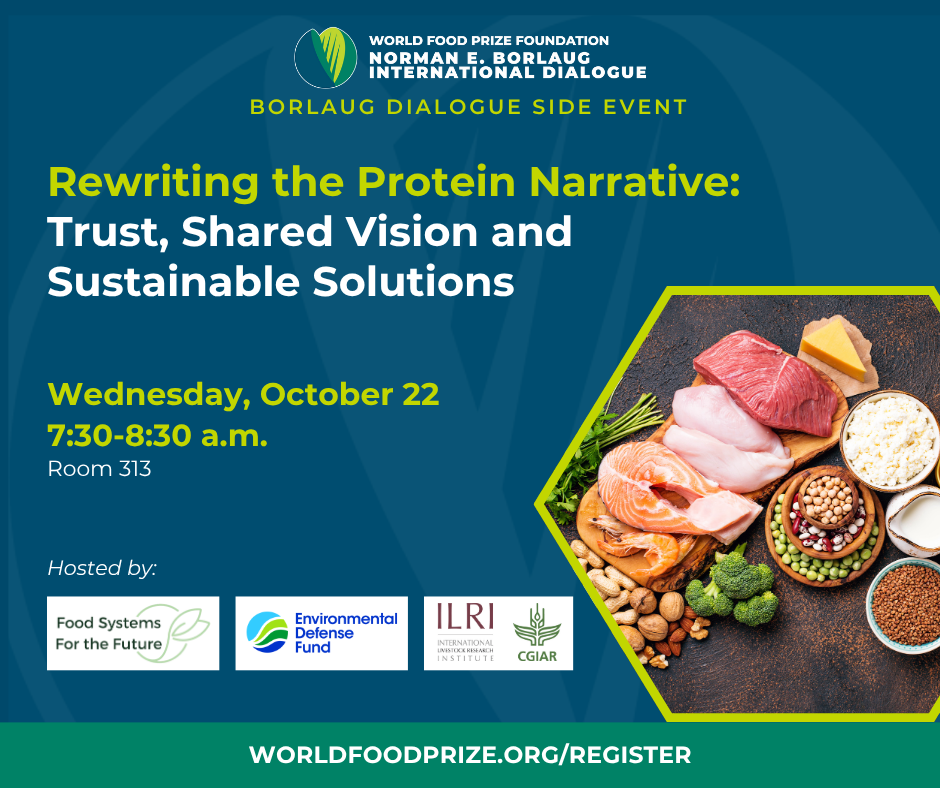
22/10 Rewriting the Protein Narrative: Trust, Shared Vision, and Sustainable Solutions 


A research-oriented dialogue on how protein systems (plant, microbial, insect, cultivated) can be re-imagined for climate-smart agriculture, bringing in innovation, science and evidence of emerging systems. Feeding nearly 10 billion people while meeting global climate goals demands diverse, resilient protein systems. Animal-source foods remain central to nutrition, livelihoods, and culture, while complementary proteins, including plant-based, microbial, insect, blended, and cultivated options, bring innovation and resilience. Yet too often, these systems are pitted against each other.

Hosted by Food Systems for the Future Institute (FSF), in collaboration with the Environmental Defense Fund (EDF) and International Livestock Research Institute (ILRI)


22/10 Research & Innovation Track: Soil Health & Digital Soil Mapping 


The Soil Health & Digital Soil Mapping session explored how advances in soil science and digital technologies are reshaping our ability to assess, monitor and manage soils at scale — moving from soil as a static resource to soil as a dynamic, data-rich system. Presenters highlighted how digital soil mapping, remote sensing, machine learning, in-situ sensors and large soil-health datasets are enabling more precise, timely interventions in agricultural systems. 

The key conclusion was that soil health must be measured and managed with the same rigour as other agricultural inputs: without adequate data-driven soil-management frameworks, innovations in inputs (e.g., microbials, neglected-crop systems) risk being applied on weak foundations. 

Neglected crops and agroecology pathways benefit not just from biological innovation but from the soil-health diagnostics and mapping systems that support them — hence the research priority is dual: (1) biological/management innovation, and (2) digital soil systems for decision-support.

  • Ismahane Elouafi — Executive Managing Director, CGIAR (also featured in soil-health research coverage) 
  • Johan Swinnen — Director General, International Food Policy Research Institute (IFPRI) — overarching dialogue participant with links to soil & ag systems research. 
  • Paul Temple — Chairman, Global Farmer Network — spoke to farmer experience and soil/regenerative agriculture. 
  • Additional experts from CGIAR and partner institutions working on soil health and mapping technologies.

22/10 Reimagining Partnerships to Transform the Agri-food Innovation Chain

The session focused on how evolving agri-food value chains demand new forms of collaboration and innovation — moving beyond traditional public research and extending through the full chain from discovery to delivery. It highlighted how public–private partnerships (PPPs), cross-sector alliances and institutional innovation can drive efficiency, scale and relevance in agri-food research and innovation.

Key conclusions included that: 

  1. innovation chains must be co-designed with all actors (farmers, industry, R&D, policy) to be effective; 
  2. the public sector must redefine its role—focusing on public goods, enabling environments and equity—while private actors bring speed, scale and market linkage; 
  3. partnerships need to be structured so that benefits and risks are shared, especially for systems in low-income settings; and 
  4. there is no one-size-fits-all: successful cases vary by crop, region and innovation stage, so context-adaptation is essential. 
This session underscores that for agroecology, forgotten foods and neglected crops, the way forward
is less a novel technology and more the way it is integrated into value chains with inclusive, adaptive partnerships.

  • Phil Pardey – Director, GEMS Informatics, University of Minnesota. 
  • Diana Horvath – Co-founder & Executive Director, 2Blades. 
  • Ian Puddephat – Executive (R&D), PepsiCo. 
  • Juan Lucas Restrepo – Director General, International Center for Tropical Agriculture (CIAT). 
  • Ty Vaughn – Lead, Innovation Partnerships, Bayer (Crop Science Division). 
  • Moderator: Appolinaire Djikeng – Director General, International Livestock Research Institute (ILRI).

22/10 School Meals as an Engine for Economic Growth and Trade


The side event emphasised that school-meal programmes extend far beyond nutrition and education: by embedding procurement within local agriculture and supply chains, they serve as powerful levers for economic growth, market development and trade. With more than 400 million children reached globally and estimated procurement flows of around US $48 billion in 2022, the session underscored how well-designed school-feeding systems can generate stable demand from smallholder farmers, create jobs in food processing and logistics, and enhance trade opportunities for agricultural produce. 

The key conclusion was that integrating school-meal programmes into national and regional agrifood systems can multiply benefit: advancing nutrition, education, farmer livelihoods and trade. However, success depends on cross-sector policy alignment (education, agriculture, trade), reliable financing, and supply-chain capacities — especially in lower-income countries.
  • Johan Swinnen (Director General, International Food Policy Research Institute) 
  • Additional panelists were drawn from host organisations: Bread for the World Institute, Alliance to End Hunger and Farm Journal Foundation

23/10 Collaborative Partnerships and Innovation for Global Food Security, an 1890 Land-Grant
Perspective

The session emphasised that the network of 1890 Land‑Grant Universities (historically Black U.S. land-grant institutions) are uniquely positioned to drive inclusive agricultural innovation through collaborative partnerships—bridging academic research, extension services and underserved communities. Key take-aways included: the necessity of embedding research within real-world community contexts (not just labs), the importance of multi-stakeholder and cross-institutional alliances (public-private, NGO-university, global counterparts) to scale solutions, and the need for enhanced investment in capacity-building and infrastructure so that 1890 institutions can lead not only domestically but also in global food-security efforts. 

The dialogue flagged persistent inequities in funding and infrastructure for 1890 institutions, and called for strategic partnerships that empower these universities as co-leaders in innovation ecosystems and knowledge exchange networks.

  • Dr. Ruth Ray Jackson – Interim President, Langston University (one of the 1890 land-grant institutions)
  • Dr. Solomon Haile – Program Officer, USDA National Institute of Food and Agriculture (NIFA) – overseeing 1890/evans-Allen research programmes
  • Dr. Maria Marshall – Dean of Agriculture, Michigan State University (partnering with 1890 institutions)
  • Ms. Kase Wheatley – Director, North Carolina A&T State University (1890 land-grant) Cooperative Extension / outreach lead
  • Dr. Jeffrey Agnoli – Faculty, Ohio State University; moderator of the panel


23/10  Fields of Renewal: Innovation for Soil, Ecosystem and Security

The session highlighted how restoring soil health and ecosystem function is foundational to food security, climate resilience and global stability. Speakers emphasised the need for systemic innovation—combining biological, digital and landscape approaches—to regenerate degraded soils, rebuild ecosystem services and secure agricultural productivity for future generations. The main conclusion was that effective soil and ecosystem renewal requires not only technical innovation (e.g., sensors, bio-inputs, restoration practices) but integrated partnerships, long-term investment and alignment with policy, markets and local communities.

  • Facilitator: Simon Heck | Director General, International Potato Institute
  • Neil Bentley | Vice President, Market Management, Agricultural Solutions, North America, BASF
  • Violet Grgich | President, Grgich Hills Estate Winery
  • Rattan Lal | 2020 World Food Prize Laureate and Distinguished University Professor and  Director of the Lal Carbon Center,  The Ohio State University
  • Paul Temple | Farmer, United Kingdom and Chair, Global Farmer Network


25/10 Financing the Backbone of Africa's Ag Transformation: The Agri-SME


Committee of Food Security (CFS) meeting

20–24 October 2025, Rome. At CFS 53 the agenda included multiple sessions of relevance to agricultural research and innovation in food systems. 

These included plenary sessions on advancing food security and nutrition through improved governance of food and agriculture, side-events on topics such as “Blended Finance and Impact Measurement in Agri-food Systems” (SE26) and “Aligning multilateral, public and private investments for transforming agri-food systems” (SE32) which bring research, innovation and investment together. 


Extracts of the programme


Key research-related themes included the role of data, technology and innovation in tackling food security, linking research and development with policy uptake, and financing of research-driven agrifood solutions. They reflect a push to integrate agricultural research into food systems policy dialogue at the CFS.

Organizers: Switzerland SWISSAID European Union (European Commission – DG INTPA) International Fund for Agricultural Development (IFAD) Italian Agency for Development Cooperation (AICS) Alliance for Food Sovereignty in Africa (AFSA) Research Institute of Organic Agriculture (FiBL) Mediterranean Agronomic Institute of Bari (CIHEAM-Bari)

In the face of climate change, biodiversity loss, rising hunger and malnutrition, transforming current unsustainable food systems towards resilience, sustainability, and equity is imperative. 

This side event explores how Neglected and Underutilized Species (NUS) and agroecology contribute to this transformation. 

Drawing on concrete experiences from CROPS4HD (India, Niger, Chad, Tanzania) and SUSTLIVES (Burkina Faso, Niger), the event highlighted diverse approaches—from strengthened farmer seed systems and increased crop diversity to healthy product development, market access, and consumer behaviour change—all while empowering women and youth. 

Panelists representing governments, farmers, civil society, research, and UN organisations will share lessons learned, addressed challenges, and discussed how these experiences inform a new multi-stakeholder initiative to scale NUS and agroecology in Sub-Saharan Africa.


22/10 Side event: Investing in the future: Building partnerships and strengthening financing for healthier School Meals Programmes

By sharing best practices with regards to financing and collaboration as well as discussing enabling environments with a child-centered approach, the event highlighted how school meals can become a driver of agrifood resilience, and access to affordable healthy diets.
  • The Sustainable School Feeding Network (RAES), led by Brazil-FAO cooperation, supports 18 LAC countries to enhance their SFP through dialogue, policy development, nutrition standards and public procurement from family farming. While financing is one key component, knowledge and understanding of the enabling environment, nutrition, local food preferences and local partnership are also pivotal for scaling up the programmes. 
  • The School Meals Coalition, with over 100 members, fosters global collaboration to ensure every child receives a healthy school meal by 2030. Its Sustainable Financing Initiative builds evidence and provides technical assistance to boost domestic investment. 


23/10 Side event: Blended Finance and Impact Measurement in Agrifood Systems: The Catalytic Capital Framework


The thematic Working Group on Sustainable/Blended Finance for Food Systems was established in April 2024 by the GDPRD. It brings together representatives from donor organizations, philanthropies, public funds and foundations to explore innovative financing approaches aimed at increasing the impact of donor and public funds on food systems.

This session presented the work being done as the group’s first initiative, to standardize the assessment of additionality and impact in agri-SME blended finance through a Catalytic Capital Framework. Supported by Canada, Norway, Switzerland, the UK and the US, and led by the Agri-SME Learning Collective, the framework aims to enhance decision-making, accountability and collaboration by providing a common language for donors, intermediaries and policymakers.

The session discussed the challenges in measuring and standardizing the impact of blended finance instruments across impact investors and donors. It showcased how the framework can guide catalytic capital deployment, strengthen impact measurement, and inform policies that promote food security and sustainable agricultural investment. By standardizing assessments of impact and additionality, the framework aligns with CFS’s mission to enhance inclusive, sustainable financing.
  • Moderator: Jim Woodhill (Senior Advisor, Global Donor Platform for Rural Development – GDPRD) 
  • Corinna Hawkes (Director, Division of Agrifood Systems & Food Safety, FAO) 
  • Maurizio Navarra (Senior Partnership Officer, IFAD; Secretariat Coordinator, GDPRD) 


23/10 Agroecology as a transformative pathway towards sustainable food systems: Scaling investments, policies and practices

This side-event discussed the vital importance of financing agroecological transformations aligned with human rights principles, through democratically-created, transparent and accountable mechanisms that are co-created with rights-holders /food provisioners, recognizing that at least a tenfold increase in current annual philanthropic, public, and private investments will be necessary to support a transition to agroecology and regenerative approaches.

Annual Biocontrol Industry Meeting

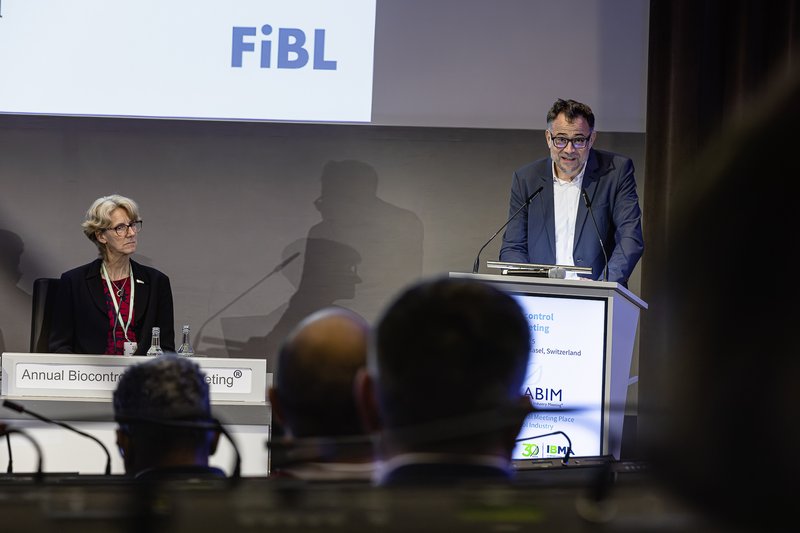
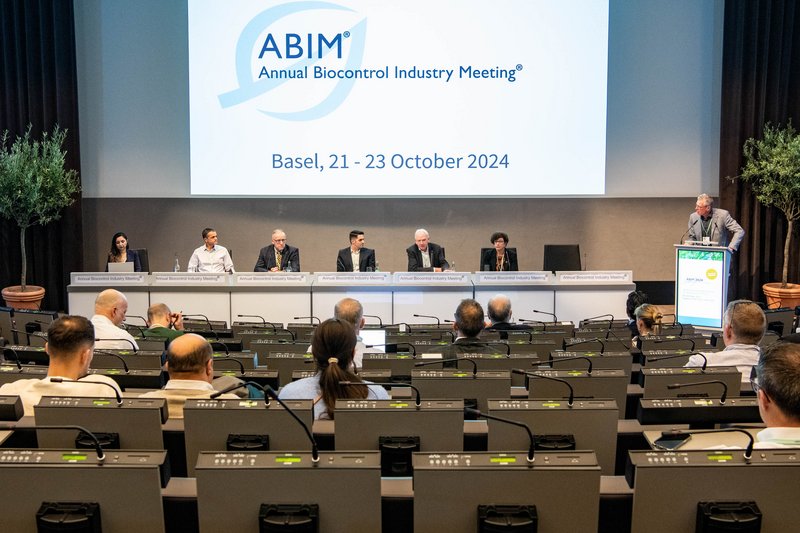
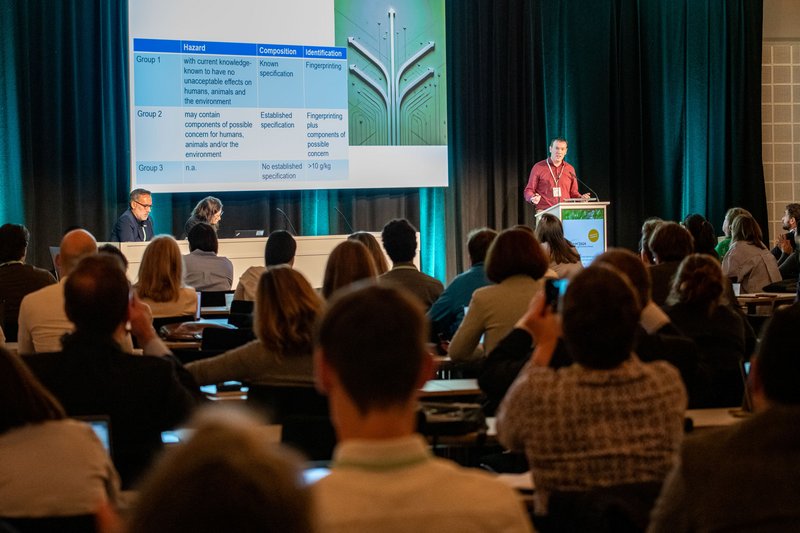
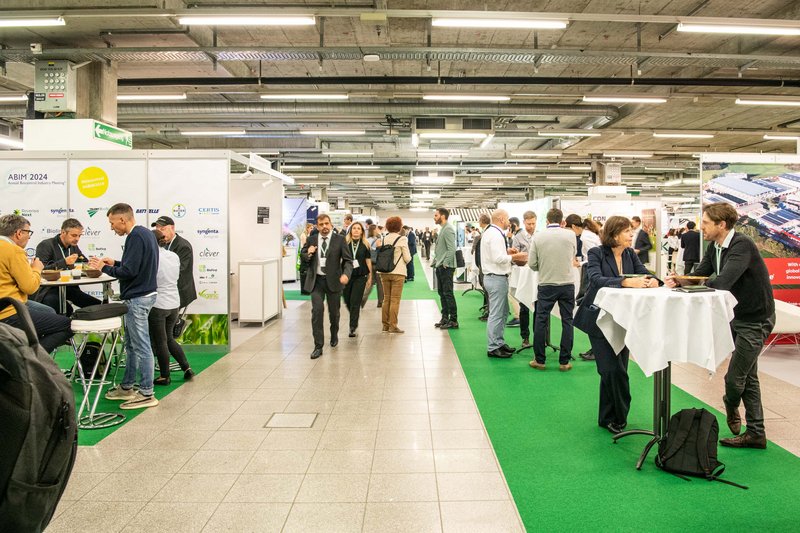
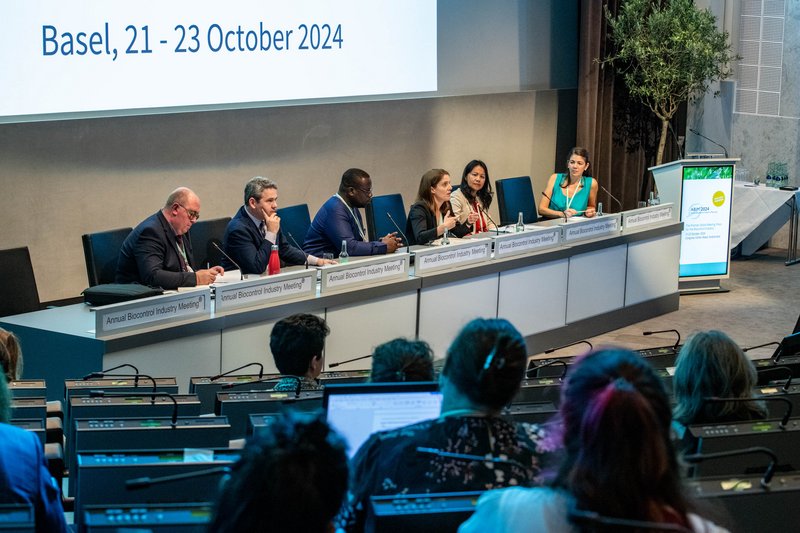
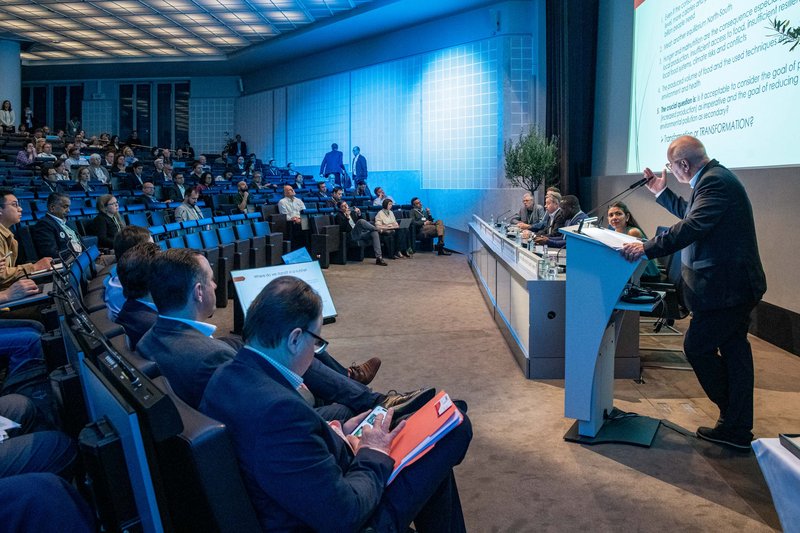
20 - 22 October 2025. ABIM 2025 - the Annual Biocontrol Industry Meeting.

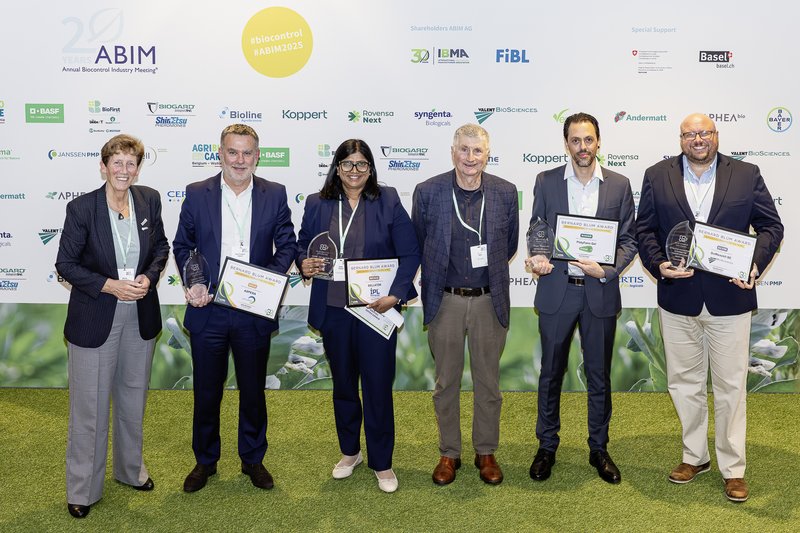
The year 2025 marked significant anniversaries for the biocontrol industry: 30 years of IBMA, 20 years of ABIM, and 10 years of the Bernard Blum Award. 

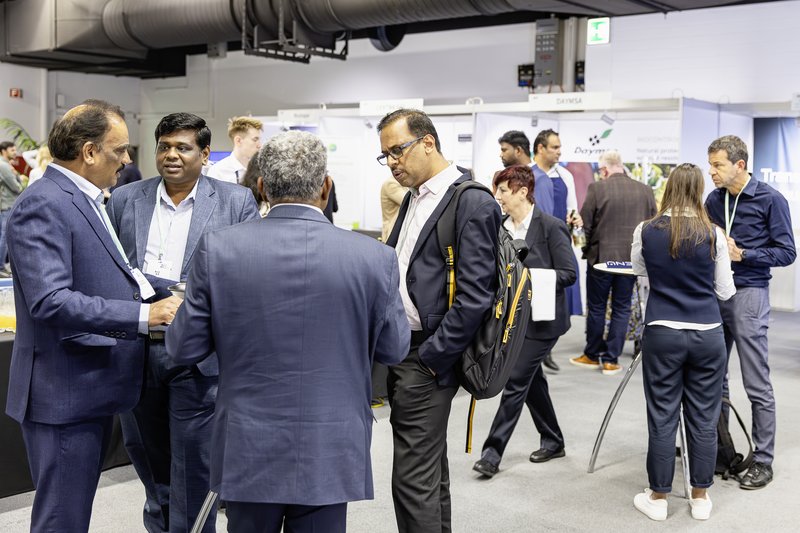
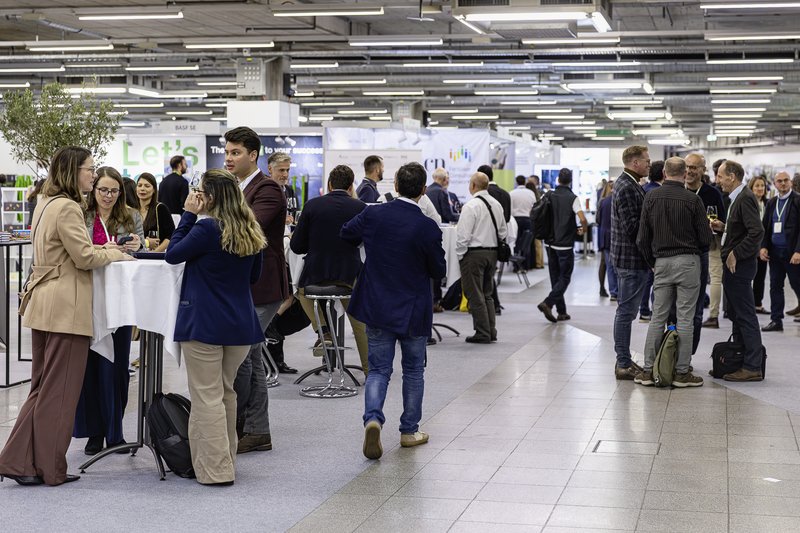
It served as the world’s leading event for the biological crop protection industry, bringing together researchers, companies, regulators, and investors to showcase innovations in microbials, semiochemicals, natural substances, and invertebrate macrobials, discuss regulatory and market developments, and explore new business and research partnerships. With over 150 exhibitors, thematic sessions, and one-to-one networking opportunities, ABIM 2025 provided a key global platform to advance sustainable, science-based alternatives to chemical pesticides and strengthen the role of biologicals in transforming agri-food systems.

For pictures see this page

Extract of the programme


20/10 “Showcasing Innovations” session (microbials, semiochemicals, natural substances and
invertebrate macrobials)

The session on “Showcasing Innovations” highlighted the need to accelerate the integration of biological solutions—microbials, semiochemicals, natural substances, and invertebrate macrobials—into sustainable agricultural systems through stronger research–industry–policy collaboration

Participants recommended enhancing regulatory harmonization and data-sharing frameworks to reduce barriers to market entry, investing in regionally adapted research to validate efficacy under local conditions, and supporting farmer awareness and capacity building for effective adoption. 

The session also underscored the importance of multi-actor innovation platforms to connect startups, researchers, and investors, ensuring that biological innovations are not only scientifically sound but also commercially viable and environmentally responsible.

Biocontrol is scaling fast, but the system still lacks regulatory clarity, aligned policies and farmer-oriented advisory tools. Opportunities:

  • launch a policy dialogue on biopesticides with EFSA, DG SANTE, CABI and the Regional Fora; 
  • establish a Digital Agroecology Working Group to develop an AI-based advisory prototype for farmers; 
  • prepare an evidence-based advocacy position on biologicals; 
  • explore opportunities to anchor a Basel Innovation Hub on agroecology and biologicals.
Speakers
  • Lucius Tamm (ABIM and Agroscope), there is a concrete opening for evidence-based advocacy and policy alignment. 
  • Ulrich Kuhlmann (CABI) confirmed interest in collaborating with all Regional Fora and presented a regulatory-use data tool 
  • EFSA representatives confirmed that the new EU biopesticide regulation is in its final phase
  • Domenico Deserio (DG SANTE) presented risk assessment, agroecology, digital systems and new genomic techniques. 
  • FiBL is ready to support joint innovation and science-based advocacy, 
  • Ghent University and BCCM (Belgium) contribute microbial data and digital cataloguing for future advisory tools. 
  • Industry actors such as Syngenta, Rovensa, Micropep and Moveo provide field data to strengthen adoption pathways and digital advisory models. 
  • Canton of Basel announced a 500 million CHF research investment plan for 2026 and signalled openness to an initiative on agroecology or biologicals, offering a potential foothold for a Swiss-based innovation hub.


21/10 ABIM high-level panel

The 2025 ABIM high-level panel gathered policymakers, scientists, NGOs and industry leaders to address how to scale biocontrol for sustainable crop protection. The panel explored how regulatory innovation, behaviour change and multi-stakeholder collaboration can bridge the gap between potential and practice, with a shared sense of urgency and pragmatic optimism.

  • Biocontrol is now essential for resilient, sustainable production, but regulatory and behavioural bottlenecks still prevent scale 
  • Farmers adopt when risk and cost are manageable and results are visible in their own fields
  • Policy alignment, fast-track pathways and advisory capacity are the foundations for growth 
  • Regenerative agriculture and certification markets offer a unique window for mainstreaming. “Biocontrol has moved from alternative to essential. 
  • The next step is making it accessible, scalable and trusted.
Speakers

  • Klaus Berend (DG SANTE) outlined EU progress toward a faster, clearer and innovation-friendly framework. Key initiatives: • Simplified dossiers for pheromones • Revised microorganism data requirements based on “need to know” • Species reviews and targeted AMR/sensitisation studies • Problem-formulation approaches enabling data waivers • Funding and training for EFSA and Member States. “We have legal deadlines — three years — but capacity and alignment remain the bottleneck.” Planned December 2025 amendments will include: biocontrol definition, provisional authorisations, unlimited approvals for low-risk substances, priority handling and more EFSA resources to ensure faster access at lower cost while maintaining safety.
  • Gabriele Huwiler (FOAG) presented Switzerland’s National Strategy for Sustainable Crop Protection and its target to reduce pesticide risks 60% by 2027. Core measures: • National Observation Platform • Competence Network linking public and private R&D • Demonstration Network of pilot farms • Target Agreements in value chains (e.g., 25% resistant potato varieties by 2028). “Data exist everywhere but are not connected.” Structural constraint: dependence on EU authorisation pace. “Unless we join the system, we will remain slower.”
  • Lydia O’Donnell (New Zealand) showed a coordinated national shift across 13 sector groups and 30+ crops. Three drivers of adoption: 1) Demonstration — “Seeing is believing” 2) Collaboration — overcoming crop silos 3) Extension — trained advisors and grower-champions. “You can have the best products and rules; without growers on board, biocontrol will not scale.”
  • Juliana Jaramillo (Rainforest Alliance) highlighted biocontrol as either the bottleneck or the unlock for regeneration. Strategy: strict pesticide rules + field-level IPM. Barriers: regulation, misinformation, trust gaps, fear of yield loss. “Changing a product may mean not eating for two months.” Regenerative finance offers unprecedented opportunity: “There is finally money for regeneration. Biocontrol must tap into it.”
  • Karel Bolckmans (Biofirst group) stressed economic reality: “Farmers change only through pain or profit.” The Almeria case showed that crisis + retail pressure triggered mass adoption: 35,000 ha shifted in one season. “If it’s twice the price or half as effective, it will never scale.”

21/10 Session 2: Biocontrol in Action

The Biocontrol in Action session at the ABIM 2025 conference showcased international perspectives on
scaling biological pest management and advancing the regulatory, behavioral, and market conditions needed for wider adoption. Presentations and panel discussions featured experts from Africa, New Zealand, the Rainforest Alliance, BioFirst (Belgium), and the European Commission, among others.
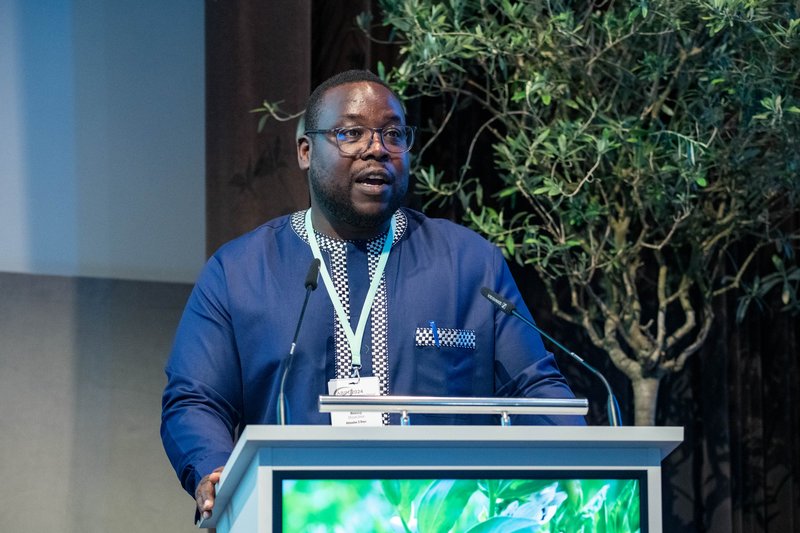
  • Sylvia Kuria (picture) is a Kenyan organic farmer and entrepreneur on a mission to make organic produce accessible. She connects 30+ small-scale farmers to markets, aggregating and selling over 5 tonnes of organic produce monthly to bulk buyers. Passionate about training and empowering farmers, she champions safe, sustainable farming. When she’s not in the fields, she’s documenting her journey through writing.
Farmer Behavior and Demonstration-Based Adoption:
  • New Zealand’s A Lighter Touch program emphasized that effective biocontrol scaling depends on changing farmer behavior through demonstration, collaboration, and extension. 
  • Demonstration farms showing successfulpesticide-free production significantly increased grower trust and adoption. 
  • Collaboration across 13 agricultural sectors fostered knowledge sharing and coordinated resistance management, while structured grower-to-grower extension proved vital for uptake.
Certification and Regenerative Agriculture:
  • The Rainforest Alliance highlighted the role of biocontrol and IPM as enablers of regenerative agriculture. 
  • Its new regenerative certification standard integrates stricter pesticide management and promotes biocontrol solutions to replace highly hazardous pesticides (HHPs). 
  • Biocontrol was identified as a “bottleneck or a solution” in the transition to sustainable farming, with a call for increased visibility, demonstration, and investment to build producer confidence and access new funding streams for regenerative agriculture.
Economic and Market Drivers for Change:
  • BioFirst illustrated that economic incentives and supply-chain pressure are often stronger catalysts for transition than awareness alone. 
  • The Spanish greenhouse sector’s rapid conversion to IPM followed retailer pressure linked to chemical residue concerns, demonstrating that farmer adoption occurs when biocontrol is both cost-effective andmarket-demanded.
Policy and Regulatory Advances:
  • The European Commission outlined ongoing reforms to streamline regulatory pathways for
    biocontrol, including simplified data requirements, faster approvals, enhanced training for national authorities, and proposals for a unified EU definition of biocontrol. 
  • Upcoming reforms will prioritize low-risk biocontrol applications and provide financial and technical support to member states to reduce approval delays.

Cross-Cutting Needs:
  • Panelists underscored the importance of communication, farmer training, advisory service reform, andregulatory harmonization across regions. 
  • Stronger stakeholder collaboration and societal awareness wererecognized as critical to achieving large-scale transition from chemical to biological crop protection.

21/10 Session 3: The Latest on Policies to Accelerate Biocontrol

  • This high-level policy session brought together regulators, industry leaders, and research
    organizations from the EU, Latin America, and global institutions to discuss current and forthcoming policy measures to accelerate the approval,commercialization, and adoption of biocontrol and bio-input technologies. 
  • Panelists included representatives fromthe European Commission (DG SANTE), the Netherlands Ministry of Agriculture, Danish Industry,CABI/FAO, and INPI-Bio Brazil.

European Union Policy Reforms and Regulatory Acceleration
  • The European Commission outlined its ongoing efforts to unlock the potential of biocontrol within the framework ofRegulation 1107/2009. Key reforms include:
  • Faster authorization processes through “tacit recognition” (mutual recognition by default among EUzones).
  • Implementation of a “need-to-know” data approach and problem formulation framework to reduceunnecessary studies and focus assessments on relevant risk parameters.
  • Expanded application of low-risk provisions and the creation of a database for species-specificmicroorganisms to accelerate evaluation.
  • Forthcoming Omnibus Simplification Package (expected December 2025) to align low-risk
    classification,extend approval periods, and simplify data requirements for biocontrol active substances.

National and Regional Initiatives in Europe
  • The Netherlands presented its Plant Protection Action Plan 2030, which targets resilient cropping systems, near-zero emissions, and integration of biocontrol as a central pillar of national pest management. 
  • The country emphasized cooperation among EU member states, greater assessor capacity at EFSA, and knowledge exchange to accelerate product evaluation and access to markets.
  • The Danish Industry of Biosolutions stressed the need for regulatory certainty and predictability to attract investment and ensure startups can bring products to market. Industry called for a common European single market for biocontrol approvals and warned that farmers risk losing effective tools without new alternatives.

Global Perspectives and Lessons
  • CABI and FAO shared results from a global evidence-mapping study identifying key barriers
    and enablers to biopesticide uptake: knowledge gaps, variable efficacy perception, complex regulation, and limited extension services. 
  • They emphasized that success requires coherent interaction between regulation, extension, and market demand.
  • Brazil showcased a successful policy model, where proactive regulation and emergency registration during pestcrises (2013) led to rapid market growth. The country’s 2024 Bio-Input Law now enables biotechnology-based products, unified registration, tax incentives, and regulated on-farm production, positioning Brazil as a global leader in biocontrol adoption.
Overarching Takeaways
  • Speakers agreed that accelerating biocontrol requires a fit-for-purpose regulatory environment, bettercommunication between assessors and industry, investment in capacity building, and strong political andsocietal support. 
  • The EU’s upcoming legislative reforms and international cooperation were viewed as pivotal toachieving sustainable crop protection transitions globally

21/10 Workshop: Peptide Regulation

The Peptide Regulation session examined the emerging role of peptide-based biocontrols in sustainable agricultureand the evolving regulatory frameworks governing their development and commercialization. The session featured key presentations, one focusing on innovation platforms and the other on regulatory and safety considerations.
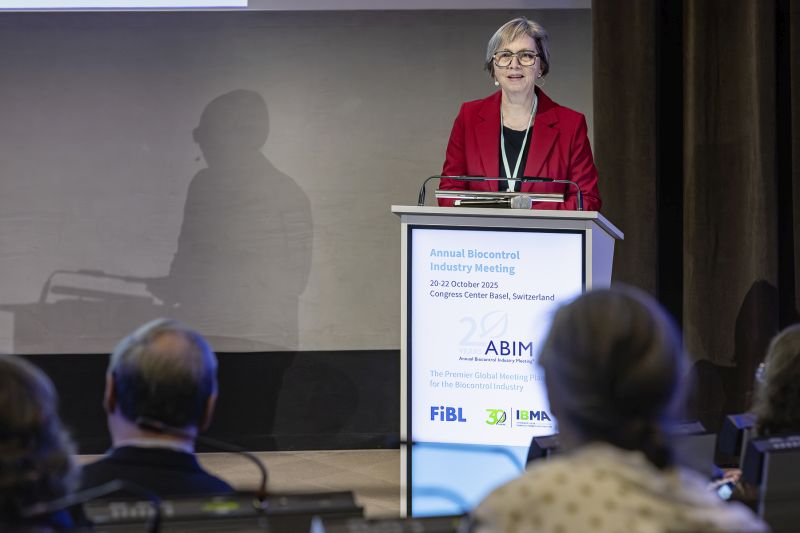
  • Kevin Leiner (picture), Chief Project Officer & VP of Regulatory, Micropep Technologies, introduced a shift from single-product development to a platform-based approach, enabling solutions across
    multiple insect species. Fieldtrials demonstrated over 85% equivalence to chemical standards at low application rates, confirming both efficacy and sustainability. These peptides, derived from insect-specific compounds, showed no expected toxicity to humans or beneficial organisms. 
  • Regulatory progress includes a biochemical-like classification by the U.S.EPA, with initial registration underway. The peptides feature novel, non-protein modes of action that reduce the likelihood of resistance development and are rationally designed for safety and specificity.He discussed the broader need for harmonized regulations, predictability, and societal acceptance to advance peptide adoption. Citing lessons from GMOs, the speaker emphasized the importance of transparent communication to build public trust. MicroPep’s Chrysalis Discovery Platform was showcased as a model for targeted peptide design, integrating biological efficacy, field stability, cost efficiency, IP protection, and regulatory compliance.
  • MicroPep’s first candidate, MPD01, is an antimicrobial peptide validated in over 200 field trials across three continents, demonstrating broad-spectrum efficacy, low dose requirements, and an excellent safety profile. The company applies a problem formulation approach to risk assessment, streamlining data needs and avoiding unnecessary testing. 
  • Across jurisdictions, the U.S., Brazil, and EU, regulatory systems are adapting, though at varying speeds. The session concluded that fit-for-purpose, harmonized regulatory frameworks and sustained stakeholder engagement are essential for realizing the full potential of peptide-based biocontrols in global sustainable agriculture

22/10 Session 5 – How AI is Shaping the Future of Biocontrol


The session explored how AI is transforming biological crop protection—from microbial discovery to regulatory intelligence and real-time field application. Johannes Jehle emphasized that AI is now a practical catalyst reshaping research, regulation, and decision-making.

22/10 Session 6 – Actions to Accelerate Biocontrol

  • Moderator: José Carvalho, EMEA Regulatory Lead, Certis Biologicals
  • Helena Rey de Assis (UNEP / GEF – FARM), 
  • Juliana Jaramillo (Rainforest Alliance), 
  • Geoffrey Ongoya (IBMA Kenya), 
  • Peter Wren-Hilton (Wharf42), 
  • Rajendra Thapar (HIL India Limited)
The closing session focused on turning ambition into action, identifying concrete measures to mainstream biologicals in global crop protection. Speakers agreed that efficacy is proven; the challenge lies in regulation, finance, standards, and capacity building evolving together.

Highlights:
  • Integration, not isolation: Biocontrol must be embedded in certification and sourcing frameworks.
  • Finance as an enabler: Blended finance and partnerships can de-risk innovation.
  • Knowledge and equity: Regional manufacturing, open data, and inclusion are vital for accessibility.
  • Notable contributions:
  • UNEP/GEF FARM: $37 million programme reducing hazardous pesticide use across 40+ countries, protecting 3.8 million people and 3 million hectares.
  • Rainforest Alliance: Integrating biocontrol into certification for commodities like coffee and cocoa—“real regenerative agriculture will not be achieved without biocontrol at scale.”
  • IBMA Kenya: Called for regional registration harmonisation and local production.
  • Wharf42: Showed how innovation ecosystems attract investment to scalable biologicals.
  • HIL India: Demonstrated government-backed production of non-POP alternatives to DDT through UN programmes.

Wednesday, October 29, 2025

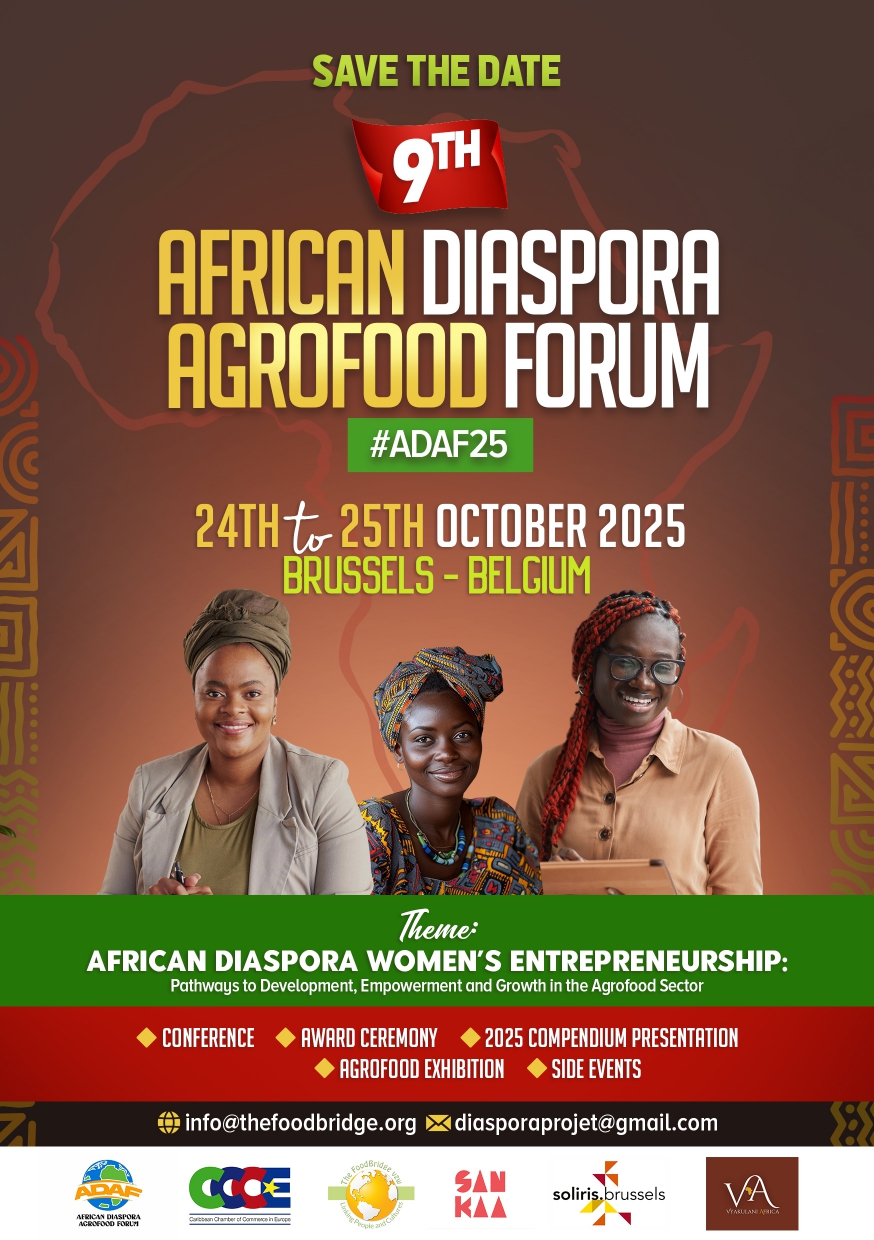
9th African Diaspora Agrofood Forum (ADAF25)

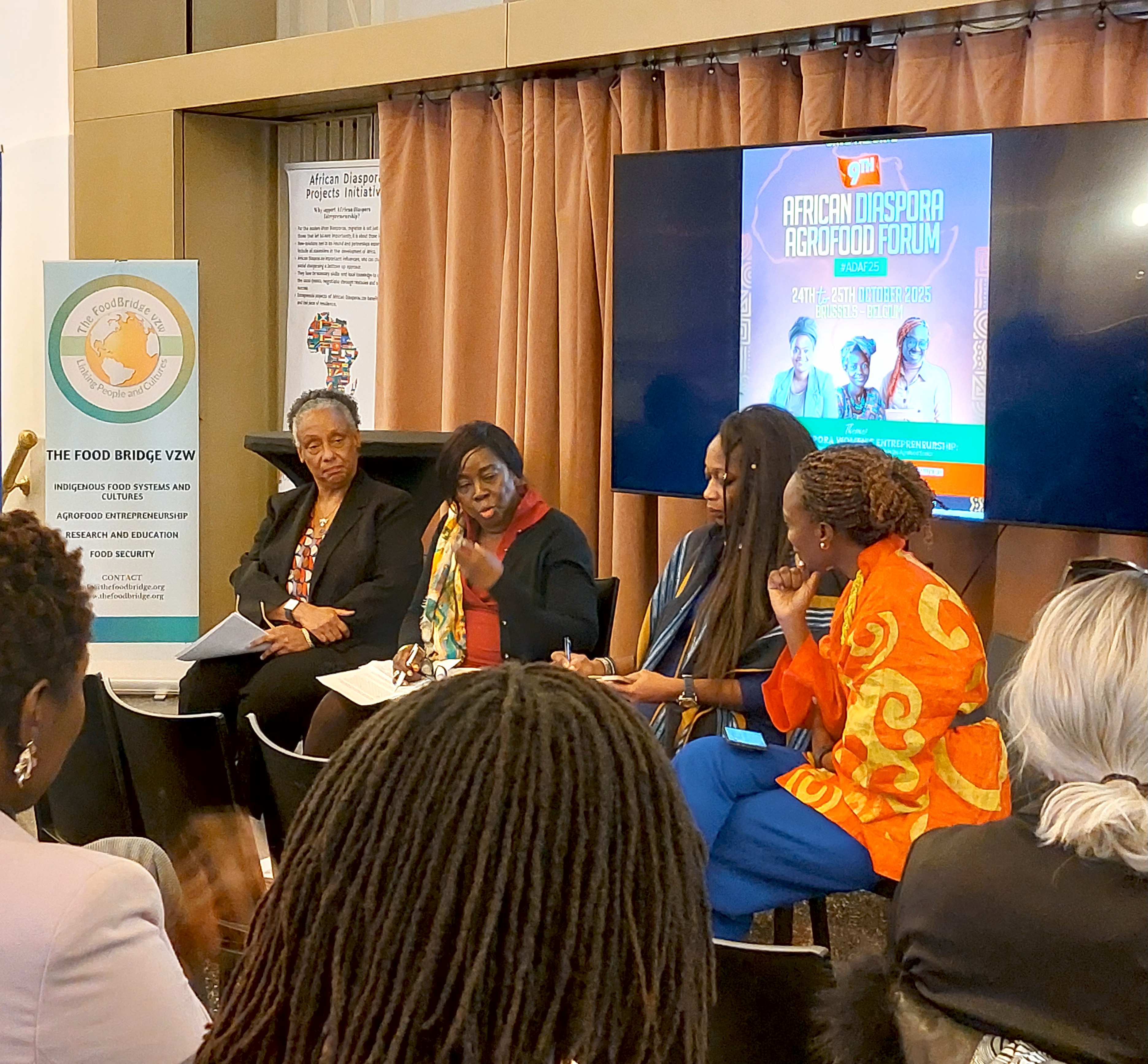
24–25 October 2025. Brussel, The 9th African Diaspora Agrofood Forum (ADAF25), spotlighted African diaspora women’s entrepreneurship in agrifood systems. 

  1. Day 1 (at the Beurs/Bourse) was a conference day with keynotes, panels and networking
  2. Day 2 (at Marché aux Poissons/Sainte-Catherine) featured an open exposition and product showcase. 

The organiser, The Food Bridge vzw,  with support from GFAiR’s Collective Action on Forgotten Foods, framed the Forum around policy advocacy, visibility for women-led businesses, and partnerships aligned with the Beijing+30 momentum; FAO also joined, underscoring gender equality and the strategic role of diaspora communities.

Panel discussions centred on how diaspora networks translate know-how, capital and market links into concrete opportunities for women-led agrifood ventures, with sessions and workshops on entrepreneurship support, investment readiness, market access, and policy engagement. 

A featured panel included H.E. Simone Rudder (Ambassador of Barbados to Belgium), Samira Hotobah-During (Alliance Africa), and Hafsat Abiola-Costello (Women in Africa), who discussed closing gender gaps in assets, earnings, leadership and decision-making and outlined actions to channel diaspora resources into women-led agrifood businesses. 

Another panel featured WINA. Women in AfroFood connects women to the tools, expertise, and opportunities that allow them to showcase their culinary and agri-food creations, from local markets to large international platforms.
  • WINA – Women in AfroFood celebrates, connects, and empowers women of African descent working across the agro-food value chain—from farming and processing to gastronomy, trade, and policy. It recognises the pivotal role women play in preserving culinary heritage, sustaining local food systems, and driving innovation in agribusiness both on the African continent and within diaspora communities. 
  • WINA serves as a platform to showcase women-led enterprises, facilitate mentorship and investment, and advocate for gender equity in the agro-food sector, ensuring women’s voices are heard in shaping food policies and innovation agendas.
  • The initiative also functions as a knowledge-sharing and visibility network, organising forums, exhibitions, and collaborations—such as its presence at the African Diaspora Agrofood Forum (ADAF)—to highlight success stories and foster partnerships between African, Caribbean, and European women entrepreneurs. 
  • WINA promotes traditional and “forgotten” foods, sustainable production, and cross-generational learning, positioning women not only as custodians of food culture but as key actors in building resilient, inclusive, and climate-smart food systems.
EARO presented Flavours of Africa: A Culinary
Adventure". 

This cookbook refers to a journey through the diverse cuisines of the African continent, exploring popular dishes like Jollof rice, tagines, and Doro Wat. This culinary exploration highlights the unique flavors, spices, and techniques from regions ranging from North African Arab-influenced dishes to West African stews and East African aromatic plates. 

Across the programme, speakers and partners from government, development agencies and diaspora organisations highlighted policy levers, mentorship, and cross-border value-chain building; the second day’s expo amplified this with live showcases from entrepreneurs and networking with buyers and investors.


Resource: 


The 2025 Compendium of African Diaspora Agrofood Entrepreneurs, published by The Food Bridge vzw with support from Soliris.be and GFAiR’s Collective Action on Forgotten Foods, celebrates twelve outstanding diaspora-led agrifood enterprises that blend cultural heritage, innovation, and sustainability across Africa, Europe, and the Caribbean. 

Together they have created over 140 jobs, with nine of the businesses led by women. Their work spans agro-food production, trade, livestock, and sustainable agriculture, each connecting local farmers to global markets while promoting inclusive growth and African food heritage.

Here’s a brief overview of the 12 featured enterprises:

  1. EATO (Ghana/UK) – An AI-powered digital marketplace connecting African food SMEs to global buyers; aims to empower one million entrepreneurs by 2030 through digital commerce, storytelling, and fintech tools.

  2. S&T Enterprises Ltd (Nigeria/UK) – A large-scale wholesale and retail distributor of African and Caribbean foods under brands like Samis Online and Pride of Africa Foods, linking African farmers and cooperatives to diaspora markets.

  3. WaziEats (Cameroon/France) – Uses blockchain and AI for supply-chain traceability, reducing post-harvest losses and empowering small producers, especially women, across West and Central Africa.

  4. Nugaal Camel Milk Cooperation (Somalia/Netherlands) – Revives Somalia’s dairy sector by turning fish waste into camel feed, doubling milk yields and creating income for nomadic women farmers.

  5. Jumah’s Corner (Ghana/Belgium) – (picture)

    Promotes a circular economy through nutritious indigenous foods and beverages, linking women farmers in Ghana to catering and restaurant operations in Belgium.

  6. Astero’s Coffee (Ethiopia/Germany) – A traceable “tree-to-cup” coffee enterprise supporting women farmers, integrating blockchain for transparency, and investing in schools and training in Ethiopia.

  7. Farafinah Food (Senegal/Netherlands) – Offers healthy artisanal products such as granolas, hibiscus jams, and juices, celebrating West African flavors and supporting women producers in Senegal.

  8. Terre et Saveurs (Cameroon/Belgium) – Brings premium African spices and marinades like Penja pepper and hibiscus jams to European shelves, combining cultural pride with fair trade and sustainable sourcing.

  9. Sustainable Demonstration Farms Ltd (SDFarms) (Nigeria/USA) – An organic integrated farm producing herbal teas, flours, and powders, training farmers in agroforestry and value addition for export.

  10. Le Petit Traveller (Caribbean/Belgium) – A boutique spice house connecting Caribbean and Latin American terroirs to European gastronomy, working with smallholder spice producers.

  11. Mkulima Ujerumani (Kenya/Germany) – The first white-maize farm in Germany, promoting sustainable local production for African diasporas, women empowerment, and cultural exchange through food.

  12. La Guadeloupéenne srl (Guadeloupe/Belgium) – Imports and distributes premium agricole rums from the French Caribbean, celebrating craftsmanship while generating local economic opportunities.

Overall, the compendium illustrates how diaspora entrepreneurs serve as vital bridges between continents—transferring technology, culture, and investment to build resilient food systems that honour African heritage.


Plants of the Caribbean Alphabet Chart and Flash Cards
The “Plants of the Caribbean Alphabet Chart and Flash Cards” is an educational and cultural learning tool. It introduces children and adults to the rich plant biodiversity of the Caribbean—from food crops and herbs to trees and spices—while promoting literacy, environmental awareness, and cultural pride.

The chart and flash cards use each letter of the alphabet to represent a plant that is native to or culturally significant in the Caribbean. It is designed for classrooms, cultural education programs, and diaspora learning spaces, encouraging intergenerational knowledge transfer and appreciation of local flora that contribute to nutrition, medicine, and identity.

29 October 2025. Afrika Chefs Corner Webinar — explored how Africa’s heritage crops and culinary wisdom can shape the future of food. Theme: Indigenous Innovation — Reviving Africa’s Heritage Crops & Culinary Knowledge.

The AWAN Afrika (Africa Women Agribusiness Network) Chefs Corner Webinar is designed to spotlight how traditional African crops, culinary techniques, chefs and farmers can collaborate to drive innovation and value-chain transformation in agrifood systems. 

The webinar brought together chefs, farming entrepreneurs, processors and innovation actors to explore how heritage crops, gastronomy and agribusiness linkages from farm to table can enhance food sovereignty, cultural identity and commercial opportunity. 

Insights from the CEA-FIRST and AfriFOODlinks projects

21 October 2025
. The role of EU–AU R&I strategies in contributing to Africa’s food future: Insights from the CEA-FIRST and AfriFOODlinks projects.

Side Event of the AU–EU Senior Officials Meeting of the High-Level Policy Dialogue on Science, Technology and Innovation.

Download the programme here

The CEA-FIRST and AfriFOODlinks projects highlighted how AU-EU R&I strategies can support Africa's food future by focusing on urban and peri-urban food insecurity through evidence-based policymaking and co-creation. These projects contribute by providing insights for the FNSSA Roadmap (2027-2036), emphasizing African-led innovation in cities, and exploring ways to incentivize private sector investment and align initiatives like Horizon Europe. 

Key contributions of the projects

  • Urban and peri-urban focus: The projects identified that food insecurity is a significant problem in urban and peri-urban areas, shifting the focus of food systems transformation to these locations.
  • Evidence-based policymaking: They aim to strengthen the integration of R&I into policy by supporting evidence-based policymaking for the FNSSA Roadmap (2027–2036).
  • African-led innovation: They showcase the importance of African-led, context-specific research and co-creation processes, such as Living Labs, to drive food system transformation in cities.
  • Private sector engagement: The projects facilitate discussions on how to better involve the private sector and its funding in advancing food and nutrition security goals.
  • Aligning initiatives: They work to ensure better alignment between key initiatives, including the Horizon Europe program and others like DESIRA.
  • FNSSA Roadmap development: The projects are directly contributing to the development of the next AU-EU Food and Nutrition Security and Sustainable Agriculture (FNSSA) Roadmap for 2027–2036. 
Highlight: The AfriFOODlinks project is a four-year initiative (2023–2027) funded by the European Union’s Horizon Europe programme, designed to transform urban food systems across Africa and Europe to be more sustainable, resilient, and equitable. Coordinated by ICLEI – Local Governments for Sustainability Africa, it connects 65 partners—including 15 African and 5 European cities—to foster collaboration, policy innovation, and city-to-city learning. See the dedicated blogpost


The NRF and CIHEAM-Bari, as co-task leaders under the Consortium Europe-Africa on Research and Innovation for Food Systems Transformation (CEA-FIRST) initiative, co-hosted the inaugural Funders’ Working Group Meeting of the International Research Consortium (IRC) on Food and Nutrition Security and Sustainable Agriculture (FNSSA). The event took place at the South African Embassy in Brussels and served as a side event to the AU-EU Senior Officials’ Meeting (SOM).

CEA-FIRST is a joint bi-continental effort designed to establish the FNSSA IRC in alignment with the
FNSSA roadmap of the AU-EU High-Level Policy Dialogue (HLPD). The IRC has been created to operationalise the FNSSA roadmap and address fragmentation across the research landscape by functioning as a ‘network of networks’ that connects and coordinates research, education, advisory services, policy, industry, and funding.

The meeting aimed to provide foundational insights into CEA-FIRST and the IRC, while fostering a co-creation and co-design process for the Funders’ Working Group. Building on a report developed within the CEA-FIRST framework, led by the NRF and CIHEAM-Bari, participants exchanged views on how the Working Group could be structured and operationalised within the IRC. Discussions focused on FNSSA priorities, investment opportunities, funding modalities, and potential governance structures to ensure effective support for sustainable food and agriculture across Africa and Europe. The insights and outcomes from this session will inform the development of a Joint Work Programme, which will serve as the operational framework for the Funders’ Working Group within the FNSSA IRC.

The funders’ discussions continued the following day during the CEA-FIRST side event entitled Stakeholder Co-Creation for the IRC Functional Working Groups Strategy and Operational Plan. The NRF contributed to the panel discussion on Refining the Working Groups Strategy and Co-Designing the Joint Work Programmes.