

African Hub City under the AfriFOODlinks initiative
Cape Town, South Africa
Cape Town is one of the project’s hub cities: a highly unequal metropolitan region with deep-rooted structural legacies from apartheid, where food insecurity and infrastructure deficits intersect with informal trading and market systems. Under AfriFOODlinks the city is undergoing a “State of the City Food System” review which maps how food, infrastructure, governance, and urban services interplay in the metropolitan context. The intervention aims to reposition food on the urban planning agenda, strengthen multi-stakeholder governance around the food system, and pilot innovation in infrastructure, business models and food access in deprived areas.
Mbale, Uganda
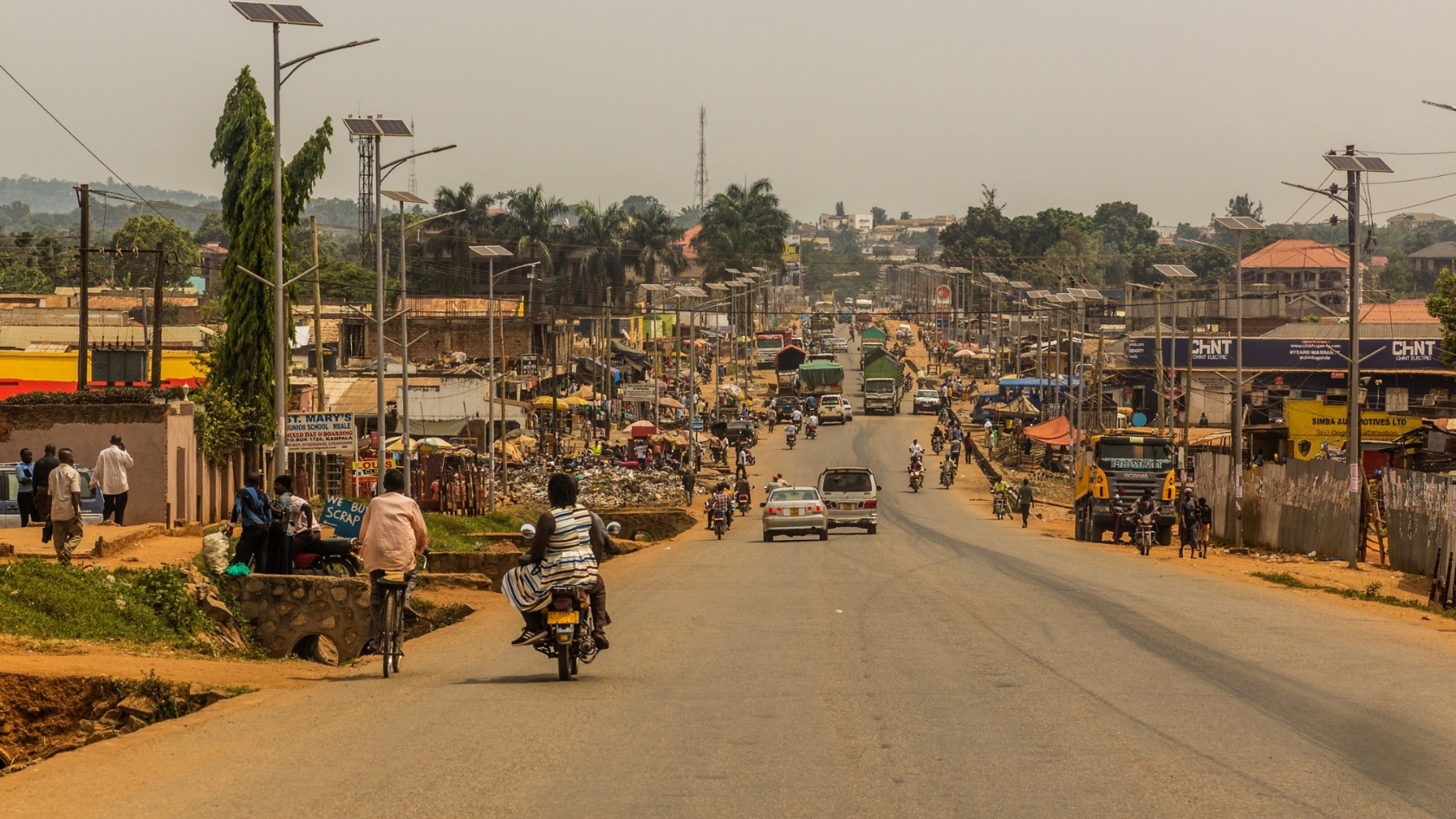
Mbale, situated in the eastern region of Uganda, serves as an agricultural trade centre for the surrounding region but faces substantial challenges in food governance, infrastructure, waste management and food safety. Through AfriFOODlinks the city is focusing on transforming the urban food environment by upgrading the central market stalls to meet food safety standards, deploying waste-recovery innovations (e.g., black soldier fly composting) and engaging schools and vendors in nutrition and safe food practice programmes. This approach integrates physical infrastructure upgrades with governance and behavioural interventions to enhance both food access and environmental sustainability.
Ouagadougou, Burkina Faso
Ouagadougou, the capital of Burkina Faso, is challenged by high levels of food and nutrition insecurity and a large proportion of the population eating outside the home at least once daily. Under AfriFOODlinks, pilot interventions are being implemented in schools, markets and street-food settings to raise standards of hygiene and nutrition, support safe food provision, and promote inclusive governance of food systems. This reflects a dual focus on immediate food access and safety concerns as well as the structural governance arrangements that influence them.
Tunis, Tunisia

Tunis, as Tunisia’s capital and largest city, acts as a policy and governance centre in the Mediterranean region. As one of the hub cities for AfriFOODlinks, the focus in Tunis is on reshaping urban food environments—such as introducing regulations (e.g., sodium levels in bread) and strengthening policy-business-citizen linkages to support healthy, sustainable diets in the urban setting. The city thus serves as a model for integrating nutrition and health considerations into urban food systems within a Mediterranean-African context.
Kisumu, Kenya
Kisumu, located on the shores of Lake Victoria in western Kenya, presents a dynamic food-systems context combining fishing, urban agriculture and informal market systems. Through AfriFOODlinks, interventions in Kisumu are focused on upgrading market infrastructure, strengthening local business innovation, and linking urban food supply chains to healthier, more sustainable diets. These efforts aim to reduce waste, improve food access, and support the city’s role as a hub for regional food flows and economic activity.
10 African “Sharing Cities”
1. Arusha, Tanzania
Arusha is a rapidly growing urban centre in northern Tanzania, located on the southern slopes of Mount Meru, with a population of about 617,631 (2022). The city’s economy is built on tourism, transport, manufacturing and informal trade, but its food system is showing signs of vulnerability — with issues around food and nutrition insecurity, limited fresh food availability and informal-sector dominance of markets. Under AfriFOODlinks, Arusha is pursuing multi-stakeholder governance of the food system, promoting market-vendor linkages, youth agrifood entrepreneurship and improved infrastructure and food-safety practices.
2. Niamey, Niger
Niamey is the capital city of Niger, situated on the Niger River and with a population around 1.4 million. Its urban food system faces multiple pressures: seasonal rainfall, recurrent floods, weak infrastructure and limited local agricultural supply chains, especially for fresh vegetables. AfriFOODlinks supports Niamey in strengthening urban agriculture (including seed-nursery development), boosting local vegetable production, improving food-safety infrastructure, and enhancing policies and capacities for healthier food environments.
3. Quelimane, Mozambique
Quelimane is a coastal city in Mozambique, identified within the AfriFOODlinks city-list of sharing cities. Although detailed public profile is less extensive, the project identifies Quelimane as a city where pilot interventions will target market infrastructure, urban agriculture and inclusive governance of food systems. The aim is to strengthen the city’s resilience by improving fresh-food access, reducing food loss and integrating youth and women into agrifood innovation.
4. Tamale, Ghana
Tamale (Northern Ghana) appears in AfriFOODlinks’ “State of the City Food System” reports list. The city presents a dynamic food environment: rapid urban growth, a strong informal sector, reliance on local agriculture and significant nutrition and access challenges. Under the project Tamale is engaged in piloting innovations that strengthen food-system governance, enhance market and vendor systems, reduce waste and improve diet quality for urban residents.
5. Windhoek, Namibia
Windhoek, the capital of Namibia, is also a sharing city in the AfriFOODlinks network. While specific details of the pilot are still emerging, the city’s intervention focuses on enhancing urban agriculture (e.g., urban farms), strengthening fresh-food supply chains and reducing dependence on long-distance food flows — thus improving local food resilience and enabling more inclusive agrifood enterprise.
6. Bukavu, Democratic Republic of the Congo
Bukavu, in eastern DRC, is part of the AfriFOODlinks sharing-city list. Its food system is challenged by conflict-sensitive logistics, weak market infrastructure, food-waste issues, and limited formal agri-business activity. The project’s work there aims to pilot circular economy approaches (e.g., composting, waste-to-value), empower youth and women agripreneurs, and improve governance of informal markets.
7. Dakar, Senegal
Dakar appears as one of the pilot target sharing cities in Africa for AfriFOODlinks.The city is working on school-feeding programmes with local supply of millet, beans, moringa and fruits, demonstrating how urban food security interventions can be anchored in schools. It is also focusing on healthier diets, better market environments and inclusive local governance of food.
8. Antananarivo, Madagascar
Antananarivo is included in the city-exchange and sharing-city programme of AfriFOODlinks. The city’s food system is under pressure from climate hazards, urban expansion and low resilience of peri-urban agriculture. The project focuses on enabling youth-led food-system innovation, strengthening urban agriculture and waste management, and connecting local value creation to markets.
9. Lusaka, Zambia
Lusaka is listed among the sharing-city cohort of AfriFOODlinks, with pilot project infographics referenced. The city is engaged in developing a local “Food Systems Office” to bring together governance, youth entrepreneurship and informal-sector market actors. The focus is on strengthening local supply chains, reducing loss, enabling women and youth agripreneurs and integrating food-system thinking into urban planning.
10. Chefchaouen, Morocco
Chefchaouen appears on the list of project cities under AfriFOODlinks (sharing city) although much less information is currently publicly summarised. The intervention is expected to focus on Mediterranean-African interface issues: small-scale agriculture, market integration, cultural food heritage and inclusive local governance, leveraging the city’s rural-urban food-system linkages and tourism economy.


No comments:
Post a Comment