Platform for African – European Partnership in Agricultural Research for Development
Showing posts with label Canada. Show all posts

Tuesday, May 9, 2023

Seeds of Change Shifting Diets & Soil Carbon Sequestration Markets: How Climate Change is Driving New Opportunities and Risks in Agriculture

Erik Davies (2022) Seeds of Change Shifting Diets & Soil Carbon Sequestration Markets: How Climate Change is Driving New Opportunities and Risks in Agriculture # 563 p.

Erik Davies (2022) Seeds of Change Shifting Diets & Soil Carbon Sequestration Markets: How Climate Change is Driving New Opportunities and Risks in Agriculture - SMMARY # 5 p.

This report examines the impacts of climate change on the agriculture sector, and how shifts in consumer diets and the adoption of regenerative agricultural practices can create new opportunities and risks for farmers and businesses. 

The report highlights the potential for soil carbon sequestration to mitigate climate change and outlines the emerging market for carbon credits linked to these practices. It also discusses the challenges and opportunities of transitioning to plant-based diets and the role of policy in driving these changes. Overall, the report provides insights into the complex and interconnected challenges and opportunities facing the agricultural sector in the face of climate change.
Both techniques, a combination of foresight and backcasting is important moving forward.  Backcasting takes an idealized future state like Net Zero, then moves backwards to identify what policies changes and activities need to be undertaken in order to realize this future state. The Seeds of Change Report I just released does the reverse of this. It projects trends into the future and then identifies potential consequences of that future state. Its incredibly important to combine creativity and stakeholder consultation with research in foresight. Just keep in mind the research for foresight heavily relies heavily on social media and recent news coverage to identify emerging trends. It focuses less on journals and standard research sources.

Thursday, June 9, 2022

Winners of 2022 Arrell Global Food Innovation Awards

7 June 2022. Working directly with communities to build capacity and improve access to food is a common theme for both winners of this year’s Arrell Global Food Innovation Awards.

The winners have made significant impacts to communities worldwide. The two prizes of $100,000 are awarded annually in these categories: research innovation and community engagement innovation.

Winner of the research innovation award, Delia Grace Randolph is a renowned scientist with unique

and transformative impacts on the safety of food systems and public health in developing countries. As a trained veterinarian and epidemiologist, she brings a special expertise on the interconnectedness of animal health, human health and eco-health to her work. A focus of her work is improving food safety in informal markets in developing countries.
“I’m honoured to be named the recipient of the Arrell Global Food Innovation Award in the
area of research impact. There is a very critical relationship between animal, human, and environment health and I hope we can continue to research and find ways to help improve food safety and thus the health of humans and animals. While there is still a lot to learn, by listening and engaging, thinking and trying, we can achieve much more.”
Dr. Delia Grace Randolph.
Winner of the community engagement innovation award, is a non-profit organization that works

directly with community groups to produce and deliver high-quality, farmer-to-farmer training videos. The video resources help to provide informative and relevant content to farmers in small communities. The organization helps ensure the videos are available in local languages and accessible to smallholder farmers even in remote rural areas where technology, power and internet are limited. Over the past decade, the videos have reached 90 million people and have helped ensure healthier and more resilient food systems.

Accepting the award for Access Agriculture are Paul Van Mele, co-founder and director international development; Josephine Rodgers, co-founder and executive director; and Jane Nalunga, coordinator of the Rural Entrepreneur program.
“On behalf of the Access Agriculture team and our worldwide partners, we are delighted and grateful to receive the Arrell Global Food Innovation Award. Farmers are vitally important to rural and urban communities, providing healthy food that people need. Thanks to local community groups and grassroots organizations we are able to identify topics relevant across the Global South, where inspirational farmers can show others how to farm in harmony with the environment. These resources in local languages will have a lasting impact on today’s and future rural communities.” Josephine Rodgers, co-founder and executive director AccessAgriculture
Related:
7 June 2022. Arrell Food Summit 2022

The global food system is pressured by demands of a growing population, and we need to find and implement solutions to feed our population while protecting our planet. 

The Arrell Food Summit, brought together food leaders and experts from across the system to co-create solutions and discuss how we can work together to ensure a healthy and resilient future of food.

Some of the topics included:
  • The future of protein
  • Disruptions in the food system
  • Ag-tech innovation and investment
  • Food sovereignty
  • Youth perspectives on the future

Sessions:

Food Systems Transformation 
How will the food system change in the 2020s and beyond? In this session, Hannah Tucker will share her research into the disruptive developments transforming the food system, taking us on a journey across ecosystems and around the world. We will explore three possible scenarios—Doomsday, Synthetic and Regenerative—along with ways of actively shaping the outcome.

The Future of Protein 
Governments, farmers, food processors, environmentalists and everyday consumers all have an opinion on an essential nutrient - protein. As conversations grow around cellular agriculture and lab-grown meats, the feasibility of raising livestock sustainably, the rise of plant-based diets, and the tension between new technologies and traditional foods, it's clear that the future of protein is a multi-stakeholder debate filled with difficult questions. The goal of this session is not to provide simple answers to nuanced questions, but rather, to allow participants the opportunity to engage in a holistic dialogue that provides context, informs decisions, and explores new ways of thinking.

Food Sovereignty's Role
What role do traditional knowledge, sustainable land stewardship, and access to nutritious and culturally relevants foods, and people's rights to define their own food and agriculture systems play in the global path toward our collective food future? Are new technologies on a collision course with food sovereignty rights, and what is the best way forward?


Thursday, October 11, 2018

IDRC's Towards a Food Secure Future

3-4 October 2018. Ottawa, Canada. Towards a Food Secure Future. This event was live streamed and posted on IDRC's YouTube channel and GAC's YouTube channel and Facebook page.

Session 1: Sustainable agricultural production
Sustainable intensification, which focuses on increasing productivity per unit area, plays a central role in sustainable agricultural production. Innovations in this area must be socially acceptable, environmentally friendly, and economically affordable and viable, especially for smallholder farmers with limited resources. This session features stories of success and impact and explores pathways and constraints for the wide-scale adoption of innovations that improve sustainable agricultural production.


Facilitator: Innocent Butare, CIFSRF Senior program specialist, IDRC
CIFSRF projects:
  • Roshan Pudaisani, former Principal investigator (Nepal, Sustainable Agriculture Kits)
  • Alfred Kojo Yeboah, former Project coordinator (Ghana, ICT extension services)
  • David Wallace, former Principal investigator (South Africa, livestock vaccine)
Panel experts:
  • Isabelle Vandeplas, Program development officer, CECI
  • Etienne Hainzelin, President’s advisor, CIRAD
Session 2: Nutrition and health outcomes
A sustainable shift towards nutrition-sensitive agriculture and food systems promotes healthy diets and contributes to tackling the intergenerational cycle of malnutrition among children, adolescent girls, and women. CIFSRF projects used multiple pathways to scale up nutrition impacts. This session will highlight the research findings and development outcomes from these projects, and it will identify lessons and applications that facilitate the consumption of nutritious foods among women, girls, and young children. 


Facilitator: Annie Wesley, CIFSRF Senior program specialist, IDRC
CIFSRF projects:
  • Sue Horton, former Principal investigator (Tanzania, fortified oil)
  • Nguyen Do Huy, former Principal investigator (Vietnam, food processing)
  • Teresa Mosquera, former Principal investigator (Colombia, potatoes)
Panel experts:
  • Paula Tenaglia, Director of Operations, Action Against Hunger
  • Lynnette Neufeld, Director, Knowledge Leadership, Global Alliance for Improved Nutrition
  • Colleen Emary, Technical Advisor, Health and Nutrition, World Vision International
Session 3: Market access and income for small scale farmers
Access to markets is central to the development of value chains and for meeting the needs of global food security. Market access can also improve incomes and create opportunities for rural employment. Agriculture-related innovations need to involve economically viable business models based on value chains in order to achieve impact at scale. This session will present three business models that were piloted and scaled up to enhance nutrition and boost incomes in Africa and Asia. 


Facilitator: Marwan Owaygen, Senior program specialist, IDRC
CIFSRF projects:
  • Gregor Reid, former Principal investigator (Africa, fermented foods)
  • Karthikeyan Muniappan, former Principal investigator (India, small millets)
  • Clement Adeebooye, former Principal investigator (West Africa, fertilizer micro-dosing)
Panel experts:
  • Anne Mbaabu, Director, Market access program, AGRA
  • Gifty Blekpe, Women’s empowerment program coordinator, CARE Ghana
  • Nikita Ericksen-Hamel, Deputy Director- Policy and Practice, Global Affairs Canada
Session 4: Collaborative partnerships
Funding, supporting, and conducting multi-sectoral and multidisciplinary development research demands strong partnerships that address the complexities and challenges of food security and nutrition while operating within specific economic, political, cultural, and social structures. This session will explore the challenges and key ingredients to successful collaborative partnerships for development from a range of research disciplines and sectors in the South and North.


Facilitator: Wendy Manchur, CIFSRF program officer, IDRC
CIFSRF projects:
  • Hortense Atta Diallo, former Principal investigator (Ivory Coast, coconut)
  • Andrew Potter, former Principal investigator (Kenya, CBPP vaccine) 
  • Jayasankar Subramanian, former Principal investigator (India, Kenya, Sri Lanka, Tanzania, Trinidad and Tobajo, nanotechnology)
Panel experts:
  • Anne Gaboury, President and CEO, Développement international Desjardins
  • Ignacia Fernandez, Executive director, RIMISP
Session 5: Scaling up innovations for impact
Scaling up promising innovations in the food and agriculture sector has become an important strategy to generate greater benefits from investments, particularly to reach large numbers of people across geographical spaces. This session will discuss the various scaling up approaches and pathways CIFSRF undertook that led to the adoption of proven innovations. This session will explore the key enabling factors and constraints that support or limit the scaling up of innovations and the remaining gaps will be discussed. 


Facilitator: Marco Rondon, Senior program specialist, IDRC

CIFSRF projects:
  • Pierre Akponikpe, former Principal investigator (West Africa, fertilizer micro-dosing)
  • Meena Jadhav, former State Program Manager (India, double fortified salt)
  • Andrew Msolla, former Principal investigator (Tanzania, legumes)
Panel experts:
  • Richard Kohl, Strategy and scale expert, CLSS
  • Seerp Wigboldus, Senior Advisor and Researcher , Wageningen University Centre for Development Innovation
Session 6: Gender equality in agriculture and food security
Gender equality and the empowerment of women is critical to the achievement of food and nutrition security. In the least developed countries, 79% of women identify agriculture as their primary source of income, yet women in the agricultural sector lack access and control over assets. Addressing these gender barriers and the underlying social and gender norms that contribute to them can encourage the empowerment of women, increase productivity, and improve food and nutrition security for all. This session will explore key lessons learned by CIFSRF on gender integration and achieving gender equality outcomes.


Facilitator: Jemimah Njuk, Senior program specialist, IDRC

CIFSRF projects:
  • Ramona Ridolfi, Gender expert (Cambodia, homestead food production) 
  • Carol Henry, former Principal investigator (Ethiopia, pulses) 
  • Veronica Hinojosa, Gender expert (Bolivia, Fish for Food)
Panel experts:
  • Franz Wong, Senior advisor, KIT Royal Tropical Institute
  • Sonia Laszlo, Director of the Institute for the Study of International Development, McGill University
  • Sophia Huyer, Gender and social inclusion research leader, CGIAR
Related:
28 September 2018. The Government of Canada, through IDRC and Global Affairs Canada, has released a comprehensive report (116 pages) highlighting the lasting impact of its nine-year, CA$124.5 million Canadian International Food Security Research Fund (CIFSRF).
  • The report represents the collective efforts of the many people who dedicated their time and expertise to the CIFSRF initiative. 
  • This includes the farmers and community members at the forefront of the effort to validate and test food security innovations, the international research teams driving these innovations, and the development specialists who secured the necessary financial resources and partnerships to bring these projects to life. 
  • Together, they worked to develop and scale up innovations to increase production, access to, and consumption of safe and nutritious food.
  • Canada created CIFSRF nine years ago to push the boundaries of research and development funding by supporting practical innovations that directly improve the lives of the poor and food insecure. 
  • CIFSRF used competitive calls to identify and select the best research ideas from strong and capable teams. Nearly a decade later, the results are clear: a wide-ranging portfolio of innovative and successful projects that have changed millions of lives for the better.

Monday, July 2, 2018

Canadian research projects in Africa

Jointly funded by IDRC and Global Affairs Canada, CIFSRF addresses the critical challenge of global hunger through applied research in 25 countries. The CA$124 million fund supports Canadian-developing country partnerships that test and scale up practical solutions to increase food production, raise income for farming families, and improve nutrition throughout the Global South.

Since 2009, CIFSRF has funded 39 applied, collaborative, and results-oriented research projects. These initiatives are significantly improving food and nutritional security for men and women smallholder farmers. Championing the value of multi-sector partnerships, CIFSRF works directly with 40 Southern and 20 Canadian institutions, including universities, civil society organizations, governments, and the private sector, to test and deploy proven food security and nutrition solutions.

Related:
Transitions in Cooperative Labour and the Constraints to the Adoption and Scaling-Up of Labour Intensive Agricultural Technologies. Sustainable Agriculture Research; Vol. 7, No. 3; 2018

The research presented in this paper stems from a collaboration between researchers in the Benin Republic, Nigeria and Canada who are examining the opportunities to enhance the sustainable production of under-utilized indigenous vegetables through the micro-dosage of synthetic fertilizer.

DOI : https://doi.org/10.5539/sar.v7n3p71

Wednesday, February 14, 2018

Write-shop joint IDRC-ACIAR call (Cultivate Africa’s Future Fund 2 call)

12 to 16 February 2018. Entebbe, Uganda. ACIAR and IDRC have launched Phase 2 of the Cultivate Africa’s Future (CultiAF-2), building of the success of Phase 1, to address food and nutrition insecurity in Africa, promote learning about what works, and engage partners in developing innovations that respond to the needs of smallholder farmers, consumers and local stakeholders.

By funding applied research in agricultural development, the expected outcome is an increase in high-quality scientific research with a focus on the adoption of existing and new research results, as well as testing mechanisms to take proven research innovations to scale in order to tackle persistent problems of food insecurity.


CultiAF-2 focuses on issues under 4 key research areas aligned to the regional priorities of the 2014 ‘Malabo declaration on accelerated agricultural growth and transformation for shared prosperity and improved livelihoods’.
  1. Improved productivity and incomes for farmers and communities and decreased post-harvest losses.
  2. Improved gender equity.
  3. Nutrition and human health.
  4. Climate change and sustainable water management.
The workshop is divided into plenary sessions, topical presentations, peer review and group work
  1. Block I – Introduction (general presentations); Analysis of the Call for Concept Notes 
  2. Block 2 – Critical discussion on research proposal ideas and titles 
  3. Block 3 – Situation analysis; Needs assessment; Stakeholder analysis; Problem analysis; Objective analysis 
  4. Block 4 – Research problem; Research questions 
  5. Block 5 – SWOT analysis of the proposed partnership 
  6. Block 6 – Logical frameworks of the Proposals; Impact pathways; Calendar 
  7. Block 7 – Risks; Management; Gender consideration; Environmental sustainability 
  8. Block 8 – Logistics; Staffing; Partnership co-ordination; Costs 
  9. Block 9 – Completion Concept Note; Submission mechanism 
  10. Block 10 – Analysis of completion status Concept Note; Follow-up 
The PAEPARD consortia involved in the write-shop are:
  1. EAFF- Aflatoxin -Kenya
  2. KALRO- Aflatoxin  -Kenya
  3. Groundnut- Malawi. They have changed and are working on Milk Value Chain in -Malawi
  4. Indigenous vegetables -Uganda 
  5. WOUGNET- Cow peas and rice integration -Uganda
  6. Aquaculture Malawi  -Kenya
  7. Eldoret University- Soils Fertility Management (former Indigenous vegetables)  -Kenya
  8. Irish Potatoes -Burundi
  9. Small ruminants but now working on chickens-  Zimbabwe

Saturday, January 20, 2018

IDRC and ACIAR research call "Ensuring a food-secure Africa: cultivate Africa's future":

IDRC and ACIAR research call "Ensuring a food-secure Africa: cultivate Africa's future":

This call is open to applicant organizations that will work in partnership with others to carry out research in one (or more) of the eligible countries: Burundi; Ethiopia; Kenya; Malawi; Mozambique; Rwanda; Tanzania; Uganda; Zambia; and Zimbabwe.

Applicant organisations must be developing country organisations (national agricultural research
systems, universities, government departments, NGOs, regional organisations and Southern-led international organisations) with legal corporate registration in an eligible country. Eligible countries are (there are more but I mention only those where there is a Prolinnova Country Platform): Ethiopia, Kenya, Mozambique, Tanzania and Uganda.

This call will support cutting edge applied field and/or laboratory research projects with the potential
to generate high-impact and innovative results with particular impact on the food insecure and poor. All projects require a sound environmental impact assessment, the consideration of social and gender issues, and an applicability to smallholder farmers.

Key research areas:
  • Improved productivity and incomes for farmers and communities and decreased post-harvest losses
  • Improved gender equity
  • Nutrition and human health
  • Climate change and sustainable water management.

Of special interest is supporting innovative research with the potential for breakthrough results that can be effectively scaled-up and easily adopted by smallholder farmers, food processors, post-harvest handlers and other value-chain actors to improve food and nutrition security and achieve gender equality.

Deadline for applications is 1 March 2018.

Related:
View the projects of the previous phase.
Expanding Business Opportunities for Youth in the Fish and Poultry Sectors in Kenya (CultiAF)
This project built skills and knowledge among young people in Kenya to develop innovative business models that increase their participation in the fisheries and poultry sub-sectors.
Topic(s): YOUTH, MODELS, BUSINESS, AFRICA, TRAINING, FISHERY INDUSTRY, POULTRY, EMPLOYMENT CREATION
Region(s): Kenya, Netherlands, United States
Total Funding: CA$ 427,200.00
Expanding Business Opportunities for African Youth in Agricultural Value Chains in Southern Africa (CultiAF)
This project developed and test novel, creative, and bold business models that increase the participation of youth in fish and maize post-harvest value chains in Malawi, Zambia, and Zimbabwe.
Topic(s): YOUTH, FISH, MAIZE, EMPLOYMENT CREATION, WOMEN, POSTHARVEST SYSTEMS, AFRICA, MODELS
Region(s): Malawi, Zambia, Zimbabwe
Total Funding: CA$ 464,200.00
Communicating Science for Impact: Radio for Reaching Farmers with Research Results (CultiAF)
Radio is an effective medium to deliver information that will influence small-scale farmers in sub-Saharan Africa to adopt agricultural technologies.
Topic(s): SMALL FARMS, AFRICA SOUTH OF SAHARA, Food security, TELECOMMUNICATIONS, AGRICULTURE, RADIO
Region(s): Kenya, Uganda, Canada
Total Funding: CA$ 543,005.00
Reducing maize-based aflatoxin contamination and exposure in Zimbabwe
This project seeked to investigate innovative post-harvest solutions to reduce aflatoxin contamination in grain.
Topic(s): MAIZE, FOOD TECHNOLOGY, MATERNAL AND CHILD HEALTH, Health, AFRICA, PRIVATE SECTOR, FOOD STORAGE
Region(s): Zimbabwe
Total Funding: CA$ 2,055,600.00

Thursday, November 23, 2017

Afri-Veg Forum 2017


20 - 22 November 2017. Cotonou, Benin. Afri-Veg Forum 2017

Organised by the Canadian International Food Security Research Fund (CIFSRF), a joint programme of Canada’s International Development Research Centre (IDRC), and the Department of Foreign Affairs, Trade and Development Canada (DFATD) which have provided a research for development grant totaling CAD $4.45 million (NGN900m) to a multi-disciplinary research team from Osun State University and Obafemi Awolowo University in Nigeria, Université de Parakouin Benin Republic and Canada’s University of Saskatchewan, University of Manitoba, and a NGO partner, The Green Generation Initiative.

The main objective of the conference was to bring together a global community of stakeholders (the academia, NGO, donor agencies, and industry) working on issues related to African indigenous vegetable to drive the process of promoting entrepreneurial development in the vegetable sector.
  • The conference brought together the body of knowledge on African vegetables for collation and archiving. 
  • The aim of the 2017 Afri-Veg Conferencewas to further our understanding of the challenges faced by the various stakeholders in the vegetable value chain and to recommend best practices that will enable us to overcome these challenges. 
  • The conference encouraged collaboration and exchange of knowledge and experience among participants. 
  • The ultimate goal was to encourage women's participation in vegetable value chain, which will have an impact on economic development, and allow greater diversity in household sustenance dynamics.
Sub-themes:
  • Agronomy: soil management, pest and diseases management, water management, pathology, breeding and crop improvement, seed production, cropping systems, conservation and diversity
  • Food science and value addition: post-harvest handling, processing, preservation, packaging, food and nutrition, nutraceuticals
  • Food security and policy
  • Economics and marketing: agribusiness, impact assessment
  • Social and culture: gender issues, youth issues, communication and extension
  • Communication, dissemination and scaling up approaches, innovation platform
  • Technology and innovation in vegetable value chain
Presentations from the PAEPARD supported consortium of Uganda

  • Postharvest quality of Solanum aethiopicum (Nakati) leafy vegetables subjected to various handling practices and storage technologies Sekulya, S., Nandutu, A., Ssozi, J., Masanza, M., Kabod, P.,Jagwe, J.N., Kasharu, A., Rees, D. and Kizito, E. B
  • Shelf life performance of Solanum aethiopicum (Nakati) leafyvegetables subjected to various postharvest handling and storage conditions Sekulya, S., Nandutu, A., Ssozi, J., Masanza, M., Kabod, P., Jagwe, J.N., Kasharu, A., Rees, D. and Kizito, E. B.
Selection of other abstracts
Fertilizers
  • Study compared fertilization has basis of chemical fertilizer (urea) and biological (human urine) on the productivity of amaranth (Amaranthus hybridus) in the minicipality of Parakou in Benin north. Tokoreorou mere, S.J., Hermann, M. B. and Degbevi, T. K
  • Effects of additive microdose of sodium to fertilizer sources on growth and yield of fluted pumpkin (Telfairia occidentalis) Nnanna P. C, Idowu M. K and Ajayo B. S.
  • Comparative Effects of poultry manure and NPK fertilizer on nutritional qualities of green leafy vegetables Alabadan, B. A., Oloye, A. O. and Eseyin, A. O.
  • Ethnobotanical investigation of lippia multiflora moldenke, a local aromatic leafy vegetable under domestication in Benin Djengue, H. W., Dansi, A., Adjatin, A., Dossou-Aminon, I. Dansi, M. and Sanni, A.
  • Mise au point des conditions optimales de production en pépinière de Crassocephalum crepidioides (Benth.) S. Moore pour sa domestication Dossou, J., Wédjangnon, A. A., Houètchégnon, T. and  Ouinsavi, C.
  • Non timber forest products governance: Case of Prunus africanain the north west region of Cameroon Anoncho, V. F., Avana-Tientcheu, M., Divine, F. T.
Post-harvest technologies
  • Low cost technologies for reducing post-harvest losses in Africa (Hassan, S. G.) 
  • Postharvest quality of Solanum aethiopicum (Nakati) leafy vegetables subjected to various handling practices and storage technologies Sekulya, S., Nandutu, A., Ssozi, J., Masanza, M., Kabod, P.,Jagwe, J.N., Kasharu, A., Rees, D. and Kizito, E. B
  • Improved postharvest technologies for marketing AfricanLeafy Vegetables at the urban fresh produce markets Mampholo, M. B., Bvenura, C. and Sivakumar, D.
  • Lost and wasted harvest: A case for some indigenous vegetables in  Kajola Local Government Area of Oyo State, Nigeria Ogunsina, B.S.
  • Shelf life performance of Solanum aethiopicum (Nakati) leafyvegetables subjected to various postharvest handling and storage conditions Sekulya, S., Nandutu, A., Ssozi, J., Masanza, M., Kabod, P., Jagwe, J.N., Kasharu, A., Rees, D. and Kizito, E. B.
Nutrition
  • Bringing African traditional vegetables back to the plate to improve dietary quality (Termote, C., Borelli, T., Kennedy, G., Wasike, V., Padulosi S. and Hunter, D.)
  • Adaptation and promotion of improved vegetable growing in Uganda (Semalulu O., Ramathan, I., Pariyo, A.,Naggayi, R.G., Kasambula, P.M., Makhosi, P.K., Nakityo, Matovu, R. and Okello, S.)
  • Comparative evaluation of potentials of commonly consumed nigerian leafy vegetables for the alleviation of hidden hunger Ojimelukwe , P. C. and Okpalanma, F.N.
Innovation
  • Farmers’ participation in vegetable innovation platforms in south west, Nigeria Lawal, B.O., Akintayo, O.I., Ayoola, O.T., Oyedokun, O., Taiwo, L.B., Oyedele, D.J. and Adebooye, O.C.
    Using spatial mapping tools to link microveg research to climate change (Minielly, C., Peak, D. and Yanping, L.)
  • Analyse des processus de mise en œuvre des approches de dissemination par satellite (DS) et des plateformes d’innovation (PI) de mise a echelle des innovations sur les legumes feuilles traditionnels (LFT) au Benin Ouidoh, F. N., Baco, M. N., Irénikatché, Akponikpe, P. B., Djenontin, A. J. and Sossa-Vihotogbe, C.
  • Knowledge, attitude and practices (kap) analysis of under-utilized indigenous vegetables (UIVs) technologies among the southwest nigerian young farmers Olarewaju, B. E., Ayinde, J. O., Torimiro, D. O., Alao, O. T., Oyedele, D. J. and Adebooye, C. O.
Related:


22 - 23 November 2017. Livingstone, Zambia. SGCI Forum: Effective public-private partnerships in research and innovation in Africa

The SGCI is a five-year initiative that promotes and strengthens the capacities of science granting councils in order to strengthen national science systems and drive nationally-led research that contributes to development in sub-Saharan Africa. The intention is that these SGCs will become champions for strong national innovation systems — the precursors for transformation to knowledge-based African economies. The countries participating in the SGCI are Botswana, Burkina Faso, Côte d’Ivoire, Ethiopia, Ghana, Kenya, Malawi, Mozambique, Namibia, Rwanda, Senegal, Tanzania, Uganda, Zambia, and Zimbabwe.

Friday, August 25, 2017

Second phase of the Cultivate Africa’s Future Fund

ACIAR CEO Andrew Campbell with IDRC 
President Jean Lebel at the investment 
announcement in Kenya.
30 June 2017. Nairobi. A new AUS $25 million investment will support greater food security and improve nutrition throughout Eastern and Southern Africa, the partners behind the investment – Canada’s International Development Research Centre (IDRC) and the Australian Centre for International Agricultural Research (ACIAR).

The investment represents the second phase of the Cultivate Africa’s Future Fund, a joint IDRC-ACIAR partnership aimed at transforming African agriculture and improving the lives of millions of smallholder producers and consumers across the continent.

The phase two investment was announced by IDRC President Jean Lebel and ACIAR CEO Andrew Campbell. The fund leverages Australian and Canadian science and technology expertise with African leadership and innovation to benefit smallholder farmers who grow most of Africa’s food.

The Cultivate Africa’s Future Fund first launched in 2013. During its first phase, CAD$15 million was invested to support eight innovative and results-driven research projects in Zambia, Malawi, Zimbabwe, Kenya, and Uganda. Projects addressed issues surrounding post-harvest losses, lack of / access to adequate nutrition, and empowering women and youth through participation in agribusiness.

 To date, the Cultivate Africa’s Future Fund has developed 24 innovations, currently used by over 25,000 smallholder producers in five countries. Among these innovations: insectbased livestock feed that has reduced the cost of poultry and fish production; precooked beans that reduce cooking time from three hours to 15 minutes; and solar tent fish driers that have reduced post-harvest loss of fish by over 60%.

Reducing maize-based aflatoxin contamination and exposure in Zimbabwe
This project seeks to investigate innovative post-harvest solutions to reduce aflatoxin contamination in grain.
Topic(s): MAIZE, FOOD TECHNOLOGY, MATERNAL AND CHILD HEALTH, Health, AFRICA, PRIVATE SECTOR, FOOD STORAGE
Region(s): Zimbabwe
Total Funding: CA$ 2,055,600.00

Expanding Business Opportunities for African Youth in Agricultural Value Chains in Southern Africa (CultiAF)
This project will develop and test novel, creative, and bold business models that increase the participation of youth in fish and maize post-harvest value chains in Malawi, Zambia, and Zimbabwe.
Topic(s): YOUTH, FISH, MAIZE, EMPLOYMENT CREATION, WOMEN, POSTHARVEST SYSTEMS, AFRICA, MODELS
Region(s): Malawi, Zambia, Zimbabwe
Total Funding: CA$ 464,200.00

Communicating Science for Impact: Radio for Reaching Farmers with Research Results (CultiAF)
Radio is an effective medium to deliver information that will influence small-scale farmers in sub-Saharan Africa to adopt agricultural technologies.
Topic(s): SMALL FARMS, AFRICA SOUTH OF SAHARA, Food security, TELECOMMUNICATIONS, AGRICULTURE, RADIO
Region(s): Kenya, Uganda
Total Funding: CA$ 543,005.00

Expanding Business Opportunities for Youth in the Fish and Poultry Sectors in Kenya (CultiAF)
This project will build skills and knowledge among young people in Kenya to develop innovative business models that increase their participation in the fisheries and poultry sub-sectors.
Topic(s): YOUTH, MODELS, BUSINESS, AFRICA, TRAINING, FISHERY INDUSTRY, POULTRY, EMPLOYMENT CREATION
Region(s): Kenya
Total Funding: CA$ 427,200.00

Friday, June 16, 2017

Connecting larger agricultural and forestry SMEs to finance

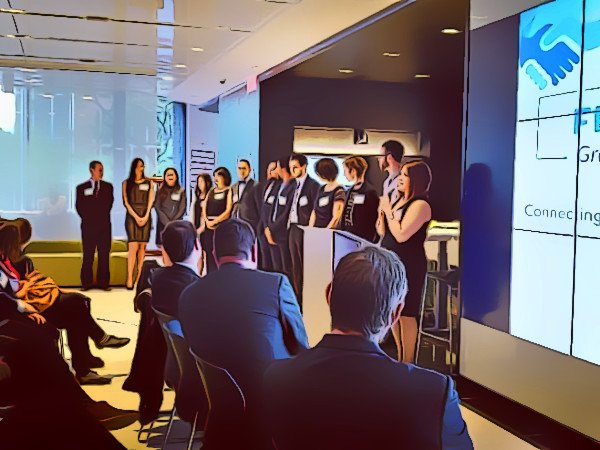
31 May 2017. Montreal. The Finance Alliance for Sustainable Trade (FAST) officially launched
Finance Connect, a service created to connect larger agricultural and forestry small and medium enterprises (SMEs) in developing countries that have financing need of more than USD 800,000 and up.

It was attended by numerous representatives relating to financial institutions, trade organizations, sustainable development, government representatives, international organizations, and other strategic partners.
Getting financing means access to working capital, inputs, and labour but also long-term finance for infrastructure and larger projects […] which can genuinely make a difference in developing and growing businesses, and therefore improve the livelihoods of producers on the ground. Noemi Perez, President and CEO of FAST See short video snap during the event (5:33 min)
Finance Connect is a unique service that focuses on addressing the needs of larger sustainable Agricultural and Forestry SMEs in developing countries that have financing needs of more than USD 800,000. These are usually enterprises that have larger projects, or projects that require both short and long-term finance.

It is a tailor-made service that supports the enterprises throughout the process of obtaining finance, including linking SMEs to financial services providers (FSPs) that can meet their needs in an accurate, efficient, and effective manner. Ultimately, this service will enable FAST and its partners to create a tangible benefit on the ground by helping SMEs restructure their finances, reach their potential growth, employ more people, and have a more sustainable business model that will benefit them and their communities in the long term.

See also short video of Mauricio Rosemsary, FAST Business Development Director.
The International Finance Corporation (IFC) […] reports over 40 million formal small and medium enterprises globally, that have a gap of $1.5 trillion in credit financing. Our services in Finance Connect are designed to collaborate towards the closing of this gap.”
About FAST
The Finance Alliance for Sustainable Trade (FAST) is an international non-profit organization. By
partnering with FSPs and other stakeholders, FAST uses tools and services to facilitate access to finance for agriculture and forestry SMEs in emerging economies mainly in Africa, Latin America and the Caribbean. FAST’s training, analytics, and matchmaking services provide impact investing solutions and capacity-building for their stakeholders.

Tuesday, April 25, 2017

The Cultivate Africa’s Future (CultiAF) Expanding Business Opportunities for African Youth in Agricultural Value Chains

Fish processor explaining benefits of CultIAF technologies
12 April 2017.  Ivy Nyambe Inonge, 35, is the treasurer of Mbeta Island Integrated Fish Farm in Senanga district. Her group won the first prize in Zambia under the Cultivate Africa’s Future (CultiAF) Expanding Business Opportunities for African Youth in Agricultural Value Chains in Southern Africa. She is excited at the prospect of what 5,000 dollars can do for her group, and ultimately, the whole community of Mbeta Island.

By research and business grants, Inonge refers to a symbiotic relationship between the CultiAF research project focusing on post-harvest processing of fish to reduce losses and its complimenting agribusiness component seeking to generate and test novel, creative and bold business models in the fish value chain. According to the group’s winning proposal, they want to turn the 60,000 fingering capacity Malengaula lagoon on the island into a fish pond, and integrate it with livestock and vegetable production. The idea is to have an uninterrupted source of income, which is not the case at the moment due to a number of reasons.

The two projects are jointly funded by Canada’s International Development Research Centre (IDRC) and the Australian Centre for International Agriculture Research (ACIAR) and implemented by the Department of Fisheries and the Africa Entrepreneurship Hub (AEH), respectively. 
The CultiAF Expanding Agribusiness value chains in Southern Africa main objective is to increase youth participation in the Agribusiness value chain through creative ideas. The idea is to develop ways that will help youth get attracted into agriculture and stop seeing it as a profession for the retired.”Dr. Jonathan Tambatamba, Coordinator of the project. 

Thursday, April 6, 2017

CultiAF entrepreneurship and innovation training

21-24 February 2017. Lilongwe, Malawi. This CultiAF entrepreneurship and innovation training is supported by two international institutions, the Australian Centre for International Agriculture Research and International Development Research Centre, to the tune of CAD 464,200 (about US$348,101).

Youth in agriculture face limited access to natural and financial resources, inadequate opportunities for upward mobility skills and experience to run successful business. This necessitated call of interest from youths on fish value chain to generate and test novel, creative and bold models that increase the participation of youth in fish industry in Malawi and Zambia and maize post-harvest agribusiness sector in Zimbabwe.

The selected awardees that have received grants were trained in assessing agri-business environment, identification of viable opportunities, target market segments for selected fish. They were also mentored in developing a portfolio of youth managed business and high growth firms and linking them to business development services,” said Loreto Lekhoaba, an agri-business consultant with the African Technology Development Forum Entrepreneurship Hub of Zambia and specialises in innovation, entrepreneurship and business development.
  • One of the youth groups, the Youth Action in Agriculture Development (YAAD), is based at Lilongwe University of Agriculture and Natural Resources. Priscilla Nsandu, a member of the group says their fish sausage enterprise will require them to procure equipment such as mixers, grinders, casing and packaging devices. YAAD is of the view that the presence of the food science department within the campus will help them raise the bar in terms of standards, nutrient identification but also quality before marketing.
  • Another enterprise group is Malawi-based M and K Cooling System that are working on refrigeration and cool systems. Its member, Enock Palapandu, who attended the training says they are developing vacuum storage containers in the fish value chain to curb growth of microbial activities from supply sites to markets.

Monday, November 14, 2016

Global Conference on Sustainable Beef

14 November 2016. Banff Springs, Alberta, Canada. The Global Roundtable for Sustainable Beef (GRSB) is a global, multi-stakeholder initiative developed to advance continuous improvement in sustainability of the global beef value chain through leadership, science and multi-stakeholder engagement and collaboration. The GRSB envisions a world in which all aspects of the beef value chain are environmentally sound, socially responsible and economically viable.

Presentations from the Global Conference on Sustainable Beef held October 4-7, 2016 are now available online by visiting the Conference's Proceedings page. 
 
Extract of the programme:

Monday, October 13, 2014

New research proposals selected by the Cultivate Africa's Future fund

IDRC's Dominique Charron and Simon Carter,
ACIAR's Nick Austin, and AIFSRC's Mellissa Wood
at the IDRC/ACIAR offices in Nairobi
October 2014. The Governance Committee of the Cultivate Africa's Future (CultiAF) fund has chosen six projects from its September 2013 call for proposals. Previously, eleven applications out of 171 submissions developed full proposals.

The six proposals focus on post-harvest management and productivity with nutritional outcomes and cover five Eastern and Southern African countries: Kenya, Malawi, Uganda, Zambia, and Zimbabwe.

CultiAF is a 4-year, $15 million research partnership between IDRC and the Australian International Food Security Research Centre (AIFSRC) of the Australian Centre for International Agricultural Research (ACIAR). CultiAf is designed to combat hunger in sub-Saharan Africa by harnessing the potential for innovation among the region’s smallholder farmers, the majority of whom are women.

Selected proposals and an analysis of the call for proposals will be announced on the websites of IDRC, AIFSRC and ACIAR by the end of September 2014. The projects are expected to start in October 2014.

Learn more about the Cultivate Africa's Future (CultiAf) fund
Learn more about the Australian International Food Security Research Centre (AIFSRC) of theAustralian Centre for International Agricultural Research (ACIAR)

Tuesday, September 23, 2014

Enriching soils and seeds to improve nutrition

September 2014: Farmers in southern Ethiopia have achieved a two-fold increase in chickpea productivity through enhanced soil health and improved crop varieties. At the same time, improved food processing, preparation methods and education programs have contributed to better nutrition, including through the incorporation of chickpeas into diets.

These are the findings of the ‘Improving Nutrition in Ethiopia through Plant Breeding and Soil Management' project, which researches the biofortification of pulse crops. 
  • It employs strategies to enrich the nutrient contribution of staple crops (chickpea) through plant breeding, soil micronutrient management (zinc fertilizer) and household processing strategies. 
  • It supports biofortification as a cost-effective and sustainable approach to increasing micronutrients in crops using agronomic strategies. 
  • The project also focuses on women's empowerment.
This case study is one of a series of nine ‘Stories of Change' that share some of the gender outcomes emerging from research in sub-Saharan Africa that is supported by the Canadian International Food Security Research Fund (CIFSRF), a program of the International Development Research Centre (IDRC). Read the story of change: From field to fingers: enriching soils and seeds to improve nutrition (PDF, 295 KB, available in English only).

Monday, September 1, 2014

Research to Feed Africa

1 September 2014. Addis Ababa, Ethiopia. The Research to Feed Africa dialogue brought together senior ministers and policymakers; researchers; farming, private sector, and agribusiness leaders; and representatives from financial institutions, international governmental and non-governmental organizations, and civil society.

Dialogue delegates discussed the solutions that research has to offer to feed Africa’s hungry people, in particular:
  • new trends to make agricultural research work for the poor 
  • new pathways to deliver cutting edge science for impact 
  • win-win entry points to achieve both research and development impact 
  • practical experiences to take innovations to the millions who need them
CIFSRF is a program of Canada’s International Development Research Centre undertaken with the financial support of the Government of Canada provided through Foreign Affairs, Trade and Development Canada. CIFSRF supports applied, collaborative, results-oriented research projects that can significantly improve agriculture and nutrition in developing countries.

CIFSRF is organizing the dialogue in collaboration with Food, Agriculture and Natural Resources Policy Analysis Network (FANRPAN), an Africa-wide agricultural policy think-tank that has long experience in convening multi-stakeholder food and nutrition security policy dialogues across the continent.

Monday, June 30, 2014

Research to feed Africa symposium

23 - 27 June 2014. Naivasha, Kenya. The "Research to feed Africa" symposium put the spotlight on new and emerging practical, on the ground and scalable innovations from research conducted in Benin, Burkina Faso, Ethiopia, Kenya, Mali, Niger, Nigeria, South Africa and Tanzania supported by the Canadian International Food Security Research Fund (CIFSRF) which aims to put into practice on-the-ground solutions to hunger and malnutrition.

This conference was organized by the Kenya Agriculture Research Institute (KARI), with support from Canada's International Development Research Centre (IDRC) and the Foreign Affairs, Trade and Development Canada (DFATD).

IDRC Regional Director for sub-Saharan Africa Simon Carter said CIFSRF supports innovative research partnerships between Canadian and developing-country researchers to respond to immediate food needs while increasing access to quality, nutritious food over the long term.

"We bring together the best natural and social scientists to develop practical solutions to increase food production, support small-holder farmers - especially women – and deal with the vexing reality that hundreds of millions of people remain hungry or malnourished," Carter said.
Current CIFSRF projects in Kenya are exploring how safe, effective and affordable vaccines can tackle cattle lung disease in Kenya potentially improving the livelihoods of millions of people in Africa who rely solely on livestock.

The projects also help to scale up agricultural innovations by investigating the numerous causes of low agricultural productivity in dryland areas while at the same time identifying opportunities for linking farmers to markets and influencing the formulation and implementation of sound policies. 

Read more about CIFSRF projects.

Tuesday, May 6, 2014

IDRC @ the University of Alberta's inaugural International Food Security Dialogue

April 30-May 2 2014. OTTAWA. Scientists working on the front lines of hunger in Canada and the developing world gathered in Edmonton,  to find solutions for how small-holder farmers can become more productive, resilient, and profitable. 

 The inaugural International Food Security Dialogue, organized by the University of Alberta with support from Canada's International Development Research Centre and the Foreign Affairs, Trade and Development Canada (DFATD), provided a rallying platform for food security researchers, policymakers, and practitioners to find ways of feeding the estimated 870 million people who go to bed hungry every night.

The International Food Security Dialogue put the spotlight on new and emerging findings from projects in Africa, Asia, and Latin America supported by the Canadian International Food Security Research Fund (CIFSRF). A key component of Canada's Food Security Strategy, CIFSRF is funded by IDRC in collaboration with DFATD, and aims to put into practice on-the-ground solutions to hunger and malnutrition. 

Tuesday, January 28, 2014

New Zealand and Ethiopia sign food security agreement

28 January, 2014. Voxy New Zealand. The Foreign Affairs Minister Murray McCully of New Zealand and his Ethiopian counterpart, Dr Tedros Adhanom Ghebreyesus, have signed an arrangement to improve agricultural cooperation and food security.

The Food Security Cooperation Arrangement was signed following a meeting of the African Union Executive Council in Addis Ababa. The arrangement will provide a government-to-government framework to encourage commercial partnerships between New Zealand and Ethiopian agricultural interests.
"Africa is of increasing interest and importance to New Zealand, as evidenced last year when we made the decision to open a diplomatic post in Addis Ababa. Ethiopia has one of the largest populations in Africa, some 91 million people, a fast growing economy and is situated close to key markets in the Gulf. This arrangement will enable New Zealand to assist in the development of commercial scale agriculture in Ethiopia, and build food security partnerships in the region." Mr McCully said.

Related:
29 January 2014. Addis. The Government of Canada announced funding totalling approximately $35 million to support sustainable economic growth, food security and good governance in Africa. The funding will be directed among others to Food Security for the Support to the Africa Enterprise Challenge Fund - Agribusiness in Africa Window (Pan-Africa):

This project supports new business ideas that will create jobs, boost agricultural productivity and connect small farmers to agricultural markets. This initiative is worth $15.15 million over seven years and will be implemented by the Alliance for a Green Revolution in Africa (AGRA).

Monday, September 30, 2013

The valorization of research results

25 - 27 September 2013. Ouagadougou. Burkina Faso. The International Development Research Centre (IDRC) organized a workshop around the valorization of research results.

This was based on a prio selection of research papers on following themes:
  1. Constraints and opportunities specific to African countries in the intensive use of research results and innovations for economic and social development;
  2. Creation of an enabling environment for the use of research results and innovations for economic and social development;
  3. Successful experiences of exploiting research results and innovations in developing countries: constraints and factors for success;
  4. Strategic approaches to promote the exploitation of research results and innovation in developing countries in one or more of the following areas; organizational and institutional capacity building, communication, protection of intellectual property, taking gender into account, development of public-private sector partnership, etc.

Tuesday, July 9, 2013

Launch of the Cultivate Africa’s Future (CultiAF) Fund

Dr. Dominique Charron of Canada’s IDRC 
and Ms. Mellissa Wood of the Australian ACIAR

16 July 2013. Accra, Ghana. The Cultivate Africa’s Future (CultiAF) Fund was launched during the 6th African Agriculture Science Week.

Version francaise: 
Le Canada et l’Australie: Unis contre la faim en Afrique
This is an open, competitive call for concept notes, and submissions may come from new or existing partnerships.

Read the Call for Concept Notes document for full details, including:
  • background and rationale of the CultiAF Fund
  • goal and key objectives of the Fund
  • eligibility for the Fund
  • selection process and criteria
  • timelines
  • concept note format and requirements
  • submission deadlines
Target Timelines
  • July 16, 2013: Launch of Call
  • September 20, 2013: Deadline for submission of concept notes
  • Mid-January, 2014: Successful applicants invited to develop full proposals
  • March 28, 2014: Deadline for submission of full proposals
  • June, 2014: Applicants informed of full proposals recommended forfunding
  • September 15, 2014: Projects begin
Eligible countries
Burundi, Ethiopia, Kenya, Malawi, Mozambique, Rwanda, Tanzania, Uganda, Zambia, Zimbabwe
Instructions for 2013 Call for Concept Notes Application form

Dr. Pascal Sanginga (IDRC Nairobi), Dr. Dominique Charron (IDRC),
Dr. Fina Opio of ASARECA, Prof. Timothy Simalenga 
of CCARDESA and Ms. Mellissa Wood of the Australian ACIAR
Dr. Innocent Butare (IDRC Nairobi)
Background
The principle objective of the CultiAF Fund is to improve food security in 10 countries in east and southern Africa by funding applied research in agricultural development. An expected outcome is an increase in high-quality scientific research with a focus on the adoption of existing and new research results to tackle persistent problems of food insecurity.

The CultiAF Fund aims to address under–researched and under-utilized agricultural activities and research that exhibits high potential for being scaled up in use. By “scale up in use” it is intended that research will identify adoption pathways and actively involve the research end users who are necessary to take research findings to scale. Given the crowded agenda in some areas of agricultural research in Africa, the CultiAF Fund will seek to support complementary exploration and study where there is a solid research base, good absorptive capacity by national and regional African agricultural research systems, a favourable policy environment, and expressed need.

The CultiAF Fund will be managed in Nairobi by a new team established in IDRC.
The Australian Centre for International Agricultural Research 
(ACIAR) - CEO Nick Austin, 
The Australian Foreign Minister - Bob Carr, 
The Australian International Food Security Centre (AIFSC) -
Director Mellissa Wood, 
Commissioner Joanna Hewitt, 
Canada’s International Development Research Centre 
(IDRC) President - Jean Lebel.

Related PAEPARD blog post:

Related:
The Australia Africa Universities Network (AAUN) hosted the International Africa Forum, The Power of Partnerships and the AAUN Annual Meeting, on the 8-9 July 2013 at the University of Sydney, Australia. This event has been developed with the Association of Commonwealth Universities, who are celebrating their centenary year in 2013-14. The Forum will bring together Australian and African researchers, policy-makers, officials and other interested parties to discuss areas of mutual interest and agree on an action plan.

Related:
28-31/01/2013. Nairobi, Kenya. Innovation Platforms Workshop.

The ACIAR-sponsored Innovation Platforms (IP) workshop was convened by Kenya Agricultural Research Institute (KARI) to share experiences for people working in the agricultural sector in Africa with the by-line Innovation platforms for enhancing innovation and learning.

The workshop was attended by national research centre scientists, NGO staff, AusAID, CSIRO, and ACIAR staff and other stakeholders from southern, western and eastern Africa. Read more

Coming out of this workshop was a process where a guide (Draft, February 2013, 58 pages) was prepared by a select group and this guide was distributed to all participants and relevant stakeholders.

The guide on Innovation Platforms (IP) was followed up with a Training of Trainers workshop from the 13th to the 17th of May 2013, in Embu, Kenya.