On 29 September 2026, APAARI, together with ARINEENA, CACAARI, FARA and CIRDAP, hosted a webinar on “Women in Value Chains and Agri-Food Systems Transformation” as part of a 2026 webinar series organised to celebrate and recognise the International Year of Women Farmers. Held at 3:00 p.m. Bangkok time, the webinar provided a platform to highlight the contributions of women farmers and women working across agri-food value chains, while creating opportunities for regional knowledge exchange and collaboration. The discussion focused on women’s participation and leadership and examined how their engagement could contribute to more resilient, inclusive and sustainable agri-food systems.
Dr. Joanna Kane-Potaka — Executive Secretary, GFAiR (Global Forum on Agricultural Innovation and Research).
Dr. Arjun Singh Saini — horticulture and agricultural development expert; formerly Director General of Horticulture, Government of Haryana.
Ms. Lama Najib — Training and Capacity Development, FAO.
Mr. Anil Kumar S. G. — the event announcement identifies him as a speaker, although I could not verify a current institutional title from a sufficiently reliable public source.
Dr. Jyoti Saroop — Founder & Director, Unati Cooperative / biotechnology expert and social entrepreneur.
Ms. Naheeda Maqbool
Dr. Tala Qtaishat — Associate Professor and Chair, Department of Agricultural Economics and Agribusiness Management, School of Agriculture, University of Jordan.
Dr. Munoko Karen Musikoyo-Nguru — Agribusiness Expert, FARA (Forum for Agricultural Research in Africa), with responsibilities including gender and youth initiatives.
The webinar explored several dimensions of women’s involvement in agri-food value chains, including entrepreneurship, aggregation, processing and market integration. It also examined the institutional, financial and digital conditions that could enable women to participate more effectively and take on stronger leadership roles. Access to finance, appropriate institutions, digital tools, markets and networks were considered important elements in creating an enabling environment for women’s economic engagement. By bringing together organisations and stakeholders from across regions, the webinar also emphasised the value of sharing experiences and approaches that can strengthen women’s roles throughout agri-food systems.
Overall, the session recognised women farmers not only as important producers, but also as entrepreneurs, processors, market actors and leaders contributing to the transformation of food systems.
Why does a continent holding 60% of the world's uncultivated arable land spend a staggering $100 billion every single year importing food? In this masterclass episode of Women in Geopolitics, leading economic and policy experts challenge everything we think we know about African agriculture.
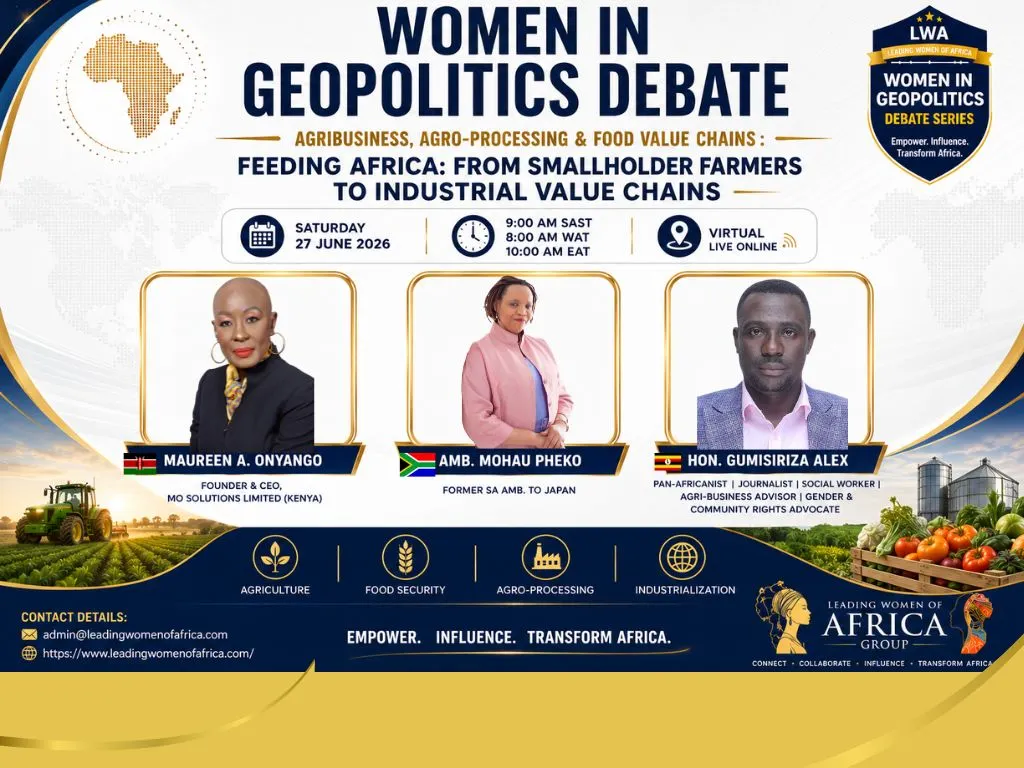
Ambassador Peko explains why Africa doesn't suffer from a production deficit, but rather an ownership deficit. While African women produce up to 80% of local food, the broader economy remains trapped: exporting raw materials like cocoa, cotton, and coffee, only to buy them back as branded Swiss chocolate, Louis Vuitton fashion, and Starbucks coffee.
Technology (leveraging AI alongside indigenous knowledge like Zai pits),
Infrastructure (combating the tragic 30% to 40% post-harvest food losses),
and original African Brands.
On-the-ground expert Maureen addressed the stark logistical and structural barriers preventing local producers from effectively connecting to continental markets.
The 27th PAFO–COLEAD Innovations Session discussed how agrifood systems and the organisations, cooperatives, MSMEs and support ecosystems can better serve youth and women as both entrepreneurs and jobseekers, and how strengthening one pathway can reinforce the other for sustainable, inclusive impact.
For more than 250 years, Black women have grown, harvested, cooked, researched, taught, organized, and nourished a nation often without recognition. "We Belong at the Table" is a cinematic musical tribute honoring the women whose hands shaped America's food system and whose legacy continues to inspire future generations.
Created by WANDA (Women Advancing Nutrition, Dietetics and Agriculture) during its 10th anniversary and in recognition of America's 250th anniversary, this song celebrates the food sheroes who transformed recipes into resistance, gardens into freedom, and meals into movements.
From Harriet Tubman and Georgia Gilmore to Edna Lewis, Jessica B. Harris, Flemmie Kittrell, Leah Chase, Karen Washington, Toni Tipton Martin, Psyche Williams-Forson, Carla Hall, Lena Richard, Vertamae Smart-Grosvenor, Evelyn Crayton, Fannie Lou Hamer, and **Tambra Raye Stevenson, this film reminds us that food is more than nourishment; it is heritage, leadership, community, and democracy.
At WANDA, we believe:
🌱 Food is a human right. 🤝 Belonging is the foundation of democracy. 🍽️ Every table has the power to build healthier communities.
This is more than a song. It is an invitation to remember those who came before us—and to become the next generation of Food Citizens. Because we belong. And so does our food.
Join the Movement ❤️ Support the WANDA Scholars Fund and help prepare the next generation of food leaders. 🌍 Learn more about WANDA: https://www.iamwanda.org
Honoring the enduring contributions of Black women who have nourished families, strengthened communities, advanced science, preserved culture, and shaped democracy through food.
27 June 2026. The Women in Geopolitics Debate Series webinar, focused on the theme "Agribusiness, Agro-Processing & Food Value Chains", examining why Africa—despite possessing some of the world's richest agricultural resources—continues to rely heavily on food imports.
The discussion explored whether the continent's food insecurity stems primarily from insufficient agricultural production or from deeper structural constraints such as weak market linkages, limited access to finance, inadequate infrastructure, fragmented regional value chains, and policy shortcomings.
Rather than concentrating solely on farming, the webinar emphasized the need to transform entire agrifood systems by strengthening agro-processing, investment, logistics, technology adoption, and intra-African trade so that agriculture becomes a driver of industrialization, employment, and economic sovereignty.
Why does the African continent possess nearly 60% of the world's uncultivated arable land, yet somehow spends a staggering $100 billion every single year importing food? In this powerful episode of Women in Geopolitics, international experts drop the pleasantries to expose the value chain crisis holding Africa back.
Ambassador Peko masterfully unpacks why Africa doesn't have a production problem, but an ownership problem. From global conglomerates controlling the world's seeds to the tragic reality of exporting raw cocoa, cotton, and coffee only to buy them back as Swiss chocolate, Louis Vuitton, and Starbucks—Africa is producing wealth for everyone except itself.
On-the-ground expert Maureen Onyango and others joins the conversation to reveal the shocking disconnect in the ecosystem: local manufacturers are importing agricultural goods from outside the continent while identical local crops rot in post-harvest losses due to broken logistics and high cross-border trade costs. This isn't just a video about farming—it's a masterclass on economic sovereignty, geopolitical strategy, and the 4 assets Africa MUST own to reclaim its future.
The session formed part of the Women in Geopolitics Debate Series, organized by Leading Women of Africa (LWA), which seeks to highlight women's leadership in strategic sectors shaping Africa's future.
The webinar brought together a panel of senior leaders and practitioners from across the African agribusiness ecosystem to discuss practical pathways for increasing agricultural competitiveness and reducing dependence on imported food.
Speakers represented expertise in agricultural policy, agribusiness investment, agro-processing, food value chains, entrepreneurship, and regional market development, contributing perspectives on improving farmer access to finance, strengthening processing industries, expanding regional trade, and creating inclusive value chains that benefit women and youth.
The organizers presented the event as an interactive policy dialogue aimed at connecting policymakers, investors, entrepreneurs, researchers, and development partners around a shared vision of building a more resilient, food-secure, and economically competitive Africa. While the announcement highlights a "distinguished panel," the publicly accessible event page does not list the speakers by name; instead, they were presented in an embedded event graphic that is not machine-readable in the available online version.
12–14 March 2026. The Global Conference on Women in Agri-Food Systems (GCWAS-2026), held in March 2026 in New Delhi under the theme “Driving Progress, Attaining New Heights,” brought together global stakeholders—including policymakers, researchers, women farmers, entrepreneurs, and development organizations—to advance gender equality in agriculture.
The conference highlighted the central role of women in agri-food systems and focused on promoting inclusive policies, strengthening women’s leadership and economic empowerment, and leveraging technology for transformation.
Key discussions addressed access to markets, finance, innovation, and capacity building, while dedicated platforms such as the Women Farmers’ Forum and Youth Forum amplified grassroots voices and future leadership. The event is expected to contribute to a global roadmap with actionable recommendations, strengthened partnerships, and scalable solutions to support women as key drivers of sustainable and resilient agri-food systems.
Session 1 – Interface with Global Women Trailblazers
This session explored leadership journeys of prominent women who had shaped agricultural science, innovation, and policy. The discussion highlighted the importance of women’s leadership in decision-making across research institutions, international organizations, and the private sector. Participants reflected on how mentorship, education, and institutional support had enabled women to break barriers in agri-food systems and emphasized the need to strengthen global networks that support emerging women leaders.
Ismahane Elouafi – CGIAR
Renu Swarup – Government of India
Purvi Mehta – Global Center on Adaptation
Session 2 – Driving Progress, Attaining New Heights
This session showcased inspiring case studies from women scientists, entrepreneurs, farmers, and industry leaders who had advanced innovation in agri-food systems. Presenters shared personal and professional experiences demonstrating how women had overcome structural barriers and expanded their impact through technology adoption, leadership in research institutions, and entrepreneurial initiatives. The session emphasized the importance of visible role models and success stories in motivating the next generation of women in agriculture.
Purnima Menon – International Food Policy Research Institute
Usha Barwale Zehr – Grow Indigo
Meenesh Shah – National Dairy Development Board
Session 3 – Mainstreaming Gender Equality and Social Inclusion
This session examined strategies for integrating gender equality into agricultural policies, research programs, and institutional frameworks. Experts discussed approaches for ensuring equitable participation of women across value chains, including access to resources, training, leadership opportunities, and decision-making processes. The discussions emphasized the role of gender-responsive policies and inclusive institutional systems in creating fair and sustainable agri-food systems.
Dina Nijjar – International Center for Agricultural Research in the Dry Areas
Nitya Rao – University of East Anglia
Aly Abousabaa – ICARDA
Session 4 – Emerging and Disruptive Technologies for Gender-Transformative Change
This session highlighted the role of emerging technologies in transforming women’s participation in agriculture. Discussions focused on digital agriculture, artificial intelligence, climate-smart technologies, and women-friendly farm tools designed to reduce drudgery and enhance productivity. Speakers demonstrated how inclusive technological innovation could empower women farmers and entrepreneurs while strengthening sustainable agri-food systems.
Bram Govaerts – International Maize and Wheat Improvement Center
Nick Austin – Australian Centre for International Agricultural Research
Renuka Diwan – Bioprime Agrisolutions
Session 5 – Building Future Leadership in the Agri-Food Sector
This session addressed the need to cultivate a new generation of women leaders in agriculture. Participants discussed mentorship networks, leadership training programs, and educational initiatives that could enable young women to develop professional skills and leadership capacity. The session emphasized that nurturing future leaders was essential for building resilient and inclusive agri-food systems.
Rajbir Singh – Indian Council of Agricultural Research
Rajarshi Roy Burman – ICAR
Mridula Devi – Central Institute for Women in Agriculture
Session 6 – Empowering Women through Economic Inclusion
This session focused on economic empowerment through entrepreneurship, financial inclusion, and market participation. Presentations highlighted successful models of women-led enterprises, cooperatives, and microfinance initiatives that improved access to markets and income opportunities. Discussions emphasized the role of value chains, digital platforms, and financial services in strengthening women’s economic participation in agriculture.
Smita Sirohi – National Institute of Agricultural Economics and Policy Research
Pratibha Singh – ACIAR
Sweta Singh – Corteva Agriscience
Session 7 – Gender Dynamics in Policy and Market Access
This session explored how policy frameworks and institutional reforms could improve women’s access to markets, resources, and decision-making processes. Participants discussed policy innovations that could strengthen food security and ensure that women farmers and entrepreneurs benefit from market opportunities, technology adoption, and inclusive governance structures.
Ch Srinivas Rao – Indian Agricultural Research Institute
Bhag Mal – Trust for Advancement of Agricultural Sciences
28 November 2024. During this meeting leaders from Latin America, Asia, Africa, and EMENA, broke down the successes and challenges of practical initiatives in their advocacy efforts to achieving women land rights in order to overcome obstacles in their territories.
Recording available
Women Land Rights Defenders are crucial to protect land and territories, but doing so expose them to gender specific threats and challenges. There is a global need to engage with women defenders to support them, document their struggles and facilitate their voices to be heard in the public sphere.
Moderated by Elisabetta Cangelosi, Gender Justice Advisor, International Land Coalition
Etienne Coyette, Policy Officer, INTPA F3
Michel Forst, UN Special Rapporteur Environmental defenders
Marusia Lopez,IM-Defensoras- Mesoamerican Initiative of Women Human Rights Defenders
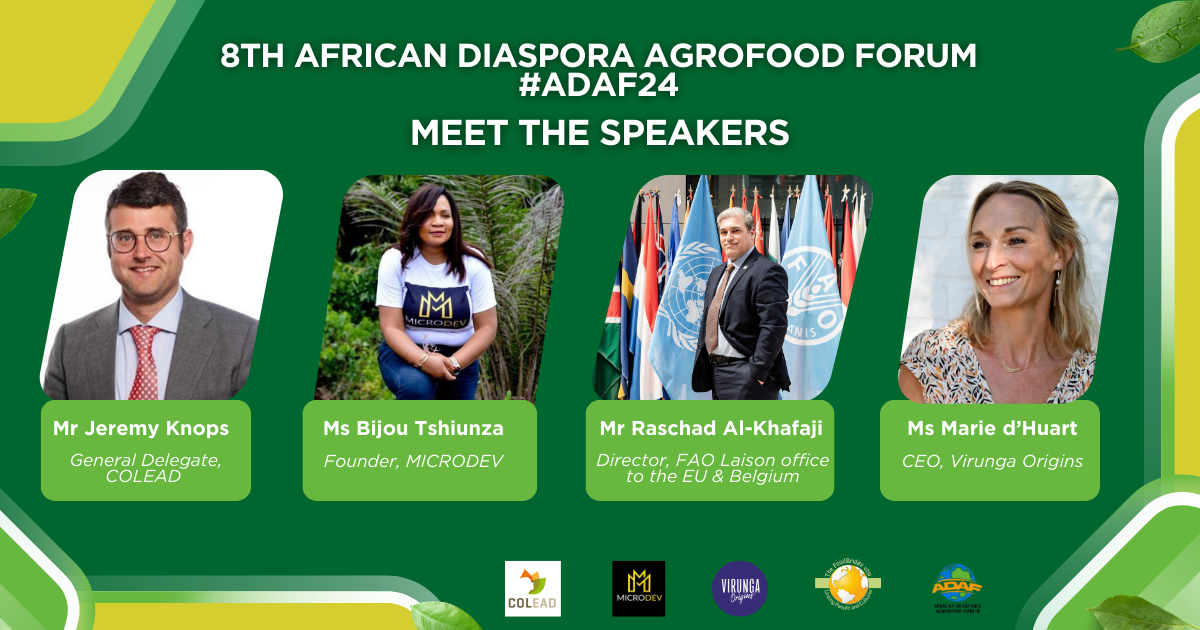
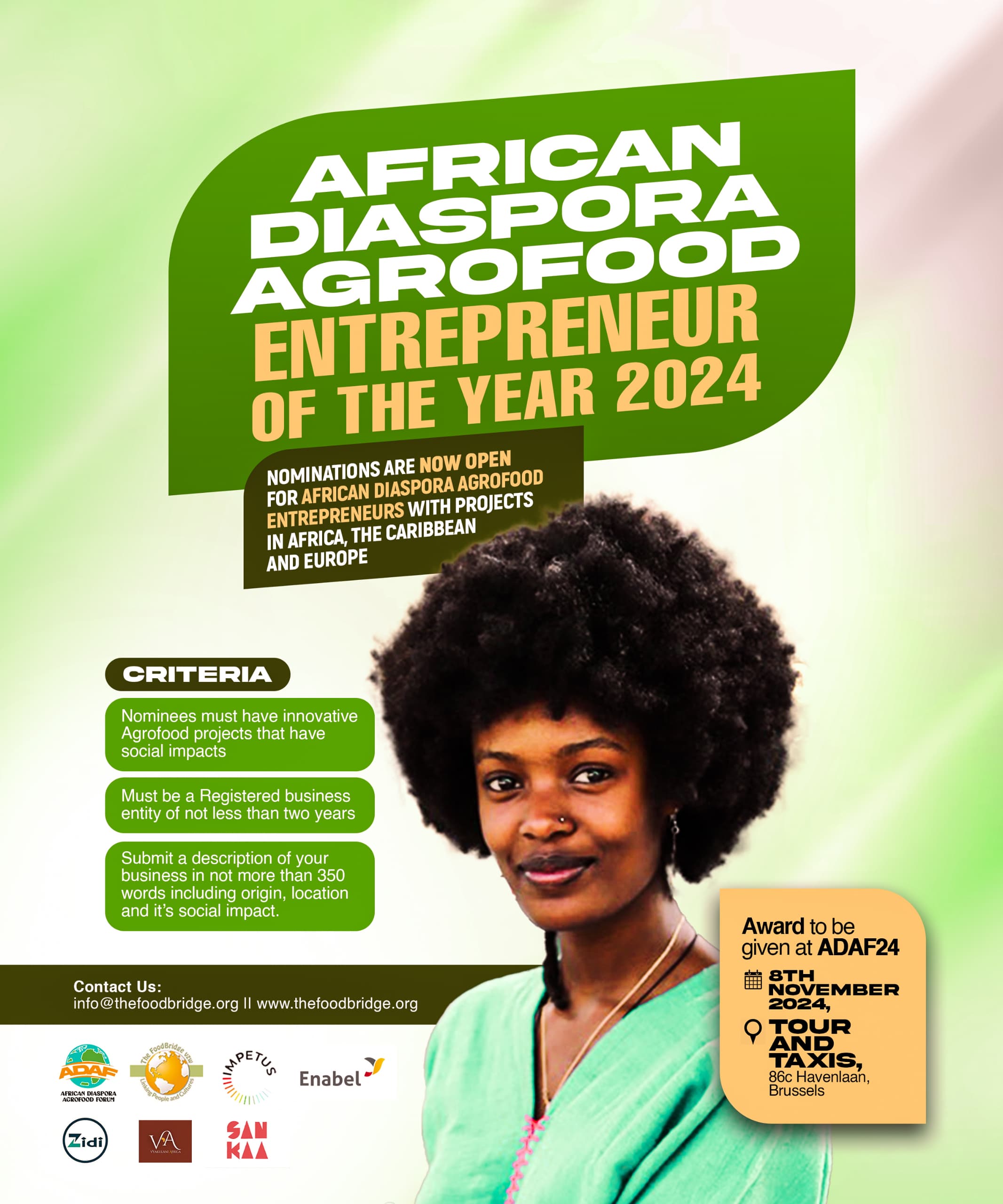
8 - 10 November 2024. African Diaspora Agrofood Forum (ADAF 2024)The African Diaspora Agrofood Forum, offered a platform for African diaspora agrofood entrepreneurs, stakeholders and interested members of the public to convene, exchange ideas, explore opportunities for growth in the agrofood sector and experience African food innovations.
It is an annual event organised by the FoodBridge. The FoodBridge, a non-profit organization based in Belgium, manages several projects aimed at promoting food culture, heritage, and community support.
The purpose of this request for Expressions of Interest was to identify organizations interested in participating in a Collective Action (CA) dedicated to reviving forgotten foods, with a particular focus on their inherent nutritional value and resilience to climate change.
Through this initiative, the aim is to empower small scale producers as key actors in the pro-poor transformation of agri-food research and innovation systems.
The CA will actionable strategies designed to empower farmers to demonstrate the vast potential of their crops, advocate for their challenges and needs, and overhaul research and innovation systems in favour of forgotten foods and of farmers’ traditional knowledge and governance structures.
Key highlights of the event included:
Expert Panels and Keynote Speeches: leading experts and thought leaders on current trends, challenges, and opportunities within the African agrofood sector.
Workshops and Training Sessions: interactive workshops designed to enhance skills and knowledge in various aspects of agrofood production, marketing, and consumption.
Networking Opportunities: Connecting with peers, professionals, investors, and policymakers to build strategic partnerships and collaborations.
Exhibition: 2 days exhibition fair to taste innovative agrofood products
Presentation of the African Diaspora agrofood entrepreneur of the year award and the annual compendium of African diaspora agrofood entrepreneurs
The ADAF 2024 partners include Sankaa vzw, European Union Global Diaspora Facility(EUDIF), ENABEL, COLEAD, EU Impetus Accelerator Program, Zidi Circle, Alefa Diaspora and others.
This panel discussed the role of the African Diaspora in driving innovative agrofood entrepreneurshipthat aligns with the UN’s 2030 Agenda for Sustainable Development.
The panel was moderated by GFAiR.
Policy makers, experts and entrepreneurs discussed how to create policies that foster growth,
sustainability and opportunity in agrofood sectors across Africa and its diaspora.
Mr. Jeremy Knops, general delegate COLEAD
Ms. Bijou Tshiunza, founder MICRODEV
Mr. Rashad Al-Khafaji, Director FAO Laison office to the EU & Belgium
Entrepreneurship is deeply intertwined with the migration stories of African diasporas, particularly in the agrofood sector. Over the years, many in the diaspora have harnessed their resources to launch agrofood projects, which often go unrecognized in mainstream development narratives and data. To spotlight these efforts, the African Diaspora Agrofood Entrepreneur of the Year award was conceived, honoring those making significant impacts in the sector.
In 2022, this prestigious award, organized by The Food Bridge, was presented to Mr. Cyril Sanjoh, a Cameroonian entrepreneur revolutionizing the international agrifood landscape. His company, Sansusa, registered as a Common Initiative Group (CIG) in 2014, is committed to sustainable farming practices, producing a diverse range of crops and livestock.
In 2023, Mr. Alpha Diallo, founder of Africapaid, received the award for his innovative work at WELLI Farm in Senegal. His farm addresses food security challenges by focusing on fruit, vegetable, and dairy production while supporting the local community. Diallo’s approach is especially notable for his collaboration with local women, who collect farm produce on credit and sell it at markets, keeping 100% of the profits.
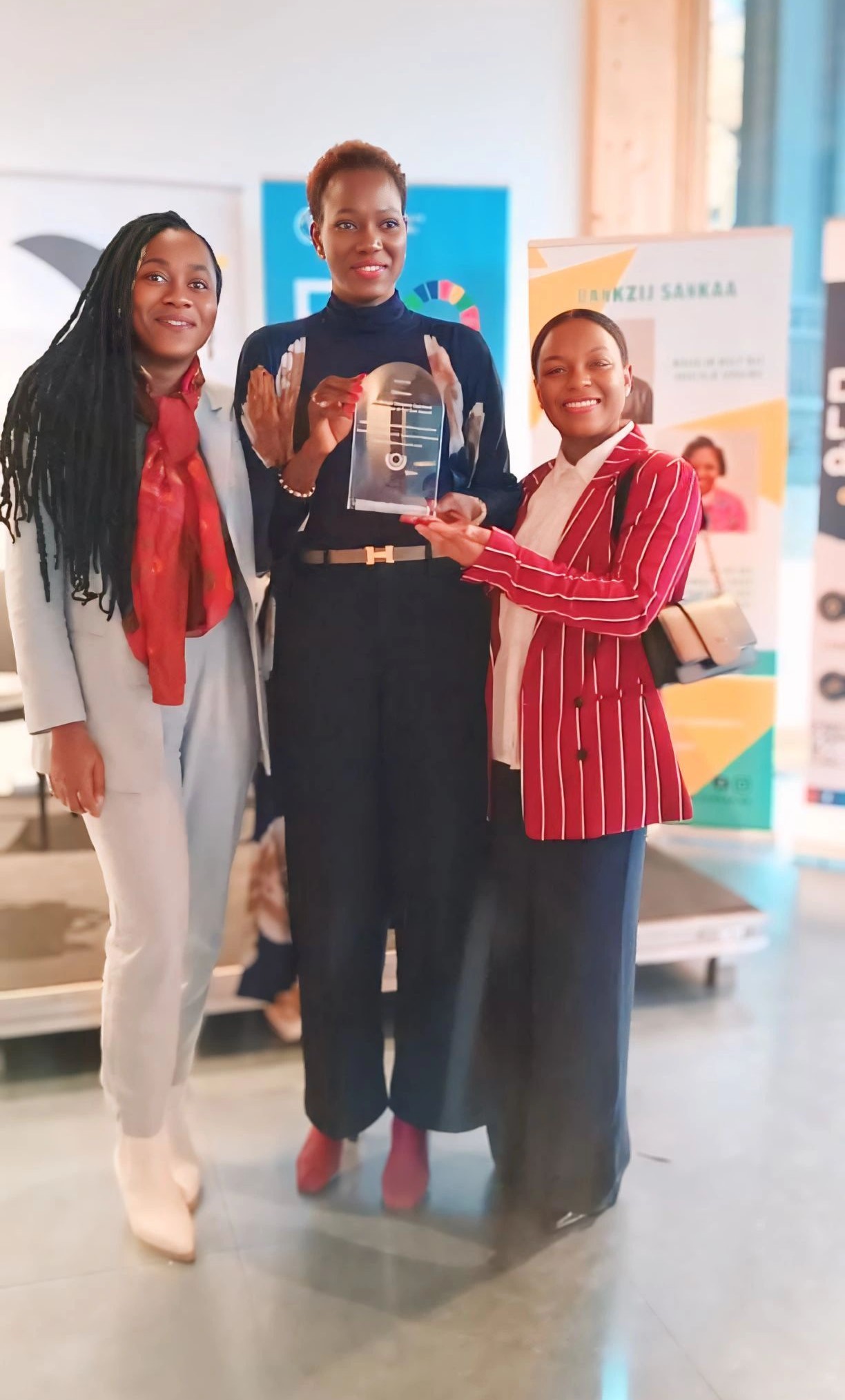
In 2024Ms Maimouna Kanté, founder of Maison Kanthé France, has been named the Food Bridge's 2024 African Diaspora Agrofood Entrepreneur of the Year. This award, presented at the African Diaspora Agrofood Forum and sponsored by Entrepreneurs for Entrepreneurs Belgium, celebrates African diaspora agrofood entrepreneurs who make significant community impacts and show strong potential for growth.
During the award presentation, Mr Bjorn Macauter, General Manager of Entrepreneurs for Entrepreneurs, highlighted the impressive social impact of the five nominees, all of whom are women. Kanthé stood out as the winner due to her business’s scalability across multiple countries.
In her acceptance speech, Kanté shared that the name of her tea brand honors her heritage (her family originates from Guinee Conakry) and Africa’s rich resources, which she aims to share with tea lovers and connoisseurs worldwide. Kanthé’s offerings include 100% African teas, infusions, and honeys sourced from premium plantations in Malawi, Mali, Rwanda, Guinea, South Africa, and Togo.
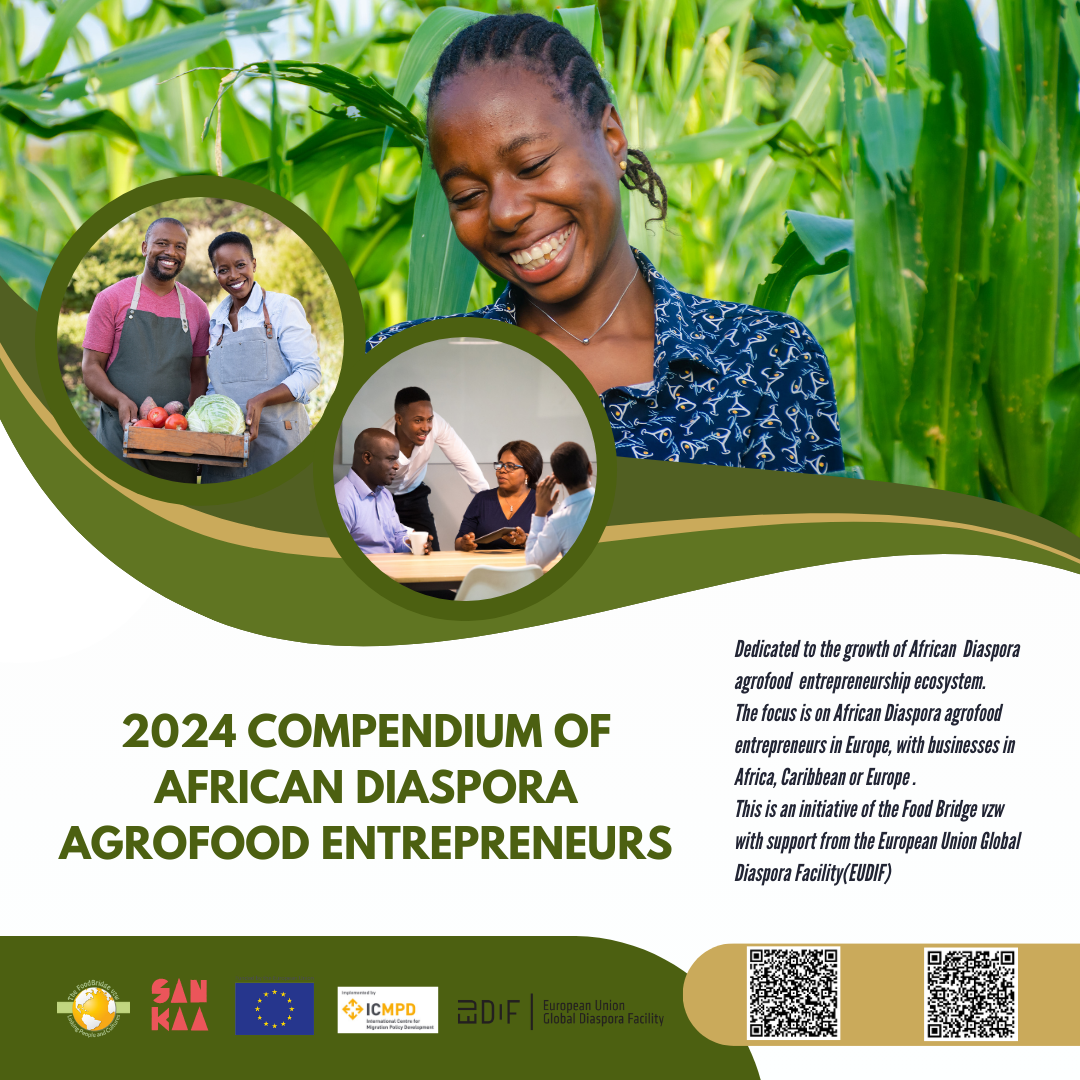
This publication aims to support and promote the growth of the African Diaspora agrofood entrepreneurship ecosystem. The 2024 African Diaspora Agrofood Entrepreneurs Compendium is produced by The Food Bridge vzw in collaboration with the European Union Global Diaspora Facility (EUDiF). This collaboration is motivated by a mutual desire to facilitate and support the African Diaspora entrepreneurial ecosystem in Europe. The Food Bridge vzw is a Belgian non-profit organisation with different agrofood and diaspora engagement projects in Belgium, Nigeria and Ghana.
EUDiF is a project funded by the European Union and implemented by the International Centre for Migration Policy Development. It strives to maximize the potential of diaspora engagement for development by generating knowledge, facilitating dialogue and providing capacity development support to diaspora organizations and partner countries.
It is featuring African diaspora agrofood
entrepreneurs based in Europe, who operate businesses in Africa, the Caribbean, or Europe. Selected entrepreneurs will be highlighted in this year's edition.
Conclusion and recommendations
Women entrepreneurs engaged in food
processing in Africa, in particular the African Diaspora, have unique opportunities to improve nutrition by leveraging their positions to create healthier, locally sourced, and culturally relevant food products. For example, women-led businesses can focus on processing traditional, nutrient-dense foods that are often overlooked by large-scale industrial producers, such as indigenous grains, legumes, and vegetables. These women entrepreneurs can innovate by fortifying common foods with micronutrients like iron, vitamins, and
minerals to address local nutritional deficiencies, such as anemia or vitamin A deficiency.
Additionally, they can promote healthier alternatives to processed snacks by creating low-sugar, high-fiber, and nutrient-rich products that cater to local tastes. By using
local ingredients, women entrepreneurs can also support regional agriculture, boosting food security and encouraging sustainable farming practices. Furthermore, women-run food enterprises can serve as platforms for education, teaching communities about the benefits of nutritious eating and helping to shift consumer behavior towards healthier, more balanced diets. These efforts not only improve the nutrition of local populations but also empower women entrepreneurs to play a central role in shaping the health and economic landscape of their communities.
Spotlight on Virunga origins: Virunga Origins is a social enterprise located in the Democratic Republic of Congo. Its mission is to produce delicious, superior quality goods and create lasting societal change through sustainable agriculture, working practices, training, and employment opportunities.
Spotlight onGlim Africa: Founded in 2020 in France and 2021 in Cameroon, Glim Africa was created to provide local alternatives to the massive imports of wheat and rice in Cameroon and across Africa. Glim Africa focused on promoting local agriculture by developing products from indigenous crops such as cowpea (niébé), recognized by WWF as one of the 50 foods of the future.
Spotlight on Hordesia: HORDESIA’s catering service, Sekayi, offers a variety of unique products that bring the flavors of the DRC to Belgium. Their main offerings include Sauce Mbika (pumpkin seed sauce), Mbika and vegetable patties, red currant coulis, and baobab powder.
Spotlight on Vyakulani Africa Project: Vyakulani Africa Project (June 2024 – January 2025) The aim of the project is to document African diaspora foodways in Belgium.
Related:
EUDiF is pleased to invite diaspora organisations, from countries listed in the Neighbourhood, Development and International Cooperation Instrument (NDICI) regulation regulation and registered in an EU member state, Switzerland or Norway, to submit a proposal for small-scale projects amounting from 25,000 to 60,000 EUR.
D4D Grants aim to promote sustainable development by supporting diaspora-led initiatives in the country of origin in the areas of climate, economy, education and health.
This series highlights innovative research interventions and scientific advancements led by African scientists, beneficiaries of the AWARD One Planet Fellowship Program.
Background
One Planet Fellowship is a $20 million initiative dedicated to supporting research on climate change adaptation
African Women in Agricultural Research and Development (AWARD) and Agropolis Fondation supported by the Bill & Melinda Gates Foundation (BMGF), France’s BNP Paribas Foundation, the European Union, Canada’s International Development Research Centre (IDRC) have partnered to implement the One Planet Fellowship.
The One Planet Fellowship seeks to build a vibrant, highly connected, and intergenerational network of African and European scientist leaders equipped to lead next-generation research focused on helping Africa’s smallholder farmers adapt to a changing climate.
The Global Food 50/50 initiative monitors progress and holds food system organizations accountable for advancing gender-just and equitable food systems. This event marks the launch of the third annual Global Food 50/50 Report, which reviews the gender- and equity-related policies and practices of 51 global food system organizations to assess two interlinked dimensions of inequality: inequality of opportunity in careers within organizations and inequality in who benefits from the global food system.
For the first time, the 2023/2024 Report expands its focus to address a policy area that plays a decisive role in promoting equality of opportunity in the workplace: the extent to which workplace policies recognize and support employees’ care responsibilities. The data reveal policy attention to parental leave, but other policies related to family needs, such as child care and elder care, remain scarce.
This launch event seminar will present key findings from the report and explore how this new accountability mechanism can empower a broader movement to demand more equitable and inclusive organizations across the global food system.
Introductory Remarks
Johan Swinnen, Managing Director, Systems Transformation, CGIAR and Director General, IFPRI
Sarah Hendriks, Director, Policy, Programme and Intergovernmental Division, UN Women
Jamille Bigio, Senior Coordinator for Gender Equality and Women's Empowerment, United States Agency for International Development (USAID) Keynote Address
Results of 2022 Global Food 50/50 Report
Jemimah Njuki, Chief, Economic Empowerment, UN Women
Sonja Tanaka, Deputy Director, Global Health 50/50
Panelists
Ananda UVL, Head of Public Affairs and Corporate Communications, East-West Seed
Maureen Miruka, Senior Director for Program Quality and Partnerships, CARE
Susan Kaaria, Director, African Women in Agricultural Research and Development (AWARD)
Santiago Alba-Corral, Director, Climate-Resilient Food Systems, International Development Research Centre (IDRC)
Sarah Hawkes, Co-Founder and Co-CEO, Global Health 50/50 - Closing Remarks
Moderator Hazel Malapit, Senior Research Coordinator, IFPRI
Resource:
Global food 50/50 report 2023/2024: Analysis of family-friendly workplace policies and gender equality in 51 global food system organizations
The production of this document was supported by NORAD, through AUDA-NEPAD in collaboration with FARA.
Inclusive sustainable food systems in Africa require a gender-transformative approach to address gender
inequalities that women and girls face in accessing and controlling resources and decision-making in the
food systems. Gender mainstreaming is a crucial step towards achieving inclusive and sustainable food
systems that are gender-responsive, equitable, and socially just. This action plan provides a step-by-step
guide for gender mainstreaming in inclusive sustainable food systems in Africa.
The Action plan for gender mainstreaming for inclusive and responsive food system in Africa springs from
four (4) different perspectives:
The various global, continental, and regional frameworks on gender responsiveness/ inclusiveness
and equality
The existing literature on the current state of gender gaps affecting the drivers of the food systems
in Africa
The outcomes of the Round Table Discussions by multi-stakeholders and partners on gender issues
and food systems in Nairobi 2022.
The collated results and outcomes of the online/computer knowledge-based assessment by multistakeholders and partners on gender issues and the food system in the continent.
This action plan also contains measurable expected indicators of change and timeline that is in tandem
with FARA Strategic Plan (2024-2028). This action plan should be read with other action plans, gender
documents, policies and strategies associated with FARA and the CAADPXP4 consortium.
The status of women in agrifood systems report uses extensive new data and analyses to provide a comprehensive picture of women’s participation, benefits, and challenges they face working in agrifood systems globally.
The report shows how increasing women’s empowerment and gender equality in agrifood systems enhances women’s well-being and the well-being of their households, creating opportunities for economic growth, greater incomes, productivity and resilience.
The report comes more than a decade after the publication of the State of food and agriculture (SOFA) 2010–11: Women in agriculture – Closing the gender gap for development. SOFA 2010–11 documented the tremendous costs of gender inequality not only for women but also for agriculture and the broader economy and society, making the business case for closing existing gender gaps in accessing agricultural assets, inputs and services.
Moving beyond agriculture, the status of women in agrifood systems reflects not only on how gender equality and women’s empowerment are central to the transition towards sustainable and resilient agrifood systems but also on how the transformation of agrifood systems can contribute to gender equality and women’s empowerment.
It provides a comprehensive analysis of the available evidence on gender equality and women’s empowerment in agrifood systems that has been produced over the last decade. The report also provides policymakers and development actors with an extensive review of what has worked, highlighting the promise of moving from closing specific gender gaps towards the adoption of gender-transformative approaches that explicitly address the formal and informal structural constraints to equality. It concludes with specific recommendations on the way forward.
The following complementary information is available:
Découvrez l’Afrique à travers ses plats, ses épices, tisanes, ses beurres corporelles et sa culture. Comme disait Hippocrate, “que ton aliment soit ton médicament”.
"Nous sommes un jeune couple MARYSE et ALI, d’origine congolaise et ivoirienne avec notre fils de 3 ans KEMBO, d’où vient le nom de notre marque. Ce nom provient du lingala,langue parlée au Congo. “Kembo” signifie “La réjouissance, gloire” et nous l’avons choisis car c’est ce que nous aimerions partager. La joie de vivre à travers nos produits, nos épices et nos recettes."
"Tous nos produit proviennent des producteurs locaux de différents pays : Cote d’ivoire, Mali , Sénégal Congo et le Cameroun. Nous souhaitons élargir la liste de nos différents collaborateurs dans le futur car chaque pays africain a quelque chose de spéciale. Je termine par un proverbe africain que me répétait ma mère : « SOKI TO SANGANI TOKOKI KO SALA MAKAMBO MINGUI. » ce qui signifie ensemble on peut faire de grandes choses !"
Entretien avec Maryse et Cassandre (Kembo Saveurs d'Afrique & Les rituels de Cassandre) Afropeenne
Partnership Associate ClimateScience / National head of recruitment, Canada
Mr William Makaza *
GCSAYN Liaison to the University of Mohamed VI Polytechnic, Morocco
Related:
The 2023 SDG Summit will be convened on 19-20 September 2023, during the United Nations General Assembly high-level week. Heads of State and Government will gather at the United Nations Headquarters in New York to follow-up and review the implementation of the 2030 Agenda for Sustainable Development and the 17 Sustainable Development Goals (SDGs). They will carry out a comprehensive review of the state of the SDGs, respond to the impact of multiple and interlocking crises facing the world, and provide high-level political guidance on transformative and accelerated actions leading up to the target year of 2030 for achieving the SDGs.