This new book published by Oxfam describes the botany, local knowledge and nutrition qualities of one hundred local plants, which can help reduce micronutrient deficiencies of Indigenous peoples and smallholder farmers.
The objective of this book is to describe the botany, local knowledge and nutritional qualities of one hundred local food plants, which can help reduce the length of the food scarcity period and micronutrient deficiencies of Indigenous peoples and smallholder farmers across Africa, Asia and Latin America. The book also explains the species’ tolerance to conditions of environmental stress, which suggests the potential role they might play for nutrition in the context of climate change.
SD=HS is coordinated by Oxfam Novib, and funded by the Swedish Development Cooperation (Sida). Specifically, SD=HS´s work on Local Food Plants for Nutrition aimed at strengthening the strategies that households have to cope with food scarcity and malnutrition by increasing the intake of nutritious food based on local biodiversity. The work also aimed at improving the management of local food plants, particularly neglected and underutilized species (NUS).
The overall objective of the SD=HS programme is to
empower indigenous peoples and smallholder farmers
to uphold, strengthen and mainstream their rights and
build technical capacities to better manage agricultural
biodiversity to achieve food and nutrition security in the
context of climate change. Empowerment, experiential
participatory learning, and action research are central
elements of the programme.
In the framework of the Africa-EU Partnership, the fifth AU-EU agriculture ministerial conference foresees 4 high-level thematic sessions, side events and a ministerial plenary session.
The thematic sessions were held in parallel in the morning and covered: (a) Sustainable investment in support of agri-food; (b) Research and innovation for smarter policies and technologies; (c) Climate resilience of agri-food systems; (d) Regional trade integration
30/06 Side event PAFO, with the support of Agricord: AU-EU partnership and the role of farmers' organizations in resilient food systems and sustainable agri-food value chains
Sustainable investment in support of agri-food
systems
This session showcased some
of the agricultural value chains which are having traction at country and regional level - both
exportable (cocoa, cashew) and for all typology of markets (livestock, fruit and vegetables,
aquatic, plant proteins etc) - as part of the Global Gateway delivery. The discussion included the opportunities and challenges around the use of blending instruments and guarantees in agriculture and agri-business – from AgriFI, ABC Fund, Huruma Fund, AATIF and others.
Chair – Ildephonse Musafiri, Minister of State in the Ministry of
Agriculture and Animal Resources
Sheikh Zayed
Moderator
Carla Montesi, Director, Directorate-General for INTPA/EC
Marco Camagni, Global Technical Lead for rural institutions, International
Fund for Agriculture and Development (IFAD)
Andrea Ghia, Responsible for the EU-Ghana agri-business platform,
Eurocham Ghana
Martin Fregene, Director for Agriculture, AFDB
Changwe Kumalinga, Chief Financial Officer, Good Nature Agro
Bongiwe Njobe, Chairperson, Global Forum on Agricultural Research and
Innovation (GFAR)
Mohamed Manssouri, Director, FAO Investment Centre
Research and innovation for smarter policies
and technologies
The FNSSA International Research Consortium (FNSSA IRC) set up with the Horizon 2020 project “LEAP4FNSSA”, the Pan African Network for Economic Analysis of Policies (PANAP), the Policy and Regulation Initiative for Digital Africa (PRIDA), the DeSIRA initiative and over 450 FNSSA projects supported both by the AU and the EU are key building blocks of the rising AU-EU agricultural knowledge and innovation system.
Chair – Martin Heydon, Minister of State at the Department of
Agriculture, Food and the Marine,
Moderator - Kerstin Rosenow, Head of Unit, Directorate-General for Agriculture
& Rural Development, EC
Irene Annor-Frempong, Leader of the International Consortium of AU-EU
FNSSA research at the Forum for Agricultural Research in Africa (FARA),
Research and Innovation Consultant and member of the SANAD high-level
political dialogue
Andrés Montero Aparicio, Cabinet of the Prime Minister of Spain
Godfrey Bahiigwa, African Union, Director for the Department of Agriculture,
Rural Development, Blue Economy, and Sustainable Environment (ARBE)
Muriel Mambrini, Director Research and Program Evaluation, French
National Research Institute for Sustainable development (INRAE)
King-David Amoah, President of The Farmers Organisation Network in Ghana
Arwyn Jones, EU Soil Observatory, Joint Research Centre, European Commission (JRC/EC)
In its recently (March 2023) published submission to the UNFCCC6 (# 10 p.) the EU stressed the need for better consideration of food systems in relation to climate change. The submission to the Joint Work on Implementation of Climate Action on Agriculture and Food Security referred to research:
"Enhancing research and development on issues related to agriculture and food security and consolidating and sharing related scientific, technological and other information, knowledge (including local and indigenous knowledge), experience, innovations and best practices"
This session assessed the interconnections between African and European food systems, and launching a process for more effectively exploiting the opportunities of African and European food strategies to jointly contribute to achieving the United Food Systems Summit (UNFSS) and Paris Agreement goals.
Chair – Luis Planas Puchades, Minister of Agriculture,
Fisheries and Food, Spain
Room - Malaysia
Moderator - Ron Hartman, Director for Global Engagement, Partnerships and
Resource Mobilization, International Fund for Agricultural Development (IFAD)
Speakers
Martin Frick, Director, World Food Programme
Ana Maria Loboguerrero Rodriguez, Research Director for Climate Action
at the Alliance of Bioversity International and International Center for Tropical
Agriculture (CGIAR)
Christopher Ian Brett, Lead Agribusiness Specialist in the Global Agricultural
Practice of the World Bank
Kaveh Zahedi, Director, Office of Climate Change, Biodiversity and
Environment, Food and Agriculture Organization of the United Nations (FAO)
Kati Partanen, Member of the Board of Directors, World Farmers Organisation
(WFO) and Member of the Board, Central Union of Agricultural Producers and
Forest Owners (MTK), Finland
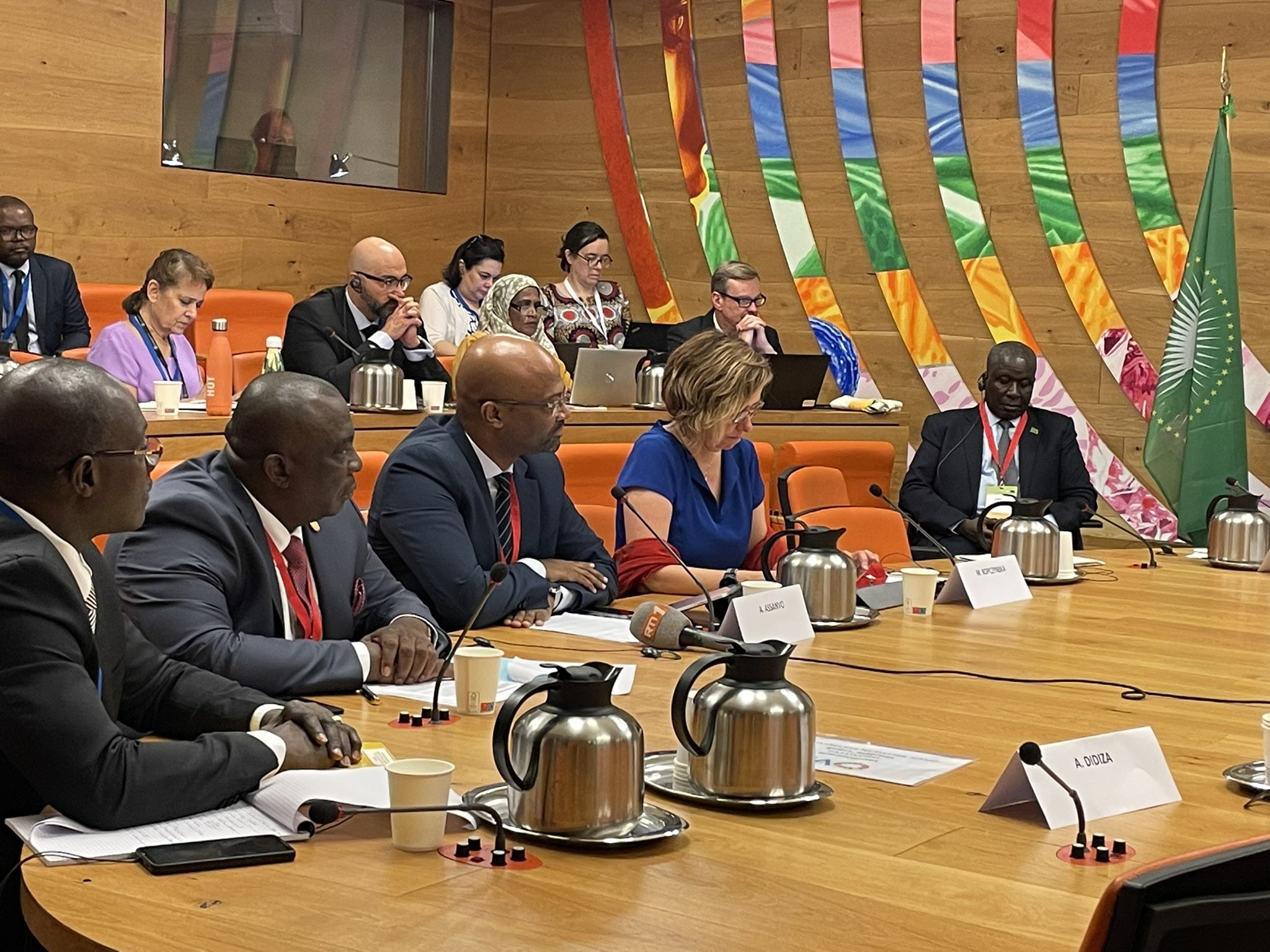
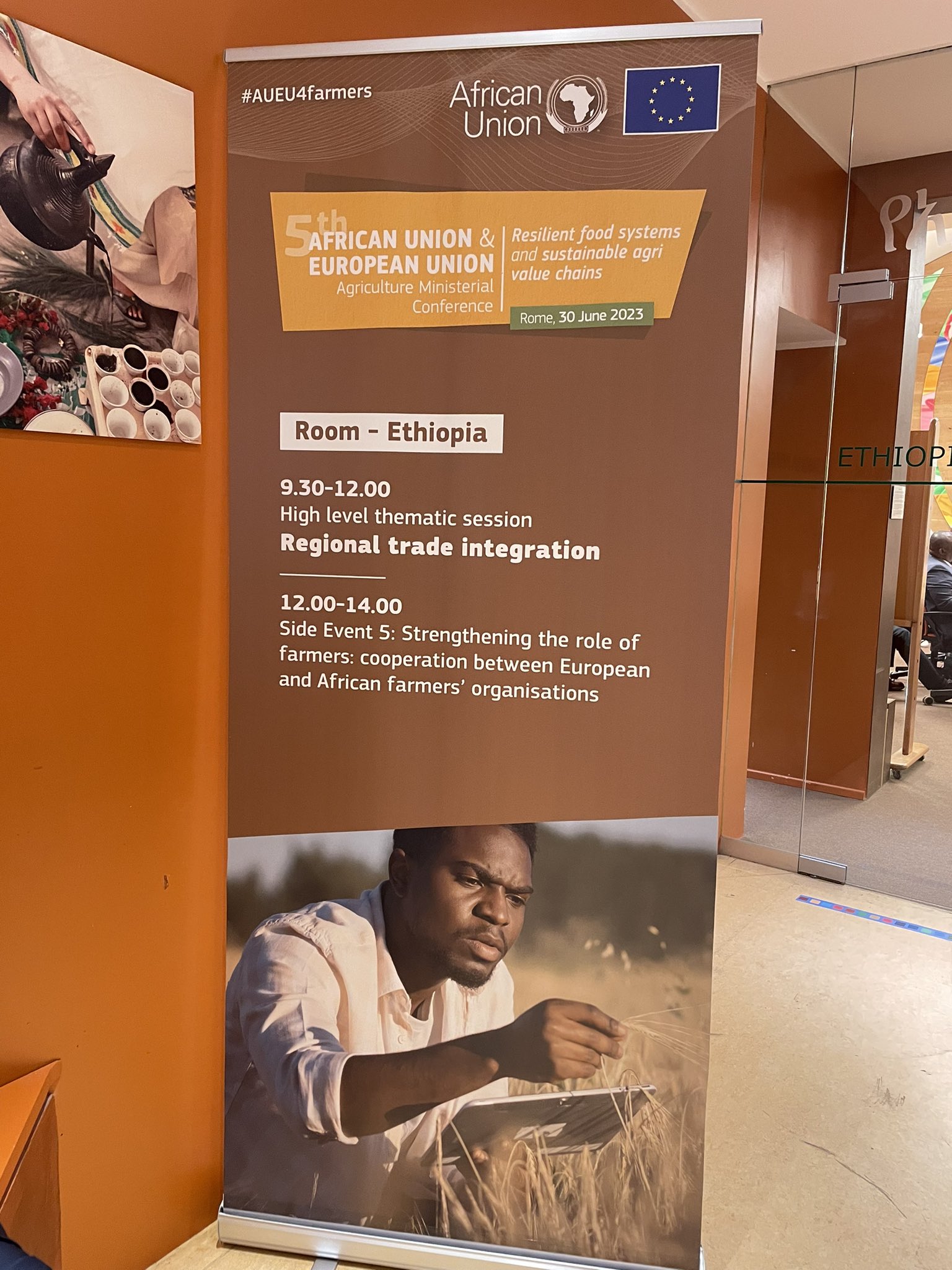
The development of intra-African trade in agri-food products is crucial for Africa's economic
transformation and for a strengthened resilience in nutrition and food security on the African
Continent. Africa remains a priority for EU trade and investment policy. This thematic session took stock of the recent updates in the EU-AU
trade relations and exchange on different experiences of trade integration in the two
Continents with a view to foster the resilience and sustainability of our food systems.
Chair – Minister, African Union
Moderator - Viwanou Gnassounou, Former Assistant Secretary-General Sustainable Economic Development & Trade; Organisation of African, Caribbean
and Pacific States (ACP)
Magda Kopczynska, Deputy-Director General, Directorate-General for
Agriculture and Rural Development, European Commission
Rob Vos, Director Markets, Trade and Institutions (MTID), International Food Policy
Research Institue (Ifpri)
Alex Assanvo, Executive Secretary, Initiative Cacao Côte d’Ivoire-Ghana (CIGCI)
Elizabeth Mpofu, Chairperson, Zimbabwe Smallholder Organic Farmers’ Forum
(ZIMSOFF)
Plenary session -
AU – EU Agriculture Ministerial Conference
Opening addresses
Josefa Sacko, African Union Commissioner for Agriculture, Rural Development,
Blue Economy and Sustainable Environment AU
Janusz Wojciechowski, European Commissioner for Agriculture EC
Qu Dongyu, Director General, FAO
Mohamed El-Quseir, Minister of Agriculture, Egypt
Francesco Lollobrigida, Minister of Agriculture, Food Sovereignty and Forestry, Italy
Side Event 2: An African perspective on GI: how the Continental Strategy for Geographical Indications in Africa contributes to resilience and sustainability of food systems
Since the launch of the GI/Arica Strategy, a Consultative Committee constituted by OAPI (Organisation Africaine de la Propriété Intellectuelle), ARIPO (African Regional Intellectual Property Office), the African Union Commission[4], and the European Commission[5], have ensured coordination of and synergies between the GI activities of the various partners[6]. During its last meeting in November 2022, the Consultative Committee took stock of the progress made and drew lessons to inform the post 2023 GI Strategy. Some of the achievements under the Strategy were shared during the “Africa
session” of the FAO-CIRAD Worldwide perspectives on GIs organized in Montpellieron July 2022.
Moderation: Magdalena Kopczynska, DGAGRI.
Minister of Agriculture Senegal and/or Ethiopia,
Minister of
Agriculture of Ghana and/or South Africa,
Minister of Agriculture of Chad
and/or of Agriculture of Mauritania,
OAPI, ARIPO,
Godfrey Bahiigwaa, DARBE
Director.
Side Event 3: Responsible investments in food value chains for resilient food systems
This side-event presented several examples of successful approaches on the ground on responsible
investments in agri food system. It took into account that challenges in food systems are often
closely related to education, gender equality and infrastructure, and therefore require multi-sectoral
and systemic solutions to ensure resilience.
Moderator Prof. Jennie Barron, Swedish University
Peter Kullgren Minister of Rural Affairs, Sweden
H.E. Bryan Acheampong Minister of Food and Agriculture,
Ghana
Martin Fregene African Development Bank
Banke Olukanmi, Babban Gona, NigeriaEfficient
mobilisation of private capital to
support smallholder farmers across
rural Nigeria
Yaw Agyeman Atwereboanda Entrepreneur/Farmer, Ghana, The
producers perspective from
sustainable investments in Ghana
Hon Murray Watt,
Minister for Agriculture, Fisheries and
Forestry, Australia.
Lauren Phillips, FAO The Status of Women
in Agrifood Systems
Tora Olsson, Guarantees as a tool to
mobilise responsible investments
SIDA
Kostas Karantininis - Swedish University of Agricultural Sciences, SLU, SASi-SPI:
Sustainable Agri-Food Systems
Inteligence - Science Policy Interface
EU-FAO-AGRINATURA Partnership
Initiative
Stephen Onakuse, Agrinatura
President
Side Event 4: Science for Policy - how science can support policymaking The example of the Pan African Network for Economic Analysis of Policies (PANAP)
The Pan-African Network for economic Analysis of Policies (PANAP) brings together academic, research, and institutional partners that develop research on agro-economic and policy issues. It was
established at the end of 2019 under the aegis of the African Union (AU) - European Union (EU)
partnership.
The main objectives of the network are to strengthen the liaison between
researchers/scientists and policymakers in Africa and to foster scientific communities providing
independent, evidence-based scientific support, data/information, and economic analysis of
sustainable agrifood systems and related policies.
IntroductionJ. Wojciechowski, EU Commissioner Agriculture
Why PANAP - Science for
policy
S. Saastomainen, Deputy Director-General, EC-JRC
A. Agumya, Executive Director, FARA
PANAP - activities examples
W. Mene, Secretary-General, AfCFTA Secretariat
R. Ngugi, Executive Director, Kenya Institute for
Public Policy Research and Analysis (KIPPRA),
Kenya
A. Garba Modibo, Coordonnateur, Cellule
d’Analyse des Politiques et d’évaluation de l’action
gouvernementale (CAPEG) (Niger)
The main objective of the session was to undertake a stocktaking of the key contributions and main
achievements of the joint programmes (FO4ACP and FORI) in strengthening the capacities of farmers
organisations and promoting sustainable rural development.
Moderated by Mr. Ishmael Sunga
Hon. Dr. Ildephonse Musafiri, Minister of Agriculture and Animal Resources, Rwanda
Hulmi Aulikki Permanent Secretary – Finland
Carla Montessi - Director DG INTPA/EC - The role of Farmers Organisations in the transformational agenda for climate change, environment, sustainable energy, agri-food systems and digitalisation action
Marco Camagni, Lead Global Technical Specialist in Producers Organizations and Rural Development, IFAD - The role of Farmers Organisations in IFAD’s rural transformation strategy
Ms Manes Nkhata, President Malawi National Farmers Organisation, PAFO member - Showcasing Success Stories about economic services, advocacy, and institutional development of the membership-based farmers organisations
Mr Enrico Parisi, Coldiretti Young Farmer, WFO member
AAS posted 27/06 the webinar recording on the AAS YouTube channel.
In 2020, the African Academy of Sciences (AAS) initiated a study to assess the research support available to researchers in the Social Sciences, Humanities, Arts and related fields (SSHA) in Africa.
The study aimed to provide insights for future research support programmes by the AAS, taking into account the significant impact of Social Sciences, Humanities, Arts (SSHA) scholarship on sustainable development in Africa.
The study's outcomes were published in a journal article:
This article highlighted key findings and recommendations. The report published in 2022 by the African Research Universities Alliance (ARUA) – a network of 16 selected flagship research universities in Africa – showed that Social Sciences, Humanities, Arts (SSHA) research fields were more popular than other fields of research, in terms of postgraduate student enrolment. Yet, SSHA fields remain significantly underfunded in sub-Saharan Africa.
"More investment is required to advocate for, and enhance, research support for SSHA fields and, ultimately, optimize the contribution of SSHA researchers to sustainable development in Africa."
"More investment is also required to enhance the capacity of editorial teams, increase visibility of the journals, and facilitate access to the publications."
"Availability and access to research funding play a pivotal role in catalysing and enabling research. Unfortunately, many researchers in Africa have limited-to-no access to funding to support their research activities. The unavailability of adequate funding has resulted in limited resources and infrastructure to drive research excellence; inadequate research support systems; and hardly any protected time for research."
"One of the key issues highlighted from the study's stakeholder engagement activities was a lack of a well-coordinated pan-Africa program or initiative dedicated to supporting researchers in the SSHA fields in Africa."
"Amongst the aspects of SSHA research work that needs coordination is the agenda and priority setting in alignment with local, regional, and global development needs and priorities."
"The general global interest in transdisciplinary and translational research as a way of addressing developmental challenges underscores the need for meaningful and adequate participation of SSHA researchers."
"One of the immediate activities to strengthen the research capacity is a targeted and well-coordinated mentorship scheme. The scheme should ensure that adequate resources are allocated to support mentorship activities including expectation setting workshops for both mentors and mentees."
"More investment is also required to catalyse the generation, dissemination, and communication of knowledge products in SSHA to provide the evidence needed to inform policy formulation and implementation."
"An establishment of a series of conferences focusing on topical issues of regional and global interest will provide an opportunity for researchers in the SSHA to disseminate their work. Importantly, the involvement of postgraduate students should be a prerequisite for all supported activities to ensure skills transfer and enhanced impact."
The webinar focused on:
Lessons learned, opportunities, needs, and priorities for supporting Social Sciences, Humanities, Arts (SSHA) research in Africa.
Increased awareness of the current state of play in terms of the research support provided to researchers in the SSHA and related fields in Africa
Ideas for a comprehensive SSHA research support programme at the AAS informed by feedback obtained from the webinar.
Speakers
Moderator - Dr. Peggy Oti-boateng(see picture) Director Division of Science Policy and Capacity Building - UNESCO HQ
Prof. Olumuyiwa Adegun, Federal University of Technology Akure, Nigeria
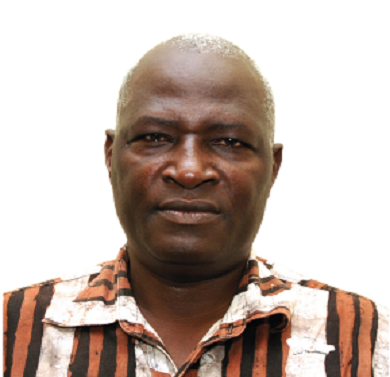
Dr. Obed Ogega (see picture), Lead Author, The African Academy of Sciences, Kenya
Ms Angela Melo, (see picture), Director, Division for Research, Ethics, and Inclusion, Sector of Social and Human Sciences, UNESCO, Paris, France
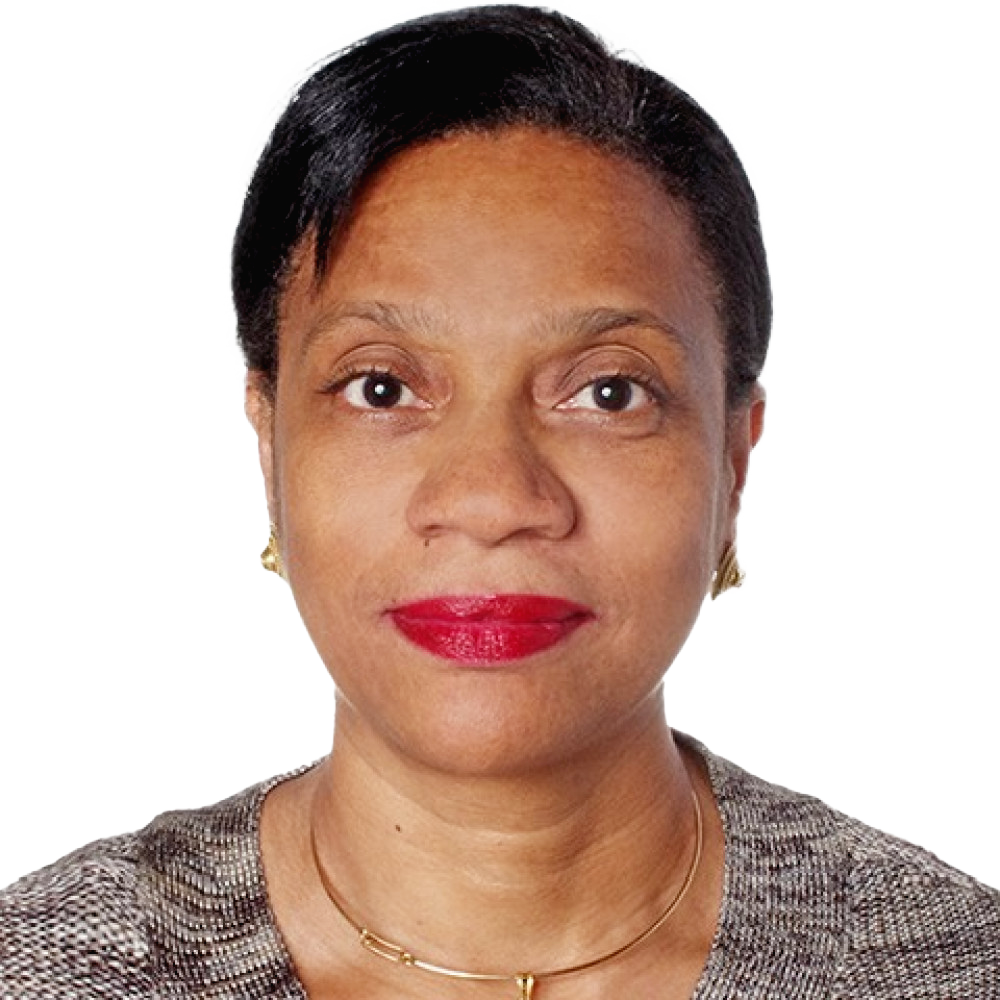
Cheryl Hendricks(see picture), Executive Director, Institute for Justice and Reconciliation, Cape Town, South Africa
Peter Atekyereza, (see picture) Head of Department, Department of Sociology and Social Anthropology, Makerere University, Kampala, Uganda
Maria Mbatudde, (see picture) Kyambogo University, Faculty of Science, Uganda
Charles Muyanja, (see picture) Department of Food Technology and Nutrition, Makerere University, Kampala, Uganda
Razak Gyasi, African Population and Health Research Center, Nairobi, Kenya
Related:
A “call for action” issued on June 1st 2023 by Universities and research organisations across Africa and Europe [ the African Research Universities Alliance (ARUA), The Guild of European Research-Intensive Universities (The Guild) and the Association of African Universities (AAU) ] urges the African Union and the European Union to embrace a comprehensive, long-term vision for the Global Gateway’s AU-EU Innovation Agenda and pilot an integrated Africa-EU Science, Technology, and Innovation (STI) Programme for the period 2023-2027.
"AU-EU Centres of Excellence are to boost the institutional capacities of universities and research organisations across Africa and Europe to perform excellent collaborative research, develop joint training programmes, foster mobility, enhance the policy and socio-economic impact of research, and frame investments in research infrastructures."
"With funding drawn from the Global Europe/NDICI instrument, the primary beneficiaries of the AU-EU
Centres of Excellence should be African universities and research organisations. At the same time, the
embedded partnership with European institutions of each Centre will contribute to fostering African
institutions’ success rate in Horizon Europe and Erasmus+, and the excellence component will
contribute to building a pool of excellent researchers at all career stages, including for ARISE (African Research Initiative for Scientific Excellence), in all parts
of Africa. This will enhance the resources and sustainability of the AU-EU Centres of Excellence."
Some 6 consultancy companies (to be confirmed) were shortlisted for a 4 years consultancy on the Technical support to the coordination of the ‘Scientific and technological support to the Regional centres of Excellence related to Green Transition’: (a) GOPA Worldwide Consultants (Germany); (b) DT Global´s Infrastructure and Environment Unit (Spain); (c) Landell Mills (Ireland); (d) SOFRECO (France); (e) Stantec (Belgium); (f) NTU/Aalborg (Denmark). Notification of award: September 2023 /
Contract signature: September 2023 / Start date: October 2023.
Changing context of research and scholarship in Africa today
"Emerging on the continent is a robust and active evidence-informed policy making (EIPM) movement and networks led by African research institutions such as: the Partnership for African Social and Governance Research (PASGR), the African Population Health Research Centre (APHRC), the African Institute for Development Policy (AFIDEP) and a set of other institutions in the Monitoring and Evaluation field. Also, the world of the business-driven research enterprises is growing rapidly in Africa not only through the big Accounting/Management Consulting firms who have entered the arena of research contracting but also through the increasing expansion of research contracting in the portfolios of the big bilateral donors and the proliferation of research-contracting firms across Africa today". [Tade Akin Aina (2022) Policy Analysis and Innovation: Why the Humanities and the Social Sciences Matter for Social Transformation in Africa ]
Policy research & the regional economic communities
The regional economic communities in Africa such as the Economic Community of West African States (ECOWAS), the East African Community (EAC) Southern African Development Community (SADC), the Common Market for Eastern and Southern Africa (COMESA), the Economic Community of Central African States (ECCAS), the Intergovernmental Authority on Development (IGAD) will increasingly need the advice from policy research emanating from green transition and circular economy research.
RCoEs conducting political economy research have the potential to guide:
Policy processes around food systems transitions and agroecology; The policy processes around food systems transitions and agroecology (AE) require a specific research evaluation and analysis. Donors and in particular the European Commission and the EU member states are keen to understand how possible obstacles in mainstreaming the AE approach are addressed
Policy processes around agribusiness funding; The policy processes around agribusiness funding require a sustained research evaluation and analysis as investors in the agri-food sector need to reorient existing funding toward transformative innovation.
Measures to overcome Technical Barriers to Trade (TBT) and Non-Tariff Barriers (NTBs). By understanding the specific requirements and barriers faced by African exporters, research can identify strategies to align production and processing practices with existing international standards. This includes developing guidelines for product design, labelling, packaging, and waste management that comply with international norms while promoting circular principles.
Regional Centres of Excellence (RCoEs) in Africa that are renowned for their work in social sciences, humanities, and arts.
migration, displacement, and social transformation in Africa.
Makerere Institute of Social Research (MISR): Based at Makerere University in Kampala, Uganda, MISR is a leading interdisciplinary research institute in social sciences, humanities, and arts in East Africa.
Wits Institute for Social and Economic Research (WiSER): Also affiliated with the University of the Witwatersrand in Johannesburg, South Africa, WiSER is a renowned research institute focusing on critical social sciences and humanities scholarship.
Institute of African Studies (IAS): Based at the University of Ghana in Accra, Ghana, the IAS promotes research, teaching, and public engagement in African studies, including social sciences, humanities, and arts.
GDN launched in 2014 an innovative, Doing Research program that aims to assess systematically how the features of national research system impact the capacity to produce, diffuse and use quality social science research to the benefit of social and economic development.
By contributing to a better objective assessment of research systems for social sciences in developing countries, the Doing Research program, in a network of close partnerships with national research institutions, aims to expose weaknesses and shortcomings that can be addressed through better-informed national research policy, and what might be levers of change.
Building on the current discourse on knowledge systems, the program puts forward a full-fledged definition of what a research system is, and operationalizes it to investigate the national environment for social science research, based on the best possible evidence, in three main dimensions: context, actors, and systemic features.
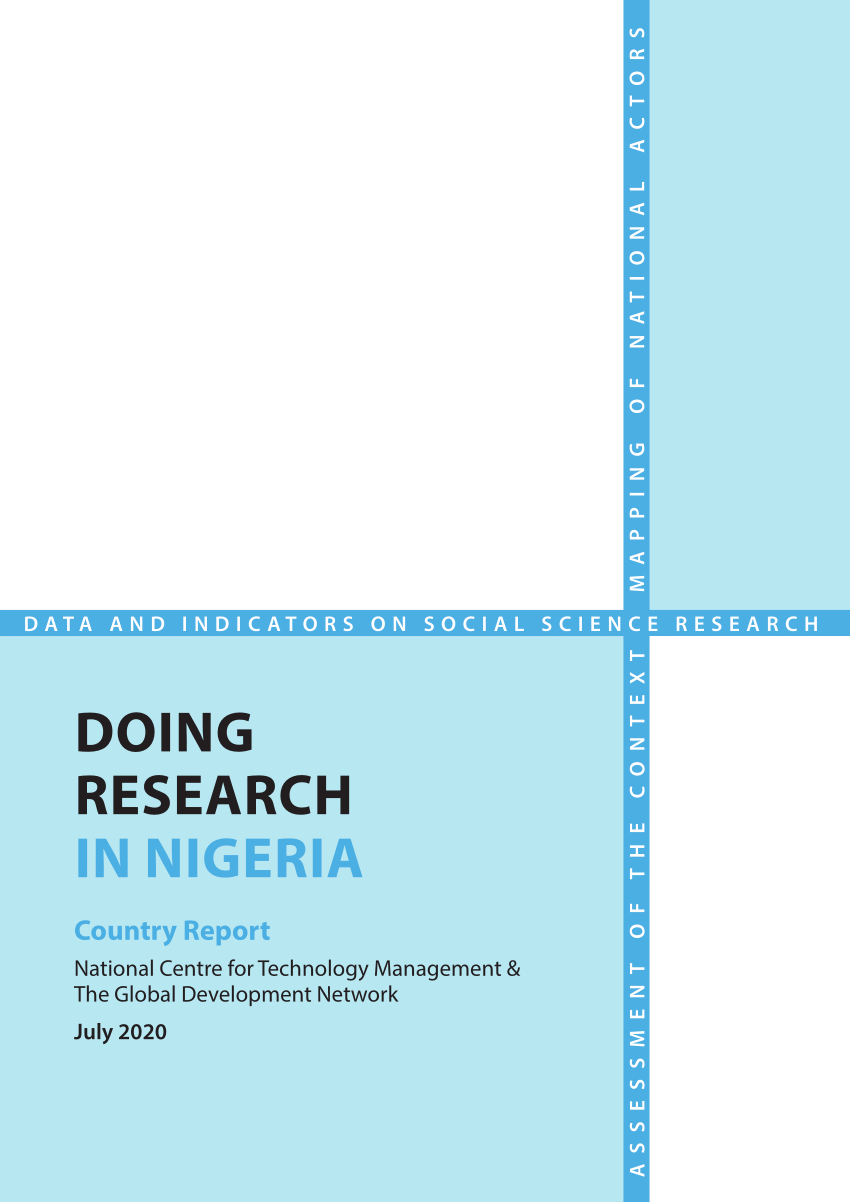
DOING RESEARCH IN NIGERIA Country Report National Centre for Technology Management & The Global Development Network July 2020 # 144 p.
The social science research-to-policy
linkages can be best described as weak.
Nigeria has not fully adopted evidence-based
policymaking; most of the decision-making
processes tend to be framed around political
and ideological considerations, with little or
no reference to hard evidence.
International
donors could support the establishment
of a Centre of excellence to assess,
benchmark, monitor and evaluate the SSR
system, similar to the system of African
Higher Education Centres of Excellence
steered by the Association of African
Universities and supported by the World
Bank across several disciplinary areas. (page 16)
Most research organizations either do not have a research support office or, in many cases where they do exist, such offices are short-staffed or inefficient. As a result, researchers spend too much time on bureaucratic responsibilities that the administrative support office should otherwise absorb. The creation or strengthening of offices that provide research support services
would significantly improve the efficiency
of the SSR system. (page 17)
Related:
Transformations to Sustainability is a research programme that aims to make a difference. Launched in 2014, the programme was designed to increase the social science contribution to addressing global environmental change, by providing a platform for social scientists, including from the Global South, to lead interdisciplinary sustainability research; building research capacity for international, transdisciplinary sustainability research; and promoting the use of the best social science knowledge available.
The programme has had two phases – the first, showcased on TransformationsToSustainability.org – was financed almost entirely by the Swedish International Development Cooperation Agency (Sida) and involved the funding of 38 seed grants and three major international research projects, or ‘Transformative Knowledge Networks’ between 2014 and 2019, with a research budget of 3.7m EUR.
In the second phase, the ISC, with the support of Sida, has joined forces with the Belmont Forum and NORFACE to jointly fund a set of 12 international research projects which run from 2018 to 2022 with a research budget of 11.5m EUR. The activities and outputs associated with the current projects are showcased on a dedicated website: t2sresearch.org.
This moderated panel discussion was organized by the Transformations to Sustainability Programme of the Belmont Forum, NORFACE and International Science Council. Speakers distilled key insights gained over nearly a decade of research on societal transformations towards sustainability to address the all-important ‘how’ question: how to bring the key lessons from research into policy and practice to foster transformative action at all levels of society and around the world.
The ISC held its first in a series of Global Knowledge Dialogues in Cape Town, South Africa on the margins of the World Science Forum. More than 120 Member representatives from 40 countries attended the dialogue, which included partnerships with the Organization of Women Scientists for the Developing World (OWSD), and the Global Young Academy (GYA) and international representation from Australia, Malaysia, Japan, Turkey, Iran and the United Kingdom. INGSA chapter members and Future Earth representatives also attended the afternoon session.
4 October 2021.Agroforestry and transition to gender equal sustainable food systems The webinar was organised by Agroforestry Network, the Swedish Agricultural University (SLU) and Vi Agroforestry (Vi-skogen), in partnership with the Swedish International Development Cooperation Agency (Sida).
Introduction, Eva Åberg, Vi Agroforestry/Agroforestry Network
Key note speaker, Janine Alm Ericson, State Secretary for Development Cooperation, Swedish Ministry for Foreign Affairs
Science: Ingrid Öborn, SLU/ICRAF
Practice: Wangu Mutua, Vi Agroforestry
”When discussing Gender Equality and Agroforestry we must appreciate the context we are in and talk about land tenure and ownership of land”,
25-26 January 2021 – ONLINE WORLDWIDE. Climate Adaptation Summit 2021 The Netherlands government hosted an online international Climate Adaptation Summit (CAS Online) on 25 January 2021. CAS Online will build on the advances of the UN Climate Action Summit by showcasing pioneering solutions to the climate emergency, and sustaining momentum through to UNFCCC’s COP26 in Glasgow in 2021.
25/01: Africa side event
LEXTER WOODLEY TV PRESENTER AND HOST
WANJIRA MATHAI - VICE PRESIDENT & REGIONAL DIRECTOR FOR AFRICA WRI
SIGRID KAAG - MINISTER FOR FOREIGN TRADE AND DEVELOPMENT COOPERATION, THE NETHERLANDS
DR. AKINWUMI ADESINA - PRESIDENT ADBAFRICAN DEVELOPMENT BANK
NISREEN ELSAIM - CHAIR YOUTH ADVISORY GROUP ON CLIMATE CHANGE, UN
LEE WHITE - MINISTER FOR FORESTS, SEA, THE ENVIRONMENT AND CLIMATE CHANGE, GABON
JEANNE D’ARC MUJAWAMARIYA - MINISTER OF ENVIRONMENT, RWANDA
IBRAHIM THIAW - EXECUTIVE SECRETARY OF THE UNITED NATIONS CONVENTION TO COMBAT DESERTIFICATION
Wetlands are the economic engine of the Sahel. They maintain a supply of water, provide sustenance in the dry season and are crucial refuges during droughts. However, they are in rapid decline due to a combination of upstream water diversions, climate change and increasing competition for resources locally. Join us and learn about innovative adaptation solutions for water and security, listen to voices from the field and follow a high-level dialogue on resourcing the revival of Sahelian wetlands.
Two Degree Initiative for Food and Agriculture
The ‘Two Degree Initiative’ (2DI) is a coalition of like-minded partner organizations with a single unifying vision – to transform the global food system for a climate-smart future. 2DI’s ambition is to reach 200million farmers through ten ‘Regional Challenges’ that include projects in low and middle-income countries. It organizes its projects around a set of themes that align with a rigorous theory of change.
26/01 VANGUARD CITIES AFRICA EUROPE
Leadings cities (Addis Abba, Ethiopia; Freetown, Sierra Leone; Accra, Ghana; Kigali, Rwanda; Skopje, North Macedonia; London, UK) will show the path forward to move city-led nature-based solutions from good ideas to investment-ready projects.
Rogier van den Berg DIRECTOR URBAN DEVELOPMENT
WRI
Emma Howard Boyd CHAIR OF THE ENVIRONMENT AGENCY, UK GOVERNMENT
Carlos Manuel Rodriguez CEO AND CHAIRPERSON, GCA COMMISSIONER
GLOBAL ENVIRONMENTAL FACILITIES GEF
Adanech Abebe MAYOR OF ADDIS ABBA, ETHIOPIA
Yvonne Aki-Sawyerr MAYOR OF FREETOWN, SIERRA LEONE
Mohammed Adjei Sowah MAYOR OF ACCRA, GHANA
Petre Shilegov MAYOR OF SKOPJE, NORTH MACEDONIA
Pudence Rubingisa MAYOR OF KIGALI, RWANDA
KIGALI, RWANDA
Shirley Rodrigues DEPUTY MAYOR OF LONDON, UK
LONDON, UK
Race To Resilience: Building the resilience of 4 billion people by 2030
Ekhosuehi Iyahen is the Secretary General of the Insurance Development Forum (IDF), a public-private partnership led by the insurance industry and supported by the World Bank and the United Nations.
The IDF is a public/private partnership led by the insurance industry and supported by international organisations. The IDF was first announced at the United Nations Conference of the Parties (COP21) Paris Climate summit in 2015 and was officially launched by leaders of the United Nations, the World Bank and the insurance industry in 2016.
The IDF aims to optimise and extend the use of insurance and its related risk management capabilities to build greater resilience and protection for people, communities, businesses, and public institutions that are vulnerable to disasters and their associated economic shocks.
Agri Food videos and Africa videos
Podcast Future Climate For Africa: Podcast host Dr. Suzanne Carter and co-host Kornelia Iipinge unpack the fact that many cities across Africa are dealing with water issues, examples such as Cape Town’s Day Zero may be an indication of the types of crisis African cities may face if they do not plan for climate change.
Delta Lighthouse Case study – Colombia - A Delta Lighthouse Case Study on the Mira River Basin. The Colombian government in collaboration with the World Food Program
The International Atomic Energy Agency (IAEA) helps countries to use nuclear science and technologies to monitor and measure the impact of climate change and adapt to its effects. This support is relevant in the context of improving agriculture, water management and the resilience of food production systems, among others. Nuclear techniques are being applied in a wide variety of fields such as plant breeding, livestock production, insect pest control and soil and crop management. Nuclear applications are also being used to assist countries to measure changes in ocean environments, including ocean acidification; to share scientific information on freshwater and its origins, age, movement and quality; and to research the effects of a warming Earth on the climate and global changes on ecosystems. This film looks at examples of nuclear science and technologies being practically applied to improve farming in Zimbabwe, monitor limited water supplies in Costa Rica and breed crops in averse climatic conditions.
This short 2 minute video demonstrates that satellite data and simple solutions can have a big impact on the livelihoods of smallholder food producers in developing countries. The G4AW approach has the target to reach 4.5 million food producers by 2022. The Netherlands Space Office (NSO) will submit this video to the CAS2021. This video is a global call for collaboration for the benefit of smallholder food producers and food security across the globe!
Tea production is an important contributor to the economies of Kenya and Malawi. It is widely acknowledged that the quality and quantity of tea production is being affected by changing weather patterns. An understanding of these potential changes is necessary to support climate resilient planning in tea production and supply chains.
Future Climate for Africa (FCFA) presents a virtual poster on Co-production for decision support in FCFA. This poster highlights the various co-production approaches used by FCFA research teams. Co-production, which is an action research approach, was employed by FCFA to establish a common understanding of the decision-making contexts, key climate science concepts and scientific understanding of the region’s future climate.
Agri-tech solutions can promote adaptation, turning climate risks to opportunities for improved resilience. Through a partnership, DanChurchAid (NGO), Ingemann Group A/S (business), Momentum Trust (NGO), and Juhudi Kilimo (Kenyan micro-finance institution).
Provided is a video about CLIMTAGTM, the CLimate InforMation Tool for AGriculture. The new web-based tool offers tailored agro-climate indicators to support adaptation to climate-robust agro-systems.
As we grapple with the reality of accelerating climate change, we are also becoming increasingly aware that there are no easy solutions. Our response must match the complexity of the challenge. This is clearly demonstrated than in the intricate linkages between climate change and our food systems, which have been further compounded by the Covid-19 pandemic.
Tamer is leading Acumen’s Resilient Agriculture Initiative and, in this Talk, shares how he and his team are investing in strategies that will help poor smallholder farmers adapt to and become more resilient in the face of climate change.
The program aims to scale groundbreaking water-energy-food innovations to impact food security, gender, poverty, and biodiversity in an environmentally sustainable way. WE4F is a joint international initiative of the German Federal Ministry for Economic Cooperation and Development (BMZ), the Foreign Ministry of the Netherlands, Sweden through the Swedish International Development Cooperation Agency (Sida), and the U.S. Agency for International Development (USAID).
16-17 March 2019. Cairo, Egypt. 5th General Assembly of the Arab Water Council . During this triennial event, more than 400 members and experts representing 25 countries and several regional and international organizations gathered to get acquainted with the Council achievements since the last meeting of the GA in February 2016, and discussed the way forward by approving the Council’s future Work Plan for the next term 2019-2021, and to elect its Board of Governors for the forthcoming mandate until 2021.
The water problems are numerous, especially in the Arab region, given the growing population growth, the Arab region is an arid region and there is an increasing impact of climate change on food safety. Arab countries import more than 50% of their food from abroad. The water situation in the region is critical and requires measures, partnerships and non-traditional solutions to address these challenges. It is time for the Arabs to accept these challenges.Ahmed Aboul Gheit Secretary General of the Arab League
"Water is the basis of life and the nerve of civilization It must be recognized that the Arab countries are facing great challenges in providing water to industry, consumption, food and energy security, problems of change of rainy weather. The whole world is looking at the Arab Water Council and its research to leverage its expertise in order to achieve a comprehensive Arab cooperation in order to overcome all the difficulties encountered by the action. common water in the Arab world face these challenges. In order to achieve economic and political stability, to the extent permitted by the capabilities of the Arab States." Mr. Saifuddin Hamad former Sudanese Minister of Irrigation
Launching of the SDG-Climate Nexus Facility Under the framework of the League of Arab States
Climate Risk Nexus Initiative (LAS- CRNI) and the Arab
Water Security Strategy (2010-2030) towards achieving
the Sustainable Development Goals (SDGs) and the
2030 Agenda in the Arab region, the Arab Water Council
(AWC), along with LAS and UN Partners convened the “Official Launching Ceremony of the SDG-Climate
Nexus Facility.” The Facility adapts a multi-phased program that aims
at bringing together partners from regional
organizations, governments, UN, private finance
sector, civil society and academia, to undertake a
series of national and regional activities - using a nexus
approach - to support bottom-up local actions under
SDG13 and the Paris Agreement on climate change to
bring about clear co-benefits for core-related SDGs.
Technical Session on “The Arab Water Council Program to Support the Regional
Endeavor for Expanding the Use of Non-Conventional Water Resources” The future of the “Arab Water Security” will largely depend on the
development of the non-conventional water resources (NCWR)(desalinated
water, treated drainage and wastewater, brackish groundwater, etc...), which offers great potential. NCWR utilization is multi-faceted regarding the
knowledge, expertise, consideration for the technical, socio-economic,
cultural and environmental aspects and the special governance structure. The session presented “Case Studies” from the Arab Countries. The
session shared knowledge and information about recent
developments and innovation in policies, institutions, technologies,
applications and management of non-conventional water in different uses. It
also explored and the way forward towards sustainable
expansion of non-conventional water resources. This will bridge the gap
between the available water resources and the increasing demand on water
for achieving the prospective development in the Arab region.
Technical Session on “Indicators of State of the Water Report and
Sustainable Development in the Arab Region” With the aim of developing a consolidated database for water resources management,
AWC – jointly with the Center for Environment and Development for the Arab Region and
Europe (CEDARE), under the umbrella of the Arab Water Ministerial Council of the League
of Arab States – has taken the lead in preparing and publishing on regular basis a series of
“State of the Water Reports in the Arab Region” to present the country level water
resources assessment on the Arab scale, together with the methodology applied. The
series of reports represents a unique initiative by the Water Sector in the Arab Region on
the road to the 2030 Sustainable Development Agenda, to monitor progress and
achievement.
The Session will shed the light on the updated information concerning the status of water
strategic policy and service-related indicators in the Arab region. The collection and
validation of the data associated with the selected indicators were obtained through
selected focal points and experts from the Arab countries.
Extract of the programme:
Arab State of the Water and Sustainable Development Goals Indicators
The session discussed the Sustainable Development Goal 6 on “Clean Water and Sanitation” (SDG6) and its associated targets as well as the 2015 baseline for the indicators to measure the progress made in achieving these targets.
Prof. Khaled M. AbuZeid, Regional Director for Water Resources, CEDARE. Overview on “3rd Arab State of the Water Report 2015”
Eng. Belkassem Dhimi, Representative of the Kingdom of Morocco to the Board of Governors of the Arab Water Council.
Dr. Mohammed Elmulla, Director Water Resources Management Department and Representive of United Arab of Emirates to the Board of Governors of the Arab Water Council.
H.E. Eng. Ali Subah, Secretary-General, Ministry of Water & Irrigation and Representive of Kingdom of Jordan to the Board of Governors of the Arab Water Council.
Ms. Rana Abu AlSoud, Acting Director General for Organizational Affairs and Head of Gender Unit and Representive of Palestine to the Board of Governors of the Arab Water Council.
Use of Advanced Technology and Remote Sensing Techniques in Water Resources Management for Sustainable Agriculture
the main objective of the session is to bring together new science and policy knowledge to support decision-makers as they further develop their strategic plans by highlighting recent research advances in conceptual thinking and regional modeling and by sharing experiences and success stories on the use of latest Remote Sensing (RS) technologies in water and agriculture management.
Mr. Liping Jiang, Sr. Water Resources Specialist, World Bank. “China’s Experience on ET Management”
Dr. Talal Darwish, National Council for Scientific Research, National Center for Remote Sensing (CNRS), Lebanon. “Research Priorities and Activities of the National Center for Remote Sensing-CNRS in Agriculture”
Dr. Chandrashekhar Biradar, International Center for Agricultural Research in the Dry Areas (ICARDA). “Geo-Big Data and Digital Augmentation for Sustainable Agroecosystems”.
Dr. Bassam Abdellatif, National Authority for Remote Sensing and Space Sciences (NARSS). “NARSS Use of Remote Sensing in Integrated Water Resources Management in Egypt”
Main Results of the IHP Program on Groundwater and Arid Zones and Program Activities to Achieve SDG 6
The UNESCO International Hydrological Programme (UNESCO-IHP) is the only UN programme with a dedicated focus on aquifers and groundwater resources.
Expanding the Use of Non-Conventional Water Resources
The latest in the use of non-conventional water resources both at the regional and country levels.
Dr. Eman El-Sayed, MWRI, Egypt.“Non-Conventional Water Resources in Egypt”.
Prof. Walid Abderrahman, KSA. “Advanced Governance Frameworks for Successful PPP and Large-Scale Reuse of Treated Industrial Effluents in Saudi Arabia ”.
Prof. Mohamed Dawoud and Dr. Osama Sallam, UAE. “UAE experience in Scaling-up Development and Use of Non-Conventional Water Resources”.
Prof. Khaled M. AbuZeid, CEDARE. A 2030 Strategic Vision for Wastewater Reuse in Egypt”.
Signing Ceremony of the SDG-Climate Facility
“SDG Climate Facility”, funded by Sida and implemented by UNDP, was signed between UNDP and LAS, AWC and UN Partners to support climate action at regional and country levels and to build resilience of climate-vulnerable communities across the region.
From right to left:
Mahmoud A. Abu-Zeid - President Arab Water Council
Ahmed Aboul Gheit - Secretary General of the Arab League
Aly Abousabaa - Director General ICARDA
Under this agreement, partners will work towards enhancing the capacity of regional and national institutions to effectively align with SDGs and integrate climate change considerations into implementation of programs and policies.
Related:
The issue of water is at the heart of the challenges of the Arab world and ICARDA’s mandate
Signing by ICARDA of the MoU with the
the Arab Water Council
The Arab Water Council (AWC) aims at initiating and strengthening regional and international cooperation and partnerships to tackle water-related challenges.
Hence, a closer collaboration with ICARDA in areas of joint and mutual interest was obvious. The two partners agreed to cooperate in resource mobilization and fundraising activities including proposal writing. The proposed cooperation under the Memorandum of Understanding is non-exclusive and shall have an initial term of five years.
Joint project development can cover a variety of
activities such as:
reducing evaporation losses from open reservoirs and Ponds
in Arab Region;
sea water level rise and changes in cropping system;
eco
physiological strategies to reduce water consumption in agriculture;
soil
fertility and quality management; soil salinity mapping, monitoring and control;
assessment of surface-groundwater interactions quantity-quality relationships
for sustainable use; water treatment in groundwater-based agriculture;
monitoring
and modeling of the water cycle under a changing climate at multiple scales;
studying
water balance components at plot, watershed and basin scales; long term
hydrological modeling under climate change and socioeconomic scenarios;
impart
capacity on hydrological/ecohydrological modeling and spatio-temporal data
analysis of hydrological data.