Platform for African – European Partnership in Agricultural Research for Development
Showing posts with label GFAR. Show all posts

Tuesday, September 16, 2025

Opportunity Crops: A BOLDER Approach to Food Security

9  September 2025. Bonn. Opportunity Crops: A BOLDER Approach to Food Security

The event focused on promoting “opportunity crops” — lesser known, nutrient-rich, resilient crops that are environmentally friendly and have potential to support food security. It was part of the BOLDER initiative, aiming to build momentum around those crops in Africa. The program included opening remarks, panel discussions, short talks, thematic sessions from seed to table, and conversations about preserving crop diversity. Learn more about BOLDER.

Welcome & Opening Remarks
  • Cody Gildart, Chief Communications Officer, Crop Trust
  • Stefan Schmitz, Executive Director, Crop Trust Talk: “Within Diversity; Among Diversity”
Setting the Scene: Africa Today, Africa Tomorrow
  • Céline Termote, Senior Scientist and Regional Team Leader for Food Environment and Consumer Behavior, Alliance of Bioversity International and the International Center for Tropical Agriculture (CIAT)
  • Mercy Mwambi, Agricultural Economist, World Vegetable Center (WorldVeg)
  • Matilda Ntowa Bissah, Scientist, Council for Scientific and Industrial Research - Plant Genetic Resources Research Institute (CSIR-PGRRI), Ghana
BOLDER Opportunities: Expanding the Value of Crop Diversity

Short talks from BOLDER collaborators on how opportunity crops can strengthen food systems from seed to table.
  • Sarah Paule Dalle, Researcher, Department of International Environment and Development Studies (Noragric), Norwegian University of Life Sciences (NMBU)
  • Peter Emmrich, John Innes Centre (JIC)
  • John Adriko, Director of Research, National Forestry Resources Research Institute (NaFORRI),
    National Agricultural Research Organisation (NARO), Uganda
Food Systems & Opportunity Crops

What are researchers seeing in terms of production trends, markets, and shifts in consumer preferences?
  • Mercy Mwambi, Agricultural Economist, World Vegetable Center (WorldVeg)
  • Céline Termote, Senior Scientist, Alliance of Bioversity International and CIAT
Building the Ecosystem: The BOLDER Process
  • Nora Castañeda-Álvarez, BOLDER Project Coordinator, Crop Trust
  • Nico Wilms-Posen, Project Coordinator, Power of Diversity Funding Facility, Crop Trust
Exploring & Evaluating Crop Diversity

How farmers are working with researchers to test, select and adopt diverse crops using the 'tricot'
approach.
  • Kauê de Sousa, Scientist, Alliance of Bioversity International and CIAT
  • Carlos Houdegbe, Faculty of Agronomic Sciences, University of Abomey-Calavi, Benin
  • Sognigbe N’Danikou, Scientist, World Vegetable Center (WorldVeg)
Collecting & Conserving Crop Diversity

Why urgent collecting efforts are vital to prevent the loss of valuable crop diversity forever.
  • Mujuni Sospeter Kabululu, Senior Research Officer, Tanzania Plant Health and Pesticides Authority
  • Dèdéou Apocalypse Tchokponhoue, Genebank Manager, University of Abomey-Calavi, Benin
The Future: Building on BOLDER

A look at what’s next: how to build equitable, sustainable food systems with support from national governments and new initiatives.
  • Nora Castañeda-Álvarez, Crop Trust
  • Nico Wilms-Posen, Crop Trust
Video published 03/12/2025

Background:

Crop Trust has launched (19/03/2025) the Power of Diversity Funding Facility (PDFF). This transformative multi-donor funded initiative will promote the use of so-called opportunity crops across Africa, Asia, the Pacific, and Latin America and the Caribbean.

Initially, the PDFF will focus on 14 high-potential opportunity crops in seven countries,: Colombia, Kenya, India, Nigeria, Tanzania, Uganda and Zambia. Additional funding can extend the project’s reach to more countries
, driving a shift towards resilient and sustainable agrifood systems worldwide.

Backed by an initial investment of €10 million from Germany (the German Federal Ministry for Economic Cooperation and Development (BMZ) through KfW Development Bank) and €2 million from Ireland, the PDFF will empower farmers to diversify their agricultural systems with resilient and nutritious alternatives to mainstream crops. The German funding will come via KfW, the German Development Bank, and Ireland is providing funding through its Department of Foreign Affairs.

National Workshops


Kenya: 18–22 August 2025. Nairobi. Finger millet and amaranth were selected as Kenya’s priority “opportunity crops” during the two-day National Stakeholder Consultation under the Power of Diversity Funding Facility (PDFF). They were chosen from a longlist of 43 crops. The initiative will be implemented in collaboration with Alliance of Bioversity International and CIAT, and Kenya’s Agricultural and Livestock Research Organization (KALRO).
  • Edwin Garzón-Horta — PDFF Project Specialist, Crop Trust
  • Dr. Gloria Otieno — Genetic Resources & Food Security Policy Specialist, Alliance of Bioversity International & CIAT
  • Peterson Wambugu — Genetic Resources Research Institute (GeRRI), Kenya
  • Evelyne Okoth — Farmer representative from Kisumu

India: 19-20 August 2025. Chennai. Foundation National Stakeholder Consultation on Opportunity Crops in India, under the Power of Diversity Funding Facility (PDFF).

India’s agricultural landscape is rich with diversity, yet many traditional crops have quietly faded from mainstream attention. At the national dialogue hosted by the MS Swaminathan Research Foundation and Crop Trust called the ‘Power of Diversity Funding Facility – Identifying Priority Opportunity Crops’, scientists, farmers, and policymakers came together to spotlight these neglected and underutilised species (NUS)—and why they might hold the key to a healthier, more sustainable future.


Colombia: 15–16 July 2025. Bogotá. Colombia Chooses Its Opportunity Crops The participatory
process to choose opportunity crops brought together representatives from the national government, farmers, researchers, environmental organizations, international cooperation agencies, agricultural unions and the private sector. The group finally chose peach palm and chayote, opportunity crops that will now receive critical support from the Funding Facility to tap their full potential for Colombia’s communities and economy.


In Nigeria the consultation tackled a list of 37 possible crops. Fonio and pigeon pea came out on top.

The Crop Trust’s Power Of Diversity Funding Facility brought together partners from the Zambia Agricultural Research Institute (ZARI), the National Genebank of Zambia, local experts and farmers to identify Opportunity Crops that matter most for the country’s agricultural future. The top picks? Sorghum and cowpea – crops that can withstand harsh conditions while providing reliable nutrition.


Organized by: The Alliance of Bioversity International & CIAT (CGIAR), which coordinated the Uganda and Tanzania workshops for BOLDER.
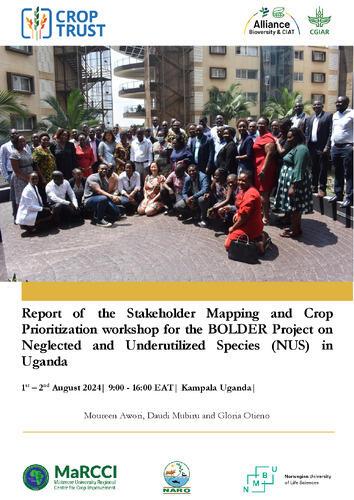
Uganda has prioritized five Neglected and Underutilized Species (NUS) for their potential to enhance food security, nutrition, and economic growth. Among these, jackfruit stands out with the highest ranking (11.6), valued for its adaptability to climate change, rich nutritional content, and widespread cultural acceptance. Pearl millet, scoring 11.4, is recognized for its exceptional drought tolerance and importance in traditional ceremonies, such as marriages. Pumpkin, with a score of 11.2, is celebrated for its nutritional and medicinal properties, as well as its broad acceptance among communities. Cowpea, scoring 11.0, is notable for its seasonal adaptability, nutritional richness, and cultural significance. In addition, amaranth, both as a grain and a leafy vegetable, was included among the priority crops due to its vital role in promoting food security, nutrition, and health. 

These species collectively offer immense potential for strengthening Uganda’s food systems, improving dietary diversity, and fostering sustainable economic development. By focusing on their promotion and utilization, Uganda can leverage their climate resilience, nutritional benefits, and cultural relevance to address malnutrition and support long-term growth. 
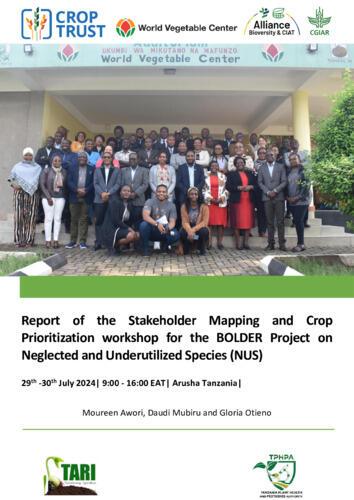

A stakeholder workshop in Tanzania convened 55 participants to identify priority Neglected and Underutilized Species (NUS) crops, develop comprehensive stakeholder lists, and define roles within NUS food systems. The workshop identified five key priority crops: sweet potatoes, finger millet, Moringa, Bambara groundnuts, and Jute mallow. Participants emphasized the importance of selecting crops with traits such as pest and disease resistance, drought tolerance, high nutritional value, and marketability. These traits are critical for enhancing food security, improving nutrition, and ensuring the resilience and sustainability of local food systems. The collaborative efforts of stakeholders aimed to strengthen NUS integration into Tanzania’s agricultural value chains and promote their broader adoption.


Wednesday, September 10, 2025

Land and Youth Digital Conference

9-11 September 2025.
Land and Youth Digital Conference by GFAiR's Collective Action on Land Tenure and Climate Change.

It was based on a call for session. Some 70 proposals were submitted.

The free, global, fully digital conference amplified youth voices on land governance and climate change ahead of COP30 in Brazil, creating a platform for Indigenous youth, practitioners, and land surveyors to share priorities and insights for shaping policy agendas. Over three days, participants joined panels, roundtables, and storytelling sessions across time zones, based on an initial Call for Session Proposals which invited young leaders and organizations to design sessions on land, social justice, climate, migration, Indigenous rights, and digital access.

The Land & Youth Digital Conference was organized by the Land Portal Foundation, working in collaboration with a range of youth and regional partners: Youth Initiative for Land in Africa (YILAA), Global Alliance of Territorial Communities (GATC), Arab Youth Center (AYC), Espaço Feminista, The Invisible Thread (TINTA), Asian NGO Coalition for Agrarian Reform and Rural Development (ANGOC), and Conexión LA with support of GFAiR.

Extract of the agenda


09/11 Opening Plenary: Land, Youth, and Climate Change


The opening plenary of the Land and Youth Digital Conference 2025 set the tone for three days of dialogue by exploring the central role of land in shaping youth identities, opportunities, and futures amid climate change. 

It began with a welcome and introduction that highlighted links between youth, land governance, climate resilience, and open data, before moving into a moderated conversation that brought together diverse perspectives on tenure (in)security and climate challenges. The discussion surfaced practical insights and examples of youth-driven change, while also calling on participants to engage, share, and collaborate across borders and generations to shape just and sustainable land futures.
  • Betty Adjei - Operations and Programs Director, Green Africa Youth Organization
  • Bekezela Mguni - Research Intern, Transparency International 

    "Because of the patriarchy system in Zimbabwe a women has to offer her body to the village chief to get land" 

  • Charl-Thom Bayer - Acting Team Leader, Land Portal Foundation
  • Jelyn Ogade - Project Staff and a youth advocate for cultural and environmental awareness , Xavier Science Foundation Inc.
  • Amanda Caroline Martins - Youth Leader, Quilombola Youth Commission
  • Diana Kyalo - Data Curator with the Land Portal Foundation, Da


09/09 Session 1: Restoring Our Lands: Youth-Led Solutions

Land degradation was highlighted as one of the greatest threats to food security, climate resilience, and ecosystem health, with the GEF’s efforts to prevent and reverse it improving ecosystems and livelihoods worldwide. The session examined how empowering the next generation was essential for lasting impact, showcasing how the GEF integrated youth into its land portfolio through the Small Grants Programme, large-scale programmatic initiatives, and education and leadership opportunities such as the Fonseca Leadership Program. Participants shared their experiences, challenges, and visions for inclusive youth engagement in land governance, with special attention given to the barriers faced by young people, women, and Indigenous Peoples.
  • Uxue Urteaga - Youth and Partnerships Analyst, Global Environment Facility, Global Environment Facility 
  • Aliou Mustafa - Indigenous Peoples Fellow at GEF; Solar energy technician 
  • Liliana Quispe - Peruvian development professional, YPARD Peru 
  • Sagar Aryal - Chief Technology Officer Christopher Kettle CGIAR 
  • Ulrich Apel - Senior Environmental Specialist, GEF, Global Env


09/09 Session 2: Voices of the Land: Indigenous and Afro-descendant Youth Using Digital Media for Cultural Memory and Advocacy

In this session, Indigenous and Afro-descendant youth from Colombia, Bolivia, and Suriname showcased videos they had co-created with elders, communities, and NGOs to highlight youth-led initiatives, ancestral practices, and the cultural and environmental realities of their territories. They reflected on the creative process, sharing how digital tools helped them conduct research, engage with their communities, and strengthen intergenerational learning, cultural pride, and local governance. The session surfaced both the opportunities of digital media to amplify marginalized voices and document resilience, and the persistent digital divide that limited access to tools, training, and connectivity, while youth also shared their aspirations for using technology to advance storytelling, advocacy, and self-determination.
  • Ulrich Apel - Senior Environmental Specialist, GEF, Global Environment
  • Uxue Urteaga - Youth and Partnerships Analyst, Global Environment Facility, Global Environment Facility 
  • Aliou Mustafa - Indigenous Peoples Fellow at GEF; Solar energy technician, Cameroun 
  • Liliana Quispe - Peruvian development professional, YPARD Peru 
  • Sagar Aryal - Chief Technology Officer 
  • Christopher Kettle - CGIAR 


10/09 Session 3: Women’s Right to Land in the Changing World: Influencing Her Agency and Choices

The session examined the persistent inequalities in women’s access to and control over land in Asia, despite decades of reforms and mobilization, and highlighted how climate change, land degradation, and migration reshaped land governance. Five young women panelists from the ILC Youth Constituency, representing diverse groups such as Indigenous women, pastoralists, farmers, nomadic herders, and urban youth, shared their perspectives on the significance of land ownership for women’s agency and empowerment, the intersecting barriers limiting access, and innovative policy and programmatic solutions. They emphasized that securing women’s land rights was not only crucial for gender equality but also a transformative force for communities and economies.
  • Megha Sheth Development communciations professional, International Land Coalition 
  • Gandolgor Davaasuren Herder 
  • Apurwa Sailja Senior Project Manager , Foundation for Ecological Security, India 
  • Dinah Ridadiyanah Rukasen Beypi


10/09 Session 4: Land, youth and employment: making access to land a lever for inclusive growth

The session addressed the alarming gap between the 360 million young people projected to enter the labor market by 2030 and the limited number of available jobs, asking whether secure access to land could be part of the solution. Led by a practitioner from Côte d’Ivoire’s PRESFOR programme, it highlighted how inclusive rural land reforms—especially for youth and women—stimulated entrepreneurship, facilitated credit, encouraged sustainable agriculture, and could generate thousands of jobs. Drawing on data, testimonies, and concrete experiences, participants showcased the impact of land tenure security on employment and growth, shared participatory governance initiatives, and called on decision-makers to integrate land issues into climate and employment policies while co-developing youth-led proposals for COP30.
  • Innocent Antoine Houedji - Founder - CEO | Youth Initiative for Land in Africa (YILAA), Youth Initiative for Land in Africa (YILAA)
  • Annick Assahon - Présidente de l’ONG Renaissance TERRE et Responsable d’Ingénierie Socio-Foncière, ONG Renaissance TERRE, Côte d'Ivoire
  • Guillaume Sanlegbeu - Spécialiste du foncier rural, Côte d’Ivoire
  • Maitre Zorobi Irié - Juriste ivoirien (Lawyer, Côte d'Ivoire), Renaissance 


10/09 Session 5: Climate Resilience – Preparing Youth for the Future

The workshop “Climate Resilience – Preparing Youth for the Future” focused on empowering young people as local agents of transformation to strengthen community resilience in the face of climate change. Over 80 minutes of interactive online activities, participants explored the concept of climate resilience, identified challenges, and developed tailored strategies through group work, practical exercises, and experience sharing. Emphasizing youth leadership and intercultural dialogue, the session valued diverse perspectives, highlighted partnerships with local networks such as Associação Assoaco in Quelimane, and promoted sustainable, community-driven solutions for a more just and resilient future.
  • António Luís Nhanala - Director Executivo, Visão para Ajuda Humanitária (VISAH)
  • Alberto Edmundo Alifo - Especialista em desenvolvimento comunitário e salvaguardas ambientais e sociais
  • Germias Horácio - Engenheiro Agrônomo e docente no Curso de Licenciatura em Gestão Ambiental
  • Romy Sato - Land Portal's Research & Knowledge Manager, Lan


Session 6: Youth in the Crosshairs: Criminalization of Territorial Defenders

  • Hero Aprila - Chairman of the Indigenous Youth Front of the Archipelago (BPAN), Indigenous Peoples Alliance of the Archipelago (AMAN); Indigenous Youth Front of the Archipelago (BPAN)
  • María Guarchaj Carrillo - Sara Omi
  • Joyce Mezua - Community Facilitator, Juventud Indígena Panamá


11/09 Session 7: Youth-Led Land Tech: GIS Tools for Climate Resilience

The session spotlighted how young people led innovation in land governance and climate resilience through geospatial technologies, with examples ranging from digital tool training in Togo to forest monitoring in Nigeria and desertification assessments in the Sahel. 

Youth applied GIS, satellite imagery, and mobile apps to map risks, document land use, and support climate-smart agriculture, while case studies, toolkits, and participatory mapping methods were shared by youth leaders, researchers, and practitioners. Discussions emphasized open data, equitable access, and partnerships with NGOs, governments, and academia, and the session fostered collaboration across youth networks such as YouthMappers and the Young Surveyors Network, resulting in actionable recommendations to strengthen youth roles in climate and land governance.
  • Moderator Romy Sato (see picture) - Land Portal's Research & Knowledge Manager, Land Portal's Research & Knowledge Manager
  • Adjaratou Seydou - Founder of Mon Choix Ma carrière, Togo
  • Paul Tomilola Elufisan
  • Abdulhamid Tahir Hamid - National Coordinator of the Youth Climate Council Nigeria
  • Maman Houloud - Mentor at Greening Africa Together (GATo-Togo), Mento
  • Aboukey Gnimdou - Geomatics engineer and climate scientist, creator of the Spot2gether platform, Geomatics engineer and climate scientist, creator of the Spot2gether platform Togo
  • Olatunbosun Victor Ayoola - graduate of Surveying and Geoinformatics from the Federal University of Technology, Akure (FUTA) Nigeria
  • Mustapha Aminu - CEO of YIRBAS General Contractors Ltd and Research Assistant with Nigeria’s Research & Innovation Working Group


11/09 Session 8: Land, Nature, and Climate Justice: Youth-Led Action for Resilient Territories


The session highlighted how the climate crisis, land injustices, and environmental degradation
intersected with global inequalities, and young people from YOUNGO led reflections on integrating climate, nature, and land agendas through youth leadership. Drawing on global experiences, youth shared their work in advocacy, education, restoration, open technologies, and climate justice, while also addressing barriers to land access in the Global South and the need for stronger youth roles in governance and COP30. 
  • YOUNGO is the official children and youth constituency of the United Nations Framework Convention on Climate Change (UNFCCC). 
  • YOUNGO is a vibrant, global network of children and youth activists (up to 35 years) as well as youth NGOs, who contribute to shaping the intergovernmental climate change policies and strive to empower children and youth to formally bring their voices to the UNFCCC processes.
Through interactive discussions, polls, and experience sharing, the session strengthened connections between youth and territories, emphasizing intergenerational justice, territorial rights, and ecosystem protection.
  • Moderator Romy Sato (see picture) - Land Portal's Research & Knowledge Manager, Land Portal's Research & Knowledge Manager
  • Moderator Joanne Chu - YOUNGO, Nature Working Group Contact Point
  • Wening Ila Idzatilangi - Field Manager Consultant at Forestwise, West Kalimantan
  • Jin Tanaka - Environmental policy professional and youth advocate
  • Joana Soares - YOUNGO, Nature Echo Working Group Contact Point
  • Vincent Mugwati - Global Health Advocate and Rare Disease Advocate - Vincent T. Mugwati is a medical student and passionate youth advocate with proven leadership in health especially in the rare disease community. He currently serves as Youth Advocate for Rare Diseases International, National Program Coordinator for the Zimbabwe Medical Students' Association


11/09 Closing Plenary


As the Land & Youth Digital Conference 2025 came to a close, it returned to the voices, stories, and lessons shared over the past three days. This session gathered insights from the rapporteurs, highlight the key messages emerging from youth leaders worldwide, and explored the road ahead toward COP30 in Brazil. A panel of young land and climate advocates reflected on how these takeaways connect to global policy priorities and local struggles, followed by participant reflections and final closing remarks.
  • Betty Adjei - Green Africa Youth Organization
  • Diana Kyalo - Data Curator with the Land Portal Foundation
  • Shimron Kiptoo - Chepkitale Indigenous People Development Project
  • Mike Beaudelaire AZONSOP - Écosystèmes et Développement (ECODEV)
  • Charl-Thom Bayer - Land Portal Foundation
  • Atif Jawed - Climate change and sustainability advocate
  • Luis Baquero - Data Manager with the Land Portal Foundation
  • Nansedalia Ramírez - Youth Movement of the Mesoamerican Alliance of Peoples and Forests
  • Amanda Martinez - Content Editor -- Land Portal
  • Romy Sato - Land Portal's Research & Knowledge Manager, Land Portal's Research & Knowledge Manager

Upcoming Youth and Land Tenure and Climate Change webinars

22 September 2025. From Innovation to Restoration: Building Kenya’s Youth-Led Restoration Economy (UNCCD/G20 Global Land Initiative) 

  • Dr. Asare-Nuamah will share lessons  learned from two years of participatory engagements in northern Ghana, highlighting pathways for scaling sustainable land management and agricultural innovations across Africa.

November 2024. UNCCD Youth Caucus Road to COP16 Webinar Series

Saturday, July 26, 2025

UNFSS+4 (2) Side events 27/07

27–29 July, 2025. Addis Ababa. 2nd UN Food Systems Summit Stocktake (UNFSS+4)

Extracts of the side events

27/07. Potentialities of South-South Cooperation in the Nurture the Future Project

14:00 – 15:30 (EAT). Room: CR-3 Concept note 2 pp.

Organizers and partners: Ministry of Health of Brazil; WFP Centre of Excellence against Hunger Brazil; Ministry of Health of Peru; Ministry of Health of Colombia; Brazilian Cooperation Agency of the Ministry of Foreign Affairs.

The Nurture the Future project aims to strengthen responses to the multiple burden of malnutrition among school-aged populations by promoting regional cooperation and the exchange of best practices. Based on the lessons learned from Nurture the Future, experiences from the three cooperating countries will be presented, focusing on double duty actions aimed at promoting healthy and sustainable food systems for school-aged populations.  The Nurture the Future project, is implemented since 2019 within the partnership between Brazil, WFP, in collaboration with Peru and Colombia.

27/07. Showcasing Nigeria's Innovations and Collaborations in Food Systems Transformation

14:00 – 15:30 (EAT). Room: CR-6. READ THE FLYER | PROGRAMME

Organizers and partners: Federal Ministry of Budget and Economic Planning (FMBEP); Federal Ministry of Agriculture and Food Security; FAO, WFP, IFAD, GIZ, GAIN, GFAiR.

This event highlighted innovative, locally driven initiatives and policy advancements, showcasing Nigeria’s leadership in building resilient, equitable, and sustainable food systems. Through integrating grassroots actions with national and global goals, Nigeria is generating scalable, evidence-based solutions that advance gender equity, youth empowerment, and climate resilience. The event aims to share successes, foster collaboration, mobilize resources, and amplify underrepresented voices, positioning Nigeria as a model for inclusive food systems reform and inspiring similar efforts globally.
  • Opening Remark - among others: 
    Ms. Jeanine Cooper, Board Chair & Director, Alliance for Local Food and Nutrition Supply Chain in Africa (Alliance Africa) and Former Minister of Agriculture, Liberia, was represented by Ms. Samira Hotobah-During, Director, Coordinator and Focal Point Alliance Africa.
    Ms. Dede Ekoue IFAD Nigeria Country Director (UN Nigeria Rep)
  • Keynote Address and Official Opening of the Session: Senator Abubakar Kyari, CON, Honorable Minister of Agriculture & Food Security, Nigeria

14:00 – 15:30 (EAT). Room CR-5. READ THE FLYER | CONCEPT NOTE

Organizers and partners: European Union, DG INTPA, with Agrinatura through SASI SPI project; Cameroon; Madagascar; The Netherlands; Somalia; Zambia; GIZ (AgSys programme in Cameroon); UNFSS Zero Hunger Coalition; WFP, Crop Trust, IFAD, the Resilient Local Food Supply Chain Alliance and the Zero Hunger Coalition. 

This event highlighted how policy alignment and blended finance support local food chains in Cameroon, Zambia, Madagascar, and Somalia. It also explored how African and European partners are collaborating to strengthen the vital links between food, climate, biodiversity, transport and energy.

Panel 2: Public investments leveraging private investments in thriving economies
  • Grace Mbong Food Systems National Convenor, Secretary General, Ministry of Agriculture and Rural Development of Cameroon - “Public support to leverage private investments in local value chains”
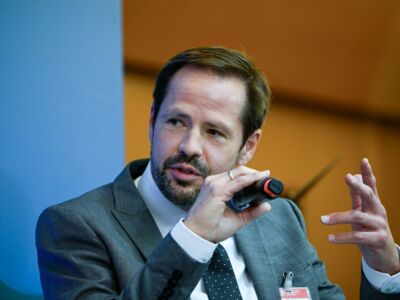
  • Andreas Schaumayer (see picture) Head of Division for Food Security and Fisheries, BMZ, Germany “A BMZ success story combining climate and food security”
  • Sara Mbago-Bhunu (see picture) - Regional Director for East and Southern Africa, IFAD, Nairobi, Kenya - “The impact of international finance on value chain development and adaptation”
  • Conrad Rein Secretary General, Global Flagship Initiative for Food Security, Bonn, Germany - “Reshaping the landscape of investors in resilient food systems”

27/07. Lessons from Multi-Country, Cross-Sectoral Approaches to Agri-Food Systems Transformation

14:00 – 15:30 (EAT). Room: CR- 4Flyer (English) + Flyer with Photos (English)

Organizers and partners: Japan International Research Center for Agricultural Sciences (JIRCAS); Ethiopia Institute of Agricultural Research (EIAR); Japan’s Ministry of Agriculture, Forestry and Fisheries (MAFF); World Agriculture Forum; FAO Forestry Division, Halting Deforestation, Degradation, Emissions Team; Ajinomoto Co., Inc.; Greein Inc.; The Vietnam Gardening Association (VGA); Uganda’s Ministry of Water and Environment (MWE).

Nations such as, Japan, Ethiopia, Uganda and Vietnam, have emphasized the
critical role of Science, Technology, and Innovation, while acknowledging that there are “no-one-size-fits-all” approaches.
  • Dr. Kaori Ono (picture) - Executive Officer in charge of Sustainability, Ajinomoto. The Ajinomoto Group leverages its strengths and work with scientists, policy makers, business leaders, and stakeholders globally and locally to achieve more impactful results. In 2024, it joined the World Business Council for Sustainable Development (WBCSD). The Ajinomoto Group will continue leveraging its tangible and intangible assets developed through "AminoScience."
 

27/07. Country Experiences on Mainstreaming Agroecology as Food System Transformation Pathway

14:00 – 15:30 (EAT). Room: Caucus Room 11 READ THE CONCEPT NOTE

Organizers and partners: Ministry of Agriculture and Environment - Vietnam; Ministry of Agrarian Development - Brazil; Ministry of Agriculture and Livestock Development - Nepal; Ministry of Agriculture - Zambia; Agroecology Coalition; Biovision Foundation; World Future Council Foundation; Fundación Alpina; European Commission - Joint Research Centre; ICEI; IFOAM - Organics International; Instituto Regenera; United Nations Foundation; University of Coimbra - Centre for Functional Ecology; Alliance Bioversity - CIAT India office; Local Initiatives for Biodiversity, Research and Development (LI-BIRD); Tarayana Foundation.

This event highlighted implementation and finance mobilization efforts to operationalize strategies and scale transitions. It emphasized the role of transdisciplinary research, local knowledge systems, and participatory evidence generation in strengthening science-policy-society interface in the design, implementation, and evaluation of policies enabling agroecological food systems. 


Wednesday, July 23, 2025

Forgotten Foods: A GFAR/GFAiR Collective Action Success Story

The Collective Action on Forgotten Foods represents one of the most impactful and forward-looking partnerships under GFAR (now GFAiR)—reviving neglected and underutilized crops (NUS) to transform food systems, improve nutrition, and empower marginalized communities. Its story spans over two decades, beginning with the early recognition of "forgotten foods" as a global agri-innovation frontier.
 

Origins: A Global Innovation Priority (1999–2000)


The term “forgotten foods” began gaining traction in 1999–2000, when GFAR convened dialogues on rethinking agricultural innovation to serve smallholders, especially in marginal environments. At the GFAR2000 Global Conference in Dresden, neglected and underutilized species (NUS) were formally acknowledged as a global priority for research and innovation. These species—locally adapted, nutrient-dense, and often resilient to climate stress—had long been marginalized by mainstream agricultural R&D. GFAR partnered with actors like Bioversity International and the CGIAR NGO Committee to elevate the status of NUS in policy, research, and funding agendas.

Rising Momentum: From Advocacy to Collective Action


Through the 2000s and 2010s, GFAR supported global awareness-raising on the role of forgotten foods in combating hunger, biodiversity loss, and the erosion of traditional knowledge. These efforts laid the groundwork for the formal establishment of the Collective Action on Forgotten Foods, launched as part of GFAR’s restructured Collective Action mechanism in the late 2010s.

Key milestones included:
  • Formation of a multi-stakeholder partnership, including farmer organizations, public research institutes, NGOs, UN agencies, private sector, and youth;
  • A 2021–2022 global dialogue series on forgotten foods, led by GFAR and partners, identifying barriers and opportunities across regions;
  • The “Forgotten Foods Manifesto” (2022), calling for co-research, policy support, and investment in neglected crops;
  • Country-level engagement, such as support to India’s Odisha Millet Mission and integration of forgotten foods in school feeding, biodiversity policy, and climate resilience programs.

A Paradigm Shift in Food Innovation


Today, the Forgotten Foods Collective Action is:
  • Restoring indigenous food systems, valuing women's and communities’ knowledge;
  • Stimulating demand and markets for climate-resilient local crops;
  • Rebalancing agri-research priorities toward diversity, equity, and sustainability;
  • Driving policy shifts at national and global levels.
In September 2024, 3 consortia were selected among 21 applications for the GFAiR call for "Letters of Intention (LoI) on Forgotten Foods”: Swaminathan Foundation (India) the University of Ghana (Ghana) and The Food Bridge (Belgium). The 3 selected consortia focus on farmer-led conservation practices which are central to reviving forgotten foods. The Food Bridge (Belgium) manages a Food Heritage Project in Nigeria and Ghana with the intention of leveraging the access to the African diaspora food market, to promote consumption of indigenous African food, support rural farmers to start growing these food crops and access to premium market - see: 8th African Diaspora Agrofood Forum on Forgotten Foods

Food Bridge coordinates the Collective Action on Forgotten Foods. 


The Food Bridge (Belgium) coordinates the Collective Action on Forgotten Foods because of its leadership in bridging African diaspora markets with rural African farmers, its proven experience in food heritage projects in Ghana and Nigeria, and its ability to connect traditional knowledge, entrepreneurship, and policy advocacy—making it uniquely positioned to lead a global movement to revive and scale indigenous foods across continents. 

It identified two specific pathways to promote the consumption - and hence the demand for - forgotten foods: 
  1. the increased demand by the diaspora of nutritious forgotten foods of their country of origin and 
  2. the role of African Diaspora Food SMEs which offer new market niches for farmers’ organizations and agri-food SME’s. 

Between January and June 2025, the Collective Action on Forgotten Foods mobilized a diverse and dynamic set of activities—including proposal writeshops in Ghana and Nigeria, intercontinental consortium building, pilot deployments of the GAMAAL app, and high-level advocacy campaigns—that demonstrated how traditional knowledge, digital tools, and inclusive partnerships can converge to elevate opportunity crops. By centering women-led enterprises, diaspora engagement, and regional research capacity, these efforts serve as a scalable model for integrating biodiversity, nutrition, and cultural heritage into food systems transformation—offering a compelling blueprint for global action on neglected and underutilized crops.

The market study conducted in London was a pivotal step in understanding the demand, cultural relevance, and commercial potential of forgotten foods within the African and Caribbean diaspora communities. By analyzing consumer preferences, purchasing behavior, and existing supply chains, the study will provide critical insights into how opportunity crops—such as fonio, bambara groundnut, and African leafy vegetables—can be positioned in diaspora markets as both culturally resonant and nutritionally superior alternatives

These findings cannot only inform product development and branding strategies but can also strengthen the case for policy support and investment in transcontinental value chains that reconnect African smallholder producers with diaspora consumers seeking to reclaim food heritage.

See for further information on this market study following blog posts:

Multi-donor funded initiative to promote the use of so-called opportunity crops


Crop Trust has launched (19/03/2025) the Power of Diversity Funding Facility (PDFF). This  transformative multi-donor funded initiative will promote the use of so-called opportunity crops across Africa, Asia, the Pacific, and Latin America and the Caribbean. 

Initially, the PDFF will focus on 14 high-potential opportunity crops in seven countries,: Colombia, Kenya, India, Nigeria, Tanzania, Uganda and Zambia. Additional funding can extend the project’s reach to more countries, driving a shift towards resilient and sustainable agrifood systems worldwide.

Backed by an initial investment of €10 million from Germany (the German Federal Ministry for Economic Cooperation and Development (BMZ) through KfW Development Bank) and €2 million from Ireland, the PDFF will empower farmers to diversify their agricultural systems with resilient and nutritious alternatives to mainstream crops. The German funding will come via KfW, the German Development Bank, and Ireland is providing funding through its Department of Foreign Affairs.

To provide a foundation of knowledge, the Crop Trust has launched an Opportunity Crop Knowledge Base with key information on the crops prioritized by BOLDER partners.
  • The BOLDER (Building Opportunities for Lesser‑known Diversity in Edible Resources) initiative—funded by the Government of Norway under the broader BOLD program—aims to conserve underutilised, nutritious crops and make them accessible to smallholder farmers. Funded by the Government of Norway, BOLDER works to secure the diversity of these crops, and make it available to smallholder farmers in four African countries.
  • Budget: USD 22.4 million.
  • Project period: 2024 to 2030.
  • Target countries: Benin, Ghana, Tanzania, and Uganda.
BOLD (Biodiversity for Opportunities, Livelihoods and Development) is a 10-year global initiative funded by the Government of Norway, coordinated by the Crop Trust to protect and utilize crop diversity for food and nutrition security. 
  • Budget: now carries a total budget of ≈ USD 80 million (up from the initial USD 58 million committed at launch).
  • Project Period: 2021 to 2030—a full decade-long initiative.
  • Partner Countries: The core implementation, centers on 15 national genebanks spread across Africa, Asia, Latin America and the Near East. Allied work centres on crop improvement, seed systems and “opportunity crops” in four pilot countries: Uganda, Tanzania, Ecuador, and Bhutan.

The Power of Diversity Funding Facility selection workshop took place in Bogotá, Colombia, on 15-16 July, co-hosted by Agrosavia, the Alliance of Bioversity International and CIAT and the Crop Trust. The Funding Facility is financially supported by the German Federal Ministry for Economic Cooperation and Development (BMZ) through the KfW Development Bank, and the Department of Foreign Affairs of Ireland.

Prolinnova: A GFAR/GFAiR Collective Action Success Story


Prolinnova (Promoting Local Innovation in Ecologically-Oriented Agriculture and Natural Resource Management) is a global multi-stakeholder initiative that strengthens farmer-led innovation and participatory agricultural research. It stands out as a long-standing and transformative success of the GFAR (now GFAiR) Collective Action model—advancing inclusive innovation by grounding research and development in the creativity of local communities.
 

Origins: Farmer Innovation Takes Center Stage


Prolinnova was initiated in December 1999 at a meeting near Paris (Rambouillet), where NGOs from the Global South and North came together to develop a new vision for farmer-driven innovation in ecologically oriented agriculture and natural resource management. This meeting was supported by GFAR, the CGIAR NGO Committee, and the French Ministry of Foreign Affairs. Rather than being created by GFAR, Prolinnova was a bold, NGO-led initiative facilitated and legitimized through GFAR’s global platform.
 
The NGO meeting in Rambouillet (France), supported by GFAR, conceptualized Prolinnova as a response to top-down agricultural innovation models. The core ideas were refined early 2000 : support farmer-led innovation, build multi-actor platforms, and institutionalize Participatory Innovation Development (PID) and in May 2000 Prolinnova was formally presented at GFAR2000 in Dresden by Ann Waters-Bayer, with strategies for piloting and scaling innovation partnerships. These early efforts positioned Prolinnova within GFAR’s framework of Global Partnership Programmes, giving it access to international platforms, co-learning opportunities, and donor engagement.
 

A Collective Action with Lasting Impact


From these beginnings, Prolinnova evolved into a multi-country, multi-actor partnership, establishing national platforms in over 15 countries across Africa, Asia, and Latin America. Its impact includes:
  • Empowering farmer innovation systems through Farmer Innovation Fairs (FIFs) and the International Farmer Innovation Day (29 November);
  • Promoting Participatory Innovation Development (PID) as a core methodology for co-creation between farmers, researchers, and extensionists;
  • Influencing agricultural R&D agendas toward inclusive, bottom-up approaches;
  • Serving as an early model of GFAR Collective Action, with Southern actors in the lead.

Legacy within GFAiR


Prolinnova began as an NGO-initiated farmer-centered innovation network, matured through Promoting Participatory Innovation Development (PID), and eventually became formally recognized as a GFAR Collective Action in 2015–2018. This institutional shift embedded its farmer-led innovation model within global agri-food R&I systems, ensuring sustained advocacy and multi-stakeholder coordination.

As GFAR evolved into GFAiR, Prolinnova remains a flagship example of how locally led, globally supported innovation systems can thrive. It shows the power of Collective Action to shift the paradigm—from externally driven development to co-innovation rooted in farmers’ realities.

Throughout 2020-2021, the Global Forum on Agricultural Innovation Research and Innovation (GFAiR) facilitated an intensive consultation process in Asia-Pacific, as well as Africa, Europe and the Middle East. It resulted in the identification of several Collective Actions. One of the Collective Actions is on Agroecology. September 2024, 6 consortia were selected among 28 applications for the GFAiR call for "Letters of Intention (LoI) on Agrocology": APIRAS-APAARI, CACAARI, Prolinnova, PAFO, SEI and Helvetas.

Prolinnova and the GFAiR Collective Action Agroecology

The Institute of Natural Resources NPC (INR, South Africa) is representing the global Prolinnova network. INR South Africa, in collaboration with the Prolinnova network, seeks to document local farmer innovations in agroecology, focusing on adaptation to climate change, and share this knowledge with key stakeholders. It wants to engage with small-scale farmers and various actors across Africa and Asia, emphasizing the role of farmer-led innovation in promoting sustainable agriculture. It aims to contribute to the Agroecology Coalition (AEC) by facilitating knowledge co-creation and exchange. The outcomes are to support policy dialogue and inform ARD (Agricultural Research and Development) approaches. Countries: India, Nepal, Kenya, Senegal and Ghana.

Prolinnova joined recently a consortium under the GFAiR Collective Action Agroecology activities to submit a proposal for The Fonds de Dotation Roullier: call for proposals for soil research (deadline 21 April 2025): Building Resilient Farming Systems: Advancing Soil Health Restoration, Sustainable Practices, and Climate Adaptation for Future Agriculture (Applicant: Alliance of Bioversity International and CIAT. Participating partner structures: Rythu Sadhikara Samstha, Prolinnova, Access Agriculture, M.S. Swaminathan Research Foundation). Unfortunately it was not selected. 


Thursday, June 26, 2025

Rethinking Public–Private Partnerships: From Funding Gaps to Shared Goals

26 June 2025. Rethinking Public–Private Partnerships: From Funding Gaps to Shared Goals

Second session of the APAARI Community of Practice on Public-Private Partnerships (PPP CoP)—a platform dedicated to strengthening public-private collaborations to enhance agricultural trade.

Dr. Romano De Vivo emphasized the vital role of public-private partnerships (PPPs) in agriculture and sustainable development, highlighting their global significance in mobilizing over $100 billion annually. These partnerships are endorsed by major institutions and UN frameworks such as the SDGs and Rio Conventions, underscoring their relevance for climate resilience and inclusive development. However, he insisted that true partnerships go beyond mere transactions or sponsorships—they must be grounded in co-design, shared purpose, and trust. Partnerships should not involve unilateral control or outsourcing, but rather mutual ownership and co-creation of solutions, where both public and private sectors contribute equally and align their objectives.

A successful partnership requires shared values, early engagement, and balanced responsibilities. Partnerships often fail due to unclear objectives, mismatched timelines, incompatible success metrics, and rigid contracts. While the public sector tends to prioritize implementation and short-term goals, the private sector focuses on long-term impact and financial returns. These differences, unless reconciled, lead to mistrust. Effective collaboration requires transparent governance, aligned KPIs, and careful consideration of reputational risks—especially when involving multinational corporations or local startups. The public sector must not compromise its mission but rather ensure that partnerships serve community needs and public interest first.

In closing, Dr. Romano De Vivo urged public institutions—especially National Agricultural Research Systems (NARS) and regional fora—to explore new roles as service providers and facilitators for the private sector. Given their deep understanding of local contexts, networks, and regulatory environments, public entities can guide private actors through complex local challenges, such as benefit-sharing or sustainability disclosure requirements. He encouraged reexamining foundational frameworks—like GFAiR’s own partnership principles—as a guide to forming high-impact, locally grounded, and ethically sound partnerships. Ultimately, the goal is to build models that are context-specific but anchored in strategic alignment, shared benefits, and lasting impact.

Background


What is the APAARI PPP CoP?
  • A dedicated forum by APAARI to foster public–private partnerships focused on advancing agri‑trade in the Asia‑Pacific region 
  • Engages a wide mix of stakeholders: government (e.g., Department of Agricultural Extension, Bangladesh), private sector, NGOs, universities, and research institutions 
  • Designed to cultivate ongoing knowledge-sharing, joint problem-solving, and policy dialogue.
Launch & Key Sessions
  • The inaugural event, held ~4 months ago, attracted 80+ participants from 9 countries, with a focus on Bangladesh 
  • February 24, 2025 session brought together experts and stakeholders for a targeted discussion on agri‑trade partnerships 
Objectives and Outcomes
  • Expert Insights & Perspectives
  • Panel sessions featuring voices from APAARI, government (e.g., DAE), and private agribusiness investors to shape PPP roles in agricultural trade 
Identifying Challenges & Opportunities
  • In-depth discussions on trade compliance, policy advocacy, standards harmonization, and private‑sector engagement 
  • Commitment to Continued Engagement
  • Participants agreed to hold regular CoP meetings to sustain momentum and collaboration 
Contextual Linkages
  • Builds on related APAARI initiatives such as the seed‑trade PPP project, focusing on phytosanitary compliance and private‑public collaboration in countries like Bangladesh, Cambodia, Nepal, Thailand, 
  • Reinforces APAARI’s broader initiative to strengthen agricultural innovation systems and capacity development across the region.
Why It Matters
  • Serves as a bridging mechanism between policy-makers, agribusiness, research, and farmers to unlock new trade opportunities.
  • Addresses key bottlenecks—such as compliance and market access—through collective action.
  • Supports APAARI's mission to enhance agri‑trade, sustainability, and innovation via multi-stakeholder platforms.
Moving Forward
  • Regular sessions are planned across different member countries to share successful PPP models, align policy frameworks, and facilitate on‑the‑ground collaboration.
  • Through this CoP, APAARI aims to build scalable, repeatable PPP models that enhance agriculture trade and market access throughout the region.

Tuesday, May 27, 2025

Third International Agrobiodiversity Congress (3)

20 - 23 May 2025. Kunming, Yunnan, China. International Agrobiodiversity Congress (IAC)

23/05. One of the side events at hashtag#AgrobioCongress2025 sparked a rich dialogue with Chinese students on "Can the diet of generation Zed (Gen Z) save Biodiversity? It was organised by GFAiR and PAFO.

Speakers:

  • Francois Stepman, Advisor Global forum for agricultural research and innovation (GFAiR)
  • Dr. Babafemi Oyewole,  CEO of Pan African Farmers Organization (PAFO) 
  • Gunsham Seeborun, President F.A.L.C.O.N. (Farmers in Agriculture, Livestock, Cooperative, Organic Network) from Mauritius and  who succeededs Ms Elizabeth Nsimadala as the representative for the African Constituency for the World Farmers’ Organisation (WFO)
  • Michael Waiyaki Nganga Founder & Ceo of Miti Alliance Ltd, a social enterprise whose focus is on planting and growing trees across Kenya.


Background

Generation Z in China
, typically defined as those born between 1995 and 2010, is characterized by digital nativity, pragmatism, and strong national identity. Raised in an era of rapid economic growth, internet proliferation, and government-led modernization, they are highly tech-savvy and rely heavily on mobile platforms like WeChat, Douyin (TikTok), and Xiaohongshu for communication, entertainment, and shopping. Unlike previous generations, they are more individualistic yet socially conscious, showing interest in sustainability, local brands, and cultural pride. They value authenticity, creative self-expression, and experiences over material possessions, while also facing intense academic and career pressures shaped by China’s competitive environment.

Generation Z in Africa differs from China’s Gen Z in several keyways, shaped by distinct socio-economic, technological, and cultural contexts. While both are digitally savvy, Africa’s Gen Z often navigates digital spaces with more limited infrastructure—access to the internet and devices can be uneven, particularly in rural areas. This has led to high levels of creativity and innovation in using mobile-first platforms like WhatsApp, Facebook, and TikTok for entrepreneurship, activism, and education. Culturally, Africa’s Gen Z tends to be deeply community-oriented and entrepreneurial, driven by high youth unemployment and economic uncertainty. Many are engaged in side hustles, informal economies, or tech startups. In contrast, China’s Gen Z has broader access to structured education and formal job markets, with government policies more directly shaping their career paths. Politically, African Gen Z is often more outspoken, using social media for activism and social change. A notable example of Kenyan Gen Z is the #RejectFinanceBill2023 movement. Sparked primarily by young Kenyans, this online campaign protested proposed tax increases in the Finance Bill that were seen as harmful to low- and middle-income citizens.

Gen Z and biodiversity

Gen Z sees biodiversity not as a niche issue but as a defining challenge of their time

Generation Z relates to biodiversity issues with a strong sense of urgency, activism, and innovation, often viewing environmental protection as integral to their future and identity. Growing up amid visible climate impacts, habitat loss, and global species decline, many Gen Z individuals are deeply concerned about the planet’s ecological health.

They engage with biodiversity through digital advocacy, using platforms like TikTok, Instagram, and YouTube to raise awareness, share conservation content, and pressure governments and corporations to act. Campaigns for reforestation, wildlife protection, and sustainable consumption often gain traction among Gen Z audiences, who are more likely to adopt plant-based diets, support ethical brands, and participate in citizen science or local conservation efforts. Unlike previous generations, Gen Z blends environmental concerns with broader social justice narratives—linking biodiversity loss to Indigenous rights, food systems, and climate equity. They often seek holistic, intersectional solutions, and many are founding or joining startups, NGOs, and youth movements focused on regenerative agriculture, nature-based solutions, and protecting ecosystems.

Gen Z and funding

Youth can benefit from funding opportunities that link diet to improved biodiversity by engaging in initiatives such as school and community gardens, forgotten foods projects, and food waste valorization. Programs like Slow Food Gardens in Africa and the One Planet Network provide direct support—up to $15,000—for youth-led projects that promote agroecology, preserve indigenous crops, and teach sustainable food practices. 

Through collective actions, such as write shops and consortia-building (e.g., with Foodbridge or universities), youth can access mentorship and resources to scale innovative solutions that enrich diets while conserving biodiversity. These opportunities empower youth to reclaim traditional food knowledge, diversify consumption habits, and contribute to food sovereignty and ecosystem health.

Video testimonies

Testimony by Angelo Rodriguez, coordinator of “El colectivo de Educación Ambiental Huerteros en Movimiento” (The Environmental Education Movement Collective Horticulturists), and representative of the International University Network on Cultural and Biological Diversity (IUNCBD) Cali, Colombia: “Youth Peace Seedbed” 

Testimonies and presentations


Testimony by
Oluwaferanmi Darasimi OLATILO. She is a Food Microbiologist, Gastronome, and Sustainable Food Systems Advocate. She currently work as the Director of Programs and Project Management and Internal Affairs, Slow Food Nigeria Network.


All around the world, it's not a new fact that young people are now redefining how we eat. But behind every meal - nutritious or otherwise, diverse or not diverse - something often lies overlooked, and that is agrobiodiversity. 

My name is Oluwaferanmi, and I work with slow food (Nigeria) as a programmes and project manager. Today I'm going to be talking about the nexus between diets and youths. But before I talk about the impact of diets on youth empowerment, I want to talk about agrobiodiversity.  Agrobiodiversity has to do with the variety of crops, fruits and vegetables that make up our diet. For young adults and youth, a diverse diet and rich in essential nutrients, not just macro and micronutrients, is essential for a healthy lifestyle and reduces a greater risk of chronic diseases. 

But the problem of the diet of today is that it is limited. There are limited food options in the market, and traditional food choices, like vegetables and indigenous food crops (for example, Bambara groundnut), are missing from the diet. Now the solution is not just more staple food crops, but agrobiodiversity in diet. 

There is a need for youth empowerment for agrobiodiversity. From establishing school gardens to creating digital platforms to encourage the adoption of a healthy and bio diverse diet for youth. 

What we do at slow food Nigeria is that we are advocate for good, clean and fair food through silver programmes and thematic networks like the Ark of taste, the slow food recipe for change and Project Green futures. What we seek to adopt is that we want to influence more youths to influence a change in their diets. 

We have the opinion that agrobiodiversity is rooted in our past, fixed in our present, and is our future, empowering youth in agriculture. Advocating for agrobiodiversity not only nourishes our bodies and improves our health, but it's also supportive of a good ecosystem and a better generation. It is important that we conserve indigenous knowledge, advocating for agricultural biodiversity and pass it down to the next generation.

Presentation by Michael Waiyaki, Founder & CEO Miti Alliance Ltd


Presentation by Francois STEPMAN (GFAiR)