Platform for African – European Partnership in Agricultural Research for Development
Showing posts with label Egypt. Show all posts

Tuesday, June 16, 2026

Advancing Biological Control in Asia, the Middle East and Africa: Knowledge, Practice and Partnership

11 June 2026. Promoting the awareness and use of biological control in Asia, the Middle East and Africa

As concerns grow over pesticide resistance, biodiversity loss, environmental degradation, and food safety, experts from more than 75 countries gathered for a regional webinar organized by CABI and the International Tropical Fruits Network (TFNET). The event highlighted the growing recognition of biological control as a key component of sustainable agriculture and resilient food systems. Participants explored how biological control approaches, when integrated within broader Integrated Pest Management (IPM) strategies, can reduce dependence on synthetic pesticides while improving environmental outcomes, farmer livelihoods, and market access.

A major focus of the webinar was the role of innovation, science, and digital tools in accelerating the adoption of biological control. 

  • CABI showcased its PlantWise Plus programme and demonstrated the CABI BioProtection Portal, an open-access platform operating in 54 countries and 18 languages that provides information on more than 7,000 registered bioprotection products. 
  • Participants also learned from a successful case study in Malaysia, where classical biological control of diamondback moth significantly reduced pesticide use in brassica production while strengthening export opportunities through lower pesticide residues: Diamondback Moth Management in Malaysia
  • Country perspectives from Egypt, Sudan, and Saudi Arabia further illustrated how biological control is increasingly being incorporated into climate-smart agriculture programmes, extension services, and national sustainable agriculture strategies.

Throughout the discussions, participants emphasized that biological control is not a stand-alone solution but rather part of a broader systems approach to sustainable crop protection. Successful adoption depends on strong regulatory frameworks, quality assurance systems, effective extension services, farmer engagement, institutional support, and access to affordable biocontrol products. Digital advisory tools were identified as particularly important for helping farmers and advisers make informed decisions, while capacity development and policy harmonization were seen as critical for scaling adoption across regions. The webinar also underscored the importance of placing farmers at the centre of innovation and ensuring that solutions are adapted to local ecological and socio-economic contexts.

Looking ahead, participants identified significant opportunities for regional collaboration through joint research initiatives, regulatory harmonization, public-private partnerships, digital agriculture platforms, and South-South cooperation. There was broad agreement that scaling biological control will require coordinated action across research institutions, governments, extension systems, private companies, and farmer organizations. By fostering partnerships and sharing practical experiences, the webinar demonstrated how biological control can contribute to healthier ecosystems, safer food production, improved market access, and more resilient agricultural systems across Asia, the Middle East, and Africa.

Friday, June 20, 2025

Delivering the Kampala Strategy for Agricultural R&D in Africa

16 - 19 June 2025
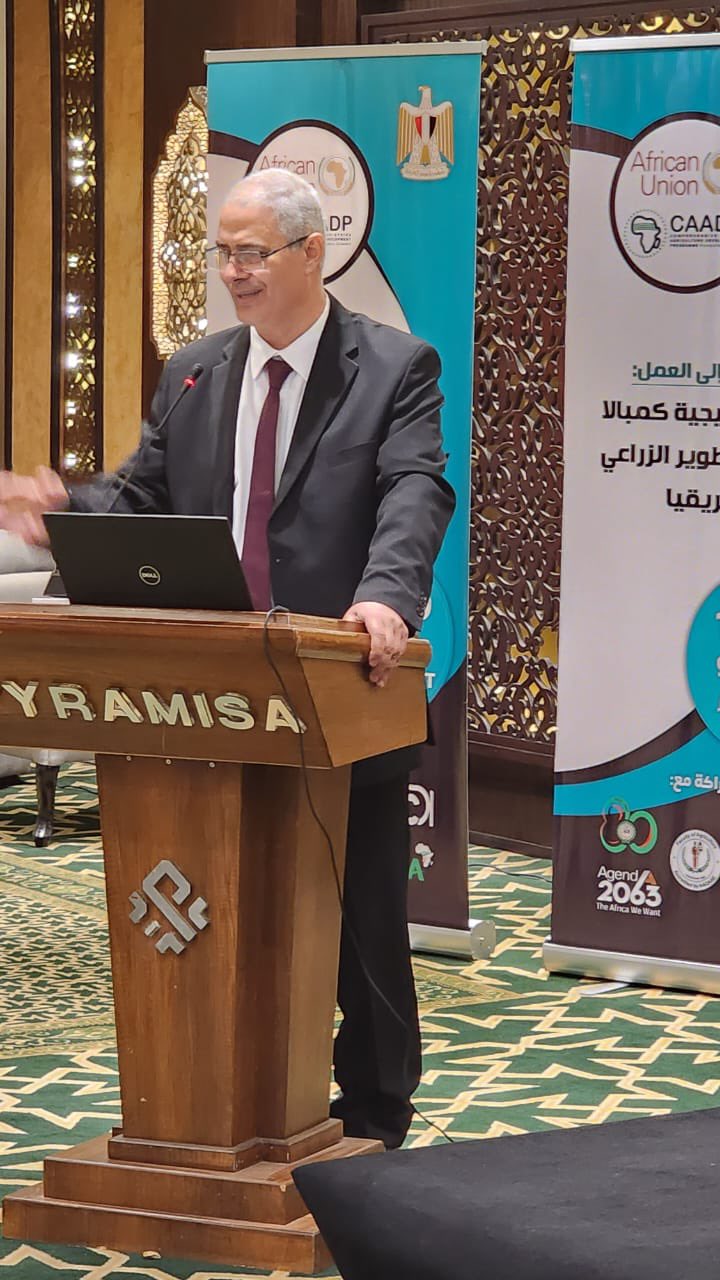
. Cairo, Egypt. From Commitment to Action: Delivering the Kampala Strategy for Agricultural R&D in Africa. 

This meeting was organized by AU‑SAFGRAD (the African Union’s Semi‑Arid Food Grains Research & Development office). It served as a key strategy session aimed at operationalizing the newly launched CAADP Kampala Strategy (covering 2026–2035), which is Africa's post‑Malabo framework for transforming agriculture through science and innovation.

It is important to strengthen joint African action to address the risks and challenges facing the region, as well as the optimal and effective exploitation of the vast and diverse economic and natural resources possessed by the African continent, to achieve intra-African economic integration and address the new global reality. Egypt develops agriculture through several axes, including: horizontal expansion through the reclamation of approximately 4 million acres to support the production of strategic crops and reduce the food gap therein, as well as vertical expansion through the development of new varieties with high productivity, early maturity, low water requirements, and tolerance to climate change.  
Egyptian state's efforts include adopting modern technologies to develop irrigation systems and increase the efficiency of water resource use by building giant agricultural wastewater treatment plants. This is in addition to supporting the transition to healthy and safe food systems, reducing loss and waste by expanding the scope of the National Silos Program and diversifying import sources for strategic grain commodities. This is in addition to strengthening and expanding the social protection network through the "Takaful and Karama" programs and launching the presidential "Decent Life" initiative, which aims to alleviate the burden on citizens in the most needy communities in rural areas and urban slums, representing more than 60% of the Egyptian population. 
The Ministry of Agriculture and its scientists from the Agricultural Research Center and the Desert Research Center are fully prepared to provide the necessary expertise and all means of support to cooperate with our brothers from the African continent, harnessing all capabilities to ensure the success of this cooperation and achieve food security. Alaa Farouk, Minister of Agriculture and Land Reclamation of Egypt
The workshop was attended by: the Director of the African Union Office for Research and Development at the African Union Commission; the Executive Secretary of the Forum for Agricultural Research in Africa; the Executive Secretary of the Arab Fund for Technical Support to African Countries; Dr. Adel Abdel Azim, Head of the Agricultural Research Center; Dr. Saad Moussa, Supervisor of External Agricultural Relations; and representatives of African Union bodies and organizations.

Objectives of the Meeting
  • Translate the Kampala Strategy into a concrete Action Plan: Participants focused on identifying R&D priorities, setting targets, defining implementation pathways, and establishing an M&E (monitoring & evaluation) framework .
  • Engage key stakeholders: A broad range of actors from national agricultural research centers, CGIAR institutes, regional bodies like FARA, and AU entities (e.g., SAFGRAD, AUC) were consulted to ensure ownership at all levels.
  • Mobilize support and funding mechanisms: The meeting also explored ways to build strong public–private partnerships, secure donor engagement, and tap into new financing instruments to support agricultural research in Africa.
Key Themes Covered
  • Strengthening R&D infrastructure up to 2035.
  • Enhancing tech transfer—including mechanization, digital agriculture, AI, climate-smart practices.
  • Establishing robust institutional frameworks and governance for implementation and monitoring.
  • Formulating resource mobilization strategies.
This event marked the first major consultative workshop aimed at driving the shift from high‑level commitment—to the Kampala Strategy—toward tangible, on‑the‑ground action across Africa. The ultimate goal: to build sustainable, resilient, and innovation-led agri-food systems across the continent.
Extracts of the programma

Panel 1: CAADP Kampala Strategy – From Vision to Action 

  • Moderator: Dr. Irene Annor Frempong (Facilitator) 
  • Kenao Lao (AUC/CAADP) 
  • Dr. Samuel Benin (IFPRI/CGIAR) 
  • Dr. Clement Adjorlolo (AU-NEPAD) 
  • Dr. Moses Odeke (ASARECA) 
  • Representative ARC Egypt 

Panel 2: Building Resilient Agricultural Research Systems 

  • Moderator: Dr. Niéyidouba Lamien (CORAF) 
  • Dr. Majola Lawrence Mabuza (CCARDESA) 
  • Dr. Wanjiru Kamau-Rutenberg (CGIAR) 
  • Dr. Sokona Dagnoko (RUFORUM) 
  • Dr. Charity Kagiso K-Kruger (NARDI, Botswana) 
  • Dr. Fredah Maina Wangui (KALRO, Kenya) 
  • Representative ARC Egypt 

Panel 3: Leveraging Technology and Innovation for Agri-Transformation 

  • Moderator: Dr. Charles Kleinermann (CGIAR/ ICARDA) 
  • Dr. Baboucarr Manneh (AfricaRice) 
  • Dr. Oladunjoye Michael Adeyinka (Pan African University) 
  • Kofi Kisiedu Acquaye (YPARD) 
  • Dr. Niéyidouba Lamien (CORAF) 
  • Dr. Hernán D. Muñoz, Food and Agriculture Organization (FAO) 
  • Representative ARC Egypt 

Panel 4: Bridging the Research-to-Practice Gap 

  • Moderator: Dr. Lilian Lihasi Kidula (AFAAS) 
  • Dr. Oyewole Babafemi (PAFO) 
  • Representative ROPPA/PROPAC 
  • Prof. Quirico Migheli, Director, Desertification Research Centre (EWA 
  • BELT) 
  • Dr. Uffelen, Gerrit-Jan van (WUR) 
  • Representative ARC/Cairo University 

Panel 5: Gender, Youth and Inclusive Research Systems 

  • Moderator: Fatma Bensadok (Algeria – Gender/Training) 
  • Lovin Kobusingye (Uganda National Women Fish Organization) 
  • Kofi Kisiedu Acquaye (YPARD) 
  • Jenniffer Wairimu Waruingi (Kenya Youth) 
  • Dr. Jennie Van der Mheen (WUR) University 
  • Dr. Laura Altea (EWA BELT ) 
  • Representative ARC Egypt 

Panel 6: Institutional Collaboration and Policy Engagement for Kampala Delivery 

  • Moderator: Dr. AKwesi Ntiamoah Atta-Krah, Senior advisor to the Regional Director for Africa   
  • Dr. Uffelen, Gerrit-Jan van (WUR) 
  • Dr. Aliou Faye (ISRA, Senegal) 
  • Representative ARC/Cairo University 
  • Dr. Moyo Siboniso, ILRI Deputy Director General 

Panel 7: Resource Mobilization and Public-Private Partnerships 

  • Moderator: Dr Kwaku Antwi (FARA) 
  • Dr. Oyewole Babafemi (PAFO – Farmer/PPP links) 
  • Dr. Tapsoba François (EWA Scientific Board) 
  • Peter Claver Anyeembey (Ministry of Agriculture, Ghana) 
  • Dr. Mohammed Ssemwanga (AGRENES-Private Sector) 
  • Representative Cairo University 
  • Representatives from AFTAAC 
  • Representative ARC Egypt 

Key Outcomes & Next Steps

  • Drafting of an AU-SAFGRAD Action Plan. Outlining thematic priorities, institutional roles, performance indicators, and implementation timelines.
  • Governance Frameworks Initiated. Draft TORs for coordinating bodies, partnership agreements, and M&E systems were proposed for adoption at continental and regional levels 
  • Resource Mobilization Framework Drafted. Including proposals for public–private funding, donor coordination, and engagement with “Team Africa” financing mechanisms 
  • Research Priorities Finalized. Soil health, digital/agri-tech, AI, mechanization, climate-smart practices and value-chain R&D were signed off as flagship areas 
  • Partnership Agreements Under Development. Including a roadmap for AARIEIs (Africa‑wide Agricultural Research & Innovation Excellence Institutions) aligned with Kampala goals 
  • RUFORUM-Led Capacity Support Planned. RUFORUM to roll out training programs aiding national implementation efforts

Tuesday, June 3, 2025

Global South and Triangular Cooperation: Emerging Facets


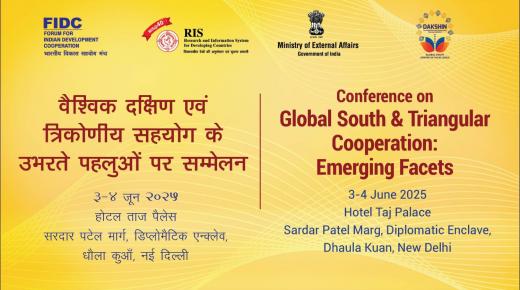
3–4 June 2025. New Delhi. 
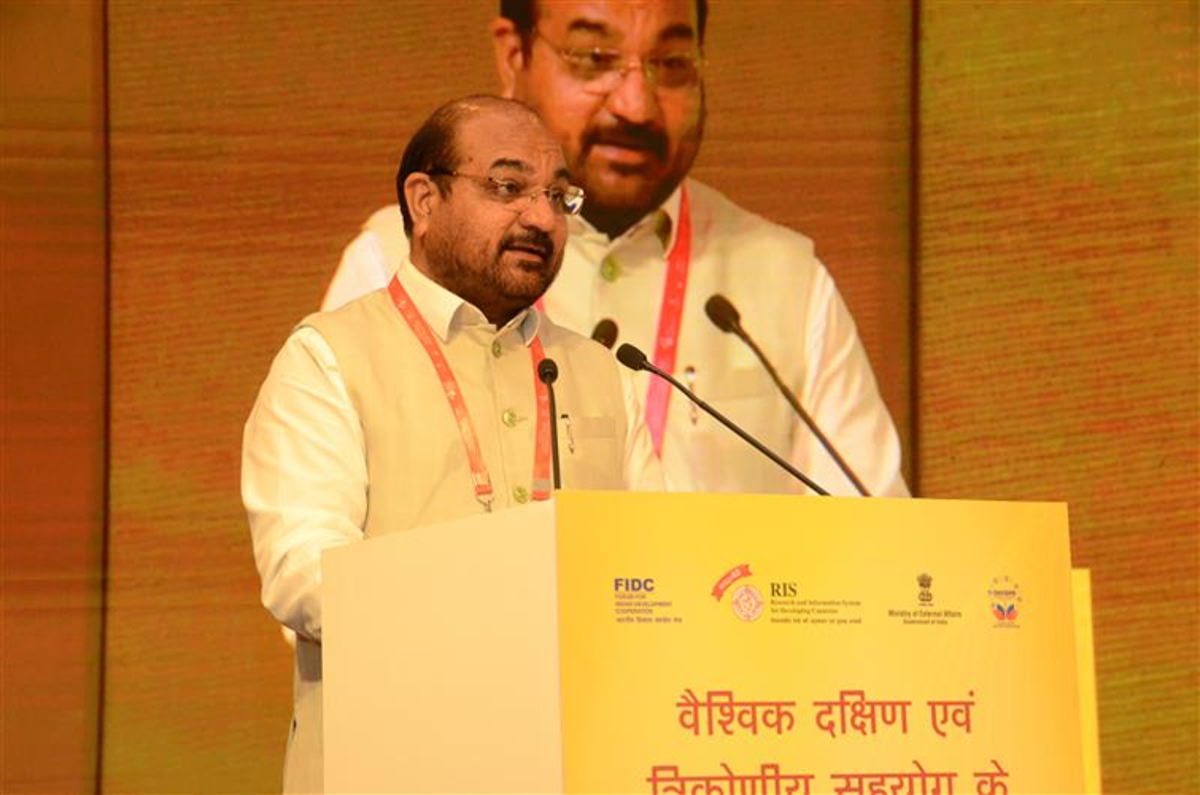
Conference on Global South and Triangular Cooperation: Emerging Facets.

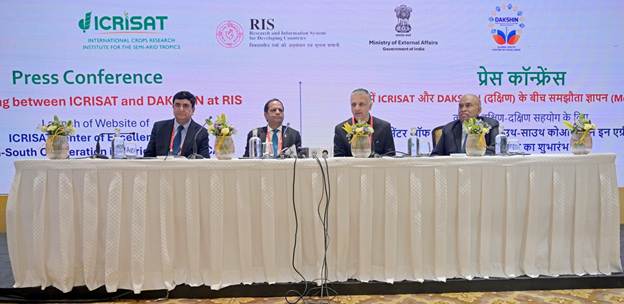
The International Crops Research Institute for the Semi-Arid Tropics (ICRISAT), in collaboration with the Research and Information System for Developing Countries (RIS), launched the ICRISAT Centre of Excellence for South-South Cooperation in Agriculture (ISSCA). 

The initiative aims to accelerate agricultural innovation and collaboration across the Global South. The launch also featured the signing of a strategic Memorandum of Understanding (MoU) between ICRISAT and DAKSHIN (Development and Knowledge Sharing Initiative) - a Government of India initiative focused on strengthening South-South cooperation through capacity building and development partnerships.

An emerging modality of engagement being spearheaded by the Global South comprise of various models of Triangular Cooperation as a hybrid collaboration of the North and the South, strongly embedded on principles of ownership, horizontality and partnership that has the potential to emancipate countries from debilitating dependence and encourage them to expand capacities for sustainable future. The important issue of enhanced development cooperation, along with development financing has been articulated at multiple levels by member governments including from the Global South, G7 and others. The G20 during the Indian presidency in 2023 emphasized the need to enhance North-South, South-South and Triangular Cooperation (TrC) and the Brazilian G20 presidency in 2024 made trilateral cooperation one of its priorities.

A cursory study of TrC projects demonstrates value addition, enables home-grown innovations in developing country pivots to test for scale and replication, and builds better trust among all stakeholders on account of participative decision making.

03/06 Special Session on Agriculture as Driver of Growth in the Global South in partnership with ICRISAT

Agriculture remains a cornerstone of livelihoods, employment, and food security across the Global South. The sector contributes significantly to GDP and employs a large share of the population,
particularly women and youth. However, the potential of agriculture to drive sustained, inclusive growth is often underutilized due to structural challenges such as low productivity, climate vulnerability,
land degradation, and limited access to finance and technology. Key issues:
  • Examining the transformation of agriculture into a highvalue, technology-driven sector including the role of agri-tech, precision farming, and digital infrastructure.
  • Revisiting Cross-country knowledge sharing through South-South and Triangular Cooperation, and policy frameworks and institutional innovations supporting rural transformation
Speakers:
  • Special Address by Dr M. L. Jat, Secretary-DARE & Director General, ICAR, Ministry of Agriculture and Farmers Welfare, Government of India
  • Professor Sachin Chaturvedi, Vice Chancellor, Nalanda University and Director General, RIS
  • Dr Himanshu Pathak, Director General, ICRISAT, India
  • Ms Ama Brandford-Arthur, SSTC Global Technical Coordinator, Department for Country Operations, IFAD, Italy @2:53:31
  • Ms Archna Vyas, Director, Gates Foundation, New Delhi
  • Ambassador Ashraf Rashed, Chairperson, COMESA Committee of Elders, Egypt
  • Professor (Dr) Govind Raj Pokharel, former Vice-Chairperson, National Planning Commission, Nepal
  • Professor Joseph Keiyah, Deputy Director, KIPPRA, Kenya

03/06 Action Labs on Successful Case Studies and Sectoral Specificities of Triangular Cooperation

Action Lab I: Agriculture, Health, SMEs, Entrepreneurship and Digital Solutions 
  • Co-Chair: Mr Chaman Lal Dhanda, Head, Triangular Cooperation, India Component, GIZ, India
  • Co-Chair: Dr Saravanan Raj, Director, National Institute of Agricultural Extension Management (MANAGE), India
  • Ms Dima Al-Khatib, Director, UNOSSC, New York US (Online)
  • Mr Manuel Mera, Director Social Protection, CIPPEC, Argentina
  • Dr Manuel Gonzalo, Research Professor, The Argentine Council for International Relations (CARI), Argentina
  • Dr Beatriz Muriel, Executive Director, INESAD, Bolivia
  • Ms Temwa Disi, Founder, Temwanani Agri Food's Enterprise, Malawi (Online)
  • Dr Jayanta Choudhury, Professor, Nagaland University, India
  • Mr Anal Raj Bhattarai, CEO, N.R.N Nepal Development Fund, Nepal

04/06 Valedictory Session:  Preparing for Future Global South Partnerships


In the fractured multilateral space, this high-level panel charted the path for future global partnerships in general, and in/of the Global South in particular.
  • Co-Chair: Mr Dammu Ravi, Secretary, Economic Relations, Ministry of External Affairs, Government of India* 
  • Co-Chair: Mr Pradeep S. Mehta, Secretary General, CUTS International, India
  • Key Takeaways: Professor Sachin Chaturvedi, Vice Chancellor, Nalanda University and Director General, RIS 
  • Dr Sabyasachi Saha, Associate Professor, RIS
  • Dr Dushni Weerakoon, Executive Director, Institute of Policy Studies, Sri Lanka
  • Dr Posh Raj Pandey, Chair Emeritus, South Asia Watch on Trade, Economics and Environment, Nepal
  • Dr Carlos Correa, Executive Director, The South Centre, Switzerland 
  • Professor N. R. Bhanumurthy, Director, Madras School of Economics, India
  • Vote of Thanks: Dr Sushil Kumar, Assistant Professor, RIS 

DAKSHIN – Global South Centre of Excellence


DAKSHIN - Global South Centre of Excellence emanates from an announcement made by the Prime Minister of India, Narendra Modi, during the 1st Voice of Global South Summit in January 2023.

DAKSHIN stands for Development and Knowledge Sharing Initiative. It endeavours to assist relevant stakeholders and partners in the identification and implementation of scalable and sustainable solutions that can transform the economies and societies of countries of Global South.

22 January 2025. Sustainable Agriculture and Agro-Ecological Approaches in the Global South.

Monday, March 4, 2024

North Africa Digital Climate Advisory Services (DCAS)

4-5 March 2024
. North Africa Digital Climate Advisory Services (DCAS) hybrid training event to support climate resilience for smallholder agriculture
  • GCA, the Global Center on Adaptation , an international organization operating as a solution broker to accelerate action and support for adaptation solutions, is launching its Food Security Program in Africa, to support mainstreaming of digital climate advisory services ( DCAS ) and adaptation solutions into agriculture and food security investments .
  • DCAS is seen as a potential game changer for smallholder farmers, giving them access to information and a variety of services .
  • For the first time, all key players in agrofood research and innovation from the public and private sector in North Africa are gathered to exchange experience and design potential joint programs to address the challenges of the region

This training event brought together public and private key changemakers from the North African region who have the capacity to scale up Digital Climate Advisory Services (DCAS) in their countries.

The Training of Trainers format aims at informing and strengthening the capacity of selected public and private actors to share knowledge, best practices and experiences, as well as explore the latest innovation and approaches that can promote the adoption of DCAS in their countries.

Find all resources here

Recordings (videos) 
https://drive.google.com/drive/folders/1GhpXNqAs8EBTeIpYsCL_obLxoS30Qtbb

Overview of the programme

04/03 What is DCAS? Sketching the Tools to do Advisory and Extension Work Digitally

  • Moderated by Fadi Abdelradi, Associate Professor of Agricultural Economics, Faculty of Agriculture
  • Dr. Saad Moussa, Head of External Relations and Chairman of Central Administration of Plant Quarantine, Ministry of Agriculture and Land Reclamation of Egypt
  • Dr. Bruce M. Campbell, Senior Advisor, Food Security and Wellbeing, GCA
  • Ms. Zainab Awad, Country Programme Officer, Egypt, IFAD
  • Ms. Svetlana Edmeades, Lead Agriculture Economist MENA Region, World Bank

04/03 Public Sector Case Studies of Agencies Integrating DCAS in their Extension Services

  • Dr. Mohamed El-Kersh, Digital Coordinator, Ministry of Agriculture & Land Reclamation, Egypt
  • Dr. Tarik Benabdelouahab, Principal Research Scientist, INRA, Morocco

04/03 Update on DCAS Digital Tools to Improve Advisory and Extension

  • Dr. Ajit Govind, Senior Climatologist Systems Modeler, acting Head Geo Agro, ICARDA
    (CGIAR) Introduction to digital climate advisory services tools and contents and progress to date

04/03 GCA, The World Bank and IFAD Overview and Projects in Agricultural Digital Services in North Africa

Development partners’ investment plans and cooperation with public and private actors
  • Ms. Fatma El Zahraa Aglan, Egypt Focal Point for Digital Agriculture, World Bank

    In the Q&A she answered the online question on "How do you increase the confidence between bankers and farmers for funds ?" [see PAEPARD blog post illustrating this Involvement of the Private Sector in Financing Climate Adaptation Actions
  • Dr. Bruce M. Campbell, Senior Advisor, Food Security and Rural Wellbeing, GCA

    Bruce referred to the report
    CLIMEAT (2023) Advancing climate change adaptation in African food systems: Seven key priorities for action on adaptation #19 p.

    Climate impacts in Sub-Saharan Africa are severe and will increase. Agriculture is a cornerstone of the economies of most countries and yet is dominated by climate-vulnerable rainfed systems. Meeting the food demands of the growing African population will require significant adjustments in food production systems and unfortunately, current adaptation efforts across the continent are insufficient to meet the climate challenge. This is demonstrated by lack of progress on National Adaptation Planning (NAP) processes, the likelihood of not achieving SDG2 on zero hunger, and the large numbers requiring humanitarian assistance because of climate change-related extreme events. Adaptation finance and funding are lacking, with international climate funding failing to reach the agreed targets and being dominated by indirect access. Private sector finance is limited but represents a massive opportunity. However, enabling policies and governance for adaptation need to improve.

  • Mr. Nadhem Mtimet, Senior Regional Technical Specialist, IFAD


05/03 How is DCAS used in smallholders’ linkages with their ecosystem? How to scale up and engage the private sector and investments?

Interactive session with group discussion and presentation of case studies of companies’ integrating DCAS in their operations and private agritech from North Africa

Case studies of agribusiness companies
  • Dr. Naglaa Ahmed, Project Manager, Sekem
  • Eng. Hesham Radwan, CEO, Danone
  • Mr. Tamer Mostafa, Agriculture Operations Manager, Olam Egypt
  • Eng. Magdy Elsobky, Country Manager Egypt & Middle East, Agricultural Solutions, BASF Egypt and Dr. Inji Zaki, Sustainability & Digitalization Manager, Agricultural Solutions, BASF Egypt
  • Ms. Wendy Smith, Agriculture and Public-Private Partnerships Lead, AXA Emerging Customers

Case studies of agritech companies and emerging eco-systems
  • Mr. Mousine Lakhdissi, Director AgriData, Morocco
  • Mrs. Dorra Fiani, President, Knowledge Economy Foundation/Bashaier Platform
  • Eng. Hassan El Badawy, Senior Digital Specialist, GIZ
  • Mr. Yehia Houri, Chief Program Officer, Flat6Labs, Egypt
    Flat6Labs is the MENA region’s leading seed and early stage venture capital firm, currently running the most renowned startup programs in the region. Annually, Flat6Labs invests in more than 100 innovative and technology-driven startups enabling thousands of passionate entrepreneurs to achieve their daring ambitions and ultimately becoming their institutional co-founders.

    Example Hudhud (
    Hodhood)

  • Hudhud - the smart assistant to the Egyptian farmer is a mobile phone application based on artificial intelligence techniques through chatting. It offers real-time direct text and voice chat communications between the Ministry of Agriculture and farmers using Artificial Intelligence (AI) techniques. It provides recommendations and guidance at farmers' request as well as proactive technical support to farmers. It helps farmers in agricultural practices, from cultivation to harvest, and identifying plant diseases and pests and suggesting the appropriate treatments.

05/03 Engaging smallholders in the co-development of DCAS Programs

  • Moderated by Fadi Abdelradi, Associate Professor of Agricultural Economics, Faculty of Agriculture, Cairo
  • Dr. Sayed Khalifa, Head of Agricultural Professions Syndicate, Egypt
  • Dr. Mohamed Fahim, Head of Climate Change Information Center, ARC, Ministry of Agriculture and Land Reclamation, Egypt
  • Ms. Rem Ferchichi, Director UMNAGRI North Africa Farmers Organization
  • Ms. Valentina Sommacal, Rural Institutions and Services Expert (FAO-RNE)/AFRAS Secretariat
  • Event participants from North African farmers’ organizations and NGOs/CSOs


052/03 Successful advances in Digital Applications

Case studies of leading digital service providers offering bundled services and alternative low-digital connectivity solutions
  • Mr. Youssef Tawfick, Manager, Products and Solutions, Mastercard Egypt
  • Mr. Ashraf Gouda, Microsoft Technology Strategist, Microsoft Egypt

05/03 Tailoring DCAS Business Models to the Local Context

How to design a sustainable business model: subsidies, sponsored, subscriptions? DCAS business model canvas: mapping exercise and interactive session
  • Moderated by: Dr. Brian Muroyiwa, Head, Department of Agricultural Economics & Extension, NUL Lesotho
How to make DCAS sustainable? Prerequisites in the development of sustainable Business
models.

05/03 Prospects of DCAS Applications in North Africa

Group discussions on the innovations required to enable DCAS supply chain: regulations, technologies, infrastructure, business linkages, customized finance, knowledge management

  • Dr. Faissal Sehbaoui, Director AgriEdge, subsidiary Mohammed VI Polytechnic University, Morocco
  • Mrs. Dorra Fiani, President Knowledge Economy Foundation/Bashaier Platform, Egypt


Related: 25 – 26 April 2024, 8:00 GMT+1. Digital Climate Advisory Services Training to Support Climate Resilience for Smallholder Agriculture in Central Africa


The Africa Adaptation Acceleration Program (AAAP), a joint initiative of the African Development Bank and the Global Center on Adaptation, will bring together key public and private sector changemakers from Central Africa for a two-day training session on the effective implementation and scale-up of digital climate advisory services.

Past event: 27 - 28 September 2023 DCAS Training to Support Climate Resilience in Smallholder Agriculture in Southern Africa

This two-day training event aimed to facilitate the sharing of knowledge, best practices, and experiences, as well as to explore the latest innovations and approaches that promote the adoption of Digital Climate Advisory Services (DCAS) in Southern Africa.


Past event:  8 – 9 December 2022. Training of Trainers on Digital Climate Advisory Services in West Africa

As part of its role of setting climate adaptation agenda and as a leading knowledge broker for climate adaptation in Africa through its African Adaptation Acceleration Program (AAAP), GCA will be convening stakeholders from ministries of agriculture, related government agencies, public research institutions, farmers organizations, universities and non-profit organizations working on climate adaptation for food security in West Africa to a 2-day training event.


The training, was co-organized with the Forum for Agricultural Research in Africa (FARA), will hold in Accra, Ghana. It was organized in a “Training of the Trainers” to improve the confidence and capacity of trainees to design and implement DCAS projects to reach the last mile and farmers.


Thursday, February 15, 2024

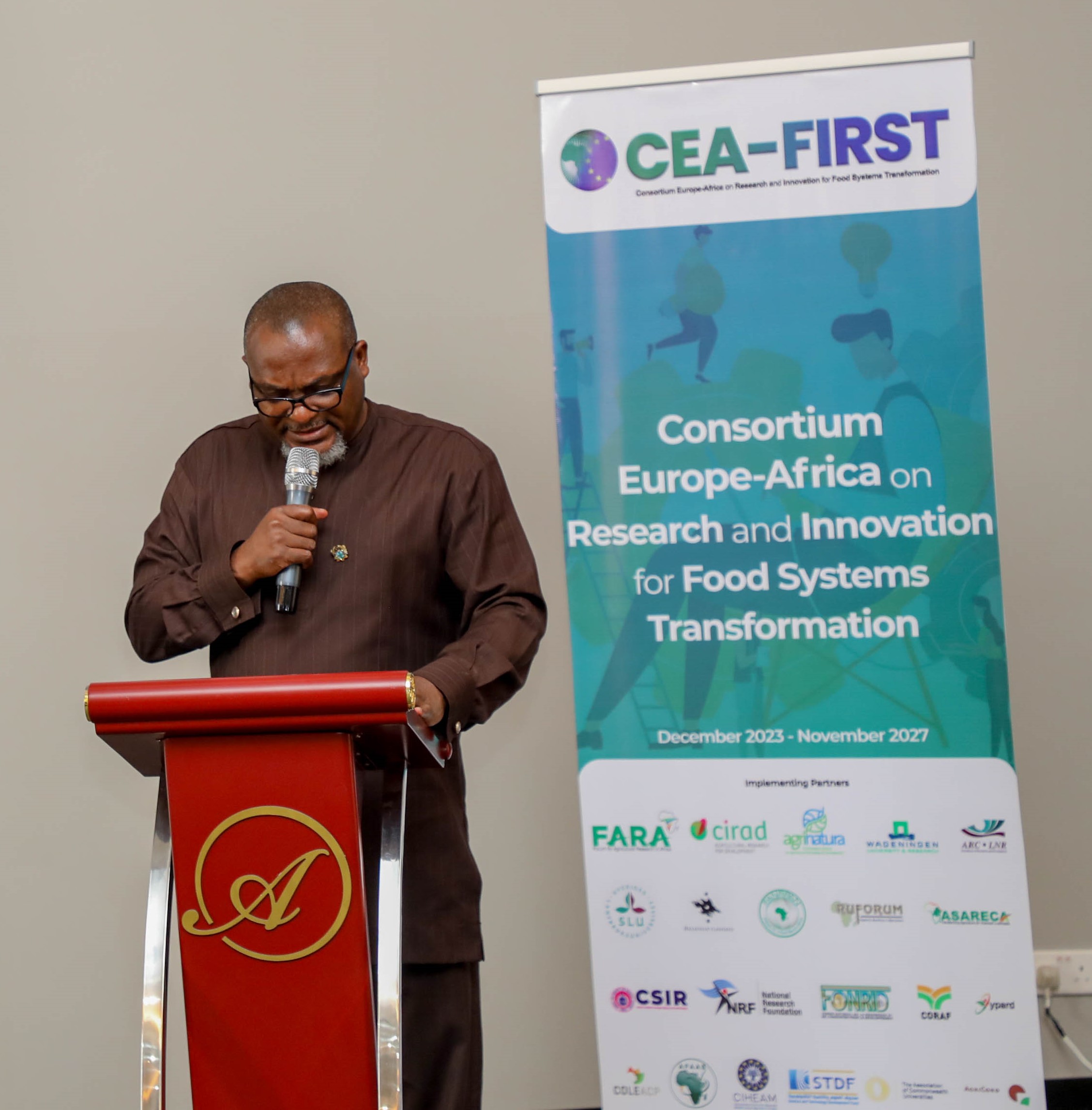
CEA-FIRST, the Consortium Europe Africa on Research and Innovation for Food Systems Transformation

12 - 14 February 2024.
 Accra, Ghana. 

The African Union and the European Union alongside a number of implementing partners have launched the Consortium Europe-Africa on Research and Innovation for Food Systems Transformation #CEA_FIRST Project.

  • CEA FIRST is funded by the European Union as part of the Green Deal’s “From Farm to Fork” strategy (Horizon Europe budget envelope). It forms a crucial part of the EU’s “Global Gateway” strategic vision, which aims to establish sustainable and reliable connections serving citizens and the planet. This vision addresses pressing global challenges, from combating climate change to enhancing the competitiveness and security of global supply chains, particularly in Africa.
  • The project brings together 22 partners from Europe and Africa covering a wide range of expertise and stakeholders (research, NGOs, donors, extension workers, etc.) involved in the field of food and nutritional security and sustainable agriculture. It consists partly from the former LEAP4FNSSA and PAEPARD, extended with new public and private network partners.

The main objectives of CEA-FIRST are as follows: 
  1. Providing public access to an extensive platform of knowledge in food and nutrition security and sustainable agriculture.
  2. Developing a robust methodology for analyzing Research and Innovation (R&I) activities and priorities.
  3. Supporting the update of the AU-EU R&I partnership roadmap.
  4. Establishing operational and thematic research working groups.

    * COLEAD leads the CEA-FIRST working group which focuses on fostering linkages and multi-stakeholder engagement in programmes and initiatives related to food and nutrition security and sustainable agriculture. Concurrently, COLEAD will co-lead efforts to strengthen the link between research, innovation, and their practical application
    .

  5. CEA-FIRST will facilitate connections between the IRC and the AU-EU high-level political dialogue.
  6. It will create a learning environment, including communication channels, to support multi stakeholder networks and to strengthen R&I coordination.
CEA-FIRST will operationalise the International Research Consortium (IRC) as a long-term platform on food and nutrition security and sustainable agriculture (FNSSA) in line with the FNSSA Roadmap of the AU-EU High-Level Policy Dialogue (HLPD).
  • The IRC is a member-based, multi-actor platform and will work towards increasing synergies andcoherence while reducing fragmentation and duplication of research efforts. Its aim is to promote higher returns on investments and impact on business development in Africa and Europe, by linking actors, research and innovation projects, initiatives, and funding programmes.
  • The final output will be a fully functional IRC. In the context of an essential transition in agri-food systems, compounded by the challenges of climate change and demographic shifts,
    the IRC is positioning itself as a vital tool for fostering an equitable and sustainable research and innovation partnership between Africa and Europe. This partnership focuses on bolstering agriculture as a key driver of economic development. 
  • The IRC will also serve related AU-EU policy priorities, such as the Climate Change and Sustainable Energy and the Innovation Agenda of the HLPD, as well as the European Green Deal priorities (and farm to fork strategy) and the AU priorities like the African Free Trade Area.
In his opening remarks to kick-off the International Research Consortium and the #CEA_FIRST Project, the Executive Director of FARA, Dr. Aggrey Agumya  recognized: "CEA-First represents a larger and far-reaching formation that promises to revolutionize the partnership and working arrangements between African and European institutions."


Participants

  1. Forum For Agricultural Research In Africa (FARA), Ghana (Coordinator)
  2. Centre For International Cooperation In Agronomic Research For DEVELOPMENT (CIRAD), France
  3. European Alliance On Agricultural Knowledge For Development (Agrinatura), France
  4. Stichting Wageningen Research (WUR), the Netherlands
  5. Agricultural Research Council Institute For Soil Climate And Water (ARC), South Africa
  6. Sveriges Lantbruksuniversitet (SLU), Sweden
  7. Helsingin Yliopisto (UH), Finland
  8. Food Agriculture And Natural Resources Policy Analysis Network (FANRPAN), South Africa
  9. Regional Universities Forum For Capacity Building In Agriculture (RUFORUM), Uganda
  10. Association Of Commonwealth Universities (ACU), United Kingdom
  11. The Registered Trustees of The Association for Strengthening Agricultural Research In Eastern
    And Central Africa (ASARECA), Uganda
  12. Council For Scientific And Industrial Research (CSIR), Ghana
  13. National Research Agency (ANR), France
  14. National Research Foundation (NRF), South Africa
  15. National Fund For Research And Innovation For Development (FONRID), Burkina Faso
  16. West And Central Africa Council For Agricultural Research And Development (CORAF), Senegal
  17. Young Professionals For Agricultural Development (YPARD), Germany
  18. Entrepreneurship-Agriculture-Development Liaison Committee (COLEAD), Switzerland
  19. African Forum For Agricultural Advisory Services (AFAAS), Uganda
  20. Agricord, Brussels Belgium
  21. Ciheam, Bari Italy
  22. Science, Technology And Innovation Funding Authority (STDF) Egypt

See also:

13/02 CNR Citinewsroom/Ghana Consortium Europe Africa on Research and Innovation for Food Systems Transformation project launched

The project brings together 22 partners from Europe and Africa covering a wide range of expertise and stakeholders (research, NGOs, donors, extension workers, etc.) involved in the field of food and nutritional security and sustainable agriculture. It consists partly on lessons from the former #PAEPARD initiative, to the LEAP4FNSSA and now extended with new public and private network partners.

Thursday, January 4, 2024

Innovative Agriculture for Smallholder Resilience (iNASHR) in Egypt

18 December 2024
. Closing celebration of the 'Innovative Small-holder Agriculture Resilience' (iNASHR) project

The Innovative Agriculture for Smallholder Resilience (iNASHR) project was implemented over 3 years during which there was the COVID-19 pandemic, in addition to instability in farm prices and uncertainties in water availability.

Despite this, 18 teams of Entrepreneurs for Rural Access (ERAs) serving as digital extension service providers were able to reach more than 60,000 people in rural communities. Three specially commissioned “farmer-to-farmer” style training videos were produced, and 60 other relevant Access Agriculture videos were translated into Arabic and shown to farmers. These active service providers, half of whom are women, used a solar-powered smart projector to reach communities where access to power supply, internet connection and mobile phone signal can be challenging.

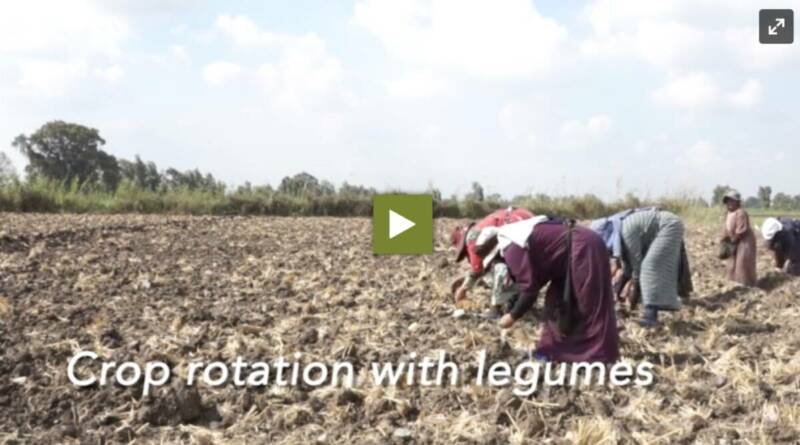
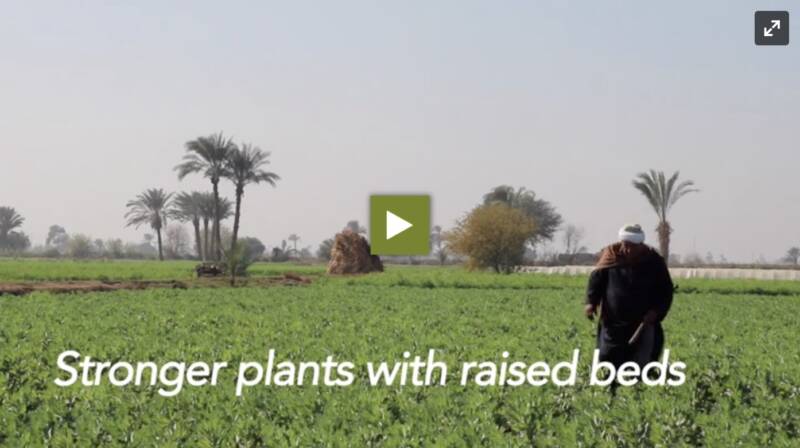
The teams have noticed that the videos have helped farmers to increase profits by using raised beds, improve soil fertility with legume rotations and find ways of working together to stop the reduction in farm plot sizes. Linking with other Access Agriculture videos on composting, group organisation and alternative feed for small livestock, real improvements in livelihoods have been shown, together with more efficient water use and reduced application of damaging pesticides and chemical fertilisers.
"Farmers are on the front lines witnessing the reality of climate change. It's time to transform our agri-food systems for a sustainable future. Let's not just produce more, but better so we protect the environment for the next generation." Ismahane Elouafi
"iNASHR has served as a dynamic platform for sharing effective farmer-driven experiences and technologies. This project showcases the research and development capacity of ICARDA and CGIAR as institutions. Aly Abousabaa, Regional Director of CWANA at CGIAR and Director General of ICARDA
"The success in reaching smallholder farmers in Egypt was made possible through field demonstrations, farmer-field schools, farmer-to-farmer videos, field days, and additional training sessions. As a result, we directly impacted over 80,000 smallholder farmers, assuming that each of them shared their knowledge with at least 4 other farmers. This means that iNASHR has reached approximately 320,000 farmers in total. A tremendous success indeed!" 
Bezaiet Dessalegn, Social Sciences Specialist at ICARDA and Project Manager for iNASHR, 

The German Government Advisor, Dagmar Wittine remarked at the project closing workshop, that the enthusiasm of Access Agriculture’s Laura Tabet (Project Manager) and Fady Wagdy Segfrou (ERA Coach), had inspired her during her field visits.

Thanking all the partners, Access Agriculture Executive Director, Josephine Rodgers, concluded, “the challenge now is to expand the use of “farmer-to-farmer” videos to other parts of Egypt and beyond, across North Africa and the Middle East.”

Tuesday, October 24, 2023

COST Africa and Middle-East Webinar

6 October 2023. EURAXESS Africa in collaboration with the COST | European Cooperation in Science and Technology has organized an online information session on the opportunities offered by COST. This webinar, dedicated to researchers from Africa and the Middle East, will be held in collaboration with Tunisia, South Africa, Egypt and Jordan.

A COST Action is an interdisciplinary research network that brings researchers and innovators together to investigate a topic of their choice for 4 years. COST Actions are typically made up of researchers from academia, SMEs, public institutions and other relevant organisations or interested parties. Open to all science and technology fields, including new and emerging fields; COST Actions offer an inclusive, pan-European environment for individuals of all levels of seniority to grow their professional research networks and boost their careers.

Friday, June 30, 2023

Driving climate impact through frontier technologies in the global south


30 June 2023
. Driving climate impact through frontier technologies in the global south - 
Side event London Climate Action Week 2023 (24/06-2/07)

Research shows that mobile and digital technologies can help vulnerable communities in low- and middle-income countries (LMICs) build resilience to climate change. The GSMA’s Mobile for Development programme is uniquely positioned at the intersection of the mobile ecosystem and the development sector, advancing the use of mobile technology, connected devices and other digital tools so they can make a positive difference to the planet and millions of lives.

This interactive session marks the launch of the GSMA ClimateTech programme’s new report 

GSMA (2023) Emerging Trends in Climate Tech Innovations # 18 p.

In February 2021, the ClimateTech programme published The Role of Digital and Mobile-Enabled Solutions in Addressing Climate Change. This report discussed seven areas in which digital technologies can be used to combat climate change: clean energy and energy efficiency: transport, mobility and logistics; natural resource management and forestry; agriculture; managing water solutions; waste management and circular economy solutions; and disaster preparedness and response. It also explores the use of mobile and digital solutions for climate finance, and the application of frontier technologies. 

On 22 November 2022 at COP27, the GSMA, together with FCDO and Sida, announced the 12 organisations that had been awarded a grant under the GSMA Innovation Fund for Climate Resilience and Adaptation. The GSMA Innovation Fund for Climate Resilience and Adaptation received a total of 524 applications. March 2023 GSMA launched a second round: The Innovation Fund forClimate Resilience and Adaptation 2.0.

  • Agricultural solutions dominated the pool of applications, with 46% of projects focusing on this sector. This highlights a growing awareness of the linkages and dependencies between agriculture and climate change. 
  • Mobile apps are the most commonly used technology feature.
  • More than half of the applicants had more than one business model. For example, one for direct-to-consumers and another for businesses. It would be valuable to create more evidence on successful business models to demonstrate how start-ups and larger institutions can work in partnership effectively. 

12 organisations

  1. Aquarech (Kenya): Improving fish farmers’ productivity, enabling market access and creating an inclusive aquaculture value chain through the use of mobile technology and IoT sensors.
  2. BaKhabar Kissan (BKK) (Pakistan) Strengthening agricultural productivity and planning for climate-vulnerable farming communities through a network of new weather stations to provide hyperlocal weather information, as well as enabling access to agricultural expertise through digital platforms
  3. BENAA (Egypt) Supporting water resource management using IoT to help convert wastewater into irrigation water for small farms in rural Egypt.
  4. CoAmana (Nigeria) Improving agricultural productivity and helping farmers manage financial risks related to drought in Nigeria, through a digital marketplace for farmers to access markets, purchase drought-resistant seeds and access information on best practices and financial services
  5. Crop2Cash (Nigeria) Supporting farmers facing drought conditions in Nigeria to adapt their farming practices through climate-smart farming content and manage financial risks through their digital marketplace, connecting farmers to high-yield, drought-resistant maize seeds via USSD.
  6. Dayaxa Frankincense Export Company (DFEC) (Somaliland) Creating a regenerative model for positive social, ecological and economic change by working with farmers in Somaliland to harvest sustainable produce, achieve fair pricing and improve day-to-day living standards for farmer communities.seeds and access information on best practices and financial services.
  7. GeoKrishi (Nepal) Helping smallholder farmers in Nepal adapt to climate stressors and adopt climate-smart agricultural practices through digital learning content and advisory services. 
  8. Hello Tractor (Nigeria) Improving planning and preparedness for farming communities facing unpredictable rainfall patterns in Nigeria, by using weather and historic tractor service demand data to model and optimise tractor service provision.
  9. J-Palm (Liberia) Transforming the sustainability of wild palm oil through access to ecological information for local harvesters, as well as mobile blockchain technology for improved traceability
  10. Komunidad (Philippines) Upgrading communities’ capacity to respond to disasters in the Philippines with a typhoon early warning system and weather analytics platform designed to help the local government plan and prepare for hazards more efficiently and accurately
  11. Lersha (Ethiopia) A one-stop digital service for smallholder farmers that provides advisory content on climate-smart agriculture solutions, weather information and facilitates access to agri-credit and agri-insurance. 
  12. Simusolar (Tanzania) Supporting fishers in securing livelihoods, adapting to weather changes and sustaining fisheries management in Lake Victoria, Tanzania, through IoTenabled productivity and activity tracking equipment

The webinar of 30/06 (recording forthcoming) discussed different ways that frontier and digital technology can be used for climate impact in LMICs. It presented new insights on emerging trends in climate technology and innovations from the latest grant funding round of GSMA and the start-ups awarded with grants by the GSMA. They shared how they are creatively using digital technology such as the Internet of Things (IoT) and blockchain to help communities anticipate and adapt to climate shocks and stressors.

  • Samir Hafiz – Climate Monitoring, Evaluation and Learning Manager, GSMA ClimateTech
  • Luisa Odell – Innovation Advisor, UK Foreign Commonwealth and Development Office (FCDO)
  • Nadja Dolata, Policy Specialist Digital for Development, Swedish International Development Cooperation Agency (Sida)
  • Aya Tarek Helmy – Co-Founder, BENAA
  • Mahmud Johnson, Founder, J-Palm
  • Allister Ayque – Co-Founder, Komunidad
  • Leila Guici – Insights and Advocacy Manager – Climate Tech, GSMA ClimateTech (moderator)

Innovative start-ups presented in this session:

  1. BENAA - supporting water resource management using the Internet of Things to help convert wastewater into irrigation water for small farms in rural Egypt.
  2. J-Palm - transforming the sustainability of wild palm oil through access to ecological information for local harvesters, as well as mobile blockchain technology for improved traceability in Liberia.
  3. Komunidad - upgrading local government capacity to prepare for hazards more efficiently and accurately in the Philippines with a typhoon early warning system and weather analytics platform.

Digitally Enabled Climate Finance

This flagship report by the GSMA ClimateTech programme provides emerging insights on the role of mobile and digital technology in accessing and delivering climate finance in low- and middle-income countries (LMICs).

Access Agriculture’s innovative delivery model

Access Agriculture employs a unique model for last-mile delivery by engaging young entrepreneurs as Entrepreneurs for Rural Access who facilitate village video shows using mobile smart projectors. In these shows, rural communities learn, discuss, and implement practices showcased in the videos. The smart projectors enable the Entrepreneurs for Rural Access to grow their enterprises and add value to their services by incorporating videos into workshops and outreach sessions.

To ensure the impact of videos, Access Agriculture has created a network of partners that download, share, and monitor them. Over the past decade, Access Agriculture videos have been utilized by more than 5,000 organizations, reaching over 90 million people —including the public and private sector, TV and radio stations, or other digital service providers.

Collaborative efforts between organizations like Access Agriculture and ICARDA demonstrate the scalability and impact of such initiatives.


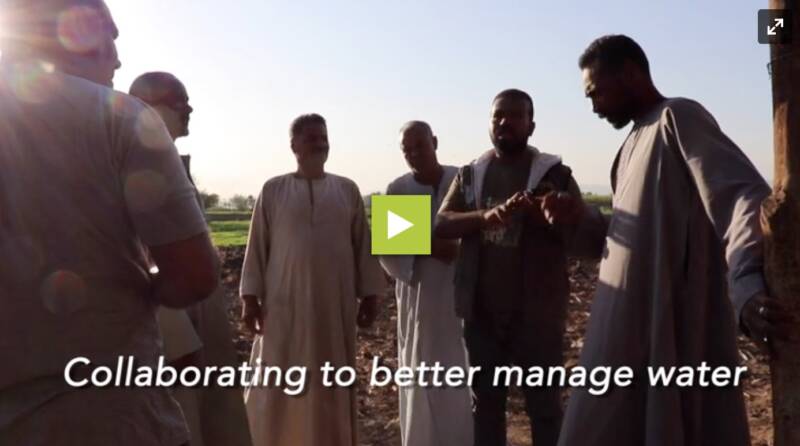
In 2020, Access Agriculture partnered with the International Center for Agricultural Research in the Dry Areas (ICARDA) to facilitate technology dissemination with the Innovative Agriculture for Smallholder Resilience project, which is funded by BMZ and administered by GIZ-FIA, the Fund for International Agricultural Research. The project under the leadership of Bezaiet Dessalegn is running in Egypt until the end of 2023 (see Water innovations that work | ICARDA).

Three farmer-to-farmer videos were produced that focus on the core technology and
innovative solutions, including the raised bed technology, crop rotation, and land consolidation. The video production relied on the farmer-to-farmer approach which allows farmers to share important knowledge based on their own experience and in their own words. The farmers not only explain the solutions but also describe the challenges well so that fellow farmers watching the video can adapt the technology to meet their own needs. The video production also involved desk reviews and research, key interviews with experts, and running small group discussions among extension workers and lead farmers on selected video topics.

This process is critical to get farmers to appear on camera and who can share their local innovations and help future farmers overcome similar challenges. Working alongside ICARDA scientists, local video teams trained by Access Agriculture ensured that scripts are peer-reviewed and that the voices of rural women and youth were always included. To date, the videos have been watched by over 50,000 people in six governorates.


Videos developed by the Innovative Agriculture for Smallholder Resilience project