Platform for African – European Partnership in Agricultural Research for Development
Showing posts with label Niger. Show all posts

Thursday, June 20, 2024

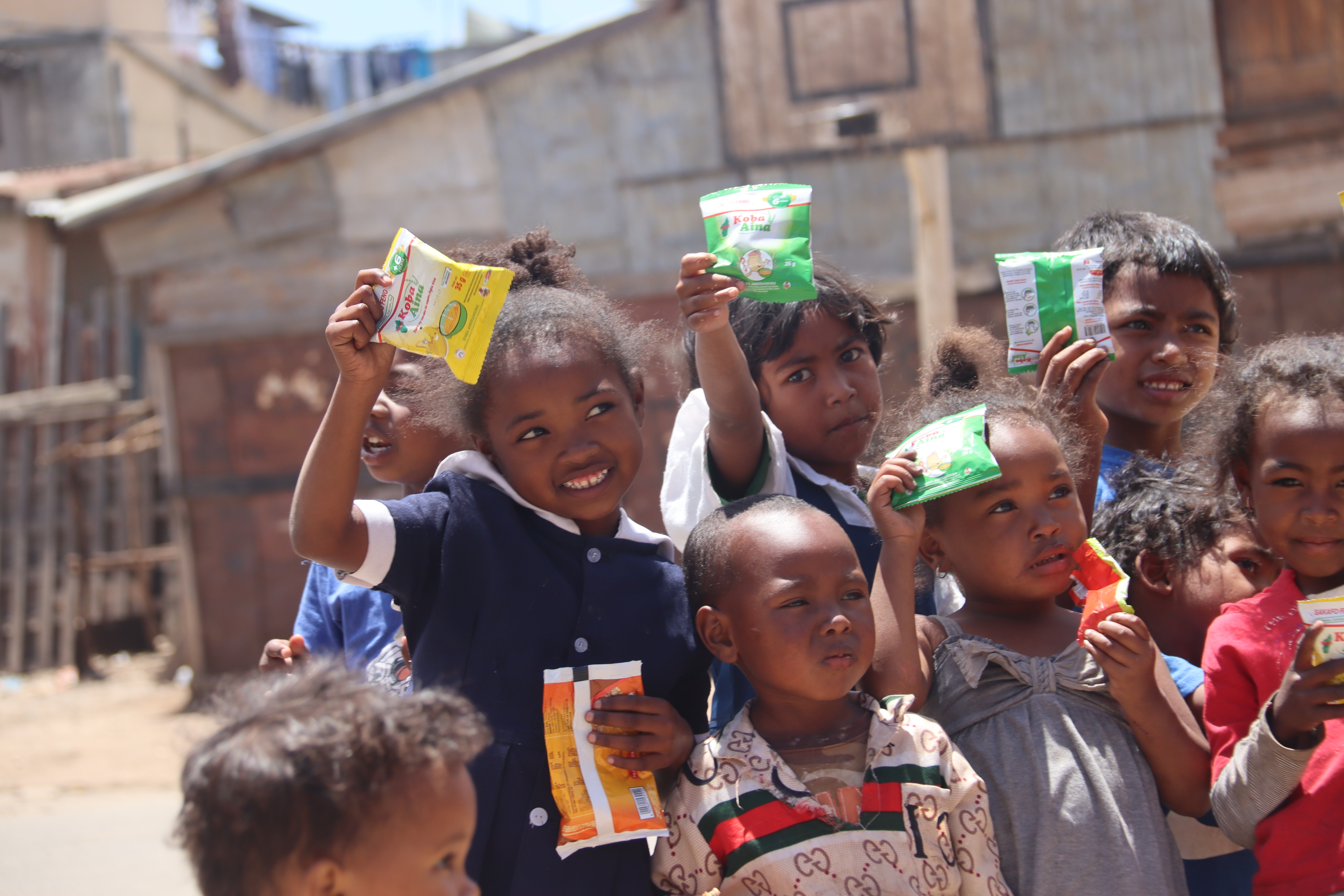
Local Private Sector and Nutrition for Women and Children

20 June 2024.
InfoPoint conference: Local Private Sector and Nutrition for Women and Children

Recording available on above link

Representatives of local companies such as Nutri’zaza and Le Lionceau shared their business models, which are based on creating decent jobs, developing economically viable distribution networks and market safe nutritious and affordable products that appeal to as many people as possible. 

EU representatives presented how best to support this type of initiative and upcoming opportunities to develop value chains related to the nutritional products and share ideas for building pilot Global Gateway projects in the field of nutrition.

Speakers
  • Helena Guarin, Head of section Nutrition, INTPA F3- Sustainable Agri-Food systems and Fisheries unit (F3)
  • Auxane Gennetais, Health and Nutrition Project Manager, GRET
  • Quentin Moreau-Hamel, Policy officer, INTPA E2- Trade, Investment Climate, Entrepreneurship & Value Chains
  • Mandresy Randriamiharisoa, Director General, Nutrizaza, Madagascar
  • Siny Samba, Director General, Le Lionceau, Senegal
  • Tharcisse Nkunzimana, Programme Manager – EU Delegation, Niger
Background
  • GRET, (France) a partner of EU, has a twofold objective: to help develop and make available
    quality local foods adapted to the nutritional needs and expectations of the 1000 days window, and to support a market-led approach to disseminate targeted quality fortified foods in a sustainable way, to as many people as possible, at lower cost.
  • Nutri'zaza is a Malagasy social enterprise, created in 2013, whose main objective is to combat child malnutrition by improving the nutrition of Malagasy children and families. To achieve this, it distributes quality fortified products, adapted to those most affected by chronic malnutrition and micronutrient deficiencies, and available everywhere at an affordable price, even to the most vulnerable. Working in urban areas, the company distributes its products, made in Madagascar from essentially local ingredients, through 3 distribution networks.
  • Le Lionceau is a Senegalese company that offers a range of products for feeding babies mainly small jars and biscuits made on the basis of recipes and local products. The company has found its market at the national level, mainly in urban areas and now wants to take a new dimension by opening up to a wider market in West Africa. Her director will share her experience as a pioneer in the region in the early childhood food market and the challenges she faces to give a new dimension to her business.
  • The representative of the EU Delegation, Niger shared his experience on supporting local flour production initiatives and partnership with the private sector in the field of nutrition. In particular, it will address regulatory aspects, support through political dialogue and challenges and opportunities to promote the business environment of companies with both a social and economic vocation.
Preliminary findings of the International Trade Centre (ITC) study mandated by DG INTPA on a Regional Value Chain related to Formulated Complementary Food (including RUTF, Fortified Blended food (including flours), High energy biscuits, infant formulas.) was shared. Previously identified as a high potential area, the second phase of the study now identify concrete ideas in the shape of operational roadmaps for building pilot Global Gateway projects.

Resources


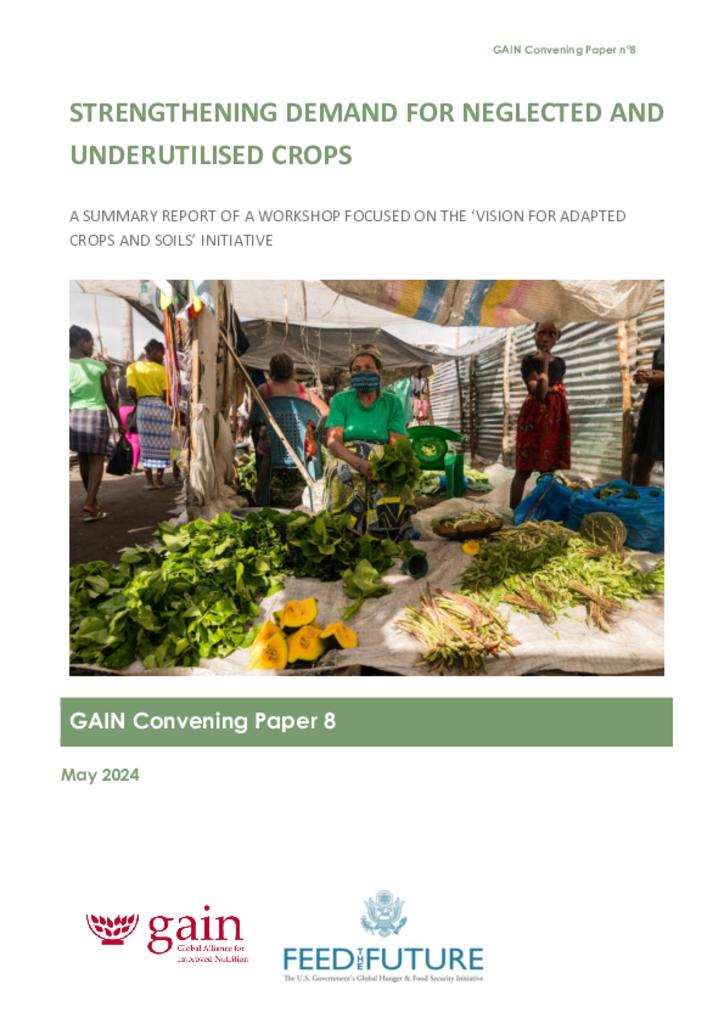
 Overreliance on a few main crops, as well as poor soil health, reduce yields, hinder achievement of food security and nutrition objectives, and increase agricultural vulnerability to climate change. To address this, the Vision for Adapted Crops and Soils (VACS), launched by the United States in partnership with FAO and the African Union, and as part of the whole-of-government Feed the Future initiative, seeks to support soil health as well as breeding of traditional and indigenous crops in Africa. Building on U.S. government food security efforts, VACS’ goal is to accelerate development of improved crop varieties that could lead to increases in both yield and nutrition, to tackle the challenges of food insecurity in the context of climate change

GAIN (2020) FOOD SYSTEM PPPS: CAN THEY ADVANCE PUBLIC HEALTH AND BUSINESS GOALS AT THE SAME TIME? ANALYSIS AND IDEAS FOR MOVING FORWARD #64 pp.

This paper considers whether Public-Private Partnerships (PPPs) focused on improving diets andnutrition can simultaneously advance public health nutrition goals and business goals. Discussion around the efficiency of PPPs is polarised in the field of nutrition: they are seen to have considerable potential to improve diet and nutrition outcomes by harnessing resources, reach, relationships and knowledge, but there is also some mistrust of private-sector actors and their motives. 

This paper explores the following questions: What is it about food and diets that makes it especially challenging for the public sector to engage and work with the private sector and, in turn, formulate PPPs? Why is there a lack of evidence and documentation about what has and has not worked with PPPs in the food systems domain? How do we address impediments and incentivise the creation of more PPPs that have potential to advance diet and nutrition outcomes whilst remaining commercially sustainable? How do we negotiate the complex nutrition terrain to make progress? The paper offers a range of insights, solutions and guidelines on how to increase the likelihood of PPPs being impactful and accountable.

Tuesday, September 12, 2023

Research and Innovation in Africa: a driver for development and partnerships

13 September 2023. Brussels + Online. Conference on Research and Innovation in Africa: a driver for development and partnerships

See the Programme

Link for online participation:

A roadmap for research and innovation between the European Union and the African Union was agreed at the occasion of the EU-AU Summit in February 2022. It identifies 4 objectives: translate innovative capacities and achievements into tangible outputs, strengthen innovation ecosystems, develop sustainable, long lasting and mutually beneficial higher education and R&I and scale up instruments that can take forward existing successful programmes and projects. 

In the context of the revision of the EU multiannual financial framework and of the programming of EU external action instruments for 25-27, the conference will discuss the role of research and innovation for the development of partnerships between the European Union and partner countries, through a focus on African countries.

Aims of the conference
  • Through a focus on the EU-African scientific partnerships, brainstorming on the implementation of Research & Innovation policies in support to the Global Gateway strategy;
  • Give visibility to European Research & Innovation expertise in the field of partnerships for development;
  • Promote the dialogue between European research organisations and the European Commission on EU Research & Innovation policies and funding mechanisms in the Global Gateway context;
  • Mobilize European research organizations in the implementation of the Global Gateway strategy;
  • Provide a political framework for the creation of a European Research Alliance for Sustainable Development in partner countries in the Global South.

Keynote speeches – The role of Research and Innovation in the European Union – African Union partnership

  • Hans Stausboll, Director for Africa, DG INTPA 
  • Erik Hansalek  (see speaker), Head of Unit Africa, German Federal Ministry of Education and Research (BMBF) Germany
    "We can not ensure success but we can deserve it"
  • Patrick Nedellec, Director for European and International cooperation, French Ministry of Higher Education and Research  

Round Table 1: The singularities of the Research & Innovation partnerships for development 


Through the example of Africa, the round table allowed research organizations to explain the needs and specificities of the R&I for development. 

The testimonials addressed the following topics in particular: research infrastructures, issues related to HR/training/mobility, the notion of scientific excellence in research with the South and the construction of sustainable partnerships. 
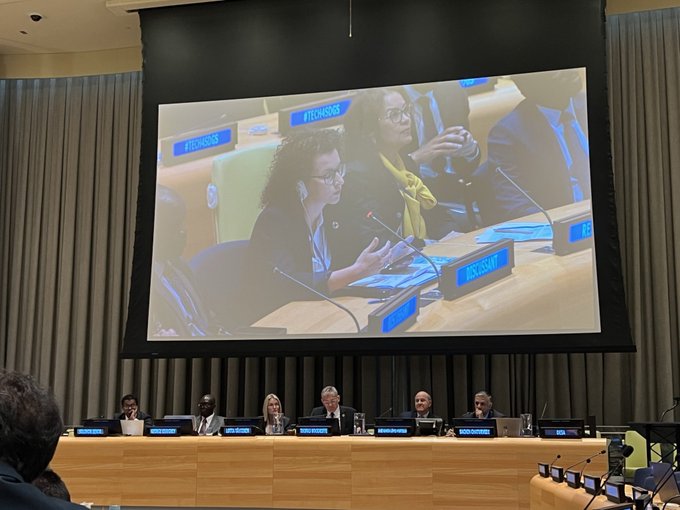
  • Lise Korsten (second from left), President African Academy of Sciences. She is the first woman President to lead the Academy. She will serve for a three-year term running from 2023-2026.  

    "We hope the ARISE I project will be continued in ARISE II."

    Note: African Research Initiative for Scientific Excellence (ARISE) is implemented by the African Academy of Sciences (AAS) and promotes research in different fields of scientific endeavour taking into account EU-AU joint priorities such as public health and green transition. 

  • Olusola Bandele Oyewole, General Director, Association of African Universities  AAS
  • Amadou Sall, General Director, Institut Pasteur de Dakar, President of Pasteur Network  (failed to connect online)
  • Stephen Onakuse, President, Alliance Agrinatura 

    "The Forum for Agricultural Research in Africa will be the leader of a new Horizon-Europe project in which AGRINATURA will be a partner"

    Note:  CEA-FIRST and StePPFOS were selected under the HORIZON-CL6-2023-FARM2FORK: Long-term sustainable platform for the EU-AU cooperation under the FNSSA partnership. 

  • Emilian Cioc, Deputy regional director, Agence universitaire de la francophonie  
  • Moderation: Michael Hörig, Director of Brussels’ Office, DAAD 

Round Table 2: The European R&I policy framework to support the partnerships for development


DG INTPA presented in particular the role of R&I in the Global Gateway strategy, while DG RTD  detailed the Global approach of R&I with a focus on Africa (e.g.: EU-AU roadmap/Africa initiative Horizon Europe). The presentations of a Member State and a National Funding Agency will highlight their ownership of the political framework and, in particular, the added value of the so called “Team Europe” approach. 
  • Carla Montesi (see video picture), Director, Green Deal and Digital Agenda, DG INTPA 

    "With a budget of 8 million INTPA will start in 2024 the Technical support to the coordination of the ‘Scientific and technological support to the Regional centres of Excellence related to Green Transition’ Note: Reference number: INTPA/2023/EA-RP/0016 

    Question: The scarcity of human resources at EUD level, the focus on directly managed projects and the sometimes disappointing follow-up of national research agendas have indeed  been signalled as bottlenecks. in the report "EU support to sustainable agri-food systems in partner countries 2014-2020"  IS IT REALISTIC TO EXPECT THAT EU delegations also follow the national research agenda considering the limited staff? 

  • Nienke Buisman, Head of Unit, International Cooperation, DG RTD 

    "We plan to organise another Research info session in November" 

    "Under the Africa Initiative II a series of calls for proposals were published which are open to/requiring the participation of African scientists. We received already some 205 proposals" 

    Question:  INtegrated and Circular Technologies for Sustainable city region FOOD systems in Africa (INCiTiS-FOOD) will be showcased in New York 22/09. This consortium exceptionally involves a financial partner (AFRACA) to upscale innovation. IS THIS THE WAY FORWARD? 

  • Thomas Melonio, Director Innovation, Strategy, Research, Agence française pour le développement (AFD)  

    "AFD invested some 50 to 60 million on research. But research competes with many other priorities. We want in particular to bridge the gap between research and policy makers for green transition. In South Africa we analyze with EU funding the effect of the energy transition. We have a similar research going on, on the impact of the just and green transition policy in Colombia. Our AFD innovation fund wants to fund small projects with high impact. We want to scale up the most efficient innovations."

  • Isabel Diaz, Deputy Vice President of the Spanish Research Council (CSIC)  
  • Moderation: Alain Mermet, Permanent Representative to the EU, CNRS

Round Table 3: Tools and resources available


This panel discussed the operational aspects of certain R&I instruments set up by the European Commission to support partnerships with African countries:  
  • Olivier Sagna, Director for Studies & Cooperation, Ministry of Higher Education, Research and Innovation, Senegal  
  • Helena Posthumus, Programme Director DeSRIA-Lift, Wageningen University – DeSIRA  

    Q for Helena Posthumus : A follow up of the programme, with the working title Desira+, is in the making. How will it involve the CAADP XP4 organisations (FARA, ASARECA, CORAF, CARDESSA) and RECs  (COMESA, ECOWAS,...) more intensely to co-design and lead in the programme and projects, including in related policy dialogue?
  • Ibrahim Karidio Diori, Centre de Recherche Médicale et Sanitaire, Niger – ARISE  
  • Fluvio Franchi, Project Coordinator, Pan African Planetary and Space Science Network  
  • Moderation: Olivier Dangles, Deputy Science Director, IRD 

Monday, May 8, 2023

8th Multi-stakeholder Forum on Science, Technology and Innovation for the Sustainable Development Goals


2-5 May 2023.
8th Multi-stakeholder Forum on Science, Technology and Innovation for the Sustainable Development Goals
In line with recent mandates and as in previous years, the STI Forum facilitated discussions on science, technology and innovation cooperation in support of the SDGs. In addition to providing the mandated inputs for the High-Level Political Forum on Sustainable Development to be held from 10 to 19 July 2023, the Forum took a broader look at the contribution of STI to the achievement of all the SDGs in recognition of the September mid-term review of SDG progress.

Accordingly, the theme for the STI Forum 2023 was: “Science, technology and innovation for accelerating the recovery from the coronavirus disease (COVID-19) and the full implementation of the 2030 Agenda for Sustainable Development at all levels”.

STI Forum Day 0

02/05 Science, Technology and Innovation in Africa Day 2023

  • Thematic Session 1: Mobilizing and Engaging Diaspora for STI in Africa
  • Thematic Session 2: STI for High Productivity and Economic diversification in Africa
  • Thematic Session 3: Role of Youth and the African Continental Free Trade Area (AfCFTA) in STI
See dedicated PAEPARD blogpost + recording
With the transcript of the presentations by 
  • Mr. Alessandro Rainoldi, Head of Territorial Development Unit, Joint Research Centre, European Commission
  • Ms. Shamika Sirimanne, Director, Division on Technology and Logistics, UNCTAD

STI Forum Day 1

03/05 Side Event - Enabling Agricultural Innovation Systems (AIS) for developing STI roadmaps for SDGs in the context of post COVID-19

See dedicated PAEPARD blogpost + recording

03/05 Session 1: Strengthening trust in science and technology

Scientific advisory commissions. One institutional tool for enhancing trust in science are the scientific advisory commissions, science academies, and committees. These commissions are often responsible for evaluating scientific evidence and providing recommendations on various issues related to science and technology. By providing independent and objective assessments of scientific evidence, scientific commissions help to ensure the accuracy and reliability of scientific findings. This helps to build trust in the scientific process and the validity of research findings.

Open science. Another tool for enhancing credibility of science and increasing science diplomacy is open science. When scientific research is conducted in a transparent and collaborative manner, it can enhance the credibility of scientific findings and promote greater confidence in scientific conclusions.

Citizen science. In addition to open science, direct public engagement with, and participation in, scientific processes and innovation, can potentially enable greater trust in science and technology. 

Highlighted speakers:
  • Willem Fourie et al., Using machine learning to improve the science-policy-society interface on the SDGs in South Africa, University of Pretoria, South Africa


STI Forum Day 2: Session 4 + 5

04/05 Presentation of the Global Sustainable Development Report 2023

The 2023 Global Sustainable Development Report (produced every 4 years) will be launched in September 2023.
  • The 2023 Report will build on the 2019 Report providing evidence that can help decision-makers to accelerate action and overcome impediments that stand in the way of progress on sustainable development.
  • The focus will be on accelerating transformation through important entry points and enabling science to support this acceleration.

04/05 Session 4: Breaking down barriers- closing the gender gap in science and technology

This session highlighted examples and lessons learned from gender and STI initiatives that are helping to move the needle towards making innovation ecosystems more inclusive and representative and explore what is needed to scale up and accelerate further progress

04/05 Session 5: Global research cooperation and funding- sharing knowledge through new partnerships

This session explored the status of global research cooperation and funding - especially in the Global South – for the achievement of the SDGs. It will bring together key public and private funders of research and development (R&D) and other key R&D actors.

Sources like UNESCO and WIPO offer important insights into overall R&D investments and priorities for both developed and developing countries. In general, SDGs related to health, climate change, and energy tend to receive more R&D investments. For example, investments in health research (SDG 3) are substantial, driven by both public and private sectors. 

The biggest R&D donors vary depending on the sector and the SDGs being considered. However, some of the largest R&D investors globally include the United States, China, Japan, and the European Union. They countries contribute a significant portion of global R&D funding across various sectors, including those related to the SDGs
  • Public R&D funding, typically provided by governments and international organizations, is essential for supporting basic research, capacity building, and projects with high social and environmental impact but lower financial returns.
  • Private R&D funding, predominantly driven by the business sector, is crucial for translating research findings into marketable products and services. The private sector accounts for approximately two-thirds of global R&D spending, with significant investments in fields such as information and communication technologies, biotechnology, and clean energy. However, private R&D funding is often concentrated in areas with higher commercial potential, potentially overlooking research areas with broader societal benefits
Panelists:
  • Ms. Katja Becker, President, Global Research Council; and President, Deutsche For schungsgemeinschaft, Germany
  • Ms. Ana Cristina Amoroso das Neves, Head, Internet Governance Office, FCCN, Unidade de Computação Científica da Fundação para a Ciência e a Tecnologia, Portugal; and Chair of the UN Commission on Science and Technology for Development
  • Mr. Kazuhito Hashimoto, President, Japan Science and Technology Agency
  • Mr. Fulufhello Nelwamondo, CEO, National Research Foundation of South Africa

Lead discussants:
  • Ms. Charlotte Watts, Professor, Chief Scientific Adviser and Director for Research and Evidence in the Foreign, Commonwealth and Development Offices, United Kingdom
  • Mr. Marco Antonio Zago, President, FAPESP – São Paulo Research Foundation, Brazil
  • Ms. Kendra Sharp, Head, Office of International Science and Engineering, National Science Foundation, USA

STI Forum Day 2: Session 6 + 7

This session explored a way forward for forging an equitable, digital future for all. Rapid digitalization is enhancing the way we live and work in a myriad of ways. It has the potential to open-up opportunities that we may not even have imagined yet. However, gaps in connectivity and access to digital infrastructure within and across countries remain a serious concern.
  • When data and AI are leveraged for good by ensuring they are safe and beneficial for all, and their value is shared among and within countries, they can rapidly accelerate progress towards all 17 SDGs. For example, machine-learning algorithms are able to sift through and interpret massive amounts of data from various sources to carry out a wide range of tasks. 
  • They can analyze high-resolution images from satellites, drones or medical scans to improve responses to humanitarian emergencies, help tackle climate change, increase agricultural productivity, enhance production efficiency in manufacturing, or help doctors identify and treat illness. 
  • The transformative power of AI and such intelligence technologies, however, also comes with challenges, ranging from issues of transparency, trust and security, privacy and biases, to concerns about displacing jobs and exacerbating inequalities and injustice. 
Panelists:
  • Ms.Hermina Johnny, Founder, Artemis Foundation
  • Ms. Alison Gillwald, Executive Director, Research ICT Africa, an African digital policy and regulatory think-tank based in South Africa
  • Mr. Chris Sharrock, Vice President of United Nations and International Organizations, Microsoft
  • Mr. Henrik Cox, Head of Product, Conservation X Labs
Lead discussants:
  • Ms. Mi Ock Mun, President of the Science and Technology Policy Institute (STEPI).
  • Mr. Robert Bertram, Chief Scientist, Bureau for Resilience and Food Security, USAID
  • Ms. Shamika Sirimanne, Director, Division on Technology and Logistics of United Nations Conference on Trade and Development (UNCTAD)
  • Mr. Amir Dossal, President and Chief Executive Officer, Global Partnerships Forum

STI Forum Day 2: Side events

04/05 Building Bridges with Technology: The Role of Enhanced Equitable Connectivity in Achieving the 2030 Agenda (STI Forum Side Event)

Real world experiences in bridging the digital divide in the Dominican Republic and in Niger, highlighting (i) connectivity as a form of aid, (ii) technology in increasing the efficacy of aid delivery, and (iii) access to information as a human right.
  • H.E. Ambassador Joan Cedano, Deputy Permanent Representative of the Dominican Republic 
  • Mr. Ibrahima Guimba Saidou, Director General of the National Agency for the Information Society in Niger (ANSI) 
  • Ms. Gabriela Alvarado, Representative and Country Director of the Dominican Republic, WFP
  • Pre-recorded videos of field operations from WFP and local partners in the Dominican Republic and Niger

04/05 Roundtable on Generative AI for the SDGs: Friend or Foe, Hope or Hype? (STI Forum Side Event)

Generative AI, a subfield of AI that can create novel content or ideas, can be a powerful tool for advancing the United Nations' SDGs. It has the potential to inform new and creative solutions to complex problems but is also raising many concerns. This roundtable will present a landscape overview of generative AI, including benefits and risks of its use and the current UN response to the rapidly evolving technology.
  • Ursula Wynhoven, ITU Representative to the UN 
  • Ambassador Cornel Feruţă, Permanent Representative of Romania to the United Nations
  • Guilherme Canela Godoi, UNESCO, Chief of Section, Freedom of Expression and Safety of Journalists 
  • Robert Opp, UNDP, Chief Digital Officer -
  • Amira Dhalla, Consumer Reports, Director of Impact Partnerships and Programs 
  • Rami Amin, World Bank, Project Lead, Technology Policy, Strategy, and Finance 
  • Dan Altman, Google, Lead, Technology and Society 
  • Cass Matthews, Microsoft, Office of Responsible AI


04/05 Implementing national STI4SDG roadmaps – capacity building and Partnership in Action (STI Forum 2023 Special Event)

This special event explored means and ways to support the implementation of national STI4SDGs roadmaps and highlight national pilot projects.

Panelists: 
  • Ms. Lotta Tähtinen, Interim Chief, Integrated Policy Analysis Branch, United Nations Department of Economic and Social Affairs (UNDESA) 
  • Mr. Sachin Chaturvedi, Director General, the Research and Information System 
  • Mr. George Essegbey, Chief Research Scientist, Science and Technology Policy Research Institute (STEPRI), Ghana 
  • Mr. Solomon Benor, CEO for Research and Community Engagement Affairs, Ministry of Education, Ethiopia 
High-level respondents: 
  • Mr. Robert Kayinamura, Minister Counsellor, Deputy Permanent Representative of the Republic of Rwanda to the United Nations 
  • Ms. Ismahane Elouafi, Chief Scientist FAO
Interactive discussion: 
  • Mr. Clapperton Chakanetsa Mavhunga, Professor of Science, Technology, and Society (STS) at MIT 
  • Mr. Alfred Watkins, Founder and CEO, Global Solutions Summit 
  • Ms. Angela Sarcina (see picture), Project leader for STI for SDGs, Territorial Development Unit, Joint Research Centre, European Commission 
  • Mr. Fernando Santiago, Industrial Policy Officer, UNIDO 

Transcript of the presentation by Ms. Angela Sarcina @53:00

At the Joint Research Center, we have been discussing and adjusting our own methodology to address key sustainability challenges and advance on the achievement of the SDGs and embed the SDGs into STI policies. In this reflection, we've been contributing a lot to the work of the Interagency Task Team, especially on the guidebook for the preparation of STI for SDG messages, roadmaps, but also the global pilot program supporting Serbia and Ukraine. 

We developed a reflection framework that includes questions for policymakers that need to take into account when they develop and adjust to their own their own STI policies. We developed this together with 30 policy makers practitioners and involving 12 regions in Europe and beyond. 

The experience we gained in the context of the collaboration with the Interagency Task Team, together with our internal experience was translated into a new project that we launched in collaboration with the Directorate General of the European Commission for International Partnerships (DG INTPA). This project is specifically focusing on STI for SDGs roadmaps in Sub Saharan Africa. 
  • We are now working with six countries: Rwanda, Gambia, Malawi, Mauritius, Namibia and Seychelles. The project will contribute to harness the STI potential and deploy the relevant frameworks and actions to address the specific place based sustainability challenges. We need to take into account the specificities of each country, region and at the sub national level. 
  • Over the past months we have been exchanging a lot with this six countries and we we have learned a lot. Some challenges are emerging, especially as regards to the future implementation of the STI for SDGs roadmaps. There is a need to strengthen the local capacities: not only for the design of the roadmaps, but also for the implementation phase. 
  • We recently did a training workshop in Kigali, Rwanda, 
We are collaborating a lot with the Interagency Task Team workstream 6 on capacity building. 
  • This working group has delivered training workshops in more than 75 countries involving more than 1200 participants. This is a successful experience that should be further strengthened and further deployed in more regions of the world. 
  • We find that the mobilization of resources, expertise and key stakeholders should be done at the very early stages of the development of the STI for SDGs roadmaps. 
  • For this reason we are collaborating very closely with the EU delegations in the six countries but also with the United Nations, the African Union and and other local and regional stakeholders. 
  • We are planning to involve the countries of the global talent program that already developed the STI for SDGs roadmaps. 
Initiatives like the partnership in action or the Coalition for Africa that was launched two days ago, have the potential to deliver on these objectives. The roadmaps are a true opportunity in terms of the mobilization of investments and for the advancement of more sustainable work. 


STI Forum Day 3: GSS 2023

05/05 Global Solutions Summit 2023

GSS2023 addressed following question: How can Africa achieve the SDGs by leveraging the diaspora, youth, and the Africa Continental Free Trade Area to:
  1. accelerate the development and deployment of sustainable, inclusive technology and 
  2. develop value-added activities in Africa’s manufacturing, agriculture, and service sectors? 
This focus was explicitly designed to complement the discussions at the Fifth African Science, Technology and Innovation Forum 2023 which convened in Niamey, Niger on February 26-27, 2023 and the 1st STI in Africa Day which will convene at the UN on May 2.


Thematic Session 1: Technology Transfer and Deployment for Value Addition in African Agriculture
  • Ms. Freda Korarome, Coordinator of Ecoforestry, Division of Natural Resources, Eastern Highlands, Provincial Administration, Papua New Guinea 
  • Prof Clapperton Chakanetsa Mavhunga, MIT 
  • Mr. Taffere Tesfachew, Acting Managing Director, UN Technology Bank for the Least Developed Countries or Ms. Federica Falomi, Economic Affairs Officer, UN Technology Bank 
  • Mutale Chilangwa, Director of Business Development, Heifer International 

Thematic Session 2: Technology Roadmaps and Needs Assessments For Technology Deployment and Sustainable Development
  • Professor Deepakraj Divan, Director of the Center for Distributed Energy at the Georgia Institute of Technology and Chair, IEEE Empower a Billion Lives Competition 
  • Mr. Surya Raghu, Founding Partner, ETCube International 
  • Prof Paul S. Chinowsky, Director, Resilient Analytics 
  • Mr. José Ramón López-Portillo Romano, Chairman, Q Element Ltd., Advisor to Mexico Government, member of the UN SG’s 10 Member Group for the TFM

  • Salome M. Guchu et al, Leveraging on Emerging Technologies Landscape to Bolster Kenya’s Innovation Ecosystem, Inter-University Council for East Africa
  • Crystal H. Brown, Sustainable Solutions for Climate Change Adaptation in Africa: Combining Indigenous Knowledge and Modern Technology, Worcester Polytechnic Institute, United States
  • Felipe de Andrade et al., Roadmap for a Role for Intellectual Property Offices in the Governance of Green Innovation, University of Antwerp/KU Leuven, Belgium

Tuesday, February 15, 2022

Making the green deal a reality in the tropical world

15 February 2022. Making the green deal a reality in the tropical world
Session organised in the framework of The AERAP Africa-Europe Science Collaboration Platform will organise side events at the AU-EU Summit (14 – 1 7 February 2022)

Watch the recording here

Corporations and policymakers alike are beginning to recognize that business as usual in politics, economics and trade is leading us ever closer to disaster. From the climate crisis to the biodiversity crisis, from accelerating soil degradation to global desertification, and from rising global inequality to the obesity and malnutrition epidemics, the warning signs are everywhere: we must change – or else.
  • What are the key issues to be tackled to ensure this realization leaves the pages of domm-laden reports and changes everyday behaviour? 
  • What tools and insights are available as investors and policymakers seek to make societies and business more sustainable and resilient – at minimum disruption? 
  • How can research help bridge the gap between the realization of the challenge and the implementation of solutions?
The speakers explored these questions from a fascinating range of perspectives. 
  • Josef Garvi from Zinder, Niger, is transforming the way we think about food and nutrition in some of the world’s most remote drylands. 
  • Dr Phosiso Sola has good news about charcoal. 
  • Dr Chandrashekhar Biradar focused on the system changes we need to make the green deal work for all. 
  • Dr Gonzálz-Aranda explained how high tech can help this oldest of human technologies, agriculture, step up to the plate to manage the challenges of the Anthropocene.”
avatar for Josef Garvi

Josef Garvi

Head of, Sahara Sahel Foods
Josef Garvi (Zinder, Niger) is an expert in food production from forgotten dryland trees and their value chain development. Having grown up in Niger in the Sahel, he had the opportunity of becoming deeply familiar with the social, economic and environmental challenges facing people... Read More →
avatar for Patrick Worms

Patrick Worms

Senior Science Policy Advisor, World Agroforestry Centre
Patrick Worms, a Cambridge-educated molecular geneticist, represents CIFOR-ICRAF, the Centre for International Forestry Research and World Agroforestry, to policy makers, donors and corporate partners in Europe and beyond.Patrick’s interests sit at the nexus of land restoration... Read More →
avatar for Chandrashekhar Biradar

Chandrashekhar Biradar

Country Director and Chief of Party, CIFOR-ICRAF
Currently,  Country Director -India, and Chief of Party, CIFOR-ICRAF, Asia Continental Program, the Centre for International Forestry Research and the World Agroforestry Center.  Dr. Biradar is a landscape ecologist with broad experience in executing agroecosystem research and outreach... Read More →
avatar for Juan Miguel González-Aranda

Juan Miguel González-Aranda

Chief Technology Officer and Director for Spain. ERIC FORUM Executive Board Member, LifeWatch ERIC
Currently LifeWatch ERIC Chief Technology Officer and Director for Spain. ERIC FORUM Executive Board Member representing the ENVRI cluster, and former Chair of ERIC FORUM too.As e-Biodiversity expert holding a PhD. Engineer on Telecommunications, and Industrial Organization-Enterprise... Read More →
avatar for Phosiso Sola

Phosiso Sola

Scientist
Phosiso Sola (Nairobi) is a scientist working on natural resources governance, bioenergy and development of sustainable agroforestry value chains. Her current work focuses on governance of woodfuel, with the aim of contributing to the development of sustainable charcoal value chains... Read More →

Thursday, November 18, 2021

IMPROVING NUTRITION THROUGH ACCOUNTABILITY AND DATA SYSTEMS

17 November 2021.  IMPROVING NUTRITION THROUGH ACCOUNTABILITY
AND DATA SYSTEMS

The YouTube streaming link is available here
This Nutrition for Growth (N4G) 2021 (nutritionforgrowth.org) side event is organized by the Nutrition Data Partners Group.
 
Building from N4G data commitment recommendations (https://bit.ly/3kijAHS) released in September 2021, the webinar will highlight recent data value chain investments by a number of countries including India, Guatemala and Niger as well as data-focused 2021 N4G commitments made by governments and development partners.

Presentation 3: « Une plateforme Nationale d’Information pour la Nutrition (NIPN) : un outil d’aide à la décision au Niger »

  • Denisa-Elena Ionete, European Union Ambassador to the Republic of Niger ; 
  • Saadou Bakoye, Secretary General, Ministry of Planning, Republic of Niger

Resource:

Wednesday, February 24, 2021

REPORT: Political economy analysis of the Ethiopian food system

ECDPM (2021) Political economy analysis of the Ethiopian food system - Key political economy factors and promising value chains to improve food system sustainability. Sean Woolfrey, Paulina Bizzotto Molina and Martin Ronceray, FAO study, February 2021. 65 p.

The study analyses the Ethiopian food system, identifying and explaining notable trends, important socio-economic, food security and nutrition and environmental outcomes generated by the food system, as well as the structural factors, institutions and actors that shape food system outcomes in Ethiopia. 

These outcomes reflect a number of sustainability challenges hampering the food system and its contribution to sustainable development in Ethiopia, including increasing land pressures, high levels of rural poverty, growing youth under-employment, gender inequality, persistent food insecurity and malnutrition, reduced biodiversity and the loss of ecosystem services, especially due to land degradation and deforestation, and weak resilience to climate change. 

Based on this analysis and on recent efforts to prioritise specific agri-food value chains in Ethiopia for focusing policy interventions and public and private investment, the study then identifies dairy, fruit and vegetable and pulses value chains as particularly promising ones on which to focus interventions to facilitate investment to achieve a sustainable impact.

Extracts
The role of large commercial farms in the Ethiopian food system remains relatively modest. Jobs generated by large commercial farms have been associated with low pay, stressful working conditions with minimal safety regulations, and lack of job security. Some regional endowment funds, presumably under the control of regional elites, are involved in food commodity exports and/or food processing. Other private actors such as foreign investors and the companies of Ethiopian-Saudi billionaire Al-Amoudi invested in large tracts of agricultural land alongside processing facilities.  (page 34)

A large share of Ethiopia’s official development assistance targets food security and the agri-food sector. A coordination platform on agriculture, the Rural and Economic Development and Food Security (REDFS) Working Group, is co-chaired by development partners and government representatives, and meets regularly. It established a Multi-Donor Trust Fund in 2008. One of the main multi-donor comprehensive programmes is the Agricultural Growth Programme (AGP), which provides support for agricultural production and commercialisation in the Amhara, Oromia, SNNP and Tigray regions. Some observers worry that donor-funded value chain initiatives in Ethiopia do not do enough to strengthen local support and innovation systems  and that simple metrics of impact lead to losing sight of complex dynamics on the ground. Several development partners support the agricultural commercial clusters or work in partnership with the Agricultural Transformation Agency (ATA).  (page 36)

The European Union’s development cooperation with Ethiopia is one of the largest in Africa and in the world – amounting to EUR 815 million for the period 2014-2020 – and targets food security and agriculture, health, and governance. In recent years, the EU has increased the focus in areas relating to job creation, industrial and agro-industrial parks, export and trade promotion and private sector development.  (page 37)

The livestock sector, and the dairy value chain in particular, contributes both positively and negatively to a number of important sustainability objectives. From the point of view of food and nutrition security, animal-sourced foods play a key role in healthy diets.(...)  The environmental pressure of livestock rearing, especially in the densely populated highlands, is leading to overgrazing, conversion of land for grazing and land degradation. (page 44)

Some of the efforts to remedy the challenges in fruit and vegetable value chains include initiatives to increase the affordable and timely access to a diversity of seeds. The Integrated Seed Sector Development Programme, for example, aims to improve the access to and use of quality seed by small-scale farmers of not only hybrid but also farmer-preferred varieties, promoting a diversity of seed systems in terms of formality. (page 49)

Especially in the tomato value chain, pesticide residues and water resource mismanagement are problematic. Investments can build on the potential of increased awareness and the visibility of food safety on the demand-side of the value chain.  (page 51)

Ethiopia is one of the top five exporters of fava beans and one of the top ten exporters of chickpeas, common beans and field peas (ibid.). Major markets for Ethiopia’s pulses exports include Pakistan, Vietnam, Indonesia, the United Arab Emirates (UAE) and its neighbors, Kenya and Sudan. Ethiopia’s pulses exports have grown significantly in value, from USD 22 million in 2001 to USD 241 million in 2017, and represent the country’s third biggest source of foreign exchange after coffee and oilseeds. (...) Particularly promising pulses include haricot beans (including both white pea beans and red kidney beans), chickpeas and mung beans.  (page 52)

Pulses value chains in Ethiopia are subject to a number of challenges. Limited use of inputs such as chemical fertilisers, organic inputs (e.g. rhizobium inoculants), high-yielding seeds and agricultural technologies, coupled with limited knowledge and use of modern agronomic practices and soil amendment practices, and poor extension services, lead to low onfarm productivity, low quality products and inconsistent supply. (page 54)

CDAIS in Northern Ethiopia, offers a good examples of how to work with farmers and cooperative unions to better cluster producers, including women farmers, and to link them to buyers. (page 55)

Background:
The need to transform agri-food systems is broadly recognised around the world, but much more needs to happen. In developing countries, and particularly in Africa, many farmers, processors and other actors struggle to access the financial resources needed to invest in more sustainable and resilient practices to improve their agri-food systems.

This lack of financial access is why ECDPM is collaborating with the Food and Agriculture Organization of the United Nations (FAO), to implement the ‘AgrInvest’ project on enabling inclusive and efficient private sector investment in agri-food systems, which is supported by the Government of Italy.

Through this project, ECDPM will work with local governments, farmers, financial intermediaries and others engaged in food systems in four African countries – Burkina Faso, Ethiopia, Kenya and Niger – to develop approaches for unlocking private investment for more sustainable agri-food practices such as more diversified production, better management, and less loss and waste in the supply chains.

By promoting investment for more sustainable and resilient agri-food systems, the project seeks to contribute to sustainable economic growth, reduced food insecurity and increased rural employment and incomes, particularly for women and youth.

In addition, ECDPM will develop, together with local agri-food system actors, approaches to promote investments in agri-food systems that are in line with the SDGs and that can be applied in other contexts. We will also ensure that the lessons we learn feed into national strategies and regional and global processes to promote sustainable agri-food systems, including the upcoming UN Food Systems Summit.

For more information on Agrinvest, download the flyer in English and French.

You can also visit FAO’s website dedicated to the AgrInvest project to access further information and material.

Other publication:

Thursday, December 17, 2020

WEBINAIRE: A la recherche d’une plus grande résilience des systèmes alimentaires

18 December 2020.
9 h-16 h 45. L’Afrique et la crise de la Covid-19 : à la recherche d’une plus grande résilience des systèmes alimentaires - Téléchargez le programme

Ouverture : Eric Thirouin, Pluriagri ; Jean-Marie Sander, FARM
Les enseignements de la pandémie pour les filières agricoles - Ousmane Badiane, Akademiya2063 

Les pistes d’une résilience accrue des filières agricoles 
  • une meilleure coordination au sein des filières 
- Bachir Rockya Lailaba (picture), Sahel Délices (Niger) 
Launched in 2015 Sahel Délices seeks to enhance the value of local agricultural resources. Juices based on local plants such as bissap or baobab are the flagship products of the company, which also produces herbal teas, spices and jams.
- Kola Masha, Babban Gona (Nigéria) 


  • la constitution de réserves alimentaires
    - Franck Galtier, Cirad ;
    - un représentant du Programme alimentaire mondial sur les achats aux petits producteurs au Burkina Faso 

  • l’assurance et le financement des filières agricoles
    - Malick Ndiaye, La Banque Agricole (Sénégal) ;
    - George Kuria, ACRE Africa (Kenya) 
La prégnance du secteur informel : quelles politiques publiques, quelles initiatives du secteur privé pour améliorer la résilience et favoriser l’intégration des acteurs ? 
  • Morlé Koudeka, ministère de l’Economie numérique et de la transformation digitale du Togo, sur le programme Novissi ; 
  • Alexandra Berreby, Fondation Bel, sur le programme Sharing Cities de soutien aux vendeurs de rue ; 
  • Pierre Ndiaye, Mamelles Jaboot (Sénégal), sur la structuration des filières ; 
  • Grégoire Rota-Graziosi, Cerdi, sur la fiscalité

Wednesday, May 9, 2018

Webinar on resilience measurement and analysis

9 May 2018. USAID Feed the Future Webinar. The purpose of this public meeting was to share knowledge about theoretical and applied frameworks for resilience measurement and analysis and to identify opportunities to leverage U.S. university research capabilities to support resilience measurement and analysis.

The meeting featured thought leaders on resilience measurement and analysis from USAID, academia and the practitioner community. See the agenda + live webstreaming
  • Speakers included Dr. Greg Collins, Director of USAID’s Center for Resilience and Dr. Mark Constas, Associate Professor at Cornell University, and Chair of the Food and Nutrition Security Resilience Measurement Technical Working Group.
  • Recipients of the 2017 BIFAD Scientific Award for Excellence in a Feed the Future Innovation Lab— Dr. James Beaver, University of Puerto Rico; Dr. Juan Carlos Rosas, Zamorano Panamerican Agricultural University, Honduras; and Mr. Laouali Amadou (see picture), University of Maradi, Niger and National Institute of Agricultural Research of Niger.

    Laouali Amadou worked in an entomology lab at Virginia Tech's College of Agriculture and Life Sciences. Amadou plans to take what he's learned and apply it to the pest problems in his home country. In Niger, a food-insecure country, the millet head miner can cause up to 85 percent crop loss, threatening the nation’s most important food staple. The USAID project that funded Amadou's trip to the United States fights the miner using larval parasitoids, a biocontrol agent that attacks the pest while it is still in its undeveloped feeding stage. Scientists will also test egg parasitoids for biological control, encouraging a cottage industry in Niger to grow and sell the larval parasitoids.

  • Moderator, Mark Constas, Cornell University, and Chair Technical Working Group on Resilience Measurement Panelist, 
  • Ahmed Mushfiq Mobarak, Yale University Panelist, 
  • Jennifer Cissé, USAID Bureau for Food Security Panelist, 
  • Marco D’Errico, FAO Panelist, 
  • Joanna Upton, Cornell University
PANEL 2: APPLIED RESILIENCE MEASUREMENT 
  • Moderator, Tiffany Griffin, Center for Resilience Panelist, 
  • Marco D’Errico, FAO Panelist, 
  • Tim Frankenberger, TANGO Panelist, 
  • Jon Kurtz, Mercy Corps Panelist, 
  • Lynn Michalopoulos, Columbia University Panelist, 
  • Erwin Knippenberg, Cornell University

  • Moderator, Jennifer Cissé, USAID Bureau for Food Security Panelist, 
  • Nancy Mock, Tulane University Panelist, 
  • Tiffany Griffin, USAID Center for Resilience Panelist, 
  • Ed Carr, Clark University Panelist, Josh Ayers, Food for the Hungry
Resources
Learn more about the Resilience Measurement Practical Guidance Note Series by downloading this summarizing brief. The complete guidance notes are available for download via this link.
  1. RISK and RESILIENCE ASSESSMENTS A risk and resilience assessment provides a means for practitioners to better understand the complex factors that influence resilience to shocks and stresses in a given context. This process is critical to developing and improving a theory for effecting change, upon which resilience-building strategies can be based
  2. Shocks Measurement. Investing resources in resilience building requires earnest efforts in resilience measurement and analysis, and an indispensable component of resilience measurement is shock measurement. The second guidance note, GN 2 - Shocks Measurement, builds on the first by describing how to measure and analyze shocks and stresses.
  3. Resilience Measurement. The ability to develop strategies and programs that increase resilience requires robust measurement and analysis methods. The third note in the USAID Practical Guidance series - GN 3 Resilience Capacity Measurement - intends to provide new insights based on recent efforts to assess, analyze, monitor, and evaluate resilience.
  4. Resilience Analysis. This guidance note describes well-being outcomes and focuses on various quantitative and qualitative approaches to analyzing these three components of the resilience measurement framework.
Forthcoming as announced during the Q and A
25-29 June 2018. Accra, Ghana. The 2018 ANH (Agriculture, Nutrition and Health) Academy Week. The ANH Academy builds on the successful legacy of five agri-health research conferences organised in London by the Leverhulme Centre for Integrative Research on Agriculture and Health (LCIRAH); as well as ongoing events and activities coordinated under the CGIAR Research Program on Agriculture for Nutrition and Health (A4NH), which is led by the International Food Policy Research Institute (IFPRI).