Artificial intelligence is advancing at remarkable speed, transforming global economies and everyday life. With its power to unlock knowledge, boost productivity, and open new markets, AI holds immense potential to drive jobs, industries, and economic transformation in developing countries. And in the food sector, AI can help smallholder farmers increase yields and strengthen resilience.
But turning this potential into reality calls for investments in foundational elements like digital infrastructure, governance, and skills, while developing practical AI applications, including “Small AI”. What should countries prioritize?
Moderator Catherine Cheney, Senior Editor for Special Coverage at Devex
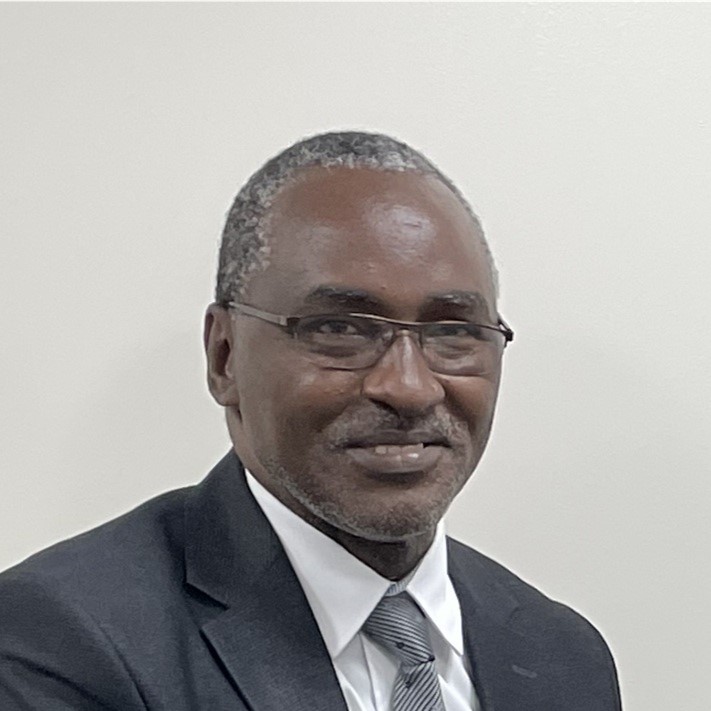
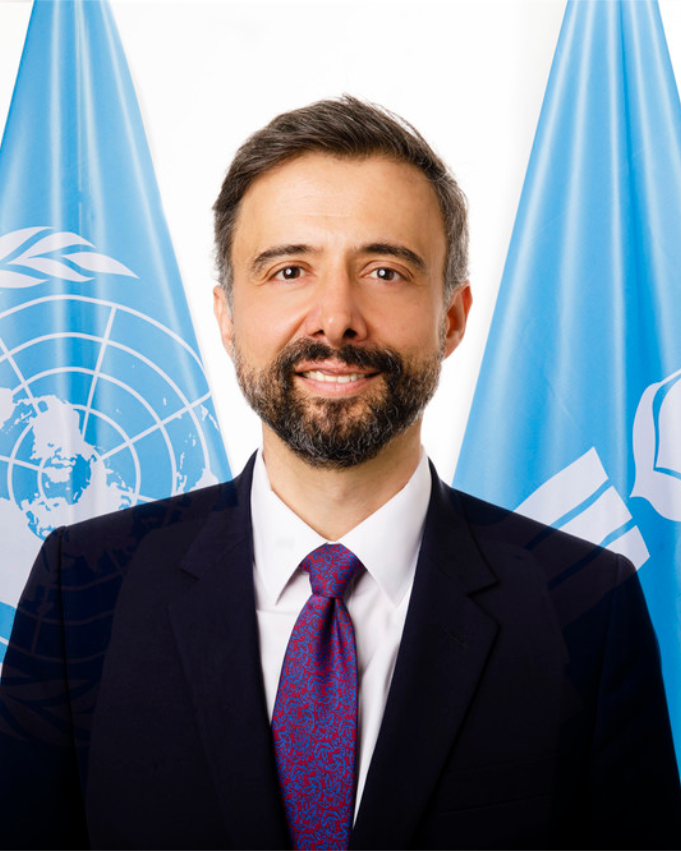
Axel van Trotsenburg
Senior Managing Director, The World Bank
Sangbu Kim
Vice President, Digital, The World Bank
Sangbu
Christine Zhenwei Qiang
Global Director, Digital, The World Bank
Shobha Shetty Global Director, Agriculture and Food, The World Bank
Shahid Yusuf Chief Economist, The Growth Dialogue, George Washington University
Gaurav Nayyar Economic Advisor & Director for World Development Report 2026, The World Bank
Ana Maria Loboguerrero, Director, Adaptive & Equitable Food Systems, Gates Foundation
The global agrifood system stands at a critical inflection point. Climate shocks, rising input costs, fragile supply chains, and widening inequality are placing unprecedented pressure on food production and distribution. Small-scale producers (SSPs), who produce one-third of the world’s food, are especially vulnerable.
Artificial Intelligence (AI) presents a timely and powerful tool to help reimagine agricultural transformation in ways that are more productive, sustainable, and inclusive. This report presents a comprehensive and development-oriented analysis of how AI can be responsibly deployed across agrifood systems, especially in low- and middle-income countries (LMICs). It moves beyond hype to deliver a grounded roadmap of applications, prerequisites, and investment priorities, while emphasizing ethical, inclusive, and scalable use.
1. Why Artificial Intelligence for Agriculture Sector
2. Foundational Domains for AI in Agriculture:
Conditions, Challenges, and Opportunities
Connectivity and Energy Infrastructure: The Physical Backbone
Data Ecosystems: Fueling AI with Local Intelligence
Human Capital and Digital Literacy: Equipping the Frontline
Governance and Policy: Building a Framework for Trust and Scale
Public-Private Ecosystems: Scaling Sustainably
3. Applications of AI in Agriculture
Crop and Livestock Discovery
Advisory and Farm Management
Inclusive Finance and Risk Mitigation
Markets, Distribution, and Logistics
Cross-Cutting Applications
4. Investment Priorities
Agriculture-Specific AI Models and Capacity
Foundational Data Investments
Compute Infrastructure Investments
Policy and Governance Investments
Forward Look: Advancing Agrifood Transformation through Responsible AI
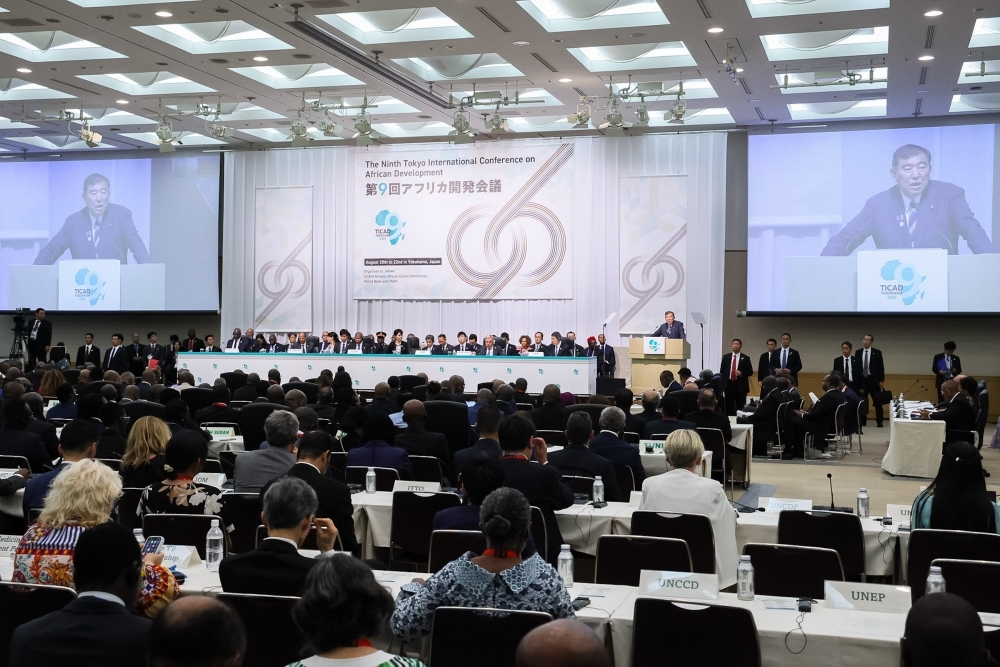
TICAD 9 concluded with Japan and African leaders reaffirming their commitment to co-creation for sustainable growth, peace, and human development, anchored in African ownership and international partnership.
Leaders endorsed initiatives on peace and stability, including support for African-led conflict prevention and UN Security Council reform; on economic transformation, highlighting industrialization, AfCFTA, green/blue economy, and digital/AI-driven innovation; and on human capital, with Japan pledging large-scale training programs for youth and women. The conference also launched the Economic Region Initiative of Indian Ocean–Africa to deepen connectivity, and a commitment to train 300,000 Africans in AI and digital skills. Across plenaries and thematic sessions, participants emphasized that achieving Africa’s aspirations will require inclusive partnerships, private sector investment, and resilient governance frameworks, with TICAD remaining a trusted platform for Africa–Japan collaboration.
The objective of this session was to launch the new academic network between Japan and Africa, in which Egypt-Japan University of Science and Technology (E-JUST, Egypt), Jomo Kenyatta University of Agriculture and Technology (JKUAT, Kenya) and Stellenbosch University (SU, South Africa) act as “Hub” for networking and collaboration among African universities and with Japanese universities, which is called “AJ-INSPIRE” (Africa-Japan Initiative for Scientific Partnership in Innovative Research and Education)
Ms. Sachiko Imoto, Senior Vice President, Japan International Cooperation Agency (JICA)
Ousmane Diagana, Vice President, Western and Central Africa
Prof. Amr ADLY, President, Egypt-Japan University of Science and Technology (E-JUST)
Prof. Robert Kinyua, Deputy Vice Chancellor for Academic Affairs, Jomo Kenyatta University of Agriculture and Technology (JKUAT)see picture
Prof Deresh Ramjugernath, Rector and Vice-Chancellor, Stellenbosch University (SU) see picture
Dr. Roberta Malee Bassett, Global Lead for Tertiary Education and Senior Education Specialist,
World Bank
Mme. Hendrina C. DOROBA, Division manager, Education and Skills Development Division, Human Development Department, African Development Bank (AfDB)
Dr. Keiko Takei, Chief Education Analyst, African Development Bank (AfDB)
Mr. Shinsuke OKADA, Director for international cooperation, International Science and Technology Policy Division, Ministry of Education, Culture, Sports, Science and Technology (MEXT)
Prof. Shuji Shimizu, Executive Vice President, Kyushu University
Mr. Kohei Okada, Executive Officer Deputy CSO, Toyota Tsusho Corporation
Dr. Takasei Okano, Senior Advisor, Japan International Cooperation Agency (JICA)
Mr. Daisuke Ueda, Deputy Director General, and Group Director for Higher Education and Social Security, Human Development Department, Japan International Cooperation Agency (JICA)
20/08 Enhancing Continental Food Self-sufficiency and Job Creation through Resilient Food System and Private Sector Development in Africa”
Session 1: Building Resilient Agri-Food Systems in Africa
This session discussed how JICA is trying to address this challenge through the JICA Africa Food Security Initiative launched by JICA after TICAD 8, with a focus on rice, with which Japan has been cooperating in Africa for many years. Case studies were shared from public and private sector stakeholders in East Africa, and specific measures and strategies were also be discussed to promote intra-regional distribution through a food basket approach and to strengthen competitiveness against imports from outside the region.
Session 2: Job Creation by Improvement of Agro-industrial Value Chain and Promotion of Agroindustry
JICA has been providing variety of support to promote agro-industry and its value chain, including support for innovation creation through startups), capacity development via KAIZEN, human resource development through BDS in the industrial sector, and export-related product branding support, etc.
Dr. Ibarahim Hssane MayakiAU, Special Envoy for Food Systems
Dr. Andrew Dabalen World Bank, Chief Economist for African Region
Mr. Fahari Gilbert Marwa EAC, Principal Agricultural Economist
Mr. NOMOTO TAKAAKI Ministry of Finance, JAPAN, Director of Multilateral Development Banks Division
Mr. AMAMEISHI Shinjiro CARD Secretariat, General Coordinator
Dr. JOHO Yukiko NIPPON KOEI CO.,LTD., Deputy Team Leader, A Data Collection Survey to Build a Resilient Food System based on the Food Basket Concept
Mr. Prosper Komla Bissi AfCFTA Secretariat, Senior Advisor, Agriculture Trade & Value Chains, Cabinet of the Secretary-General
Mr. Samuel Munguti Shamba Pride, CEO, Founder
Thomas Damian Mkangara Natural Extracts Industries Ltd, KAIZEN Coordinator
H.E. Nardos Bekele ThomasAUDA-NEPAD, CEO
Mr. Hitoshi Fujiie JICA, Deputy Director General of Economic Development Department
Dr. YAMANA Mika Director, Center for Regional Collaboration, Kansai University, Professor, Faculty of Law, Kansai University. see picture Since 2015, she has been supervising international students from seven African countries at the Graduate School of Law, Kansai University, under JICA’s ABE Initiative (African Business Education Initiative for Youth). In connection with AUDA-NEPAD, she has also conducted joint research on the Southern Africa Network for Biosciences (SANBio), in collaboration with the SANBio Hub Manager of the Council for Scientific and Industrial Research (CSIR) in South Africa.
Highlight:Africa’s rich agricultural products and biological resources can also benefit from the effective use of intellectual property systems to drive industrial growth. Since the 2015 academic year, the Graduate School of Law at Kansai University has accepted African students from seven countries: the Democratic Republic of the Congo, Egypt, South Africa, Kenya, Ethiopia, Burundi, and Mozambique. Many African students have shown interest in exploring ways to add value through the utilization ofIPR in agriculture and biological resources, and have chosen this as their research theme.
20/08 “Ultra Low-cost Community-based Smallholder Irrigation (COBSI)” Addressing Climate Change in Africa- Japan’s Traditional Technologies and Ultra Low-cost Smallholder Irrigation (COBSI: Community-based Smallholder Irrigation Development)
Thie side event introduced an ultra low-cost smallholder irrigation system, the Community-based Smallholder Irrigation (COBSI), that enables farmers to build their irrigation weir by using locally available materials, focusing on its development background, the charasteristics, and the effectiveness through the voices of the people concerned and its beneficiaries in the field. The JICA's development strategy of COBSI was announced for further development in Sub-Saharan Africa.
Focus:This session promoted inclusive dialogue and collaborative solutions, particularly by encouraging the active participation of youth and other key stakeholders in shaping the future of Africa’s food systems and economies.
H.E. Dr. William Ruto, President of the Republic of Kenya
H.E. Dr. José Ulisses CORREIA E SILVA, Prime Minister of the Republic of Cabo Verde
The Rt. Hon. Elijah Ngurare, Prime Minister of the Republic of Namibia
H.E. Mr. Soares SAMBU, Minister of Economy, Planning and Regional Integration of the Republic of Guinea-Bissau
Mr. Matsumoto Hisashi, Parliamentary Vice-Minister for Foreign Affairs, Japan
Moderator: Dr. Masanori Kobayashi, Senior Research Fellow, Sasakawa Peace Foundation
Extract of the special address by H.E. Shigeru Ishiba Prime Minister of Japan
The development of NERICA rice is well known, and it is the result of research by Dr. Jones of Sierra Leone and on-site application by Japanese expert Mr. Tsuboi. Based on the motto that it is important to work hard together with our counterparts, we carefully explained cultivation methods to African farmers, provided them with rice seeds, and distributed the resulting high yields to neighboring farmers. This is how NERICA rice has become widespread. We understand that increased yields of high-quality rice have now been achieved in 23 of the 54 African countries.
This year there has been a big uproar in Japan about a rice shortage. While other countries around the world are increasing their farmland and agricultural production, whether it's rice, wheat, corn, or soybeans, Japan has seen a steady decline in both agricultural production and farmland. I believe this is a serious problem. I believe that providing safe and reliable food is a fundamental obligation for a nation, and I would like to work together with the people of Africa to resolve this issue.
Focus: Centered on the SHEP (Smallholder Horticulture Empowerment & Promotion) Approach—an agricultural extension model that shifts farmers’ mindset from “grow and sell” to “grow to sell,” driving market-oriented agriculture and income growth. The session featured:
A recounting of SHEP’s success in doubling incomes for 2,500 smallholders in Kenya within two years.
A reaffirmation of the joint declaration to improve the livelihood of one million smallholder farmers through the SHEP model.
Sharing of implementation experiences across Africa and the Caribbean.
Presentation of impact evaluation findings using the World Bank’s SWIFT methodology.
Speakers included:
Mr. Álvaro Lario (President, IFAD) see picture
Ms. Sachiko Imoto (Vice‑President, JICA)
Ms. Harue Kitajima (Senior Advisor, JICA)
Ms. Bernadette Mukonyora (IFAD Country Director, Marawi) see picture
Mr. Masahito Ishii (Toyota Mobility Foundation)
Mr. Leonard Munamati (Zimbabwe’s Ministry of Lands, Agriculture, Fisheries, Water & Rural Development)
Dr. Cheikh Amet Bassirou Sane (Senegal’s Ministry of Agriculture, Food Sovereignty & Livestock)
Mr. Servulo Baeza (CEO, Ministry of Agriculture, Food Security & Enterprise, Belize)
Mrs. Arunee Hiam (Deputy Director‑General, Thailand International Development Cooperation Agency)
Dr. Nobuo Yoshida (Lead Economist, World Bank)
Mr. Mikiya Saito (Director General, Economic Development Department, JICA)
Organizers: Japan International Research Center for Agricultural Sciences (JIRCAS) in cooperation with Japan Intellectual Support Network in Agricultural Sciences (JISNAS)
Focus:Spotlighted early-career researchers from Japan and Africa, showcasing their collaborative research initiatives and experiences. The session emphasized the importance of strengthening Africa–Japan research ties and nurturing young scientists’ roles in innovation and development.
Presentations by early-career researchers
Dr. Zoniaina Ramahaimandimby, JIRCAS Fellow, JIRCAS
Dr. Yoshie Yageta, Researcher, JIRCAS
Ms. Maryiano Keziah, PhD Student, Faculty of International Agriculture and Food Studies, Tokyo University of Agriculture
Closing Remarks: Dr. Hiroshi Ehara, Executive Secretary, JISNAS
Organizers: Sasakawa Africa Association (SAA), with JIRCAS, Forum for Agricultural Research in Africa (FARA), and The Nippon Foundation
Focus: This session highlighted regenerative agriculture as a pathway to empower youth and farmers, with emphasis on strategic policies and cooperative alliances. It underscored the central role of farmers’ organizations and youth engagement in transforming food systems toward sustainability and resilience.orfonline.org+10evt-reg.com+10mofa.go.jp+10mofa.go.jp
Shinjiro Koizumi, Minister of Agriculture, Forestry and Fisheries - Special Address - Japan’s Contribution to the Future of Youth and Agriculture
Dr. Ishmahane Elouafi, Executive Managing Director, CGAIR - "Science-Based Regenerative Agriculture: Enhancing Resilience and Productivity in Agriculture in Africa"
Dr. David Nielson, Senior Advisor, North America Agriculture Advisory Network, and Former Lead Agriculture Economist at World Bank Group - “Human Capital Development and Capacity Building to Support Soil Health in Africa”
Dr. Wole Fatunbi, Director of Research and Innovation, FARA - “The Soil Initiative for Africa (SIA): A Continental Strategy for Sustainable Agriculture ”
Ms. Elizabeth Nsimadala, President, Eastern Africa Farmers Federation - “Empowering Youth and Women for Farmer-Led Sustainable Agriculture”
Panel Discussion: “The Role of Agricultural Extension in Strengthening Sustainable and Resilient Food Systems ”
Moderator: Dr. Mel Oluoch
Dr. Lilian Lihasi, Executive Director, AFAAS
Dr. Papa Saliou SARR, Senior Researcher, JIRCAS. He is actively involved in collaborative, multi-country projects with universities and research institutes across Africa and Japan, including partnerships in Ghana, Madagascar, Burkina Faso, and Cameroon. Through these efforts, he contributes to both scientific advancement and capacity building for African agricultural systems. Beyond his research, Dr. Sarr is deeply engaged in academic and cultural communities. He served as President of the Fukuoka Overseas Student Association (FOSA) from 2008 to 2009 and was a founding member of the African Society of Kyushu University (ASKU) and the African Diaspora Network Japan (ADNJ).
Dr. Stella Kabiri, RA Lead, SAA
MOU signing
Dr. Osamu Koyama Chair, JIRCAS (picture)
Dr. Aggrey Agumya, Executive Director, FARA (picture with Yohei Sasakawa, Nippon Foundation)
22/08 Transforming Society toward Nature positive and Land Degradation Neutrality through an Ecosystem Augmentation Approach
Key Discussion items of the Panel Discussion
In response to the biodiversity crisis, is it possible to change to a Nature positive society through “agriculture”?
What kind of “resilient agriculture” is required in Africa
What kind of “agriculture that energizes rural areas” is needed in Africa as the gap between urban and rural areas widens?
Speakers
Mr. Gilles Amadou Ouédraogo (Opening Remarks), Programme Management Officer, Green Wall Accelerator (GGW)| Global Mechanism, United Nations Convention to Combat Desertification (UNCCD) (picture)
Dr. Masatoshi Funabashi, President, SynecO/Research Director, Sony CSL
Mr. Mamadou Ndiaye, President, Intermondes, Senegalese NGO
Mr. Raymond Epp, Co-Founder, Menno Village Naganuma/President, Maoi Cover Seed
Ms. Akiko Aratani, Co-Founder, Menno Village Naganuma
Ms. Ruth LANGSI YELOMA, President, Terre Des Jeunes-Cameroon/ Coordinator of Cameroonian Association for the Promotion of Synecoculture (ACPS)
Mr. Kenichi Kawamura (Closing Remarks), Senior Vice President, JICA
Mr. Masaru Kurimoto (Moderator), Director, Forest and Nature Conservation Group, Global Environment Department, JICA
Funding highlights
22/08 Japan Launches $20 Million Fund to Back African Startups Two Japanese venture capital firms, Uncovered Fund and Monex Ventures, have jointly launched a new $20 million fund targeting early-stage startups in Africa and the Middle East. The fund, named the Uncovered Monex Africa Investment Partnership, is designed to back ventures in high-growth sectors such as fintech, logistics, mobility, agri-tech, and sustainability. With investment tickets reaching up to $2 million, the initiative seeks to accelerate innovation while bridging African startups with Japanese corporates.
The Private Sector Development Group of JICA’ s Economic Development Department launched activities in 2020 under the name Project NINJA (Next Innovation with Japan) to support start-ups in developing countries as part of its efforts to promote private sector development in developing countries. In April 2023, the Group formulated a cluster business strategy, “Support for Building a Startup Ecosystem for Innovation Creation (NINJA).” Project NINJA participated in the African Startup Conference 2024 in Algeria in collaboration with AUDA-NEPAD.
Hosted by the Sasakawa Peace Foundation / Ocean Policy Research Institute; held at Meiji Kinenkan in Tokyo
The Nippon Foundation, the Sasakawa Peace Foundation, and the Sasakawa Africa Foundation have been working in collaboration with experts and specialists to examine contemporary challenges facing Africa—particularly food security and the promotion of a blue economy focused on sustainable fisheries and aquaculture, alongside improvements in agricultural production. These efforts have also explored avenues for effective collaboration with Japan and the international community, including policy support to advance these goals. The outcomes have been compiled into a set of policy recommendations.
This special international symposium, welcomed eminent persons and African leaders who have made outstanding contributions to Africa’s development and the advancement of international cooperation. Drawing on the discussions at the Eminent Persons Meeting, it explored future prospects for Japan-Africa cooperation, with a focus on food security and a sustainable blue economy. This event also offered valuable perspectives that contributed to TICAD9, which was held Yokohama.
FUJII Hisayuki, State Minister for Foreign Affairs of Japan, delivered remarks framing Africa–Japan cooperation—especially around ocean conservation, sustainable use, and inputs to TICAD 9.
Yohei Sasakawa, Nippon Foundation Japan has provided various forms of assistance to Africa. In Africa and Asia as well, Japan has cooperated with the policy of laughing, crying, and sweating together with the local people, and I hope to continue to do so in the future. We must realize that realizing the happiness of the people of Africa brings happiness to the Japanese people as well. We are not based on financial capitalism or state capitalism, but on a policy of truly laughing together, crying together, and sweating together. Based on this policy, we are determined to continue carving out a new future for the world together with Africa.
H.E. Olusegun Obasanjo — Former President of Nigeria
H.E. Dr. Jakaya Mrisho Kikwete — Former President of Tanzania
H.E. Jorge Carlos Fonseca — Former President of Cabo Verde
H.E. Dr. Ibrahim Hassane Mayaki — Former Prime Minister of Niger
Dr. Geraldine Fraser-Moloketi — Former Minister of Public Service and Administration
Dr. Donald Kaberuka — Former President of the African Development Bank
3 August 2023. GFRAS and JICA share experiences about the SHEP method.
The agrifood system in Africa remains the backbone of national economies and provides more than half of jobs in most African countries. Thus, it still holds substantial potential to absorb or catalyze youth engagement in productive activities in Africa. But this change will not happen by itself. It will require sustained efforts in policy research and development. While much of the literature and debate on the employment crisis have focused on the role of agriculture in absorbingAfrica’s youth, the scope of debate and research should be expanded to include the role of youth across the entire food system.
This event featured the voices of African youth leaders, provide a landscape analysis of youth engagement in agrifood systems, examined success stories and lessons learned, and identified potential solutions for greater momentum.
Landscape of youth engagement in agrifood system in selected African countries - Kibrom Abay, Senior Research Fellow, IFPRI (Presentation)
Youth aspirations and constraints in Nigeria/Rwanda - Jessica Heckert, Senior Research Fellow, IFPRI (Presentation)
Initiatives to support young women: learnings from AGRA - Catherine Rusagara, Head, Youth Entrepreneurship for the Future of Food and Agriculture, Alliance for a Green Revolution in Africa (AGRA) (Presentation)
Panel Discussion: How can Africa create more jobs for the youth: Cases and success stories from youth-led initiatives and experiences?
Moderated by Nana Amoah, Director – Gender, Youth and Inclusiveness, Alliance for a Green Revolution in Africa (AGRA)
Clemens Breisinger, Senior Research Fellow, IFPRI; Interim Director, Policy Innovations, CGIAR
Els Lecoutere, Senior Scientist, CGIAR Gender Equality and Inclusion Accelerator; Co-leading AOW Solutions for Impact and Science Officer for AOW Change
Boaz Blackie Keizire, Director for Policy and State Capability, Alliance for a Green Revolution in Africa (AGRA)
Authors and editors of the special issue presented evidence on the medium-term effects of rising fertilizer prices and their implications for global demand, highlighting the disproportionate effects on smallholder farmers in low- and middle-income countries. The discussion will also cover issues related to the role of targeted subsidy programs, integrated soil fertility management, and site-specific nutrient approaches.
A panel of fertilizer experts discussed how these insights can support policymakers seeking to mitigate price volatility, strengthen soil health, and ensure resilience in agricultural production, particularly during adverse weather events and economic shocks. This seminar offers critical perspectives for researchers, policymakers, and agribusiness leaders working to build more sustainable and equitable food systems in an increasingly uncertain world.
Introduction and Opening Remarks Ruth Hill, Director, Markets, Trade, and Institutions, IFPRI
Christopher Barrett, Stephen B. and Janice G. Ashley Professor of Applied Economics and Management, Charles H. Dyson School of Applied Economics and Management, Cornell University, Ithaca, NY, US
A synthesis of recent evidence on the policy dimensions of fertilizer, soil health, and economic shocks Kibrom Abay, Senior Research Fellow, IFPRI (Presentation)
Country and cross-country policy experience: A conversation with the authors
Jaweriah Hazrana, Postdoctoral Research Fellow, Arizona State University
Pauline Chivenge, Senior Scientist, International Rice Research Institute (IRRI)
Panel Discussion: How do we build resilience to future shocks in international and domestic fertilizer markets?
Moderated by Charlotte Hebebrand, Director, Communications and Public Affairs, IFPRI Peter Odhiambo Owoko, Head, Policy Coordination, Directorate of Agricultural Policy Research and Regulations, State Department for Crop Development & Agricultural Research, Kenya
Latha Nagarajan, Director, Sustainable Opportunities for Improving Livelihoods with Soils (SOILS) Consortium, International Fertilizer Development Center (IFDC)
Shamie Zingore, Director of Research and Development, African Plant Nutrition Institute (APNI)
In preparation for the UN Food Systems Summit +4 Stocktake (UNFSS+4), which will take place in Addis Ababa from 27-29 July 2025, the UN Food Systems Coordination Hub – in collaboration with Regional Economic Commissions and the broader UN system – is organizing five Regional Preparatory Meetings from March to May 2025.
Building on the momentum of UNFSS+2 and the UN Secretary-General's Call to Action for accelerated food systems transformation, these regional meetings will provide a platform for National Convenors, Member States, UN agencies, civil society, private sector actors, financial institutions, academia, and other stakeholders to assess progress, strengthen accountability, and unlock investments for food systems transformation.
Reflected on progress in food systems transformation since UNFSS 2021, identifying successes, challenges, and lessons learned.
Strengthened accountability by evaluating the roles, commitments and contributions of both state and non-state actors.
Unlocked investments to scale impactful solutions, leveraging new partnerships, financial tools, and innovations.
Enhanced technical and operational capacities of stakeholders to implement transformative food systems solutions.
Fostered peer learning and partnerships across regions to accelerate national-level action.
The Director of Programme Implementation and Coordination at AUDA-NEPAD Estherine Fotabong:
"The Kampala document and its accompanying Strategy and Action Plan (2026–2035) mark a shift from agriculture-led growth to a comprehensive agrifood systems approach, anchored in climate resilience, nutrition security, and inclusive livelihoods. Four years after the inaugural UN Food Systems Summit, Africa has taken decisive steps including: commitment to increasing agrifood output by 45%, reducing post-harvest losses by 50%, and trippling intra-African trade by 2035, in alignment with the Africa Continental Free Trade Area (AfCFTA)."
06/05 Unlocking Investments and Increasing Financing: The Business Case to attract investments and private sector into the food systems
This session covered investment financing cases from the perspectives of development partners, governments and SMEs, highlighting practical business models for food systems transformation. The session also discussed the role of private sector and corporate accountability. It explored practical cases of viable business cases for investing in FST including investment readiness, risk management, and cost.
Keynote Speech H.E. Ibrahim Mayaki, African Union Food Systems Envoy (online)
Ms Agnes Kalibata, UN Special Envoy for the 2021 Food Systems Summit, Member of the UN Food Systems Advisory Group
Ms Michelle Kagari, Senior Director Government Relations and Policy, One Acre Fund
Mr Elly Elvis Choso, Business Development Advisor, SNV Netherlands Development Organization
Zambia (confirmed)
Cameroon (confirmed)
06/05 Unlocking Investments and Increasing Financing: Current Landscape for FST in Africa
This session explored financing and investment opportunities for food systems transformation in the Africa region, including the roles of private financial institutions, development banks, and regional funds.
Moderator: Ms Cathy Kamau, Food Systems Specialist, AGRA
Joint presentation Ms. Nadine
Gbossa, Director of Food
Systems Coordination, IFAD,
and Mr Chris Brett, Lead Agribusiness Specialist, World
Bank
Ms Fiona Napier, Senior
Advisor, Nature Finance,
Financial Sector Deepening
Africa - FSD-Africa (online)
Mr Peter Odhengo, Green
Climate Fund (GCF) and the
Government of Kenya,
Treasury
Mr. Arthur Mabiso, Lead
Regional Economist for West
and Central Africa, IFAD
(online)
Ms Ophelie Hemonin, Policy
Officer, UN Food Systems
Coordination Hub
Ms Christiane Rudert, Regional
Nutrition Advisor, UNICEF
ESARO
07/05 Partnerships and
Accountability – Local actors and stakeholders' insights & perspectives
Exploring roles, commitments, and gaps in food systems transformation through stakeholder perspectives along agrifood
value chains, aiming to identify critical
gaps and opportunities for engagement.
Mr Andrew Adem, Food
Systems Coordinator, Alliance
for Food Sovereignty in Africa
(AFSA)
Mr Elujulo Opeyemi, SDG2
Global Focal Point, UN MGCY,
and Executive Director, YARN
07/05 Science-PolicySociety Interface
and the role of
youth in driving
accelerated FST in
Africa: Impact cases
This session explored the role of
science and innovation in transforming
food systems and building climate
resilience in Africa, with country
experiences on science-policy interfaces
and identifying key research gaps.
Mr Andrew Kambugu, SandeMcKinnell Executive Director at
the Infectious Diseases Institute
(IDI) at Makerere University
(Mak) and Member of the Hub’s
SAC
Ms Elizabeth Mwende, Youth
Representative, Stakeholder
Engagement and Networking
Advisory Group, UN Food
Systems Coordination Hub
Ms Namukolo Covic, Regional
Director, East and Southern
Africa (ESA), CGIAR, and ILRI
Director General’s
Representative to Ethiopia
Traditional metrics like usage frequency or app downloads often fail to capture the true impact of Digital Farmer Services (DFS). The "Meaningful Use" framework fills this gap by evaluating the real benefits that farmers gain from these services. Based on a survey of nearly 5,000 farmers across India, Kenya, Nigeria, Ghana, and Ethiopia, this approach covers services such as information access, input and equipment markets, and credit offered by 18 DFS providers.
The panel of experts will discuss the design of the 'Meaningful Use' framework in collaboration with the Bill & Melinda Gates Foundation and the Busara Center for Behavioral Economics, how DFS is transforming farmers' practices, livelihoods, and resilience, and Insights on scaling DFS solutions to deliver sustainable, impactful benefits for farmers across Africa and Asia.
The World Bank`s "What’s Cooking Digital Agriculture Learning Series" webinar is now on The World Bank Open Learning Campus, OLC. The OLC is available to everyone inside the World Bank as well as externally.
4 Oct 2024. Transforming Agriculture Through Data and Digital Technologies and Enhancing Productivity
The agricultural sector is confronting escalating challenges that threaten both productivity and environmental sustainability. From ensuring food security to maintaining stable production amid climate change, traditional farming methods are increasingly insufficient. The modern agricultural landscape calls for innovative solutions, leveraging advanced technologies such as Internet of Things (IoTs), Artificial Intelligence (AI), and Big Data. e-kakashi's Digital Platform: Spearheading the integration of plant science with data-driven technology, e-kakashi offers a digital platform that enhances agricultural practices.
Utilizing sensors and AI, this system not only captures and visualizes vital environmental and cultivation data but also merges plant physiology with machine learning. This approach provides farmers with real-time, actionable insights to optimize growing conditions, mitigate risks, and improve crop quality and yield. e-kakashi is dedicated to expanding its platform to include a wider range of agricultural data, such as soil conditions and human labor, creating a comprehensive agricultural information network. https://www.e-kakashi.com/en/
Sagri's Geo-Spatial Analytics: Since its inception in 2018, Sagri has been at the forefront of integrating geo-spatial analytics with AI and proprietary models to revolutionize farming techniques. By combining satellite imagery with on-field data, Sagri delivers precise, farm-level recommendations that optimize irrigation and fertilizer use while promoting sustainability. Their advanced satellite analytics also help farmers reduce costs and emissions, capitalize on agriculture carbon credits, and enhance productivity with data-driven methods. Sagri's impact spans across global operations in 10 countries across Asia, South America, and Africa. https://sagri.tokyo/en/technology/
the 2024 State of Food Security and Nutrition report,
the endorsement of those CFS products developed by the Committee during the intersessional period, the update of the CFS Multi-Year Programme of Work for 2024-2027,
the report by the High-Level Panel of Experts on Food Security and Nutrition (HLPE-FSN) on "Strengthening urban and peri-urban food systems to achieve food security and nutrition in the context of urbanization and rural transformation",
Organizers:
ECDPM; IFAD; EAFF; Brazil; World Bank; Paris Peace Forum;
Alliance for a Green Revolution in Africa; Africa Europe Foundation; University
Mohammed VI Polytechnic; World Rural Forum; IUCN - International Union for
the Conservation of Nature
The side event fostered a multi-actor discussion on enhancing the international financial architecture to support sustainable food systems (SFS) transformation. It offered ideas and recommendations on improving partnerships, coordination, and inclusivity to address the projected $350 billion annual investment gap to achieve SDG2 and transform food systems by 2030, with special attention to the unique challenges and needs of Low- and Middle-Income Countries (LMICs). The event featured a panel discussion with senior representatives from major international financial institutions, development agencies, regional family farmers’ organizations, and relevant national and regional bodies. This will be followed by an interactive dialogue with the audience.
The session explored the following key discussion areas: Mapping finance and investment flows into food systems;
Promoting stronger roles and collaborations of the UN Rome-based agencies (RBAs) in deploying multilateral development banks (MDBs) resources (including adaptation finance) for food security and SFS through technical assistance and investment preparation in countries;
Enhancing cooperation between private, public and philanthropic investors to scale up responsible investments in SFS through innovative and blended investments and financing models, effective policy frameworks, and strong South-North multistakeholder partnerships;
Highlight family farmers’ contributions to climate action and biodiversity protection, and identify opportunities for better and more direct access to financial resources (including international climate finance) for family farmers, smallholders, women and agri-SMEs.
World Bank (Vasco Molini, Senior Economist, Poverty Global Practice Group)
IFAD (Nadia Martinez, Technical Lead, Rural Development Report 2025)
INGABO, Rwanda's Farmers Trade Union (Mrs Cesarie Kantarama, Chair)
OCP group (Mr. Younes Addou from OCP (VP, InnovX)
AGRA (Dr. Jeremiah Rogito, Specialist Food Systems, Land Use and Climate)
18 June 2024 --- The Group of Seven (G7) reinforced its commitment to food security around the world and to the enhancement of climate resilience at the G7 Summit in Italy, where the political and economic grouping introduced its new Apulia Food Systems Initiative (AFSI).new Apulia Food Systems Initiative (AFSI).
The G7, consisting of Canada, France, Germany, Italy, Japan, the UK and the US, as well as the EU as a “non-enumerated member,” is launching AFSI to “overcome structural barriers to food security and nutrition and to build resilient sustainable and productive agriculture and food systems, and to ensure that all people can progressively realize the right to adequate food,” states the leaders’ communique.
G7’s AFSI aims to contribute to ongoing global efforts to alleviate food insecurity by supporting three multi-stakeholder programs: the Technical Cooperation Collaborative to implement the “COP28 UAE Declaration on sustainable agriculture, resilient food systems and climate action,” the Vision for Adapted Crops and Soil, as well as a G7 private-public initiative on coffee.
The COP28 UAE Declaration on sustainable agriculture, resilient food systems and climate action is being implemented by the Technical Cooperation Collaborative, including the FAO, World Bank and other international organizations. In collaboration, the AFSI sets out to build technical cooperation for the integration of food systems and climate plans in low-income and climate vulnerable countries.
The Vision for Adapted Crops and Soils, by the US Office of Global Food Security, works on the restoration and maintenance of healthy soils. It targets the development and climate resilience of traditional and indigenous crops in Africa.
The third program, which is a private-public initiative by the G7, concerns coffee. Its aim is to advance policy, sustained investments, research and innovation, partnerships, blended finance to boost the resilience, environmental sustainability, value addition and circularity of the coffee value chains worldwide.
A South-South collaboration between India and Kenya, involving agtech companies, can leverage India's experience in Digital Finance Services (DFS) and agricultural technology to enhance Kenyan providers' capabilities.
In collaboration with BMGF, this "What's Cooking?" webinar will focus on DFS, highlighting their role in economic growth by enabling efficient, secure transactions and fostering innovation.
The webinar featured three mature Indian agri-tech companies: Whrrl, a blockchain-driven lending platform; Dvara E-Registry, offering tailored financial solutions; and Satsure, leveraging space technology to inform farmers. Each will present unique problem statements, solutions, and plans for adaptability in Kenya and scaling in Africa. Discover how these enterprises are transforming the DFS landscape and creating new regional partnerships and growth opportunities.
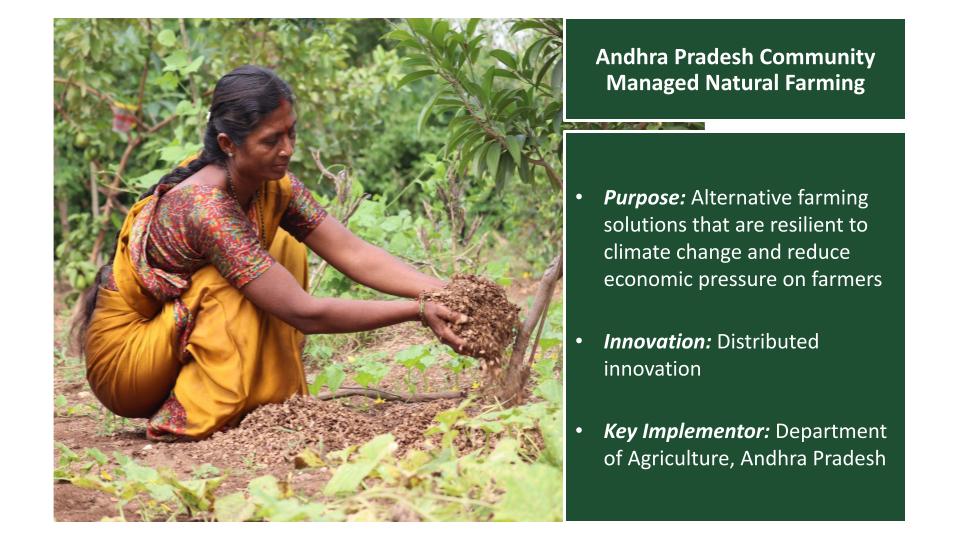
The Andhra Pradesh Climate Resilient Community Managed Natural Farming (APCNF) is a state-promoted agroecology model aiming to transition six million farmers and eight million hectares of land to entirely chemical-free farming. APCNF is anchored by Rythu Sadhikara Samastha (RySS), a government-owned private limited company conceptualised by the Andhra Pradesh government and the World Bank.
The Andhra Pradesh Zero Budget Natural Farming project was implemented by India’s State of Andhra Pradesh in 2016 and renamed AP Community Managed Natural Farming (APCNF) in 2020.
APCNF is recognised as a successful example of peasant-led agroecology by social movements, multilateral UN bodies, governments, and researchers. This paper offers more critical perspectives here, and argue that this agroecology model deepens inequality and dispossession.
Despite claims to the contrary, APCNF is locked in an unchanged productivist paradigm controlled by capital in collaboration with the state. By co-opting agroecology, APCNF closes down options for a just transformation of the dominant agri-food regime.
Extracts of the article:
The Andhra Pradesh (AP) and Telangana states clearly
demonstrated their desire to fast-track capitalist
economic transformation, so much so that by 2016, a mere 18 months later, the World Bank ranked both AP and Telangana 1st in the country for ‘ease of doing business’ (GoI 2016; The World Bank, 2016). This was made possible by aggressive pro-capital, land, labour, tax, power, infrastructure, water and environment reforms, all of which severely undermined workers rights, landrights, and fast-tracked environmental destruction.(page 4)
The APCNF agroecology programme rests on a superstructure of extreme inequality in land ownership (Rawal and Bansal 2021) and expanding landlessness amongst India’s most marginalised and discriminated-against citizens: Dalits, Adivasis, and Muslims. (page 5)
Between 2002 and 2012 tenancy showed a huge shift from shared tenancy to fixed rent tenancy in cash (29.9% to 55.6%), again significantly higher than all-India averages. This trend shifts the entire risk burden onto tenants and increases their vulnerability. Tenancy is also extremely high amongst socially marginalised communities.(page 6)
A recent APCNF study reports that 66% of APCNF farmers belong to historically privileged dominant castes termed Other Castes (OC) and OBC (Other Backward Classes) communities, with the remaining being Dalit (13%) and Adivasi (21%). Overall, there is very poor presence of women farmers in APCNF – a mere 5.9% of total APCNF farmers surveyed. (page 6)
APCNF studies also flag poor adoption of APCNF by tenant farmers, as the APCNF hinders their ability to pay land rents in the short term, even if there are financial gains in the long term. This reluctance of tenant farmers to adopt CNF continues to date. These findings are indicative of how critical it is for the state to execute redistributive land reforms to correct the massive inequality in land ownership. Equitable land reform is a pre-requisite for any kind of agroecological benefits accruing to the landless. (page 6)
In 2018, the Sustainable India Finance Facility, a partnership between the UN Environment Programme (UNEP), the World Agroforestry Centre (ICRAF), and the bank BNP Paribas, signed an agreement with GoAP to facilitate a USD 2.3 billion investment to scale up ZBNF (BNP Paribas 2018; UNEP 2018). Sustainability Partnerships have also been signed with IDH, which is a consortium of top Global Corporate food and agriculture agribusiness players, digital data corporations, the World Bank, and researchers of market-based solutions to climate change, biodiversity and sustainable production. This corporate partnership aims to experiment with sustainable landscape sourcing(page 10)
Moreover, ZBNF/APCNF produce is being marketed via Producers Market (ProducersMarkets n.d.) which is a project of the Producers Trust, of which RySS is a Trade Collaborator (Producers Trust n.d.). This is a blockchain agri-tech start-up which has joined hands with IBM Food Trust to experiment with food traceability, and a technology-driven marketplace that links producers and consumers via big data technologies such as distributed ledger technologies, smart contracts, and cryptocurrency in the global multitrillion-dollar agriculture value chain. (page 10)
Another recent public-private investment is via a Global Environment Facility (GEF) loan for ZBNF, with a contribution of USD 44 million private blended finance from the Bank BNP Paribas in the form of guarantees and equity funds (GEF 2021). This project aims to demonstrate how, ‘The avoided subsidies for synthetic fertilizers, could potentially free-up resources that can then be redirected to servicing loans from impact investors. (page 10)
Lack of access to land coupled with embedded discrimination and exclusionary practices are core reasons for the minimal cattle livestock ownership amongst Dalit households. It can therefore be reasonably presumed that it is the dominant caste of land-owning farmers who are able to invest in desi cows, and start up APCNF biopesticide enterprises. This would result in further accumulation of wealth and assets in the hands of the haves.
(page 12)
APCNF is based on a heavily funded top-down, one-way pedagogy of knowledge creation and transmission by ‘experts’ – moulded on the brahminical construct of ‘Guru-Shishya Parampara’, or the guru-teacher. (page 13)
APCNF farmers thus produce for the market and are cogs in distant supply chains. The inequality of the system excludes the caste-oppressed agricultural workers from purchasing and consuming the higher priced ZBNF food that was produced by their alienated labour. The income they earn from this agroecological project will go to purchasing the cheapest ‘chemical food’ in the market. This raises fundamental questions about the APCNF agroecology project and the many studies which claim that APCNF increases ‘well being’, access to safe food, and wealth for farmers. In reality, APCNF is accumulating these benefits for the historically privileged landowning castes, whilst sustaining the larger meta-frame of inequality and discrimination. (page 14)
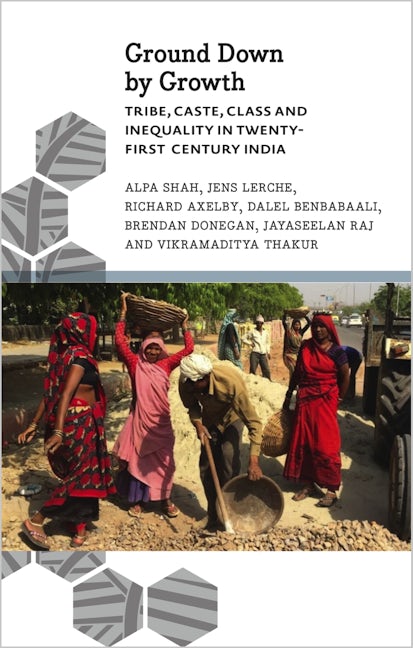
This book was listed as a 2018 Book of the Year by The Hindu newspaper.
While the world marvels at India’s economic growth rates, inequality is rising and the country’s ‘untouchable’ and ‘tribal’ communities – who make up a staggering one in twenty-five people across the globe – remain at the bottom of the economic and social hierarchy. How and why is this the case? In conversation with economists, a team of anthropologists lived with Adivasis (‘tribes’) and Dalits (‘untouchables’) in five different sites across India to answer this question.
They show how capitalism is entrenching social difference, transforming traditional forms of identity-based discrimination into new mechanisms of exploitation and oppression. Inherited inequalities of power are merging with the super-exploitation of migrant labour, and the conjugated oppression of class, caste, tribe and gender. The struggles against these inequalities are considered.
About the author: Alpa Shah was raised in Nairobi, read Geography at Cambridge and completed her PhD in Anthropology at the London School of Economics, where she now teaches as Associate Professor.
In recent years, contract farming has received much attention in the literature, and is touted as a means to engage small farmers in high value agriculture chains. However, its role and impact in the developing countries constitute a debated ground. The proponents of contract farming claim that it results in unprecedented opportunities for farmers, while its critics argue that the asymmetric power relations between firms and farmers lead to exploitation of the latter.
This book examines the different types and models of contract farming in the global South. It reflects on the suitability of such private marketing arrangements for various crops, markets and farmers, on the basis of an analysis of the hegemonic relations between firms and farmers, better returns on crops and the extent of contract farming prevalent.
A. Amarender Reddy, A. Suresh, K. J. S. Satyasai (2020) Agricultural Development in Andhra Pradesh Temporal and Regional Perspectives# 214 pp. This book examines historical trends in agriculture and rural development at the sub-national level in India, taking Andhra Pradesh as a case study. It investigates agrarian development before and after the green revolution, and explores the impact of major paradigm shifts in agricultural development policy, including globalization and liberalization. The book also explores the changes in land use pattern, input usage and the performance of allied sectors, and institutions over the past fifty years under different policy scenarios.
D. Narasimha Reddy, Srijit Mishra (2010) Agrarian Crisis in India#286 pp. This volume provides a comprehensive analysis of the macro- and micro-level issues associated with agrarian distress. It analyses structural, institutional, and policy changes, highlighting the failure of public support system in agriculture. The crisis manifests itself in the form of deceleration in growth and distress of farmers. The case studies from Maharashtra, Andhra Pradesh, Karnataka, Kerala, and Punjab bring out the diversity of conditions prevalent in the states.